Sayram Lake: An Ecological Miracle—From Silk Road Waystation to the "Sapphire of the Lake"

Sayram Lake: An Ecological Miracle—From Silk Road Waystation to the

Overview: The Atlantic's Last Tear

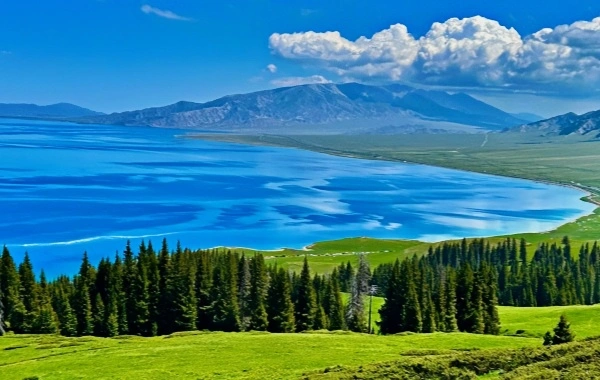
Sayram Lake—known in ancient times as "Jinghai" (The Pure Sea) or "Tianchi" (Heavenly Lake)—is an alpine fault-rift lake situated at an elevation of 2,071 meters. Resembling a brilliant sapphire suspended high above the ridges of the Tianshan Mountains, it marks the final destination reached by the warm, moist air currents drifting in from the Atlantic Ocean—a phenomenon that earned it the poetic moniker: "The Atlantic's Last Tear."

Key Highlights at a Glance

Identity Tags: The Sapphire of Tianshan / Xinjiang's Highest-Elevation and Largest Alpine Lake

Core Experiences: Self-driving tours around the lake, lakeside stargazing, close-up encounters with swans

Recommended Visit: 1 day for a full loop around the lake (approx. 90 km); a one-night lakeside stay is highly recommended to capture the sunrise and sunset

Scenic Area Address: Bole City, Bortala Mongol Autonomous Prefecture, Xinjiang Uygur Autonomous Region

  • Sayram Lake: An Ecological Miracle—From Silk Road Waystation to the
  • Sayram Lake: An Ecological Miracle—From Silk Road Waystation to the
  • Sayram Lake: An Ecological Miracle—From Silk Road Waystation to the
  • Sayram Lake: An Ecological Miracle—From Silk Road Waystation to the

Origins: Millennia of Legends and Modern Rebirth

Furong Ancient Town Furong Ancient Town

The Name "Jinghai"—From "Lake on the Mountain Ridge" to "The Atlantic's Last Tear"

The name "Sayram" is derived from the Mongolian phrase Sayram Nuur, meaning "the lake situated upon the mountain ridge." The region is steeped in a moving legend of romance: two young Mongol lovers, Qida and Xuedeke, grazed their herds here and fell deeply in love. When they defied the persecution of an evil "Demon King of the Grasslands," they chose to commit suicide together rather than submit; their mingled tears are said to have gathered to form this vast expanse of azure water. During the Qing Dynasty, a military post known as Elezhuyitubomu (colloquially referred to as "Santai," or "The Three Posts") was established here; consequently, locals often referred to the lake as "Santai Haizi." Furthermore, because this site marks the furthest inland reach of the warm, moist air currents originating from the Atlantic Ocean, Sayram Lake has been bestowed with yet another poetic title: "The Atlantic's Last Tear."

The Path to Rebirth—From Pasture Degradation to Green Waters and Lush Mountains

The modern story of Sayram Lake stands as a profound exemplar of ecological restoration and sustainable development:

Ecological Crisis (2000s): As a traditional pastoral region, the area surrounding the lake suffered from severe overgrazing, leading to pasture degradation and soil erosion. Water quality standards plummeted—at one point dropping to a Class III rating—and the ecosystem in certain localized areas became critically fragile. Awakening and Action (Since 2012): Bortala Prefecture launched a systematic governance initiative, investing a cumulative sum of over 2 billion RMB to implement a series of projects within the core zone—covering 425,000 mu (approx. 283 sq km) of grasslands—including grazing bans, grass-livestock balance management, ecological bank stabilization, and pollution source control.

Legal Safeguards (2019): The Regulations of the Bortala Mongol Autonomous Prefecture on the Protection of Sayram Lake were promulgated and implemented, establishing the first legal protection system for an alpine lake in the entire Xinjiang region.

Magnificent Transformation (2021 to Present): In 2021, the site successfully attained the status of a National 5A-level Tourist Attraction. In 2023, it was recognized as an exemplary case study in the national "Beautiful Rivers and Lakes" initiative. Water quality has consistently improved to Class II standards or higher, with certain areas reaching Class I standards. Vegetation coverage has increased by 35% compared to pre-grazing ban levels, and average grass yield per mu has risen by over 50 kilograms.

> Dive Deeper: Explore more ecological restoration miracles in China >>West Lake in Hangzhou[Lugu Lake]

Must-See Wonders: A Symphonic Poem of Nature and Humanity

Furong Ancient Town Furong Ancient Town Furong Ancient Town Furong Ancient Town Furong Ancient Town Furong Ancient Town

Nature's Masterpiece—A Pristine Canvas on the Blue Planet

The natural landscape of Sayram Lake is an eternal dance of water, mountains, forests, and shifting light and shadow.

Enchanting Waters: The Last Tear of the Atlantic Ocean

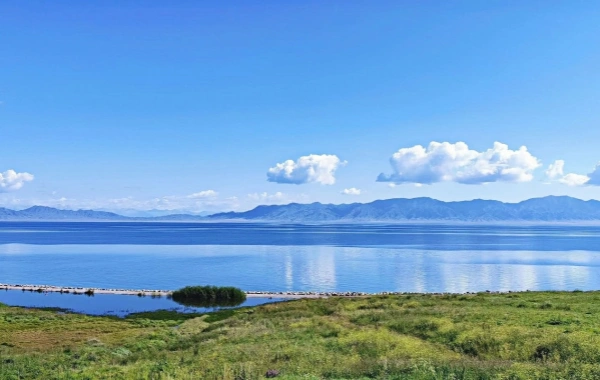
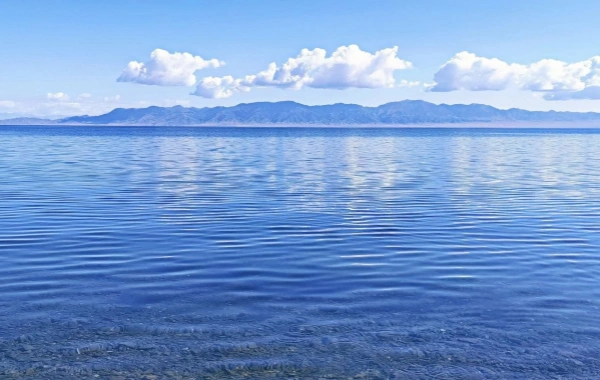
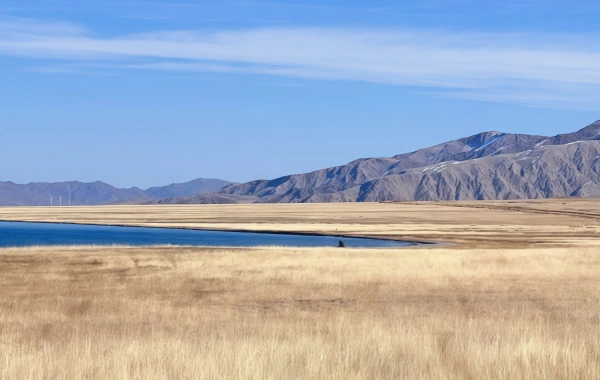
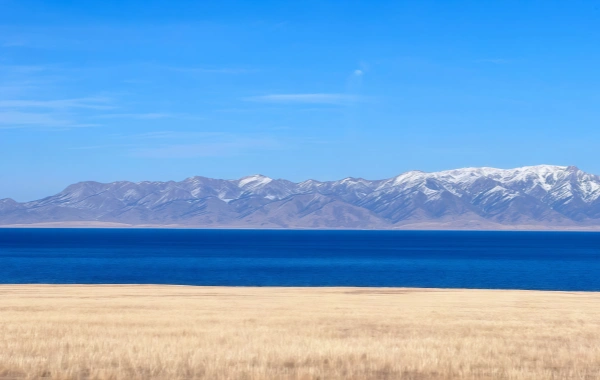
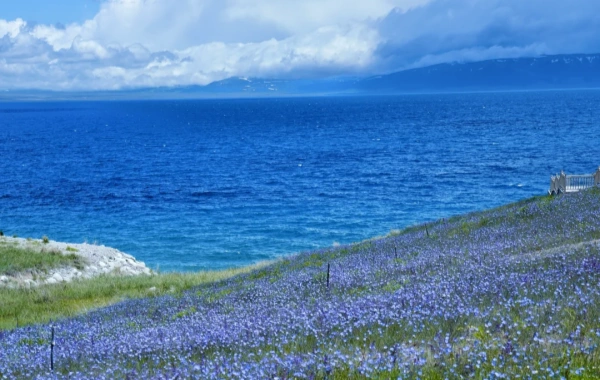
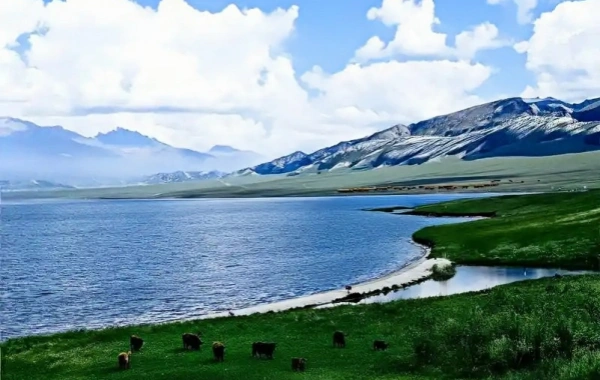
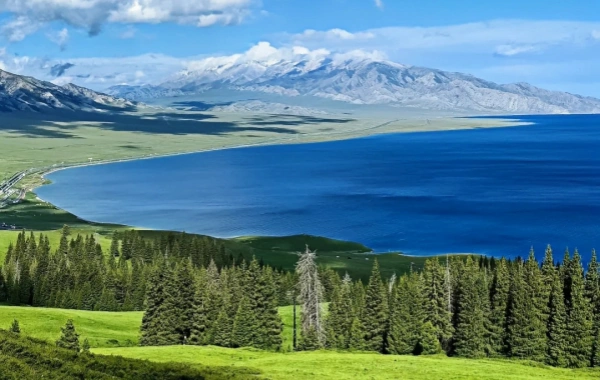
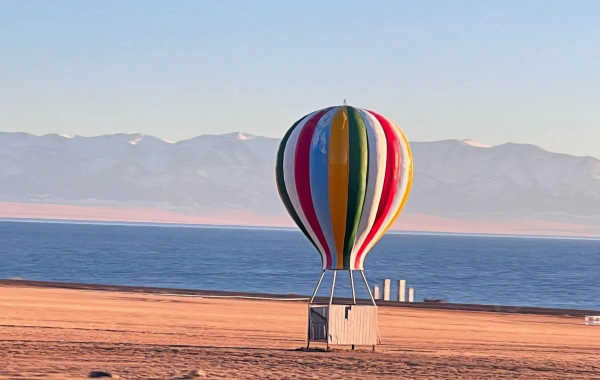
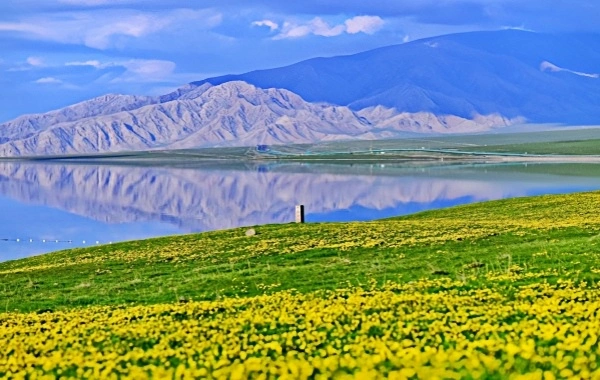
A Kaleidoscope of the Pure Sea: Sayram Lake boasts one of the highest water transparencies in China, with underwater visibility reaching up to 12 meters. Due to its depth and exceptional clarity—combined with the ever-changing underwater topography and sky conditions—the lake's waters appear dazzlingly colorful, shifting hues from moment to moment. A full spectrum of colors—including cyan, blue, green, orange, yellow, red, gray, and white—is on display, creating crystal-clear, lifelike reflections that possess a remarkable sense of three-dimensional depth. The optimal viewing time is between 10:00 AM and 3:00 PM; when the sun shines directly overhead, one can clearly discern the pebbles lying 12 meters beneath the surface.

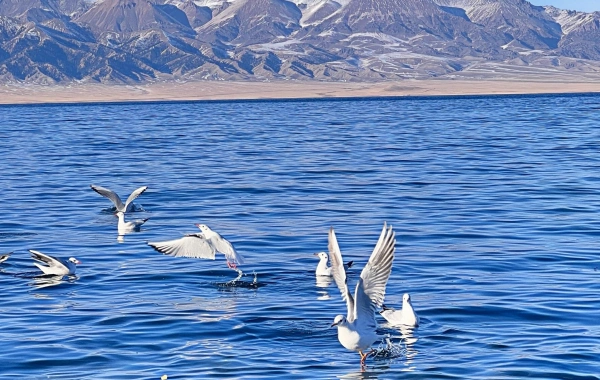
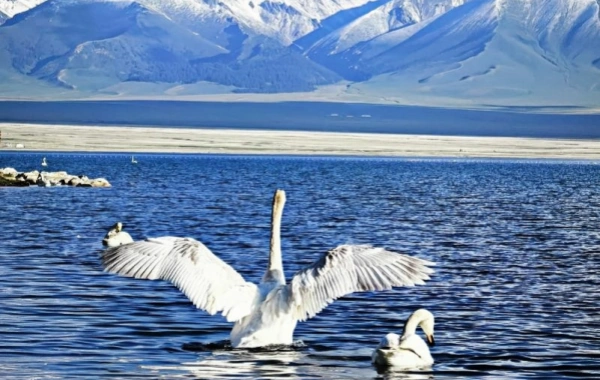
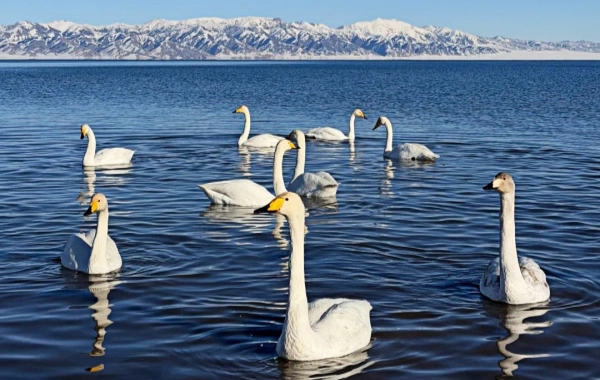
"Kele Yongzhu" (The Springing Pearls of Kele): Located on the western shore of the lake, this cluster of carbonate springs gushes forth at a rate of 1,200 liters per minute. The water maintains a constant temperature of 4°C and is rich in trace elements such as lithium and strontium. This is the area most frequented by swans; as the waters here remain unfrozen throughout the winter, it creates the spectacular phenomenon known as "Swans at Play."

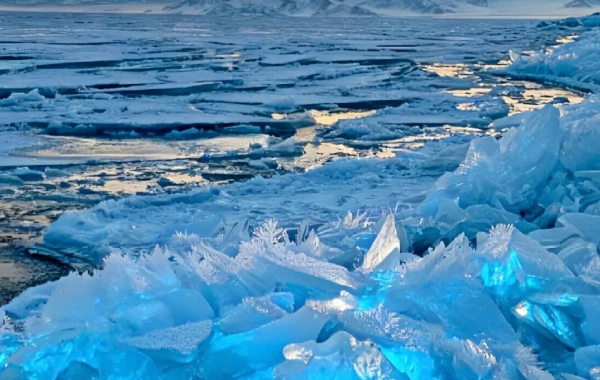
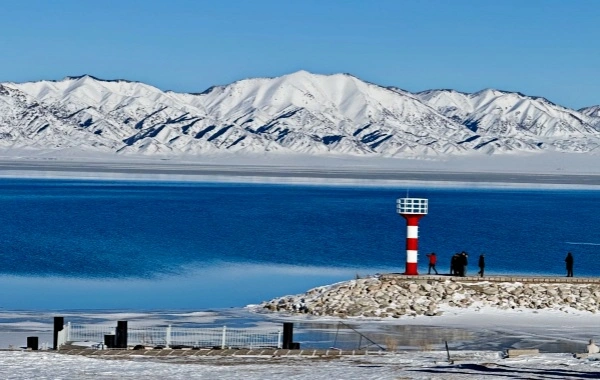
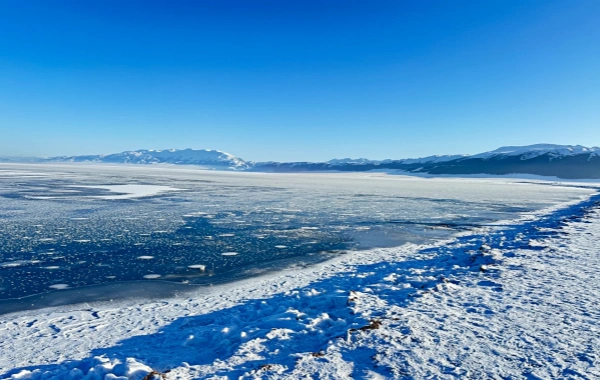
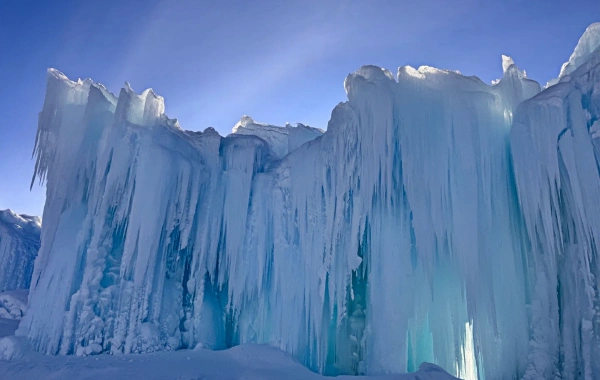
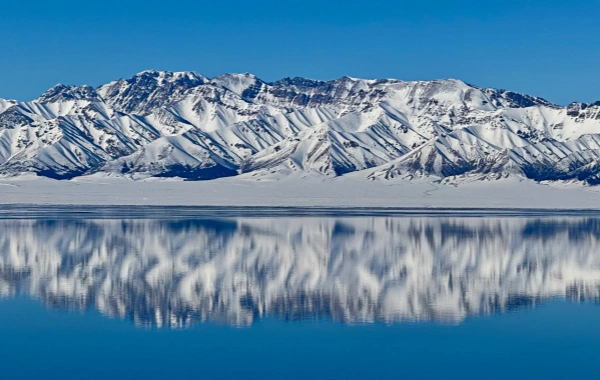
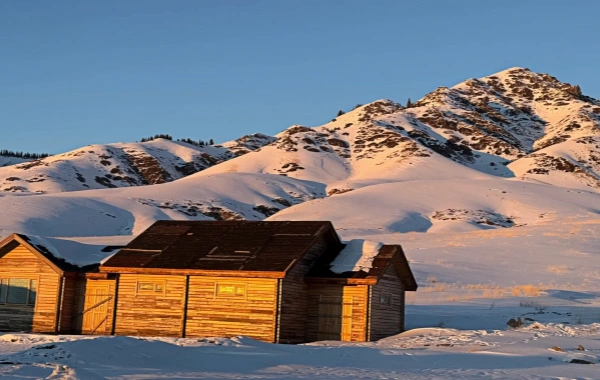
The Wonder of Ice Bubbles (Winter Exclusive): During the depths of winter, the lake's ice sheet can reach a thickness of up to 1.2 meters, revealing a host of natural wonders—including trapped ice bubbles, intricate ice cracks, and snow-capped mounds. The ice bubbles are densest along the northern shore, appearing like white flowers blooming from the lakebed.

Majestic Mountains: A Natural Frame of Eternal Snow

"Mount Fuji of the East": Situated on the eastern shore of Lake Sayram stands Mount Husumuchige. Its main peak, reaching an elevation of 3,596 meters, remains perpetually capped in snow. Viewed from the Haixi Grasslands across the lake, the mountain presents a perfectly symmetrical conical shape, its summit wreathed in white clouds—bearing a striking resemblance to Japan's Mount Fuji—thus creating the scenic vista known as "Mount Fuji of the East."

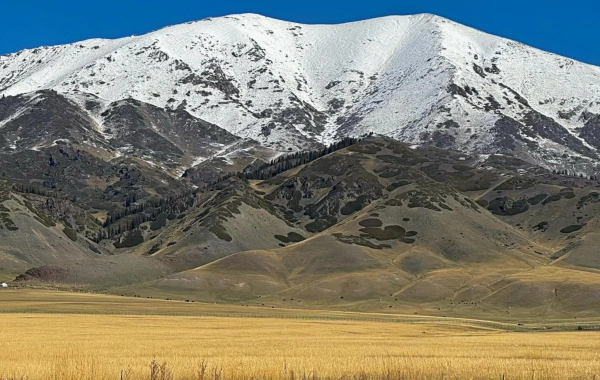
"Pines of Mount Ke": The peaks and ridges of Mount Koguqin (meaning "Emerald Green" in Kazakh) are cloaked in dense, towering spruce forests, where trees can live for over 300 years. As the ancient sage Qiu Chuji once wrote: "The towering pines stand straight as brush-handles; dense and deep, they reach heights of a hundred feet; ten thousand trees lean against one another, lush and verdant." When strong winds rise, the rustling pines create a surging "sea of ​​sound," transforming the landscape into a veritable ocean of green.

"Pine Head Fog Waterfall" (Seasonal): Located at the southern tip of the lake, "Pine Head" is a low mountain pass within the Koguqin range. On early mornings during the rainy season, moisture evaporated from the lake overnight meets the cool morning air within the canyon, creating a "fog waterfall" spectacle spanning up to 200 meters in width—a scene reminiscent of the legendary "Sea of ​​Clouds" at Mount Huangshan.

Vast Grasslands: A Pastoral Symphony in the Nomadic Paradise

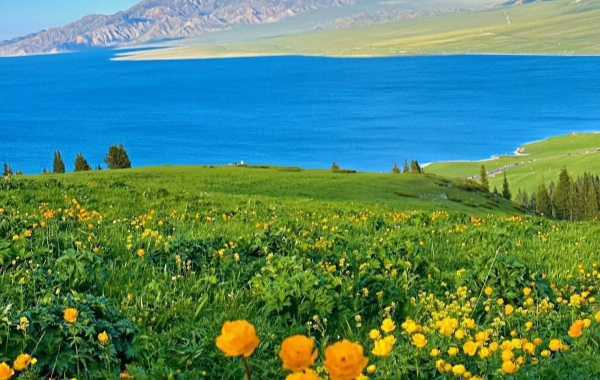
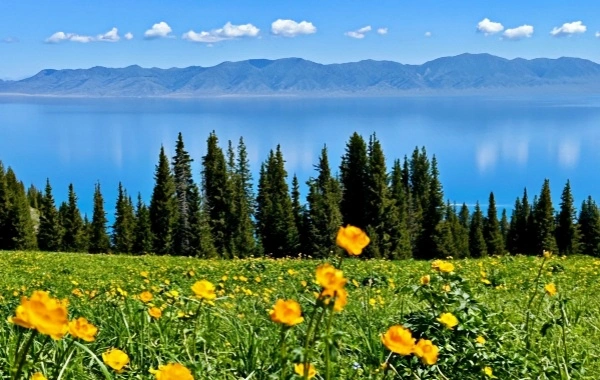
The Xihai Grasslands: The quintessential showcase of summer pasture scenery, where the felt yurts of Kazakh nomads dot a landscape awash with flowers. This is the prime location to witness the "Golden-Edged Tapestry" phenomenon: in late spring and early summer, the sub-alpine meadows covering the hillsides burst into bloom. Golden-hued flowers—such as wild poppies and globe flowers—are particularly striking, transforming the entire Lake Sayram region into a shimmering world of gold.

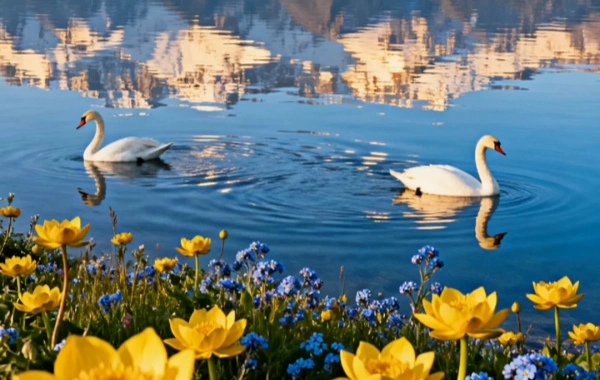
"Swans at Play": The wetlands bordering the lake serve as a vital habitat for a variety of rare bird species, including swans, silver pheasants, and thrushes. During an early morning stroll—where mist and light intertwine—you can observe swans gliding gracefully at close range.

The natural scenery of Sayram Lake offers an experience that goes far beyond mere "sightseeing"; it is equally about "listening" and "feeling." The color of the lake changes with every passing moment, and the valley itself serves as a colossal natural palette.

Human Ingenuity—Traces of Civilization on the Ancient Silk Road

The culture here is not merely a matter of history; it is a living tradition.

The Commander's Platform (Site of Genghis Khan's Western Expedition): Ascend the Commander's Platform to enjoy a panoramic view of Sayram Lake. Legend has it that during his Western Expedition, Genghis Khan reviewed his formidable Mongol cavalry at this very spot. He also undertook the task of repairing the treacherous mountain roads near Sayram Lake, constructing the "Forty-Eight Bridges" to transform a natural barrier into a navigable thoroughfare. This site offers an exceptional vantage point for capturing panoramic vistas and for immersing oneself in the grandeur of history.

The Wusun Ancient Tombs: From the 2nd century BC to the 5th century AD, the Bortala region served as the primary domain of the Wusun people. Scattered across the vast grasslands surrounding Sayram Lake, dozens of towering Wusun tombs stand aligned in a row. The largest of these mounds boast a base circumference of 200 to 300 meters and reach heights of 7 to 8 meters; locals commonly refer to them as "Earth Mound Tombs." These silent "Wusun barrows" serve as repositories of memory, preserving over two millennia of nomadic civilization.

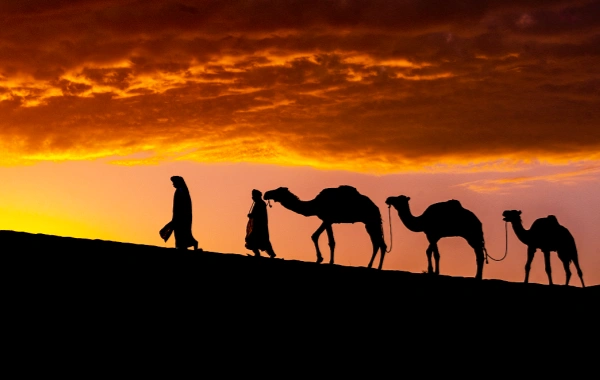
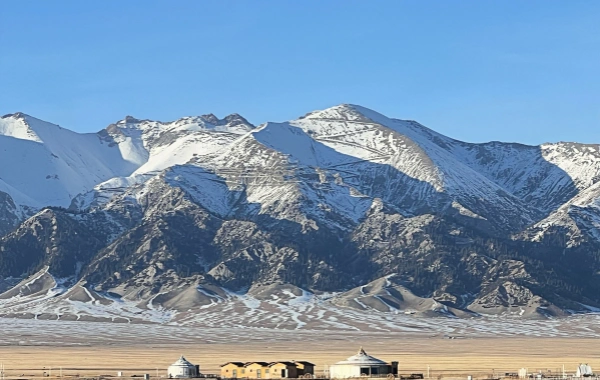
Lakeside Nomadic Culture: The nomadic communities inhabiting this region—primarily the Mongol and Kazakh peoples—continue to uphold a centuries-old tradition of following the water and pastures in their daily lives. The felt yurts dotting the lakeshore, the melodious strains of pastoral songs, and the herds of cattle and sheep collectively paint a vivid tableau of nomadic culture.

> Photography Tips:

> The Commander's Platform offers the best vantage point for panoramic shots, allowing you to capture the snow-capped mountains, the lake, and the grasslands all in a single frame.

> The viral "S-Curve" Road is ideal for capturing cinematic road-trip shots; aerial photography via drone yields particularly stunning results.

> Kele Yongzhu is the perfect spot for photographing the graceful swans and their reflections against the azure waters of the lake.

> Songshutou (Pine Tree Peak) allows you to ascend to the summit for a sweeping view of the entire lake, as well as a distant glimpse of the Guozigou Bridge.

> Drone flight is permitted (though prior registration is required), offering the opportunity to capture epic, "God's-eye-view" perspectives. 

Core Experiences: A Guide to Immersive Lakeside Living

Furong Ancient Town Furong Ancient Town Furong Ancient Town Furong Ancient Town Furong Ancient Town Furong Ancient Town

Five Must-Do Activities to Unlock the Complete Sailimu Lake Experience

Embark on a Self-Driving Tour Around the "Blue Planet"

Route: We recommend entering via the East Gate, driving counter-clockwise around the lake, and exiting through the South Gate. The full loop covers approximately 90 kilometers, offering optimal lighting for sunrise photography while helping you avoid peak-hour crowds.

Highlight Stops: Moon Bay (Sunrise/Morning Mist) → Qinshuitan (Shallow Pebble Beach) → Dianjiangtai (Panoramic Viewpoint) → Xihai Grassland (Flower Fields & Grazing Sheep) → Keleyongzhu (Swan Spring) → "Influencer S-Curve" (Iconic Roadway Photo Spot) → Songshutou (Overlook of the Entire Lake).

Timing: We suggest allocating 8 to 10 hours for the journey, allowing you to drive at a leisurely pace—stopping to take photos and explore whenever the mood strikes.
Witness a Breathtaking Sunrise and Sunset

Sunrise: Dianjiangtai or Keleyongzhu are the prime viewing spots; in summer, the sun rises between 6:00 and 6:30 AM. The interplay of lake and mountain scenery amidst the morning mist creates a truly fairyland-like atmosphere.

Sunset: Songshutou or the Shili Changdi (Ten-Mile Embankment) are the top choices; in summer, the sun sets around 9:00 PM. The spectacle of "Sailimu Lake Ablaze with Gold" rivals such renowned scenic wonders as Mount Tai's "Rising Sun" and West Lake's "Sunset Glow over Leifeng Pagoda."

Stay at a Lakeside Campsite with Views Right Outside Your Window

Premium Experience: The Chaoke Starry Sky Camp and Qinshuitan Campsite offer the ultimate luxury. Their 360-degree panoramic cabins allow you to gaze upon the Milky Way directly from your room—though during peak season, reservations must be made several months in advance.

Best Value Option: The Shuiyunshan Hotel, located just outside the scenic area, is tucked away within a spruce forest. Its 13 independent villas are artfully scattered across the landscape, offering unobstructed views of the snow-capped mountains, the surrounding woods, and the starry night sky.

Savor an Authentic Feast of Grassland Flavors

Must-Try Delicacies: Sailimu Lake's signature Whitefish (served in a "three-way" tasting style), Kawap (baked buns), lamb skewers, Dapanji (Big Plate Chicken), and handmade yogurt.

Unique Cultural Experience: Visit a local herdsman's yurt to sample freshly milked milk and homemade Kurut (dried milk curds), and experience firsthand the warm hospitality of the nomadic people. 5. Embark on a Wild, Interactive Adventure

Summer Exclusive: Experience nomadic life—including horseback riding and milking sheep—on the Xihai Grassland.

Winter Exclusive: The "Ice Lake Naadam" (available only in January), where you can witness herdsmen racing horses across the ice—a thrilling spectacle that generates enough heat to make you forget the -30°C chill, leaving you with memories to last a lifetime.

Year-Round Fun: Stop by Kelyongzhu to bottle and drink a taste of natural carbonated spring water.

Suggested Itinerary

One-Day "Lake Loop Highlights" Tour (Suitable for Self-Driving / Chartered Vehicles):

1. Time: 07:00–07:30 | Location: Enter via East Gate → Moon Bay | Duration: 40 min | Highlights/Photography: Sunrise/morning mist, crescent-shaped shoreline, snow-capped mountain reflections

2. Time: 08:10–08:50 | Location: Qinshuitan (Waterside Beach) | Duration: 40 min | Highlights/Photography: Shallow pebble beach, landmark stone monument (photo op), popular wedding photography spots

3. Time: 09:30–10:10 | Location: Dianjiangtai (Commanding Platform) | Duration: 40 min | Highlights/Photography: Panoramic views from a high vantage point, historical ruins, aerial drone photography

4. Time: 10:50–11:50 | Location: Xihai Grassland | Duration: 60 min | Highlights/Photography: Contrast between grassland and blue lake, grazing cattle and sheep, fields of wildflowers (June/July)

5. Time: 12:30–13:30 | Location: Keleyongzhu (Spring of Pearls) | Duration: 60 min | Highlights/Photography: Non-freezing spring, swans, stargazing photography spots, light lunch options

6. Time: 14:10–15:10 | Location: Jinhuazihui (Golden Flowers & Purple Blooms) / "Influencer" S-Curve | Duration: 60 min | Highlights/Photography: Lake with gradient color effects, cinematic road photography, aerial drone photography

7. Time: 15:50–17:00 | Location: Songshutou (Pine Tree Peak) | Duration: 70 min | Highlights/Photography: Summit views overlooking the entire lake, distant views of the Guozigou Bridge

8. Time: Post-17:30 | Location: Exit via South Gate → Guozigou Bridge Observation Deck | Duration: 30 min | Highlights/Photography: Panoramic views of the bridge, interplay of light and shadow in the valley

This itinerary is adapted from professional lake-loop travel guides.

For Shuttle Bus Passengers: Enter via the East Gate and exit via the East Gate; the route operates in a clockwise direction, and views are generally better from the right-hand side of the bus. Key stops include Songshutou, Keleyongzhu, Dianjiangtai, Qinshuitan, and Yueliangwan. The last bus departs around 20:00; please check the specific schedule for the day in advance.

IntoTravelChina Advantages: We offer fully customized itineraries—including a dedicated private guide, transportation, and activity arrangements—to ensure a worry-free and immersive travel experience. Our professional guides will provide you with detailed hiking route maps and safety guidelines.  >>Consult now for customization

Comprehensive Travel Guide: Transport, Accommodation, and Seasons

Furong Ancient Town Furong Ancient Town Furong Ancient Town Furong Ancient Town Furong Ancient Town Furong Ancient Town

How to Get There: A Seamless Connection Guide

Sayram Lake does not have its own direct airport or high-speed rail station; Bole City and Yining City serve as the primary transit hubs.

Departing from Urumqi: We recommend taking the high-speed train to Bole or Yining, followed by a chartered car or self-driving. The train journey takes approximately 4 hours, while driving takes about 6 hours. Alternatively, we highly recommend chartering a car or joining a carpool directly from Urumqi to enjoy sightseeing stops along the way.

Departing from Bole City: We recommend self-driving, chartering a car, or taking the direct scenic shuttle bus. The journey takes approximately 1.5 hours. Navigate to "Sayram Lake Scenic Area East Gate"; ample parking is available.

Departing from Yining City: We recommend self-driving or chartering a car. The journey takes approximately 2 hours and passes over the Guozigou Bridge, offering breathtaking scenery.

Departing from Nearby Attractions: We recommend chartering a car or self-driving. Travel times include 8 hours from Kanas and 4 hours from Nalati. This option is ideal for those linking together the "Northern Xinjiang Grand Loop" itinerary.

Important Tip: Dining options within the scenic area are limited and tend to be pricey. We recommend bringing your own light meals, self-heating meals, and a sufficient supply of water. Simple refreshment points are available at the "Kele Yongzhu" and "Songshutou" locations.

Best Time to Visit

Sayram Lake offers stunning scenery in every season, though each possesses a distinct atmosphere. The best times to visit are during the summer months (June–August) and the autumn months (September–October).

Summer: The Cool Retreat Season (June–August): The climate is pleasant, and the scenery is at its absolute best. Daytime temperatures range from 18°C ​​to 25°C, while nights hover around 10°C—making for a cool and comfortable environment. From early June to mid-July, the lakeside grasslands transform into a vibrant carpet of colorful wildflowers, accompanied by the gentle, pastoral melodies of the "West Sea" grasslands. Popular activities include horseback riding, camping, and circling the lake.

Autumn: The Photography Season (September–October): After mid-September, the birch forests turn golden and the spruce trees take on a bronze hue. The lake waters appear even more profound, creating a stunning three-color composition featuring "golden grasslands," a "sapphire-blue lake surface," and the "first snows on the surrounding peaks." Visibility is at its annual peak during this time, reaching up to 14 meters.

Spring: The Ice-Thaw Season (April–May): The ice and snow begin to melt, and the lake surface gradually opens up. In early April, visitors can admire the sea of ​​pink apricot blossoms at Yili’s Apricot Blossom Valley and capture stunning photographs of the striking contrast between "blue ice and apricot flowers." With fewer crowds, this period is ideal for travelers who prefer a quiet, peaceful atmosphere.

Winter Ice and Snow Season (Dec–Feb): The weather is bitterly cold (dropping to a low of -20°C), the lake surface freezes over, and the landscape is blanketed in snow. Visitors can marvel at the spectacular natural phenomena of "ice bubbles" and intricate ice cracks, or enjoy activities such as ice-motorcycling and ice skating. Special attention to staying warm is absolutely essential during this season.

Accommodation Options

Inside the Scenic Area / Lakeside (Highly Recommended):

1. Chaoke Stargazing Camp / Qinshuitan Camping Ground: Experience the thrill of staying right in the heart of the scenery, giving you exclusive access to the best viewing times (sunrise, sunset, and stargazing). During peak season, reservations must be made 2–3 months in advance.

2. Dianjiangtai Stargazing Camp: Boasting a prime location, this camp offers panoramic views from its elevated vantage point and is a perfect choice for stargazing enthusiasts.

Accommodation Outside the Scenic Area (Flexible & Budget-Friendly Options):

1. Sayram Lake Water Spruce Hotel: Tucked away in a tranquil valley in Wenquan County, this property features 13 independent villas scattered amidst a spruce forest, blending "wild luxury" aesthetics with modern amenities. It is located approximately a 30-minute drive from the scenic area.

2. Hotels in Bole City / Yining City: These cities offer a wide range of accommodation choices, from budget-friendly options to five-star hotels. They are ideal for travelers looking to combine their visit with other nearby attractions, though daily commute times to the lake are relatively long (approx. 1.5 hours from Bole; approx. 2 hours from Yining).

IntoTravelChina Accommodation Booking Tips: We strongly recommend planning your itinerary and booking your accommodation at least 1–2 months in advance—especially for lakeside camps, which require even earlier booking during peak season. By booking through us, you gain access to real-time room availability and can bundle your accommodation, entrance tickets, and transportation into a single comprehensive plan. This often results in package discounts and ensures a seamless, hassle-free travel experience. Simply tell us your budget and preferences, and we will match you with the perfect "lakeside home away from home." >>Click to contact IntoTravelChina travel consultant

Extended Journeys: A Classic Loop Tour of Northern Xinjiang

Furong Ancient Town

Sayram Lake is by no means the end of your journey; rather, it serves as the perfect starting point for exploring the spectacular highlights of Northern Xinjiang. Classic 4-Day Loop: Urumqi → Sayram Lake (Full Loop) → Guozigou Bridge → Huocheng Lavender Fields (June–July) → Yining → Nalati Grassland. This classic journey seamlessly blends the beauty of lakes, canyons, seas of flowers, and vast grasslands.

Northern Xinjiang Grand Loop (8–10 Days): Connecting Sayram Lake with destinations such as Kanas, Hemu, Koktokay, and the Duku Highway, this route allows you to experience the diverse facets of Xinjiang—from alpine lakes to fairytale villages, and from unique Yardang landforms to scenic canyon highways.

Partner with IntoTravelChina to Embark on Your Exclusive Sayram Lake Adventure

The story of Sayram Lake is one of nature's healing, ecological restoration, and cultural heritage. IntoTravelChina specializes in crafting in-depth, personalized, and hassle-free travel experiences across China.

Our travel experts are here to offer you:

Tailor-Made Itineraries: We design the perfect route—incorporating Sayram Lake and its surrounding attractions—based on your specific interests and available time.

One-Stop Service: We handle all the details, including attraction tickets, unique accommodations, transportation transfers, local guides, and activity bookings.

Exclusive Experiences: We arrange lakeside campsite reservations, plan self-driving routes around the lake, provide guidance on the best photography times, and more.

Let your journey to Sayram Lake be more than just sightseeing; let it be an immersive experience of natural and cultural rejuvenation.

> Start Planning Your Journey Now

> We invite you to contact our professional travel consultants; we will provide you with a personalized itinerary proposal and price quote within 24 hours. >>Click to contact IntoTravelChina travel consultant

What Our Clients Say?

Based on 10,000+ traveler reviews

...
Daniel Dorothea
Canada
Reviewed on April 29,2025
Shopping on Nanjing Road in Shanghai was just amazing! It's truly the "First Commercial Street of China", where tradition and modernity blend perfectly. You can find awesome souvenirs and experience the trendy vibes in cool stores. The neon lights at night are just spectacular, shining bright like Times Square in New York. The food here is incredible too. I had a feast for my taste buds. Shanghai, I'll definitely be back!
Destination(s): Shanghai
Date of Experience: May 08,2024
...
...
Elvis Eva
Canada
Reviewed on June 20,2025
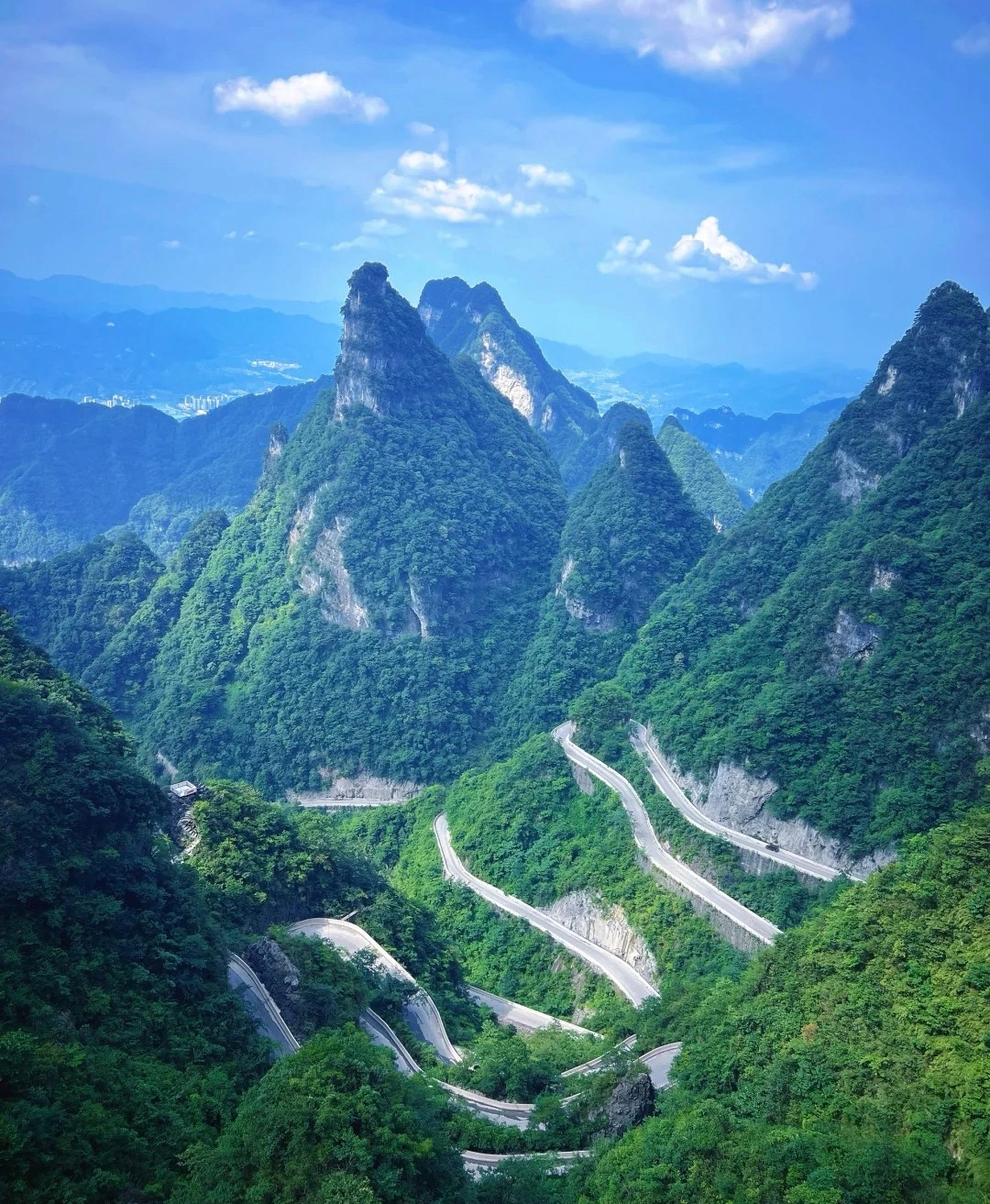
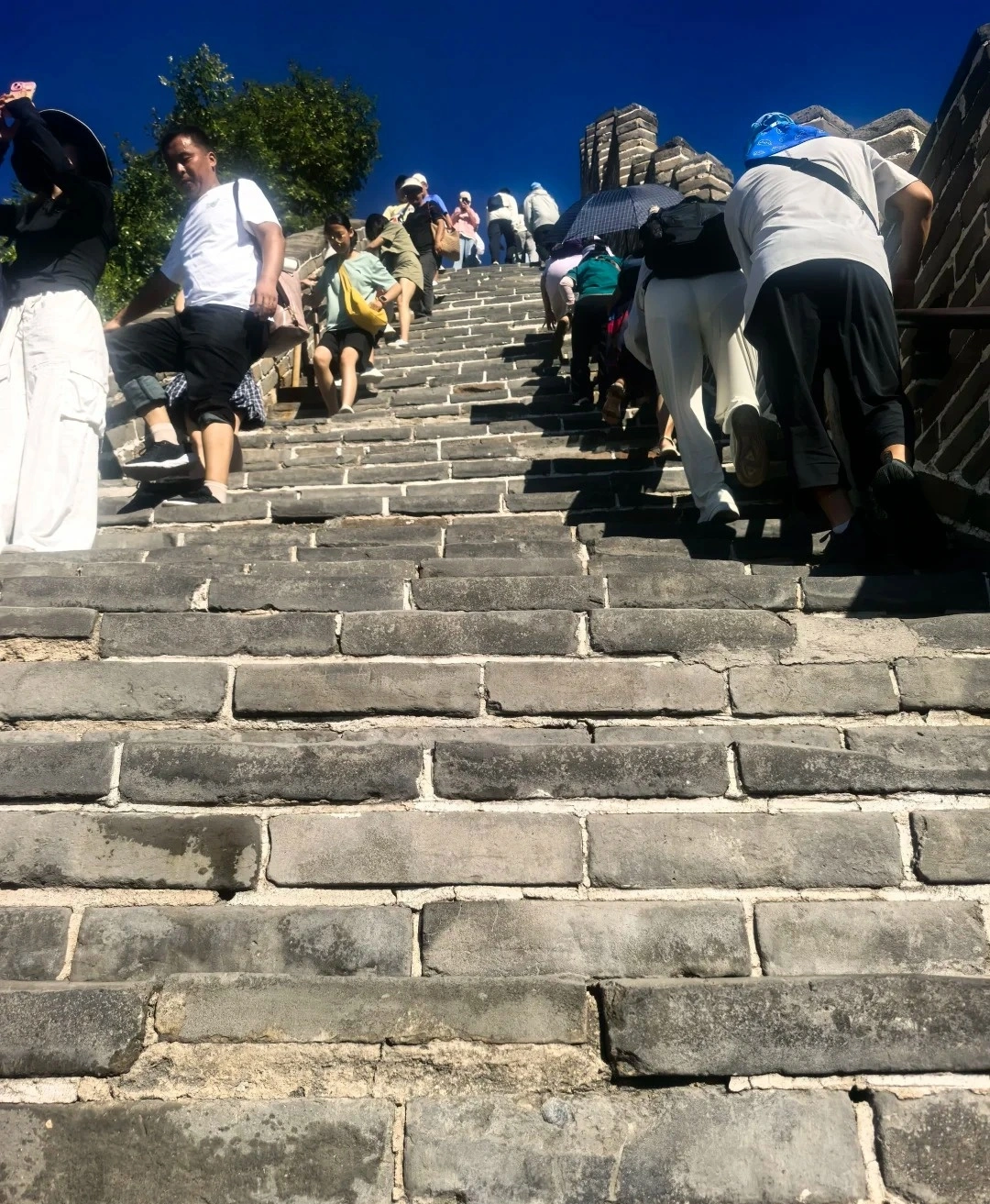
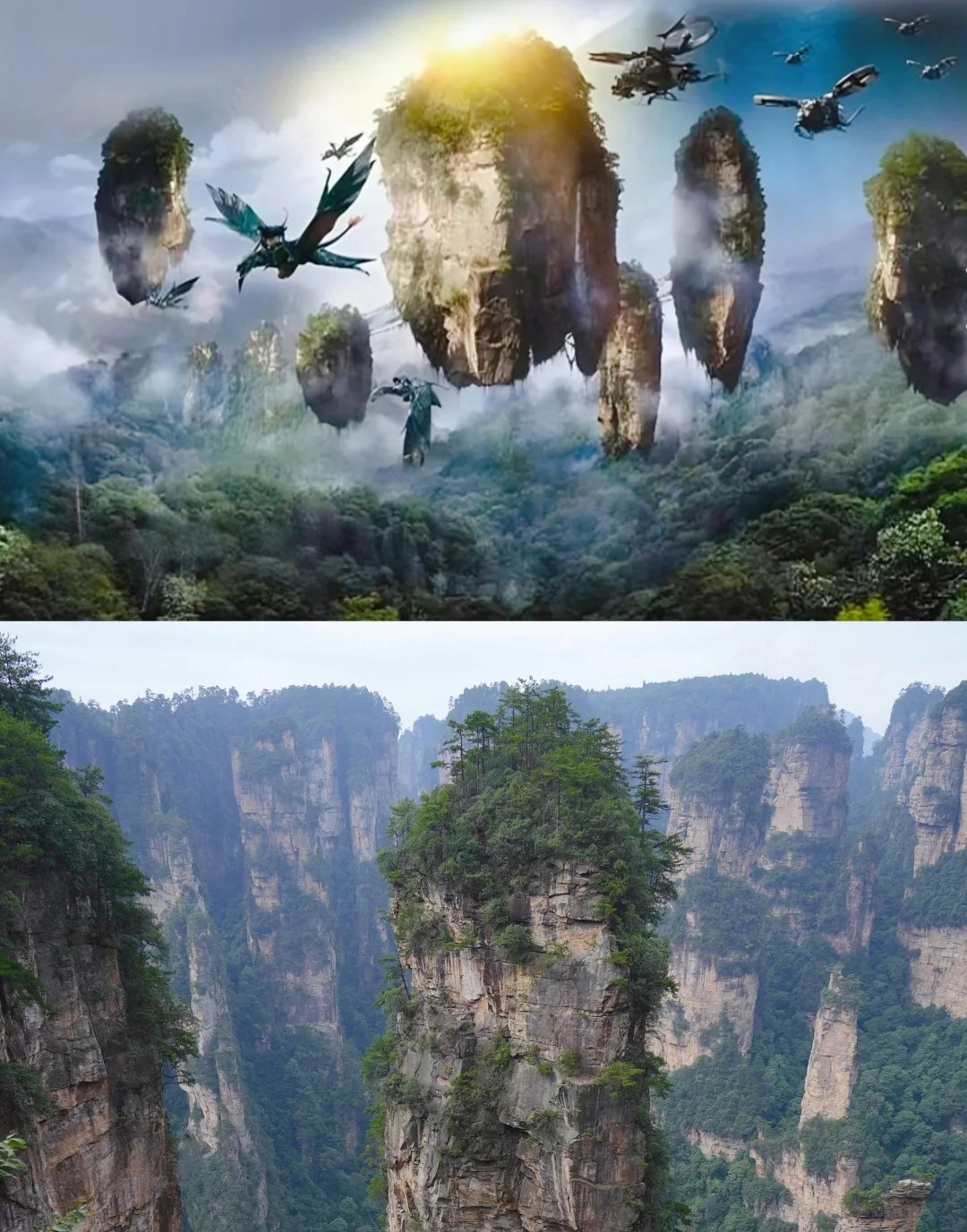
As a solo traveler from Canada, I was nervous about navigating China alone—but this 11-day tour was PERFECT! From hiking the Great Wall at sunrise (Day 3) to gasping at the Terracotta Army (Day 5), every day delivered ‘pinch-me’ moments. The real showstopper? Zhangjiajie’s Avatar Mountains (Day 7)! Our guide made the stone pillars come alive with stories. Massive thanks for handling all logistics—bullet train tickets, entry passes, car! And the 4-star hotels surprised me.
Destination(s): Beijing Xian Zhangjiajie Shanghai
Date of Experience: June 02,2025
... ... ...
...
Simon
America
Reviewed on May 29,2025
Our 2-day Zhangjiajie tour was beyond spectacular! As someone who’s visited Beijing and Shanghai for work, this trip revealed China’s wild, magical heart. Day 1 in Zhangjiajie National Forest Park felt like stepping onto Pandora—I’m a huge Avatar fan, and Yuanjiajie’s floating peaks left me breathless. The misty pillars and lush valleys like pure movie magic! Then came Fenghuang Ancient Town, we eat dinner beside the thundering waterfall. It seems Unreal! The night views of stilt houses glowing over the river were straight from a fairy tale. For fellow Avatar lovers and adventure seekers: Don’t miss this bucket-list experience! 10/10 would return. A Well-Traveled Film Buff, May 2025
Destination(s): Zhangjiajie
Date of Experience: May 08,2025
... ...

FAQ

Is the hiking trail at Sayram Lake suitable for beginners?

Yes, the 8 km lakeside trail is flat and well-marked, with rest stops and interpretive signs about the local flora and fauna.

When is the best time to visit Sayram Lake?

The best seasons are spring (May-June) for wildflowers, summer (July-August) for lush greenery, and autumn (September-October) for golden foliage. Winter (December-February) offers frozen lakescapes.

How long does the hiking trail at Sayram Lake take?

The lakeside trail takes 3-4 hours roundtrip. Allow extra time for photos and visits to attractions like the Song Tree Head.

What accommodation options are available near Sayram Lake?

Options range from luxury hotels in Bole City to yurts and guesthouses near the lake, catering to different budgets.

What shopping options are available near Sayram Lake?

Buy local crafts like Kazakh embroidery, silver jewelry, and dried fruits from markets in Bole City or the scenic area.

Ask a Question

Question Summary (100 characters)
Details (optional) (2,000 characters)
Name
Country
Email