Best China July Tours 2026: Expert Guide to Summer Travel in Guangzhou, Zhangjiajie & Beyond

Why July Is One of My Favorite Months to Travel in China

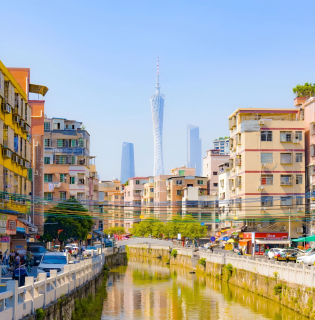
I have been organizing private China tours for international travelers for over a decade, and I can tell you without hesitation: July is a month of pure energy across this country. Yes, it is hot. Guangzhou hits 33°C with humidity that wraps around you like a warm blanket. Zhangjiajie’s sandstone pillars steam under the summer sun. Chongqing earns its nickname as one of China’s “three furnaces” with temperatures pushing 38°C. But here is the truth that most guidebooks do not tell you: this is also when China is at its most vibrant. School summer vacations begin, families flood the streets, night markets buzz until midnight, and the landscapes — from the emerald waters of Qingyuan’s Gulong Gorge to the mist-shrouded peaks of Zhangjiajie — reach their most dramatic beauty. I have guided dozens of travelers through July China tours, and the ones who embrace the heat always leave with the richest stories. This guide draws on my real experience leading groups through Guangzhou, Zhangjiajie, Chongqing, Shanghai, and beyond during the peak summer months.

Best-Selling July Tours That My Travelers Love

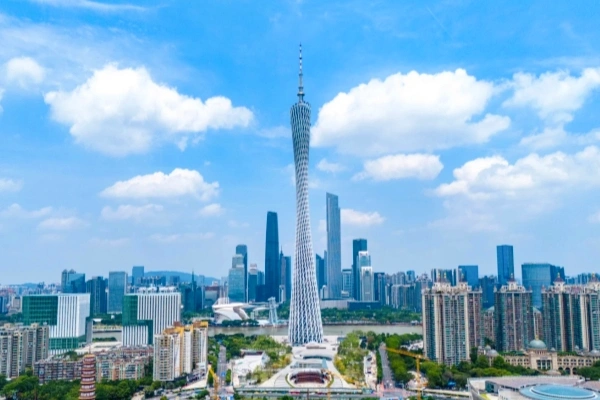
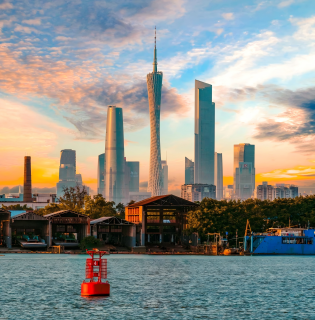
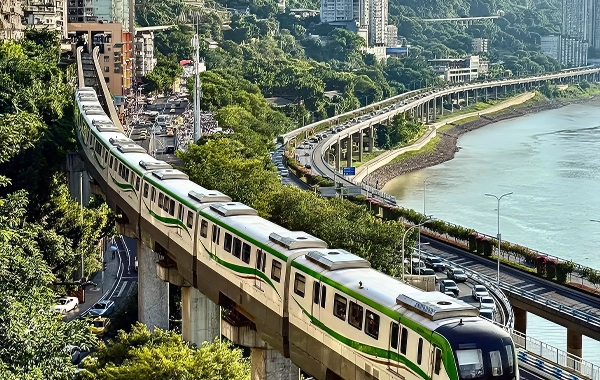
After a decade in this industry, I have learned which itineraries resonate most with July travelers. Four tours consistently top my booking list. The first is a Guangzhou day trip to Qingyuan’s Gulong Gorge, where glass-bottomed bridges hang hundreds of meters above emerald rivers — a favorite for families seeking sky-high adventures without overnight commitments. The Guangzhou–Zhangjiajie–Chongqing 7-day tour remains my personal recommendation for first-time visitors: it delivers three completely different Chinas — Cantonese food culture, Avatar-inspired sandstone pillars, and the neon-lit mountain city of Chongqing. For travelers with more time, the 9-day Shanghai–Zhangjiajie–Guangzhou private tour blends urban sophistication with nature’s surrealism. I recently escorted a couple from Melbourne on this exact route; they told me that walking through Zhangjiajie’s mist at dawn felt like stepping into a Chinese ink painting. The fourth standout is the 9-day Chongqing–Zhangjiajie–Guangzhou–Shenzhen adventure, adding Shenzhen’s futuristic skyline and tech energy to the mix. All four tours share one thing: they beat the midday heat by scheduling major activities for early morning and late afternoon, with air-conditioned transfers between stops.

Other July Tours Worth Your Attention

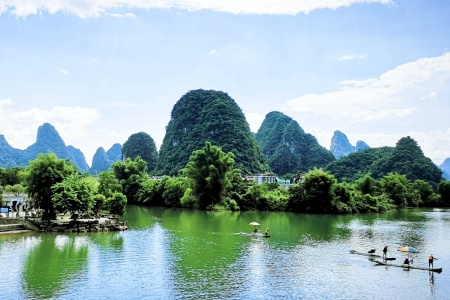
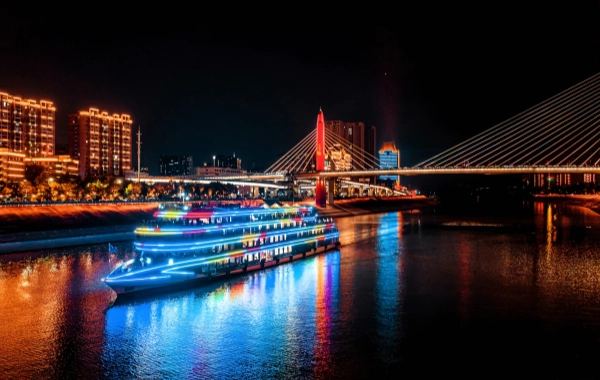
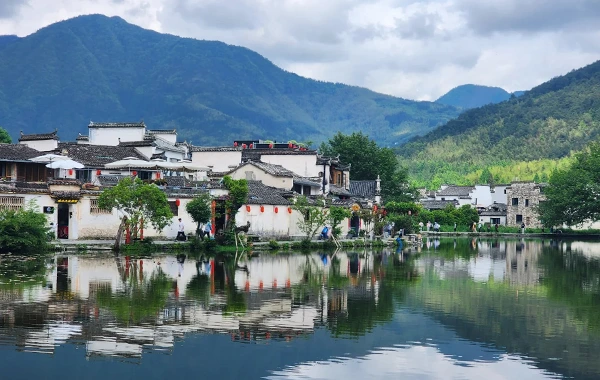
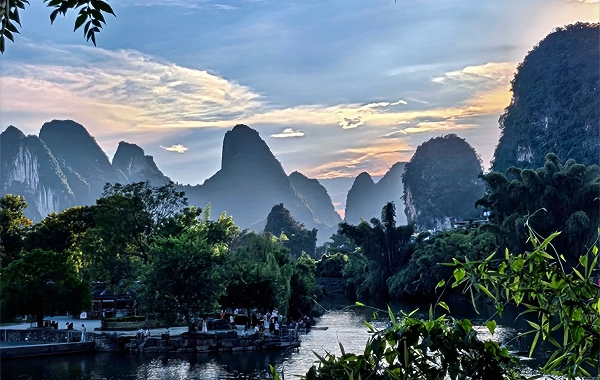
Beyond the bestsellers, I always present my clients with several underrated July options. The compact 3-day Guangzhou tour is perfect for business travelers or layover visitors who want a focused taste of Cantonese culture — dim sum breakfasts, a stroll through Shamian Island’s colonial architecture, and a Pearl River night cruise. For those drawn to quieter landscapes, the 5-day Shangrao–Huangshan–Hongcun escape takes you through mystical cliffside valleys in Shangrao’s Wangxian Valley and the ancient village of Hongcun, where moon-shaped ponds reflect centuries-old Hui-style buildings. July brings dramatic cloud seas to Huangshan’s peaks, a sight I have watched American and British travelers alike describe as life-changing. The 6-day Guangzhou–Guilin combination pairs canyon thrills with Li River karst scenery — I recently had a family from Singapore who told me the Yangshuo countryside bike ride was their favorite memory of China. And the 9-day Chongqing–Zhangjiajie–Guangzhou–Shenzhen tour deserves another mention because it works so well in July: the gorges stay cool in the morning, and Shenzhen’s shopping malls offer midday refuge from the heat.

Where to Go in July: Recommendations by Destination

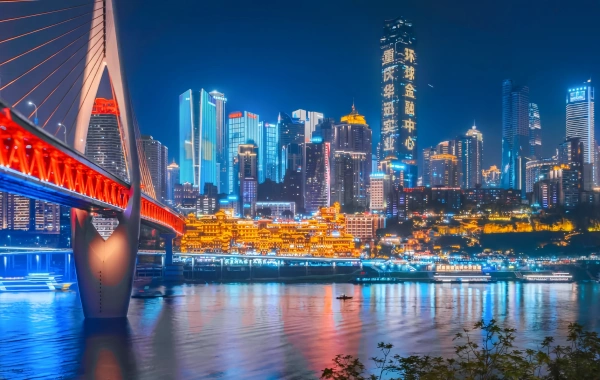
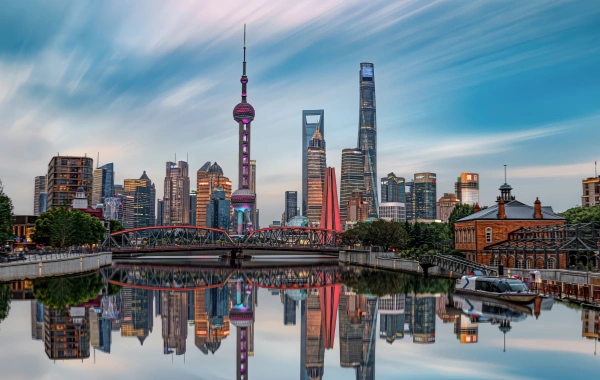
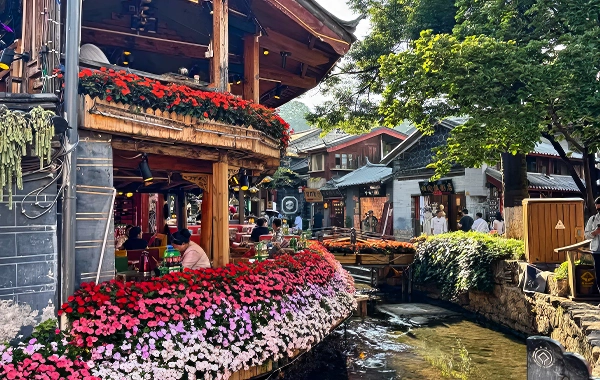
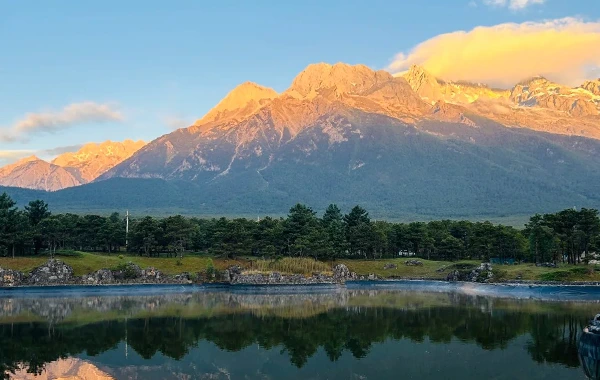
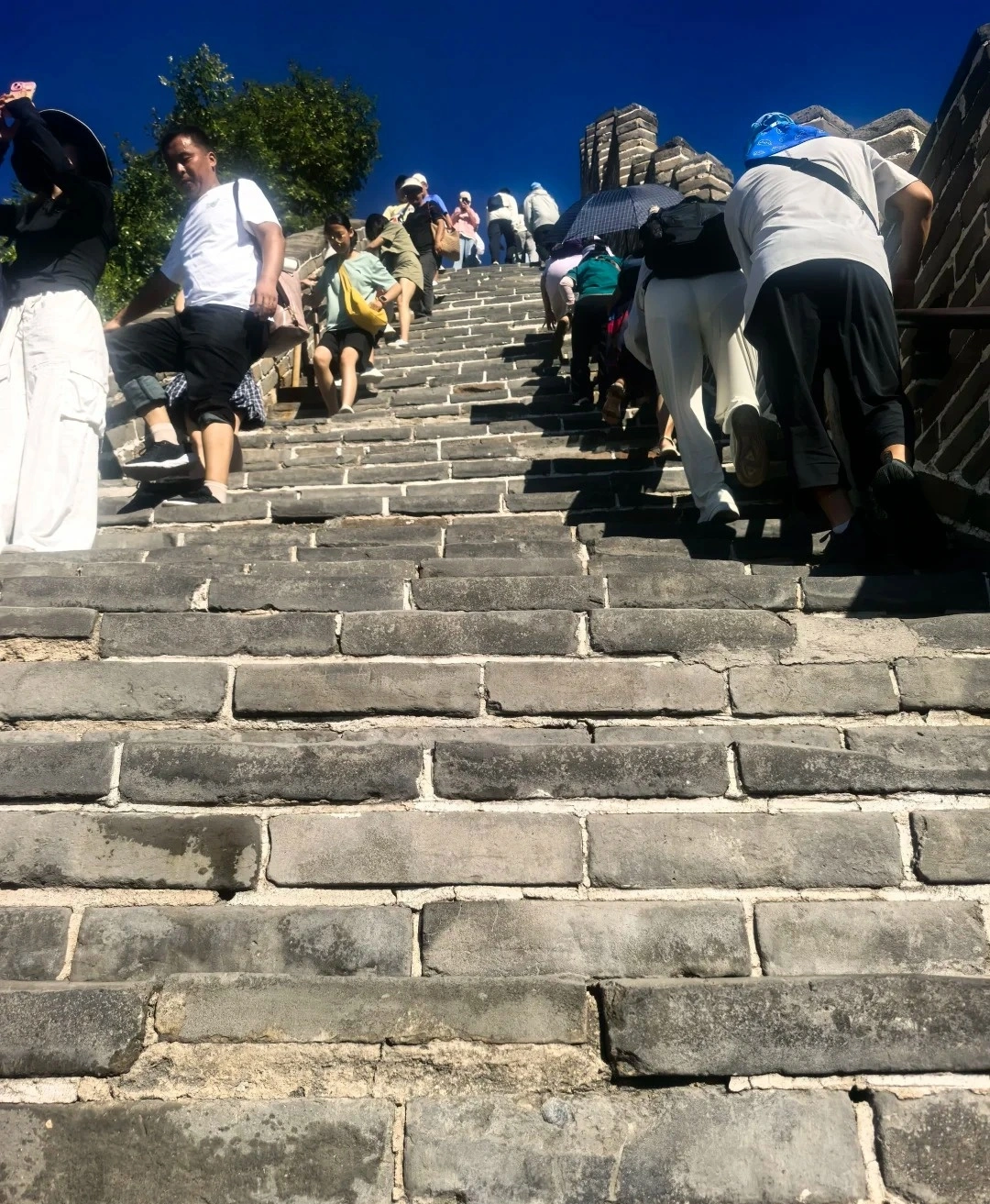
Choosing where to go in July depends on what kind of heat you can handle. For first-timers, I often recommend the 10-day Shanghai–Zhangjiajie–Chongqing tour: Shanghai’s air-conditioned museums and rooftop bars make the summer bearable, Zhangjiajie’s forest parks stay several degrees cooler than the cities, and Chongqing’s nightlife — rooftop hotpot at 10 PM under neon lights — is an experience unique to July. For travelers seeking cultural depth, the 13-day Kunming–Lijiang–Dali–Chongqing–Shanghai classic tour is a masterpiece. Kunming’s year-round spring climate offers a cool July refuge, while Lijiang’s ancient canals and Jade Dragon Snow Mountain provide natural air conditioning. I once guided a retired professor from Toronto on this route; he spent an entire afternoon in Dali’s Erhai Lake wetlands photographing lotus flowers in full July bloom. For families with kids, the Universal Studios Beijing and Beijing Classic Tour combines theme park thrills with the Great Wall — I recommend starting the wall hike at 6 AM to avoid both crowds and midday heat. The 9-day Chongqing–Zhangjiajie–Guangzhou discovery tour rounds out the list, perfect for those who want natural wonders during the day and urban energy at night.

July Festivals and Events You Should Know About

1.webp
Guangzhou Lotus Tourism and Culture Festival
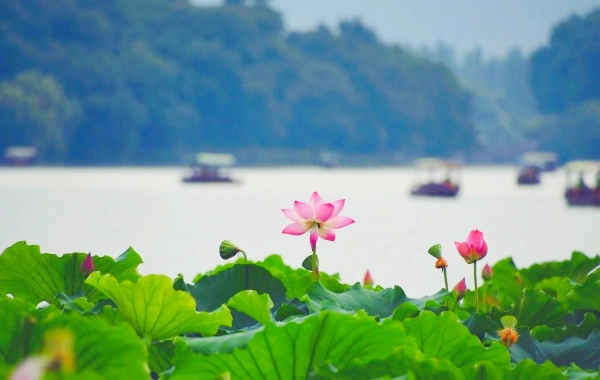
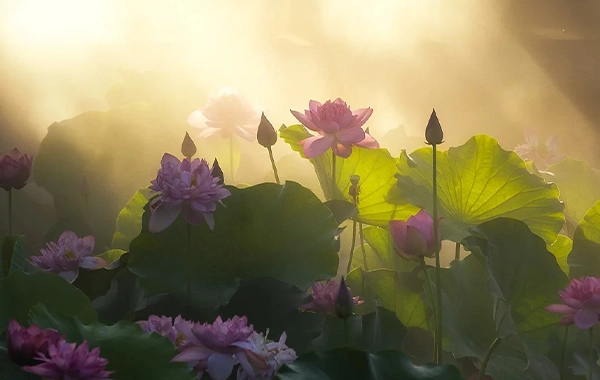
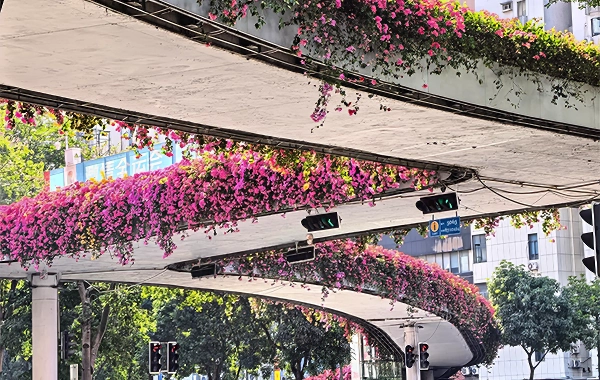
Guangzhou's Lianhua Mountain has been a renowned lotus-viewing destination since the Ming Dynasty, with July marking the peak blooming season. We have led three tours there, witnessing over two thousand varieties of lotus in full bloom with mist lingering over the ponds. The night-time reflections of lantern lights on the lotus ponds offer a limited-time experience not to be missed during the summer break.
2.webp
Zhangjiajie Summer Sea of Clouds and Summer Heat Escape Season
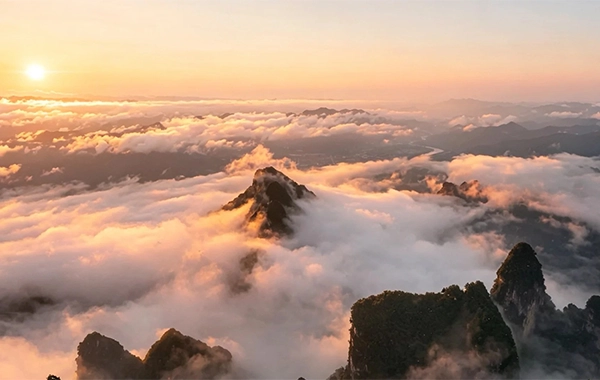
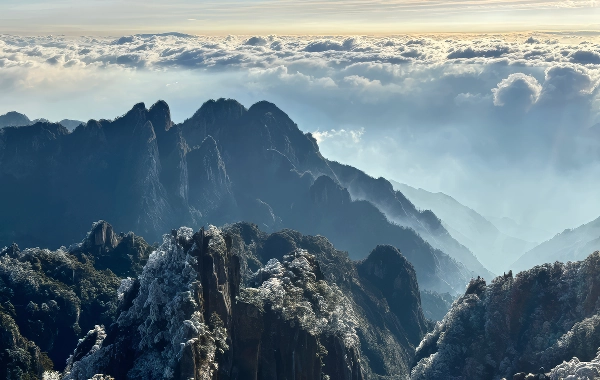
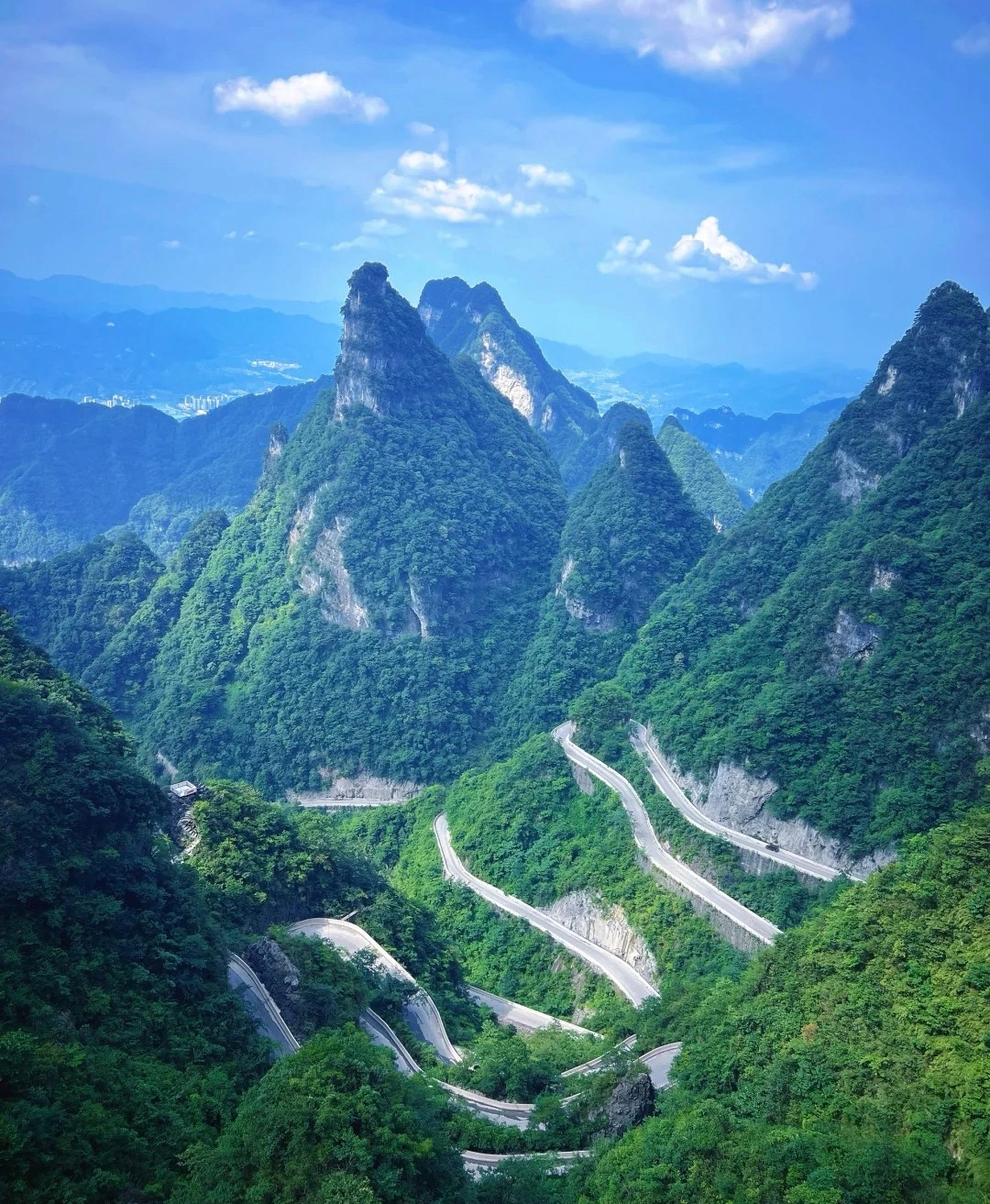
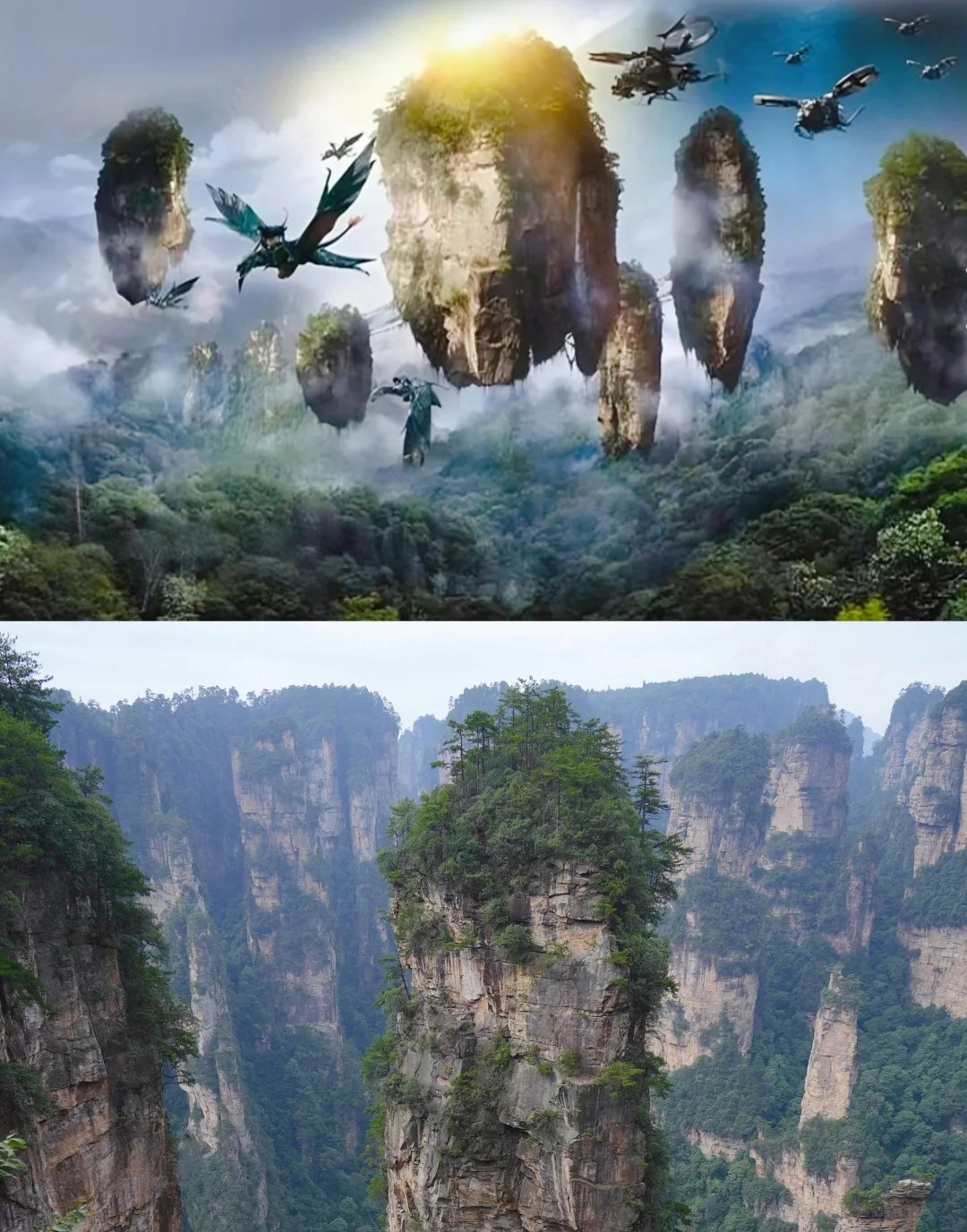
In July, the most anticipated spectacle of Zhangjiajie is the sea of clouds after rain, with sandstone peak forests appearing like floating fairylands in the morning mist. At an altitude of over a thousand meters, temperatures are 6–8°C lower than in the city. A German client who visited in 2023 marveled at the beauty of the morning mist over three days — be sure to bring rain gear.

July Travel Tips: What I Tell Every Client Before They Fly

After guiding hundreds of travelers through July in China, here is my honest, no-nonsense advice.

First, clothing: pack lightweight, breathable fabrics — linen and moisture-wicking materials are your best friends. Cotton T-shirts work but expect to change midday. A wide-brimmed hat, UV-protection sunglasses, and a portable fan (the handheld misting type) will dramatically improve your comfort. I always carry an extra shirt in my daypack; after a decade I still sweat through mine by noon.

Second, sun protection: Chinese pharmacies sell high-SPF sunscreen (SPF 50+ PA+++) for about 30 RMB, but bring your own for the first few days. Reapply every two hours.

Third, hydration: tap water is not drinkable in China. Carry a refillable bottle and buy large 1.5-liter bottled water at convenience stores for 3–5 RMB. I tell my clients to drink at least 2.5 liters per day in July.

Fourth, meal timing: shift your main meals to earlier or later hours. Lunch at 11:00 AM and dinner at 7:30 PM or later, avoiding the 12:00–2:00 PM peak heat.

Fifth, accommodation: book hotels with strong air-conditioning reviews. I have stayed at properties in Chongqing where the AC struggled — check recent guest comments specifically about cooling.

Sixth, transportation: China’s high-speed trains and metro systems are air-conditioned and reliable. I always book morning bullet trains (before 10 AM) to maximize sightseeing time.

Finally, a frank word about mosquitoes: they are active in July, especially near water and in Zhangjiajie’s forests. Bring DEET-based repellent; local brands like Runben are effective and widely available.

One more insider tip — after 15 years I have learned that visiting major attractions like the Great Wall or Zhangjiajie at 7:00 AM lets you enjoy two hours of near-solitude before the crowds arrive. This single habit transforms the entire July travel experience.

4-suffix.webp
8-suffix.webp

China Travel by Month: When to Go Beyond July

January
February
March
April
May
June
August
September
October
November
December

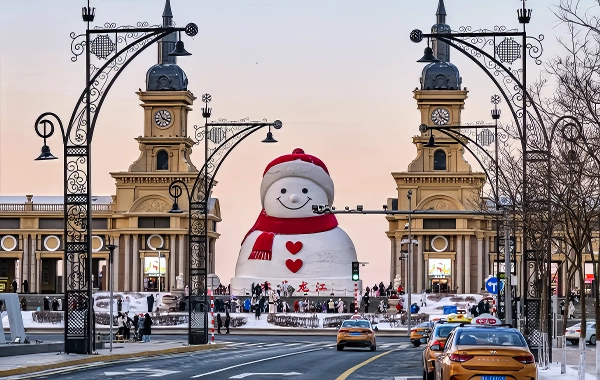
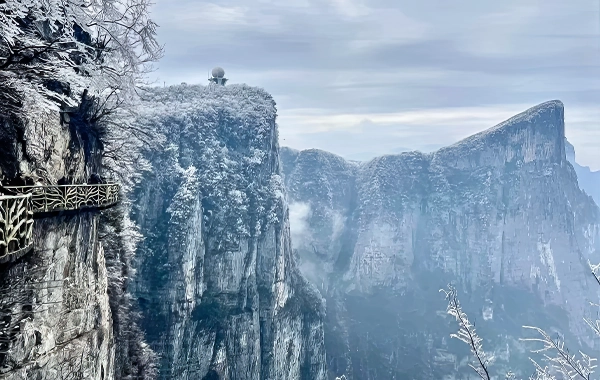
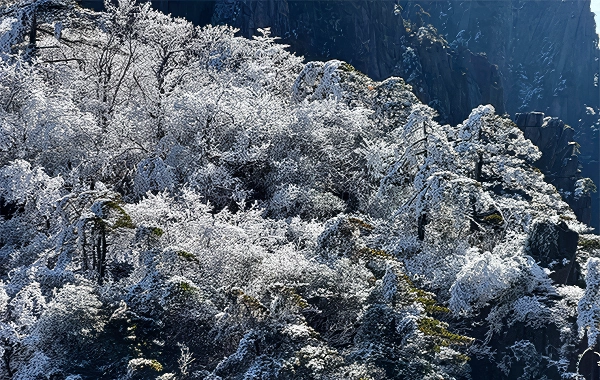
January is China’s coldest month, but that does not mean you should stay home. For winter scenery lovers, Harbin’s International Ice and Snow Sculpture Festival runs throughout January, featuring massive ice castles illuminated in neon colors at night — temperatures drop to -25°C, so thermal clothing is non-negotiable. For those who prefer mild winters, Guangzhou offers a subtropical escape with temperatures around 10–15°C. I have sent dozens of European families to Guangzhou in January for the Spring Festival flower markets, which begin setup in late January. The city’s Chimelong Safari Park and Cantonese food scene make it ideal for a 4–5 day winter break. Another January favorite is Zhangjiajie, where snow dusts the sandstone pillars and mist hangs low over the valleys. A Canadian couple I guided there in January 2024 described it as “a winter wonderland without the bitter cold of Canada.” The city also hosts the Guangzhou New Year Flower Market preparations in late January, and nearby Conghua hot springs provide a relaxing evening soak after a day of sightseeing. For food lovers, nothing beats January in Guangzhou — the mild weather makes outdoor dim sum at traditional tea houses like Taotao Ju a genuine pleasure.

 The city also hosts the Guangzhou New Year Flower Market preparations in late January, and nearby Conghua hot springs provide a relaxing evening soak after a day of sightseeing. For food lovers, nothing beats January in Guangzhou — the mild weather makes outdoor dim sum at traditional tea houses like Taotao Ju a genuine pleasure.

Learn about the January tours

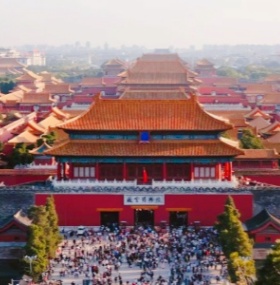
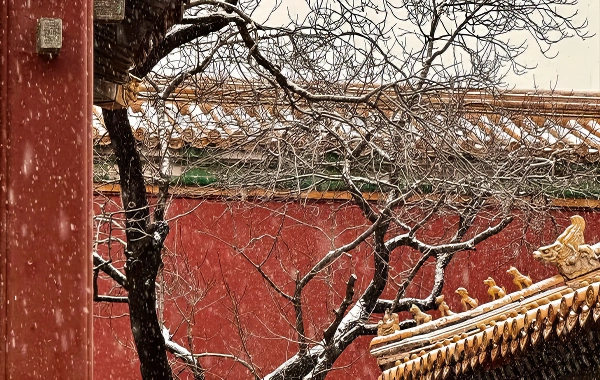
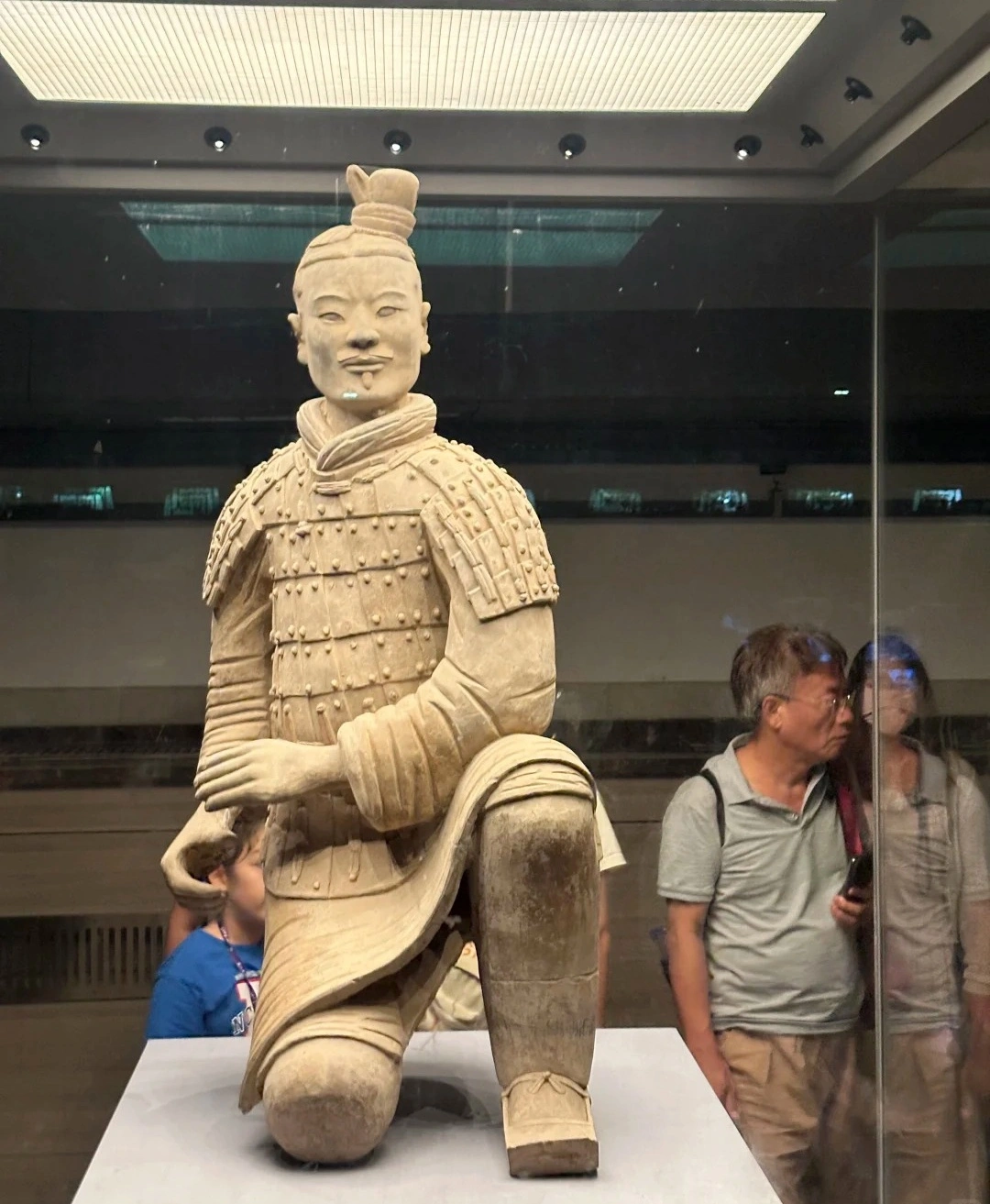
February is dominated by Chinese New Year (Spring Festival), the most important holiday in China. In 2026, the Year of the Horse begins on February 17, and the entire country transforms. Cities explode with red lanterns, fireworks, and temple fairs. I always advise my clients that this is both a magical and challenging time to travel. Major cities like Beijing and Shanghai empty out as migrant workers return to their hometowns, which means museums and attractions are quieter — but many smaller restaurants close for the week. The best February destinations are Xi’an, where the Tang Paradise Lantern Festival creates a spectacular nighttime display, and Harbin, whose ice festival continues through late February. Guangzhou hosts the grand Spring Festival Flower Market across 11 districts, attracting millions of visitors. For families, I recommend a 5–7 day Guangzhou–Shenzhen itinerary that combines flower markets, panda encounters at Chimelong, and the Shenzhen Bay fireworks display on New Year’s Eve. After the holiday period, late February offers uncrowded exploration of Xi'an's Terracotta Warriors and Beijing's Forbidden City. The weather remains cold (0–10°C in central China) but the clear winter skies provide excellent photography conditions. I always tell my clients that February is the month to embrace Chinese culture at its most festive.

 After the holiday period, late February offers uncrowded exploration of Xi'an's Terracotta Warriors and Beijing's Forbidden City. The weather remains cold (0–10°C in central China) but the clear winter skies provide excellent photography conditions. I always tell my clients that February is the month to embrace Chinese culture at its most festive.

Learn about the February tours

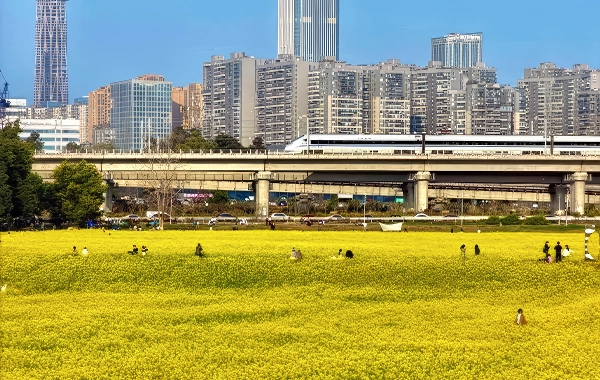
March marks the transition from winter to spring, and it is one of my favorite months for photography tours. The plum blossoms at Guangzhou’s Luogang Xiangxue attract nearly 8 million visitors annually, creating a sea of white and pink petals across the hillsides. In Nanjing, the Cherry Blossom Festival at Jiming Temple and the Ming Xiaoling Moat transforms the ancient capital into a pastel wonderland. Wuhan’s Wuhan University cherry blossom avenue draws over a million visitors during late March. Temperatures range from 10–20°C across central and southern China, making outdoor activities comfortable without the summer humidity. I recommend Guilin and Yangshuo in March for Li River cruises through misty karst landscapes — the spring rains create dramatic cloud formations that photographers dream about. A 5-day Guangzhou–Guilin itinerary works perfectly this month, combining urban Cantonese culture with rural Guangxi scenery. The Yun Terrace Garden plum blossoms in Nanjing and the cherry blossoms along the Yangtze River in Wuhan are not to be missed. March is also a fantastic time for the 13-day Yunnan tour, as the spring flowers in Luoping's canola fields create golden landscapes that stretch to the horizon. The weather is cool enough for comfortable hiking but warm enough to shed the heavy winter coat.

 The Yun Terrace Garden plum blossoms in Nanjing and the cherry blossoms along the Yangtze River in Wuhan are not to be missed. March is also a fantastic time for the 13-day Yunnan tour, as the spring flowers in Luoping's canola fields create golden landscapes that stretch to the horizon. The weather is cool enough for comfortable hiking but warm enough to shed the heavy winter coat.

Learn about the March tours

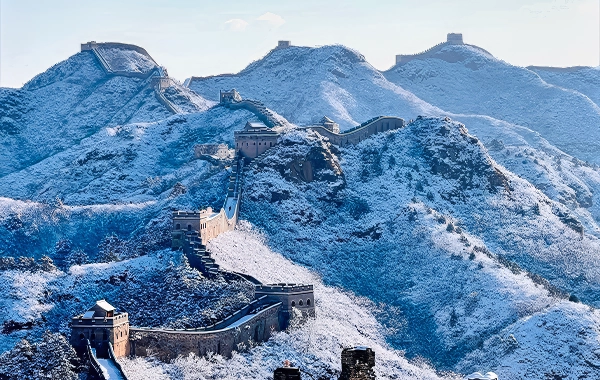
April offers arguably the best travel weather in China. Temperatures across most destinations range from 15–25°C with low humidity. This is the month I recommend for first-time visitors who are nervous about China’s summer heat. Luoyang’s Peony Festival, held throughout April, showcases over 1,000 varieties of peonies in full bloom at the National Peony Garden — a tradition dating back to the Tang Dynasty (618–907 AD). Shanghai is delightful in April: the Bund is pleasant for walking, and the city’s parks are filled with pink and white cherry blossoms. The 10-day Shanghai–Zhangjiajie–Chongqing tour is excellent in April, as Zhangjiajie’s spring greenery is at its most vibrant. For cultural travelers, the 13-day Kunming–Lijiang–Dali route shines in April when Yunnan’s plateau wildflowers blanket the meadows. I recently guided a British couple through Dali’s Erhai Lake in April; they cycled 30 kilometers around the eastern shore and called it “the best day of our year.” April is also the best month for hiking the Great Wall at Mutianyu or Jinshanling, where spring wildflowers line the ancient stone steps. The 6-day Guangzhou–Guilin tour is perfect in April — the Li River is neither too high from summer rains nor too low from winter drought. For urban explorers, Shanghai's art galleries and rooftop bars begin their outdoor seasons in April.

 April is also the best month for hiking the Great Wall at Mutianyu or Jinshanling, where spring wildflowers line the ancient stone steps. The 6-day Guangzhou–Guilin tour is perfect in April — the Li River is neither too high from summer rains nor too low from winter drought. For urban explorers, Shanghai's art galleries and rooftop bars begin their outdoor seasons in April.

Learn about the April tours

May brings two distinct travel experiences. The first week (May 1–5) is China’s Labor Day Golden Week, when domestic tourism peaks and attractions become very crowded. I advise international clients to avoid major attractions during this window or book private tours that include skip-the-line access. The rest of May offers excellent conditions: temperatures are warm but not extreme (20–30°C), and the plum rain season has not yet started. This is an ideal month for the Great Wall — Beijing’s spring weather is at its best, with blue skies and mild temperatures. The Guangzhou–Zhangjiajie–Chongqing 7-day tour works beautifully in late May when Zhangjiajie’s waterfalls are full from spring rains but the peak summer crowds have not arrived. I also highly recommend the 6-day Guangzhou–Guilin escape in May: the Li River is at its most scenic, and Yangshuo’s rice terraces begin to fill with water, creating mirror-like reflections. The Dragon Boat Festival preparations can be seen in late May in Guangzhou, where teams practice on the Pearl River each evening. The Qixi Festival (Chinese Valentine's Day) cultural events also begin appearing in May, with lantern displays and romantic-themed decorations in ancient towns like Lijiang and Phoenix. I always recommend the 9-day Chongqing–Zhangjiajie–Guangzhou tour in late May for the best balance of weather and crowd levels.

 The Dragon Boat Festival preparations can be seen in late May in Guangzhou, where teams practice on the Pearl River each evening. The Qixi Festival (Chinese Valentine's Day) cultural events also begin appearing in May, with lantern displays and romantic-themed decorations in ancient towns like Lijiang and Phoenix. I always recommend the 9-day Chongqing–Zhangjiajie–Guangzhou tour in late May for the best balance of weather and crowd levels.

Learn about the May tours

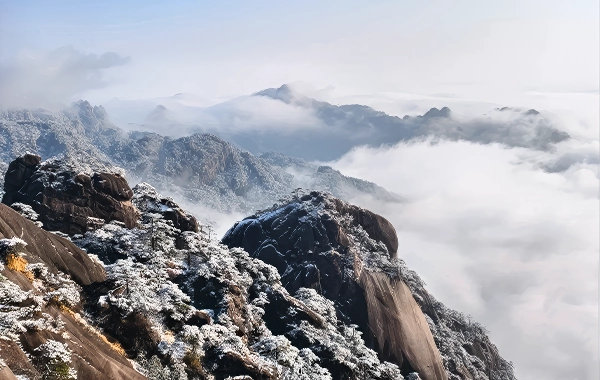
June is a transitional month that rewards strategic planning. The Dragon Boat Festival (Duanwu Jie), falling on the fifth day of the fifth lunar month (around June 19 in 2026), brings dragon boat races to rivers across China. The most spectacular races happen on the Pearl River in Guangzhou and on West Lake in Hangzhou, where colorfully adorned boats race to the beat of drums. The first half of June still offers pleasant weather in most regions, but the second half brings the start of the plum rain (meiyu) season to Shanghai, Hangzhou, and the Yangtze River Delta. I tell my clients to plan northern destinations like Beijing in June — the Great Wall at Mutianyu is accessible and far less humid than southern cities. The lotus flowers begin blooming in late June at Guilin’s Diecai Park and Hangzhou’s West Lake, offering early-morning photography opportunities. June is also ideal for the 5-day Shangrao–Huangshan–Hongcun tour, as Huangshan’s sea of clouds is particularly dramatic during the transition between spring and summer. The famous West Lake lotus blossoms begin showing their first blooms by late June, and night cruises on the lake are magical under the summer moonlight. For those who don't mind humidity, Shanghai in June offers the best shopping deals as brands prepare for summer clearance. The 6-day Guangzhou–Guilin tour is ideal in June before the peak July crowds arrive.

 The famous West Lake lotus blossoms begin showing their first blooms by late June, and night cruises on the lake are magical under the summer moonlight. For those who don't mind humidity, Shanghai in June offers the best shopping deals as brands prepare for summer clearance. The 6-day Guangzhou–Guilin tour is ideal in June before the peak July crowds arrive.

Learn about the June tours

August is China’s hottest and most crowded travel month. School summer vacations are in full swing, and domestic tourism peaks. Coastal destinations become popular escapes: Qingdao’s beaches, Xiamen’s Gulangyu Island, and Sanya’s tropical resorts in Hainan offer sea breezes and water activities. For international travelers, I recommend highland destinations that naturally escape the heat. Kunming, Yunnan’s capital, maintains pleasant 20–25°C temperatures year-round and is an excellent base for exploring Lijiang’s ancient town and Dali’s Erhai Lake. The Tibetan plateau destinations like Shangri-La (Zhongdian) offer cool temperatures around 15°C and access to Ganden Sumtseling Monastery, the largest Tibetan Buddhist monastery in Yunnan. August also hosts the Nadam Fair in Inner Mongolia, a traditional Mongolian festival featuring horse racing, wrestling, and archery. For urban explorers, Shanghai’s air-conditioned museums and shopping districts, combined with evening riverside walks along the Bund, make the summer heat manageable. I always book morning-only outdoor activities in August cities and save indoor attractions for the afternoon. The Harbin International Beer Festival in August offers a cooler alternative to Qingdao's event. For families, the Chimelong theme parks in Guangzhou and Shanghai Disneyland offer extensive indoor and water play areas that make summer heat bearable. I tell my clients to consider a hot air balloon ride over Yangshuo in August — the sunrise views over the karst landscape are worth the early wake-up call.

 The Harbin International Beer Festival in August offers a cooler alternative to Qingdao's event. For families, the Chimelong theme parks in Guangzhou and Shanghai Disneyland offer extensive indoor and water play areas that make summer heat bearable. I tell my clients to consider a hot air balloon ride over Yangshuo in August — the sunrise views over the karst landscape are worth the early wake-up call.

Learn about the August tours

September is my personal favorite month for China travel. The summer heat breaks, humidity drops, and the autumn colors begin to appear in the north. Temperatures range from 18–28°C across most destinations, creating perfect conditions for outdoor exploration. The Mid-Autumn Festival (Zhongqiu Jie) falls in September or early October; in 2026 it occurs around October 6. Mooncake tastings and lantern displays light up cities in the lead-up. September is the best month for the 10-day Shanghai–Zhangjiajie–Chongqing tour: Zhangjiajie’s autumn light creates stunning photography conditions, and Chongqing’s temperatures become more tolerable. Beijing in September is magnificent — the Great Wall at Jinshanling offers panoramic views under crisp autumn skies. Guilin and Yangshuo are ideal for cycling and river cruising. I once guided a group of eight Australian photographers through Yangshuo in mid-September; they captured the Li River at sunrise with mist rising off the water — the images were published in a travel magazine. The 13-day Kunming–Dali–Lijiang tour also peaks in September with harvest season colors across Yunnan. The Lijiang Ancient Town Music Festival in early September draws international performers to Yunnan's UNESCO-listed old town. The harvesting season in Longji Rice Terraces near Guilin turns the mountainsides into golden cascades. For photographers, September offers the golden hour light that makes every shot magazine-worthy. The crowds are also thinner before October's Golden Week rush.

 The Lijiang Ancient Town Music Festival in early September draws international performers to Yunnan's UNESCO-listed old town. The harvesting season in Longji Rice Terraces near Guilin turns the mountainsides into golden cascades. For photographers, September offers the golden hour light that makes every shot magazine-worthy. The crowds are also thinner before October's Golden Week rush.

Learn about the September tours

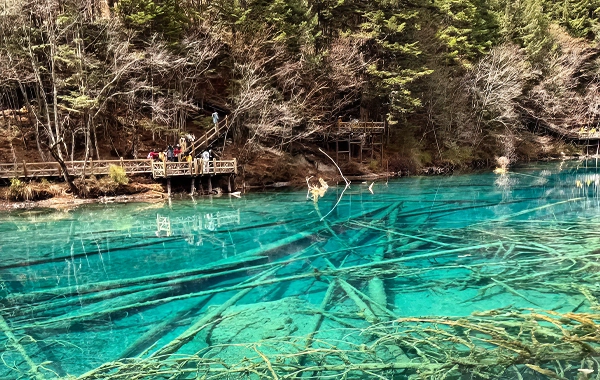
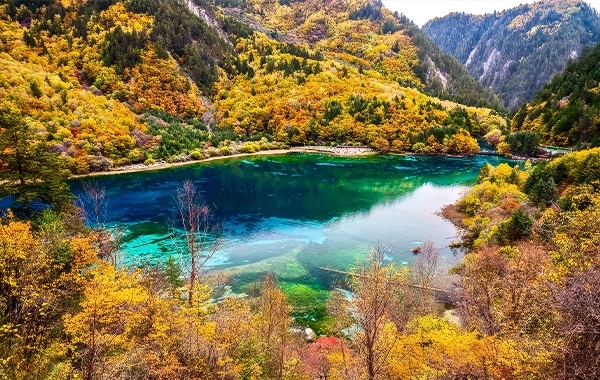
October is divided into two distinct periods. October 1–7 is National Day Golden Week, China’s busiest travel period of the year. I advise international travelers to avoid major attractions during these dates or ensure their tour operator handles all ticketing in advance. After the holiday, October 8–31 offers the most spectacular autumn colors in China. Jiuzhaigou Valley in Sichuan transforms into a painter’s palette of gold, red, and turquoise — the reflection of colorful forests in the valley’s alpine lakes is breathtaking. Beijing’s Fragrant Hills Park and the Great Wall at Mutianyu showcase vibrant red maple leaves against ancient stone. The 10-day Shanghai–Zhangjiajie–Chongqing tour is outstanding in October: Shanghai’s autumn mildness makes walking the Bund a pleasure, and Zhangjiajie’s fall colors add a golden dimension to the pillar peaks. A couple from Germany I guided on this route in October 2024 told me that the autumn sunset over Tianmen Mountain was “the most beautiful thing we have ever seen.” October weather is dry and comfortable (15–25°C) across most of China. The Mid-Autumn Festival lantern displays across all major cities are a highlight — children carrying colorful lanterns through ancient alleyways create unforgettable street scenes. After October 7, hotel prices drop by 30–50% and major attractions like the Forbidden City become accessible without hour-long queues. The 13-day Yunnan tour is spectacular in October, with Dali’s Erhai Lake reflecting golden autumn foliage.

 The Mid-Autumn Festival lantern displays across all major cities are a highlight — children carrying colorful lanterns through ancient alleyways create unforgettable street scenes. After October 7, hotel prices drop by 30–50% and major attractions like the Forbidden City become accessible without hour-long queues. The 13-day Yunnan tour is spectacular in October, with Dali’s Erhai Lake reflecting golden autumn foliage.

Learn about the October tours

November is one of China’s best-kept secrets for international travelers. The crowds have vanished after Golden Week, temperatures are cool but pleasant (10–20°C in central and southern regions), and hotel prices drop significantly. This is the month I recommend for budget-conscious travelers who want quality without the peak-season markup. Guilin and Yangshuo in November offer clear skies and perfect conditions for Li River photography — the autumn light creates long, dramatic shadows over the karst peaks. Shanghai’s autumn art season brings international exhibitions to the West Bund and Power Station of Art museums. The ancient water towns near Shanghai — Zhouzhuang and Wuzhen — are particularly atmospheric in November, when morning mist hovers over stone bridges and canals. Guangzhou in November is at its most comfortable: temperatures around 20–25°C with low humidity. The 6-day Guangzhou–Guilin escape works wonderfully this month. I also recommend the 9-day Chongqing–Zhangjiajie–Guangzhou tour in November, as Zhangjiajie’s autumn foliage peaks in early November before the winter chill arrives. The Shanghai International Arts Festival in November brings world-class performances to the city's theaters. Guilin's Reed Flute Cave offers a comfortable indoor activity that pairs perfectly with the cool outdoor weather. November is also the best month for visiting Xi'an, as the Terracotta Warriors complex is far less crowded and the autumn light at the City Wall creates stunning photo opportunities. For budget travelers, November offers the best value across all luxury hotels in China.

 The Shanghai International Arts Festival in November brings world-class performances to the city's theaters. Guilin's Reed Flute Cave offers a comfortable indoor activity that pairs perfectly with the cool outdoor weather. November is also the best month for visiting Xi'an, as the Terracotta Warriors complex is far less crowded and the autumn light at the City Wall creates stunning photo opportunities. For budget travelers, November offers the best value across all luxury hotels in China.

Learn about the November tours

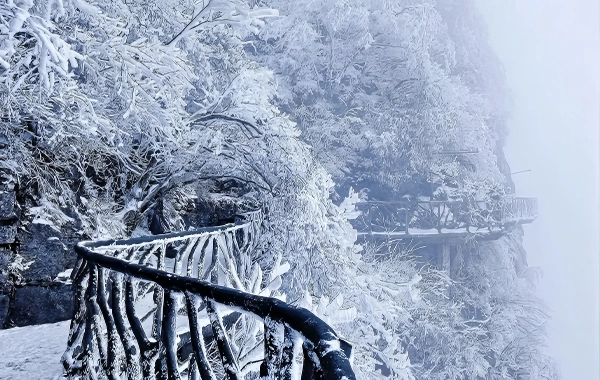
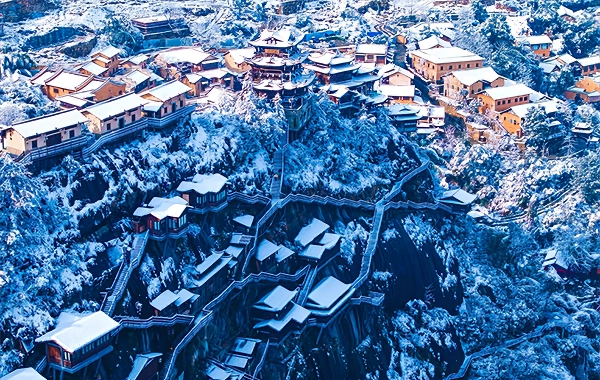
December closes the year with festive energy across China. Northern destinations embrace winter: Harbin’s ice and snow sculptures begin construction in early December, and the city’s famous Ice and Snow World opens by late December. Zhangjiajie in December offers a rare experience — snow on the sandstone pillars creates a landscape that looks like a Chinese ink wash painting. I guided a family from California through Zhangjiajie in December 2024; the children had never seen snow before, and watching them run through Tianzi Mountain’s snow-dusted peaks remains one of my favorite memories. Southern China offers warm escapes: Guangzhou’s December temperatures hover around 15°C, and the city’s Christmas markets and light displays along the Pearl River create a festive atmosphere. Shenzhen’s warm coastal climate and shopping districts attract visitors seeking winter sun. December is also an excellent month for the Guangzhou–Shenzhen tour, combining Cantonese food culture with modern urban exploration. For culture lovers, Xi’an’s ancient city wall and the Terracotta Warriors are less crowded in December, making for a more intimate experience. The Guangzhou International Food Festival in December showcases Cantonese cuisine at its finest, with Michelin-starred chefs offering tasting menus. Shenzhen's Christmas lights at Window of the World and Splendid China theme parks create a magical holiday atmosphere. I always recommend the 5-day Shangrao–Huangshan–Hongcun tour in December, as Wangxian Valley's cliff-side ancient town is especially atmospheric with winter decorations and warm lantern light reflecting off the stone streets.
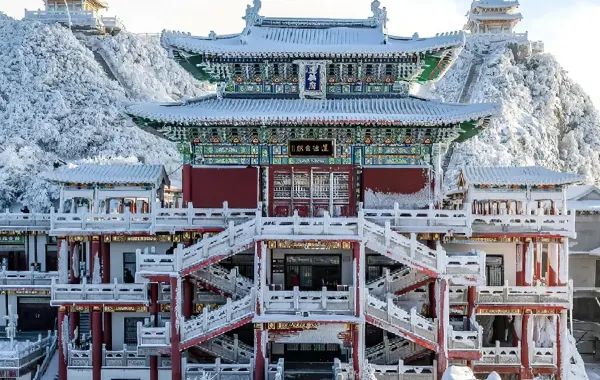
 The Guangzhou International Food Festival in December showcases Cantonese cuisine at its finest, with Michelin-starred chefs offering tasting menus. Shenzhen's Christmas lights at Window of the World and Splendid China theme parks create a magical holiday atmosphere. I always recommend the 5-day Shangrao–Huangshan–Hongcun tour in December, as Wangxian Valley's cliff-side ancient town is especially atmospheric with winter decorations and warm lantern light reflecting off the stone streets.

Learn about the December tours

Let's take a look at the temperatures across China

Final Thoughts: Your July China Adventure Awaits

I have spent over a decade walking these streets, climbing these mountains, and sharing these moments with travelers from around the world. July in China is not the easiest month to travel — the heat is real, the humidity is persistent, and the crowds are substantial. But I have never met a single traveler who regretted coming. The energy of Guangzhou’s night markets, the awe of Zhangjiajie’s floating peaks, the sizzle of Chongqing’s hotpot on a warm evening — these are experiences that no other season can replicate. My team at IntoTravelChina has been organizing private July tours since 2014, and we handle every detail so you can focus on the experience. Whether you choose a 3-day Guangzhou getaway or a 13-day cross-country journey, I promise you this: you will return home with stories that no guidebook could ever tell. Let us plan your July China tour together.
What Our Clients Say?

Based on 10,000+ traveler reviews
...
Daniel Dorothea
Canada
Reviewed on April 29,2025
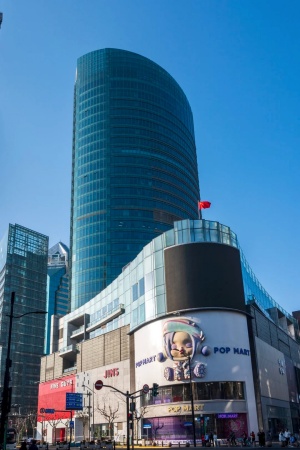
Shopping on Nanjing Road in Shanghai was just amazing! It's truly the "First Commercial Street of China", where tradition and modernity blend perfectly. You can find awesome souvenirs and experience the trendy vibes in cool stores. The neon lights at night are just spectacular, shining bright like Times Square in New York. The food here is incredible too. I had a feast for my taste buds. Shanghai, I'll definitely be back!
Destination(s): Shanghai
Date of Experience: May 08,2024
...
...
Elvis Eva
Canada
Reviewed on June 20,2025
As a solo traveler from Canada, I was nervous about navigating China alone—but this 11-day tour was PERFECT! From hiking the Great Wall at sunrise (Day 3) to gasping at the Terracotta Army (Day 5), every day delivered ‘pinch-me’ moments. The real showstopper? Zhangjiajie’s Avatar Mountains (Day 7)! Our guide made the stone pillars come alive with stories. Massive thanks for handling all logistics—bullet train tickets, entry passes, car! And the 4-star hotels surprised me.
Destination(s): Beijing Xian Zhangjiajie Shanghai
Date of Experience: June 02,2025
... ... ...
...
Simon
America
Reviewed on May 29,2025
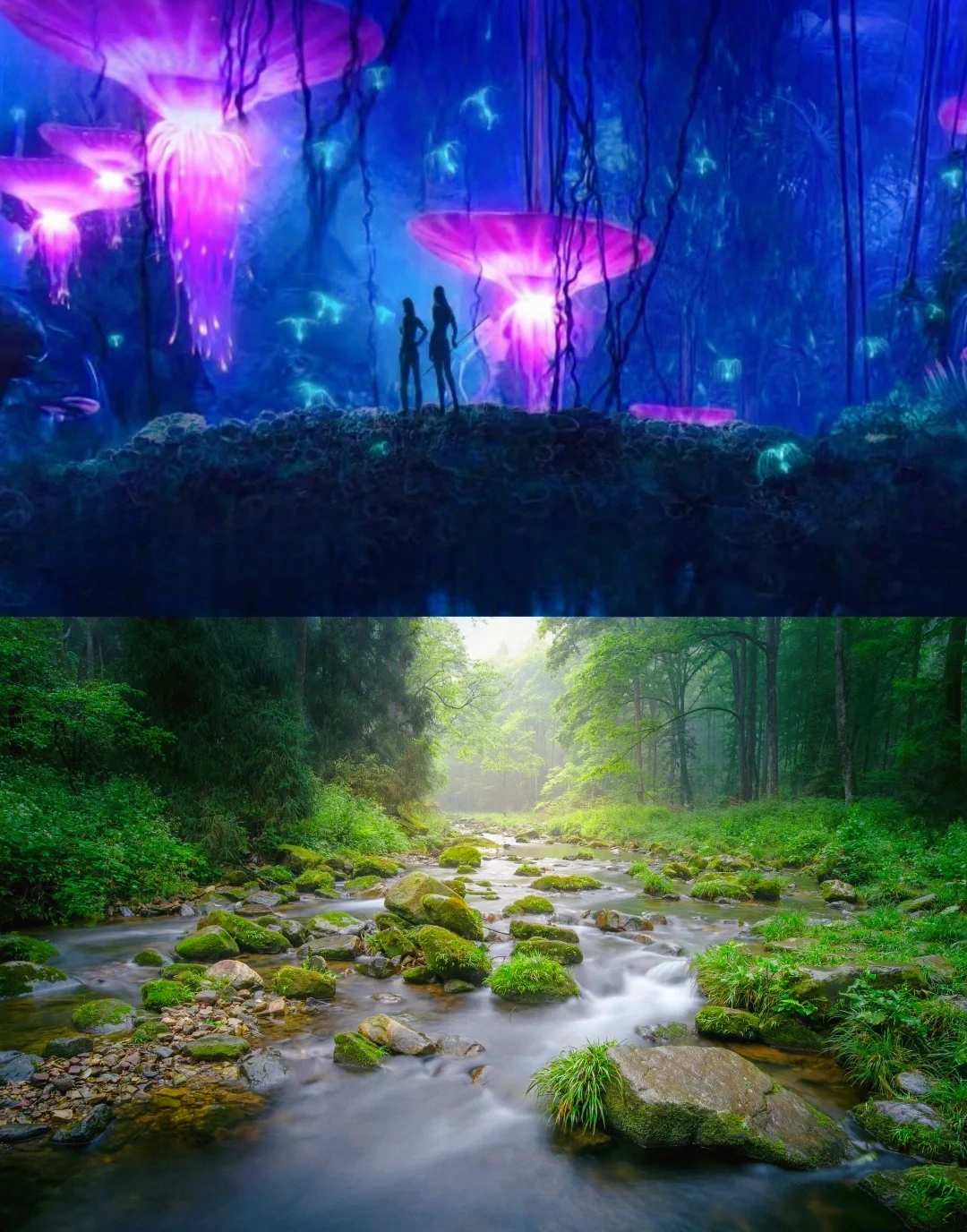
Our 2-day Zhangjiajie tour was beyond spectacular! As someone who’s visited Beijing and Shanghai for work, this trip revealed China’s wild, magical heart. Day 1 in Zhangjiajie National Forest Park felt like stepping onto Pandora—I’m a huge Avatar fan, and Yuanjiajie’s floating peaks left me breathless. The misty pillars and lush valleys like pure movie magic! Then came Fenghuang Ancient Town, we eat dinner beside the thundering waterfall. It seems Unreal! The night views of stilt houses glowing over the river were straight from a fairy tale. For fellow Avatar lovers and adventure seekers: Don’t miss this bucket-list experience! 10/10 would return. A Well-Traveled Film Buff, May 2025
Destination(s): Zhangjiajie
Date of Experience: May 08,2025
... ...

Ask a Question

Question Summary (100 characters)
Details (optional) (2,000 characters)
Name
Country
Phone
Email