Guozigou: The Poetry of the Tianshan, The Painting of the Silk Road—A Timeless Ode to a Bridge and a Canyon

Guozigou: The Poetry of the Tianshan, The Painting of the Silk Road—A Timeless Ode to a Bridge and a Canyon

Overview: A Breathtaking Wonderland in the Western Tianshan

Guozigou (Fruit Valley) is a canyon corridor spanning 28 kilometers in length, stretching northward to reach Sayram Lake and extending southward deep into the Ili River Valley.

Key Highlights at a Glance

- Identity Tags: The Premier Scenic Spot of Ili / A Breathtaking Wonderland / The Strategic Gateway of the Silk Road / Home of Xinjiang's "First Bridge"

- Core Experiences: Spectacular views from the Guozigou Bridge / Scenic driving along the canyon's winding mountain road

- Recommended Visit Duration: 2–4 hours (for the main scenic area); highly recommended to combine with a visit to Sayram Lake for a 1–2 day itinerary

- Address: Guozigou Township, Huocheng County, Ili Kazakh Autonomous Prefecture, Xinjiang Uygur Autonomous Region

  • Guozigou: The Poetry of the Tianshan, The Painting of the Silk Road—A Timeless Ode to a Bridge and a Canyon-1
  • Guozigou: The Poetry of the Tianshan, The Painting of the Silk Road—A Timeless Ode to a Bridge and a Canyon-2
  • Guozigou: The Poetry of the Tianshan, The Painting of the Silk Road—A Timeless Ode to a Bridge and a Canyon-3
  • Guozigou: The Poetry of the Tianshan, The Painting of the Silk Road—A Timeless Ode to a Bridge and a Canyon-4

Origins: An Ancient Thoroughfare and a Rainbow Across the Chasm

Furong Ancient Town Furong Ancient Town Furong Ancient Town

The Gateway of the Silk Road—The Tianshan Passage Forged by Genghis Khan

The story of Guozigou begins 800 years ago with a monumental military expedition. In 1218, as Genghis Khan led his Mongol cavalry on a westward campaign, their advance toward the Ili region was halted by the Taleqi Mountains—a rugged spur of the Tianshan range. Confronted by this formidable natural barrier—where "towering peaks rise steeply on either side, and pines and birches cast deep, somber shadows"—Genghis Khan ordered his second son, Chagatai, to lead his troops and civilians in "hewing stone to carve a path and felling timber to construct forty-eight bridges." Through sheer determination, they successfully forged a passable route amidst the sheer cliffs and deep ravines. From that moment on, Guozigou became the vital choke point of the "New Northern Route" of the Silk Road—connecting the Central Plains with the Western Regions, and serving as a gateway to Central Asia and Europe—earning it the historical moniker of the "Iron Pass." Subsequently, both the Yuan and Qing dynasties stationed troops and established postal relay stations here; the ruins of these stations, such as "Toutai" (First Station) and "Ertai" (Second Station), can still be found today.

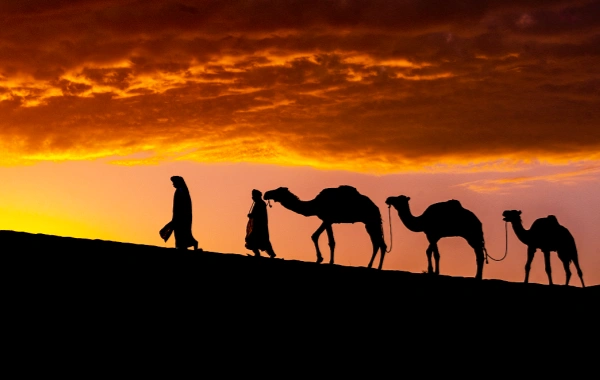
This canyon has borne witness to countless historical dramas: Yelü Chucai and Qiu Chuji left behind verses as they accompanied the army on the Western Expedition; Lin Zexu, traveling "ten thousand li under arms," ​​passed through this place and marveled at its "natural scenic splendor"; and Hong Liangji captured its rugged, singular beauty with the lines: "One never tires of gazing at the mountains, though the horse's hooves are far away; the shadows of straw hats seem to drift from beyond the clouds." Amidst the sounds of camel bells ringing across the millennia and the rumbling of passing caravans, Guozigou has remained the most steadfast guardian of the Ili River Valley.

A Rainbow Across the Chasm: The Birth of Xinjiang’s "First Bridge"

The modern legend of Guozigou is embodied in a single bridge. Before the completion of the Guozigou Bridge, herdsmen undertaking their seasonal migration had to traverse rugged, winding mountain roads; "the journey would take at least a week, and if winds blew, rains fell, or heavy snow blanketed the skies, it was not uncommon for the trip to drag on for half a month." Passing vehicles were frequently blocked by heavy snow, leaving them stranded in the mountain ravines—sometimes for two or three days—unable to move.

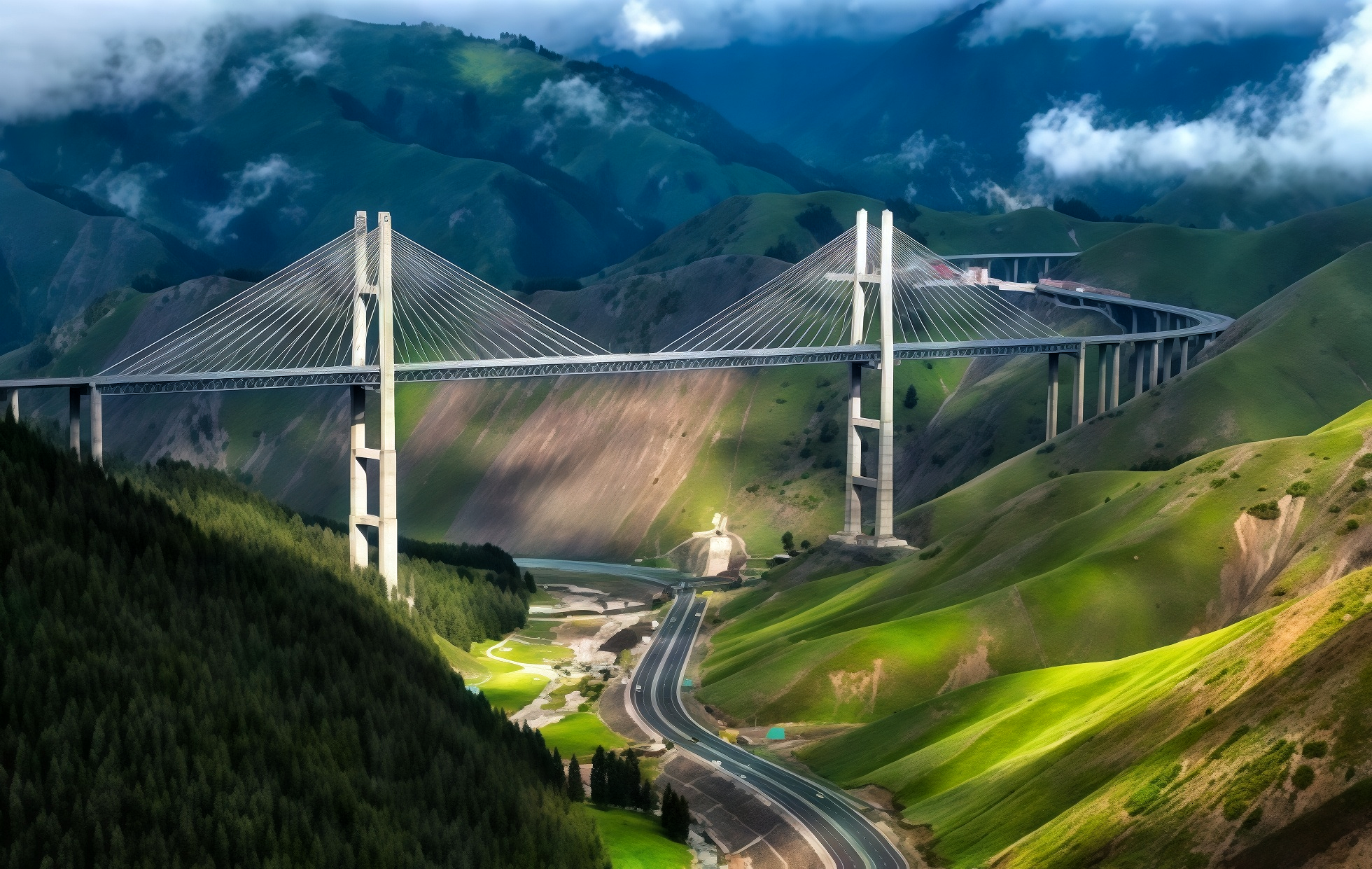
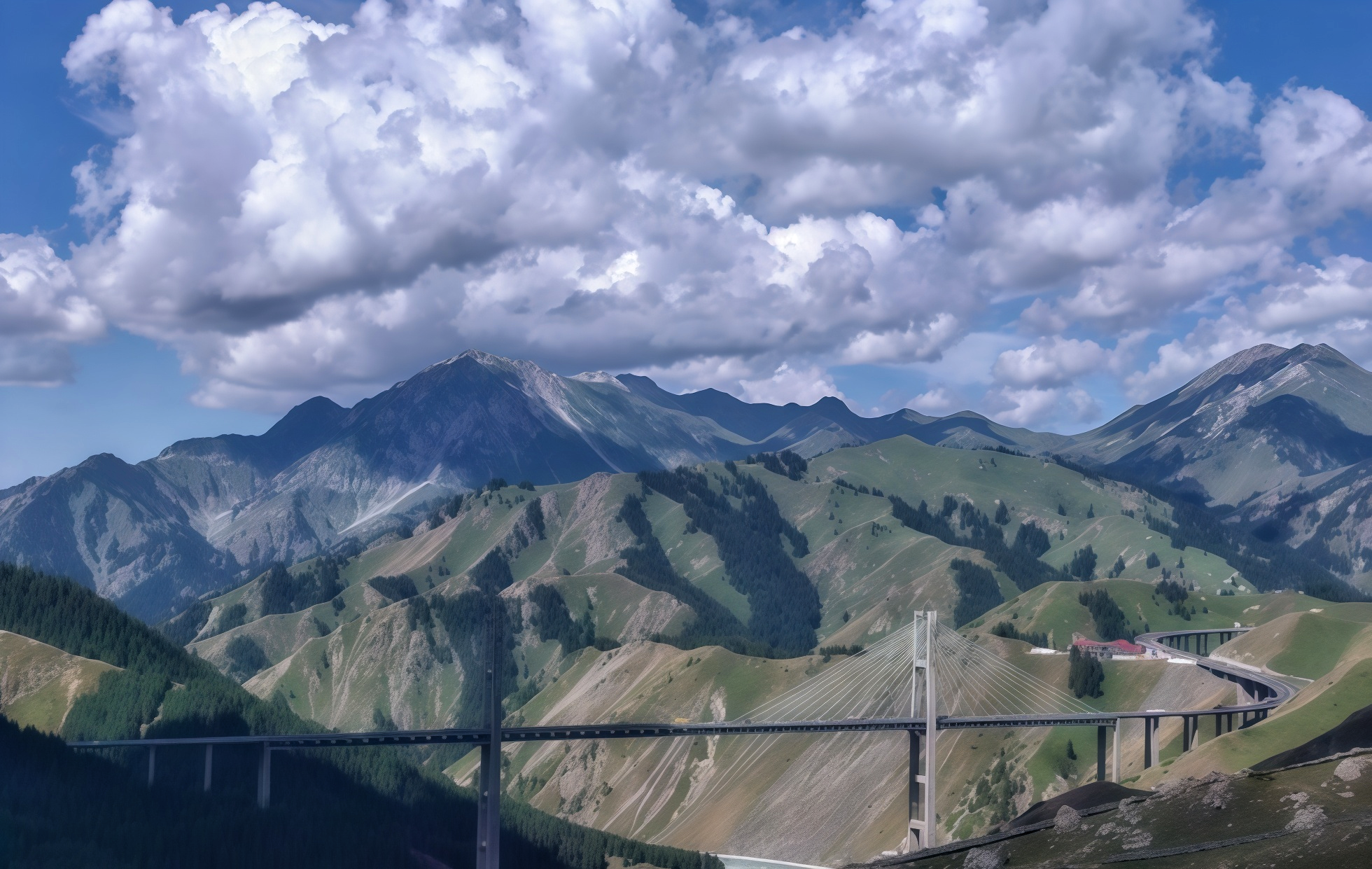
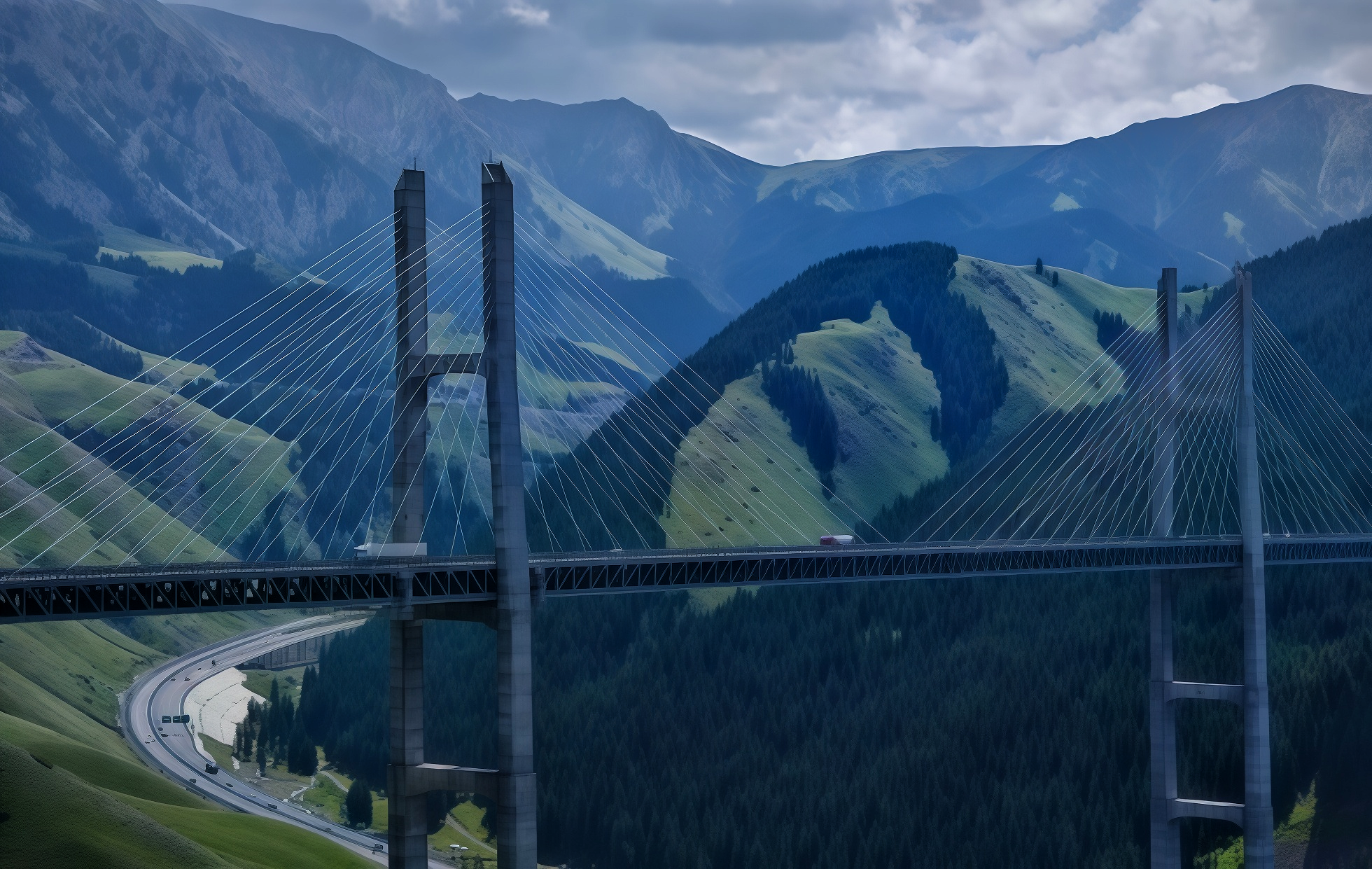
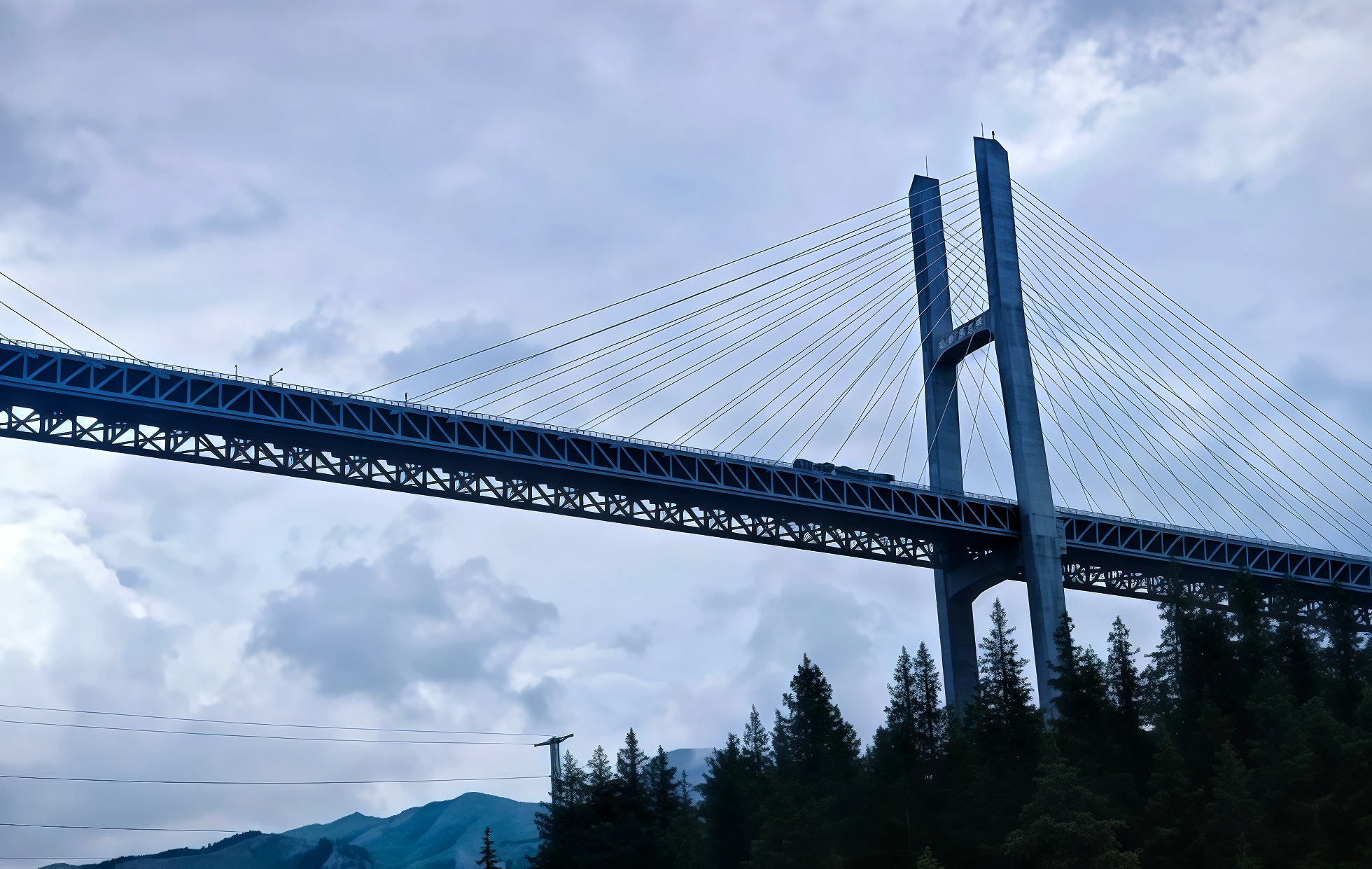
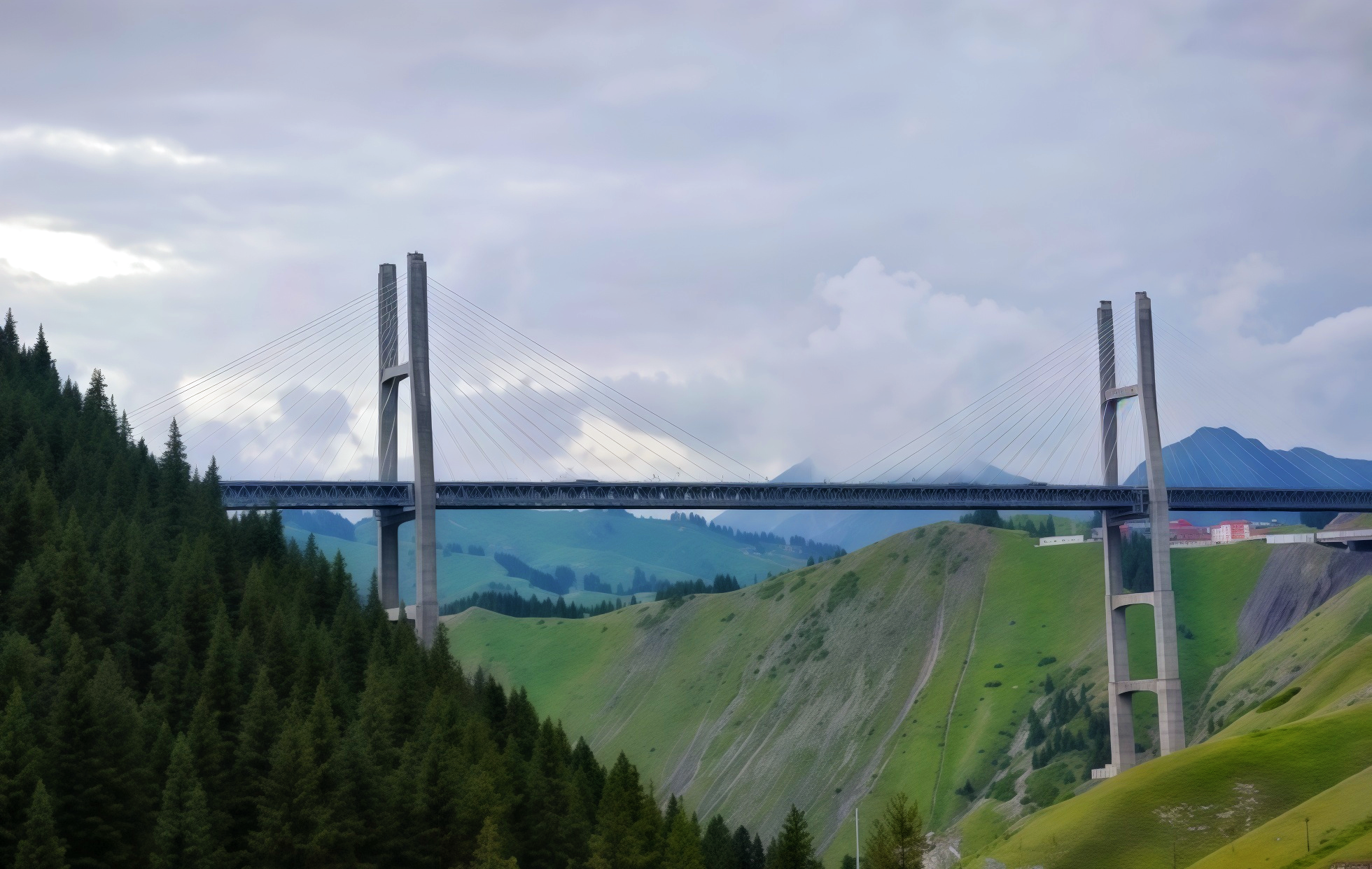
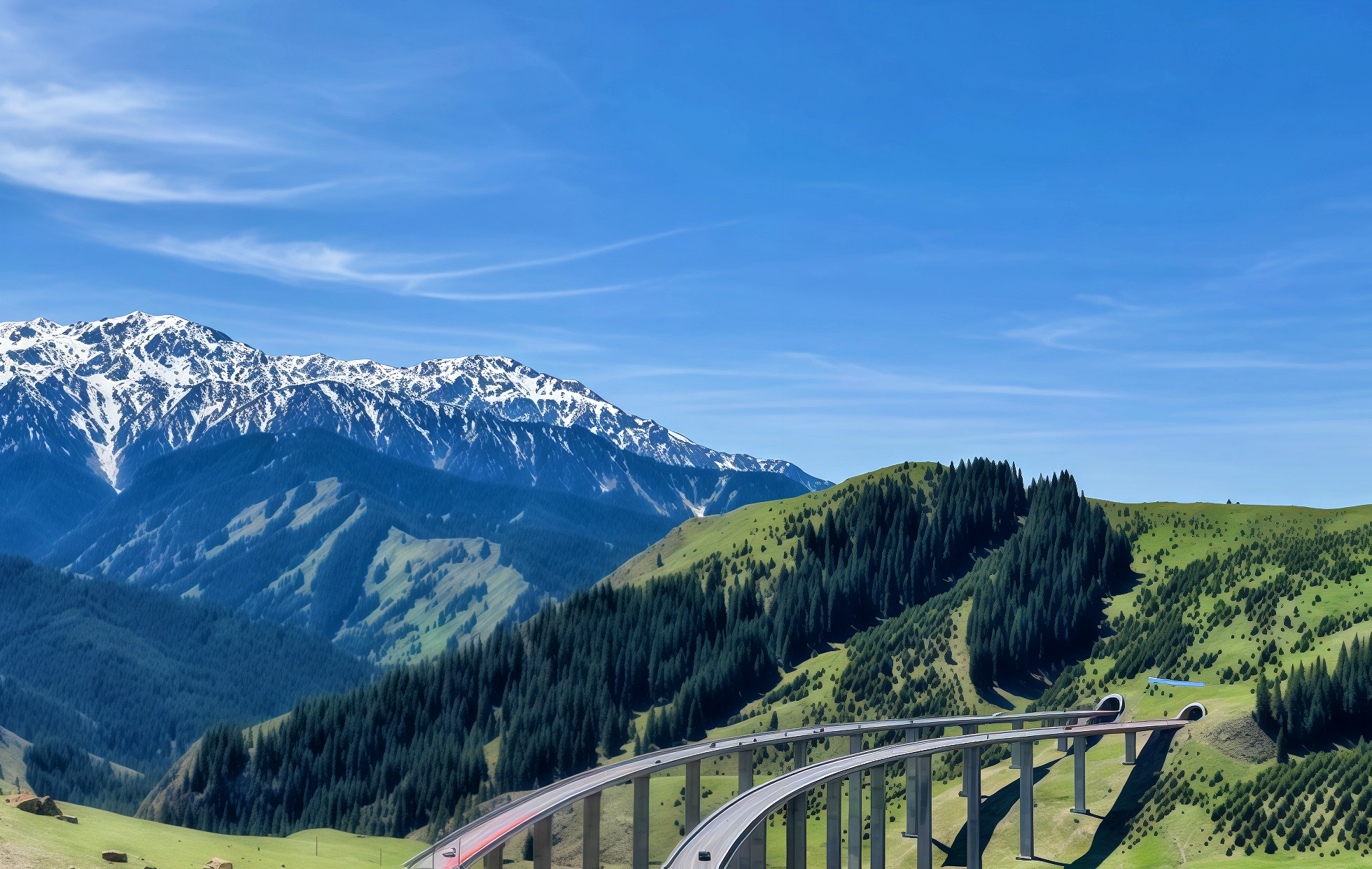
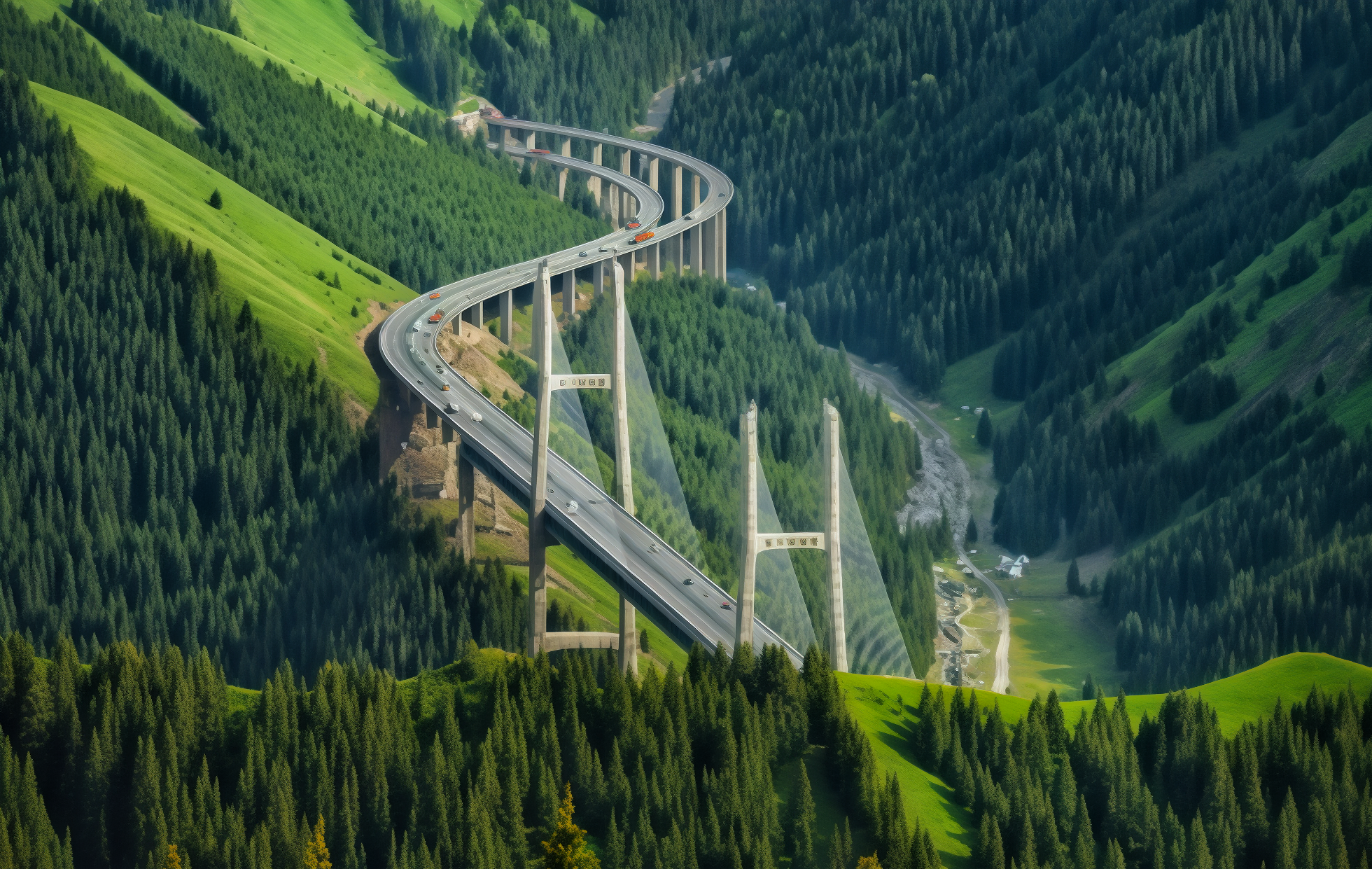
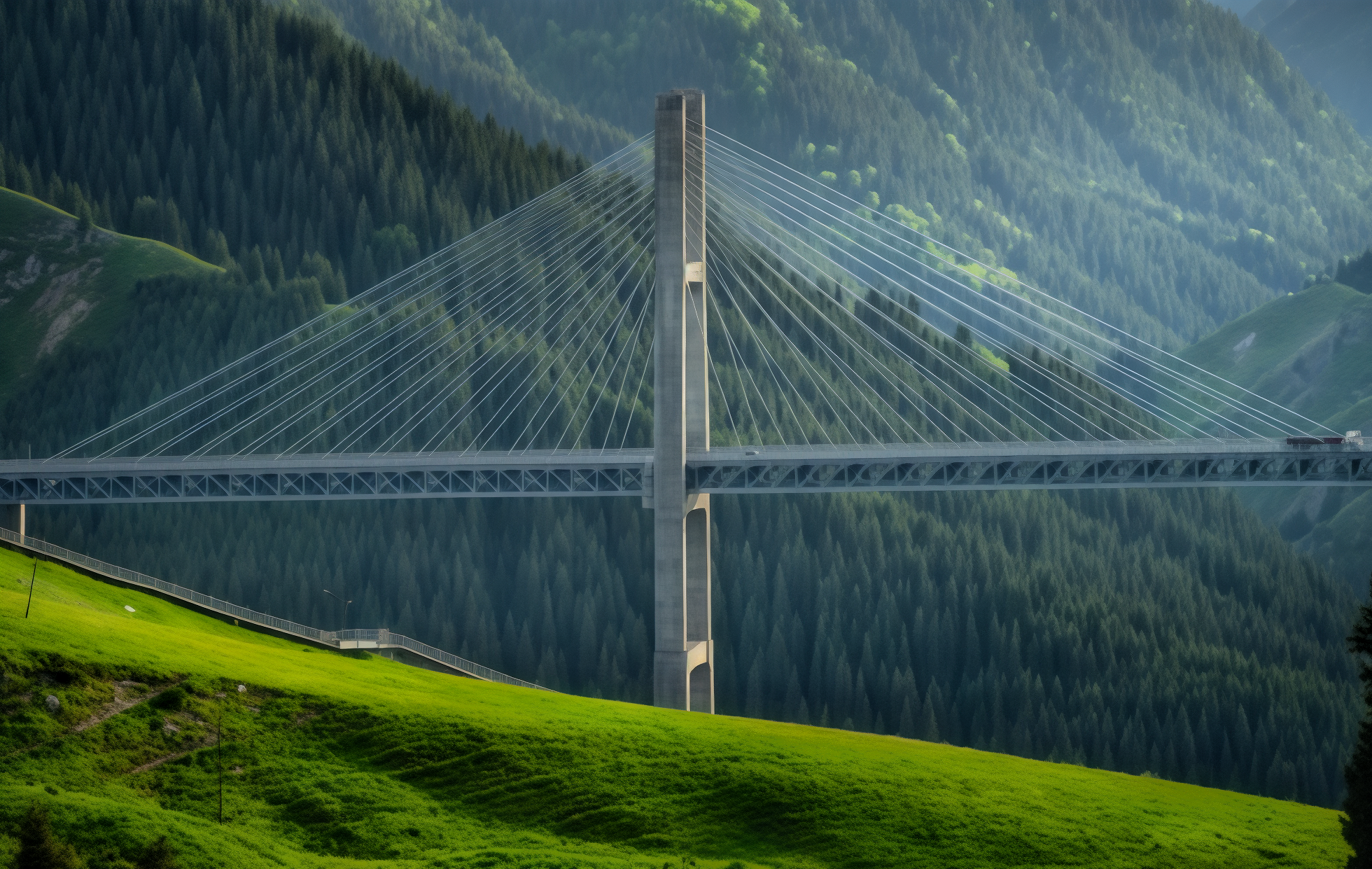
In 2006, construction crews moved into Guozigou. On September 30, 2011, the Guozigou Bridge officially opened to traffic. This cable-stayed steel truss girder bridge—featuring twin towers, a dual cable plane design, a total length of 700 meters, a main span of 360 meters, and a deck soaring approximately 200 meters above the valley floor—was hailed as "Xinjiang’s First Bridge" and stands as a monumental milestone in the history of highway construction in the region. During the final closure of the bridge deck, the precision of the alignment was controlled to within just two millimeters—a feat that established an innovative engineering technique unique to China's highway construction industry. On the day the bridge opened to traffic, veteran drivers pitched tents at the foot of the mountain and kept watch all night long; "We just watched the vehicles driving back and forth across the bridge—and the sight of those lights growing ever brighter filled us with sheer joy."

> Dive Deeper: Explore more of China's marvels >> [Yubeng Village, Yunnan] | [Zhaoxing Dong Village, Guizhou]

Must-See Wonders: A Symphonic Poem of Nature and Humanity

Furong Ancient Town Furong Ancient Town Furong Ancient Town Furong Ancient Town Furong Ancient Town

Nature's Masterpiece — The Vertical Gallery of the Tianshan Mountains

The natural scenery of Guozigou offers a journey of vertical exploration, spanning the spectrum from snow-capped peaks down to deep, secluded valleys.

Canyons and Peaks: The Majestic Strokes of the Tianshan Range

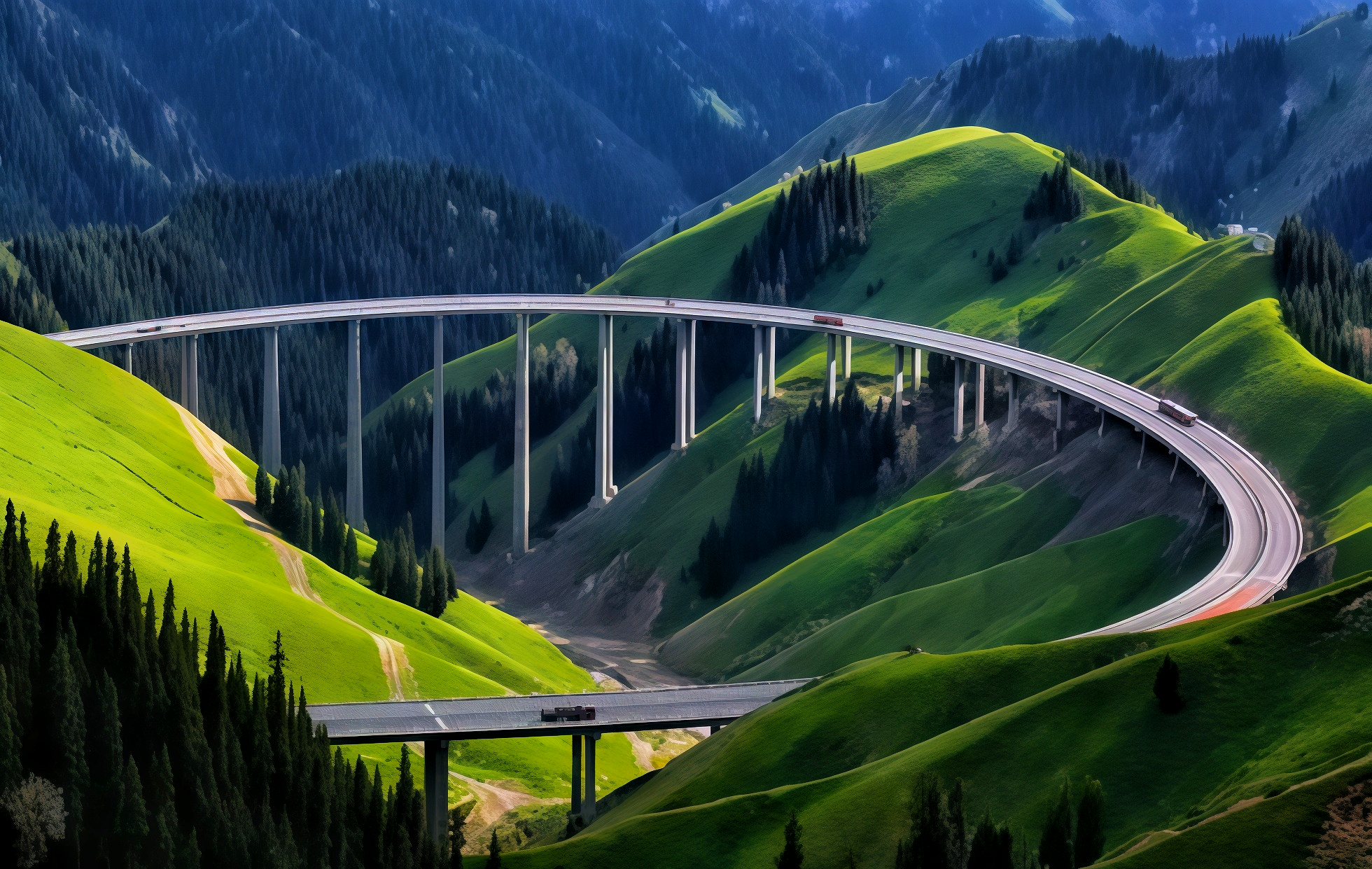
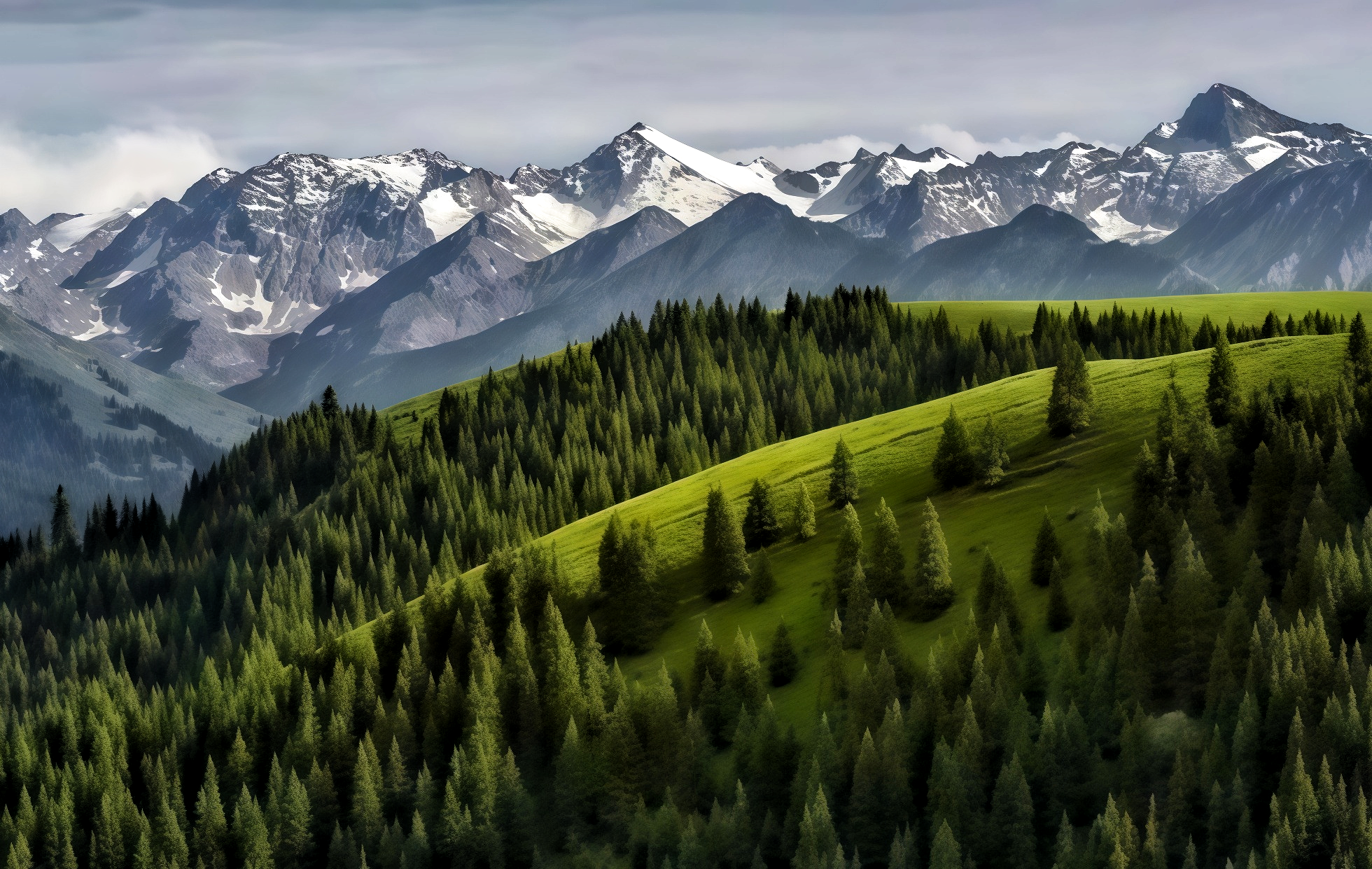
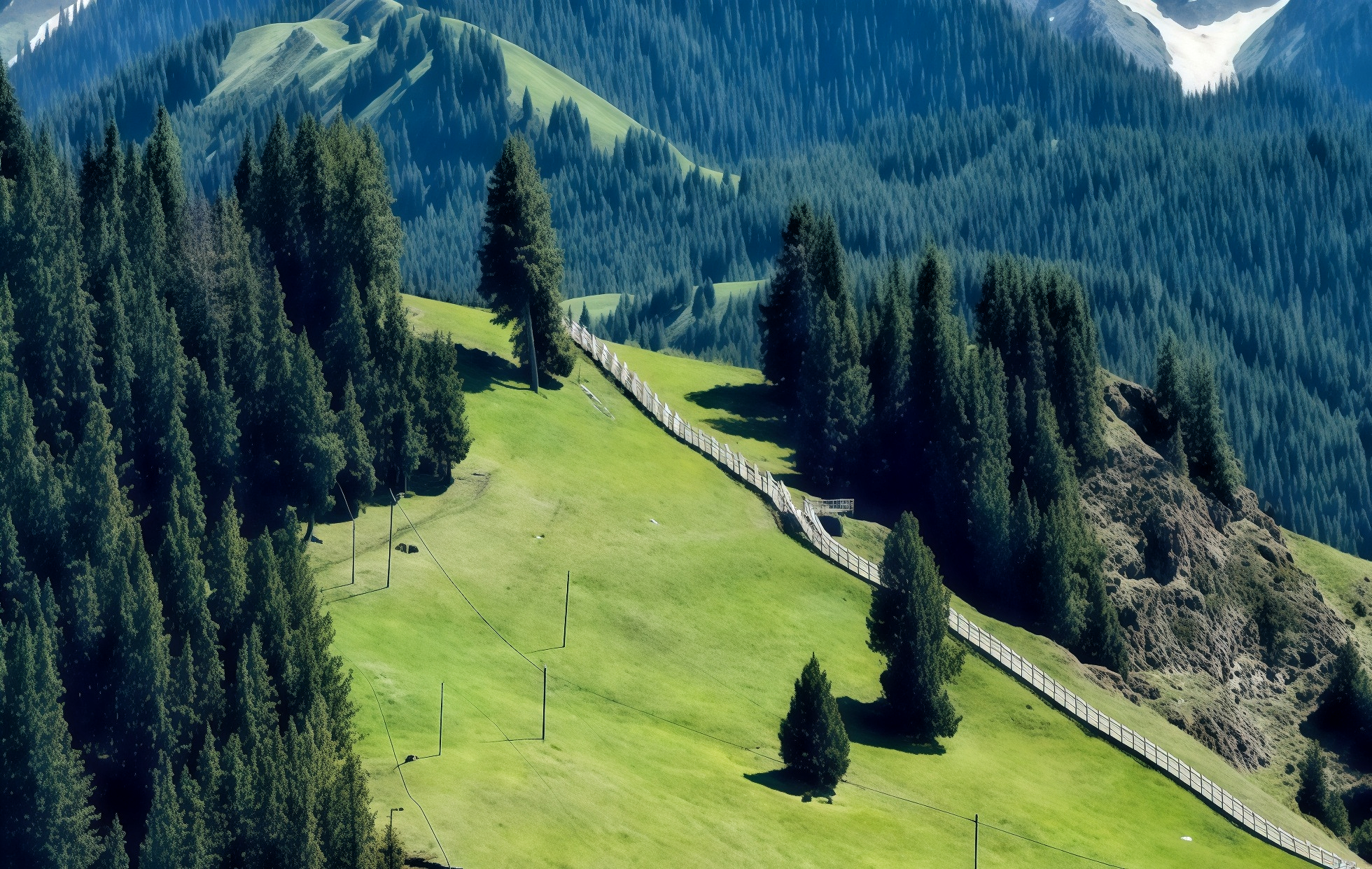
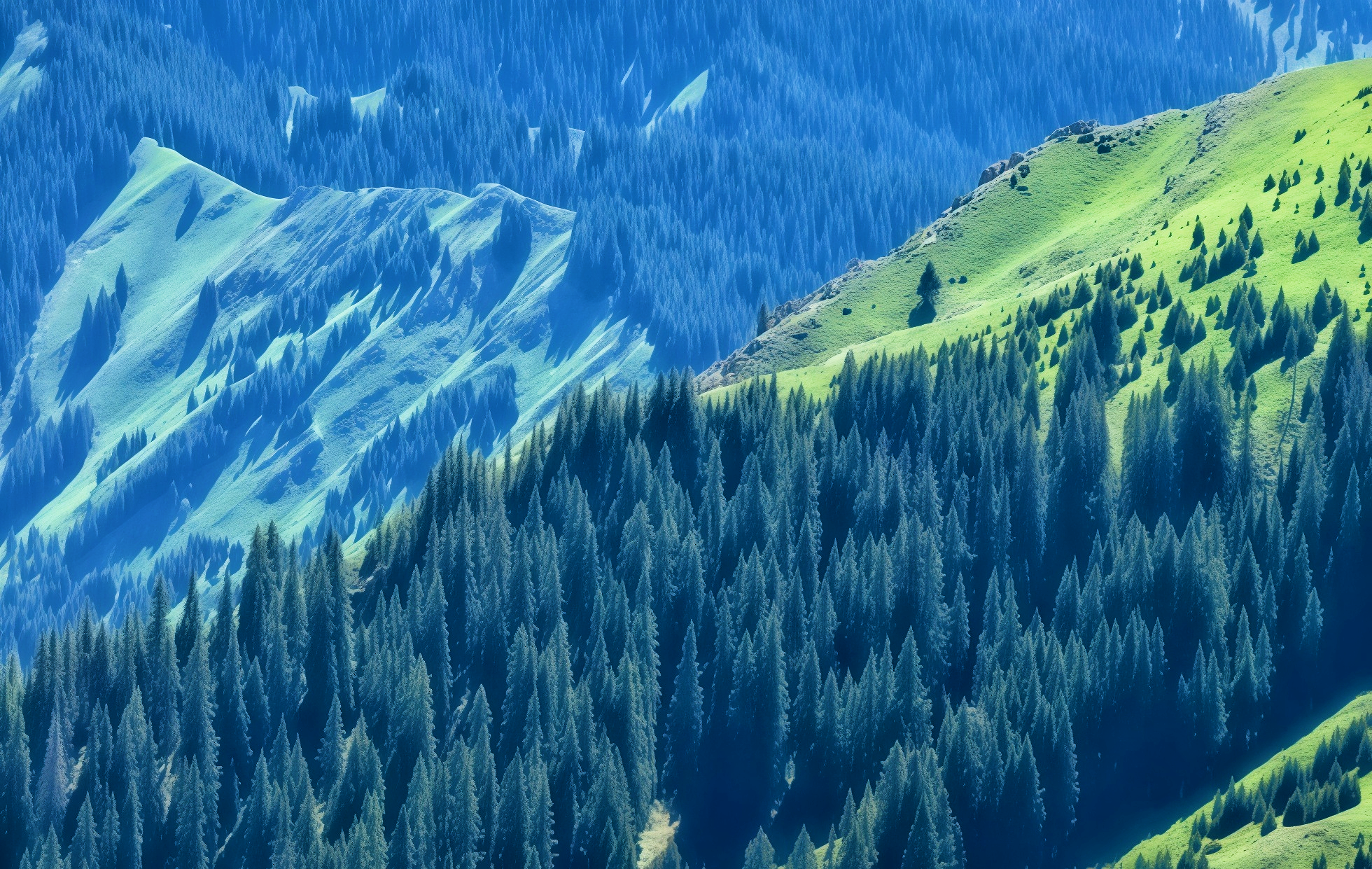
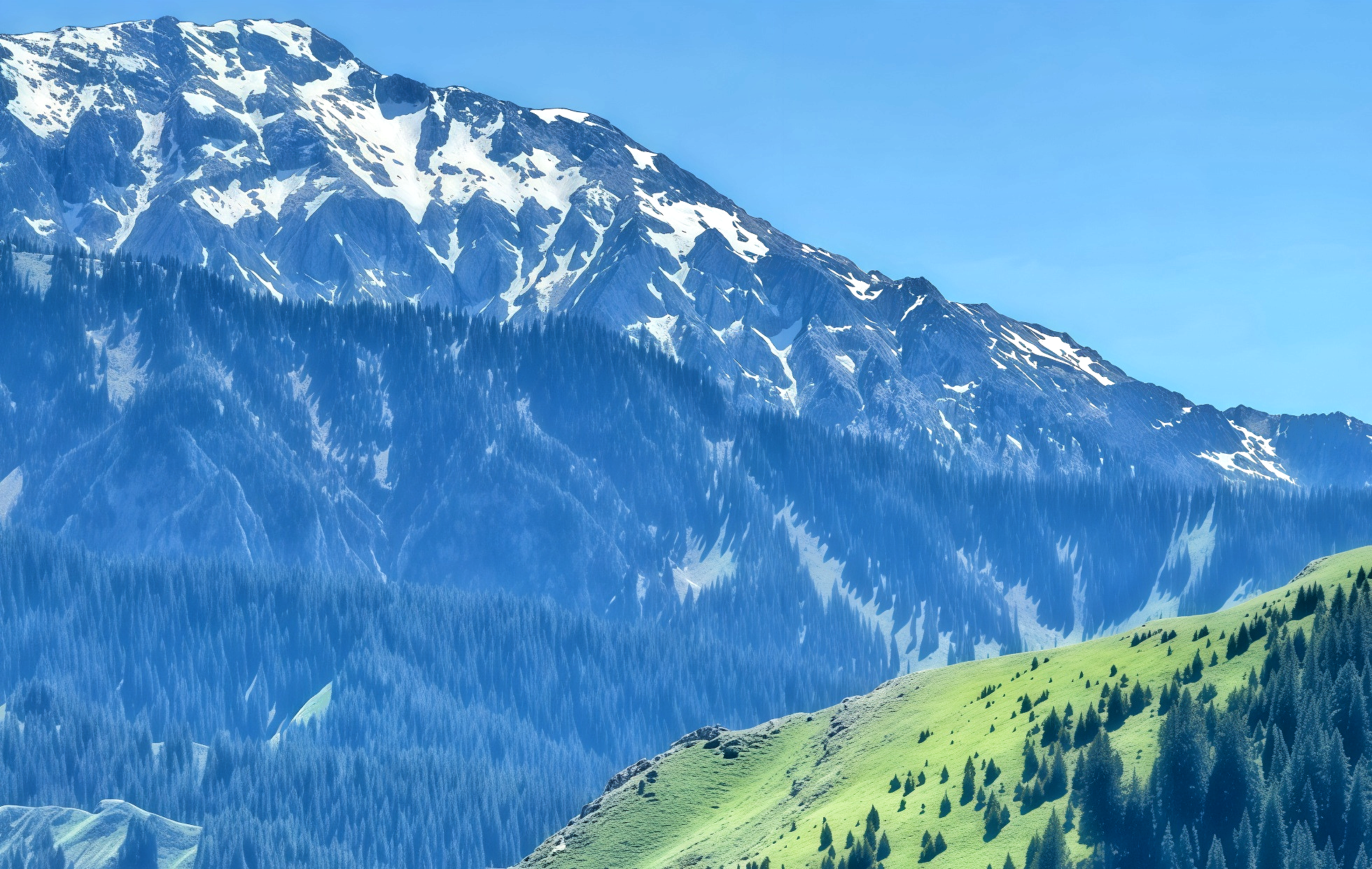
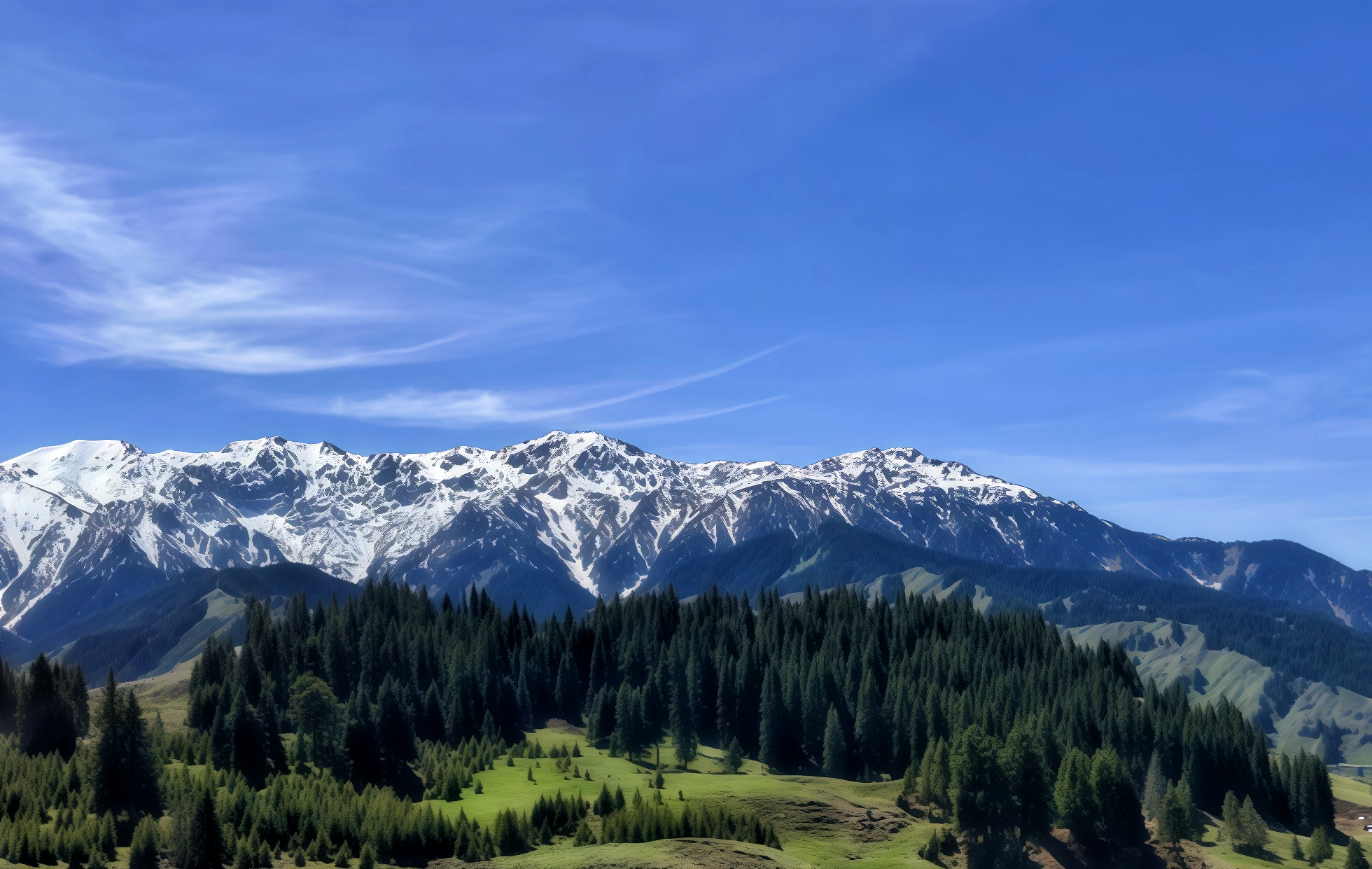
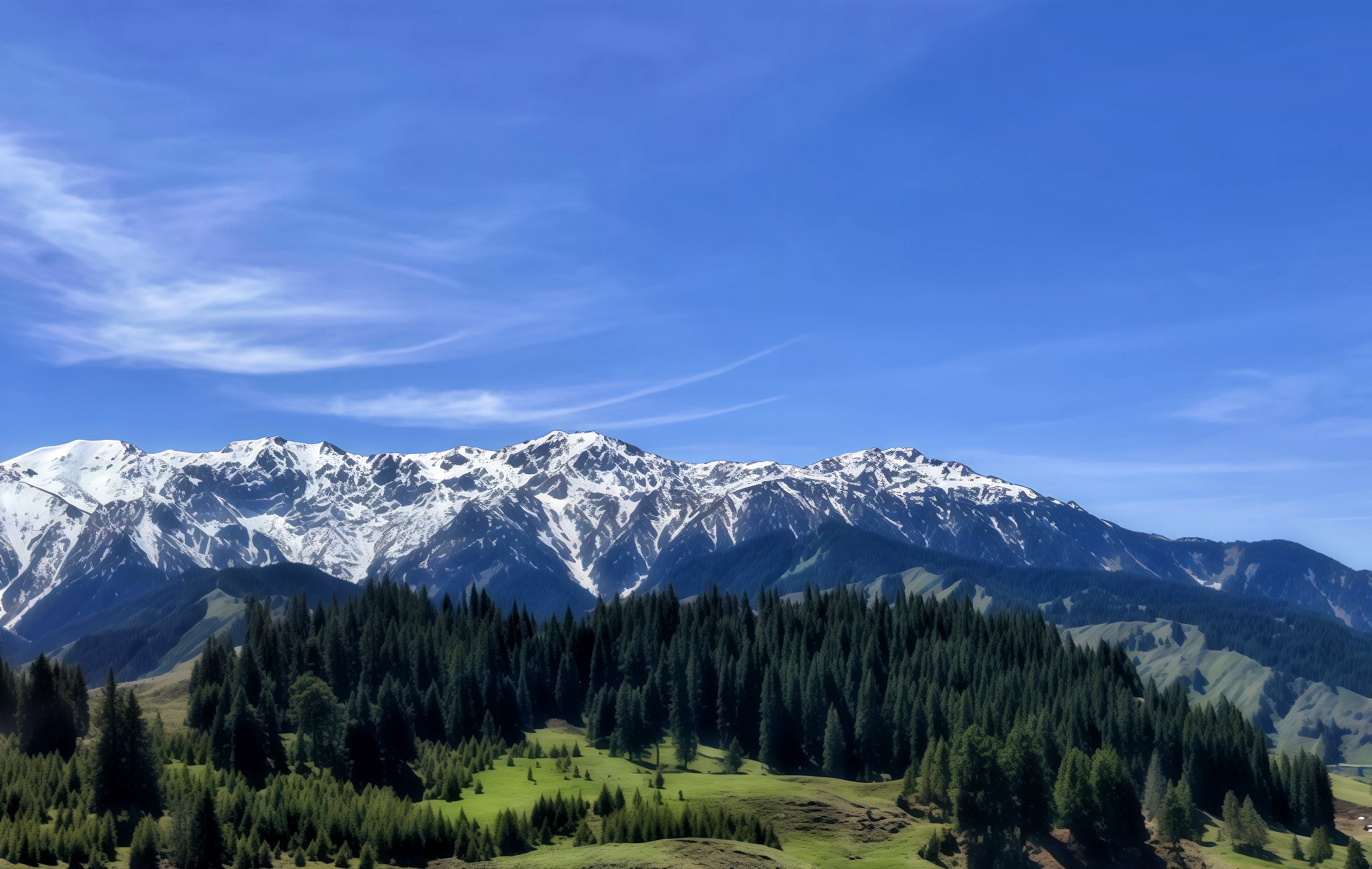
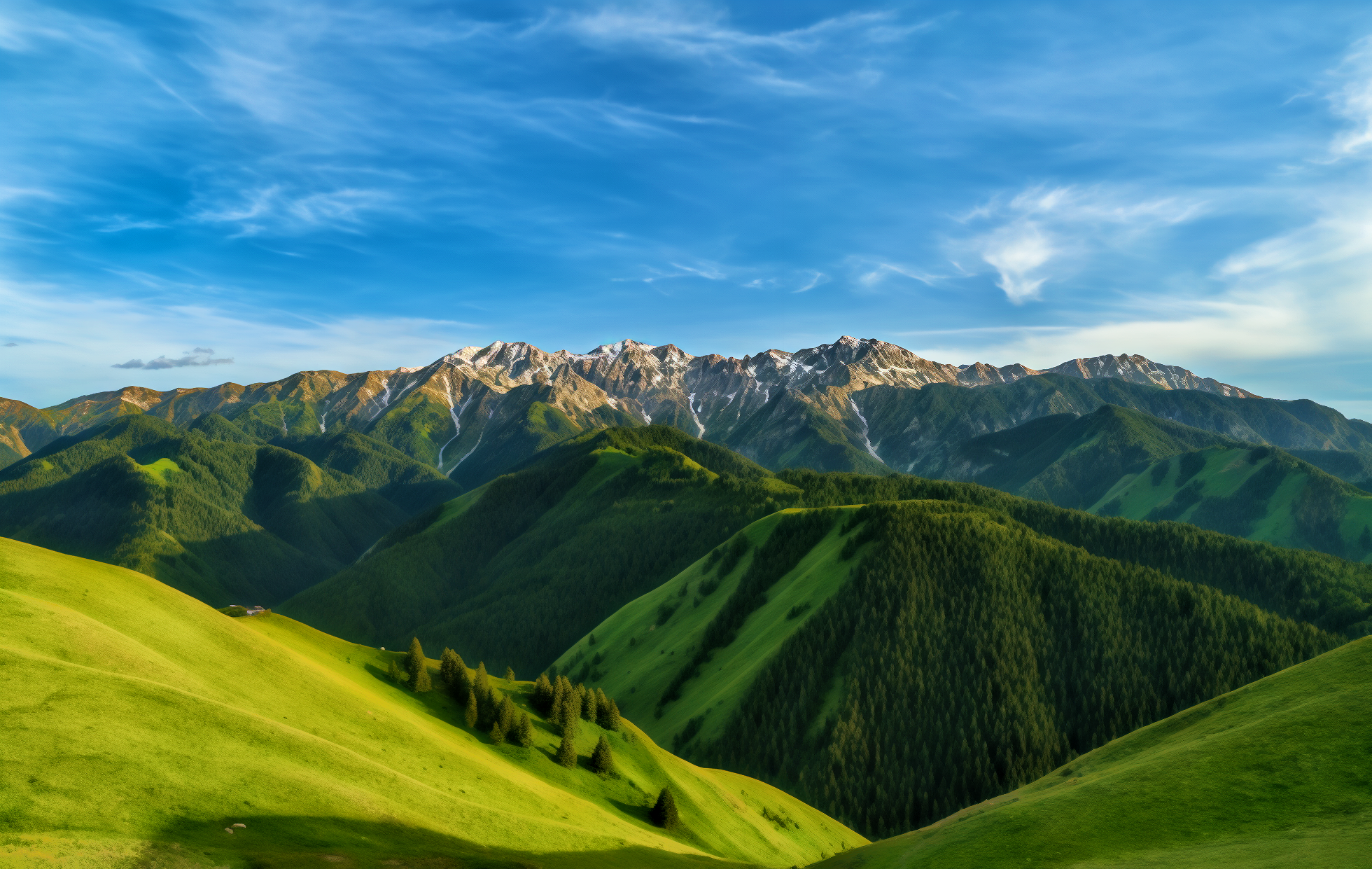
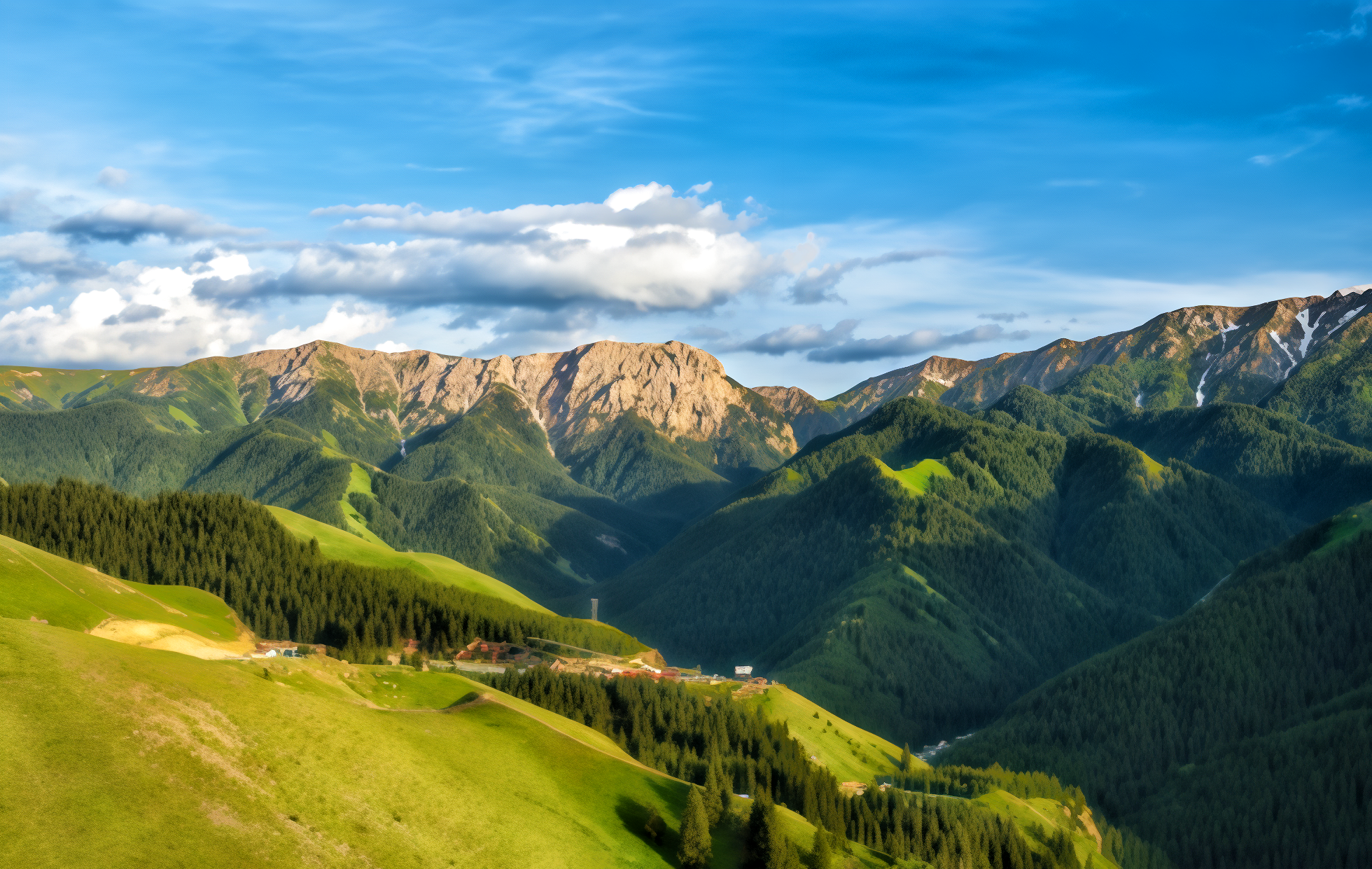
Guozigou stretches for 28 kilometers, a landscape where towering peaks pierce the sky and canyons wind and twist. Since ancient times, it has been lauded with the praise: "Its scenic beauty rivals that of Guilin; its bizarre rock formations surpass those of Yanyan." Upon entering the valley, one is flanked by steep, precipitous slopes; the spruce trees stand dark as ink, while the wind rustling through the pines creates a sound like a thousand surging waves. Ascending to Songshutou—the highest vantage point in Guozigou at an elevation of over 2,000 meters—one can look north to behold Sayram Lake, shimmering like a sapphire embedded within the mountains, or gaze south to trace the winding canyon as it leads deep into the Ili River Valley. Should you visit just after the rain has cleared, mists often swirl around the mountainsides, causing the pine forests to appear and vanish amidst the clouds—a scene truly reminiscent of a celestial realm.

Waterfalls and Streams: The Canyon's Spirited Pulse

The Taleqi River surges forth from the depths of the valley, singing a joyful song as it flows. Deep within the canyon, a high-altitude waterfall plunges from the sky; resembling a suspended white silk ribbon, it descends with a thunderous roar—a truly magnificent spectacle. During the spring and summer months, as the ice and snow melt, the water volume swells; the waterfall transforms into a silver dragon descending from the mountains, kicking up a fine mist that permeates the air. When the sunlight refracts through this mist, rainbows can often be seen arching gracefully across the sky. A Vertical Tapestry: Experiencing All Four Seasons in a Single Day

The most enchanting aspect of Guozigou lies in the transition from late summer to early autumn, a time when one can simultaneously behold the distinct scenery of all four seasons across the mountain slopes. At the valley floor, wildflowers bloom in riotous profusion, with bees and butterflies dancing amidst them—evoking the vibrant spirit of early spring. On the mid-slopes, pine cones appear as dark as ink against the backdrop of forests swaying like a thousand rolling waves—a quintessential summer scene. The mountain slopes are laden with ripening wild fruits, painting the landscape in brilliant hues of orange and gold—a vivid tableau of golden autumn. In the distance, glistening snow and ice stand in striking contrast to the nearby evergreen pines and cypresses—capturing the majestic essence of a northern winter.

Wildlife and Flora: A Natural Ecological Treasure Trove

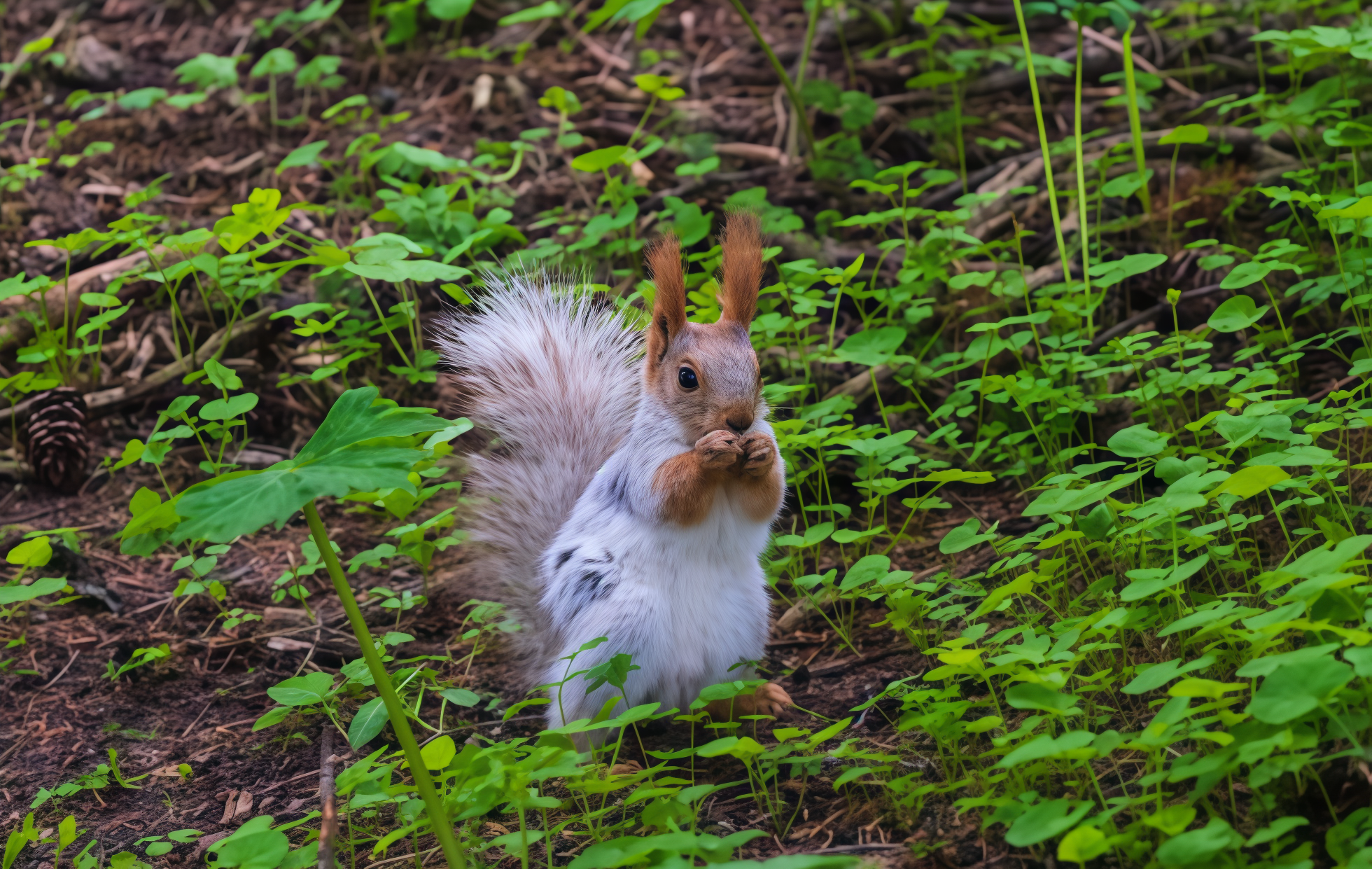
Guozigou—meaning "Fruit Valley"—owes its name to the abundance of wild fruits found within its confines; the valley is densely populated with wild fruit trees such as Sievers' apple, wild apricot, and walnut. At the cusp of spring and summer, wildflowers burst into bloom, filling the air with the intoxicating fragrance of aromatic herbs. The valley is also a rich repository of medicinal resources, serving as a natural habitat for highly prized herbs such as Codonopsis (Dang Shen), Angelica (Dang Gui), Fritillary (Bei Mu), and Cordyceps. Wild animals—including hares, foxes, and red deer—roam the mountain forests, making this a true ecological paradise.

Human Ingenuity: A Millennium of Silk Road Heritage and a Modern Engineering Marvel

The Guozigou Bridge: A Modern Landmark Spanning the Tian Shan Mountains

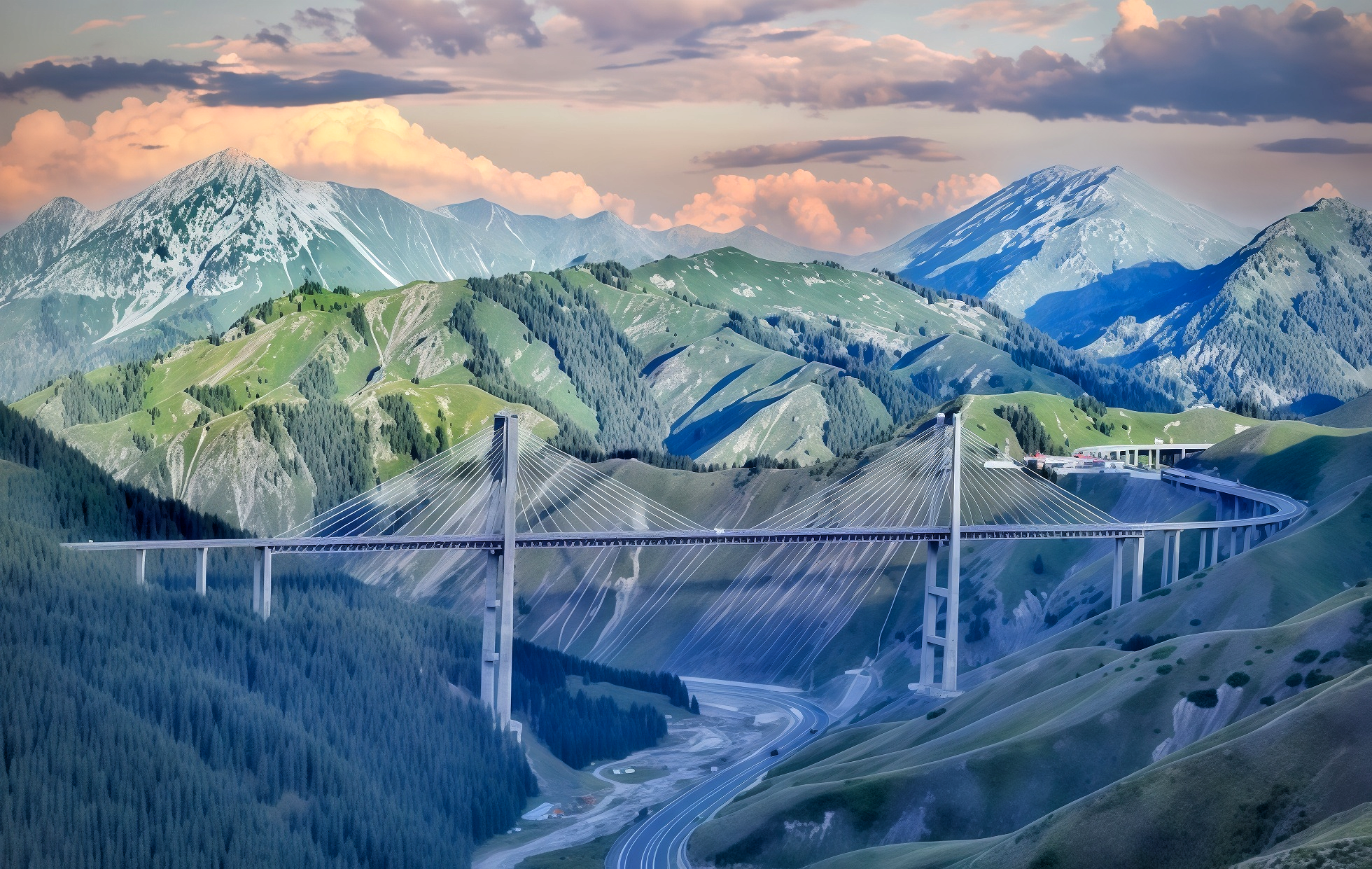
If the natural scenery serves as the canvas upon which Guozigou is painted, then the Guozigou Bridge is the crowning masterpiece—the "finishing touch" that brings the entire landscape to life. As China's first cable-stayed bridge featuring a steel truss girder supported by twin towers and a double cable plane, this engineering marvel spans a total length of 700 meters. Its main towers soar to a height of 209 meters, anchored by a total of 104 cable stays—the longest of which stretches nearly 180 meters. Standing beneath the structure and gazing upward, one sees the colossal towers piercing the clouds, while the steel cables stretch taut like the strings of a giant harp, suspending the entire bridge securely above the canyon floor. Driving across the bridge offers a panoramic spectacle: snow-capped mountains and lush forests unfold on either side, while the 200-meter-deep valley rushes past beneath your wheels. The ultimate vantage point for viewing this spectacle is situated atop the mountain peaks within the Guosai Scenic Area; from here, the bridge, the canyon, the snow-capped mountains, and the forests converge within a single frame—creating a magnificent tableau that embodies the harmonious coexistence of human ingenuity and the natural world.

Echoes of the Ancient Path: The Timeless Legacy of Toutai and Ertai

The name "Ertai" (Second Station) traces its origins back to the military outposts and postal relay stations established here during the Qing Dynasty. Today, it serves as an ideal resting spot for travelers; here, rustic wooden cabins blend harmoniously with the surrounding grasslands, continuing to offer a welcome respite for those journeying through the Guozigou Valley. Heading south from Ertai, the terrain gradually descends and the valley mouth widens. The highway is flanked by groves of sparsely spaced spruce trees, intertwined with the gnarled branches of poplars and tamarisks, creating a landscape awash in vibrant greenery. Along the route, remnants of ancient Silk Road relay stations can still be glimpsed—silent witnesses that transport the imagination back to a bygone era, evoking vivid images of bustling camel caravans and galloping postal horses.

Pastoral Migration: A Living Nomadic Culture

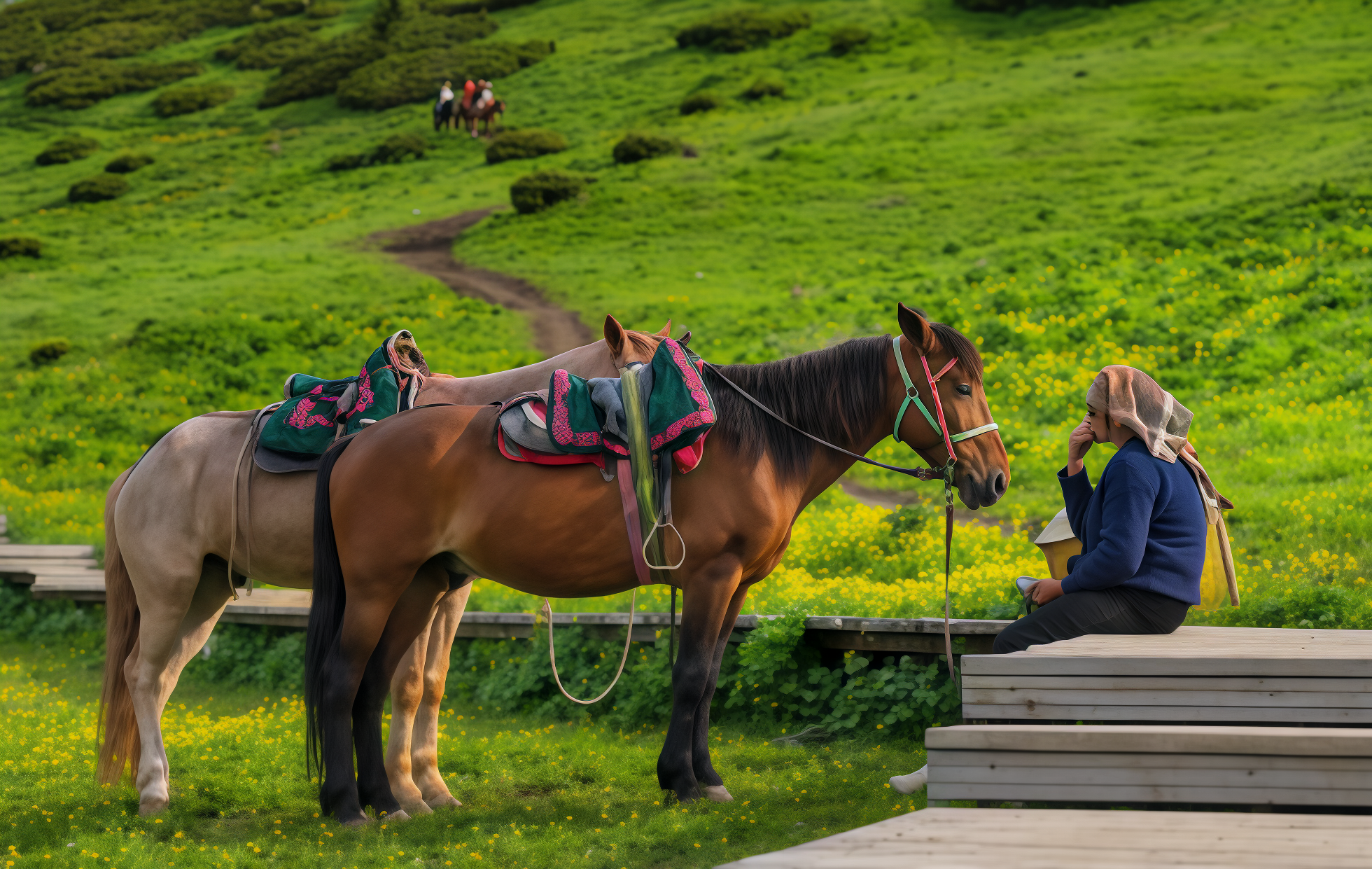
Guozigou is more than just a tourist destination; it is the ancestral homeland of the local Kazakh herdsmen. Every spring and autumn, these herdsmen drive their flocks of cattle and sheep along the Guozigou Valley, migrating between their summer and winter pastures—a seasonal movement that creates a mesmerizing, ever-shifting landscape. Today, however, the herdsmen no longer face the arduous, week-long trek along winding mountain roads. Instead, they load their livestock onto trucks and transport them across the Guozigou Bridge to their winter pastures, a journey that now takes "just five hours." This transformation stands as the most profound gift that this magnificent bridge has bestowed upon this land.

> Photography Tips:

> The best vantage point for photographing the Guozigou Bridge is atop the hills within the Guosai Scenic Area, offering a comprehensive view that captures both the full span of the bridge and the dramatic canyon backdrop.

> "Songshutou" (Pine Tree Head) is an excellent location for capturing a composite shot featuring both Sayram Lake and the Guozigou Valley within a single frame.

> At sunset, the bridge glows resplendently in the golden light, creating ideal conditions for capturing silhouettes and long-exposure shots.

> The Ertai Forest Farm is perfect for photographing the "sea of ​​trees" and winding streams; immediately after a rain shower, the landscape is often shrouded in swirling mist, creating a scene of exquisite poetic beauty.

> Drone photography is permitted in this area, allowing you to capture epic aerial perspectives of the bridge as it stretches across the canyon like a colossal dragon. 

Core Experiences: An Immersive Guide to the Canyon Wonders

Furong Ancient Town Furong Ancient Town Furong Ancient Town Furong Ancient Town

Five Must-Do Activities to Unlock the Magic of Guozigou

1. Witness the Golden Hour: A Sunset over the Grand Bridge

- Timing: Arrive at the Guosai Scenic Area observation deck one hour before sunset and wait as the sunlight paints both the bridge and the canyon in hues of gold.

- Location: The observation deck situated atop the hill within the Guosai Scenic Area (look for the spot with the signal tower and small spire).

- Preparation: Bring a windproof jacket, a camera, and a patient heart—one willing to wait for the perfect moment.

2. Capture Epic Shots: Wilderness Photography in the Tianshan Canyon

- Timing: Two hours after sunrise or two hours before sunset, when the lighting is at its softest and most beautiful.

- Locations: Songshutou (overlooking Lake Sayram and the canyon), Ertai Forest Farm (featuring forests and streams), and the Grand Bridge Observation Deck (offering panoramic views of the bridge).

- Attire: We recommend wearing red, white, or denim-style clothing to create a striking contrast against the lush, verdant forest backdrop.

3. Walk the Ancient Silk Road: A Journey Through a Millennium of History

- Route: Travel the entire length of Guozigou along National Highway 312, heading south from Songshutou down to Ertai; immerse yourself in the poetic atmosphere where "every winding turn reveals a new, captivating vista."

- Pace: Feel free to stop at observation decks whenever you wish; there is no need to rush—allow ample time to appreciate the scenery from every angle.

4. Visit a Herder's Yurt: Savoring the Fragrance of Milk Tea

- Experience: During the summer months, herders' yurts and beekeepers' tents are scattered throughout the valley. Stop by to enjoy a bowl of freshly brewed milk tea or purchase a bottle of authentic wild-flower honey.

- Interaction: Strike up a conversation with the local herders to hear their stories and learn how their lives have changed since the completion of the Guozigou Grand Bridge.

5. Feast on Authentic Flavors: A Table of Xinjiang Delicacies

- Must-Eats: The restaurants located at the Guozigou Entrance Service Area offer a selection of authentic local specialties, including Da Pan Ji (Big Plate Chicken), Zhua Fan (Pilaf), grilled lamb skewers, and Ban Mian (hand-pulled noodles). - Specialty: "88 Old Delicacy Lamb Offal" (88 Lao Meiwei Yangza) in Lucao'gou Town is a long-standing establishment with a history of over 40 years; their lamb offal soup is truly exceptional.

- Snacks: Kazakh-style milk tea, Kumis (fermented mare's milk), and Kurt (dried milk curd)—offering a taste of the unique flavors of the nomadic people.

Suggested Itineraries

Half-Day "Scenic Highlights" Tour (Ideal for Self-Driving Travelers Passing Through):

Depart from the South Gate of Sayram Lake → Drive through the tunnel to enter Guozigou Valley → Stop at "Songshutou" (Pine Tree Head) to overlook Sayram Lake and the canyon (30 minutes) → Descend along the winding mountain road and stop at the Guosai Scenic Area Observation Deck to capture panoramic views of the Guozigou Bridge (30 minutes) → Continue southward to the Ertai Forest Farm; park your vehicle to take a leisurely stroll and immerse yourself in the forest and streams (40 minutes) → Exit Guozigou Valley and proceed to Lucao'gou Town or Huocheng County for a meal.

> IntoTravelChina Tip: This itinerary focuses precisely on the most iconic viewpoints within Guozigou Valley. We recommend allocating 2–3 hours for this trip. If you are traveling from the direction of Urumqi, you can follow the same sequence but in reverse order.

Full-Day "Sayram Lake + Guozigou" In-Depth Tour (Highly Recommended):

Morning: Depart from Yining City or Qingshuihe Town; arrive at the Sayram Lake Scenic Area in approximately 1.5 hours → Tour around the lake, visiting key photo spots and attractions such as Jiangtai (General's Platform), Xihai Grassland, and Keleyongzhu (3–4 hours) → Have lunch within the scenic area.

Afternoon: Exit via the South Gate of Sayram Lake and enter Guozigou Valley → Visit the Songshutou Observation Deck (for panoramic views of Sayram Lake) → Visit the Guosai Scenic Area Observation Deck (to photograph the Guozigou Bridge) → Hike at the Ertai Forest Farm (1 hour) → Continue southward along National Highway 312 to exit Guozigou Valley.

Evening: Enjoy dinner in Lucao'gou Town or Huocheng County, savoring the local specialty dishes.

> Professional Guide Service: IntoTravelChina offers custom-tailored itineraries, including a dedicated private guide, transportation, and activity arrangements, ensuring a worry-free and in-depth travel experience. >> [Inquire Now for a Customized Itinerary]

Comprehensive Travel Guide: Transport, Accommodation, and Seasons

Furong Ancient Town Furong Ancient Town Furong Ancient Town

How to Get There: A Seamless Connection Guide

Guozigou is situated along the G30 Lianyungang–Khorgas Expressway; driving yourself is the best way to get there.

- From Across the Country: Fly to Yining Airport (which offers numerous flights). Upon exiting the airport, rent a car or hire a private vehicle to reach Guozigou; the drive takes approximately 1.5 hours (109 km). Alternatively, take a train to Yining Station, then transfer to a bus or car upon exiting the station.

- From Urumqi: Drive west along the G30 Lianyungang–Khorgas Expressway. The total distance is approximately 560 km, taking about 6.5 hours by car. Along the way, you will pass through Shihezi, Kuytun, and Jinghe. After taking a break at the Wutai Service Area, drive through the Sayram Lake Tunnel to enter Guozigou.

- From Yining City: Drive yourself or hire a private vehicle; the trip takes approximately 1.5 hours (109 km). For GPS navigation, set your destination to "Guozigou Bridge" or "Guosai Scenic Area."

- From Sayram Lake: Drive out through the South Gate of Sayram Lake; passing through the tunnel brings you directly into Guozigou. The drive takes about 10 minutes.

Important Note: The Guozigou Bridge is a section of the expressway; stopping on the bridge to take photos is strictly prohibited. If you wish to photograph the bridge, you must park at the designated observation deck within the Guosai Scenic Area (located before the bridge) or at the service area (located after the bridge). You can, however, snap photos of the bridge's main towers from the passenger seat while driving across.

Best Time to Visit

Guozigou offers beautiful scenery in every season, but the transition period between spring and summer, as well as autumn, are the absolute best times to visit.

- The Golden Season (Late May – September): The absolute peak time to visit! From late May to early June, wildflowers are in full bloom, fruit trees are lush and green, and the entire canyon is vibrant with greenery. Waterfalls flow with abundant volume, and the snow-capped mountains in the distance are clearly visible—earning the region the nickname "Little Switzerland." During the summer months, the canyon remains cool and refreshing, making it an ideal retreat for escaping the summer heat. - Autumn: The "Oil Painting" Season (September–October): The forests are ablaze with color—spruces a deep emerald, wild fruits a golden yellow—creating the richest and most layered palette of the year. The air is crisp and clear, and visibility is excellent, making it an ideal time for photography.

- Winter: The Season of Tranquility (December–March): Heavy snow often seals off the Guozigou Valley, and certain road sections may be subject to traffic restrictions; therefore, a dedicated trip solely for Guozigou is not recommended during the winter months. However, if you happen to visit just after a snowfall when the skies clear, the canyon is draped in a pristine mantle of white—a scene of unique and pure beauty.

Accommodation Options

- Guozigou Entrance Service Area (Recommended Choice):

- Advantages: Located just a few kilometers from the Guozigou Bridge, this area serves as the essential gateway for travelers entering the Yili region. The newly opened Langyu Inn offers a variety of room types—including standard rooms, family rooms, and scenic treehouses—as well as unique accommodations styled after traditional Northern Shaanxi Yaodong (cave dwellings). The inn also provides dining services featuring authentic Xinjiang delicacies such as Da Pan Ji (Big Plate Chicken), Ban Mian (hand-pulled noodles), and Zhua Fan (pilaf).


- Best For: Travelers who wish to stay right at the park entrance for convenient early-morning and late-evening photography sessions.

- Areas Surrounding Sayram Lake Scenic Area:

- Advantages: Guozigou is situated near the South Gate of Sayram Lake; staying in the vicinity of the lake allows you to easily combine visits to both sites into a two-day itinerary. While there are a few hotels near the East Gate of Sayram Lake, advance booking is essential during peak season. Generally, accommodation options at the Guozigou entrance offer greater variety and better value for money compared to those near the East Gate of Sayram Lake.

- Best For: Travelers planning an in-depth exploration of Sayram Lake.

- Hocheng County / Qingshuihe Town:

- Advantages: Offers a wide range of accommodation choices, ranging from budget-friendly options to higher-quality establishments. Located approximately a 40–50 minute drive from Guozigou, prices here are generally more affordable than those found directly within or around the scenic areas.

- Best For: Travelers on a limited budget or those who wish to experience the local lifestyle of a county town.

- Yining City:

- Advantages: Offers an extensive and diverse range of accommodation options ranging from budget-friendly options to five-star luxury hotels. However, a round trip to Guozigou from here requires approximately 3 hours of driving time.

- Best Suited For: Travelers planning to visit other attractions within the Ili region who have higher standards regarding accommodation quality.

> IntoTravelChina Accommodation Booking Tips:

> During Ili's peak tourist season (July–October), accommodation availability is tight; we recommend booking at least one month in advance. By booking through us, you gain access to real-time room availability and can bundle your accommodation, attraction tickets, and transportation into a single itinerary—often securing package discounts in the process. Simply tell us your budget and requirements, and we will match you with the perfect "Canyon Retreat." >> [Click to contact an IntoTravelChina travel consultant]

Extended Journeys: Connecting the Highlights of Ili

Furong Ancient Town

Guozigou is by no means the end of your journey, but rather the perfect starting point for exploring the Ili River Valley.

- Classic 3-Day Ili Mini-Loop: Yining → Guozigou → Sayram Lake → Huocheng Lavender Fields (June–July) → Kalajun Grassland → Tekes Bagua City → Yining. This is a perfect itinerary that seamlessly blends canyons, lakes, grasslands, and cultural experiences. 

- Panoramic 7-Day Northern Xinjiang Grand Loop: Urumqi → S21 Desert Highway → Burqin → Kanas → Hemu → Ghost City → Sayram Lake → Guozigou → Yining → Nalati → Duku Highway → Urumqi. Experience the very best of Northern Xinjiang in a single trip; Guozigou serves as the crowning jewel of this grand loop.

- Duku Highway + Ili Combo Tour: Combine Guozigou with the Duku Highway to experience the diverse landscapes of Xinjiang—transitioning from deep canyons to snow-capped mountains, and from lush grasslands to arid Gobi deserts. 

Partner with IntoTravelChina to Embark on Your Exclusive Canyon Adventure

Furong Ancient Town

The story of Guozigou (Fruit Valley) is woven with tales of Genghis Khan's cavalry forging a path, the thousand-year echoes of Silk Road camel bells, and the modern miracle of a grand bridge transforming a natural barrier into a smooth thoroughfare. IntoTravelChina specializes in crafting in-depth, personalized, and hassle-free travel experiences across China. Our travel experts are here to offer you:

- Tailor-Made Itineraries: We design the perfect route—incorporating Guozigou and the Ili Loop—based on your specific interests and available time.

- One-Stop Service: We handle all the details, including vehicle rentals, unique accommodations, local guides, and activity bookings.

- Exclusive Experiences: We arrange prime photography guidance, visits to local Kazakh families, private viewing spots at the Guozigou Bridge observation deck, and more.

Let your journey to Guozigou be more than just sightseeing; let it be a pilgrimage—an immersive odyssey through the canyons of the Tianshan Mountains and the rich heritage of the Silk Road.

> Start Planning Your Journey Now

> We invite you to contact our professional travel consultants; we will provide you with a personalized itinerary proposal and quotation within 24 hours. >> [Click to contact an IntoTravelChina travel consultant]

What Our Clients Say?

Based on 10,000+ traveler reviews

...
Daniel Dorothea
Canada
Reviewed on April 29,2025
Shopping on Nanjing Road in Shanghai was just amazing! It's truly the "First Commercial Street of China", where tradition and modernity blend perfectly. You can find awesome souvenirs and experience the trendy vibes in cool stores. The neon lights at night are just spectacular, shining bright like Times Square in New York. The food here is incredible too. I had a feast for my taste buds. Shanghai, I'll definitely be back!
Destination(s): Shanghai
Date of Experience: May 08,2024
...
...
Elvis Eva
Canada
Reviewed on June 20,2025
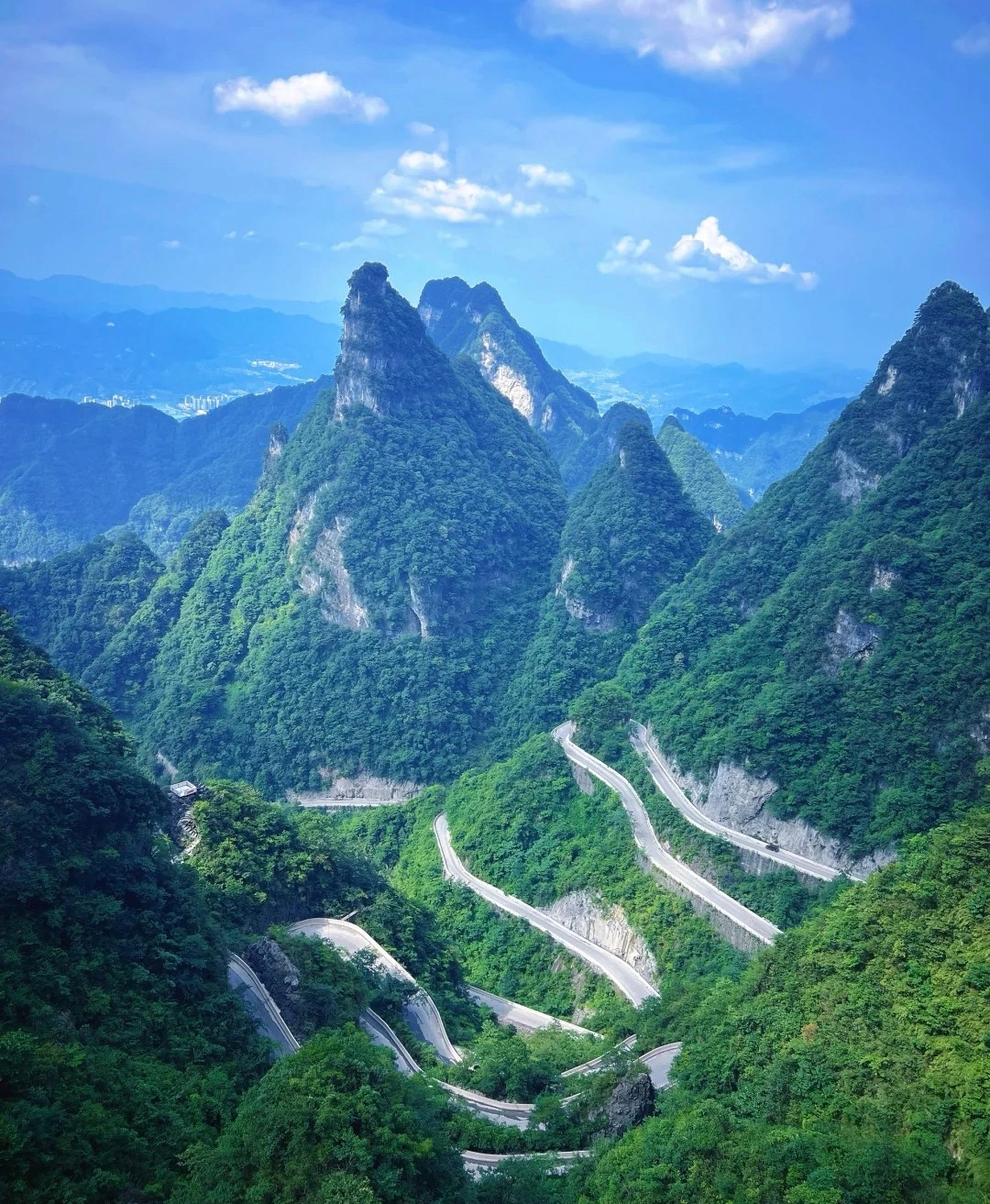
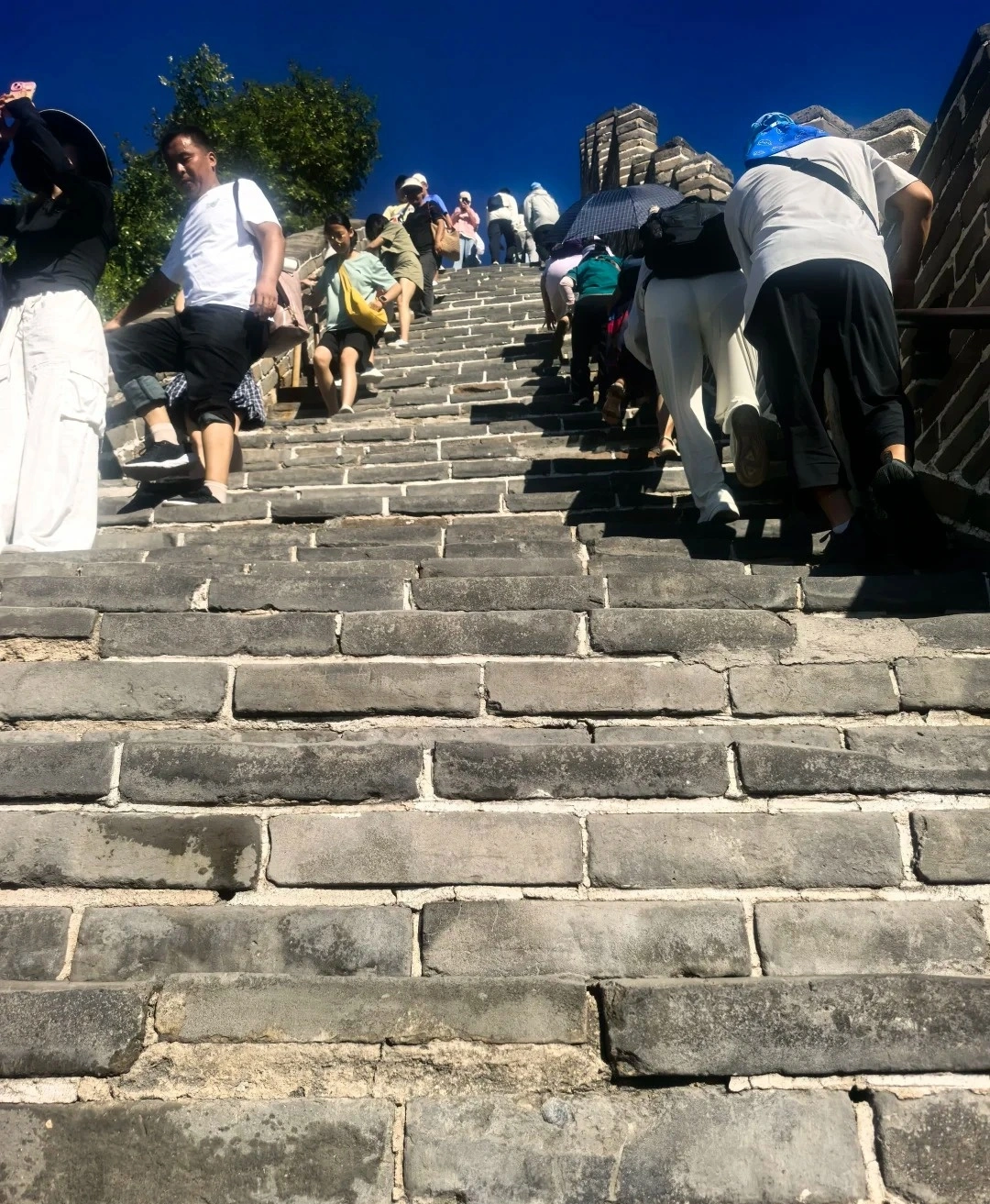
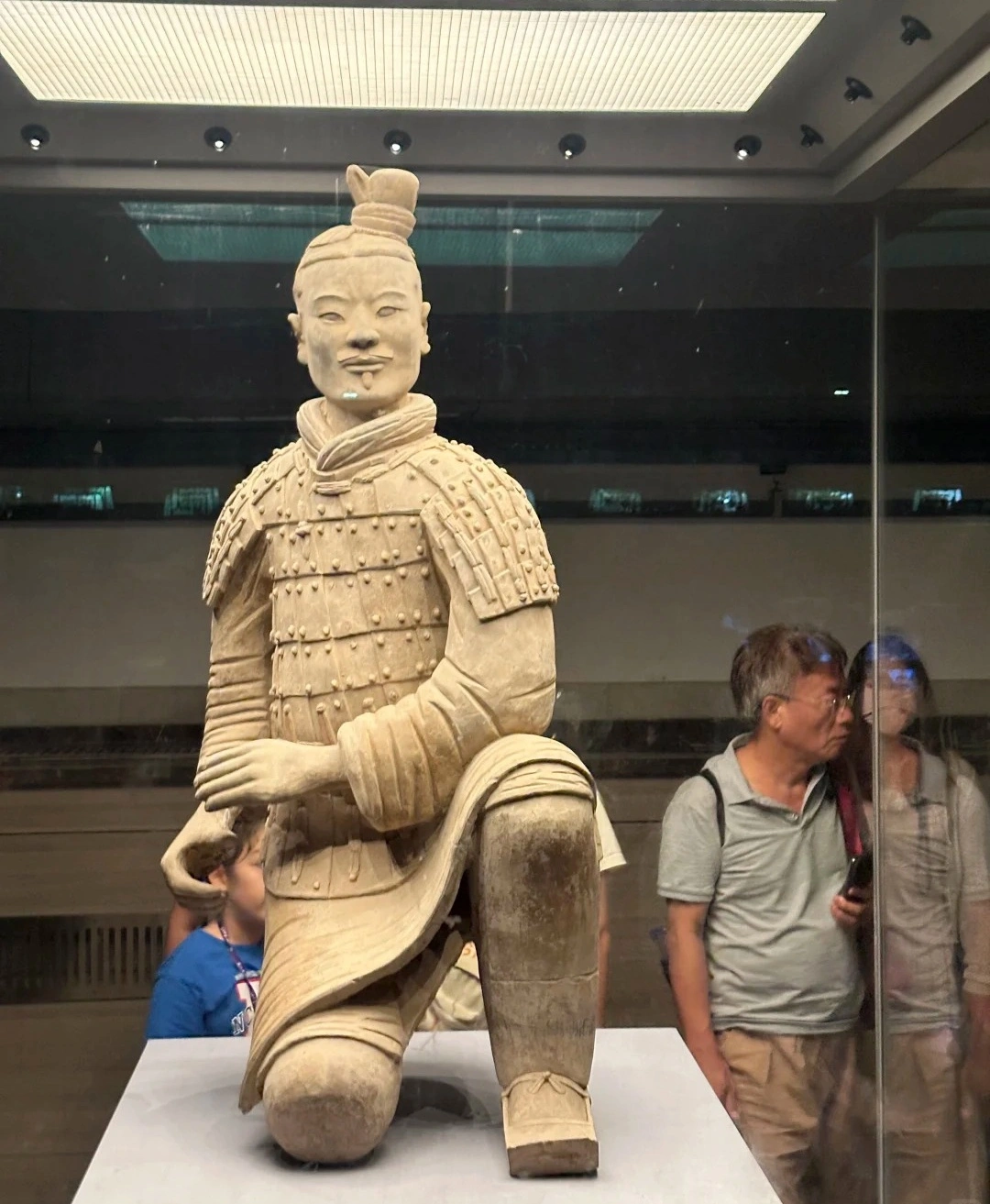
As a solo traveler from Canada, I was nervous about navigating China alone—but this 11-day tour was PERFECT! From hiking the Great Wall at sunrise (Day 3) to gasping at the Terracotta Army (Day 5), every day delivered ‘pinch-me’ moments. The real showstopper? Zhangjiajie’s Avatar Mountains (Day 7)! Our guide made the stone pillars come alive with stories. Massive thanks for handling all logistics—bullet train tickets, entry passes, car! And the 4-star hotels surprised me.
Destination(s): Beijing Xian Zhangjiajie Shanghai
Date of Experience: June 02,2025
... ... ...
...
Simon
America
Reviewed on May 29,2025
Our 2-day Zhangjiajie tour was beyond spectacular! As someone who’s visited Beijing and Shanghai for work, this trip revealed China’s wild, magical heart. Day 1 in Zhangjiajie National Forest Park felt like stepping onto Pandora—I’m a huge Avatar fan, and Yuanjiajie’s floating peaks left me breathless. The misty pillars and lush valleys like pure movie magic! Then came Fenghuang Ancient Town, we eat dinner beside the thundering waterfall. It seems Unreal! The night views of stilt houses glowing over the river were straight from a fairy tale. For fellow Avatar lovers and adventure seekers: Don’t miss this bucket-list experience! 10/10 would return. A Well-Traveled Film Buff, May 2025
Destination(s): Zhangjiajie
Date of Experience: May 08,2025
... ...

Ask a Question

Question Summary (100 characters)
Details (optional) (2,000 characters)
Name
Country
Email