

Chongqing Hot Pot vs. Sichuan Hot Pot: Exploring Two Legends of Chinese Fire & Flavor
Chongqing Hot Pot: The Raw, Fiery Intensity
Flavor Profile:
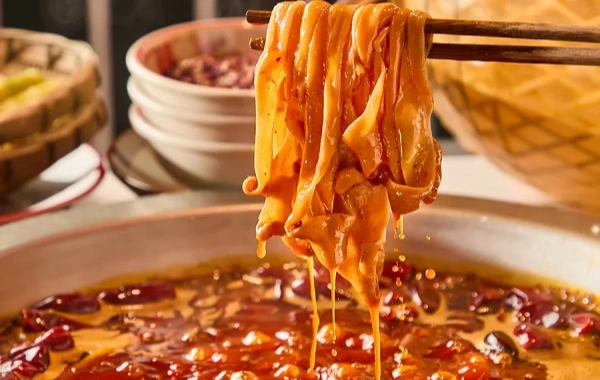
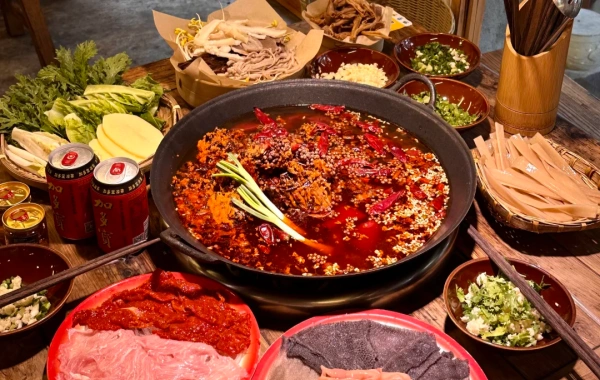
Chongqing Hot Pot is bold, oily, and unrelenting. Its broth is built on a thick layer of chili oil and cow fat, creating a viscous, fiery base that clings to ingredients. The spice hits hard and fast, with Sichuan peppercorns delivering a tingling, numbing sensation that lingers.
Key Ingredients:
- Beef tripe (maodu): A textural icon, chewy yet tender when cooked right.
- Fresh duck blood curd: Slides into the broth for a silky, mineral-rich bite.
- Hand-cut potato noodles: Absorb the broth’s oil and spice like sponges.
- Water spinach: Adds a crisp, slightly bitter contrast.
Cultural Experience:
Dining here is rowdy and communal. Tables are packed with locals sweating over steaming pots, dipping skewers of meat and veggies into the shared broth. It’s a no-frills, high-energy affair, often found in open-air markets or hole-in-the-wall eateries.
Where to Try:
- Zhuang Yuan Hot Pot: A Yuzhong District staple, praised for its potent ma la broth and fresh tripe.
- De Zhuang Hot Pot: A chain offering customizable spice levels and hygienic, open kitchens.
Sichuan Hot Pot: The Fragrant, Layered Elegance
Flavor Profile:
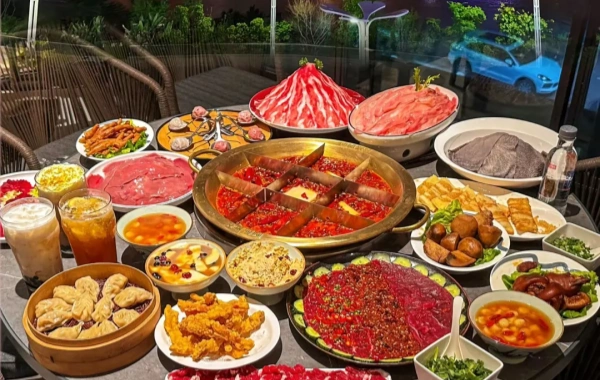
Sichuan hot pot is aromatic and nuanced, balancing spice with herbal sweetness. The broth uses less oil than Chongqing’s, infused with star anise, cinnamon, and dried tangerine peel. The result is a fragrant, multi-layered experience where spice builds gradually rather than overwhelming.
Key Ingredredients:
- Thinly sliced lamb: Cooks in seconds, absorbing the broth’s complexity.
- Enoki mushrooms: Add a delicate, earthy note.
- Handmade fish balls: Bounce with freshness.
- Pickled radish: Cuts through richness with a tangy crunch.
Cultural Experience:
Sichuan hot pot leans sophisticated and family-friendly. Many restaurants offer private dining rooms and the iconic yuan yang guo—a divided pot with spicy and mild broths to cater to all palates. It’s a celebration of togetherness without the chaos.
Where to Try:
- Huang Cheng Lao Ma Hot Pot : A Chengdu classic since 1986, known for its herbal broth and premium meats.
- Da Long Yi Hot Pot : A modern spot with creative dishes like rose-shaped beef slices and trendy interiors.
Key Differences Without the Comparison Trap
Broth Style:
- Chongqing: Thick, oily, and intensely spicy.
- Sichuan: Lighter, aromatic, with herbal undertones.
Top Ingredients:
- Chongqing: Tripe, duck blood, hearty noodles.
- Sichuan: Lamb, mushrooms, delicate fish balls.
Atmosphere:
- Chongqing: Energetic, street-side, and casual.
- Sichuan: Elegant, refined, and group-friendly.
Pro Tips for Hot Pot Virgins
- Ease into the heat: Start with a mild broth or ask for less chili oil.
- Dip strategically: Use the sesame oil dip to protect your stomach from the spice.
- Pair drinks wisely: Cold beer, plum juice, or herbal tea help cool the burn.
- Balance your bowl: Mix meats, veggies, and noodles for a well-rounded meal.
Final Verdict: Why Not Both?
Chongqing and Sichuan hot pots are two sides of the same fiery coin, each offering a gateway to China’s culinary soul. Whether you crave the raw, visceral thrill of Chongqing’s ma la or the refined, aromatic layers of Sichuan’s broth, both promise unforgettable communal feasts.





Contact Us
What Our Clients Say?








Ask us before you decide.
Unsure about a route, departure date or room option? Tell us what is holding up your plans. You will get a clear answer from our China-based travel team—no booking required.