Kalajun Grassland: An Idyllic Masterpiece of "Human-Body" Landscapes and a Five-Colored Sea of Flowers

Kalajun Grassland: An Idyllic Masterpiece of

Overview: A Three-Dimensional Grassland Blessed by the Divine

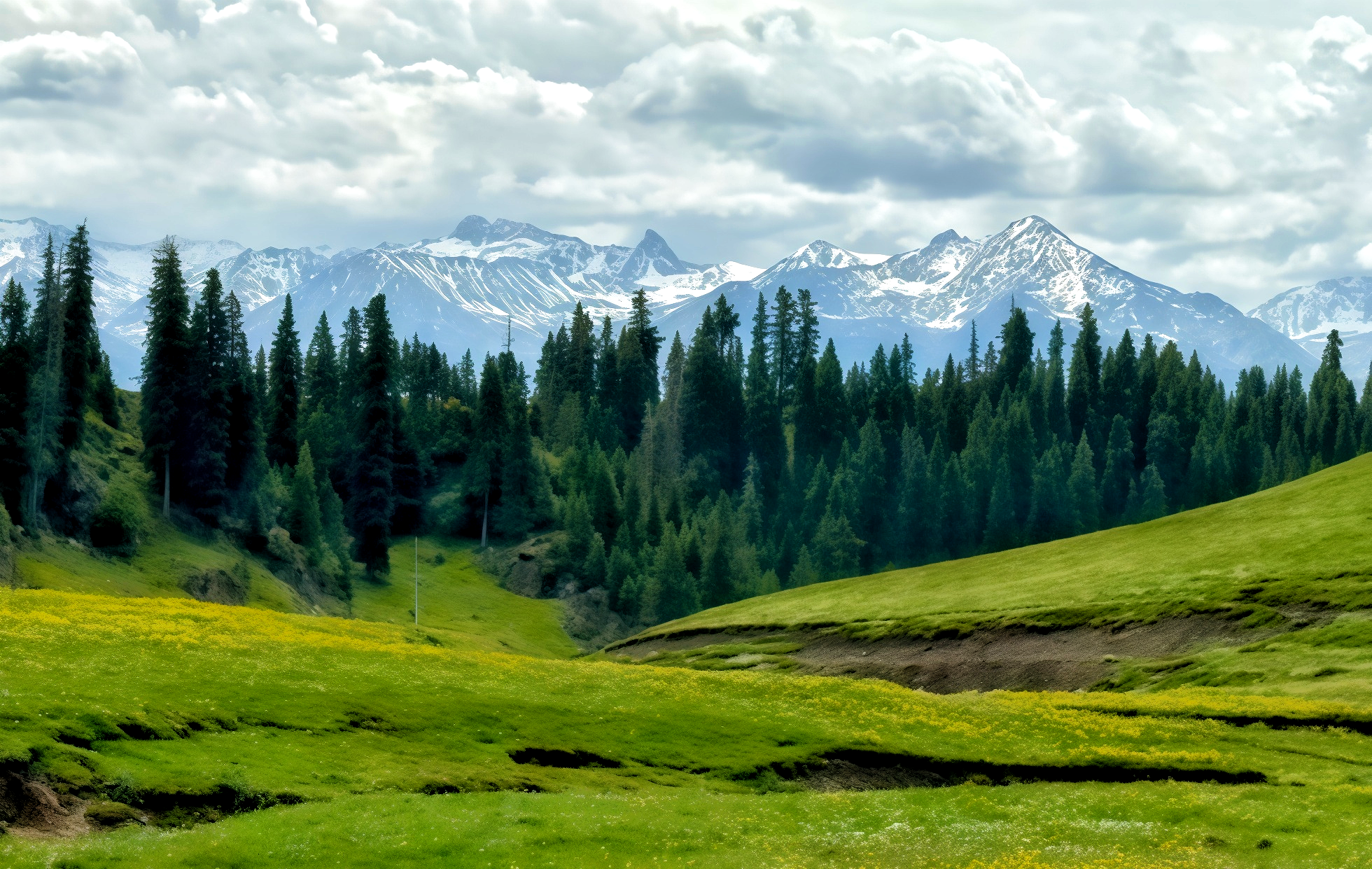
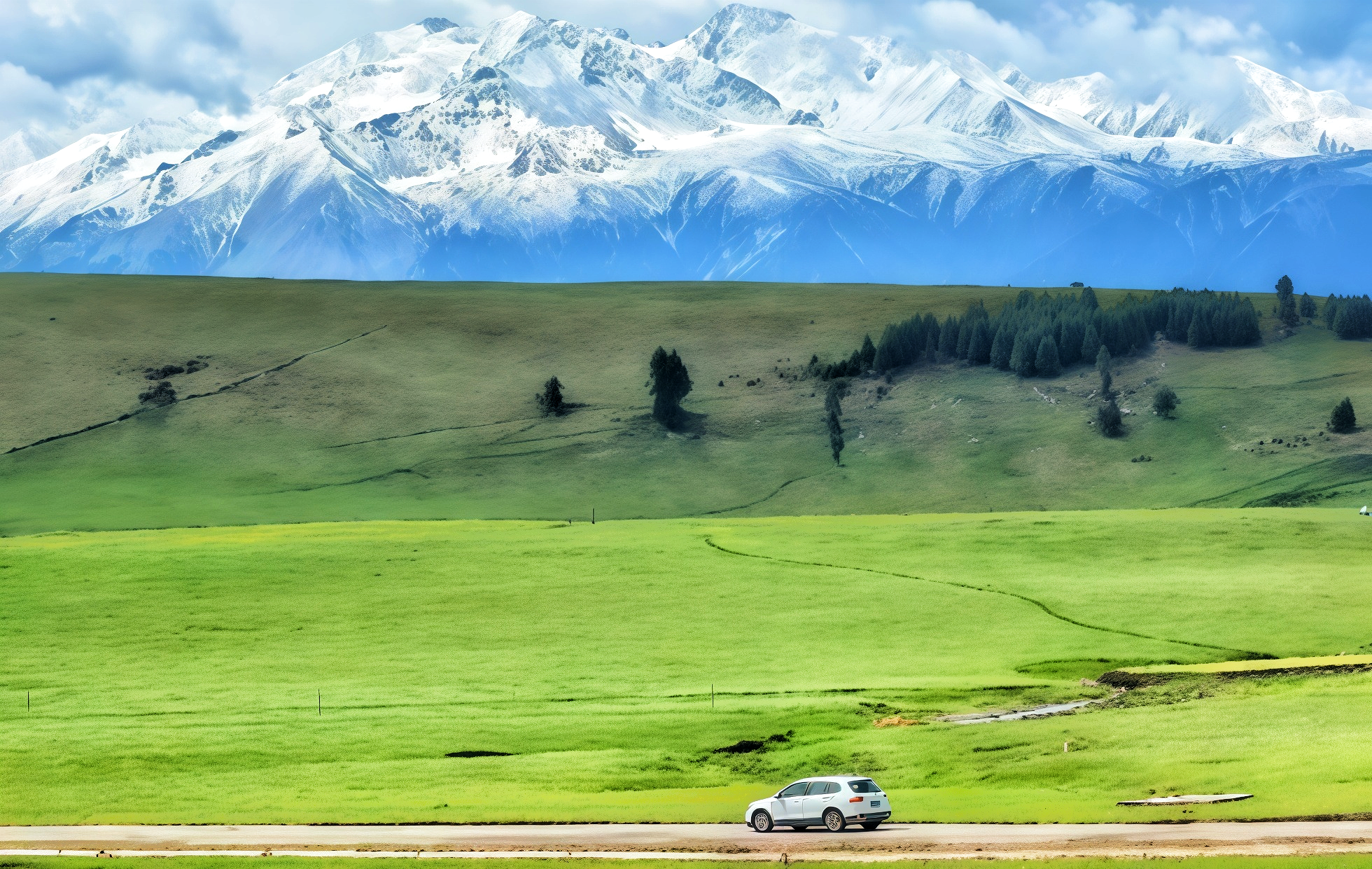
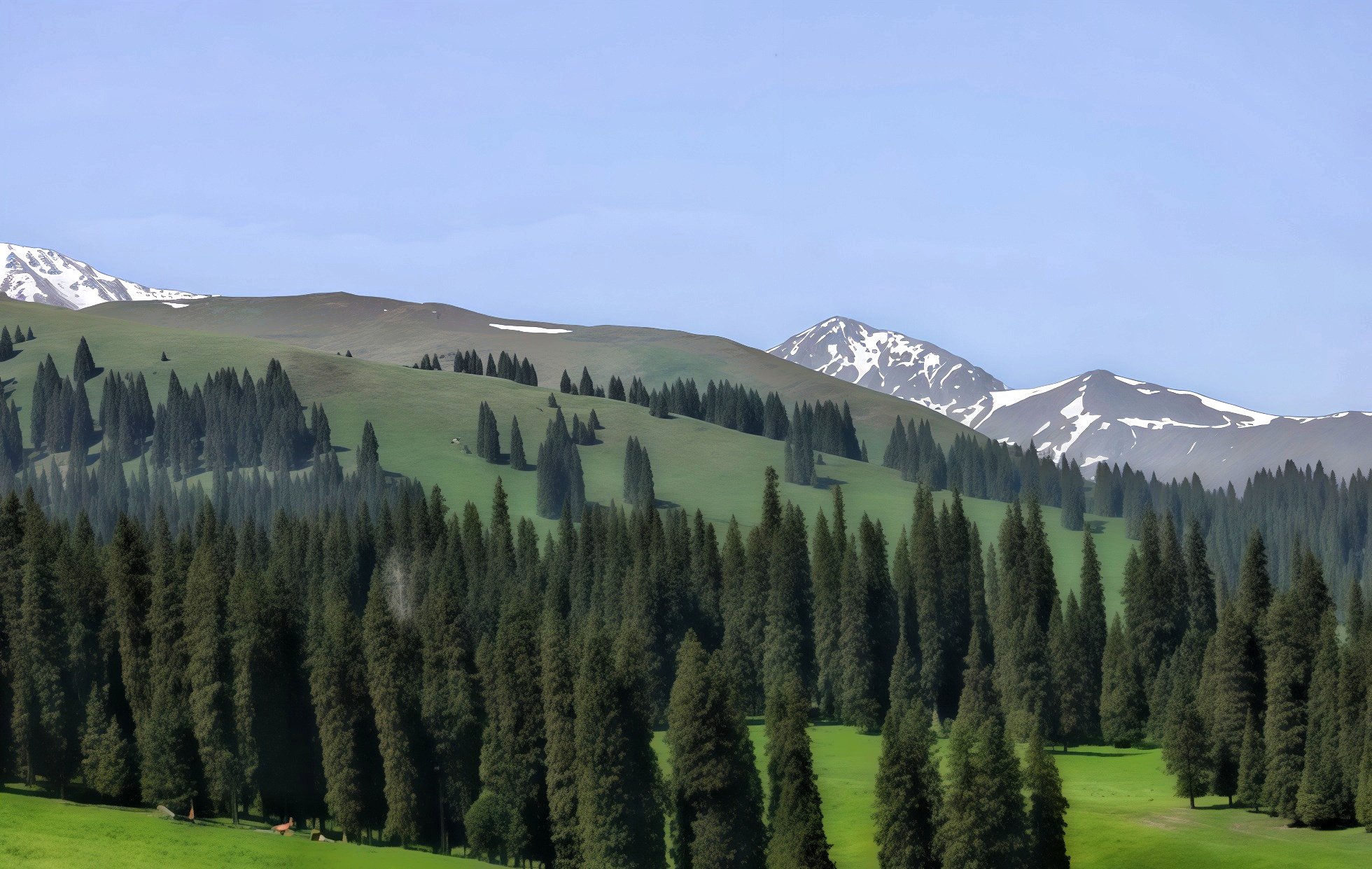
Kalajun grassland is not only China's most stunning three-dimensional grassland but also one of the "World's Top Five Alpine Meadow Grasslands," a distinction bestowed upon it by the Food and Agriculture Organization of the United Nations (FAO).

Key Highlights at a Glance

- Designations: World Natural Heritage Site (Part of the Tianshan Mountains of Xinjiang) / National AAAAA-level Tourist Attraction

- Core Experiences: Photography of the "Human-Body Grassland," hiking through the five-colored floral sea, rafting in the Koksu Grand Canyon.

- Recommended Duration: 1–2 days. We highly recommend staying overnight deep within the grassland to witness the interplay of light and shadow across the "Human-Body Grassland" and to gaze upon the brilliant starry sky at night.

- Address: Kalajun Town, Tekes County, Ili Kazakh Autonomous Prefecture, Xinjiang Uygur Autonomous Region.

  • Kalajun Grassland: An Idyllic Masterpiece of
  • Kalajun Grassland: An Idyllic Masterpiece of
  • Kalajun Grassland: An Idyllic Masterpiece of
  • Kalajun Grassland: An Idyllic Masterpiece of

Origins: The Great Khan's Cavalry Grounds and the Guardianship of the Grassland

Furong Ancient Town Furong Ancient Town Furong Ancient Town Furong Ancient Town

A Sacred Name — "The Wilds on the Ridge"

"Kalajun" is a term derived from the Kazakh language, meaning "the wilds on the ridge" or "the black wilderness." Situated atop the ridges of the Tianshan Mountains, this grassland features undulating terrain and expansive vistas. When gazing into the distance from a high vantage point, the grassland appears like a colossal black carpet stretching toward the horizon—hence its name. Another interpretation suggests that "Kalajun" signifies a "vast and boundless grassland," a vivid description that captures the immense scale and majestic beauty of this landscape.

A Land of Vigilance—The Millennial Legacy of the Kazakh People and the Ancient Wusun Realm

The modern narrative of the Kalajun Grassland is an epic woven from the threads of nomadic civilization and historical memory:

- A Millennial Homeland (Ancient Times to Present): Kalajun has served as the ancestral home of the Kazakh people for generations, as well as the core grazing ground of the ancient Wusun Kingdom during the Han Dynasty. The Wusun people once roamed and thrived here, leaving behind historical relics such as ancient Wusun tombs and stone figures. To this day, the Kalajun Grassland remains one of the most vital summer pastures for the Kazakh community.

- Discovery (20th Century): In the 1990s, the scenic beauty of the Kalajun Grassland began to gain recognition beyond its immediate region; its unique "human-body-like" terrain—resembling the contours of the human form—and its magnificent seas of wildflowers quickly captured the attention of photographers and adventurers alike.

- Conservation and Development (Post-2010): In 2013, the "Xinjiang Tianshan" was inscribed on the UNESCO World Natural Heritage List; as a core component of this designation, Kalajun officially stepped onto the global stage. In 2016, it was designated a National AAAAA-level Tourist Attraction.

- Captivating the World (Present Day): Renowned for its distinctive three-dimensional topography and breathtaking natural scenery, the Kalajun Grassland has earned the title "King of Grasslands," establishing itself as one of the most iconic grassland destinations in Xinjiang.

> Dive Deeper: Explore more World Natural Heritage Sites >>Hulunbuir Grassland

Must-See Wonders: A Symphonic Poem of Nature and Culture

Furong Ancient Town Furong Ancient Town Furong Ancient Town Furong Ancient Town Furong Ancient Town

Nature's Masterpiece—A Stunning Tapestry of Three-Dimensional Grasslands

The natural landscape of the Kalajun Grassland offers a visual feast—a captivating interplay of grasslands, canyons, and the dance of light and shadow.

The "Human Body Grassland": The Earth's Gentle Curves

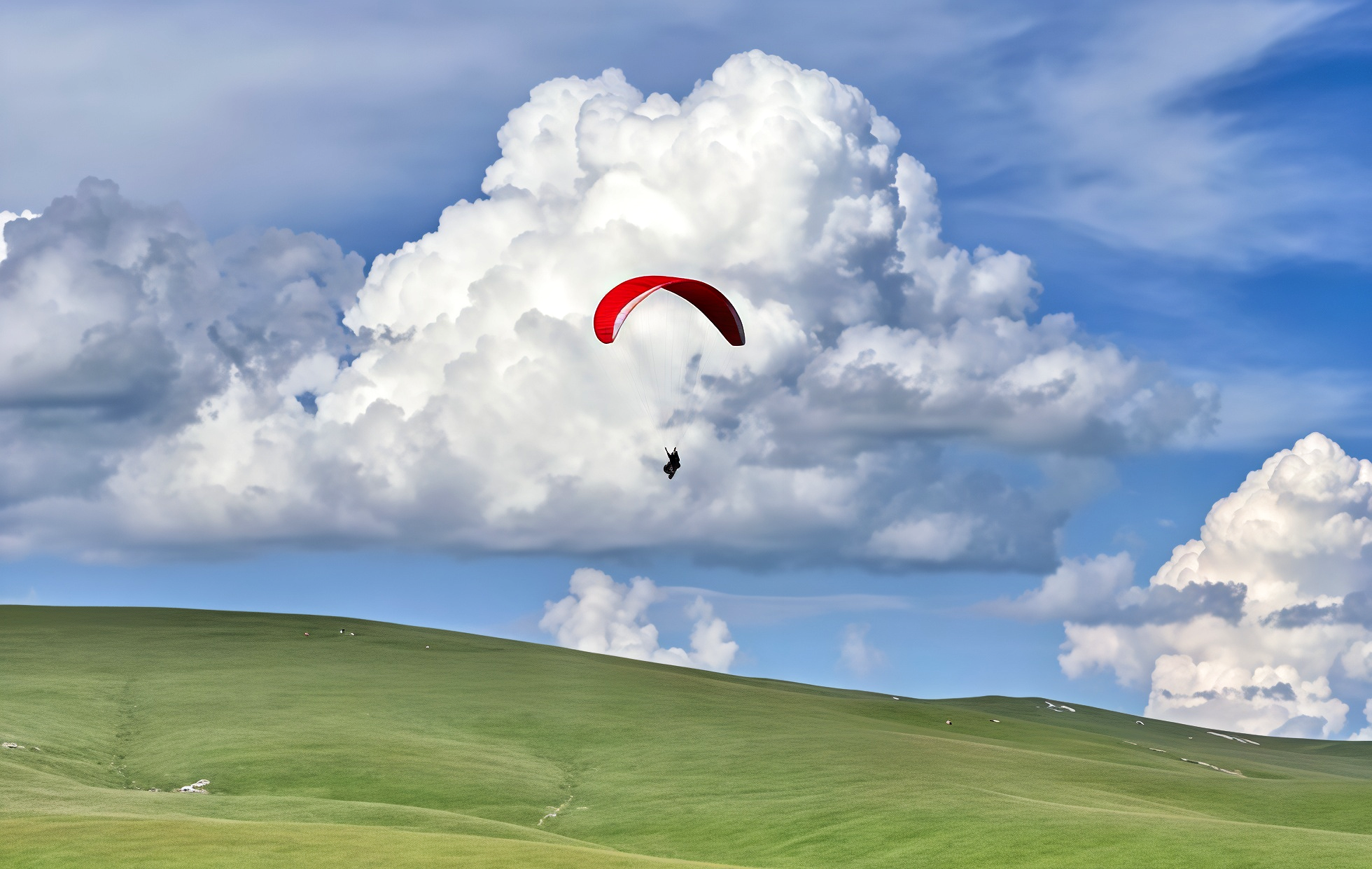
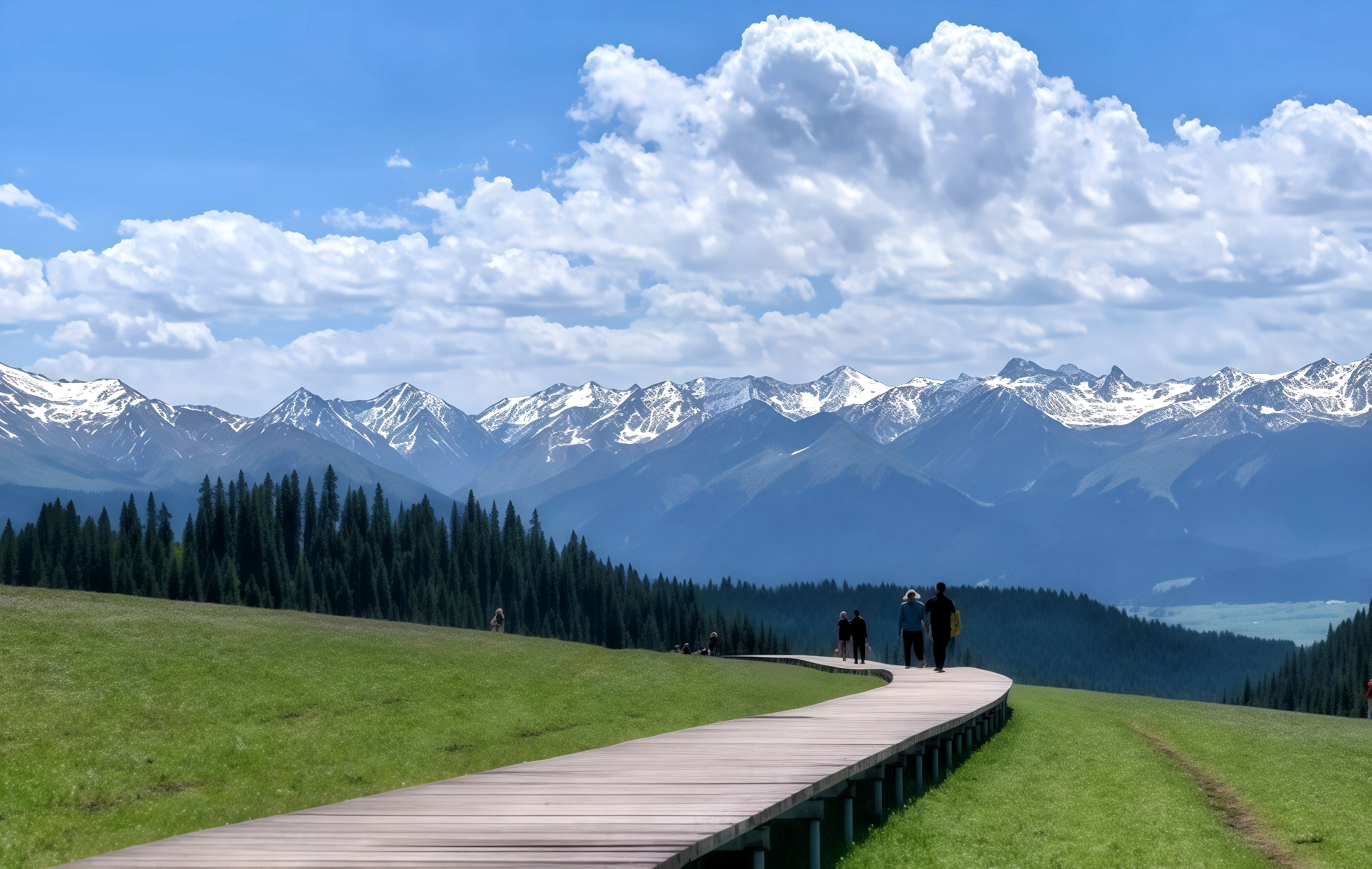
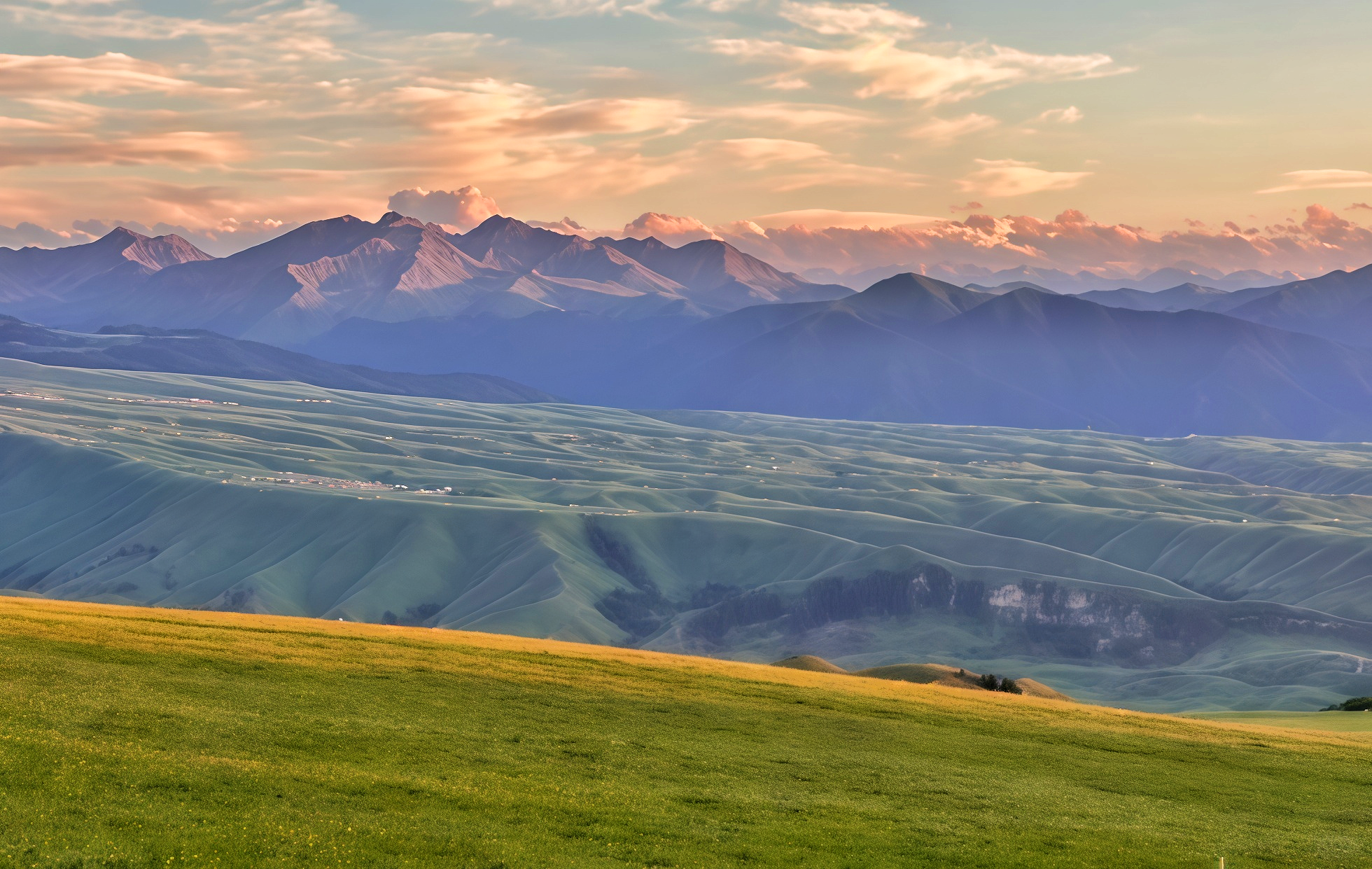
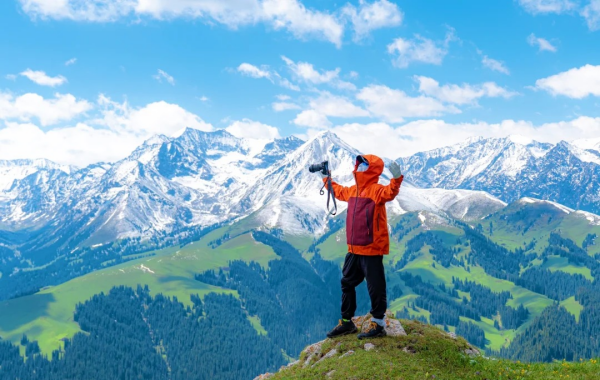
Karajun’s most breathtaking spectacle is undoubtedly the "Human Body Grassland." Here, the meadows rise and fall in harmony with the terrain, forming a series of fluid arcs that resemble the reclining form of a female body resting upon the earth. As the sun casts its oblique rays, light and shadow dance across these contours, endowing the grassland with a silky texture that is truly breathtaking. The optimal time to witness this marvel is in the late afternoon (one to two hours before sunset), when the angle of the light is perfect and the interplay of light and shadow creates the most dramatic contrasts—making it the ultimate dream for photographers.

The "Five-Colored Sea of Flowers": An Aerial Garden on the Grassland

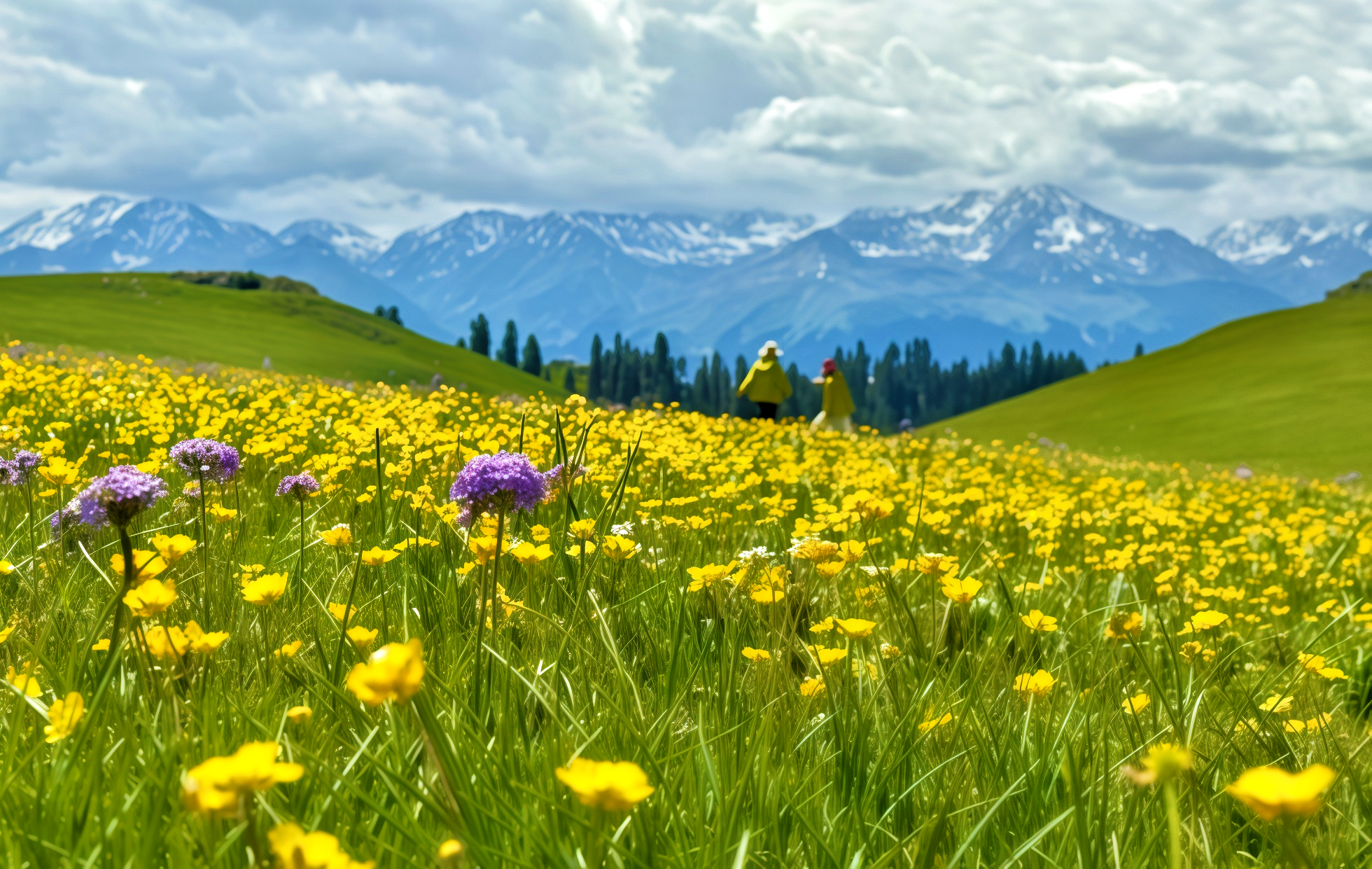
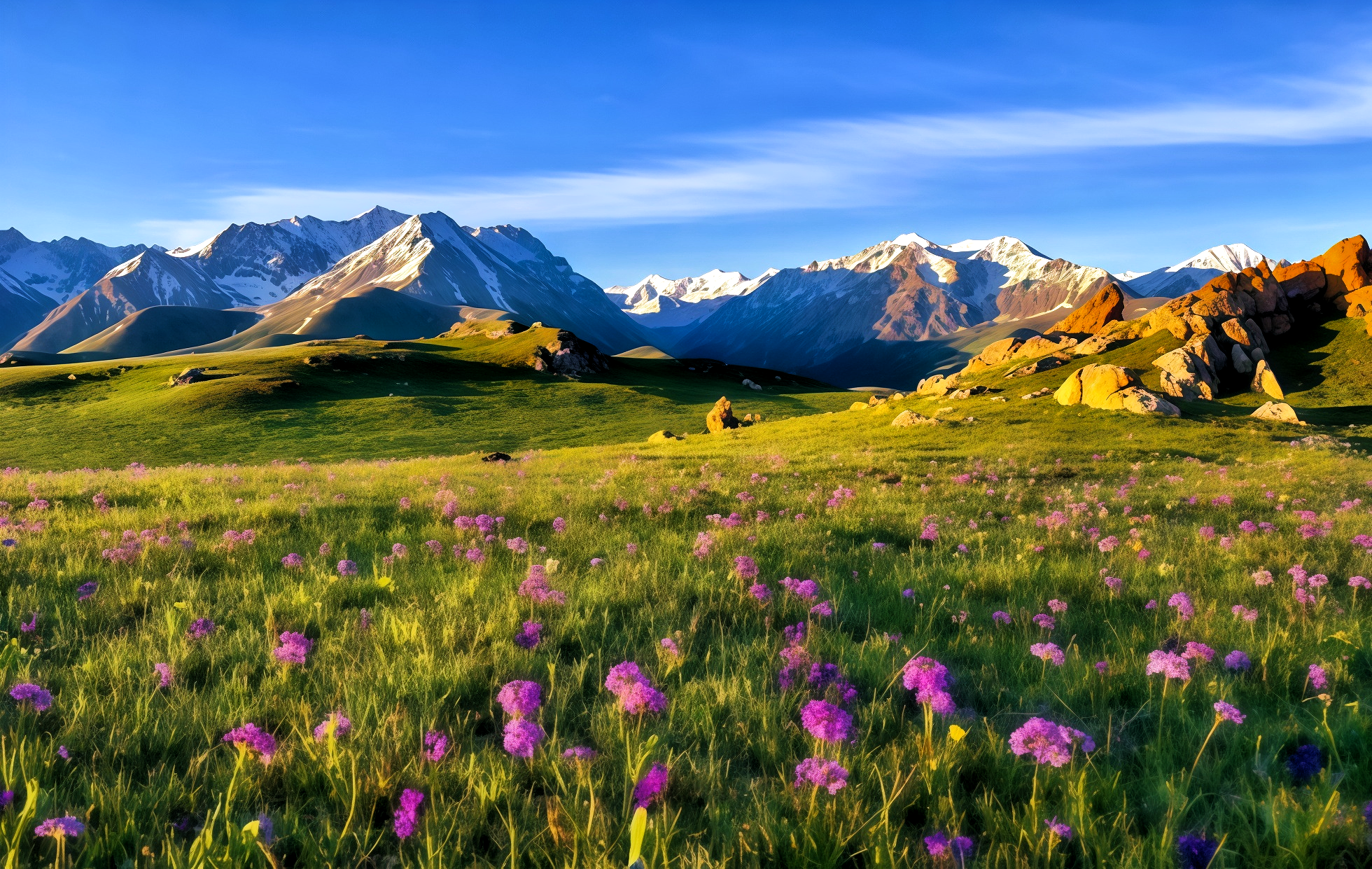
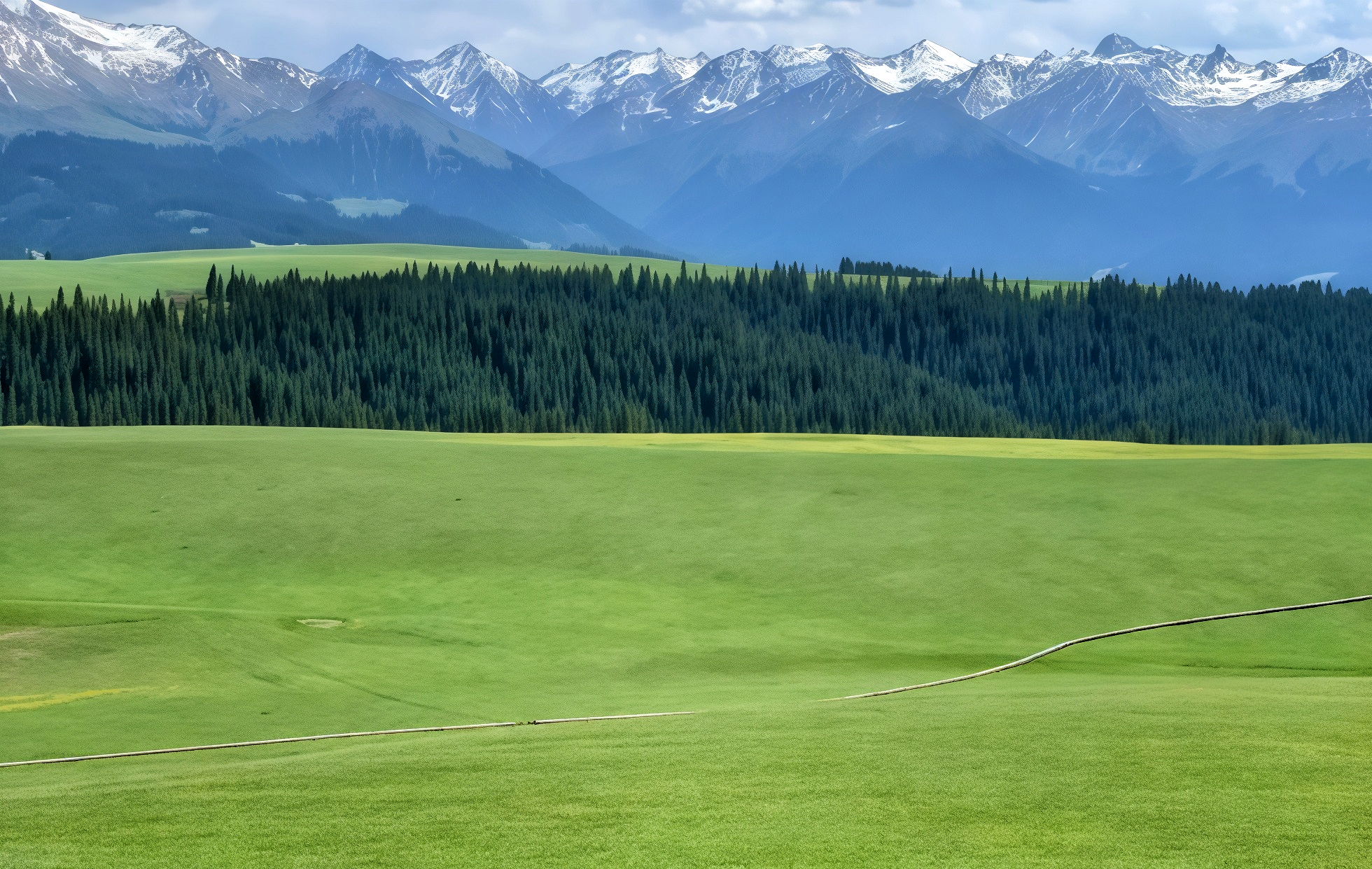
Every year from June to July, the Karajun Grassland enters its blooming season; hundreds of wildflower species burst into bloom simultaneously, creating a spectacular "Five-Colored Sea of ​​Flowers." Golden lotus flowers, wild poppies, irises, geraniums, asters, and a myriad of other blossoms interweave to form a vibrant, multicolored carpet that blankets the entire grassland. Walking amidst this sea of ​​flowers feels akin to stepping into a fairytale world. The best time to visit is from mid-to-late June through mid-July, when the floral display is at its most luxuriant.

The Kuokesu Grand Canyon: A Stunning Rift Deep Within the Grassland

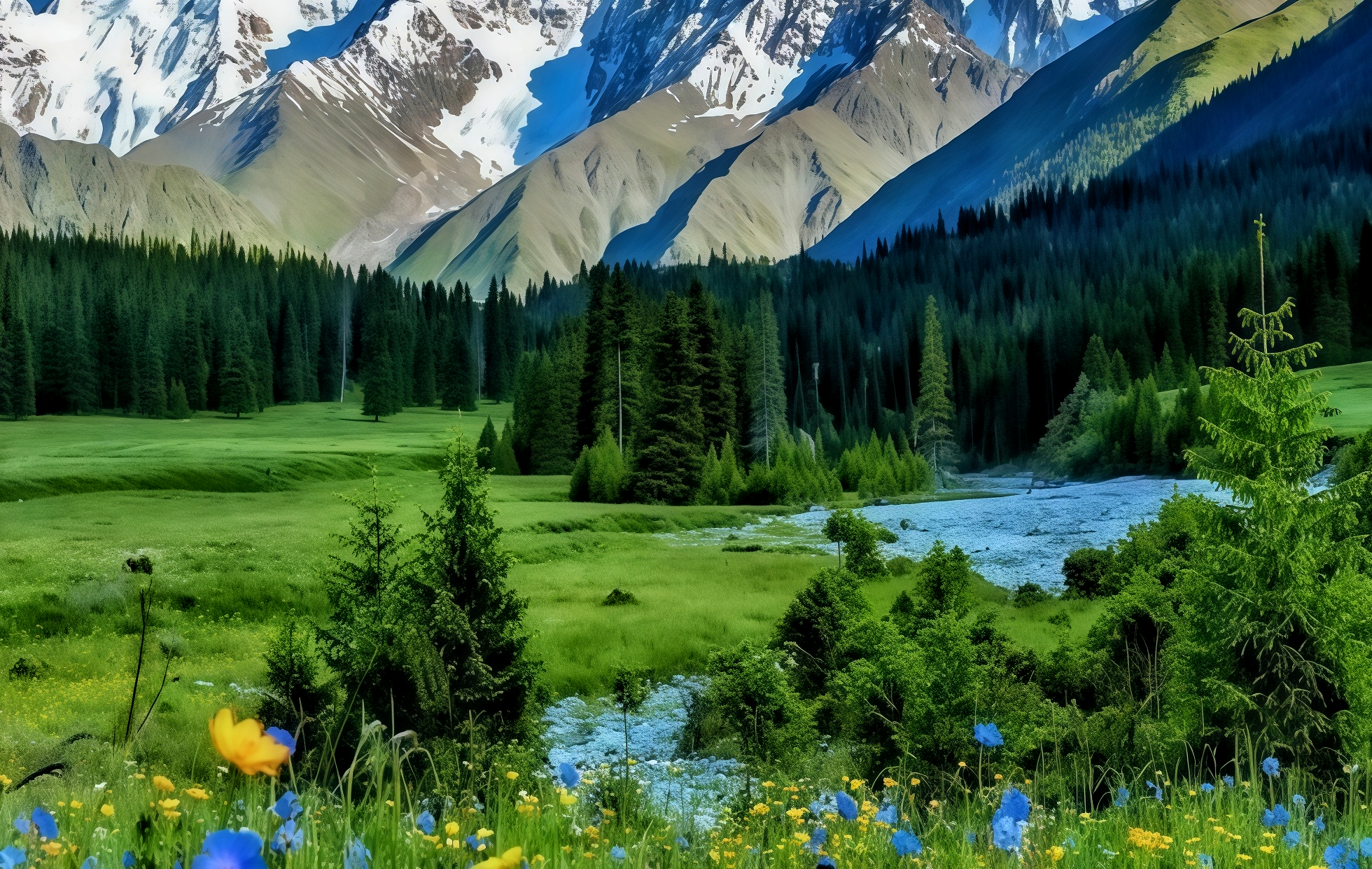
The Kuokesu Grand Canyon stands as one of the most awe-inspiring features of the Karajun Grassland. Plunging to depths of several hundred meters, the canyon is carved by the winding Kuokesu River flowing along its floor—creating the magnificent spectacle known as the "Nine Bends and Eighteen Turns." The canyon's steep cliffs and rugged, jagged rock formations stand in stark contrast to the boundless grassland stretching out above them. Whether traversing the canyon by boat or hiking along the wooden walkways perched on its rim, visitors can experience the sheer artistry of nature's handiwork. Within the canyon lies another famous landmark: "Crocodile Bay"—a massive boulder resembling a crocodile lying submerged in the river, serving as one of the canyon's most iconic sights.

Qiongkushitai: A Pristine Village Deep in the Grassland

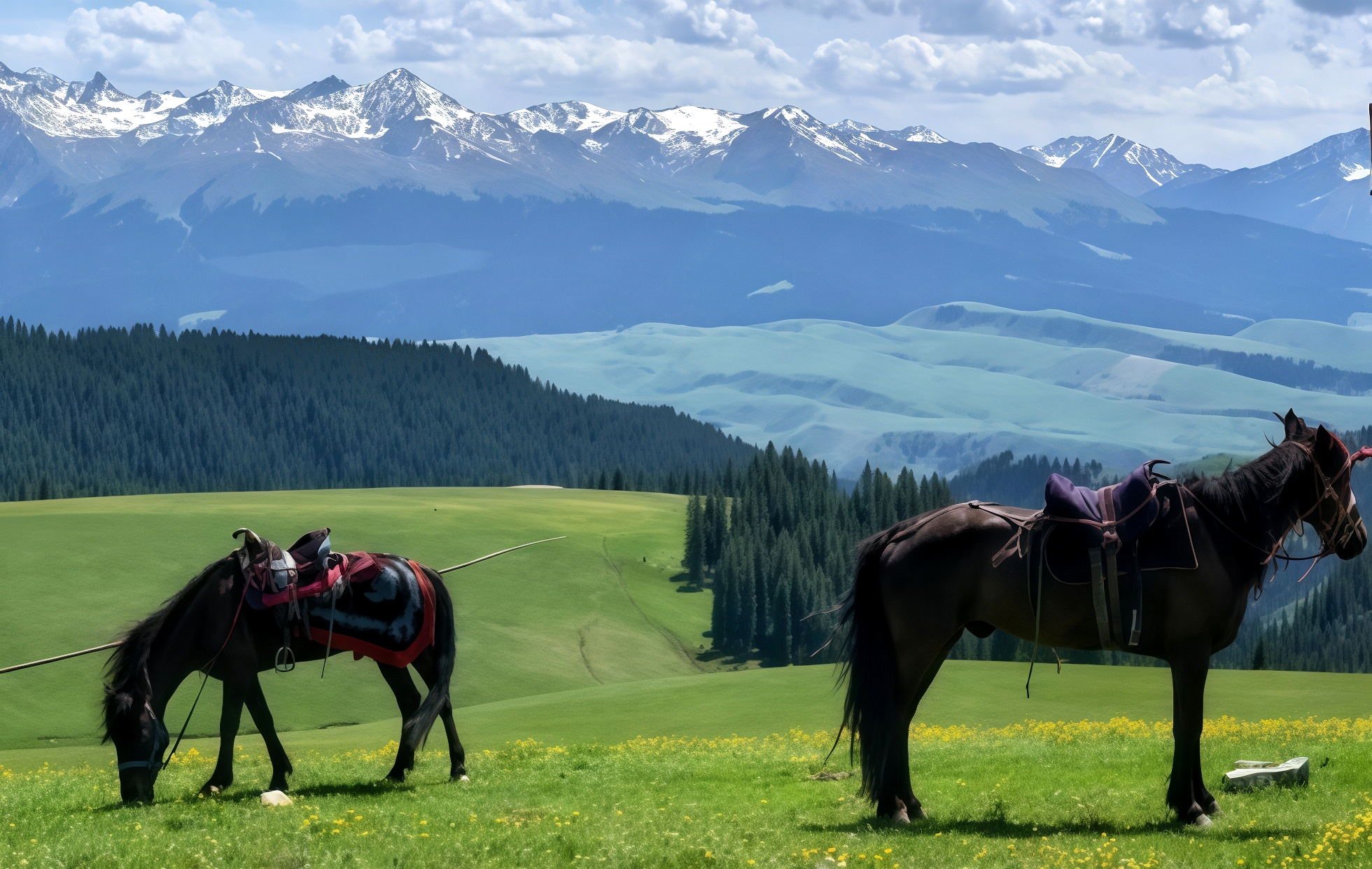
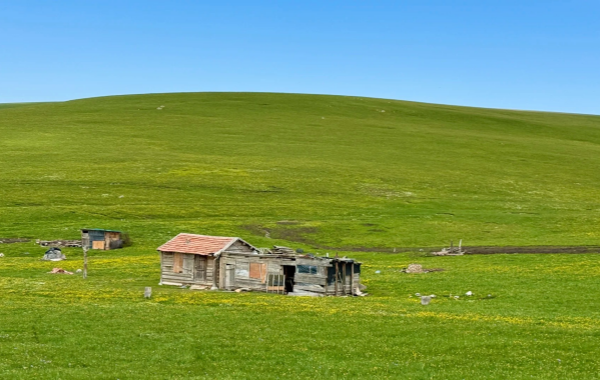
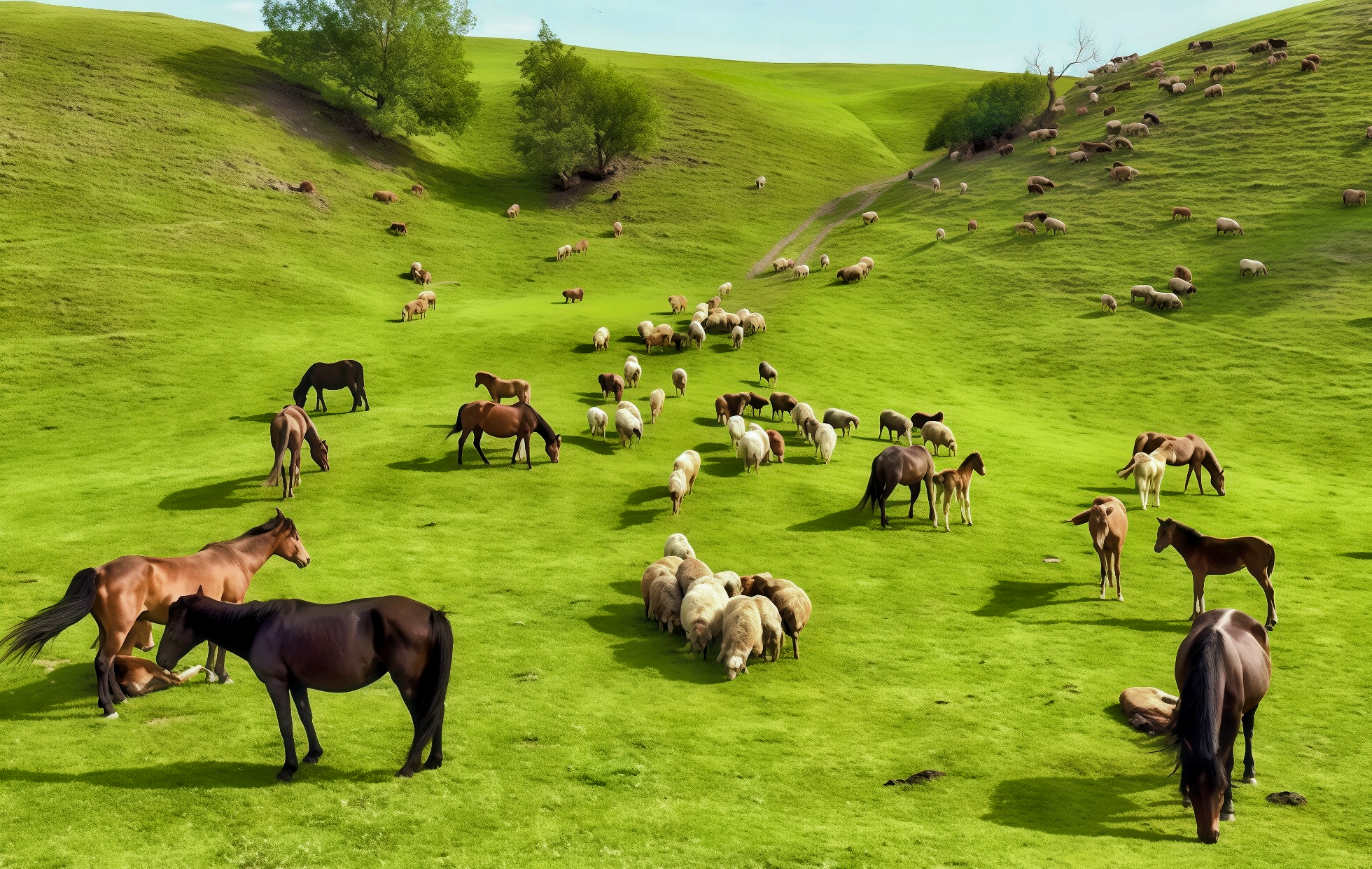
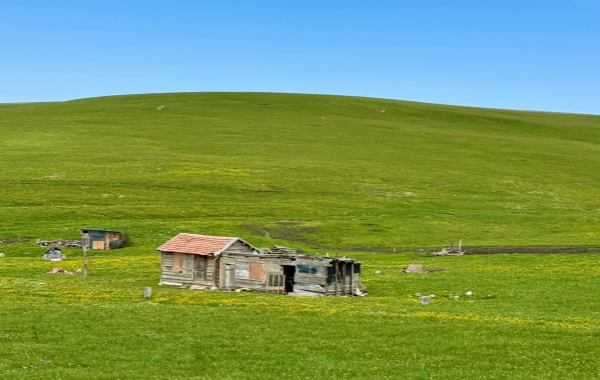
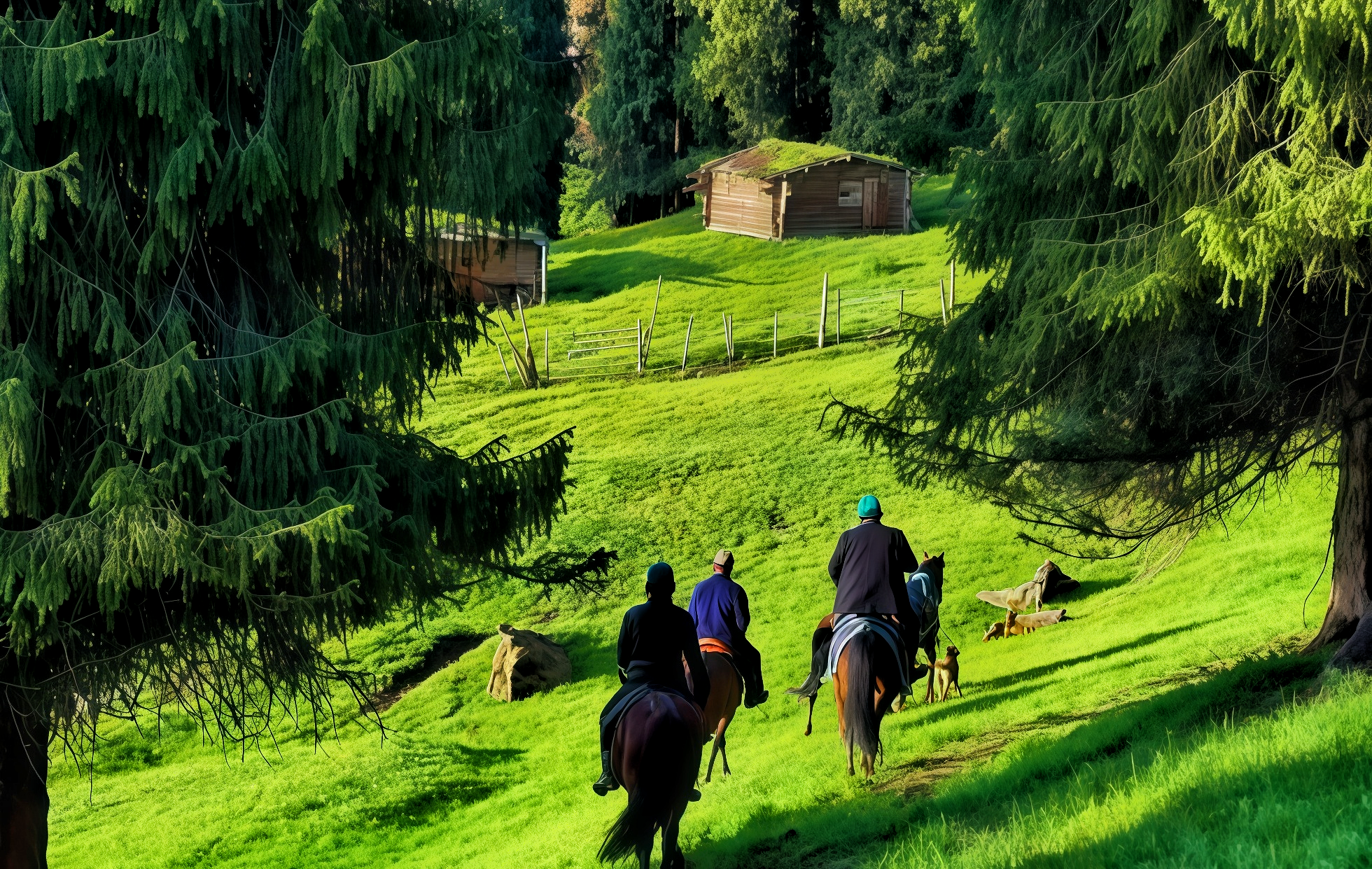
Qiongkushitai is a Kazakh village nestled deep within the Karajun Grassland—a destination hailed by visitors as "Xinjiang's most beautiful pristine village." Here, the most traditional Kazakh way of life is preserved; wooden cabins, felt yurts, herds of cattle and sheep, and groups of horses are scattered across the grasslands and forests, creating a scene akin to a secluded paradise. Qiongkushitai also serves as the starting point for the Wusun Ancient Road trekking route, attracting a multitude of hiking enthusiasts.

Falcon Platform: An Eagle's-Eye View from the Grassland's Highest Point

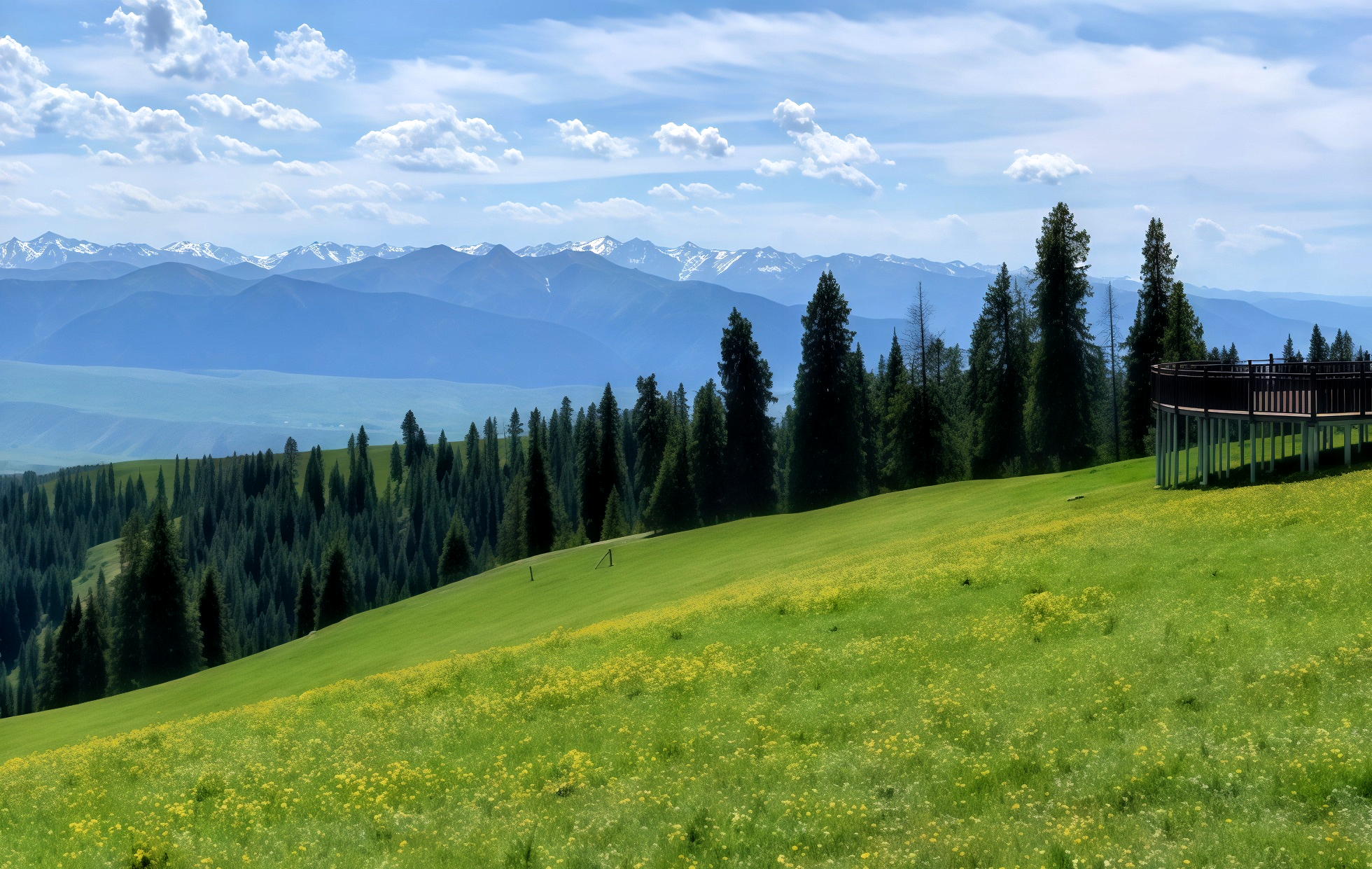
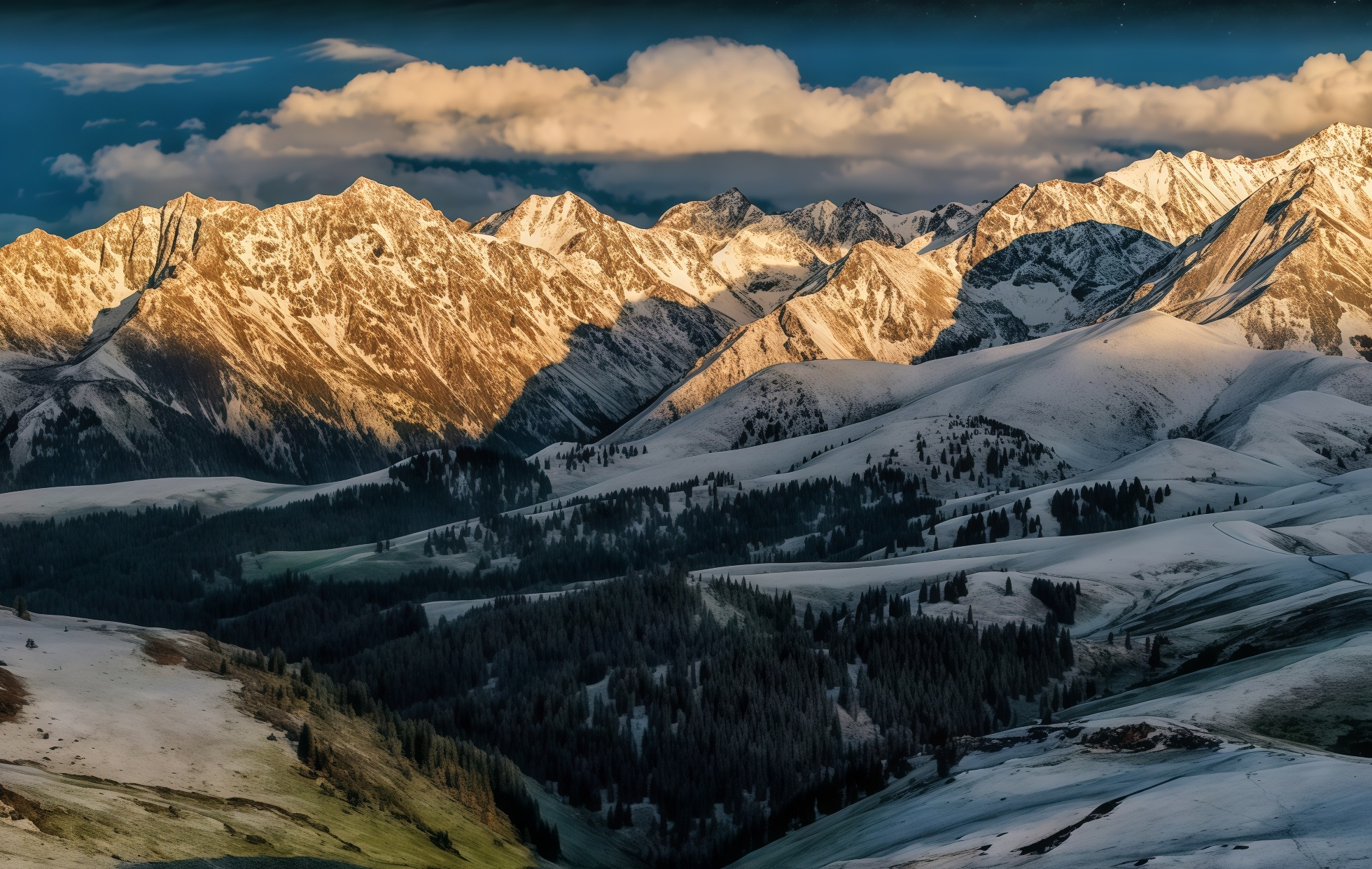
Falcon Platform (Lieyingtai) is one of the highest vantage points on the Kalajun Grassland, standing at an elevation of approximately 2,800 meters. From the summit, visitors can look out over the entire Kalajun Grassland and the Koksu Grand Canyon, enjoying a truly expansive panoramic view. This is an exceptional spot for watching sunrises and sunsets, as well as for viewing the "Human Body Grassland" (a unique landscape feature resembling the curves of the human body); in the early morning, sunlight floods the grassland, while in the evening, golden afterglow outlines the gentle contours of the earth.

Wusun Ancient Tombs and Grassland Stone Figures: Echoes of History

Scattered across the Kalajun Grassland and its surrounding areas are numerous Wusun ancient tombs and grassland stone figures—historical relics left behind by the Wusun Kingdom of the Han Dynasty era. The Wusun tombs are predominantly earthen mounds scattered across the grassland, bearing witness to the prosperity of the nomadic peoples who lived here over two thousand years ago. The grassland stone figures, carved from single blocks of stone with a rustic, ancient aesthetic, are believed to have served as guardians for the burial sites of these ancient nomadic tribes.

A Four-Season Tapestry: Kalajun's Symphony of Colors

The beauty of the Kalajun Grassland transforms with the passing of the seasons:

- Spring (April–May): As the ice and snow melt, the grassland begins to turn green again; wild lilies (white crocuses) push through the snow, serving as the grassland's earliest heralds of spring.

- Summer (June–August): The grassland enters its most magnificent season. From June to July, a vibrant "sea of ​​five-colored flowers" blooms, creating a dazzling display of color; from July to August, the grassland becomes a lush green carpet, dotted with herds of cattle and sheep.

- Autumn (September–October): The grassland turns a golden yellow, creating a striking contrast with the distant snow-capped mountains and canyons, resulting in a landscape rich in layered colors.

- Winter (November–March): Covered in white snow, the grassland becomes a tranquil, picturesque scene. With few visitors present, it offers the perfect opportunity to experience a sense of absolute serenity. > Photography Tips:

> - The best time to photograph the "Human Body Grassland" (Ren Ti Cao Yuan) is 1–2 hours before sunset; at this time, the low angle of the light accentuates the curves of the grassland most vividly. The prime photography spots are concentrated on the slopes opposite the Kuokesu Grand Canyon.

> - The best time to photograph the "Five-Color Flower Sea" is from mid-to-late June through mid-July; the morning light is soft, and the colors of the flowers appear at their most vibrant.

> - Falcon Platform (Lieying Tai) offers panoramic views of the grassland as well as opportunities to capture both sunrise and sunset; it is recommended to arrive early to secure a prime shooting position.

> - Crocodile Bay and the "Nine Bends and Eighteen Turns" within the Kuokesu Grand Canyon are the canyon's quintessential photography highlights; it is recommended to visit in the afternoon, when the lighting conditions are optimal.

Human Ingenuity: The Kazakh People and Their Grassland Homeland

The beauty of Kalajun lies not merely in its scenery, but equally in the Kazakh people who have inhabited this land for generations, and in their unique culture.

A Visit to a Kazakh Home: Stepping into the Daily Life of Nomads

The Kalajun Grassland serves as one of the most vital summer pastures for the Kazakh people; every summer, hundreds of thousands of livestock are driven here during the seasonal migration. Step inside a traditional Kazakh yurt (felt tent), and you can:

- Savor the Cuisine: Your hosts will serve up steaming hot milk tea, shouzhua (hand-grabbed) mutton, baursaki (fried dough puffs), kumis (fermented mare's milk), and other traditional delicacies.

- Experience Local Customs: Gain insight into the Kazakh culture of seasonal migration, wedding rituals, festive celebrations, and more.

- Listen to the Music: Enjoy a performance of Aken Danchang—an improvised musical tradition featuring the dombra (a two-stringed lute), with lyrics that may praise the grassland, tell tales of romance, or sing the praises of heroes.

- Learn Traditional Crafts: Watch as Kazakh women demonstrate traditional handicrafts such as embroidery, felt-making, and weaving.

The Culture of Migration: A Journey of Life Across the Grassland

Every year in June and September, a spectacular migration unfolds across the Kalajun Grassland: Kazakh herders drive thousands upon thousands of cattle and sheep—moving them from their winter pastures to their summer pastures, or guiding them back again. Thousands of livestock march majestically across the grasslands, kicking up clouds of dust in a truly awe-inspiring spectacle. This represents a living manifestation of the Kazakh people's millennia-old nomadic culture, as well as a prime opportunity for photographers to capture the dynamic energy of the steppe.

Grassland Horse Racing and Kokpar: A Carnival on Horseback

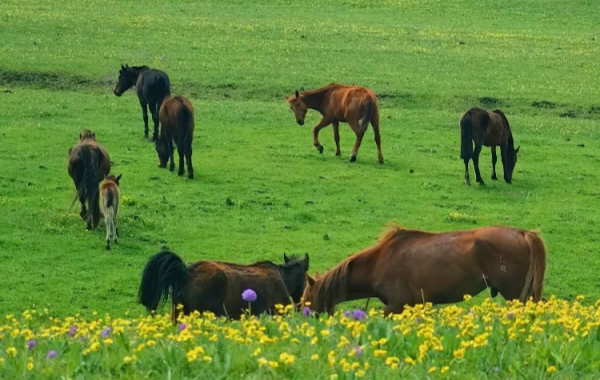
The Kazakhs are a people of the horse; traditional activities such as horse racing, Kokpar (goat grabbing), and Kyz Kuu (the "Maiden Chase") create some of the most exhilarating scenes found on the grasslands:

- Horse Racing: Every summer, the Kalajun Grassland hosts a grand horse racing festival where riders gallop at full speed—a truly magnificent sight.

- Kokpar (Goat Grabbing): Riders compete to seize a goat carcass, a contest that tests both horsemanship and teamwork; it is arguably the most iconic traditional sport of the Kazakh people.

- Kyz Kuu (The Maiden Chase): Young men and women ride side-by-side; the young woman chases the young man with a whip—a playful game that also serves as a unique way to express romantic affection.

The Wusun Ancient Trail: A Pilgrim's Path for Hikers

The Wusun Ancient Trail is an ancient passage connecting the Ili River Valley with Aksu in Southern Xinjiang. Spanning approximately 130 kilometers, it cuts through the heart of the Tianshan Mountains and ranks as one of Xinjiang's three premier hiking routes. The trailhead for the Wusun Ancient Trail is located deep within the Kalajun Grassland, in the village of Qiongkushitai. Hiking the Wusun Ancient Trail involves traversing primeval forests, alpine meadows, and glacial lakes before finally reaching Southern Xinjiang—making it the ultimate challenge for avid hikers.

Core Experiences: A Guide to Immersive Grassland Living

Furong Ancient Town Furong Ancient Town Furong Ancient Town Furong Ancient Town Furong Ancient Town

Five Must-Do Activities: Unlocking the Essence of Kalajun

1. Photograph the "Human Body Grassland": Capturing the Earth's Curves

- Experience: Head to the observation decks situated opposite the Koksu Grand Canyon 1–2 hours before sunset. Wait for the light to strike at a low angle, illuminating and highlighting the soft, graceful curves of the grassland terrain. This is the quintessential photographic experience in Kalajun—a dream come true for any photographer.

- Best Photography Spots: The slopes on the eastern bank of the Koksu Grand Canyon offer several observation decks to choose from. - Tip: It is recommended to bring a telephoto lens (70-200mm or longer); this helps compress perspective and accentuate the undulating curves of the grassland terrain.

2. Stroll Through the "Five-Colored Sea of Flowers" and Embrace the Floral Carpet of the Grassland

- Experience: From mid-to-late June through mid-July, the Kalajun Grassland enters its peak blooming season, with hundreds of wildflower species bursting into bloom. Hike through this "sea of ​​flowers" and feel the vibrant, multicolored floral carpet beneath your feet—it feels just like stepping into a fairytale world.

- Recommended Route: The area surrounding the "Flower Terrace" (a designated stop for the scenic shuttle bus) features the highest concentration of wildflowers. You can follow the wooden boardwalks to venture deep into the heart of the floral landscape.

- Tip: The blooming season is brief; it is advisable to check the current year's flowering conditions in advance. Please refrain from trampling the flowers to help protect the grassland's delicate ecosystem.

3. Tour the Kuokesu Grand Canyon and Explore the Rifts Deep Within the Grassland

- Experience: Take a scenic boat ride through the Kuokesu Grand Canyon. Flanked by towering, steep cliffs, the Kuokesu River winds its way along the canyon floor, creating the magnificent spectacle known as the "Nine Bends and Eighteen Turns." From the boat, you can admire iconic landmarks such as "Crocodile Bay" and the "Nine Bends and Eighteen Turns."

- Tip: The boat tour lasts approximately 30–40 minutes; you may choose between a speedboat or a traditional painted pleasure boat. Temperatures within the canyon tend to be cooler, so it is recommended to bring a jacket.

4. Stay in a Kazakh Yurt and Experience the Magic of a Grassland Night

- Ultimate Experience: Stay in a traditional Kazakh yurt (felt tent) deep within the Kalajun Grassland to experience authentic nomadic life. Inside, the yurt is furnished with thick carpets and decorative felt rugs. In the evening, gather around the central stove to listen to your hosts play the dombra (a traditional lute) and gaze up at the star-filled grassland sky.

- Accommodation Options: There are several clusters of yurt homestays located within the scenic area; while the amenities are simple, the experience is highly unique and authentic. Alternatively, hotels are available in the nearby town of Tekes, just outside the scenic area.

- Tip: Yurt homestays typically do not have private en-suite bathrooms, so you should be prepared to use outdoor restroom facilities. Nighttime temperatures can drop significantly, so be sure to bring warm clothing. 5. Indulge in an Authentic Kazakh Feast

- Must-Try Delicacies:

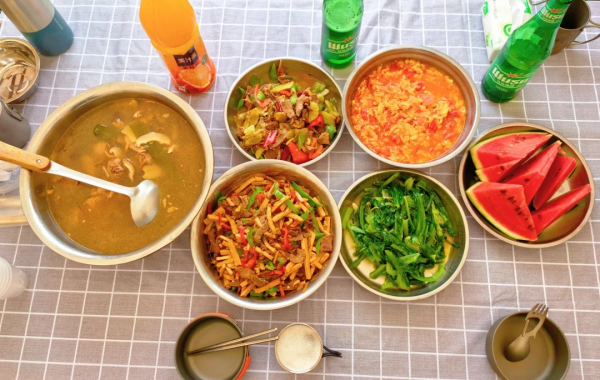
- Hand-Grabbed Mutton: Sourced from sheep grazed on the Kalajun Grassland, the meat is tender, free of gamey odor, and neither greasy nor heavy—it represents the highest form of hospitality among the Kazakh people.

- Kumis (Fermented Mare's Milk): A traditional Kazakh beverage made from fermented mare's milk; it offers a slightly tart taste with a hint of alcohol, providing a refreshing and cooling respite from the heat.

- Baursaki: Deep-fried dough puffs—golden, crispy, and an excellent accompaniment to milk tea.

- Milk Tea: A savory-style tea, enriched with roasted rice and milk skin (cream), offering a rich aroma and a warming sensation for the stomach.

- Narin: A traditional Kazakh noodle dish featuring hand-rolled noodles paired with hand-grabbed mutton in a rich, savory broth.

- Grilled Lamb Ribs / Lamb Skewers: Grassland-style barbecue, skewered on red willow branches and grilled over charcoal fire, filling the air with an irresistible aroma.

- Dining Locations: Kazakh yurt homestays located within the scenic area, or Kazakh-style restaurants in Tekes County.

Suggested Itineraries

One-Day "Highlights in a Flash" Tour (Ideal for those with limited time)

9:00 AM: Arrive at the Scenic Area Visitor Center → Take the shuttle bus to Xianhuatai (Flower Terrace) and hike through the "Sea of ​​Five-Colored Flowers" (1.5 hours) → 11:00 AM: Take the shuttle bus to Lieyingtai (Falcon Terrace) to enjoy a panoramic view of the grassland (1 hour) → Have lunch within the scenic area → 1:30 PM: Take the shuttle bus to the Koksu Grand Canyon; take a boat tour through the canyon to admire "Crocodile Bay" and the "Nine Bends and Eighteen Turns" (2 hours) → 4:00 PM: Head to the "Human Body Grassland" Viewing Platform to wait for the prime moment to capture photos just before sunset (2 hours) → 6:30 PM: Take the shuttle bus back to the Visitor Center → 7:30 PM: Depart for your return journey.

Two-Day "Deep Immersion" Tour (Highly Recommended)

Day 1: Arrive in Tekes County Town in the morning → Take a shuttle bus into the Kalajun Scenic Area; visit the Flower Terrace and hike through the "Sea of ​​Five-Colored Flowers" (2 hours) → Have lunch inside the scenic area → In the afternoon, visit the Falcon Terrace to enjoy a panoramic view of the grasslands (1.5 hours) → In the evening, head to the Kokesu Grand Canyon "Human Body Grassland" Viewing Platform to photograph the landscape at sunset (2 hours) → Spend the night in a Kazakh Yurt Homestay; savor hand-grabbed mutton and fermented mare's milk, listen to an Aken (bard) sing, and gaze up at the starry sky over the grasslands.

Day 2: Early morning photography session capturing the grassland sunrise (optional for photography enthusiasts) → Return to the yurt camp for breakfast → Morning boat tour of the Koksu Grand Canyon, featuring views of Crocodile Bay and the "Nine Bends and Eighteen Turns" (2 hours) → Return to Tekes County town for lunch → Afternoon excursion to Qiongkushitai to visit an authentic Kazakh village and hike the introductory section of the ancient Wusun Trail (2 hours) → Return journey in the evening.

Three-Day "Kalajun + Tekes" Panoramic Tour

Day 1: Kalajun Grassland Core Area (Flower Terrace + Falcon Terrace + Yurt Accommodation).

Day 2: Morning: Visit the Kokesu Grand Canyon (Boat Tour + "Human Body Grassland" Viewpoint). Afternoon: Head to Tekes County to visit the Bagua City (the world's only fully preserved Bagua—Eight Trigram—City). Overnight stay in Tekes.

Day 3: Head to Qiongkushitai to explore a pristine Kazakh village and hike the entrance section of the Wusun Ancient Road; alternatively, visit the Aktas Grassland (Kalajun's "sister" grassland). Return trip in the afternoon.

IntoTravelChina Advantages: We can book unique yurt accommodations within the scenic area for you, arrange for professional guides to help you capture the perfect shots of the "Human Body Grassland" at its prime, and provide customized in-depth tour services covering "Kalajun + Tekes Bagua City + Qiongkushitai," ensuring a worry-free and immersive travel experience.  >>Consult now for customization

Comprehensive Travel Guide: Transport, Accommodation, and Seasons

Furong Ancient Town Furong Ancient Town Furong Ancient Town

How to Get There: A Guide to Navigating Kalajun

The Kalajun Grassland is situated deep within the Tianshan Mountains; while transportation to the area is relatively remote, the scenery along the way is magnificent.

- By Air (Fastest Option): Fly from anywhere in the country to Yining Airport. Upon arrival, take a chartered vehicle or a public bus to Tekes County (approx. 2.5 hours; ~120 km). From Tekes County, transfer to a direct shuttle bus for the scenic area or take a chartered vehicle to reach the Kalajun Scenic Area (approx. 1 hour).

- By Train + Bus (Best Value Option): Take a train to Yining Station. Upon arrival, take a public bus or a chartered vehicle to Tekes County (approx. 2.5 hours), then transfer to the Kalajun Scenic Area. - Self-Driving (High Flexibility): Depart from Urumqi, take the G30 Lanhai Expressway to Yining, then switch to Provincial Road S220 to reach Tekes. The total distance is approximately 800 km, requiring 9–10 hours of travel time. Alternatively, you can take the Duku Highway (seasonally open; accessible from June to October) to Nalati, and then transfer to Tekes.

- Important Note: The Kalajun Scenic Area features two entrances: an East Gate (serving as the entrance to the Kalajun Grassland) and a West Gate (serving as the entrance to the Kuokesu Grand Canyon). It is recommended to select your entrance based on your specific itinerary. Traffic control measures are in effect within the scenic area; private vehicles must be parked at the Visitor Center, where visitors will transfer to designated scenic area shuttle buses.

Best Time to Visit

The Kalajun Grassland offers spectacular scenery throughout all four seasons; however, the summer and autumn months (June–October) constitute the optimal period for a visit. Specifically, June and July offer the best opportunities to view the vibrant "Five-Colored Sea of ​​Flowers."

- Summer & Autumn "Golden Season" (June–October): The climate is pleasant, the grasslands are lush and verdant, and the scenery is at its most magnificent. During mid-to-late June through mid-July, the "Five-Colored Sea of ​​Flowers" is in full bloom, presenting a dazzling array of colors. In mid-to-late September, the grasslands turn a golden hue, creating a stunning contrast with the surrounding canyons and snow-capped mountains—making it a "golden season" for photographers.


- Spring (April–May): The snow and ice begin to melt, the grasslands start to turn green again, and wild lilies emerge through the snow cover. With fewer visitors during this period, the experience offers a greater sense of tranquility.

- Winter (November–March): Blanketed in white snow, the grasslands become a serene and picturesque landscape. With very few visitors, it is an excellent time to experience absolute tranquility. However, some specific attractions may be closed due to heavy snow accumulation, so visitors should ensure they dress warmly.

Accommodation Options

- Within the Scenic Area (Recommended for an Immersive Experience):

1. Kazakh Yurt Homestays:

- Experience: Stay in a traditional yurt nestled deep within the grasslands. Step outside your door to be greeted by boundless meadows, offering you the exclusive opportunity to witness the interplay of light and shadow across the landscape, as well as the brilliant starry skies at night.

- Drawbacks: The living conditions are rustic and simple; yurts typically lack private en-suite bathrooms, and nighttime temperatures can drop significantly. - Ideal for: Travelers seeking an immersive experience and those who appreciate a pristine, natural environment.

2. Hotels/Resorts within the Scenic Area:

- Experience: Located directly inside the scenic area, offering superior amenities; however, options are extremely limited, and prices tend to be high.

- Ideal for: Travelers with specific requirements regarding accommodation standards and those with a generous budget.

- Outside the Scenic Area (Best Value Options):

- Tekes County Seat: Located approximately a one-hour drive from the scenic area, offering a wide selection of hotels and guesthouses—ranging from budget-friendly options to 4-star establishments. Dining facilities are comprehensive, and prices are affordable. The "Bagua City" (Eight Trigrams City) within Tekes County itself is also a renowned tourist attraction.

- Yining City: Offers the widest range of accommodation choices, making it ideal for travelers planning to visit other attractions within the Ili River Valley. However, this option requires daily round-trip travel to the scenic area (approximately 2.5 hours each way).

IntoTravelChina Accommodation Booking Tips:

During the peak travel season in summer and autumn (June–October), we recommend booking yurt-style guesthouses within the scenic area 1–2 months in advance, as availability is limited and demand is extremely high. By booking through us, you gain access to real-time availability updates and exclusive rates; furthermore, we can bundle your accommodation, entrance tickets, and transportation into a single, cohesive plan, ensuring a seamless and hassle-free itinerary. >>Click to contact IntoTravelChina travel consultant

Journey Extensions: A Grand Loop of the Ili River Valley's Highlights

Furong Ancient Town

The Kalajun Grassland is by no means the end of your journey, but rather the perfect starting point for exploring the magnificent landscapes of the Ili River Valley.

- Classic 8-Day Ili River Valley Loop: Urumqi → Sayram Lake ("The Last Tear of the Atlantic") → Guozigou Bridge → Huocheng Lavender Fields (June–July) → Yining (Kazanchi Folk Street) → Zhaosu (Home of the "Heavenly Horses" & Canola Flower Seas) → Tekes (Bagua City) → Kalajun Grassland → Nalati Grassland → Duku Highway (Seasonal Opening) → Return to Urumqi. This comprehensive itinerary offers a panoramic journey encompassing lakes, grasslands, seas of flowers, majestic canyons, and rich local culture. - 6-Day In-Depth Tour of the Ili Grasslands: Yining → Kalajun Grassland (Human Body Grassland + Koksu Canyon) → Tekes Bagua City → Qiongkushitai (Gateway to the Wusun Ancient Road) → Nalati Grassland → Bayinbuluk Grassland (Sunset over the Nine Bends and Eighteen Turns) → Duku Highway → Return to Yining. Delve deep into the four major grasslands of Ili and experience the majestic grandeur of the Tianshan Mountains' heartland.

- 3-Day Tour: Kalajun + Qiongkushitai + Tekes: Day 1: Explore the core zone of the Kalajun Grassland and spend the night in a traditional yurt. Day 2: Tour the Koksu Grand Canyon, then head to Qiongkushitai in the afternoon. Day 3: Visit the village of Qiongkushitai and hike the introductory section of the Wusun Ancient Road; in the afternoon, tour Tekes Bagua City before beginning your return journey.

Partner with IntoTravelChina to Embark on Your Exclusive Grassland Adventure

Furong Ancient Town

The story of the Kalajun Grassland is woven from the curves of the earth, the vibrant hues of floral seas, and the pastoral melodies of the Kazakh people. IntoTravelChina specializes in crafting in-depth, personalized, and hassle-free travel experiences across China. Our travel experts are here to provide you with:

- Tailor-Made Itineraries: We design the perfect route—customized to your interests and schedule—that encompasses the Kalajun Grassland and the highlights of the Ili River Valley.

- One-Stop Service: We handle all the details, including bookings for entrance tickets, unique yurt accommodations, park shuttle buses, professional guides, and boat excursions.

- Exclusive Experiences: We arrange unique activities such as visits to Kazakh families, Aken ballad performances, photography guidance for capturing the "Human Body Grassland," and guided hikes along the Wusun Ancient Road.

Let your journey to Kalajun be more than just sightseeing; let it be an immersive experience of grassland culture and a spiritual reconnection with nature. Start Planning Your Journey Today

We invite you to contact our professional travel consultants; we will provide you with a personalized itinerary and quotation within 24 hours. >>Click to contact IntoTravelChina travel consultant

What Our Clients Say?

Based on 10,000+ traveler reviews

...
Daniel Dorothea
Canada
Reviewed on April 29,2025
Shopping on Nanjing Road in Shanghai was just amazing! It's truly the "First Commercial Street of China", where tradition and modernity blend perfectly. You can find awesome souvenirs and experience the trendy vibes in cool stores. The neon lights at night are just spectacular, shining bright like Times Square in New York. The food here is incredible too. I had a feast for my taste buds. Shanghai, I'll definitely be back!
Destination(s): Shanghai
Date of Experience: May 08,2024
...
...
Elvis Eva
Canada
Reviewed on June 20,2025
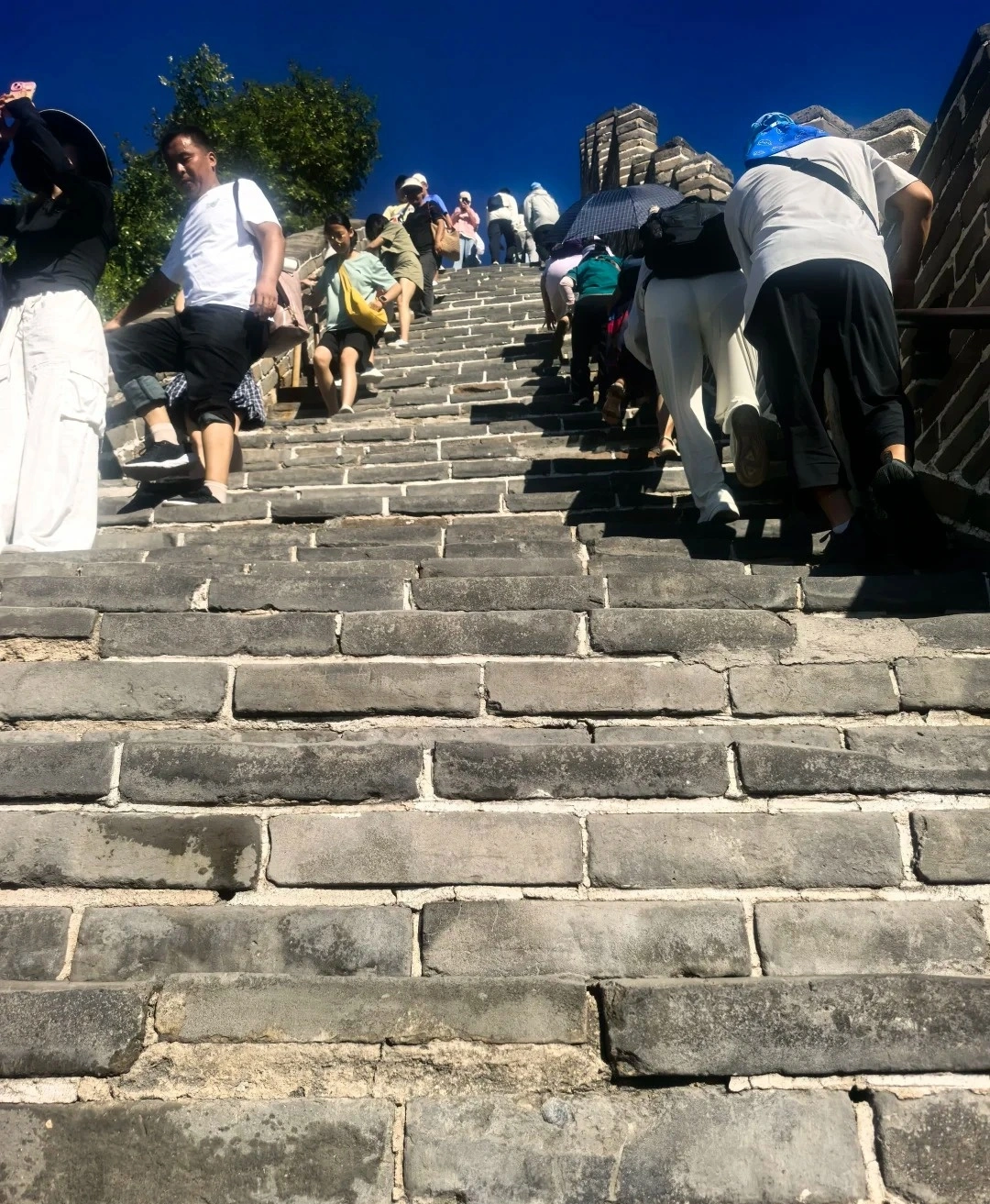
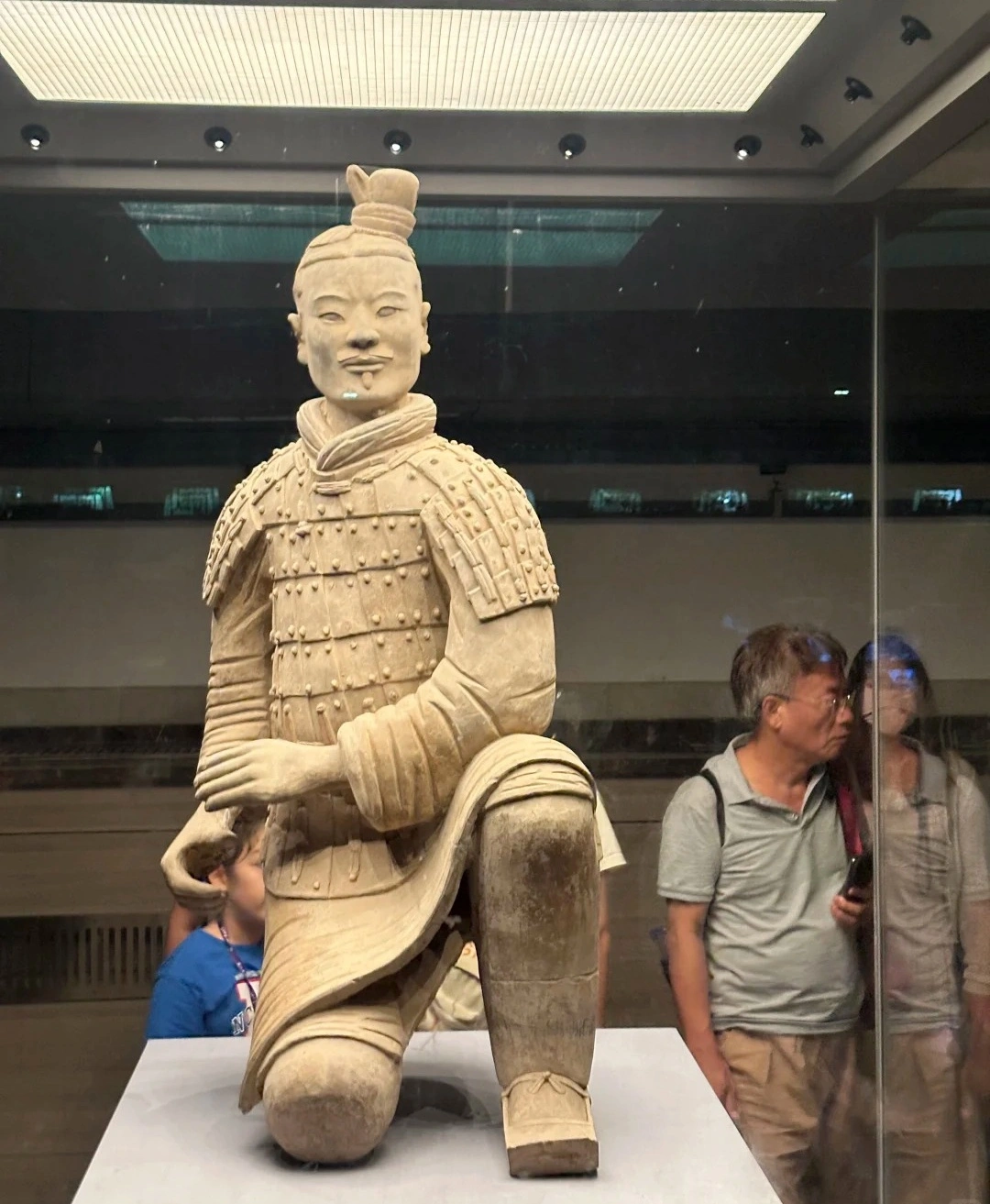
As a solo traveler from Canada, I was nervous about navigating China alone—but this 11-day tour was PERFECT! From hiking the Great Wall at sunrise (Day 3) to gasping at the Terracotta Army (Day 5), every day delivered ‘pinch-me’ moments. The real showstopper? Zhangjiajie’s Avatar Mountains (Day 7)! Our guide made the stone pillars come alive with stories. Massive thanks for handling all logistics—bullet train tickets, entry passes, car! And the 4-star hotels surprised me.
Destination(s): Beijing Xian Zhangjiajie Shanghai
Date of Experience: June 02,2025
... ... ...
...
Simon
America
Reviewed on May 29,2025
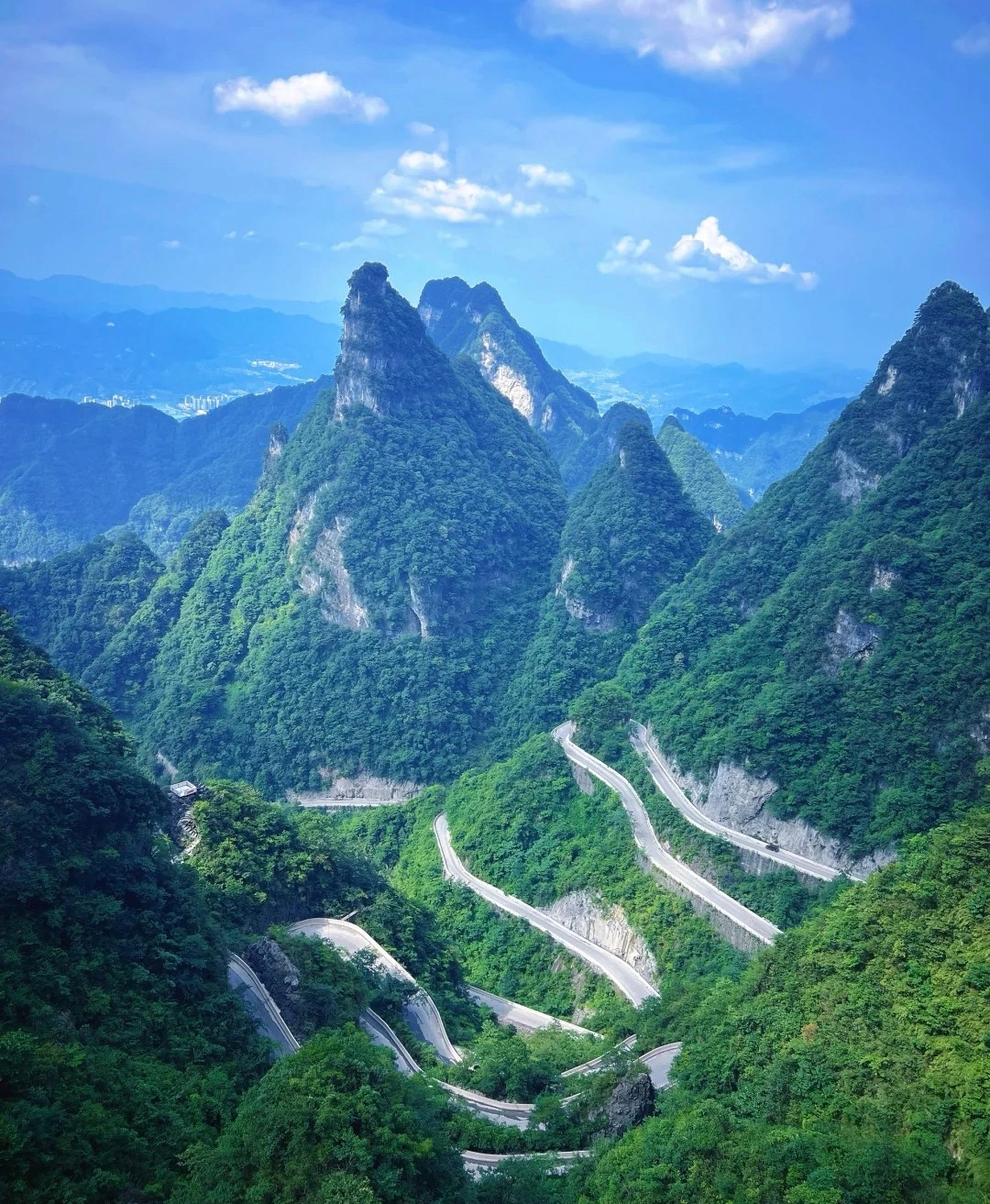
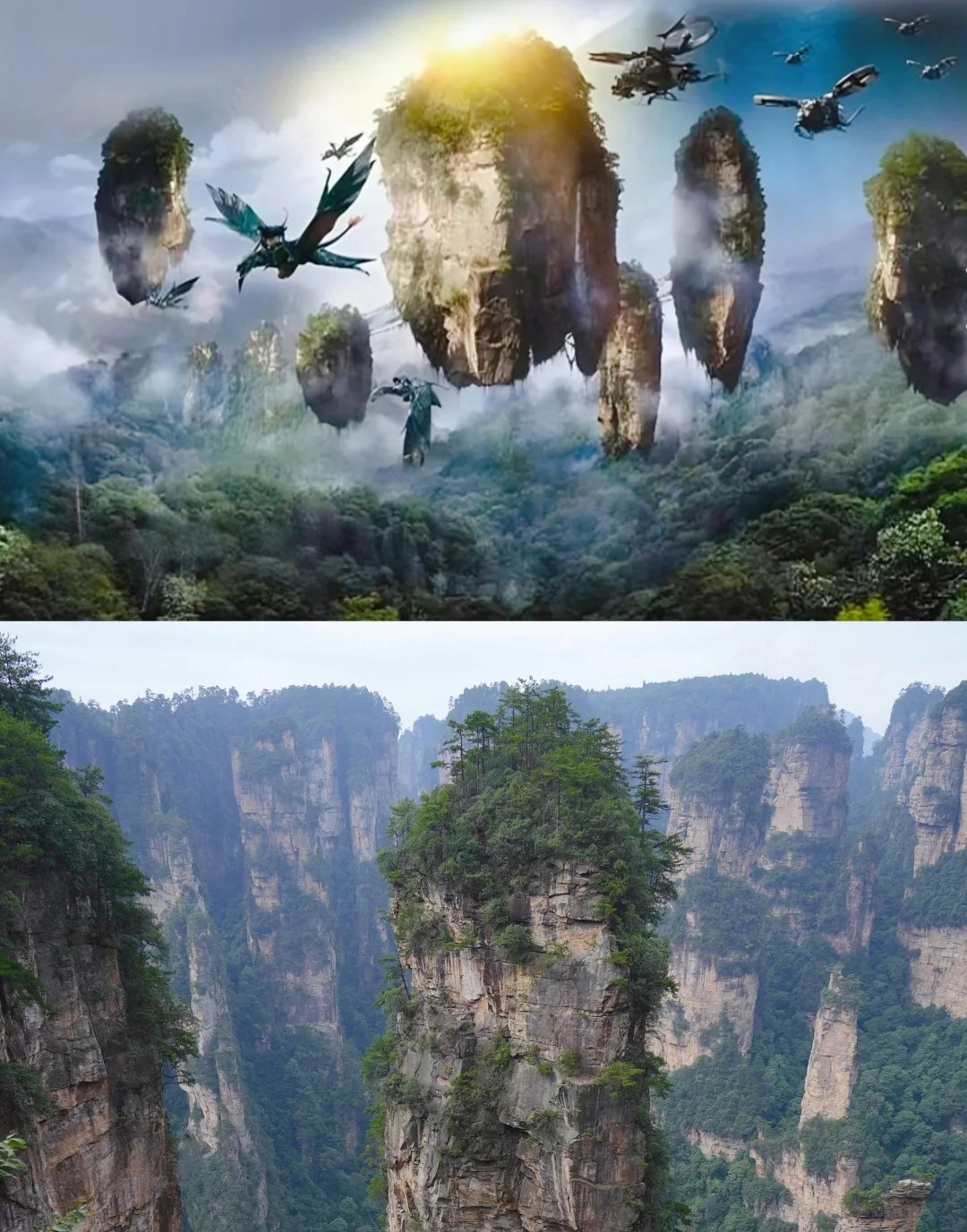
Our 2-day Zhangjiajie tour was beyond spectacular! As someone who’s visited Beijing and Shanghai for work, this trip revealed China’s wild, magical heart. Day 1 in Zhangjiajie National Forest Park felt like stepping onto Pandora—I’m a huge Avatar fan, and Yuanjiajie’s floating peaks left me breathless. The misty pillars and lush valleys like pure movie magic! Then came Fenghuang Ancient Town, we eat dinner beside the thundering waterfall. It seems Unreal! The night views of stilt houses glowing over the river were straight from a fairy tale. For fellow Avatar lovers and adventure seekers: Don’t miss this bucket-list experience! 10/10 would return. A Well-Traveled Film Buff, May 2025
Destination(s): Zhangjiajie
Date of Experience: May 08,2025
... ...

Ask a Question

Question Summary (100 characters)
Details (optional) (2,000 characters)
Name
Country
Email