
2-Day Urumqi Turpan Tour
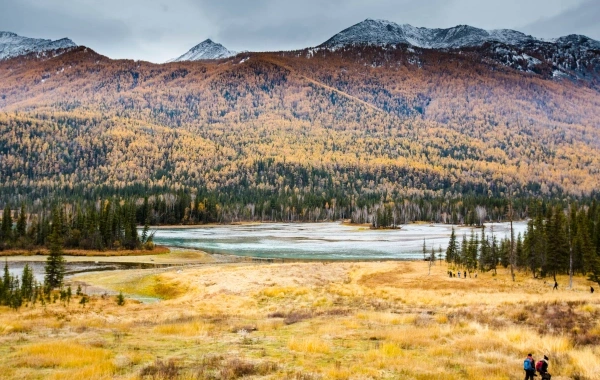
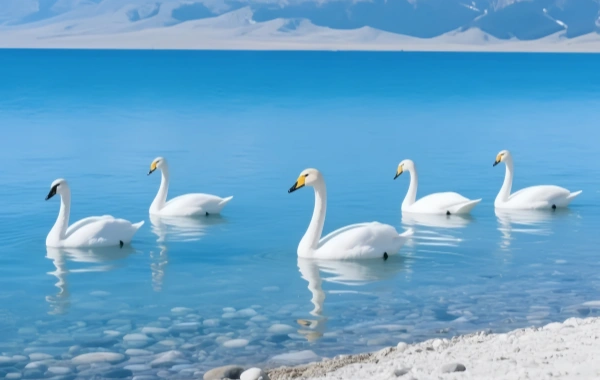
Tianshan peaks, bazaars, Flaming Mountains, ancient ruins, oasis, and irrigation systems.
- Tour Code: XT-UT-02
- Duration of the trip: 2days
- Hotel: 1night (4-stars Hotel)
Why choose Into Travel China Day Tour

Itinerary
Explore each day’s highlights, pace, routes, hotels, meals, and photos—so you know exactly what to expect along the way.
Route Map Full route
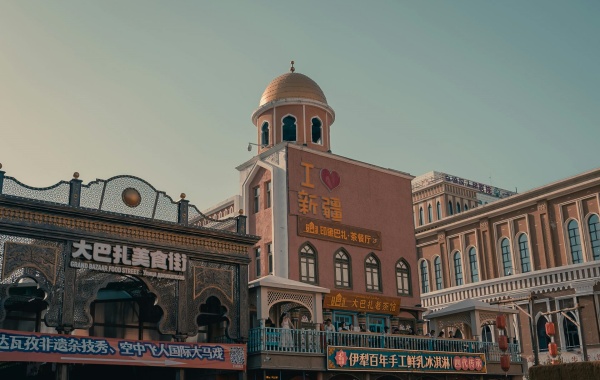
Heavenly Lake – Xinjiang Uygur Autonomous Region Museum – International Grand Bazaar
4-Stars Hotel
Breakfast&Lunch
Morning
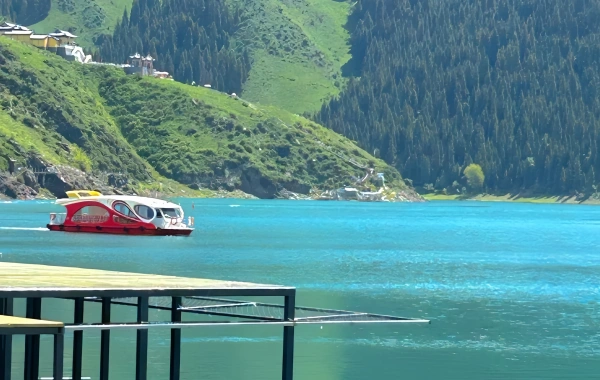
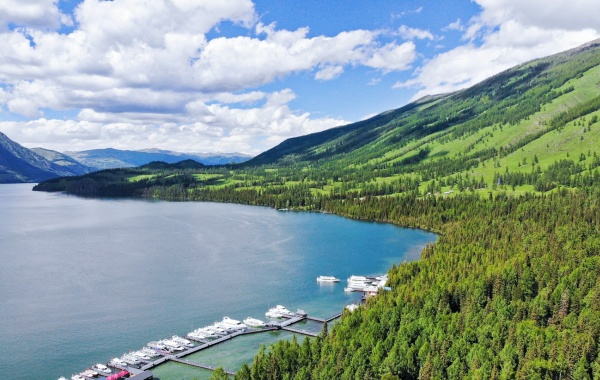
Drive to Heavenly Lake (Tianchi), a UNESCO World Heritage Site nestled at the northern foot of Bogda Peak in the Eastern Tianshan Mountains. This natural alpine lake sits at approximately 1,910 meters above sea level. Its crystal-clear, sapphire waters reflect surrounding snow-capped peaks, offering cool respite in summer and transforming into a natural ice rink when frozen in winter.
Take the scenic shuttle bus, stopping at attractions like:
-
Shimen Yixian (Stone Gate Line)
-
Longtan Biyue (Dragon Pool & Moonlit Night)
Upon reaching the lakeshore, choose to:
-
Cruise the lake (self-funded boat ride)
-
Stroll along the shore, admiring panoramic views of the lake, mountains, forests, and glaciers.
Important Notes for Heavenly Lake:
-
Altitude Precautions: Due to high elevation, guard against cold/UV exposure and avoid strenuous activity.
-
Environmental Protection: Preserve the ecosystem; no littering.
-
Weather: Mountain conditions change rapidly; carry rain gear and warm layers.
Afternoon
Return to Urumqi city and visit the Xinjiang Uygur Autonomous Region Museum. It houses over 40,000 artifacts and specimens, including nearly 400 national first-class relics (≈60% of Xinjiang’s top-tier cultural treasures). Highlights include:
-
The legendary Han Dynasty silk armguard: "Five Stars from the East Benefit China"
-
Silk/textiles from Han/Tang dynasties
-
Ancient wool, cotton, and linen fabrics
-
Historical documents and inscribed wooden slips
-
Scythian-influenced bronze ware
-
Paleontological fossils and ancient mummies
Exhibitions span history, ethnic culture, ancient corpses, revolutionary history, and special themes.
Evening
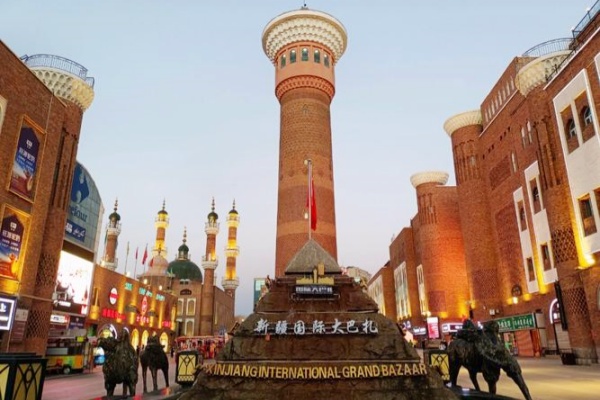
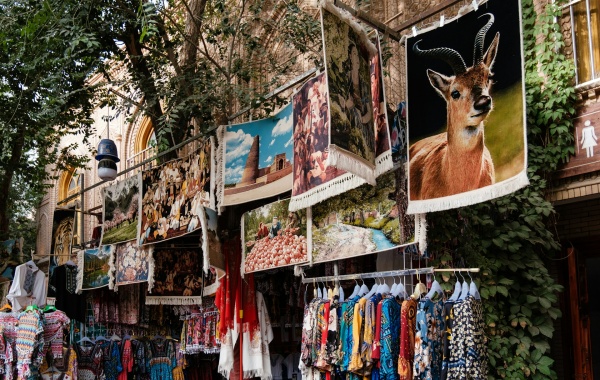
Experience the International Grand Bazaar illuminated by countless lights—its night scenery is breathtaking.
-
Silk Road Observation Tower: Ascend for a panoramic view of Urumqi’s skyline and the bustling bazaar below.
-
Food Street: Feast on Xinjiang specialties: samsa (baked lamb buns), polo (hand-pulled rice), kawap (kebabs), and more.
-
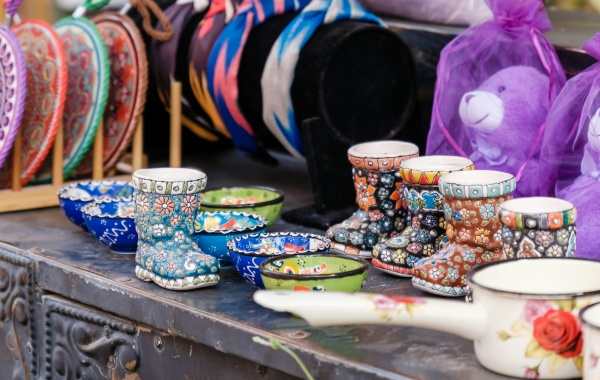
Shopping & Culture: Browse handicrafts, dried fruits, and carpets while enjoying vibrant folk performances—immersing in Xinjiang’s energy and hospitality.
Urumqi → Turpan (Bullet Train) → Flaming Mountains (Drive-By) → Tuyugou Grand Canyon → Bezeklik Thousand Buddha Caves
4-Stars Hotel
Breakfast&Lunch
Morning
After breakfast, depart Urumqi via bullet train (1-hour ride) to Turpan.
Flaming Mountains (Drive-By Viewing)
Drive along the Flaming Mountains Grand Canyon, China's hottest area where summer air temperatures reach 47.8°C (118°F) and surface temperatures soar to 82.3°C (180°F)—hot enough to fry eggs on the sand. These iconic red-brown sandstone ridges glow like fire under the desert sun. Their legendary status stems from Wu Cheng'en's Ming Dynasty classic Journey to the West, which immortalized these mountains as the obstacle where Tang Sanzang (Monk Xuanzang) was blocked, leading to Sun Wukong's epic battle to borrow Princess Iron Fan's palm-leaf fan. Key landmarks visible from the road:
-
Tethering Post: A towering rock where Xuanzang tethered his horse.
-
Mounting Stone: A flat-topped hill where he mounted his steed.
-
Pigsy Boulder: A peak resembling Zhu Bajie's snout east of the canyon.
Tuyugou Grand Canyon
Explore the canyon in the southern foothills of the Flaming Mountains' eastern section. Stretching 9 km from Subashi Village (north) to Mazha Village (south), its iron oxide-rich cliffs blaze crimson under the sun, creating the range's most dramatic landscape. Average width: 1 km; max elevation: 831.7 m.
Mazha Village
At the canyon's southern end lies Mazha Village, Xinjiang's oldest continuously inhabited Uyghur settlement (1,700+ years). This "living fossil of Uyghur culture" preserves ancient traditions and stunning rammed-earth architecture showcasing "yellow clay culture."
Afternoon
Bezeklik Thousand Buddha Caves
Carved into cliffs above the Mutou River Valley in the mid-Flaming Mountains, this cave temple complex originated during the Qushi Gaochang Kingdom (5th-6th centuries, N. & S. Dynasties), flourishing under the Uyghur Kingdom of Gaochang (9th-13th centuries).
Included & Excluded
- The price is based on two people sharing a double room. If you prefer a single room, please contact us for a quote.
- Price may vary depending on exchange rates, travel dates, and hotel class.
- Prices may vary depending on the season and promotional activities. Please consult your advisor for details.
- Comfortable hotel with daily breakfast (twin room)
- Professional English-speaking local tour guide
- Air-conditioned private coach throughout the tour
- Entrance tickets to all listed attractions and activities
- Lunches as specified in the itinerary
- Domestic flights and high-speed train tickets
- One travel accident insurance per person
Cancellation Policy
- Free cancellation if canceled 60 days or more before the tour starts
- 5% of total tour cost if canceled 45-59 days before departure
- 10% of total tour cost if canceled 30-44 days before departure
- 25% of total tour cost if canceled 15-29 days before departure
- 45% of total tour cost if canceled 7-14 days before departure
- 100% of total tour cost if canceled less than 7 days before departure
Q & A
Is it really possible to experience snow mountains, deserts, and ancient ruins in just 2 days?
What's the temperature difference between Urumqi and Turpan? How should I dress?
火焰山50℃的高温真的受得了吗?怎么应对?
Book Now
Ask us before you decide.
Unsure about a route, departure date or room option? Tell us what is holding up your plans. You will get a clear answer from our China-based travel team—no booking required.