Nature's Masterpiece—The Four-Season Tapestry of the "Grassland in the Sky"
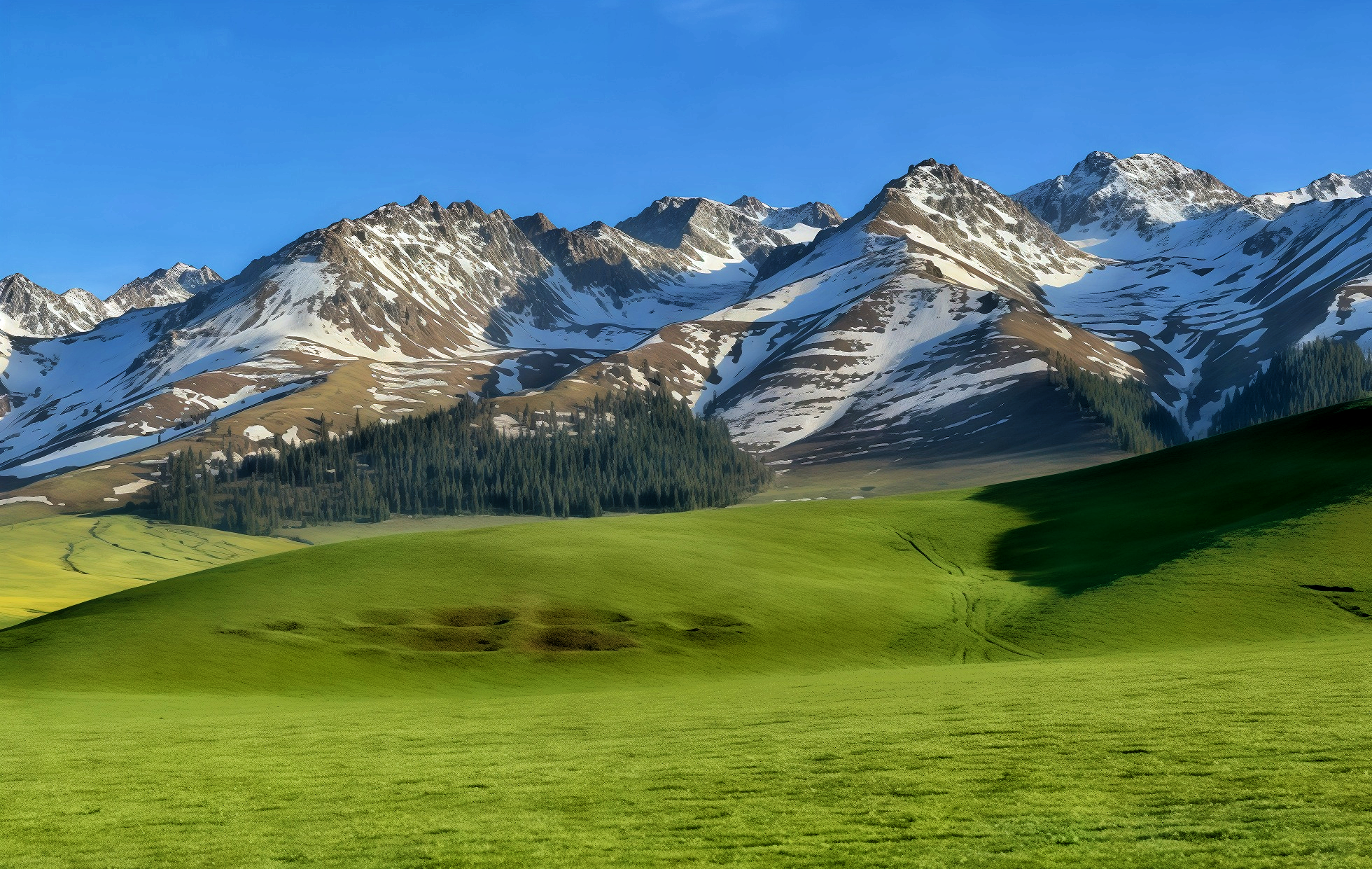
The natural landscape of the Nalati Grassland represents an eternal dialogue between the rolling plains, the snow-capped mountains, and the flowing rivers.
The "Grassland in the Sky": A Green Ocean Suspended in the Heavens
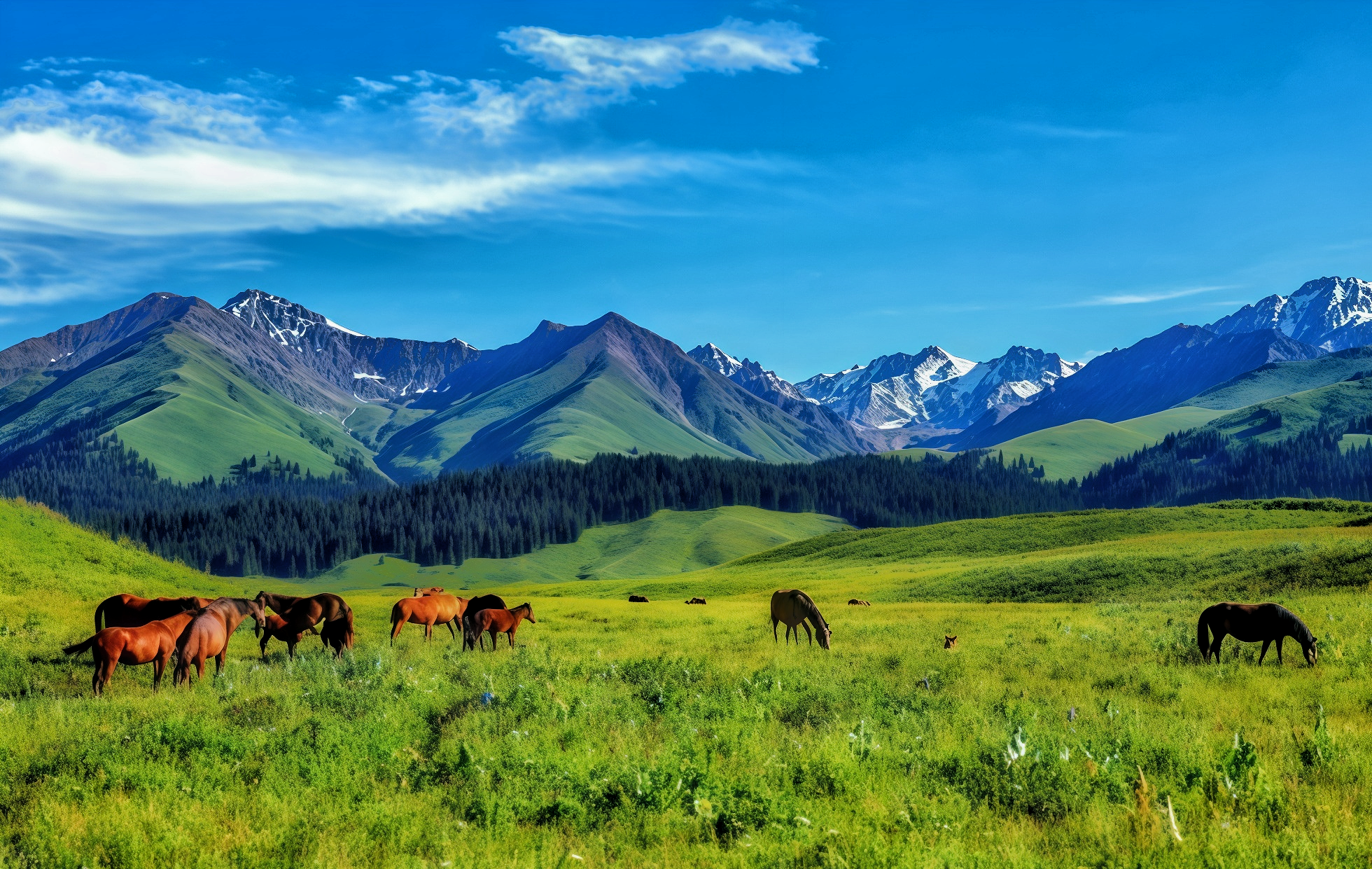
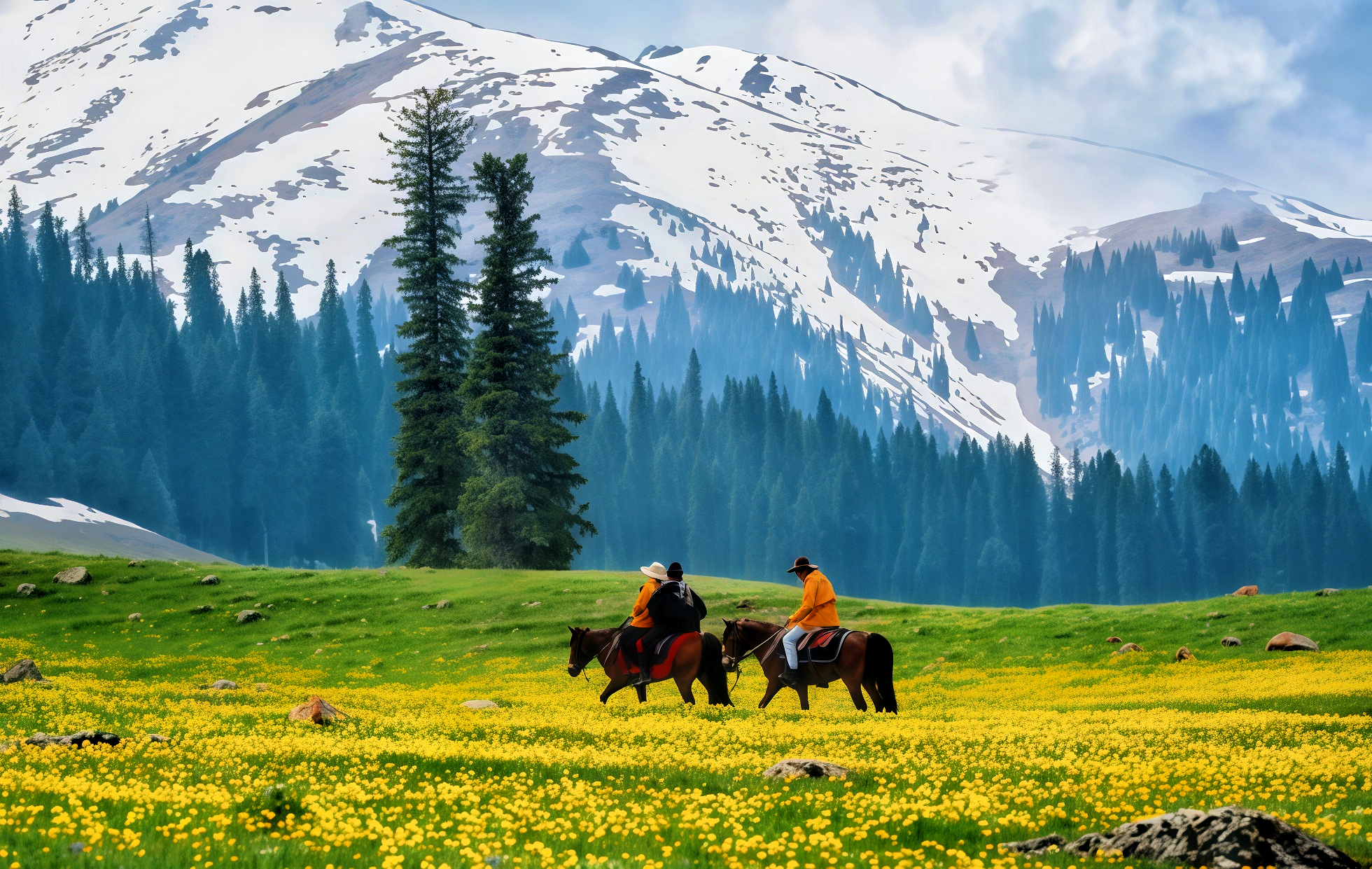
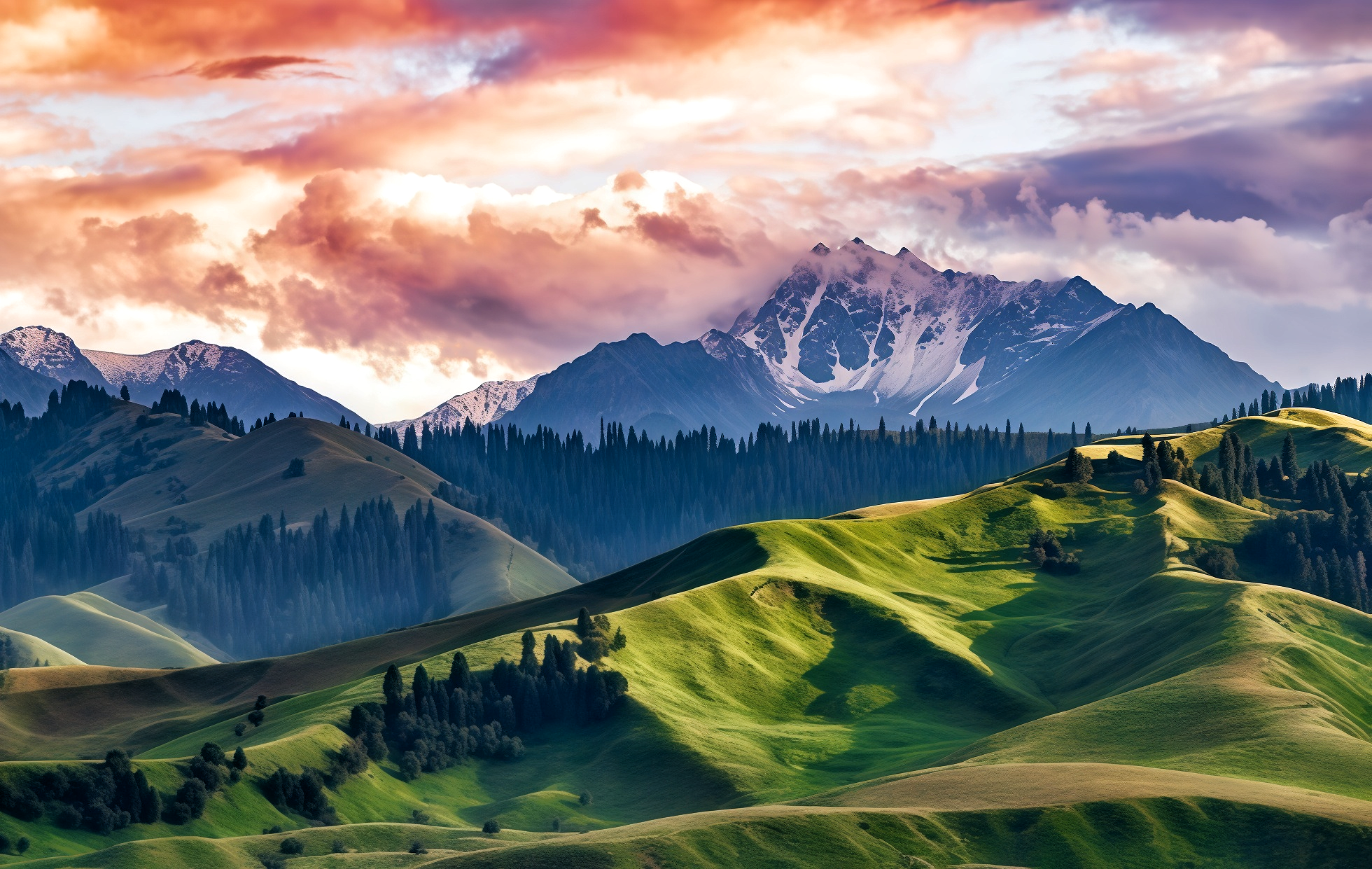
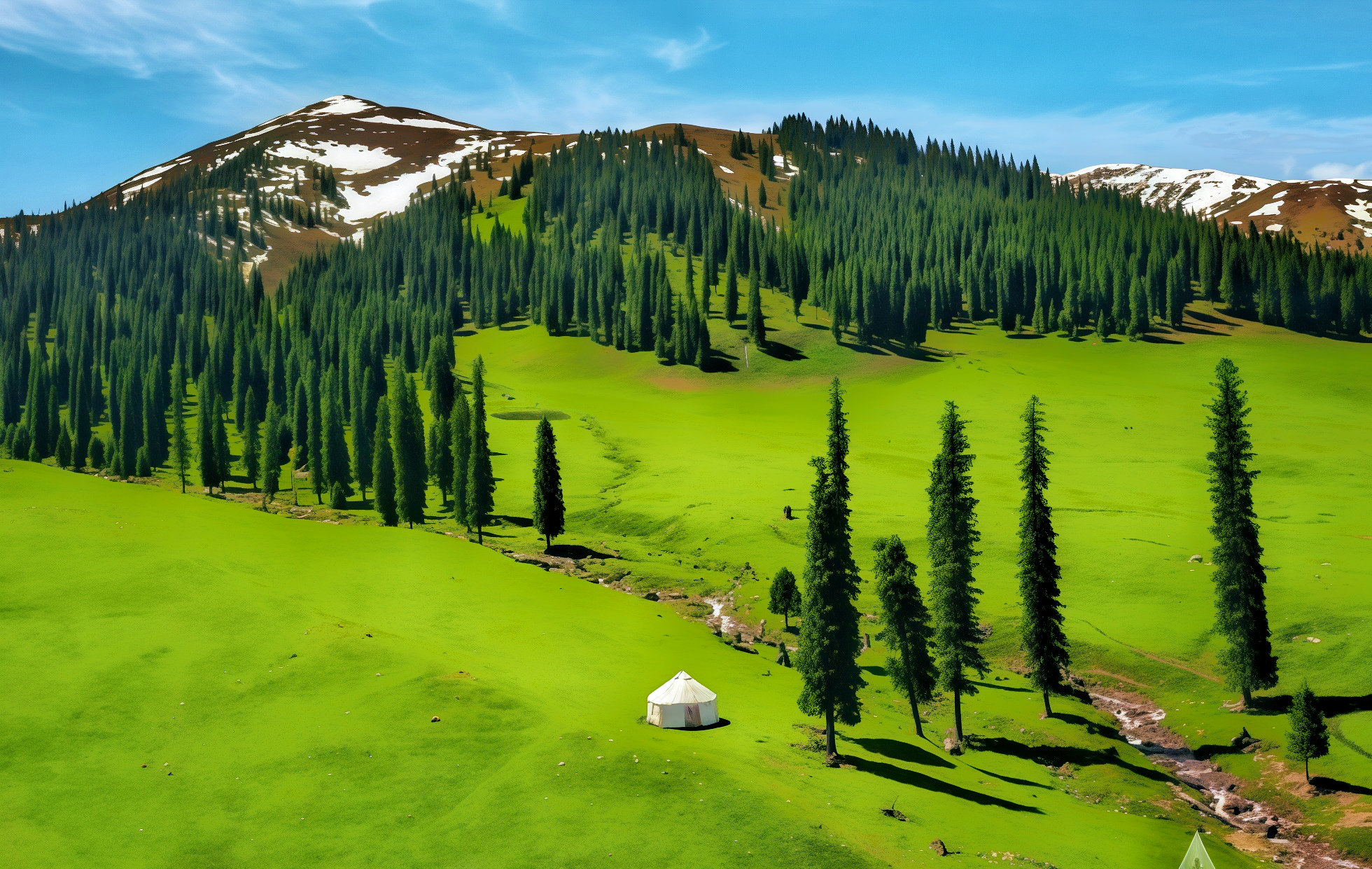
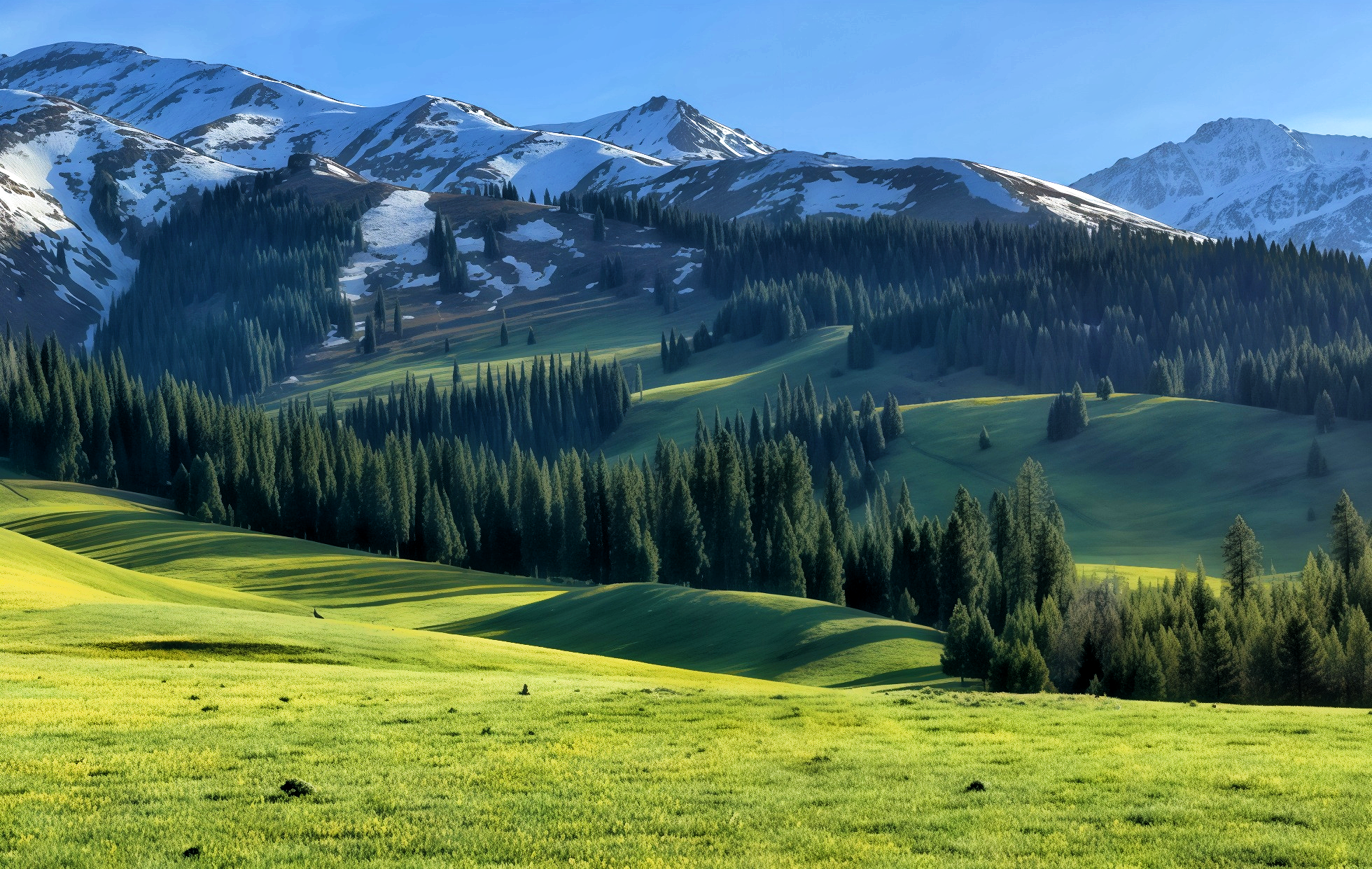
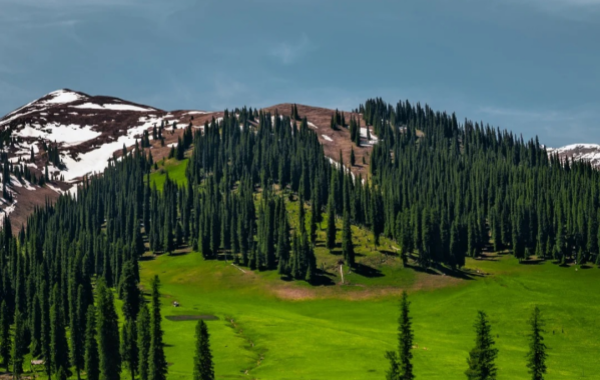
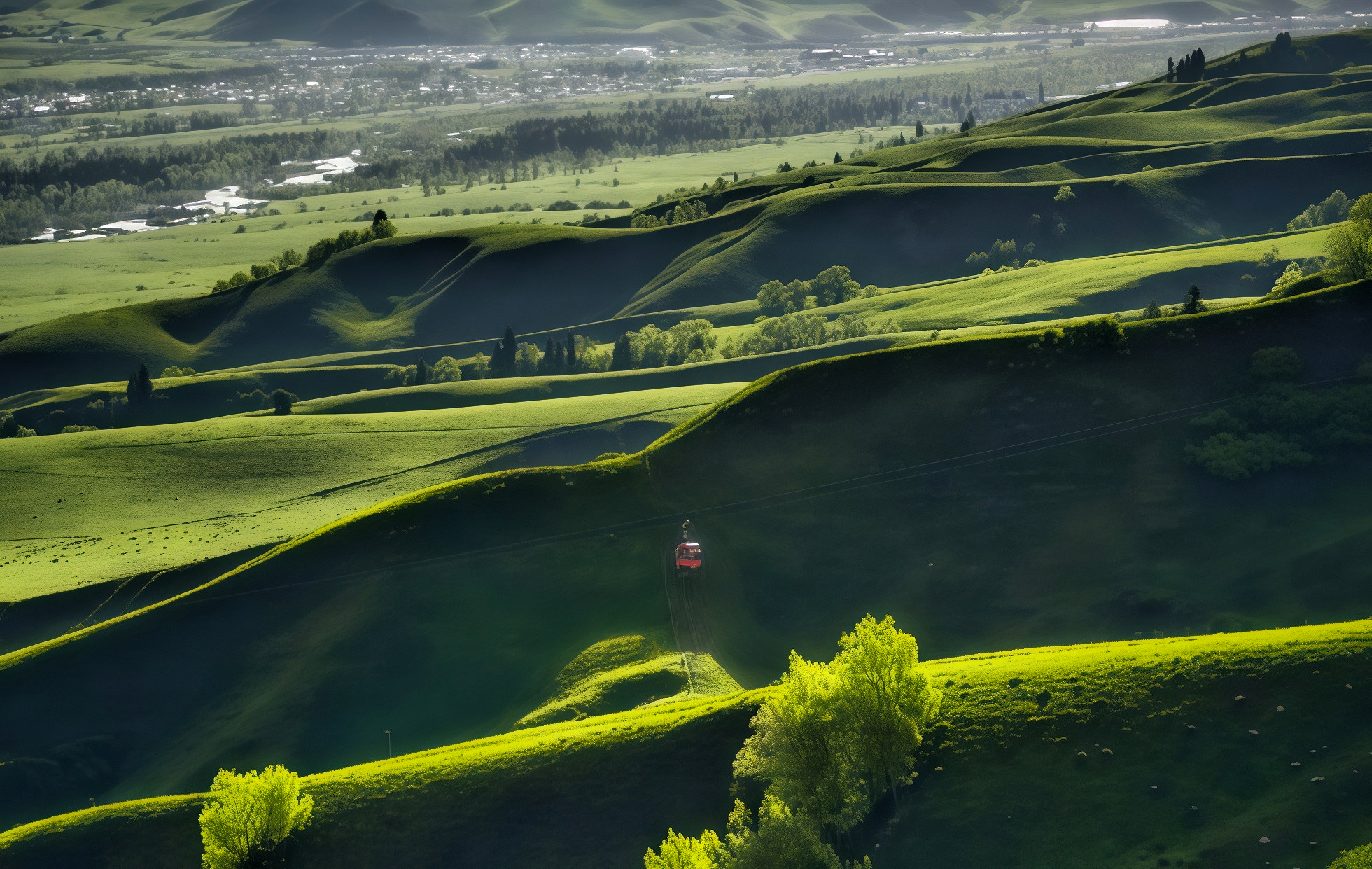
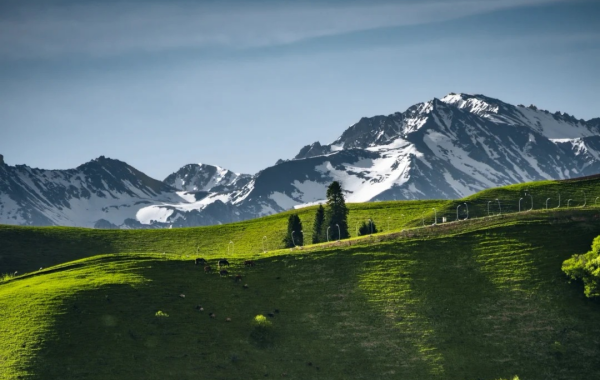
The centerpiece of the Nalati landscape is the "Grassland in the Sky"—a sub-alpine meadow situated at an elevation of approximately 2,200 meters, characterized by its undulating terrain and boundless horizons. In summer, the grasslands unfold like a green carpet stretching toward the horizon, dotted with wildflowers; in autumn, they turn a golden hue, creating a striking contrast with the distant snow-capped mountains; in winter, blanketed in white snow, the landscape becomes a scene of serene, picturesque beauty. Standing at the edge of the "Sky Grassland" and gazing down at the river valley below, one feels as though suspended amidst the clouds—a sensation that gives this place its evocative name.
The River Valley Grasslands: An Epic Pastoral Scroll Along the Gongnaisi River
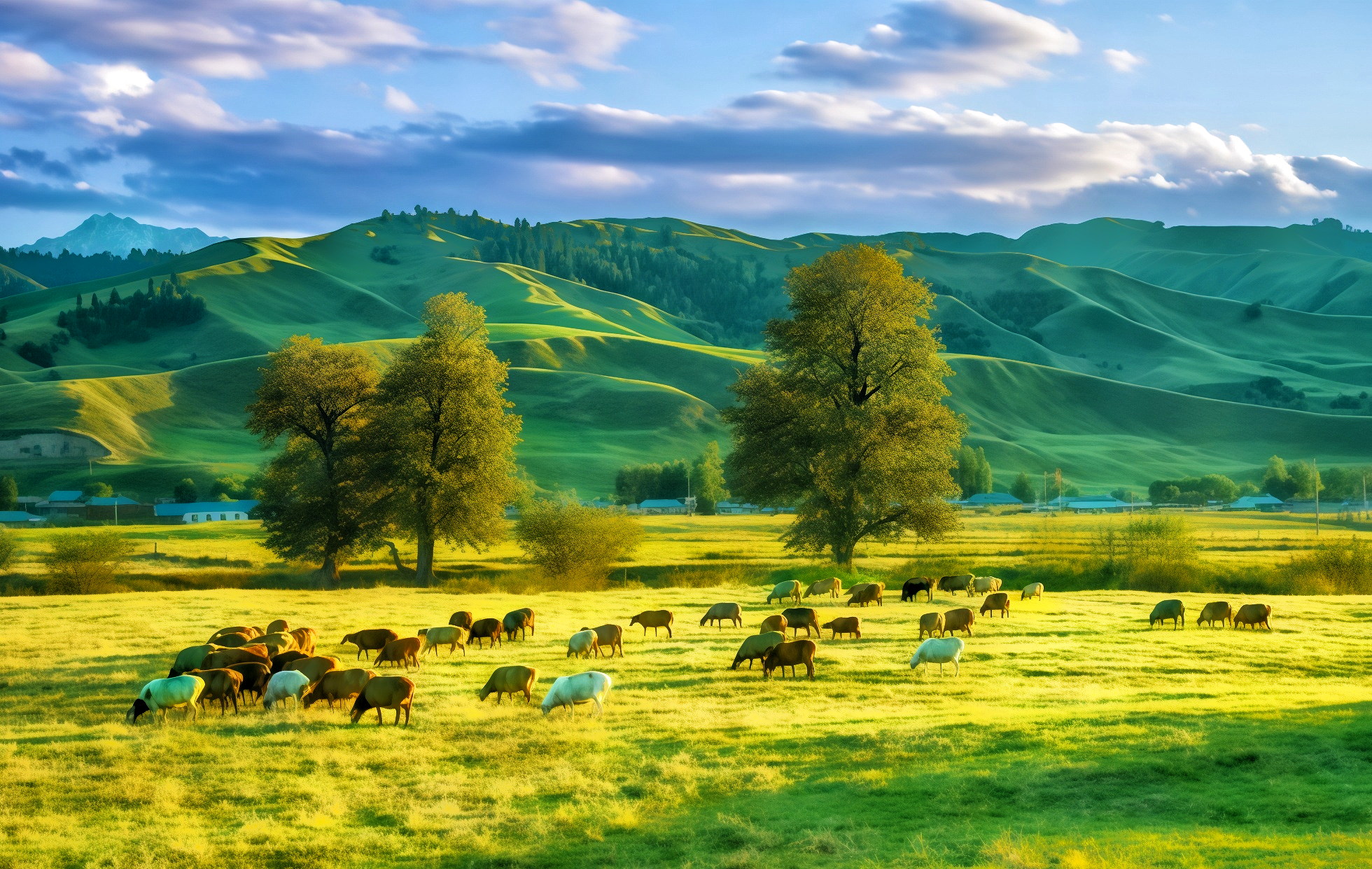
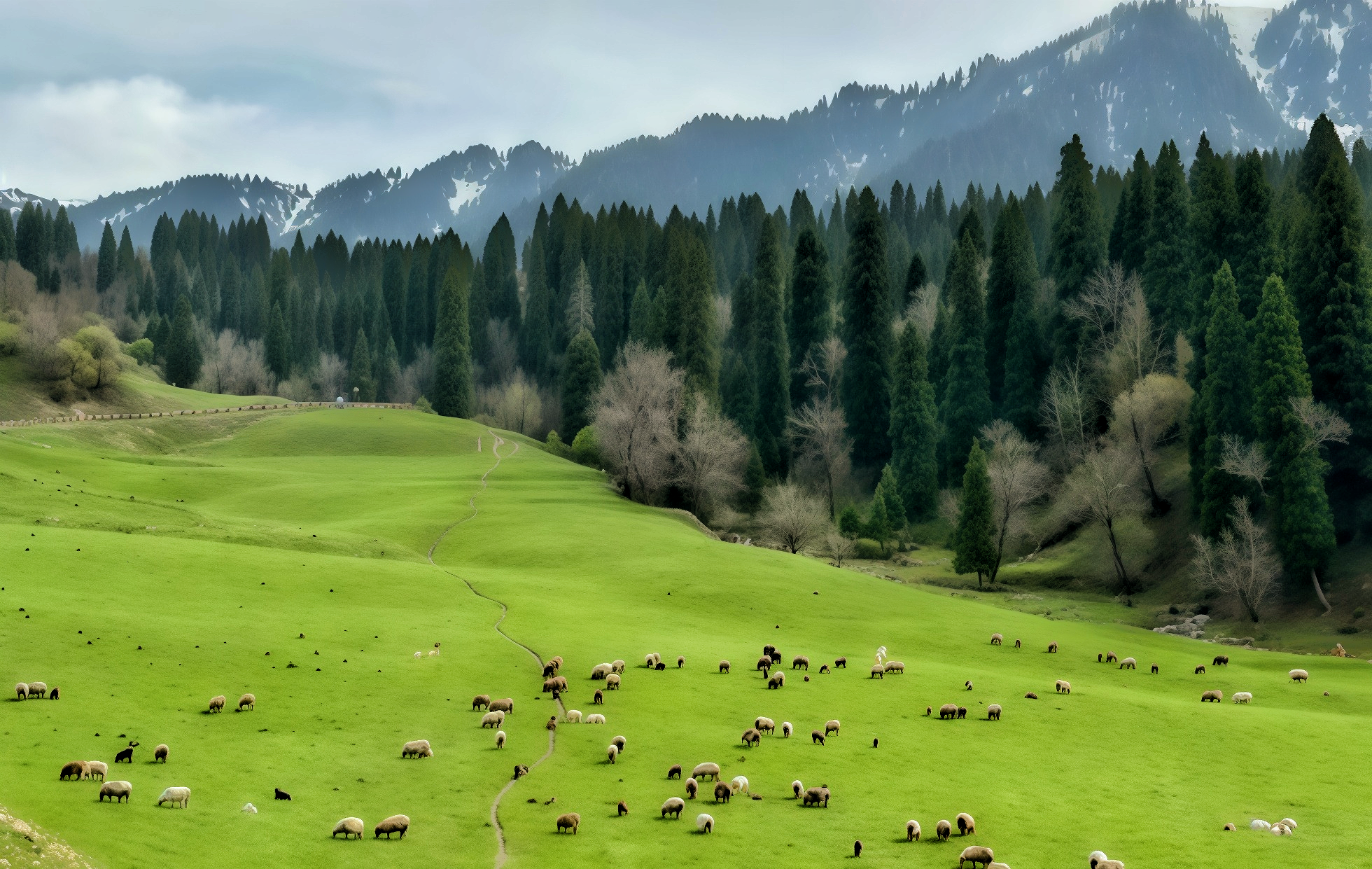
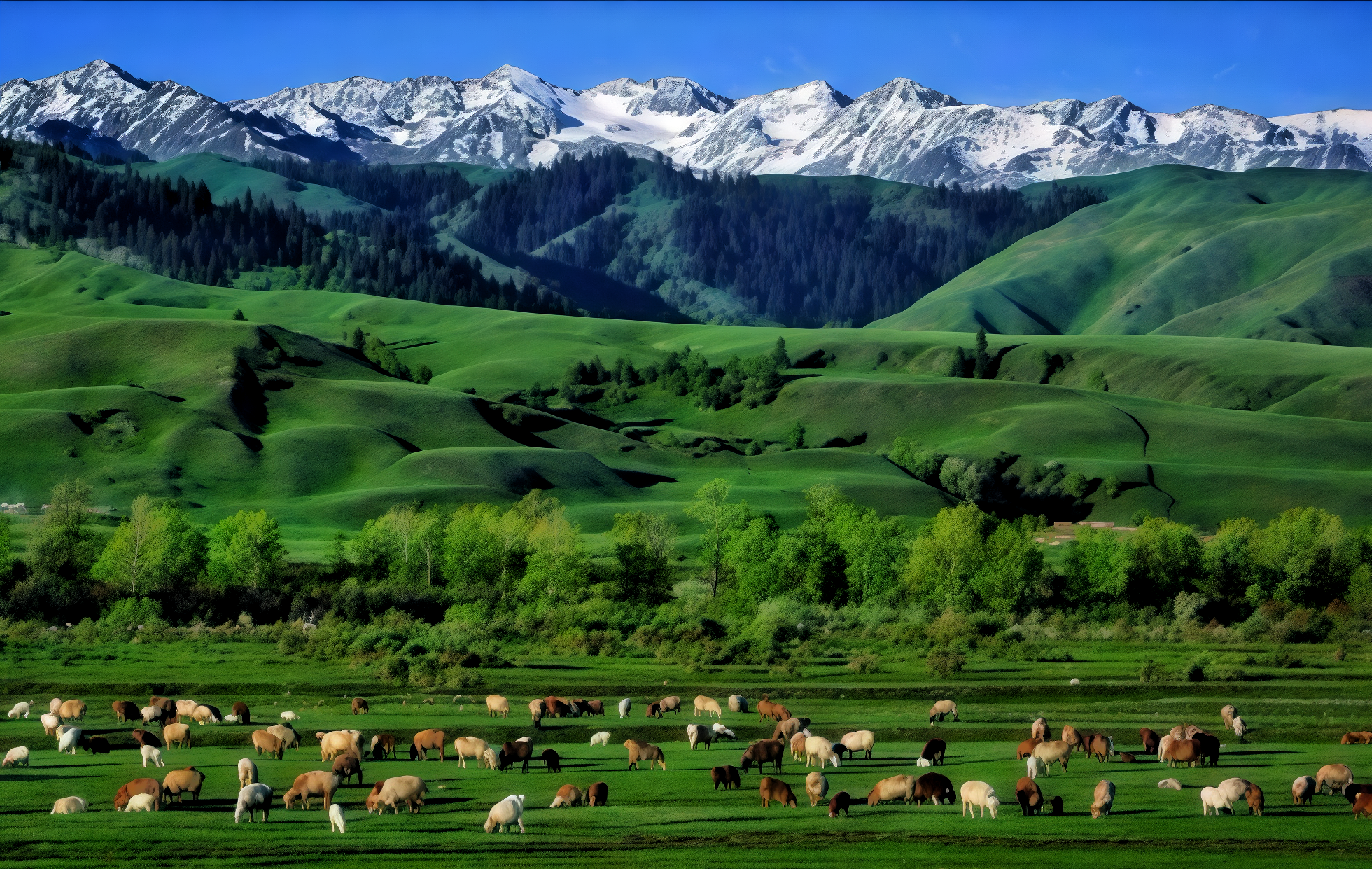
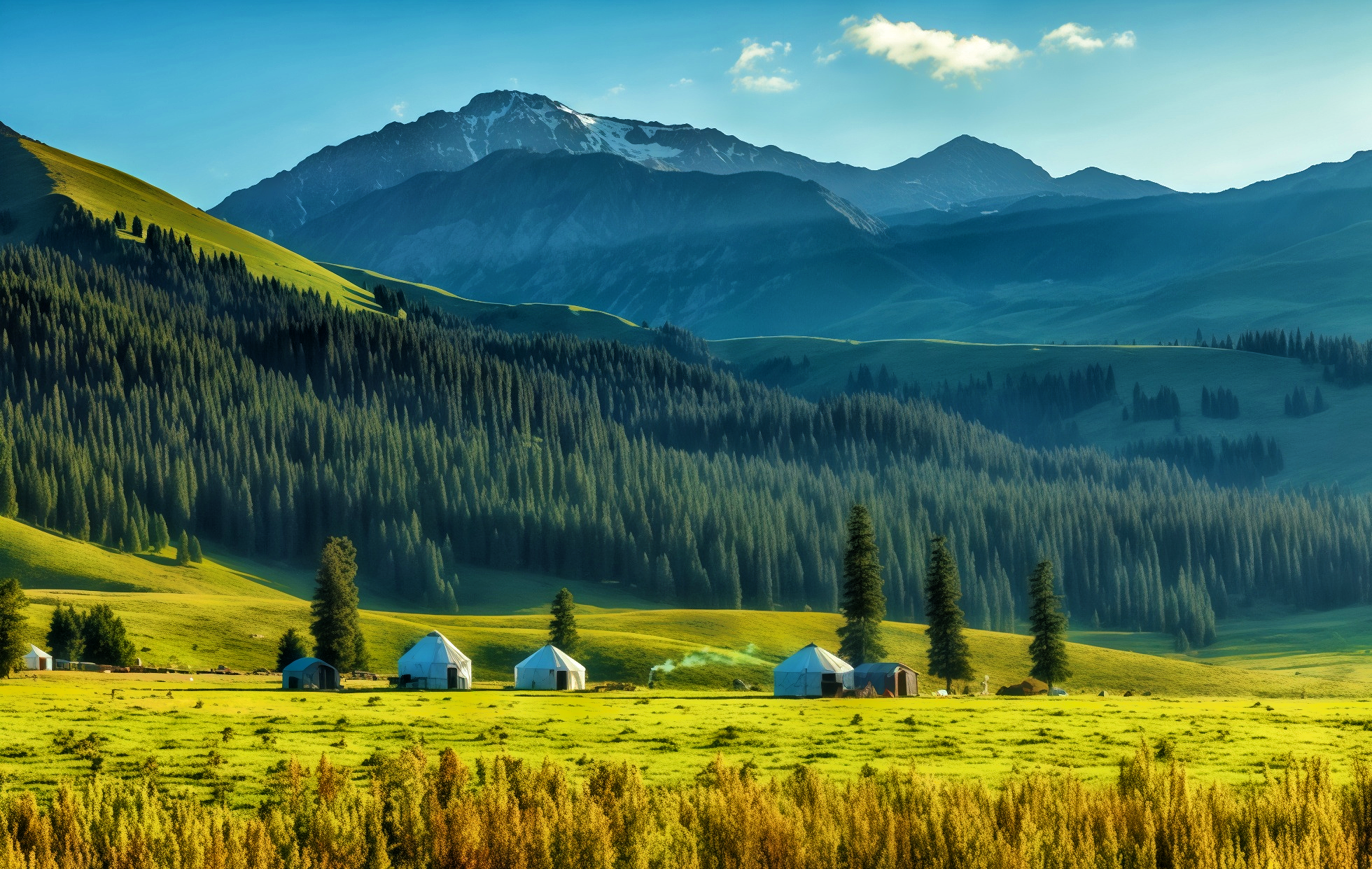
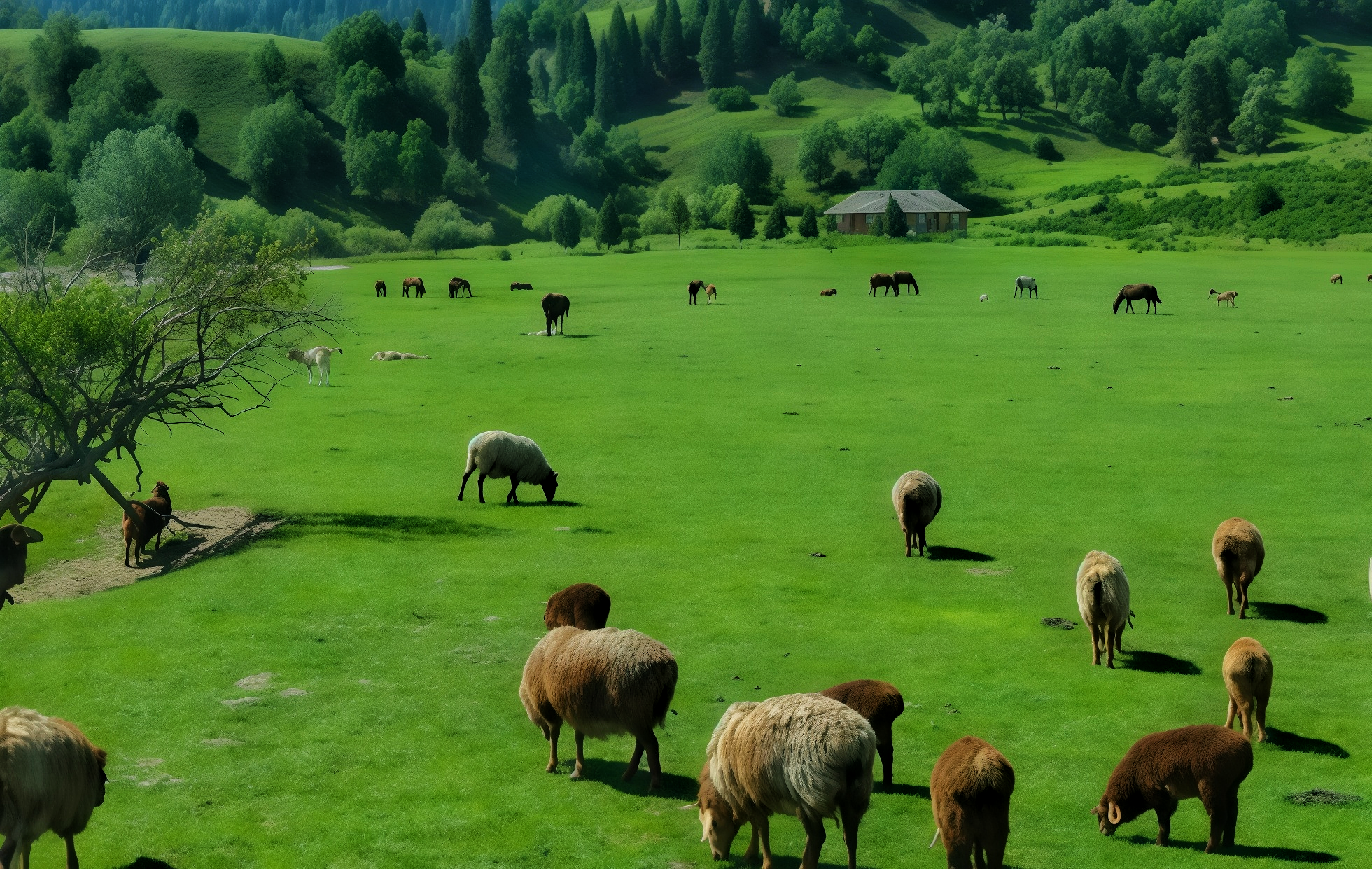
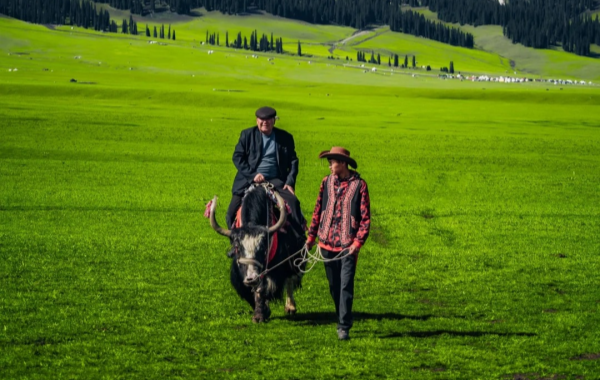
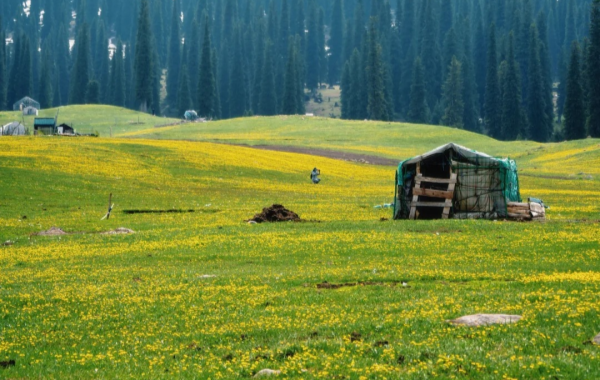
The Gongnaisi River winds its way through the Nalat Grasslands; along the banks of the valley, lush vegetation and abundant water sustain herds of cattle and sheep. Situated at a lower elevation with gentle terrain, these river valley grasslands serve as the primary summer grazing grounds for the local Kazakh nomads. In the early morning, as mist swirls above the valley, nomads drive their livestock out of their pens while wisps of cooking smoke curl upward—together, creating a vivid and enchanting pastoral tableau.
Panlong Valley Road: A Paradise for Road Trippers
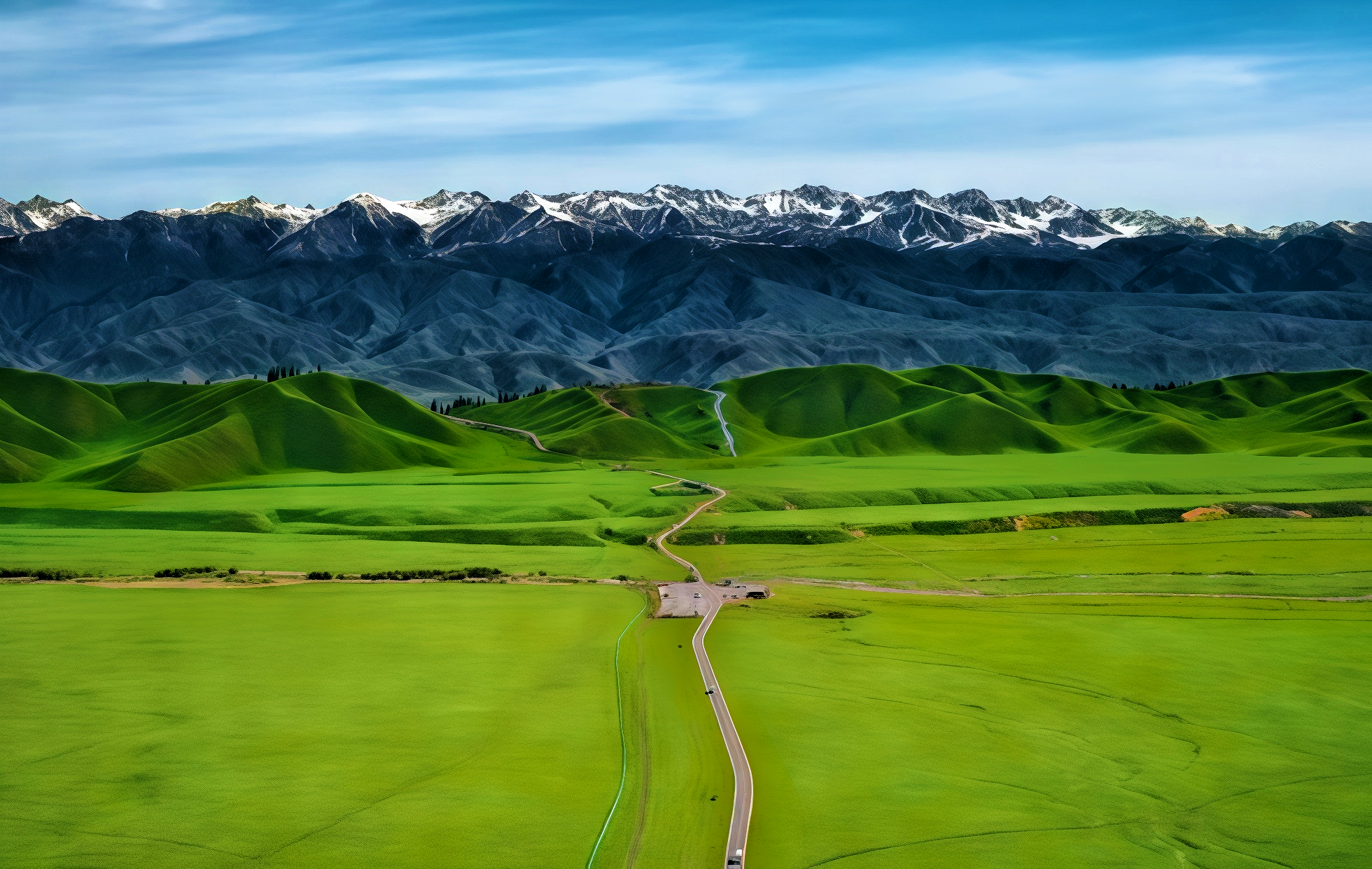
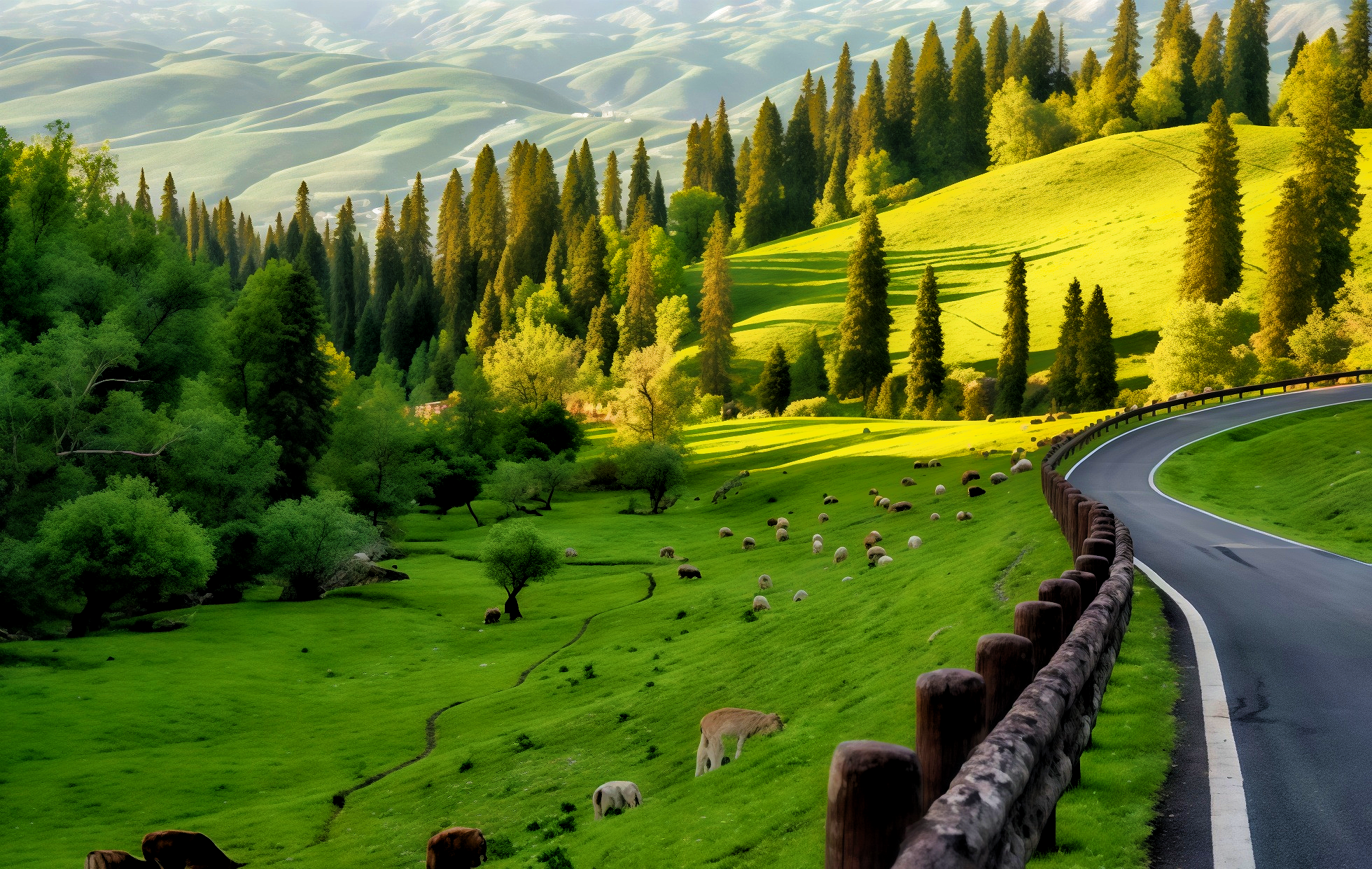
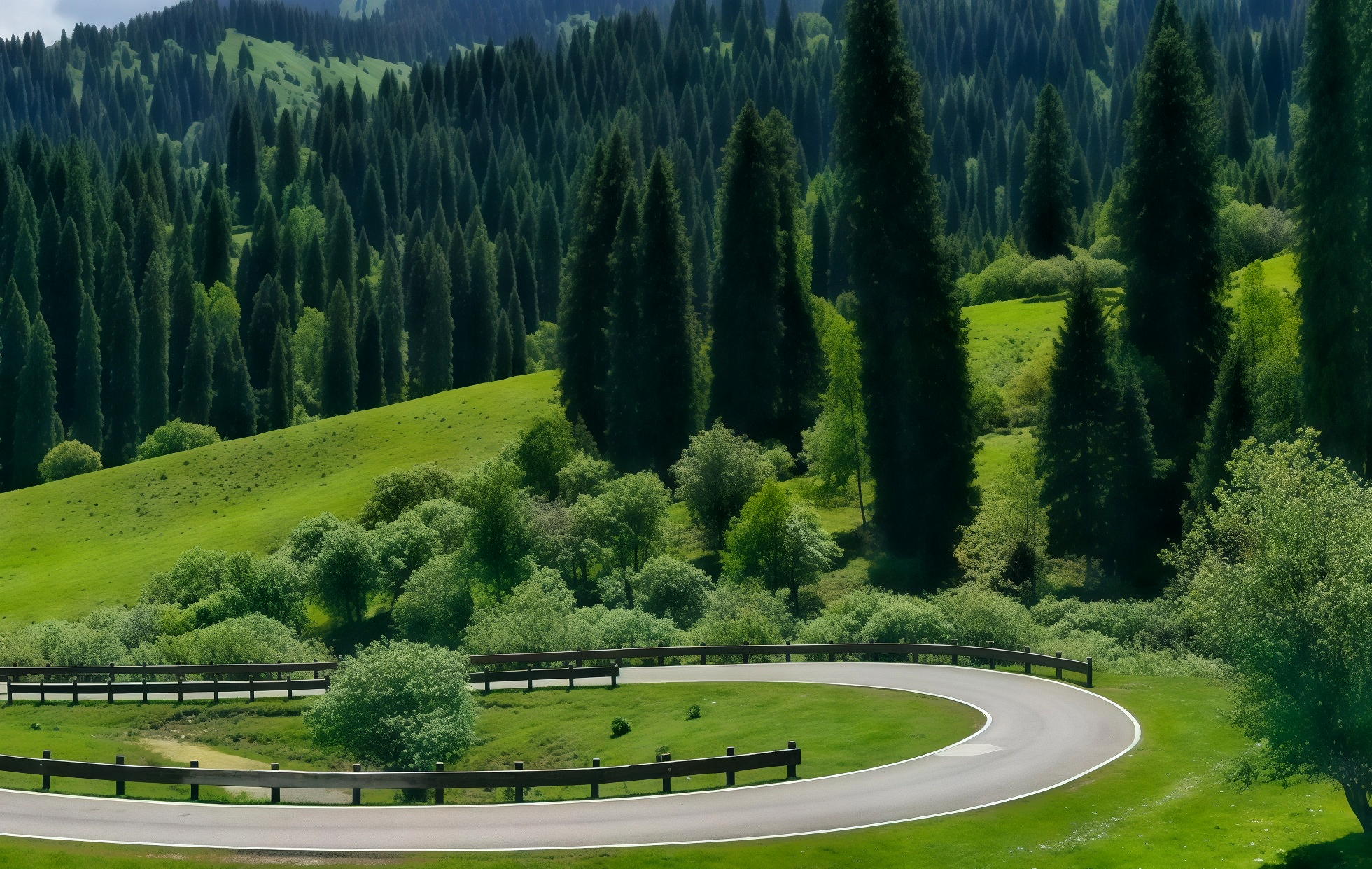
Panlong Valley Road is a scenic route that winds its way between grasslands and forests. Spanning approximately 26 kilometers with an elevation drop of 800 meters, the road features numerous observation decks along its course. As you drive along, you are flanked on one side by lush spruce forests and on the other by boundless grasslands, with majestic snow-capped mountains looming in the distance. The scenery shifts and transforms with every turn, earning the road acclaim among driving enthusiasts as one of "Xinjiang's most beautiful highways."
Wortajiaota: A Vantage Point Overlooking the Grasslands
Wortajiaota stands as one of the highest vantage points within the Nalat Grasslands, reaching an elevation of approximately 2,500 meters. From the summit, visitors can enjoy a panoramic view encompassing the entire Nalat Grassland and the Gongnaisi River Valley, while gazing out toward the snow-capped peaks of the Tianshan Mountains—offering a truly expansive and breathtaking vista. This location is an exceptional spot for watching both sunrise and sunset; in the morning, golden sunlight floods the grasslands, while in the evening, the lingering golden glow paints the horizon in hues of red.
Snow Lotus Valley: A Hidden Realm of the Tianshan Peaks
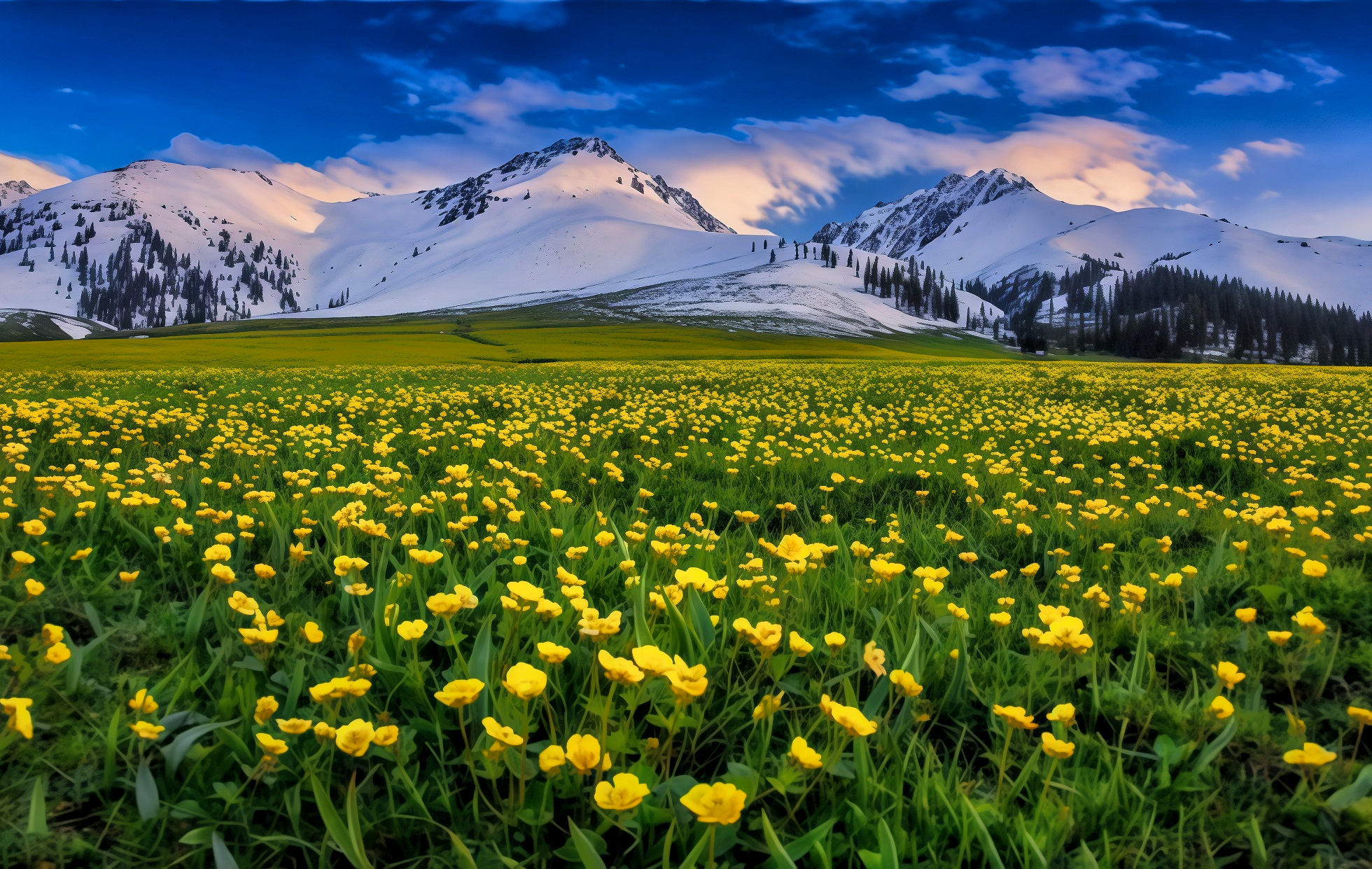
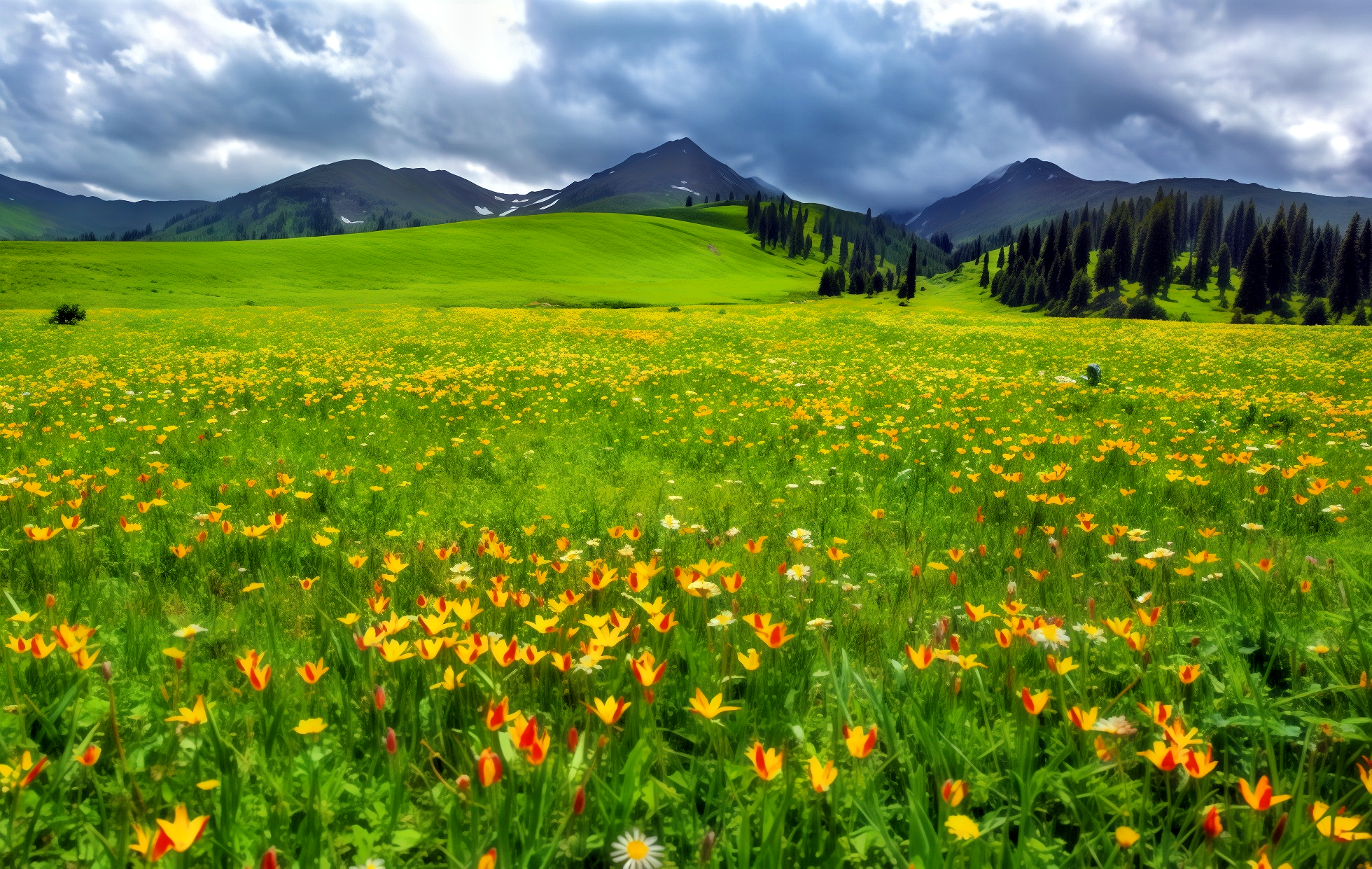
Nestled deep within the Nalat Grasslands and situated near the permanent snowline of the Tianshan Mountains, Snow Lotus Valley derives its name from the rare and precious Tianshan snow lotuses that flourish here. Characterized by its rugged terrain and pristine, wild scenery, the valley presents an exhilarating challenge and a coveted destination for hiking enthusiasts. In summer, wildflowers bloom throughout the valley, and snow-capped peaks are mirrored in the crystal-clear streams, creating a scene reminiscent of a secluded paradise.
A Tapestry of Seasons: Nalati’s Colorful Variations
The beauty of the Nalati Grassland transforms with the changing seasons:
- spring (April–May): As ice and snow melt, the grassland turns green again; wild lilies (white crocuses)—the very first flowers of Nalati—break through the snow, earning them the local nickname "Ice-Breakers."
- Summer (June–August): The grassland enters its most magnificent season; lush green grass carpets the land, and wildflowers bloom everywhere—including globeflowers, wild poppies, and irises—creating a vibrant, kaleidoscopic display of color.
- Autumn (September–October): The grassland turns a golden hue while the spruce forests remain evergreen, creating a striking contrast of colors that makes this the "golden season" for photographers.
- Winter (November–March): Blanketed in white snow, the grassland becomes a serene, picturesque wonderland where visitors can enjoy unique activities such as horseback riding in the snow and horse-drawn sleigh rides.
> Photography Tips:
> - The best times to photograph the "Aerial Grassland" are early morning and late evening, when the light is soft and the grassland's colors appear at their most vivid.
> - Multiple observation decks are situated along the Panlong Valley Road, offering opportunities to capture magnificent shots of the grassland and forest interweaving.
> - Woltajiaota is an excellent spot for photographing sunrises and sunsets; it is recommended to arrive early to secure a prime shooting position.
> - The wild lilies of spring (mid-to-late April) and the vast seas of wildflowers in summer (June–July) are signature photographic subjects in Nalati.
Cultural Heritage: The Kazakh People and Their Grassland Home
The beauty of Nalati lies not only in its scenery but also in the Kazakh people who have lived here for generations, and in their unique culture.
A Visit to a Kazakh Home: Stepping into the Nomadic Lifestyle
The Kazakh people are the true stewards of the Nalati Grassland, and to this day, they continue to preserve their traditional nomadic way of life. Step inside a Kazakh yurt, and you can:
- Savor the Cuisine: Your hosts will serve up steaming hot milk tea, shouzhua (hand-grabbed mutton), baursaki (fried dough pastries), kumis (fermented mare's milk), and other traditional delicacies.
- Experience Local Customs: Learn about Kazakh traditions such as the "Huanzi" custom (where the youngest son inherits the family estate), wedding rituals, and festive celebrations.
- Listen to Music: Enjoy "Aken Singing"—an improvised performance featuring the dombra (a two-stringed lute), with lyrics that praise the grasslands, tell tales of romance, or extol the virtues of heroes.
- Learn Traditional Crafts: Watch Kazakh women as they create traditional Handicrafts, such as intricate embroidery and felt-making.
Grassland Horse Racing and Diao Yang: A Carnival on Horseback
The Kazakhs are a people of the horse; traditional activities such as horse racing, Diao Yang (goat grabbing), and Guniang Zhui (the "Maiden's Chase") create some of the most thrilling spectacles on the grasslands:
- Horse Racing: Every summer, the Narat Grassland hosts a grand horse racing festival, featuring a magnificent spectacle of riders galloping across the plains.
- Diao Yang: Riders compete to snatch up a lamb from the ground, a contest that tests both horsemanship and teamwork—making it the most iconic traditional sport of the Kazakh people.
- Guniang Zhui: Young men and women ride side-by-side; the young woman chases the young man with a whip—a playful game that also serves as a charming way to express romantic interest.
Grassland Stone Figures and Wusun Tombs: Echoes of History
Scattered across the Narat Grassland and its surrounding regions are numerous grassland stone figures and Wusun tombs—historical relics left behind by ancient nomadic peoples. Carved from single blocks of stone, the grassland stone figures possess a rustic, ancient aesthetic and are believed to have served as guardians for the burial sites of the ancient Turkic or Wusun peoples. The Wusun tombs, typically constructed as earthen mounds, stand as historical witnesses to the Wusun Kingdom of the Han Dynasty era.
Kazakh Embroidery: Grassland Culture at Your Fingertips
Kazakh embroidery is recognized as a National Intangible Cultural Heritage. Its intricate patterns are often inspired by grassland life—featuring motifs such as ram's horns, ox horns, flowers, plants, the sun, and the moon—and are characterized by vibrant colors and auspicious symbolism. At Nalati, you can witness firsthand as Kazakh women deftly ply their needles and threads, or purchase exquisite embroidery pieces to take home as souvenirs.