Lake Kanas: The Gods' Private Garden and the Lake Monster Legend

Lake Kanas: The Gods' Private Garden and the Lake Monster Legend

Overview: A Wonderland Forgotten by Time

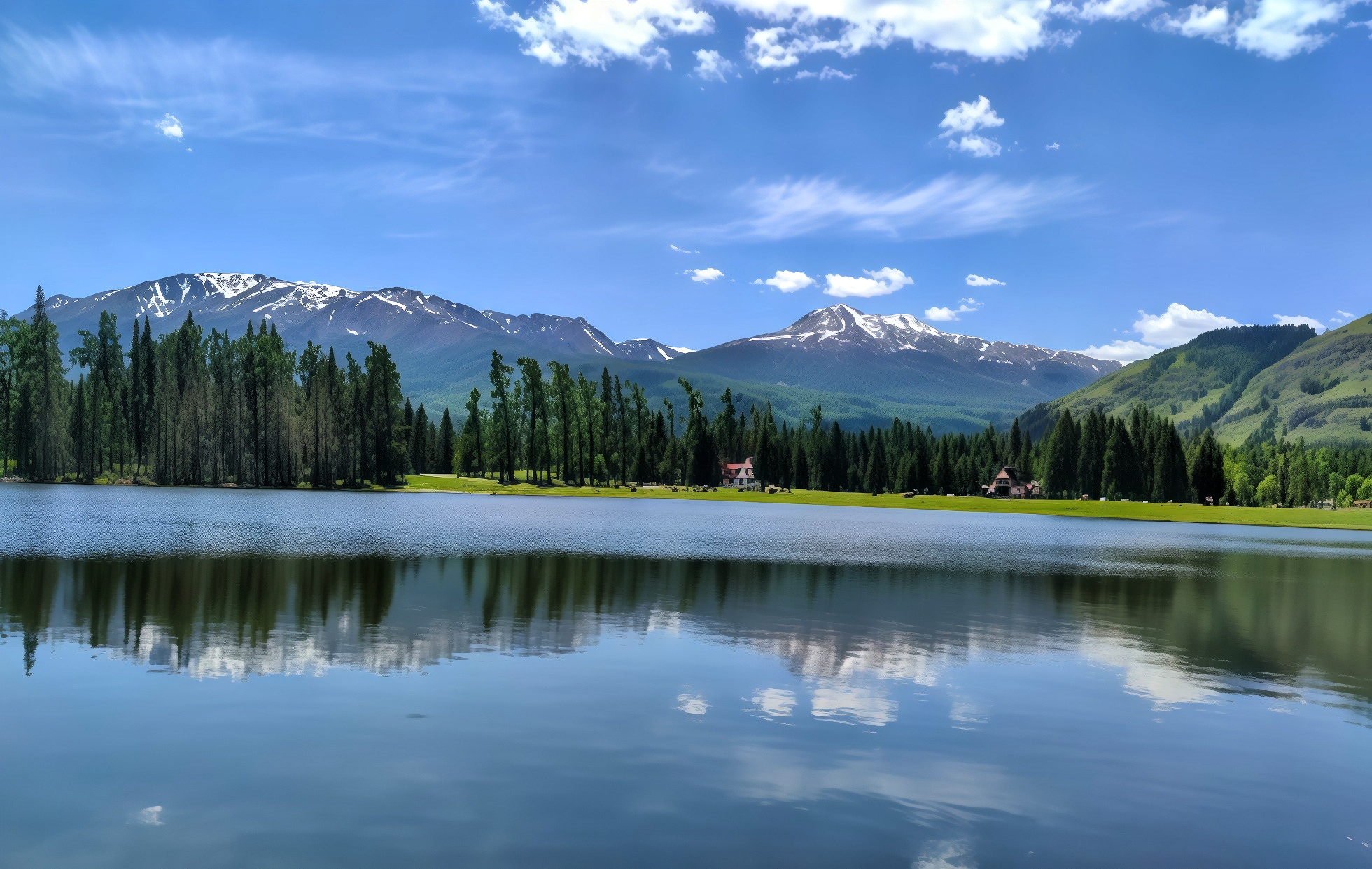
Nestled deep within the Altai Mountains in the northern part of Burqin County, Altay Prefecture, Xinjiang, Lake Kanas is a high-altitude freshwater lake embraced by snow-capped peaks, dense forests, and vast grasslands.

Key Highlights at a Glance

- Distinctions: National AAAAA-level Tourist Attraction / One of China's Top Five Most Beautiful Lakes

- Core Experiences: Ascending the Fish-Viewing Pavilion to scan for the "lake monster," taking a boat tour to explore the lake's shifting colors, hiking the "Three Bays" to admire the morning mist.

- Recommended Duration: 1–2 days.- Location: Hemu-Kanas Mongolian Ethnic Township, Burqin County, Altay Prefecture, Xinjiang Uygur Autonomous Region.

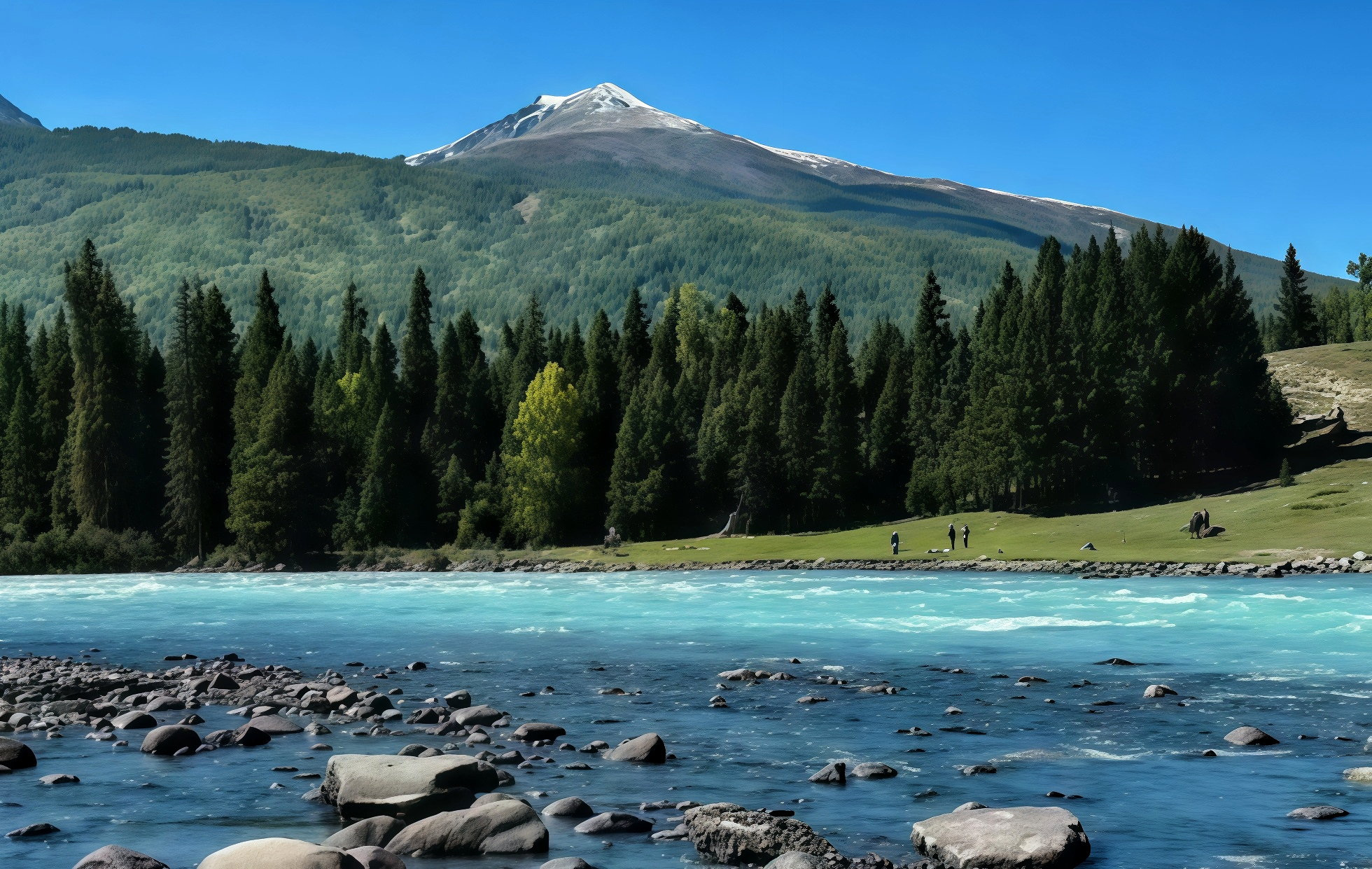
  • Lake Kanas: The Gods' Private Garden and the Lake Monster Legend-1
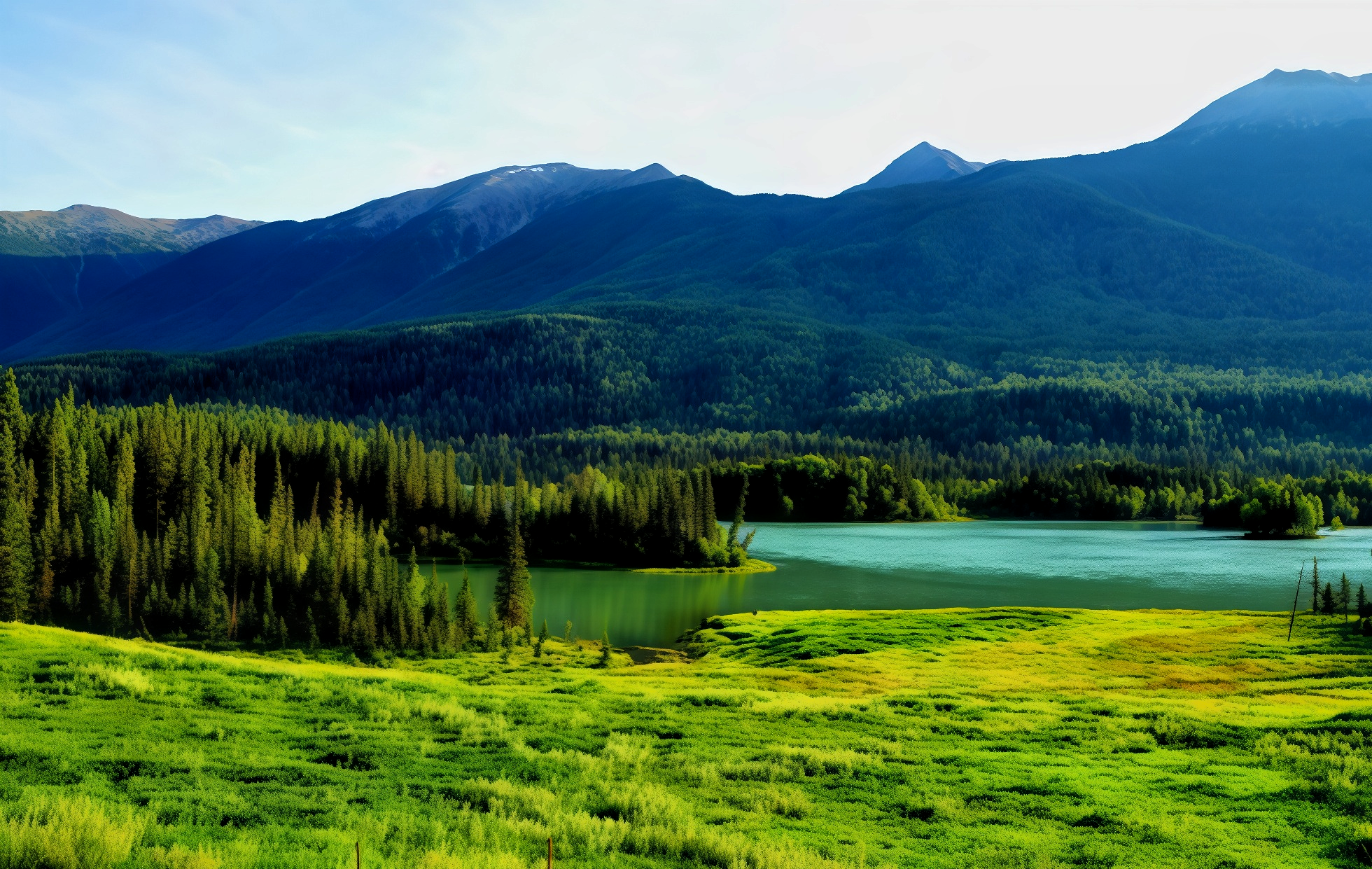
  • Lake Kanas: The Gods' Private Garden and the Lake Monster Legend-2
  • Lake Kanas: The Gods' Private Garden and the Lake Monster Legend-3
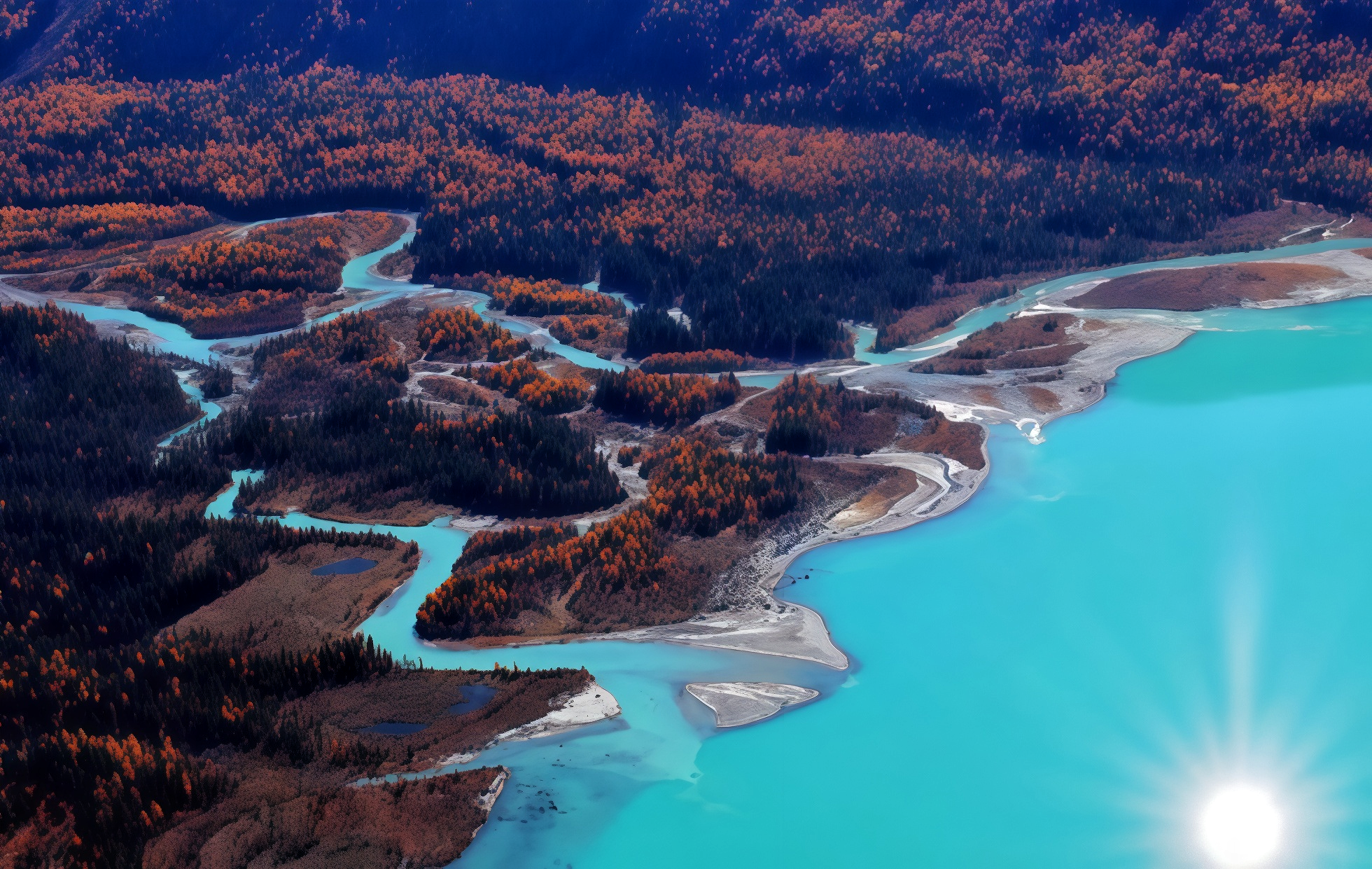
  • Lake Kanas: The Gods' Private Garden and the Lake Monster Legend-4

Origins: The Legend of the Lake Monster and the Tuva Enclave

Furong Ancient Town Furong Ancient Town

Mysterious Name—The Millennia-Old Enigma of the "Lake Monster" and the "Color-Shifting Lake"

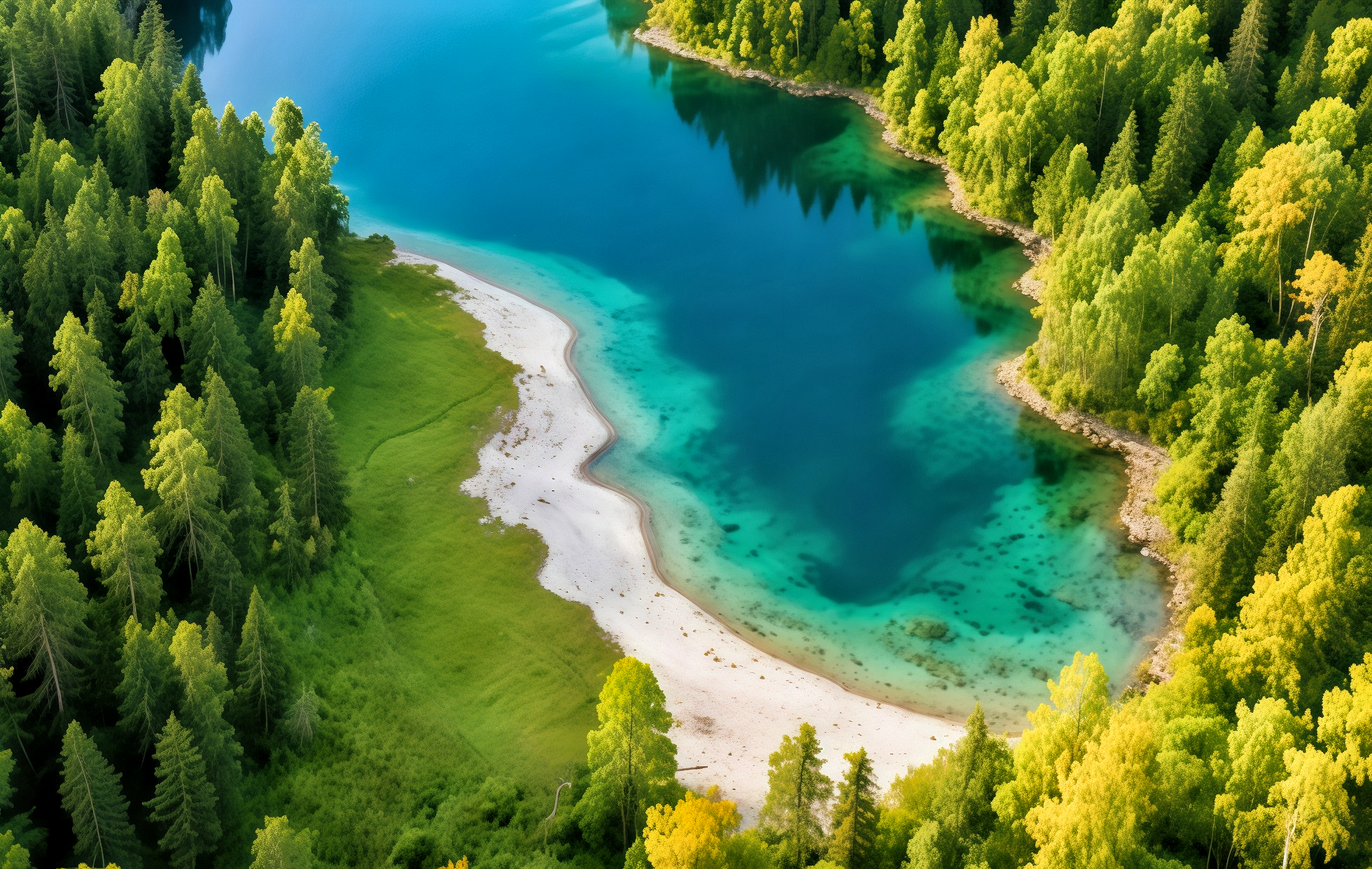
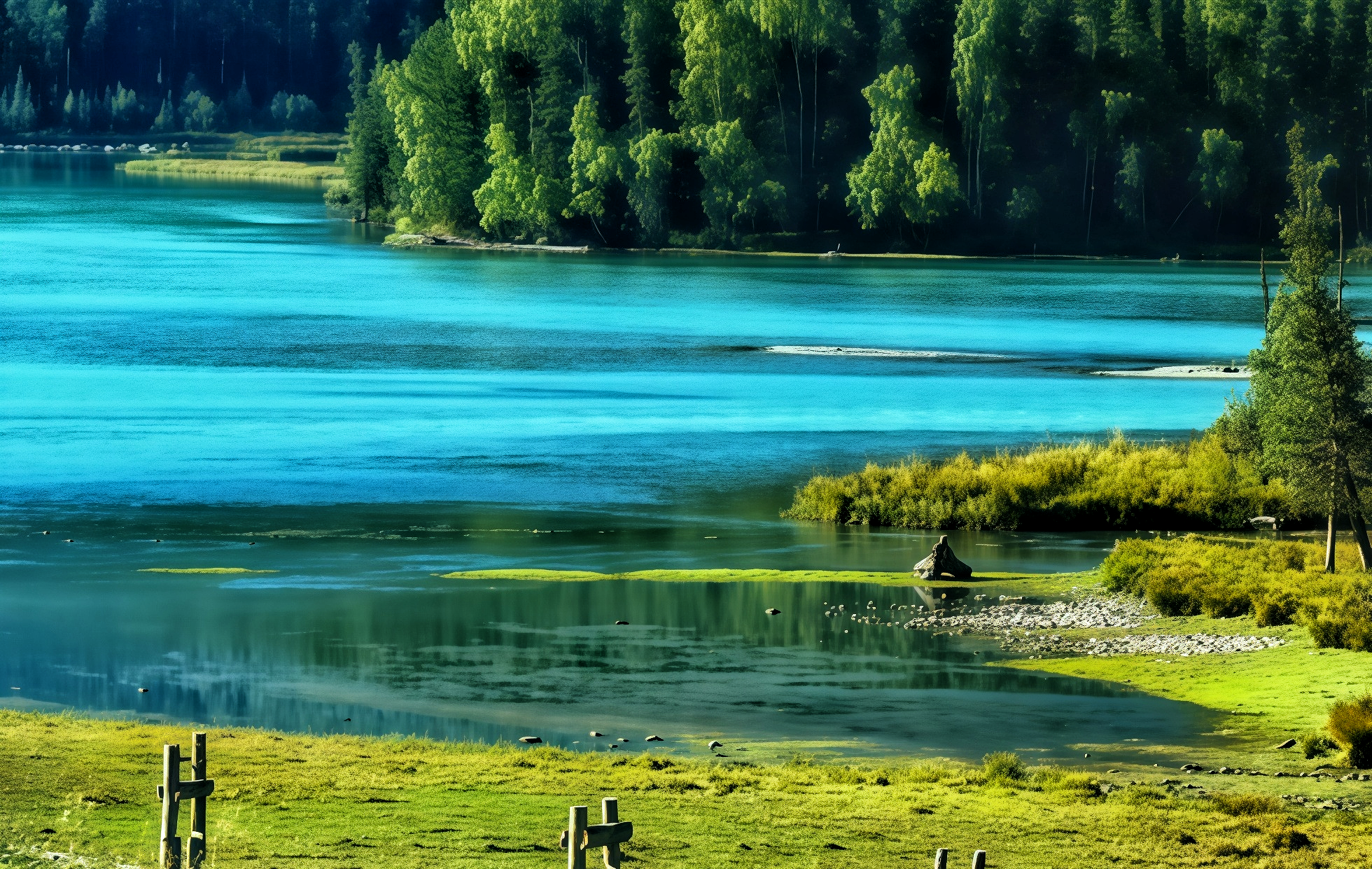
"Kanas" is a Mongolian term meaning "beautiful and mysterious lake." The legends surrounding this body of water captured the world's attention long before its scenic beauty did. As early as the last century, local Tuva herdsmen passed down a legend through the generations: the lake harbors a colossal "lake monster"—a creature capable of devouring cattle and horses as they drink at the water's edge. In the 1980s, multiple eyewitnesses claimed to have spotted gigantic creatures—tens of meters in length—prowling the depths of the lake, sparking a wave of fascination and exploration into the "lake monster" mystery that continues to this day. Although scientific expeditions suggest the "lake monster" may simply be a giant Taimen fish, the veil of mystery shrouding Kanas remains, to this day, only partially lifted. The "Color-Shifting Lake" presents yet another astonishing natural enigma of Kanas: the lake's waters transform with the changing seasons and weather—at times azure blue, at others emerald green, and occasionally milky white—resembling a colossal, breathing jade gemstone.

A Land Under Guardianship—The Story of the Tuva People and Kanas

The modern saga of Kanas is an epic tale of the harmonious coexistence between humanity and nature:

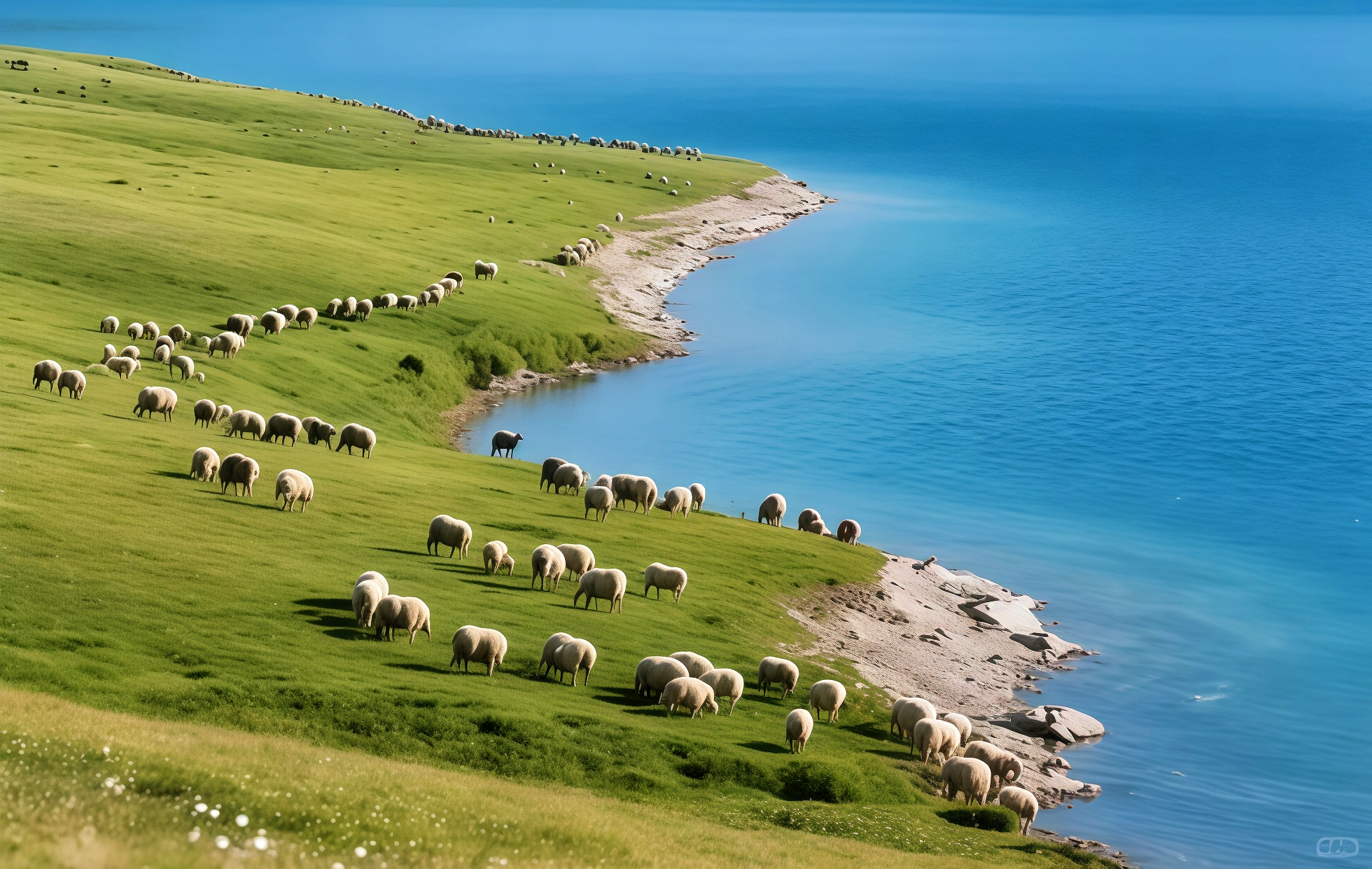
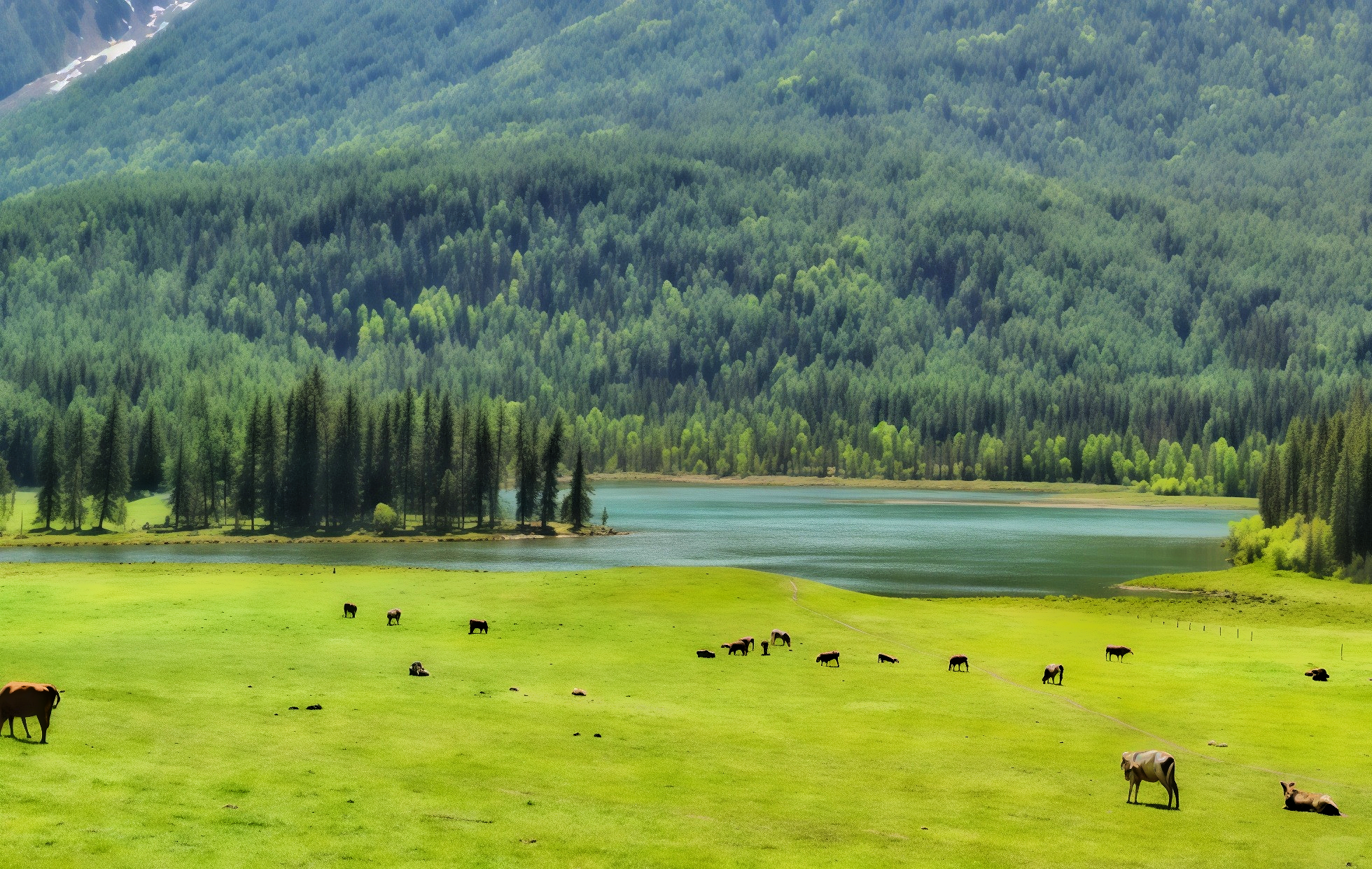
- A Millennial Homeland (Ancient Times to Present): The Mongolian Tuva people have inhabited this region for generations, sustaining themselves through nomadic herding and hunting while serving as guardians of this secluded sanctuary. Today, the Tuva population nationwide numbers only around 2,500; Kanas—along with the neighboring villages of Hemu and Baihaba—constitutes their primary settlement area.

- Discovery (20th Century): In the 1980s, the breathtaking beauty of Kanas Lake began to capture the attention of the outside world, gradually evolving into a "secret garden" for photographers and adventurers alike.

- Conservation and Development (Post-2000): In 2000, the site was designated a National AAAA-level Scenic Area; in 2003, it was elevated to the prestigious AAAAA-level status. Concurrently, strict ecological conservation measures were implemented to preserve the region's pristine, natural character and to carefully regulate the intensity of development.

- Captivating the World (Present Day): Attracting millions of visitors annually, Kanas Lake has emerged as one of the most renowned natural scenic destinations in Xinjiang—and indeed, across China—earning the revered title of a "Pure Land on Earth." > Dive Deeper: Explore more of China's most beautiful lakes.>>West Lake in Hangzhou[Lugu Lake]

Must-See Wonders: A Symphonic Poem of Nature and Culture

Furong Ancient Town Furong Ancient Town Furong Ancient Town Furong Ancient Town

Nature's Masterpiece — An Eternal Scroll of Lake and Mountain Scenery

The natural landscape of Kanas is an eternal dialogue between water, mountains, and the interplay of light and shadow.

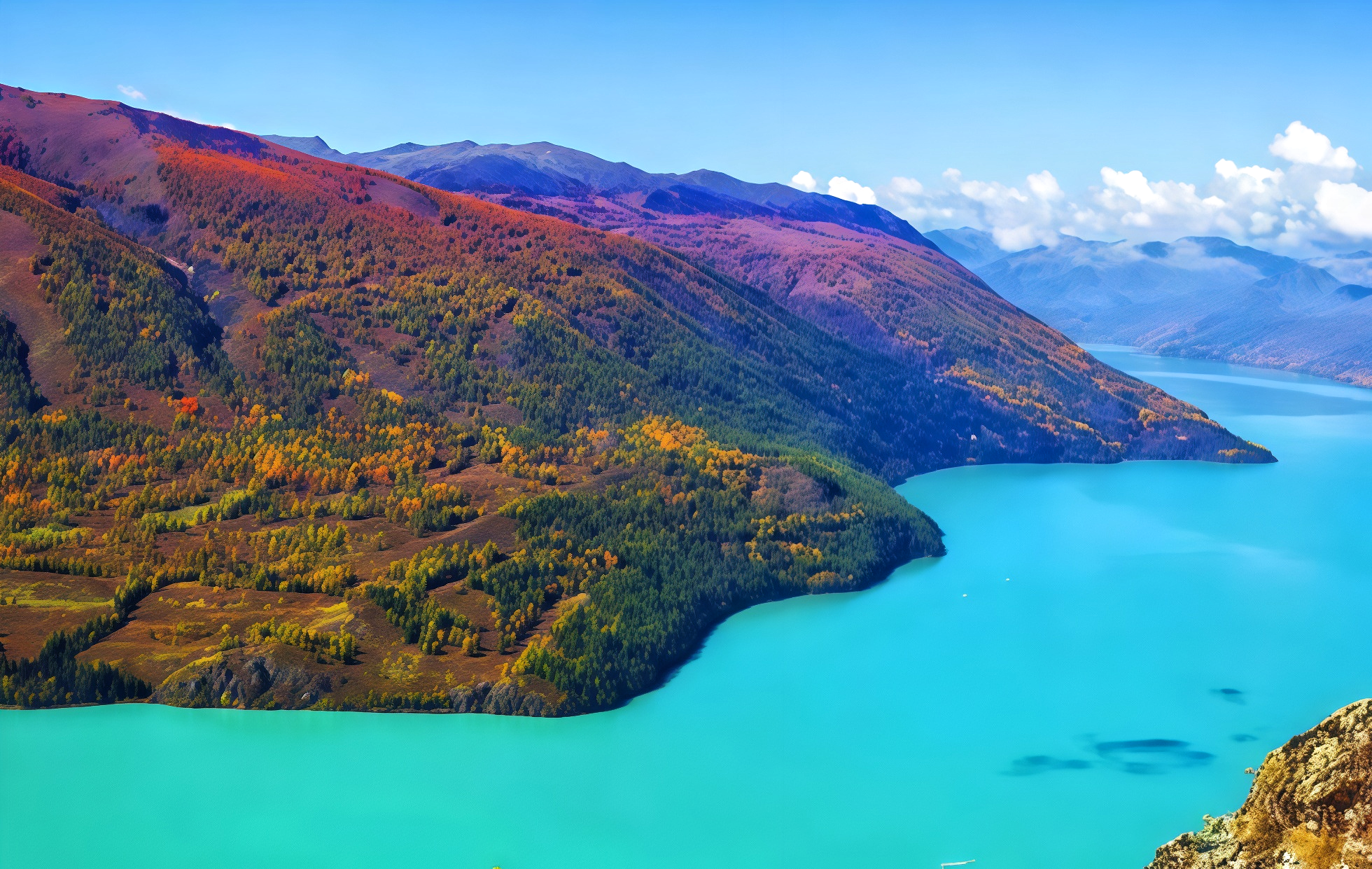
Kanas Lake: The "Breathing," Color-Shifting Emerald

The most magical aspect of Kanas Lake lies in the unpredictable shifts of its water color, which change with the seasons and the weather:

- Early Summer (May–June): As ice and snow melt, the upstream currents carry large quantities of minerals and sediment into the lake, causing the water to appear milky-white or grayish-white.

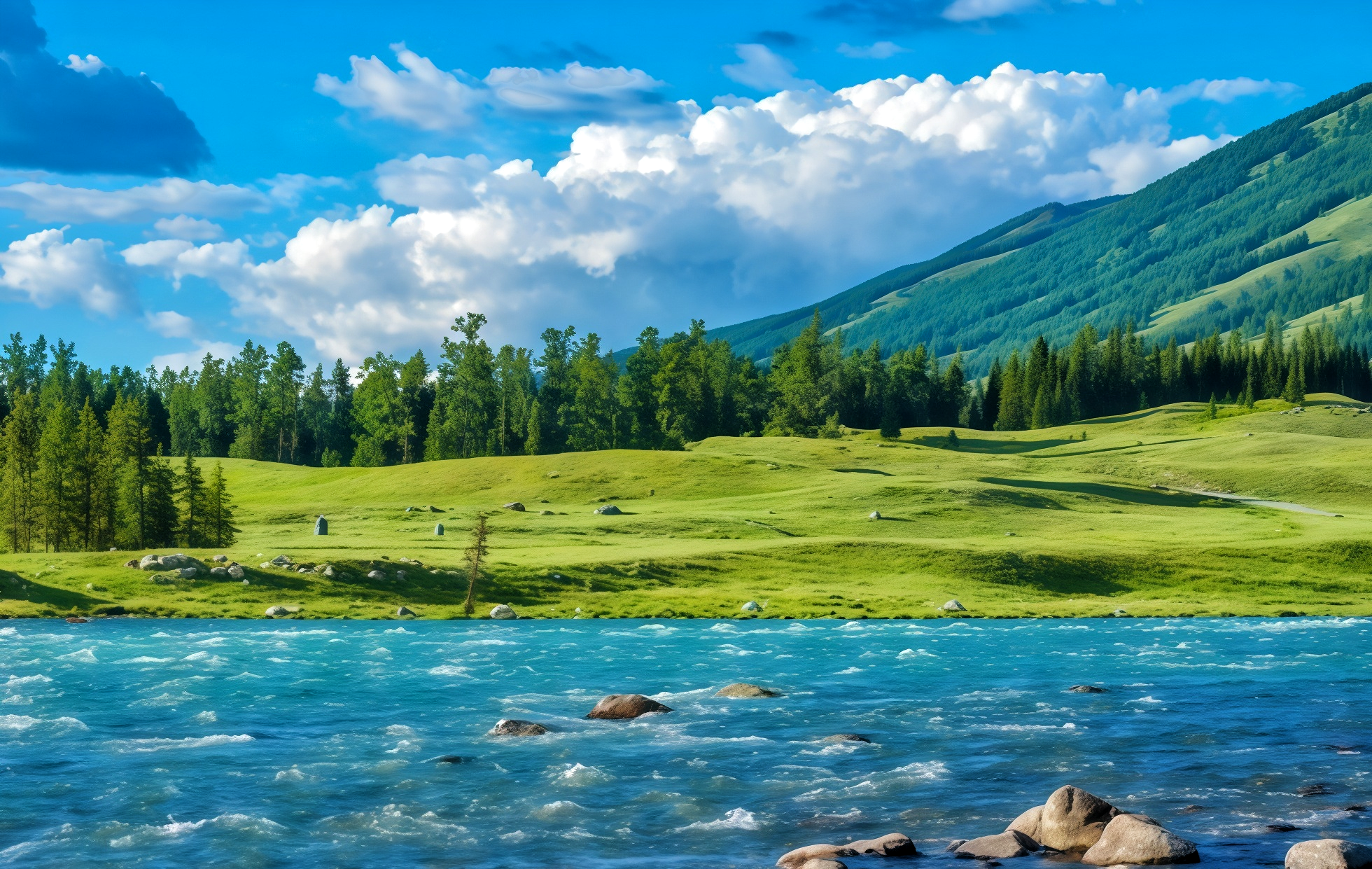
- Mid-Summer (July–August): The water transforms into a clear blue-green hue, shimmering with the translucent clarity of an emerald.

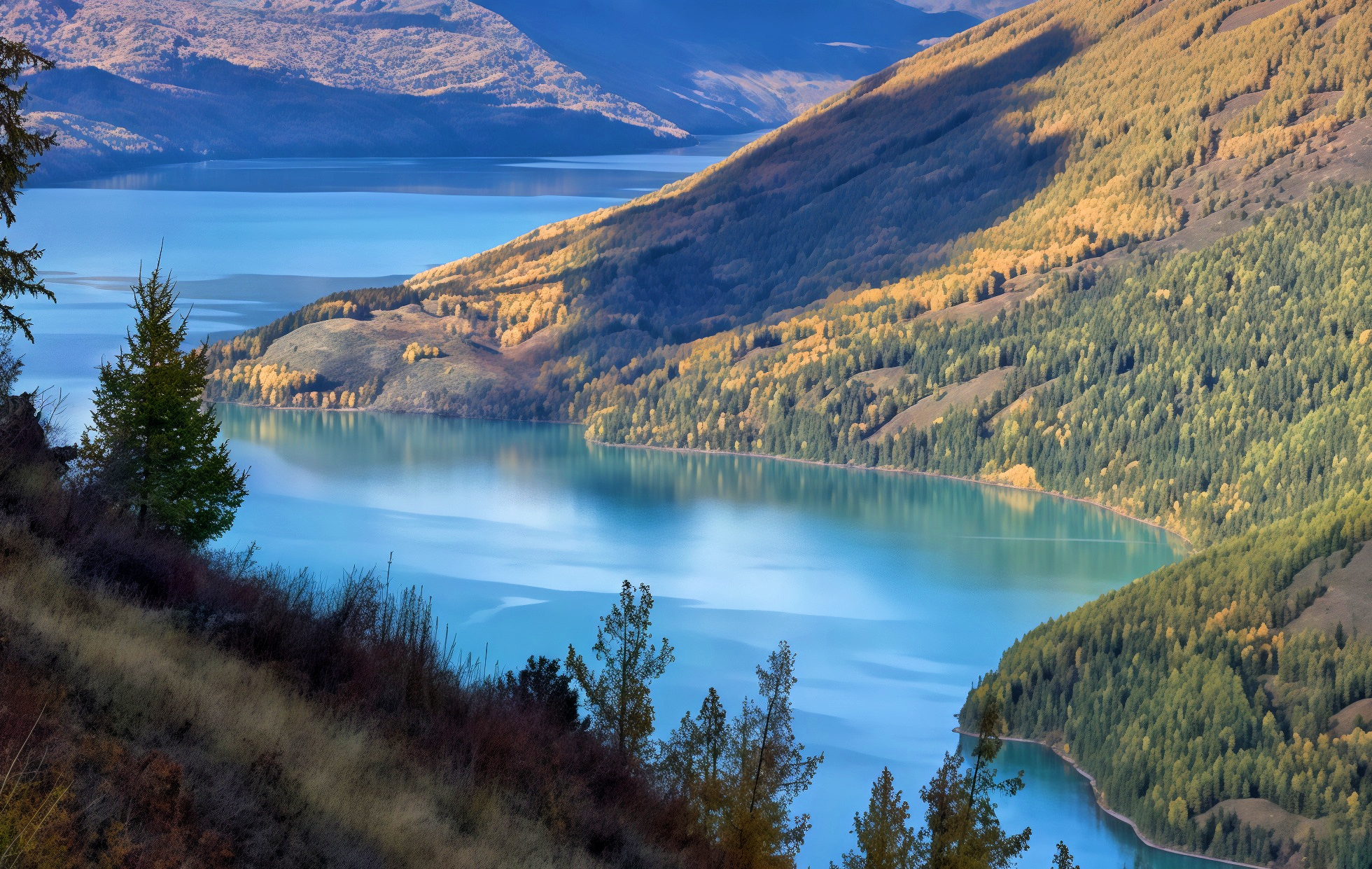
- Autumn (September–October): Set against the backdrop of golden-hued forests, the lake takes on a deep blue-green tone, displaying its richest and most layered palette of colors.

- Winter (November–April): The lake surface freezes over and becomes blanketed in white snow, creating a scene of serene, picturesque beauty.

- Daily Transformations: On a clear afternoon, as sunlight strikes the water at an angle, the lake glows a brilliant azure; during overcast or rainy weather, it shifts to a deep, inky green. Most astonishing of all, the lake sometimes displays several different colors within a single day—as if it were a living, breathing emerald.

Fish-Viewing Pavilion: The Prime Vantage Point for "Lake Monster" Legends

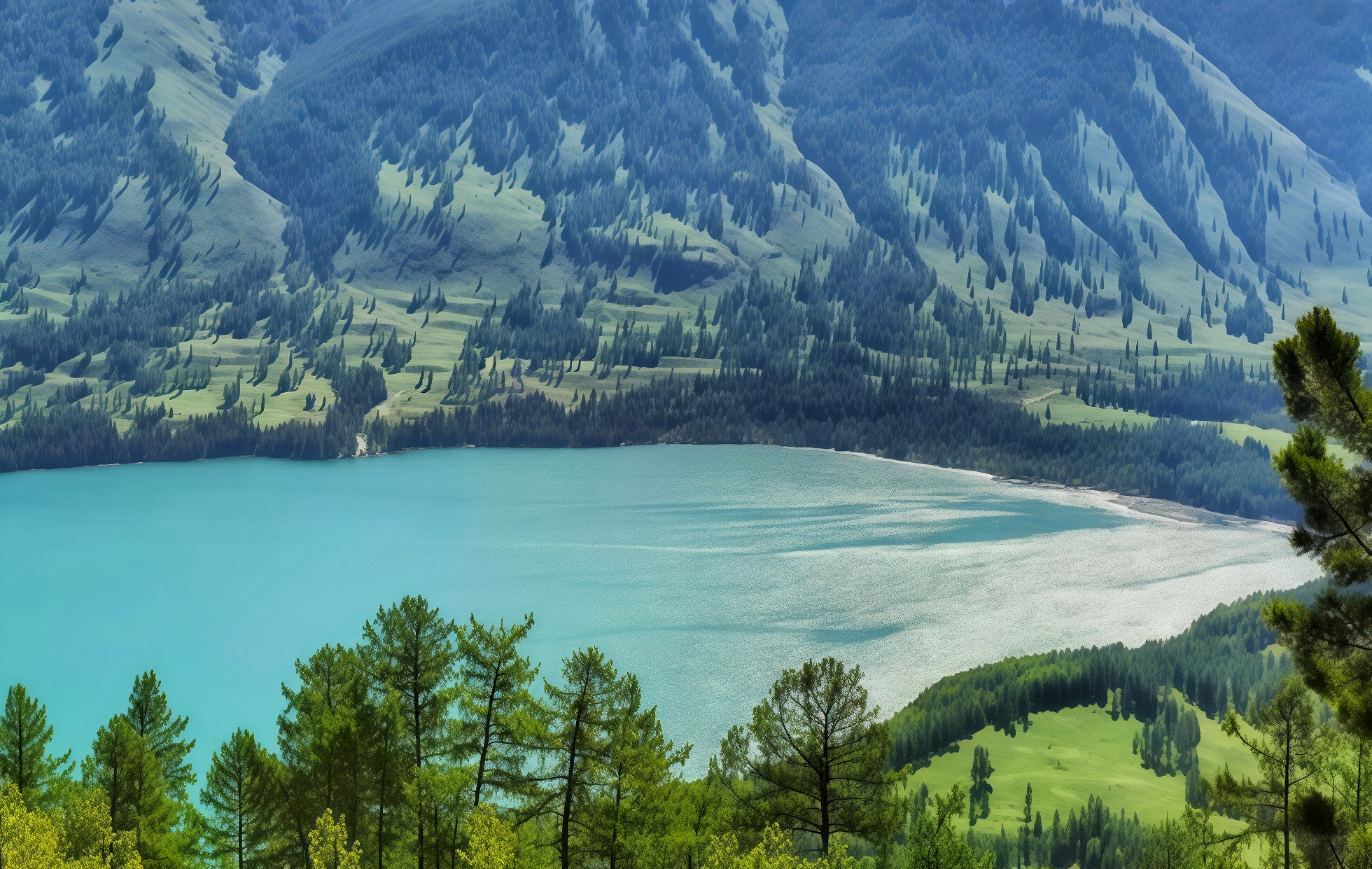
Perched atop the peak of Mount Harakate at an elevation of 2,030 meters, the Fish-Viewing Pavilion offers an unparalleled vantage point for a panoramic view of Kanas Lake. After ascending the 1,068 steps to the summit, the full splendor of the lake and mountains unfolds before your eyes: the lake winds like a crescent moon through the surrounding peaks, its waters a jade-like azure. This site is also the legendary observation post for sightings of the elusive "Lake Monster"—as you stand on the pavilion, gazing down into the unfathomable depths below, you just might be the next person to catch a glimpse of the mystery. Best Time to Reach the Summit: Early morning offers views of the sunrise and morning mist, while the afternoon provides the best lighting for capturing the shifting colors of the lake.

The Enchanted Three Bays: A Poetic Dance of Mist and Light

Located downstream from Lake Kanas, the trio of Moon Bay, Sleeping Dragon Bay, and Immortal Bay represents the very essence of the Kanas region:

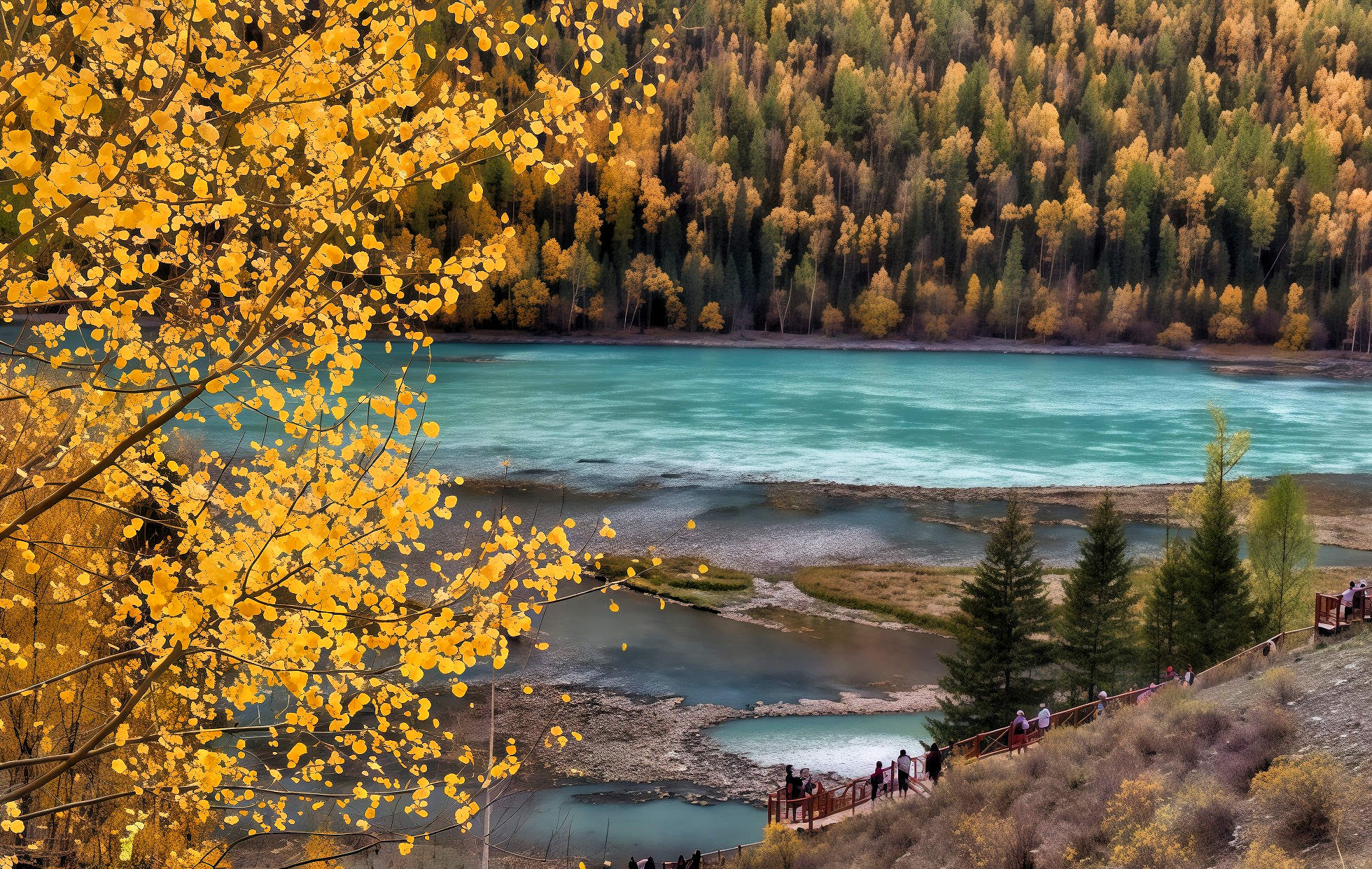
- Moon Bay: Named for the two crescent shapes formed by the riverbed, this spot features jade-green waters flanked by lush, verdant forests. In autumn, the foliage bursts into a riot of color, making it one of the most photogenic attractions in Kanas.

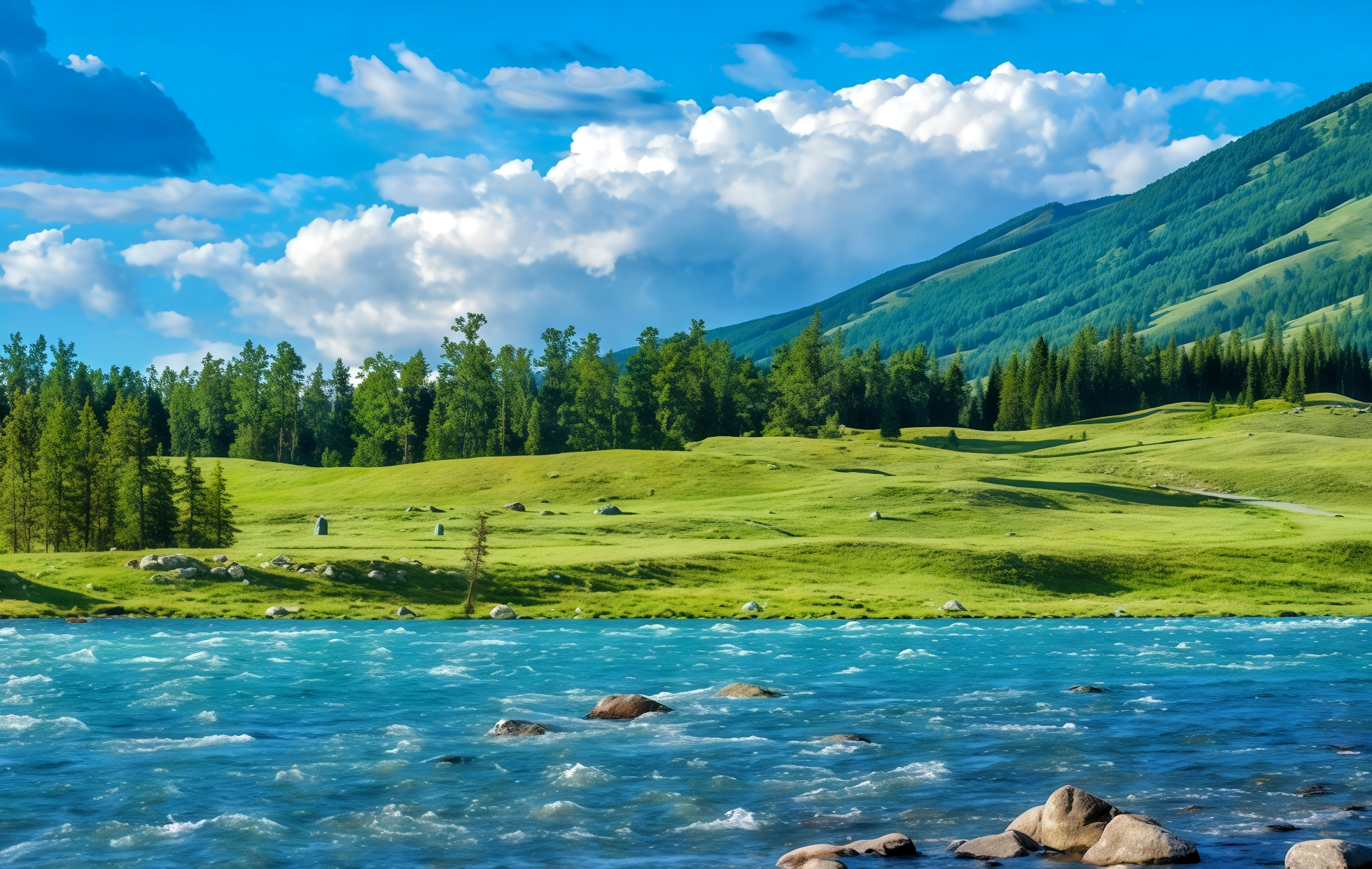
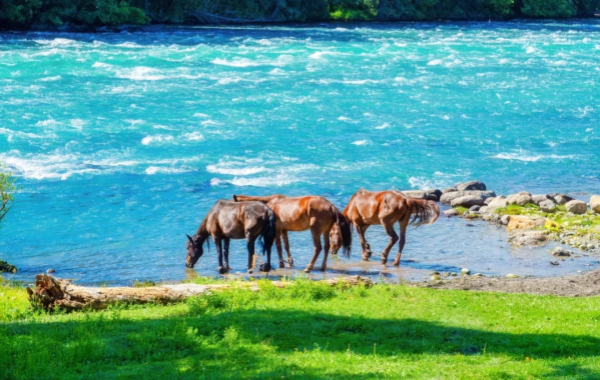
- Sleeping Dragon Bay: Named for the sandbar in the middle of the river that resembles a reclining dragon. The water is crystal clear—transparent to the very bottom—reflecting the blue skies, white clouds, and golden forests above.

- Immortal Bay: The most tranquil of the three bays, it is frequently shrouded in morning mist—a truly dreamlike and ethereal sight. The best time to witness this morning mist is between 6:00 AM and 8:00 AM; it is a coveted spot and a must-visit destination for photographers.

Birch Groves and Taiga Forests: Breathing "Forest Oxygen Chambers"

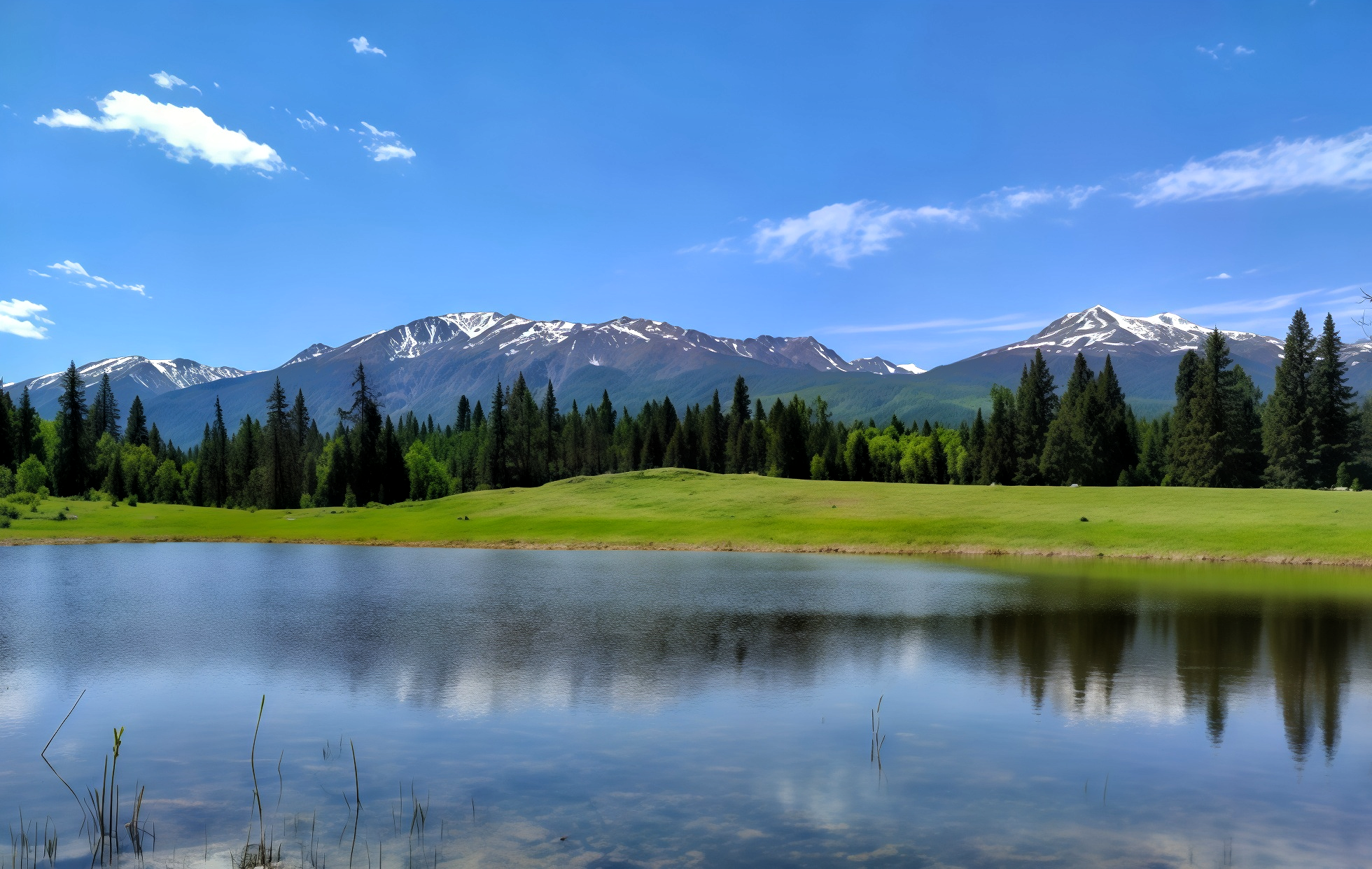
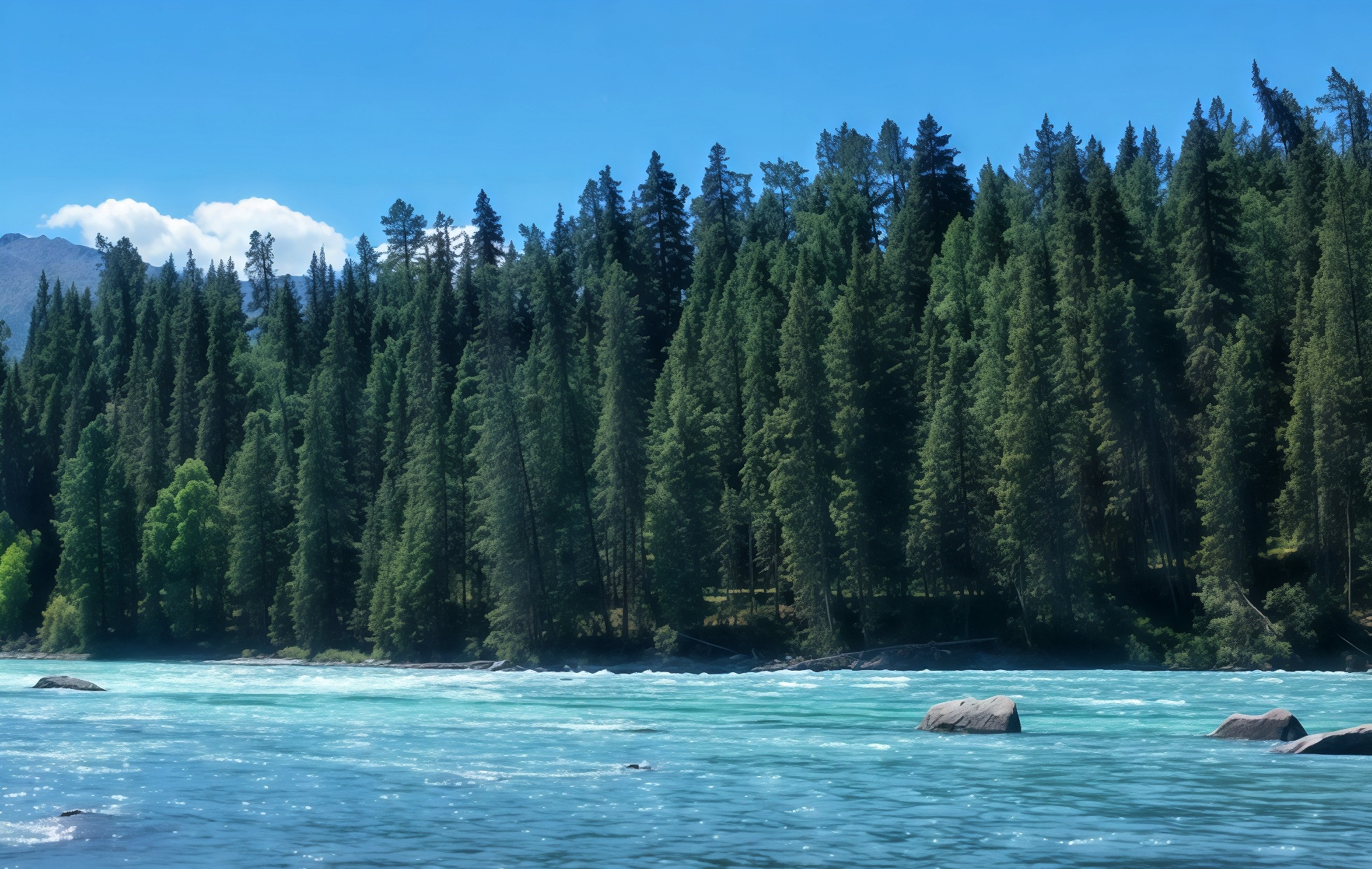
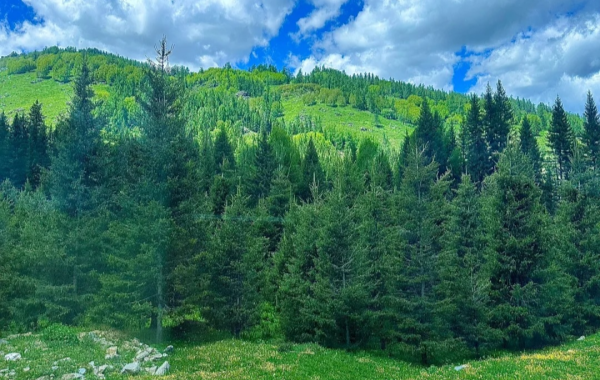
Kanas boasts China's most intact Taiga forest ecosystem, dominated by species such as larch, spruce, and fir, and brilliantly illuminated in autumn by groves of golden birch trees. Hiking through these woods—breathing in the pure air and occasionally encountering wildlife such as red deer, squirrels, and snow hares—offers a perfect opportunity for a rejuvenating "forest bath." Autumn (specifically mid-to-late September) is the most beautiful season for the birch groves; the interplay between the golden foliage and the azure lake waters creates a scene of unparalleled natural beauty.

> Photography Tips:

> - The Fish-Viewing Pavilion offers panoramic views of the entire lake; it is recommended to visit in the morning or late afternoon when the lighting is soft.

> - The best time to photograph the morning mist at the Three Bays is between 6:00 AM and 8:00 AM; be sure to arrive early and bring a tripod.

> - In autumn, the striking contrast between the golden birch trees and the azure lake waters creates the perfect opportunity to capture truly spectacular, magazine-quality photographs. 

Human Ingenuity—The Tuva People and Their Homeland

The beauty of Kanas lies not merely in its scenery, but even more so in the Tuva people who have inhabited this land for generations, and in their unique culture.

Tuva Villages: The Last Tribes of the Forest

Kanas Village, Hemu Village, and Baihaba Village constitute the primary settlements of the Tuva people. A branch of the Mongol ethnic group, the Tuva people lead a nomadic lifestyle and practice a blend of Shamanism and Tibetan Buddhism; they possess a distinctive language, style of dress, and musical tradition:

- Wooden Cabins: The traditional dwellings of the Tuva people are constructed entirely from logs—without the use of a single iron nail. Their distinctive conical roofs are designed to withstand heavy snowfall while exuding a rustic, aesthetic charm.

- Su'er: A traditional Tuva musical instrument crafted from reeds. Its tone is hauntingly desolate and resonant, and it has been designated a National-Level Intangible Cultural Heritage.

- Chu'wur: A wind instrument fashioned from pine wood, hailed as a "living fossil" among Chinese flutes.

- Oboo Festival and Spring Festival: These are the most significant holidays for the Tuva people. During these celebrations, events such as horse racing, archery, and wrestling are held, offering visitors a unique opportunity to participate in the festivities.

Hemu Village: The Gods' Private Sanctuary

Located approximately 50 kilometers from Kanas Lake, Hemu Village is the largest settlement of the Tuva people and is celebrated as one of "China's Most Beautiful Villages." In the early morning, mist swirls and drifts among the wooden cabins and birch groves, creating a scene straight out of a fairyland. From the Hemu Observation Deck situated at the village entrance, visitors can enjoy a panoramic view of the entire village and the Hemu River; in autumn, the landscape transforms into a sea of ​​golden hues—a true paradise for photographers.

Baihaba Village: The "First Village of the Northwest"

Situated directly along the China-Kazakhstan border, Baihaba Village holds the distinction of being China's northwesternmost village. Even more tranquil than Hemu, it serves as an exceptional location for photographing starry skies and morning mists. A special border pass is required for entry into the village. 

Core Experiences: A Guide to Immersive Life in This Pristine Land

Furong Ancient Town Furong Ancient Town Furong Ancient Town Furong Ancient Town

Five Must-Do Activities to Unlock the Essence of Your Kanas Journey

1. Ascend the Fish-Viewing Pavilion: Search for Traces of the Lake Monster

- Timing: Morning or afternoon offers the best lighting; allow 2–3 hours for the ascent, descent, and sightseeing.

- Experience: Climb the 1,068 steps to enjoy a panoramic view of Kanas Lake and gaze out at the snow-capped peaks of the Altai Mountains, soaking in the grandeur of this "fairyland on earth." Don't forget to keep your eyes peeled on the water—you just might be the next person to spot the legendary "lake monster."

2. Hike the "Three Bays" Trail: Capture the Magic of the Morning Mist

- Core Experience: Between 6:00 and 8:00 AM, the morning mist at Shenxian Bay (Fairy Bay) creates a dreamlike, ethereal atmosphere—a coveted spot for photography enthusiasts. We recommend walking along the boardwalk from Shenxian Bay to Yueliang Bay (Moon Bay) and Wolong Bay (Sleeping Dragon Bay); the full route covers approximately 4 kilometers, allowing you to experience the tranquility and purity of Kanas up close.

- Tips: Morning temperatures can be low, so be sure to bring warm clothing. The boardwalk may be slippery, so please watch your step.

3. Take a Boat Tour: Explore the Mystical, Ever-Changing Lake Waters

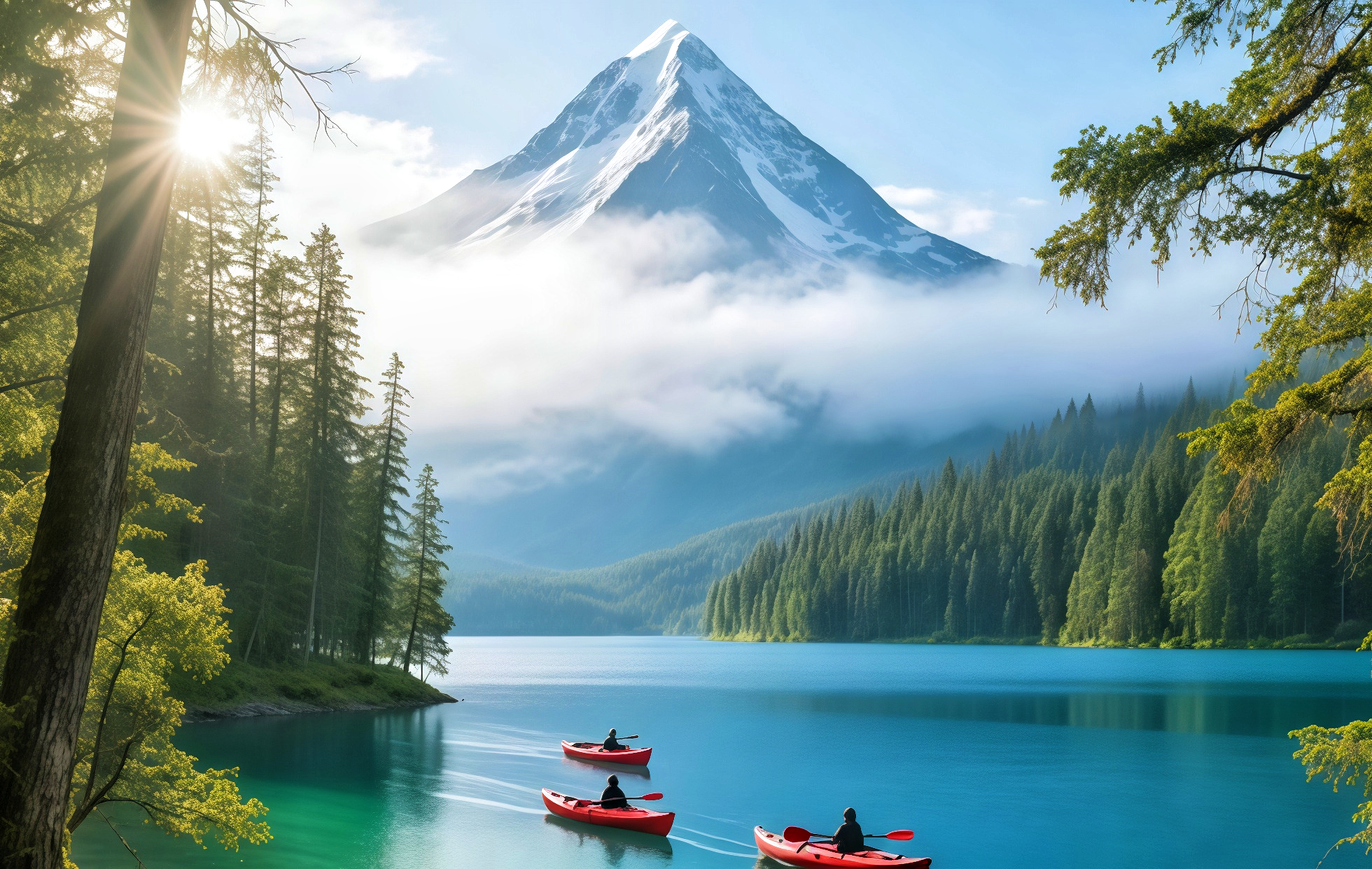
- Experience: Board a tour boat to venture deep into the heart of Kanas Lake, observing the shifting hues of the water up close while listening to the boatman recount legends of the lake monster. Boat routes are divided into two options: a trip to the Lake Center Island (approx. 30 minutes) or a trip to the Lake Outlet (approx. 1 hour).

- Best Time: 3:00–5:00 PM, when the sunlight strikes at an angle, bringing out the richest array of colors in the lake.

4. Stay in a Tuva Wooden Cabin: Experience an Authentic, Eco-Friendly Lifestyle

- Premium Experience: Stay in a Tuva-style wooden cabin guesthouse within Kanas Village or Hemu Village. Savor Naijiu (milk wine) and Shouzhua Rou (hand-grabbed meat)—traditional delicacies prepared by the Tuva people themselves—while listening to them play the Su'er flute and share ancient legends.

- Accommodation Tips: Lodging within the scenic area consists primarily of guesthouses; while the amenities are simple, they offer a highly distinctive cultural experience. Alternatively, Jadenyu (located just outside the scenic area) features a wider selection of hotels with superior amenities, though this requires commuting back and forth to the park daily.

5. Savor an Authentic Tuvan Feast

- Must-Try Delicacies:

- Hand-Grabbed Meat: Prepared by the Tuvans using cattle and sheep grazed in the Altai Mountains; the meat is tender, succulent, and retains its pure, natural flavor.

- Milk Wine: Brewed from mare's milk or cow's milk; it has a low alcohol content and offers a pleasant sweet-and-sour taste.

- Baursaki: A traditional Tuvan pastry; deep-fried to a golden crispness, it pairs perfectly with milk tea.

- Milk Tea: A savory brew with a rich, creamy aroma; it warms the stomach and helps ward off the cold.

- Roasted Cold-Water Fish: Featuring species such as the Taimen (Siberian Salmon) caught in Kanas Lake; the flesh is firm, and when roasted, it develops a crispy exterior while remaining tender and juicy on the inside.

- Dining Spots: Tuvan households in Kanas Village and Hemu Village, as well as restaurants located within the scenic area.

Suggested Itineraries

One-Day "Essential Highlights" Tour (Ideal for those short on time)

8:00 AM: Enter the scenic area → Take the shuttle bus to the Fish-Viewing Pavilion (Guanyutai) and ascend to the summit for a panoramic view of the lake (2.5 hours) → Return to the Visitor Center for lunch around noon → 1:00 PM: Take the shuttle bus to the "Three Bays" area; hike from Fairy Bay (Shenxianwan) to Moon Bay (Yueliangwan) and Sleeping Dragon Bay (Wolongwan) (2.5 hours) → 4:00 PM: Take a boat tour to explore the heart of the lake (1 hour) → 6:00 PM: Take the shuttle bus to exit the scenic area.

Two-Day "Deep Immersion" Tour (Highly Recommended)

Day 1: Arrive at Jiadengyu in the morning, then transfer to the scenic area shuttle bus to enter Kanas → In the afternoon, ascend the Fish-Viewing Pavilion to admire the lake scenery → In the evening, check into a wooden cabin guesthouse in Kanas Village, enjoy an authentic Tuvan dinner, and listen to a performance on the Sur (Tuvan flute). Day 2: Depart at 6:00 AM to Shenxian Bay (Fairy Bay) to photograph the morning mist (a must-do for photography enthusiasts) → Hike along the boardwalk to Yueliang Bay (Moon Bay) and Wolong Bay (Sleeping Dragon Bay) → In the morning, take a boat tour to explore the heart of the lake → Return to the Visitor Center for lunch at noon → In the afternoon, take the park shuttle to Baihaba Village (a border pass must be obtained in advance) to experience the tranquility and grandeur of the China-Kazakhstan border region → Return to Jiadengyu in the evening.

3-Day "Kanas + Hemu" Panoramic Tour (Immersive Experience)

Day 1: Kanas Lake Core Area (Fish-Viewing Pavilion + Boat Tour + The Three Bays); Overnight in Kanas Village.

Day 2: Morning visit to Baihaba Village; Afternoon visit to Hemu Village; Overnight in Hemu Village.

Day 3: Early morning ascent to the Hemu Observation Deck to watch the sunrise and morning mist; Morning stroll through Hemu Village; Return journey in the afternoon.

IntoTravelChina Advantages: We can book unique wooden cabin guesthouses within the scenic area for you, arrange professional guides to help you capture the perfect moments for photographing the morning mist, and provide customized services for a 3-day immersive tour covering "Kanas + Hemu + Baihaba," ensuring a worry-free and in-depth travel experience. >>Consult now for customization

Comprehensive Travel Guide: Transport, Accommodation, and Seasons

Furong Ancient Town Furong Ancient Town Furong Ancient Town

How to Get There: A Guide to Navigating to Kanas

Kanas is situated deep within the Altai Mountains; while transportation to the area is relatively remote, the scenery along the way is magnificent.

- By Air (Fastest Option): Fly from major cities across the country to Kanas Airport (located approximately 50 km from the scenic area). The airport offers direct shuttle buses to the scenic area (journey time: approx. 1 hour; fare: 50 RMB per person). Kanas Airport operates only during the summer season (June to October) and is closed in winter.

- By Train + Bus (Best Value Option): Take a train to Beitun Station or Altay Station. Upon exiting the station, hire a private car or take a public bus to the Kanas Scenic Area (Beitun to Kanas takes approx. 4 hours; Altay to Kanas takes approx. 3 hours).

- By Self-Driving (Maximum Freedom): Depart from Urumqi and take the S21 A-W Highway (A-Wu Expressway) to Altay, then switch to the S232 provincial road leading to the Kanas Scenic Area. The total distance is approximately 800 km, requiring 9 to 10 hours of driving. You may stop in Burqin County along the way to refuel and resupply.

- Important Note: Traffic control regulations are in effect within the scenic area; private vehicles are not permitted to enter the core zone. Visitors must transfer to the designated scenic area shuttle buses at Jiadengyu.

Best Time to Visit

Kanas offers stunning scenery in every season, but autumn (mid-to-late September) is widely regarded as the "Golden Season."

- Autumn Golden Season (Mid-to-late September – Early October): The birch forests turn a brilliant golden-yellow, the lake waters shimmer with a jade-like azure hue, and the landscape bursts with vibrant colors—making it a paradise for photographers. This is also the peak tourist season, so advance booking for accommodation is highly recommended.

- Summer Retreat Season (June – August): The climate is cool and refreshing, the lake waters remain a vivid blue, and wildflowers bloom across the grasslands, making it an ideal time for hiking and escaping the summer heat. However, July and August constitute the rainy season, so occasional showers may occur.

- Spring (May – June): As the ice and snow melt, nature awakens; the lake waters take on a milky-white appearance, and with fewer visitors present, the overall experience is much more tranquil. - Winter (Nov–Apr): Blanketed in snow, the landscape transforms into a fairytale wonderland. Visitors can enjoy activities such as snow trekking and horse-drawn sleigh rides, and accommodation rates are particularly affordable during this season. However, please note that some attractions may be closed, and it is essential to dress warmly.

Accommodation Options

- Inside the Scenic Area (Recommended for an Immersive Experience):

1. Kanas Village / Hemu Village Homestays:

- Experience: Stay in traditional Tuva wooden cabins where stunning scenery awaits right outside your window, allowing you to enjoy the morning mist and the starry night sky in complete solitude.

- Cons: Facilities are rustic, prices are relatively high, and booking can be difficult.

- Best For: Travelers seeking an in-depth cultural experience and photography enthusiasts.

2. Hotels Near the Visitor Center:

- Experience: Offers better amenities and convenient access to transportation, though they may lack unique local character.

- Best For: Travelers with specific requirements regarding accommodation standards.

- Outside the Scenic Area (The Value-for-Money Choice):

- Jiadenyu: Located right at the scenic area's entrance, this area features a high concentration of hotels with a wide range of options. Prices are more affordable than those inside the scenic area, though you will need to commute daily to the core scenic zones (a journey of approximately one hour via the park shuttle bus).

- Burqin County: Situated about a two-hour drive from the scenic area, Burqin offers a vast selection of accommodations and dining options, making it an ideal base for self-driving travelers.

IntoTravelChina Accommodation Booking Tips:

Autumn (mid-to-late September) marks the peak season for Kanas. We recommend booking your accommodation inside the scenic area—particularly the wooden cabin homestays in Hemu Village—2 to 3 months in advance. By booking through us, you gain access to real-time room availability and exclusive rates; furthermore, we can bundle your accommodation, park tickets, and transportation into a single cohesive plan, ensuring a seamless and hassle-free itinerary. >>Click to contact IntoTravelChina travel consultant

Extended Journeys: A Loop Tour of Altai's Highlights

Furong Ancient Town

Kanas Lake is by no means the end of your journey, but rather the perfect starting point for exploring the magnificent landscapes of Northern Xinjiang. - Classic 7-Day Northern Xinjiang Loop: Urumqi → Koktokay → Burqin (Colorful Beach) → Kanas Lake → Hemu Village → Urho Ghost City → Sayram Lake → Yining. This panoramic journey encompasses a diverse array of landscapes: lakes, forests, Yardang landforms, grasslands, and snow-capped mountains.

- In-Depth 5-Day Altai Tour: Urumqi → Fuyun (Koktokay) → Burqin (Colorful Beach) → Kanas Lake → Hemu Village → Baihaba Village → Return Trip. Venture deep into the Altai region to immerse yourself in Tuva culture and natural wonders.

- Kanas + Hemu + Baihaba 4-Day Tour: Kanas Lake (2 Days) → Hemu Village (1 Day) → Baihaba Village (1 Day). Ideal for travelers with limited time who wish to enjoy an in-depth experience of the three major Tuva villages.

Partner with IntoTravelChina to Embark on Your Exclusive Journey to a Pristine Paradise

Furong Ancient Town

The story of Kanas Lake is one of nature's bounty, mysterious legends, and the enduring spirit of the Tuva people. IntoTravelChina specializes in crafting in-depth, personalized, and hassle-free travel experiences across China. Our travel experts are here to provide you with:

- Tailor-Made Itineraries: We design the perfect route—customized to your interests and schedule—featuring Kanas Lake, Hemu Village, Baihaba Village, and the highlights of Northern Xinjiang.

- One-Stop Service: We handle all the details, including entrance tickets, stays in unique wooden cabins, shuttle bus passes, professional guides, and photography instruction.

- Exclusive Experiences: We arrange unique activities such as visits to local Tuva families, Sur flute performances, guided morning mist photography sessions, winter horse-drawn sleigh rides, and more.

Let your journey to Kanas be more than just sightseeing; let it be an immersive, rejuvenating experience that connects you deeply with both nature and culture. Start Planning Your Journey Today

We invite you to contact our professional travel consultants; we will provide you with a personalized itinerary and quotation within 24 hours. >>Click to contact IntoTravelChina travel consultant

What Our Clients Say?

Based on 10,000+ traveler reviews

...
Daniel Dorothea
Canada
Reviewed on April 29,2025
Shopping on Nanjing Road in Shanghai was just amazing! It's truly the "First Commercial Street of China", where tradition and modernity blend perfectly. You can find awesome souvenirs and experience the trendy vibes in cool stores. The neon lights at night are just spectacular, shining bright like Times Square in New York. The food here is incredible too. I had a feast for my taste buds. Shanghai, I'll definitely be back!
Destination(s): Shanghai
Date of Experience: May 08,2024
...
...
Elvis Eva
Canada
Reviewed on June 20,2025
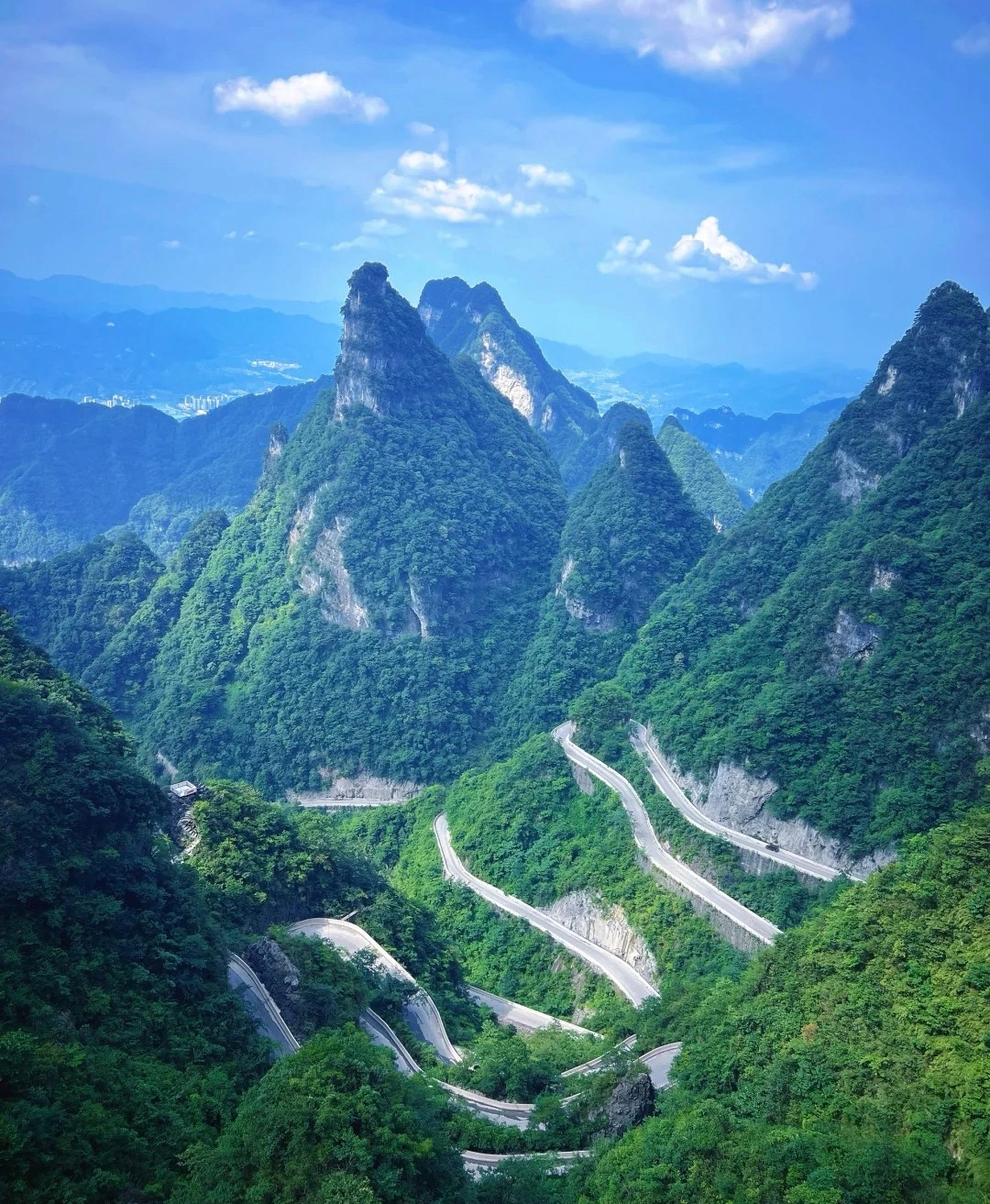
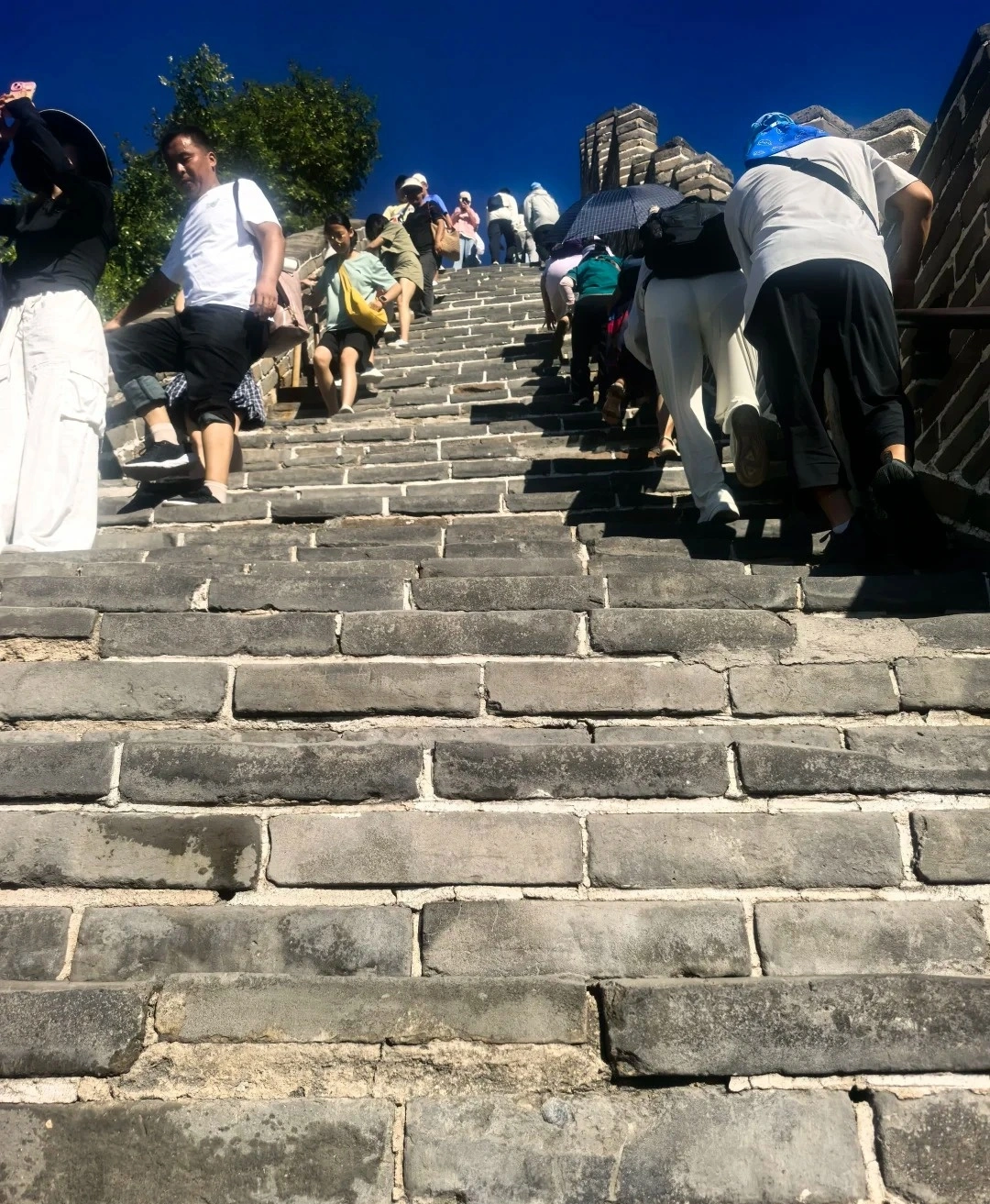
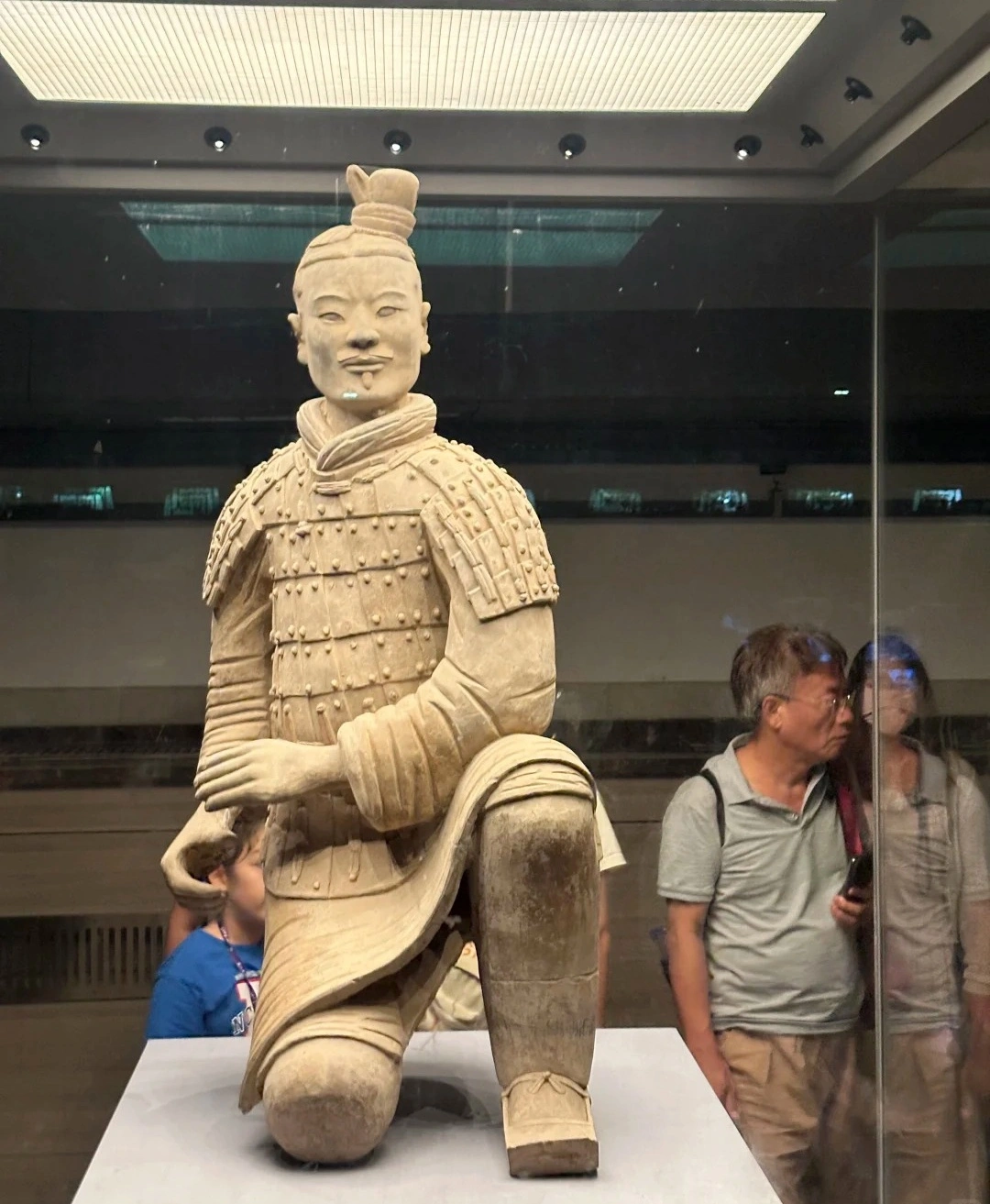
As a solo traveler from Canada, I was nervous about navigating China alone—but this 11-day tour was PERFECT! From hiking the Great Wall at sunrise (Day 3) to gasping at the Terracotta Army (Day 5), every day delivered ‘pinch-me’ moments. The real showstopper? Zhangjiajie’s Avatar Mountains (Day 7)! Our guide made the stone pillars come alive with stories. Massive thanks for handling all logistics—bullet train tickets, entry passes, car! And the 4-star hotels surprised me.
Destination(s): Beijing Xian Zhangjiajie Shanghai
Date of Experience: June 02,2025
... ... ...
...
Simon
America
Reviewed on May 29,2025
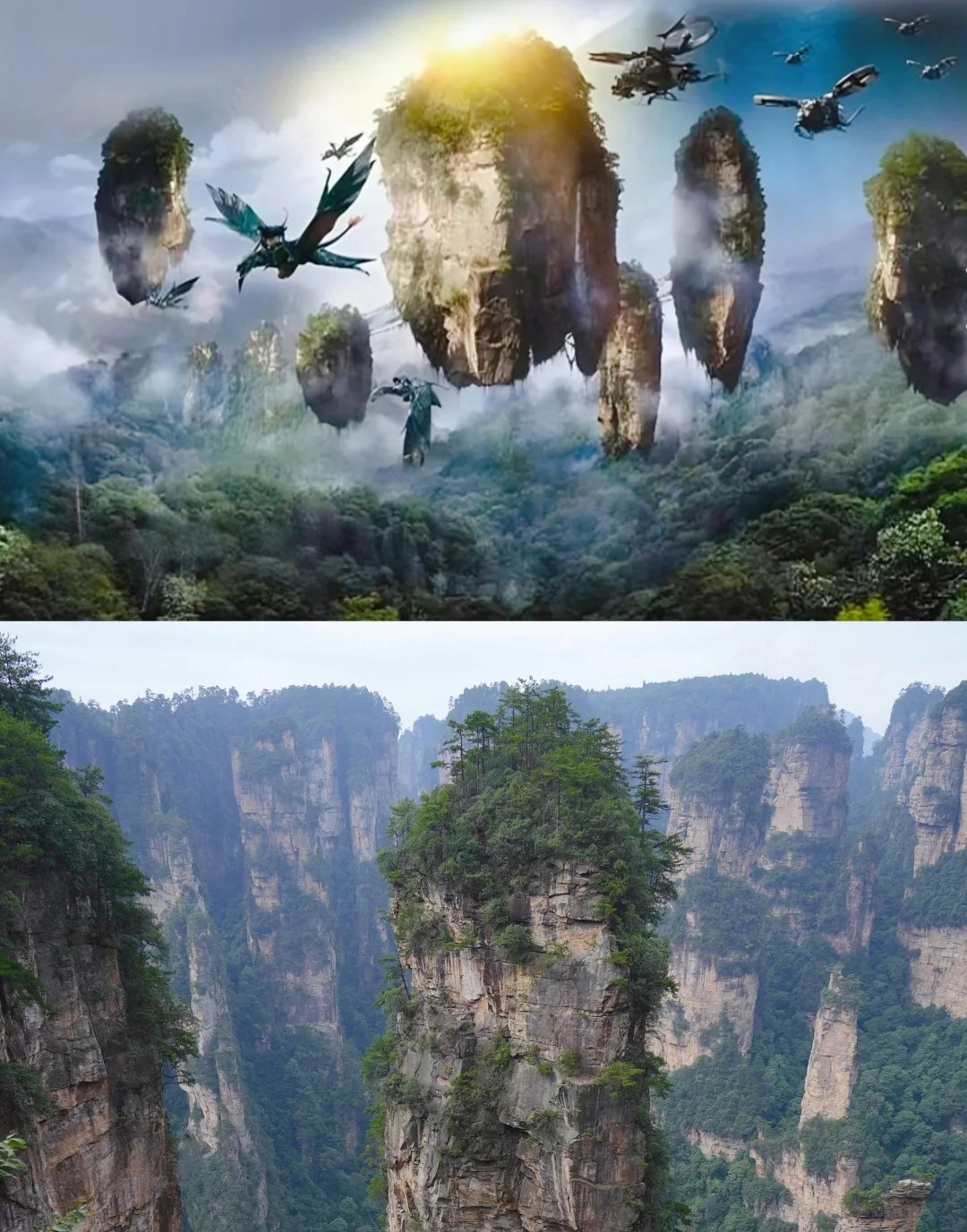
Our 2-day Zhangjiajie tour was beyond spectacular! As someone who’s visited Beijing and Shanghai for work, this trip revealed China’s wild, magical heart. Day 1 in Zhangjiajie National Forest Park felt like stepping onto Pandora—I’m a huge Avatar fan, and Yuanjiajie’s floating peaks left me breathless. The misty pillars and lush valleys like pure movie magic! Then came Fenghuang Ancient Town, we eat dinner beside the thundering waterfall. It seems Unreal! The night views of stilt houses glowing over the river were straight from a fairy tale. For fellow Avatar lovers and adventure seekers: Don’t miss this bucket-list experience! 10/10 would return. A Well-Traveled Film Buff, May 2025
Destination(s): Zhangjiajie
Date of Experience: May 08,2025
... ...

Ask a Question

Question Summary (100 characters)
Details (optional) (2,000 characters)
Name
Country
Email