Panda and Kungfu Tour

Panda and Kungfu Tour: A Journey into China's Gentle and Mighty Souls


China is a land of fascinating contrasts—where the soft, cuddly charm of giant pandas meets the disciplined, powerful art of Kung Fu. Having spent the past few years exploring both worlds, I‘ve realized that no Trip to China feels complete without embracing these two national treasures. From the misty bamboo forests of Sichuan to the ancient temple courtyards of Henan, this journey combines wildlife conservation with martial arts heritage. The following sections will guide you through Sichuan‘s panda sanctuaries, Henan’s Shaolin Temple, cultural immersion experiences, special events, and Practical Travel Tips—all organized with clarity and logic.

Panda Sanctuaries in Sichuan: A Gentle Encounter with China's National Treasure

Chengdu Research Base of Giant Panda Breeding

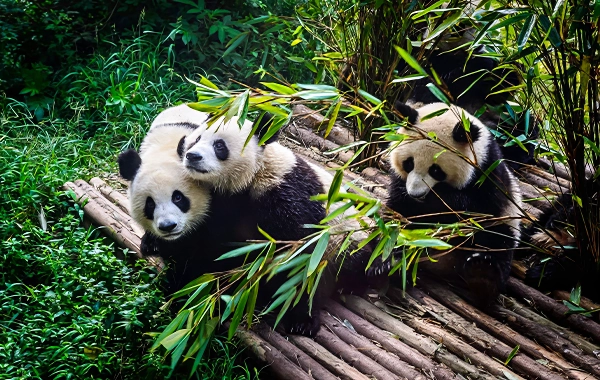
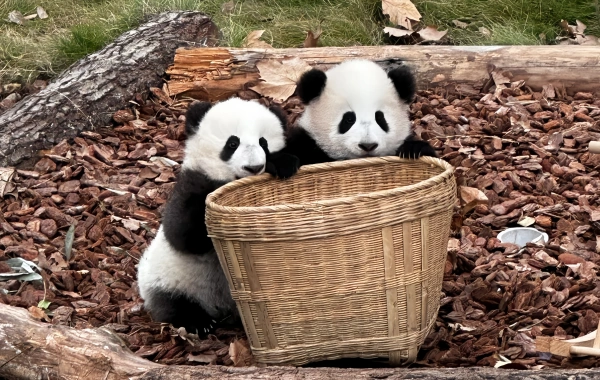
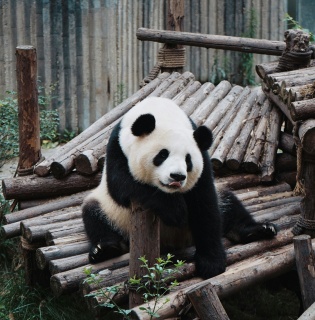
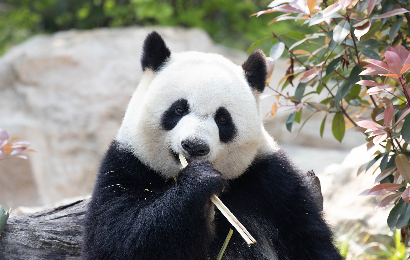
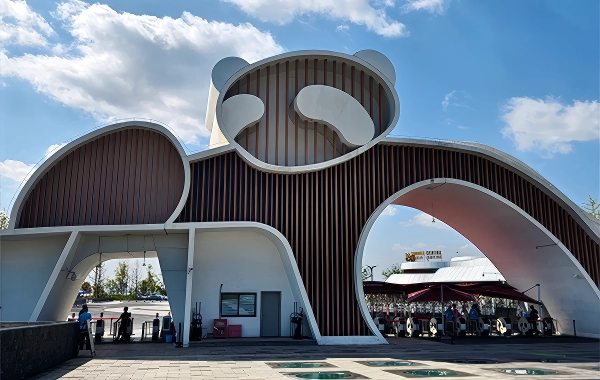
Must-see: Chengdu Research Base of Giant Panda Breeding, located in the northern suburbs of Chengdu about 10 km from downtown, is one of the world‘s most famous panda conservation facilities. The facility is renowned for the protection and breeding of endangered wild animals unique to China. Spread over sprawling bamboo-covered grounds, it simulates the pandas’ natural habitat with lakes, streams, bamboo forests, and lawns. The chance to come into close contact with giant pandas is a highlight here, allowing visitors to observe their living conditions up close. The Panda Villa area is a preserved rest zone for these gentle giants, where you can watch them napping, eating bamboo, or playfully rolling around.

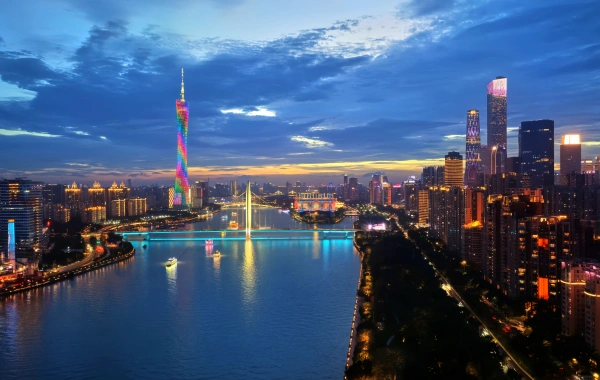
Insider tips: The base opens at 7:30 AM, and I strongly recommend getting there early—pandas are most active in the morning, and you‘ll beat the crowds. Tickets start from just USD 8.05, and a visit typically takes 3–5 hours. For a truly unique experience, check out the Panda Light Show at the Financial City Twin Towers in the evening—the giant pandas and heart-shaped lights create a magical fusion of Chengdu‘s cute factor and modern city vibe.
 

Panda and Kungfu Tour


Wolong National Nature Reserve

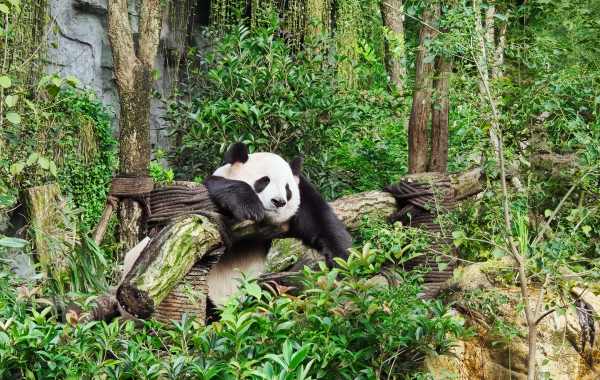
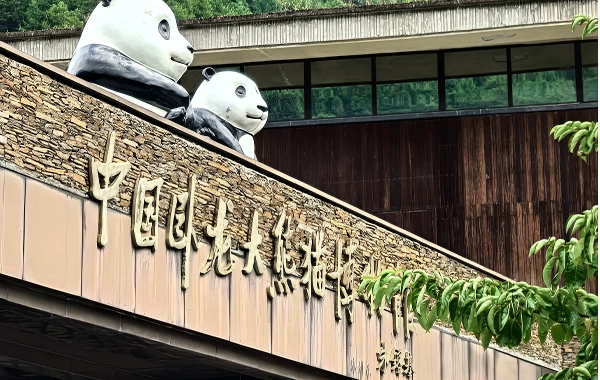
Must-see: Nestled in the mountains about 130 km from Chengdu, Wolong National Nature Reserve is the earliest, largest, and best-known panda reserve in China. Completed in 1963 and placed on the UNESCO Man and Biosphere Reserve Network in 1980, Wolong is the core part of the Sichuan Giant Panda Sanctuaries, a UNESCO World Natural Heritage site. More than 100 giant pandas inhabit the area, representing around 10% of China‘s total panda population. Unlike regular zoos, Wolong provides a natural environment where pandas are not kept in cages—while driving or walking through the reserve, you may come across cute pandas wandering around, eating bamboo, or climbing up tree stubs to put on a show. The reserve is also known as a ‘Bio-gene Bank’ because of its incredible biodiversity, including red pandas, golden monkeys, white-lipped deer, and yew trees.

Personal note: What makes Wolong truly special is how natural and less commercialized it feels. Without huge crowds, all that the reserve offers are undulating hills, murmuring streams, fresh air, and adorable pandas. The Shenshuping Panda Center, rebuilt after the 2008 earthquake with Hong Kong SAR sponsorship, now houses over 90 captive pandas in 59 colony houses, with hi-tech research facilities that are world leaders in panda propagation. It feels like stepping into a hidden sanctuary untouched by the frenzy of modern tourism.
 

Panda and Kungfu Tour


Dujiangyan Panda Base Volunteer Program

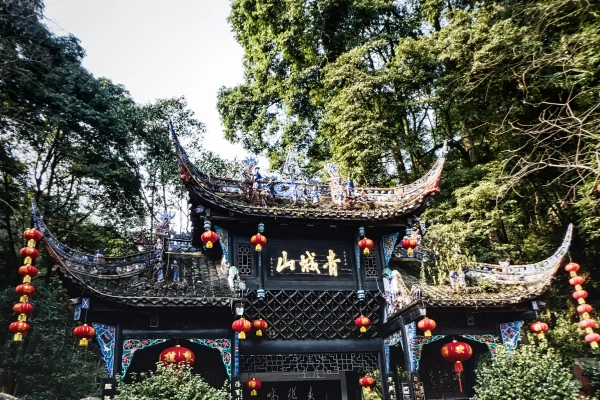
Must-see: For those who want more than just observation, the Dujiangyan Panda Base offers a once-in-a-lifetime volunteer experience. Set in Qingchengshan Town, this base focuses on education, research, and conservation, allowing visitors to work alongside panda keepers and contribute to the protection of this vulnerable species.

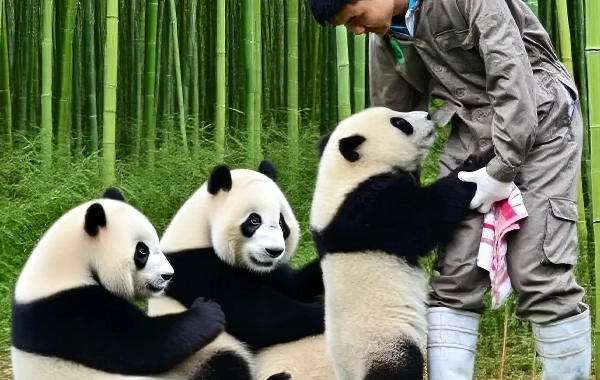
Personal experience: I signed up for the one-day volunteer program, and it was unforgettable. After an early hotel pickup, I put on my volunteer uniform, signed the paperwork, and got ready to work. The day started with cleaning the enclosure—smashing bamboo for the pandas and, yes, shoveling panda poop (the keepers call it panda pupu with surprising affection). Then came the most rewarding part: observing and recording panda behavior, watching the keepers feed the pandas and conduct behavioral training. After a buffet lunch at the staff canteen, we watched a panda documentary, prepared special food for elderly pandas, and made panda cakes. At the end of the day, I received a volunteer certificate and souvenirs as a thank-you for my hard work and donation.

Note for travelers: Due to post-COVID regulations, participants can no longer feed the pandas directly, but all other behind-the-scenes activities remain the same. The base offers only 60 volunteer spots per day, so early booking is essential.

 

Panda and Kungfu Tour


Kung Fu at Shaolin Temple: The Birthplace of Martial Arts

Shaolin Temple, Henan Province

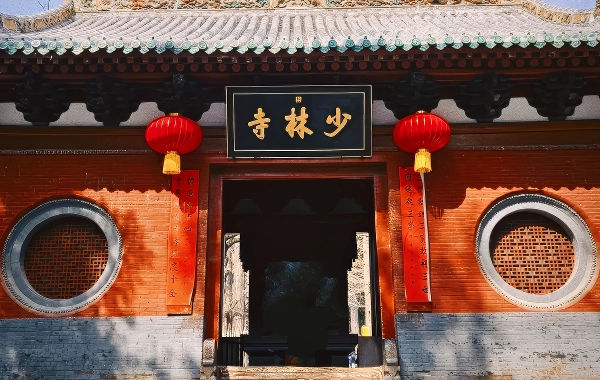
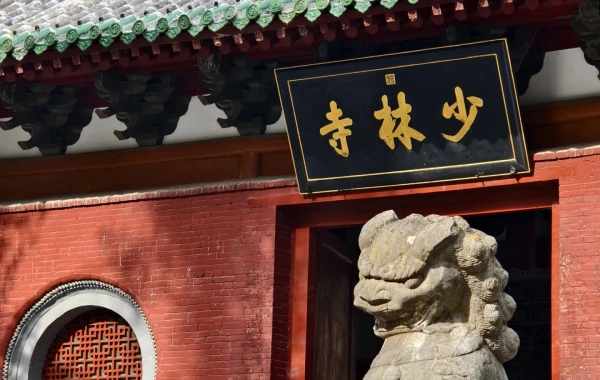
Must-see: Deep in Henan‘s misty mountains, Shaolin Temple is where kung fu began—mixing centuries-old Buddhist serenity with martial arts might. Nestled at the foot of Mount Song, this ancient complex is not only the legendary birthplace of Chinese kung fu but also a major sanctuary for Zen Buddhist culture. For over 1,500 years, Shaolin Temple has been the spiritual center of Zen Buddhism and martial arts. The temple complex consists of three main parts: the Permanent Residence Compound (Changzhu Yuan), the Pagoda Forest (Ta Lin), and the Chuzu Nunnery along with the Dharma Cave.

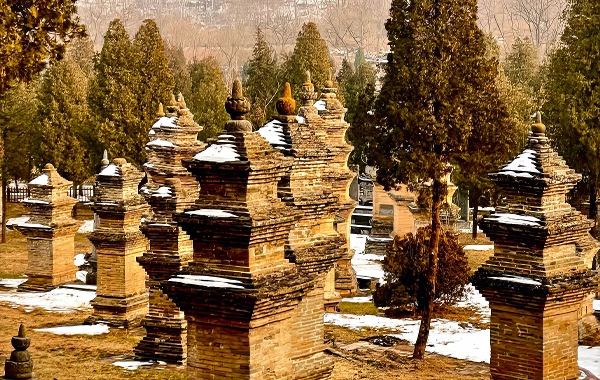
Recommended route: Start early and follow the main temple path to the Hall of Heavenly Kings, then wind your way through the courtyard, main shrine, and Monk‘s Residence. The layout follows a typical Han Chinese Buddhist temple design with central axis symmetry—after entering the mountain gate, simply walk straight ahead. Don’t miss the Pagoda Forest, a stone memorial garden for legendary masters. About 260 ancient stupas (pagodas) have been preserved here, some reaching up to 15 meters in height. It‘s a very quiet, photogenic place steeped in history, but remember to keep your voice down as it is a sacred site. Then climb up to the Dharma Cave, the very place where Patriarch Bodhidharma meditated facing a wall for nine years in the 6th century, bringing Chan Buddhism to China.


Panda and Kungfu Tour


The Kung Fu Show: A Spectacle of Strength and Discipline

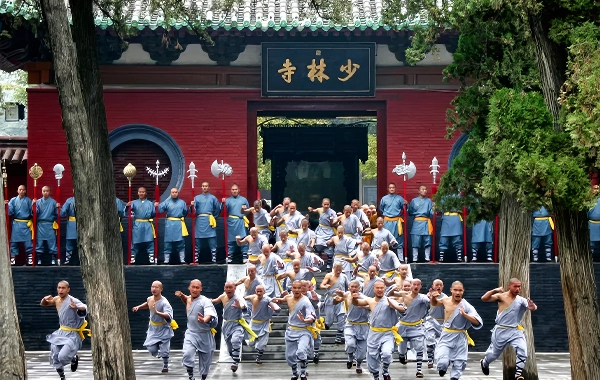
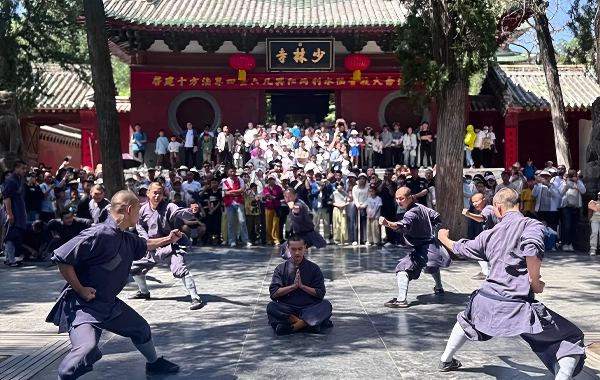
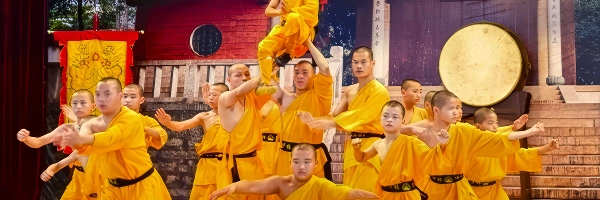
Must-see: The main kung fu performance takes place in a special Wushu hall not far from the main entrance. The daily schedule typically includes five shows at 10:00 AM, 11:30 AM, 2:00 PM, 3:30 PM, and 4:00 PM, though it‘s best to double-check on-site. The spectacle is truly impressive—young boys and adult monks showcase incredible flexibility, strength, and weapon mastery. The show lasts about half an hour, including a few minutes of interaction where visitors can try some basic moves alongside the performers. The kung fu show is something you must see at least once in your life.

Personal observation: There are plenty of seats in the hall, but tour groups snatch them up quickly. I learned that VIP seats for an extra 50 RMB aren‘t the best investment—the regular seating offers just as good a view.


Panda and Kungfu Tour


Shaolin Kung Fu Experience Classes

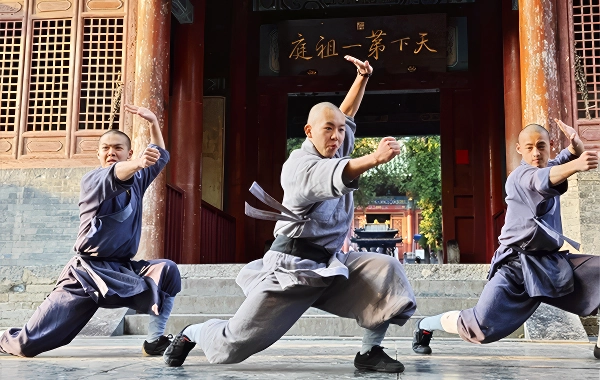
Must-see: For travelers who want to move beyond watching, Shaolin offers authentic kung fu experience classes. You can follow monks to learn basic boxing and forms, understanding the philosophy of Zen-martial arts unity. Shaolin kung fu is a national intangible cultural heritage, representing Chinese martial arts and reflecting the unique cultural spirit of Zen-martial unity.

Practical details: A 2–3 hour class typically costs between 200–400 RMB per person and is suitable for families, couples, solo travelers, and small groups. The best times for training are mornings from 8:00 to 10:00 AM or afternoons from 3:00 to 5:00 PM. For a more immersive experience, the Shaolin Summer Camp runs from June through August 2026, with flexible session lengths from one to four weeks, designed for participants aged 6 to 70.

Personal advice: I spent an afternoon learning basic stances and a simple form from a young monk. The training was tough—my legs were shaking after holding a horse stance for just a few minutes—but the feeling of connecting with a tradition that has been passed down for fifteen centuries was absolutely worth the sore muscles.


Panda and Kungfu Tour


Cultural Immersion: Beyond Pandas and Punches

Sichuan Cuisine Experience

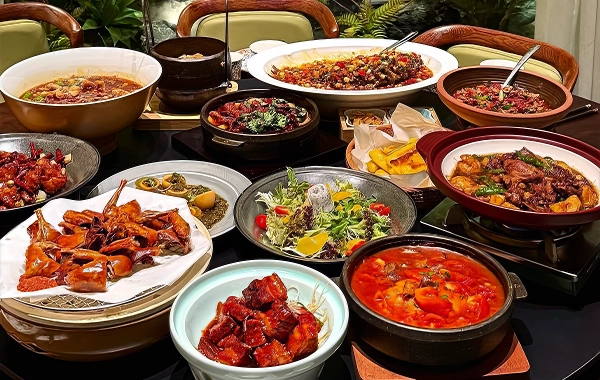
Must-see: After a day with pandas, treat your taste buds to Sichuan cuisine, one of China’s most famous culinary traditions. From fiery hot pot to mouth-numbing mapo tofu, Sichuan food is an adventure in itself. Join a cooking class at the Sichuan Cuisine Museum, where you can learn to prepare authentic Sichuan dishes like kung pao chicken and dan dan noodles. The experience typically includes a visit to a local market to select fresh ingredients, followed by a hands-on cooking session under the guidance of expert chefs. After your meal, relax with a cup of traditional tea at People‘s Park, where locals play mahjong and practice calligraphy—a perfect glimpse into Chengdu‘s famously laid-back slow life.


Panda and Kungfu Tour


Jinli Street and Kuanzhai Alley

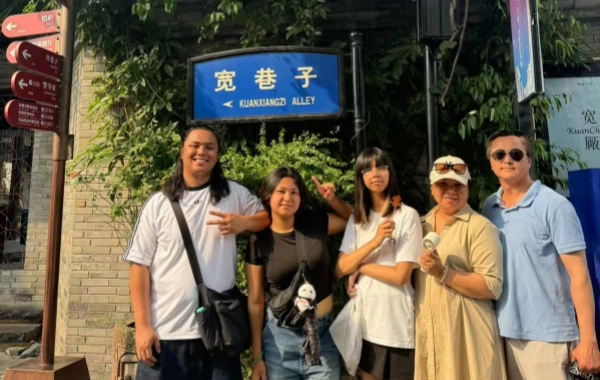
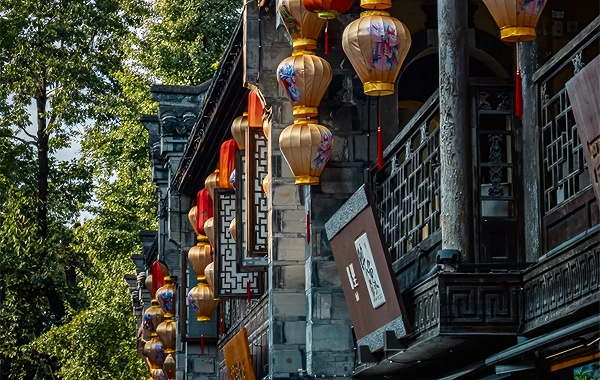
Must-see: In Chengdu, wander through Jinli Street, a lively pedestrian lane styled after traditional Sichuan architecture, lined with shops selling handicrafts, snacks, and souvenirs. At night, the street comes alive with red lanterns and street performances. Just a short walk away, Kuanzhai Alley (Wide and Narrow Alleys) offers a preserved look at old Chengdu, with three parallel lanes showcasing Qing Dynasty architecture, boutique shops, teahouses, and local eateries. This is where I spent a peaceful afternoon sipping tea and watching the world go by—pure Chengdu bliss.


Panda and Kungfu Tour


Pagoda Forest and Zen Meditation

Must-see: At Shaolin Temple, beyond the kung fu spectacle, take time to explore the Pagoda Forest slowly. Each pagoda tells the story of an eminent monk—the number of tiers indicates the monk’s status, and the shapes vary from round to polygonal. Then, for a truly serene experience, participate in a short meditation session. Some local teahouses near the temple offer Tai Chi workshops with monks, where you can learn gentle movements that combine martial arts with mindfulness.


Panda and Kungfu Tour


Special Events: What‘s Happening in 2026

13-suffix.webp
New Panda-Themed Tourist Train: Splendid Tianfu
Must-see: In 2026, a brand-new panda-themed tourist train, Splendid Tianfu, has taken China’s rail travel to a new level. Departing from Chengdu, this luxury train features 18 carriages with 46 high-end rooms accommodating 92 passengers. The train is themed around Sichuan Brocade and Song Dynasty Aesthetics, blending Shu brocade intangible cultural heritage, Song Dynasty elegance, and the iconic panda IP into a moving masterpiece of Eastern aesthetics. Operating on a sightseeing by day, traveling by night schedule, the 16-day tour covers Xinjiang‘s most iconic destinations, including Tianchi Lake, Sayram Lake, and the ancient city of Kashgar, showcasing plateau lakes, grassland wetlands, Silk Road settlements, and Gobi oases. Since its launch in March 2021, the service has transported over 50,000 passengers. This is undoubtedly the most stylish way to explore western China in 2026.
14-suffix.webp
Shaolin Gatherings
Special event: In 2026, Shaolin Temple hosted a grand gathering featuring martial arts competitions and seminars, attracting nearly 50,000 visitors from home and abroad. While the main event has passed, the temple continues to host kung fu demonstrations and cultural exchanges throughout the year. Check the official schedule before your visit for any upcoming special performances.

Practical Travel Guide: Food, Clothing, Accommodation, and Transportation

Best Time to Visit

The ideal seasons for a Panda and Kung Fu Tour are spring (March–May) and autumn (September–November), when temperatures in both Sichuan and Henan are mild and pleasant. Winter (December–February) can be cold, especially at higher altitudes like Wolong, but pandas are active year-round, and the snowy mountain views are spectacular. Summer (June–August) is hot and humid, with occasional rain, but it‘s also when kung fu summer camps are in full session.

Getting There

Chengdu: Fly into Chengdu Tianfu International Airport, one of China‘s busiest hubs with direct flights from major international cities. From downtown, take Metro Line 3 to Panda Avenue station for the Chengdu Panda Base.

Shaolin Temple: The nearest major cities are Zhengzhou and Luoyang, both with airports and high-speed rail connections. From Zhengzhou, take a bus or hire a private car to Dengfeng, then transfer to the temple.

Accommodation Recommendations

In Chengdu: Stay near Kuanzhai Alley or Jinli Street for easy access to dining and cultural sites. The Tibet Hotel Chengdu and similar mid-range options offer comfortable stays with convenient locations.

Near Shaolin Temple: Dengfeng has a range of hotels, from budget guesthouses to comfortable business hotels. For the full experience, some travelers choose to stay at the Tagou Wushu School, where you can wake up to the sounds of morning martial arts training.

Food Guide

In Sichuan: Don‘t miss hot pot (mild or spicy, your choice), mapo tofu, kung pao chicken, dan dan noodles, and Sichuan-style wontons. Food stalls on Jinli Street offer affordable local snacks.

In Henan: Try the local noodle dishes, braised noodles, and the vegetarian meals sometimes available near Shaolin Temple. Dengfeng also has small restaurants serving hearty Central Plains cuisine.

What to Pack

Comfortable walking shoes for long days at panda bases and temple complexes

Layered clothing—mountain areas like Wolong can be cool even in summer

Rain gear if traveling in summer

Insect repellent and sunscreen

A reusable water bottle (China has safe public drinking fountains in tourist areas)

Cash and mobile payment apps (Alipay and WeChat Pay are widely accepted)

Budget Overview

Panda Base entrance: ~55 RMB (USD 8)

Shaolin Temple entrance: 80 RMB

Volunteer program: prices vary but typically include lunch and transport

Kung fu class: 200–400 RMB for 2–3 hours

Meals: 30–60 RMB for local eats, 100–200 RMB for nicer restaurants

Accommodation: 200–500 RMB per night for mid-range hotels

The Perfect Blend: Why Panda and Kung Fu Tour Belongs on Your Bucket List


After years of traveling across China, I‘ve learned that the country’s soul is best experienced through its two most beloved symbols. The giant panda embodies gentleness, conservation, and the quiet wonder of nature. Shaolin kung fu represents discipline, strength, and the enduring spirit of Chinese culture. Together, they offer a journey of contrasts that reveals the full spectrum of what China has to offer. Whether you‘re hand-feeding bamboo to a baby panda (well, watching keepers do it while you clean enclosures) or learning a horse stance from a Shaolin monk, every moment of this adventure stays with you. Pack your bags, book your spots, and come discover why pandas and kung fu have captured the world‘s imagination for generations.

What Our Clients Say?

Based on 10,000+ traveler reviews

...
Daniel Dorothea
Canada
Reviewed on April 29,2025
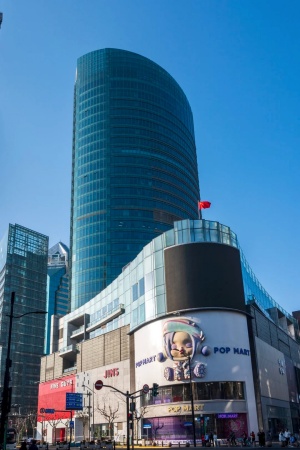
Shopping on Nanjing Road in Shanghai was just amazing! It's truly the "First Commercial Street of China", where tradition and modernity blend perfectly. You can find awesome souvenirs and experience the trendy vibes in cool stores. The neon lights at night are just spectacular, shining bright like Times Square in New York. The food here is incredible too. I had a feast for my taste buds. Shanghai, I'll definitely be back!
Destination(s): Shanghai
Date of Experience: May 08,2024
...
...
Elvis Eva
Canada
Reviewed on June 20,2025
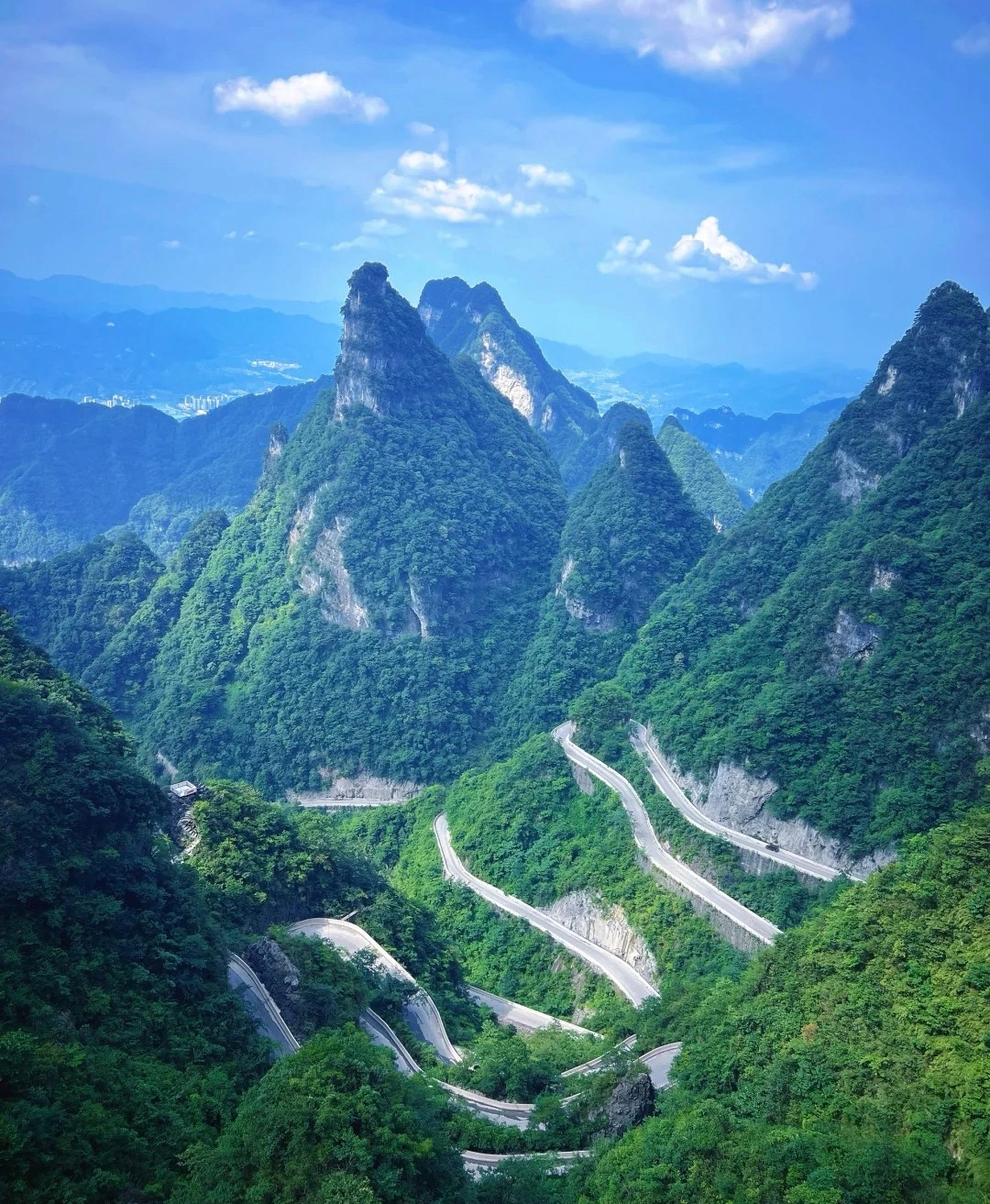
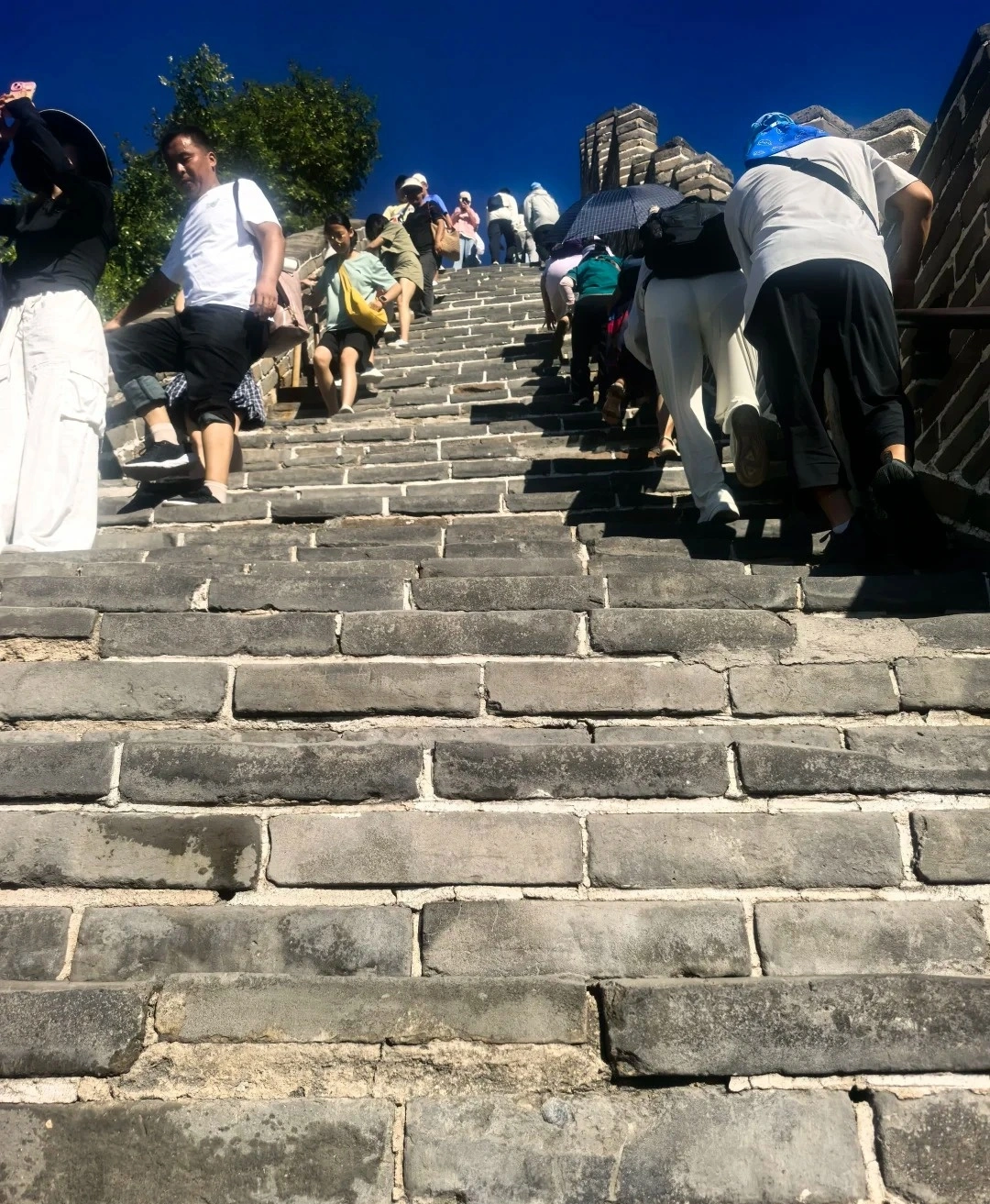
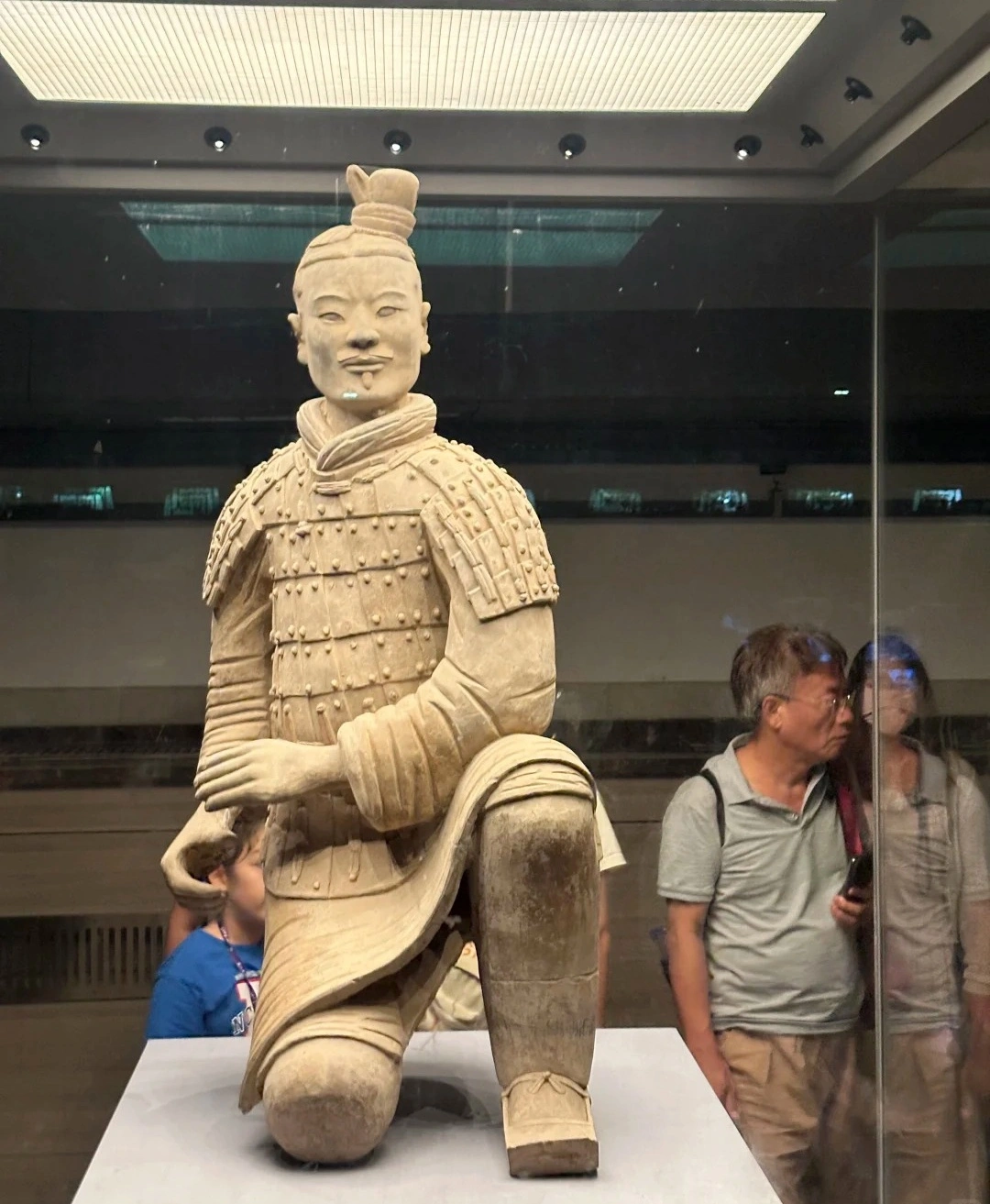
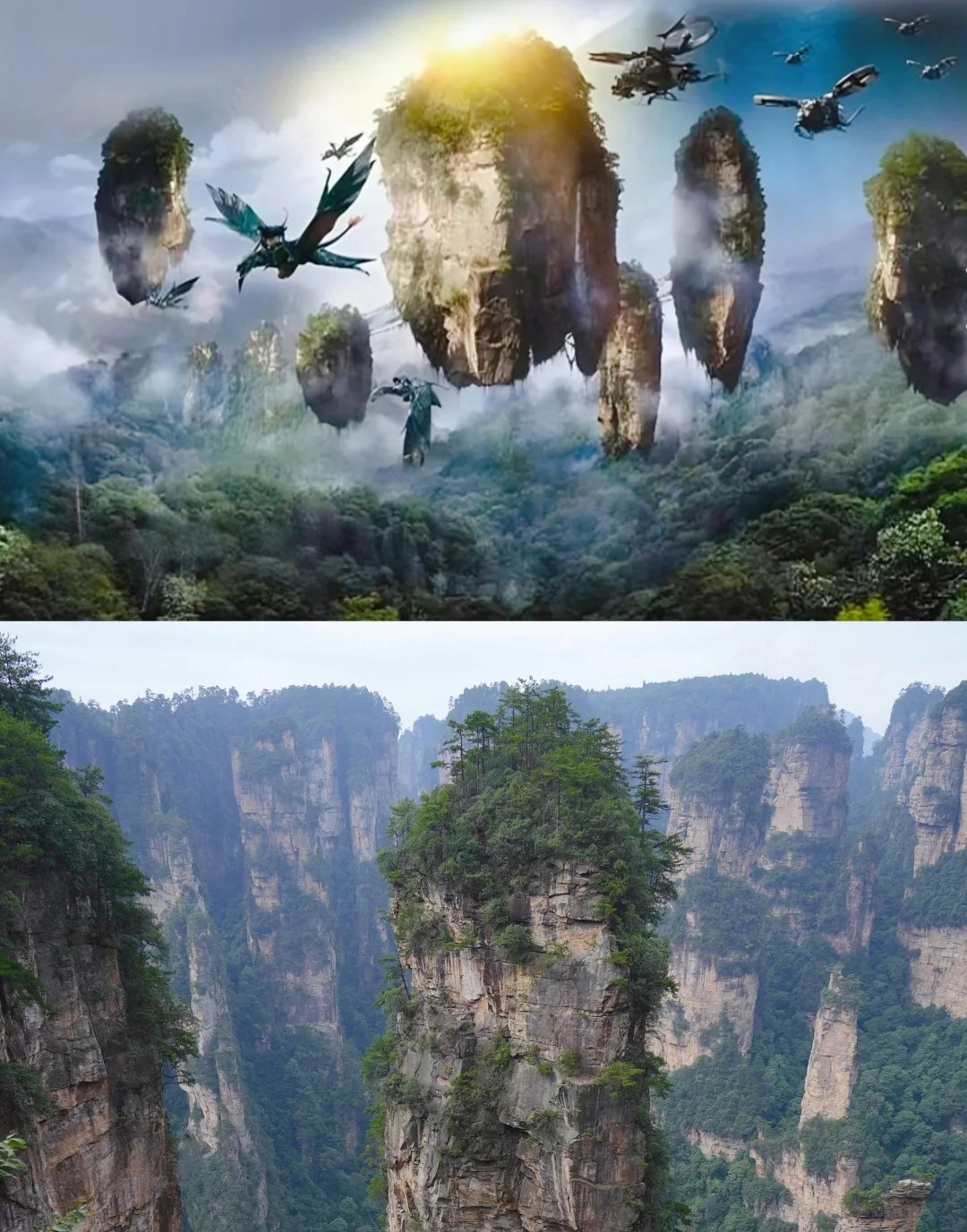
As a solo traveler from Canada, I was nervous about navigating China alone—but this 11-day tour was PERFECT! From hiking the Great Wall at sunrise (Day 3) to gasping at the Terracotta Army (Day 5), every day delivered ‘pinch-me’ moments. The real showstopper? Zhangjiajie’s Avatar Mountains (Day 7)! Our guide made the stone pillars come alive with stories. Massive thanks for handling all logistics—bullet train tickets, entry passes, car! And the 4-star hotels surprised me.
Destination(s): Beijing Xian Zhangjiajie Shanghai
Date of Experience: June 02,2025
... ... ...
...
Simon
America
Reviewed on May 29,2025
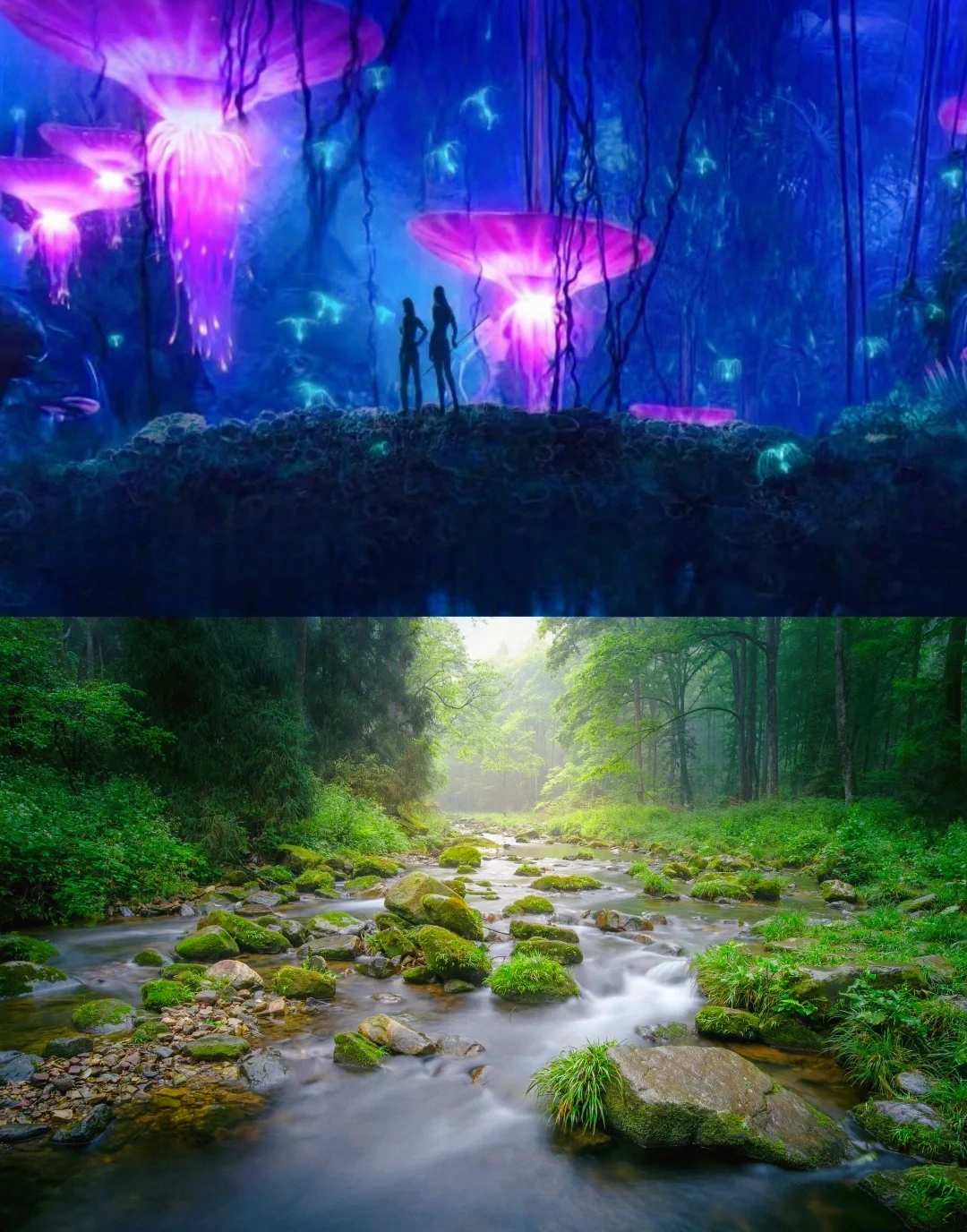
Our 2-day Zhangjiajie tour was beyond spectacular! As someone who’s visited Beijing and Shanghai for work, this trip revealed China’s wild, magical heart. Day 1 in Zhangjiajie National Forest Park felt like stepping onto Pandora—I’m a huge Avatar fan, and Yuanjiajie’s floating peaks left me breathless. The misty pillars and lush valleys like pure movie magic! Then came Fenghuang Ancient Town, we eat dinner beside the thundering waterfall. It seems Unreal! The night views of stilt houses glowing over the river were straight from a fairy tale. For fellow Avatar lovers and adventure seekers: Don’t miss this bucket-list experience! 10/10 would return. A Well-Traveled Film Buff, May 2025
Destination(s): Zhangjiajie
Date of Experience: May 08,2025
... ...

Ask a Question

Question Summary (100 characters)
Details (optional) (2,000 characters)
Name
Country
Phone
Email