Foshan Ancestral Temple: A Journey Through a Thousand-Year-old Palace of Lingnan Architecture and Folk Beliefs

Foshan Ancestral Temple: A Journey Through a Thousand-Year-old Palace of Lingnan Architecture and Folk Beliefs

Overview: A city spiritual totem dedicated to the guardian deity of Foshan.
Foshan Ancestral Temple is an ancient architectural complex that was first built during the Yuanfeng period of the Northern Song Dynasty (1078-1085) and has been continuously renovated and expanded during the Yuan, Ming, and Qing Dynasties. It integrates ancient architectural art of the Ming and Qing Dynasties, Taoist culture, Lingnan folk beliefs, and martial arts traditions.

Key Highlights at a Glance
Identity Tags: Gem of Lingnan Ancient Architecture / Cultural Icon of Foshan / National Key Cultural Relics Protection Unit
Core experiences: Appreciate the three carvings and two sculptures, watch the lion dance and martial arts performance, and experience the grand celebration of the Beidi Birthday.
Recommended visit duration: 2-3 hours
Address: No. 21, Zumiao Road, Chancheng District, Foshan City, Guangdong Province

  • Foshan Ancestral Temple: A Journey Through a Thousand-Year-old Palace of Lingnan Architecture and Folk Beliefs-1
  • Foshan Ancestral Temple: A Journey Through a Thousand-Year-old Palace of Lingnan Architecture and Folk Beliefs-2
  • Foshan Ancestral Temple: A Journey Through a Thousand-Year-old Palace of Lingnan Architecture and Folk Beliefs-3
  • Foshan Ancestral Temple: A Journey Through a Thousand-Year-old Palace of Lingnan Architecture and Folk Beliefs-4

Origin: Beidi Nanzhen and the Guardians of the Ancient Town

Furong Ancient Town

The name of faith—why does Zhenwu Dijun guard the "ancestor" in the "ancestral temple" of the south, signifying "the most revered throughout history"? Its main deity is not Buddha, but a Taoist deity—Zhenwu Xuantian Shangdi of the North. Why did a northern water god become the guardian deity of a famous southern handicraft town? This stems from Foshan's unique industrial history. In ancient times, Foshan's smelting, ceramics, and textile industries were highly developed, and fire was the greatest threat. Zhenwu belongs to the water element, and the people deeply believed that he could "prevent fires and quell disasters," protecting the prosperity of all industries. Since the temple was built in the Northern Song Dynasty, the belief in the Northern Emperor has been closely linked to Foshan's economic lifeline and community governance, and the ancestral temple has become a spiritual bond connecting Foshan people at home and abroad.

The Path of Inheritance—the evolution from a community temple to an ancestral temple, an art palace, is an epic tale forged by the combined efforts of Foshan's folk forces and the wisdom of its artisans.
- Initial Construction and Development (Song and Yuan Dynasties): It was first built in the Northern Song Dynasty and was initially named "Zutang". It was very small in scale. It was destroyed by war at the end of the Yuan Dynasty.
- Peak and Exquisite Carving (Ming and Qing Dynasties): Rebuilt in the fifth year of Hongwu in the Ming Dynasty (1372), it underwent more than twenty renovations and expansions thereafter, all funded and overseen by local merchants and craftsmen. In particular, the major renovation during the Guangxu period of the Qing Dynasty brought together top pottery, wood carving, brick carving, and plastering craftsmen from Foshan to devote themselves to the decoration, laying the foundation for the art palace we see today.
- Rebirth and Glory (After the Founding of the People's Republic of China): Properly protected, the Foshan Ancestral Temple Museum was established in 1958. It was listed as a Guangdong Provincial Cultural Relics Protection Unit in 1962 and a National Key Cultural Relics Protection Unit in 1996. Today, the Ancestral Temple is not only a sacred place of worship but also a "wall-less museum" showcasing Lingnan folk art.

In-depth understanding: Explore more ancient Chinese architecture and sacred sites of folk belief >> [Pingyao Ancient City, Shanxi]

Must-see wonders: A symphony of architectural art and folk culture

Furong Ancient Town Furong Ancient Town Furong Ancient Town Furong Ancient Town

The awe-inspiring aspect of the Ancestral Temple lies in its perfect combination of grand and solemn temple architecture with intricate and exquisite folk craftsmanship, with every inch of space filled with stories and auspicious meanings.

Space Creation – A Sacred Space with Towering Ancient Trees Upon entering the Ancestral Temple, one is first struck by a tranquil yet powerful aura.
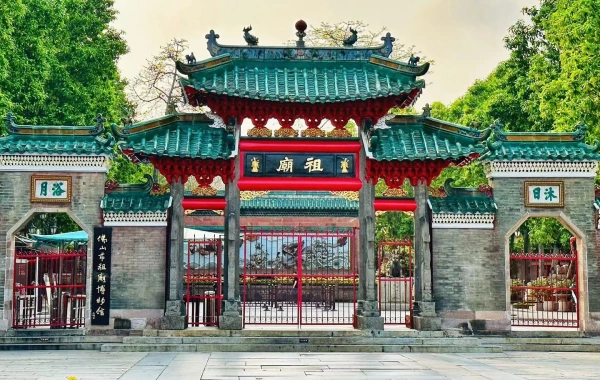
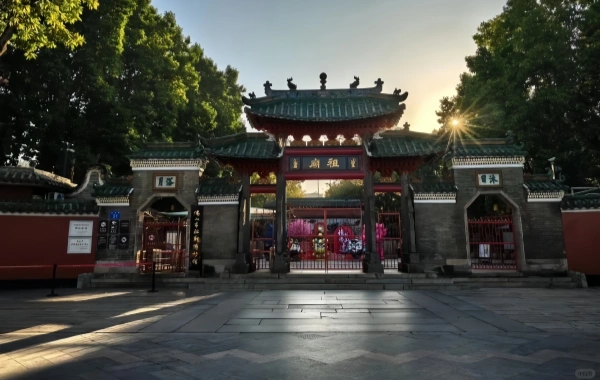
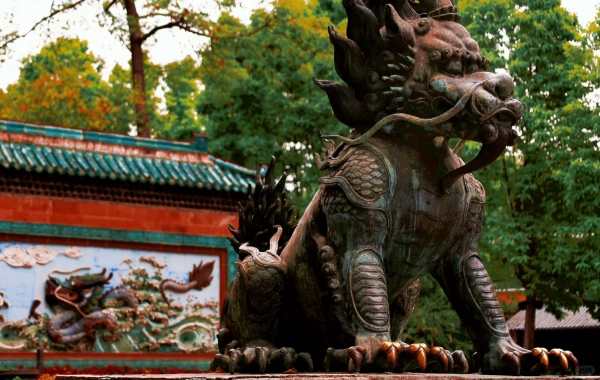
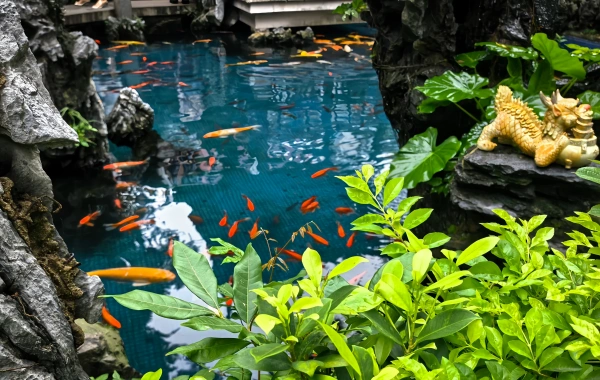
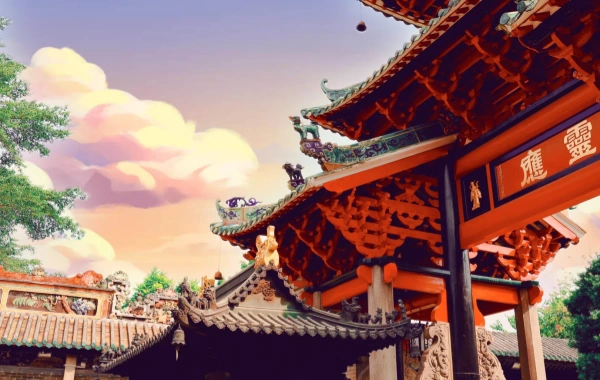
Lingying Archway and Jinxiang Pond: Passing through the majestic "Lingying" Archway, you will be greeted by the shimmering Jinxiang Pond. In the center of the pond stands a giant tortoise and snake stone sculpture symbolizing the Northern Emperor. Ancient trees surround the pond, and incense smoke curls around it, instantly transporting you from the hustle and bustle of the city to a solemn realm.
Wanfu Stage – The Oldest Stage in Lingnan: Built in the early Qing Dynasty, this stage is the best-preserved ancient stage in South China. During festivals and celebrations, the melodious Cantonese opera fills the air, with stories of loyalty, filial piety, and righteousness performed on stage, while devout citizens sit below. Here, opera art and religious life are seamlessly intertwined.
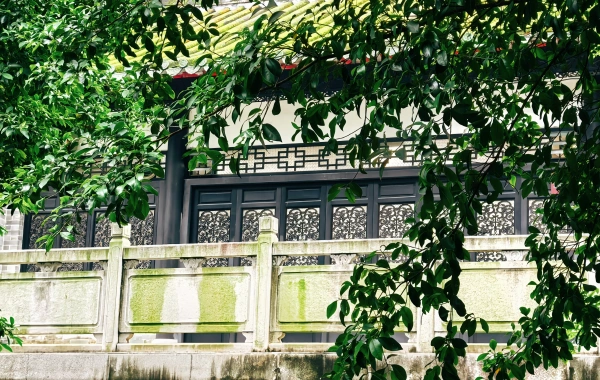
The shade of ancient and famous trees: Many ancient trees, such as Murraya paniculata, frangipani, and Sterculia foetida, are over a hundred years old in the park. Their lush foliage complements the ancient buildings and together they create a garden-style temple space that embodies the harmony between man and nature.

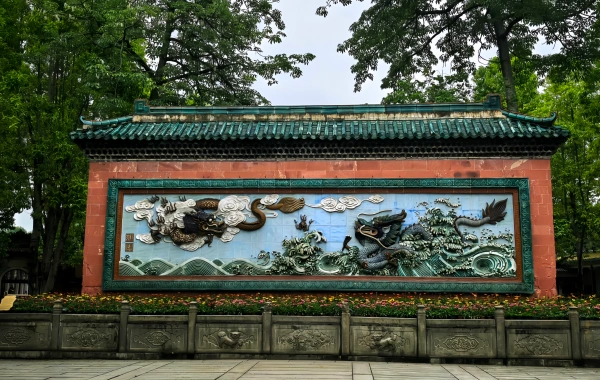
Humanistic Ingenuity – The Ancestral Temple, an open-air expo featuring “three carvings and two sculptures,” is hailed as “the pinnacle of Lingnan architectural art,” with its core being its unparalleled decorative craftsmanship.
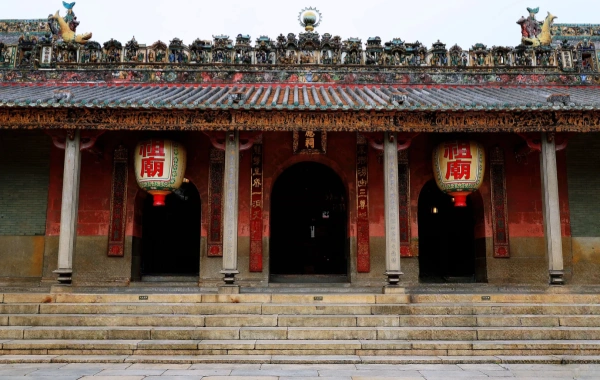
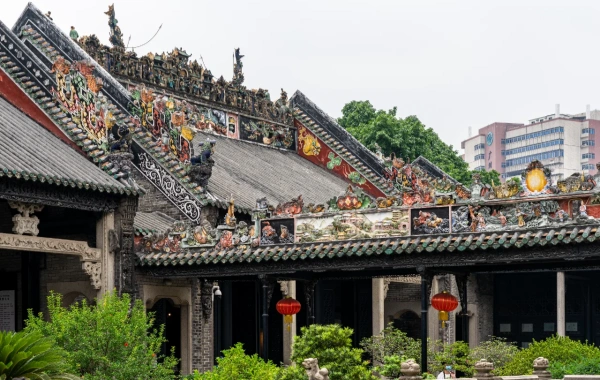
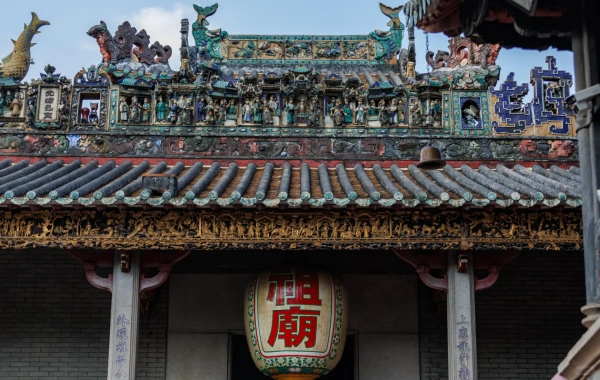
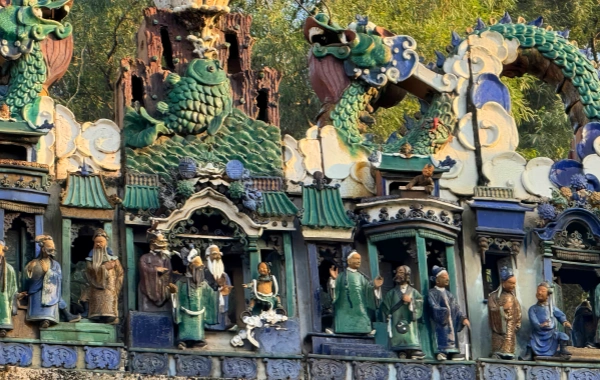
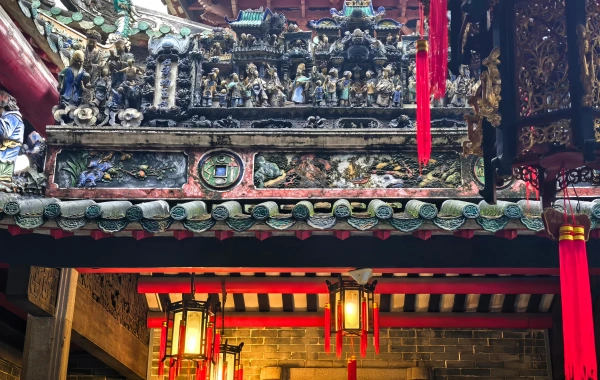
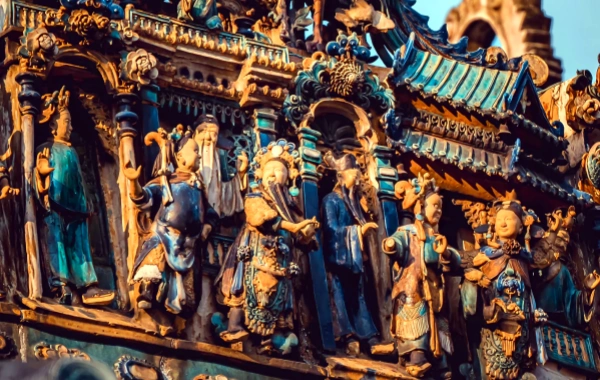
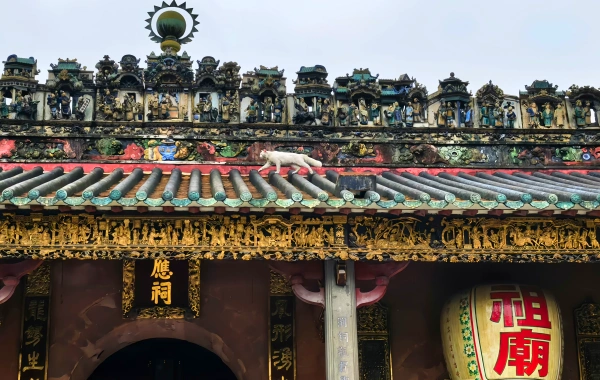
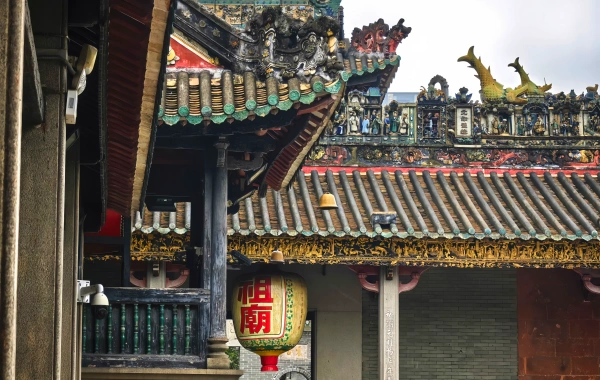
Ceramic Sculpture Roof Ridges—An Epic on Rooftops: The ceramic sculpture roof ridges of the Ancestral Temple Hall and Qingzhen Tower are the pinnacle of Shiwan ceramic art. Each ridge is tens of meters long and features hundreds of lifelike figures depicting classic stories such as "Jiang Ziya's Investiture of the Gods" and "Romance of the Three Kingdoms," or auspicious patterns. They shimmer and gleam under the sunlight, creating a magnificent spectacle.
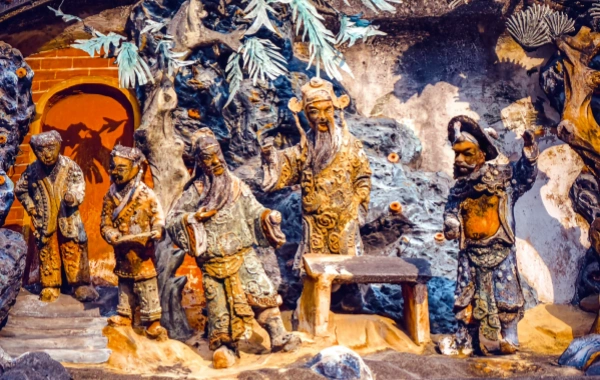
Stucco and Wood Carving—A Contest of Color and Knife Skill: Beneath the eaves and corridors of the palaces, vibrant stucco is everywhere. These three-dimensional patterns, sculpted and painted with lime, depict figures, animals, and flowers with lifelike realism, remaining vibrant even after a century of weathering. Inside the palaces, the gilded wood carvings (such as the "Li Yuanba Subduing the Dragon Steed" niche in the Beidi Hall) are resplendent in gold, with delicate and intricate knife work, displaying extreme luxury.
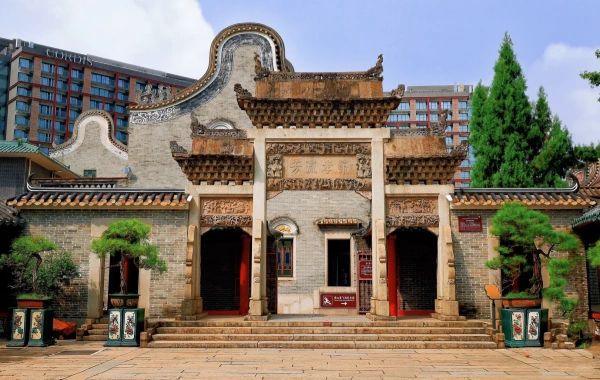
Brick carving and stone carving—the beauty of hard materials: the brick carvings on the walls are delicate and picturesque, while the stone carvings on the pillars and bases are robust and powerful. Whether it is the brick carving of the "Hai Rui Story" or the coiled dragon stone pillars in the main hall, they all demonstrate the craftsmen's superb control over hard materials.
The Wong Fei-hung Memorial Hall and Ip Man Hall: These are dedicated memorial halls for these two masters of Foshan martial arts, located within the Ancestral Temple. Through historical materials, weaponry, scene recreations, and multimedia displays, the halls systematically introduce the origins and development of Hung Kuen and Wing Chun, allowing visitors to gain a deeper understanding of Foshan's rich martial arts heritage as a "hometown of martial arts."

> Travel Tips:
To appreciate the ceramic tile ridge sculptures, a telephoto lens or binoculars is needed to see the details and expressions of the figures at a high position.
The best spot to take a panoramic view of the buildings is on the opposite bank of Jinxiang Pond, where you can include the archway, the main hall, and the ancient trees all in the frame.
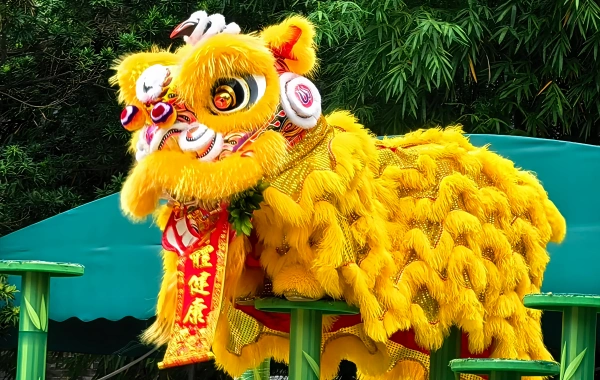
When watching the lion dance performance (daily at set times), be sure to arrive early to secure a good spot. The show is spectacular as soon as the opening gongs and drums sound.
Pay attention to the ground paving; the ancient "money brick" floor tiles symbolize abundant wealth, which is also an interesting detail.

Core Experience: An Immersive Guide to Cantonese Folk Customs

Furong Ancient Town Furong Ancient Town Furong Ancient Town Furong Ancient Town

Core Experience: An Immersive Guide to Cantonese Folk Customs
Five Must-Do Things to Unlock the Complete Ancestral Temple Tour
1. Watch an authentic lion dance and martial arts performance.
Key point: This is the most dynamic essence of the Ancestral Temple! It's performed daily at set times in the square in front of the Wong Fei-hung Memorial Hall. Watching the lion dance leap and twirl on high poles, listening to the resounding drums and gongs, and experiencing the power and beauty of Foshan martial arts is a cultural feast not to be missed.
2. Look up at the ceramic tile ridge and search for a familiar story character.
Experience: Stand for a long time in front of the main hall, carefully identifying the story scenes on the roof ridge. Try to find Liu Bei, Guan Yu, Zhang Fei, Zhuge Liang, or the Eight Immortals, and let the static pottery sculptures "come alive" in your imagination, understanding the artisans' painstaking efforts to teach through art.
3. A detailed account of auspicious patterns created using "three carvings and two sculptures".
Cultural Interaction: Choose a craft (such as wood carving) and specifically search for auspicious patterns within it: bats (representing good fortune), deer (representing prosperity), peaches (representing longevity), and pomegranates (representing many children). This is like a treasure hunt, allowing you to deeply understand folk aesthetics.
4. Bow with clasped hands in greeting before the bronze statue of Wong Fei-hung.
Fun Experience: Visit the Wong Fei-hung Memorial Hall, imitate a martial arts fist salute in front of the bronze statue of the master, and take a photo. Feel the martial spirit of "cultivating virtue before practicing martial arts" and experience the sense of ceremony as a visitor to the hometown of martial arts.
5. Hang a prayer plaque under the wishing tree.
Experience: Write down your blessings for your family, studies, or career by the wishing tree or Jinxiang Pond in the park and hang them up. When in Rome, do as the Romans do, participate in this folk blessing tradition that has been passed down for thousands of years, and leave a beautiful memory of your trip.

Suggested tour routes
Half-day "Highlights Tour" (suitable for most tourists):
Arrive at 10:00 AM: Enter through the main gate and visit the Lingying Archway and Jinxiang Pond → 10:20 AM: Enter through the third gate, visit the front hall, and admire the two guardian generals on both sides, as well as the exquisite brick carvings and stucco → 10:40 AM: Enter the core area, focusing on the magnificent architecture and roof ceramic sculptures of the main hall (Zixiao Palace), and pay homage to the statue of the Northern Emperor → 11:10 AM: Proceed to Qingzhen Tower to admire the ceramic tile ridge on the other side, and experience the ancient stage style in front of Wanfu Terrace → 11:30 AM: Proceed to the square in front of the Huang Feihong Memorial Hall to watch the lion dance and martial arts performance (approximately 20 minutes) → After the performance, visit the Huang Feihong Memorial Hall and Ip Man Hall → 12:30 PM: End of tour.
IntoTravelChina Tip: This itinerary is packed and includes key performances, so be sure to check the performance times and plan your route in advance.

A one-day "in-depth cultural" tour (highly recommended):
Morning: Following the above "highlights tour" route, visit the Ancestral Temple complex in detail and watch the performance.
Afternoon: Exit from the side gate of the Ancestral Temple and walk for 5 minutes to reach Foshan Lingnan Tiandi. Stroll leisurely among the century-old arcade buildings and wok-shaped gable walls, taste authentic Cantonese cuisine and desserts, and experience the modern revitalization of the historical district. Afterwards, you can continue walking for 10 minutes to visit the Guangdong Cantonese Opera Museum or Liang Garden (one of the four famous gardens in Guangdong), completing an in-depth Foshan experience from temples to gardens, from folk customs to refined culture.
IntoTravelChina's advantages: We can book the most suitable itinerary combination for you, arrange seamless connections between attractions, provide professional cultural interpretation services, and recommend and book authentic Foshan private restaurants, making your exploration journey both in-depth and enjoyable.

Professional Guide: IntoTravelChina offers personalized itineraries, including a dedicated guide, transportation, and activity arrangements, ensuring a worry-free and in-depth travel experience. >> [Inquire Now for a Customized Itinerary]

Complete travel guide: transportation, seasons and surrounding areas

Furong Ancient Town Furong Ancient Town Furong Ancient Town

How to get there
The Foshan Ancestral Temple, a millennium-old landmark in the city center, is located in the absolute core of Chancheng District and enjoys extremely convenient transportation.
Subway (highly recommended): Take the Guangfo Line to Zumiao Station, Exit D to reach the main entrance of Zumiao Temple.
Public Transportation: Almost all bus routes passing through the central area of ​​Chancheng have a "Zumiao Station".
By car/taxi: Navigate to "Foshan Ancestral Temple". There are many parking lots in the surrounding commercial area, but it is difficult to find a parking space during holidays, so taking the subway is strongly recommended.

Best time to visit
Spring and autumn (March-May and September-November) offer the most comfortable weather, but the "Beidi's Birthday" on the third day of the third lunar month is the annual grand event. Spring and autumn are the golden seasons: the weather is cool, perfect for outdoor excursions and watching performances.
Peak Festival Season: On the third day of the third lunar month each year, the birthday of Beidi, the Ancestral Temple will hold a grand blessing parade, sacrificial ceremony and folk art performance. It is the best time to experience the most authentic Foshan folk customs, but the flow of people is extremely large.
Summer and Winter: Summers are hot, but the temple grounds are shaded by ancient trees; winters are warm and there are relatively few tourists, allowing for a quiet appreciation of the architectural details.

Tickets and Tips
The adult ticket price is approximately 20 yuan. The ticket includes a view of the lion dance and martial arts performance.
Performance times: Usually 2-3 shows each day in the morning (e.g., 10:00-10:30) and afternoon (e.g., 14:15-14:45, 15:30-16:00). Additional shows may be added on holidays. Please refer to the announcement on the day for the most up-to-date schedule.
Accommodation options: It is recommended to stay in hotels near the Ancestral Temple or Lingnan Tiandi in Chancheng District. These are within walking distance of the main attractions, and there is also a wide variety of dining and nightlife options available.

IntoTravelChina Trip Booking Recommendations:
We can plan in-depth cultural tours of Foshan, including the Ancestral Temple, and assist with booking well-located and unique accommodations. If you plan to visit during major festivals such as the Beidi Festival, advance planning and booking through us is especially important to ensure you get the best viewing and experience. >> [Click to contact an IntoTravelChina travel consultant]

Extended Journey: A Journey Connecting the Cultural and Martial Arts Essence of Foshan's Ancient Towns

Furong Ancient Town

Foshan Ancestral Temple is the perfect starting point for exploring this national historical and cultural city. Within walking distance, a classic route encapsulates the essence of Foshan's "culture" and "martial arts." (6-Day In-Depth Cultural Tour of Guangzhou, Foshan, Jiangmen, and Shenzhen)

A 6-day cultural loop tour of Guangzhou, Shenzhen, and Zhuhai: Guangzhou (Millennial Commercial Capital) → Foshan (Foshan Ancestral Temple) → Jiangmen (World Hometown of Overseas Chinese) → Shenzhen (Innovation Capital). This is a classic in-depth journey that traverses the core of Cantonese culture within 6 days, fully experiencing its historical heritage, local craftsmanship, the epic history of overseas Chinese, and its future prospects. >> View the 6-day in-depth cultural tour itinerary of Guangzhou-Foshan-Jiangmen-Shenzhen

Join IntoTravelChina to embark on your exclusive exploration journey of Cantonese culture

Furong Ancient Town

The story of Foshan's Ancestral Temple is about the faith and spirit of a city, the exquisite craftsmanship of generations of artisans, and an ever-renewing vitality of folk culture. IntoTravelChina is dedicated to creating in-depth, personalized, and worry-free travel experiences in China. Our travel experts can:
Tailor-made itineraries: Design the perfect route including Ancestral Temple and the essence of Foshan culture based on your interests in ancient architecture, folk culture, or martial arts.
One-stop service: Handle tickets,unique accommodations, transportation, professional cultural interpretation, and reservation for the best viewing spots for performances.
Exclusive Experience: Arrange tours with intangible cultural heritage inheritors, kung fu experience classes, and in-depth participation in folk activities during festivals.

Let your visit to Foshan Ancestral Temple be more than just sightseeing and photos; it's a profound dialogue with the millennia-old folk culture of Lingnan.
> Start planning your journey now
> Contact our professional travel consultants to receive customized itineraries and quotes within 24 hours.>> [Click to contact IntoTravelChina travel consultants]

Recommended Tours

Top 3 tours chosen by most customers to explore in the best way. Check the detailed itinerary, or tailor your own trip now with us.

Zhangjiajie Tour
Shenzhen Shantou 3-Day Tour

3 Days  |  Shenzhen-Shantou

Zhangjiajie Tour
Shenzhen Guangzhou Zhangjiajie 7-Day Tour

7 Days  |  shenzhen-guangzhou-zhangjiajie

What Our Clients Say?

Based on 10,000+ traveler reviews

...
Daniel Dorothea
Canada
Reviewed on April 29,2025
Shopping on Nanjing Road in Shanghai was just amazing! It's truly the "First Commercial Street of China", where tradition and modernity blend perfectly. You can find awesome souvenirs and experience the trendy vibes in cool stores. The neon lights at night are just spectacular, shining bright like Times Square in New York. The food here is incredible too. I had a feast for my taste buds. Shanghai, I'll definitely be back!
Destination(s): Shanghai
Date of Experience: May 08,2024
...
...
Elvis Eva
Canada
Reviewed on June 20,2025
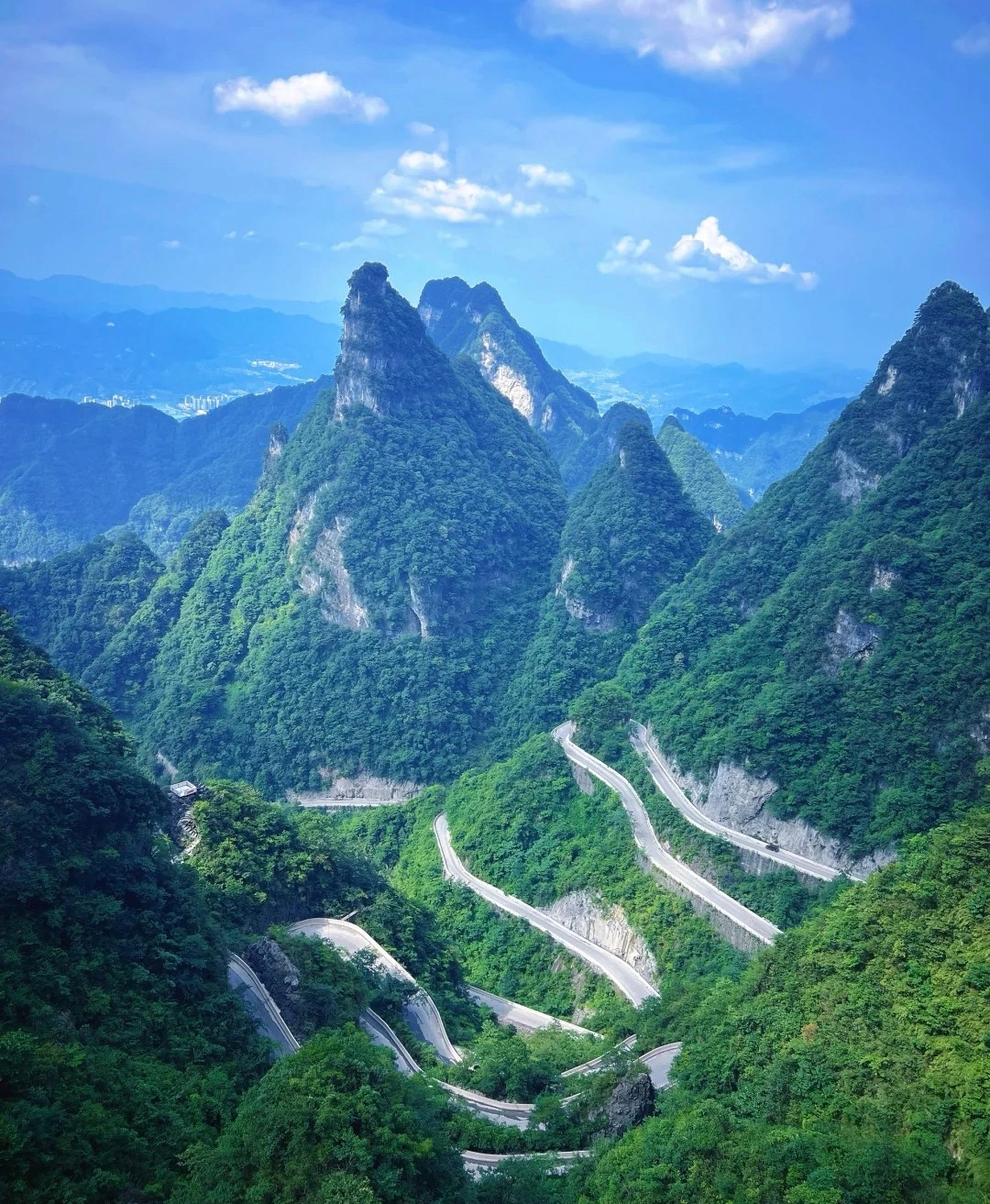
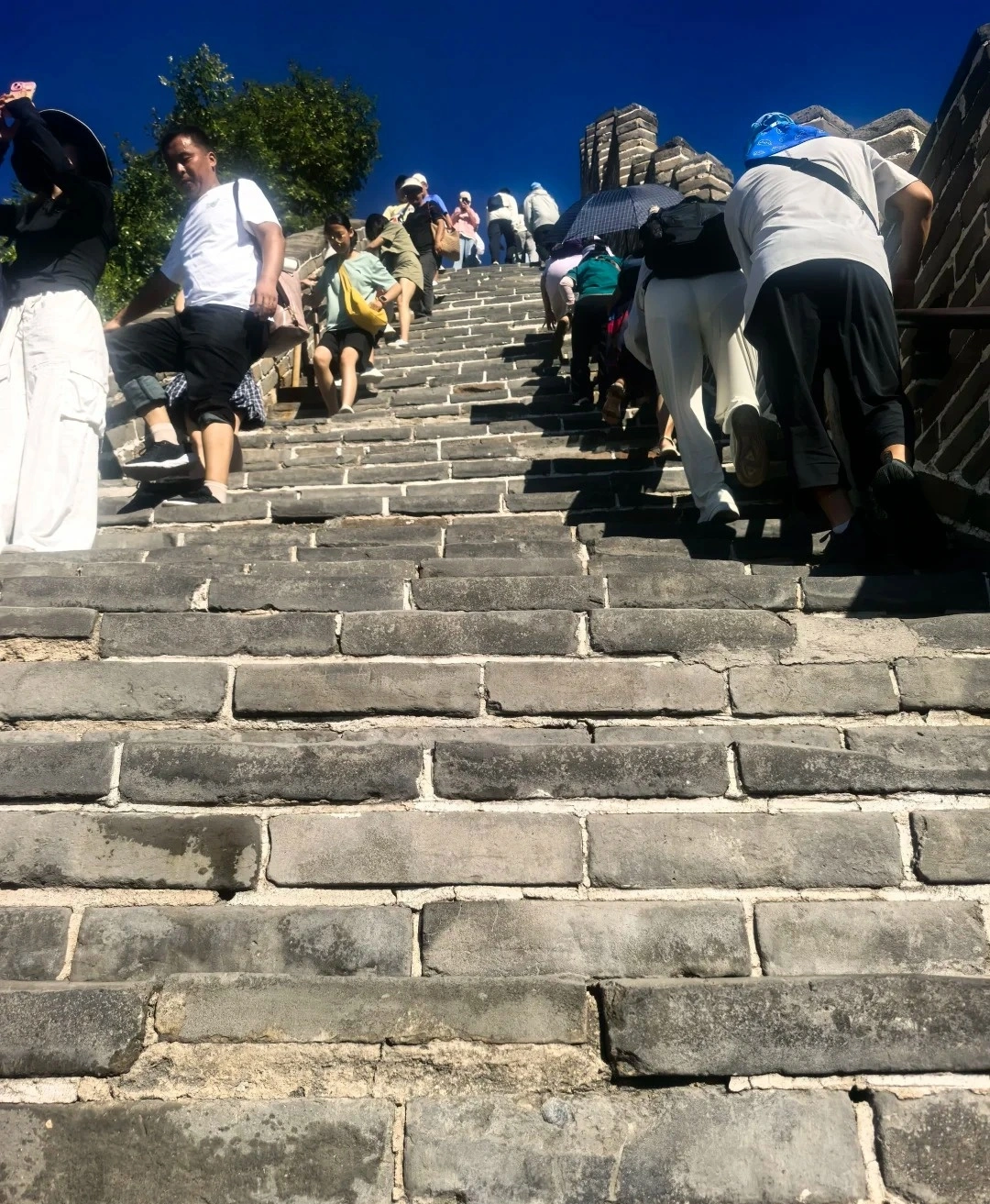
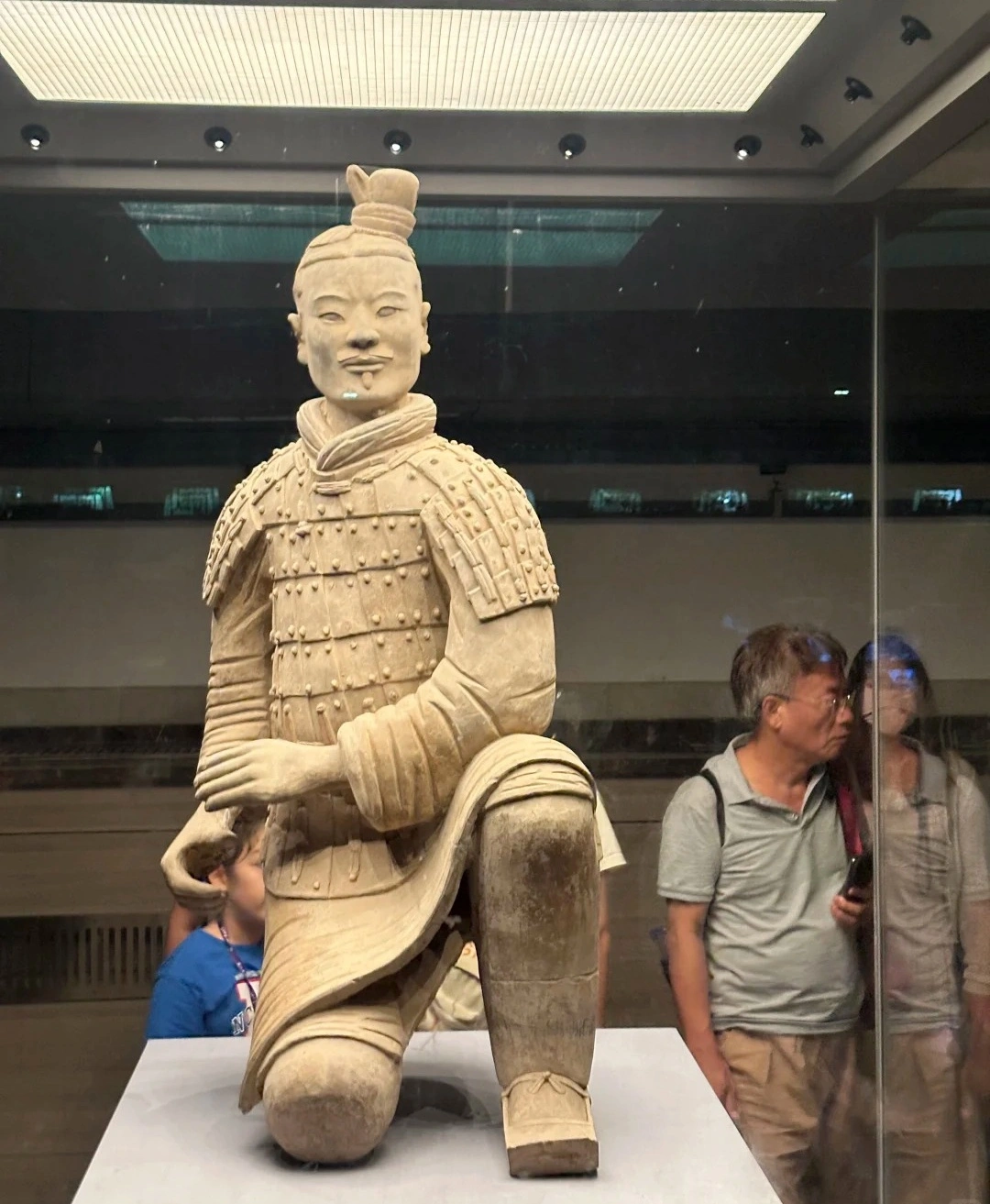
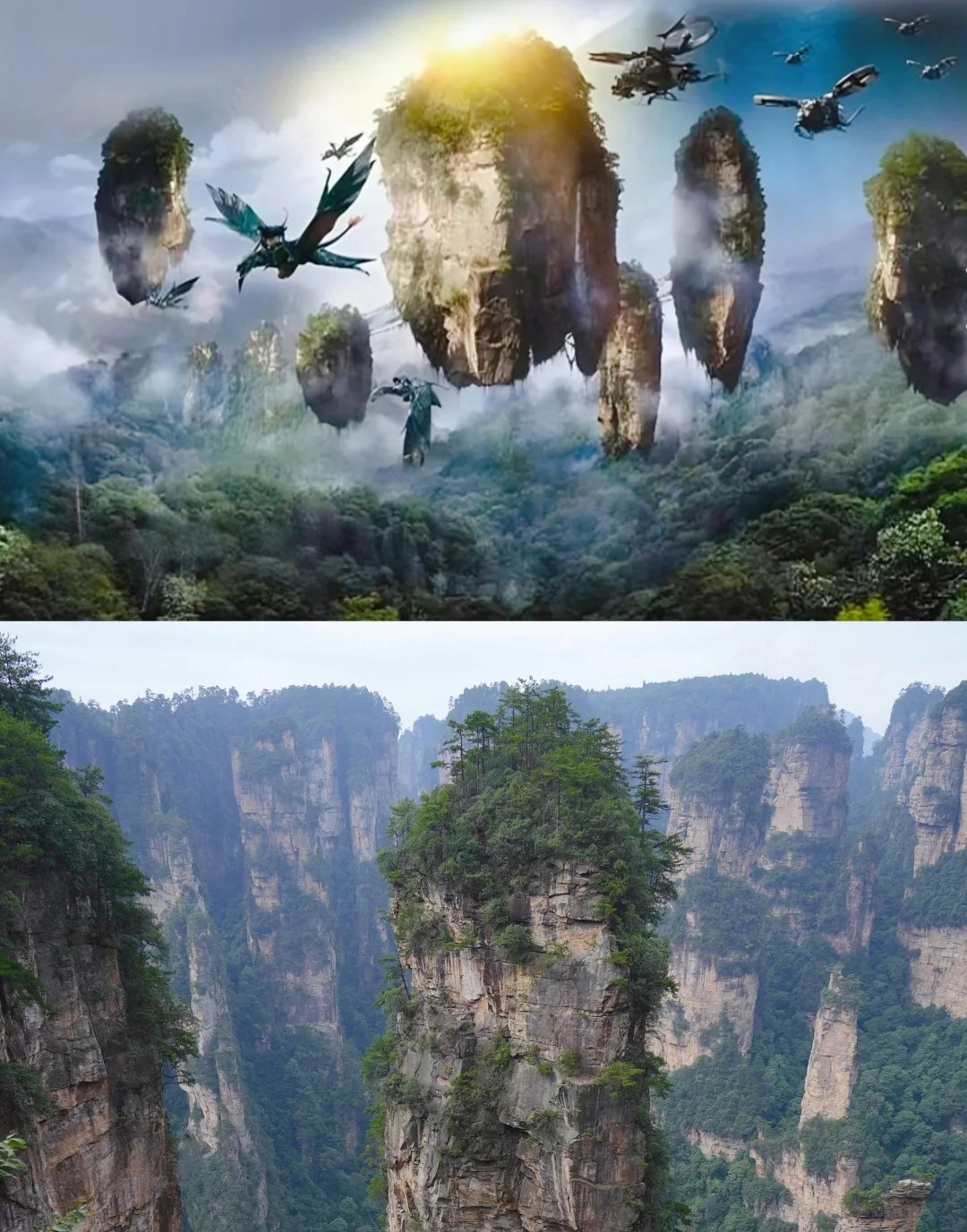
As a solo traveler from Canada, I was nervous about navigating China alone—but this 11-day tour was PERFECT! From hiking the Great Wall at sunrise (Day 3) to gasping at the Terracotta Army (Day 5), every day delivered ‘pinch-me’ moments. The real showstopper? Zhangjiajie’s Avatar Mountains (Day 7)! Our guide made the stone pillars come alive with stories. Massive thanks for handling all logistics—bullet train tickets, entry passes, car! And the 4-star hotels surprised me.
Destination(s): Beijing Xian Zhangjiajie Shanghai
Date of Experience: June 02,2025
... ... ...
...
Simon
America
Reviewed on May 29,2025
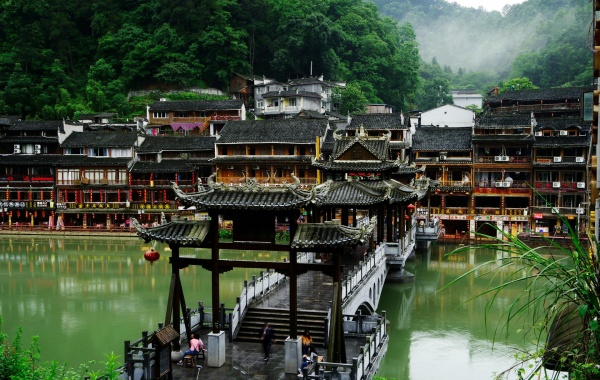
Our 2-day Zhangjiajie tour was beyond spectacular! As someone who’s visited Beijing and Shanghai for work, this trip revealed China’s wild, magical heart. Day 1 in Zhangjiajie National Forest Park felt like stepping onto Pandora—I’m a huge Avatar fan, and Yuanjiajie’s floating peaks left me breathless. The misty pillars and lush valleys like pure movie magic! Then came Fenghuang Ancient Town, we eat dinner beside the thundering waterfall. It seems Unreal! The night views of stilt houses glowing over the river were straight from a fairy tale. For fellow Avatar lovers and adventure seekers: Don’t miss this bucket-list experience! 10/10 would return. A Well-Traveled Film Buff, May 2025
Destination(s): Zhangjiajie
Date of Experience: May 08,2025
... ...

Ask a Question

Question Summary (100 characters)
Details (optional) (2,000 characters)
Name
Country
Email