Urban Skeleton: A Complete System of Ancient Defense and Governance
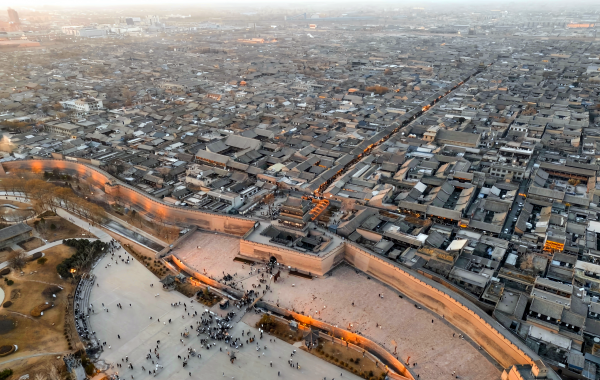
The greatness of Pingyao lies in its incomparable integrity. The city walls, streets, government offices, market towers, residential houses and temples together form a panoramic view of an ancient city with distinct layers and complete functions.
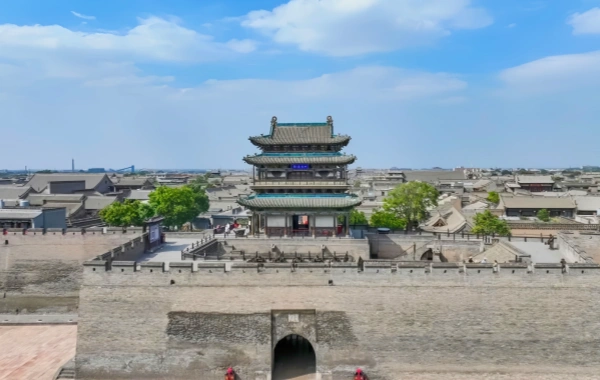
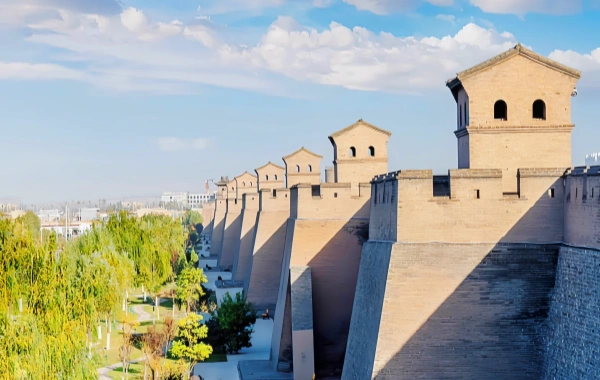
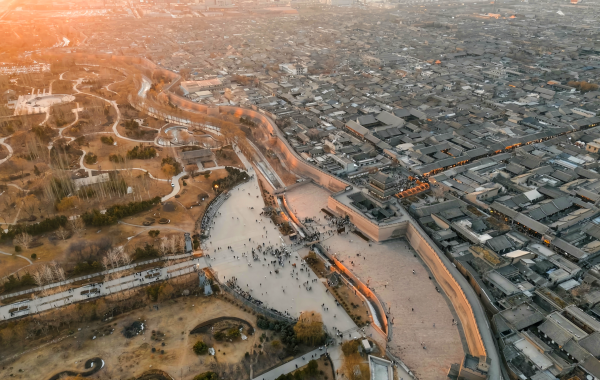
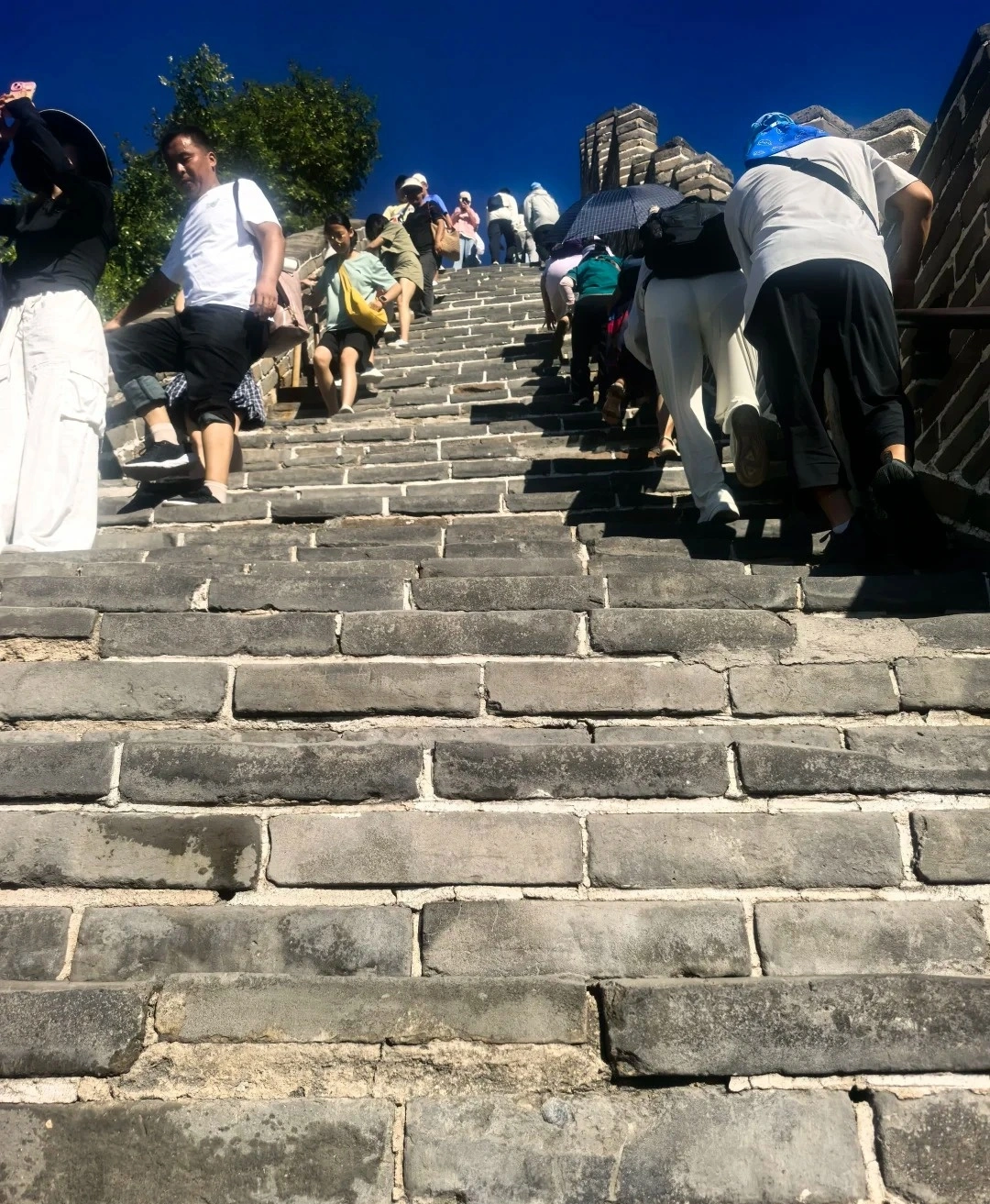
The ancient city wall: stretching approximately 6.4 kilometers in circumference, stands 12 meters tall with an average width of 3.5 meters. Its earthen interior is clad in blue bricks, adorned with 72 watchtowers and 3,000 crenels that symbolize Confucius' 3,000 disciples and 72 sages, embodying the philosophy of integrating civil and military virtues. Visitors can ascend the wall to admire the densely packed blue-brick, gray-tiled quadrangle courtyards within, experiencing their meticulously planned layout and majestic grandeur.
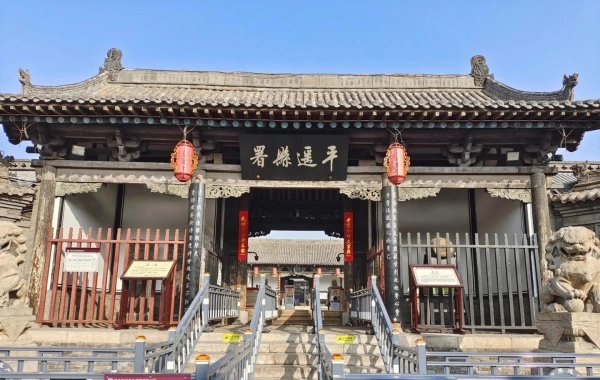
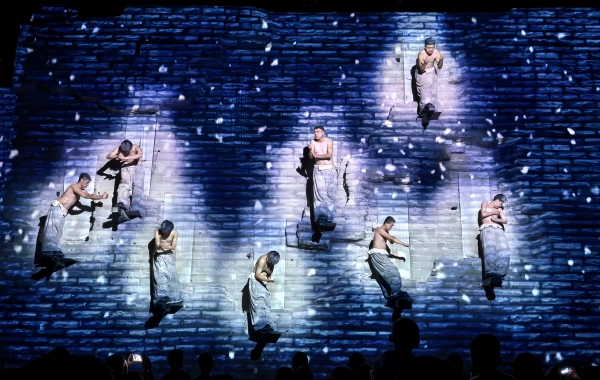
-The Ancient County Yamen: Located slightly southwest of the ancient city center, it was originally built during the Northern Wei Dynasty and finalized during the Yuan, Ming, and Qing Dynasties. It is one of the few intact ancient county yamens still existing in China. Strictly constructed according to feudal etiquette, the six courtyards along the central axis are arranged in sequence as the main gate, the main hall, the second hall, and the inner residence, reflecting a strict hierarchy. The daily performance of "County Yamen Court Sessions" vividly recreates the scenes of ancient officials adjudicating cases.
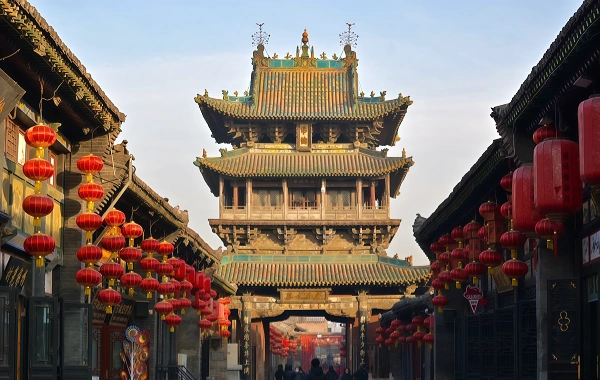
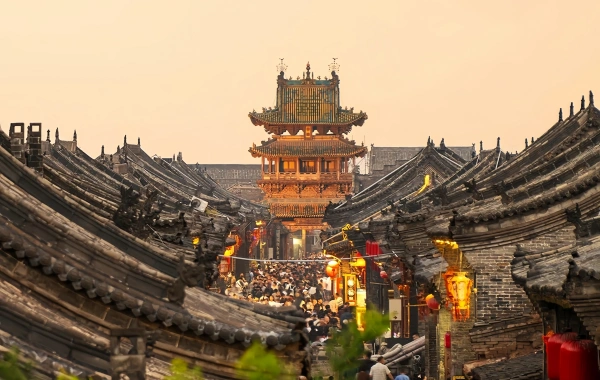
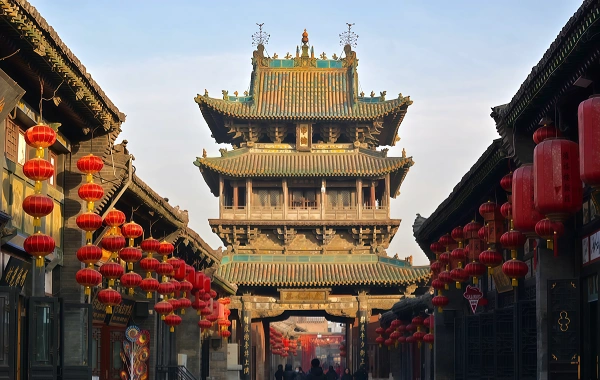
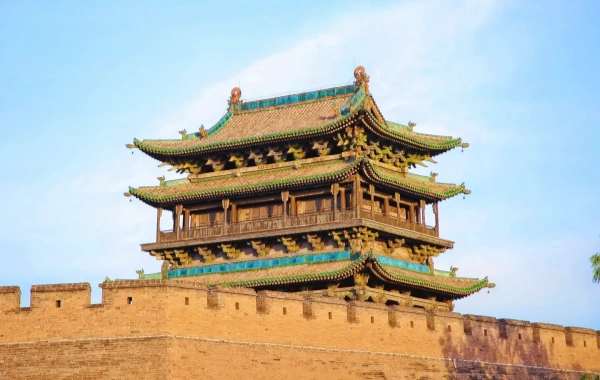
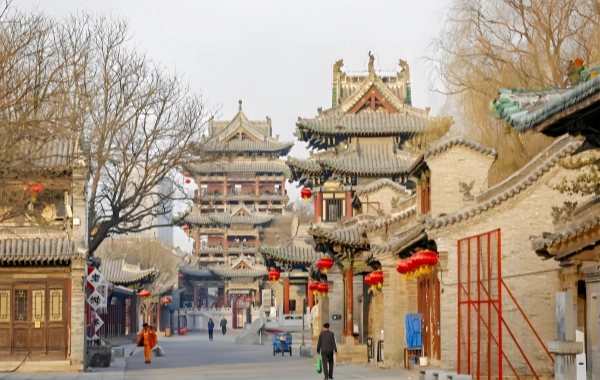
-City Tower: Perched at the heart of South Street in the ancient city, this three-tiered pavilion with a hip-and-gable roof stands as the city's highest point and iconic landmark. Its exquisite design echoes the bustling commercial life of the past, while the tower offers panoramic views of the throngs of people on the ancient streets to the north and south.
Financial Code-Treasury of Draft House and Certificate of Trust
As you wander through the ancient city's narrow alleys, you'll discover seemingly ordinary mansions that conceal heart-stopping financial tales within their walls.
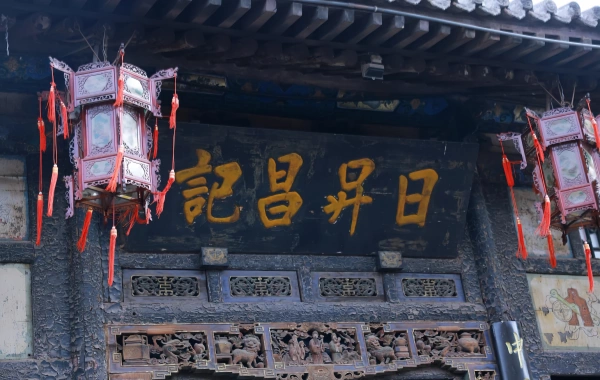
-The former site of Rishengchang Draft Bank: This is the "holy land" of China's financial history. The old building combines the characteristics of shops and residential houses, with a simple exterior but intricate mechanisms inside. The most important feature is its underground vault, where the heavy doors and precise locks silently narrate the prosperity of silver accumulation in those days. Here, you can see the earliest drafts, watermark anti-counterfeiting technology, and complex password systems, experiencing the commercial wisdom of Shanxi merchants who built their business on "integrity" as the foundation.
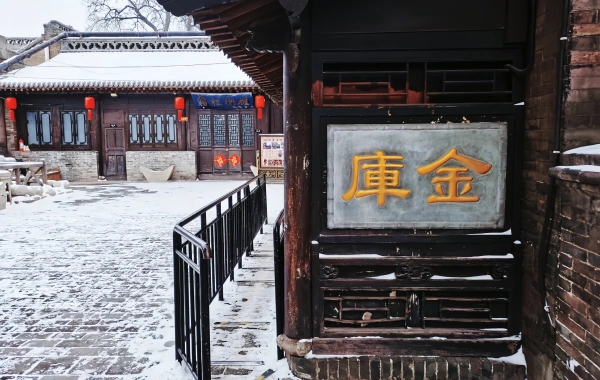
-Xietongqing Bank Museum: This museum houses the largest underground vault in Pingyao. Stepping into the underground space, visitors are transported to a cave constructed entirely of coins, where massive replica ingot mountains gleam with a dazzling golden light. The exhibition vividly demonstrates the complete business process of ancient money shops, from silver exchange to loan and deposit services.
-The former site of Weitai Hou Piaohao: Located adjacent to Rishengchang, it was one of the most competitive rivals in its time. Its architectural layout was more sophisticated, and its management regulations were exceptionally rigorous, making it an excellent window into the commercial competition among piaohao (Chinese draft banks).
The Life of Shanxi Merchants in the Deep Courtyard
The tradition of Jin merchants "making money and building houses and acquiring land" has left Pingyao with more than 3,800 well-preserved residential courtyards from the Ming and Qing dynasties. These courtyards feature clear axes, symmetrical layouts, and fortress-like high walls, while their interiors are adorned with intricately carved beams and painted rafters, showcasing meticulous details throughout.
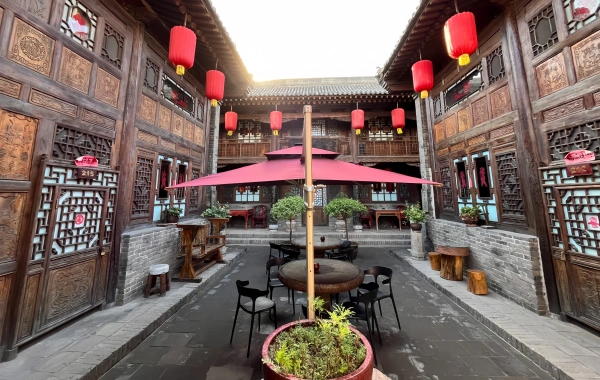
-Architectural Features: The quintessential Pingyao dwellings are traditional quadrangle courtyards with brick walls and tiled roofs. These elongated spaces feature windows facing inward in the side rooms, while exterior walls remain largely windowless, embodying a design philosophy of "closed to the outside yet open to the inside." This configuration ensures both security and privacy while fostering a harmonious family environment. The intricate wood carvings, brick carvings, and stone carvings predominantly depict auspicious floral and avian motifs along with antique artifacts, symbolizing prosperity and tranquility.
-Living Scenes: Many traditional courtyards have been transformed into museums or distinctive inns. Upon entering, every detail—from furniture arrangements to daily utensils—is meticulously designed to recreate the lifestyle of the Jin merchant families. Visitors can sense their cultural pursuit of balancing commerce with Confucian values, as well as their tradition of strict household management and education of descendants.
Photography Tips:
The best panoramic camera positions are at the southern or northern gates of the ancient city wall, where you can capture the vast expanse of grayish-blue rooftops and iconic city towers within the ancient city.
The city hall is the best place to photograph the bustling scenes of South Street (Ming-Qing Street), especially when the lights come on.
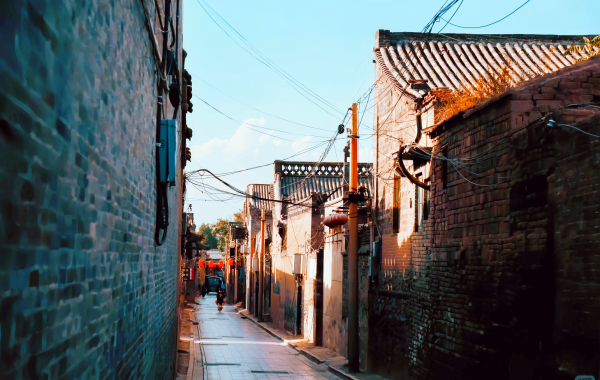
In the early morning or dusk, when the alleys are deserted, the soft light bathes the ancient brick