Nanhua Temple: A Pilgrimage to the Ancestral Temple of Zen Buddhism with a Thousand-Year Lineage

Nanhua Temple: A Pilgrimage to the Ancestral Temple of Zen Buddhism with a Thousand-Year Lineage

Overview: A Zen lamp illuminating a thousand years
Nanhua Temple is an ancient temple with a history of over a thousand years, covering an area of ​​approximately 42.5 hectares. It is not an ordinary tourist temple, but rather the fundamental practice site where Huineng, the Sixth Patriarch of the Chan (Zen) School of Buddhism, propagated the Dharma for thirty-seven years, and is revered as the "Ancestral Temple of Chan Buddhism."

Key Highlights at a Glance
Identity Tags: Ancestral Temple of Zen Buddhism / Root Dojo of the Sixth Patriarch Huineng / National Cultural Relics Protection Unit
Core experiences: Paying homage to the statue of the Sixth Patriarch, appreciating Northern Song Dynasty wood carvings, listening to the bell tolling at Caoxi, and reflecting on Zen koans.
Recommended duration: half an hour to a full day. Please allow ample time to fully appreciate the experience.
Temple Address: Caoxi River, 6 kilometers southeast of Maba Town, Qujiang District, Shaoguan City, Guangdong Province

  • Nanhua Temple: A Pilgrimage to the Ancestral Temple of Zen Buddhism with a Thousand-Year Lineage-1
  • Nanhua Temple: A Pilgrimage to the Ancestral Temple of Zen Buddhism with a Thousand-Year Lineage-2
  • Nanhua Temple: A Pilgrimage to the Ancestral Temple of Zen Buddhism with a Thousand-Year Lineage-3
  • Nanhua Temple: A Pilgrimage to the Ancestral Temple of Zen Buddhism with a Thousand-Year Lineage-4

Origin: A drop of water from Caoxi illuminates a thousand years of Zen

Furong Ancient Town

The Source of the Dharma Lineage—From the Tripitaka Master Zhiyao to the Sixth Patriarch Huineng
The founding of Nanhua Temple is closely linked to a miraculous prophecy. In the first year of the Tianjian era of Emperor Wu of Liang in the Southern Dynasties (502 AD), the Indian monk Zhiyao Sanzang sailed to the mouth of Caoxi River. He drank the water and found it fragrant and delicious, prophesying, "This water is no different from the water of the Western Heaven; there must be a sacred place at its source, worthy of being a hermitage." He traveled upstream and found the area to be beautiful and serene, thus initiating the construction of a Buddhist temple. Emperor Wu of Liang bestowed upon it the name "Baolin Temple." This was the predecessor of Nanhua Temple. However, what truly made it famous throughout the world and established it as the ancestral temple for all ages was the Sixth Patriarch of Zen Buddhism, Huineng, during the reign of Emperor Gaozong of Tang. During the reign of Emperor Gaozong of Tang, Huineng resided here and propagated Buddhism for thirty-seven years. His disciples compiled his words and deeds into the supreme Buddhist classic—the *Platform Sutra of the Sixth Patriarch*. From then on, the Caoxi lineage spread throughout the world.

The Rise and Fall of a Thousand-Year-Old Temple: Its Vicissitudes and Revival
The history of Nanhua Temple is a grand epic of continuous Dharma lineage and repeated restoration and destruction:
- Initial Construction and Peak (Southern Dynasties to Tang Dynasty): Originally named Baolin Temple, it became a center of Zen Buddhism after being vigorously promoted by the Sixth Patriarch Huineng. Its incense was flourishing and its fame spread far and wide.
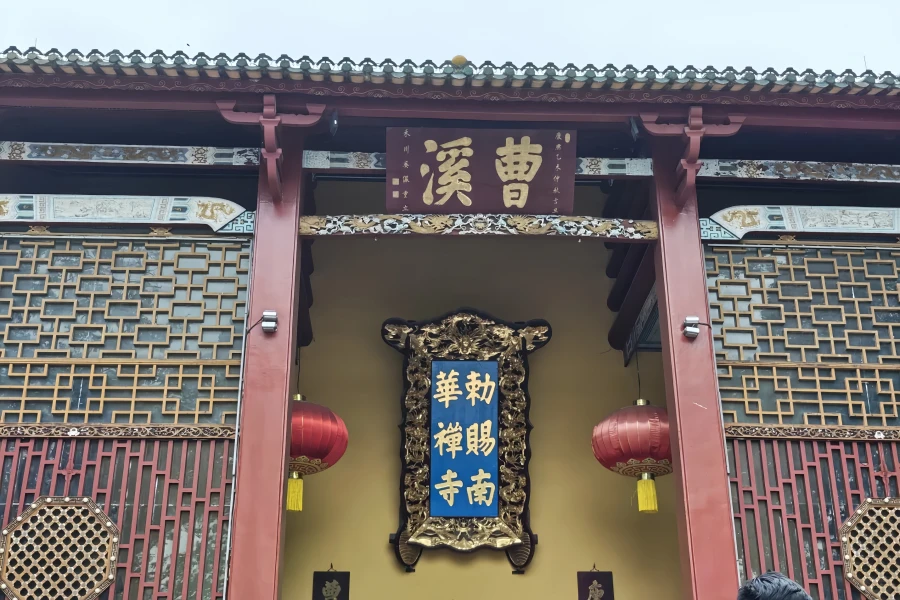
- Calamities and Reconstructions (Song, Yuan, Ming, and Qing Dynasties): Throughout history, the temple has suffered repeated destruction from war and fire, yet it has also received imperial decrees and donations from believers for continuous repairs. Emperor Taizu of Song bestowed upon it the name "Nanhua Chan Temple," which it retains to this day. Several large-scale renovations during the Ming and Qing dynasties laid the foundation for the temple's current layout.
- Modern Preservation and Contemporary Revitalization (Republic of China to Present): In the 1930s, the Venerable Master Xuyun presided over a ten-year reconstruction, restoring the temple gates and revitalizing the Dharma lineage. After the founding of the People's Republic of China, it was listed as a national key cultural relics protection unit. Today, while maintaining its pure and virtuous traditions, Nanhua Temple has also become an important window for showcasing Zen Buddhist culture to the world.

In-depth understanding: Explore more famous Buddhist mountains and ancient temples in China >> [Shaolin Temple on Mount Song] | [Qixia Temple in Nanjing]

Must-see spectacle: A symphony of ancient architecture, religious artifacts, and the serene atmosphere of a Zen forest

Furong Ancient Town Furong Ancient Town Furong Ancient Town Furong Ancient Town

Zen Forest Serenity: The Vibrant Life of Caoxi Stream and Ancient Trees
The natural environment of Nanhua Temple itself contains Zen spirit.

- The waters of Caoxi: Caoxi, in front of the temple, is the soul of Nanhua Temple. The stream flows gently, crystal clear, and is the very "Dharma water" that the monk Zhiyao praised and that Master Huineng washed his bowl with. It symbolizes the long and clear lineage of Zen Buddhism.
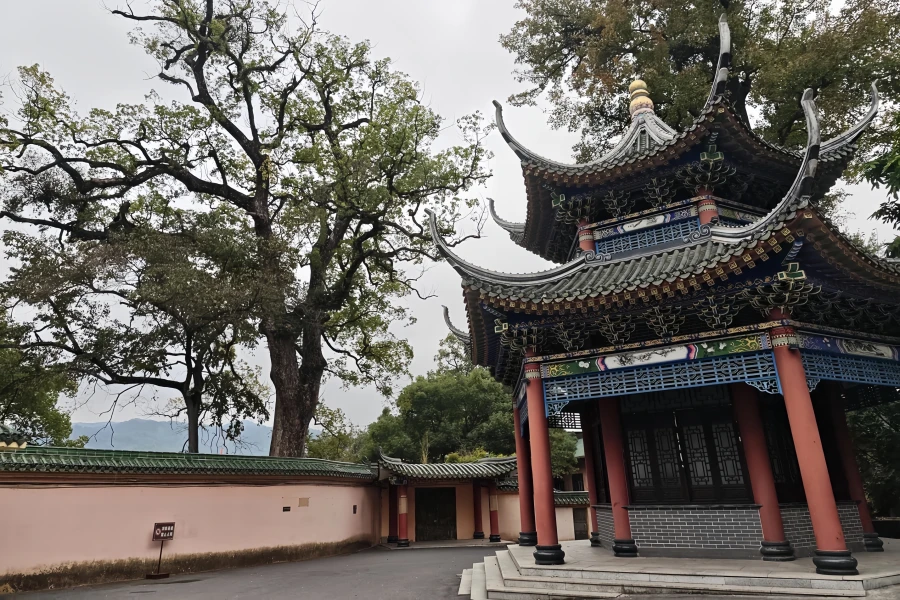
- Ancient and Famous Trees: Ancient trees tower both inside and outside the temple, especially the ancient water pines and camphor trees behind the main hall, which are over five hundred years old. The most famous of these is the lychee tree planted by the Sixth Patriarch himself. Although it has been a thousand years, it is still lush and leafy, and is regarded as a "sacred tree". Walking among them, the lush greenery provides a cool and tranquil environment, making it an excellent path for "Zen walking".
- Release Pond and Gardens: The temple's release pond is as wide as a mirror, reflecting the blue sky, white clouds, and the eaves of the halls, adding to the tranquil and peaceful atmosphere. The secluded gardens behind the temple are a perfect place for quiet contemplation.

A cultural treasure—a temple of art and faith that has been enshrined for millennia.
Every building and every artifact here carries a profound history and supreme faith.

- The Sixth Patriarch Hall and the True Body Relic: The core of the entire temple. The hall enshrines the "true body" (lacquered and hempen statue) of the Sixth Patriarch Huineng. This mummified body relic, which is over a thousand years old, has a serene expression and is one of the most precious cultural relics in the history of Chinese Buddhism. Countless believers pay homage here and feel the Dharma lineage that transcends time and space.
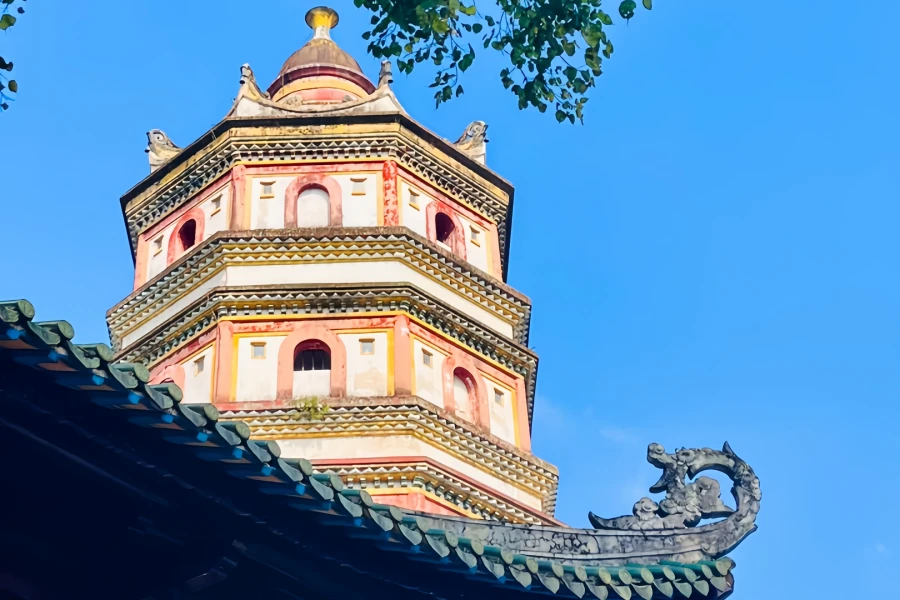
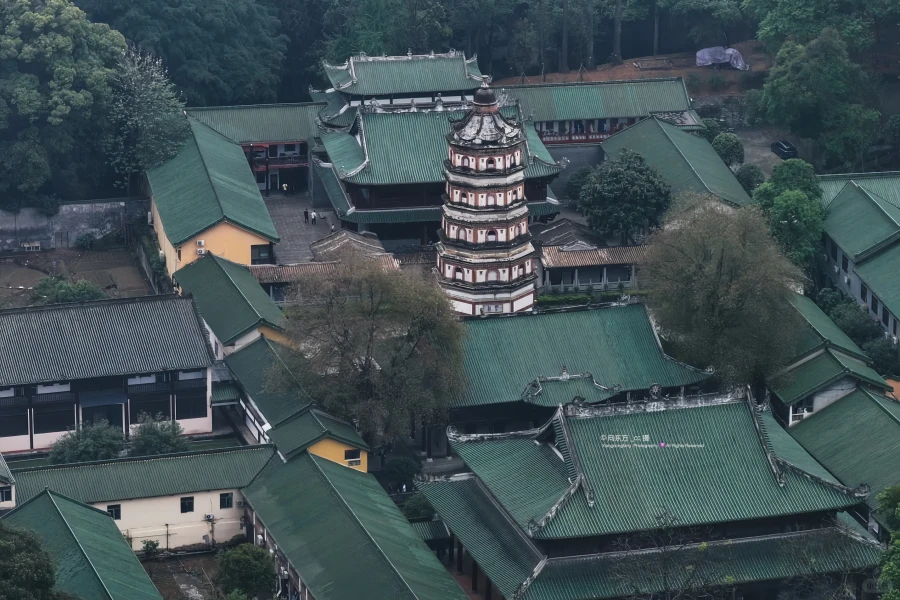
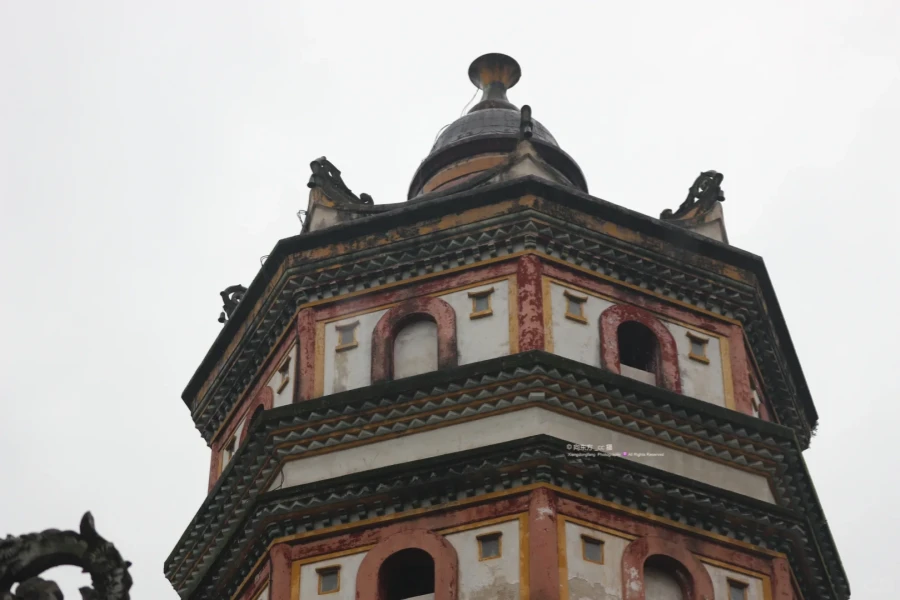
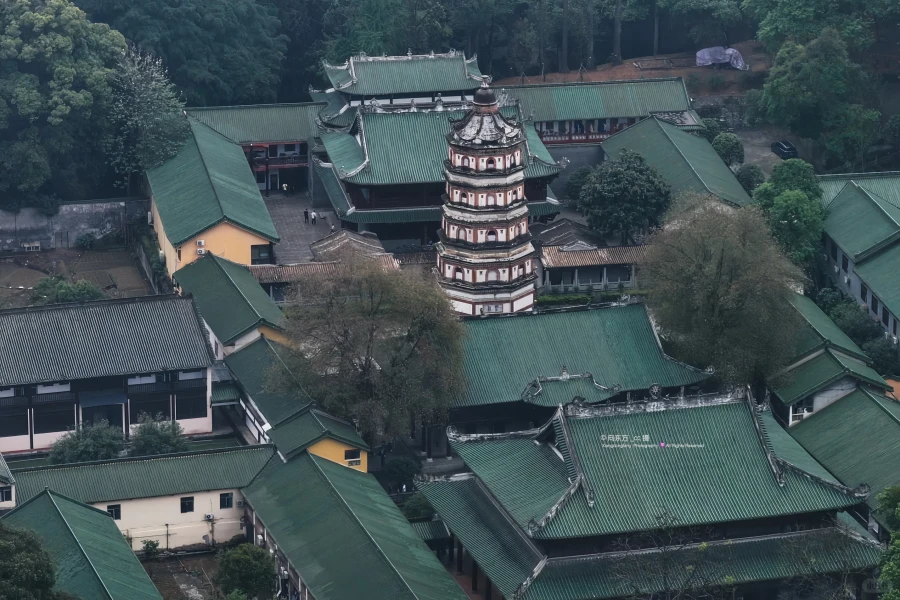
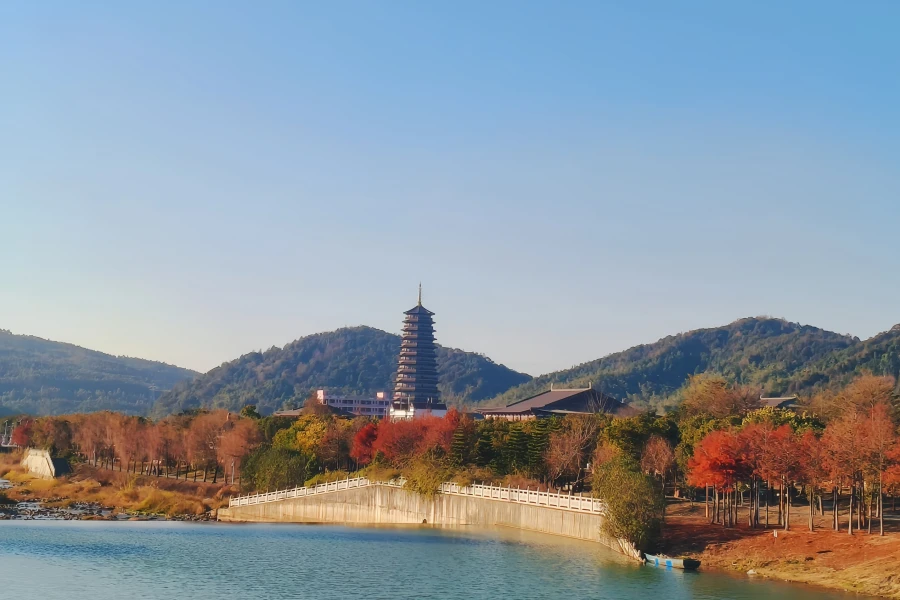
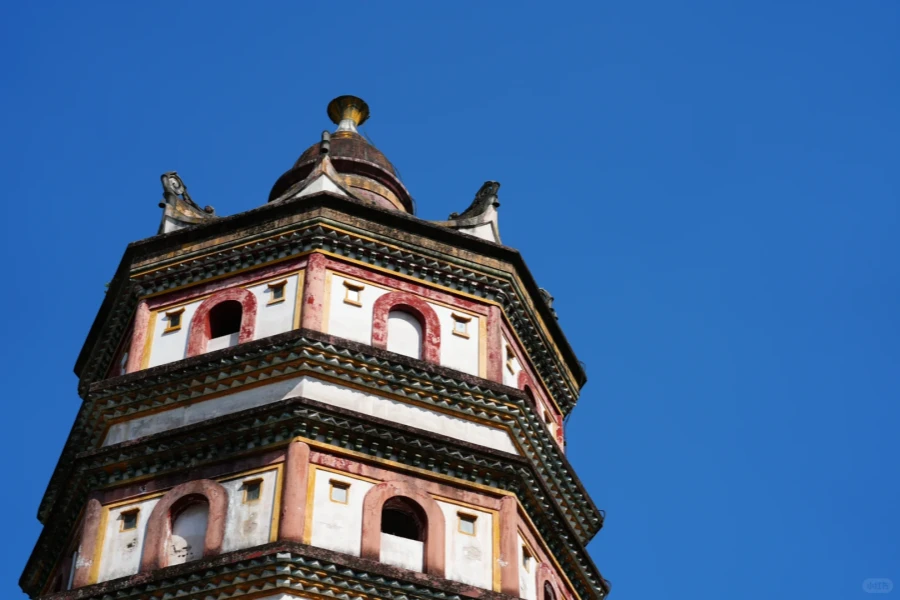
- Lingzhao Pagoda: Originally built in the Tang Dynasty to enshrine the true body of the Sixth Patriarch. The five-story, octagonal pagoda is one of the oldest buildings in Nanhua Temple, simple and solemn.
- The Grand Hall and the Five Hundred Arhats: The Three Jewels Buddha and the colossal statues of Guanyin Bodhisattva enshrined in the hall are solemn and compassionate. Even more astonishing are the five hundred Northern Song Dynasty wooden Arhat statues on both sides of the hall. These Arhat statues are diverse in form, vivid in expression, and lifelike. They represent the pinnacle of Chinese Song Dynasty wood carving art and are hailed as "Oriental art treasures".
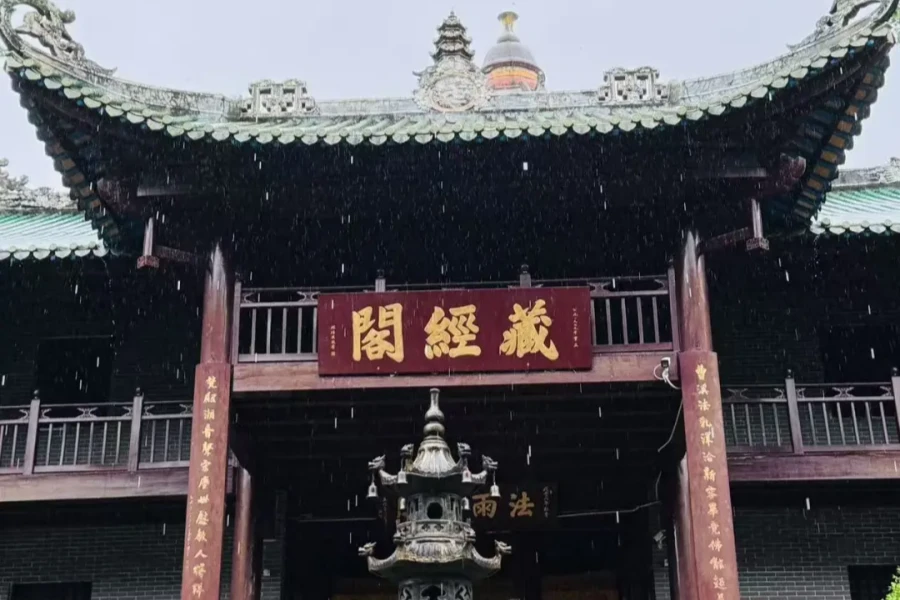
- The Sutra Repository and Precious Cultural Relics: The repository houses the original imperial edict from the first year of Wu Zetian's Wansui Tongtian reign (696 AD), the Yuan Dynasty's "Bestowed Inscription," and a large number of precious cultural relics such as blood-written scriptures and gold embroidery, silently telling the glorious history of the temple.
- Zhuoxi Spring (Jiulong Spring): Legend has it that this is where the Sixth Patriarch washed his robes. The spring water is clear, sweet, and never runs dry, and is regarded as a "sacred spring".

Photography and Etiquette Tips:
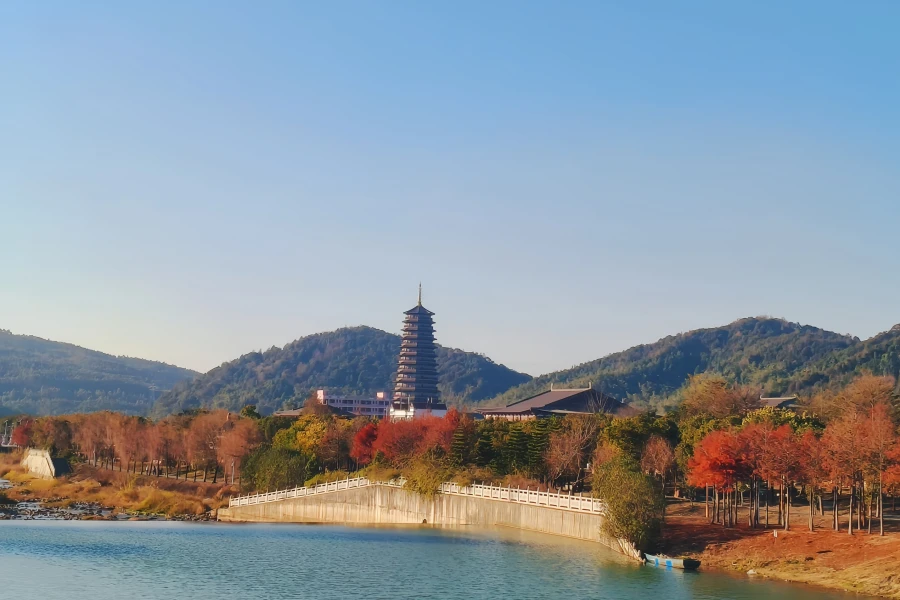
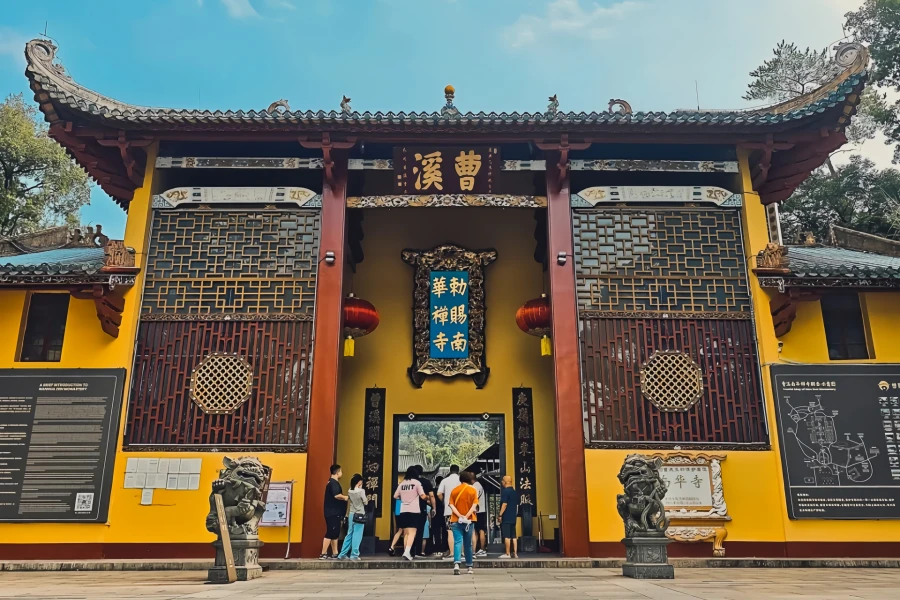
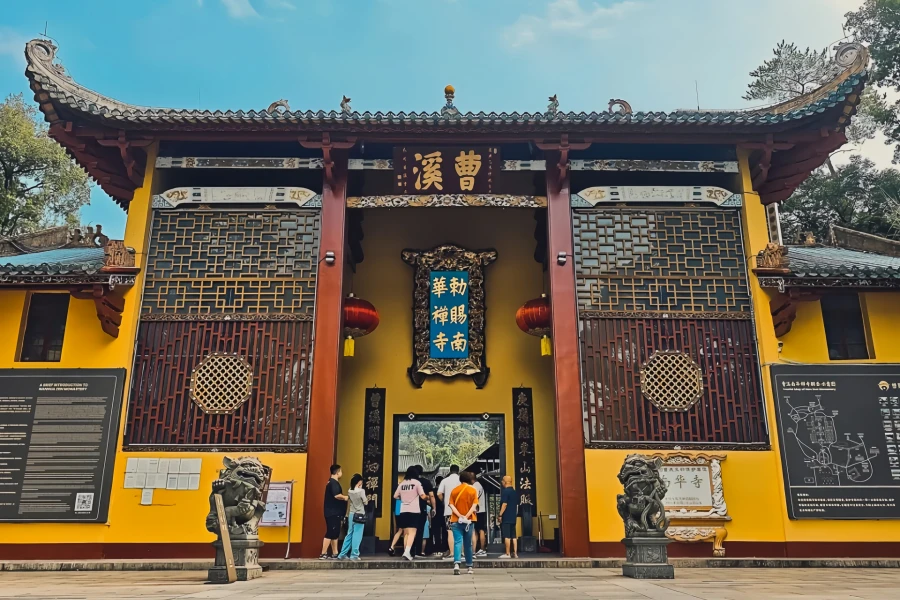
Best viewpoints: From the release pond, you can capture the complete reflection of Lingzhao Pagoda and the Mahavira Hall; from outside Caoxi Gate, you can capture a panoramic view of the temple nestled against the mountain and beside the water.
Important rule: Taking photos or videos of Buddha statues (especially the mummified body of the Sixth Patriarch) is strictly prohibited inside the hall as a sign of respect. Please take photos of the exterior of the buildings outside the hall. Photos of the temple gardens, ancient trees, and details of the exterior architecture are permitted.
A tranquil experience: In the early morning or afternoon, sunlight filters through the ancient trees, making the temple exceptionally peaceful and a perfect opportunity to soak in the atmosphere and capture the interplay of light and shadow.

Core Experience: An Immersive Guide to Zen Culture

Furong Ancient Town Furong Ancient Town Furong Ancient Town Furong Ancient Town

Four Must-Do Things to Embark on a Journey to Find Your Ancestral Roots
1. Pay homage to the Sixth Patriarch's true body and express gratitude for the transmission of the Dharma lineage.

- Experience: Inside the Sixth Patriarch Hall, paying homage to the true body of Master Huineng with a respectful heart and understanding the Zen enlightenment of "Bodhi is not a tree, nor is the bright mirror a stand" is the spiritual core of this trip.
2. A close look at Northern Song Dynasty wood carvings reveals the pinnacle of art.
- Visit: In the main hall, calm your mind and carefully appreciate the five hundred wooden Arhat sculptures. Each one has a different face, posture, and clothing, making it a three-dimensional encyclopedia of Song Dynasty figures and a sacred text of Buddhist art.
3. Walk around Lingzhao Pagoda and listen quietly to the Caoxi Bell.
- Ritual: Circumambulating the pagoda clockwise three or seven times is a Buddhist practice to express reverence. Listening to the temple bells echoing through the Caoxi Valley at dawn or dusk can instantly bring peace to the mind.
4. Savor a bowl of Caoxi Zen tea and read a passage from the Platform Sutra.
- Immersion: In the temple's teahouse or a quiet place, brew a pot of tea with Jiulong Spring water, read the "Platform Sutra of the Sixth Patriarch," and experience the Zen wisdom of "Buddhism is in the world, and enlightenment is not separate from the world" in daily life.

Suggested Tour Routes
Half-day "Core Pilgrimage" tour (suitable for those with limited time):
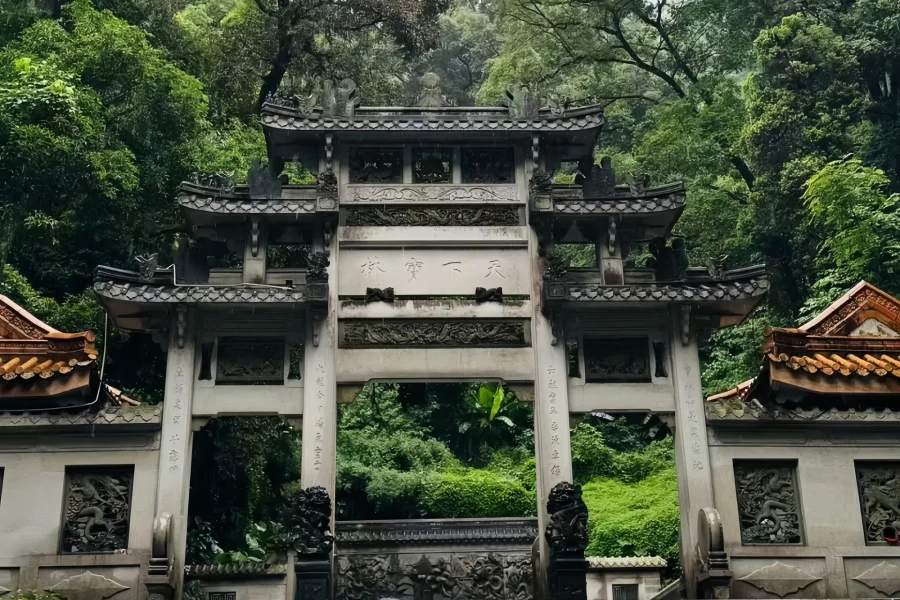
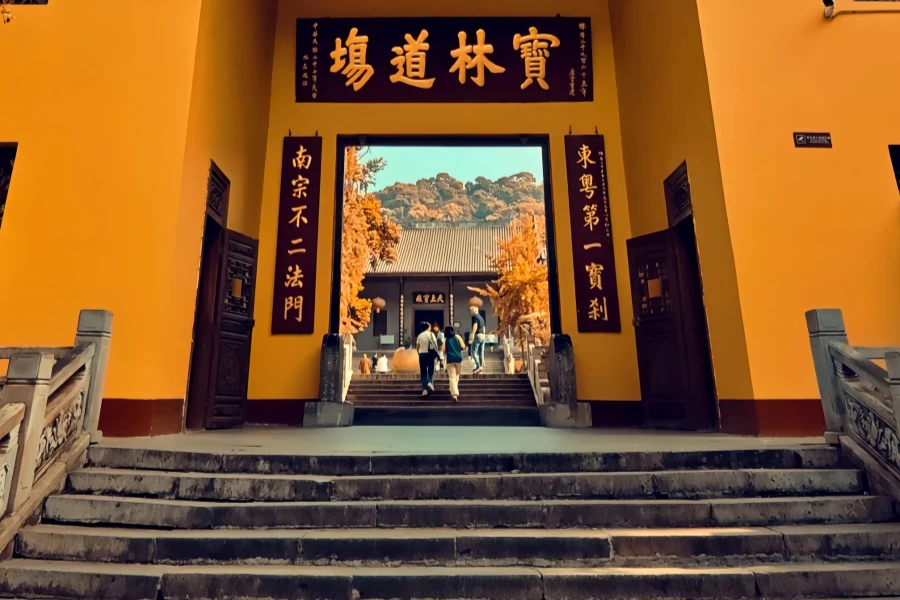
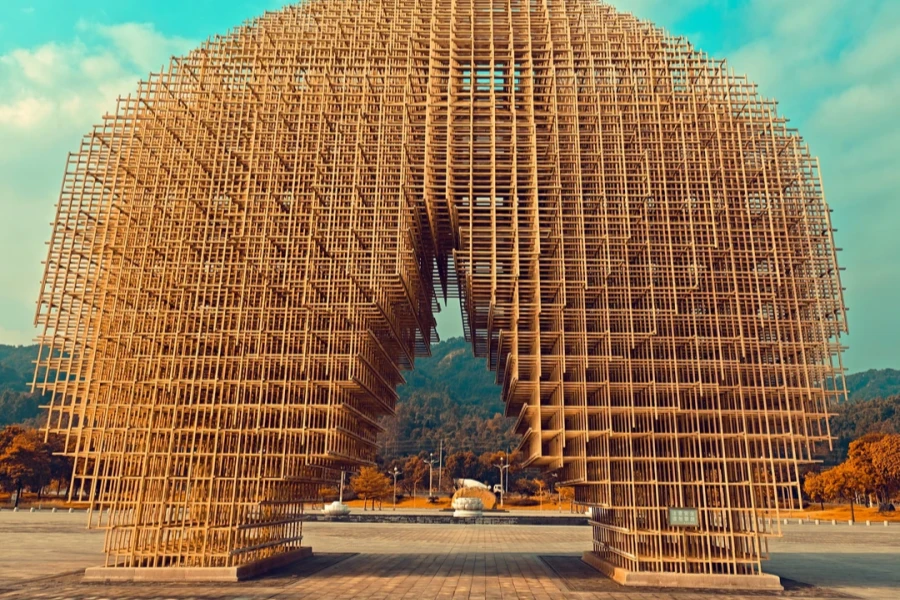
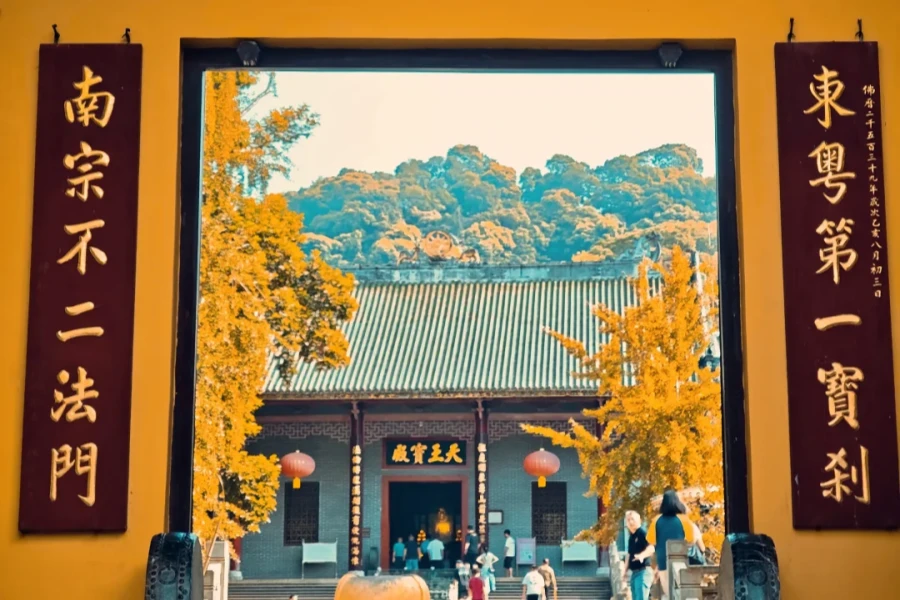
Arrive at 9:00 AM, enter through Caoxi Gate, and experience the grandeur of the "Lingnan Zen Forest" archway.
- From 9:15 to 10:15 a.m., visit the Release Pond, Baolin Gate, and Heavenly King Hall in sequence, and then proceed to the Great Buddha Hall to pay homage to the Buddha statues and admire the wood carvings of the Five Hundred Arhats.
- From 10:15 to 11:00 AM, proceed to the core of the temple—the Sixth Patriarch Hall—to pay homage to the true body of the Sixth Patriarch and visit the Lingzhao Pagoda.
- Visit the square in front of the Sutra Repository and Zhuoxi Spring from 11:00 to 11:30 in the morning. Finally, sit quietly in the temple garden for a while and leave through the back or side gate.

A one-day "deep meditation" cultural tour (highly recommended, combined with Shaoguan history):
- Morning: Deepen the above "half-day tour" itinerary, slow down the pace, and stay longer in important halls to participate in the temple's daily chanting or offering ceremonies (if the time is right).
- Noon: Experience a tranquil vegetarian meal at the temple's vegetarian restaurant and savor the Zen-inspired lifestyle.
- Afternoon: Two options: 1) Continue deeper into Nanhua Temple, visit the Memorial Hall of Venerable Master Xuyun, and practice meditation on the quieter trails behind the temple. 2) Head to the nearby Maba Man Site or Shaoguan Museum, completing a cultural journey across time, from ancient human remains to Tang and Song Dynasty Zen culture.

Professional Guide: IntoTravelChina offers personalized itineraries, including a dedicated guide, transportation, and activity arrangements, ensuring a worry-free and in-depth travel experience. >> [Inquire Now for a Customized Itinerary]

Complete Travel Guide: Transportation, Etiquette, and Seasons

Furong Ancient Town Furong Ancient Town

How to get there: A transportation hub in northern Guangdong, with convenient access.
Nanhua Temple is located in the suburbs of Shaoguan City, with a well-developed transportation network.
- High-speed rail (most recommended): Take the high-speed rail to Shaoguan Station, then transfer to a bus (such as the Nanhua Temple Special Line) or take a taxi (about a 30-minute drive) to reach your destination.
- By train/driving: After arriving at Shaoguan East Station, take a bus or drive to the temple. Navigate to "Nanhua Temple" on your car's navigation app; the scenic area has a large parking lot.
- From Guangzhou/Shenzhen: The most convenient way is to take the high-speed rail to Shaoguan Station (about 50 minutes from Guangzhou, about 1.5 hours from Shenzhen), and then transfer to another train.

Best time to visit
It is tranquil in all four seasons, with spring and autumn being the best times, especially early morning.
- Best seasons: Spring (March-May) and Autumn (September-November), when the climate is cool and pleasant, and the ancient trees are lush and green or the forests are full of color, making it the most comfortable time to visit.
- Best time to visit: Early morning on weekdays (8:00-10:00). Tour groups haven't arrived yet, making the temple most peaceful and allowing you to better appreciate its solemnity and tranquility.
- Special periods: Every year on the eighth day of the second lunar month (the birthday of the Sixth Patriarch) and the third day of the eighth lunar month (the anniversary of the Sixth Patriarch's death), the temple holds a grand birthday ceremony, attracting a large number of believers and creating a particularly auspicious atmosphere, but also the most tourists.

Etiquette and Tips for Visiting
- Dress code: Temples are places of purity and practice, so please dress modestly and neatly, and avoid wearing overly revealing clothing such as shorts, short skirts, and tank tops.
- Code of Conduct: Keep quiet and avoid loud noises. Do not step on the threshold inside the hall; step over it. Touching any Buddha statues is strictly prohibited.
- Admission and Incense: Admission is required. Please do not bring large incense sticks or tall candles from outside. The temple usually provides eco-friendly incense, or encourages sincere worship by offering only heartfelt incense.
- Dining: The temple has a vegetarian restaurant with light flavors, which is worth trying.

IntoTravelChina Service Recommendations:
For a sacred site like Nanhua Temple, steeped in cultural heritage, a guide well-versed in Zen history and Buddhist culture is essential. We can arrange for you to meet professional cultural interpreters who will explain the essence of the Platform Sutra, trace the lineage of Zen Buddhism, and reveal the stories behind the artifacts, elevating your visit from a superficial "sightseeing" to a "cultural exploration." We also provide one-stop solutions for all your needs, including transportation and connecting you with other attractions around Shaoguan. >> [Click to contact an IntoTravelChina travel consultant]

Extended Journey: A Longitudinal Route of Lingnan Culture from Tradition to Modernity

Furong Ancient Town

Nanhua Temple is an excellent starting point for exploring the western shore of the Guangdong-Hong Kong-Macao Greater Bay Area.
Classic 6-Day Cultural Tour Through Guangzhou, Foshan, Jiangmen, and Shenzhen: Day 1-2 Guangdong (Nanhua Temple, Chen Clan Academy, Yongqingfang, Guangdong Provincial Museum – experience the origins of Cantonese culture) → Day 3 Foshan (Lingnan Tiandi, Nanfeng Ancient Kiln – delve into the core of martial arts and ceramic culture) → Day 4 Jiangmen (Kaiping Diaolou and Villages – explore the epic history of the overseas Chinese hometown, a World Heritage Site) → Day 5-6 Shenzhen (Nantou Ancient City, Museum of Contemporary Art and Urban Planning – feel the innovative pulse of the forefront of reform). This is a complete and in-depth cultural experience route starting from the roots of Cantonese culture, passing through industrial cities, overseas Chinese hometowns and World Heritage sites, and finally arriving at the modern innovation capital. >> View the 6-Day Cultural Tour Itinerary

Partner with IntoTravelChina to plan your journey to trace the origins of Zen culture

Furong Ancient Town

The story of Nanhua Temple is one of how wisdom takes root, blossoms, and shines for millennia amidst the natural landscape; it is the material embodiment of the "enlightenment" spirit in Chinese culture. IntoTravelChina focuses on creating in-depth, personalized, and worry-free Chinese cultural travel experiences. Our travel experts can help you:
- Tailor-made itinerary: Design an in-depth route that includes Nanhua Temple and related cultural landmarks in northern Guangdong, based on your interest in Buddhist culture, history or art.
- One-stop service: handling transportation, cultural expert explanations, unique vegetarian experiences, and boutique accommodations in the surrounding area.
- Exclusive Experience: Arrangement of introductory guidance for meditation experience, interaction with temple monks (if opportunity permits), and quiet visits during off-peak hours away from crowds.

Make your visit to Nanhua Temple more than just a visit; it's a spiritual journey that transcends time and space and engages in dialogue with a thousand years of wisdom.
>Start planning your trip now!
>Welcome to contact our professional travel consultants. We will provide you with a customized itinerary and quote within 24 hours. >> [Click to contact an IntoTravelChina travel consultant]

Recommended Tours

Top 3 tours chosen by most customers to explore in the best way. Check the detailed itinerary, or tailor your own trip now with us.

Zhangjiajie Tour
Shenzhen Shantou 3-Day Tour

3 Days  |  Shenzhen-Shantou

Zhangjiajie Tour
Shenzhen Guangzhou Zhangjiajie 7-Day Tour

7 Days  |  shenzhen-guangzhou-zhangjiajie

What Our Clients Say?

Based on 10,000+ traveler reviews

...
Daniel Dorothea
Canada
Reviewed on April 29,2025
Shopping on Nanjing Road in Shanghai was just amazing! It's truly the "First Commercial Street of China", where tradition and modernity blend perfectly. You can find awesome souvenirs and experience the trendy vibes in cool stores. The neon lights at night are just spectacular, shining bright like Times Square in New York. The food here is incredible too. I had a feast for my taste buds. Shanghai, I'll definitely be back!
Destination(s): Shanghai
Date of Experience: May 08,2024
...
...
Elvis Eva
Canada
Reviewed on June 20,2025
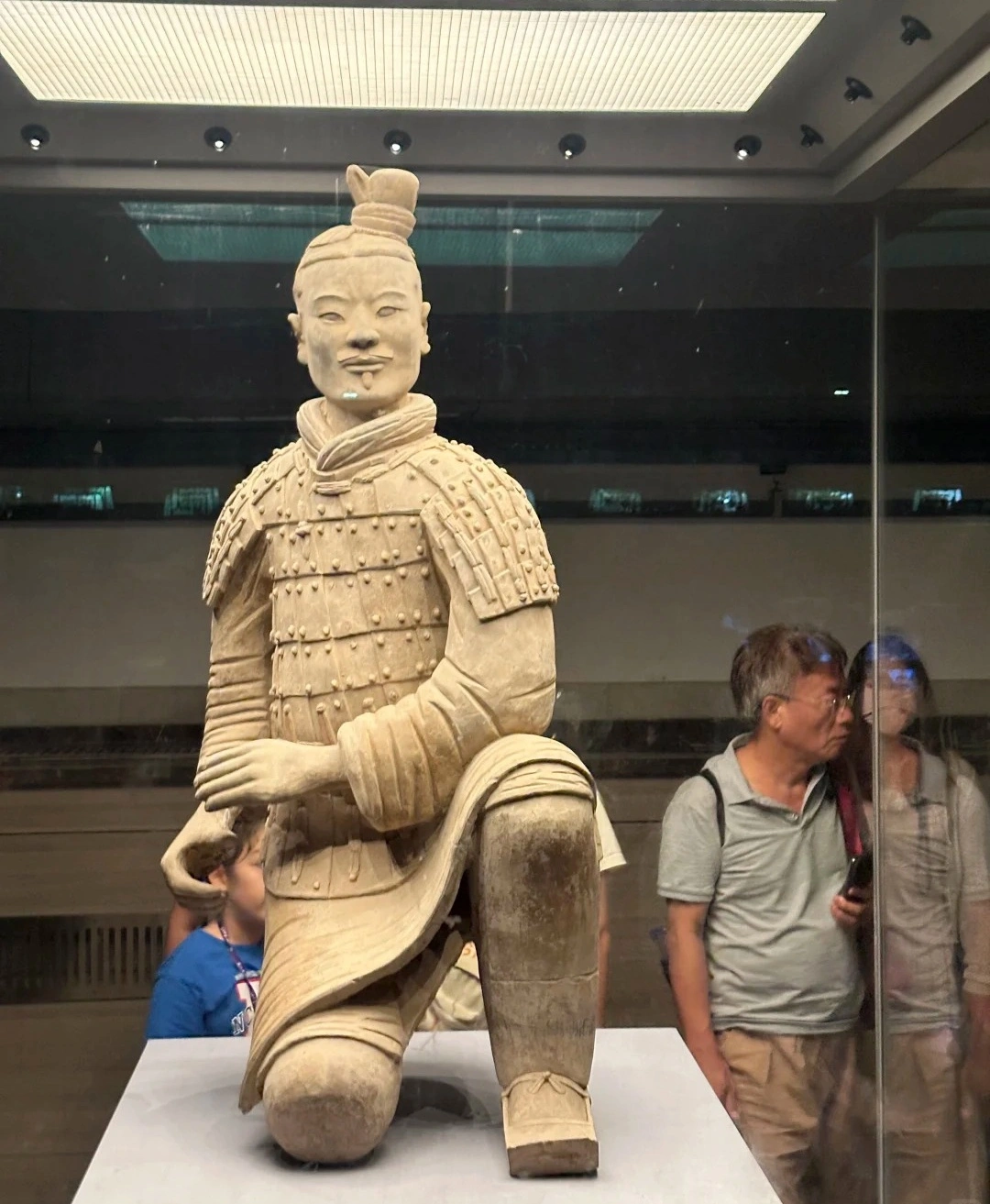
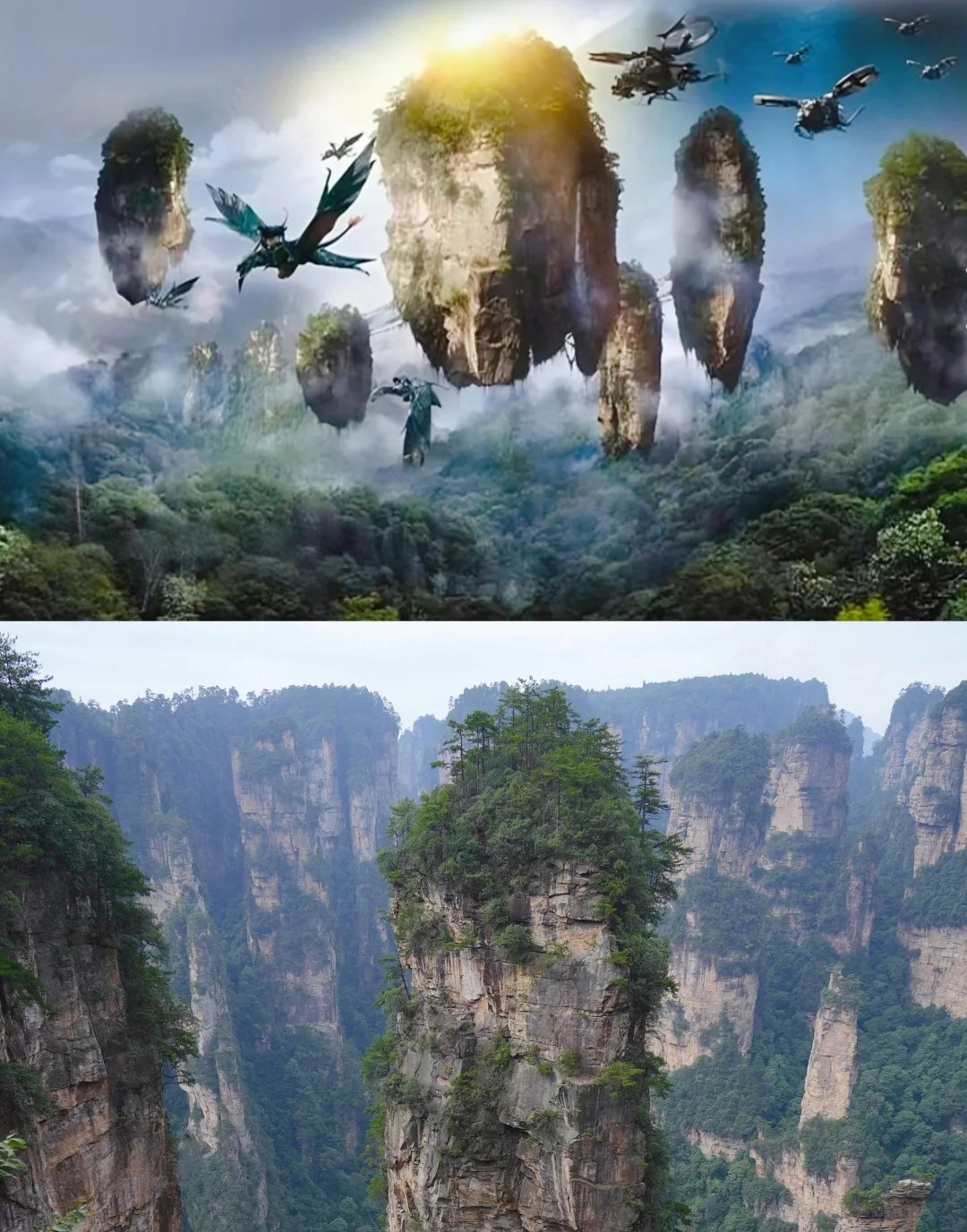
As a solo traveler from Canada, I was nervous about navigating China alone—but this 11-day tour was PERFECT! From hiking the Great Wall at sunrise (Day 3) to gasping at the Terracotta Army (Day 5), every day delivered ‘pinch-me’ moments. The real showstopper? Zhangjiajie’s Avatar Mountains (Day 7)! Our guide made the stone pillars come alive with stories. Massive thanks for handling all logistics—bullet train tickets, entry passes, car! And the 4-star hotels surprised me.
Destination(s): Beijing Xian Zhangjiajie Shanghai
Date of Experience: June 02,2025
... ... ...
...
Simon
America
Reviewed on May 29,2025
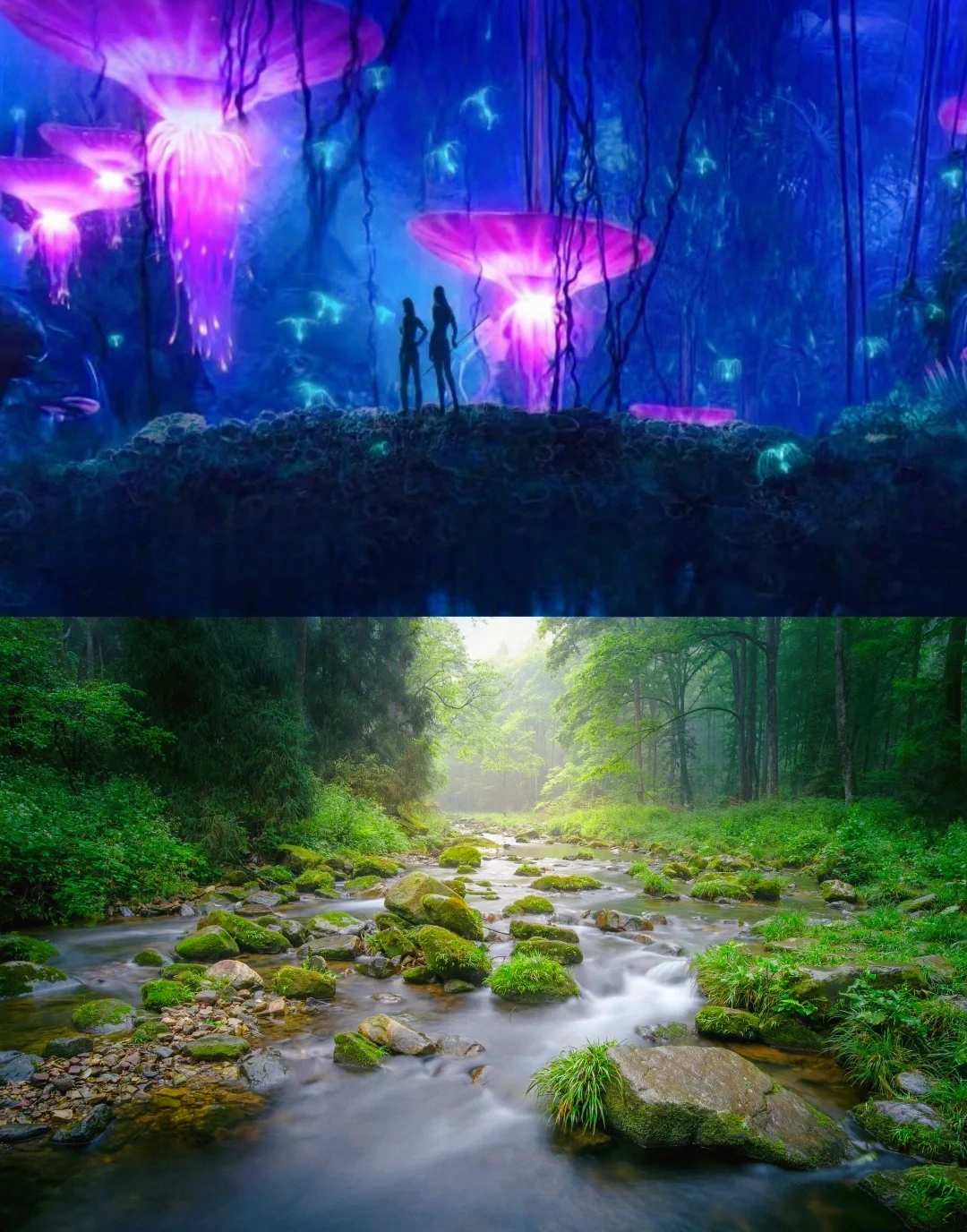
Our 2-day Zhangjiajie tour was beyond spectacular! As someone who’s visited Beijing and Shanghai for work, this trip revealed China’s wild, magical heart. Day 1 in Zhangjiajie National Forest Park felt like stepping onto Pandora—I’m a huge Avatar fan, and Yuanjiajie’s floating peaks left me breathless. The misty pillars and lush valleys like pure movie magic! Then came Fenghuang Ancient Town, we eat dinner beside the thundering waterfall. It seems Unreal! The night views of stilt houses glowing over the river were straight from a fairy tale. For fellow Avatar lovers and adventure seekers: Don’t miss this bucket-list experience! 10/10 would return. A Well-Traveled Film Buff, May 2025
Destination(s): Zhangjiajie
Date of Experience: May 08,2025
... ...

Ask a Question

Question Summary (100 characters)
Details (optional) (2,000 characters)
Name
Country
Email