The charm of Lingnan Tiandi lies in its breaking away from the "showcase" feel of museums, allowing historical buildings to truly "come alive" in contemporary life. The wonders here are half frozen in the exquisitely crafted century-old buildings, and half flowing in the bustling and vibrant atmosphere of the city.
Architectural Creation – An Architectural Epic Beneath the Wok-Shaped Gable Wall
Wandering through the crisscrossing streets and alleys is like flipping through an encyclopedia of Lingnan architecture.
The skyline of wok-ear gable walls: This is the most iconic visual symbol of Lingnan Tiandi. Rows of tall, undulating wok-ear-shaped fire-resistant walls stretch out, resembling ancient official hats or the ears of an iron pot. They not only serve practical functions of fire prevention and ventilation but also symbolize the status and prestige of official families. The changing light and shadow cast by the sunlight on the walls at different times of day make for excellent photographic subjects.
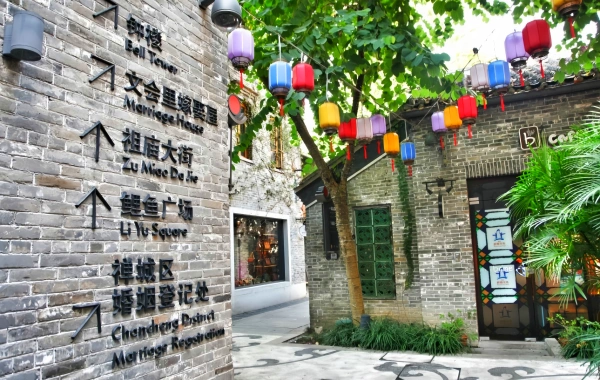
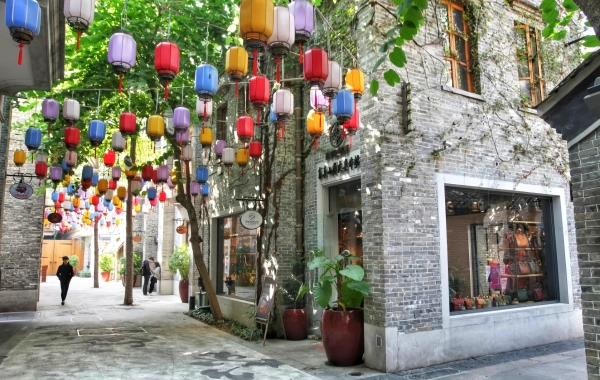
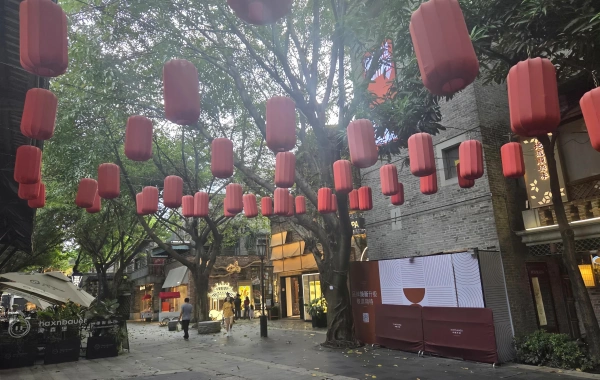
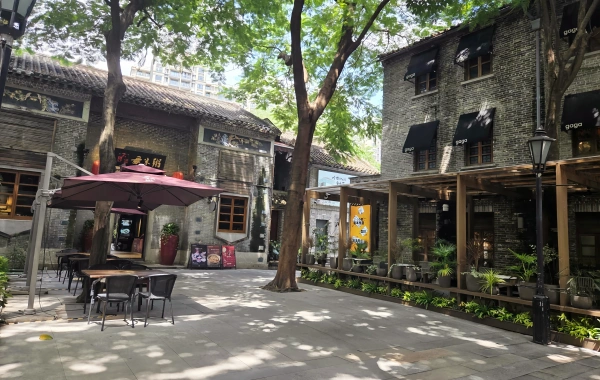
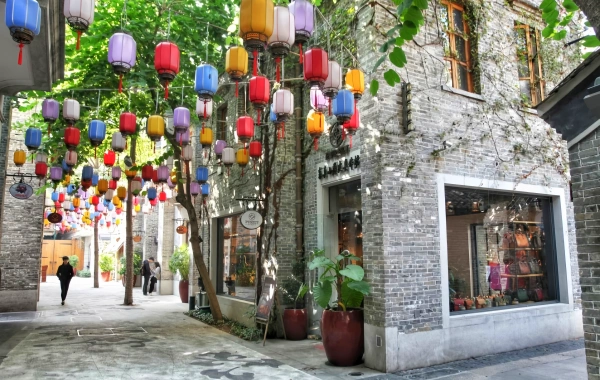
The texture of the blue brick and stone alley: Underfoot is a century-old granite slab road, flanked by dense and thick water-polished blue brick walls. These blue bricks mostly employ the unique "horizontal in Shunzhi, vertical in Kangxi" laying method, with extremely fine brick joints and exquisite craftsmanship. Brick carvings and plaster decorations are ubiquitous on doorways, window lintels, and roof ridges, featuring themes such as Lingnan fruits and auspicious patterns, showcasing meticulous craftsmanship in every detail.
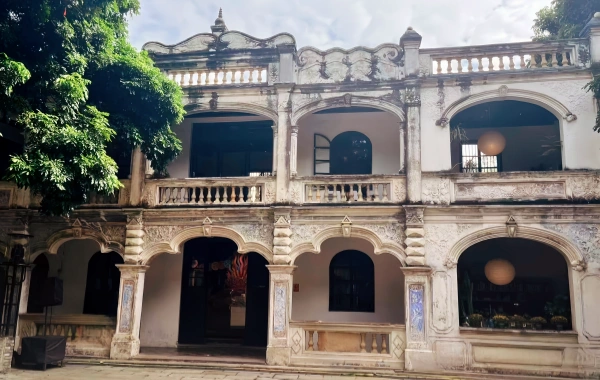
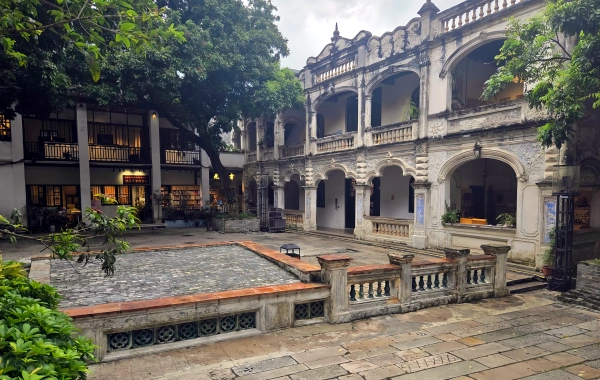
A collection of residential elements: Carefully observe the entrances of each building: sliding wooden lattice doors (for security and ventilation), Manchu windows (stained glass lattice windows), brick-carved windows, porcelain-inlaid roof ridges... These classic Lingnan architectural elements have been well preserved and integrated into new usage scenarios, allowing people to touch the texture of history up close.
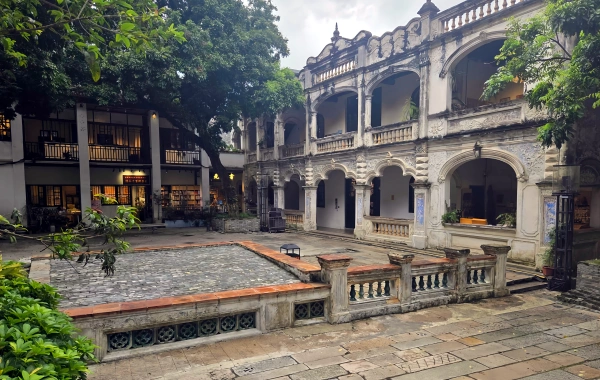
A collection of cultural heritage buildings: 22 historical buildings in the area, including the Jian Family Villa (the former residence of the founder of Nanyang Brothers Tobacco Company), the former site of Longtang Poetry Society, and the Li Zhongsheng Hall Ancestral Shop (the founding store of Baoji Pills), have been given priority protection and restoration. They are no longer closed off; some have become exhibition spaces, while others have been transformed into boutique shops, making the buildings themselves the most precious exhibits.
Humanistic craftsmanship – a living scene blending the ancient and the modern
History here is not worshipped, but "used" and "experienced".
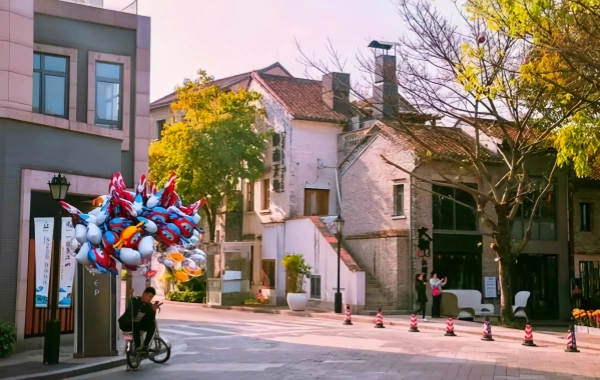
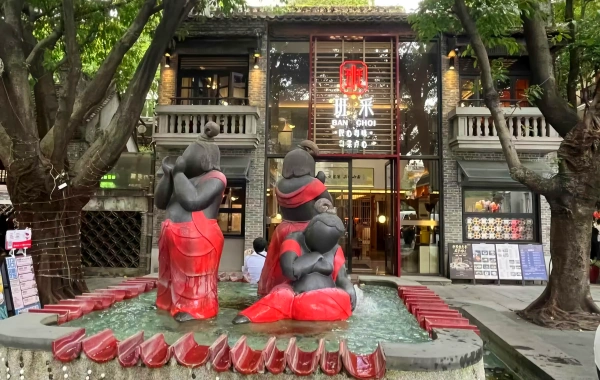
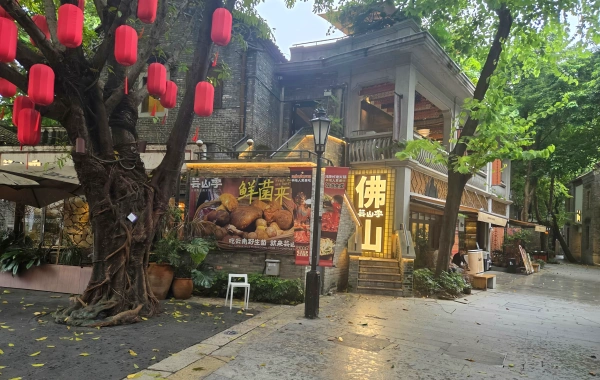
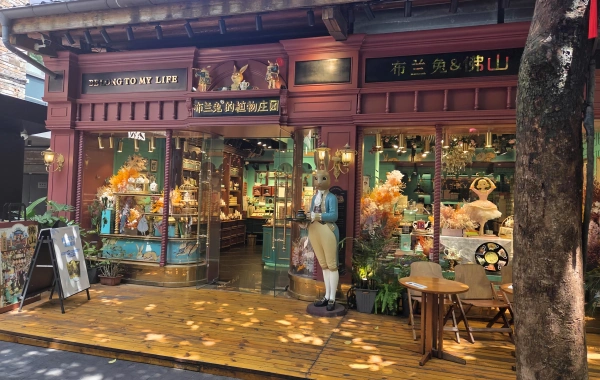
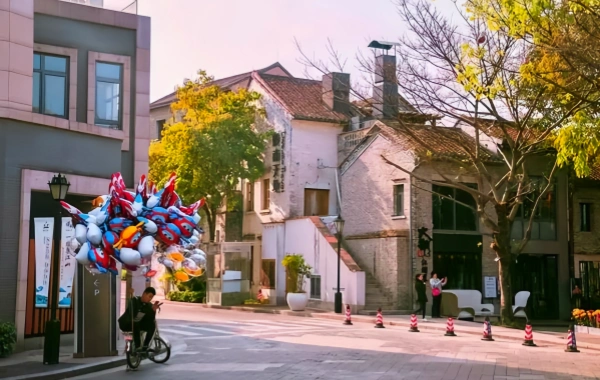
Modern life within ancient houses: This is the most captivating contrasting aesthetic of Lingnan Tiandi. A Qing Dynasty mansion with its traditional wok-shaped eaves might house a stylish bookstore or café; a former pawnshop now exudes the aroma of wine and cigars; an ancient ancestral hall square might host street concerts or creative markets on weekends. This fusion of time travel feels completely natural and vibrant.
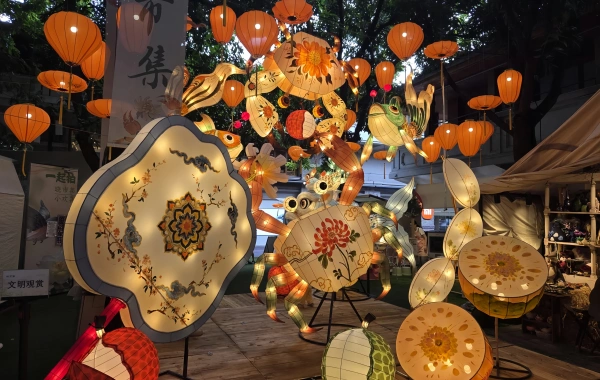
The street features workshops showcasing Intangible Cultural Heritage and creative industries: These workshops offer hands-on experiences with Foshan woodblock prints, lantern making (Foshan Autumn Colors), and Xiangyun yarn. Visitors can not only observe but also create their own small artwork under the guidance of inheritors, allowing traditional culture to be passed down through interactive experiences.
A Culinary Journey Through Guangzhou and the World: From authentic Foshan blind man's cakes, double-skin milk, and Jun'an steamed pork, to exquisite Cantonese restaurants, and international cuisine, trendy cafes, and boutique bars from all over the world, Lingnan Tiandi is an open food museum that satisfies every taste bud's desire for exploration.
The sense of ritual in festivals and daily life: During traditional festivals such as the Spring Festival, Dragon Boat Festival, and Mid-Autumn Festival, the neighborhood hosts grand festive decorations and folk activities, such as lion dances and lantern festivals, making the ancient buildings even more magnificent under the lights. On ordinary days, the performances of street artists and the changing art installations continuously inject a fashionable and artistic atmosphere into the area.
> Travel Tips:
The best time to take photos is from 4 pm to around sunset, when the warm slanting sunlight can gild the gable walls and blue brick alleys with gold edges, creating a very dramatic light effect;
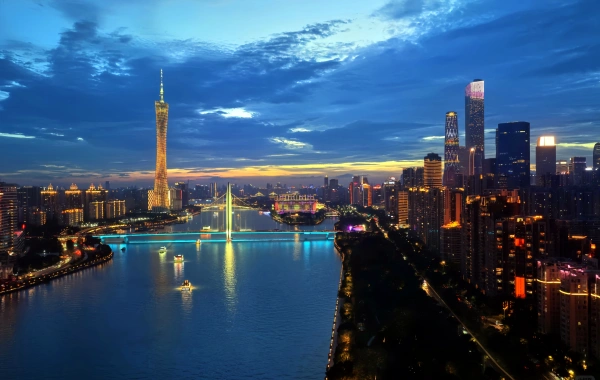
The night view is also unique, with modern lights cleverly outlining the contours of ancient buildings, creating a romantic atmosphere;
Don't just walk along the main street; be sure to turn into the alleys on both sides (such as Zhongxiang and Shanqingli), where you'll find more authentic local scenes and photo opportunities.
When visiting key cultural heritage sites, please pay attention to the explanatory signs at the entrance to learn about their history and current status.