Ecological craftsmanship – the wisdom of creating harmony with nature
The landscape of Nanfeng Ancient Kiln embodies the ancient people's simple philosophy of living in harmony with nature.
The ingenious construction of the dragon kiln:
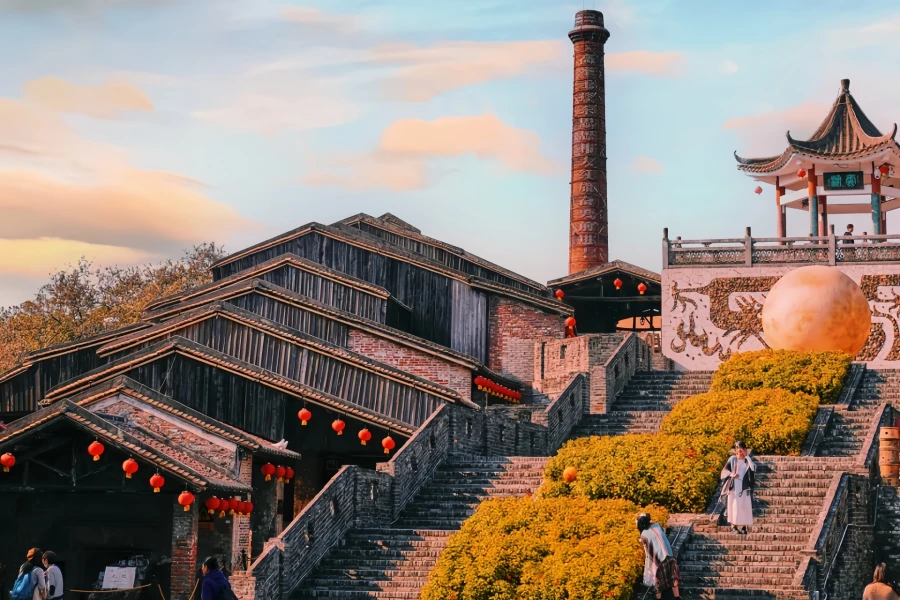
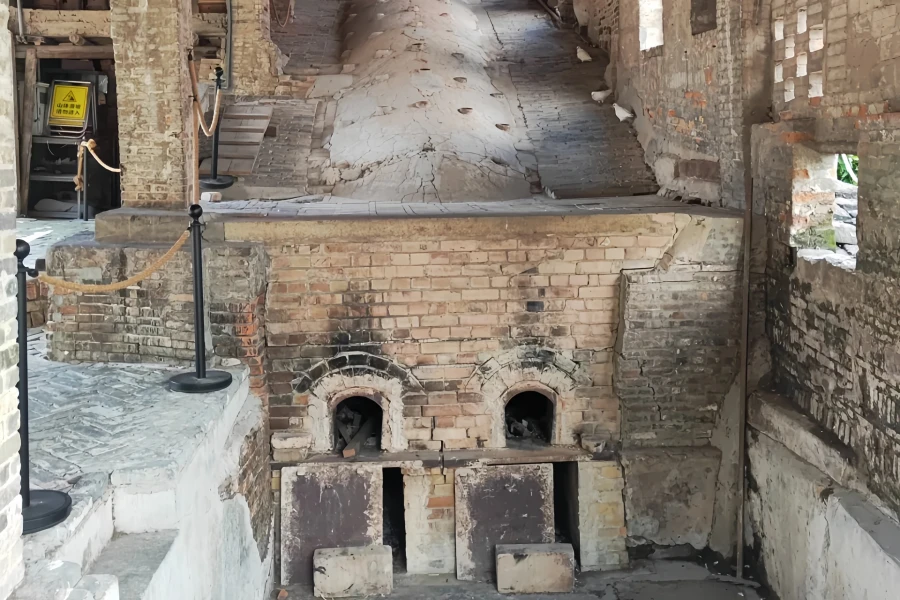
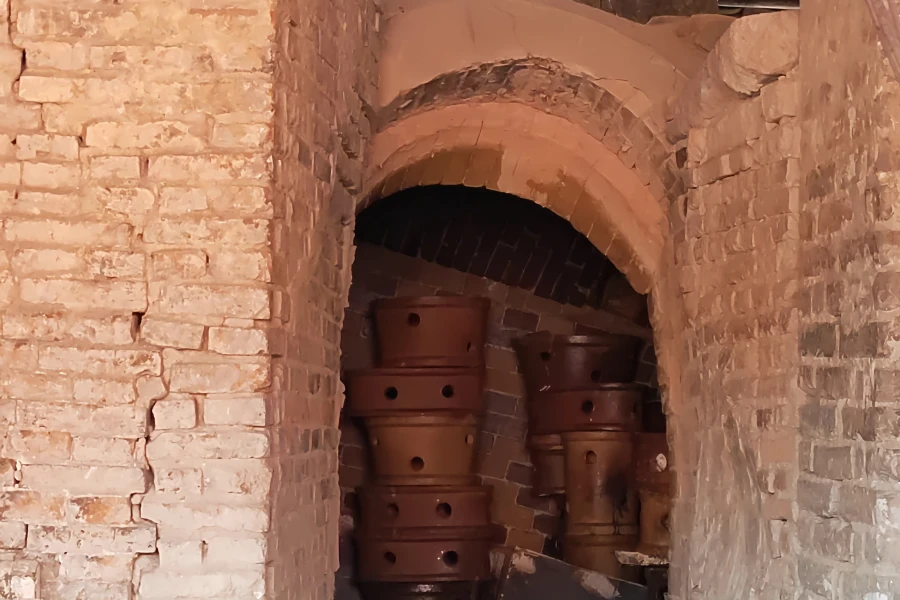
The Nanfeng Ancient Kiln is itself a magnificent engineering masterpiece. Built along the slope of the mountain, it resembles a reclining dragon. This design utilizes the natural slope to create suction, allowing the flames to rise naturally without the need for artificial ventilation, evenly heating the clay pieces in each layer of the kiln. There are 29 rows of fire holes (fire-feeding holes) on the side of the kiln. During firing, the kiln workers must precisely add pine wood to different fire holes according to the flame temperature—a skill passed down for hundreds of years.
The Miracle of Life of the Ancient Stove God Banyan:
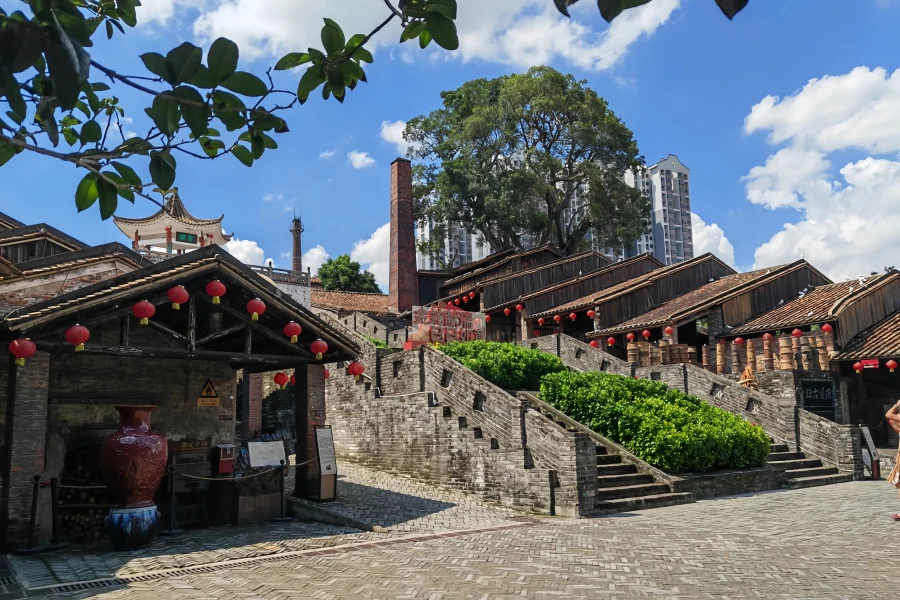
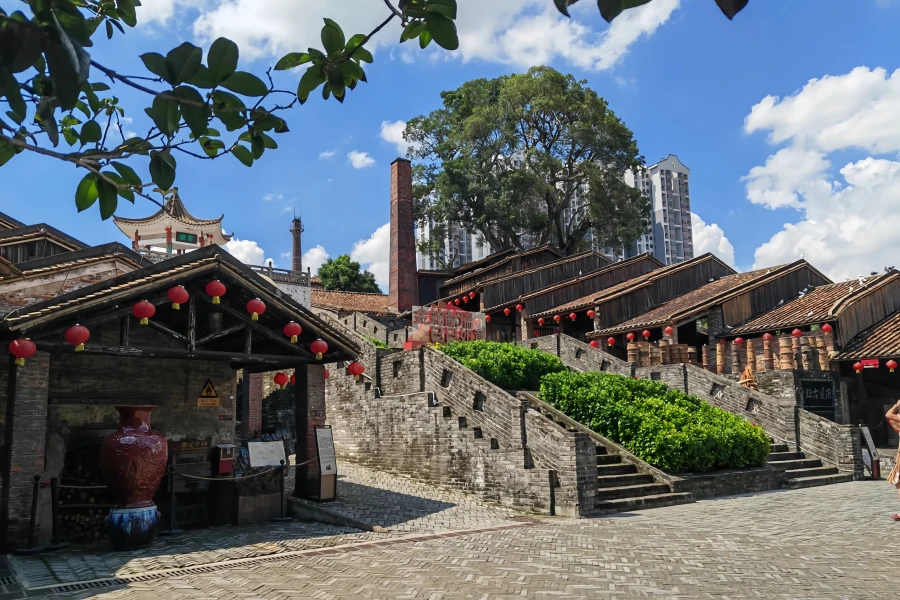
On the top of the ancient kiln, a towering banyan tree with slender leaves, over four hundred years old, grows, known as the "Divine Banyan." Its roots deeply envelop and penetrate the brick and stone structure of the ancient kiln, forming the spectacular phenomenon of "kiln-banyan symbiosis." This banyan tree is not only regarded as the "guardian" of the ancient kiln, but also a vivid symbol of the kiln fire's continuous life and unyielding vitality.
Humanistic Craftsmanship – A Living Ceramic Ecosystem
This is not only a historical site, but also a still-functioning ceramics creation and living community.
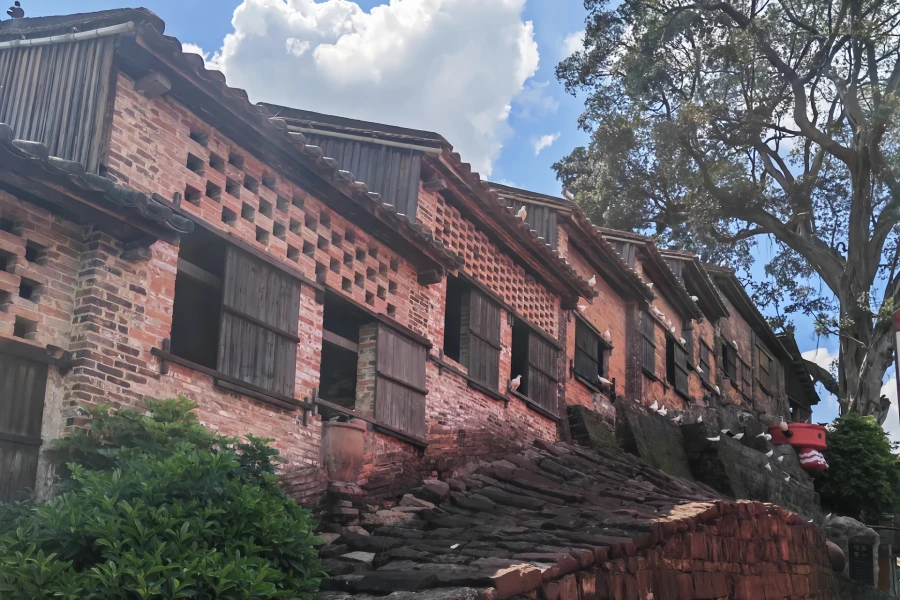
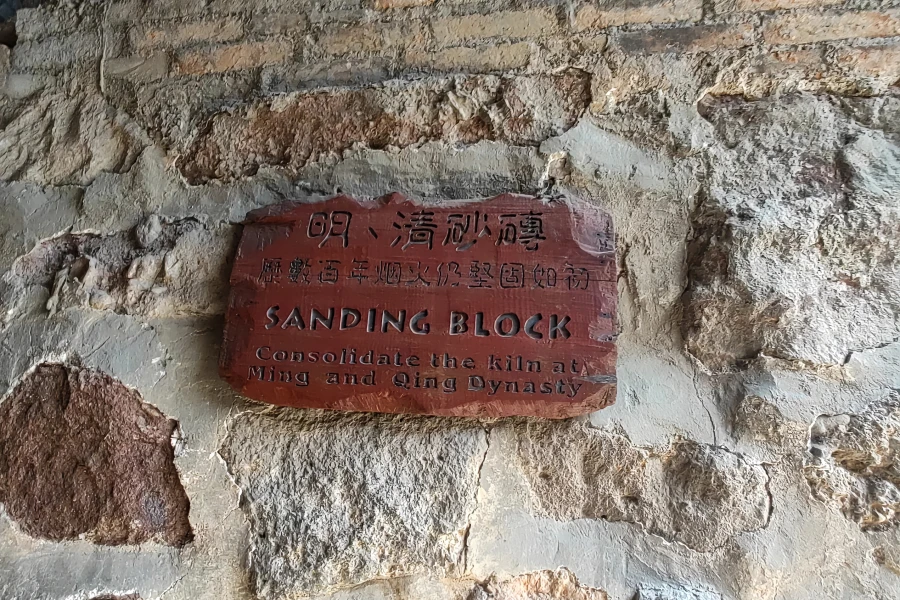
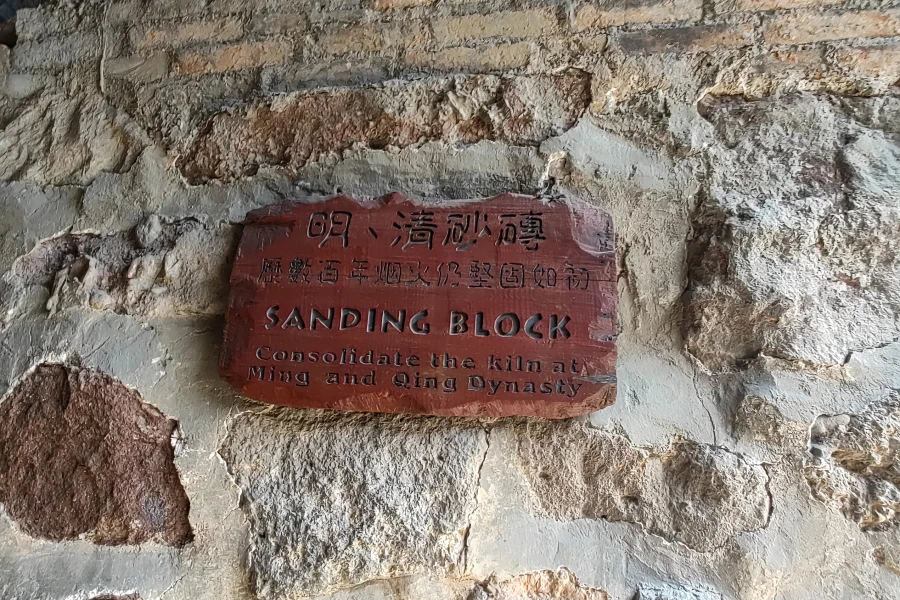
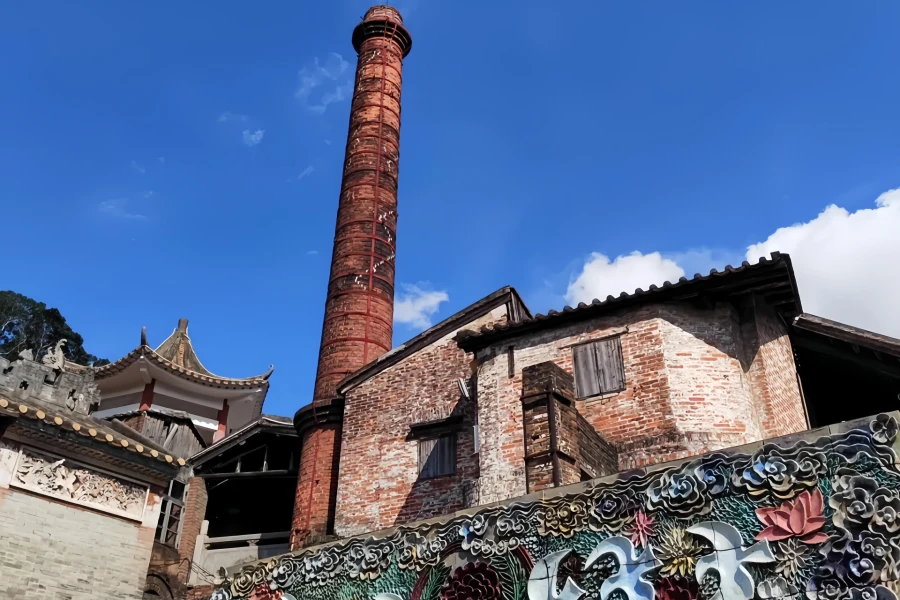
Nanfeng Kiln and Gao Kiln: Two "protagonists" standing side by side. Visitors can observe their massive kiln structure, mottled kiln bricks and kiln doors up close, and feel the vicissitudes and strength after five hundred years of smoke and fire.
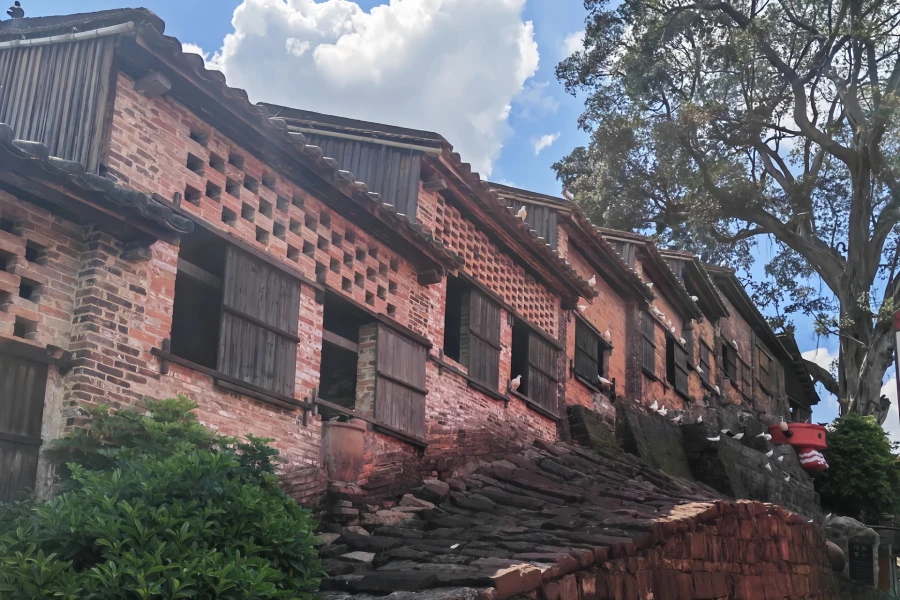
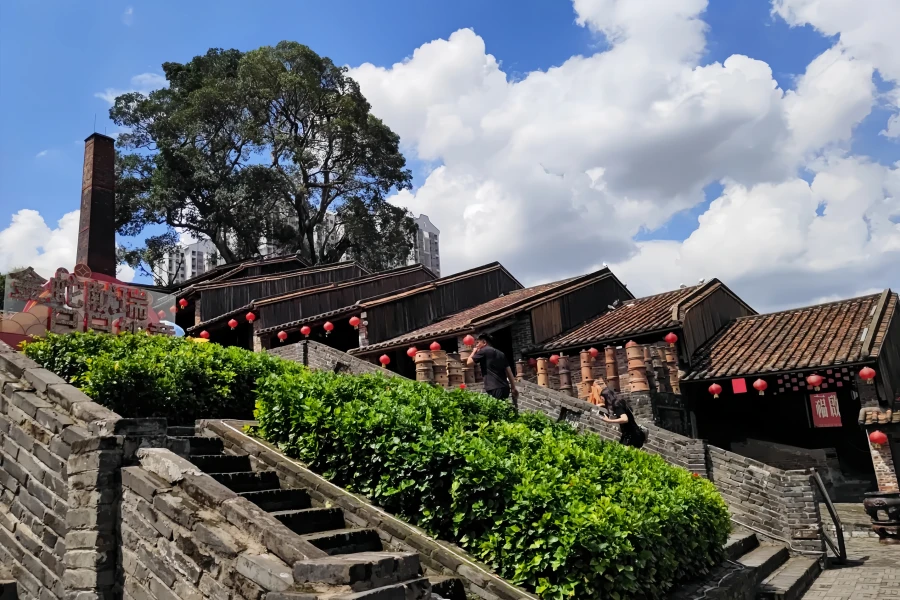
Guliaochang (ancient pottery workshop): It retains the "front shop, back factory" layout of Shiwan pottery industry during the Ming and Qing dynasties. Under the low-ceilinged roof with its wok-shaped eaves, there are ancient clay aging pools, clay mixing pools, and clay racks, as if time has stood still here, and the potters have only temporarily left.
The Ceramic Micro-Sculpture Art Museum showcases the pinnacle of Shiwan ceramic sculpture techniques—micro-sculpture. Within a small space, artists can create hundreds of figures with different expressions and movements, recreating grand scenes such as the Liangshan gathering in "Water Margin," with exquisite craftsmanship that leaves viewers in awe.
A cluster of ceramic artists' studios: The scenic area is dotted with studios and galleries of contemporary ceramic artists. Visitors can watch the artists create through glass windows, and even interact with them, witnessing firsthand how traditional techniques are passed down and innovated by contemporary artists.
The well-preserved Ming and Qing dynasty residential complex, including the Lin Family Hall and the side hall of the Gao Temple, allows visitors to appreciate the charm of ancient Lingnan architecture while enjoying pottery.
Photography Tips:
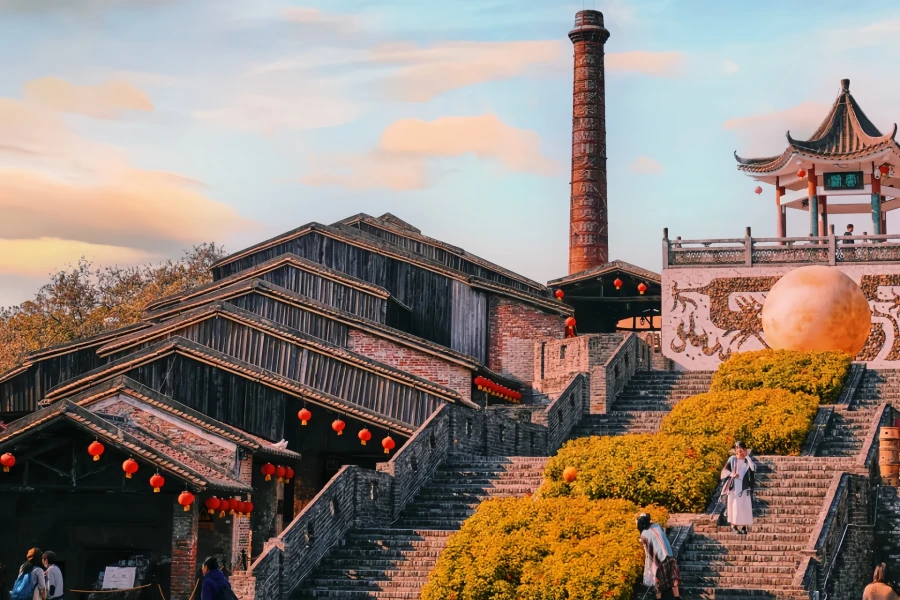
Best shooting locations: The square directly in front of the ancient kiln offers panoramic views of the dragon kiln and the sacred banyan tree; the depths of the alleyways in the ancient workshop area provide a sense of depth for photographing the wok-shaped eaves houses and pottery jars; inside the miniature sculpture museum, flashlights should be turned off, and macro lenses should be used to capture details.
Golden hour: Between 3 and 5 pm, the sunlight shines obliquely, casting a golden outline of light on the ancient kilns and buildings, creating a strong sense of texture. If you happen to be there on the kiln firing day of the month (or a specific holiday), you can even capture the flames and heat waves gushing from the kiln opening, a truly breathtaking scene.
Humanistic Capture: Focus on capturing the focused expressions of ceramic artists during their creation, the vivid moments of tourists experiencing pottery making, and the expressive postures of kiln workers observing the firing temperature.