The Humble Administrator's Garden: A garden of Jiangnan poetry and painting and the echoes of five Hundred years of life

The Humble Administrator's Garden: A garden of Jiangnan poetry and painting and the echoes of five Hundred years of life

Overview: A frozen poem of the Jiangnan landscape
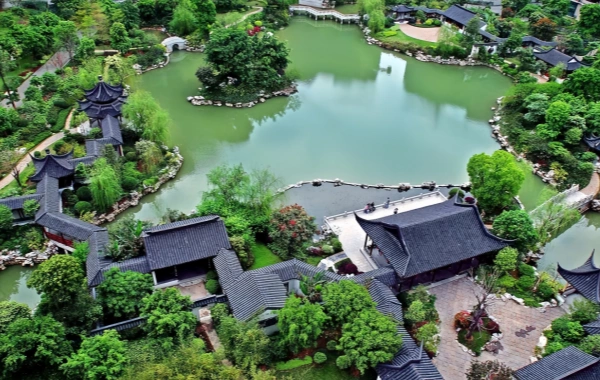
The Humble Administrator's Garden, which perfectly integrates the artistic conception of scholars, ecological wisdom and daily life, is a classical garden of the Jiangnan style covering an area of approximately 52,000 square meters. It is not only one of the four famous gardens in China, but also the largest existing classical landscape garden in Suzhou, and has been inscribed on the World Heritage List by UNESCO.

A quick overview of key highlights
Identity tags: The top of China's Four Great Gardens/World Cultural Heritage/A Model and textbook of Jiangnan Gardens
Core experience: Garden art with ever-changing scenes as you move, plant landscapes that change with the seasons, night tour of "Zhuozheng Wenya", and a gathering of Kunqu Opera and gardens
Suggested tour: 2-4 hours. It is strongly recommended to have a professional guide to fully understand the park
Address: No. 178, Dongbei Street, Gusu District, Suzhou City, Jiangsu Province

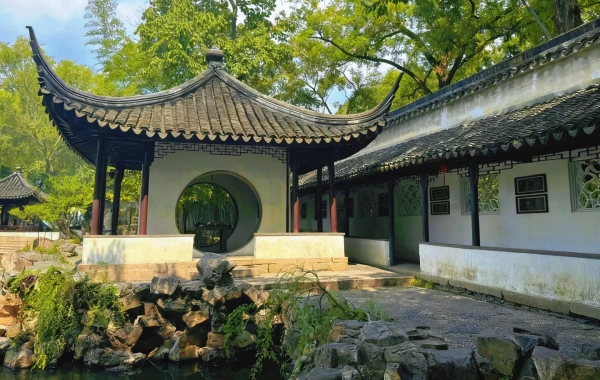
  • The Humble Administrator's Garden: A garden of Jiangnan poetry and painting and the echoes of five Hundred years of life-1
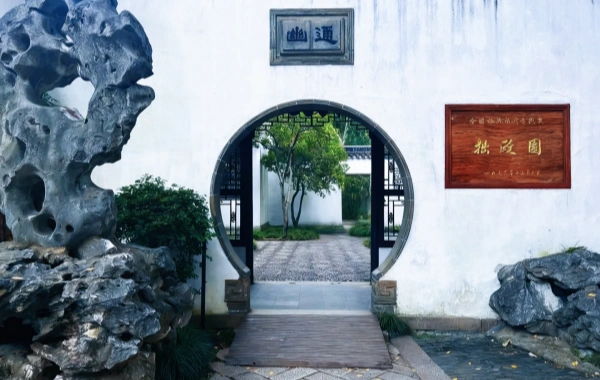
  • The Humble Administrator's Garden: A garden of Jiangnan poetry and painting and the echoes of five Hundred years of life-2
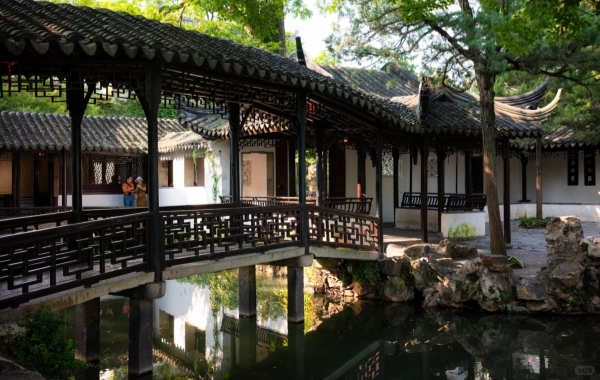
  • The Humble Administrator's Garden: A garden of Jiangnan poetry and painting and the echoes of five Hundred years of life-3
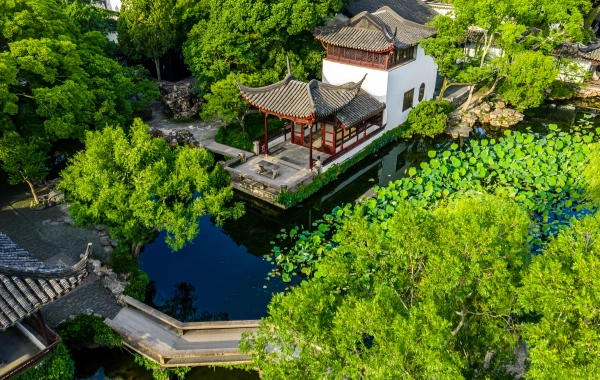
  • The Humble Administrator's Garden: A garden of Jiangnan poetry and painting and the echoes of five Hundred years of life-4

Origin: The "Clumsy Governance" of the frustrated Censor and the Five-hundred-year history of the Garden

Furong Ancient Town

The name of the garden implies the spiritual declaration of the recluse. The two characters "Zhuozheng" do not refer to clumsy political affairs, but originate from a profound turning point in life.
In the fourth year of the Zhengde reign of the Ming Dynasty (1509 AD), Wang Xianchen, a frustrated censor, resigned from his post and returned to his hometown. He purchased the former site of the Yuan Dynasty's Dahong Temple, determined to create a spiritual haven. He borrowed from Pan Yue, a scholar of the Western Jin Dynasty, in his "Leisurely Abode Rhapsoon" : "Build a house, plant trees, and live a carefree life..." This is also the meaning of "This is the governance of a humble person", which is why the garden was named. This ancient text translates to: "Build houses, plant trees, and live freely..." This is also a political matter that a clumsy person like me can handle, right?" An official who once held a high position regards taking care of the garden as his new "career". Behind this is his weariness of the power struggles in the officialdom and his ultimate yearning for a peaceful and natural life.

The Vicissitudes of Time - Half of the Rise and Fall of Suzhou Gardens The fate of the Humble Administrator's Garden, like that of its owner, is full of dramatic ups and downs, and can be regarded as a condensed history of Suzhou gardens.
The first appearance of the famous garden (1509-1526) : Wang Xianchen invited Wen Zhengming, a renowned painter and calligrapher of the time and a representative figure of the Wu School of Painting, to participate in the design blueprint. It took sixteen years of meticulous construction, laying the foundation for the garden's water-centered, spacious and natural Ming Dynasty style.
A tragic fate (1526-1951) : After Wang Xianchen's death, his son lost the garden to someone else in a night of gambling. From then on, a period of more than four hundred years of turmoil began. The garden was once divided into three parts, each with a different name. They successively became a private garden, a prince's residence, a general's residence, a guild hall and even a hospital. During the Xianfeng period of the Qing Dynasty, it was once the garden of the Zhongwang Mansion of the Taiping Heavenly Kingdom. During the War of Resistance against Japanese Aggression, it was even more ravaged by war and was once in a state of utter desolation. According to statistics, over the past five hundred years, the Humble Administrator's Garden has had more than thirty different owners, with an average of one change every ten years or so.
The Reunification of Glory (1951 to present) : After the founding of the People's Republic of China, the Humble Administrator's Garden was nationalized and comprehensively renovated. The scattered central, western and eastern parts were finally merged back into one in 1960 and resumed its original name, "Humble Administrator's Garden". In 1961, it was listed as one of the first batch of key national cultural relics protection units. In 1997, it was inscribed on the World Heritage List along with the Lingering Garden and others, and has since become a cultural treasure cherished by all mankind.

> In-depth Understanding: Explore More Chinese Classical Garden Art >> [Suzhou Lingering Garden: A Symphony of Mountains and Waters in a Small Space] [Yangzhou Ge Garden: A Time and Space Illusion of Four Seasons Rockeries]

Must-see wonder: The seamless integration of the charm of nature and the soul of humanity

Furong Ancient Town Furong Ancient Town Furong Ancient Town Furong Ancient Town Furong Ancient Town

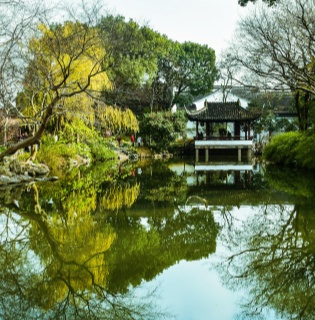
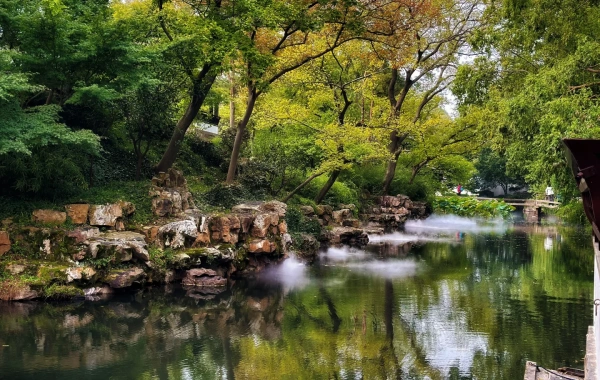
The charm of nature - an ecological picture that breathes. The beauty of the Humble Administrator's Garden lies primarily in its ecological creation that emulates and surpasses nature. Water is its soul, covering about one third of the entire garden. The ancient wisdom of water management and modern ecological technology blend here.

The Dynamic Water: From "Ripples on Stagnant Water" to "Underwater Forest" The water body in the garden once became "stagnant water" due to its isolation from the external water system, making its management difficult. Since 2018, managers have taken a different approach by introducing ecological regulation techniques, planting species such as vallisneria spiralis and myriophyllum verticillatum at the bottom of the water, and releasing water purification species such as spatula and bitterling carp, thus building a complete ecological chain. Today, this "underwater forest" endows the closed water body with self-purification capabilities. Fish and shrimp swim through and water plants sway, bringing the ancient garden to life with vigorous ecological vitality. In front of Yuanxiang Hall, the summer lotus breeze caresses your face, and at Xiaocanglang, a clear stream meanders. Both are perfect places to experience this dynamic water scenery.

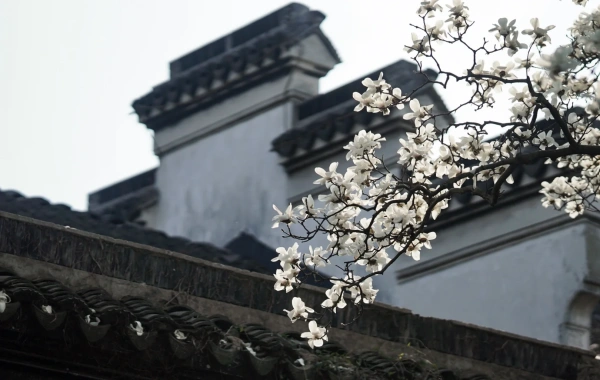
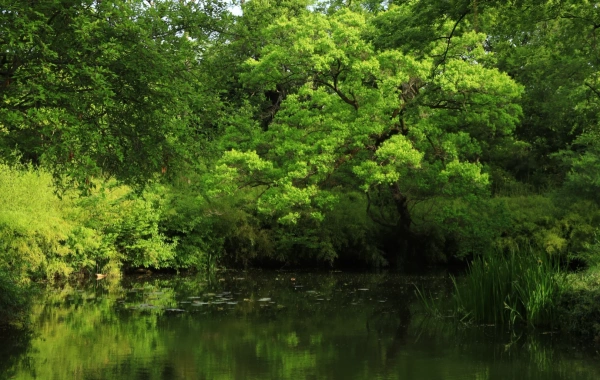
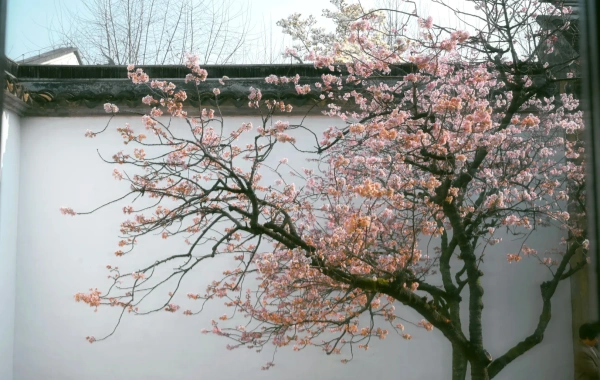
The Lush Trees: A Life Theater That Changes with the Seasons. The Humble Administrator's Garden is renowned for its "unparalleled forest", and the plant configuration within the garden is exemplary, aiming to "enjoy the blooming flowers in spring, smell the fragrance of lotus in summer, admire the red leaves in autumn, and see the verdant greenery in winter". In spring, the crabapple blossoms in Haitang Chunwu are enchanting and are hailed as the "immortals among flowers". Outside the Listening to the Rain Pavilion, banana plants, green bamboo and lotus flowers allow the sound of raindrops to transform into a natural symphony. Citrus fruits are planted around the Frost Pavilion, highlighting the theme of autumn. Gardeners tailor growth Spaces for each tree and prune them carefully, making plants not only landscapes but also carriers of emotions and extensions of artistic conception.

The art of stacking stones: Solidified landscape paintings. Stones are the skeleton of a garden. The eastern Zui Yun Peak, shaped like a cloud, stands side by side with the Lian Bi Peak, serving as a "barrier" for entering the park and gradually leading people into a beautiful scene. The three islands in the middle of the pool symbolize the three immortal mountains of Penglai, Fangzhang and Yingzhou, and are a classic embodiment of the traditional garden layout of "one pool and three islands". These stones not only shape the terrain but also, in the changes of light and shadow, together with buildings and flowers and trees, form a series of three-dimensional landscape paintings.

The Soul of Humanity: The Resonance of Architecture, poetry, Painting and Music. Every building here has an elegant name, and every window frames a scene. Together, they recite a silent poem.

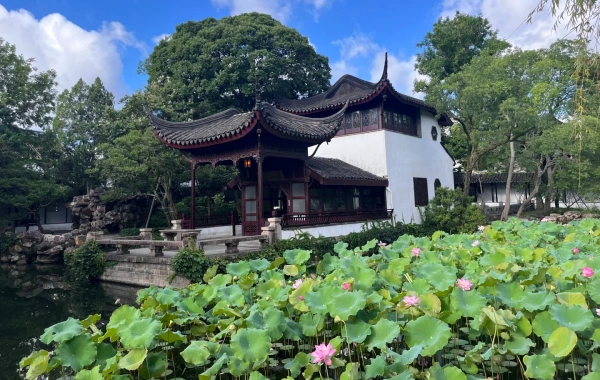
Yuanxiang Hall: The main building in the middle of the Humble Administrator's Garden, its name is derived from Zhou Dunyi's "Discourse on the Lotus", which reads, "The fragrance travels far and becomes clearer." Surrounded by transparent floor-to-ceiling Windows on all sides, it resembles a huge viewfinder, offering a panoramic view of the lotus pond outside the hall. It is an ideal place to enjoy lotus flowers in summer.
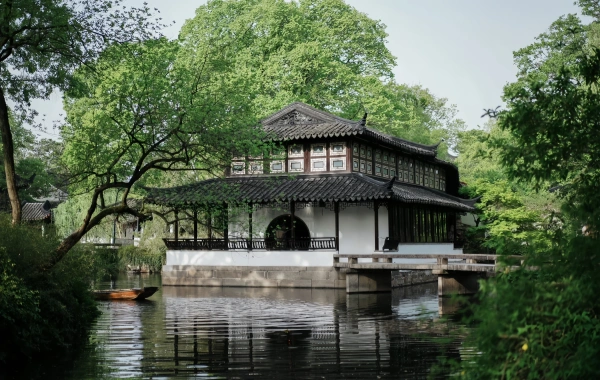
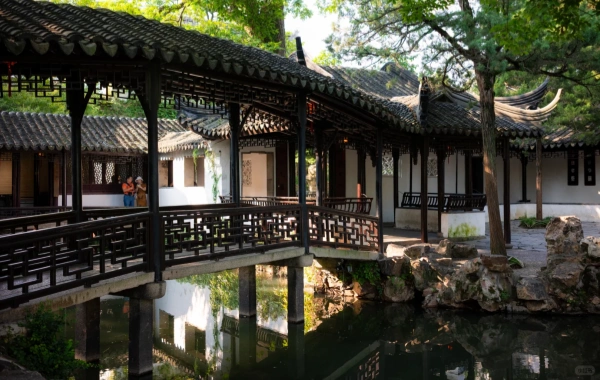
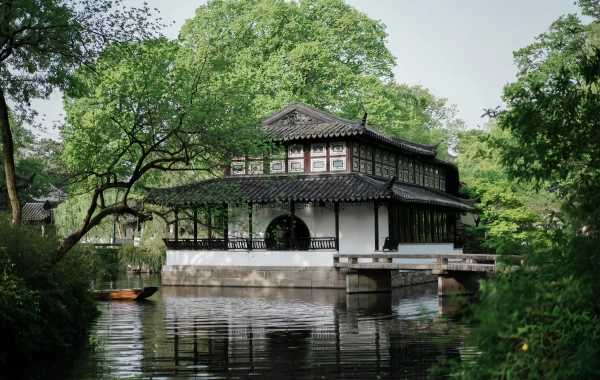
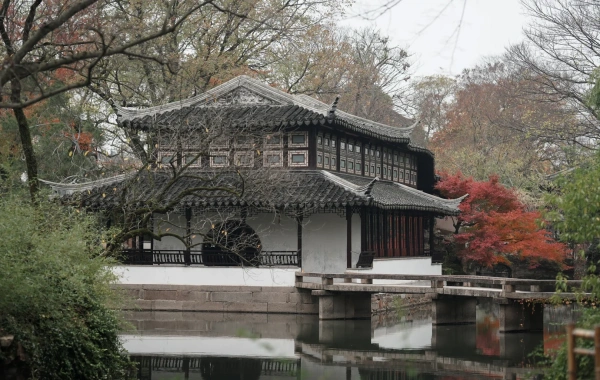
Xiaofeihong: An extremely rare covered bridge in Suzhou gardens. The vermilion bridge railing is reflected on the clear water, resembling a rainbow, thus earning its name. It not only connects traffic but also ingeniously divides the water surface space, increasing the depth of field. It is a classic position that photography enthusiasts love the most.
Thirty-six Mandarin Ducks Hall/Eighteen Mandala Flower Hall: The main building of the Western Garden, a hall with two plaques hanging on the north and south sides respectively. The North hall is adjacent to water and once housed mandarin ducks, thus it was named "Thirty-Six Mandarin Duck House". The south hall is planted with camellias (mandala flowers), thus it is called "Eighteen Mandala Flower House". The top of its building features a continuous arched canopy, which offers excellent acoustics. In the past, the owner of the garden often held Kunqu Opera gatherings here, achieving a perfect combination of classical gardens and the intangible cultural heritage of human oral history (Kunqu Opera).
Who to Sit With: A charming fan-shaped hut built by the water. Its name is taken from a line by Su Shi: "Who will I sit with?" "Bright moon, gentle breeze, and I." The architectural form is unique and the perspective is exquisite, expressing the owner's lofty and refined sentiments. Now it has become a popular check-in spot for Internet celebrities.
Suzhou Garden Museum: Located within the residential area of the Humble Administrator's Garden, it is the first museum in China dedicated to gardens. After visiting the real landscape of the garden and then entering for a tour, one can systematically understand the garden-making art and cultural connotations of Suzhou classical gardens, elevating the sensory experience to rational cognition.

Photography Secrets:
Best lighting and shadow: From 9 to 11 a.m., the light is soft and suitable for shooting the eastern and central landscapes. From 3 to 5 p.m., the setting sun can drape the buildings in the west with a golden glow.
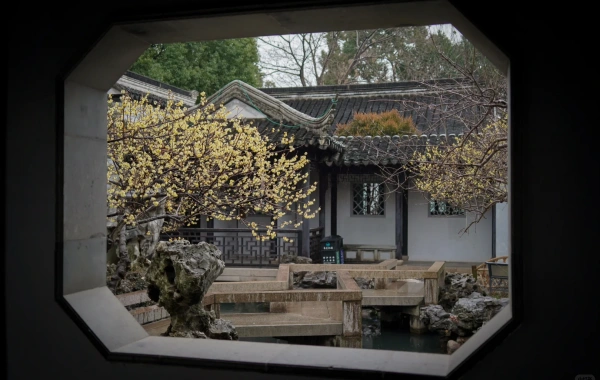
Classic framing: Standing at Xiaocanglang and shooting the little rainbow and its reflection through the door frame is the most representative framing composition of a garden.
Unique perspective: When shooting from the inside out of the room with whom you are sitting, the fan-shaped window frame itself is a painting.
Reflection Art: On a windless sunny day or early morning, capture the perfect symmetry of buildings and trees in the water in front of a reflection building or by any pool.

Core Experience: An immersive guide to garden life

Furong Ancient Town Furong Ancient Town Furong Ancient Town Furong Ancient Town

Four Must-Do Things to Decode the aesthetics of Jiangnan gardens
1. Follow a professional explanation to understand the language of gardens
Why important: Without explanation, the Humble Administrator's Garden might just be a beautiful pavilion by the water. Its spatial layout, plaques and couplets, as well as plant arrangements, all contain allusions and philosophies. The official offers both Chinese and foreign language guided Tours, making it the top choice for in-depth exploration.
In-depth Experience: IntoTravelChina can arrange experienced cultural tour guides for you. They not only explain the gardens themselves but also connect the history of Suzhou and the lives of scholars, revealing the subtleties of garden-making techniques such as "changing scenes with each step", "borrowing scenes", and "matching scenes".
2. Choose a season dedicated to the blooming period and feel the passage of time
Spring (March to May) : Crabapple blossoms, rhododendrons and wisteria are in full bloom, making it a truly deserving season for "Crabapple Spring Grove".
Summer (June to August) : Lotus flowers are in full bloom. In front of the "Yuanxiang Hall", the lotus leaves stretch to the sky, boundless and emerald green. Experience the poetic scene of "lotus breeze blowing in all directions".
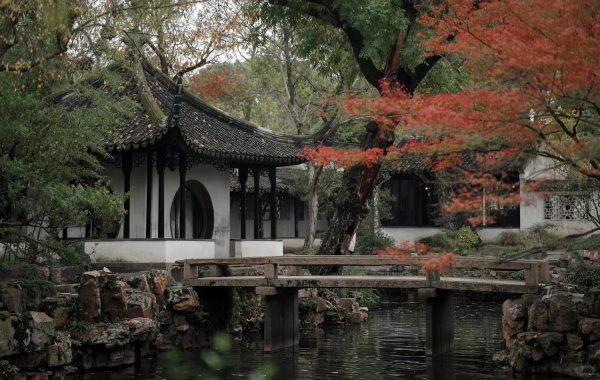
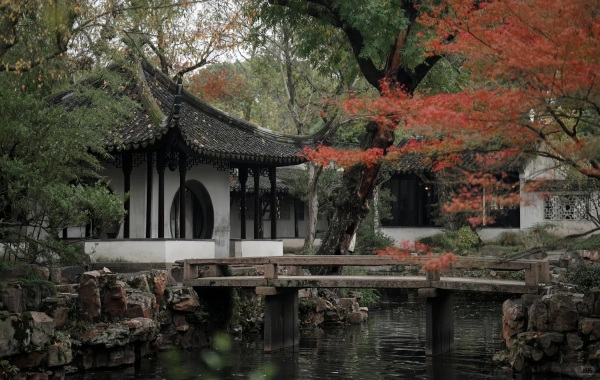
Autumn (September - November) : The chrysanthemum exhibition and the red maple trees complement each other beautifully. The weather is clear and refreshing, and the colors are rich and varied.
Winter (December - February) : There are few tourists, the snow scenery is picturesque, and the faint fragrance of winter plum blossoms wafts in the air, creating a unique serene and Zen-like atmosphere.
3. Attend a night gathering and travel through the light and shadow of ancient and modern times
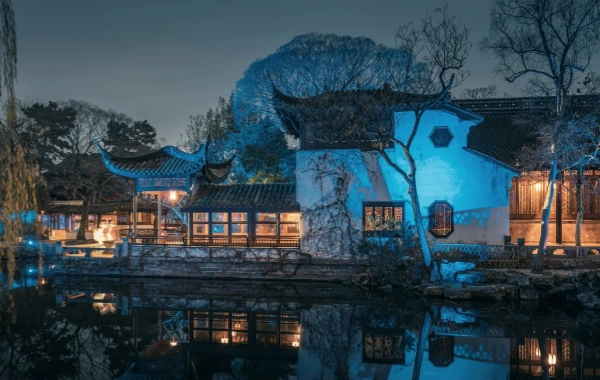
Zhuozheng Wenya: This is a high-end night tour project launched in recent years. Under the night sky and the elaborately designed light and shadow, the garden presents a dreamy atmosphere completely different from that of the daytime, as if one has traveled back to an ancient gathering of scholars, where tickets are hard to come by.
4. Find a corner to sit quietly and be a figure in a half-day painting
In the secluded abode of Wuzhu, one can feel the rustling sound of the gentle breeze passing through the bamboo forest.
Close your eyes in the Hefeng Four-Faced Pavilion and listen to the chirping of cicadas and the croaking of frogs in summer.
Sitting alone under the Xiuqi Pavilion, I watched the dappled shadows cast by the sunlight filtering through the leaves. The true beauty of a garden requires one to stop and feel it with the heart.

Suggested tour route
Half-day "Must-Visit Highlights" Route (about 2-2.5 hours, suitable for first-time visitors) Enter through the East Garden gate, pass by Lanxuetang to learn about history → go through Furongxie → Enter the core area of the Middle Garden, and visit Yuanxiangtang, Yiyuxuan and Xiangzhou in sequence → Cross the Xiaofeihong Corridor Bridge to Xiaocanglang → Head north to Jianshanlou (the former office site of King Zhongwang of the Taiping Heavenly Kingdom) → Walk westward along Liuyin Road and enter the West Garden. Visit the Thirty-Six Mandarin Ducks Pavilion → Stroll to the Reflection Tower to enjoy the view → Finally arrive at the fan-shaped building and take a photo with "Who to Sit With" Pavilion, and leave from the nearest exit.
IntoTravelChina Tip: This route connects the most core attractions and has a moderate pace. It is recommended to make a reservation for the morning opening time (7:30) to enter the park. This way, you can relatively avoid the crowds and enjoy the quiet garden.

One-day "In-depth Garden Culture" Route (Strongly recommended for culture enthusiasts) : Morning: Follow the "Essential Must-Visit" route to meticulously tour the Humble Administrator's Garden and focus on visiting the Suzhou Garden Museum.
At noon: Walk to the Suzhou Museum, which is just a stone's walk away (advance reservation is required), to admire the architectural masterpieces of Ieoh Ming Pei and precious cultural relics from the Wu region.
In the afternoon: Stroll through the Pingjiang Road Historical District, a World Cultural Heritage Site, and enjoy a Suzhou-style lunch by the water alley (recommended: Tao Huayuan Ji, Yu Shi Fan Dao). Then head to the Lion Grove Garden, which is famous for its lake stone rockeries and full of fun (about a 10-minute walk), and experience the different flavors of Yuan Dynasty gardens in the maze of rockeries.
IntoTravelChina's advantages: We can book the most suitable itinerary for you, arrange all ticket reservations and time slot connections, and provide detailed district maps and cultural explanations, allowing you to deeply experience the core charm of the ancient city of Suzhou in one stop.

Professional Guide: IntoTravelChina can offer you a private customized itinerary, including a dedicated tour guide, transportation and activity arrangements, allowing you to enjoy a deep and worry-free trip. >> [Consult for Customization Now]

Travel Guide: Transportation, Ticketing and Seasons

Furong Ancient Town Furong Ancient Town

How to arrive and make a ticket reservation
The Humble Administrator's Garden is located in the center of the ancient city of Suzhou and enjoys convenient transportation.
Important Notice: The Humble Administrator's Garden has implemented a real-name reservation system by time slots. No tickets are sold on site! It is essential to make a reservation and purchase tickets 1 to 7 days in advance through the "Suzhou Garden Tourism Network" or the official wechat public account.
Ticket price
Peak season (April, May, July, August, September, October) : 80 yuan per person
Off-season (January, February, March, June, November, December) : 70 yuan per person. Arrival method:
High-speed rail/train: After arriving at Suzhou Railway Station, you can take Metro Line 4 (towards Longdaobang) to Beisi Ta Station. Exit from the northeast exit of Line 4 and walk for about 10 to 15 minutes to reach the destination. Or you can take bus No. 5, 40, 529, etc. directly to the "Humble Administrator's Garden" stop.
City buses: Many bus routes can reach the stops of "Humble Administrator's Garden" or "Suzhou Museum".
By car: Navigate to "Humble Administrator's Garden Parking Lot", but parking Spaces in the ancient city are tight. It is recommended to give priority to public transportation.

Best visiting time
The Humble Administrator's Garden is suitable for visiting all year round, but the best time to visit is in spring and autumn.
The golden seasons of spring and autumn (March to May, September to November) : With a pleasant climate and a rich variety of flower landscapes, it is the best time for sightseeing and photography. Especially the wisteria and azaleas in April and May, and the chrysanthemum exhibition from September to November.
Summer (June to August) : Lotus flowers can be enjoyed, but the weather is hot and humid, so it is necessary to pay attention to heatstroke prevention and cooling. You can choose to visit in the early morning or at dusk.
Winter (December - February) : Tickets are at off-season prices, with the fewest visitors. There is a chance to enjoy a rare snow-covered garden, which is exceptionally serene.

Nearby accommodation options
Characteristic hotels/homestays in the ancient City (top choice) : There are a large number of boutique hotels and homestays converted from old houses near Pingjiang Road and Guanqian Street. Just outside the door, there are small Bridges and flowing water, allowing you to deeply experience the life of the ancient city of Suzhou. Moreover, it is within walking distance to reach the Humble Administrator's Garden.
Modern business hotels: There are numerous international chain hotels around Suzhou Railway Station or in the industrial park. They are equipped with new facilities and have convenient transportation, making them suitable for tourists with high accommodation standards.
IntoTravelChina Accommodation Booking Suggestions: For tourists who wish to have an immersive experience, we strongly recommend the distinctive accommodations within the ancient city. By booking through us, you can not only obtain first-hand housing information, but also ensure that the accommodation location is perfectly matched with your itinerary, saving precious time. [Click to contact IntoTravelChina Travel Consultant]

Extended Journey: From gardens to cities, weaving the splendid ribbons of Jiangnan

Furong Ancient Town

The Humble Administrator's Garden is the crown jewel of Suzhou gardens, but it should also be an elegant starting point for you to explore the broader world of Jiangnan. Whether it's a two-day gathering immersed in the ancient city of Suzhou or the classic triangle that connects Shanghai, Suzhou and Hangzhou, it can make your journey more layered.

2-day Classic Tour of Suzhou: Humble Administrator's Garden (Garden Art) → Suzhou Museum (Architectural Aesthetics) → Pingjiang Road/Shantang Street (Water Lane Ancient Street) → Tiger Hill (Famous Scenic Spot in Wuzhong). This is a complete picture of the classical charm of Jiangnan, ranging from exquisite gardens to ancient city water alleys. Check out the 2-day in-depth tour route of Suzhou

6-day Premium Tour of Shanghai, Suzhou and Hangzhou: Shanghai (Modern Metropolis) → Suzhou (Classical Gardens) → Hangzhou (Lake and Mountain Scenery). Experience the classic loop route that showcases the diverse landscapes of East China in one go, ranging from the modernity of international metropolises, the elegance of garden culture to the poetic beauty of West Lake. Explore a 6-day essence tour of Jiangnan

Join IntoTravelChina and embark on your journey to explore the aesthetics of Suzhou gardens

Furong Ancient Town

The story of the Humble Administrator's Garden is a three-dimensional long poem about the philosophy of seclusion, the spirit of craftsmanship, the wisdom of nature and the vicissitudes of history. IntoTravelChina is dedicated to creating in-depth, personalized and worry-free Chinese cultural travel experiences. Our travel experts can help you
Tailor-made itinerary: Based on your interests and schedule, we design a perfect cultural route that includes the Humble Administrator's Garden and other gardens, museums, and ancient towns in Suzhou.
One-stop service: Handle all the reservation tickets for popular venues, special accommodation, local transportation connections and experienced cultural tour guides.
Exclusive Experience: Arrange "Zhuozheng Wenya" night tour slots, Kunqu Opera appreciation, Suzhou-style tea parties, intangible cultural heritage handicrafts and other in-depth cultural experiences.

Let your visit to the Humble Administrator's Garden be more than just a cursory glance, but a dialogue with the five-hundred-year-old cultural heart of Jiangnan.
Start planning your journey right away
Welcome to contact our professional travel consultants. We will provide you with a customized itinerary plan and quotation within 24 hours. [Click to contact IntoTravelChina Travel Consultant]

Recommended Tours

Top 3 tours chosen by most customers to explore in the best way. Check the detailed itinerary, or tailor your own trip now with us.

Zhangjiajie Tour
5-Day Suzhou & Hangzhou & Shanghai Tour

5 Days  |  Shanghai-Xitang-Suzhou-Hangzhou

Zhangjiajie Tour
3-Day Shanghai to Suzhou Trip

3 Days  |  Shanghai-Xitang Ancient Town-Suzhou

Zhangjiajie Tour
4-Day Shanghai and Nanjing Trip

4 Days  |  Shanghai-Nanjing

What Our Clients Say?

Based on 10,000+ traveler reviews

...
Daniel Dorothea
Canada
Reviewed on April 29,2025
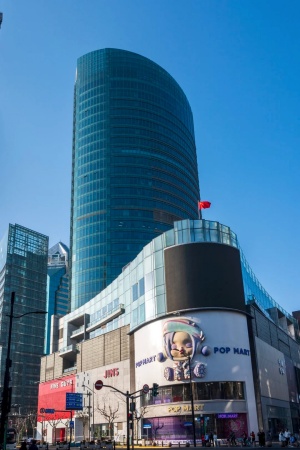
Shopping on Nanjing Road in Shanghai was just amazing! It's truly the "First Commercial Street of China", where tradition and modernity blend perfectly. You can find awesome souvenirs and experience the trendy vibes in cool stores. The neon lights at night are just spectacular, shining bright like Times Square in New York. The food here is incredible too. I had a feast for my taste buds. Shanghai, I'll definitely be back!
Destination(s): Shanghai
Date of Experience: May 08,2024
...
...
Elvis Eva
Canada
Reviewed on June 20,2025
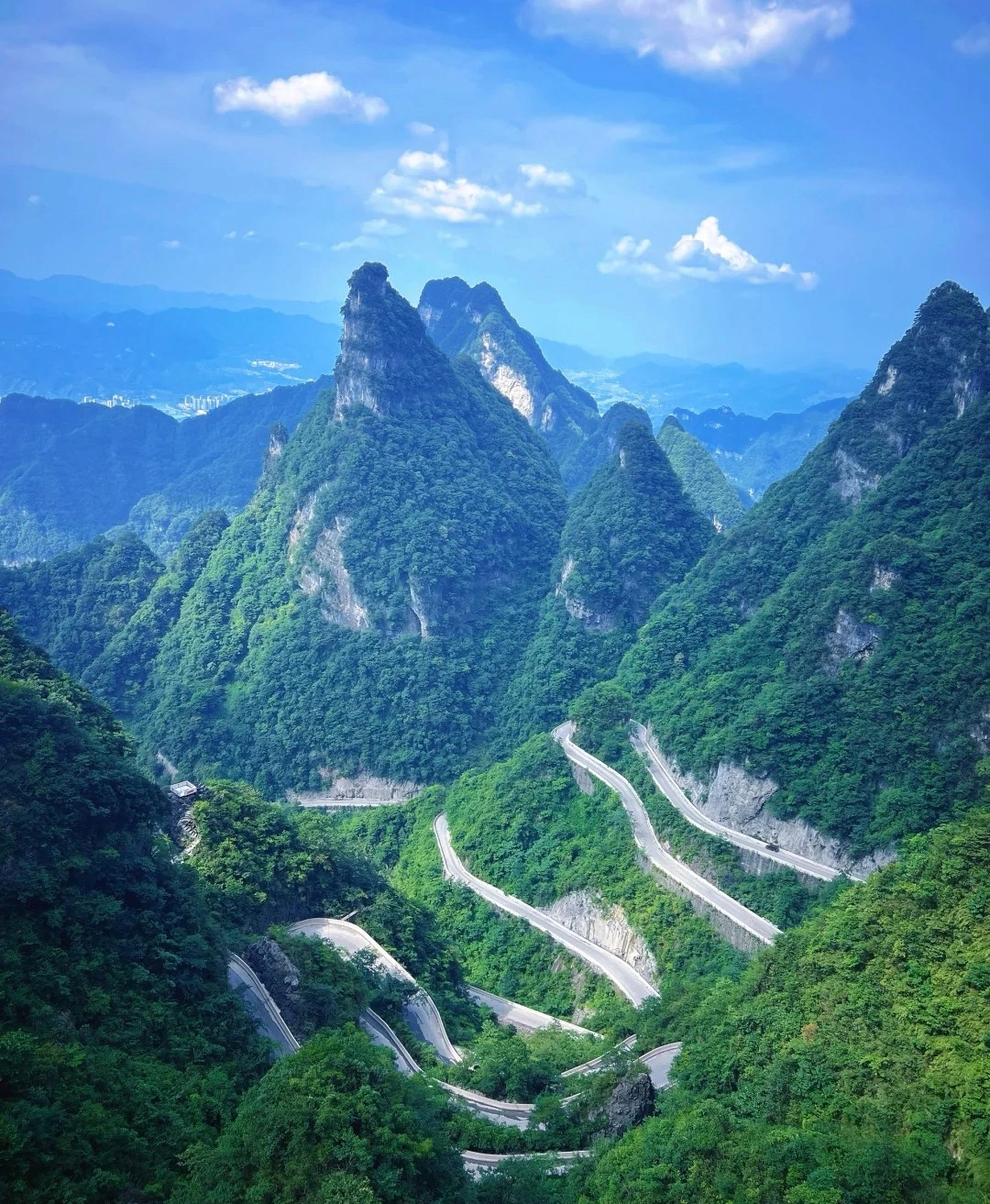
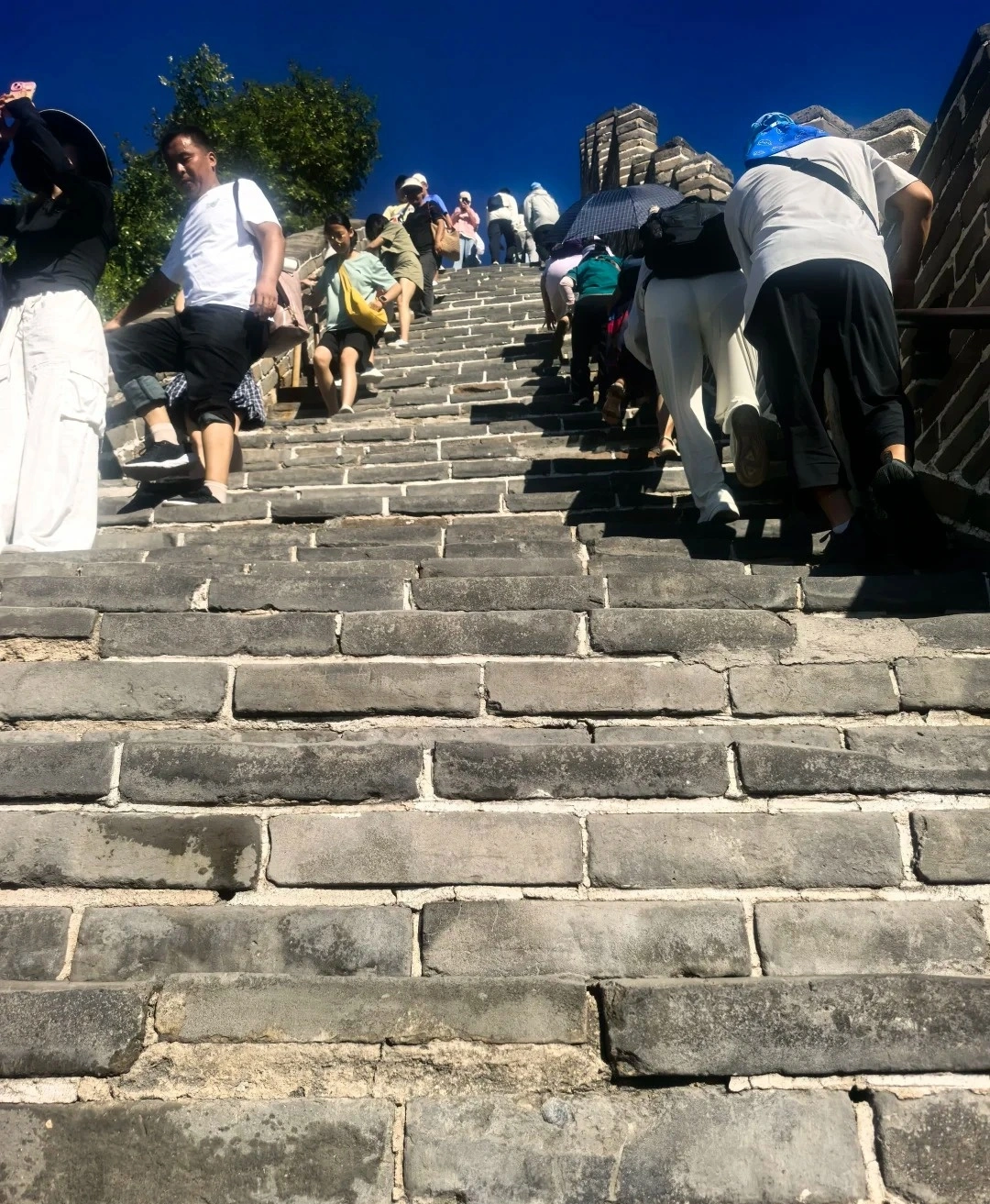
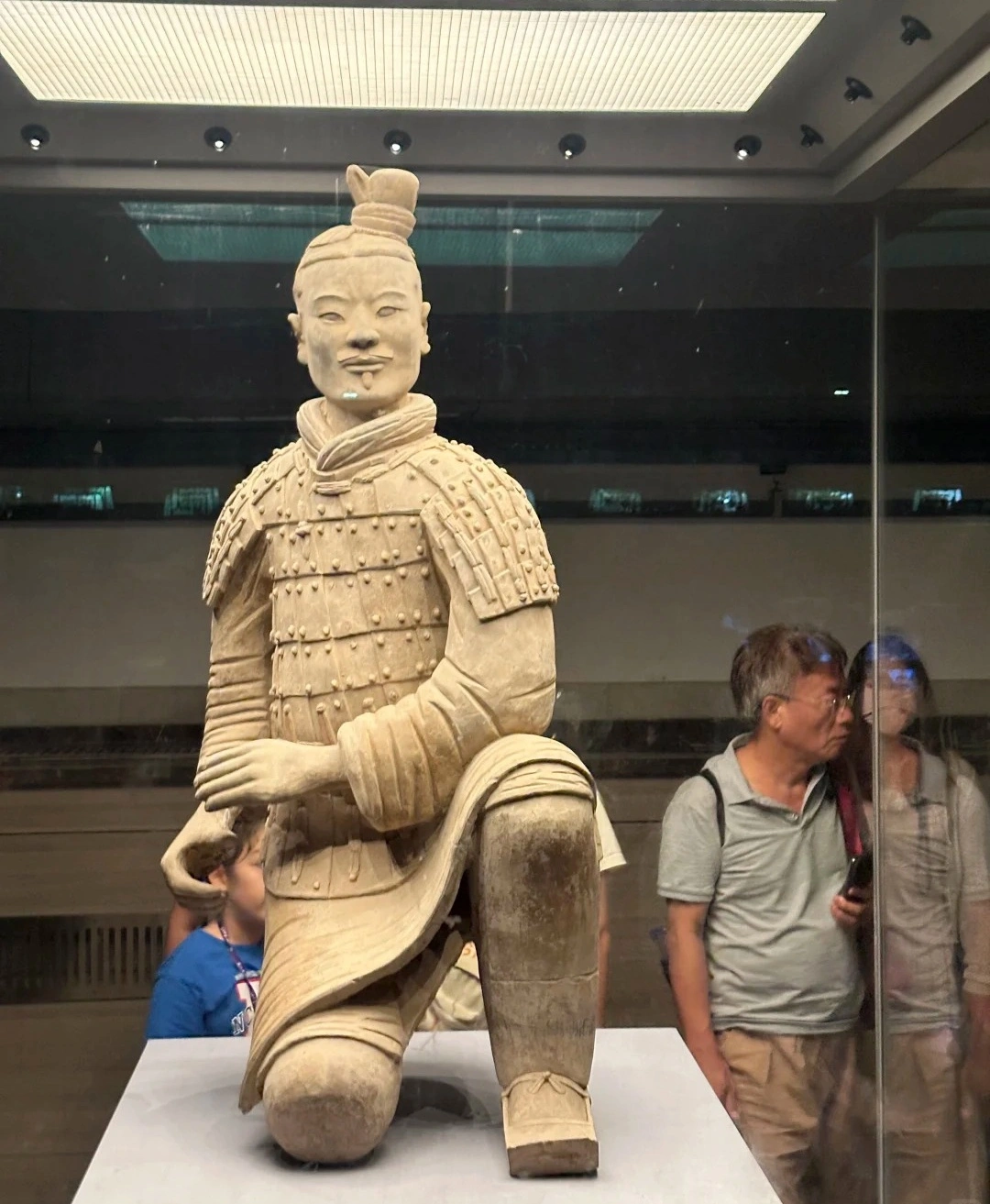
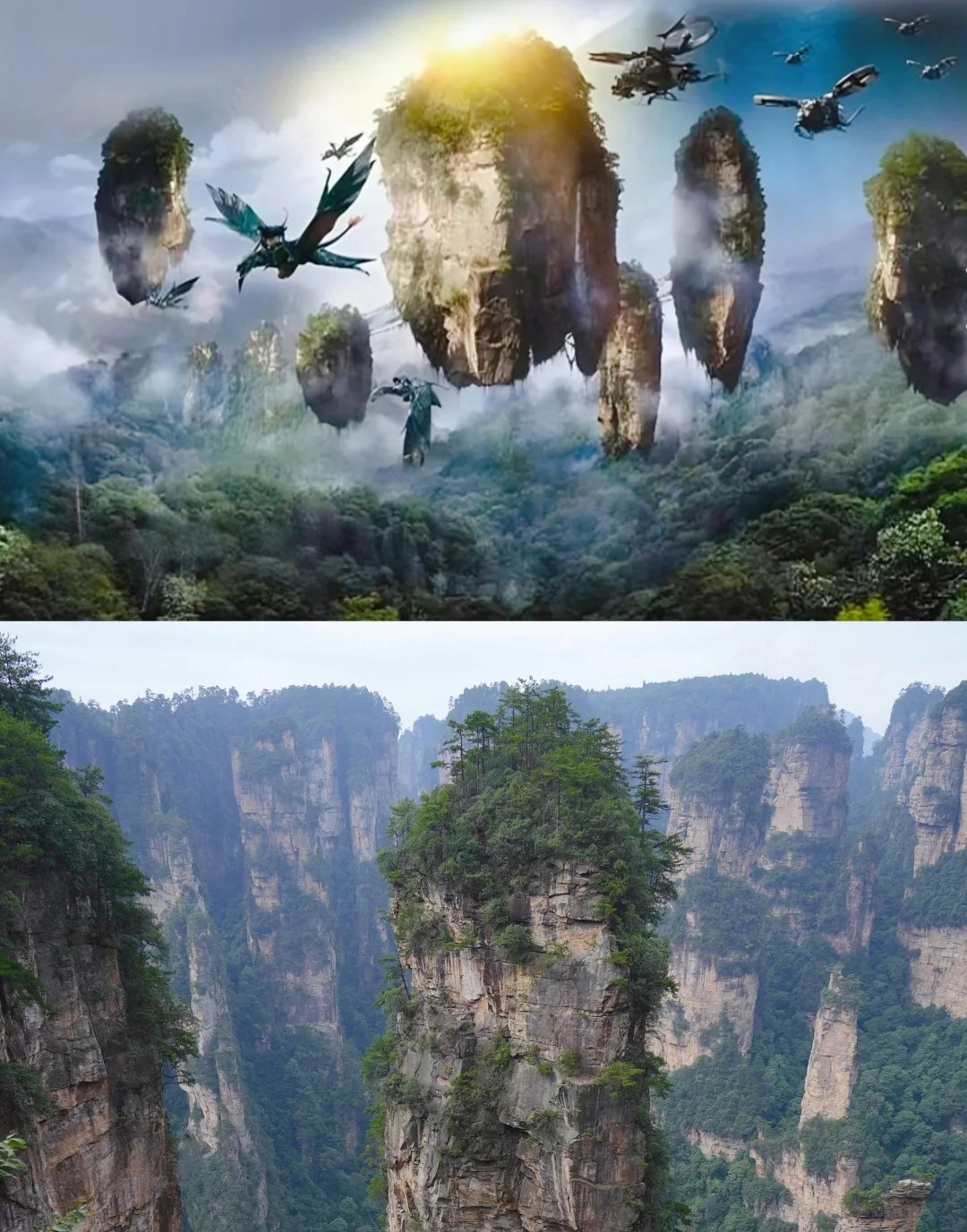
As a solo traveler from Canada, I was nervous about navigating China alone—but this 11-day tour was PERFECT! From hiking the Great Wall at sunrise (Day 3) to gasping at the Terracotta Army (Day 5), every day delivered ‘pinch-me’ moments. The real showstopper? Zhangjiajie’s Avatar Mountains (Day 7)! Our guide made the stone pillars come alive with stories. Massive thanks for handling all logistics—bullet train tickets, entry passes, car! And the 4-star hotels surprised me.
Destination(s): Beijing Xian Zhangjiajie Shanghai
Date of Experience: June 02,2025
... ... ...
...
Simon
America
Reviewed on May 29,2025
Our 2-day Zhangjiajie tour was beyond spectacular! As someone who’s visited Beijing and Shanghai for work, this trip revealed China’s wild, magical heart. Day 1 in Zhangjiajie National Forest Park felt like stepping onto Pandora—I’m a huge Avatar fan, and Yuanjiajie’s floating peaks left me breathless. The misty pillars and lush valleys like pure movie magic! Then came Fenghuang Ancient Town, we eat dinner beside the thundering waterfall. It seems Unreal! The night views of stilt houses glowing over the river were straight from a fairy tale. For fellow Avatar lovers and adventure seekers: Don’t miss this bucket-list experience! 10/10 would return. A Well-Traveled Film Buff, May 2025

Destination(s): Zhangjiajie
Date of Experience: May 08,2025
... ...

Ask a Question

Question Summary (100 characters)
Details (optional) (2,000 characters)
Name
Country
Email