The Lingering Garden: A flowing three-dimensional landscape painting

The Lingering Garden: A flowing three-dimensional landscape painting

Overview: A model of a Jiangnan garden with a vast universe within reach
The Lingering Garden, a World Heritage Site recognized by UNESCO, is a classical private garden that was first built during the Wanli period of the Ming Dynasty. It covers an area of approximately 23,000 square meters and is renowned for its exquisite architectural space art. It is one of the four famous gardens in China and is hailed as the "crown of Famous gardens in Wuzhong".

A quick overview of key highlights
Identity tags: World Cultural Heritage/One of the Four Famous Gardens in China
Core experiences: The ever-changing scenery along the winding corridors, the architectural aesthetics of the halls and pavilions and the pleasure of stone appreciation on the towering peaks
Suggested tour: 2-3 hours. It is recommended to combine guided Tours or learn about its historical background in advance for a deeper appreciation
Address: No. 338, Liuyuan Road, Gusu District, Suzhou City, Jiangsu Province

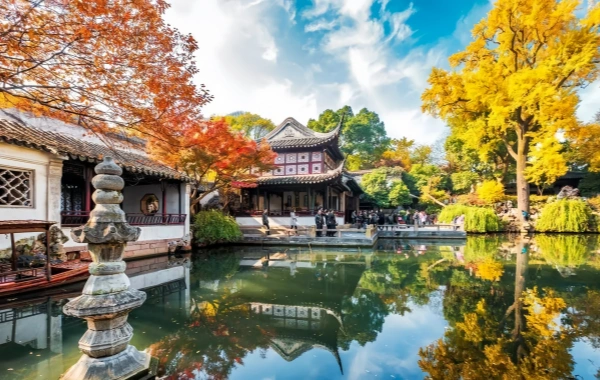
  • The Lingering Garden: A flowing three-dimensional landscape painting-1
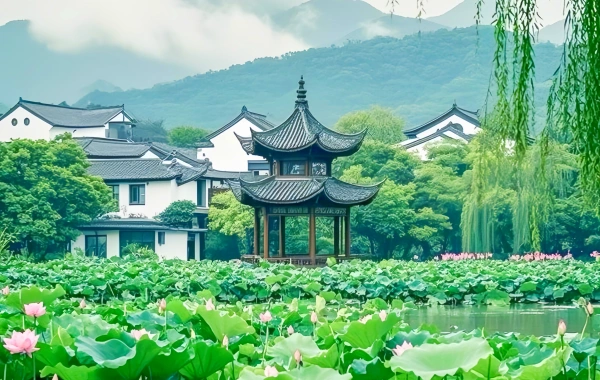
  • The Lingering Garden: A flowing three-dimensional landscape painting-2
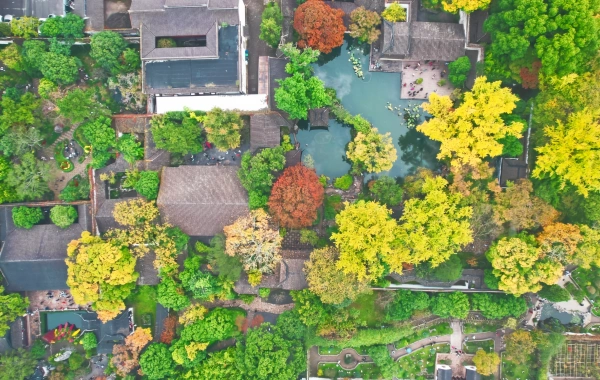
  • The Lingering Garden: A flowing three-dimensional landscape painting-3
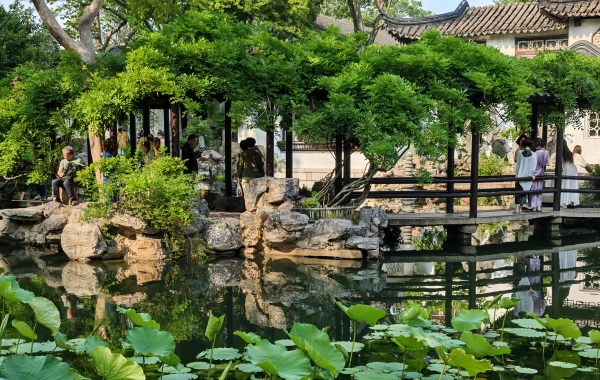
  • The Lingering Garden: A flowing three-dimensional landscape painting-4

Origin: The Rise and Fall of a 400-year-old Famous Garden and Its Enduring Existence

Furong Ancient Town

The Change of Garden Name - From "Hanbi" to "Changliu"
The name of the Lingering Garden carries the coincidences of history and beautiful implications. The garden was originally the "East Garden" built by Xu Taishi, the deputy director of the Taipu Temple, during the Wanli period of the Ming Dynasty. At that time, it was renowned for its magnificent halls and the exquisite stone screens piled up by the master of stone stacking, Zhou Shichen. During the Jiaqing period of the Qing Dynasty, the owner of the garden, Liu Shu, renamed it "Hanbi Villa" because the bamboo in the garden was "cold in color and the water was clear and blue", and many white-barked pines were planted. As it was located in Huabu Li, it was also called "Huabu Xiaozhu". During the Tongzhi period of the late Qing Dynasty, the garden owner Sheng Kang purchased this garden and carried out major renovations. Due to the frequent wars in Suzhou, many famous gardens were destroyed by the ravages of war, but this garden miraculously remained intact. Therefore, it was renamed "Liu Garden" based on the homophonic pronunciation of "Liu Garden", symbolizing "forever remaining in the universe", and also implying the Creator's intention to leave this beautiful scene for visitors to linger and enjoy.

The Road of Construction - The Inheritance of Craftsmanship Spanning the Ming and Qing Dynasties
The construction and inheritance of the Lingering Garden is a condensed history of the art of Jiangnan gardens:
At the beginning of the Ming Dynasty (1593), Xu Taishi established the East Garden, laying the foundation for the basic layout of the garden. His art of stacking stones had already gained fame.
During the Qing Dynasty's heyday (1794-1876), Liu Shu renovated it into the Hanbi Villa, collecting strange peaks and rocks, which laid the foundation for the cultural characteristics of the garden today, featuring numerous inscribed stones and numerous strange peaks. After Sheng Kang and his son took over, they renovated and built the garden, making it "even more magnificent and beautiful than in its heyday", and eventually named it the Lingering Garden, making it one of the most famous gardens in the Wu region.
Modern revival: After the 1930s, the garden was once desolate. In 1953, the Suzhou Municipal People's Government organized experts and craftsmen to carry out a comprehensive restoration of it, restoring the former glory of this famous garden. In the 1990s, the complete appearance of the connected residence and garden was further restored.
World Treasure: In 1997, the Liuyuan Garden, as an outstanding model of classical gardens in Suzhou, was inscribed on the World Heritage List, becoming a shared cultural wealth of all mankind.

> In-depth Understanding: Explore More Treasures of Chinese Classical Garden Art >> [Humble Administrator's Garden]

Must-see Wonder: A symphonic Poem of Architecture and Nature

Furong Ancient Town Furong Ancient Town Furong Ancient Town Furong Ancient Town

Natural creation - the artistic conception of mountains and waters that condenses the universe
Although the Lingering Garden was created by humans, it pursues the natural charm of "seemingly created by nature" everywhere. The entire park is ingeniously divided by architectural complexes, forming four distinct scenic areas in the middle, east, west and north, which together create a miniature world of mountains and waters.

The central landscape area: The essence and soul of the garden
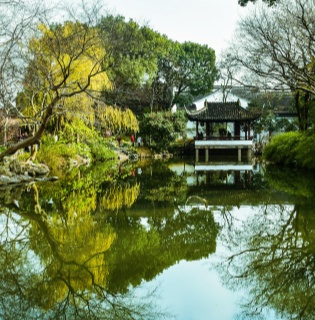
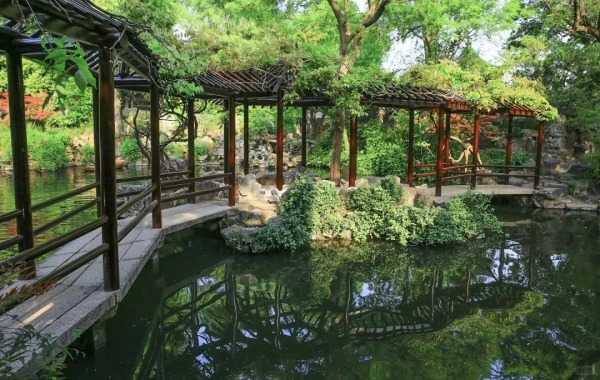
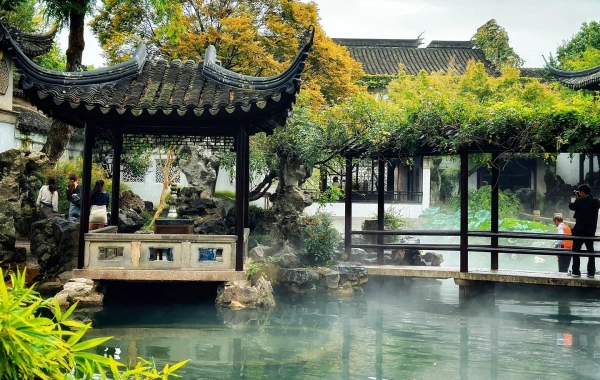
This is the foundation of the original Hanbi Villa, with water at its center, mountains to the west and north, and buildings to the east and south, presenting a serene atmosphere of lush mountains and forests.
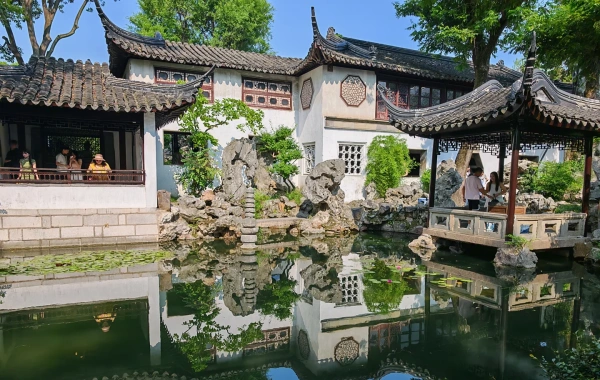
Hanbi Mountain House and Mingse Tower: The main buildings in the middle. The Hanbi Mountain House is an open hall with a platform facing the pond in front. The Mingse Tower is like the front cabin of a painted boat. The combination of the two resembles a boat moored by the mountain pond, making it an ideal place for enjoying lotus flowers and viewing the scenery.
Wenmuxi Xiangxuan: Located at a high place on the northwest foot of the central rockery. Here, osmanthus flowers are planted everywhere. Every autumn, the fragrance wafts in the air, refreshing the heart and soul. Moreover, you can overlook the entire central area. Looking around, the entire garden is a feast for the eyes.
Xiaopenglai: A small island in the pool, connected to both banks by a curved bridge, is like a fairyland, adding layers and a sense of depth to the water scenery.

The western mountainous forest area and the northern farmland park: A symphony of wild charm and vitality
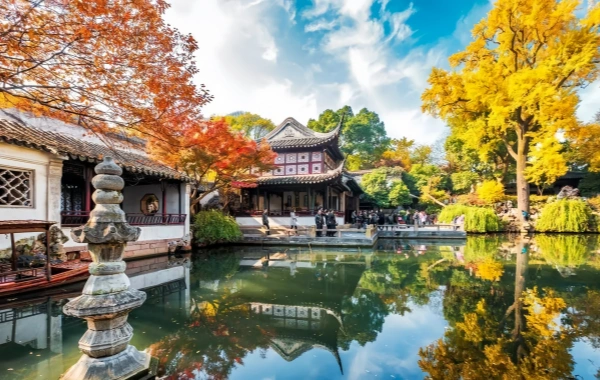
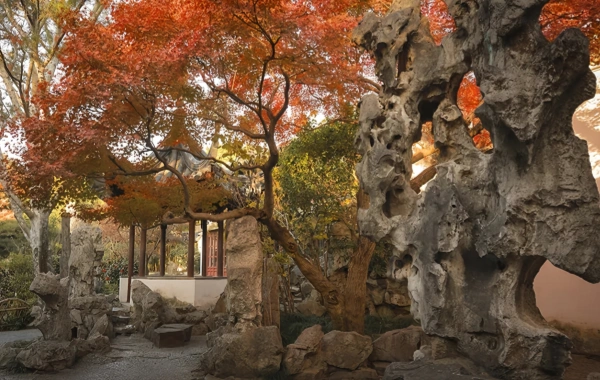
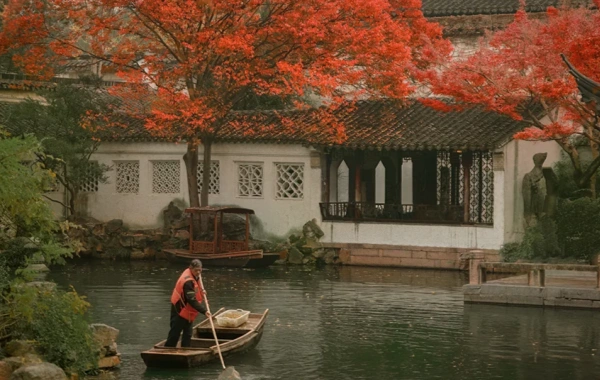
The western mountain forest: It is mainly composed of earth, stone and artificial hills. Maple trees form forests on the mountains, and in late autumn, the red clouds are like brocade. Climbing up the Zhile Pavilion and Shuxiao Pavilion on the mountain, one can not only overlook the garden but also borrow the views of the various mountains in the western suburbs of Suzhou from afar, thus expanding the visual boundaries of the garden.
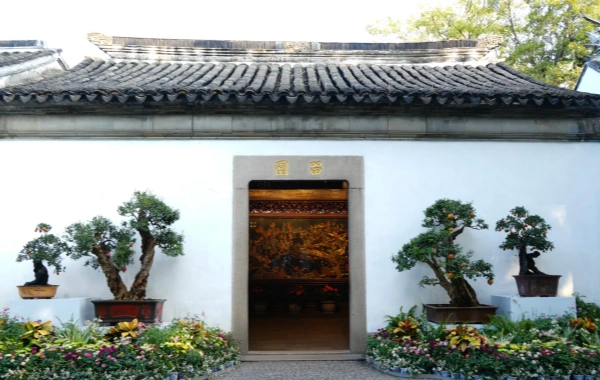
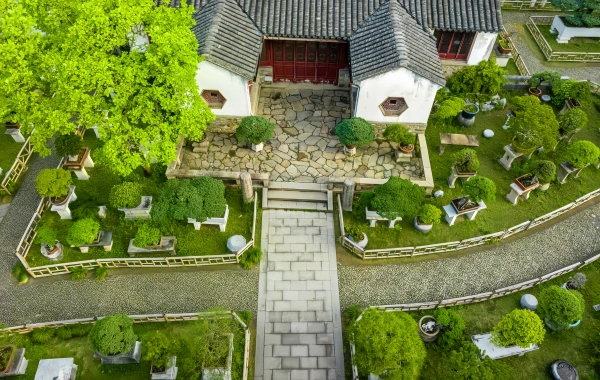
Northern Bonsai: Now it is a bonsai garden, displaying hundreds of simple and strange bonsai, with flourishing flowers and trees, presenting a unique rural charm.

Humanistic craftsmanship - the architectural treasure unrivaled in Wuzhong
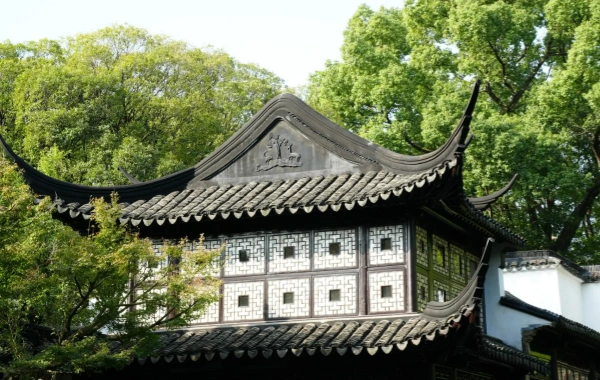
The architectural art of Liuyuan is its soul. The over 700-meter-long winding corridor, like a bond, connects the Spaces and creates an endless and profound sequence of landscapes.

Eastern Architectural District: Magnificent halls and a feast of strange stones
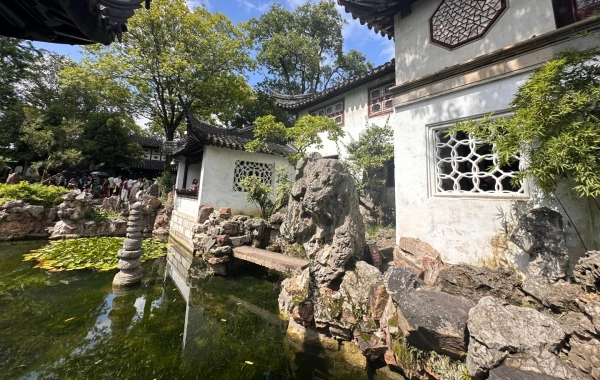
This is the area with the densest and most magnificent architecture in the Lingering Garden. The numerous courtyards interpenetrate through latticed Windows, doorways and long corridors, creating an ever-changing space.
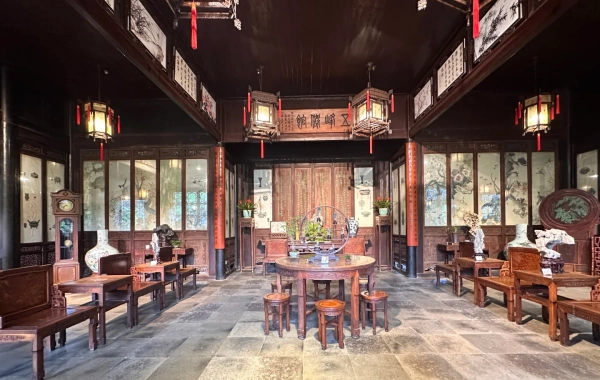
Wufeng Immortal Pavilion: Known as the "No. 1 Hall in the South of the Yangtze River", the hall is made of precious nanmu wood structure, and the interior decoration and furnishings are extremely exquisite and elegant. In the front courtyard of the hall stands a peak stone symbolizing the Five Elders Peak of Mount Lu, presenting a magnificent and imposing scene.
The Lin Quan Qi Shuo Pavilion: The exquisite Mandarin Duck Hall is separated to the north and south by a floor-to-ceiling canopy with carved and transparent round holes. The North Hall is an excellent spot to view the most precious part of the Lingering Garden.
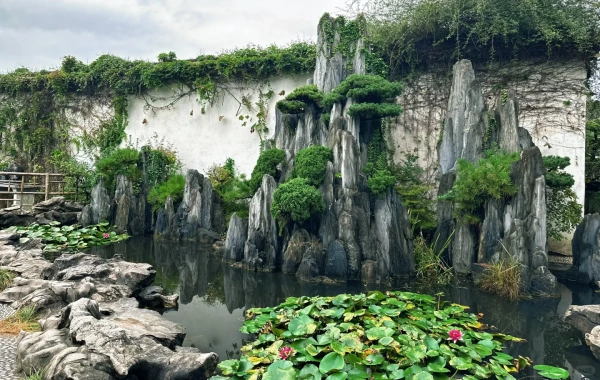
Guanyunfeng: The symbol of the Lingering Garden, it can be regarded as the crown of lake stones in Jiangnan gardens. This peak is 6.5 meters high, exquisite and transparent, featuring the beauty of "thinness, wrinkles, leakage and transparency". It is said to be a relic of the "Flower Stone Gang" of the Song Dynasty. It, along with the Ruiyun Peak and Xiuyun Peak on its left and right, is known as the "Three Peaks of the Lingering Garden", standing together in front of the Huan Yun Marsh, forming a perfect three-dimensional picture.

Curved corridors and framed Views: Flowing Spatial Art
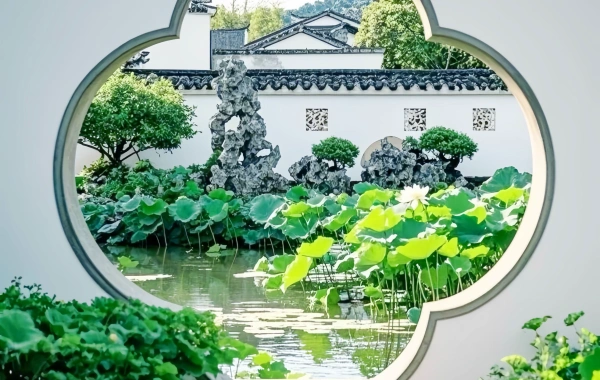
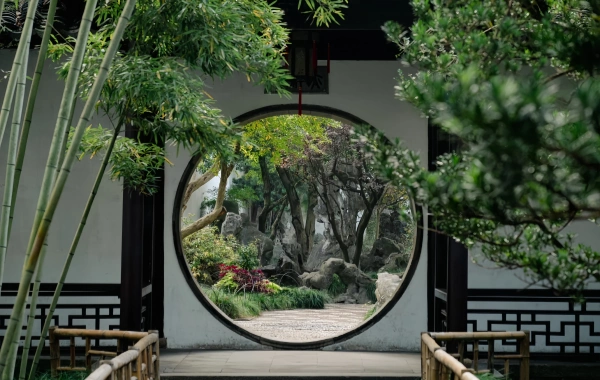
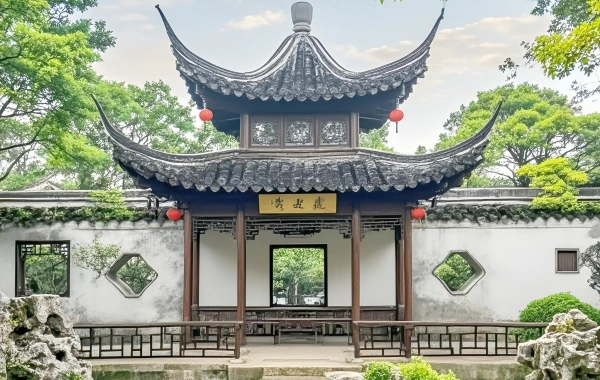
The meandering corridor, which is over 700 meters long, is not only a transportation route but also an artistic gallery that guides Tours and organizes the scenery. The corridor walls are inlaid with a large number of stone carvings of calligraphy by famous artists of past dynasties, exuding an elegant and refined atmosphere. The variously shaped lattice Windows and arched doors on the corridor walls are like natural picture frames, framing the distant mountains, rocks, flowers and trees into vivid pictures, truly achieving the charm of "changing scenes with every step".

Photography Secrets:
Framing composition: Make good use of the latched Windows and opening doors on the corridor walls as the foreground framework to capture distant pavilions, strange rocks or flowers and trees, which can produce the most distinctive scenes of Suzhou gardens.
Light and shadow capture: The slanting light in the early morning or late evening is most suitable for shooting the texture of buildings and courtyards. The light and shadow changes in the Stone Forest Courtyard under the sunlight are particularly charming.
Classic shooting position: Capture the panoramic view of the central landscape from the platform in front of the Hanbi Mountain House. The north window frame of Lin Quan Qishuo's Pavilion offers a view of Guanyun Peak. The Osmanthus Fragrance Pavilion offers a panoramic view of the central garden.
Seasonal feature: When osmanthus flowers are in full bloom in autumn, the area around the Osmanthus Fragrance Pavilion is an ideal place to capture the autumn atmosphere and architecture. In late autumn, the western mountains and forests are ablaze with red leaves, their colors intense and intense.

Core Experience: A guide to an immersive and elegant garden lifestyle

Furong Ancient Town Furong Ancient Town Furong Ancient Town Furong Ancient Town Furong Ancient Town Furong Ancient Town

Five must-do things to unlock the Charm of Famous Gardens
Take a walk along the 700-meter-long winding corridor and experience the "changing scenery with every step".
Route: Starting from the long and winding passage at the entrance, experience the dramatic changes in the space from dark to bright and from narrow to wide, and appreciate the ingenious conception of ancient garden designers who intended to lift the atmosphere before lowering it.
Experience: Slow down and pay attention to the calligraphy and stone carvings on the corridor walls and the different scenes outside each flowered window. This is the key to understanding the spatial art of the Lingering Garden.
2. Admire Guanyun Peak once and have a dialogue with the thousand-year-old strange stones
Key point: Sit quietly in the north hall of Lin Quan Qi Shuo's Pavilion and carefully appreciate the exquisite posture of Guanyun Peak from the best perspective. Observe the texture changes of it under different weather and light conditions, and feel the aesthetic taste of the ancients that "stone makes people feel ancient".
Extension: Learn about the series of buildings surrounding Guanyun Peak (Guanyun Tower, Guanyun Pavilion, Zhuyun Nunnery), all of which were built to set off and admire this unique rock, forming a complete space for stone appreciation.
3. Visit a hall and feel the warmth of history
Key point: Visit the Wufeng Immortal Pavilion (Nanmu Hall) and experience the grandeur and exquisite woodwork of the highest-level halls in the Jiangnan region.
Calm your mind: Take a brief stop in a small courtyard such as the Stone Forest Courtyard or the Yifeng Pavilion, and feel the elegant atmosphere of a study with banana plants leaning against the window and bamboo and stones accompanying you.
4. Follow a wisp of floral fragrance and perceive the four seasons of the garden
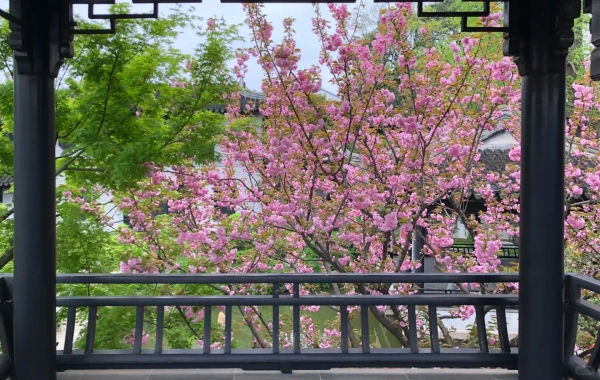
Spring: Admire the wisteria vines hanging down and the peonies in full bloom.
Autumn: A must-visit place is the Osmanthus Fragrance Pavilion, where you can immerse yourself in the sweet scent of osmanthus. This is the most classic olfactory memory in the Lingering Garden.
5. Be a figure in a painting for once and shoot a classical blockbuster
Time: One hour before the garden opens or closes. There are fewer visitors and the light is soft.
Location: Under the winding corridor window, beside the lake stone, at a corner of the pavilion. It is recommended to wear simple and elegant or Chinese-style clothing to blend in with the garden environment.

Suggested tour route
One-day "Quick Overview of Highlights" Tour (Suitable for Most Tourists)
Enter the park in the morning or afternoon → Follow the classic tour route: Entrance → Green Shade Pavilion → Hanbi Mountain House (Mingse Tower) → Smelling Osmanthus Fragrance Pavilion → Ke Pavilion → Five Peaks Immortal Pavilion → Stone Forest Courtyard → Lin Quan Qi Shuo's Pavilion (Guan Guan Yun Peak) → Bonsai Garden → Exit. This route connects the essence of mountains, waters, architecture and strange rocks, and takes about 2 to 3 hours.
IntoTravelChina Tip: This itinerary is compact and covers the most core landscapes of the Lingering Garden. It is recommended to make an online reservation and purchase tickets in advance, especially during holidays, to avoid the situation where you cannot enter the park on site.

Two-day "In-depth Garden" Tour (Highly Recommended)
Day 1: In the morning, focus on a thorough tour of the Lingering Garden. Follow professional explanations and carefully read the stories behind each building, couplet and stone carving. In the afternoon, visit the Humble Administrator's Garden or the Lion Grove Garden, which are known as the "Four Great Gardens of Suzhou" along with the Lingering Garden. Compare and experience the style and characteristics of different gardens (the Humble Administrator's Garden features expansive mountains and waters, while the Lion Grove Garden has fantastical rockeries).
Day 2: In the morning, visit the off-the-beaten-path and exquisite Art Garden or Couple Garden to experience a more serene garden atmosphere. In the afternoon, I strolled along the Pingjiang Road Historical District and listened to a piece of Suzhou Pingtan at a Pingtan teahouse, completing a cultural experience from garden art to the charm of the local market.
IntoTravelChina's advantages: We can book the most suitable accommodation and performance tickets for you, arrange all transportation connections, and provide detailed explanations of garden culture and tour routes, allowing you to enjoy a worry-free and in-depth tour.

Professional Guide: IntoTravelChina can offer you a private customized itinerary, including a dedicated tour guide, transportation and activity arrangements, allowing you to enjoy a deep and worry-free trip. >> [Consult for Customization Now]

Travel Guide: Transportation, Accommodation and Seasons

Furong Ancient Town Furong Ancient Town Furong Ancient Town

How to Get There: A Seamless Connection Guide
The Lingering Garden is located outside the 阊 gate of the ancient city of suzhou, with very convenient transportation.
Railway arrival: Take the high-speed rail to Suzhou Railway Station. After exiting the station, take Metro Line 2 to "Shilu Station" and walk for about 10 minutes to reach Liuyuan. Alternatively, you can take a taxi directly, which is not far away.
City buses: You can take many bus routes such as Tourist Route 1, Route 85, Route 317, and Route 933 and get off at the "Liuyuan" stop.
By car: Navigate to "Liu Garden Scenic Area". There are parking lots nearby, but parking Spaces in the ancient city area are relatively tight. It is recommended to give priority to public transportation during holidays.

Best visiting time
The Lingering Garden is suitable for all seasons, but the climate and scenery in spring and autumn are the most charming.
The golden spring and autumn seasons (March to May, September to November) : The climate is mild and flowers bloom one after another. Especially in autumn, the garden is filled with the fragrance of osmanthus, and the western mountain forests are abridged with red leaves. It is the best time to experience the poetic charm of the garden.
Summer (June to August) : The garden is shaded by green trees and the area around the pool is relatively cool, but it is necessary to take precautions against heatstroke and rainfall. Lotus flowers can be enjoyed.
Winter (December to February) : There are relatively fewer tourists, allowing for a quieter appreciation of the garden's architecture and stone features, and enjoying the serene garden scenery. Tickets are subject to off-season prices.

Accommodation options
Within the ancient city area (first choice)
Near Guanqian Street/Pingjiang Road: There are many hotel options, and dining and shopping are extremely convenient. It is very close to major scenic spots such as the Lingering Garden and the Humble Administrator's Garden. Public transportation is also convenient.
2. Near Shantang Street: You can experience the night view of a Jiangnan water town where "all houses are located by the river", with a unique atmosphere. It is also very close to the Lingering Garden.
Garden Feature Accommodation (Unique Experience)
There are some boutique hotels or homestays in Suzhou that have been transformed from old houses, allowing you to experience the classical life atmosphere more deeply.

IntoTravelChina Accommodation Booking Suggestions
We suggest choosing accommodation based on the key points of your itinerary. If you plan to focus on visiting the gardens and historical and cultural districts within the ancient city, choosing a hotel near Guanqian Street or Lindun Road is the most convenient option. If you wish to experience a more serene and elegant environment, we can recommend boutique hotels with the characteristics of Suzhou-style courtyards to you. Tell us your budget and requirements, and we will match the most suitable place for you to stay. [Click to contact IntoTravelChina Travel Consultant]

Eye Expansion: A Journey through the Twin Cities of Jiangnan Starting from the Lingering Garden

Furong Ancient Town

The Lingering Garden is not only the starting point for savoring the art of gardens, but also the key to unlocking the diverse charm of Jiangnan. In addition to the classic one-day and in-depth garden routes, you can also choose from the following journeys to explore Suzhou and its surrounding areas more flexibly.

Two-day Leisurely Tour of Gusu Elegance: This is a deep Suzhou experience of "entering the market from the garden". The itinerary starts with the architectural space art of the Lingering Garden, followed by a visit to the "Kingdom of Rockeries", the Lion Grove Garden, to experience the charm of the strange rocks. In the evening, I strolled along the Pingjiang Road Historical District, lost in the tenderness of the water alleys amid the sound of Pingtan. The next day, we went to the Humble Administrator's Garden, known as the "Mother of Chinese Gardens", to enjoy its expansive water scenery and visited the adjacent Suzhou Museum, a masterpiece of Ieoh Ming Pei. In the afternoon, we climbed the "No. 1 Scenic Spot in Wuzhong", Tiger Hill, and drew a perfect conclusion to our journey beside the Leaning Tower and Sword Pool. Check out the 2-day slow tour route of Suzhou Garden Culture

A Classic three-day Shuttle Tour between Shanghai and Suzhou: This is a dialogue between modernity and classicism that transcends time and space. On the first day in Shanghai, start with the classical Yu Garden to experience the charm of Shanghai-style gardens, and then read about the century-old vicissitudes between the skyline of the Bund and Lujiazui. The next day, take the high-speed rail (about 30 minutes) directly to Suzhou. Enjoy an immersive tour throughout the day: in the morning, savor the ever-changing scenery of the Liu Garden; in the afternoon, appreciate the grandeur of the Humble Administrator's Garden; and in the evening, experience the dimly lit Shantang Street. On the third day, you can choose to visit another exquisite small garden such as the Master of the Nets Garden, or delve deeper into the scenic spots of Tiger Hill. Return in the afternoon with a flood of memories of Jiangnan. A 3-day highlights tour of Shanghai and Suzhou

Join hands with IntoTravelChina to embark on your journey of appreciating garden art

Furong Ancient Town

The story of the Lingering Garden is related to the aesthetic tastes of scholar-officials, the exquisite craftsmanship of artisans and the vicissitudes of history. IntoTravelChina is dedicated to creating in-depth, personalized and worry-free travel experiences in China. Our travel experts can help you
Tailor-made itinerary: Based on your interests and time, we will design a perfect route that includes the Lingering Garden and other gardens and water towns in Suzhou.
One-stop service: Handling tickets, special accommodation, transportation connections, experienced cultural tour guides and performance reservations.
Exclusive Experience: In-depth activities such as explanations by garden experts, non-public period Tours, and classical costume photography are arranged.

Let your trip to Suzhou be more than just a cursory visit, but a cultural feast that delves into the profound essence of Eastern aesthetics.
Start planning your journey right away
Welcome to contact our professional travel consultants. We will provide you with a customized itinerary plan and quotation within 24 hours. [Click to contact IntoTravelChina Travel Consultant]

Recommended Tours

Top 3 tours chosen by most customers to explore in the best way. Check the detailed itinerary, or tailor your own trip now with us.

Zhangjiajie Tour
5-Day Suzhou & Hangzhou & Shanghai Tour

5 Days  |  Shanghai-Xitang-Suzhou-Hangzhou

Zhangjiajie Tour
3-Day Shanghai to Suzhou Trip

3 Days  |  Shanghai-Xitang Ancient Town-Suzhou

Zhangjiajie Tour
4-Day Shanghai and Nanjing Trip

4 Days  |  Shanghai-Nanjing

What Our Clients Say?

Based on 10,000+ traveler reviews

...
Daniel Dorothea
Canada
Reviewed on April 29,2025
Shopping on Nanjing Road in Shanghai was just amazing! It's truly the "First Commercial Street of China", where tradition and modernity blend perfectly. You can find awesome souvenirs and experience the trendy vibes in cool stores. The neon lights at night are just spectacular, shining bright like Times Square in New York. The food here is incredible too. I had a feast for my taste buds. Shanghai, I'll definitely be back!
Destination(s): Shanghai
Date of Experience: May 08,2024
...
...
Elvis Eva
Canada
Reviewed on June 20,2025
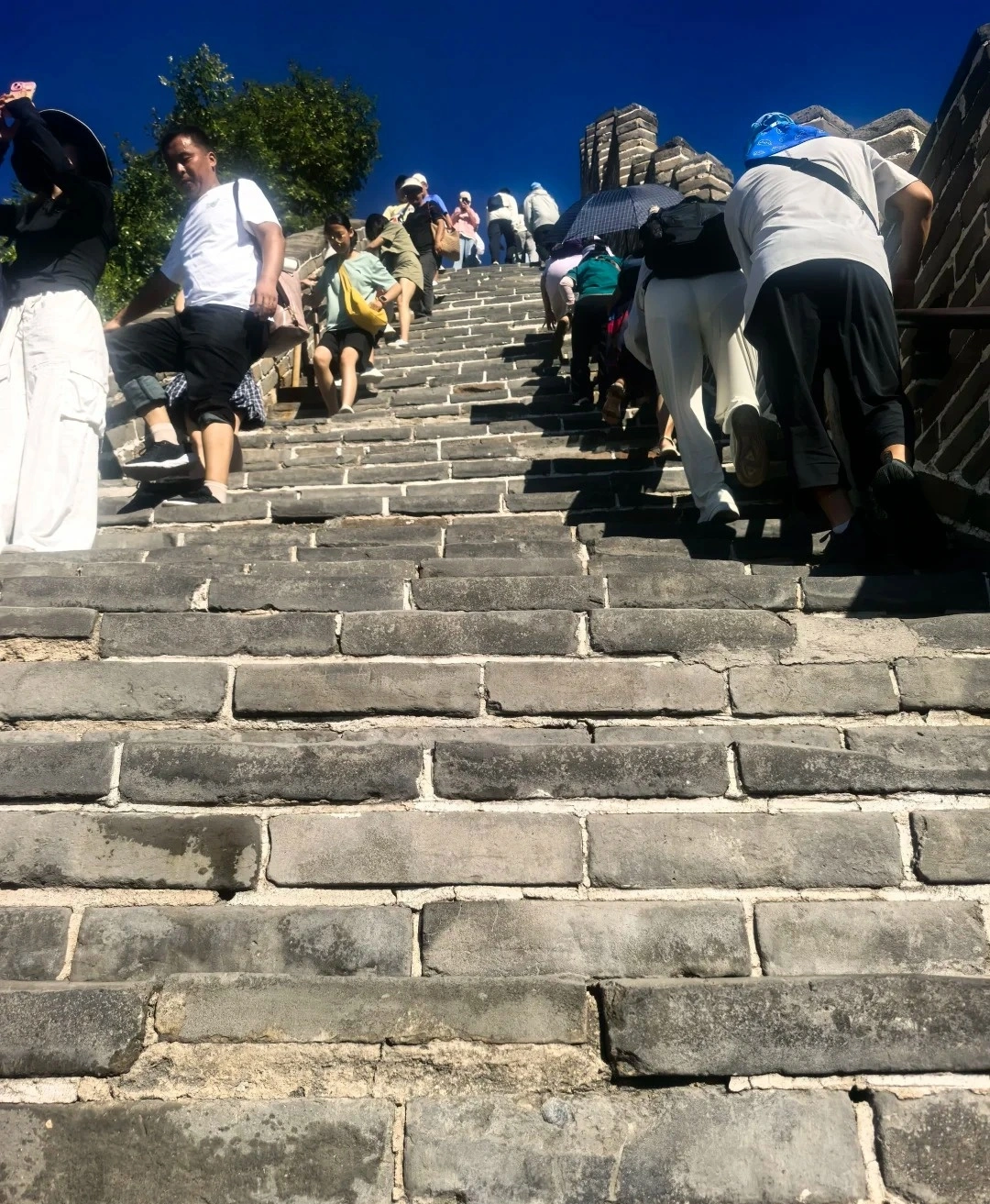
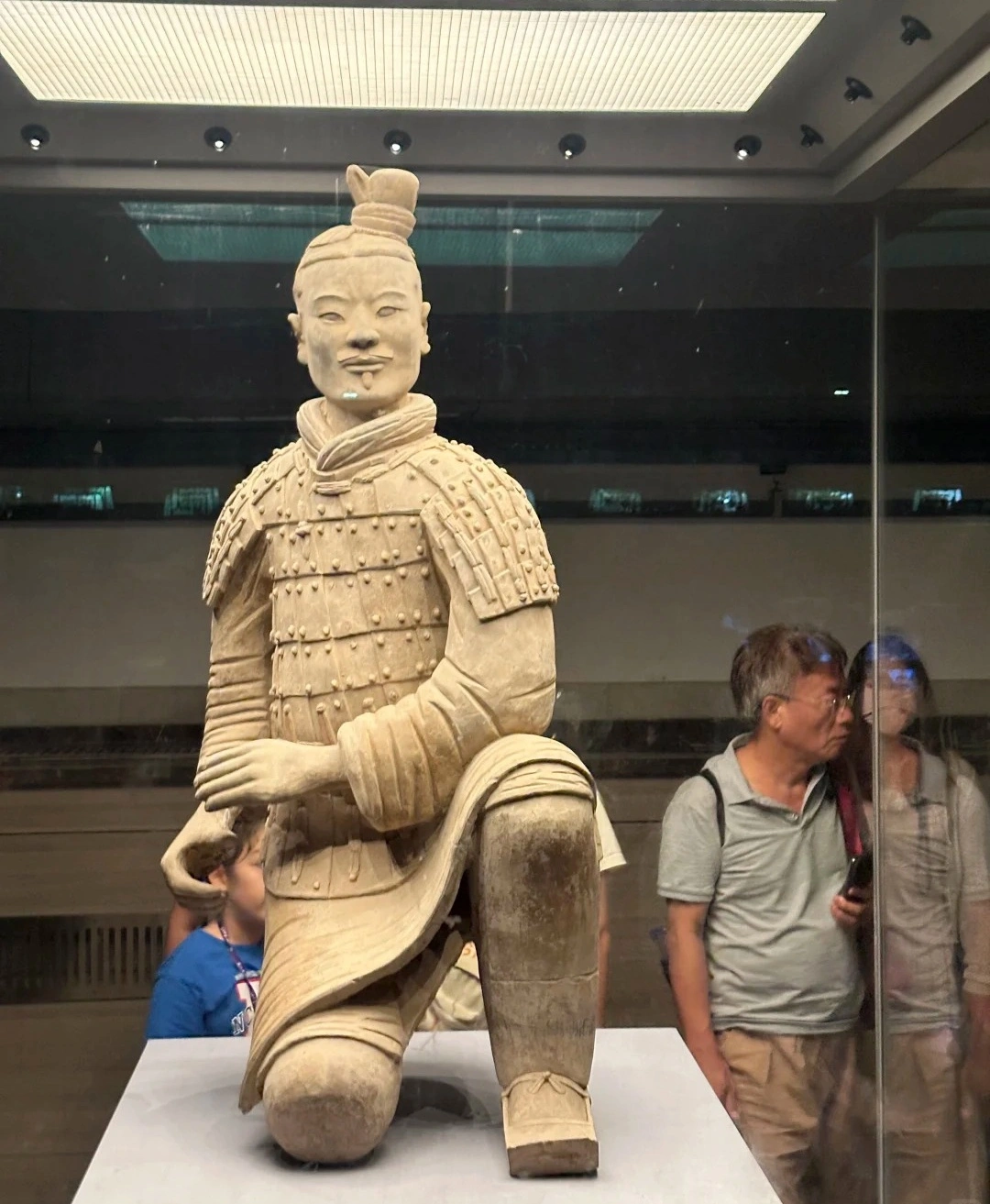
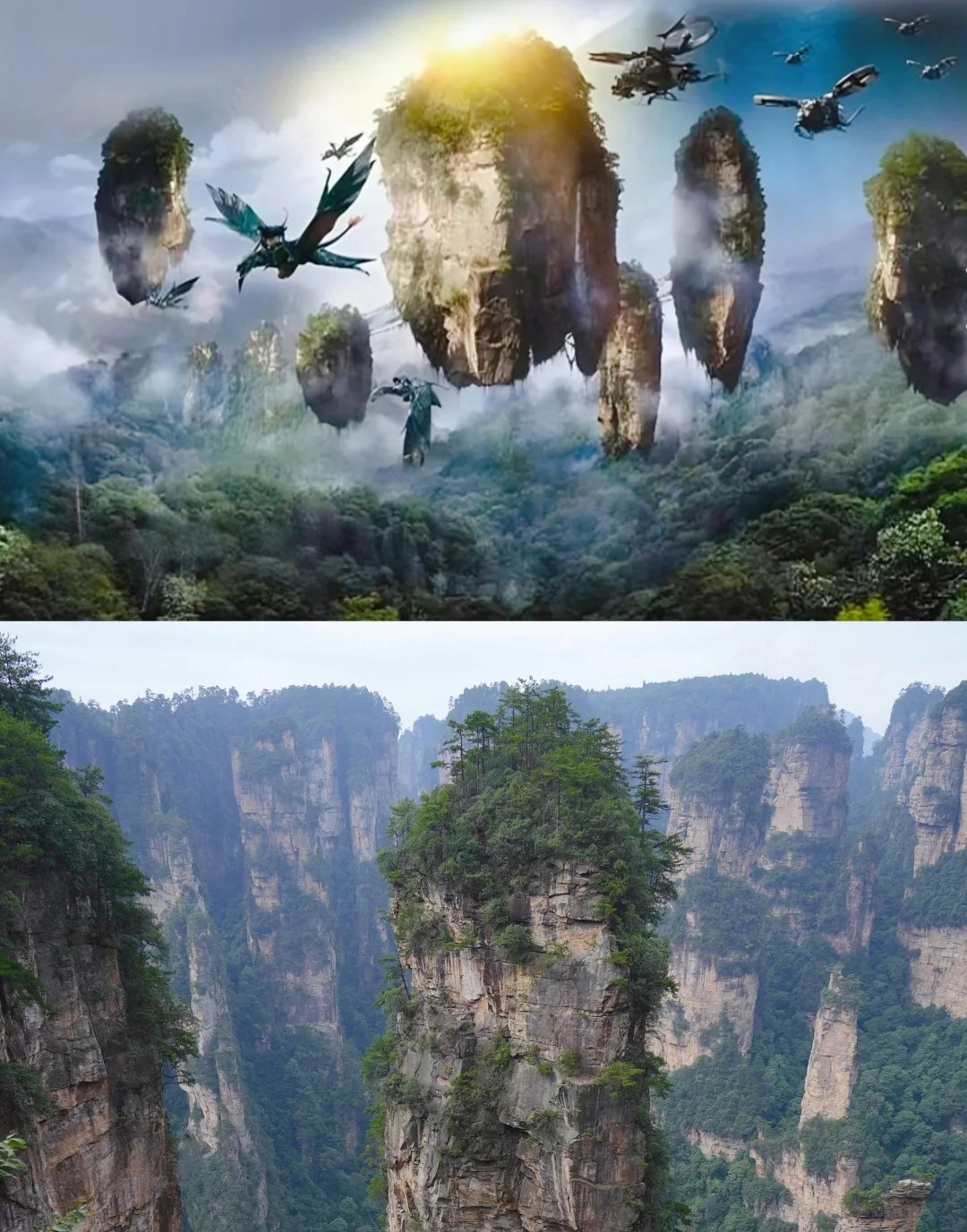
As a solo traveler from Canada, I was nervous about navigating China alone—but this 11-day tour was PERFECT! From hiking the Great Wall at sunrise (Day 3) to gasping at the Terracotta Army (Day 5), every day delivered ‘pinch-me’ moments. The real showstopper? Zhangjiajie’s Avatar Mountains (Day 7)! Our guide made the stone pillars come alive with stories. Massive thanks for handling all logistics—bullet train tickets, entry passes, car! And the 4-star hotels surprised me.
Destination(s): Beijing Xian Zhangjiajie Shanghai
Date of Experience: June 02,2025
... ... ...
...
Simon
America
Reviewed on May 29,2025
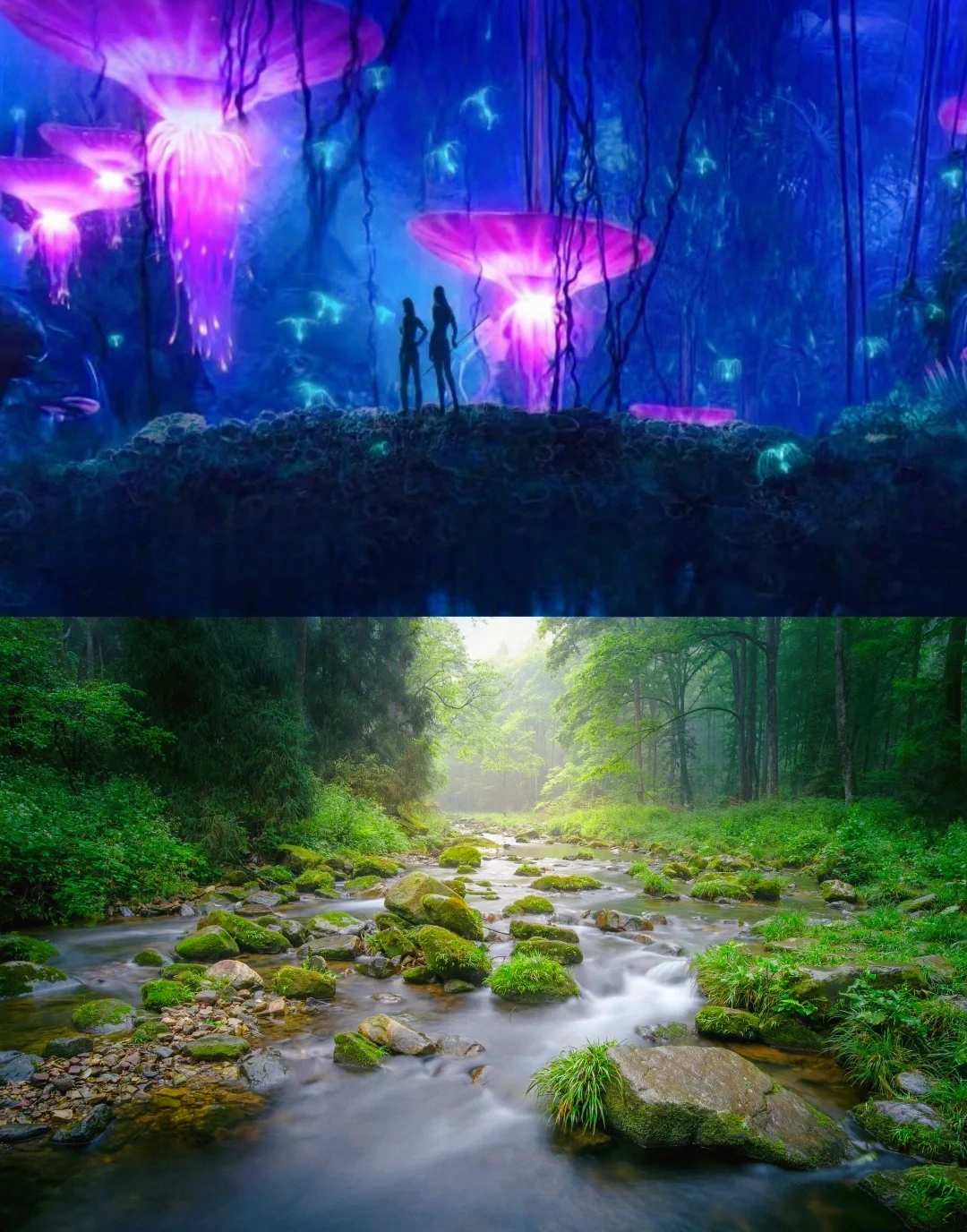
Our 2-day Zhangjiajie tour was beyond spectacular! As someone who’s visited Beijing and Shanghai for work, this trip revealed China’s wild, magical heart. Day 1 in Zhangjiajie National Forest Park felt like stepping onto Pandora—I’m a huge Avatar fan, and Yuanjiajie’s floating peaks left me breathless. The misty pillars and lush valleys like pure movie magic! Then came Fenghuang Ancient Town, we eat dinner beside the thundering waterfall. It seems Unreal! The night views of stilt houses glowing over the river were straight from a fairy tale. For fellow Avatar lovers and adventure seekers: Don’t miss this bucket-list experience! 10/10 would return. A Well-Traveled Film Buff, May 2025
Destination(s): Zhangjiajie
Date of Experience: May 08,2025
... ...

Ask a Question

Question Summary (100 characters)
Details (optional) (2,000 characters)
Name
Country
Email