

Top 10 Must-Visit Attractions in Suzhou: A Curated Exploration of Timeless Beauty and Cultural Heritage
Suzhou, often dubbed the "Venice of the East," is a city where ancient waterways, classical gardens, and time-honored traditions blend seamlessly with modernity. Renowned for its UNESCO-listed gardens, historic canals, and silk heritage, Suzhou offers a captivating glimpse into China’s refined past. Whether you’re strolling along serene lakes, admiring centuries-old architecture, or savoring local delicacies, here’s a curated list of Suzhou’s top 10 must-visit attractions.
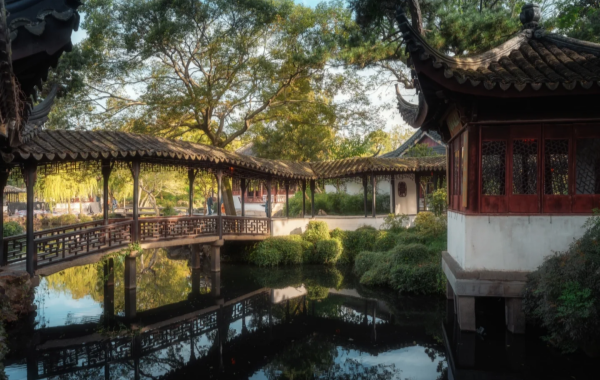
1. The Humble Administrator’s Garden (Zhuozheng Yuan)
Why visit?
A masterpiece of Ming Dynasty garden design, this UNESCO World Heritage Site is Suzhou’s largest and most famous garden. Wander through pavilions, rockeries, and lotus-filled ponds, all framed by willow trees and bamboo groves.
Highlight: The Central Pavilion, offering panoramic views of the garden’s harmonious layout.
2. Tiger Hill (Huqiu Shan)
Why visit?
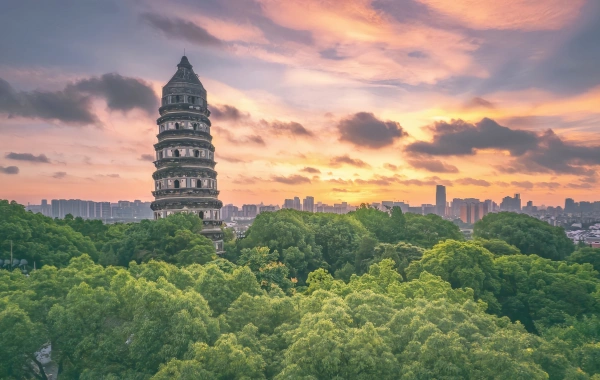
Legend says a white tiger once guarded this hill, where the legendary king Helu is buried. Explore ancient pagodas, the Sword Pool, and the Cloud Rock Pagoda, a 1,000-year-old leaning tower.
Highlight: The sunset view from the hilltop, casting a golden glow over Suzhou’s skyline.
3. the Lingering Garden (Liu Yuan)
Why visit?
This Qing Dynasty garden is famed for its intricate rock formations, artificial mountains, and poetic inscriptions. The interplay of light and shadow creates a dreamlike atmosphere.
Highlight: The Corridor of Clouds and Rocks, a covered walkway with 108 carved windows, each unique in design.
4. Pingjiang Road Historic District
Why visit?
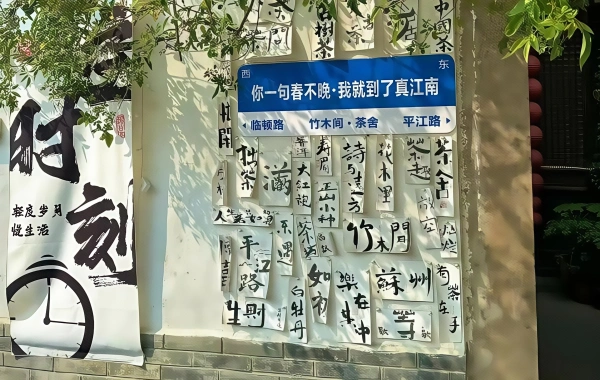
A living museum of Suzhou’s water town culture, this area features cobblestone streets, traditional residences, and arched stone bridges crossing tranquil canals.
Highlight: A boat ride along the canal at dusk, with lanterns reflecting on the water.
5. suzhou museum
Why visit?
Designed by renowned architect I.M. Pei, this museum blends modernist aesthetics with Suzhou’s classical园林 (yuánlín, "gardens"). Exhibits include ancient artifacts, calligraphy, and jade carvings.
Highlight: The Wisteria Pavilion, a glass-and-steel structure inspired by traditional garden pavilions.
6. Hanshan Temple
Why visit?
Famous for its association with the Tang Dynasty poem "Night Mooring by Maple Bridge," this temple offers a serene escape with bell towers, incense-filled halls, and a tranquil riverfront.
Highlight: Hearing the temple bell ring at midnight during the Lunar New Year.
7. Shantang Street
Why visit?
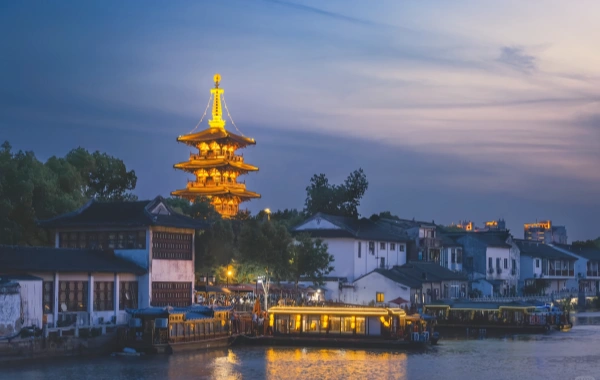
A bustling historic street lined with teahouses, silk shops, and street food stalls. Ideal for sampling Suzhou’s famous sweet and sour mandarin fish or shopping for hand-painted fans.
Highlight: The Ancient Opera Stage, where traditional Kunqu Opera performances are occasionally held.
8. Master-of-Nets Garden (Wangshi Yuan)
Why visit?
One of Suzhou’s smallest yet most exquisite gardens, it exemplifies the principle of "borrowed scenery" (jiejing), where views of neighboring landscapes are incorporated into the design.
Highlight: The Moon Gate, a circular opening framing a perfect view of bamboo and pines.
9. Suzhou Silk Museum
Why visit?
Dive into Suzhou’s 2,500-year silk-making history through interactive exhibits, live demonstrations, and a vast collection of ancient textiles.
Highlight: Trying your hand at silk reeling or dressing in a traditional qipao (cheongsam).
10. Dushu Lake
Why visit?
A modern retreat with lakeside parks, bookstores, and cafés. Perfect for a relaxing day away from the city’s historic crowds.
Highlight: The Liberty Time Bookstore, a lakeside literary haven with stunning views.
Conclusion
Suzhou’s charm lies in its ability to transport visitors through time—from the grandeur of imperial gardens to the quiet allure of water towns. Each attraction offers a unique lens into China’s artistic and cultural legacy, making Suzhou an unforgettable destination for travelers seeking beauty, history, and tranquility.
Pro Tip: Visit in spring (April–May) or autumn (September–October) for mild weather and fewer crowds. Combine garden tours with local tea ceremonies or silk workshops for an immersive experience!


Contact Us
What Our Clients Say?





Ask us before you decide.
Unsure about a route, departure date or room option? Tell us what is holding up your plans. You will get a clear answer from our China-based travel team—no booking required.