Chongwu Ancient City: A Living Epic of a 600-Year-Old Coastal Defense Stone City and the Charm of Hui'an Women

Chongwu Ancient City: A Living Epic of a 600-Year-Old Coastal Defense Stone City and the Charm of Hui'an Women

Overview: A Ming Dynasty Stone City Standing on the Coast
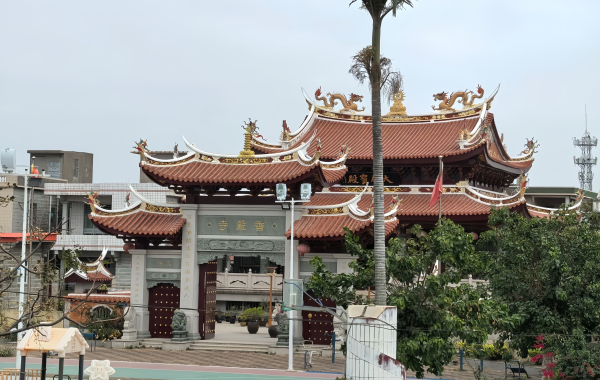
Chongwu Ancient City, located on the coast of Hui'an County in Quanzhou, is a well‑preserved Ming Dynasty coastal fortress built entirely of white granite. After more than 600 years, it has become a cultural site known for its military history, Hui'an women's traditions, Minnan stone carving art, and coastal scenery.

Key Highlights at a Glance
Defining Tags: Best‑Preserved Ming Dynasty Stone Fortress in China / Hui'an Women's Culture / Open‑Air Stone Carving Museum
Core Experiences: Walking along the ancient city wall, trying on traditional Hui'an women's clothing, seeing stone carving techniques, tasting Chongwu fish rolls, strolling along Xisha Bay
Recommended Duration: 1 day (can be extended to 2 days for a relaxed coastal stay)
Location: Chongwu Town, Hui'an County, Quanzhou City, Fujian Province

  • Chongwu Ancient City: A Living Epic of a 600-Year-Old Coastal Defense Stone City and the Charm of Hui'an Women-1
  • Chongwu Ancient City: A Living Epic of a 600-Year-Old Coastal Defense Stone City and the Charm of Hui'an Women-2
  • Chongwu Ancient City: A Living Epic of a 600-Year-Old Coastal Defense Stone City and the Charm of Hui'an Women-3
  • Chongwu Ancient City: A Living Epic of a 600-Year-Old Coastal Defense Stone City and the Charm of Hui'an Women-4

Origin: Six Hundred Years of Coastal Defense and Today's Rebirth

Furong Ancient Town

The Soul of the Coast – An Epic of City Building with a Strong Sense of Military Preparedness
The name "Chongwu" is derived from the meaning of "a strong sense of military preparedness." In the 20th year of the Hongwu reign of the Ming Dynasty (1387), to resist the invasion of Japanese pirates, Emperor Zhu Yuanzhang of the Ming Dynasty sent Zhou Dexing, Marquis of Jiangxia, to manage the southeastern coastal defense. More than 60 garrison castles were built along the vast coastline, and Chongwu Ancient City was one of them. It forms a strategic point with Meizhou in Putian to the north and Yongning in Shishi to the south, guarding the vital passage between Xing and Quan prefectures and controlling a crucial north-south waterway. Historically, it has been a hotly contested area. At the city's inception, 1304 soldiers and their families were conscripted from Zhangzhou, forming a unique military settlement with "hundreds of surnames and tens of thousands of people." Even today, 98 surnames still reside within the city, known locally as "Chongwu's Hundred Surnames."

A City of Heroes—A Legend of Loyalty and Courage Passed Down Through Generations
The history of Chongwu Ancient City is an epic of heroism written in blood and fire:

Qian Chu's Resistance Against Japanese Pirates (Ming Dynasty, Jiajing Era): In 1558, during the 37th year of the Jiajing reign, Japanese pirates besieged Chongwu. Qian Chu, a thousand-household commander, used his salary to alleviate the plight of the soldiers and civilians, holding out for over ten days and repelling the enemy. In 1560, during the 39th year of the Jiajing reign, Japanese pirates took advantage of the fog to breach the city. Qian Chu, who had already left office, led his entire family of men in a desperate fight to cover the evacuation of civilians. More than ten members of the family, including himself and his sons, heroically sacrificed their lives. Later generations posthumously recognized him as the "Marquis of Jingjiang," and built the Chongbao Shrine and Wusi Palace to worship him for generations.


Qi Jiguang, the military commander (during the Jiajing and Longqing reigns of the Ming Dynasty): The famous anti-Japanese general Qi Jiguang once stationed troops in Chongwu. He built the "Central Military Platform" on Lianhua Mountain, a strategic high point north of the city, and established 23 watchtowers along the coast, using beacon fires for communication, forming a multi-service joint coastal defense system. The horizontal inscription "Locking Down the Coastal Nation" on the stone tablet at the city gate is said to be the work of Qi Jiguang.


The Flames of Resistance Against Japan (Modern Era): In 1938, Japanese troops shelled Chongwu, leaving craters in the city walls that remain to this day. In 1940, the Japanese perpetrated the "Chongwu Massacre," and bullet holes and gunshot wounds at Zhang Binghuang's former residence within the city were commemorated with a monument erected by later generations, expressing their earnest hope that "future generations of our hometown will never forget the hatred and humiliation of our homeland."

>In-depth Understanding: Explore more ancient Chinese cities >> [Pingyao Ancient City]

Must-See Wonders: A Millennial Dialogue Between History and Culture

Furong Ancient Town Furong Ancient Town Furong Ancient Town Furong Ancient Town Furong Ancient Town Furong Ancient Town

A Majestic Pass—A Military Epic Built of Stone
The architectural marvel of Chongwu Ancient City lies in its perfect fusion of military defense and stone construction art.

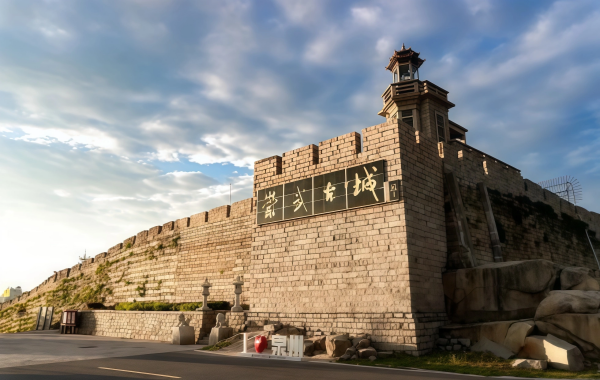
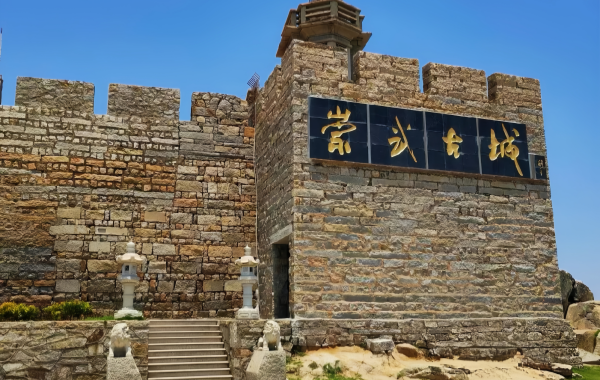
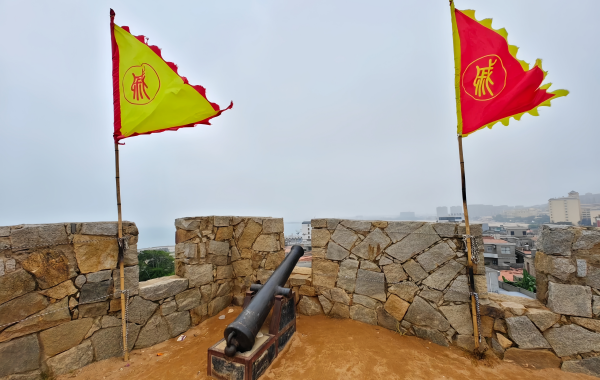
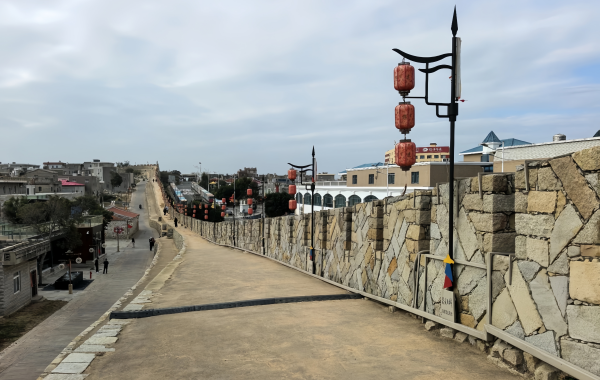
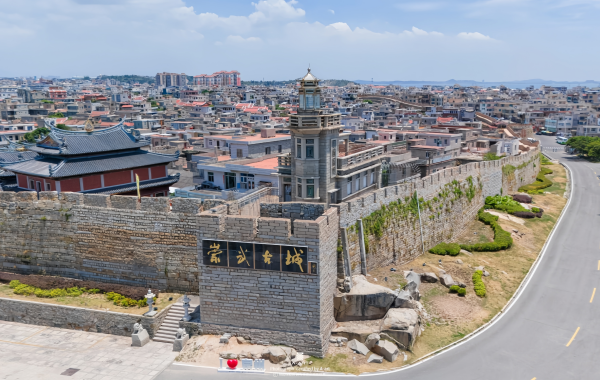
The ancient city wall (T-shaped stonework): The Chongwu City Wall is entirely constructed of locally abundant granite blocks, employing a unique T-shaped structure. It is 2567 meters long, with a base approximately 5 meters wide, and the outer and inner walls together reach a height of about 7 meters, making it exceptionally sturdy. The wall originally had 1304 crenellations, equal to the number of soldiers stationed there, with each soldier guarding one crenellation. Having withstood over 600 years of wind and rain, the city wall still stands majestically, serving as invaluable material for the study of Ming Dynasty military engineering.

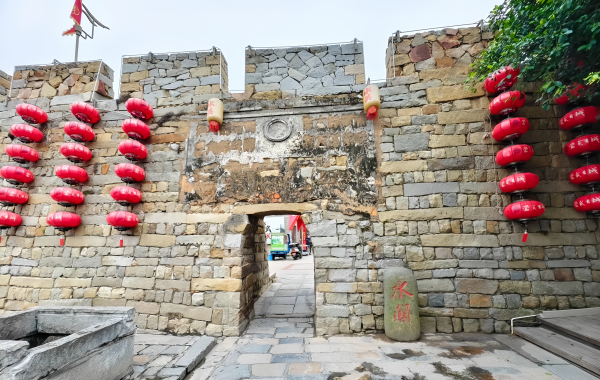
Water Gate and Barrier: The ancient city had four gates: east, west, south, and north. Except for the south gate, the east, west, and north gates were all fortified with barriers (barbicans), forming a double defense. A water gate was built at the lowest point on the west side facing the harbor. The water gate between the west and south gates, only 2.1 meters high and 1.3 meters wide, is the smallest of the seven existing ancient city gates in China; even two people passing each other must proceed with extreme caution.

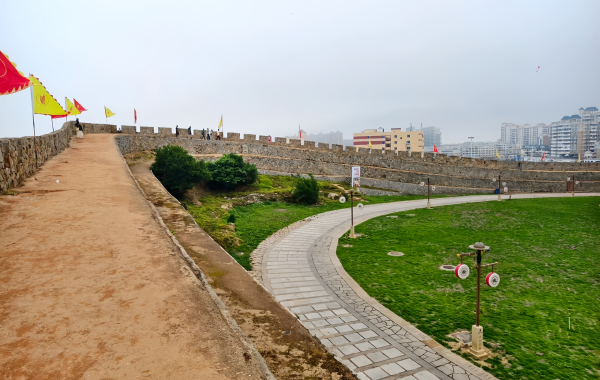
Horse Track and Watchtowers: The city wall featured a wide horse track, large enough for several people to walk side-by-side, facilitating rapid troop movements. Five square watchtowers were built on all four sides, each with holes of varying sizes for mounting muskets. The watchtowers could accommodate dozens of people, forming a dense network of fire.

The Vibrant Life of the Ancient City – A Living Ming and Qing Dynasty Neighborhood
Chongwu Ancient City is not an empty city, but the home of over 3,500 residents for generations.

Four Streets and Eighteen Lanes: The ancient city still retains its Ming Dynasty layout of "one city, three mountains, and half a sea; five gates, four streets, and eighteen lanes." Winding bluestone paths connect 78 ancient mansions and nearly 30 temples and monasteries, including 7 county-level cultural relics protection units. Strolling through it, the red brick mansions, carved wooden doors, and swallowtail ridges are arranged in a harmonious and orderly manner, exuding a vibrant Minnan (Southern Fujian) lifestyle.

The Hu Clan Ancestral Hall and Lin Guangji Ancient House: The restored ancient houses retain the traditional Minnan architectural style. Every brick and piece of wood showcases the craftsmanship, providing an excellent window into Chongwu's clan culture and architectural art.

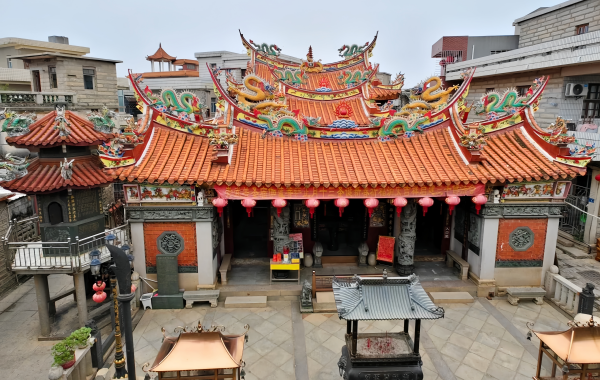
Wusi Palace and Stele Inscriptions: The Wusi Palace outside the north gate of the ancient city is a place of constant incense offerings. The Qing Dynasty stele in front of the palace, "Preface to the Chongjiang Litan," clearly records the tragic deeds of Qian Chu in resisting Japanese pirates. Embedded in the walls of the Guanyin Temple within the city is a Ming Dynasty stele, "Record of the Recapture of Chongwu City by Military Commissioner Wan Yuwu," recording the history of the fall and recapture of Chongwu City during the Jiajing era.

Hui'an Women's Charm—A Flowing Landscape Between Mountains and Sea
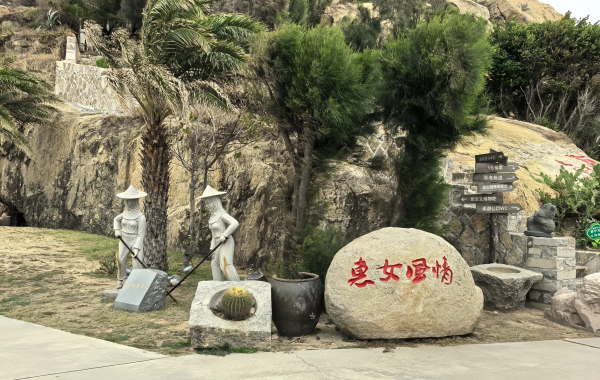
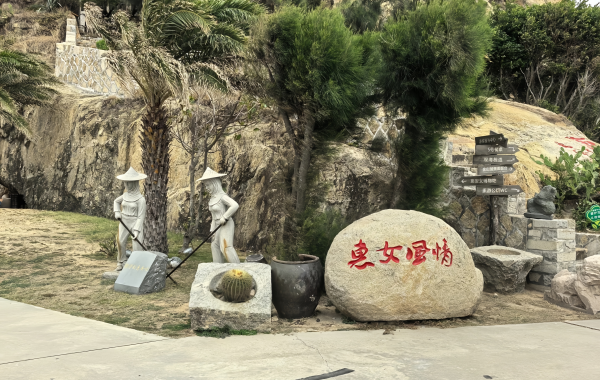
Chongwu Ancient City is the core settlement of Hui'an women's culture. The Hui'an women here wear yellow straw hats, floral headscarves, indigo short shirts, and black wide trousers, with silver waist chains slung diagonally across their hips. Their graceful movements are described as "a flowing landscape between mountains and sea."

Hui'an Women's Seaside Leisure Street: A distinctive street opening on May Day 2025, located at the foot of the ancient city. The facades of 28 shops incorporate patterns and colors from Hui'an women's clothing, and the area boasts a full range of amenities including travel photography studios, cultural and creative spaces, and specialty food trucks. Visitors can change into traditional Hui'an women's clothing and take photos as "Hui'an women" for 30 yuan per set.

Hui'an Women's Cultural Park: A national AA-level scenic spot transformed from an abandoned mine by Zeng Meixia, a post-80s generation entrepreneur, it boasts a Hui'an women's model team of over 100 members and receives 200,000 visitors annually.

Hui'an Women's Clothing Modernized: New generation inheritor Zeng Ruting has modernized traditional clothing with contemporary aesthetics, replacing heavy fabrics with silk and brocade. Her Hui'an women's element-themed graduation gowns are sold as far as Paris, France, turning ancient clothing into trendy items.

Photography Tips: 
The best panoramic view is from the south gate of the ancient city wall, offering a panoramic view of the East China Sea and the entire ancient city; the Water Gate is suitable for close-up shots of people, with light and shadow through the low archway creating a story-telling effect; the Lanyue Bridge (a stone bridge within the ancient city) is illuminated at night, its reflections creating a picturesque scene with the ancient houses; the Hui'an Women's Seascape Street is perfect for taking photos of Hui'an women in traditional clothing, with vibrant colors and rich backgrounds.

Core Experiences: An Immersive Guide to the Ancient City of Haifang

Furong Ancient Town Furong Ancient Town Furong Ancient Town Furong Ancient Town

Five Must-Do Activities to Unlock the Complete Chongwu Journey

1.Climb the Ming Dynasty City Wall
Time: Early morning or evening, when the light is soft and it's less crowded and quieter.
Route: Climb the city wall from the South Gate or Water Gate, stroll along the horse track to the North Gate, and enjoy panoramic views of the East China Sea and the ancient city.
Highlights: Touch the "Wei Zhen Hai Bang "stone inscription and take a silhouette photo at the beacon tower.

2.Try Hui Women's Clothing
Location: Hui Women's Sea Charm Leisure Street, with several clothing experience shops to choose from.
Price: Approximately 30 RMB per set (includes clothing and simple makeup/styling). Some shops offer professional travel photography services.
Recommendation: Take photos on the ancient city wall, in front of old houses, or on Xisha Bay beach for stunning visuals.

3.Savor a Table of Authentic Seafood
Must-Try Dishes: Chongwu Fish Rolls (crispy on the outside, tender on the inside, incredibly fresh), Steamed Swimming Crab (directly supplied from local fishing boats), Oyster Omelet, Seaweed Jelly.
Recommended Restaurants: Ju Nuo Delicious Restaurant (Charcoal-grilled oysters 10 yuan each), Awei Fish Rolls (Fish roll specialty shop), Yi Fu Ji (Recommended by locals).

4.Enjoy an Intangible Cultural Heritage Experience
Hui'an Stone Carving: At the ancient city's stone carving workshops or the Carving Art and Cultural Creative Park, watch intangible cultural heritage inheritors carve on-site and experience the craftsmanship spirit of "every chisel and hammer tells a story."
Hui'an Women's Folk Performances: On weekends at 10:30 am and 3:00 pm, there are often Hui'an women's folk performances in the ancient city, where you can enjoy Hui'an women's costume fashion shows and displays of fishing village customs.

5.Catch a Sunset at the Seaside
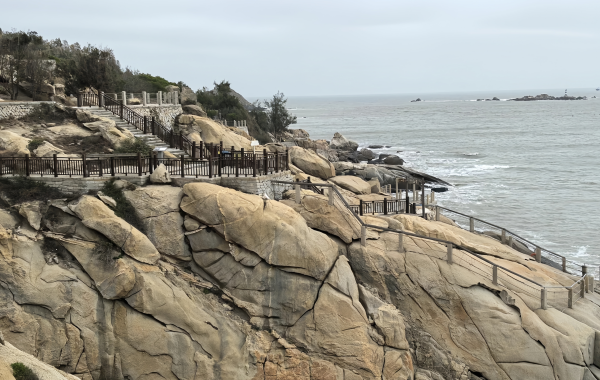
Xisha Bay: A free beach near the ancient city with fine sand, perfect for walking on the sand, watching the sunset, and cycling.
Deep in Haimen: The Black Rock Reef outside the ancient city is a popular spot for photographers to catch small crabs at low tide.

Suggested Itinerary
One-Day "Essential Leisure Tour" (Suitable for day travelers):
8:30 AM Arrive at the ancient city → Enter through the South Gate and stroll along the city wall (1.5 hours) → Visit ancient houses and temples within the ancient city (1 hour) → Enjoy a seafood lunch including Chongwu fish rolls (1 hour) → Afternoon: Visit the Hui'an Women's Seaside Leisure Street for a costume experience (1.5 hours) → Visit the stone carving park or a stone carving workshop (1 hour) → Evening: Watch the sunset at Xisha Bay Beach (1 hour) → Dinner and return home.

IntoTravelChina Tip: This itinerary is compact but fulfilling. It is recommended to book your lunch restaurant in advance to avoid long queues.

Two-Day "Mountain and Sea Leisure" Tour (Highly Recommended, Suitable for Families and Couples):
Day 1: Morning departure from Quanzhou/Xiamen to Chongwu → Check into a guesthouse near the ancient city (Xisha Bay recommended) → Enjoy a seafood lunch at a local stall → Afternoon tour of Chongwu Ancient City (city wall + ancient houses + stone carving park) → Evening sunset viewing and beachcombing at Xisha Bay beach → Dinner featuring Chongwu fish rolls and seafood → Overnight stay at a seaside guesthouse.

Day 2: Early morning sunrise viewing on the beach → After breakfast, head to the Hui'an Women's Cultural and Leisure Street for a costume experience and to take photos showcasing Hui'an women's style → Visit the Hui'an Women's Cultural Park or the Sculpture and Creative Park → After lunch, purchase souvenirs (fish rolls, agarwood, stone carvings) → Return trip.

IntoTravelChina Advantages: We can book the most suitable accommodations for you, arrange all activity connections, and provide detailed tour maps and safety guidelines.

Professional Guide: IntoTravelChina offers personalized itineraries, including a dedicated guide, transportation, and activity arrangements, ensuring a worry-free and in-depth travel experience. >> [Consult for Customization Now]

Complete Travel Guide: Transportation, Accommodation, and Seasons

Furong Ancient Town Furong Ancient Town Furong Ancient Town

How to Get There: Seamless Connection Guide
There is no direct high-speed rail connection to Chongwu Ancient City; Quanzhou is the main transit hub.

From all over the country, we recommend taking the high-speed rail to Quanzhou Station or Quanzhou East Station.

From Quanzhou city center, we recommend taking the K701 bus (15 RMB/person, approximately 1.5 hours) or sharing/chartering a car (approximately 60 RMB per person). Navigate to "Chongwu Ancient City Scenic Area".

For self-driving tourists: Navigate to "Chongwu Ancient City Scenic Area Parking Lot". Parking fee is approximately 10 RMB/day.

Important Return Reminder: The last return bus from the scenic area departs around 17:30-18:00. If you miss it, you can book a ride-hailing service or contact your hotel for assistance.

Best Time to Visit
 Chongwu Ancient City is suitable for visiting year-round, but spring and autumn are the most comfortable seasons.

Golden Seasons of Spring and Autumn (March-May, September-November): Pleasant climate, mild sunshine, ideal for climbing the city walls and enjoying seaside activities. Spring offers a variety of activities including Hui women's clothing displays, and autumn boasts abundant seafood.

Summer Escape Season (June-August): Enjoy water activities and surfing, but be aware of sun protection and heatstroke; strong sea breezes and high UV radiation are expected.

Tranquil Winter Season (December-February): Fewer tourists, quiet sea views, and good value for money accommodations; however, strong winds require warm clothing.

Accommodation Options
Around the Scenic Area (Preferred):
Xisha Bay/Banyue Bay B&B Cluster:
Experience: Facing the sea, within walking distance of the beach and the ancient city, many designer B&Bs, such as "Wu Ni • Lin Hai" (rated 4.8/5), are highly praised.
Suitable for: Tourists seeking a seaside vacation experience, families, and couples.

Homestays within the Ancient City:
Experience: Stay in the 600-year-old ancient city and experience the daily life of the descendants of military households. However, vehicles are not allowed inside; you must walk in and out.

Suitable for: Tourists who wish to deeply experience the culture of the ancient city.

Hui'an County Town Accommodation (Flexible and Economical Option):
 Affordable prices and a wide range of choices, from budget to five-star hotels. Suitable for tourists planning to visit other attractions in Hui'an (such as Xiaozuo Windmill Island and Jingfeng Temple), but requires daily round trip to Chongwu (approximately 30 minutes by car).


IntoTravelChina Accommodation Booking Recommendations: 
We strongly recommend planning your trip and booking accommodation 1-2 months in advance, especially during popular homestays and holidays. Booking through us not only provides real-time room availability but also allows you to package accommodation, tickets, and transportation, often securing combined discounts and ensuring a seamless itinerary. Tell us your budget and needs, and we will match you with the most suitable "seaside home." >>[Click to contact IntoTravelChina Travel Consultant]

Extended Journey: A Classic Loop Connecting the Essence of Southern Fujian

Furong Ancient Town

Chongwu Ancient City is the perfect starting point for exploring Southern Fujian culture and coastal charm. 

Classic 3-Day Loop: Quanzhou (Kaiyuan Temple, West Street, Qingyuan Mountain) → Hui'an (Chongwu Ancient City, Hui'an Women's Folk Culture Park) → Jinjiang (Wudian City, Anping Bridge). This is a classic route that blends Maritime Silk Road culture, ancient Minnan architecture, and coastal charm. 

Eastern Fujian Linked Tour: Connecting Chongwu Ancient City with Gulangyu Island in Xiamen and Tulou in Zhangzhou, experience the diverse Fujian from island romance to mountain wonders.

Join IntoTravelChina and Embark on Your Journey to Explore Ancient Coastal Defense Cities

Furong Ancient Town Furong Ancient Town

The story of Chongwu Ancient City is about the heroic legends of defending the country, the ingenuity of the stone walls, and the industrious and resilient cultural heritage of the Hui'an women. IntoTravelChina focuses on creating in-depth, personalized, and worry-free travel experiences in China. Our travel experts can provide you with:

Tailor-made itineraries: Designing the perfect route encompassing Chongwu Ancient City and surrounding attractions based on your interests and time.

One-stop service: Handling tickets, unique accommodations, transportation, local guides, and activity bookings.

Exclusive experiences: Arranging in-depth experiences with Hui women's clothing, visits to intangible cultural heritage stone carving workshops, and guidance on the best time for photography.

Making your Chongwu Ancient City trip more than just sightseeing; an immersive experience of coastal defense culture and folk customs.

Start planning your trip now!
Contact our professional travel consultants for a customized itinerary and quote within 24 hours.
>> [Click to contact IntoTravelChina Travel Consultant]

What Our Clients Say?

Based on 10,000+ traveler reviews

...
Daniel Dorothea
Canada
Reviewed on April 29,2025
Shopping on Nanjing Road in Shanghai was just amazing! It's truly the "First Commercial Street of China", where tradition and modernity blend perfectly. You can find awesome souvenirs and experience the trendy vibes in cool stores. The neon lights at night are just spectacular, shining bright like Times Square in New York. The food here is incredible too. I had a feast for my taste buds. Shanghai, I'll definitely be back!
Destination(s): Shanghai
Date of Experience: May 08,2024
...
...
Elvis Eva
Canada
Reviewed on June 20,2025
As a solo traveler from Canada, I was nervous about navigating China alone—but this 11-day tour was PERFECT! From hiking the Great Wall at sunrise (Day 3) to gasping at the Terracotta Army (Day 5), every day delivered ‘pinch-me’ moments. The real showstopper? Zhangjiajie’s Avatar Mountains (Day 7)! Our guide made the stone pillars come alive with stories. Massive thanks for handling all logistics—bullet train tickets, entry passes, car! And the 4-star hotels surprised me.
Destination(s): Beijing Xian Zhangjiajie Shanghai
Date of Experience: June 02,2025
... ... ...
...
Simon
America
Reviewed on May 29,2025
Our 2-day Zhangjiajie tour was beyond spectacular! As someone who’s visited Beijing and Shanghai for work, this trip revealed China’s wild, magical heart. Day 1 in Zhangjiajie National Forest Park felt like stepping onto Pandora—I’m a huge Avatar fan, and Yuanjiajie’s floating peaks left me breathless. The misty pillars and lush valleys like pure movie magic! Then came Fenghuang Ancient Town, we eat dinner beside the thundering waterfall. It seems Unreal! The night views of stilt houses glowing over the river were straight from a fairy tale. For fellow Avatar lovers and adventure seekers: Don’t miss this bucket-list experience! 10/10 would return. A Well-Traveled Film Buff, May 2025
Destination(s): Zhangjiajie
Date of Experience: May 08,2025
... ...

Ask a Question

Question Summary (100 characters)
Details (optional) (2,000 characters)
Name
Country
Email