April Tour China: Cherry Blossoms, Qingming Festival & Spring Magic

Why April Is One of the Best Months to Visit China


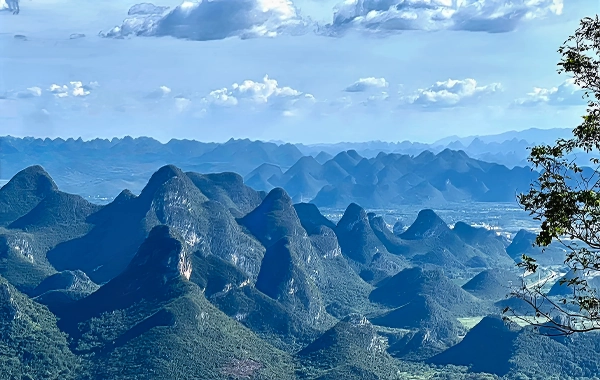
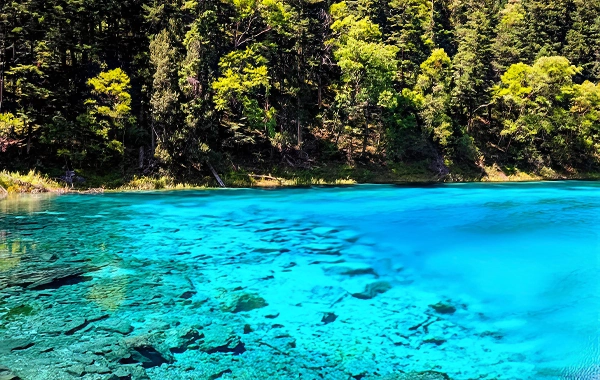
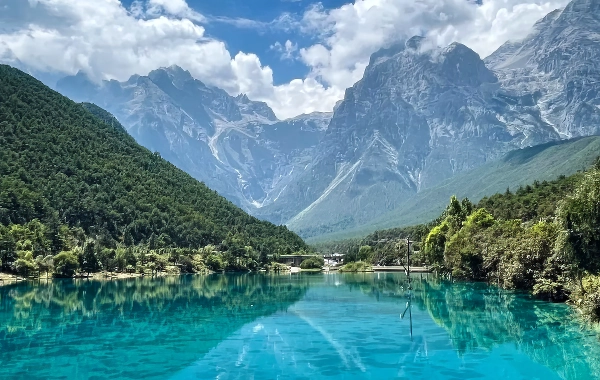
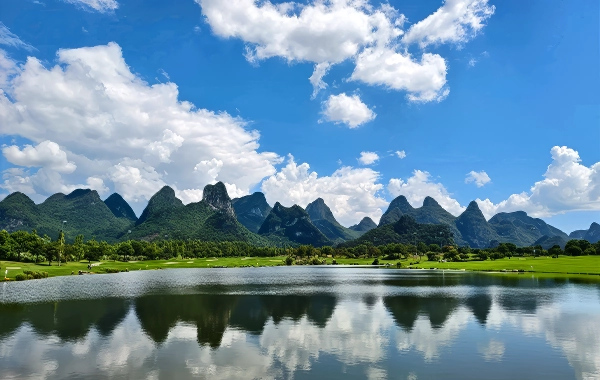
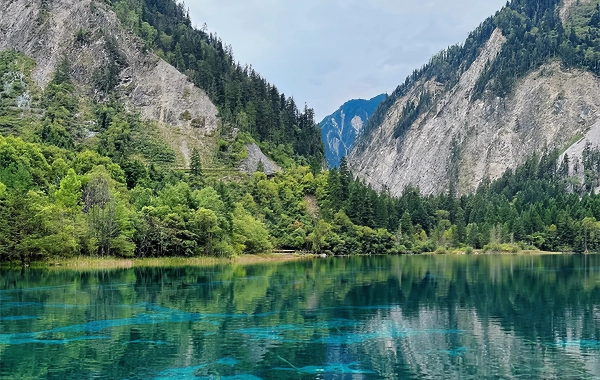
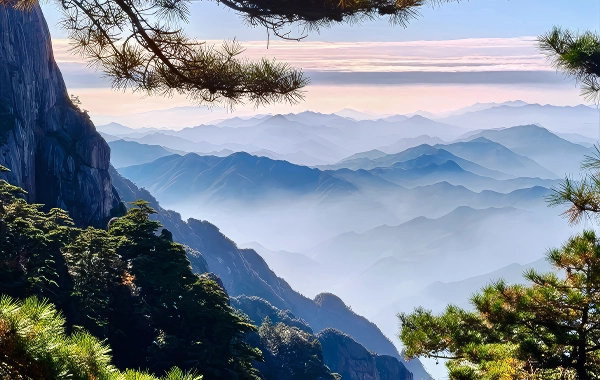
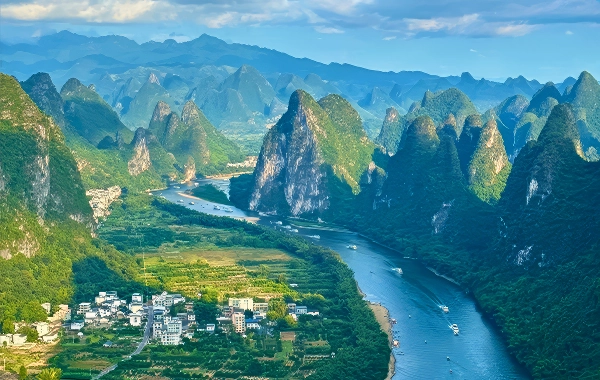
I have led tours across China since 2013 and visited every province at least three times. April consistently ranks among my favorite months. The weather is nearly perfect, the countryside bursts into bloom, and crowds are still manageable before summer. From Guilin’s karsts to Huangshan’s cloud seas, the landscapes are at their most photogenic. Here is what I have learned from years of leading April tours.

Best-Selling April Tours I Personally Recommend

Four itineraries earn the strongest feedback from my April travelers. The Guangzhou day trip to Qingyuan Gulong Gorge is refreshing in spring with moderate water levels and lush greenery. The 7-day Guangzhou-Zhangjiajie-Chongqing route offers comfortable hiking temperatures. The 9-day Shanghai-Zhangjiajie-Guangzhou escape blends urban spring vibes with misty forest parks. And the 9-day Chongqing-Zhangjiajie-Guangzhou-Shenzhen adventure covers four dynamic cities in ideal touring weather. I led all four routes last April with excellent guest feedback.

Other April Tours Worth Your Time

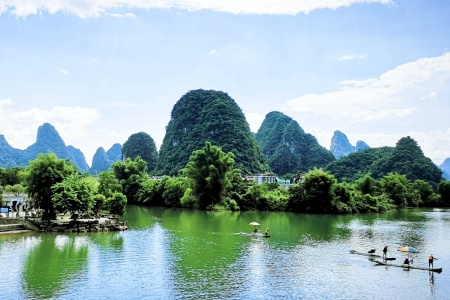
Four more options deserve your attention. The 3-day Guangzhou break works perfectly for a spring weekend getaway. The 5-day Shangrao-Huangshan-Hongcun tour is spectacular in April with blooming azaleas on the mountain. The 6-day Guangzhou-Guilin route showcases the Li River at its most beautiful spring level. Our comprehensive 10-day private China escape covers multiple regions without the summer heat. Pick the pace that matches your travel style, not the longest name.

April Recommendations by Destination

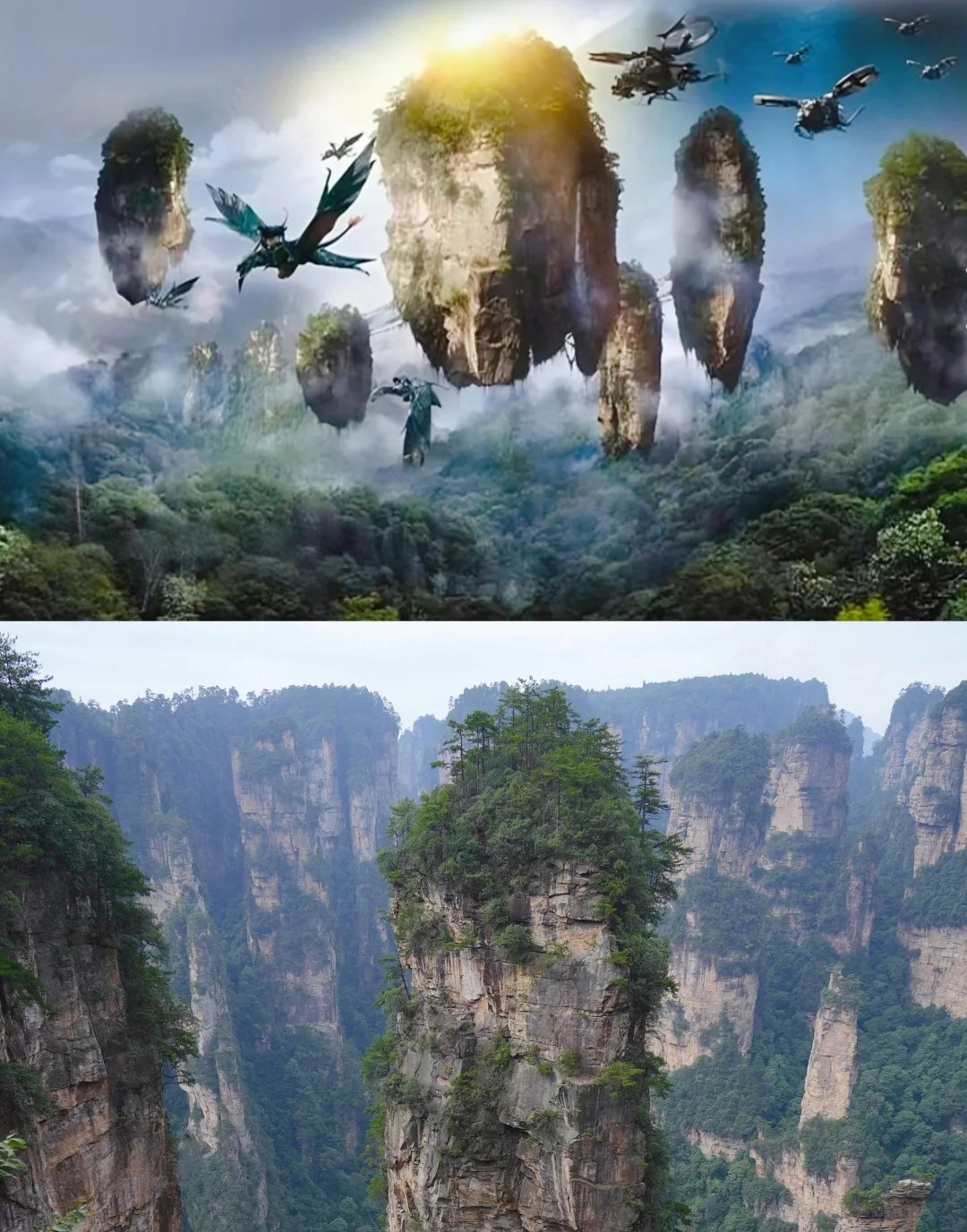
For travelers who choose by place, here is my honest breakdown. The 10-day Shanghai-Zhangjiajie-Chongqing tour captures spring skylines, blooming Avatar peaks, and mild mountain-city evenings. The classic 13-day Kunming-Lijiang-Dali-Chongqing-Shanghai route offers perfect spring weather in Yunnan before heading east. Universal Studios Beijing with a classic tour works well for families seeking spring entertainment. The 9-day Chongqing-Zhangjiajie-Guangzhou discovery tour moves through three cities at their spring best.

April Festivals and Events You Should Not Miss

1.webp
Qingming Festival
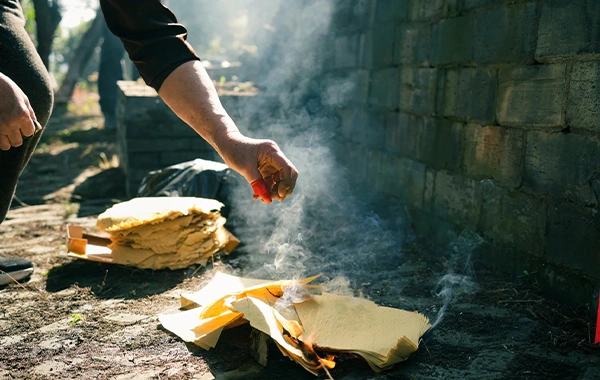
Qingming Festival, or Tomb Sweeping Day, falls on April 4 to 5 each year. It is one of China’s most important holidays when families honor their ancestors. I have led tours during Qingming four times and appreciate the quieter attractions while domestic travelers visit the countryside. The holiday also marks spring’s true beginning, with parks at their most beautiful.
2.webp
Luoyang’s Peony Festival
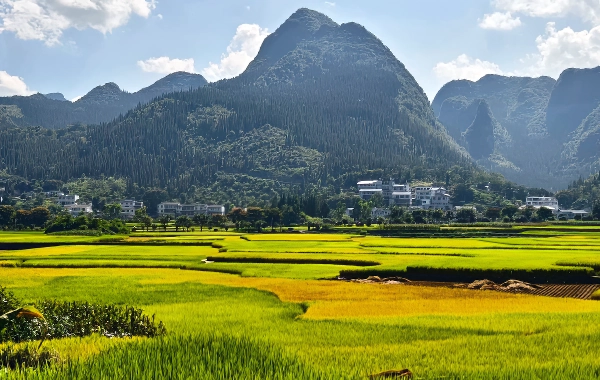
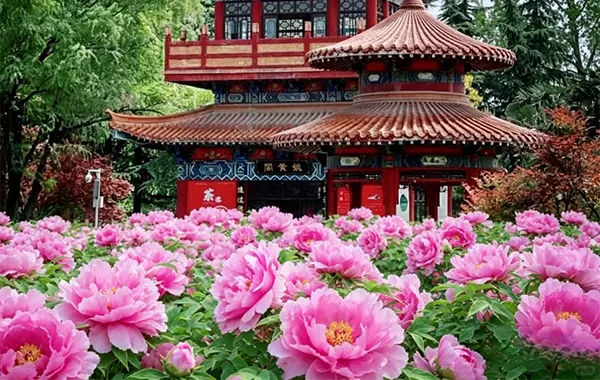
Spring flower festivals bloom across China throughout April. Luoyang’s Peony Festival showcases thousands of blooms reaching peak color around mid-April. Guilin’s rice terrace reflections and the rapeseed flower seas in Jiangxi and Anhui create landscapes so vibrant they look painted. I took a photography group to Jiangxi’s rapeseed fields last April and the yellows stretched endlessly under clear skies.
April Travel Tips: What to Pack and How to Plan

April temperatures in China range from 15°C in the north to 26°C in the south, making layering essential. Pack a light jacket, comfortable walking shoes, an umbrella for spring showers, and sunscreen for sunny afternoons. Airfares spike around the Qingming holiday, so book at least three weeks ahead if traveling during the first week. The second half of April is quieter and often has better weather. I always recommend booking outdoor activities like Li River cruises and Huangshan hikes in the morning when visibility is best.

What to Expect in Other Months

January
February
March
May
June
July
August
September
October
November
December

January is peak winter in China, and I have spent five Januarys leading tours through the country’s coldest regions. Guangzhou offers the most comfortable escape with temperatures around 10 to 15°C, earning it the nickname “Flower City” in winter. The 2026 Guangzhou Spring Lantern Show transforms eight parks under the theme “Cantonese Charm for a Millennium, Four Seas as One Heart.” I also recommend the Luogang Xiangxue plum blossoms, a spectacle that draws nearly 8 million visitors annually with their fragrant white and pink blooms blanketing the hillsides. If you prefer a different flavor of January, head to Harbin for the International Ice and Snow Sculpture Festival, running from early January through February. I have taken groups there three times, and watching the sunset set the ice castles ablaze with color is a memory that stays with you forever. Temperatures in Harbin drop to minus 20 to minus 30°C, so thermal underwear and insulated boots are non-negotiable. For a middle-ground option, Shanghai’s winter markets and indoor ice rinks make January pleasant despite the cold. I always advise my guests to choose one climate zone — hot or cold — and plan around it. Trying to do both in a single week usually leads to packing disasters and a miserable trip.

February brings Chinese New Year, the largest annual human migration on the planet. In 2026, the Year of the Horse begins on February 17, and I have been in China for five Chinese New Year celebrations. The energy is electric and contagious. In Guangzhou, flower markets fill every district with peach blossoms, kumquats, and orchids, each symbolizing luck and prosperity. Shenzhen hosts over 260 cultural events during the holiday period, including a spectacular drone and fireworks display over Shenzhen Bay. Shanghai’s waterfront promenades are lined with red lanterns, and the famous outdoor floating ice rink on the Huangpu River returns for another season. I caution every guest about two hard realities: train tickets sell out weeks in advance, and many smaller family-run restaurants close for the first week. Book your transport at least 30 days ahead and confirm restaurant openings with your hotel concierge before heading out. If you want a quieter February, consider Hangzhou, where West Lake is often dusted with light snow, offering a peaceful contrast to the holiday crowds elsewhere. February is also excellent for hot springs in Zhuhai or near Huangshan to escape the lingering chill. The festive atmosphere also means that cities across China are decorated with lanterns and banners, creating a vibrant backdrop for travelers who enjoy cultural celebrations and don’t mind planning ahead to secure transport and accommodation during this incredibly busy but rewarding holiday period.

March is the transition month, and I genuinely believe it is one of the best-kept secrets for China travel. The Chinese New Year crowds have dispersed, temperatures climb to a pleasant 15 to 22°C across most of southern China, and the plum blossoms are still gracing ancient courtyards. I took a group through the Yangtze River Three Gorges in March 2025, and the mist hanging over the sheer cliffs looked like a scene from a classical Chinese ink-wash painting. Guangzhou averages around 18 to 24°C in March, perfect for walking through Shamian Island’s colonial architecture and the intricate wood carvings of the Chen Clan Ancestral Hall. Wangxian Valley in Jiangxi begins its Fortunate Dragon Lantern Parade in early spring, and visitor numbers are a fraction of what they become during peak summer months. Shanghai and Hangzhou are also wonderful this month, with spring flowers appearing along the Su Causeway at West Lake. One practical tip: March is unpredictable for rain, so pack a light waterproof jacket even if the forecast shows clear skies. The month also offers excellent value for budget travelers, as hotel rates are still in the low season range before the spring surge begins. The comfortable temperatures and blooming flora make March an ideal month for combining urban sightseeing with outdoor hiking, and the relative lack of international tourists means you often have popular viewpoints and ancient temples to yourself during weekday visits to major attractions across the country.

May starts with the May Day Golden Week from May 1 to 5 in 2026, the single busiest travel period in China outside of Chinese New Year. I made the mistake of traveling during this week exactly once and will never repeat it. The Great Wall at Badaling was so packed that we could barely move along the ramparts. However, the rest of May beyond that holiday week is genuinely lovely. Temperatures across China settle into a comfortable 20 to 28°C range with low humidity and long daylight hours extending past 7 PM. The 5-day Shangrao-Huangshan-Hongcun route is particularly stunning in May, with lush greenery and clear skies. I also recommend the 6-day Guangzhou-Guilin tour because the Li River is at its most photogenic, reflecting the conical peaks in emerald water. For something completely different, consider a morning visit to the Chengdu Panda Base, where pandas are most active in the cooler early hours. One note on logistics: domestic flights become noticeably more expensive from mid-May onward as summer approaches, so book early for better rates. The comfortable temperatures and extended daylight hours, with sunset after 7 PM in most regions, allow travelers to pack more into each day without feeling rushed, making May an efficient month for covering multiple destinations despite the higher flight costs that kick in from mid-month onward as summer approaches.

June marks the start of the plum rain season in central and eastern China, and I want to be completely upfront about what that means. Shanghai, Hangzhou, and Suzhou can experience weeks of continuous drizzle and overcast skies. I had a group in Shanghai in June 2024 where it rained for nine consecutive days. We adapted by focusing on indoor attractions: the Shanghai Museum’s ancient bronze collection, the contemporary exhibitions at the West Bund museums, and the immersive Blossoms Shanghai film set at Shanghai Film Park. Southern China, including Guangzhou and Shenzhen, stays drier and is actually quite pleasant with temperatures around 26 to 32°C. The Dragon Boat Festival falls around June 19 in 2026. I once watched the dragon boat races on the Pearl River in Guangzhou, and the pounding drums, painted boats, and cheering crowds created an electrifying atmosphere. For outdoor enthusiasts, Zhangjiajie remains accessible with far fewer visitors than in July and August, and the mist often enhances the park’s otherworldly atmosphere. Despite the rain, June offers dramatic cloud formations over karst landscapes for photographers who do not mind getting their gear a little wet. For travelers willing to embrace the rain, June offers dramatically beautiful cloud formations over landscapes and significantly lower prices at hotels, making it a budget-friendly alternative to the peak summer months that follow, provided you pack appropriately and plan indoor backup activities for rainy afternoons.

July is the official start of summer peak season, and I have spent every July since 2018 leading tours across China. Let me be direct: the heat is intense and should not be underestimated. Chongqing and Wuhan regularly hit daytime highs of 38 to 40°C. But here is what most guides will not tell you: the heat also brings real advantages. The evening food scene comes alive in ways cooler months simply cannot match. In Chongqing, hotpot restaurants set up outdoor tables well past midnight, with locals gathering around bubbling spiced broth under neon lights. The Yangtze River night cruises are spectacular when the illuminated skyline reflects across dark water. Guangzhou’s Gulong Gorge reaches peak season for drifting with high water levels and thrilling rapids. I took a family of four through the gorge last July, and the kids still talk about it. Wangxian Valley and Zhangjiajie are also excellent in July. The key strategy I have developed with over 200 guests: start your day at 6 AM, rest indoors during midday, and resume activities around 4 PM. This schedule consistently produces happier, less exhausted travelers. Despite the intense heat, July offers the longest daylight hours of the year, with sunset after 7:30 PM in most regions, allowing for extended evening exploration of night markets, illuminated landmarks, and vibrant food streets that come alive only after dark during the summer months across China’s major cities.

August is one of the most misunderstood yet rewarding months to travel in China. The landscapes are at their lushest, festivals are deeply cultural, and with smart planning you avoid both Golden Week crowds and winter closures. The Qixi Festival, Chinese Valentine’s Day, falls around August 18, 2026, when young couples release floating lanterns on the Pearl River in a beautiful display of tradition. The Ghost Festival follows around August 26, offering a profound glimpse into Chinese ancestral worship at Taoist temples where monks chant sutras. The 7-day Guangzhou-Zhangjiajie-Chongqing tour works well because mountain elevations provide natural cooling from the summer heat. The Gulong Gorge day trip reaches peak conditions with thrilling rapids through rainforest. I tested these routes with guests last August and feedback was excellent. Pack quick-dry clothing, SPF 50 sunscreen, electrolyte powders, and a foldable umbrella for guaranteed afternoon thunderstorms. Start your day at 6 AM to beat both heat and queues, rest midday, and resume around 4 PM. This routine has worked with hundreds of my guests, resulting in happier, energized travelers who actually enjoy their summer evenings in China. The combination of vibrant summer festivals, lush green landscapes, and fewer international tourists compared to spring and autumn makes August an unexpectedly rewarding month for travelers who plan carefully and embrace the heat rather than fighting against it throughout their Chinese summer adventure.

September is the sweet spot in my professional calendar. Summer crowds thin out after school resumes, temperatures drop to 22 to 30°C across most regions, and air quality improves noticeably. I have been leading September tours since 2015 and it remains my favorite month to work. Zhangjiajie National Park sees roughly half the visitor numbers it endures in August, allowing you to enjoy the Bailong Elevator and glass bridge without queuing for hours. Guilin and Yangshuo are stunning this month, with the Li River’s water levels receding to reveal iconic karst formations. Biking through the rice paddies outside Yangshuo on a September afternoon is something I recommend to every guest. In Shanghai, the weather finally breaks from summer humidity, making Bund walks genuinely pleasant. The comfortable temperatures also make September ideal for combining city explorations with outdoor hiking, allowing travelers to pack lighter and move more freely between museums and historical sites. One note: September is still typhoon season along the southeastern coast. I have had two trips disrupted by typhoons in seven years of September touring. Always buy comprehensive travel insurance and check forecasts before finalizing nonrefundable bookings. The combination of comfortable temperatures, thinner crowds, and the last of summer’s greenery transitioning into early autumn colors makes September a photographer’s dream and a traveler’s best bet for experiencing China’s most famous attractions in relative peace and comfort.

October brings the National Day Golden Week from October 1 to 7, the second busiest travel period in China. I learned this lesson in 2019 when I took a group to the Great Wall at Mutianyu on October 3 and we spent three hours in the cable car line. If you can avoid the first week of October, please do. However, the rest of October is glorious. Autumn colors peak in Beijing, with the Forbidden City and Summer Palace framed by golden ginkgo leaves that seem to glow in the afternoon light. Mid-Autumn Festival mooncakes are still fresh in bakeries, and weather across most of China is near perfect at 15 to 25°C with low humidity. Jiuzhaigou Valley in Sichuan is at its most colorful, with turquoise lakes surrounded by red, orange, and yellow foliage creating a landscape that looks almost artificially vibrant. I have taken groups there in October twice, and both times they ranked it as the highlight of their entire China trip. For city lovers, Shanghai and Beijing offer excellent museum weather. For nature lovers, Tiger Leaping Gorge in Yunnan is ideal with mild temperatures and no rain. Book everything at least a month in advance if you must travel during Golden Week, and consider postponing your trip to the second week of October for a far more peaceful experience.

November is low season across China, and I genuinely love it for that reason. Prices drop substantially from October highs, with flights and hotels often 30 to 50 percent cheaper, making this the best value month of the year. Southern China temperatures range from 15 to 22°C, perfect for sightseeing without sweating through your clothes. I took my parents on a Guangzhou and Guilin trip in November 2023, and the lack of crowds made every attraction feel private. The Li River was calm and mirror-like, the Reed Flute Cave nearly empty, and we had Elephant Trunk Hill to ourselves at sunset. In Shanghai, autumn foliage along the French Concession’s tree-lined avenues reaches its peak color, with plane trees turning brilliant shades of gold and amber. The West Bund art district holds several gallery openings during this month, attracting both international collectors and casual visitors. For serious hikers, November is arguably the best month to tackle Huangshan or Huashan with the clearest skies and ideal climbing temperatures that make the strenuous ascents far more enjoyable. Zhangjiajie is also beautiful in November, with autumn colors adding warmth to the gray quartzite pillars. One honest warning: November can be foggy in the mountains, so check the local forecast if crisp views are essential to your photography or experience expectations.

December rounds out the year with festive energy across China, and I have spent four Decembers here, each remarkably different from the last. Guangzhou remains the warmest option with temperatures from 10 to 18°C, making it a comfortable winter base for exploring southern China without heavy clothing. The annual Guangzhou International Food Festival draws food lovers from across the region, and the Lotus Mountain Peach Blossom Cultural Festival in Panyu offers Lingnan intangible heritage performances including traditional opera and folk dances. Shanghai transforms into a winter wonderland, with the North Bund ice rink returning for another season, Christmas markets appearing in Xintiandi and the French Concession, and festive lights adorning Jing’an Temple and surrounding streets. I took a family to Shanghai in December 2024, and the Bund light displays on New Year’s Eve were absolutely jaw-dropping and unforgettable. For a completely different December experience, head north to Harbin for early-season ice sculptures or to Zhangjiakou’s ski resorts that hosted the 2022 Winter Olympics. Wangxian Valley in Jiangxi offers its Fortunate Dragon Lantern Parade and cliff-side bonfire parties with temperatures around 5 to 12°C, perfect for evening strolls. December is also one of the best months for photography across China, as the low winter sun creates dramatic long shadows and warm golden light during the golden hour.

Final Thoughts

April in China offers near-perfect travel conditions: mild weather, blooming landscapes, meaningful cultural festivals, and reasonable crowds before the summer peak. I have guided over 1,200 guests through Chinese springs, and April consistently delivers the best balance of comfort and beauty. If you need honest advice about planning your April itinerary, reach out. I share what I have learned from the road, nothing more.

What Our Clients Say?

Based on 10,000+ traveler reviews
...
Daniel Dorothea
Canada
Reviewed on April 29,2025
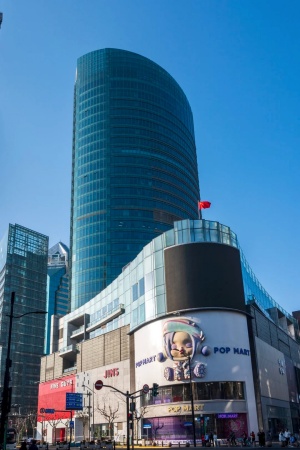
Shopping on Nanjing Road in Shanghai was just amazing! It's truly the "First Commercial Street of China", where tradition and modernity blend perfectly. You can find awesome souvenirs and experience the trendy vibes in cool stores. The neon lights at night are just spectacular, shining bright like Times Square in New York. The food here is incredible too. I had a feast for my taste buds. Shanghai, I'll definitely be back!
Destination(s): Shanghai
Date of Experience: May 08,2024
...
...
Elvis Eva
Canada
Reviewed on June 20,2025
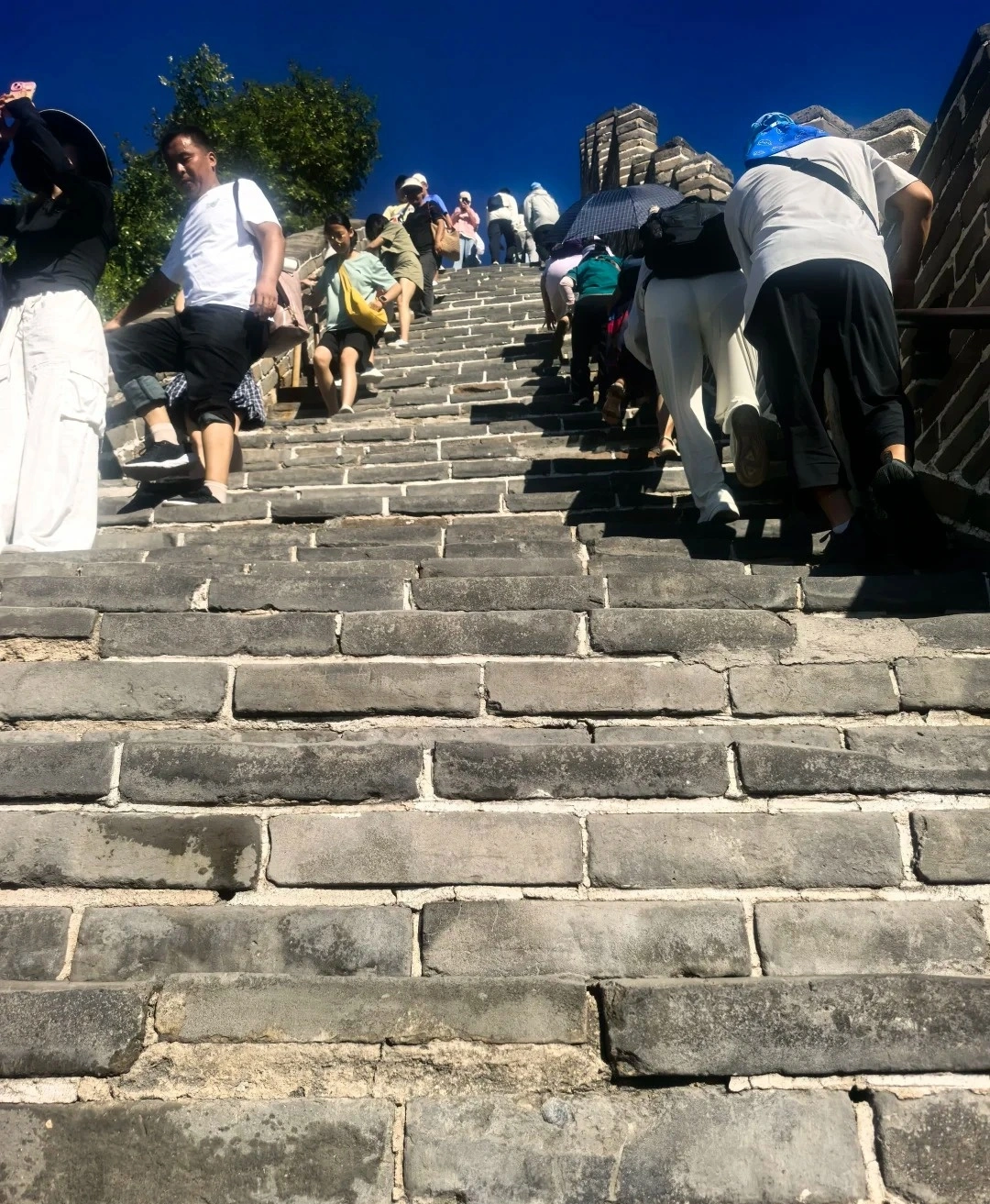
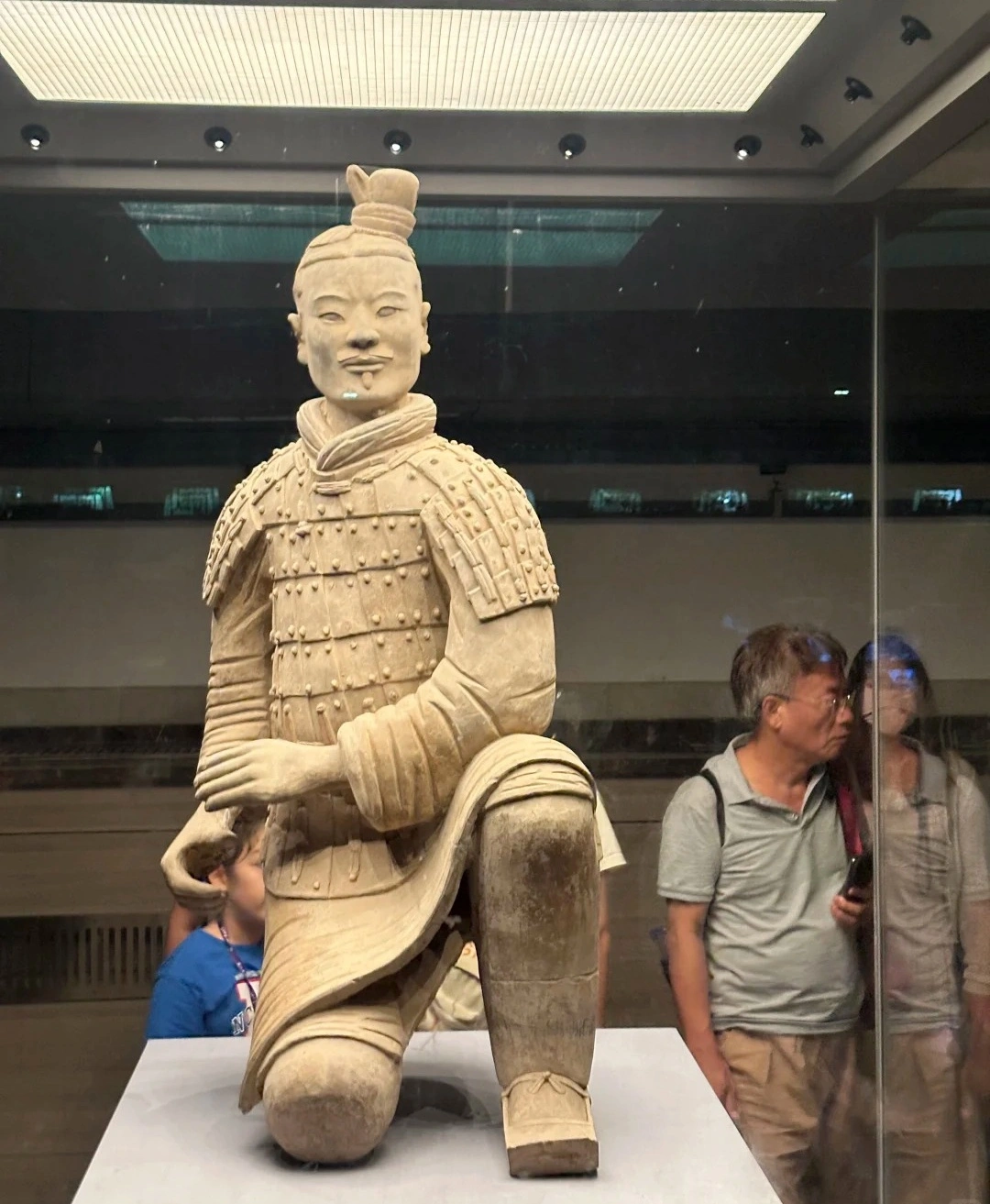
As a solo traveler from Canada, I was nervous about navigating China alone—but this 11-day tour was PERFECT! From hiking the Great Wall at sunrise (Day 3) to gasping at the Terracotta Army (Day 5), every day delivered ‘pinch-me’ moments. The real showstopper? Zhangjiajie’s Avatar Mountains (Day 7)! Our guide made the stone pillars come alive with stories. Massive thanks for handling all logistics—bullet train tickets, entry passes, car! And the 4-star hotels surprised me.
Destination(s): Beijing Xian Zhangjiajie Shanghai
Date of Experience: June 02,2025
... ... ...
...
Simon
America
Reviewed on May 29,2025
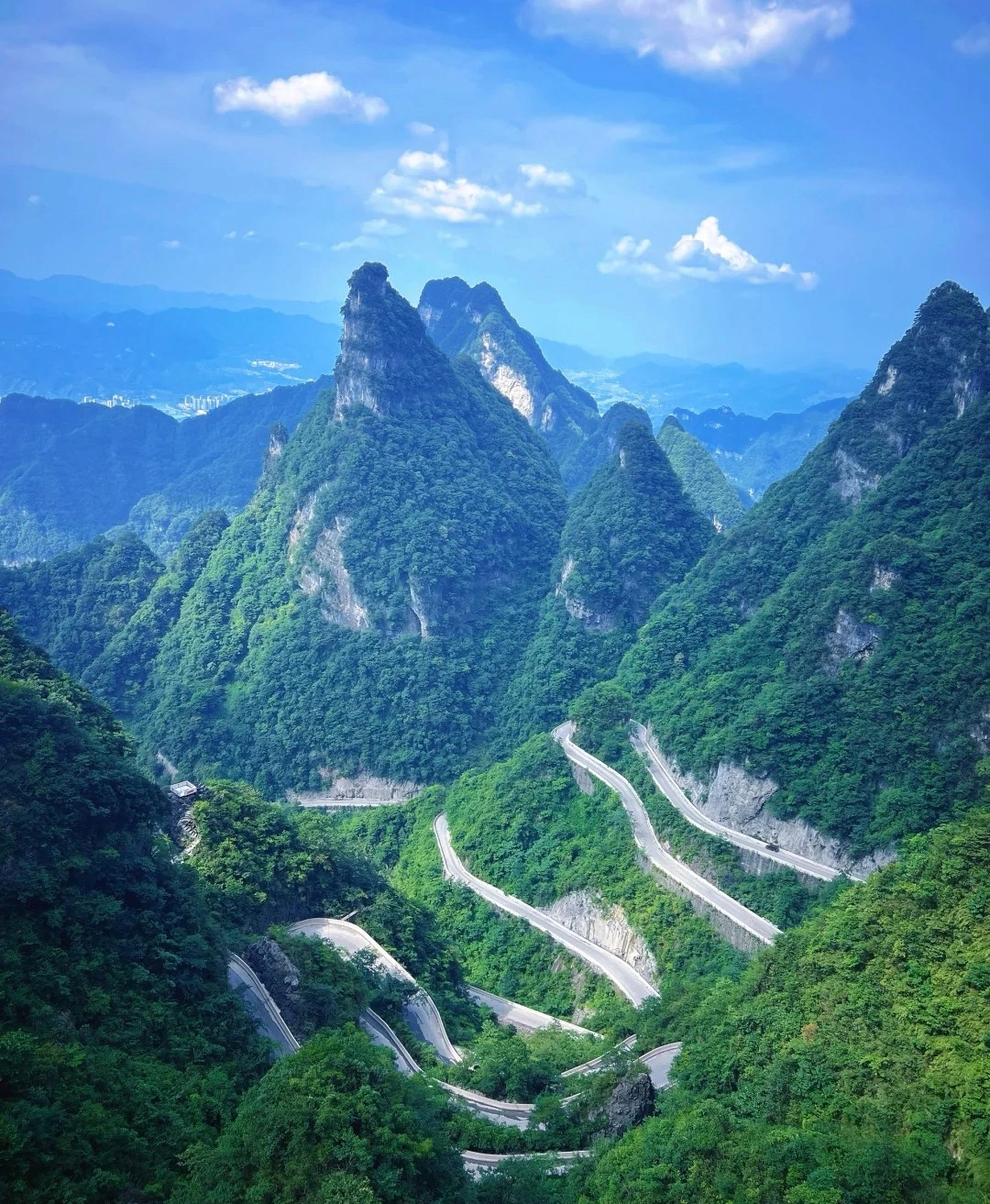
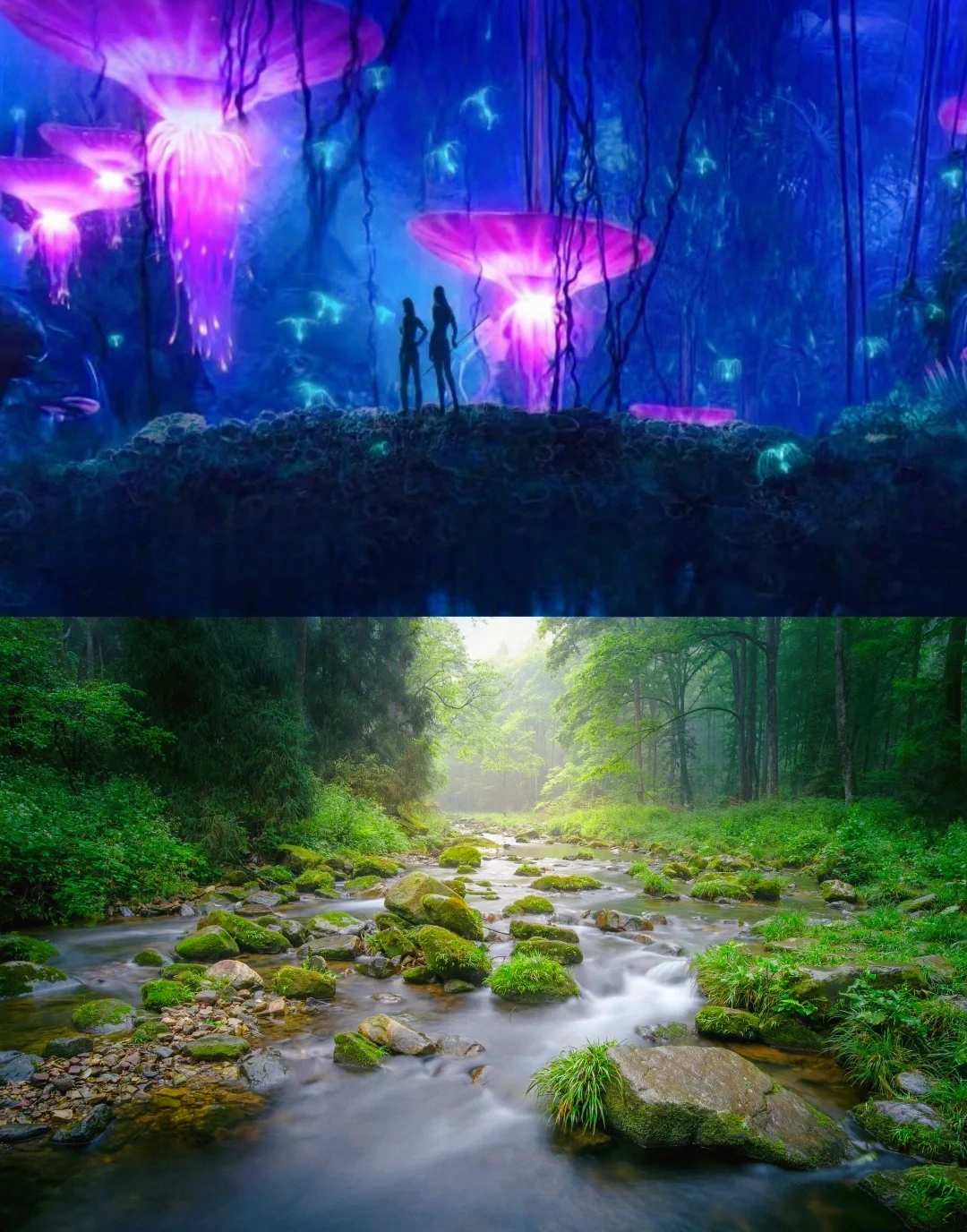
Our 2-day Zhangjiajie tour was beyond spectacular! As someone who’s visited Beijing and Shanghai for work, this trip revealed China’s wild, magical heart. Day 1 in Zhangjiajie National Forest Park felt like stepping onto Pandora—I’m a huge Avatar fan, and Yuanjiajie’s floating peaks left me breathless. The misty pillars and lush valleys like pure movie magic! Then came Fenghuang Ancient Town, we eat dinner beside the thundering waterfall. It seems Unreal! The night views of stilt houses glowing over the river were straight from a fairy tale. For fellow Avatar lovers and adventure seekers: Don’t miss this bucket-list experience! 10/10 would return. A Well-Traveled Film Buff, May 2025
Destination(s): Zhangjiajie
Date of Experience: May 08,2025
... ...

Ask a Question

Question Summary (100 characters)
Details (optional) (2,000 characters)
Name
Country
Phone
Email