Natural creation - a model of spring and stone gardens
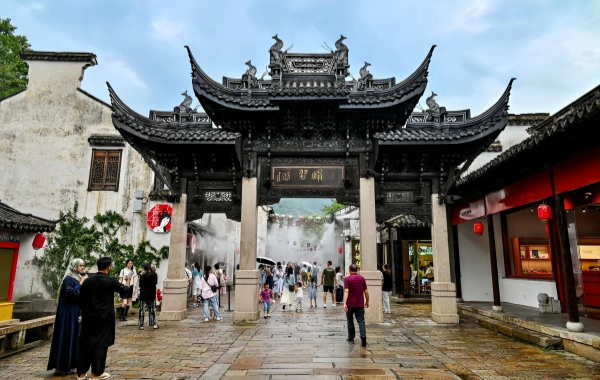
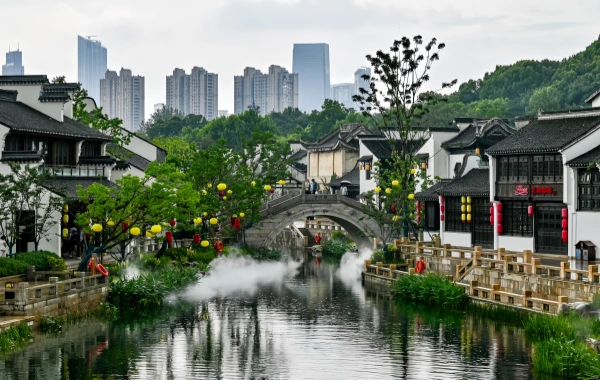
The natural and artificial landscapes of Huishan Ancient Town blend seamlessly, with the core lies in Jichang Garden, which is known as the "Second Best Spring in the World" and one of the "Four Famous Gardens of Jiangnan".
Lingyun Spring: The Thousand-Year Echoes of Huishan Spring
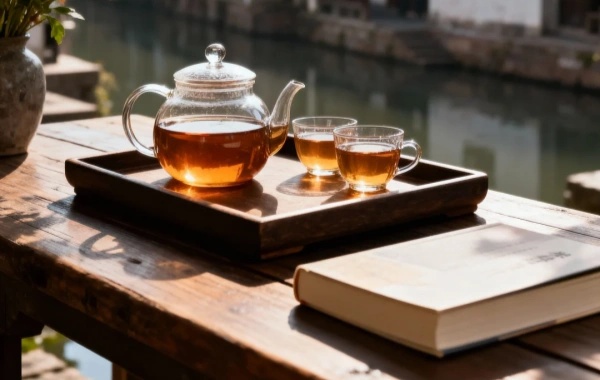
- The Second Best Spring in the World: This is the soul of the ancient town. The spring is divided into three pools: upper, middle and lower. The water quality in the upper pool is the best. Sipping tea here is not only for that refreshing taste, but also to experience an elegant ritual that has been passed down since the Tang Dynasty. Tingsongshi and Yilan Hall are both cultural Spaces built around Erquan. The best experience is to order a cup of downy tea brewed with two springs in the Yilan Hall, watch the tea leaves unfurl, and listen to the sound of the spring and the rustling of the pine trees.
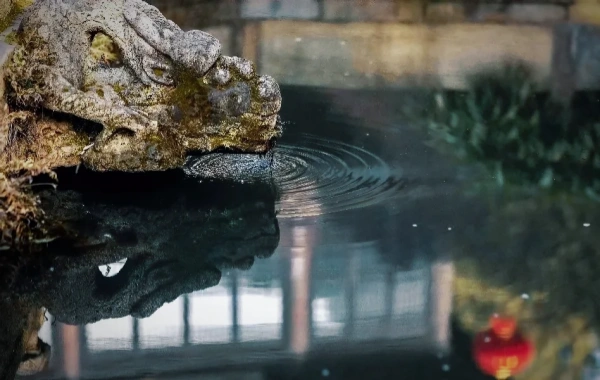
The Thirteen Springs of Jiulong: Besides the Two Springs, there are also famous springs such as Longyan Spring, Ruobing Spring and Luohan Spring scattered throughout the ancient town. They are either hidden in the courtyard or visible by the roadside, weaving together a clear and sharp thread. Photography tip: In the early morning or after rain, the stone railings and moss beside the spring pool have a particularly warm and lustrous color in the moist air, making them suitable for capturing the details of still life.
The Garden of Craftsmanship: The nearby mountain forest of Jichang Garden
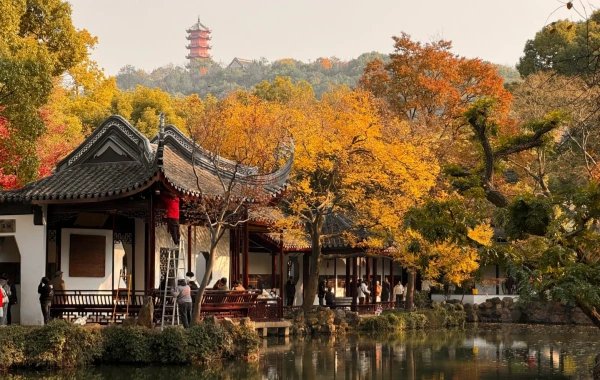
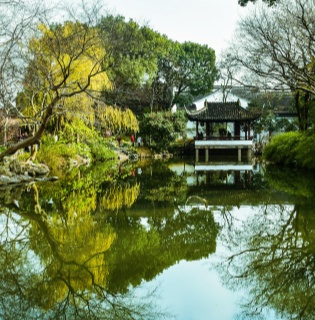
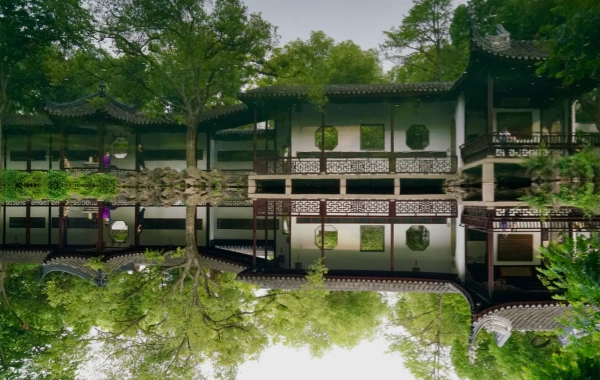
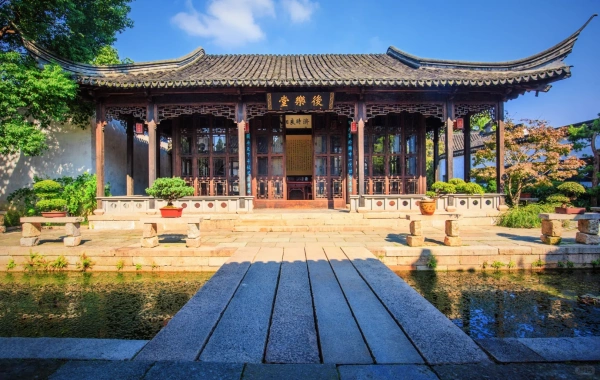
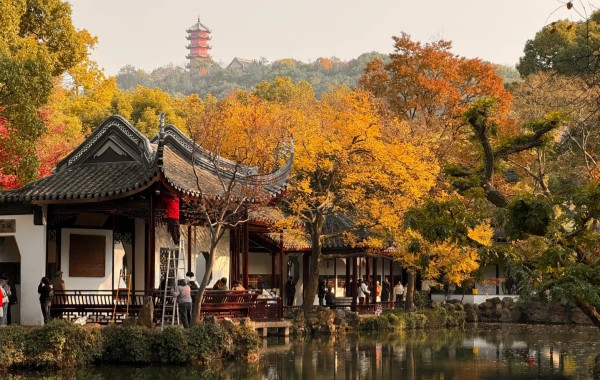
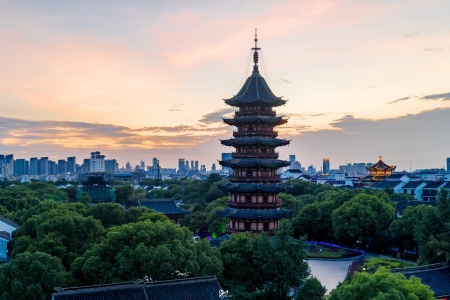
Jichang Garden: This Ming Dynasty garden stands out in the south of the Yangtze River for drawing on the flowing water from Jinghui Mountain and the two Springs. In the garden, a pool of ripples is gathered, and the Xishan Longguang Pagoda is "borrowed" into the garden, which is the peak work of classical garden art. Watching the fish along the Zhiyu Railing and taking a short rest at the Yupan Pavilion, every step was carefully planned yet seemed to come naturally. Emperor Kangxi and Emperor Qianlong visited many times and ordered the construction of a replica of the "Huishan Garden" (now the Harmonious Garden) within The Summer Palace in Beijing.
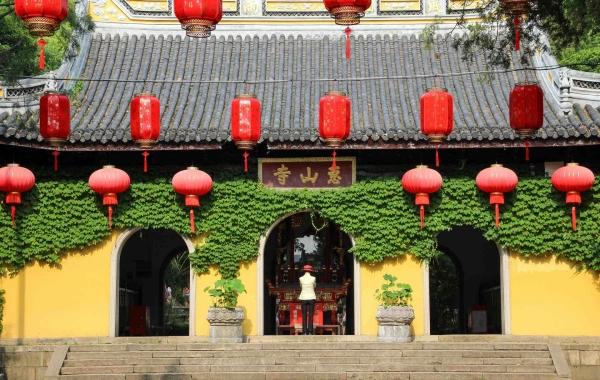
Huishan Temple and Tang and Song Dynasty Stone Sutra Pagodas: Huishan Temple, which was first built in the Northern and Southern Dynasties, has a continuous stream of incense offerings. The well-preserved Tang Dynasty Dharani stupa and the Song Dynasty large white umbrella-shaped mantra stupa in front of the temple are extremely precious ancient stone carvings, which bear witness to the depth of the religious culture of the ancient town.
Humanistic Craftsmanship - Ancestral Hall Museums without Walls
The ancestral hall here is not only a space for sacrificial ceremonies, but also an artistic complex integrating architecture, history and the inheritance of family traditions.
- Ancestral Hall Complex (over a hundred) : The core cultural landscape of Huishan Ancient Town. Among them, the Hua Xiaozi Shrine was built in memory of Hua Bao, a filial son of the Jin Dynasty. The "brick-carved gate tower" inside the shrine is exquisitely crafted. The Zhide Shrine enshrines Wu Taibo and extols the spirit of humility and modesty of "the greatest virtue is nameless". The Qianwang Shrine commemorates Qian Liu, the King of Wuyue, and its architecture is grand and imposing. The numerous ancestral halls, their buildings, plaques and inscriptions together form a three-dimensional history of the patriarchal society in China.
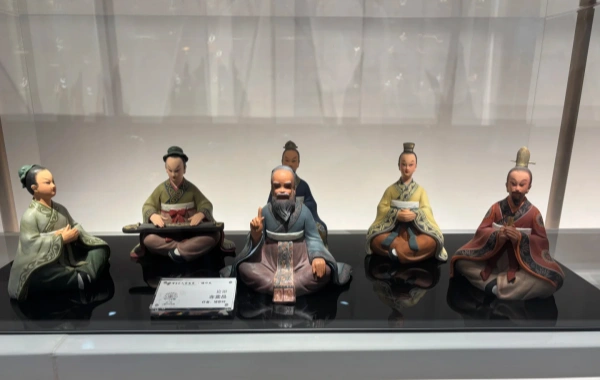
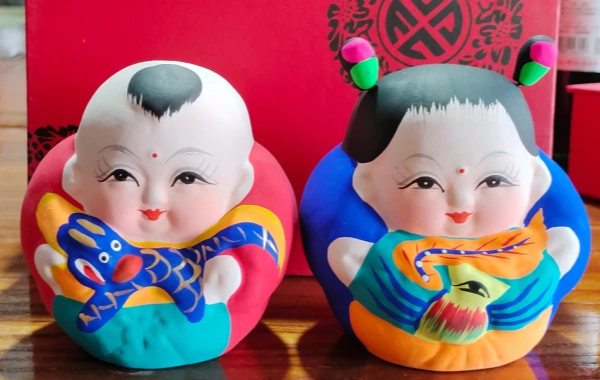
- China Clay Figurine Museum: Located within the ancient town, it systematically showcases the national Intangible Cultural Heritage of Wuxi Huishan Clay figurines. From the classic "Big Ah Fu" to the delicate hand-molded plays, visitors can not only watch but also experience clay figurine making in the workshop.
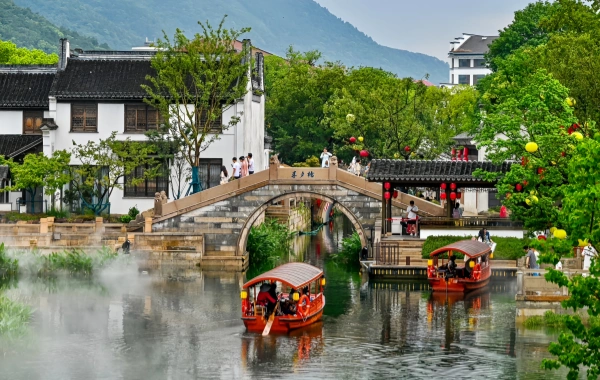
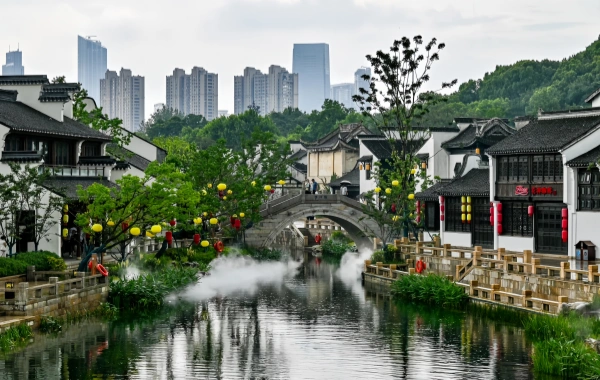
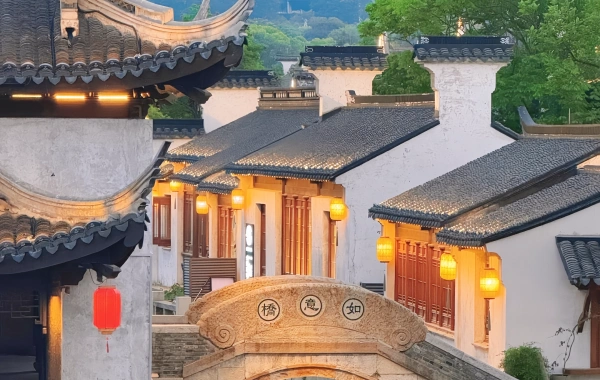
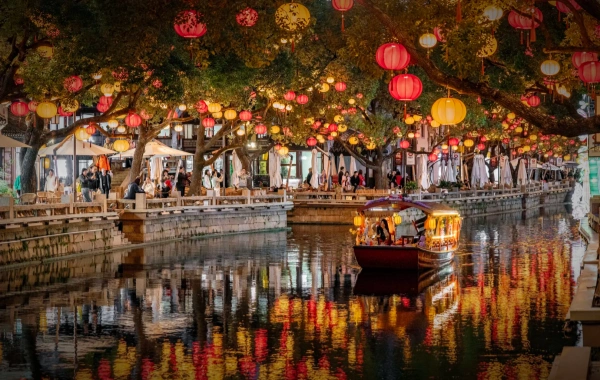
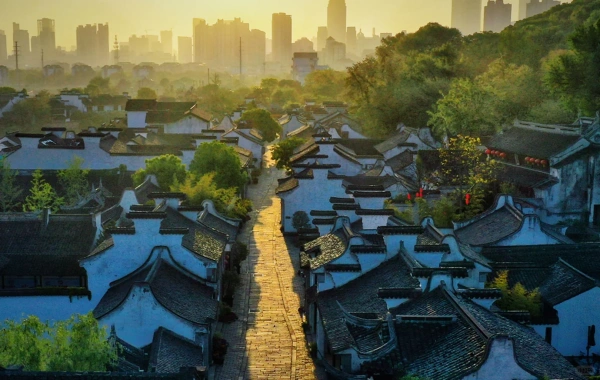
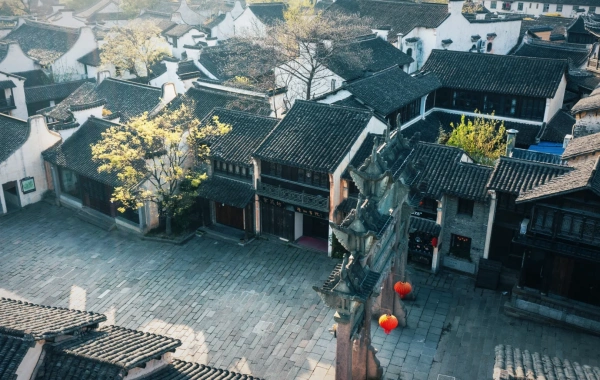
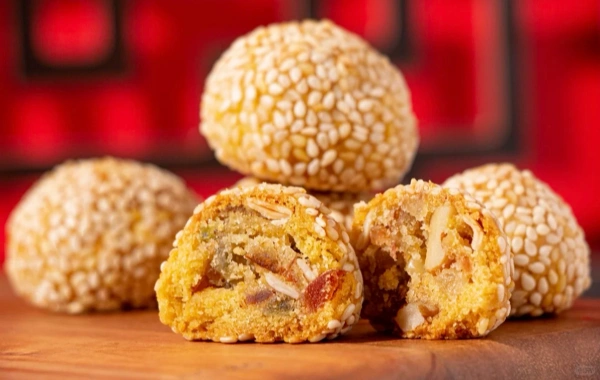
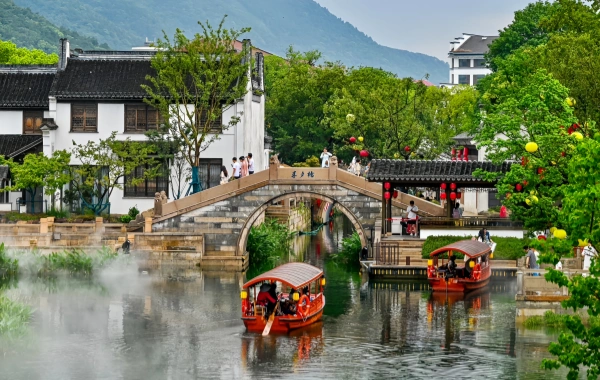
The old Street and the City River: Along the banks of the Longtou River, the white-walled and black-tiled houses and ancestral halls are reflected in the water, forming a typical scene of a water town in the south of the Yangtze River. On both sides of the old street, shops stand in rows, selling traditional snacks such as Huishan oil pastries and tofu pudding. The hustle and bustle of daily life and cultural atmosphere coexist.
Photography Tips:
The best panoramic view is from Longguang Pagoda on the top of Xishan Mountain, offering a panoramic view of the entire ancient town and Jichang Garden.
The Jinhui Yibian in Jichang Garden is a classic spot for taking pictures of the borrowed scenery of the garden (the shadow of Xishan Pagoda).
In the deep alleys of the ancestral hall complex, by using depth perception and door frame composition, one can capture pictures with a strong sense of story.
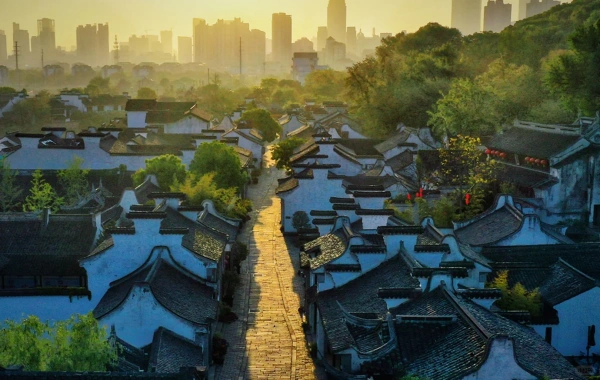
The flight of drones must comply with the regulations of the scenic area. From a high place, the unique texture of the ancient town, which features "ancestral halls nestled against the mountains and rivers and streets running parallel", can be clearly displayed.