Five Unmissable Experiences for a Complete Trip
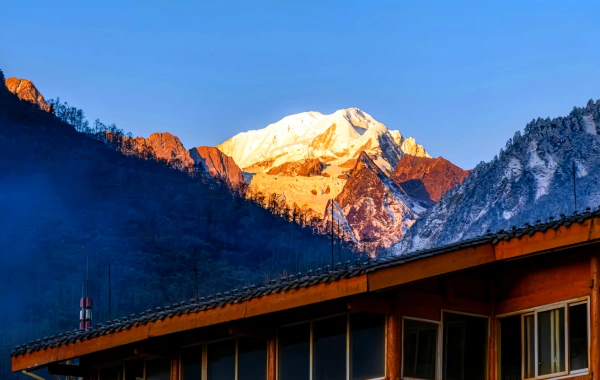
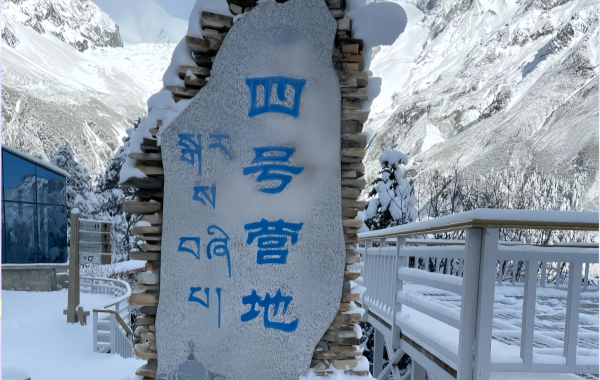
1.Visit Camp No.4 for Sacred Glacier Sightseeing
Time: Enter the scenic area before 6:30 a.m. (opening shifts to 8:00 a.m. in winter & spring; check sunrise schedule in advance).
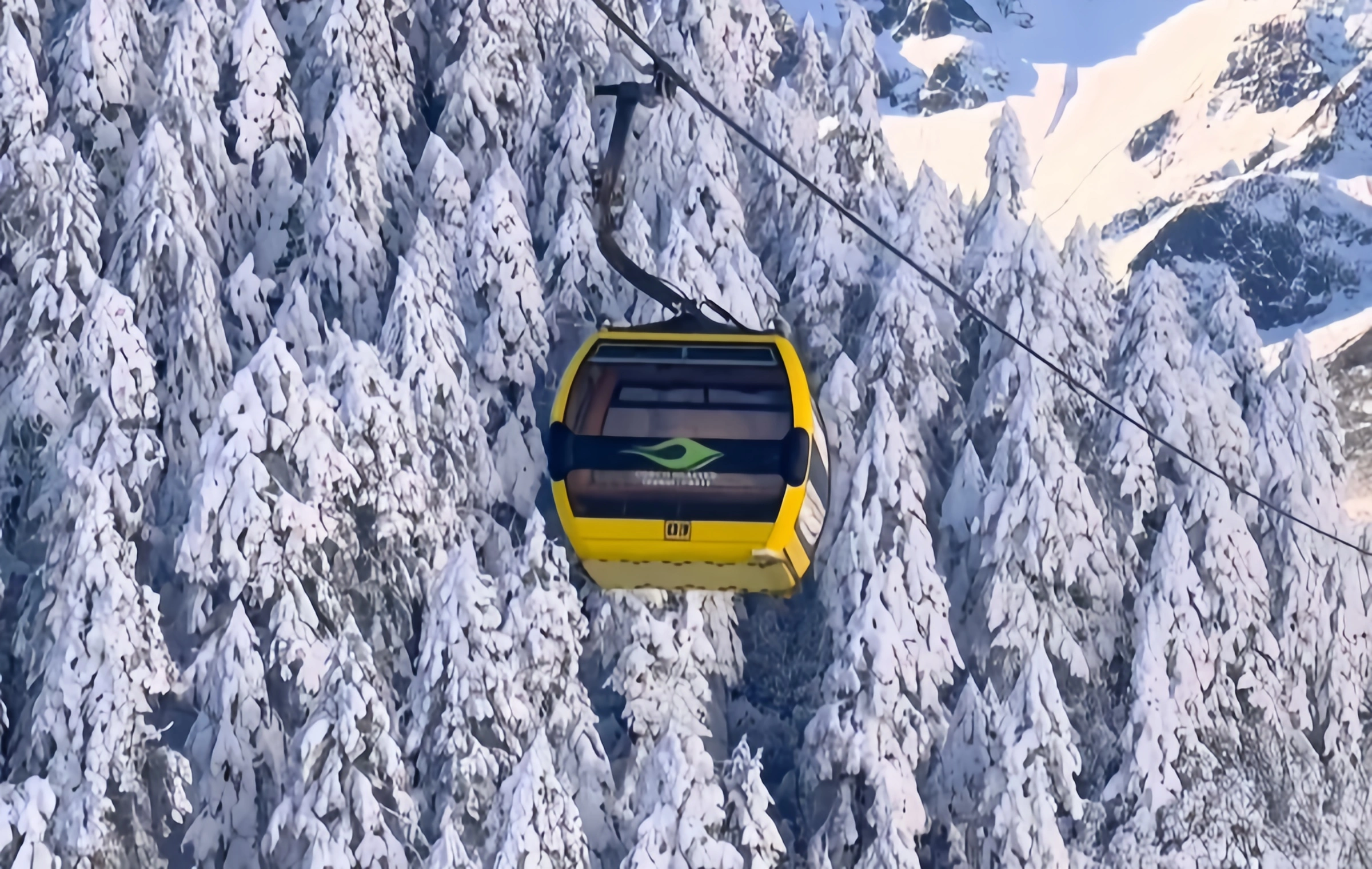
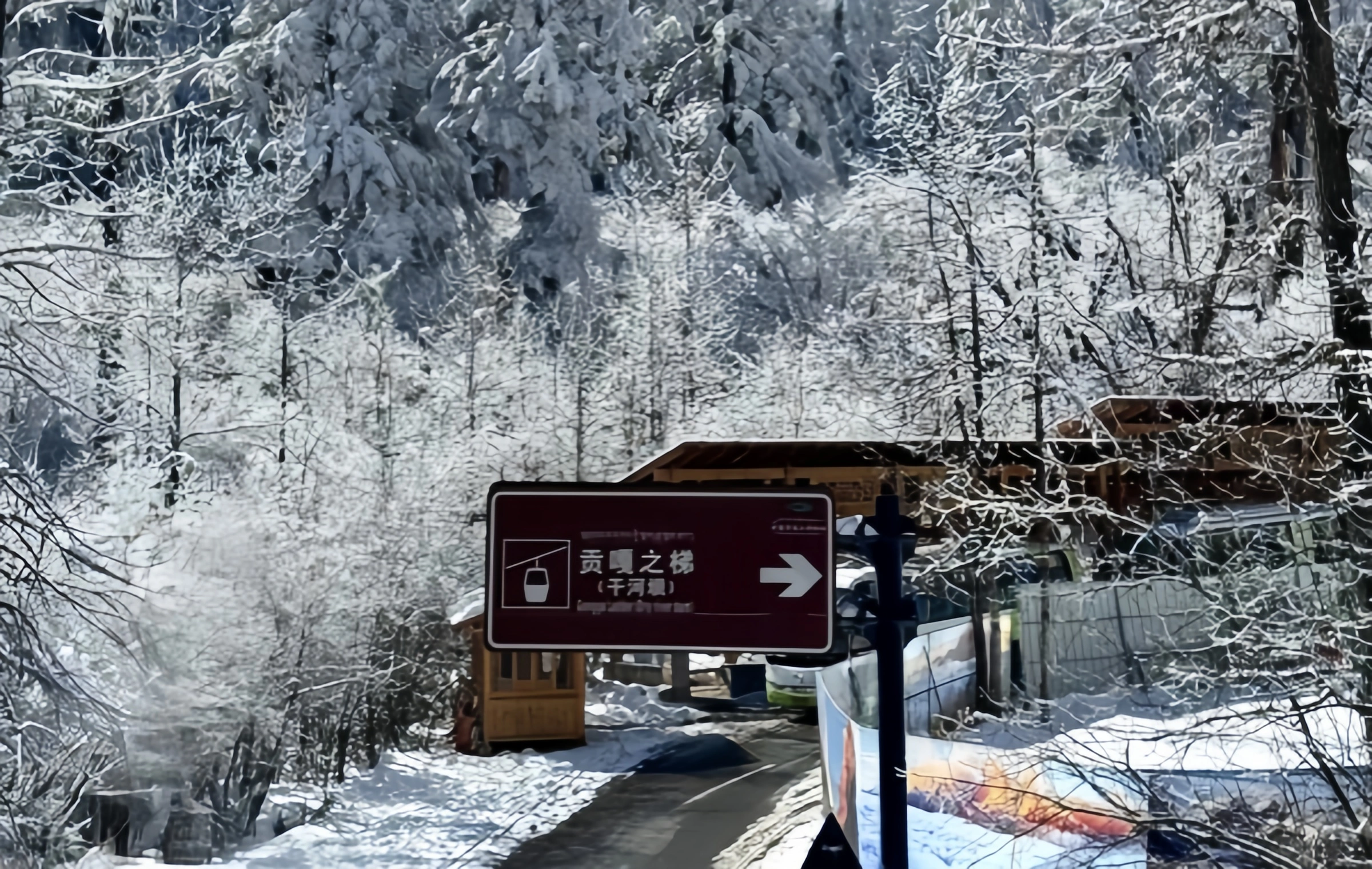
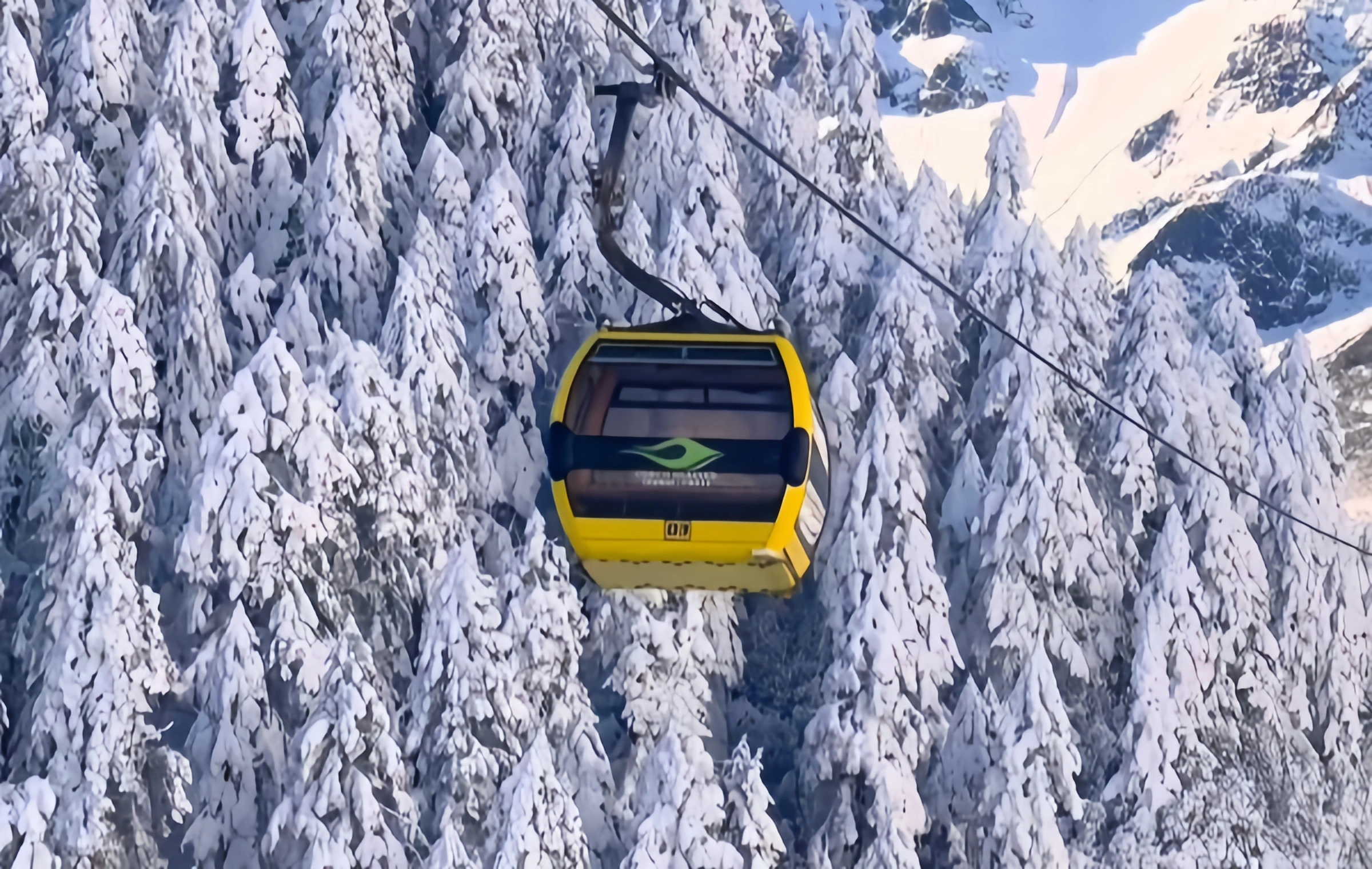
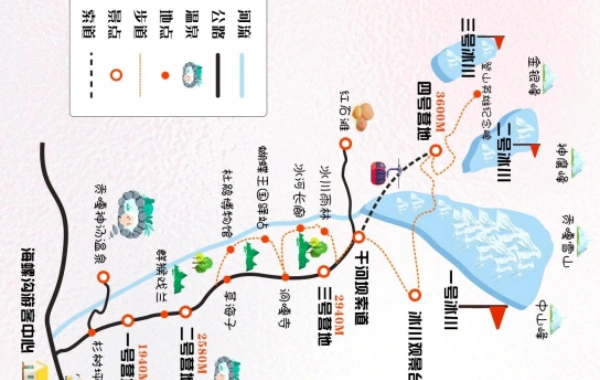
Route: Take scenic shuttle bus from Moxi Town to Camp No.3 (approx. 1 hour), then board cable car up to Camp No.4 (15 mins).
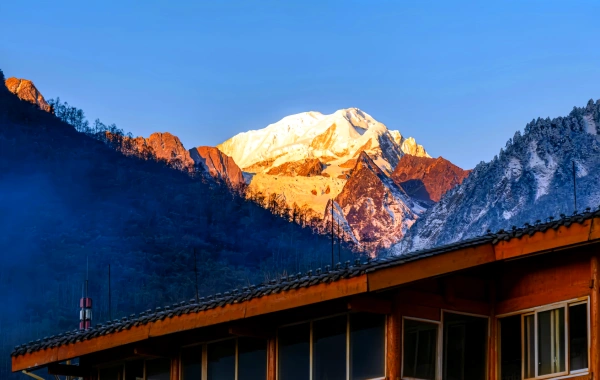
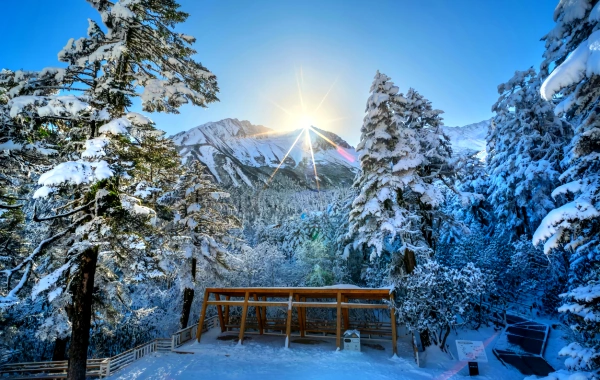
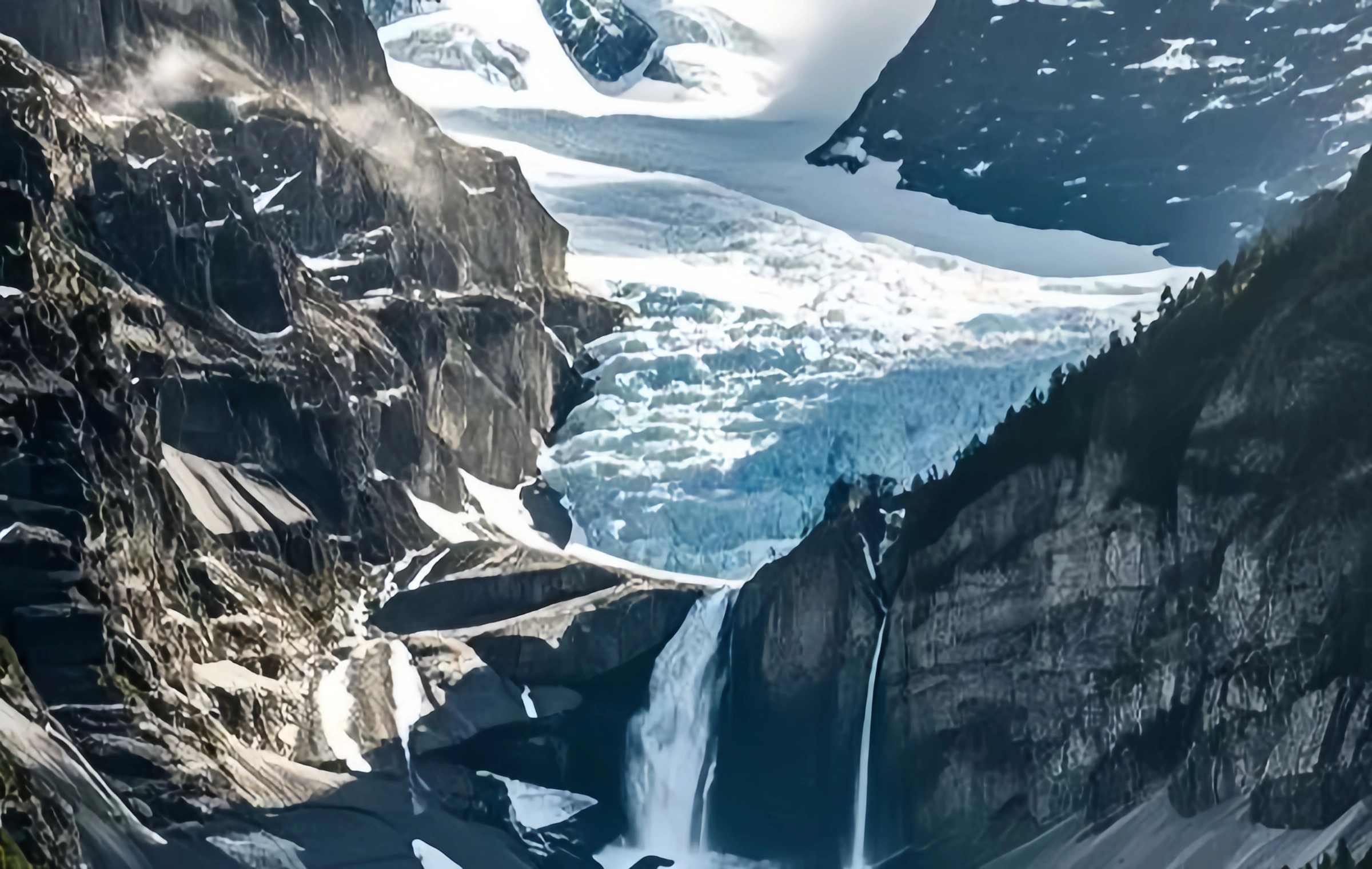
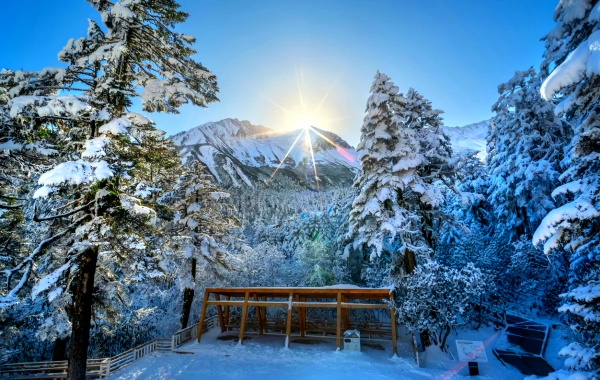
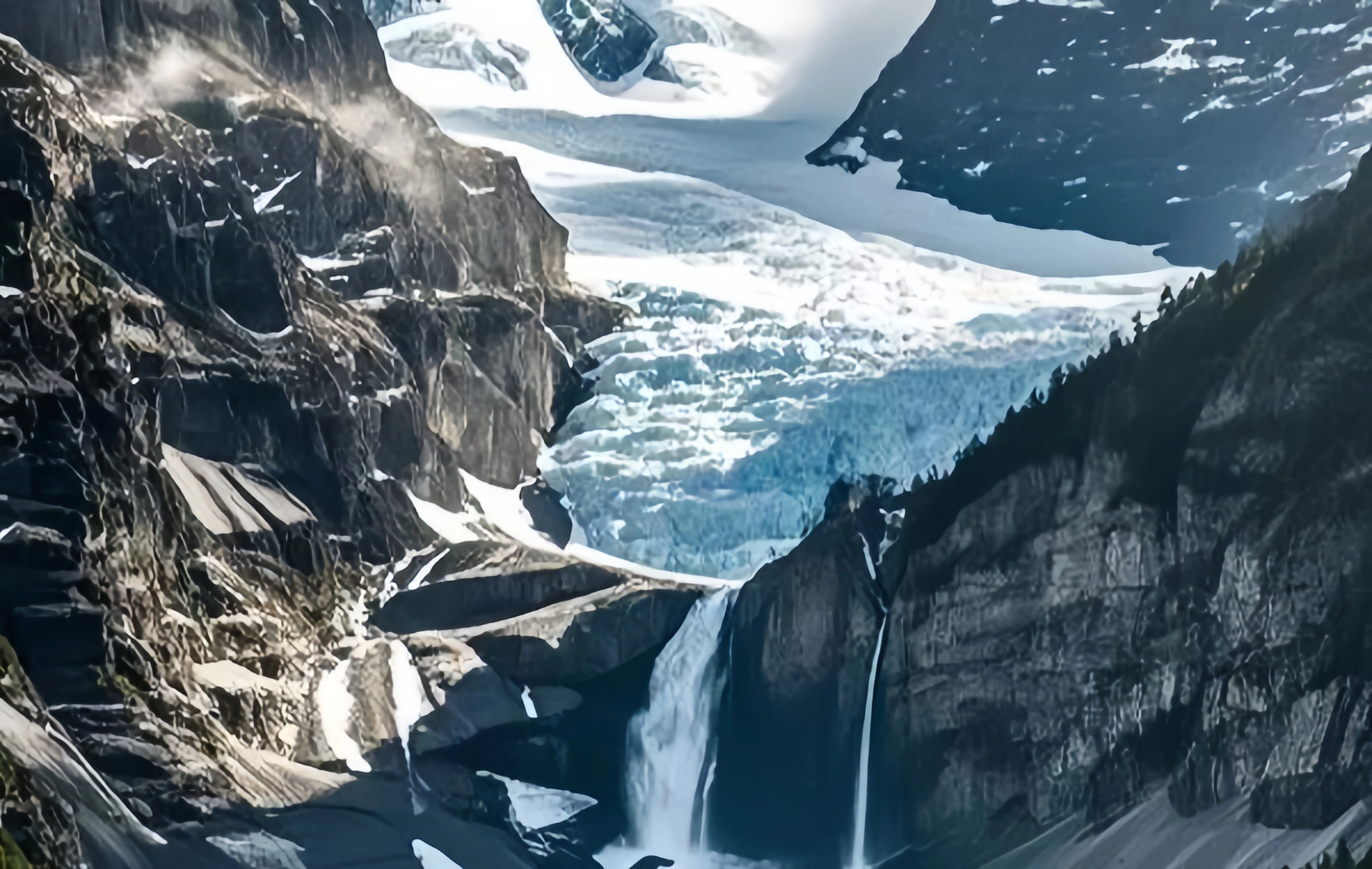
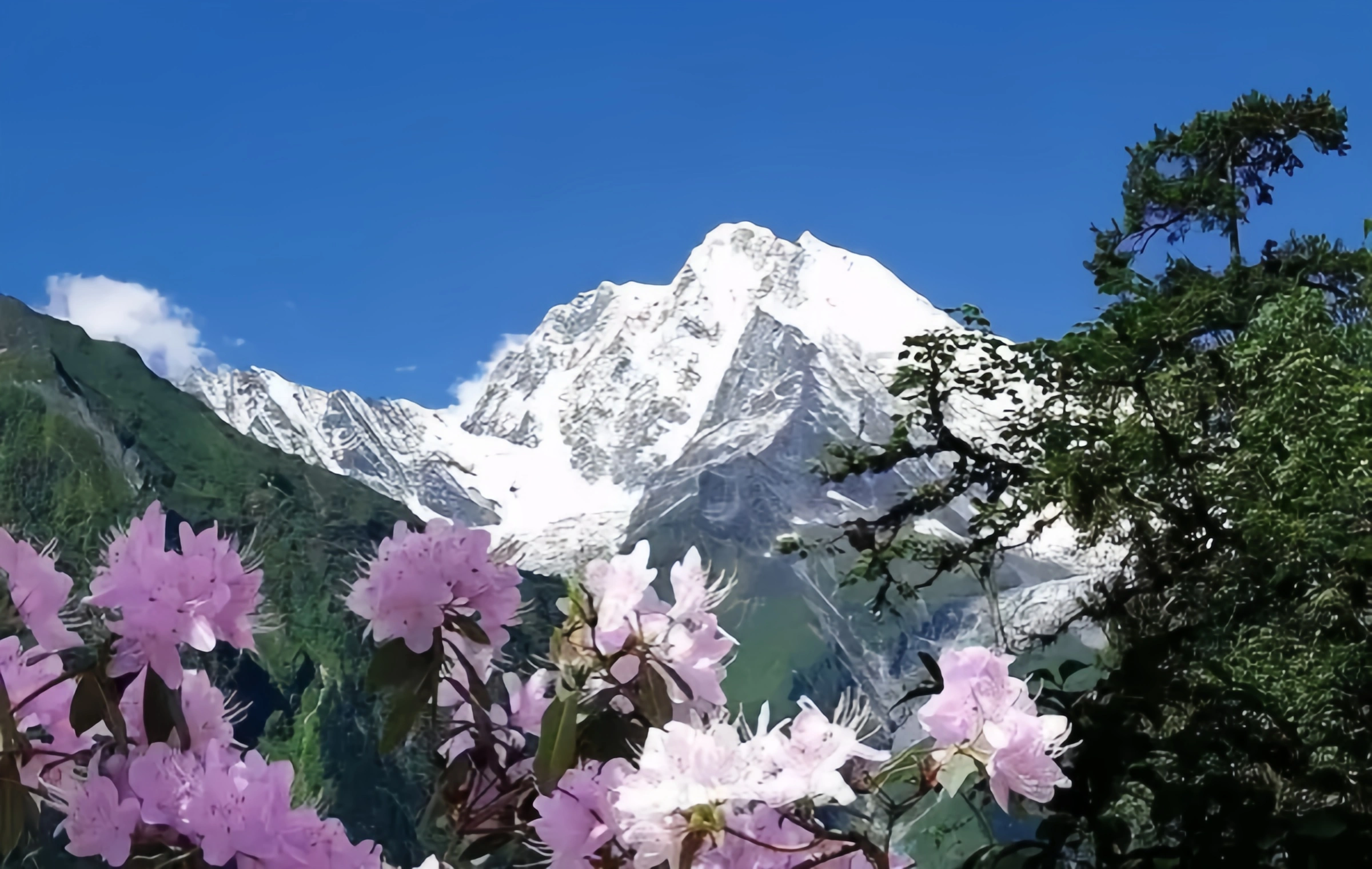
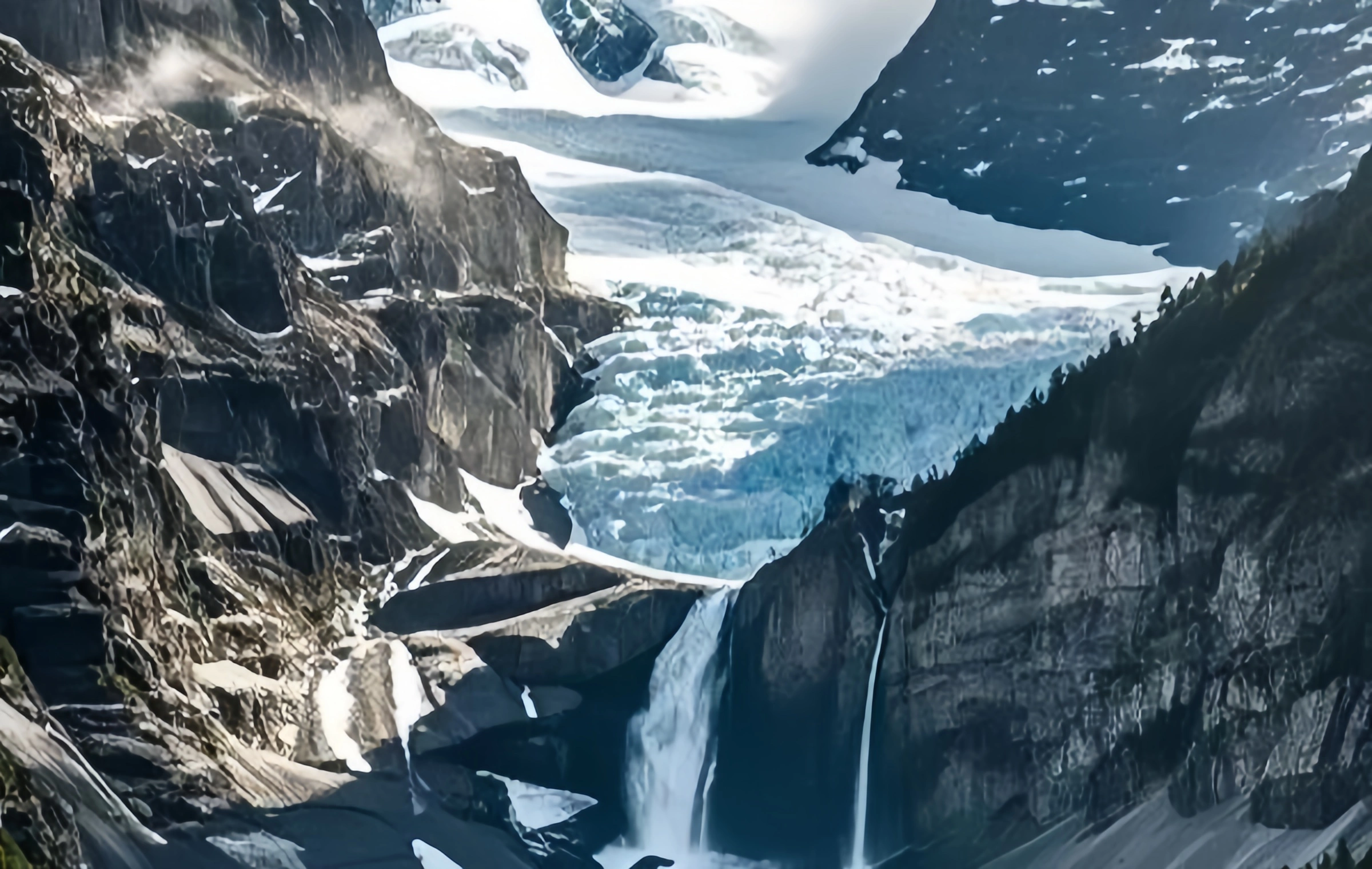
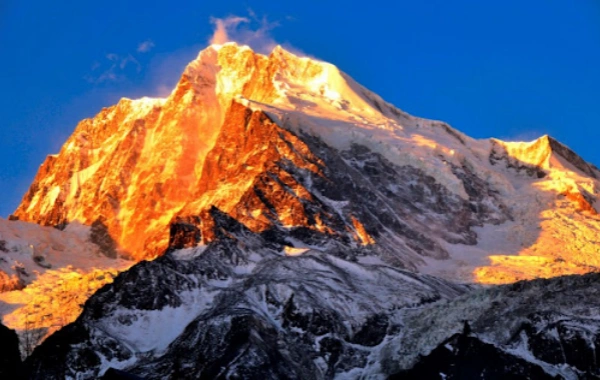
Highlights: The 3,500m-long cable car crosses above the giant icefall and Gongga’s eastern slope with spectacular open views. At Camp No.4, Mount Gongga main peak stands close by, accompanied by roaring constant ice collapse sounds as golden sunrise unfolds over snow ridges.
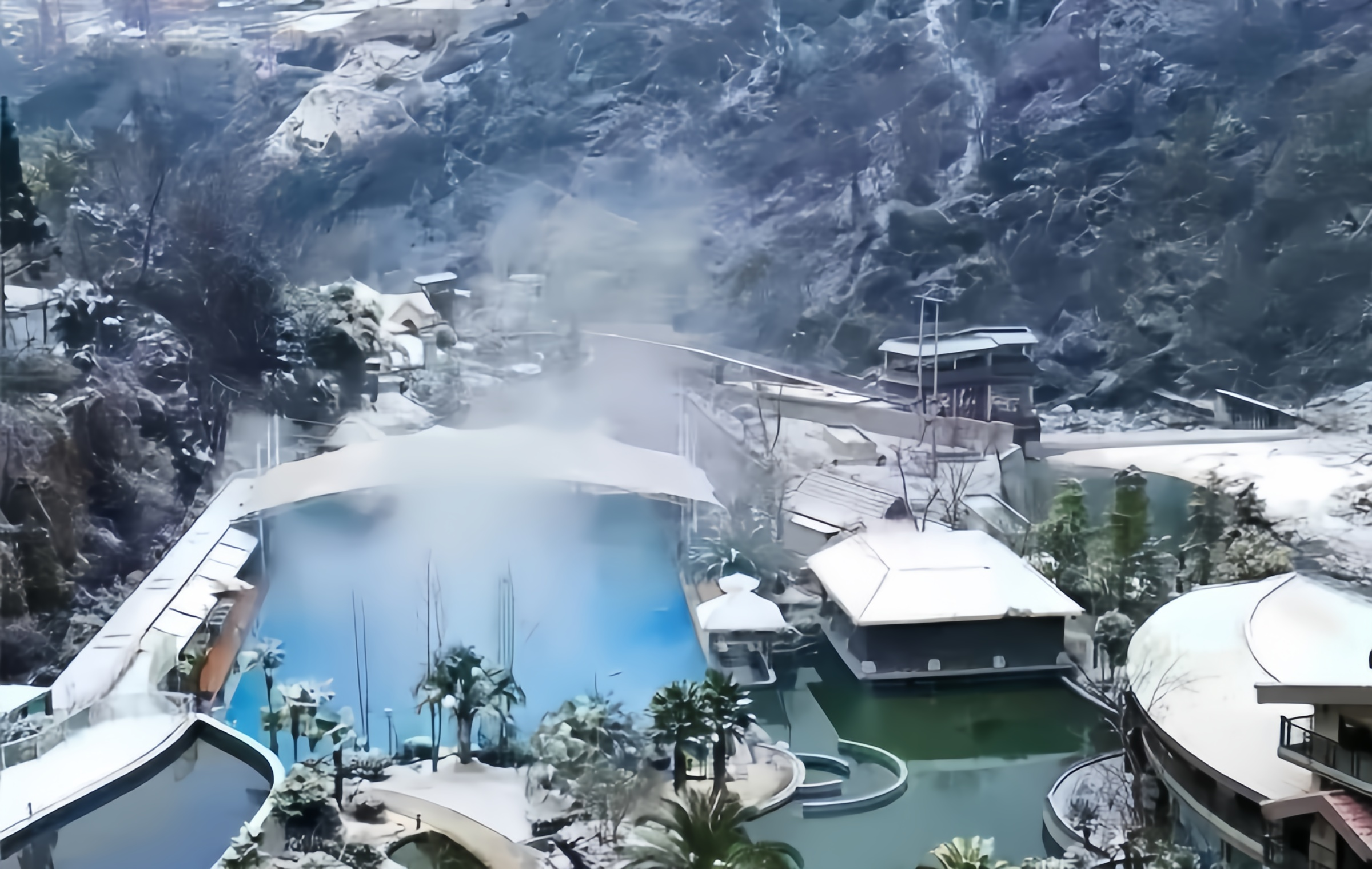
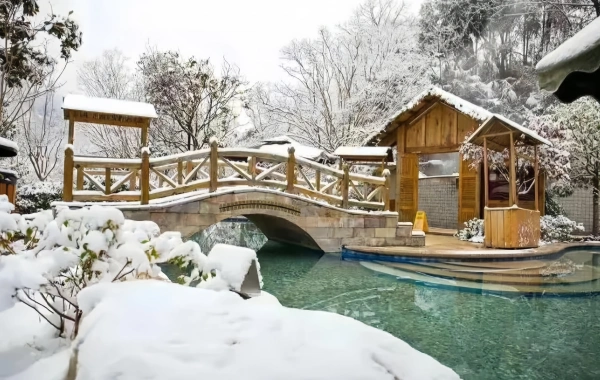
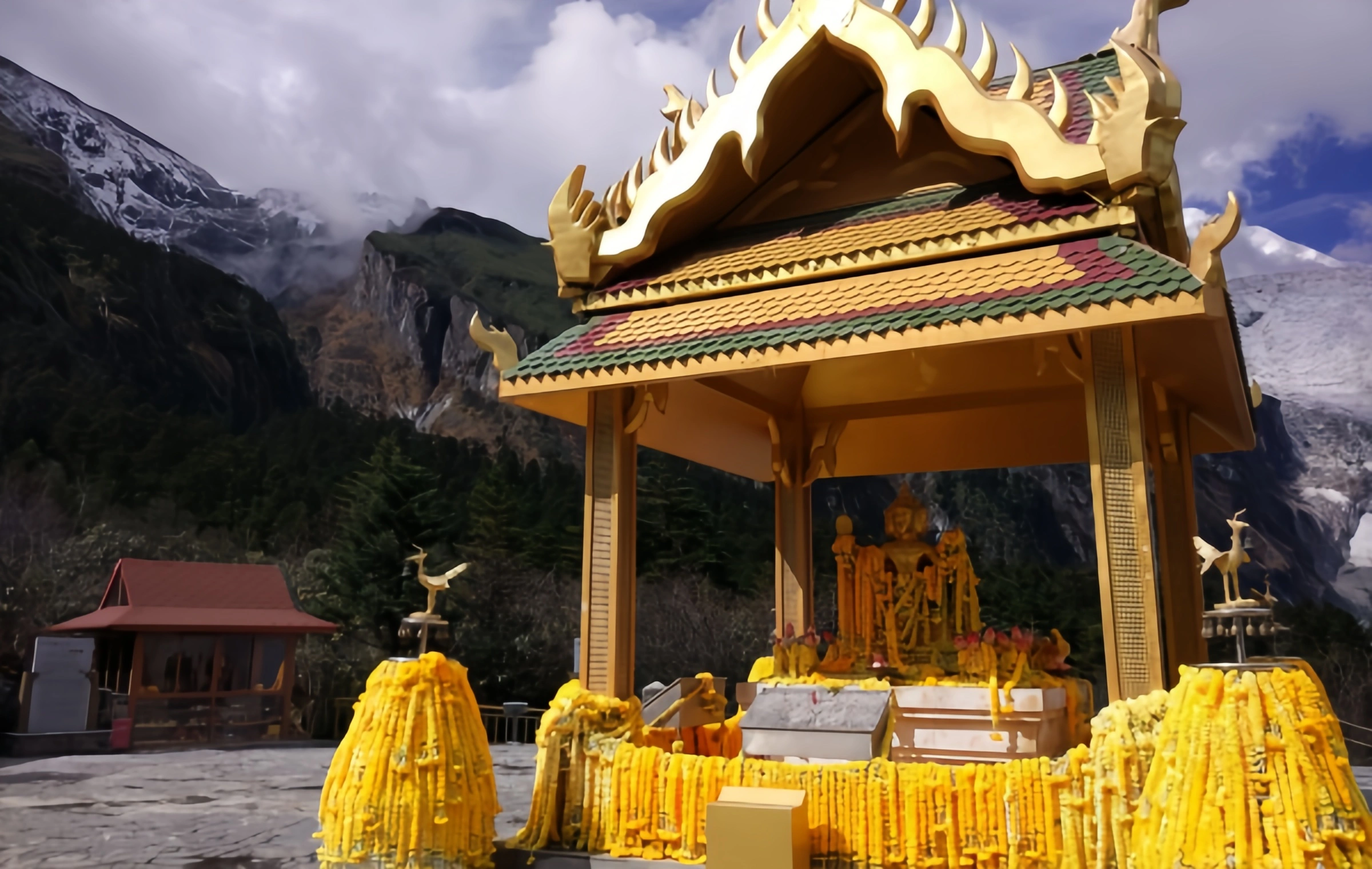
2.Enjoy a Thermal Spring Bath Next to Glaciers
Venue: Gongga Divine Hot Spring Hotel with 19 outdoor spring pools and a standard swimming pool.
Recommended Timeframe: Late afternoon in snowy winter, when snowflakes fall amid rising hot spring steam; soak in warm water while surrounded by snow-capped mountains for iconic ice-fire contrast.
Tip: Bathe after downhill hiking rather than before; hot springs soothe tired muscles after glacial trekking.
Ticket Price: Around CNY 188 per person.
3.Hike to the Glacier Tongue
Route: Start from Camp No.3, follow Glacier Rainforest Trail for about 1 hour to City Gate Cave at the terminal of glacier tongue and touch ancient glacial ice up close.
Safety Notice: Stick to marked paths and guardrails; never cross warning lines or venture into unmarked glacier areas, as hidden ice crevasses pose fatal risks. Always follow scenic regulations.
Suitable For: Visitors with basic hiking experience; autumn and winter have the best trail conditions.
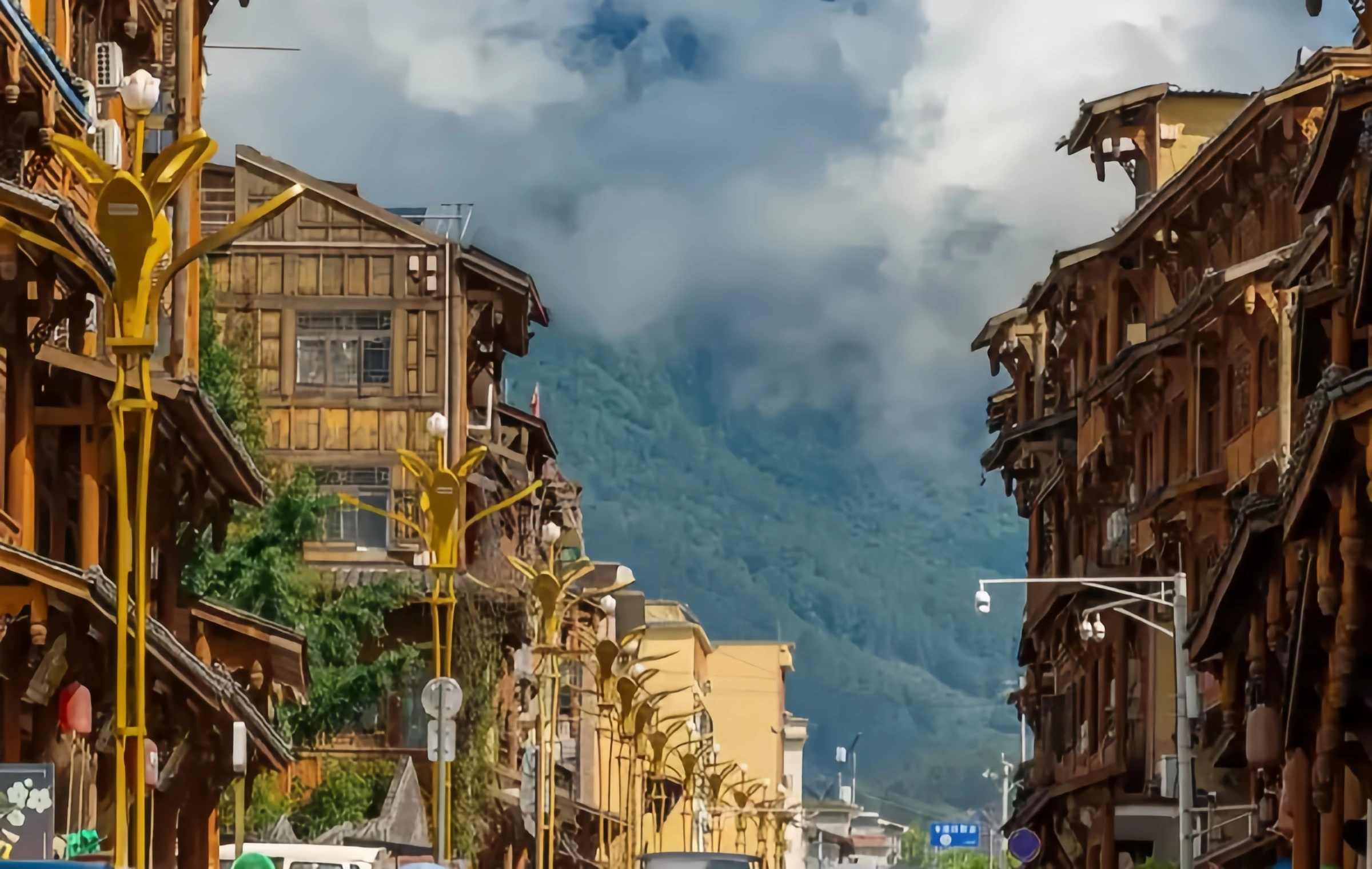
4.Wander Around Moxi Ancient Street
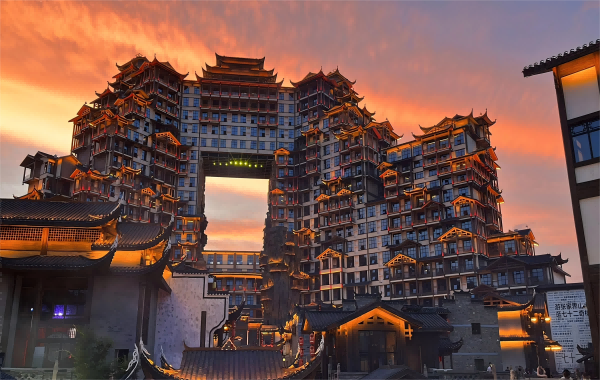
Daytime: Explore old alleys, visit the former Moxi Conference Site and Catholic Church.
Evening: Taste authentic local food and join bonfire folk parties at night.
Must-Try Dishes: Tibetan yak hot pot, matsutake chicken stew (only available July–September), highland barley pancake and butter tea.
Worth-Buying Souvenirs: Dried matsutake, wild honey, Tibetan tea and handmade Tibetan crafts.
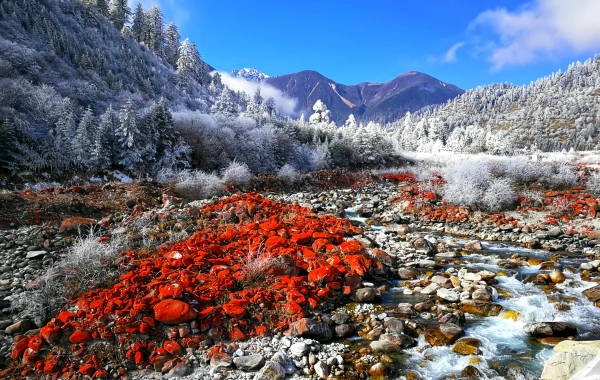
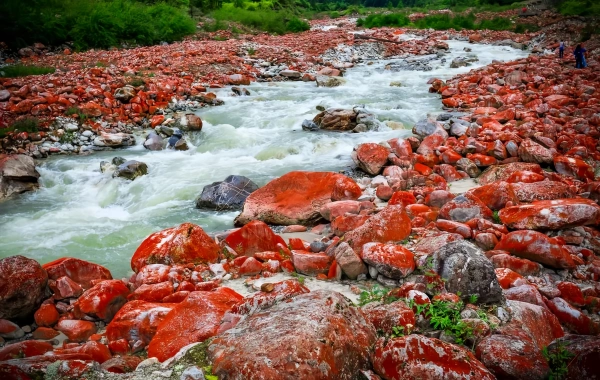
5.Explore Red Stone Beach
Location: Lianghekou of Yajianggou, roughly 30km from Moxi Town along Provincial Highway S434 toward Kangding.
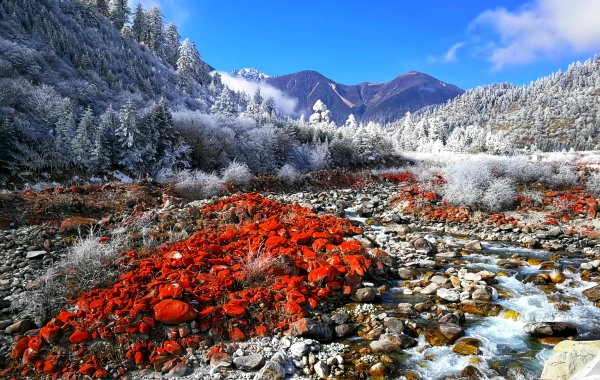
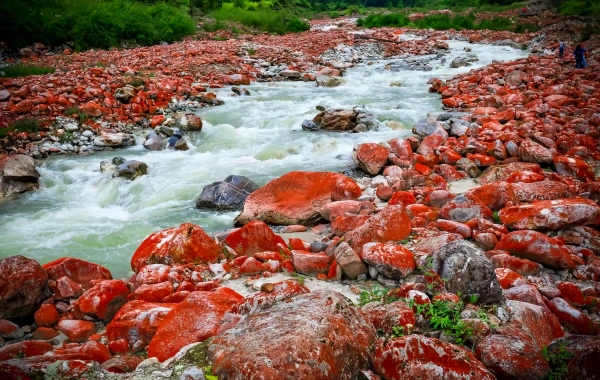
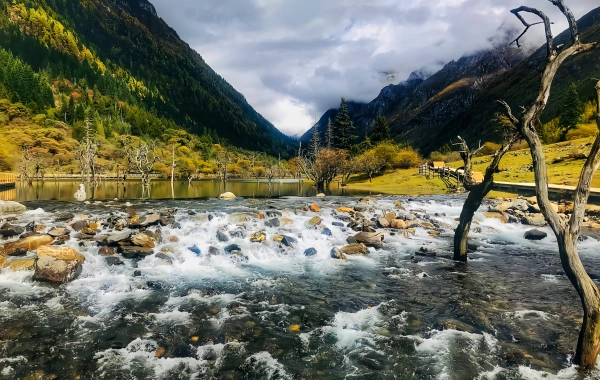
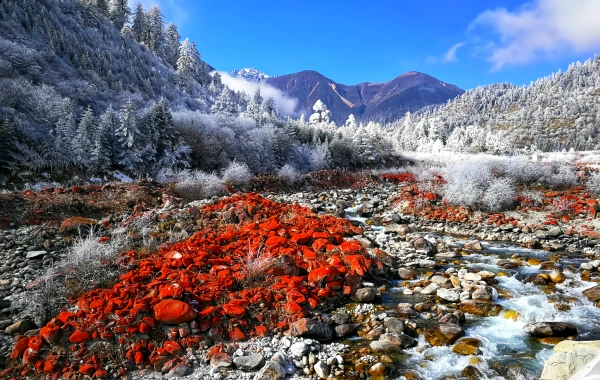
Highlights: Dozens of kilometers of scarlet river stones set against snow peaks and lush forests; Yanzi Valley features the densest red stone clusters stretching over 20km.
Tip: Charter a vehicle for about CNY 300 per day (cost split among group members); stay for 30–60 mins. Morning and dusk deliver ideal shooting light while midday harsh sunlight dulls red hues.
Recommended Travel Routes
One-Day Express Tour (For Visitors with Limited Time)
6:00 depart Moxi Town → Shuttle bus to Camp No.3 (1h) → Cable car to Camp No.4 for golden sunrise & giant icefall sightseeing (1.5h) → Return by cable car to Camp No.3, hike glacier tongue & rainforest trail (1.5h) → Head back to Moxi for lunch → Afternoon hot spring spa at Gongga Divine Hot Spring (1.5–2h) → Stroll ancient street, enjoy Tibetan dinner before departure.
IntoTravelChina Tip: Arrive in Moxi one day ahead; pre-purchase combined ticket package (entrance + shuttle + cable car, around CNY 280 subject to seasonal adjustment) online to skip on-site queues.
Two-Day In-depth Tour (Highly Recommended)
Day 1: Leave Chengdu, arrive at Moxi in about 4 hours → Sightsee Moxi Ancient Town, Catholic Church & Long March memorial in the afternoon → Soak in hot springs at dusk with snow mountain backdrop → Overnight in Moxi and experience bonfire plus Tibetan feast.
Day 2: Enter scenic spot before 6:30 a.m. → Shuttle to Camp No.3 → Cable car up to Camp No.4 for golden sunrise and icefall → Return to Camp No.3 for glacier tongue & Caohai Lake hiking → Exit scenic area at noon → Optional half-day side trip to Yajianggou Red Stone Beach (2–3h round trip) or head back to Chengdu directly.
https://intotravelchina.com/tours/chengdu_tours/chengdutojiuzhaigou.html
IntoTravelChina Service: We arrange customized accommodation, seamless itinerary connection and full safety guidance.