Gongtan Ancient Town: River Views, Old Streets and How to Plan the Stop

Gongtan Ancient Town: River Views, Old Streets and How to Plan the Stop

Overview: Gongtan Ancient Town, on the Wujiang River in Chongqing's Youyang County, is a living museum of Tujia stilted architecture and riverside culture. With over 1,700 years of history, it was a key salt-trading port. Today, its slate streets, diaojiaolou, and panoramic river views make it one of western China's most authentic ancient towns.

Quick overview of core highlights

Identity tags: Wujiang Gallery core town / Tujia stilt museum / 1,700-year-old port.

Core experience: wander the 1.5-km slate old street, take a Wujiang River cruise, photograph cliff-side stilt houses, taste Tujia cuisine.

Suggested tour: one full day; overnight stay recommended for morning river mist.

Address: Gongtan Ancient Town, Youyang Tujia and Miao Autonomous County, Chongqing.

  • Gongtan Ancient Town: River Views, Old Streets and How to Plan the Stop-1
  • Gongtan Ancient Town: River Views, Old Streets and How to Plan the Stop-2
  • Gongtan Ancient Town: River Views, Old Streets and How to Plan the Stop-3
  • Gongtan Ancient Town: River Views, Old Streets and How to Plan the Stop-4

Is Gongtan Ancient Town Worth the Journey from Chongqing?

Furong Ancient Town Furong Ancient Town

The short answer is yes — but only if you know what you're signing up for. I made the trip from downtown Chongqing in early June 2026, and the journey took just over four hours each way. That's a long day for a ancient town, and I'll be honest: if you're expecting something on the scale of Lijiang or Fenghuang, you might feel underwhelmed at first. Gongtan is smaller, quieter, and far less polished. But that's precisely its strength.

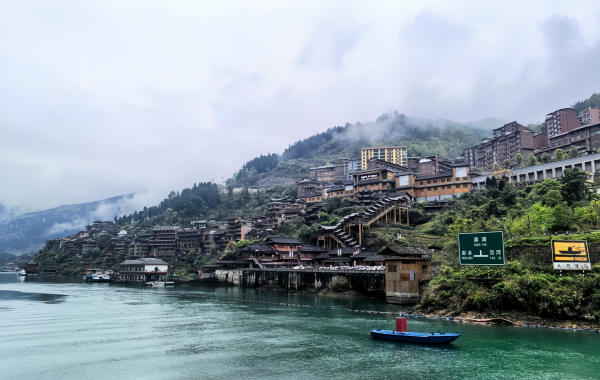
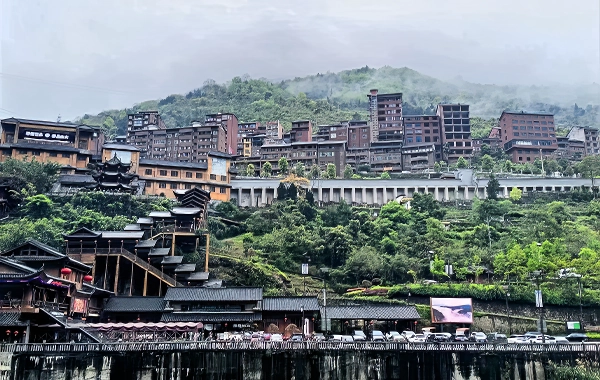
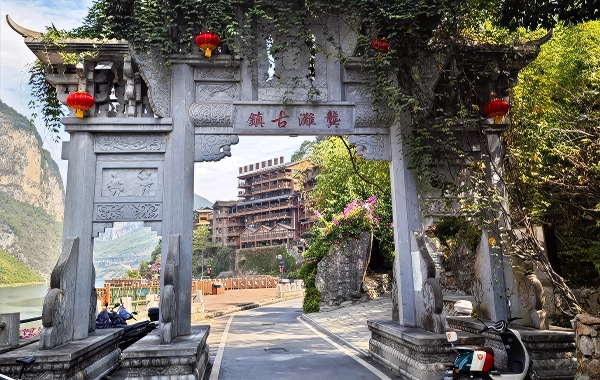
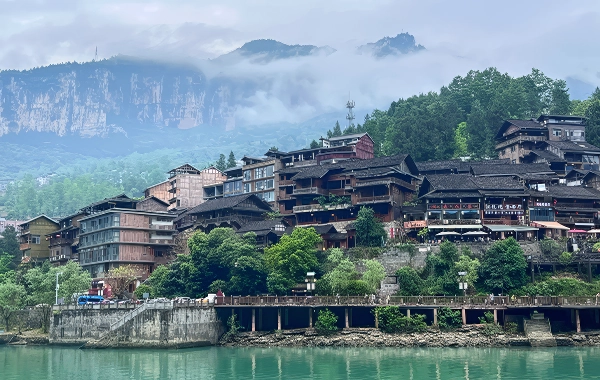
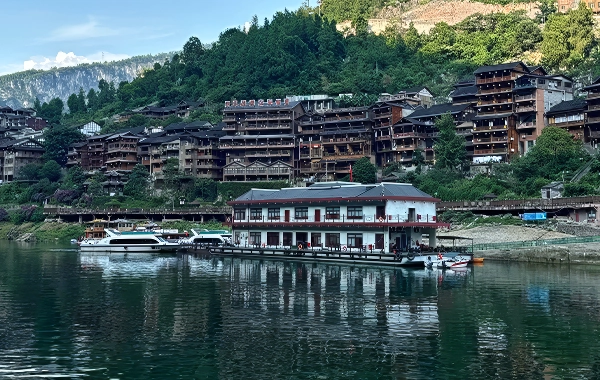
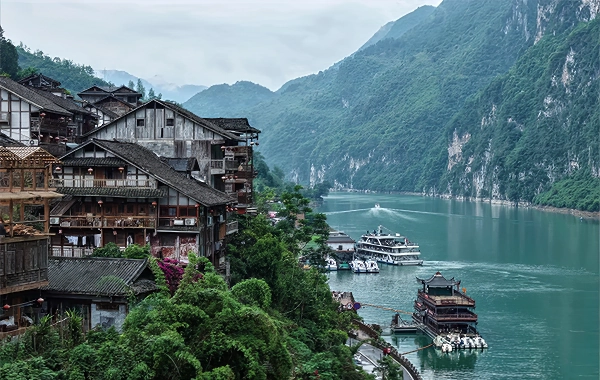
What makes the journey worth it is the setting. The town sits on a cliff above the Wujiang River, and the view from the opposite bank — wooden stilt houses stacked vertically against green water — is unlike anything you'll find in better-known ancient towns. According to Youyang County's official tourism portal, Gongtan is a National Historical and Cultural Town and the starting point of the "Thousand-Mile Wujiang, Hundred-Mile Gallery" scenic route. The 2025 opening of the Chongqing–Hunan expressway's Fuxing segment, which now has a dedicated Gongtan exit, has cut driving time significantly. But the town's remote location also means fewer crowds — on a Tuesday morning in June, I shared the main street with maybe two dozen other visitors. That solitude is increasingly hard to find in Chinese ancient towns, and for me, that alone justified the drive.


What Makes Gongtan Different From Other Ancient Towns in China?

Furong Ancient Town Furong Ancient Town Furong Ancient Town

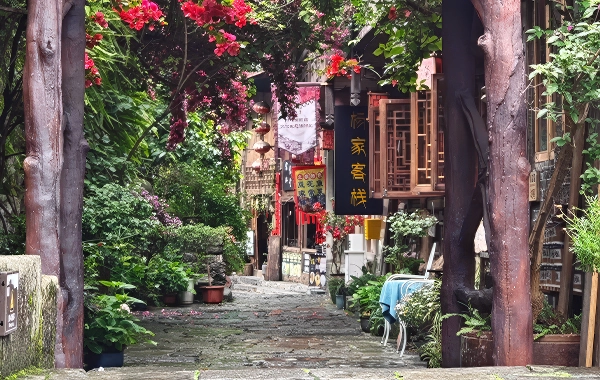
Most Chinese ancient towns follow a familiar script: a restored main street lined with souvenir shops, the same stinky tofu and silver jewelry stalls, and crowds shuffling shoulder to shoulder. Gongtan breaks that pattern in several ways. First, it's a working town, not a theme park. People still live in those stilt houses. I watched an elderly woman hang laundry from a second-floor balcony that jutted out over the river, her daily routine unfolding against a backdrop that tourists pay to photograph.

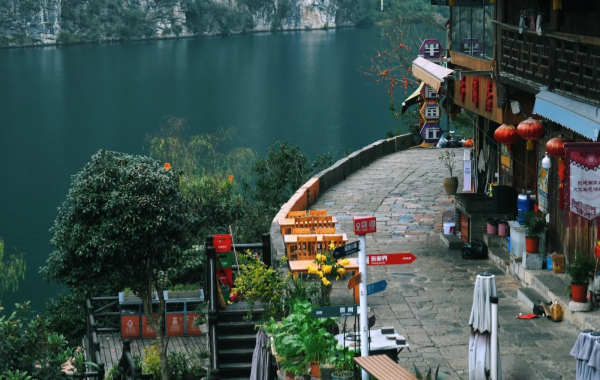
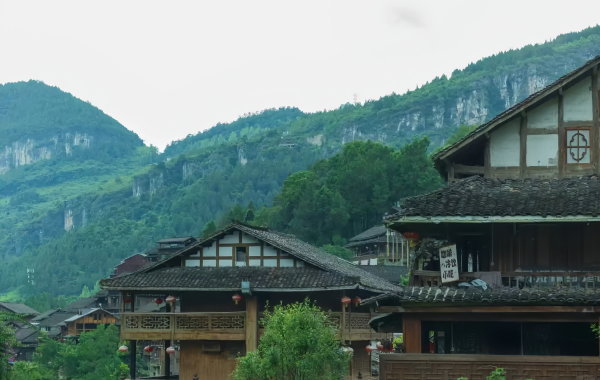
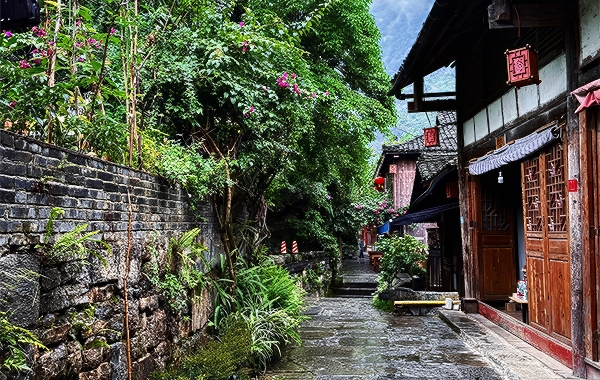
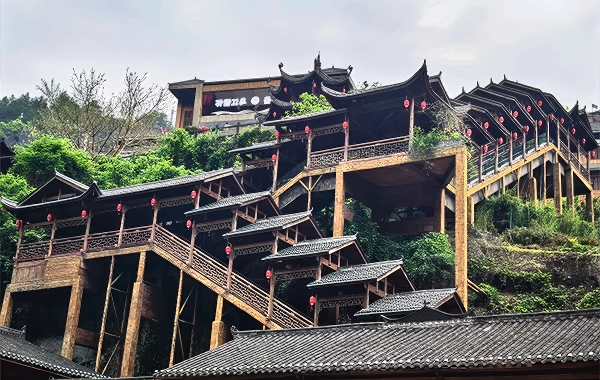
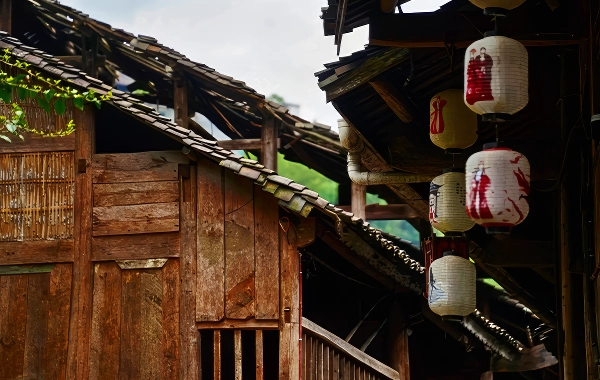
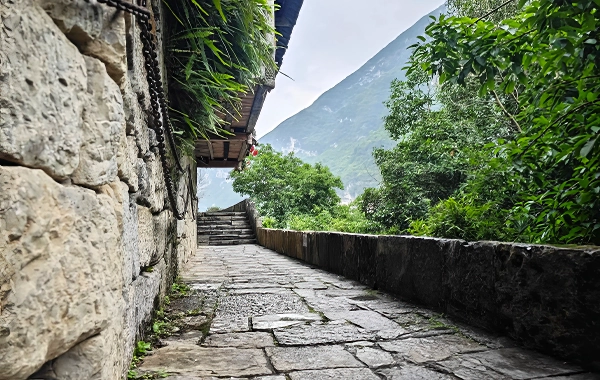
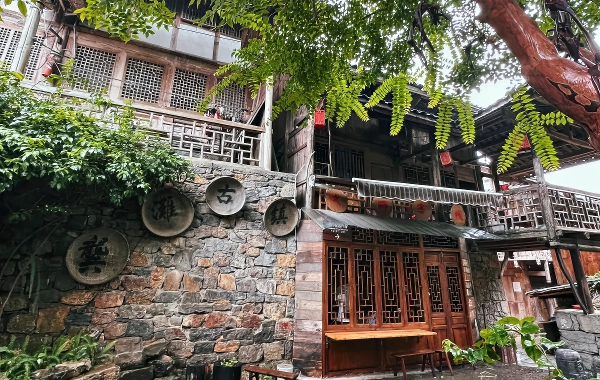
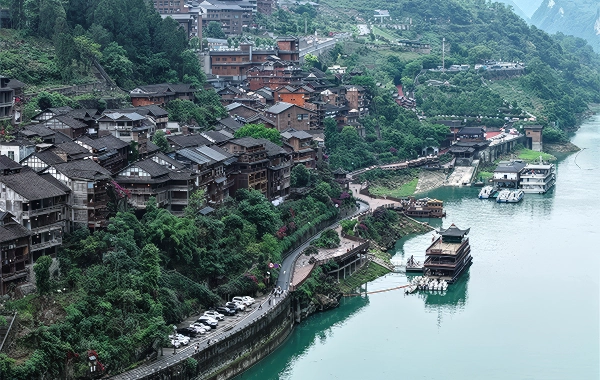
Second, the architecture is the real deal. Gongtan preserves over 400 Tujia diaojiaolou (stilted buildings) along a 1.3-kilometer slate street. These aren't reconstructions — many date back to the Ming and Qing dynasties, built by merchants and salt traders who once made this port a critical node on the Wujiang waterway. The town's history stretches back roughly 1,800 years, to the Three Kingdoms period. The painter Wu Guanzhong famously called it a "Tang Street, Song City" — and walking that street, you can see why. The stone slabs are worn smooth by centuries of footsteps, and the wooden buildings lean into each other in ways that feel organic, not staged.

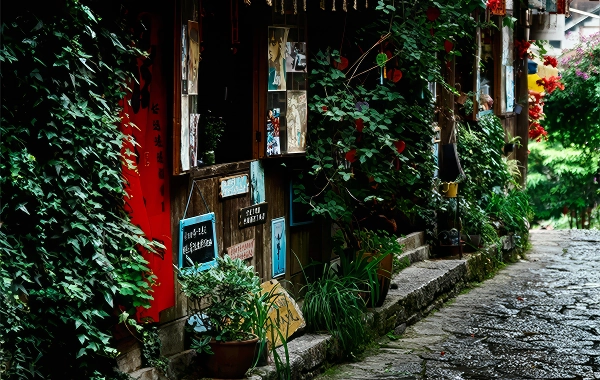
What surprised me most, though, was the absence of the usual tourist traps. There are no loudspeakers blasting pop music, no costumed performers trying to drag you into photo ops. The commerce that exists — mostly family-run guesthouses and small restaurants — serves the community first and visitors second. That authenticity is rare, and it's what sets Gongtan apart.

Want to learn more about the historical background and information of this town? Baidu Baike provides detailed entries.

How Much Does a Trip to Gongtan Actually Cost?

Furong Ancient Town Furong Ancient Town Furong Ancient Town Furong Ancient Town

Here's the breakdown from my June 2026 trip, with prices that fluctuated somewhat depending on the season and day of the week.

Admission: The ancient town itself is free. According to the official list of A-level scenic spots published by Youyang County, Gongtan is a 4A-rated attraction with no entry fee. I walked straight in through the North Gate without buying a ticket.

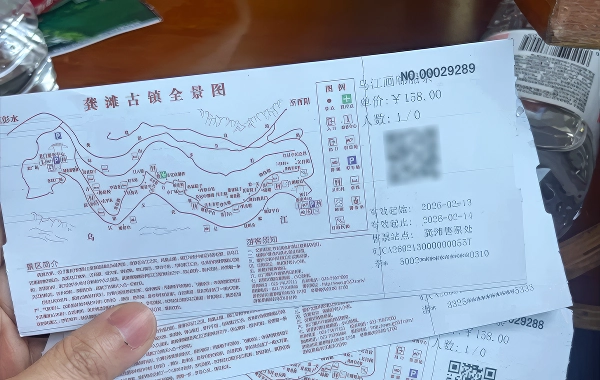
Boat tour: This is where the real expense lies. The Wujiang Gallery cruise from Gongtan's South Gate dock costs between 136 and 167 yuan per person for the standard one-hour loop, depending on where you book. I paid 150 yuan at the dock — about 10 yuan more than the online price, which I regretted. Book through platforms like Ctrip or Meituan the day before to save a bit and skip the queue.

Transport: From Chongqing's city center, I drove — tolls and fuel came to roughly 300 yuan round trip. If you're taking the train, a second-class seat from Chongqing North to Youyang Station costs about 107 yuan, and the station is about 1.5 hours from the ancient town by local bus or taxi. Long-distance bus from Chongqing's Si Gong Li transport hub runs around 100–135 yuan each way.

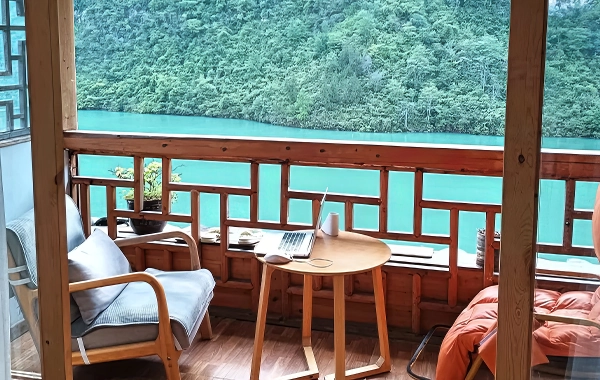
Accommodation: I stayed at a river-view guesthouse near the South Gate for 220 yuan for a double room on a weekday. Budget options start around 120 yuan, while nicer places with balconies over the water can run 300–400 yuan.

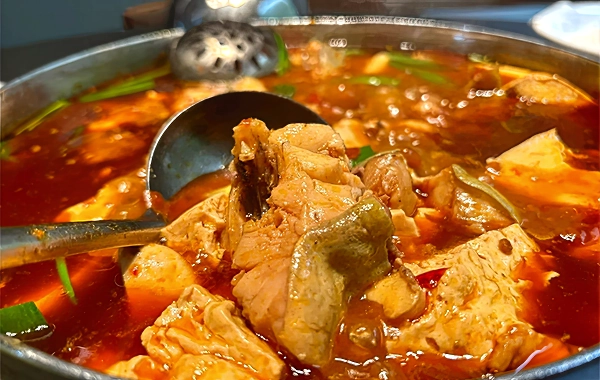
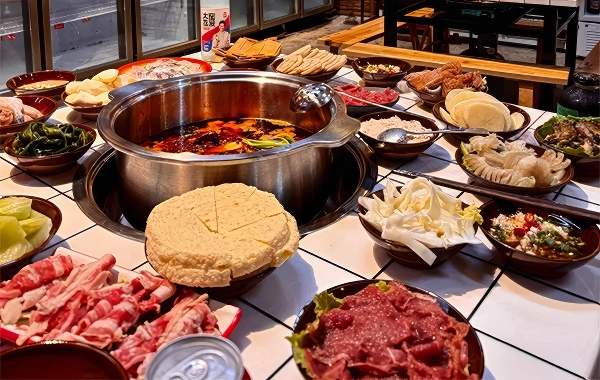
Food: A meal for two at a riverfront restaurant — local specialties like Wujiang tofu fish — cost about 120 yuan total. Street snacks like glutinous rice cakes run 5–10 yuan.

All in, I spent around 700 yuan for a two-day, one-night solo trip, excluding transport from Chongqing. That's reasonable for what you get, but the boat ticket stings a bit — more on that below.

Additionally, during my journey, in order to accurately understand the locations of Gongtan Ancient Town and other nearby attractions, Google Maps provided detailed satellite imagery, a feature I frequently use when planning my routes.

What Surprised Me Most About the Wujiang Gallery and Stilted Houses

Furong Ancient Town Furong Ancient Town Furong Ancient Town

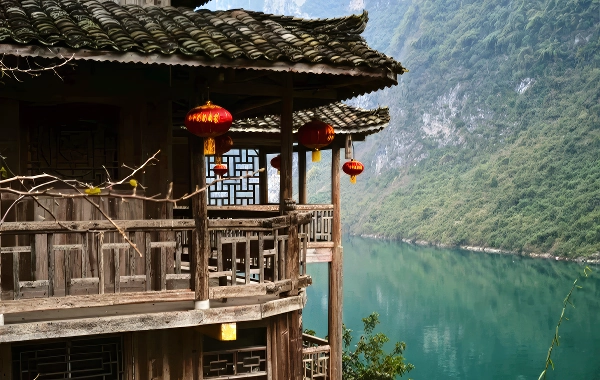
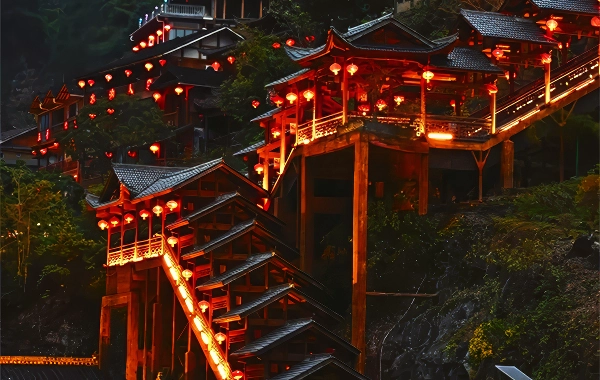
I'd seen photos of Gongtan's stilt houses before I went — the classic shot of wooden pillars planted on steep riverbanks, buildings stacked like a vertical village. But photos don't prepare you for the scale. Some of these structures extend four or five stories down the cliff face, their wooden legs disappearing into the green water below. One building I passed near the South Gate had at least 200 square meters of floor space suspended mid-air — an engineering feat that feels almost reckless until you realize it's held up that way for centuries.

What surprised me more, though, was how the town works with the river, not just against it. The Wujiang Gallery isn't a separate attraction — it's the reason Gongtan exists. The ancient town was built here because the river was both a highway and a barrier: salt and goods came up by boat, had to be carried over the treacherous rapids by hand, and were reloaded on the other side. Standing on the dock and watching a modern sightseeing boat glide past, I could still feel that older rhythm — the town as a hinge between water and land.

The downside? The stilt houses are stunning from a distance but less comfortable up close. Many are old, and the wooden floors creak. Sound carries between rooms. If you're a light sleeper, bring earplugs. I also found that the best views — the ones you see in promotional photos — are only accessible from a few specific spots. The observation deck near the North Gate is the obvious one, but the real prize is the third-floor balcony of Ran Family Courtyard, which costs 20 yuan to enter. Worth it, but don't expect those views to be free.


The Honest Truth About the Wujiang River Cruise — Is It Worth the Hype?

Furong Ancient Town Furong Ancient Town Furong Ancient Town

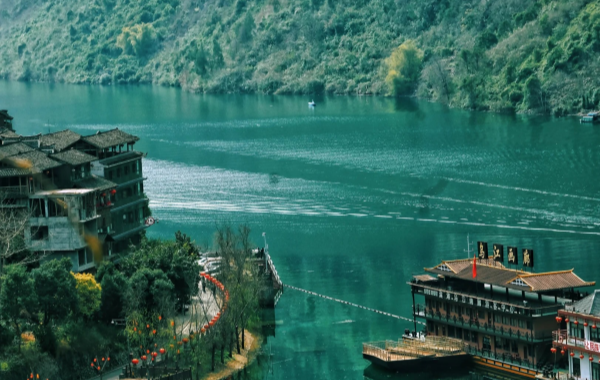
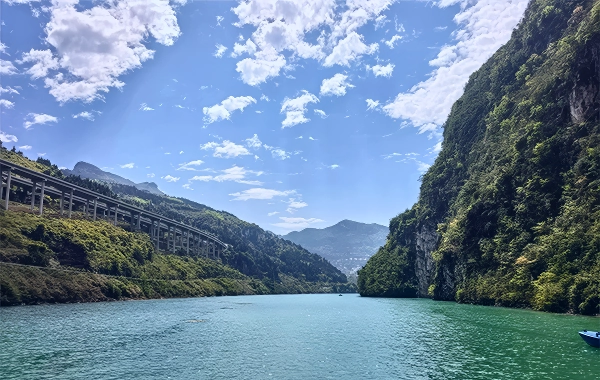
I took the one-hour loop cruise from Gongtan's South Gate dock, and my honest verdict is: it's good, but it's not life-changing. The water really is that improbable shade of jade green — emerald and almost opaque, like someone dyed the river. The cliffs on either side rise steeply, and the boat passes landmarks like Goddess Peak and Buddha Finger Mountain. On a clear day, it's undeniably beautiful.

But here's what nobody tells you: the best part of the cruise is the first and last ten minutes, when the ancient town itself comes into view from the water. The middle stretch is mostly cliffs and more cliffs — impressive, but repetitive. By minute forty, I was ready to be back on land. At 150 yuan for an hour, that's 2.5 yuan per minute. For comparison, the ancient town itself costs nothing and gave me hours of walking pleasure.

Would I recommend it? Yes — once. But don't build your entire trip around it. If you're short on time or budget, skipping the boat and spending that hour exploring the back alleys of the ancient town is a better use of your afternoon. I also learned that there's a longer four-hour route that goes all the way to Yanhe in Guizhou province, which covers more dramatic sections like Tuxia Gorge and Lizhi Gorge. Some travelers swear by it for the deeper canyon experience and cultural stops. But it's a one-way trip, meaning you have to figure out your own transport back — a logistical headache I wasn't willing to take on for a two-day visit.

One more thing: check the weather before you book. The cruise gets cancelled during heavy rain, and June is the start of the rainy season. I got lucky with clear skies, but the forecast can change fast in this part of Chongqing.

How Many Days Do You Really Need in Gongtan?

Furong Ancient Town Furong Ancient Town Furong Ancient Town Furong Ancient Town

One full day is enough to see the ancient town properly. Two days is better if you want to actually relax. Here's what I mean by that.

With one day — say, arriving around 10 a.m. and leaving by 6 p.m. — you can walk the entire 1.3-kilometer slate street from North Gate to South Gate, take the one-hour boat cruise, have a proper lunch, and still have time to poke into a few side alleys and photograph the stilt houses from the main viewpoints. That's a solid itinerary, and it's what most day-trippers do. I met several travelers who had come from Chongqing that morning and were heading back the same evening — exhausted but satisfied.

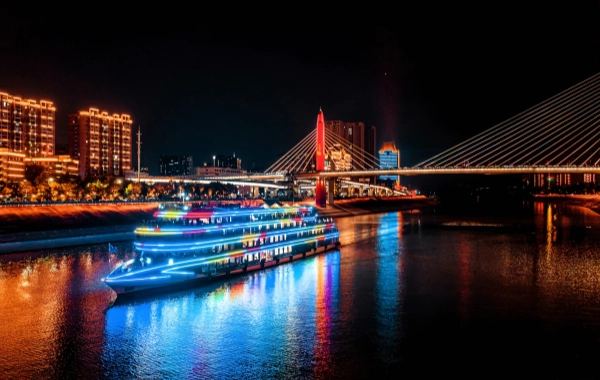
But here's what you miss with that schedule: the ancient town in the early morning, when mist hangs over the river and the streets are empty except for locals opening their shops. And the evening, when the red lanterns come on and the stilt houses reflect in the dark water. I stayed one night, and waking up at 6 a.m. to watch the fog lift off the Wujiang was the highlight of my trip — easily worth the extra night's stay.

If you have two full days, you can also add a visit to the nearby Apengjiang Gorge阿蓬江峡谷 or take the longer boat route. But for most visitors, one night and one and a half days is the sweet spot. Arrive midday, settle into your guesthouse, explore the ancient town in the afternoon, take the cruise if you want, have dinner at a riverfront restaurant, and enjoy the quiet evening. Wake up early for the mist, walk the street one more time before the crowds arrive, and head out by noon.

Professional guide: IntoTravelChina can provide you with a personalized itinerary, including exclusive tour guides, transportation, and activity arrangements, allowing you to have a worry free and in-depth experience.

>> [Consult for Customization Now]


What I'd Do Differently If I Went Back

Furong Ancient Town Furong Ancient Town Furong Ancient Town

First, I'd skip the boat cruise and spend that 150 yuan on a nicer room with a better river view — or on two excellent meals. The ancient town from the water is nice, but the ancient town from a balcony with a cup of tea is better.

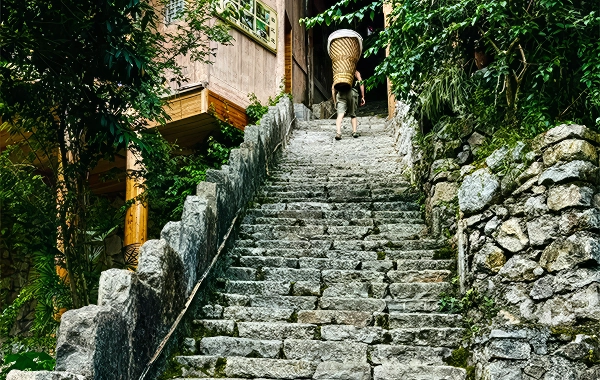
Second, I'd pack lighter. The slate streets are uneven, and there are stairs everywhere. I watched a couple struggle with rolling suitcases up the main street, wheels clattering over every crack. A backpack is the way to go. Comfortable, non-slip shoes are non-negotiable — I wore trail runners and was grateful for the grip on the damp stone.

Third, I'd book the guesthouse closer to the North Gate rather than the South. The South Gate area is where the boat dock is, which means more foot traffic and more noise. The North end is quieter and closer to the best morning views.

Fourth — and this is a small thing — I'd bring cash. Most places in Gongtan accept WeChat and Alipay, but I ran into one old woman selling handmade tofu snacks who only took cash. I had to borrow from a fellow traveler and transfer them the money online. Embarrassing and avoidable.

Finally, I'd check the China Railway official ticketing site for train schedules more carefully. I assumed there would be multiple trains back to Chongqing in the afternoon, but the last convenient connection left earlier than I expected. I ended up taking a long-distance bus instead — fine, but not what I'd planned. Plan your return transport before you arrive, and you'll save yourself the stress I felt watching the clock on my last afternoon.

Explore Gongtan Ancient Town with IntoTravelChina

Furong Ancient Town

If you wish to experience Gongtan Ancient Town in a more personalized way—including exploring the Wujiang Gallery and discovering hidden cultural gems—IntoTravelChina can provide custom travel planning.

Custom Itinerary: Flexible travel plans arranged around what you want to see, from the stilted houses to the Tujia cultural workshops.

Travel Support: We handle transportation, bookings, and daily scheduling, ensuring your journey is smooth and worry-free.

Local Insight: Our team provides practical advice on timing, route planning, and lesser-known gems across Chongqing and western China.

Contact our travel advisor to receive an exclusive Gongtan Ancient Town itinerary >> [Consult for Customization Now]

What Our Clients Say?

Based on 10,000+ traveler reviews

...
Daniel Dorothea
Canada
Reviewed on April 29,2025
Shopping on Nanjing Road in Shanghai was just amazing! It's truly the "First Commercial Street of China", where tradition and modernity blend perfectly. You can find awesome souvenirs and experience the trendy vibes in cool stores. The neon lights at night are just spectacular, shining bright like Times Square in New York. The food here is incredible too. I had a feast for my taste buds. Shanghai, I'll definitely be back!
Destination(s): Shanghai
Date of Experience: May 08,2024
...
...
Elvis Eva
Canada
Reviewed on June 20,2025
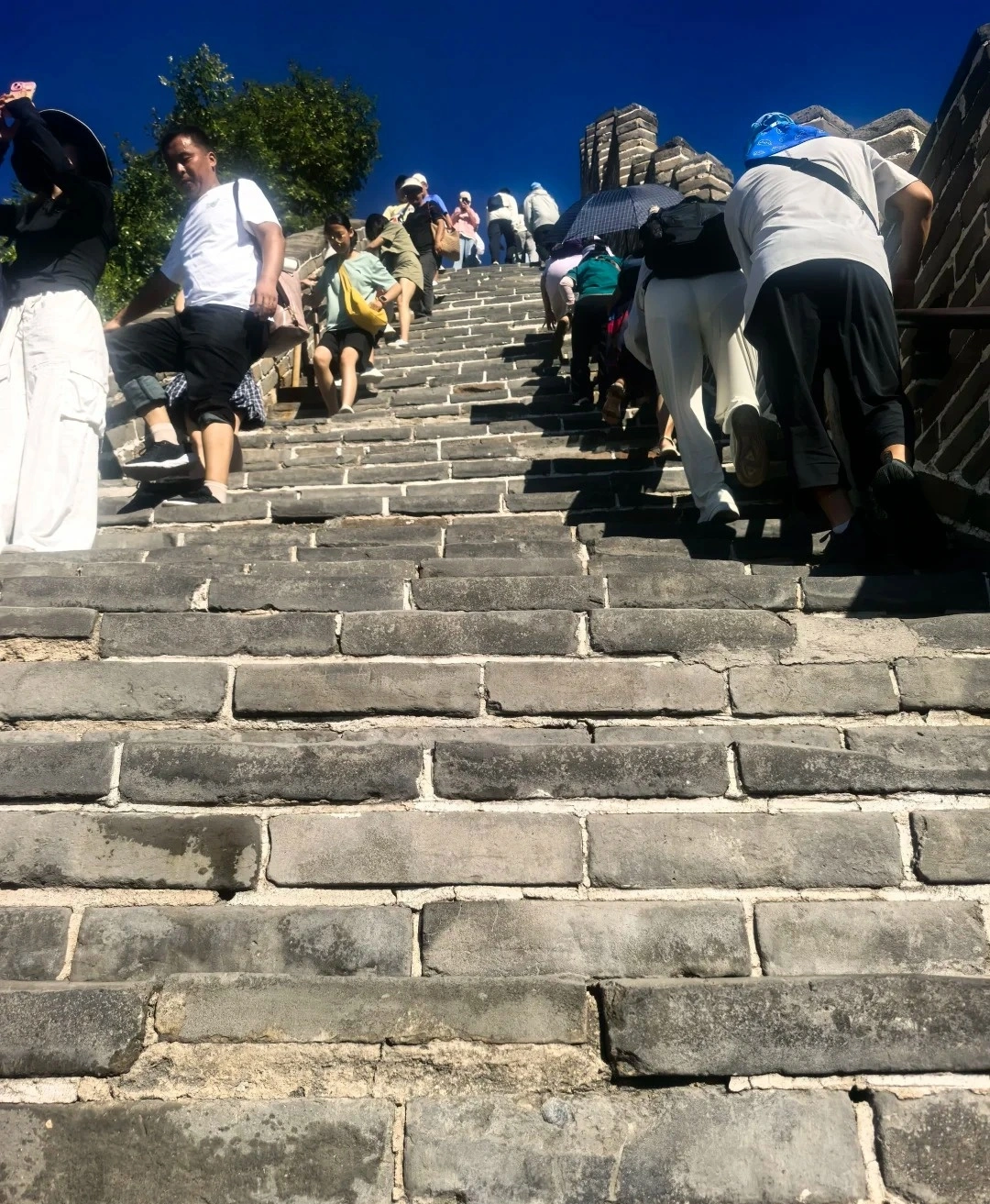
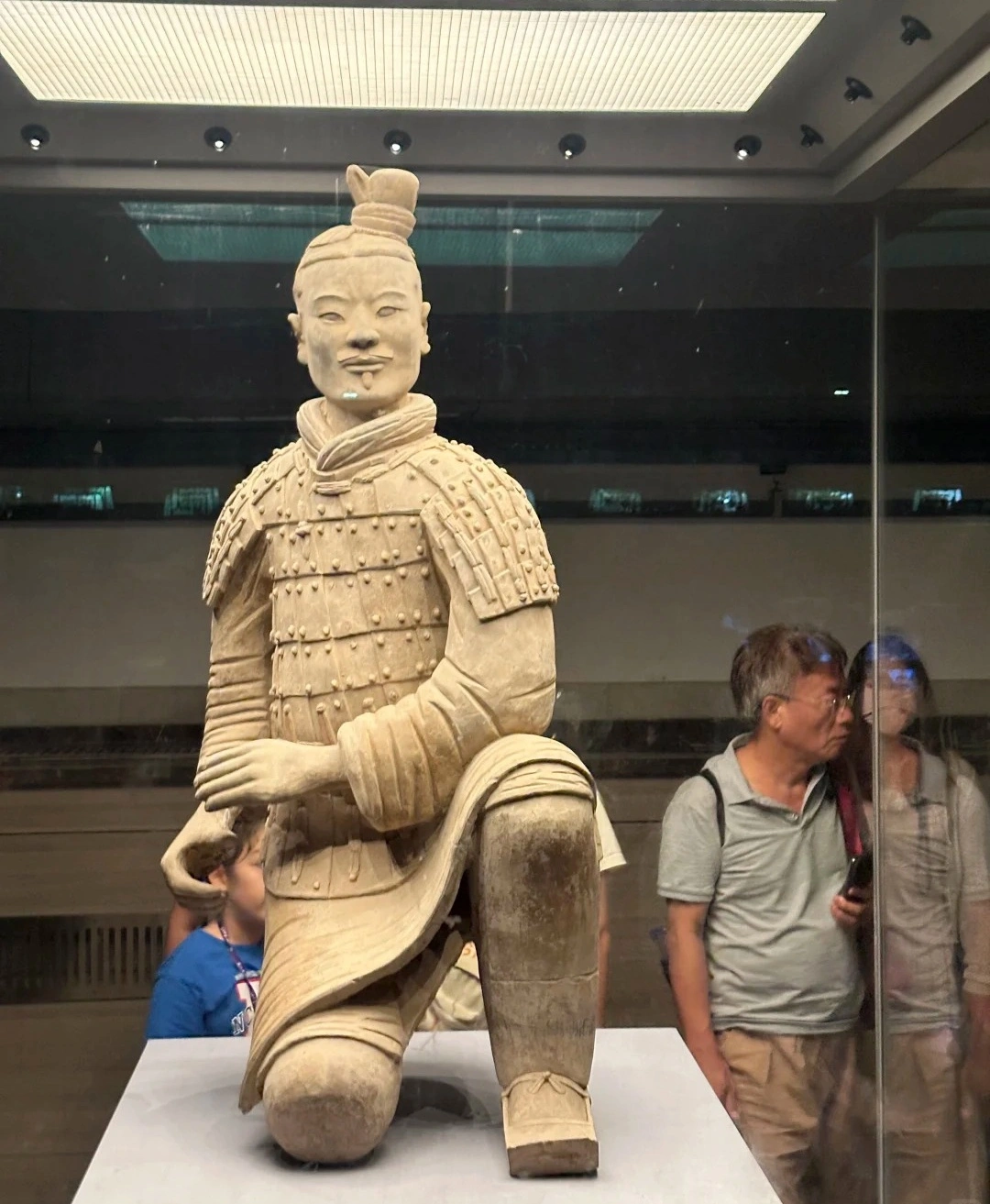
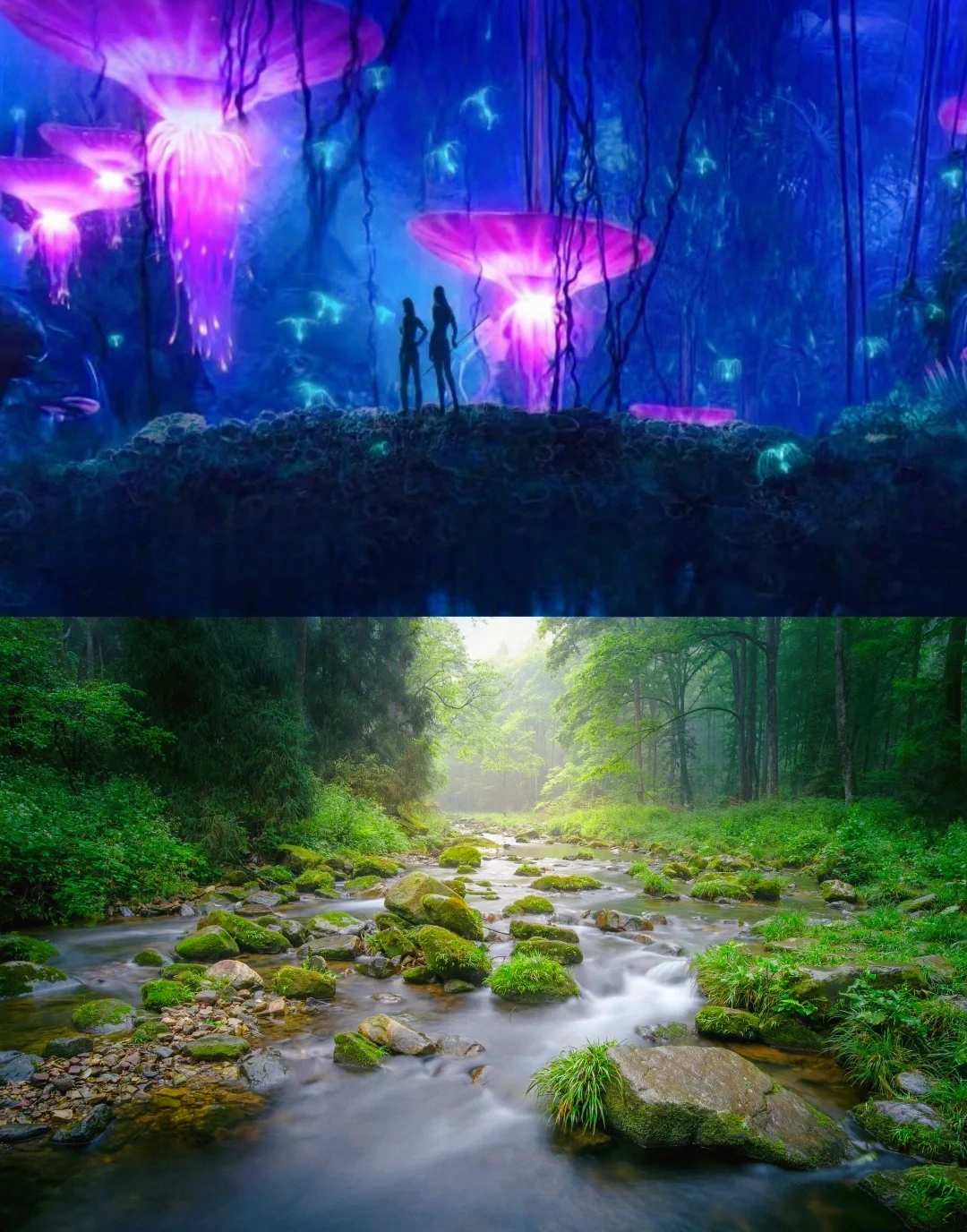
As a solo traveler from Canada, I was nervous about navigating China alone—but this 11-day tour was PERFECT! From hiking the Great Wall at sunrise (Day 3) to gasping at the Terracotta Army (Day 5), every day delivered ‘pinch-me’ moments. The real showstopper? Zhangjiajie’s Avatar Mountains (Day 7)! Our guide made the stone pillars come alive with stories. Massive thanks for handling all logistics—bullet train tickets, entry passes, car! And the 4-star hotels surprised me.
Destination(s): Beijing Xian Zhangjiajie Shanghai
Date of Experience: June 02,2025
... ... ...
...
Simon
America
Reviewed on May 29,2025
Our 2-day Zhangjiajie tour was beyond spectacular! As someone who’s visited Beijing and Shanghai for work, this trip revealed China’s wild, magical heart. Day 1 in Zhangjiajie National Forest Park felt like stepping onto Pandora—I’m a huge Avatar fan, and Yuanjiajie’s floating peaks left me breathless. The misty pillars and lush valleys like pure movie magic! Then came Fenghuang Ancient Town, we eat dinner beside the thundering waterfall. It seems Unreal! The night views of stilt houses glowing over the river were straight from a fairy tale. For fellow Avatar lovers and adventure seekers: Don’t miss this bucket-list experience! 10/10 would return. A Well-Traveled Film Buff, May 2025
Destination(s): Zhangjiajie
Date of Experience: May 08,2025
... ...

Gongtan Ancient Town: FAQ

Is Gongtan worth the long trip from Chongqing, or should I skip it if I’m short on time?

That depends on what you’re looking for. If you want a polished, high-energy ancient town with lots of nightlife, Gongtan isn’t that. But if you’re willing to trade polish for authenticity—quiet streets, real stilt houses where people actually live, and a river view that feels like a Chinese painting—it’s absolutely worth the four-hour trip. For a one-day turn from Chongqing, you’ll be exhausted but satisfied. For a more relaxed experience, stay overnight. If you’re on a tight schedule and this is your first time in China, you might prefer something easier to reach.

How do I actually get there without speaking Chinese?

Getting there is manageable even with minimal Chinese. Your simplest option: take the high-speed train from Chongqing North or West to Pengshui Station (about 40 minutes), then take the official scenic shuttle bus from Pengshui West Station directly to Gongtan—about 40 minutes. Alternatively, take a train to Youyang Station, then a taxi or local bus (about 1.5 hours). Direct buses also run from Chongqing’s Sigongli transport hub. Save the names in Chinese characters on your phone to show drivers, and use a translation app for anything beyond basic exchanges.

Is this place suitable for solo travelers, couples, or families with kids?

Solo travelers will love it—the slow pace, the easy wandering, and the solitude are hard to find in better-known Chinese ancient towns. Couples will find it romantic, especially with a river-view balcony and the morning mist. For families with kids, it’s doable but requires planning: the slate streets are uneven with lots of stairs, so strollers are impractical. Older children who can walk will enjoy the boat cruise and exploring the alleys. For everyone: pack light, wear non-slip shoes, and book a guesthouse near the North Gate for quieter nights.

What if it rains—should I still go?

Rain is a real possibility, especially from June to August. The town itself is still worth visiting on a rainy day—the mist over the Wujiang River can be even more atmospheric, and the stilt houses look dramatic against grey skies. But the boat cruise is often cancelled during heavy rain, so check the forecast before you book that. Bring a raincoat or umbrella, and be extra careful on the slippery slate stones.

What’s the luggage situation? I’ve heard the streets are tough with suitcases.

This is a real issue. The entire ancient town is paved with uneven slate stones and has stairs everywhere. Rolling suitcases are a nightmare—you’ll hear the wheels clattering over every crack, and you’ll be that person struggling uphill while locals watch. Bring a backpack instead. Keep your luggage under 24 inches if you must bring a roller. Comfortable, non-slip shoes are non-negotiable; the stones get slippery when damp.

Do I need to book accommodation in advance, and what should I look for?

It’s a good idea to book ahead, especially during peak seasons (spring and autumn). For the best experience, choose a river-view guesthouse with a balcony—waking up to the mist over the Wujiang is worth the extra cost. Budget rooms start around 120 yuan; river-view doubles on weekdays run 220–300 yuan. North Gate area is quieter than South Gate (where the boat dock brings more foot traffic). Most guesthouses accept WeChat and Alipay, but it’s wise to carry some cash just in case.

Ask a Question

Question Summary (100 characters)
Details (optional) (2,000 characters)
Name
Country
Phone
Email