Natural Creation - A Long Scroll of Ink Painting in the Three Dimensional Landscape
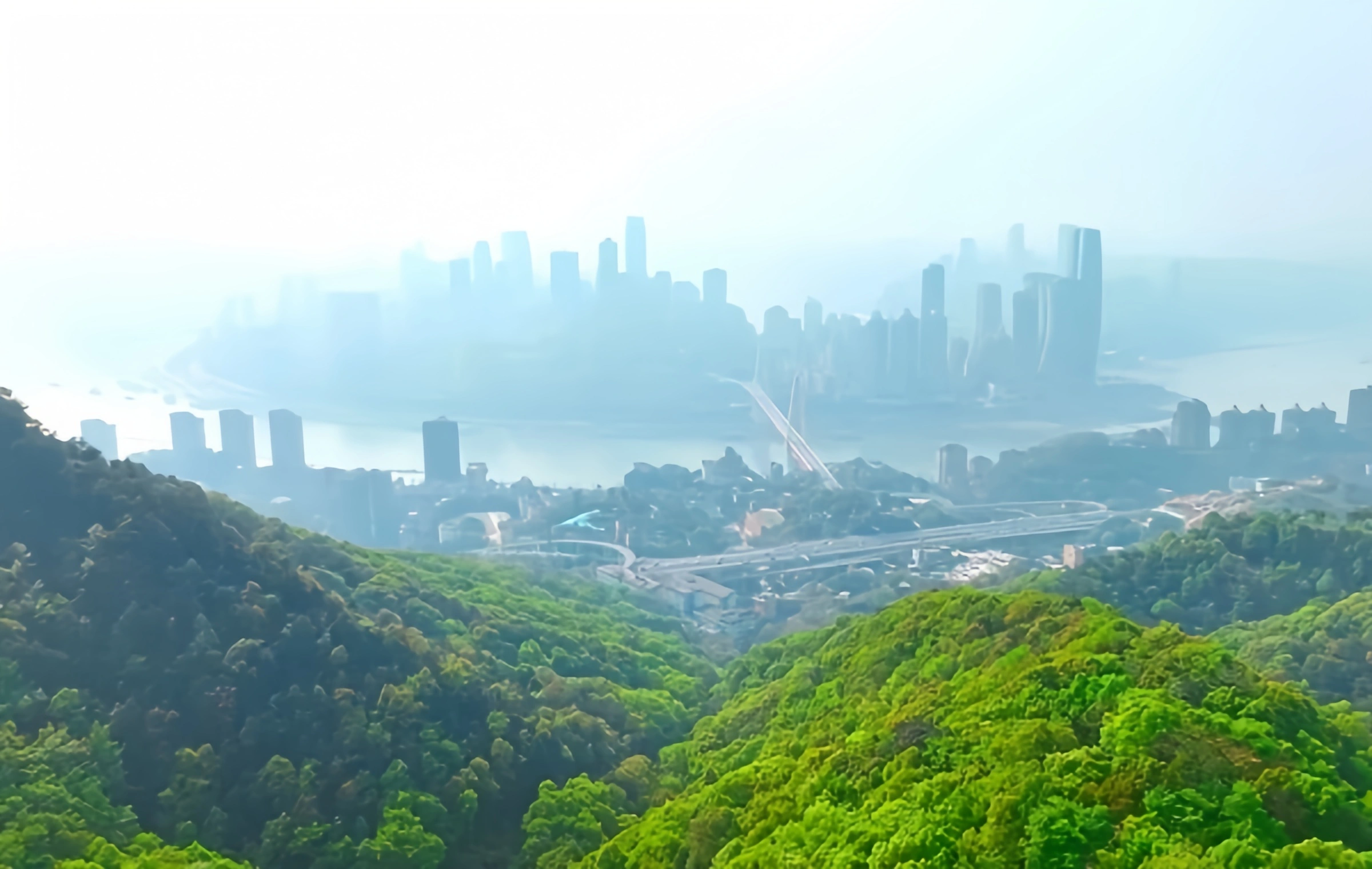
The core of Nanshan Scenic Area lies in the God's perspective it provides for a zero distance dialogue with the city.
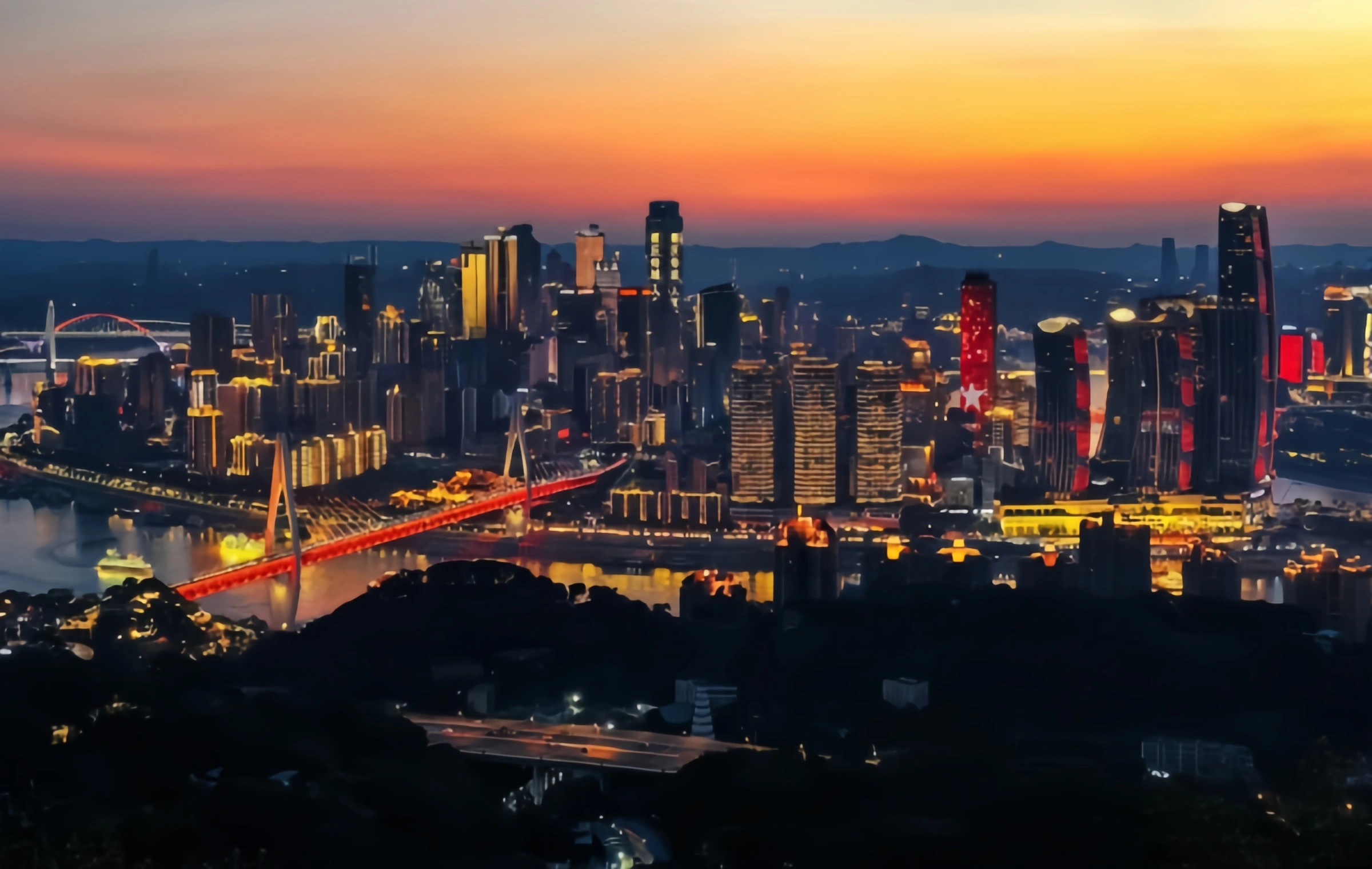
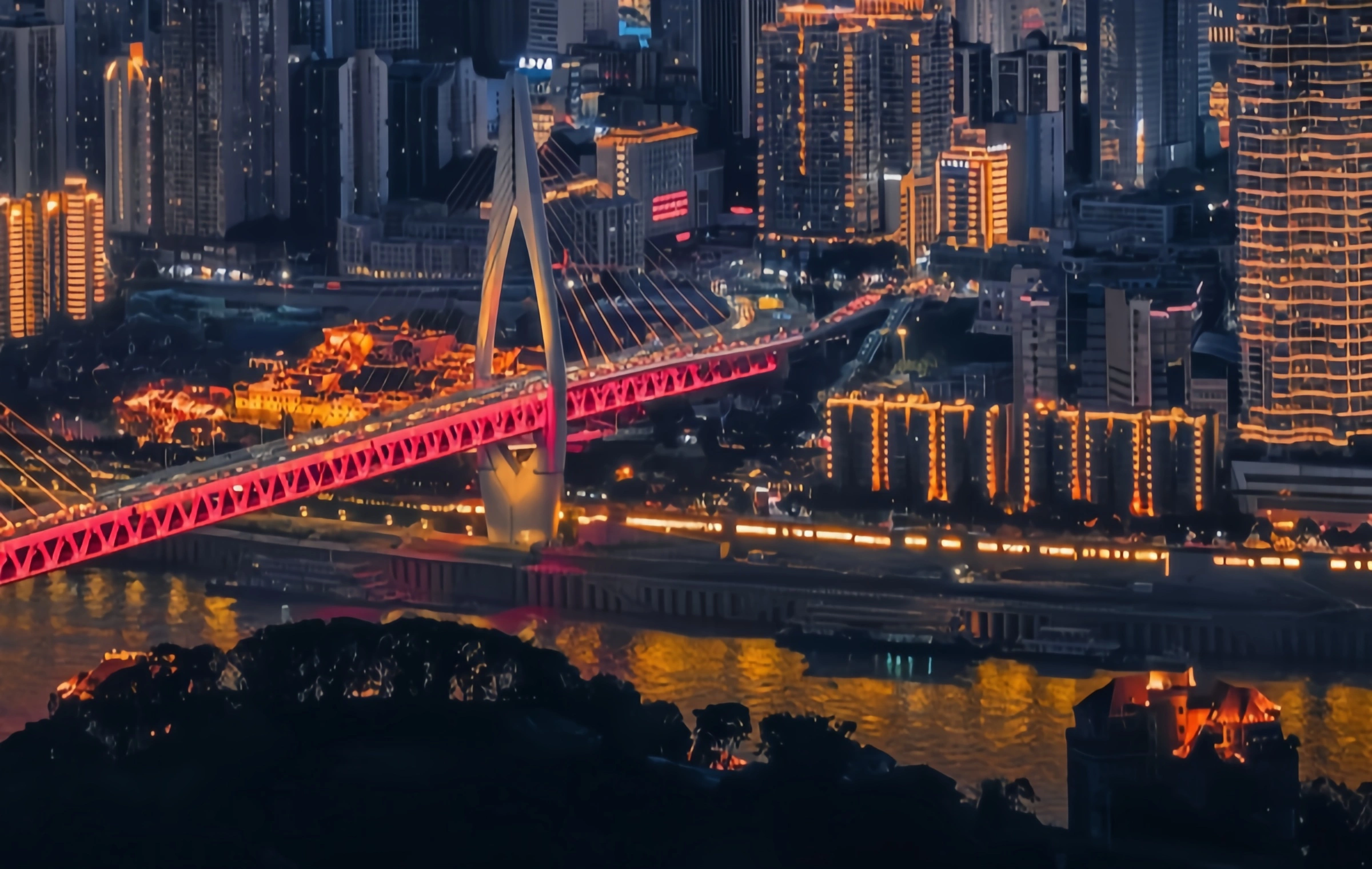
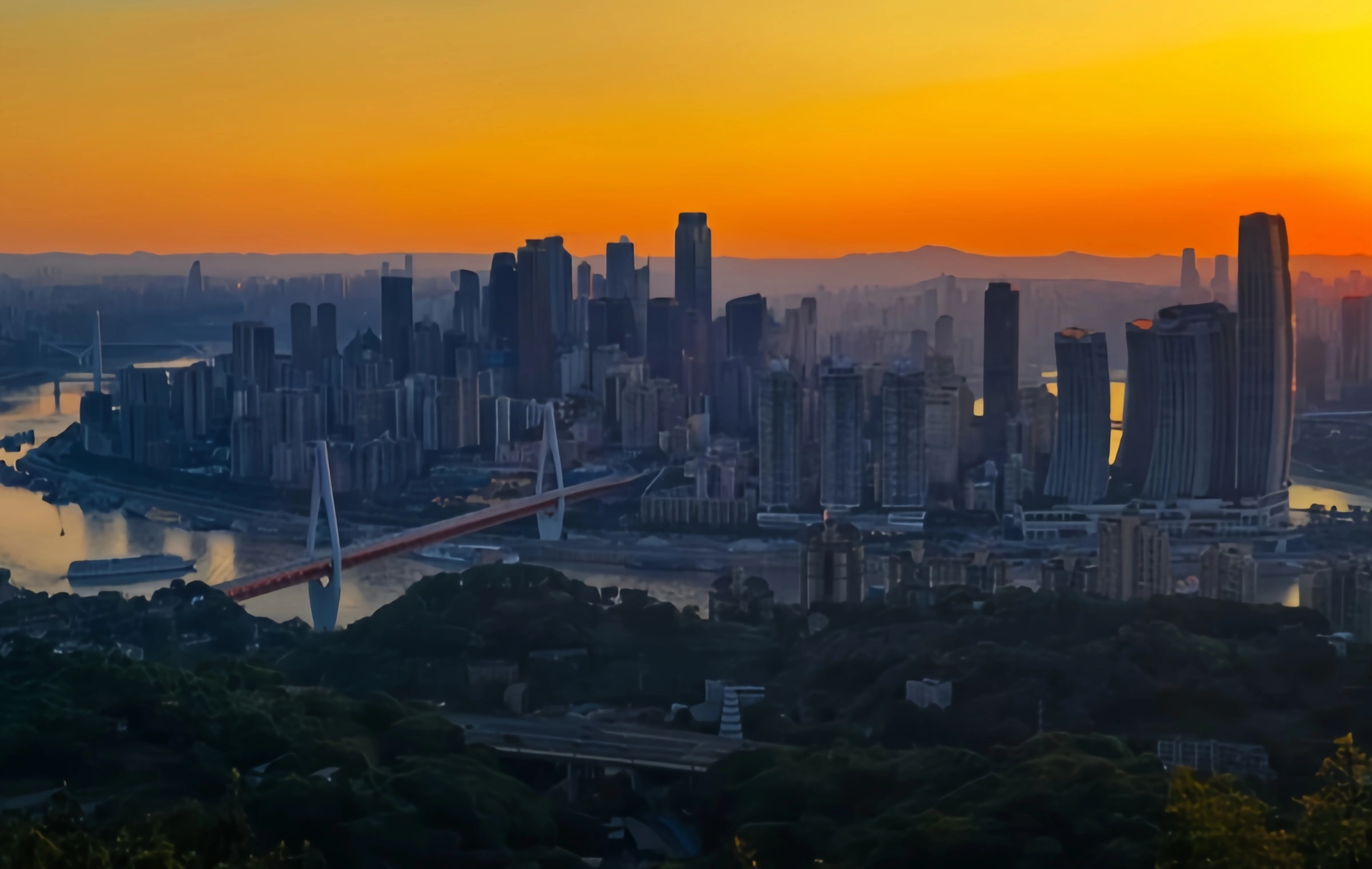
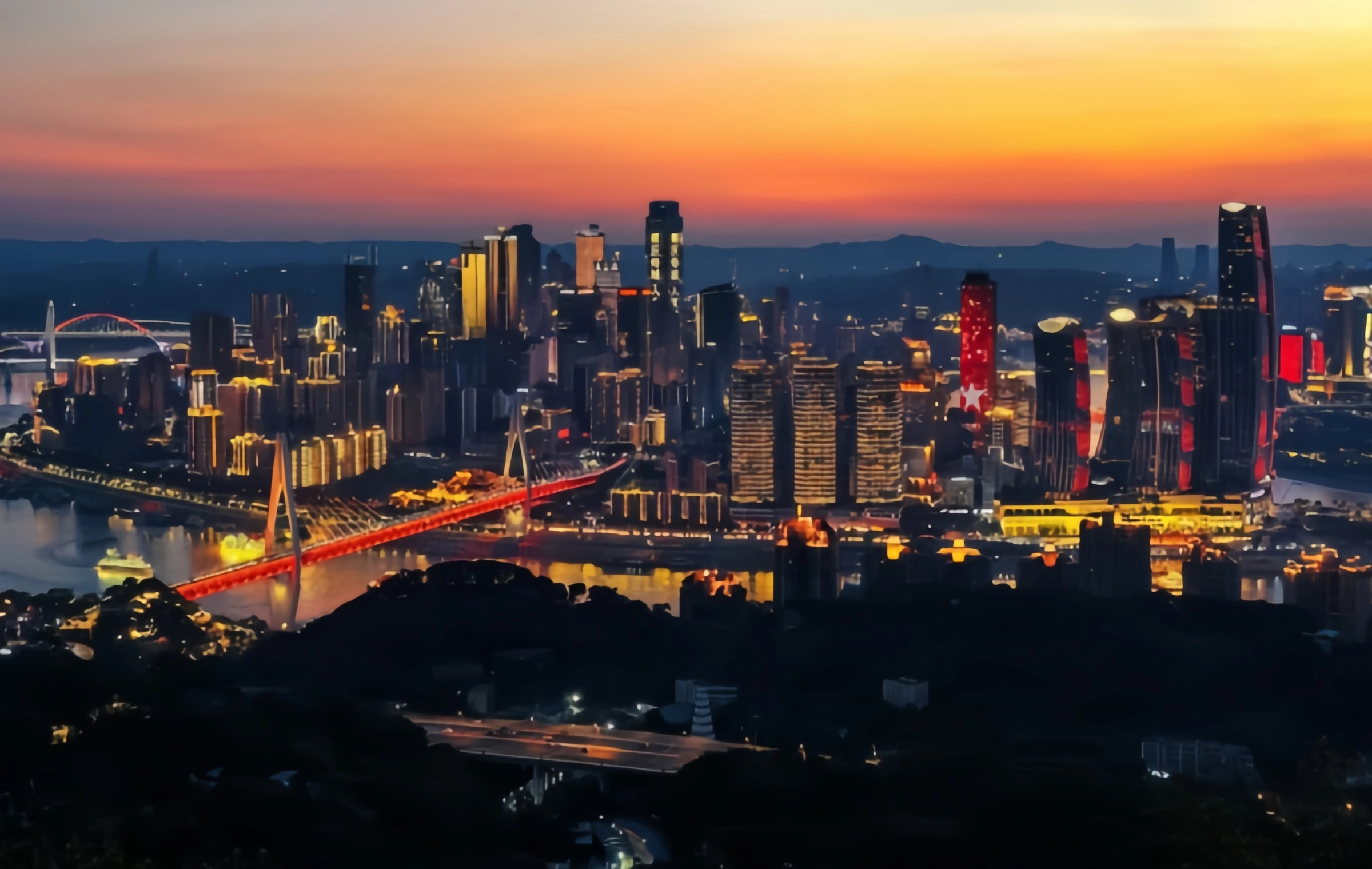
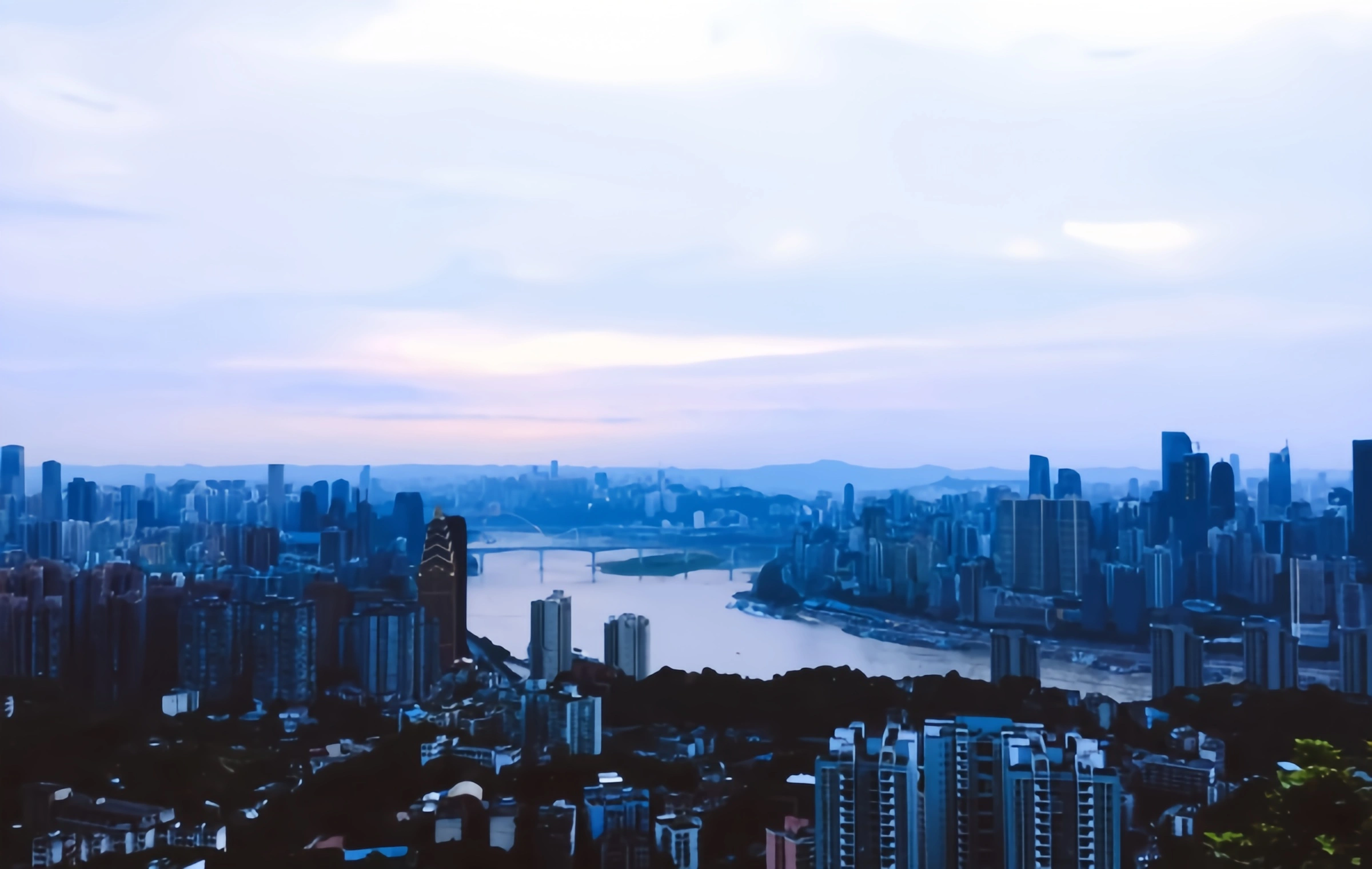
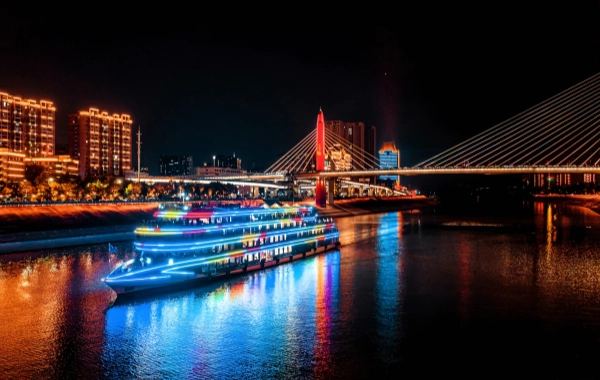
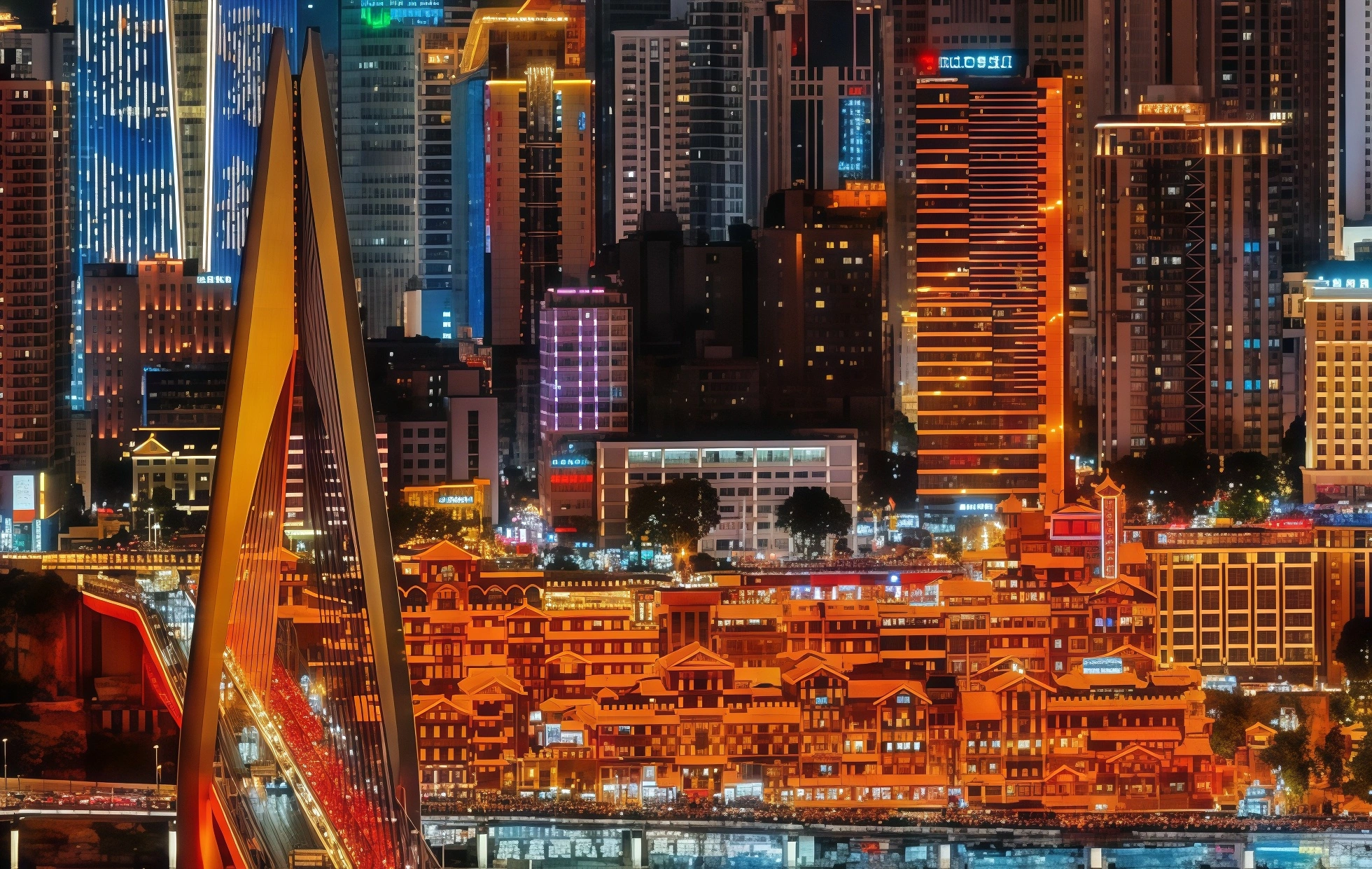
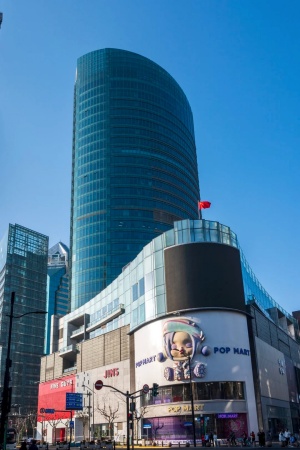
Landscape of Jiangshan - Visualization of Urban Symphony: Standing on the high ground of Nanshan, in front of me is a dynamic super widescreen movie. The two rivers (Yangtze River and Jialing River) converge here, shaping the Yuzhong Peninsula into a huge "Lujiazui". Rows upon rows of skyscrapers stretch from the riverbank to the mountaintop, bridges fly across the banks like a rainbow, and cable car carriages slowly glide through the air. The most essence of this scene lies in the time before and after nightfall. The sunset gilds the city, and then thousands of lights are lit up like stars. The traffic flow turns into a river of light. The whole city is like a huge, shining Cyberpunk stage, and its shock degree is known as "a night scene worth millions of dollars".
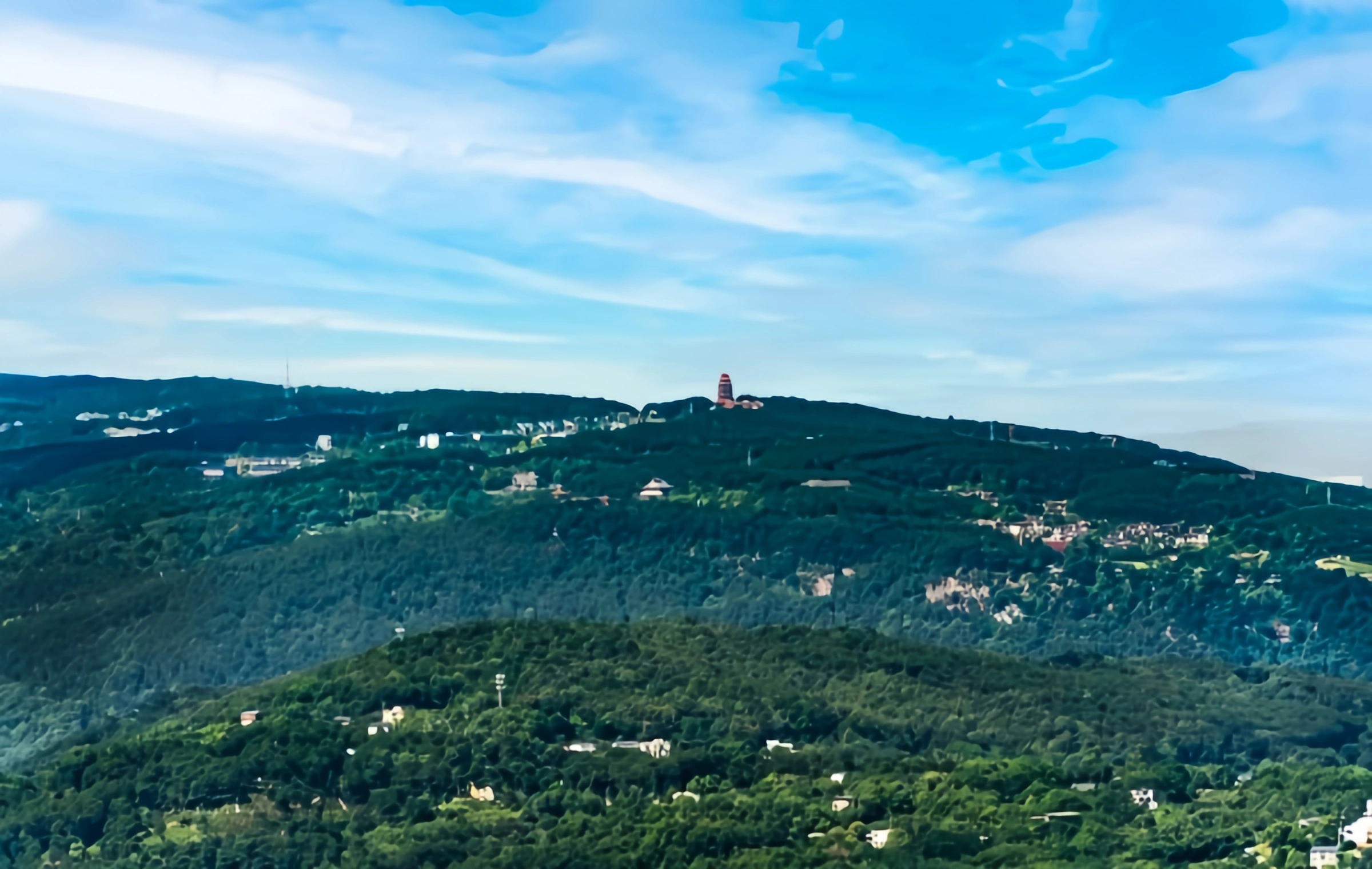
Forest Oxygen Bar - A Tranquil Realm in the Green Heart of the Mountain City: Nanshan itself is a national forest park with a forest coverage rate of over 90%. The ancient trees in the mountains are towering, especially the city tree of Chongqing - the Huangjue tree, which has tangled roots and various postures. Multiple trails traverse through a forest of camphor trees, pine and cypress trees, providing fresh air and making it an excellent place to escape the hustle and bustle of the city for a "forest bath". Cherry blossoms and azaleas cover the mountains and fields in spring, and the forests are dyed in autumn, creating their own scenery.
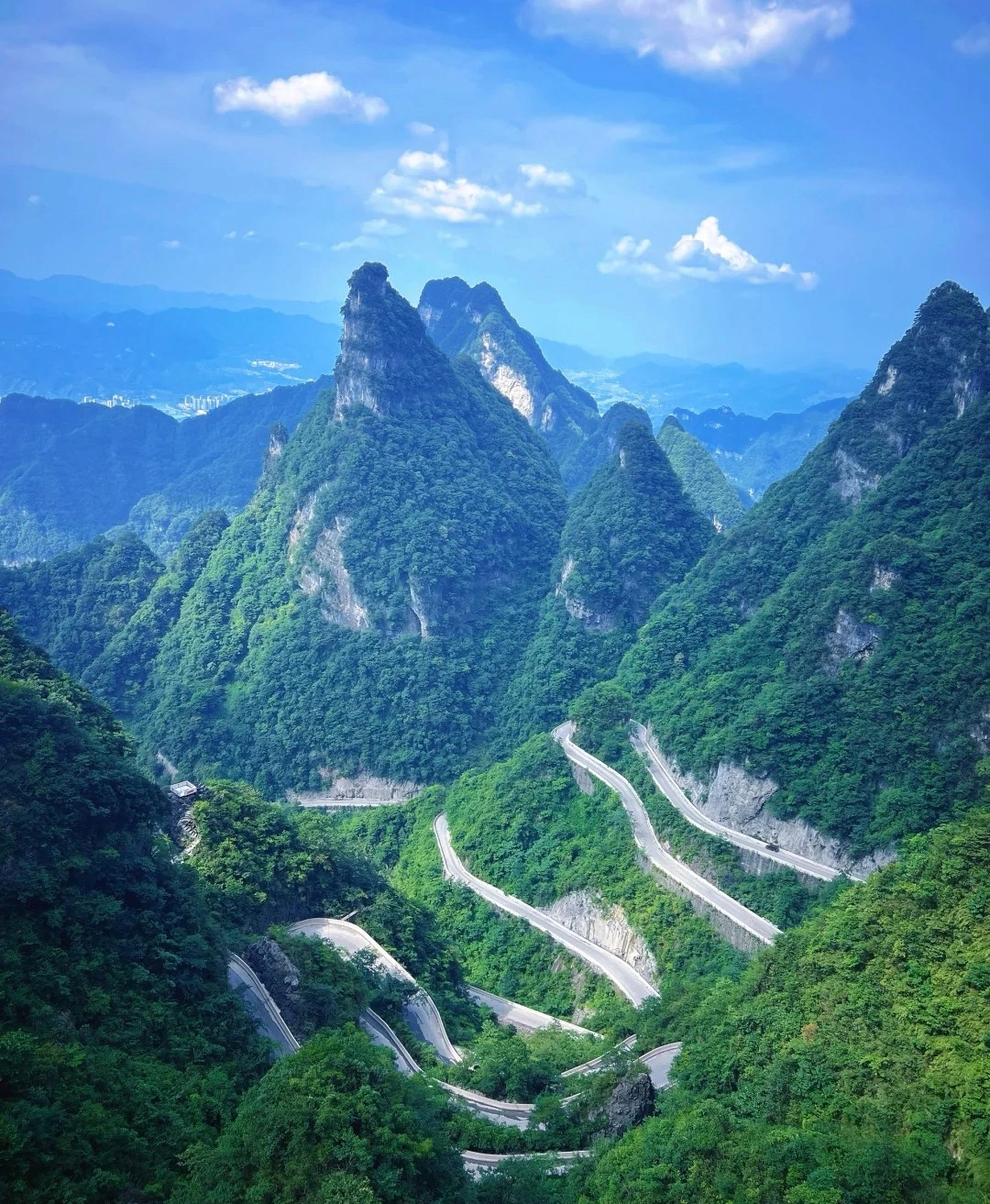
Geological Wonders - Silent Narration of Nanshan Stone Forest: The karst landform stone forest scattered among the mountains, although not as grand as Yunnan Stone Forest, has a unique shape, coexisting with green trees and vines, and has a unique charm in the mist, adding a natural wild charm to this humanistic mountain.
Humanistic Craftsmanship - Historical Passwords Scattered in the Forest
The cultural landscape of Nanshan is like a book of modern Chinese history spread out among the mountains and forests.
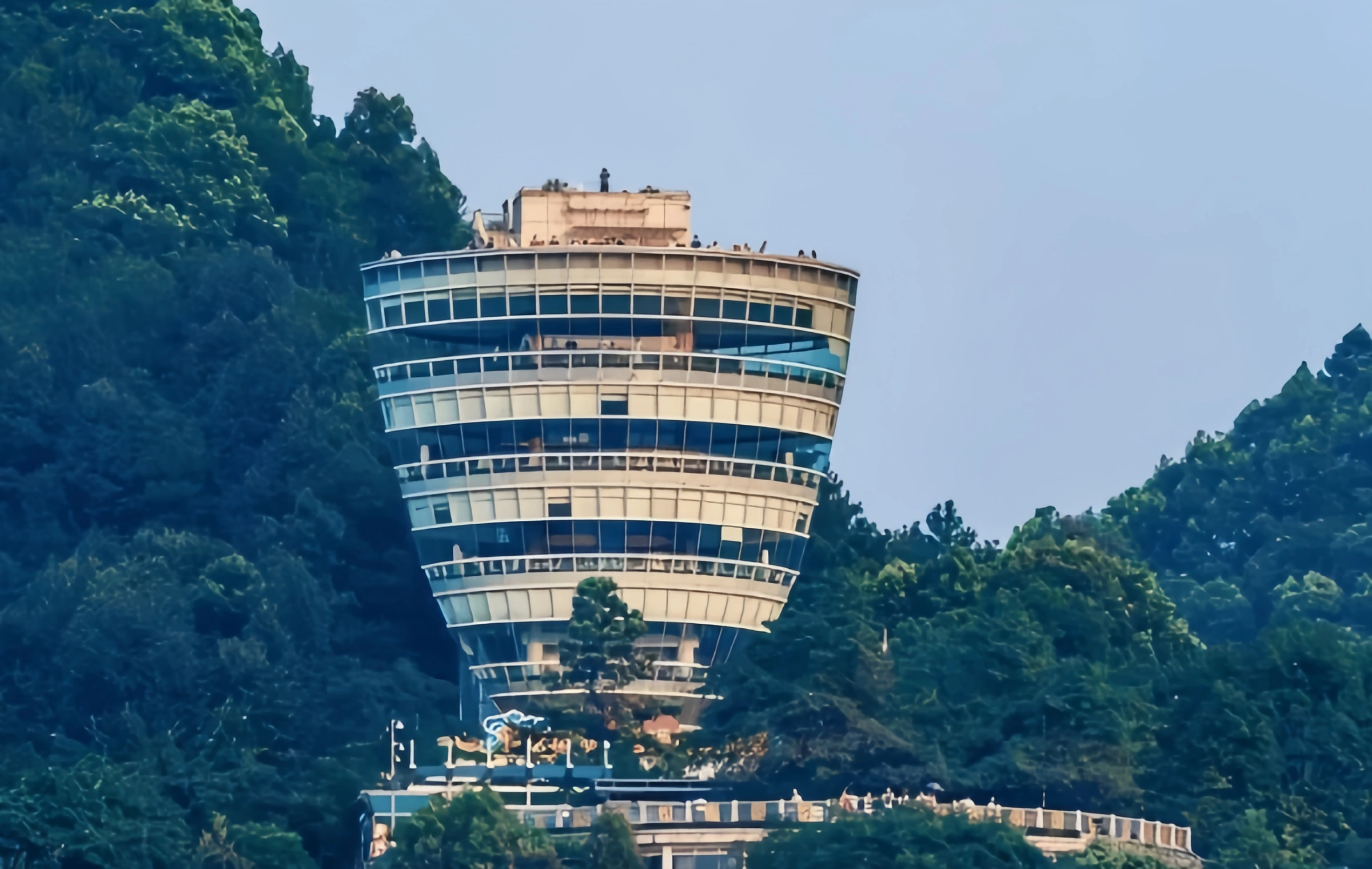
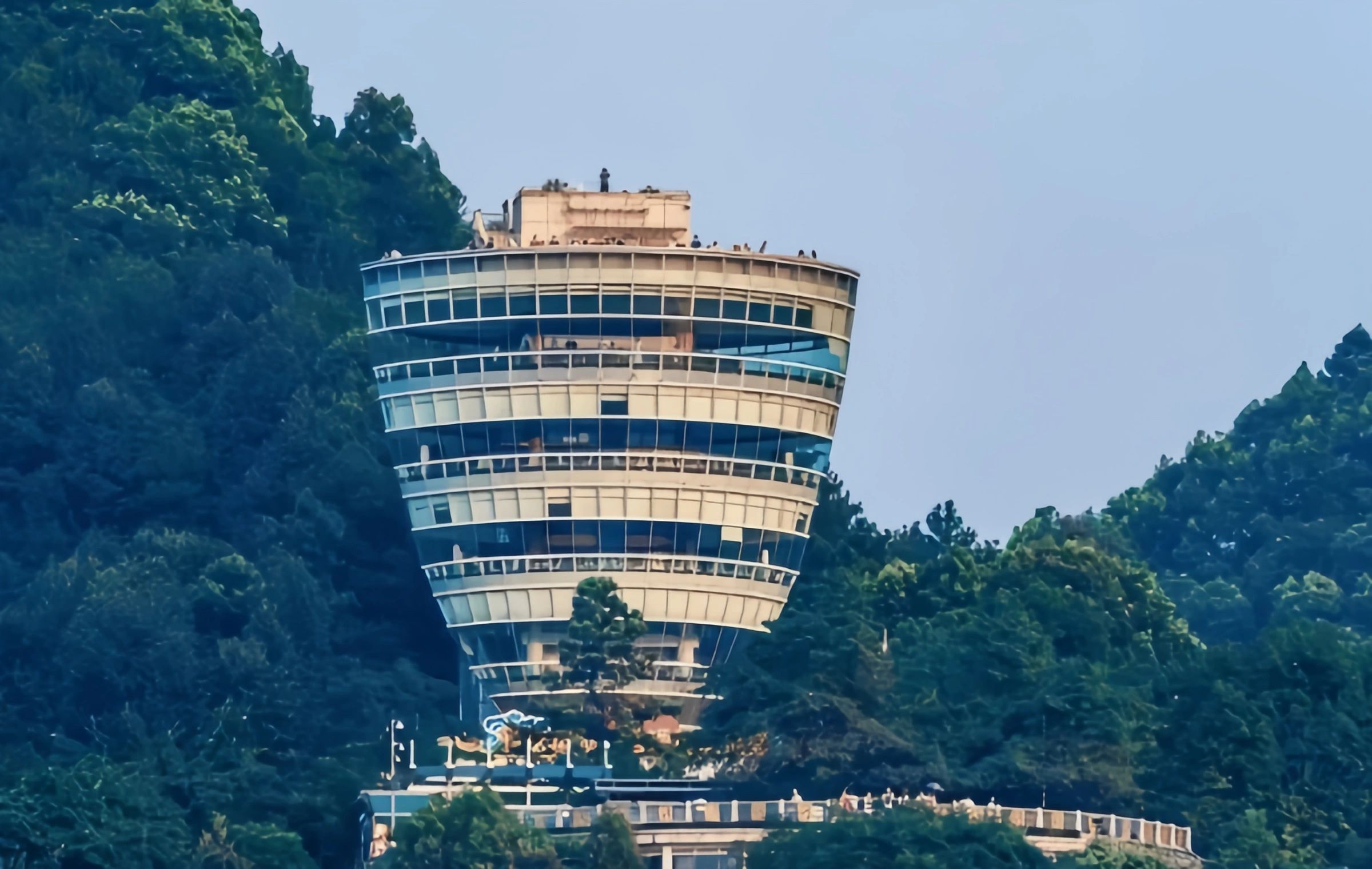
A tree observation deck: a landmark and symbol of Nanshan. Its name comes from a huge yellow oak tree on the original site. The current observation deck is a seven story tower building that integrates sightseeing, photography, and leisure, making it the undisputed preferred location for capturing panoramic views of Chongqing.
Anti Japanese War Site Museum Complex: This is the unique cultural core of Nanshan. Including more than ten places such as Chiang Kai shek's official residence "Yunxiu Tower", Soong Mei ling's former residence "Pine Hall", the former site of the US Embassy, and the Museum of Anti Japanese War Sites. Visiting here is like traveling back to the war-torn years of the capital, where architecture and cultural relics silently tell the magnificent history of that period.
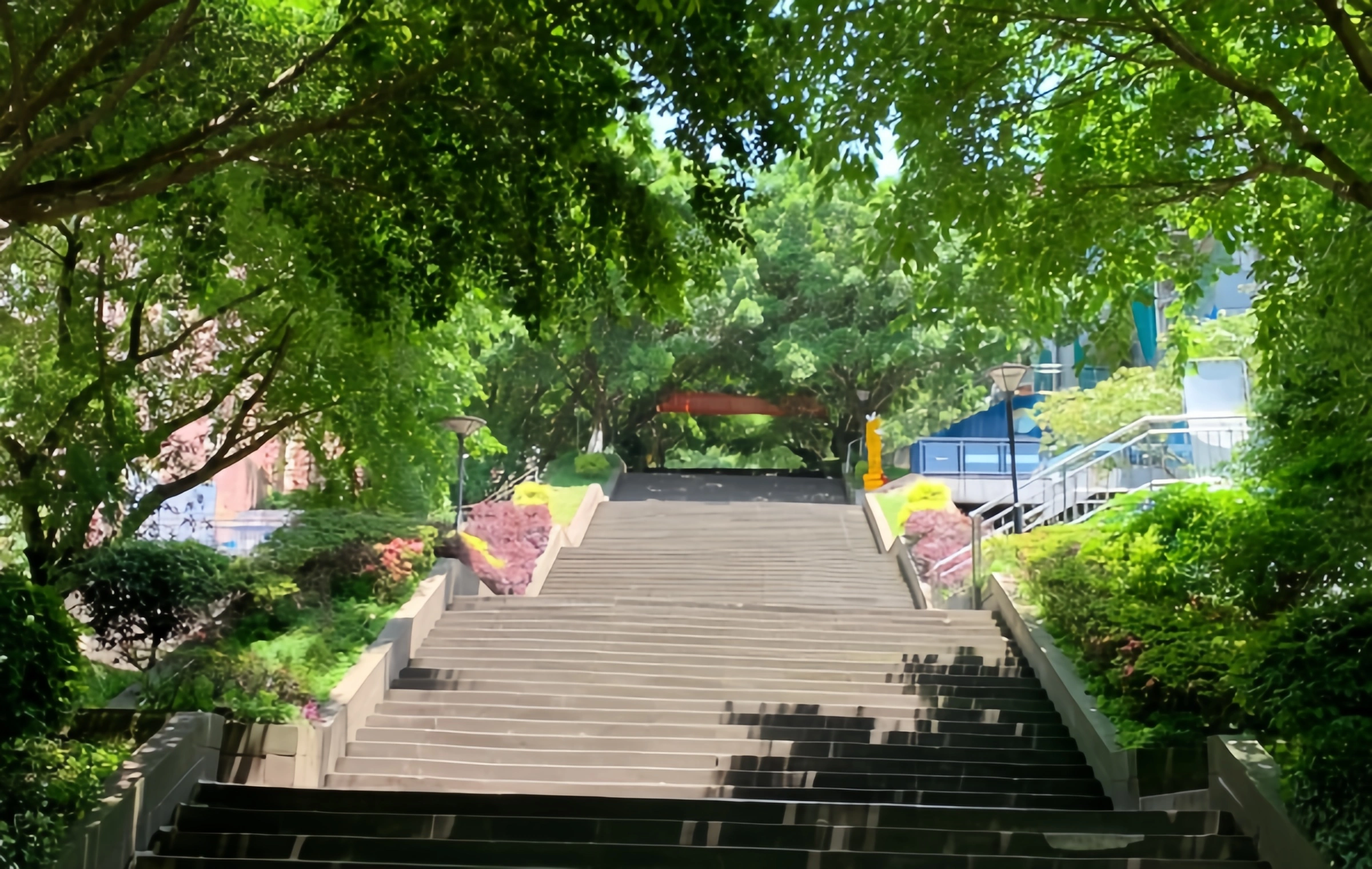
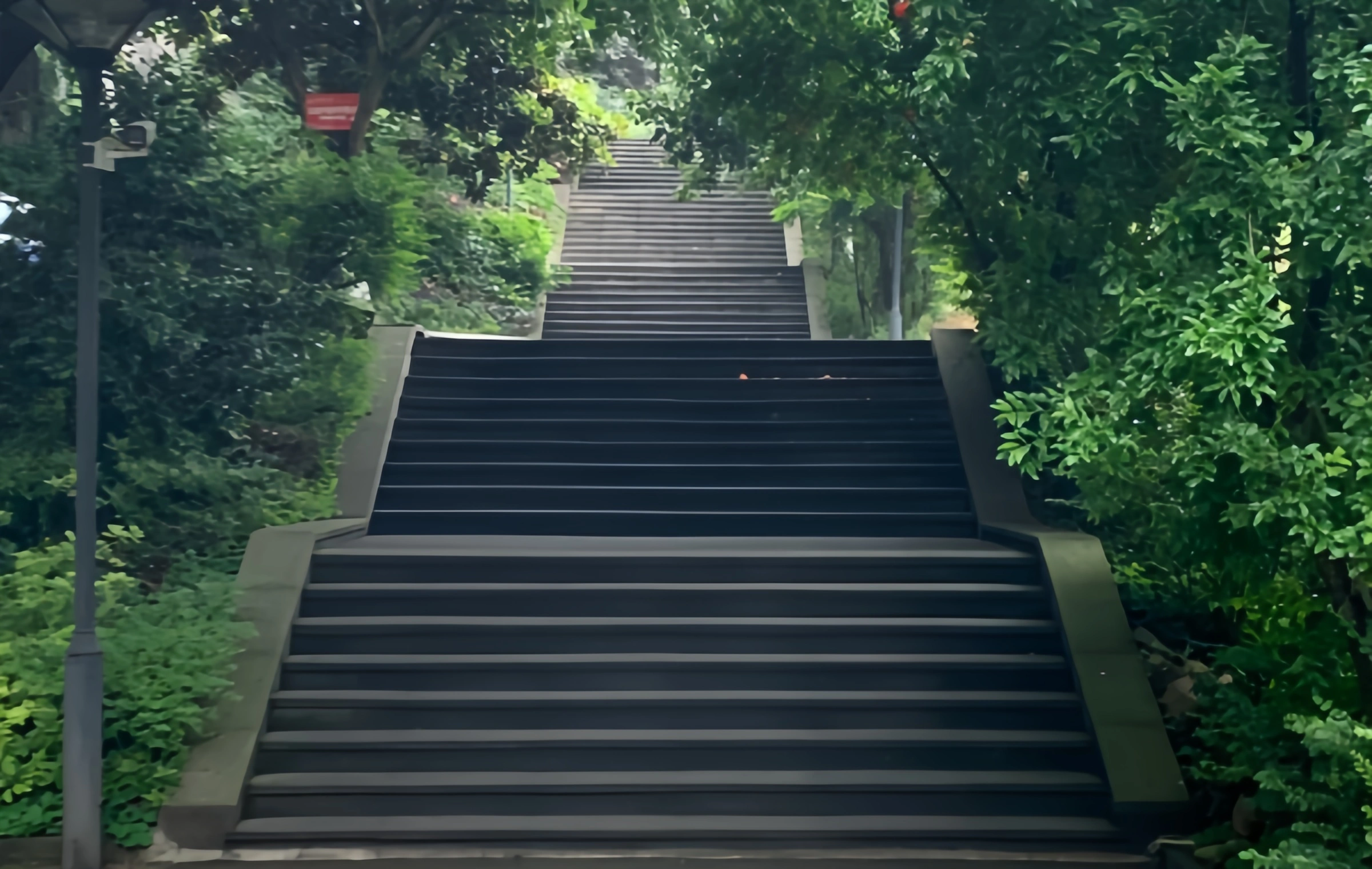
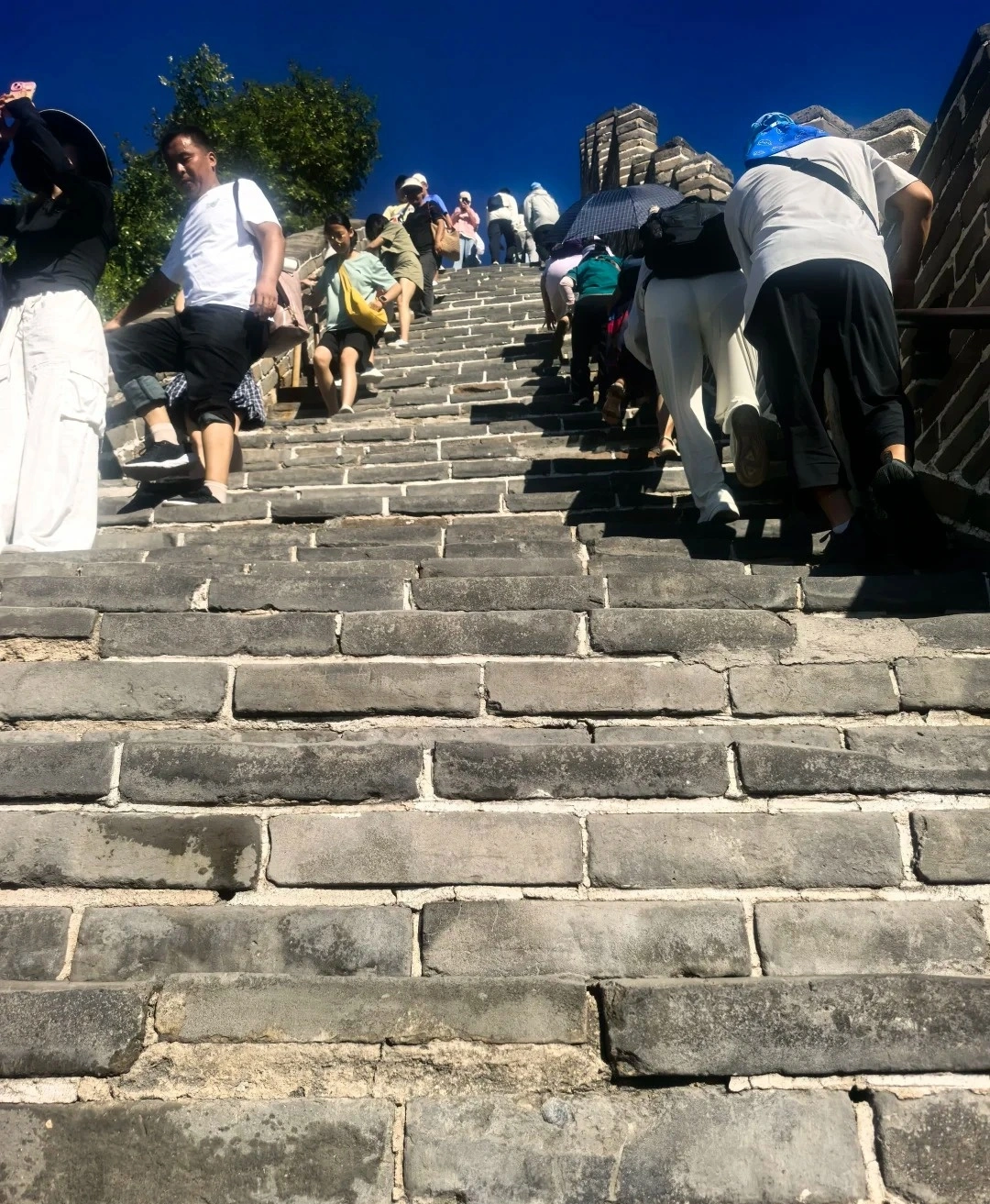
Huangjue Ancient Road: This Ba Yu ancient road, with a history of over 800 years, starts from Shangxin Street and is paved with bluestone slabs, winding into the mountains. Along the way, ancient trees provide shade and there are numerous historical relics, making it the best hiking route to experience the unique features of the mountain city and feel the historical smoke and clouds.
Laojun Cave: The most important Taoist temple in Chongqing, founded in the Tang Dynasty. The Taoist temple is built along the mountain, spiraling upwards with exquisite architecture. Climbing to the top of the Jade Emperor Hall, one can also obtain a unique perspective overlooking the Yuzhong Peninsula, capturing the hustle and bustle of the secular world and the refinement of Taoism, creating a unique artistic conception.
Tushan Temple and Christian Church: The thousand year old Tushan Temple is said to be the place where Dayu married the Tushan family. There are also Catholic churches and Islamic mosques coexisting in the mountains, with multiple faiths harmoniously coexisting on one mountain, showcasing the diversity and inclusiveness of Chongqing culture.
Photography tips:
The classic panoramic camera position is recommended for the top floor of a tree observation deck, which requires the use of a wide-angle lens. It is best to arrive one hour before sunset to seize the camera position and capture the entire process from the "blues moment" to the night view.
Humanistic documentary: The bluestone slabs of Huangjue Ancient Road, the backs of porters, and the architectural details of anti Japanese war sites are suitable for capturing a sense of story with medium to long focal length lenses.
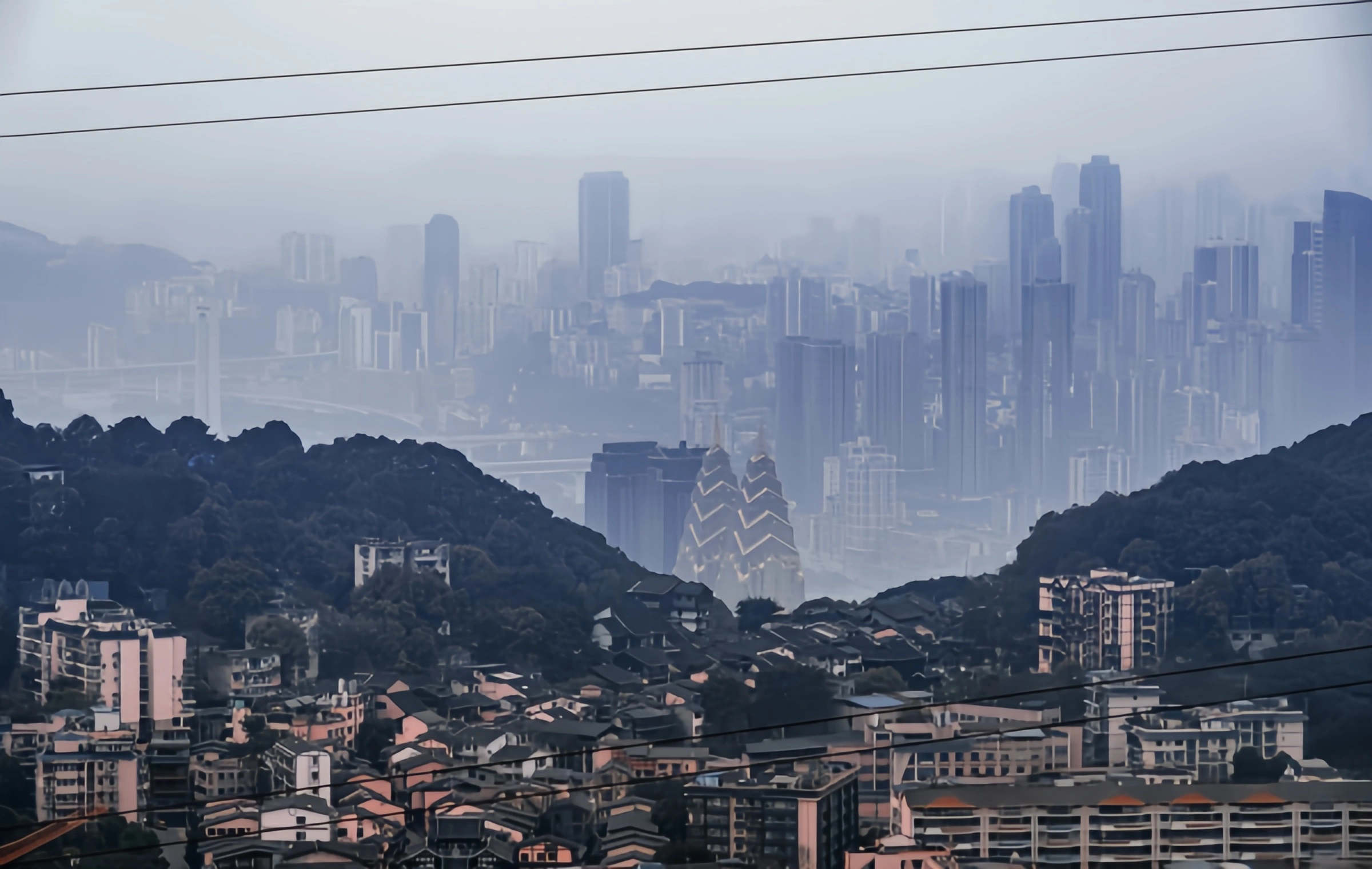
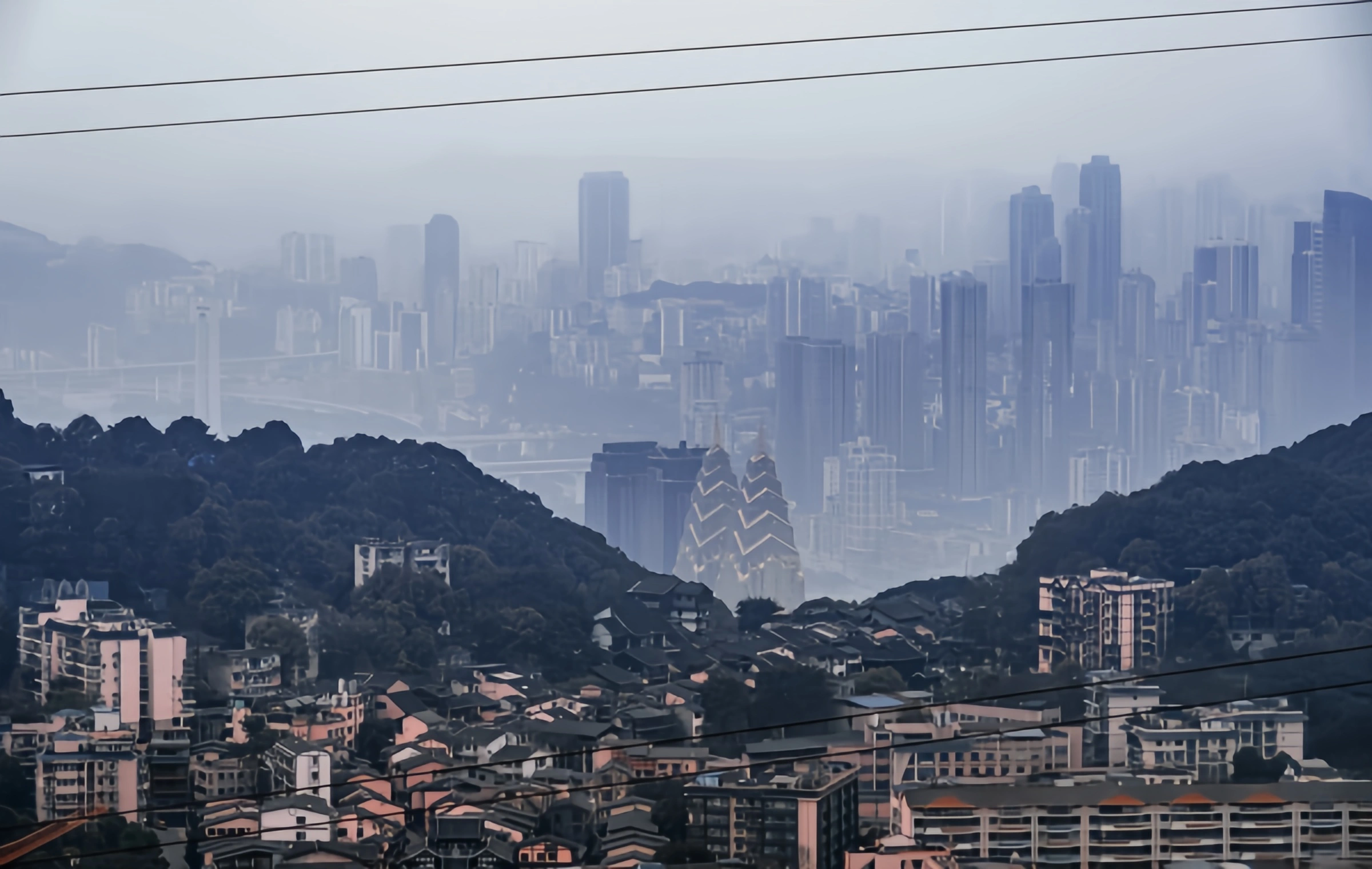
Creative shooting: You can try using flowers or ancient buildings as the foreground in Nanshan Botanical Garden or Tushan Temple, with the distant hazy city skyline as the background, to create a sense of dialogue between ancient and modern, nature and the city.
A tripod and shutter line are essential for capturing stable night scenes.