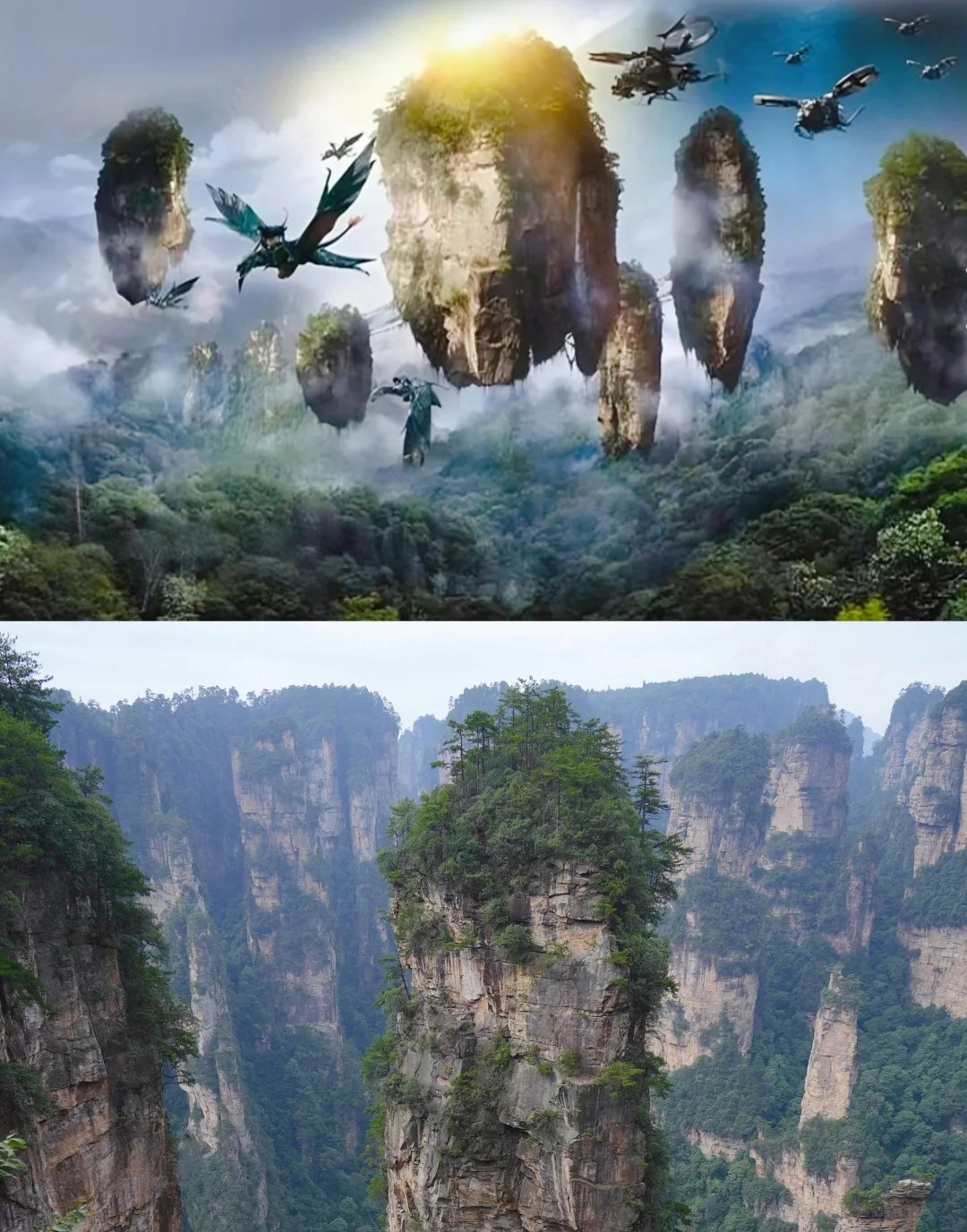
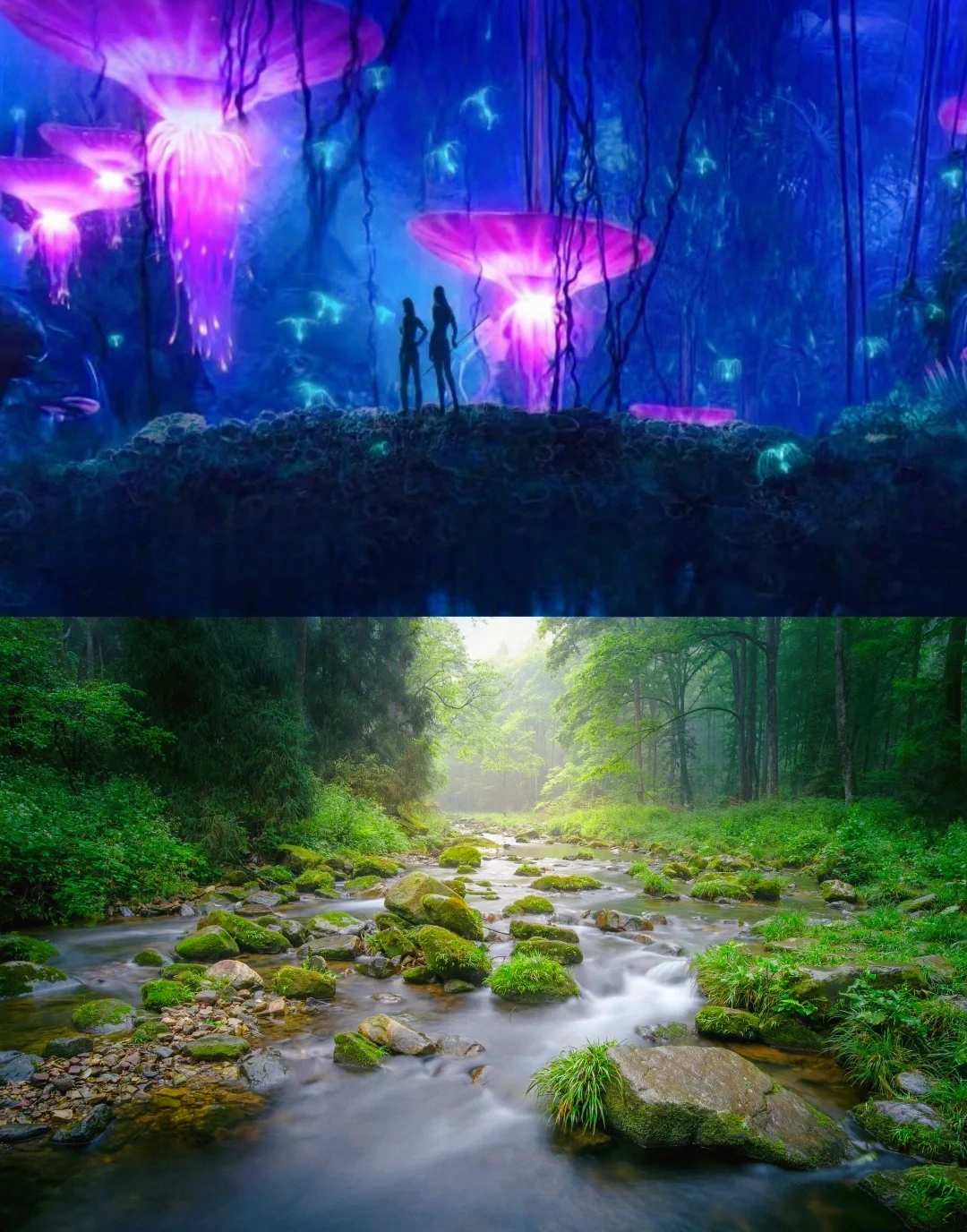
Natural creation - a spiritual animation scroll reflecting mountains and rivers
The beauty of Beihai lies first of all in its ingenious natural artistic conception.
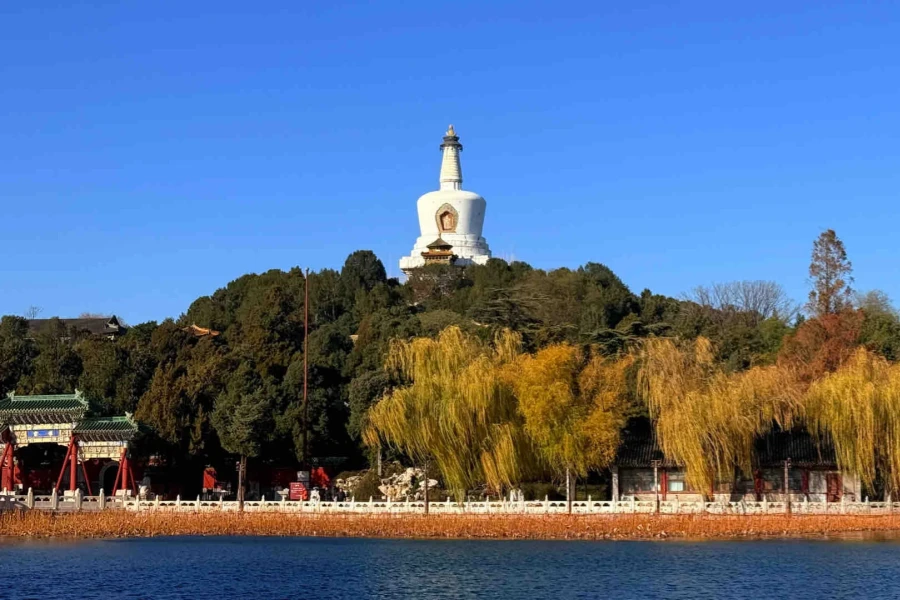
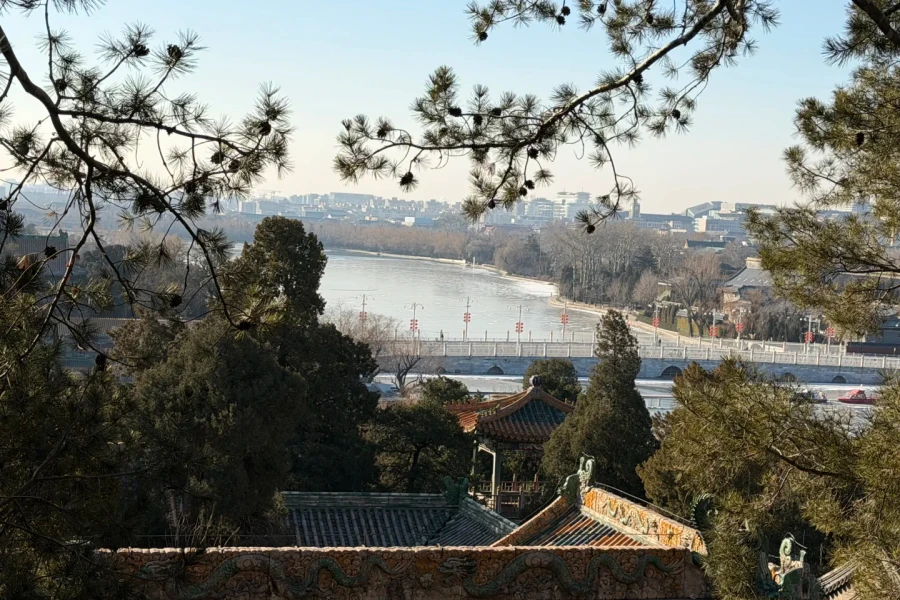
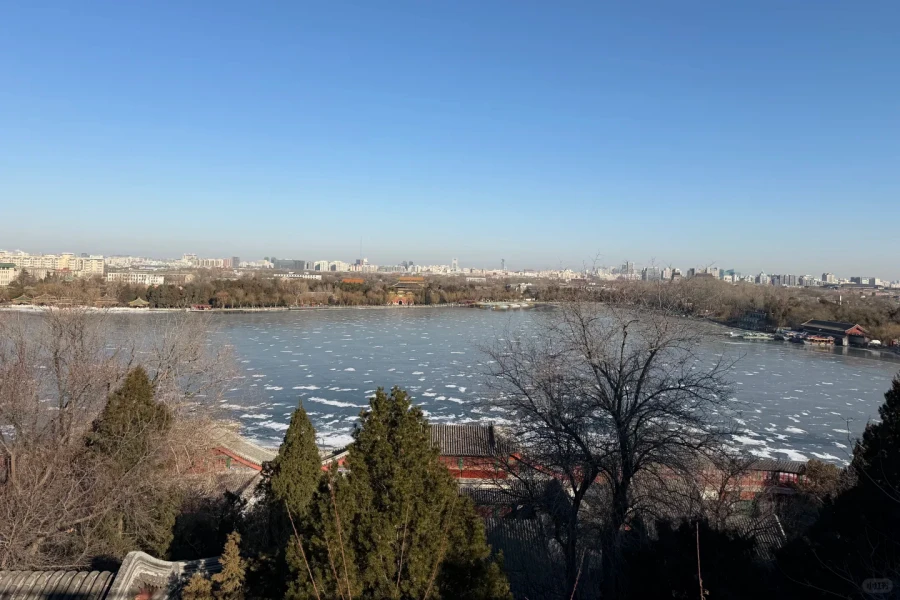
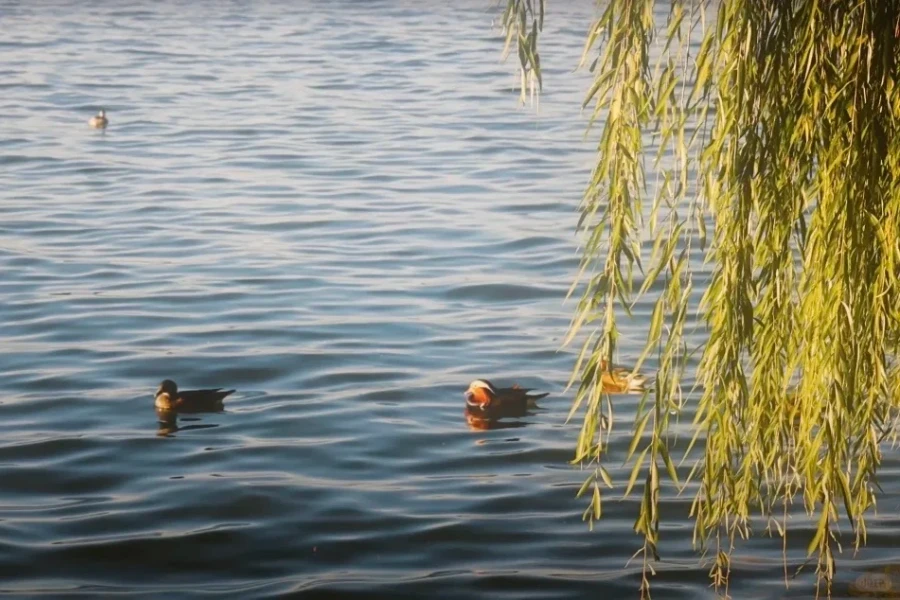
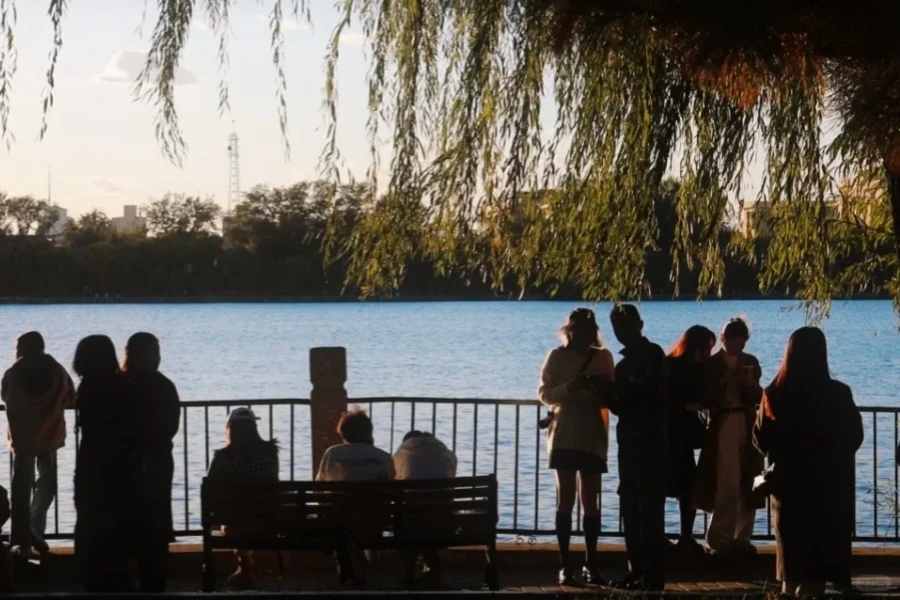
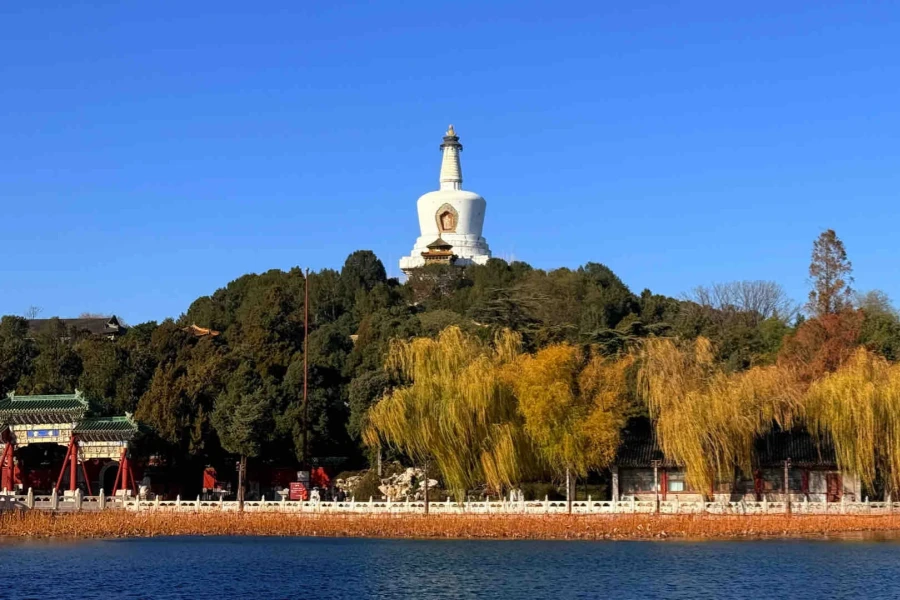
The vast blue waves of Taiye Pond: As the soul of the garden, this open water not only regulates the climate, but also constitutes the skeleton of the landscape. The spring water is sparkling, the summer lotus fields, the autumn waves are gentle, the winter ice is like a mirror, and the four seasons change with different expressions. Taking a rowing boat on the lake and looking up at the Qiongdao White Pagoda from the water is an excellent way to experience the artistic conception of "boating on the blue waves, people swimming in the painting".
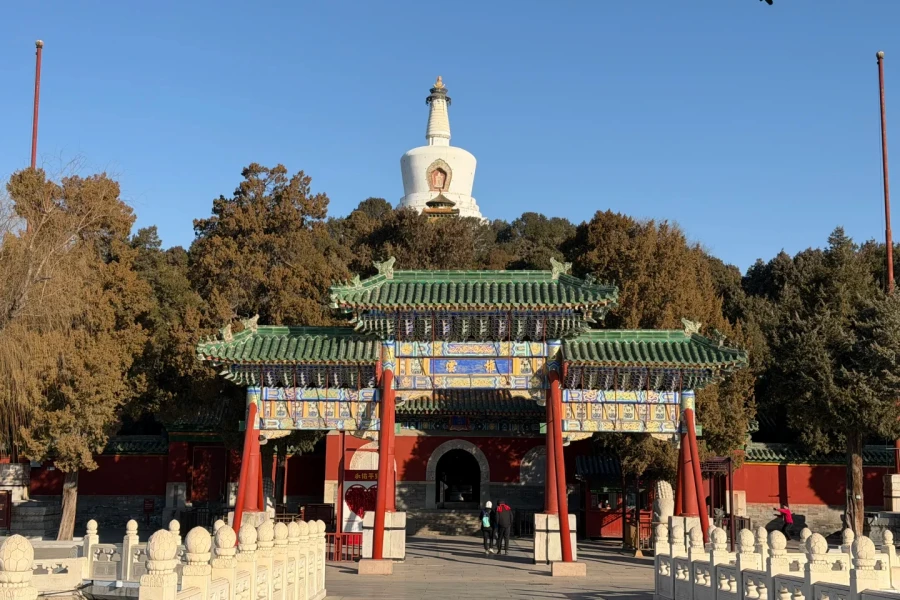
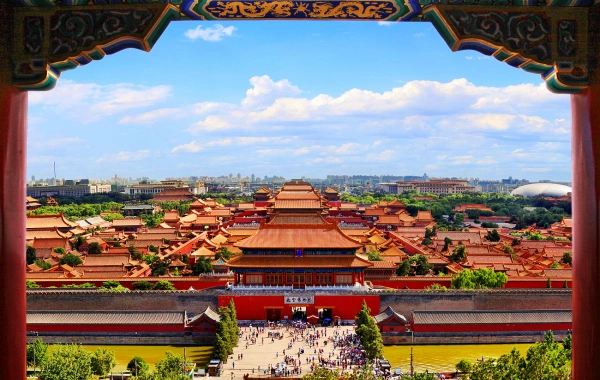
Qionghua Island's fairy mountain style: This island is made of soil dug into the lake, with lush forests and uneven temples, and is the core of "one pond and three mountains". Climbing along the mountain path, ancient trees and strange rocks are dotted among them, as if stepping into the road of immortality. Standing on the top of the mountain, you can not only see the majesty of the White Pagoda up close, but also overlook the magnificence of Jingshan and the forbidden city, and the scenery of the central axis of the capital can be seen at a glance.
The botanical picture of the four seasons: There are many ancient and famous trees in the park, especially the pines and cypresses planted in the Jin and Yuan dynasties on Qionghua Island, which are vigorous and simple. In spring, the willows along the coast spit green, and the peach blossoms and begonias bloom; In summer, the lotus flowers bloom, and the fragrance is far away; In autumn, ginkgo biloba is golden and red maple is like fire; In winter, the pines and cypresses are proud of the snow, wrapped in silver, which can be called a living landscape of the four seasons.
Humanistic ingenuity - an architectural treasure that solidifies history
Every building and every detail here tells the weight of history and the exquisiteness of art.
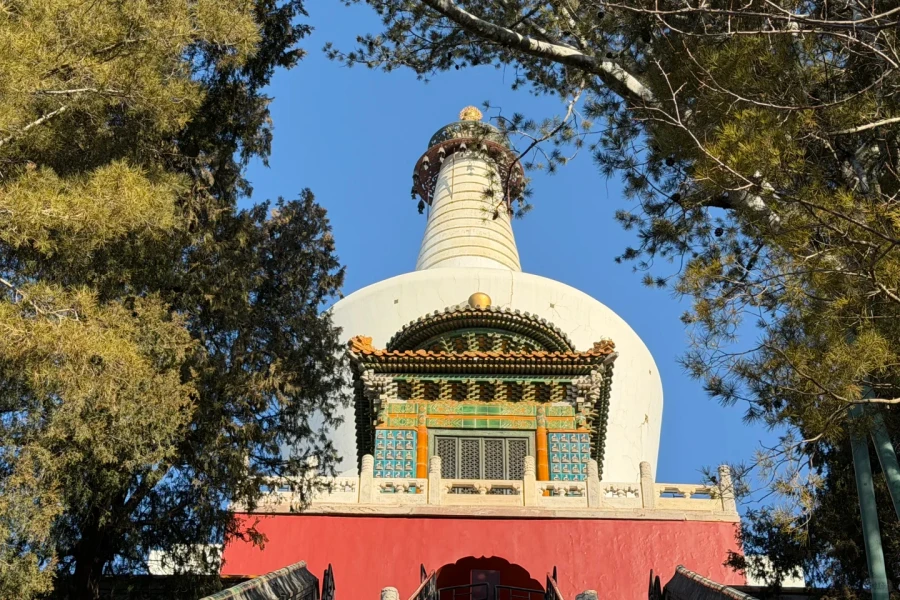
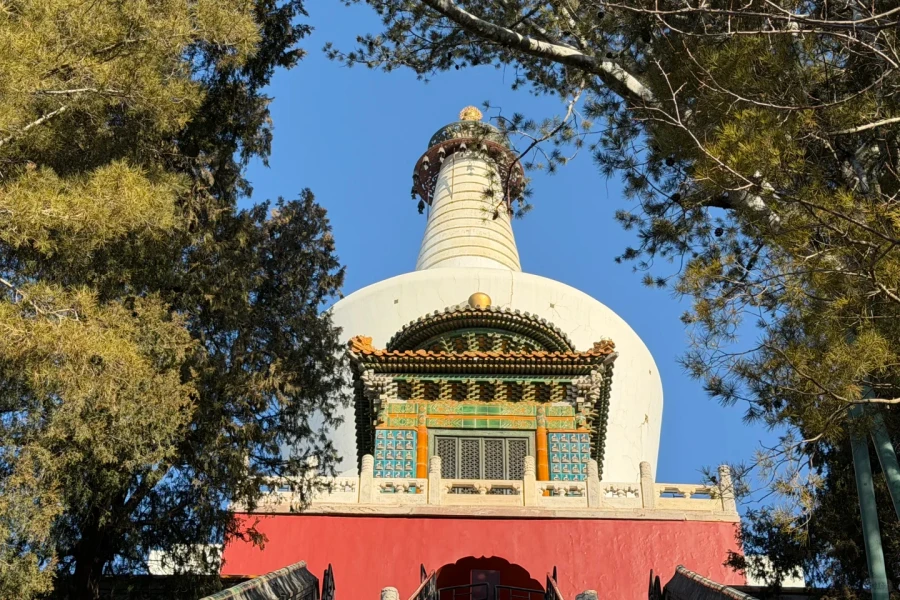
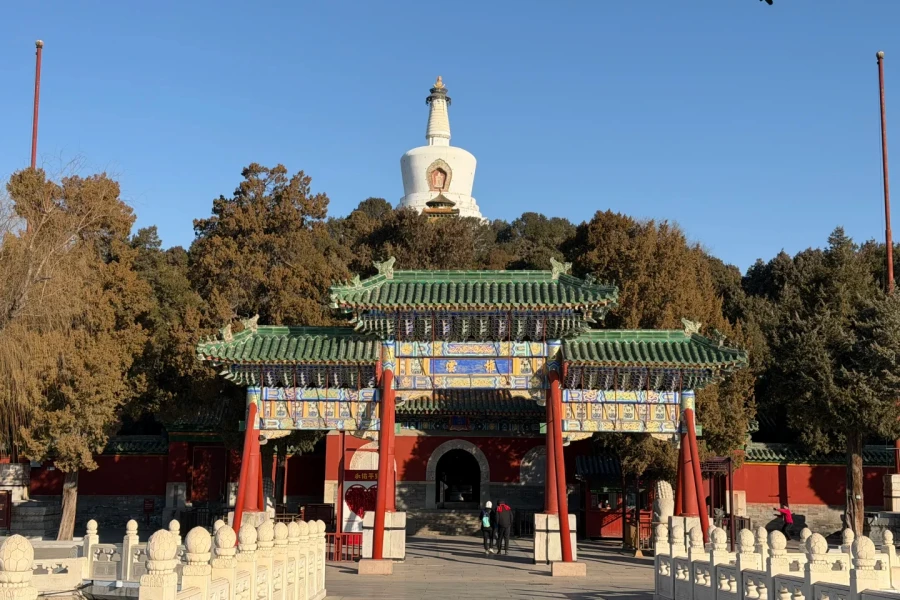
Qionghua Island White Pagoda: This 35.9-meter-high Tibetan Lama Pagoda is an iconic landscape of Beihai and even Beijing. The tower body is white, and the gilded treasure cover on the top of the tower is particularly holy and eye-catching against the blue sky. It is not only a religious building, but also a symbol of the Qing Dynasty's policy of appeasement towards Tibet and Mongolia.
Nine Dragon Wall: The most exquisite and distinctive of the three ancient nine dragon walls in China. This wall is a double-sided glazed shadow wall, with nine dragons flying in the sea of waves and clouds in front and behind, with different shapes and lifelike. The total number of dragons on the walls is 635, which can be called the world of dragons, and it shows the extremely high level of glass firing technology.
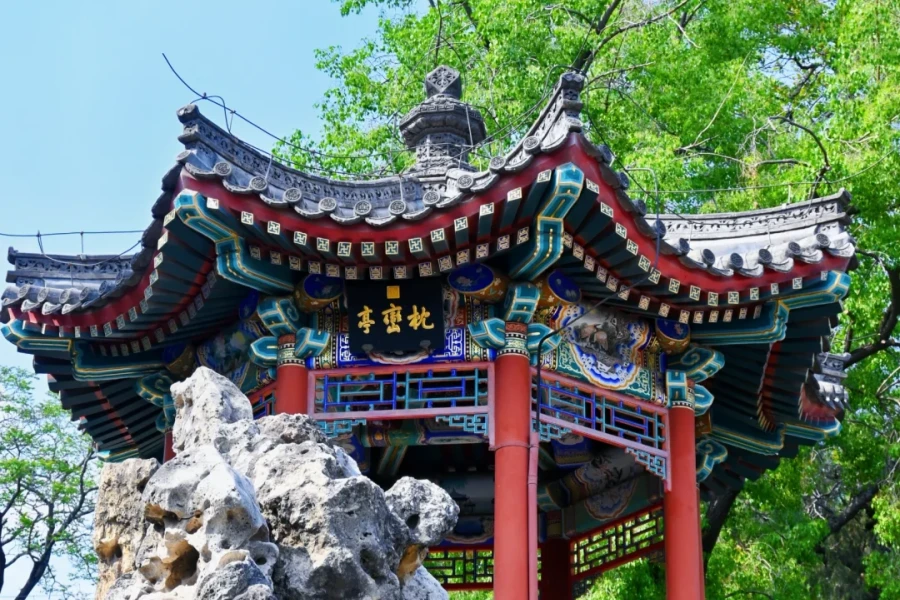
Meditation Zhai: Known as the "Garden of the Garden", it is the imperial garden of the Qianlong Emperor's reading and cultivation. The layout of pavilions, small bridges and flowing water, rockeries and stacked rocks here is extremely exquisite, the space is tortuous and deep, one step at a time, which is a rare landscape masterpiece in the northern garden, showing the graceful temperament of Jiangnan gardens.
Tuancheng: Located on the west side of the South Gate of Beihai, it is a relatively independent 5-meter-high brick circular city. The precious white jade Buddha is enshrined in the Chengguang Hall on the city, and there are also pine trees and white bark pines named "White Robe General" in front of the hall, and ancient trees and ancient buildings complement each other.
Haopu and Huafangzhai: These two are small boutique gardens hidden in the mountains and rivers. Haopu is famous for its curved bridges, stone workshops, mountain rocks and water features, and the artistic conception is quiet, which is taken from Zhuangzi's allusion to "Haoliang Watching Fish"; The painting house is a group of symmetrical buildings surrounding a square pool, which is rigorous and elegant.
Photography cheats:
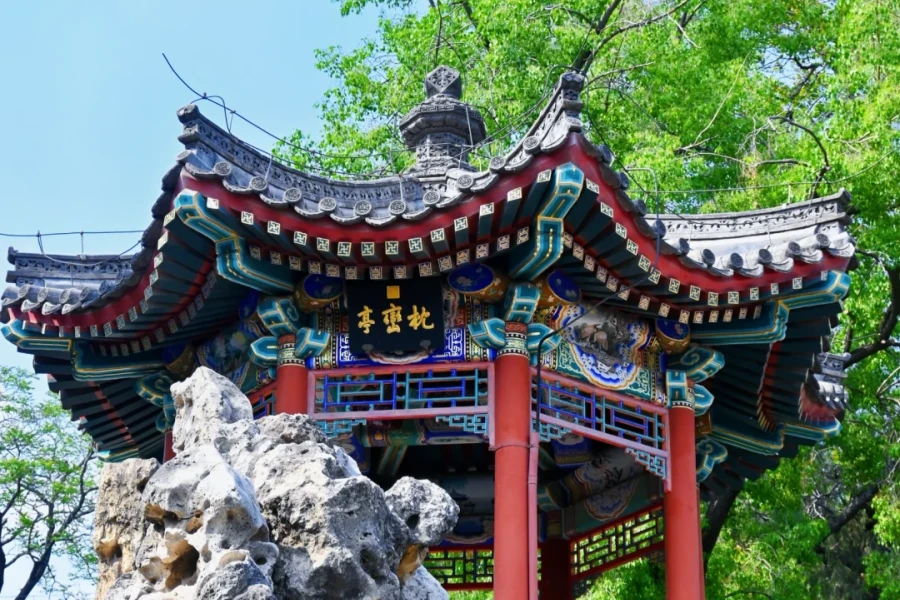
> The best panoramic camera is located on the lakeside opposite Qionghua Island (especially near Wulong Pavilion), where you can take classic pictures of white pagodas, green trees and lake reflections.
> Early morning or dusk, the sun dresses the white pagoda and glazed tiles in gold, which is the golden moment for photographing architectural light and shadow.
> The Kowloon Wall should be used to shoot panoramic views with a wide-angle lens, and a telephoto lens can also be used to capture the vivid details of the local dragon.
> The framed scenery and leaky windows in the Meditation Studio are excellent elements for photographing Chinese aesthetic artistic conception.