Nature's creation - mountains and rivers as bones, a mighty dragon meandering
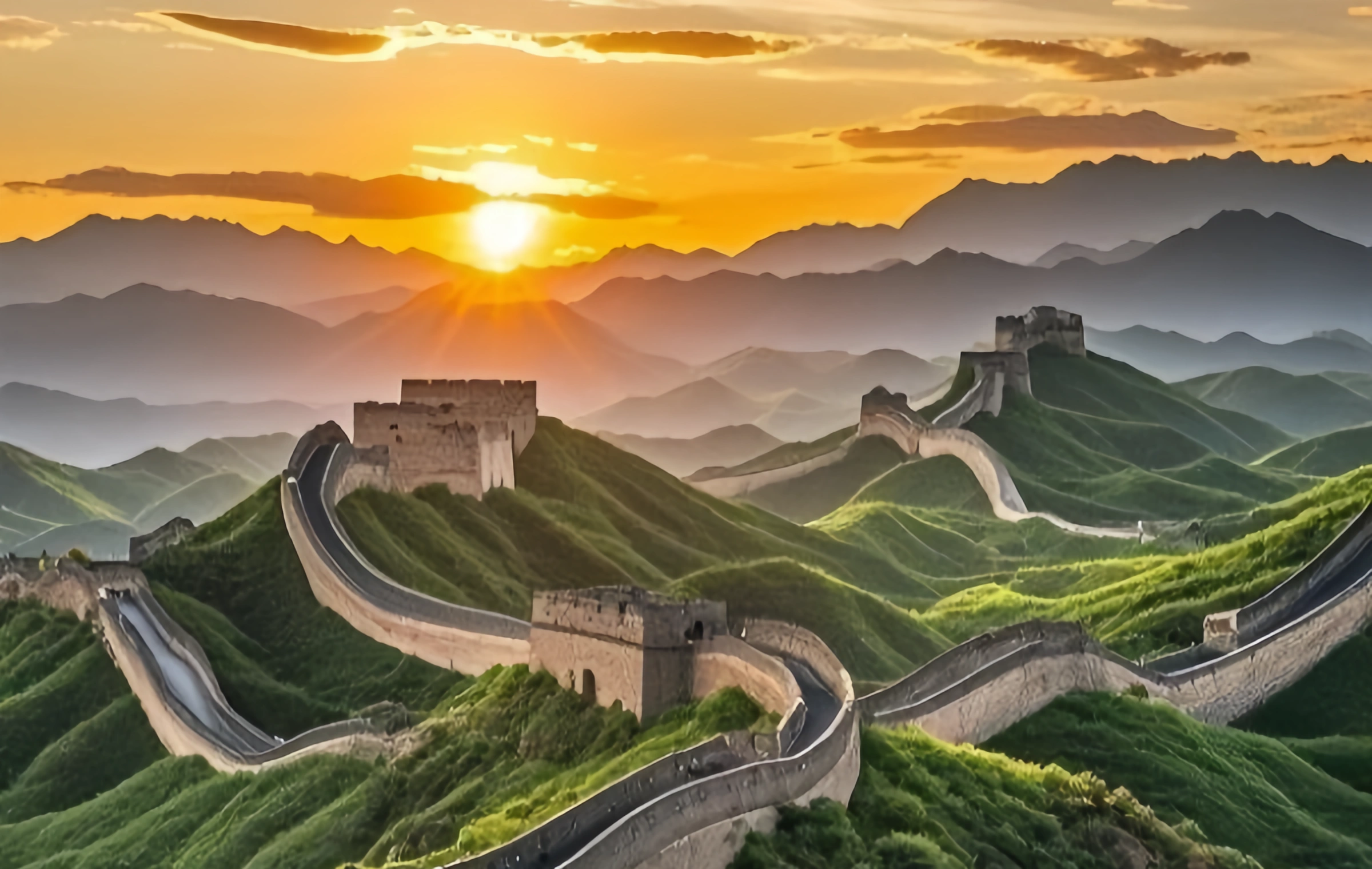
The most awe-inspiring aspect of the Great Wall lies in its perfect integration with the magnificent geography of northern China. Ancient craftsmen adhered to the highest principle of "adapting to the terrain and using perilous terrain to create barriers", making the Great Wall meander along the mountain ridges and spiral through the river valleys like a giant dragon.
The peril of mountains and rivers: The stage where dragons dance
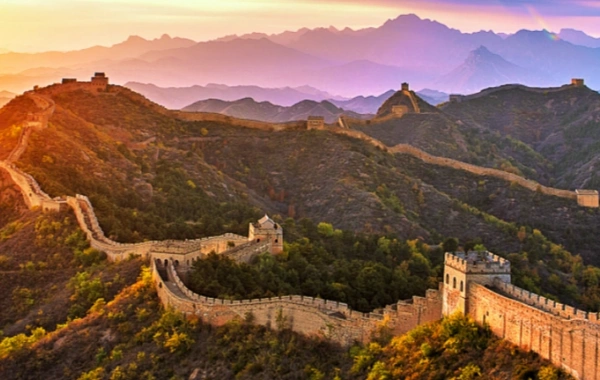
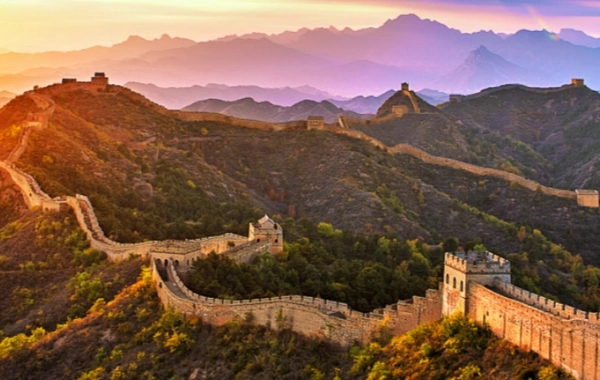
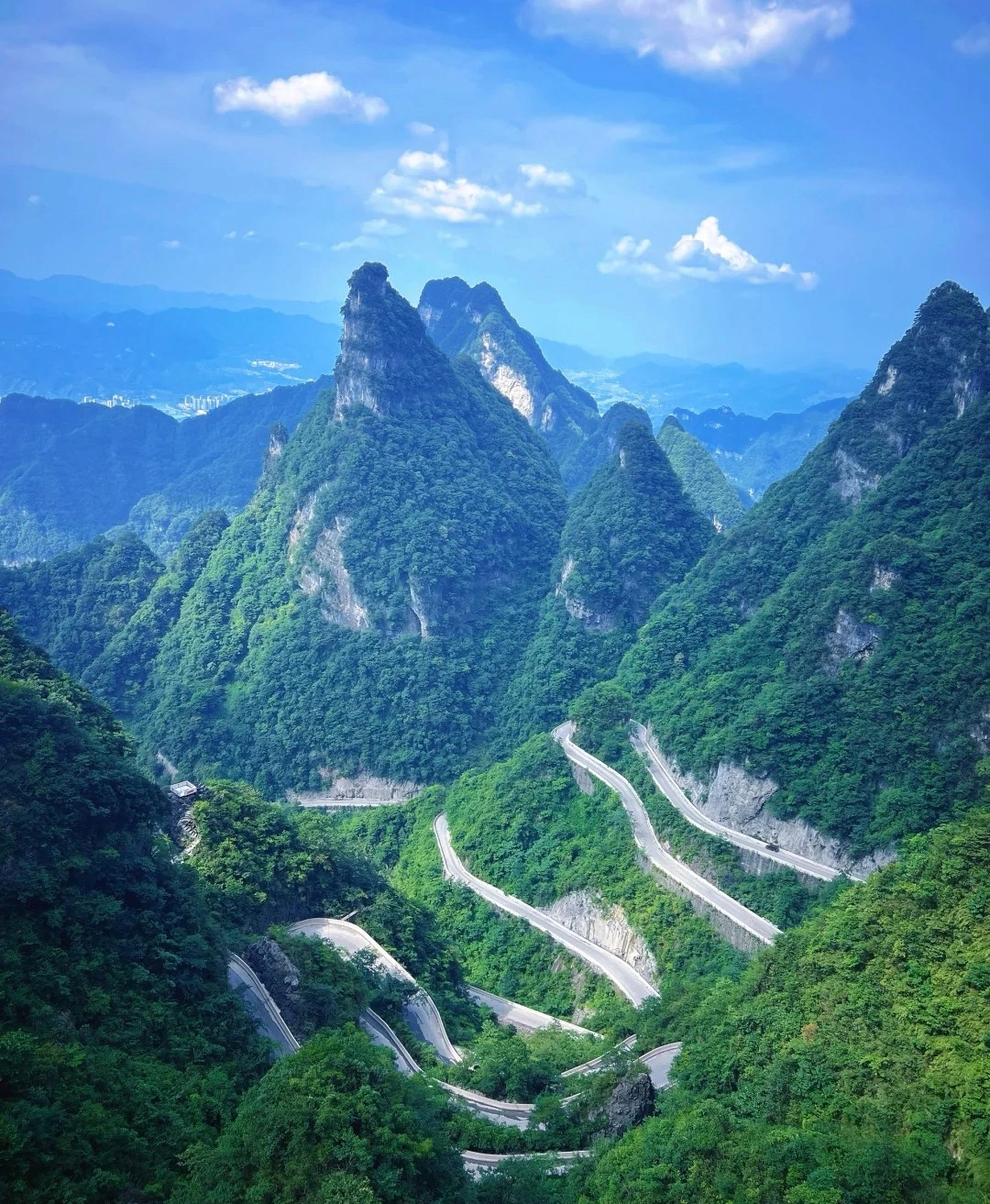
The Great Wall ingeniously makes use of the dividing line between the second and third steps of China's terrain, transforming numerous natural barriers such as the Yanshan Mountains, Taihang Mountains, Yinshan Mountains, Helan Mountains and Qilian Mountains into its own sinews and bones. The Jiankou Great Wall in Huairou District, Beijing, is built on a cliff that seems to have been cut by a knife or an axe, resembling a full bow with arrows, presenting a perilous and magnificent scene. In Jinshanling, Luanping, Hebei Province, the Great Wall undulates with the mountains, outlining an incredibly beautiful skyline in the morning mist and setting sun.
The Scenery of the Four Seasons: An ever-changing scroll
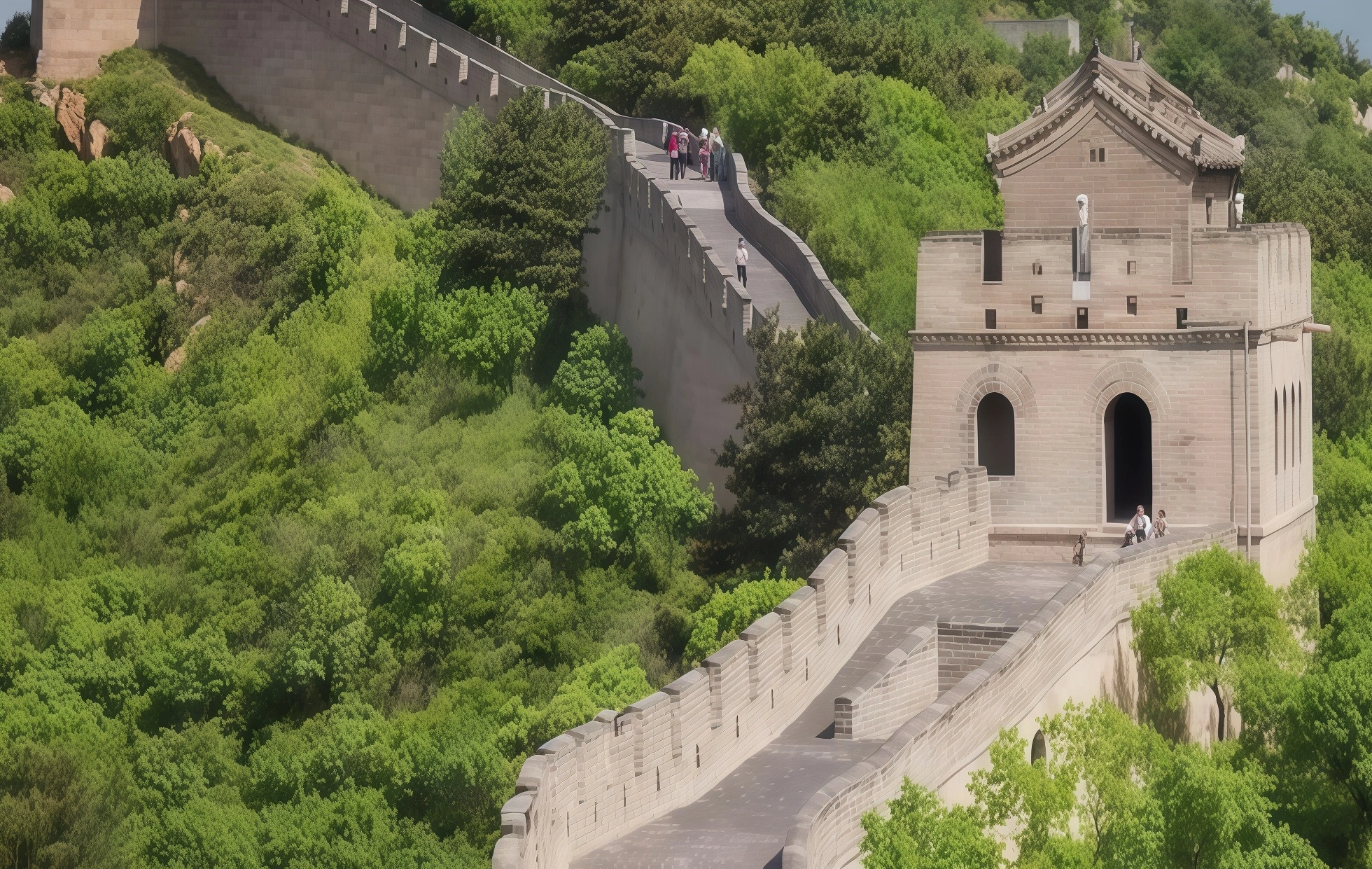
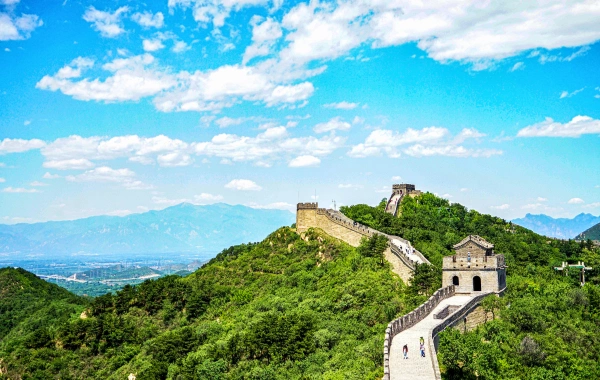
The beauty of the Great Wall presents different epic scenes as the seasons change. In spring, the mountain flowers are in full bloom, and the city walls are rejuvenated surrounded by apricot blossoms and peach blossoms. In summer, the mountains are lush and green, and the Great Wall is faintly visible among the sea of clouds and the waves of forests. Autumn is the most splendid season, especially in places like Mutianyu and Badaling in Beijing, where the forests are ablaze with colors and the Great Wall seems to be dancing among the red and yellow interwoven brocade. In winter, snow covers the azure dragon, and the world is all dressed in a silver coat, presenting a solemn and serene grandeur.
Special landform: A wonder of dancing with water
In Jiumenkou, Suizhong, Liaoning Province, the Great Wall has created a unique scene of "the city walking on water and water flowing within the city", earning it the reputation of "The Great Wall on Water". The Huanghuacheng Great Wall in Huairou District, Beijing, was submerged in water due to the construction of a reservoir, creating a rare scene of "a azure dragon lying in a clear pool", which amazes people with the miracle created by the joint efforts of ancient architecture and natural creation.
Humanistic craftsmanship - An epic of defense that embodies wisdom
The Great Wall is far more than just a single wall. It is an extremely complex and sophisticated defense system composed of city walls, watchtowers, passes, beacon towers, castles and so on.
- Pass: The key and gateway to the world. Passes are the core nodes of the Great Wall's defense system. Shanhaiguan, which guards the throat of North China and Northeast China, is known as the "First Pass under Heaven" and holds an irreplaceable strategic position. Jiayuguan, standing in the Gobi Desert of the Hexi Corridor, is the westernmost starting point of the Ming Great Wall. Looking into the distance from the solitary city, it fully displays the desolation and grandeur of the frontier. Juyong Pass, with its perilous terrain, complete facilities in the pass city and profound cultural heritage, is renowned as one of the "72 Scenic Spots of the Pass Valley".
- Watchtower: A fighting fortress on the city wall. Especially the hollow watchtowers innovated in the Ming Dynasty, which could accommodate troops, store grain and defend against enemies, were equipped with arrow Windows on all four sides, greatly enhancing the defense efficiency. The Jinshanling Great Wall is densely populated with watchtowers of various forms and is hailed as "Among the ten thousand miles of the Great Wall, Jinshan stands out alone".
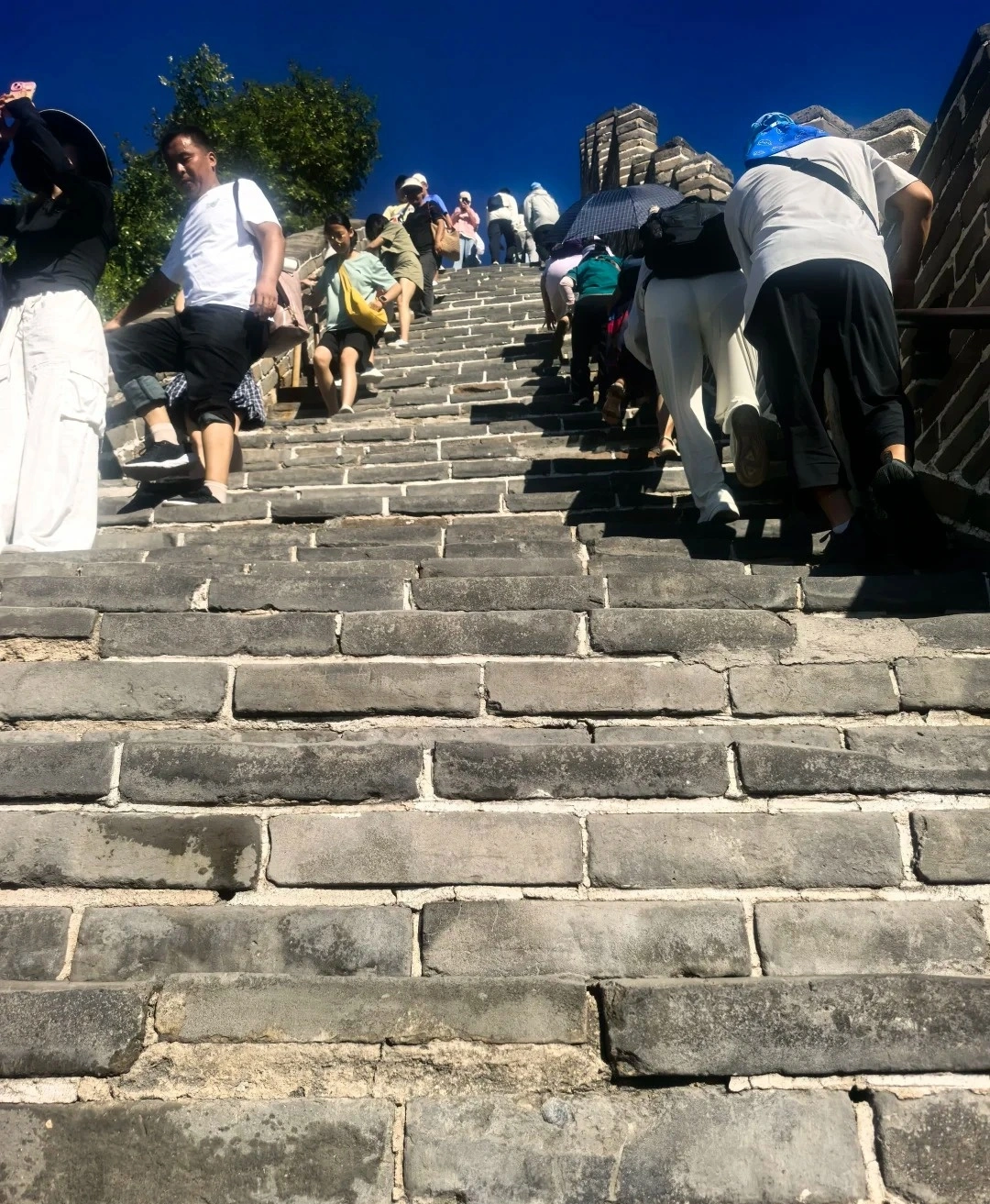
- City Walls and Construction: The wisdom of making Use of local resources. The construction of the Great Wall was filled with the wisdom of adapting measures to local conditions. In mountainous areas, stone is mostly used for construction; in the loess plateau, rammed earth is employed for building blocks; and in the Gobi Desert, reeds, red willows and gravel are used. During the Ming Dynasty, huge bricks were used in important areas and bonded with glutinous rice lime slurry. Their sturdiness has remained standing for hundreds of years through wind and rain.
- Beacon Tower System: The "light speed" communication in ancient times. The beacon towers are the "nerve endings" of the Great Wall. Through the pre-agreed "beacon and cannon" signals (such as one smoke and one cannon for every hundred enemy troops, and five smoke and five cannons for every ten thousand or more), military intelligence can be rapidly transmitted thousands of miles away. It can be regarded as the most advanced military communication network in ancient times.
Photography Secrets:
To capture the grand panoramic view of the "giant dragon", a wide-angle lens should be used, and side lighting or backlighting should be selected to highlight the texture and layers of the city wall.
Jinshanling and Simatai Great Wall are the best places to capture the sunrise, sea of clouds and starry sky. They are especially dreamy when the lights are on at night.
When shooting the red leaves reflecting the Great Wall at Mutianyu and Badaling in autumn, it is recommended to use a telephoto lens to compress the space in the early morning or evening when the light is soft, and capture the details of the red walls reflecting each other.
To capture humanistic stories, one can focus on the light and shadow of the arrow Windows of watchtowers, the daily life of local villagers and the Great Wall, or the silhouettes of hikers.