Guandu Ancient Town: A Thousand Year Echoes from Ancient Dian Ferry to Cultural Wharf

Guandu Ancient Town: A Thousand Year Echoes from Ancient Dian Ferry to Cultural Wharf

Overview: A History Museum Living in the City
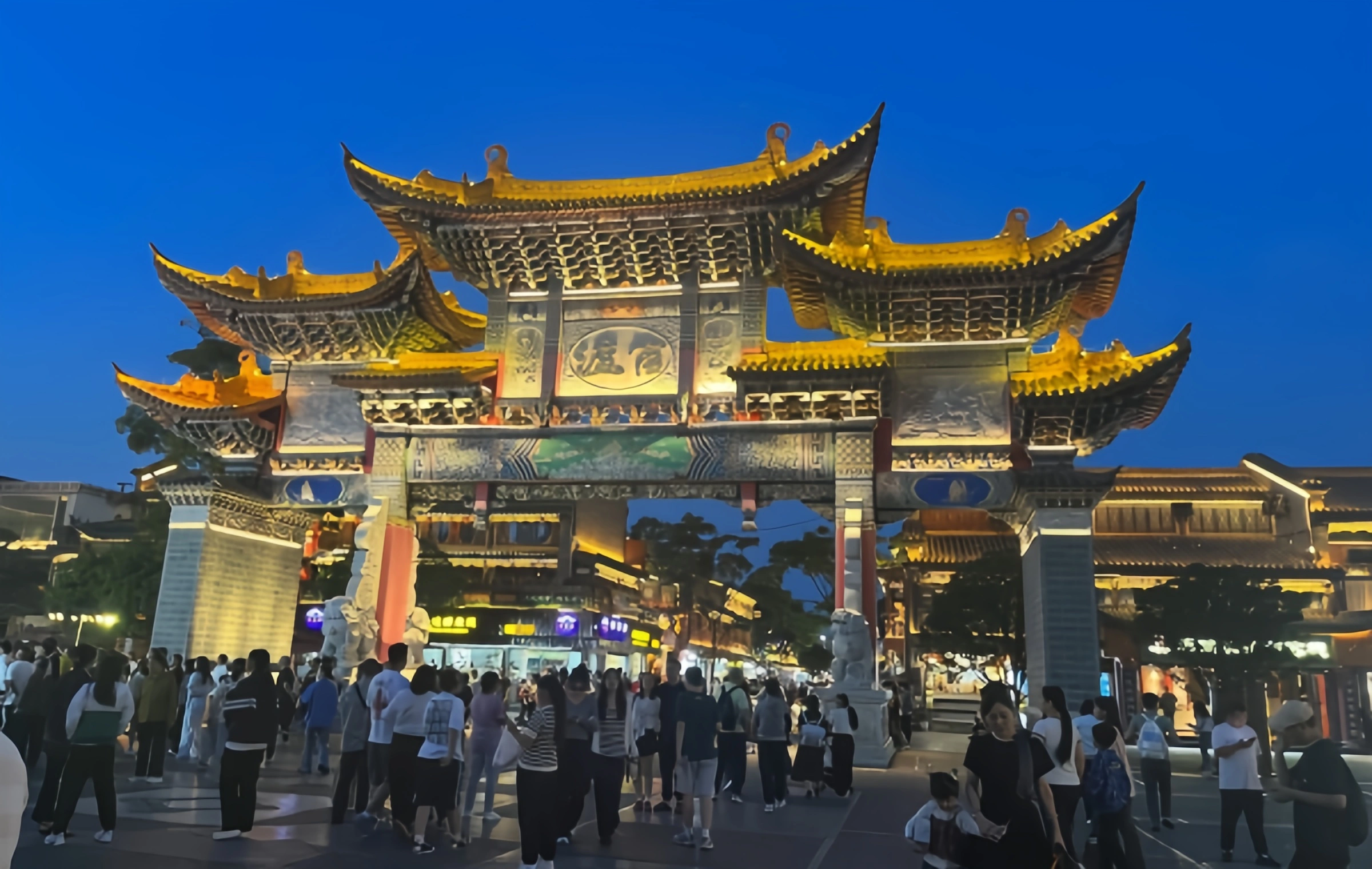
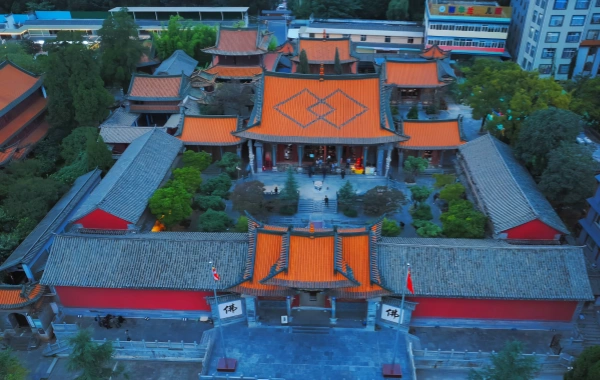
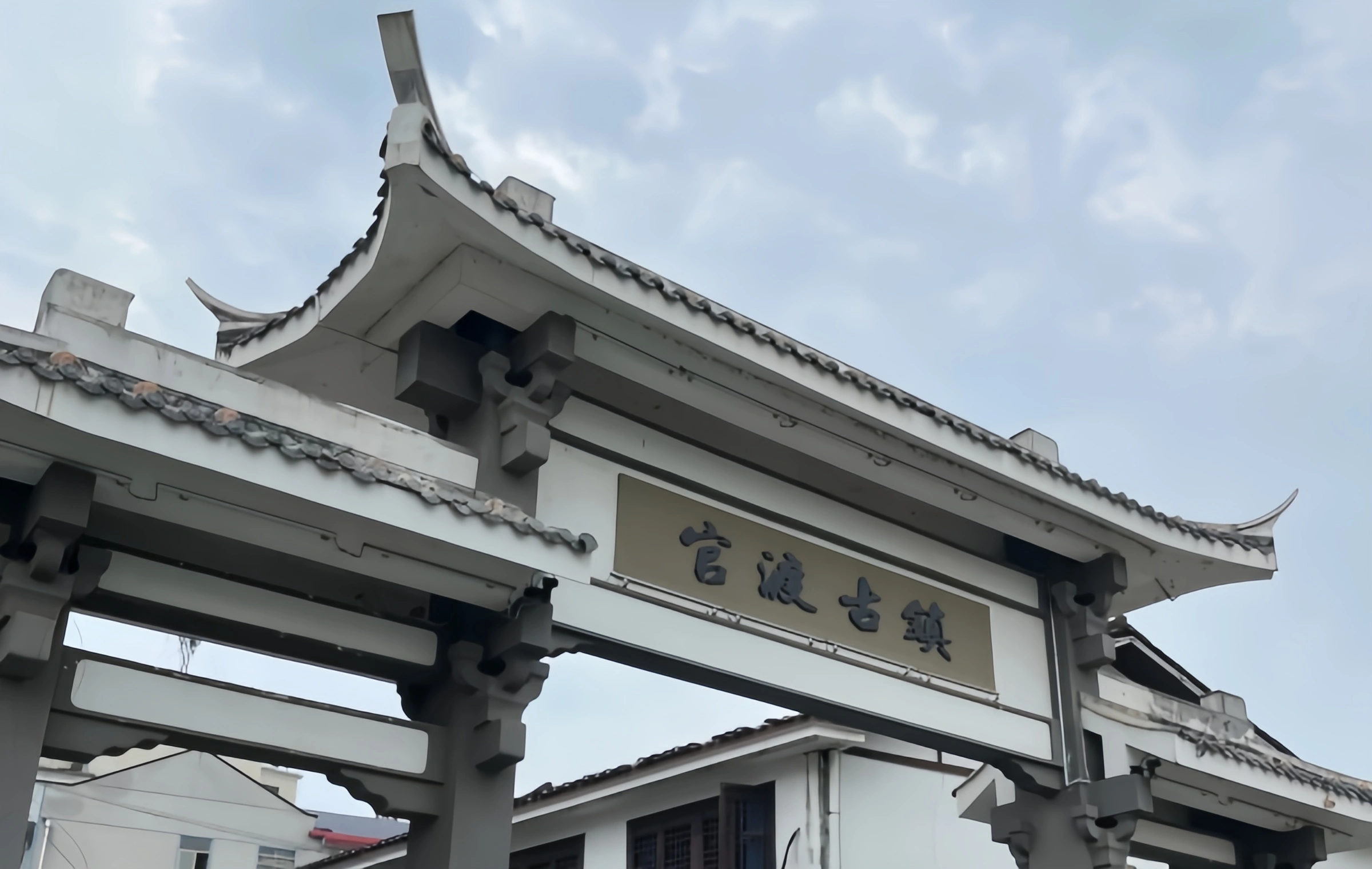
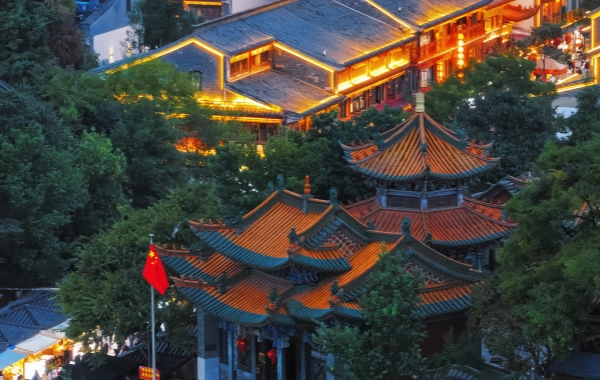
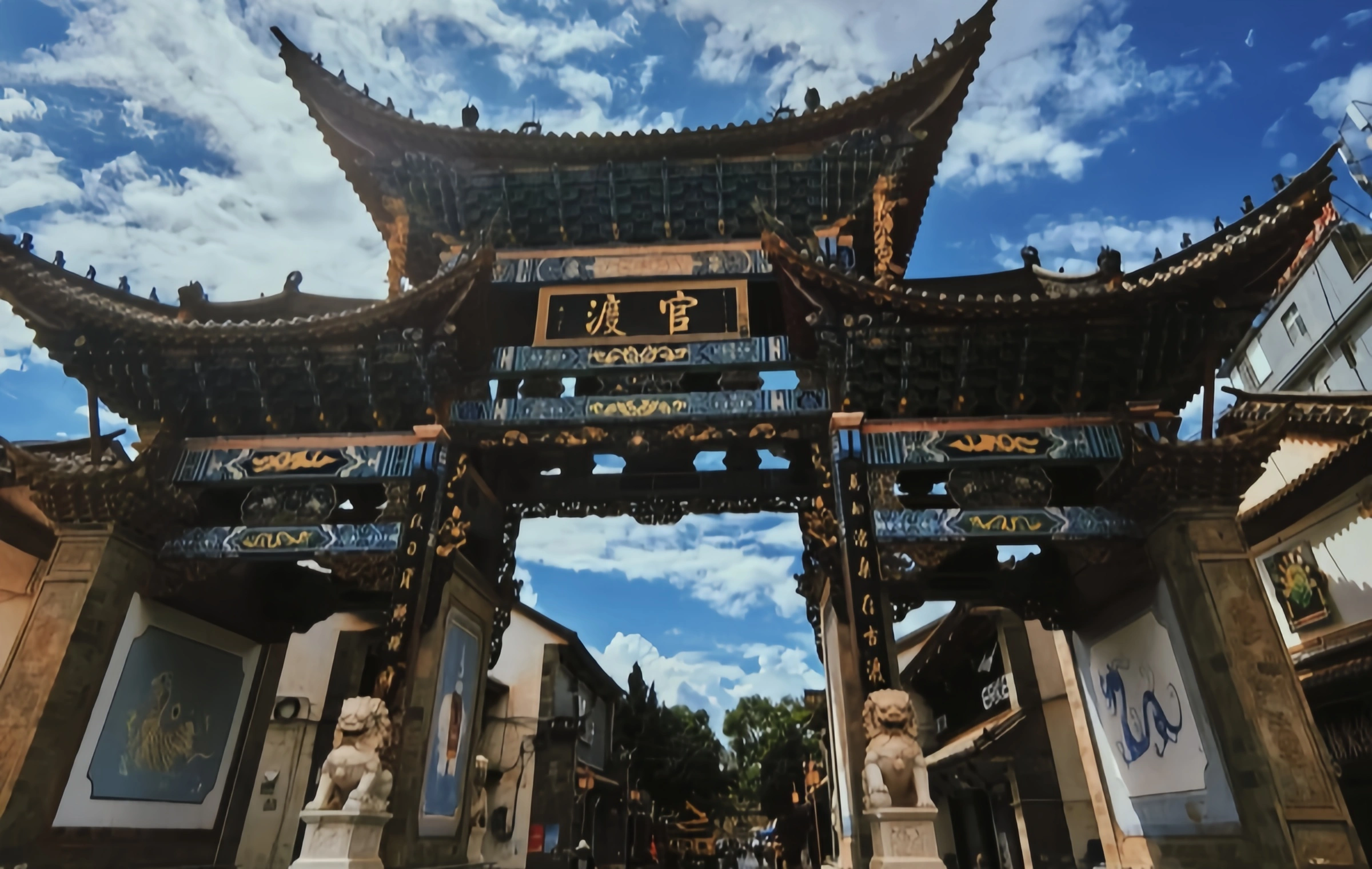
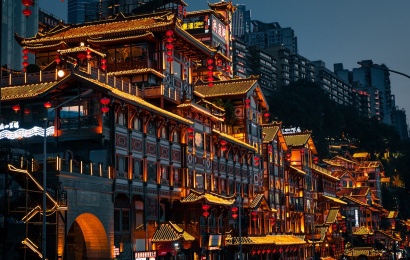
Guandu Ancient Town is located on the southeastern outskirts of Kunming City, Yunnan Province, on the banks of Dianchi Lake. It is a historical and cultural district with a total area of approximately 1.5 square kilometers. This used to be a renowned ancient ferry crossing and Buddhist holy land in central Yunnan, experiencing prosperity from the Tang and Song dynasties to the Ming and Qing dynasties. Today, it perfectly blends ancient temples, traditional streets and alleys, and vibrant street life.

Quick overview of core highlights
Identity tags: Ancient Dian Culture Pier/Gathering place of "Six Temples, Seven Pavilions, and Eight Temples"/One of the birthplaces of Kunming's history and culture
Core Experience: Explore Tang and Song Dynasty ancient temples, stroll through stone paved streets and alleys, taste authentic Guandu Baba, and listen to the local music of Yunnan Opera
Suggested tour: Half day to one day, recommended to visit in the afternoon to connect the day and night scenery
address: Guandu Ancient Town, Guandu District, Kunming City, Yunnan Province

  • Guandu Ancient Town: A Thousand Year Echoes from Ancient Dian Ferry to Cultural Wharf-1
  • Guandu Ancient Town: A Thousand Year Echoes from Ancient Dian Ferry to Cultural Wharf-2
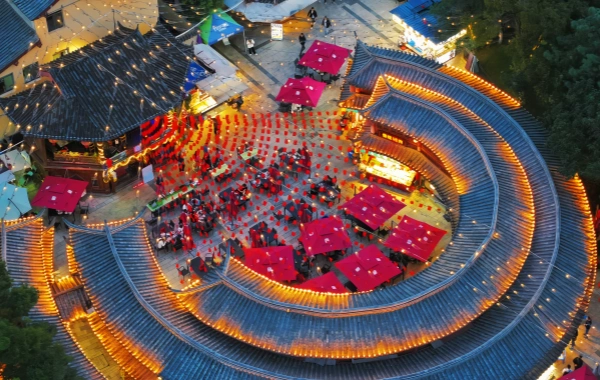
  • Guandu Ancient Town: A Thousand Year Echoes from Ancient Dian Ferry to Cultural Wharf-3
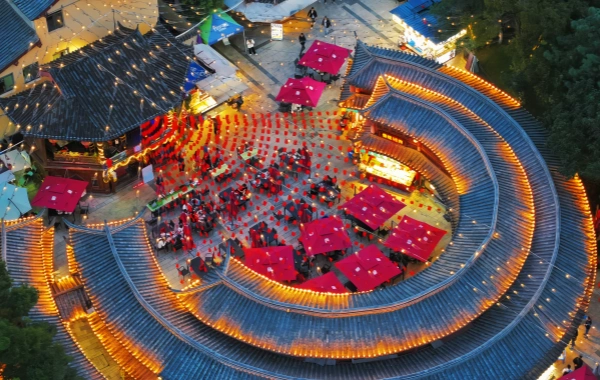
  • Guandu Ancient Town: A Thousand Year Echoes from Ancient Dian Ferry to Cultural Wharf-4

Origin: Fanyin of Ferry and Millennium Evolution

Furong Ancient Town Furong Ancient Town

The Origin of Ancient Ferry - The Origin of the Name "Guandu"
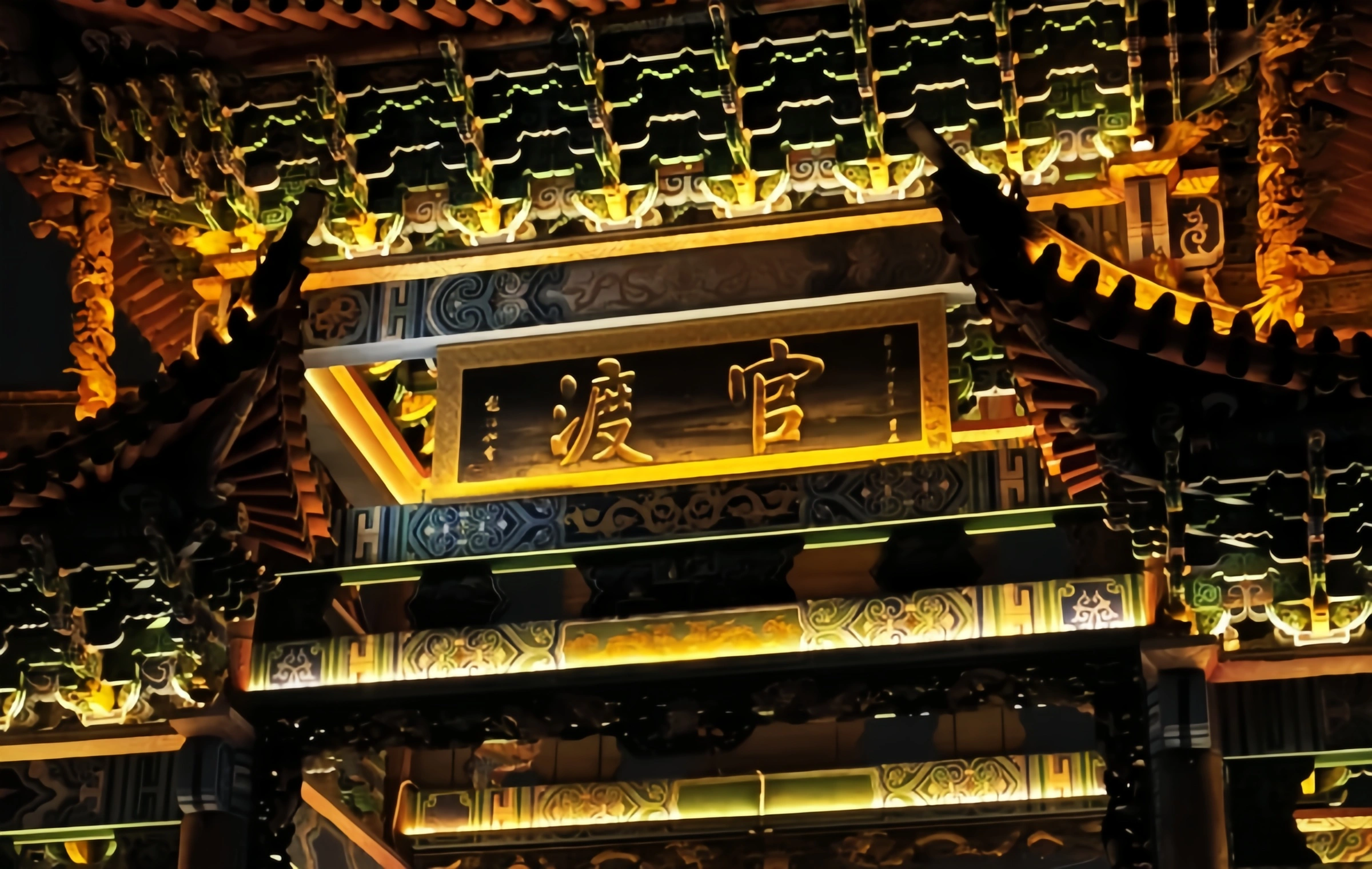
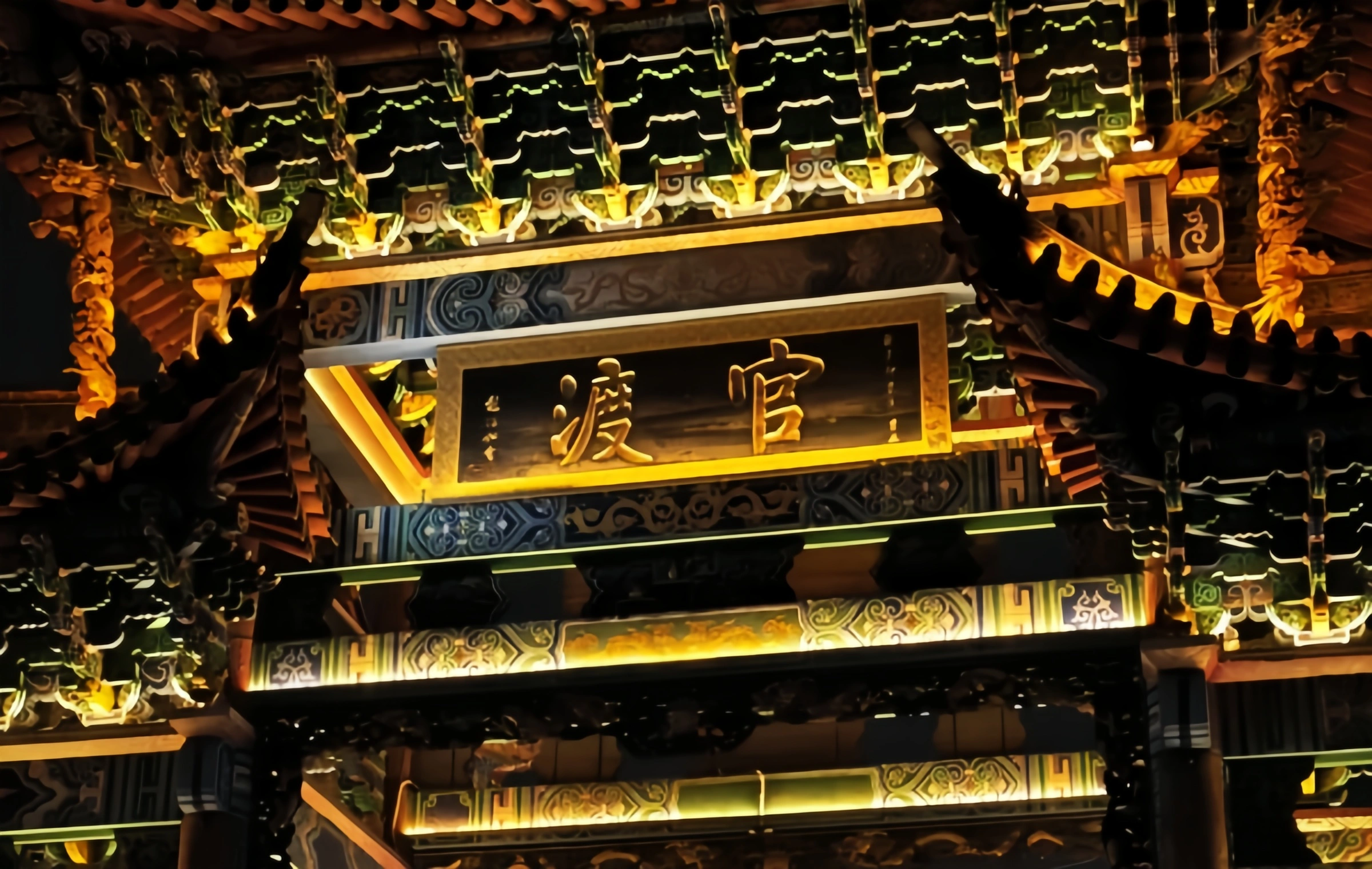
The name Guandu can be traced back to before the Tang and Song dynasties. This place was originally a small island with a pile of snail shells on the northeast coast of Dianchi Lake, and was a livable place for ancient people to cast nets and fish. During the period of Nanzhao Dali Kingdom, it became a water and land hub connecting Kunming and southern Yunnan. Officials and nobles often crossed the shore here by boat, hence the name "Guandu". At that time, thousands of sails gathered and shops stood tall. The poem "How many pedestrians come and go here, and the hooves of horses break through the frost" is a true portrayal of the bustling and bustling traffic of that time.

Rise of Holy Land - From Pier to Cultural Center
The prosperity of Guandu is not only due to the convenience of waterways, but also to the accumulation and sublimation of culture.
Tang and Song Dynasty Foundation: Around the 8th century AD, the earliest Buddhist temples began to be built here, laying the foundation for it as a religious and cultural holy site.
Yuanming heyday: With the relocation of Yunnan's political and economic center to Kunming, Guandu ushered in a golden age. A large number of exquisite temples, attics, and stages have been built, forming a spectacular architectural complex of "six temples, seven pavilions, and eight temples", with prosperous incense and numerous merchants.
Modern sedimentation and contemporary rebirth: Despite the erosion of time, the historical texture and a large number of precious cultural relics in the core area of the ancient town have been preserved. Since the beginning of the 21st century, through scientific protection and restoration, Guandu Ancient Town has not only preserved its authentic lifestyle, but also reopened its doors to the world, becoming a living window to experience the charm of old Kunming.

In depth understanding: Explore more famous historical and cultural towns in China>>Furong Ancient Town

Must see Wonders: Symphony of Historical Buildings and Municipal Fireworks

Furong Ancient Town Furong Ancient Town

 Architectural Treasures - Solidified Music and Faith
Strolling through the ancient town feels like stepping into an open-air museum of ancient architecture. Every brick and every tree tells the story of the past.
Essence of "Six Temples": Brahma Bell Through Tang and Song Dynasties
Statutory Temple: Founded in the Tang Dynasty and rebuilt in the Ming Dynasty. The arch of wooden architecture in the main hall is huge, with far-reaching eaves, and retains the distinctive architectural style of the Song and Yuan Dynasties. It is simple and elegant, and is a precious specimen of Yunnan wooden architecture.
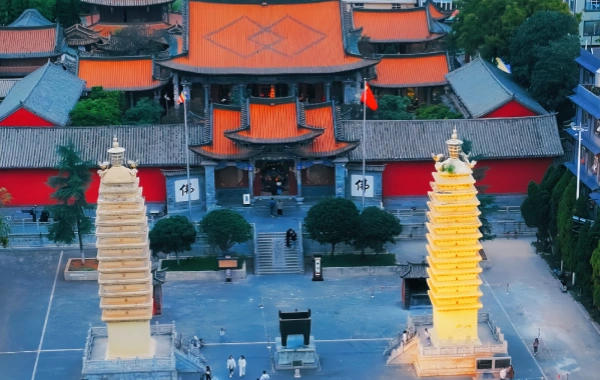
Miaozhan Temple and Twin Towers: Miaozhan Temple was first built in the Yuan Dynasty, and the twin towers in front of the temple (the east tower is the original construction, and the west tower is a later replica) have become landmarks of Guandu. They stand quietly, guarding the dawn and dusk of the ancient town.
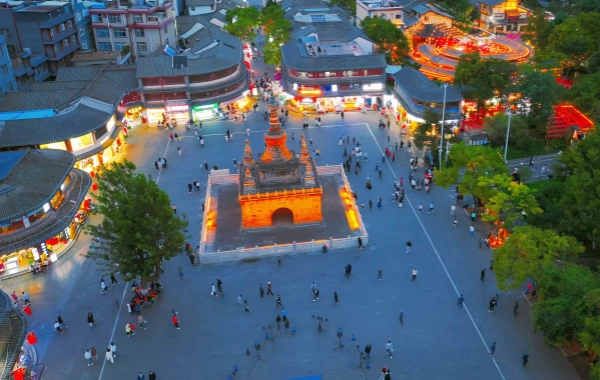
The Diamond Pagoda: This is the soul of Guandu and also a treasure of China. This stone tower, which was first built in the Ming Dynasty, is one of the earliest and best preserved diamond throne style stone towers in China. The tower base is a square high platform with gates running through it on all four sides. Five Tibetan Buddhist pagodas stand on the platform, with unique shapes and exquisite carvings, showcasing superb architectural art and profound Buddhist cultural connotations.
The Legacy of "Seven Pavilions and Eight Temples": Diverse Folk Beliefs
In addition to Buddhist architecture, relics such as Wenchang Pavilion, Kuixing Pavilion, and Tuzhu Temple reflect the integration of Confucianism, Taoism, and local folk beliefs. The "Great Black Heavenly God" worshipped in the Tuzhu Temple is an important deity of Yunnan Buddhist Esoteric Buddhism, with distinct local characteristics.

Street Life - Flowing Folklore and Flavors
The 'ancient' of Guandu is not a cold ruins, but is immersed in the hot and lively daily life.
The market under the Vajra Pagoda: For centuries, the square centered around the Vajra Pagoda has been the center of folk trade and activities. Nowadays, this is still a place for local residents to relax and gather, where you can see elderly people playing chess and children frolicking. Time becomes slow and warm here.
The living inheritance of intangible cultural heritage: In the streets and alleys of ancient towns, there are hidden places such as the Yunnan Opera Flower Lantern Training Hall and the Wu Tong Walking Silver Art Exhibition Hall. If given the chance, one can hear the authentic singing style of Yunnan Opera on an ancient stage, or witness firsthand the forging process of a national level intangible cultural heritage technique.
Guandu on the tip of the tongue: This is the most vivid experience line. The air is permeated with the burnt fragrance of Guandu Baba (a soft cake baked with buckwheat or wheat flour). There is always a queue in front of small pot of rice noodles, pea flour, sweet Baijiu and other snack bars. Eating is the most direct way to integrate into Guandu.

Photography tips:
The best filming location for the Diamond Pagoda is on its southeast side, which can use the street to form a visual guide line, incorporating the life of the ancient town and the pagoda into the picture.
The arch of wooden architecture and eaves of the statutory temple are very textured under the side light, suitable for the close-up of architectural details.
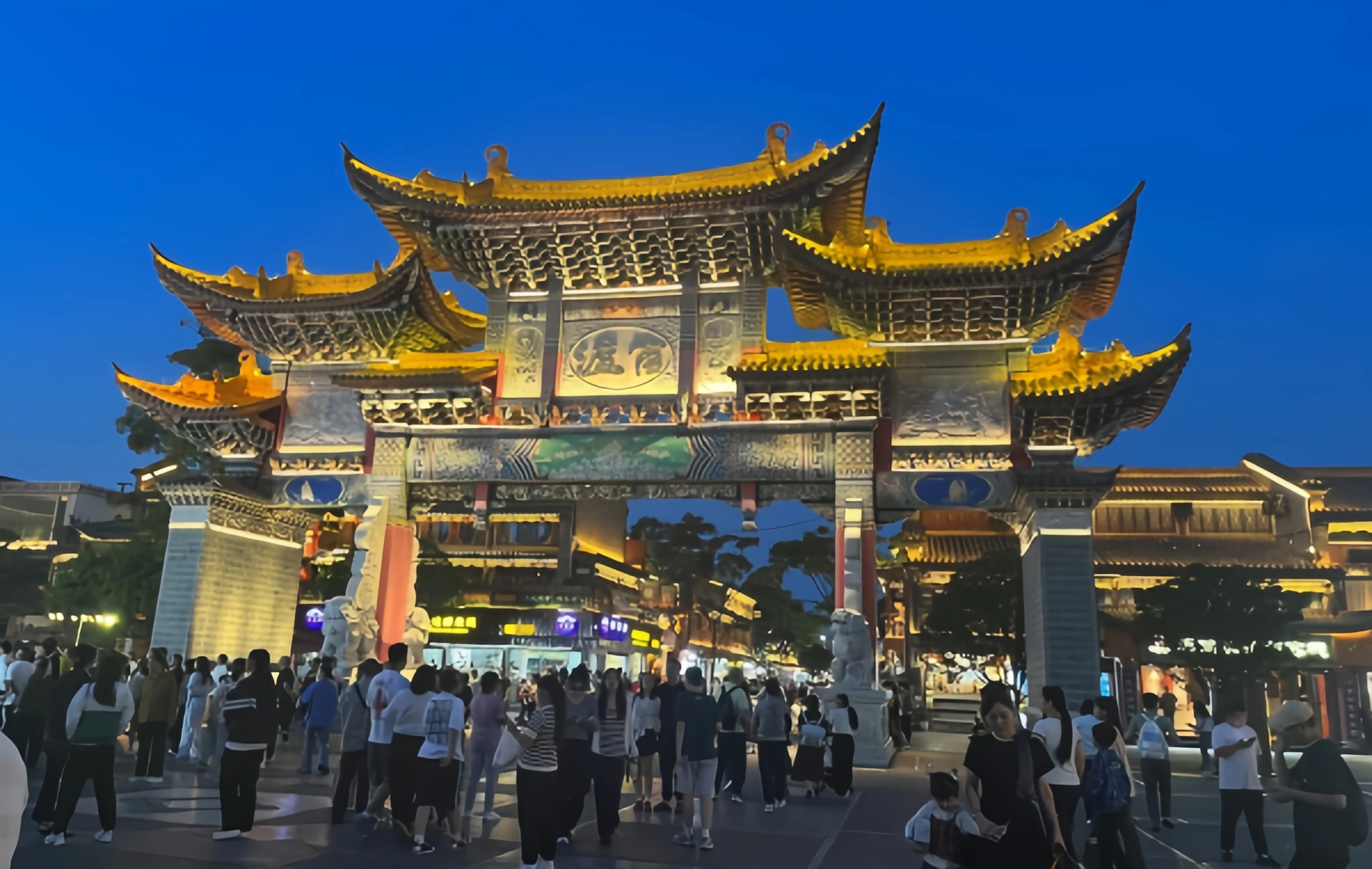
In the evening, the Diamond Tower lights up with warm yellow lights, contrasting with the deep blue night sky, making it an excellent time to capture night scenes.
The focus of humanistic photography is on squares and alleys, capturing the natural living conditions of local residents.

Core Experience: Immersive Ancient Town Life Guide

Furong Ancient Town

Four Must Do Things to Unlock a Complete Ancient Town Journey
Exploring the "National Treasure" Diamond Pagoda: It's not just about watching, but also about walking around the pagoda, touching the exquisite stone carvings on the pedestal, feeling the passage of space through the four ticket gates, and understanding its unique religious and secular significance as a "pedestrian crossing tower".
Go to a temple fair on the tip of your tongue: come empty stomach. Line up to buy a freshly baked sesame filled Guandu Baba, serve a bowl of sour, spicy, and smooth pea powder, and sit under an ancient tree to taste it. This is the most authentic "ancient town afternoon tea".
Listen to an ancient Dian opera: Pay attention to the announcements on the stage or the transmission hall in the ancient town. Even if you can't understand the dialect, the melodious tone and rich performances can still make you feel the unique charm of Yunnan local opera.
Collect a memory of intangible cultural heritage: Choose an exquisite handmade silver ornament at the Wu Tong Walking Silver Shop; Or in a traditional tea house, listen to the old Kunming people "rushing shells" (chatting). A handwritten letter with a story is better than a generic souvenir.

Tourist Route Suggestions
Half day "essence stroll" tour (suitable for those who are pressed for time):
Arrive at the entrance of the ancient town at 2pm → walk along the main road and visit the Diamond Pagoda and the Twin Towers of Miaozhan Temple (outside) one by one, feeling the urban atmosphere of the square (1 hour) → enter the Statutory Temple to appreciate ancient architecture (30 minutes) → stroll to the Tuzhu Temple and other blocks, taste Guandu Baba and other snacks (1 hour) → wait for the lights to turn on at the Diamond Pagoda Square in the evening, take a night view → leave after 7pm.
One day 'deep immersion' tour (highly recommended):
Morning: Arrive at the ancient town and systematically visit core cultural relics such as the Diamond Pagoda, Statutory Temple, Miaozhan Temple (if open), and Wenchang Pavilion to gain a deeper understanding of their historical background.
Noon: Enjoy authentic lunch at a time-honored restaurant or snack street in the ancient town, such as the Guandu style banquet or various snack platters.
Afternoon: Stroll through the intangible cultural heritage district, visit the Wutong Walking Silver Hall or the Yunnan Opera Training Hall, and participate in a simple handicraft experience. Then freely shuttle through the alleys and alleys, searching for corners such as old houses and ancient wells that have not been overly commercialized.
Evening: Rest in the teahouse near the ancient stage, enjoy the night view of the ancient town after dinner, and end the trip.

Professional guide: IntoTravelChina can provide you with a personalized itinerary, including exclusive tour guides, transportation, and activity arrangements, allowing you to have a worry free and in-depth experience. >>Consult now for customization

Travel Guide: Transportation, Seasons, and Surrounding Areas

Furong Ancient Town Furong Ancient Town

How to reach: Convenient urban historical and cultural window
Guandu Ancient Town is located in the urban area of Kunming, with extremely convenient transportation.
Subway (highly recommended): Take Kunming Metro Line 1 to "Xingyao Road Station" or "New Asia Sports City Station", then walk or transfer to a short distance bus/bike to get there.
Bus: Dozens of bus routes can reach the "Guandu Ancient Town" station, such as Route 31, Route 165, Route 174, Route 232, etc.
Self driving/taxi: simply navigate to "Guandu Ancient Town". There are multiple parking lots around the scenic area, but parking spaces may be tight on weekends and holidays.

Best Travel Time
Suitable for all seasons, Kunming's "Spring City" climate ensures that there is no off-season for tourism.
Comfortable throughout the year: Kunming has no severe cold in winter and no scorching heat in summer, making it comfortable to visit at any time.
Festival highlights: During the Guanyin Temple Festival on the 19th day of the second lunar month and traditional holidays, the ancient town will hold a variety of colorful folk activities, which are particularly lively, but the number of tourists will also increase.
Intraday suggestion: It is recommended to come in the afternoon to evening, where you can enjoy both the ancient charm of the day and the colorful lights at night, and all snack vendors are open for the most complete experience.

Accommodation and Surrounding Tour
Accommodation options:
Surrounding the ancient town: There are many Yunnan style inns and boutique hotels, where staying can experience a more peaceful morning and evening in the ancient town.
Main urban area of Kunming: With more options, taking the subway to the ancient town is very convenient and suitable for tourists who want to radiate and play around Kunming.
Recommended peripheral tours:
Yunnan Museum/Grand Theater: Only one road away from Guandu Ancient Town, it can be arranged to visit on the same day, traveling from ancient times to modern times, and fully understanding Yunnan's history and culture.
Dianchi Haigeng Park: It takes about 20 minutes by car or car from the ancient town to reach. In winter, you can admire the red billed gulls and overlook the sleeping beauty of Xishan.
Dounan Flower Market: Take Metro Line 1 directly to connect the millennium old town with the modern prosperity of the Asian flower capital, experiencing the diverse landscape of Kunming.

Suggested itinerary planning for IntoTravelChina:
If you want to efficiently combine Guandu Ancient Town with classic scenic spots around Kunming such as Shilin, Jiuxiang, Fuxian Lake, and even Dali and Lijiang, we can customize an exclusive itinerary for you. Whether it's a cultural themed in-depth tour or a panoramic tour of Yunnan, we can arrange transportation, accommodation, and unique experiences to make your journey easy and fulfilling. >>Click to contact IntoTravelChina travel consultant

Extended journey: connecting essence loop line of Yunnan

Furong Ancient Town Furong Ancient Town Furong Ancient Town Furong Ancient Town

Guandu Ancient Town is the key to interpreting the history and culture of Kunming and even Yunnan. Starting from here, one can embark on a colorful journey.
Classic 6-day Yunnan Central Cultural and Natural Loop: Kunming (Guandu Ancient Town, Yunnan Provincial Museum, Dianchi Lake) → Chengjiang (Fuxian Lake) → Jianshui (Ancient City, Confucian Temple, Zhujia Garden) → Yuanyang (Hani Terraced Fields). This is a deep route that runs through history, ecology, and agricultural civilization.

Classic 7-day panoramic tour of northwest Yunnan: Kunming (Guandu Ancient Town, Dianchi Lake) → Dali (Ancient City, Erhai Lake) → Lijiang (Ancient City, Snow Mountain) → Shangri La (Dukezong Ancient City, Pudacuo). This is a classic deep loop that connects the four famous cities in Yunnan, integrating the charm of ancient cities, plateau lakes, snow capped mountains, and Tibetan culture. >>Explore a 7-day panoramic tour of northwest Yunnan

Join hands with IntoTravelChina and embark on your exclusive cultural journey

Furong Ancient Town Furong Ancient Town

The story of Guandu Ancient Town is about how a ferry has evolved into a spiritual dock, how stone carvings and wooden structures carry millennium beliefs, and more importantly, about the everlasting passion for life in ordinary alleys and alleys. IntoTravelChina is dedicated to creating a deep, personalized, and worry free travel experience in China. Our travel experts can assist you with:
Tailored itinerary: Design a perfect route that includes Guandu Ancient Town and the entire Yunnan province according to your interests and time.
One stop service: handle all tickets, special accommodations, transportation connections, local cultural guides, and event reservations.
Exclusive experience: arrange in-depth experience of intangible cultural heritage workshops, expert lectures on ancient town culture, and guidance on the best photography time slots.
Make your trip to Yunnan not just about scenery, but also a profound dialogue with history, culture, and smoke and fire.

Start planning your journey now
Welcome to contact our professional travel consultants, we will provide you with exclusive itinerary plans and quotes within 24 hours. >>Click to contact IntoTravelChina travel consultant

What Our Clients Say?

Based on 10,000+ traveler reviews

...
Daniel Dorothea
Canada
Reviewed on April 29,2025
Shopping on Nanjing Road in Shanghai was just amazing! It's truly the "First Commercial Street of China", where tradition and modernity blend perfectly. You can find awesome souvenirs and experience the trendy vibes in cool stores. The neon lights at night are just spectacular, shining bright like Times Square in New York. The food here is incredible too. I had a feast for my taste buds. Shanghai, I'll definitely be back!
Destination(s): Shanghai
Date of Experience: May 08,2024
...
...
Elvis Eva
Canada
Reviewed on June 20,2025
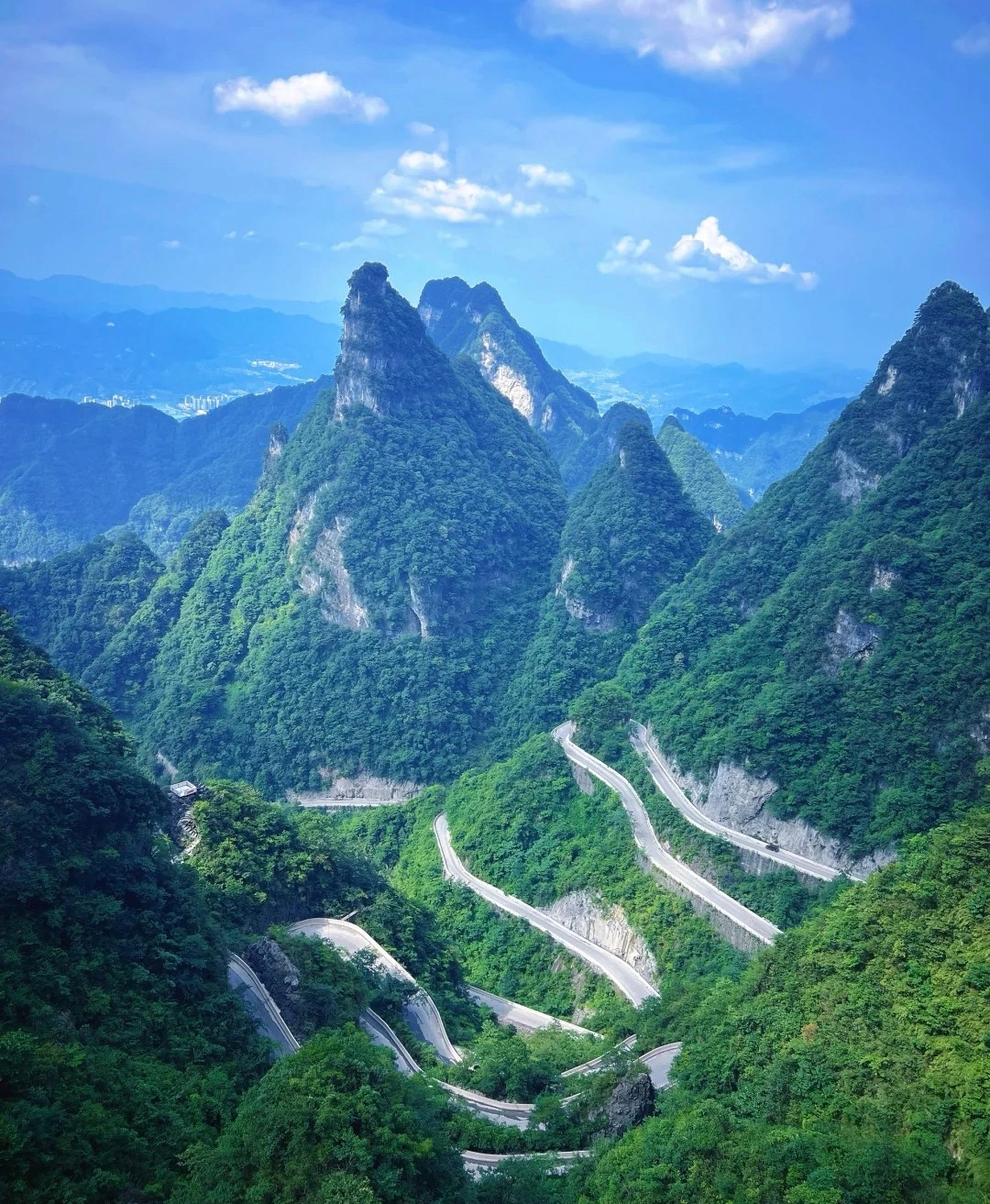
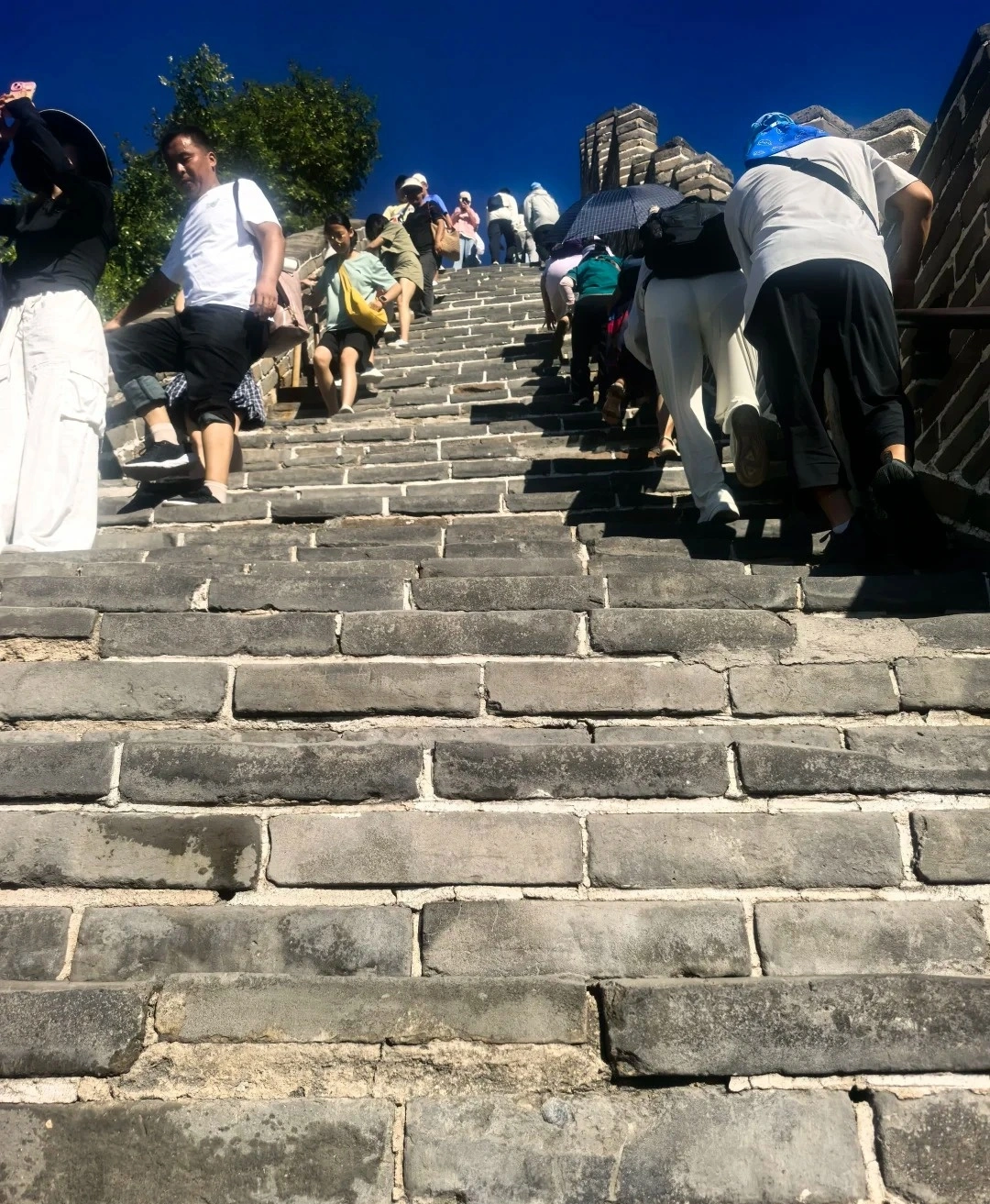
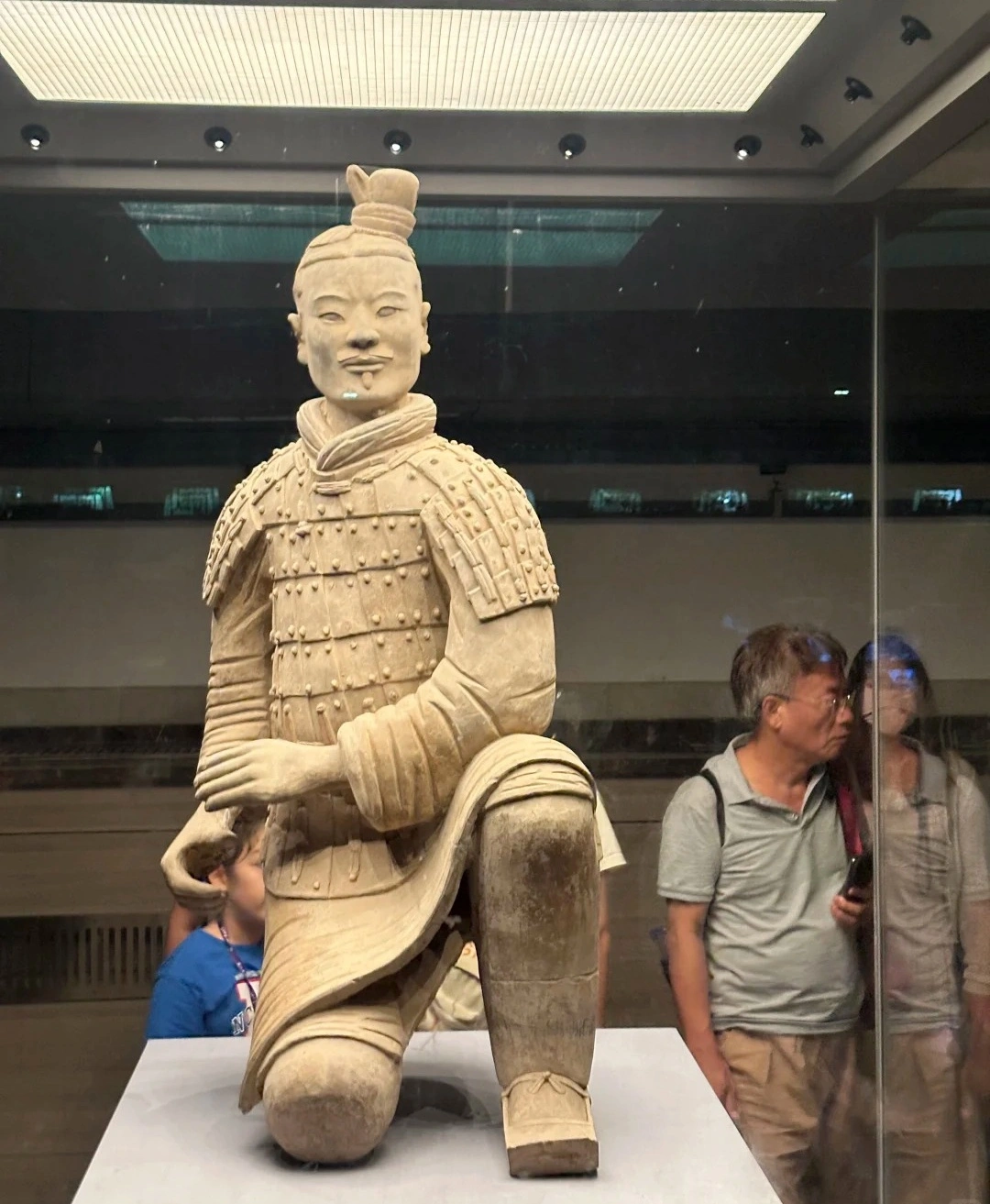
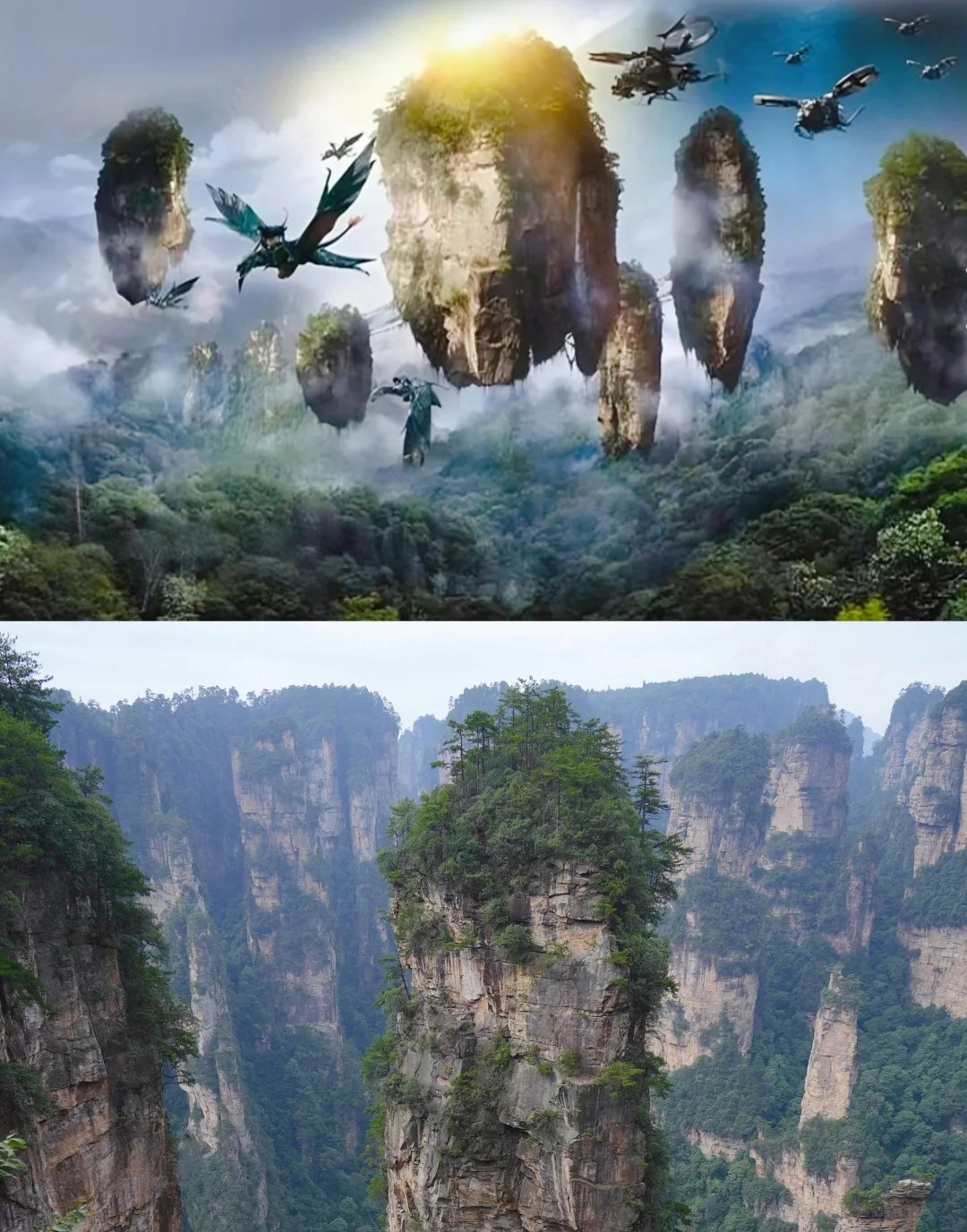
As a solo traveler from Canada, I was nervous about navigating China alone—but this 11-day tour was PERFECT! From hiking the Great Wall at sunrise (Day 3) to gasping at the Terracotta Army (Day 5), every day delivered ‘pinch-me’ moments. The real showstopper? Zhangjiajie’s Avatar Mountains (Day 7)! Our guide made the stone pillars come alive with stories. Massive thanks for handling all logistics—bullet train tickets, entry passes, car! And the 4-star hotels surprised me.
Destination(s): Beijing Xian Zhangjiajie Shanghai
Date of Experience: June 02,2025
... ... ...
...
Simon
America
Reviewed on May 29,2025
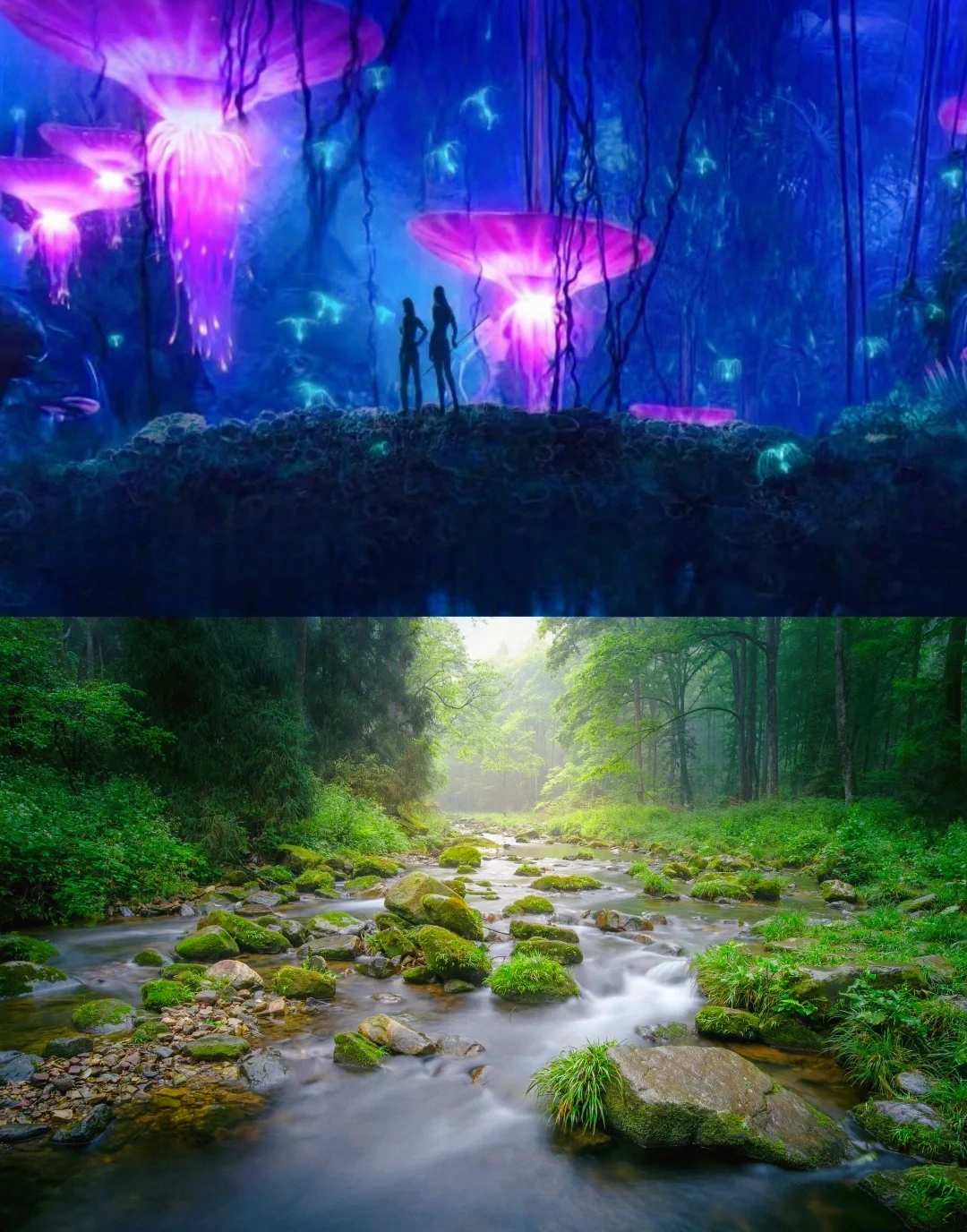
Our 2-day Zhangjiajie tour was beyond spectacular! As someone who’s visited Beijing and Shanghai for work, this trip revealed China’s wild, magical heart. Day 1 in Zhangjiajie National Forest Park felt like stepping onto Pandora—I’m a huge Avatar fan, and Yuanjiajie’s floating peaks left me breathless. The misty pillars and lush valleys like pure movie magic! Then came Fenghuang Ancient Town, we eat dinner beside the thundering waterfall. It seems Unreal! The night views of stilt houses glowing over the river were straight from a fairy tale. For fellow Avatar lovers and adventure seekers: Don’t miss this bucket-list experience! 10/10 would return. A Well-Traveled Film Buff, May 2025
Destination(s): Zhangjiajie
Date of Experience: May 08,2025
... ...

Ask a Question

Question Summary (100 characters)
Details (optional) (2,000 characters)
Name
Country
Email