Natural Painting-The Land Art of Cangshan and Erhai
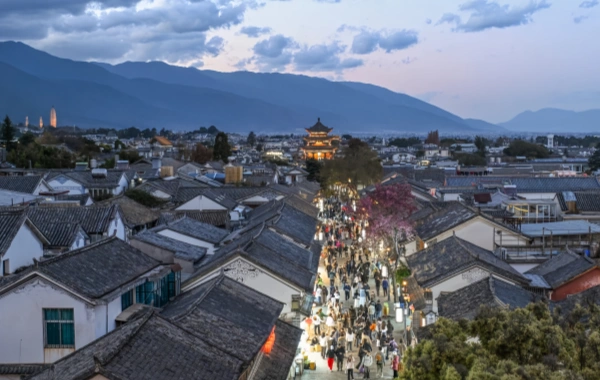
The soul of the ancient city is endowed by the Cangshan Mountains and Erhai Lake. This is not merely a backdrop, but the entire context of life in the ancient city.
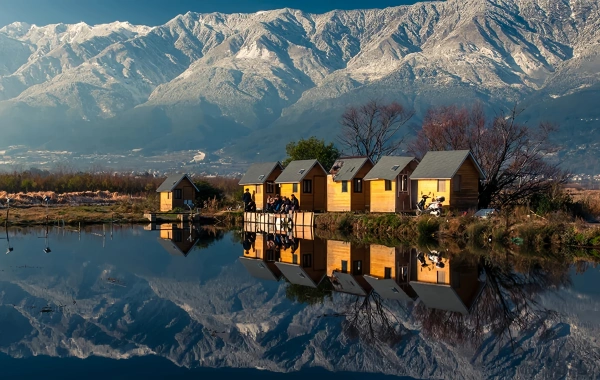
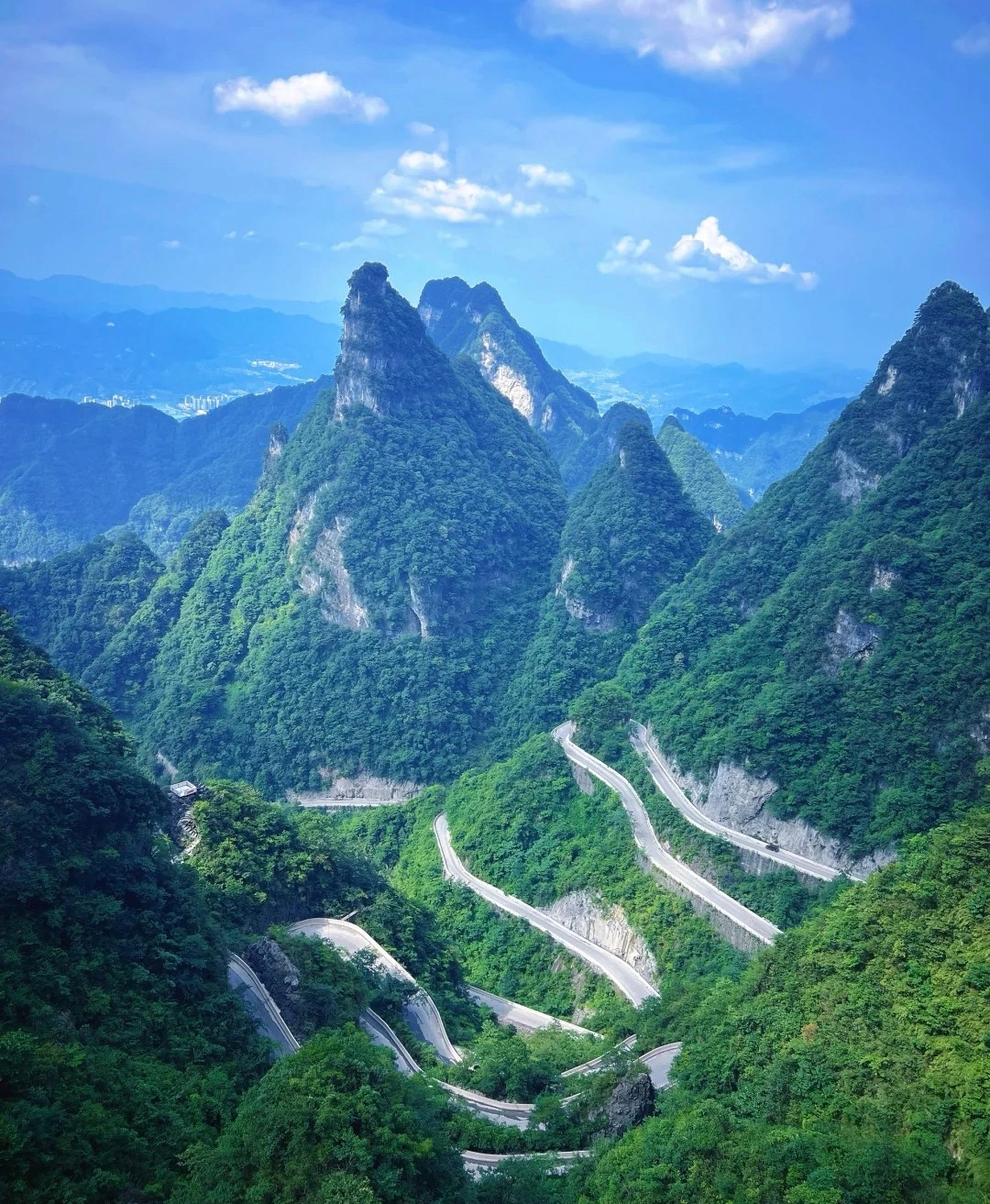
The Nineteen Peaks of Cangshan Mountain: Like a colossal emerald screen, they stand majestically on the western side of the ancient city. The summit, Malong Peak, rises to 4,122 meters. Scenic spots such as Qingbi Stream and Jade Belt Path dot the landscape. Visitors can take the Cangshan Gantong or Xima Tan cable cars to explore the mountains, offering panoramic views of the ancient city and Erhai Lake. The snow-capped peaks remain perpetually frozen, with "Cangshan Snow" being the foremost of the "Four Seasons of Wind, Flower, Snow, and Moon" poetic imagery.
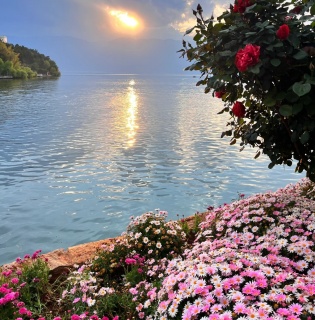
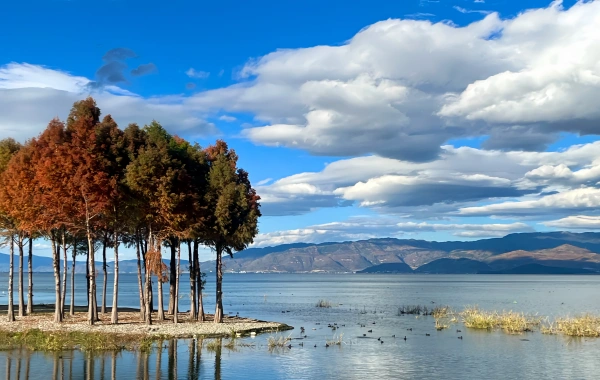
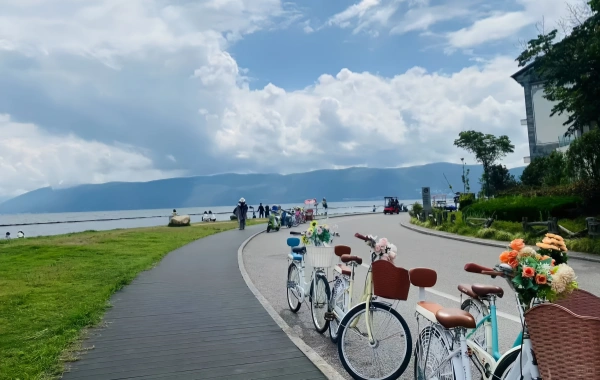
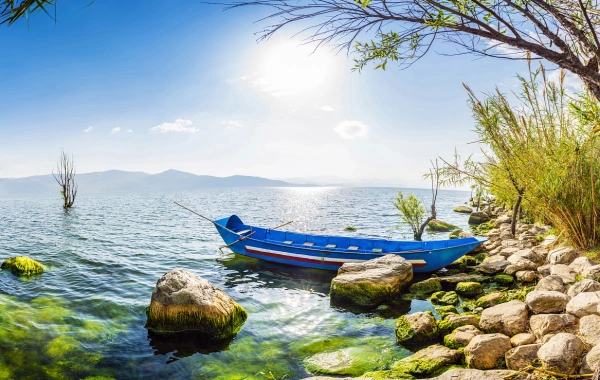
Erhai Lake: This plateau lake, shaped like a human ear, boasts vast emerald waters and lies adjacent to the eastern side of the ancient city. The Erhai Ecological Corridor is a paradise for cycling and strolling. From the ancient city towers or the rooftops of suitable inns, watching the "Erhai Moon" reflect the snow-capped Cangshan Mountains offers an utterly romantic experience. "The wind of Xiaguan, the flowers of Shangguan, the snow of Cangshan, and the moon of Erhai" together compose the most enchanting poetic landscape of Dali.
Urban Texture-Chessboard Pattern and Colorful Life Flow
The layout of the ancient city is square, and the streets are arranged in a grid pattern.
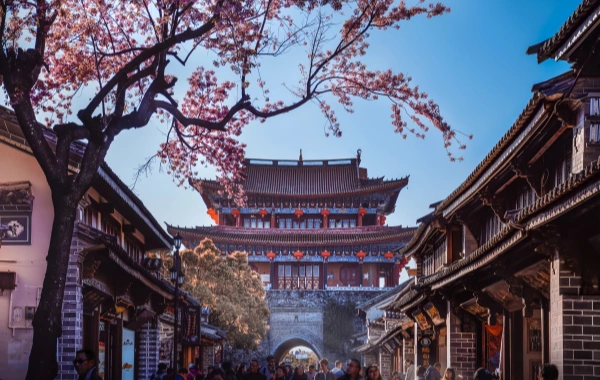
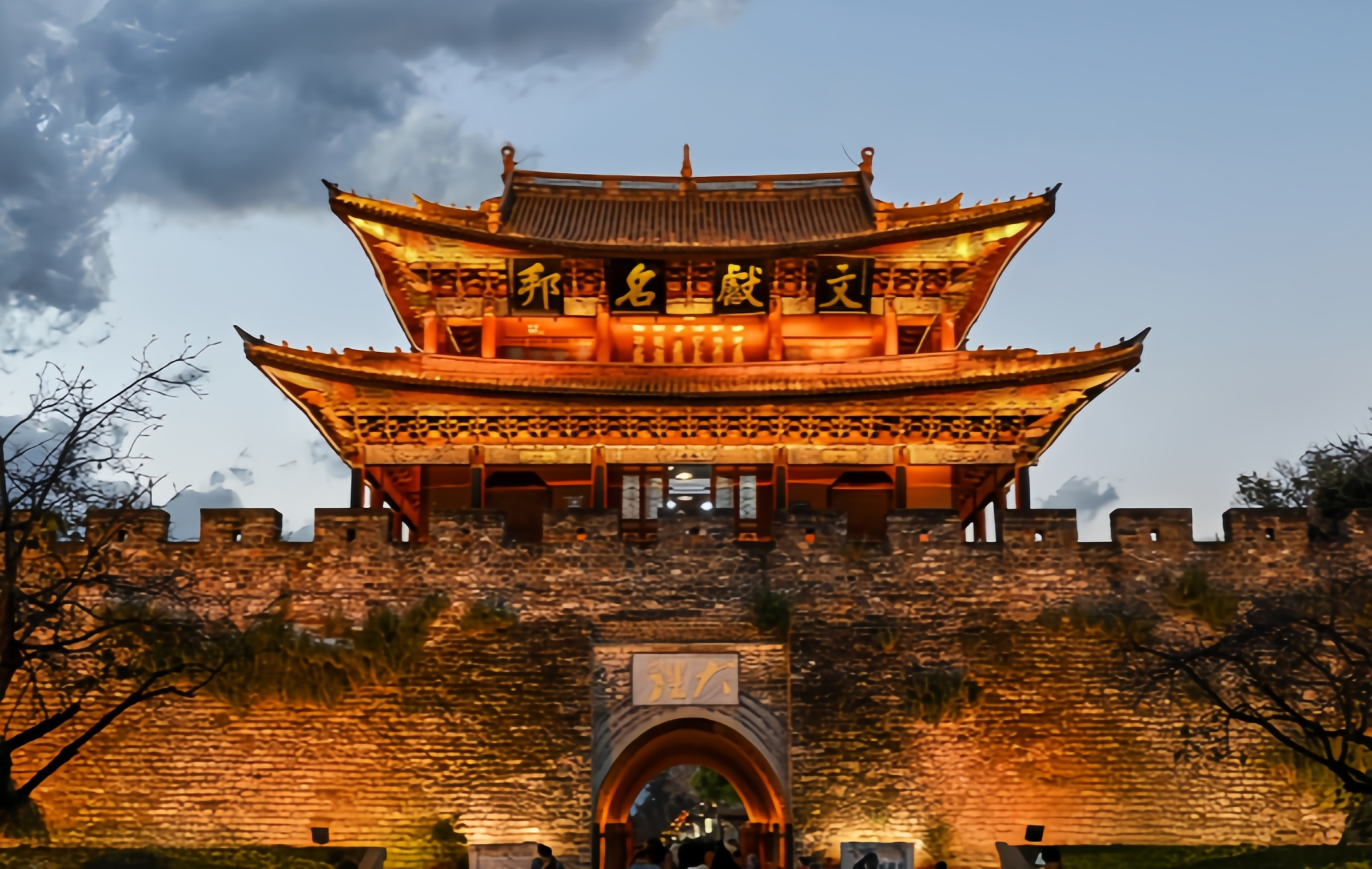
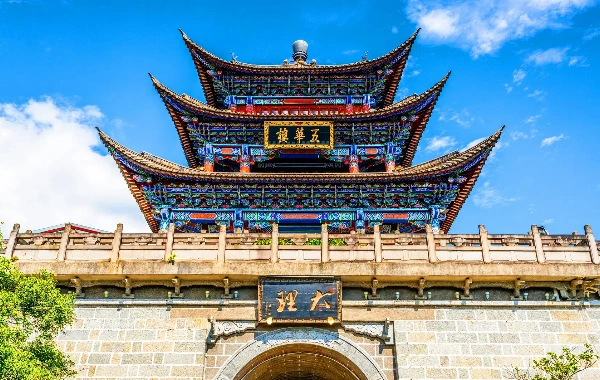
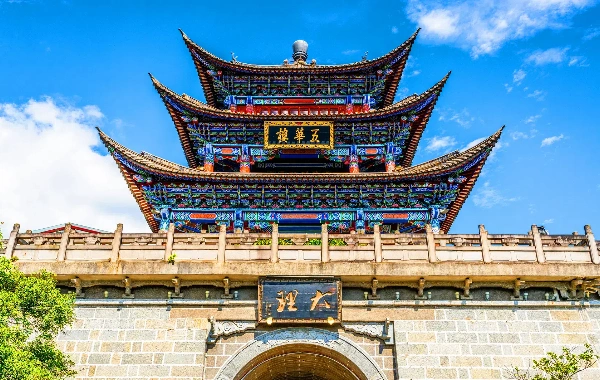
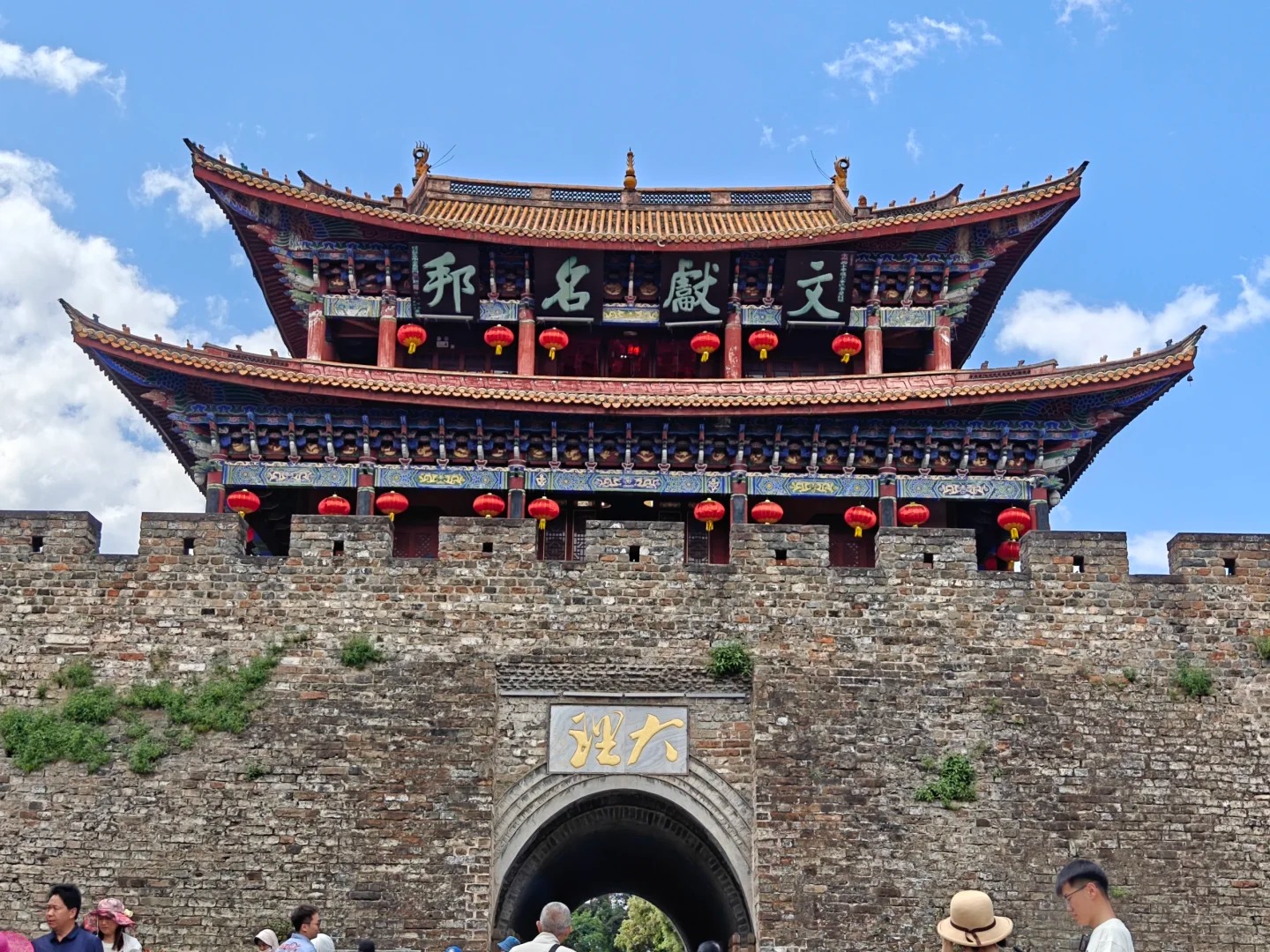
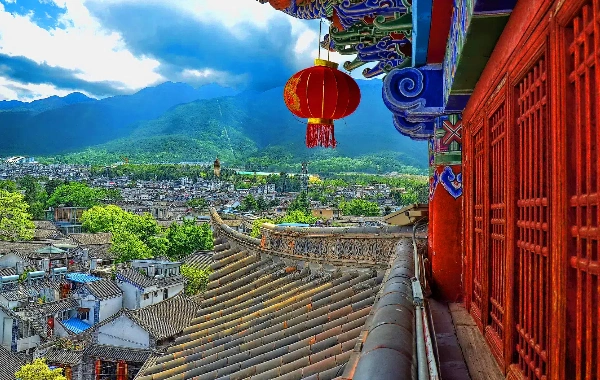
-Ancient City Wall and Gates: The current wall was restored in the 1980s, with the South Gate (Wenxian Tower) being the most imposing and a landmark of the ancient city. Climbing up here offers a panoramic view of Erhai Lake. A stroll along the wall is the best way to experience the grandeur and scale of the ancient city.
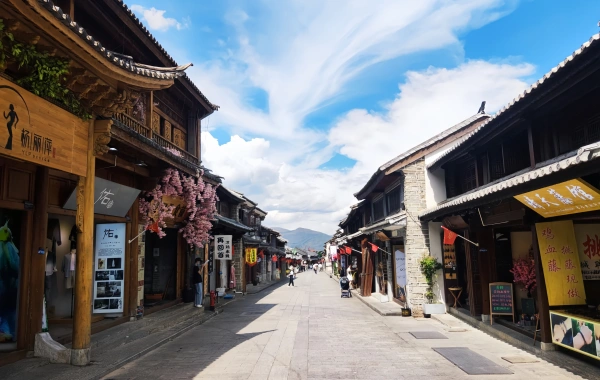
-Fuxing Road and Renmin Road: The central axis and soul of the ancient city. Fuxing Road stretches from the South Gate in the south to the Christian Church in the north, lined with bustling shops. Renmin Road, on the other hand, exudes a more artistic and free-spirited vibe, once home to countless street performers, artisans, and unique boutiques, embodying the essence of the 'Dali Dream.'
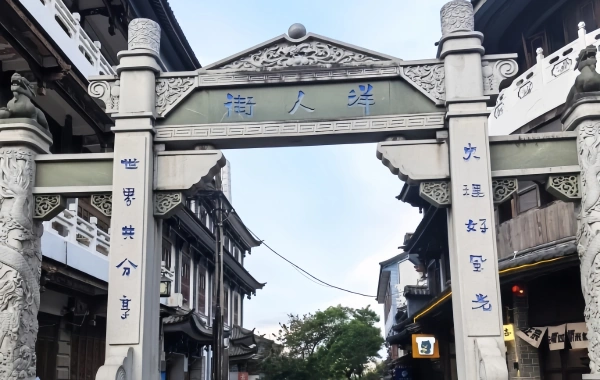
-Chinatown (Huguo Road): Named after the influx of foreign tourists in the 1980s, this vibrant neighborhood is home to cafes, Western restaurants, and bookstores, serving as a living showcase of East-West cultural fusion—perfect for unwinding and daydreaming.
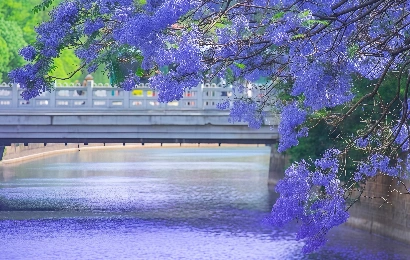
-Streams Flowing Through the City: The pristine springs of Cangshan's Eighteen Creeks meander through the ancient city's underground waterways, transforming into open channels in select lanes. Their ceaseless murmuring flows day and night, infusing the city with vitality and serenity, creating the idyllic scene of 'every household with flowing water and blooming flowers.'
Architectural Code-The Delicate Aesthetics of Bai Ethnic Group's Dwellings
The buildings in the ancient city are mainly the traditional dwellings of the Bai nationality, with a Chinese style.
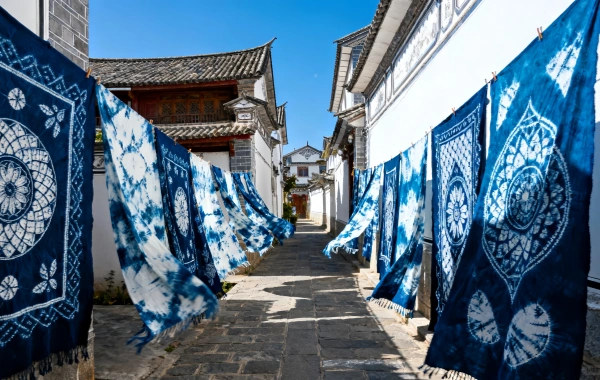
-Three bays with a screen wall, four sides enclosing five courtyards: This is the classic layout of Bai ethnic group's dwellings. The three-bay design features three side rooms and a central screen wall, emphasizing natural lighting and wind protection. The screen wall often displays inscriptions or intricate paintings. The four-sided courtyard with five inner courtyards creates a more expansive layout. The buildings typically have two stories, with whitewashed walls, black-tiled roofs, and upturned eaves.
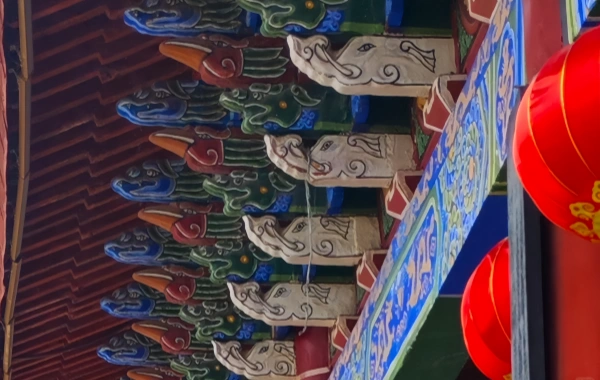
-Gate Tower and Paintings: The most spectacular feature of Bai ethnic group's dwellings is the gate tower, crafted through diverse techniques including clay sculpture, wood carving, painting, stone engraving, and marble screens. The intricate interlocking bracket sets showcase exquisite craftsmanship. The murals adorning walls and beams depict landscapes, floral and avian motifs, as well as narrative scenes, all rendered in vibrant hues symbolizing auspiciousness.
-Catholic Church: A rare blend of Chinese and Western architectural styles, featuring Bai ethnic-style overhanging eaves and bracket sets on the exterior, and a Gothic dome with stained glass windows inside. It stands in the ancient city, symbolizing cultural inclusiveness.
Photography Tips:
The best vantage point for panoramic shots is either the Cangshan Gantong Cableway or the ancient city's southern gate tower, offering sweeping views of the historic site, Erhai Lake, and the surrounding countryside.
As evening falls on Renmin Road, shop lights come on and pedestrians gather, creating an ideal setting for capturing the vibrant street life.
Use waterways to capture reflections of streams, flowers, trees, and houses along the banks, especially when the morning light is soft.
At Cai Village or Longkan Wharf by Erhai Lake, the ancient town framed by Cangshan Mountain takes on breathtaking beauty against the lake's backdrop, especially during sunrise and sunset.