

1-Day Lhasa Classic Tour
No summary provided.
Route:
Lhasa
- Tour Code: LT-PYTJB-01
- Duration of the trip: 1 Day
- Hotel: None
From:
USD $
pp
Select Date & Book
Lowest Price Guarantee. Reserve Now and Pay Later.
Notes:Prices may vary depending on the season and promotional activities. Please consult your advisor for details.
Why Choose lnto Explore China Group Tour

Worry-Free Travel
With years of experience in group travel across China, we provide professional tour guides,
comfortable coaches, and well-paced itineraries for a smooth and enjoyable journey.
Itineraries with Great Value
Our tours cover China's most iconic sights and cultural highlights. All packages are clearly priced
with no hidden costs, offering a high-quality experience at a competitive rate.
No Shopping Stops
We guarantee a truly immersive journey with no shopping stop. Spend more time exploring scenic
spots, enjoying authentic food, and discovering local culture
Travel with Flexibility
Whether you're traveling solo, with friends, or as a family, you can easily join us. Enjoy better
value than private tours with small groups of 6-12 people and year-round departures.
Itinerary
Explore each day’s highlights, pace, routes, hotels, meals, and photos—so you know exactly what to expect along the way.
Route Map Full route
Potala Palace--Yakang Mountain--Tibet Museum--Jokhang Temple--Barkhor Street
Begin your day in Lhasa with a delicious breakfast. You can enjoy some traditional Tibetan breakfast items like tsampa, which is made by roasting highland barley and then grinding it into flour. Usually, it's mixed with butter and tea to form a paste that has a unique flavor and is quite filling. Paired with a cup of fragrant Tibetan butter tea, it gives you a warm and energetic start to the day.
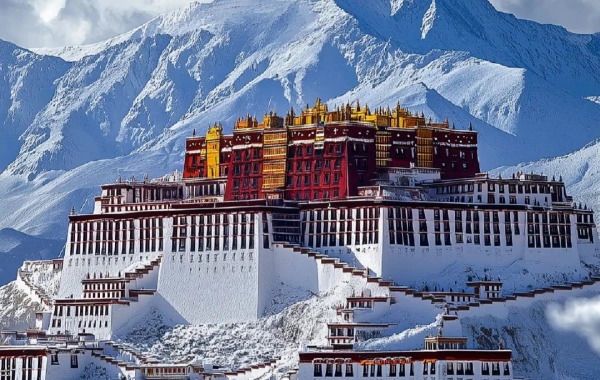
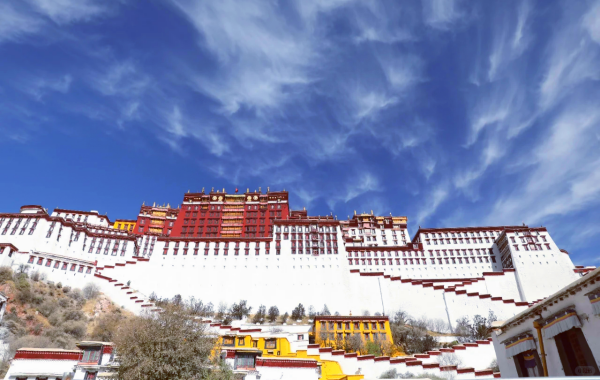
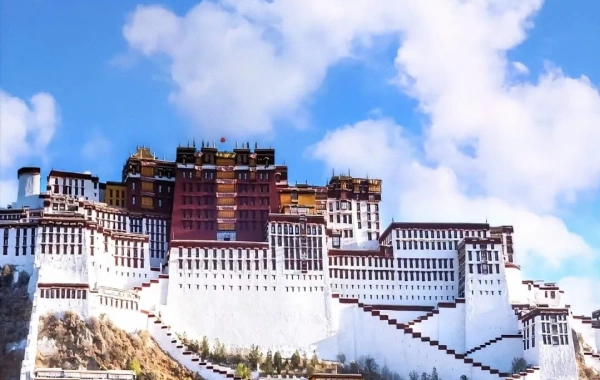
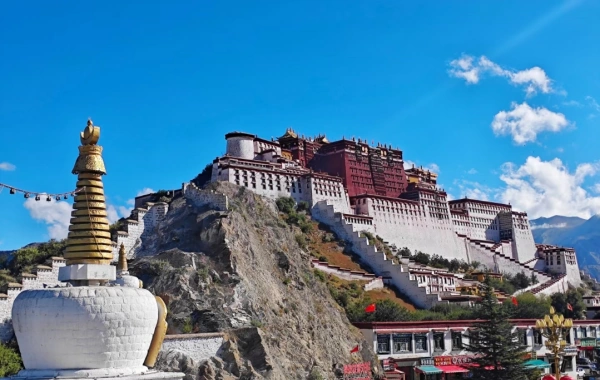
After breakfast, we'll head to the magnificent Potala Palace. Standing tall on the Red Hill, it is an iconic symbol of Lhasa and Tibet. This majestic palace was originally built as a fortress and later became the winter palace of the Dalai Lamas. It is a remarkable feat of architecture, combining Tibetan, Chinese, and Nepalese styles. The palace complex consists of the White Palace and the Red Palace. The White Palace was mainly used for living quarters, while the Red Palace houses numerous precious Buddhist scriptures, murals, and statues of Buddhas and Bodhisattvas. As you ascend the steps and enter the palace, you'll be amazed by the intricate carvings, colorful murals that tell stories of Buddhism and Tibetan history, and the solemn religious atmosphere.
ust a short distance from the Potala Palace, Yakang Mountain offers a famous photo spot that replicates the view on the 50 Yuan RMB note. Climb up the mountain a little bit, and you'll find the perfect angle to take a picture with the Potala Palace in the background, just like on the currency. From here, you can also enjoy a panoramic view of Lhasa city, seeing the surrounding mountains, the city streets, and the bustling life below. It's a great place to capture some memorable photos and take in the beautiful scenery of Lhasa from a different perspective.
As noon approaches, we'll make our way to the Tibet Museum. It is a comprehensive museum that showcases the rich history, culture, and art of Tibet. Inside, there are a vast number of exhibits, including ancient artifacts like pottery, bronze ware, and religious items from different historical periods. The museum also has detailed displays about the unique ethnic traditions, folk customs, and the development of Tibetan Buddhism. Through the exhibits and explanations, you can gain a deeper understanding of the profound cultural heritage of Tibet. After exploring the museum, it's time for lunch.
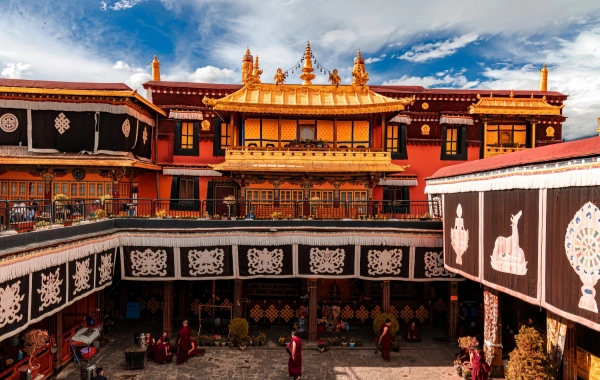
After lunch, we'll visit the sacred Jokhang Temple. It is one of the most important religious sites in Tibetan Buddhism and attracts countless pilgrims every day. The temple has a long history, dating back to the 7th century. Its architecture is a wonderful blend of different styles, with a solemn and imposing appearance. As you enter the temple, you'll be greeted by the warm glow of butter lamps and the scent of incense. Inside, there are many precious Buddha statues, including the famous Jowo Shakyamuni statue, which is highly venerated by Buddhists. Pilgrims can be seen prostrating themselves in front of the statues, praying with great devotion. Spend some time walking around the temple, observing the religious rituals and feeling the strong religious atmosphere. It's an experience that will leave a deep impression on you.
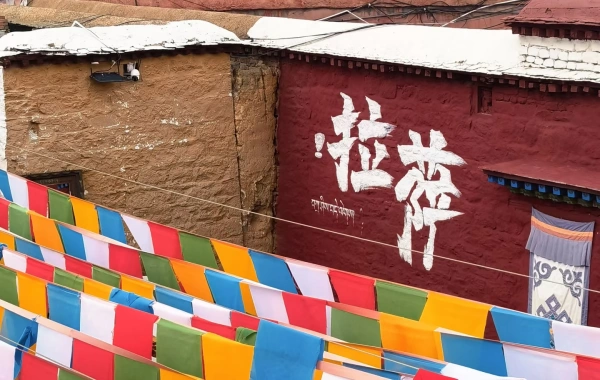
Next, we'll stroll along the Barkhor Street, which surrounds the Jokhang Temple. This is a bustling and vibrant street filled with shops, stalls, and people. You can find all kinds of Tibetan handicrafts here, such as colorful thangkas (Buddhist paintings on silk or cotton), beautiful turquoise jewelry, and traditional Tibetan clothing. It's also a great place to interact with the locals, watch the pilgrims circumambulating the temple, and soak up the unique cultural atmosphere of Lhasa. Walk around the street, do some shopping if you like, and enjoy the lively scene.
As the day winds down, it's time for dinner. You can choose a restaurant in the city center that offers a wide range of cuisines to suit your taste. You might want to try some fusion dishes that combine Tibetan and other Chinese flavors, or go for some classic Chinese dishes like stir-fried vegetables and braised pork. After dinner, you can take a leisurely walk back to your accommodation, reflecting on the wonderful experiences and memories you've created during this one-day tour in Lhasa.
Included & Excluded
- The price is based on two people sharing a double room. If you prefer a single room, please contact us for a quote.
- Price may vary depending on exchange rates, travel dates, and hotel class.
- Prices may vary depending on the season and promotional activities. Please consult your advisor for details.
Price Includes:
- Comfortable hotel with daily breakfast (twin room)
- Professional English-speaking local tour guide
- Air-conditioned private coach throughout the tour
- Entrance tickets to all listed attractions and activities
- Lunches as specified in the itinerary
- Domestic flights and high-speed train tickets
- One travel accident insurance per person
Cancellation Policy
We understand that travel plans may change. Please review our cancellation policy below:
- Free cancellation if canceled 60 days or more before the tour starts
- 5% of total tour cost if canceled 45-59 days before departure
- 10% of total tour cost if canceled 30-44 days before departure
- 25% of total tour cost if canceled 15-29 days before departure
- 45% of total tour cost if canceled 7-14 days before departure
- 100% of total tour cost if canceled less than 7 days before departure
Q & A
Can I visit all these sites in one day?
It‘s tight but possible with careful planning. Potala Palace requires 3–4 hours (Line 1). Tibet Museum takes 2–3 hours. Jokhang Temple takes 1–2 hours. Start early — Potala Palace closes at 3:40 PM, so book an early time slot. Recommended order: Potala Palace morning → Tibet Museum midday → Jokhang Temple and Barkhor Street afternoon → Yaowang Mountain for sunset photos. Note that same‑day booking is not possible for Potala Palace — you must book 10 days in advance.
What‘s the weather like in Lhasa, and when is the best time to visit?
May to October offers the most comfortable weather and access to all sites. Summer daytime temperatures are 18–25°C, dropping to 8–12°C at night. Rain mostly falls late at night. From July 1 to September 15, the Monday closure at Potala Palace is suspended. Lhasa has no direct international flights (except from Nepal), so it usually cannot be your entry point into China. Sun protection is essential year‑round — UV rays are strong even on cloudy days.
Is Barkhor Street free to enter, and what are the hours?
Yes — admission is completely free and the district is open 24/7. Shops generally open gradually after 10:00 AM. Important: You must walk clockwise (this is the proper kora direction — walking counter‑clockwise offends local customs). The street is a 1,000‑meter‑long pilgrimage circuit paved with hand‑polished stones. Early morning (7:00–8:00 AM) is the best time to witness pilgrims prostrating.
Book Now
Verified travel notes