Nanjing Qinhuai River 1-Day Tour
- Tour Code: NT-qinhuai-01
- Travel Route: Nanjing
- Duration of the trip: 1 Day
- Hotel:
The itinerary mentions seven stops in one day. Is this realistic, or will I be running between them?
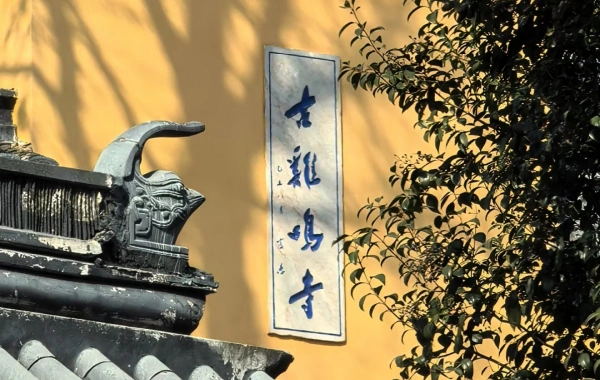
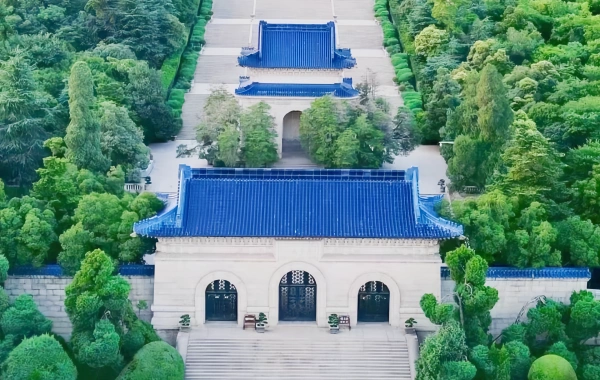
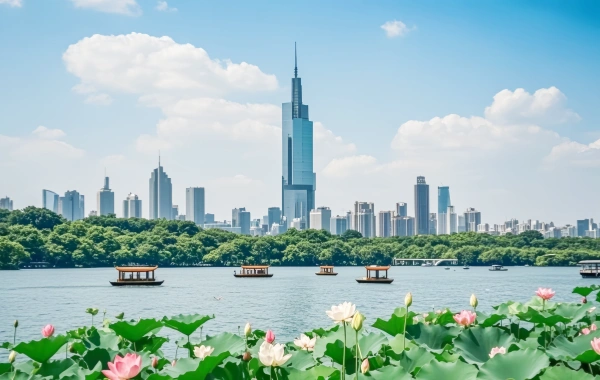
The seven stops are grouped into three natural clusters: morning (Sun Yat-sen Mausoleum, Jiming Temple, Xuanwu Lake — all within the Zhongshan Mountain area), afternoon (Presidential Palace — a short drive from the lake), and evening (Qinhuai River district, Confucius Temple, and the Walking Street — all in one pedestrian-friendly area). With a private guide and driver handling all transport between clusters, the transitions are smooth. You're not walking long distances between unrelated locations. Each stop has a focused time allocation — enough to experience the highlight without lingering unnecessarily. The day runs from morning to late evening, but the change of scenery and activities keeps it feeling dynamic rather than exhausting.
What is the Qinhuai River like in the evening? Is the night cruise worth doing?
The Qinhuai River area at dusk is one of Nanjing's most atmospheric experiences. As the sun sets, the ancient buildings along the riverbanks are illuminated with golden and red lanterns, reflecting on the dark water. The Confucius Temple area becomes lively with food vendors, souvenir shops, and the sound of chatter and sizzling woks. The river cruise takes you along the historic waterway for about 30–40 minutes, passing under stone bridges and past Ming- and Qing-era architecture. The commentary explains the historical and literary significance of the sites along the river — this area has been celebrated in Chinese poetry for centuries. It is well worth including, as the view from the water is completely different from walking along the streets.
The tour mentions local foods on the Ancient Confucius Temple Walking Street. What should I try?
The Walking Street near Confucius Temple is one of Nanjing's best places for street food. The four items mentioned in the itinerary are all local classics. Duck blood vermicelli soup is a hearty noodle soup made with duck blood, tofu puffs, and vermicelli in a rich broth — it's Nanjing's ultimate comfort food. Sesame candies are pulled like taffy and cut into bite-sized pieces, a sweet treat that's fun to watch being made. Pan-fried beef buns are crispy on the bottom, juicy inside, and best eaten fresh off the griddle. Sweet osmanthus rice balls are glutinous rice balls in a sweet osmanthus-scented soup, a delicate dessert. Your guide can point you to the most popular stalls and help you order.
The itinerary mentions seven stops in one day. Is this realistic, or will I be running between them?
The seven stops are grouped into three natural clusters: morning (Sun Yat-sen Mausoleum, Jiming Temple, Xuanwu Lake — all within the Zhongshan Mountain area), afternoon (Presidential Palace — a short drive from the lake), and evening (Qinhuai River district, Confucius Temple, and the Walking Street — all in one pedestrian-friendly area). With a private guide and driver handling all transport between clusters, the transitions are smooth. You're not walking long distances between unrelated locations. Each stop has a focused time allocation — enough to experience the highlight without lingering unnecessarily. The day runs from morning to late evening, but the change of scenery and activities keeps it feeling dynamic rather than exhausting.
What is the Qinhuai River like in the evening? Is the night cruise worth doing?
The Qinhuai River area at dusk is one of Nanjing's most atmospheric experiences. As the sun sets, the ancient buildings along the riverbanks are illuminated with golden and red lanterns, reflecting on the dark water. The Confucius Temple area becomes lively with food vendors, souvenir shops, and the sound of chatter and sizzling woks. The river cruise takes you along the historic waterway for about 30–40 minutes, passing under stone bridges and past Ming- and Qing-era architecture. The commentary explains the historical and literary significance of the sites along the river — this area has been celebrated in Chinese poetry for centuries. It is well worth including, as the view from the water is completely different from walking along the streets.
The tour mentions local foods on the Ancient Confucius Temple Walking Street. What should I try?
The Walking Street near Confucius Temple is one of Nanjing's best places for street food. The four items mentioned in the itinerary are all local classics. Duck blood vermicelli soup is a hearty noodle soup made with duck blood, tofu puffs, and vermicelli in a rich broth — it's Nanjing's ultimate comfort food. Sesame candies are pulled like taffy and cut into bite-sized pieces, a sweet treat that's fun to watch being made. Pan-fried beef buns are crispy on the bottom, juicy inside, and best eaten fresh off the griddle. Sweet osmanthus rice balls are glutinous rice balls in a sweet osmanthus-scented soup, a delicate dessert. Your guide can point you to the most popular stalls and help you order.