

9-Day Taiyuan-Datong-Hohhot In-depth Travel
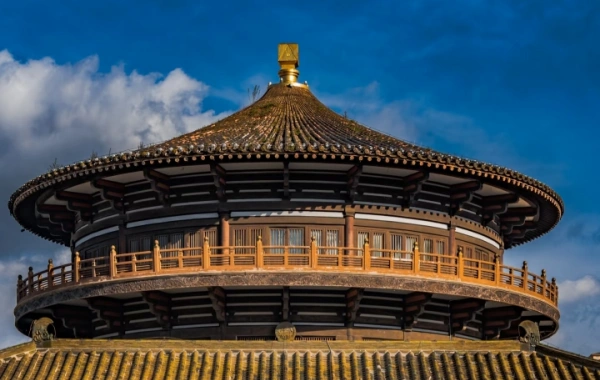
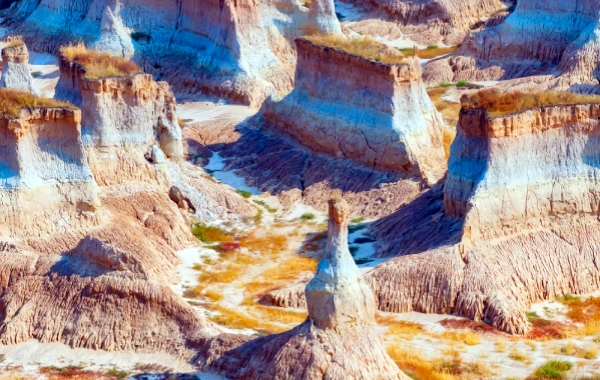
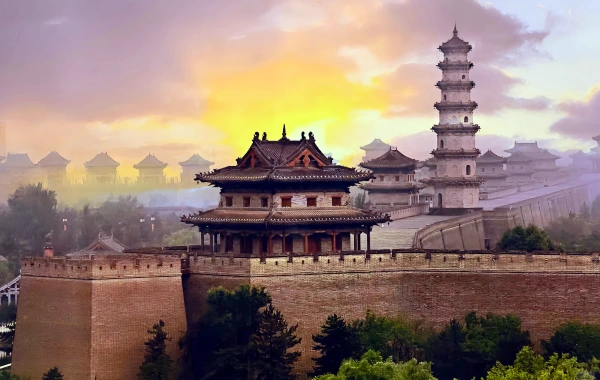
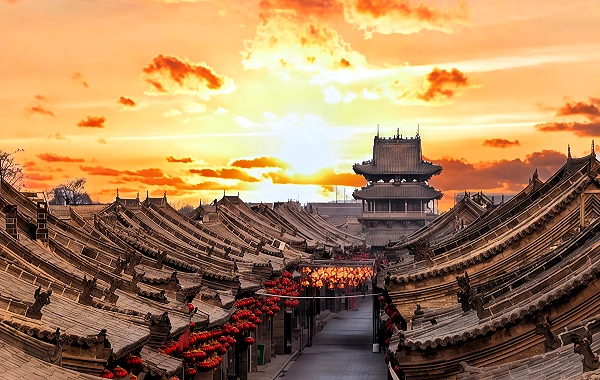
A comprehensive travel guide to Taiyuan, Datong, and Hohhot with cultural sites and grasslands.
- Tour Code: CT-TDH-09
- Duration of the trip: 9 Days
- Hotel: 8 nights(4+stars hotel)
Why choose Into Travel China Day Tour

Itinerary
Explore each day’s highlights, pace, routes, hotels, meals, and photos—so you know exactly what to expect along the way.
Route Map Full route
Chengdu--Taiyuan--Shanxi Museum
4-star Hotel
None
Head to the airport in Chengdu and check in for the flight to Taiyuan. Board the plane and fly to Taiyuan. Once you land at Taiyuan Wusu International Airport, collect your luggage and make your way out. Take a taxi or the airport shuttle bus to reach your hotel in the city center. Check in and take a short break to freshen up.
Have lunch near the hotel and try some local Taiyuan cuisine.
Recommended Dishes:
Sweet and Sour Fish, No. 5 Baked Prawns in Casserole, Old Taiyuan Sweet and Sour Meatballs, Beef and Mustard Wotou (Steamed Corn Bread), Copper Hot Pot.
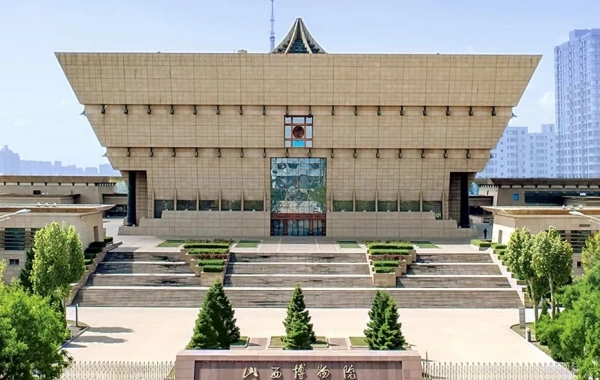
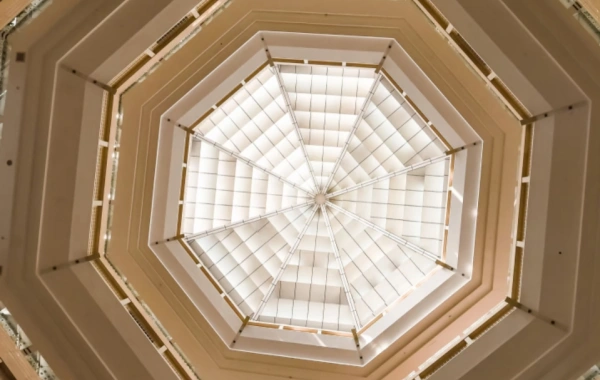
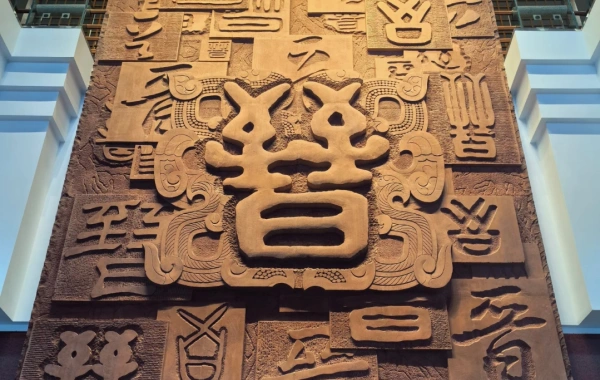
Then, you are going to get to Shanxi Museum. Spend a few hours exploring the museum. Begin with the prehistoric exhibits to see ancient stone tools and pottery that showcase the early life in the region. Move on to the sections dedicated to different dynasties, admiring the exquisite bronzes from the Shang and Zhou Dynasties and the porcelain collections. Also, check out the cultural relics related to calligraphy, painting, and folk customs to understand the rich cultural heritage of Shanxi. You can follow the guided route or rent an audio guide for a better understanding.
After leaving the museum, take a stroll around the nearby area to enjoy the street views and the local atmosphere. Have dinner at a local restaurant and order local specialties such as Guotie or Mutton Soup. Relax and savor the food while chatting about the interesting things seen in the museum. Depending on your preference, either continue exploring the city center at night or head back to the hotel to rest early, ending the fulfilling day of traveling.
Jinci Temple--Mengshan Giant Buddha
4-star Hotel
Breakfast
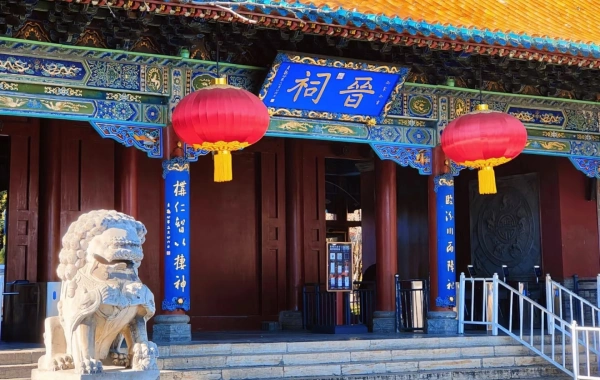
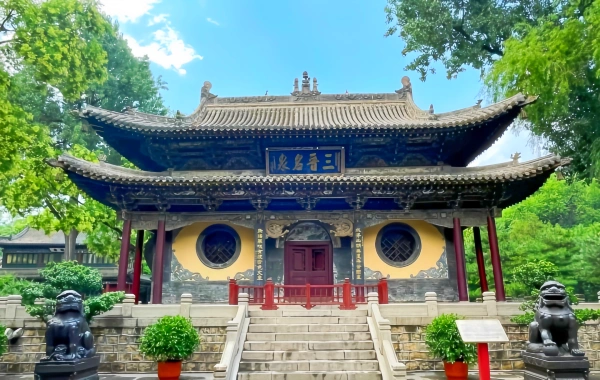
Begin your day by making your way to Jinci Temple. Once you arrive, you'll be greeted by its magnificent ancient architecture and serene atmosphere. Walk through the main entrance and start exploring the various halls and pavilions. Admire the ancient wooden structures, such as the Hall of Saintly Mother, which is renowned for its exquisite carvings and elegant design. Take your time to observe the details of the sculptures, the colorful paintings on the beams, and the unique layout of the buildings. Don't miss visiting the "Three Wonders" of Jinci Temple. The first is the Zhou Cypress, an ancient tree with a long history that stands as a silent witness to the passage of time. The second is the Never Aging Spring, whose clear water has been flowing continuously for centuries. And the third is the Maid - Serving - Like Iron Figurines, which are delicately crafted and display remarkable artistry. Wander around the temple grounds, enjoy the beautiful gardens filled with blooming flowers and lush greenery. There are also small bridges over flowing streams, adding to the charm of the place. You can take pictures to capture these beautiful moments and soak in the rich cultural and historical ambience of Jinci Temple.
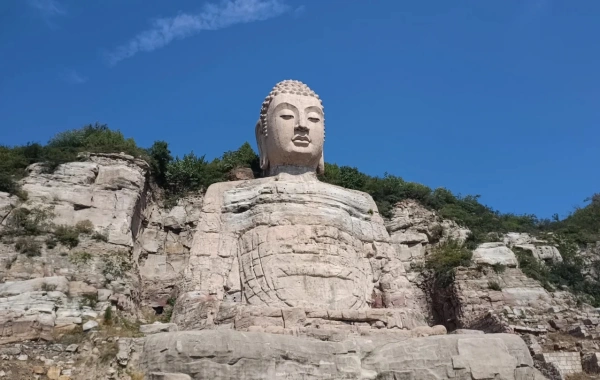
After having lunch at a local eatery near Jinci Temple (try some local Shanxi dishes like sliced noodles or fried cakes), make your way to Mengshan Giant Buddha. As you approach the site of the Mengshan Giant Buddha, you'll start to feel the grandeur of this massive statue. Walk along the path leading to the Buddha, and gradually, the full view of the giant figure will come into sight. Standing in front of it, you'll be amazed by its huge size and solemn appearance. Take a closer look at the details of the Buddha's face, the folds of the robes, and the posture. You can also explore the surrounding area, which may have some related cultural exhibitions or descriptions that can help you better understand the history and significance of the Mengshan Giant Buddha. There might be viewing platforms from where you can get a better overall perspective of the statue and the surrounding landscape. If time allows, take a stroll around the mountain area where the Buddha is located. Enjoy the fresh air and the natural scenery, which combines with the religious and cultural elements to create a unique atmosphere.
After spending a fulfilling afternoon at Mengshan Giant Buddha, you can choose to have dinner at a restaurant on the way or wait until you reach a more bustling area in the city center. Once you've had dinner, you can either take a walk around the neighborhood to enjoy the evening lights and local life or head straight back to your accommodation to rest.
Jin Merchant Museum--Datong(high-speed train)
4-star Hotel
Breakfast
Start your day by heading to the Jin Merchant Museum. You can take a taxi or use public transportation depending on your location. Once you arrive, purchase your tickets at the entrance and enter the museum. Walk through the exhibition halls, which are filled with a wealth of artifacts and displays that tell the story of the Jin merchants. Admire the old account books, business contracts, letters, and various items that showcase their business acumen, trading routes, and the prosperity they brought to the region. Take your time to study the detailed descriptions and explanations beside each exhibit to gain a deeper understanding of the Jin merchant culture and its historical significance. Don't miss the sections that recreate the trading scenes of the Jin merchants, with life-sized models and dioramas showing how they negotiated deals, managed their stores, and interacted with customers from different places. These immersive displays can really make you feel like you've stepped back in time.
After spending a good amount of time at the Jin Merchant Museum, have lunch at a nearby restaurant. You will take the high-speed train to Datong. You can choose to take a stroll around the surrounding area. You can explore these places on foot, taking pictures and imagining how bustling the business activities were here in the past. If you still have energy left, consider visiting another local attraction close by, like an ancient courtyard or a small museum dedicated to local folk culture, to further enrich your understanding of Datong's heritage.
As the day winds down, make your way to a lively area in Datong. You could choose to visit a local night market or a bustling commercial street. Wander around, browse the stalls selling handicrafts, local snacks, and souvenirs. Sample some more local treats like roasted chestnuts or sugar-coated haws. For dinner, find a cozy restaurant and enjoy a hearty meal. You might want to try Datong hot pot, which features a rich broth and a variety of fresh ingredients. Relax and soak in the local atmosphere as you share stories about your day's adventures.
After dinner, head back to your accommodation to rest, reflecting on the interesting things you learned and experienced during your visit to the Jin Merchant Museum and your exploration of Datong.
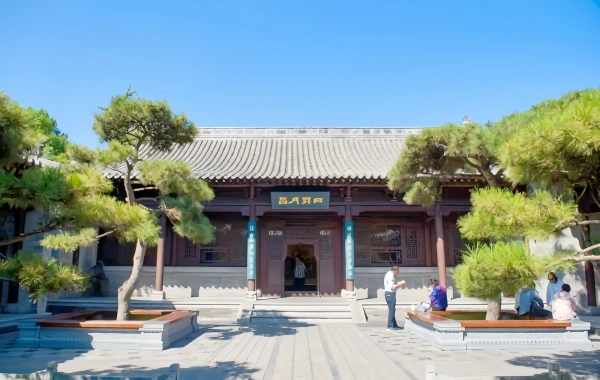
Northern Wei Dynasty Mingtang Site Museum--Shanhua Temple--Chunyang Palace--Huayan Temple --Fahua Temple--Nine-Dragon Screen--Prince Dai’s Mansion--Datong University Night Market
4-star Hotel
Breakfast
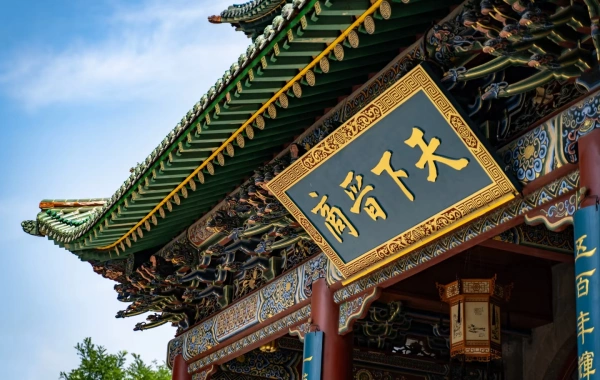
Start your day at the Northern Wei Dynasty Mingtang Site Museum. This museum holds a significant place in Chinese history as it is the sole Mingtang constructed by a minority regime. It served as the venue where emperors of the Northern Wei Dynasty conducted grand ceremonies like court meetings, sacrifices, and celebrations. As you step inside, you'll be greeted by the main body of the Mingtang site, along with rammed earth platforms, numerous tiles, and water channels. As you wander through, imagine the grand ceremonies of the Northern Wei era that once took place here. The museum’s exhibits and the site itself tell tales of ancient rituals and architectural brilliance. Head to Shanhua Temple. With a history dating back to the Kaiyuan period of the Tang Dynasty and having undergone multiple renovations over the years, its main buildings are gracefully arranged along the central axis from south to north. This ancient Buddhist temple, with its majestic halls and well - preserved statues, offers a serene glimpse into Datong’s religious past. Admire the intricate carvings and soak in the peaceful atmosphere. Walk to Chunyang Palace. This Taoist building, which dates back to the end of the Jin Dynasty and the beginning of the Yuan Dynasty, is nestled in a serene corner. Its layout is compact yet harmonious, with palaces, halls, pavilions, and towers all reflecting the architectural styles of the Ming and Qing Dynasties. Inside, the Hall of the Taoist Immortal Lingguan, the Hall of Chunyang (associated with the famous Taoist immortal Lü Dongbin), and the Hall of the Three Pure Ones await our discovery. Dedicated to the Taoist deity Lu Dongbin, the palace features traditional Taoist architecture and cultural relics. Explore the courtyards and learn about Taoist beliefs and practices that have thrived in Datong.
Leaving the tranquility of Chunyang Palace behind, we'll now head towards the magnificent Huayan Temple. Once the family temple of the imperial family of the Liao Dynasty, it stands as a testament to the grandeur of ancient architecture and the richness of Buddhist art. Divided into the upper and lower courtyards, the Upper Huayan Temple's Grand Hall houses the statues of the Five Dharma Buddhas, which are not only tall and solemn but also surrounded by beautiful murals on the walls, depicting fascinating Buddhist legends and historical tales. In the Lower Huayan Temple, the Mahāvairocana Hall takes center stage, with its "Heavenly Palace Pavilion" being a unique and remarkable creation in China, perfectly blending ancient architectural art with Buddhist culture. Every corner of this temple seems to tell a story from the past, inviting us to explore further.
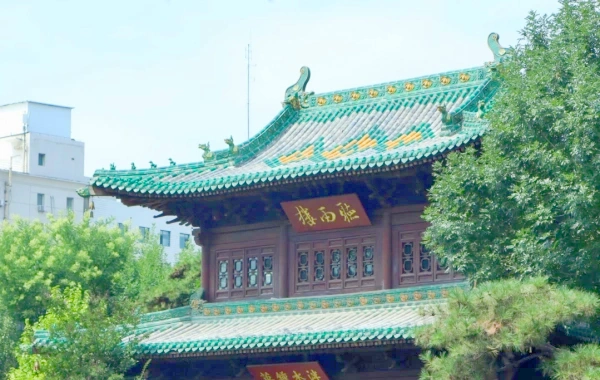
Let's head to a local restaurant nearby to enjoy a delicious lunch and recharge ourselves for the afternoon's adventures. Built in the Yuan Dynasty, Fahua Temple temple has a distinct charm of its own. Its unique architectural style creates a strong religious atmosphere that is both calming and captivating. The Fahua Pagoda is undoubtedly the highlight here. With its pavilion-style tower design and exquisitely decorated colored glaze patterns on the outside, it shines with bright colors and an elegant shape. Despite its relatively small size, the temple's ingenious layout makes it a hidden gem within the ancient city of Datong, waiting for us to uncover its beauty and historical significance. we'll soon arrive at another remarkable attraction, the Nine-Dragon Screen. Referred to as the "Little Forbidden City", Prince Dai’s Mansion was constructed by Zhu Gui after being enfeoffed as the Prince of Dai. Modeled after the Forbidden City in Nanjing, it follows a layout of "central axis symmetry". The outer court, consisting of the Chengyun Hall, the Huanyuan Hall, and the Cunxin Hall, was where the prince handled political affairs, while the inner court centered around the Changchun Palace was the private living quarters for the prince and his princess. Wandering through its halls and corridors, we can vividly imagine the life and grandeur of the vassal princes in the Ming Dynasty and feel the weight of history.
After a day filled with exploring historical sites and immersing ourselves in the rich cultural heritage of Datong, it's time to unwind and experience the vibrant local life at the Datong University Night Market. As we enter the bustling market, the enticing aromas of various delicious snacks fill the air. Here, you can sample local favorites like Datong sliced noodles, with their chewy texture and flavorful broth, or the savory mutton offal powder that warms the stomach. And don't forget about the refreshing Hunyuan cold jelly, which is perfect for cooling down. Besides the mouthwatering food, there are also numerous stalls offering a wide range of souvenirs and small ornaments. You can stroll around, enjoy the lively atmosphere, and pick up some unique items to remember this wonderful day by. It's truly a fitting end to our eventful day in Datong.
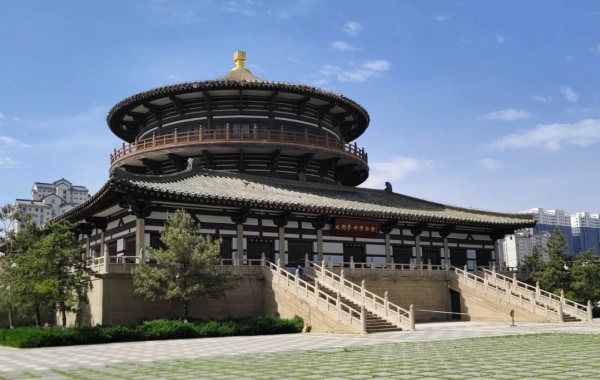
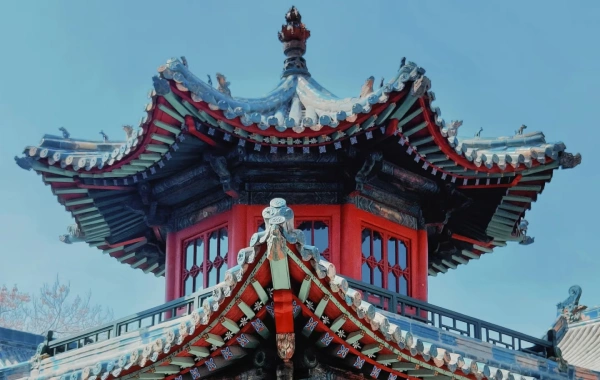
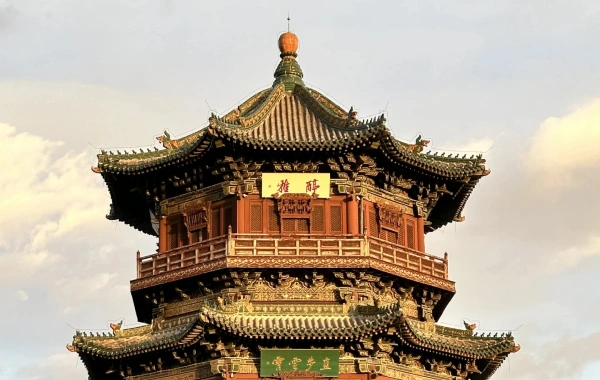
Yungang Grottoes--Datong Museum
4-star Hotel
Breakfast
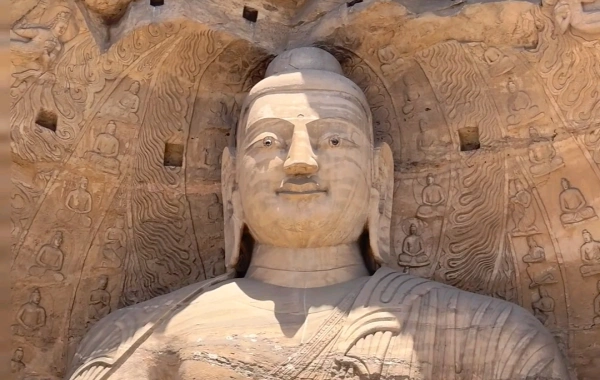
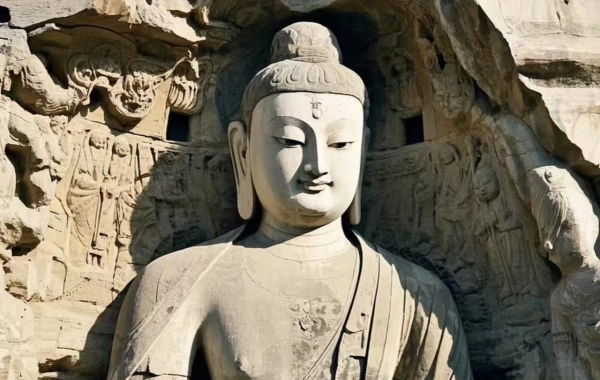
After breakfast, start your day with Yungang Grottoes. The Yungang Grottoes are a world-renowned art treasure. They were carved during the Northern Wei Dynasty and represent an outstanding achievement of Buddhist art in ancient China. There are numerous caves filled with magnificent Buddha statues of various sizes and postures. These statues, with their delicate carving techniques, vivid expressions, and unique artistic styles, display the religious beliefs and aesthetic pursuits of that era. From the tall and solemn giant Buddhas to the small and exquisite niche Buddhas, each one is a masterpiece. As you walk along the mountain, exploring these caves one by one, you will be deeply impressed by the grandeur and profoundness of this ancient Buddhist art. It's truly a place where you can immerse yourself in history and art, feeling the charm of a bygone time.
After spending a wonderful and inspiring morning at the Yungang Grottoes, our stomachs are starting to growl, reminding us that it's time to take a break and refuel for the rest of the day. Let's head to a local restaurant nearby to enjoy a delicious lunch.
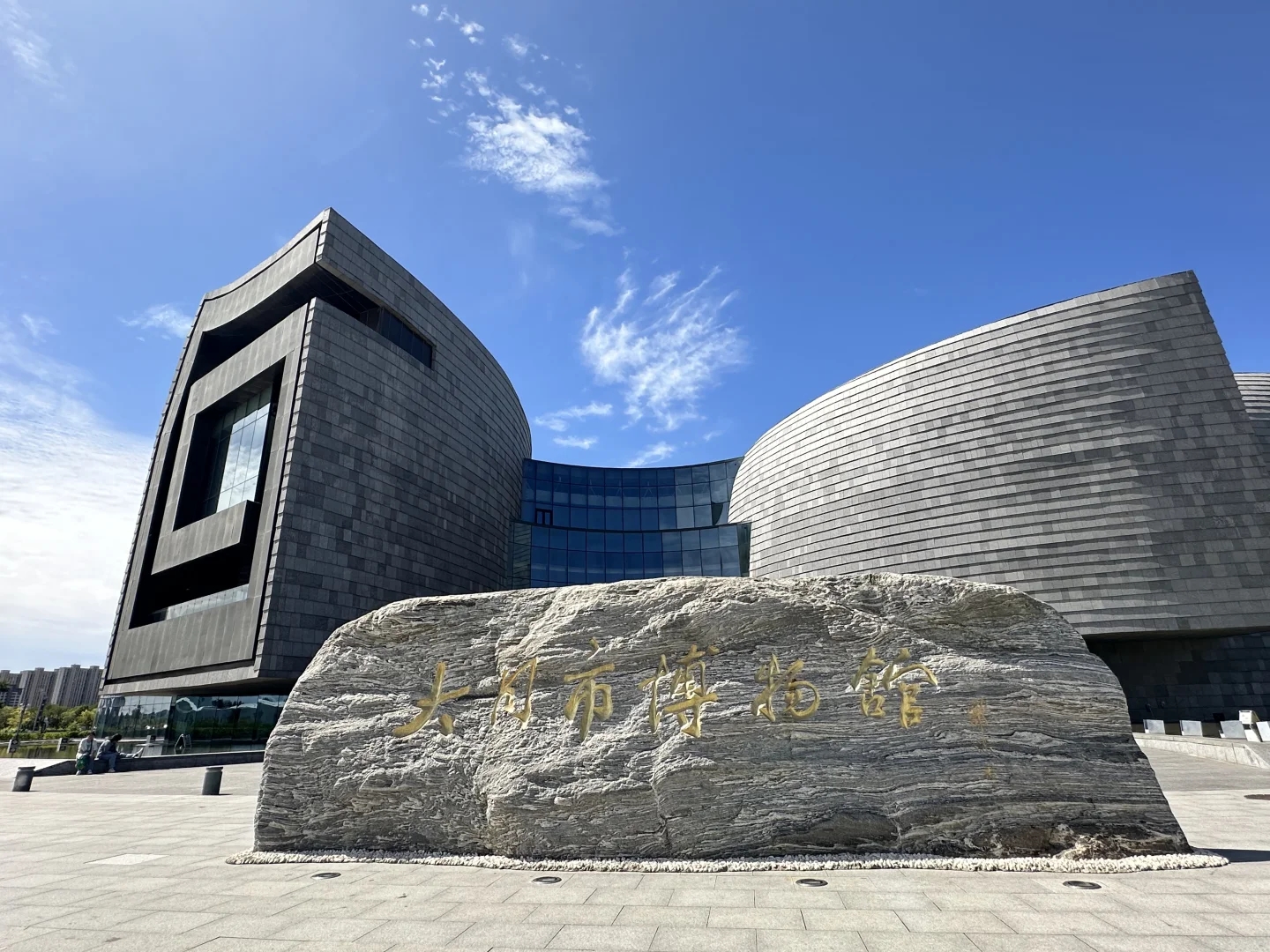
After a satisfying lunch, we are now ready to continue our exploration at the Datong Museum. It is a comprehensive museum that showcases the rich history and cultural heritage of Datong. The museum houses a vast collection of cultural relics, including ancient pottery, bronze ware, jade articles, and historical documents. Through the well-curated exhibitions, you can trace the development of Datong from ancient times to the present, learning about its important position in different historical periods, such as its role in the Silk Road trade and as a significant city in northern China. The exhibits are not only valuable historical artifacts but also vivid storytellers, presenting the unique charm of Datong's history and culture in front of us. Here, we can further deepen our understanding of this ancient city and its contributions to Chinese civilization.
Recommended Dishes:
Roast Duck, Seafood Lion's Head (a kind of meatball dish), Huizhou-style Braised Spare Ribs in Soy Sauce, Tai Mo and Danjiang Fish Head, Roasted Lamb Chops.
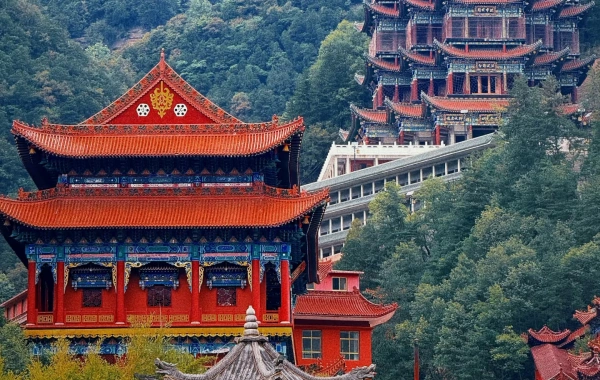
Yingxian Wooden Pagoda--Pure Land Temple--Hanging Temple--Yong'an Zen Temple--Yuanjue Temple
4-star Hotel
Breakfast
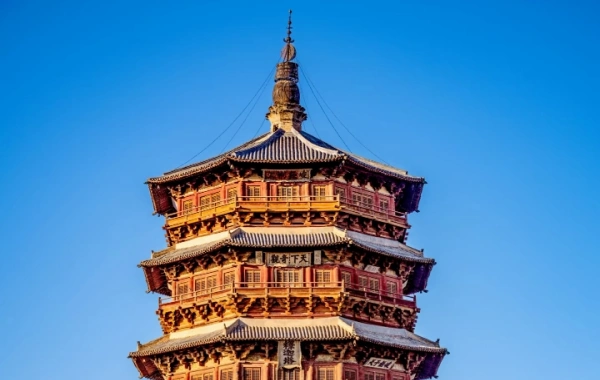
Begin your day in the local area with a simple yet delicious breakfast. Head to the Yingxian Wooden Pagoda first. It is located in Ying County, Shanxi Province. Built in the Liao Dynasty, it is a remarkable feat of ancient architecture. As you approach it, you'll be immediately struck by its grandeur. The pagoda is made entirely of wood without the use of a single nail, which is truly astonishing. Wander around the base of the pagoda, admire its intricate wooden carvings that depict various Buddhist stories and figures. You can also learn about its long history and the advanced architectural techniques of the time from the on-site explanations. Then, make your way to the Pure Land Temple. This temple has a unique charm with its beautiful murals and ancient architecture. The murals inside are rich in color and content, vividly depicting religious scenes and daily life in ancient times. Walk around the temple halls, observe the details of the architecture and the artistry of the murals.
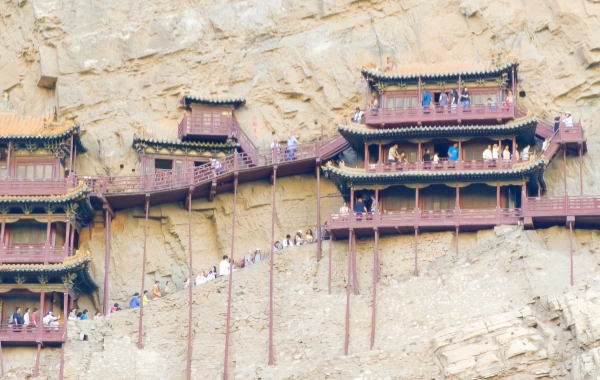
After lunch, we'll visit the famous Hanging Temple. Perched precariously on the side of a cliff, it is an architectural wonder. As you approach it, you'll be amazed at how it seems to defy gravity. Walk along the narrow corridors and staircases inside the temple, which are built on the cliff face. Admire the mix of Buddhist, Taoist, and Confucian elements in its architecture and the statues enshrined within. It's a place that combines breathtaking views with profound cultural connotations. Next, we'll arrive at the Yong'an Zen Temple. This temple has a solemn and serene atmosphere. Explore its main halls, where you can see ancient Buddha statues and other religious artifacts. The temple also has some unique architectural features and inscriptions that are worth studying. Head to the Yuanjue Temple. Here, you can enjoy its peaceful environment and discover its historical and cultural treasures. The temple's architecture and the artworks within it all have their own stories to tell. Walk around the temple grounds, take in the details of the buildings and the surrounding scenery.
Recommended Dinner:
Wind-blown Sand Chicken (a dish with a unique flavor and texture), Sautéed Sliced Pork in Gravy, Steamed Dumplings (Shaomai), Sweet and Sour Pork Tenderloin, Kaige Braised Pork in Sauce, Fried Cake Made of Millet Flour.
Datong--Ulanqab Volcanoes--Ulanqab
4-star Hotel
Breakfast
After having a hearty breakfast and getting everything ready, we'll set off on our exciting journey towards Ulanqab. We will leave Datong by high-speed train, and we can look forward to the unique experiences that await us in the upcoming destinations.
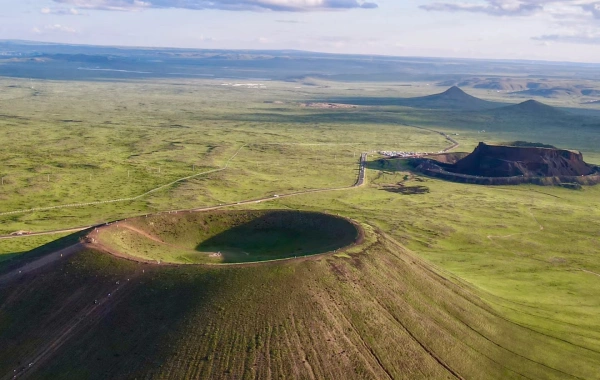
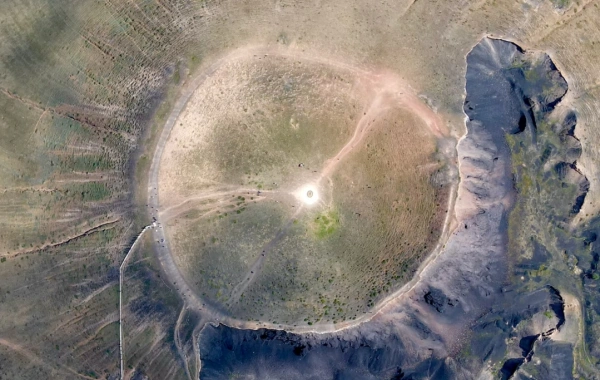
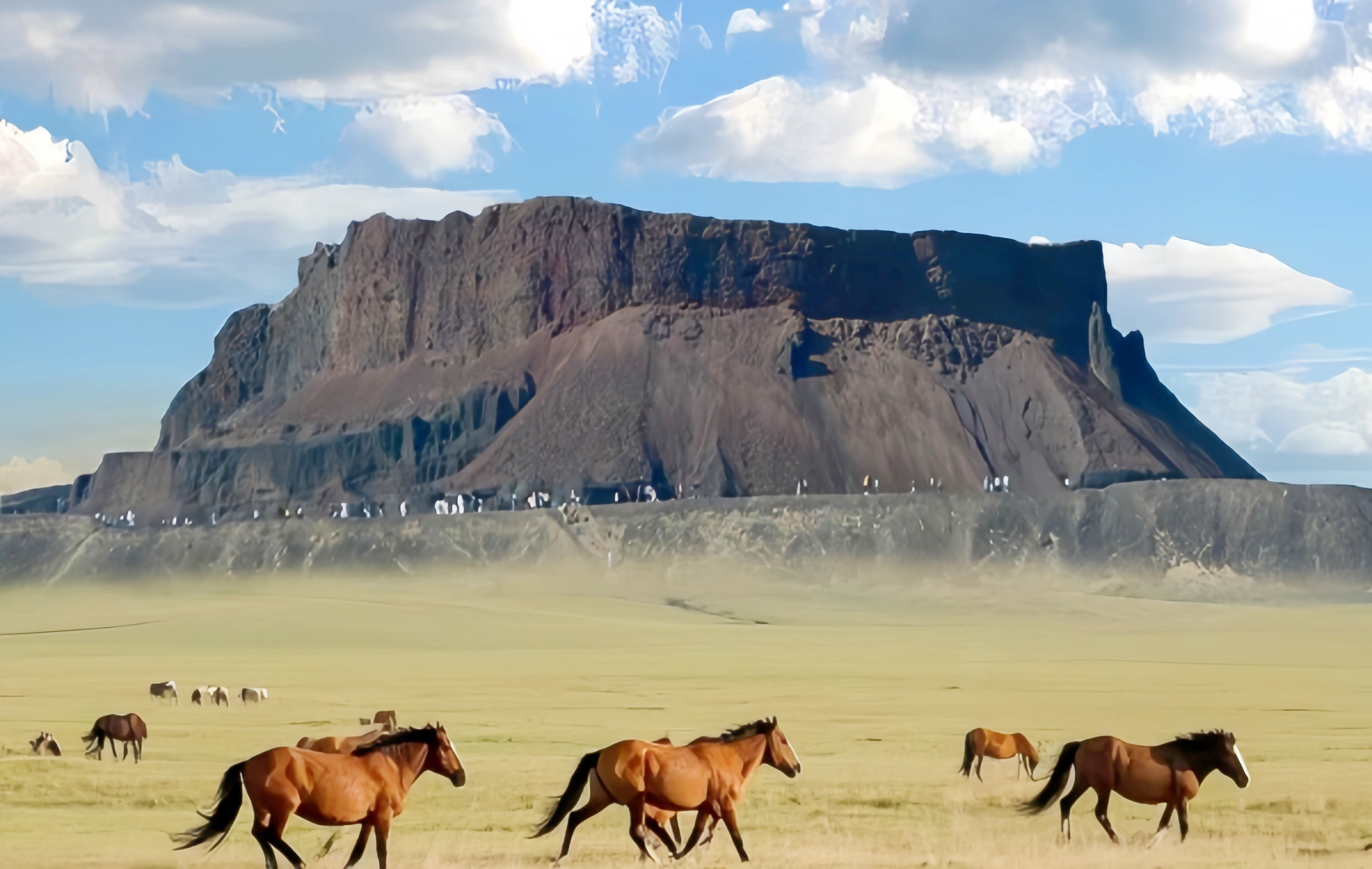
After a period of waiting, we'll arrive at the Ulanqab Volcanoes. The Ulanqab Volcanoes are a spectacular natural wonder located in the Ulanqab region. There are a series of volcanic cones scattered across the vast land, which were formed by volcanic eruptions in ancient times. These volcanoes are now dormant, presenting a unique and otherworldly landscape. Some of the volcanic cones are well-preserved, with clear outlines and unique shapes. You can climb up to the top of the volcanoes along the gentle slopes. Standing on the crater rim, you'll be able to overlook the vast expanse of the surrounding area, imagining the powerful volcanic eruptions that happened thousands of years ago. The black volcanic rocks around are also quite fascinating. They have various textures and shapes, as if telling the story of the intense volcanic activities.
Huitengxile Grassland--Hohhot--Dazhao Temple
4-star Hotel
Breakfast
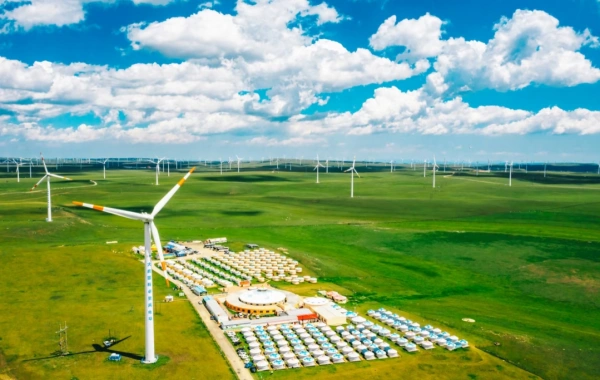
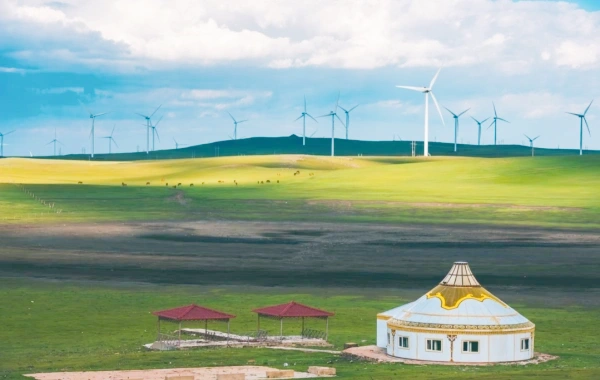
After breakfast, we'll head to the Huitengxile Grassland, which is famous for its vast and beautiful landscapes. This grassland is one of the most renowned prairie areas in Inner Mongolia. As we arrive, you'll be greeted by an endless expanse of green grass that seems to stretch as far as the eye can see. The gentle breeze makes the grass sway like waves, creating a truly mesmerizing sight. It's a place where natural beauty and unique geographical features come together. There are deep valleys, clear streams running through them, and colorful wildflowers blooming along the banks. The most distinctive feature is the numerous strange rock formations that have been shaped by wind and water erosion over time. These rocks stand in various shapes, some resembling animals, some like mythical creatures, adding a touch of mystery to the area. You can take a horse-drawn carriage or a sightseeing bus to explore the scenic area. Walk along the paths, breathe in the fresh air filled with the fragrance of grass and flowers, and take in the breathtaking views. There are also some traditional yurts scattered around where you can go inside to learn about the unique nomadic culture of the Mongolian people. They'll show you how they live, their traditional handicrafts, and maybe even perform some folk dances or songs for you.
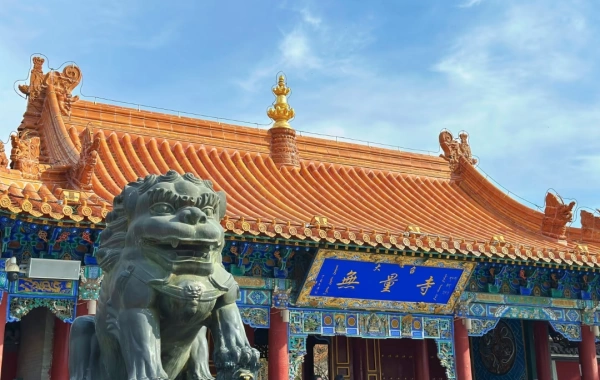
After spending a wonderful morning exploring the Huitengxile Grassland, it's time for lunch. Next, we will make on our way back to Hohhot. Make your way directly to the Dazhao Temple. It is one of the most important and famous Buddhist temples in the region. As you enter the temple, you'll be greeted by its magnificent architecture and solemn atmosphere. Admire the exquisite Buddhist statues, colorful murals and the ancient architecture that has witnessed the passage of time. You can also learn about the historical and cultural background of the temple from the explanations provided on-site.
Hohhot--Whistling Sand Bay--Chengdu
4-star Hotel
Breakfast
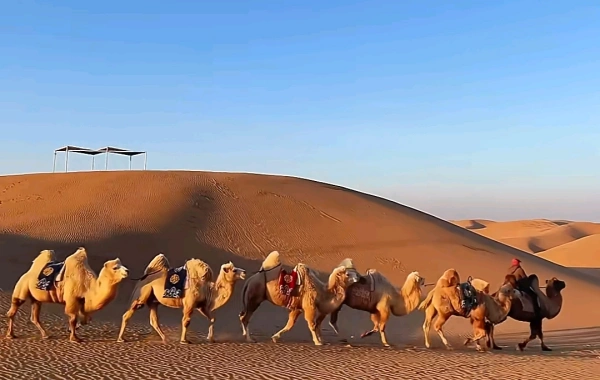
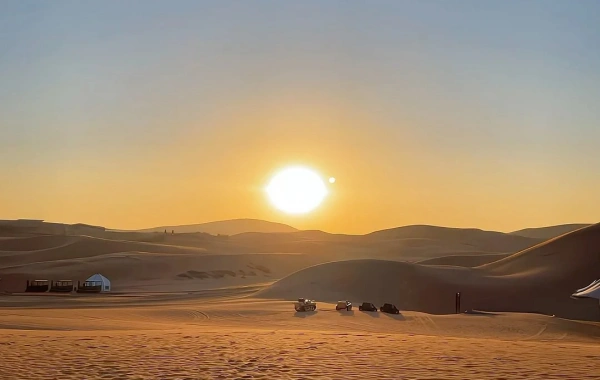
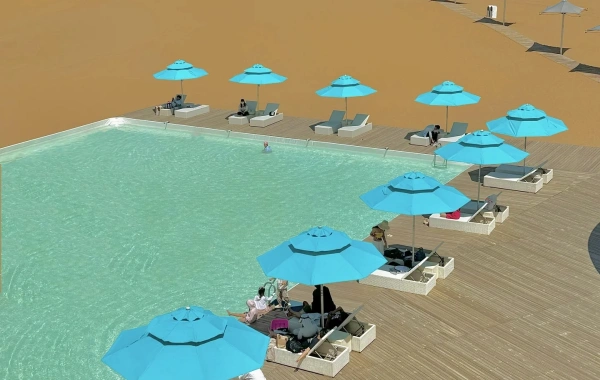
Included & Excluded
- The price is based on two people sharing a double room. If you prefer a single room, please contact us for a quote.
- Price may vary depending on exchange rates, travel dates, and hotel class.
- Prices may vary depending on the season and promotional activities. Please consult your advisor for details.
- Comfortable hotel with daily breakfast (twin room)
- Professional English-speaking local tour guide
- Air-conditioned private coach throughout the tour
- Entrance tickets to all listed attractions and activities
- Lunches as specified in the itinerary
- Domestic flights and high-speed train tickets
- One travel accident insurance per person
Cancellation Policy
- Free cancellation if canceled 60 days or more before the tour starts
- 5% of total tour cost if canceled 45-59 days before departure
- 10% of total tour cost if canceled 30-44 days before departure
- 25% of total tour cost if canceled 15-29 days before departure
- 45% of total tour cost if canceled 7-14 days before departure
- 100% of total tour cost if canceled less than 7 days before departure
Q & A
Can I survive without Alipay or WeChat Pay?
What should I pack for the grassland and desert portions?
Do I need a VPN for this trip?
Book Now
Ask us before you decide.
Unsure about a route, departure date or room option? Tell us what is holding up your plans. You will get a clear answer from our China-based travel team—no booking required.