How to Get There: A Seamless Connection Guide
The Li River Three-Star Cruise departs from Mopanshan Dock (Mopanshan Matou), approximately 28 km southeast of Guilin city center.
From Guilin City Center (self-drive): Take Zhongshan Road south to the Guimo Highway (G321). Follow tourist signs to Mopanshan Dock. The drive takes approximately 40 minutes. Parking is available at the dock (¥10/day).
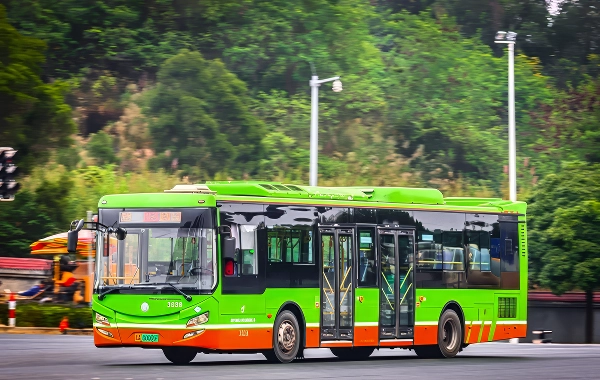
From Guilin Railway Station (public transit): Take Bus 2 or Bus 10 from the station directly to Mopanshan Dock. Buses depart every 15–20 minutes; journey time approximately 50 minutes. Fare: ¥2–3.
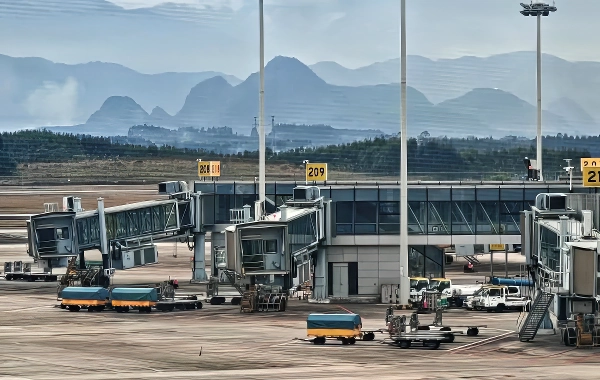
From Guilin Liangjiang International Airport: Airport shuttle bus to Guilin city center (¥30, 40 minutes), then transfer to Bus 2/10 or take a taxi from the city center to the dock (¥60–80). Alternatively, a direct taxi from the airport to Mopanshan Dock costs approximately ¥120–150.
Yangshuo Return Transfer: The cruise terminates at Longtoushang Dock (near Yangshuo). From there, shuttle buses connect to West Street (¥5, 10 minutes). Taxis and electric cart services are also available.
Important Return Travel Reminder: The last shuttle bus from Yangshuo back to Guilin departs at approximately 19:00 from Yangshuo Bus Station. After that, taxis are available but may cost ¥200–300. We recommend booking a round-trip ride-hailing service in advance, or spending the night in Yangshuo to enjoy the evening attractions without rush.
Ticket Information
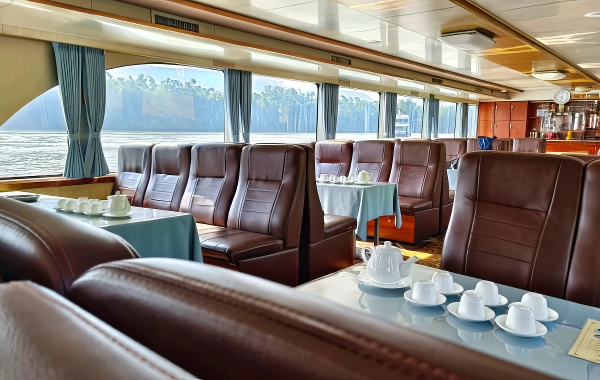
Admission: ¥215–270 per adult (varies by season and operator); ¥108 per child (height: 1.2m–1.5m). An additional ¥30–50 applies for onboard lunch. Children under 1.2m travel free but share a seat with an adult.
Departure Times: Daily departures from 09:00 to 10:00 (subject to seasonal adjustment). The journey lasts approximately 4–5 hours, ending in Yangshuo by 14:00. Check-in closes 30 minutes before departure.
Bundled Options: Combine the cruise with Longji Rice Terraces or Guilin city tours for ¥500–800 per person. Combination tickets offer savings of 15–20% versus individual bookings.
Guided Tours: ¥150–300 per group for cultural-historical narration, including access to lesser-known viewpoints and hidden courtyard visits in Xingping. English-speaking guides available at a premium.
Advance Booking: Strongly recommended during national holidays (May Day, National Day, Spring Festival). Through IntoTravelChina, we secure priority boarding and preferred deck seating. Book at least 3 days in advance during peak seasons.
Best Time to Visit
The Li River offers distinct beauty in every season, though the optimal windows are autumn (September–October) and spring (March–May).
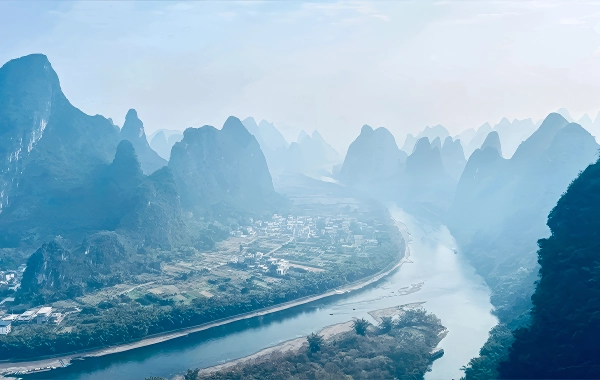
Autumn (September–October): Cool, dry weather (18–28°C), clear skies, and excellent visibility. The river level is moderate, and the karst peaks are often wreathed in morning mist — the most photogenic combination. Chinese National Day (October 1–7) brings crowds; book well in advance.
Spring (March–May): Mild temperatures (15–25°C) and blooming vegetation along the riverbanks. March and April can see occasional drizzle, but the mist-and-rain atmosphere (yan yu) is precisely what classical Chinese painters celebrated. Fewer crowds than autumn.
Summer (June–August): Hot and humid (28–35°C), with the highest rainfall. While the river is fullest and the landscape vividly green, sudden downpours and occasional flooding can disrupt schedules. The monsoon season peaks in July–August; check weather forecasts and have a flexible plan.
Winter (November–February): Cool to cold (5–15°C) but relatively dry. The river level drops, exposing sandbanks and narrowing the waterway, which can affect navigation. However, winter mornings offer the most dramatic mist effects, and crowds are at their thinnest. If you don't mind bundling up, you'll have the deck almost to yourself.
What to Pack & Cultural Etiquette
Clothing: Wear comfortable, non-slip shoes — the vessel decks can be damp. Layered clothing is essential: mornings on the water can be chilly even in summer, and the open deck is exposed to wind. In spring and autumn, a light jacket suffices; in winter, bring a warm coat, scarf, and gloves. Sunscreen and a wide-brimmed hat are recommended year-round — the river reflects UV rays.
Photography Gear: A polarizing filter, a wide-angle lens for panoramic karst vistas, and a telephoto lens for village details and cormorant fishermen. Bring extra batteries and memory cards; there are limited charging points onboard.
Packing Essentials: Reusable water bottle (hot water dispensers available onboard), light raincoat or poncho (umbrellas are unwieldy on deck), insect repellent (especially in summer), and motion-sickness medication if prone to nausea — while generally calm, sections of the river can be choppy.
Cultural Etiquette: Do not throw anything overboard — the Li River is a protected biosphere. Keep voices moderate; many travelers seek the tranquility that defines the Li River experience. When photographing fishermen or villagers, ask permission with a smile and a nod — a small purchase of their goods is always appreciated. Remove shoes when entering temple interiors at riverside shrines.
Local Customs: During the Dragon Boat Festival (fifth day of the fifth lunar month), villages along the Li River hold boat races. Visitors are welcome to watch from the banks. Zhuang and Yao communities celebrate harvest festivals in autumn with song and dance — if invited to participate, accept graciously and follow your host's lead.
Eco-Practices: Avoid single-use plastics. Support local artisans by purchasing handmade bamboo crafts and embroidered textiles. Refuse products made from endangered species (including certain traditional medicines). Stick to marked paths when exploring riverbank trails to prevent erosion.
Accommodation Options
In Yangshuo (Recommended for Post-Cruise Stay):
1. Riverside Retreats (Mid-Range): Family-run guesthouses along the Yulong River and Li River banks offer rooms with karst-view balconies from ¥250–500/night. Many include bicycle rentals and home-cooked meals. Best for couples and photographers seeking tranquility.
2. West Street Boutique Hotels: Converted courtyard buildings with modern interiors, located steps from Yangshuo's dining and nightlife. Rates: ¥300–600/night. Best for travelers who want evening entertainment at their doorstep.
3. Luxury Mountain Resorts: Banyan Tree Yangshuo and Alila Yangshuo offer infinity pools facing karst peaks, spa services, and farm-to-table dining. Rates from ¥1,500–4,000/night. Ideal for honeymooners and those seeking a restorative retreat.
IntoTravelChina Accommodation Booking Tip: We recommend booking at least two weeks in advance during the National Day Golden Week (October 1–7) and Spring Festival. Ask us about our "Cruise + Stay" packages, which bundle Three-Star Cruise tickets with Yangshuo accommodation at a combined discount. Let us know your budget and style preferences — we'll find your perfect riverside sanctuary.
In Guilin (Pre-Cruise Stay):
1. City-Center Hotels: Convenient for early-morning dock transfers. Options range from international chains (Shangri-La, Sheraton) starting at ¥500/night to comfortable business hotels at ¥200–350/night.
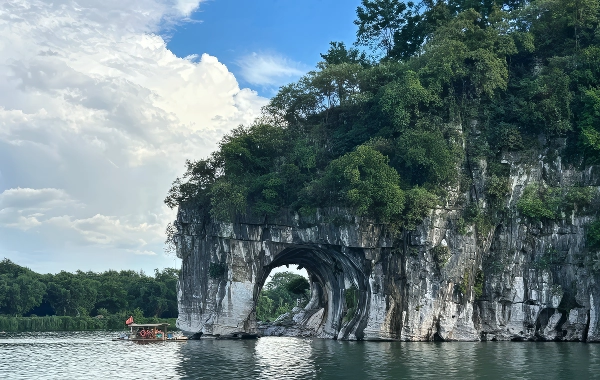
2. Lakeside Guesthouses near Shanhu Lake: Quieter, scenic, and within walking distance of Elephant Trunk Hill. Rates: ¥300–600/night. Ideal for an evening stroll before your cruise departure the following morning. >> [Consult for Customization Now]