

How to Avoid Common Scams in China? A 2026 Traveler Guide
— An Honest Travel Guide by IntoTravelChina
How to avoid common scams in China? The answer is simpler than most travelers expect. I have been guiding visitors through China since 2015, and in that decade I have seen nearly every trick used on tourists. The good news: China is one of the safest large countries I have ever traveled in. Violent crime against visitors is extremely rare. But financial scams targeting tourists are real. Here is what I tell every guest before they arrive.
The Tea House Trap Is the Most Common
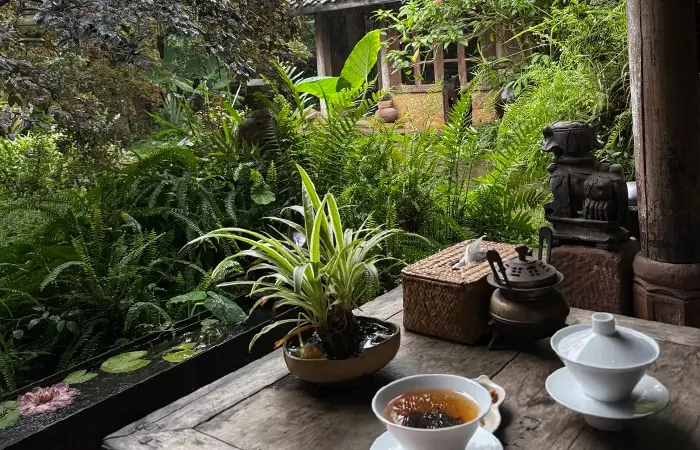
The scam I see most often involves a friendly English-speaker near a major attraction. A young person approaches you near Tiananmen Square, the Bund in Shanghai, or the Yu Garden area. They say they are a student who wants to practice English. They chat for a few minutes, then invite you to a traditional tea ceremony. You agree. You sit down, drink ordinary tea, and then receive a bill for 500 to 3,000 RMB. The student vanishes. A large man appears and insists you pay.
I had a guest from Melbourne who fell for this in 2023. He ended up paying 1,200 RMB for a pot of tea that should have cost 50. He was embarrassed and angry. I told him not to blame himself. The rule is simple: never accept an unsolicited invitation to tea, coffee, or a meal from a stranger on the street. If you want a real tea ceremony, go to an established tea house with prices on the menu.
Taxis, Tickets, and Fake Monks
Three other scams appear regularly. First, unofficial taxis at airports and train stations. A driver approaches you, offers a fixed price, and then demands three or four times that amount on arrival. The solution is easy: use the DiDi app, which shows the fare upfront and works in English. Second, fake tickets sold outside major attractions. Buy only from official ticket booths or official WeChat mini-programs.
Third, the fake monk scam. Someone in monk robes hands you a charm or bracelet as a gift. Once you take it, they demand a donation -- often 100 RMB or more. Real Buddhist monks in China do not solicit money from tourists in this way. A polite but firm no and walking away is all it takes.
The Art Student and the Overpriced Cake
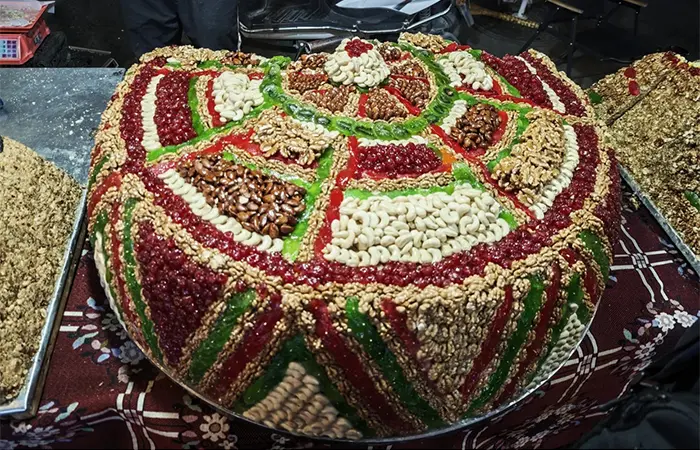
Two lesser-known scams are worth watching for. In some cities, young people posing as art students pressure you into buying their paintings at inflated prices. In Xi'an, Xinjiang cake sellers cut a thin slice that weighs far more than expected. One tourist I know was charged 2,400 RMB for a single piece. Always ask the total price before they cut.
Here is what I have learned from watching hundreds of guests travel through China: scammers target distracted, tired, or overly trusting tourists. The best defense is simple awareness. You do not need to be suspicious of everyone. But if a stranger approaches you with an unsolicited offer -- a tea ceremony, a discounted ticket, a free gift -- that is the moment to politely disengage.
The Golden Rule: Use Official Channels
Almost every scam targeting tourists in China can be avoided by following one principle. Use official channels for everything. Book tours through licensed agencies. Pay through verified platforms, not personal WeChat transfers. Buy tickets from the official counter or app. Use DiDi instead of hailing taxis on the street. These small habits eliminate nearly all the risk.
At IntoTravelChina, we handle every booking through proper channels. We provide official receipts, licensed guides, and pre-arranged transport. That is the standard we have held since 2015. Our guests never need to worry about being overcharged or tricked because the entire trip is managed transparently.

The Advice I Give Every Traveler Before They Arrive
The Bottom Line for 2026 Travelers
To summarize: how to avoid common scams in China comes down to three habits. Say no to unsolicited street invitations. Use official and digital platforms for payments and bookings. Stay alert but not fearful. China is a safe, welcoming country for travelers. A little awareness is all you need to keep your trip smooth and your wallet intact.
Plan Your Trip with Confidence
At IntoTravelChina, I have been protecting travelers from scams -- and from unnecessary worry -- since 2015. Our private tours come with licensed guides, pre-booked transport, and transparent pricing from day one. No shopping traps. No surprise fees. No shortcuts. Just the real China, experienced safely and honestly.
IntoTravelChina -- Founded 2015. Custom private tours across China. No shopping stops. No shortcuts. Just authentic experiences.
Contact Us
What Our Clients Say?






Ask us before you decide.
Unsure about a route, departure date or room option? Tell us what is holding up your plans. You will get a clear answer from our China-based travel team—no booking required.