
How Bad Is Air Pollution in China? The 2026 Reality
— An Honest Travel Guide by IntoTravelChina
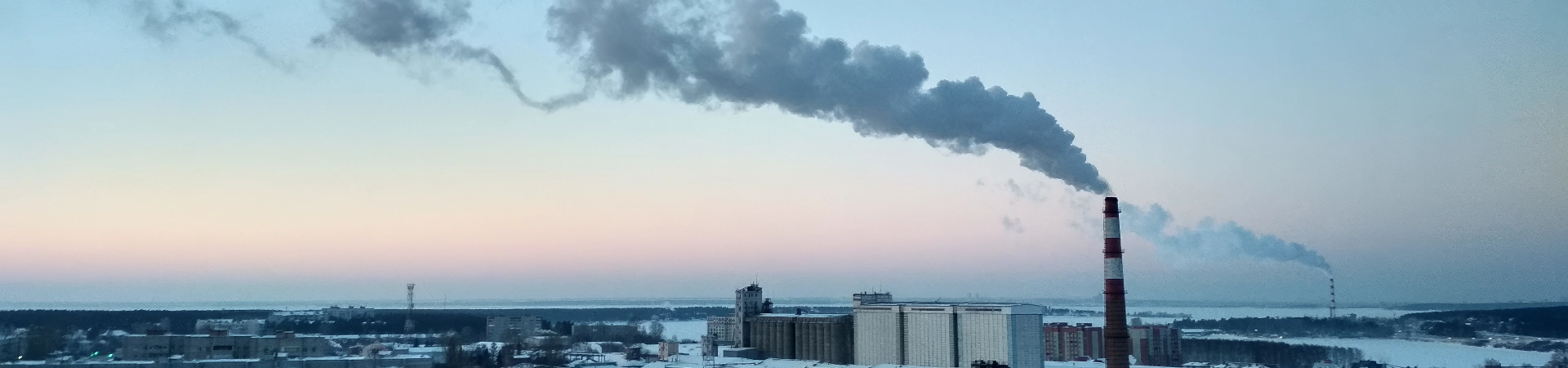
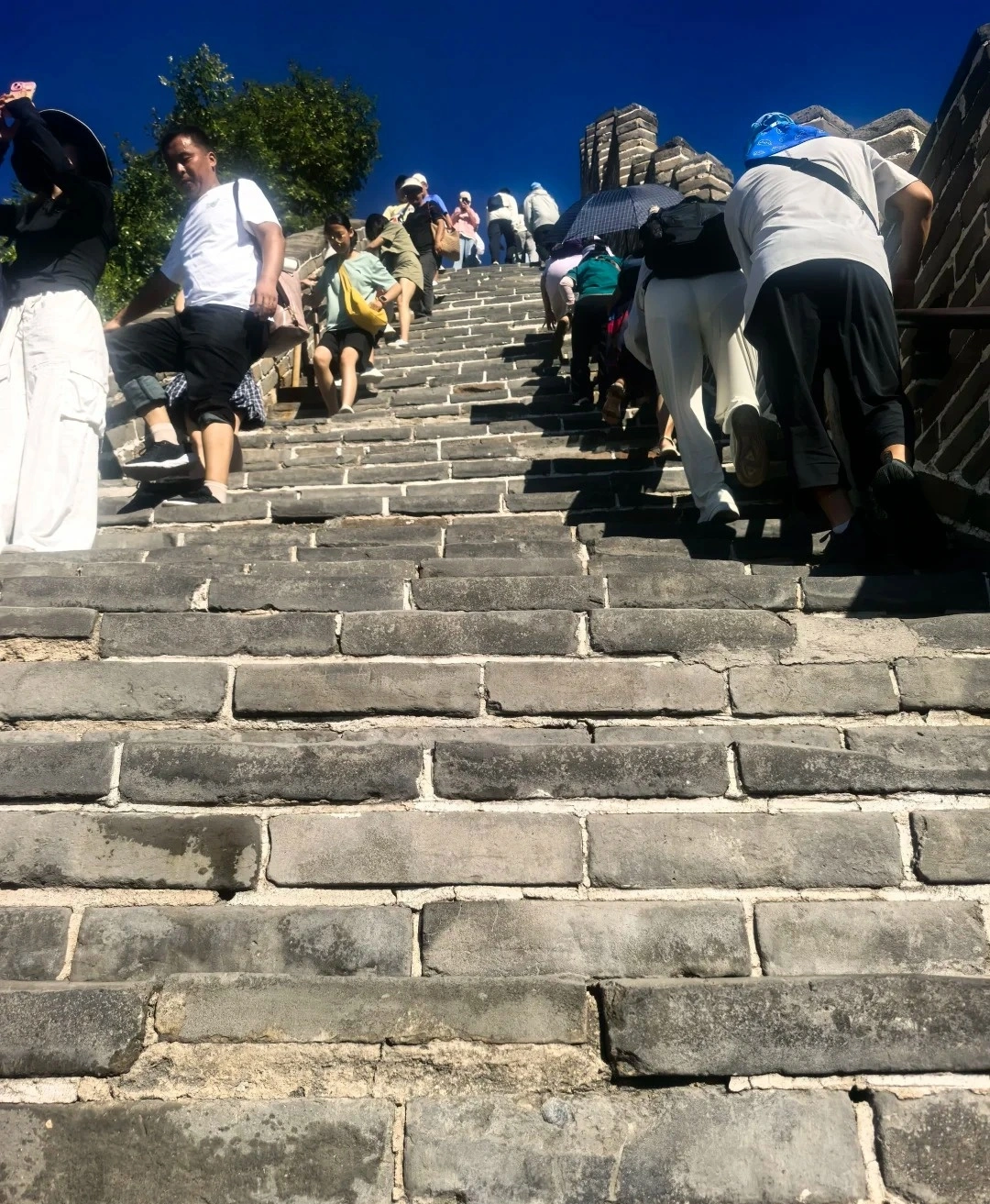
How bad is air pollution in China in 2026? The honest answer is: far better than a decade ago, but still uneven across cities and seasons. I have been guiding travelers through China since 2015, and I have watched the air improve year after year. I remember standing on the Great Wall in 2016 with a guest from Germany who could barely see the mountains. In 2025, I brought another group to the same section. We could see for miles on a clear autumn morning.
The National Picture Is Improving Fast
China's air quality has improved dramatically over the past decade. The national average PM2.5 dropped from 68 micrograms per cubic meter in 2013 to 28 in 2025. In May 2026, the latest official data shows the national average PM2.5 fell to 19.1 -- a 21.7 percent drop from the same month last year. Good air quality days reached 91.1 percent nationwide. These are real numbers from China's Ministry of Ecology and Environment, and they match what I have observed on the ground.
The reason is a major policy shift. In March 2026, China tightened its national PM2.5 standard from 35 to 30 micrograms per cubic meter, with a further tightening to 25 planned for 2031. This new standard puts China roughly in line with international norms, though still behind the European Union and the United States. The important point for travelers is that the direction is clearly improving.
Beijing and Shanghai Are Much Cleaner Than You Expect
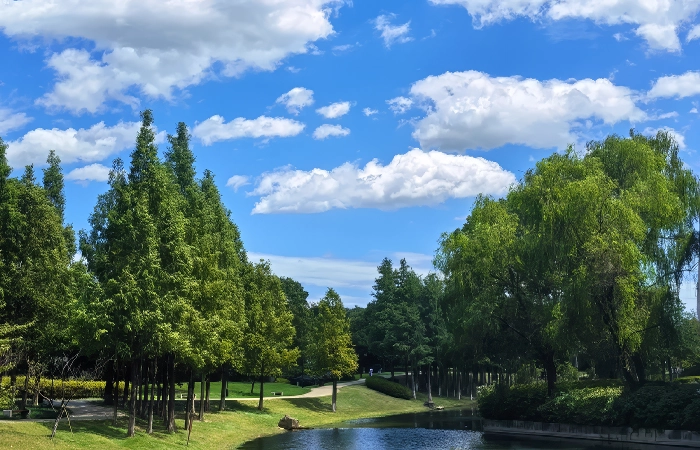
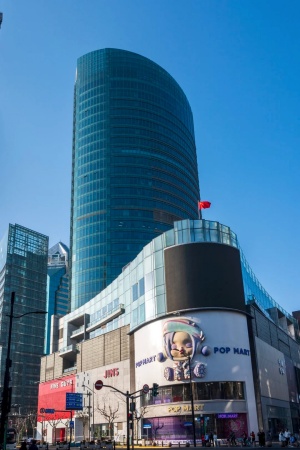
Beijing's air quality in 2026 is a different story from the heavily polluted city of 2013. In May 2026, Beijing recorded a PM2.5 average of 23.6 micrograms per cubic meter, a 20 percent improvement year-on-year. There were zero heavy pollution days that month. I was in Beijing last April guiding guests through the Forbidden City. The sky was blue, the air was clear, and none of us wore masks. That would have been unthinkable a decade earlier.
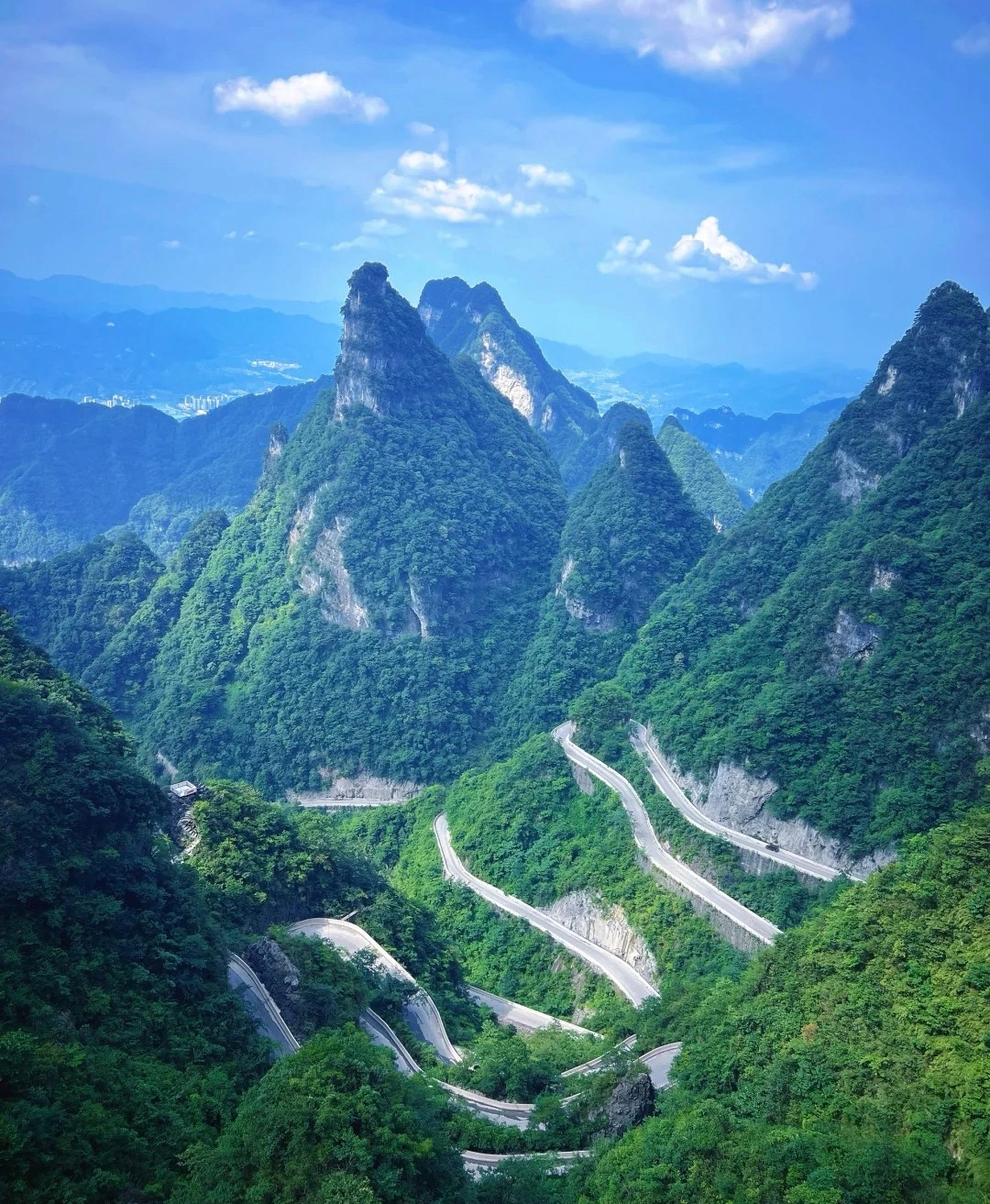
Shanghai is even cleaner, with AQI readings often in the 20 to 55 range, which is classified as good. Southern and coastal cities like Guangzhou, Shenzhen, and Haikou also enjoy excellent air quality. Haikou and Lhasa consistently rank as China's cleanest cities. For travelers with respiratory concerns, these destinations offer air quality comparable to many Western cities.

Clean Air Changes How Beijing Reads
Northern Industrial Cities Still Have Challenges
The picture is not uniformly positive. Cities in the Beijing-Tianjin-Hebei region, along with parts of the northeast and northwest, still exceed the new national standard. Shijiazhuang recorded the highest PM2.5 at 42 micrograms per cubic meter, followed by Zhengzhou at 40 and Tianjin at 38. Xi'an and Chengdu hover in the upper 30s. These levels are noticeable but not debilitating for most healthy visitors.
The Bottom Line for 2026 Travelers
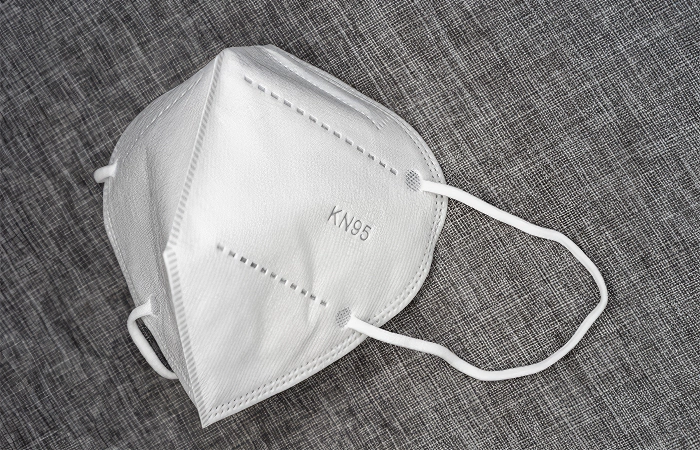
To summarize: how bad is air pollution in China depends on where and when you travel. In Beijing, Shanghai, and the south, the air is good most of the year. In northern industrial cities and during winter, it can be worse. But the trend is strongly positive. The smog-choked skies of 2013 are largely a thing of the past. A mask, a flexible itinerary, and an honest understanding of the conditions are all you need.
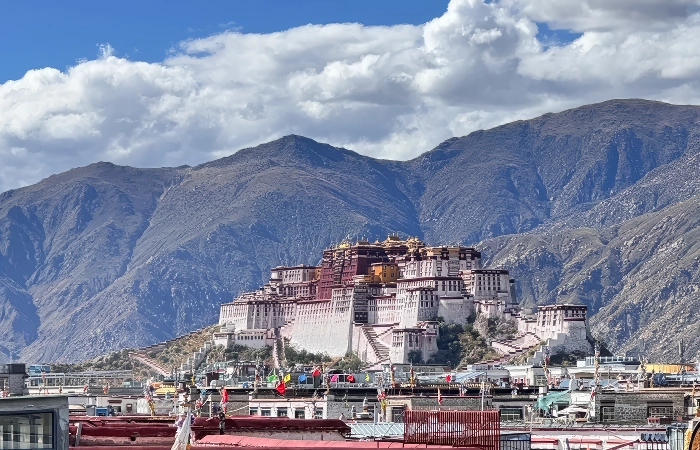
Plan Your Trip with Confidence
At IntoTravelChina, I have been monitoring China's air quality for my guests since 2015. We design flexible itineraries that adapt to conditions, recommend southern routes for sensitive travelers, and ensure you never waste a day indoors when you could be exploring. No shopping stops. No shortcuts. Just clean air and clear views.
IntoTravelChina -- Founded 2015. Custom private tours across China. No shopping stops. No shortcuts. Just authentic experiences.


Contact Us
What Our Clients Say?





Ask us before you decide.
Unsure about a route, departure date or room option? Tell us what is holding up your plans. You will get a clear answer from our China-based travel team—no booking required.