

Can I Use 240-Hour Visa-Free Transit in China? The 2026 Guide
— An Honest Travel Guide by IntoTravelChina
Can I use 240-hour visa-free transit in China? The answer depends on your nationality, your route, and which city you fly into. I have been helping travelers navigate China's visa policies since 2015, and the 240-hour transit rule is one of the most useful -- and most misunderstood -- options available. When it works, it saves you the cost and hassle of a full visa application. Here is how to know if it works for you.
The Core Rule: Country A to China to Country B
The 240-hour transit policy follows a simple structure. You must fly from your home country (Country A) to China, then continue to a third country (Country B). That third country cannot be your country of origin. For example, a flight from the United States to Shanghai and then on to Thailand qualifies. A round trip from the US to Shanghai and back to the US does not. (Note: Hong Kong, Macau, and Taiwan qualify as 'third regions' for this purpose)
I had a guest from New York who booked a trip thinking she could fly New York to Beijing, spend ten days, and fly home. Her route did not qualify because she was returning to the same country. I helped her switch to a visa application instead. The transit policy is generous, but the A-B-C rule is strict.
Who Is Eligible in 2026?
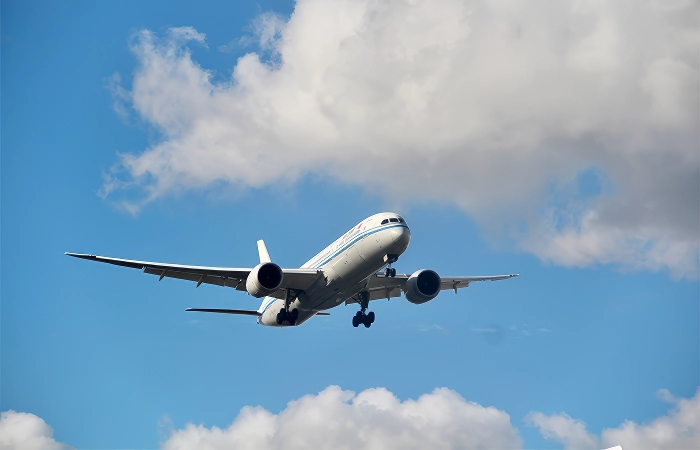
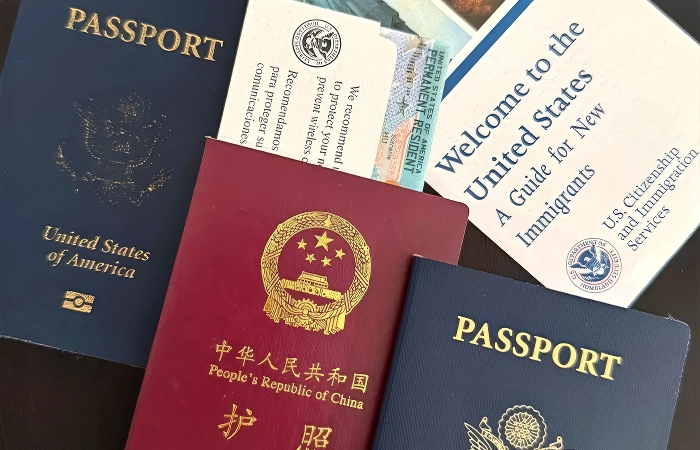
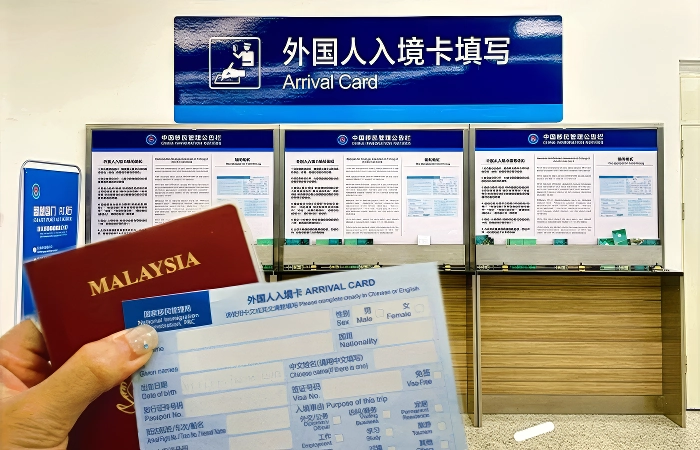
Citizens of 55 countries qualify, including the United States, Canada, the United Kingdom, Australia, New Zealand, Japan, South Korea, and most European nations. Your passport must be valid for at least three months from your arrival date in China. You also need a confirmed onward ticket to a third country -- flight, train, or ship -- showing your departure within the 240-hour window.
The policy now covers 65 ports across 24 provinces and regions. That includes Beijing, Shanghai, Guangzhou, Chengdu, Xi'an, Shenzhen, and many more. You can enter through one port and exit through another. You can also travel freely between the eligible regions during your ten-day stay. The main limitation is that Tibet and Xinjiang are not included.(Note: Some provinces only allow travel within specific cities — check the NIA's latest list before planning your route)
How the 240 Hours Are Counted
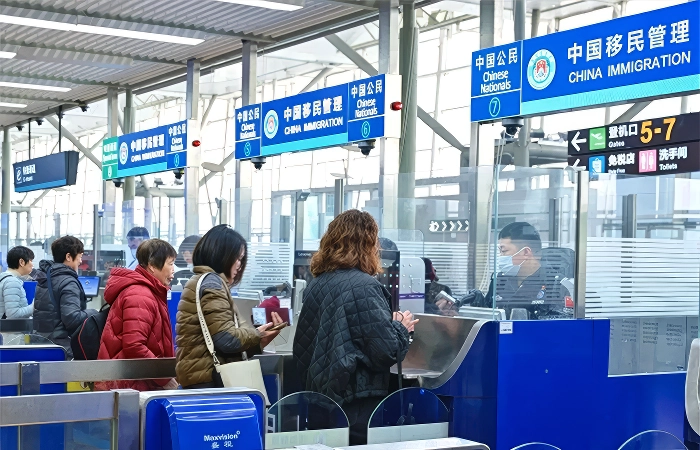
This is the detail that trips up many travelers. The 240-hour clock does not start when you land. It starts at 00:00 on the day after your arrival. If you land in Shanghai at 3:00 PM on June 1, your 240 hours begin counting at midnight on June 2. That effectively gives you ten full calendar days plus the remainder of your arrival day.

Norman
The Clock Starts Tomorrow, Not Today
This detail catches almost everyone. When you land at 3 PM, it feels like day one has started. But the transit window does not begin until midnight. That means your arrival day is essentially a bonus. I always tell guests to think of it as ten full days plus a free half-day on arrival. That small shift in understanding changes how you plan your itinerary.
When You Should Apply for a Visa Instead
The transit policy is not always the best option. If you plan to stay longer than ten days, visit Tibet or Xinjiang, or travel from your home country to China and back without a third country, you need a regular tourist visa. Also, if your country already qualifies for the 30-day unilateral visa-free policy -- as many European nations, Australia, Japan, and South Korea do -- that option gives you more time and flexibility.
The Bottom Line for 2026 Travelers
To summarize: can I use 240-hour visa-free transit in China? You can if you hold a passport from one of 55 eligible countries, have an onward ticket to a third country, and plan to stay ten days or fewer. The policy is one of China's most traveler-friendly offerings. Check your eligibility, confirm your route follows the A-B-C rule, and enjoy a visa-free trip.
Plan Your Trip with Confidence
At IntoTravelChina, I have been helping travelers choose the right visa option since 2015. We design private itineraries that match the transit rules perfectly -- ten days covering Beijing, Xi'an, and Shanghai, or Guilin and Chengdu. No shopping stops. No shortcuts. Just the right visa strategy for your trip.
IntoTravelChina -- Founded 2015. Custom private tours across China. No shopping stops. No shortcuts. Just authentic experiences.


Contact Us
What Our Clients Say?
Based on 10,000+ traveler reviews

Daniel Dorothea
Canada
Reviewed on April 29,2025
Shopping on Nanjing Road in Shanghai was just amazing! It's truly the "First Commercial Street of China", where tradition and modernity blend perfectly. You can find awesome souvenirs and experience the trendy vibes in cool stores. The neon lights at night are just spectacular, shining bright like Times Square in New York. The food here is incredible too. I had a feast for my taste buds. Shanghai, I'll definitely be back!
Destination(s):
Shanghai
Date of
Experience:
May 08,2024


Elvis Eva
Canada
Reviewed on June 20,2025
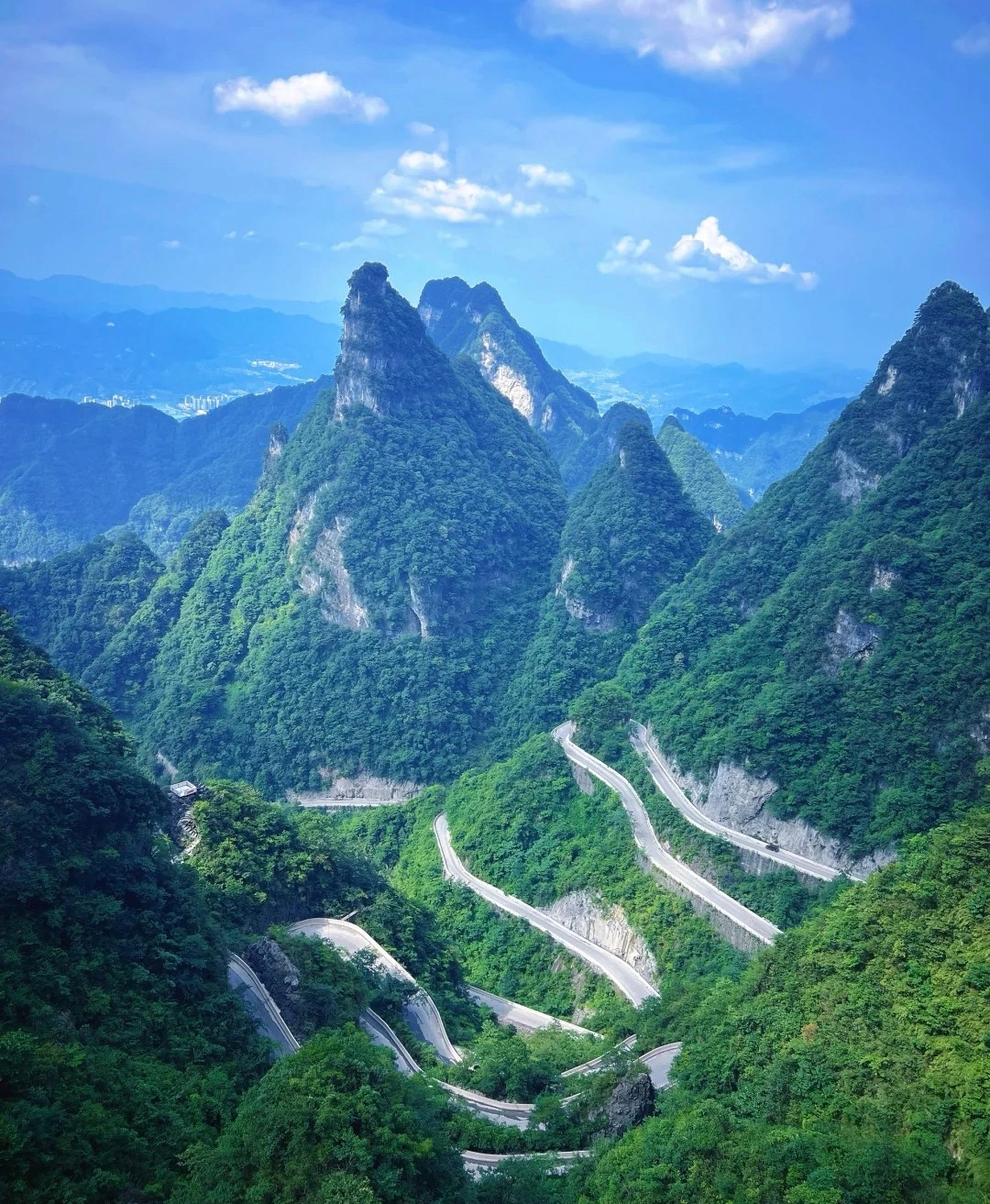
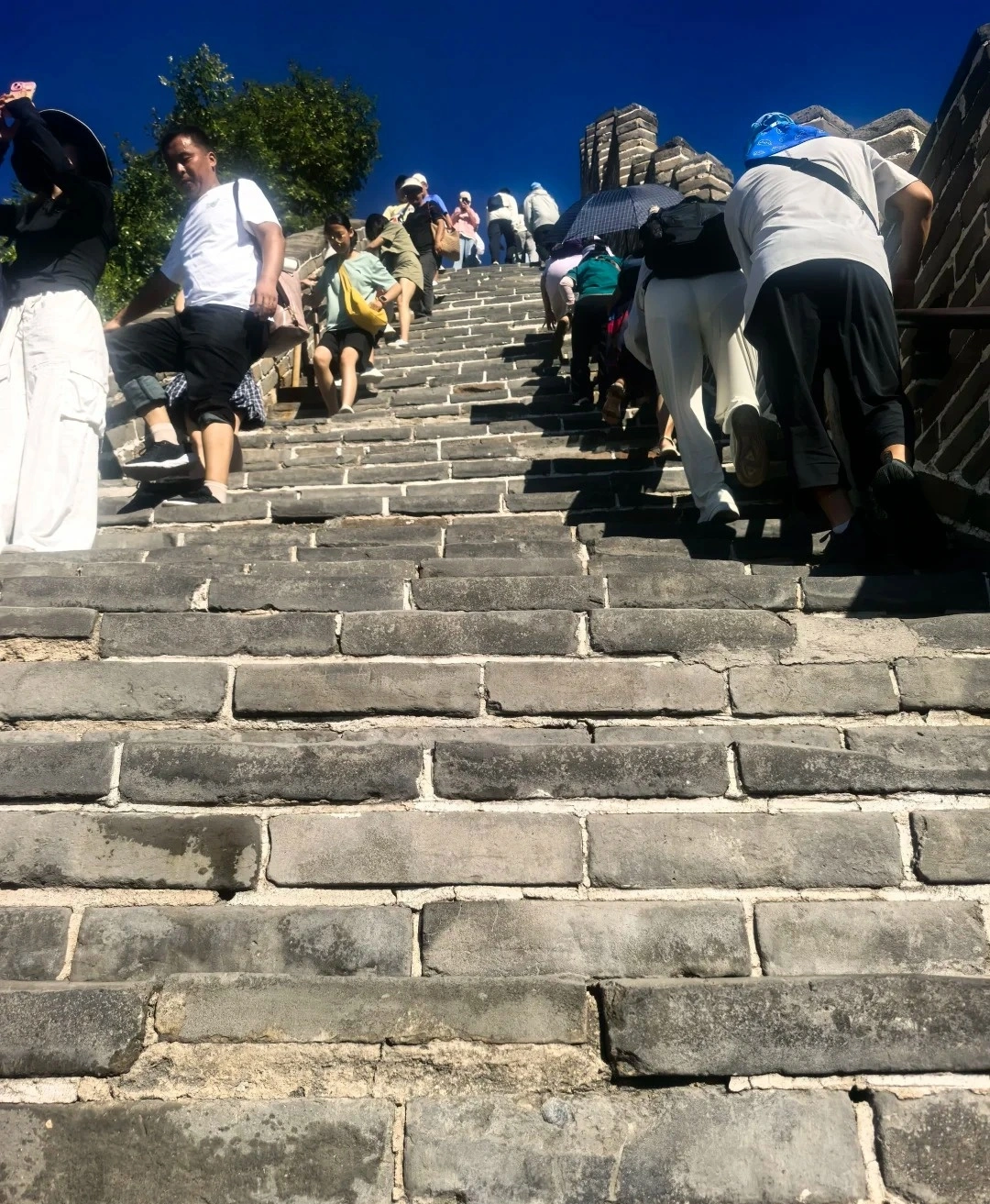
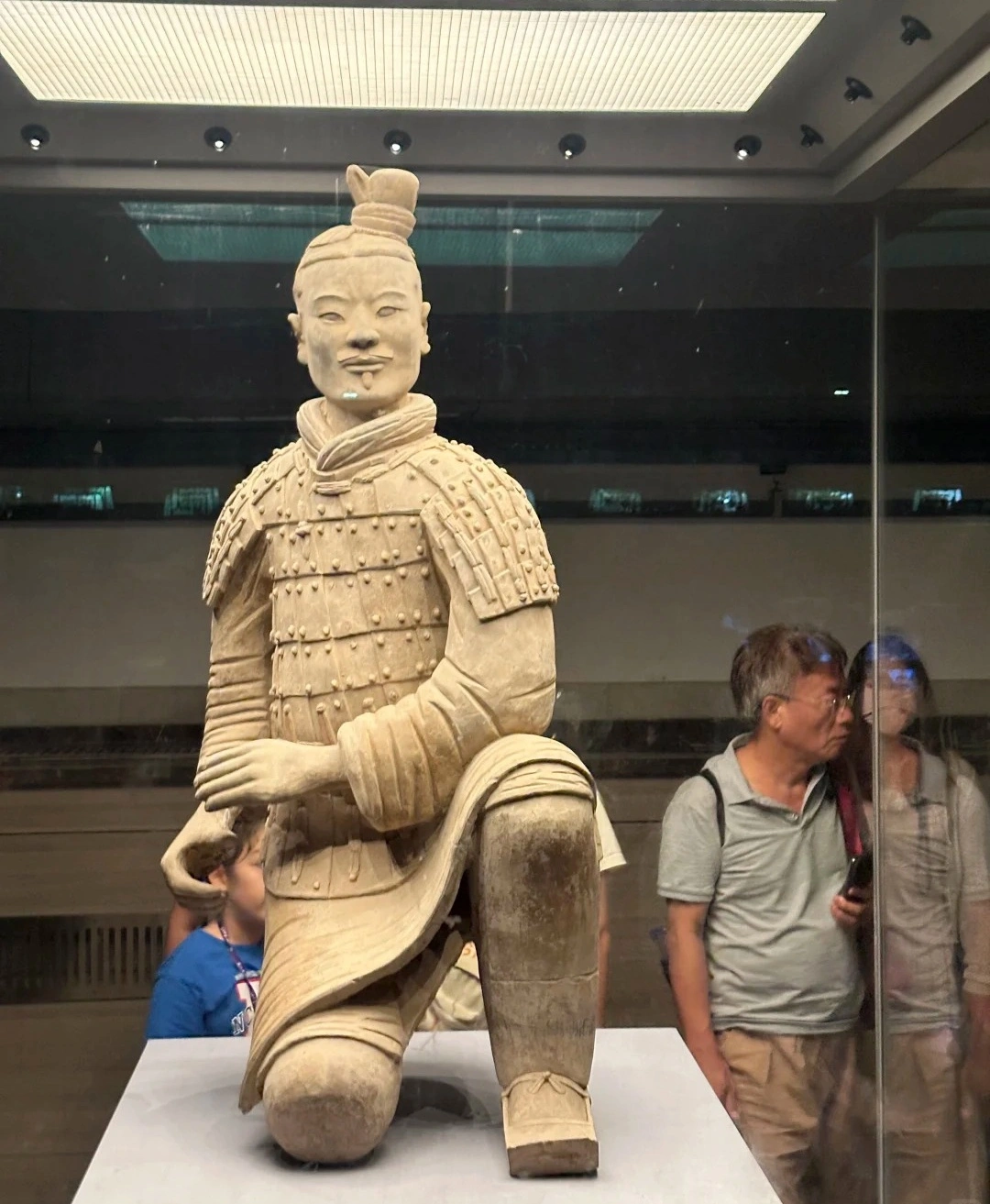
As a solo traveler from Canada, I was nervous about navigating China alone—but this 11-day tour was PERFECT! From hiking the Great Wall at sunrise (Day 3) to gasping at the Terracotta Army (Day 5), every day delivered ‘pinch-me’ moments. The real showstopper? Zhangjiajie’s Avatar Mountains (Day 7)! Our guide made the stone pillars come alive with stories.
Massive thanks for handling all logistics—bullet train tickets, entry passes, car! And the 4-star hotels surprised me.
Destination(s):
Beijing Xian Zhangjiajie Shanghai
Date of
Experience:
June 02,2025

Simon
America
Reviewed on May 29,2025
Our 2-day Zhangjiajie tour was beyond spectacular! As someone who’s visited Beijing and Shanghai for work, this trip revealed China’s wild, magical heart. Day 1 in Zhangjiajie National Forest Park felt like stepping onto Pandora—I’m a huge Avatar fan, and Yuanjiajie’s floating peaks left me breathless. The misty pillars and lush valleys like pure movie magic!
Then came Fenghuang Ancient Town, we eat dinner beside the thundering waterfall. It seems Unreal! The night views of stilt houses glowing over the river were straight from a fairy tale.
For fellow Avatar lovers and adventure seekers: Don’t miss this bucket-list experience! 10/10 would return.
A Well-Traveled Film Buff, May 2025
Destination(s):
Zhangjiajie
Date of
Experience:
May 08,2025