Kashgar Old Town: A Living Museum of Western Region Culture

Kashgar Old Town: A Living Museum of Western Region Culture
Overview: China's Westernmost Millennium-Old Earthen Labyrinth and Heart of Uyghur Culture
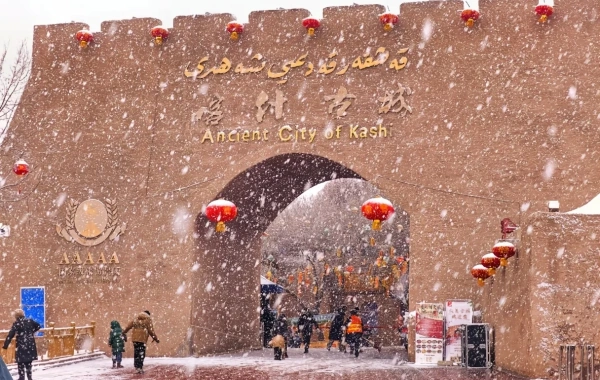
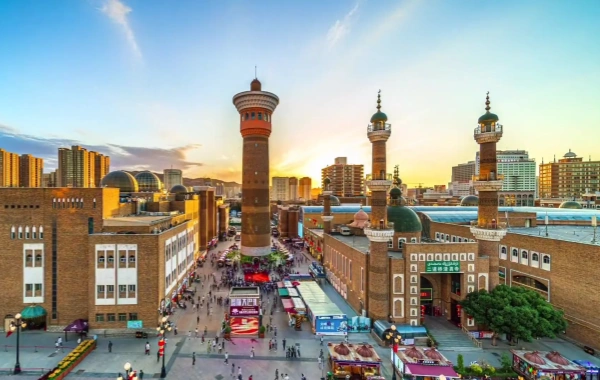
The westernmost ancient city in China, Called a living fossil of the Silk Road and the heart of Uyghur culture, it is China's only labyrinthine earthen urban area, where residents still live among alleys, teahouses, and workshops that carry a trade history of more than two thousand years.

Core Highlights at a Glance
Identity Tags: Living fossil of the Silk Road · center of Uyghur culture · China's only maze-like earthen urban district · one of the largest surviving earthen building groups in the world
Core Experiences: Explore labyrinthine alleys · daydream in century-old teahouses · witness the city gate opening ceremony · handcraft earthenware
Recommended Visit: 1–2 days. Delve into the alleys and residential areas to feel the daily life that flows from dawn to dusk
Address: Kashgar Old Town, Kashgar City, Kashgar Prefecture, Xinjiang, China
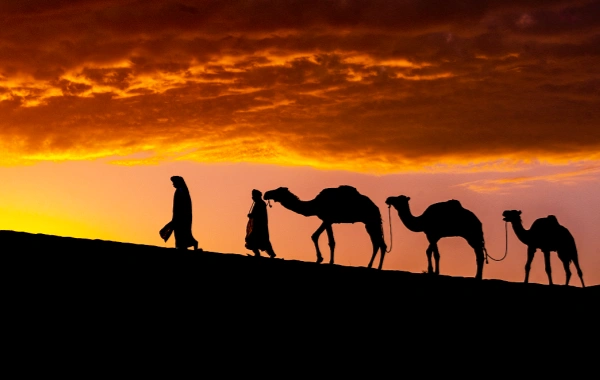
  • Kashgar Old Town: A Living Museum of Western Region Culture-1
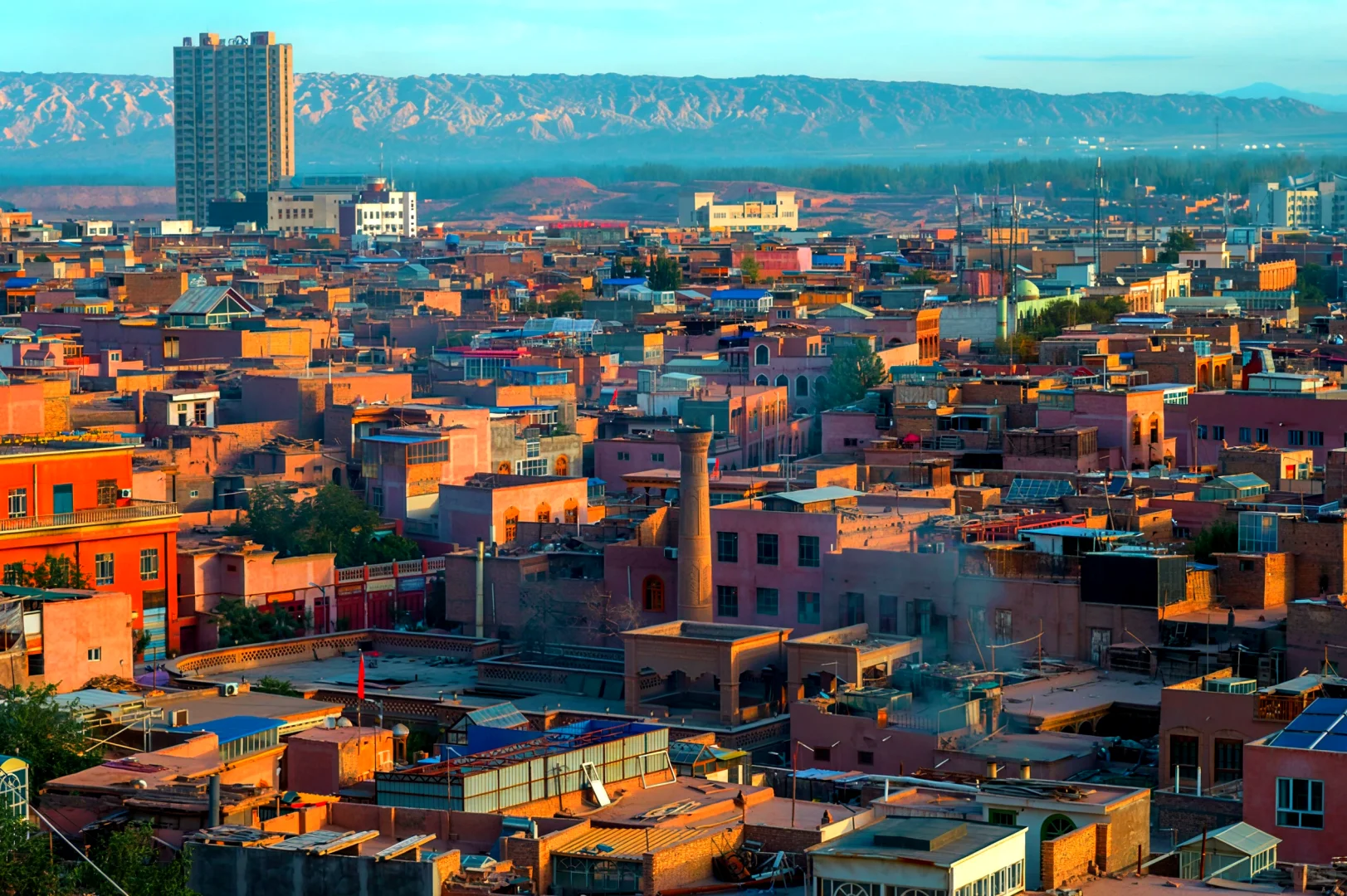
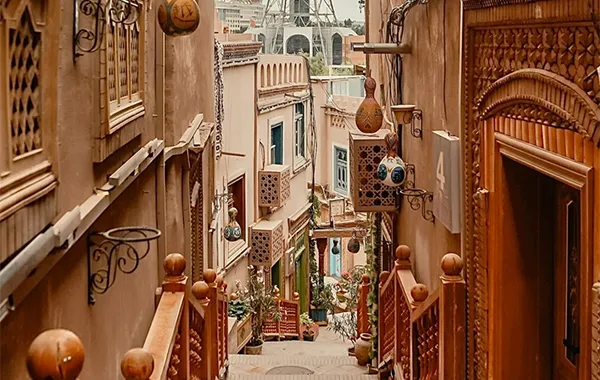
  • Kashgar Old Town: A Living Museum of Western Region Culture-2
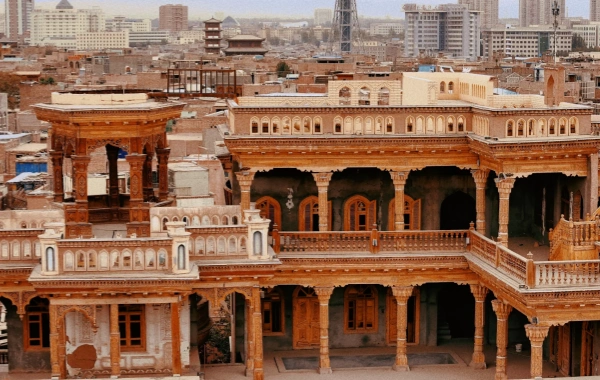
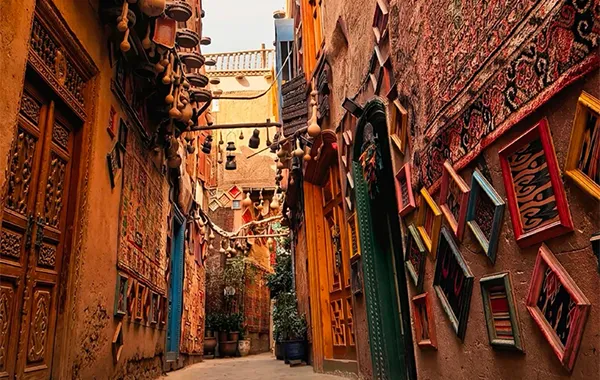
  • Kashgar Old Town: A Living Museum of Western Region Culture-3
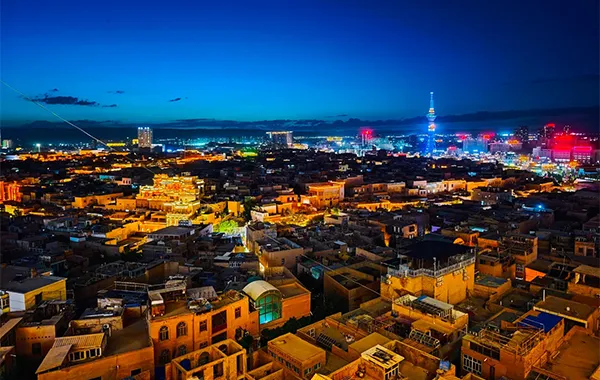
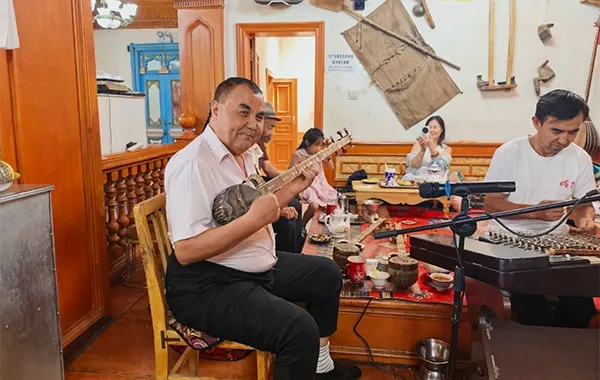
  • Kashgar Old Town: A Living Museum of Western Region Culture-4

The Westernmost City on the Silk Road

15 首_副本.webp Kashgar Old Town.webp

Kashgar sits at the western edge of China, where the country meets Central Asia, and its history is the history of the Silk Road itself. The Chinese government's English feature describes the old city as a "pearl on the Silk Road" and a center of regional trade and cultural exchange for more than two millennia. The story dates back at least to 128 BC, when the Han-dynasty envoy Zhang Qian arrived and recorded a city of stores, well-maintained roads, and goods imported from as far away as Rome and Central Asia.

For more than 2,000 years, Kashgar was the great meeting point where caravans from China, Central Asia, and beyond crossed paths. Merchants, monks, and travelers passed through, and the city grew rich on that traffic. Today the Xinhua news agency notes that the old town is home to one of the largest surviving earthen building groups in the world, with the oldest structures dating back more than 400 years.

Why this matters for your visit: Kashgar is not a rebuilt recreation. It is a city that actually lived this history, and the alleys you will walk were shaped by centuries of trade. Understanding that makes the old town read as a genuine piece of the Silk Road, still standing, rather than a stage set built for tourists.

> Explore Further: Discover More Silk Road Cultural Heritage >> [Dunhuang Museum]

A Maze of Earthen Alleys: How the Old Town Works

The Kashgar Old Town.webp Old Town.webp

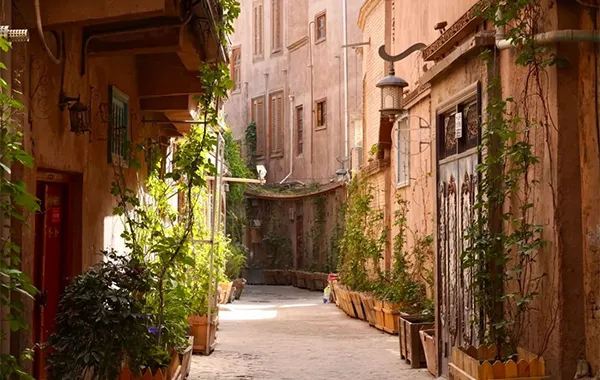
The old town is organized as a labyrinth, and that is its defining feature. Hundreds of alleys wind off in every direction around the Id Kah Mosque, varying in width and following no obvious pattern. First-time visitors get lost, and that is exactly the point: the maze is how the district has always worked, with houses opening onto lanes that connect in ways only residents fully know.

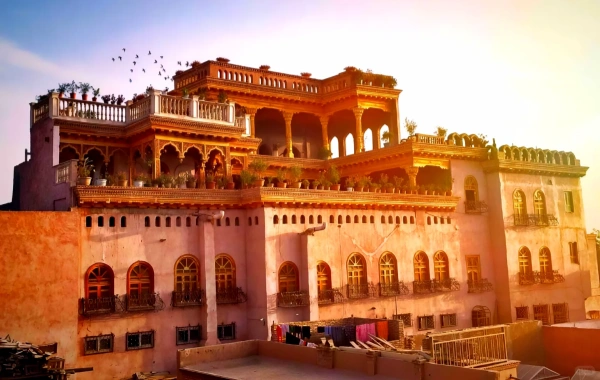
The buildings are mostly earthen and timber, their facades a uniform warm ochre, decorated with intricate wood carvings around doorways and window frames. The Xinhua report notes that the oldest of these structures date back more than 400 years, and a 2010 restoration project refurbished over 7,000 dwellings while keeping their original character. People still live here, nearly 40,000 of them, which is what makes the district feel alive rather than preserved.

For a first-time visitor, the practical advice is simple: let yourself get lost, on purpose. Put the map away and follow whichever lane looks interesting. The reward is the detail you would otherwise miss, a courtyard glimpsed through a carved doorway, a child running past, sunlight filtering through the wooden trellises. This is the true way to experience the old town, and it is why residents say the maze is not a problem but the whole point.

Century-Old Teahouses: Where the City Slows Down

Kashgar tea house.webp The Kashgar tea house.webp

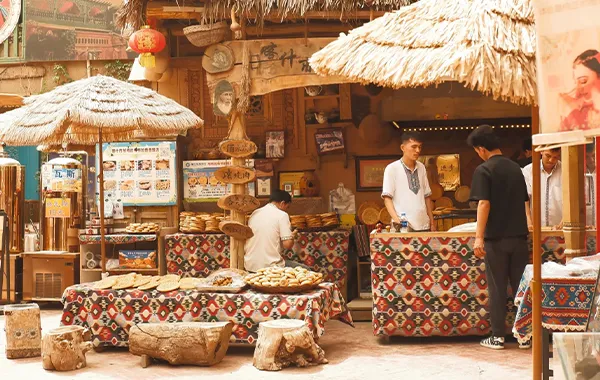
If the alleys are the old town's bones, the teahouses are its heartbeat. The old district is dotted with tea houses that have been serving for generations, where elders gather to drink, talk, and sometimes play music, as if time has slowed to a comfortable crawl. The Tianshannet feature, the English service of Xinjiang's official media, visits a century-old tea house run by its fourth-generation operator, whose half-meter-high brick bed is where customers sit and whose family has kept the same customers' love for tea alive across four generations.

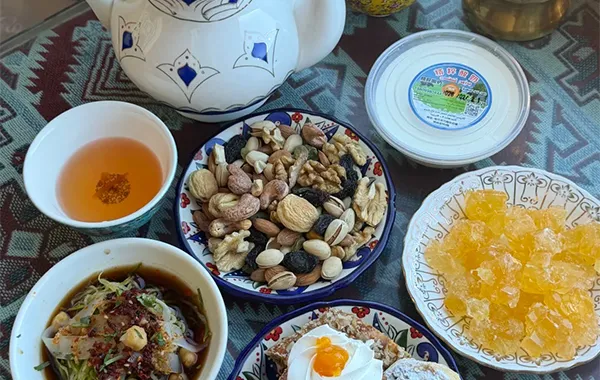
The experience is simple and deeply pleasant. You order a pot of brick tea, often served with honey candy on the side, settle onto the low platform, and watch the street below. On many visits you will also hear live music, with a white-bearded elder playing a stringed instrument and singing, the kind of scene that has been repeating in these rooms for over a century.

The teahouse is also the easiest door into local life for a visitor who speaks no Chinese. No conversation is required: you sit, you are offered tea, and the rhythm of the room does the talking. It is the closest thing the old town has to a public living room, and an hour there teaches you more about Kashgar than a day of sightseeing.

Crafts and Clay: The Living Workshops of the Old Town

The Kashgar handicrafts.webp Kashgar handicrafts.webp

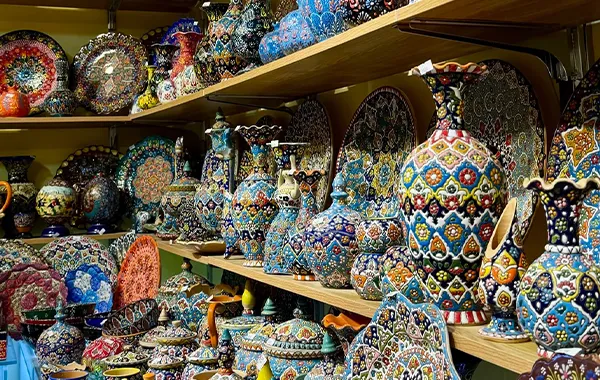
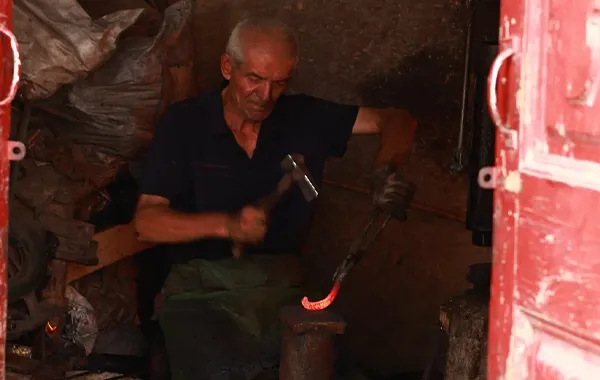
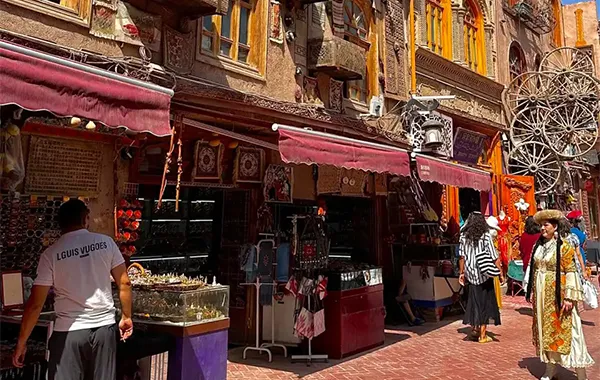
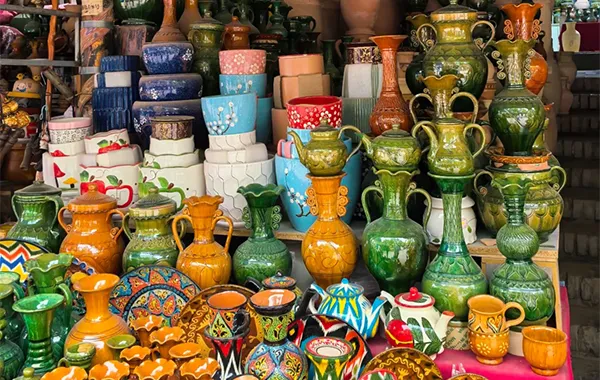
Kashgar's trade history survives not in museums but in working workshops. Deep in the alleys you will find blacksmiths, woodworkers, coppersmiths, instrument makers, and potters, all still practicing trades their families have kept for generations. The clang of hammers and the hum of grinding wheels are the soundscape of the old town, and they are part of its intangible cultural heritage, which the Xinhua report notes is protected by a dedicated local regulation.

The most visitor-friendly craft is pottery. On the street known as Pottery Street, and in workshops near the residential quarter, you can watch artisans shape clay on the wheel and, with their help, try it yourself. The clay here has a distinctive earthy yellow, the color of the land itself, and a small handmade piece makes a far better souvenir than anything from a gift shop.

A few practical notes. Workshops are real working places, not showrooms, so it is polite to ask before photographing and to buy something small if you have lingered. Prices for handmade pieces are modest and usually negotiable, though haggling should stay good-natured. And if you want to try the pottery wheel yourself, the artisans are used to beginners and will guide your hands through the first shaping.

The Gate Opening Ceremony: Greeting the Dawn of the Western Regions

Kashgar gate opening ceremony.webp The Kashgar gate opening ceremony.webp

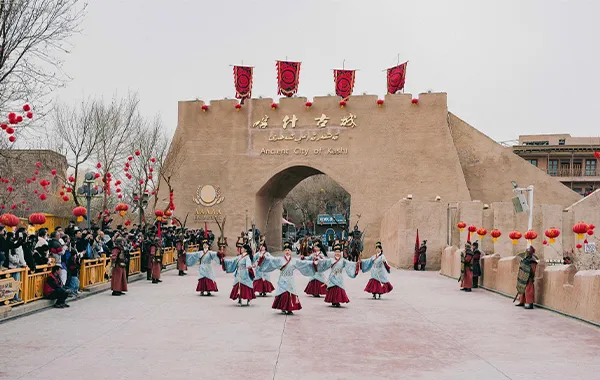
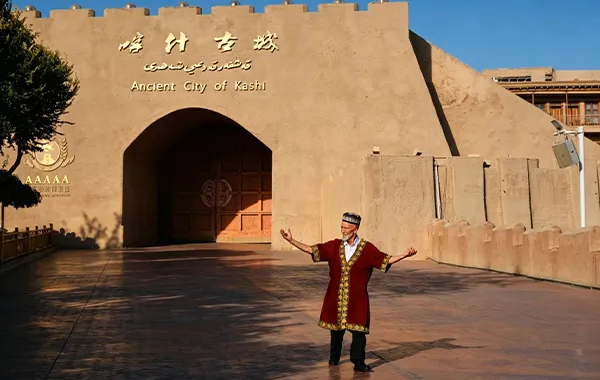
Every morning, the old town greets visitors the way it once greeted caravans. The CGTN report describes the gate opening ceremony at the East Gate as a vibrant folk performance that unfolds each morning, with a ceremonial procession in traditional dress opening the gates to drumbeats, songs, and dances that recreate scenes from the Silk Road and celebrate the thousand-year legacy of the local Shule Kingdom. The Tianshannet feature adds that the cast includes figures from the region's history and legend, and that the ceremony typically runs in the late morning.

The show is energetic, colorful, and genuinely fun, with performers pulling visitors into the dancing and photo opportunities around every corner. It is also the single best orientation point for a first visit, because it gathers the town's theatrical side in one place before you head into the quieter alleys.

The practical detail to plan around is timing. The ceremony is tied to the morning schedule, usually around mid-to-late morning at the East Gate, so it is a good idea to confirm the exact time for your dates, as schedules can vary by season. Arrive a little early to get a good spot, watch the performance, and then walk into the old town behind the performers as the day begins.

Daily Life, Dawn to Dusk

Kashgar Old Town Daily Life.webp Kashgar Old Town Dusk.webp

The deepest experience in Kashgar Old Town is not a sight but a rhythm. Residents live and work in the district, and their daily routines are the real attraction. From early morning, when bread ovens start producing the day's flatbreads, through the market hours, to the evening when families gather and the streets soften, the old town runs on a schedule that has changed little in generations.

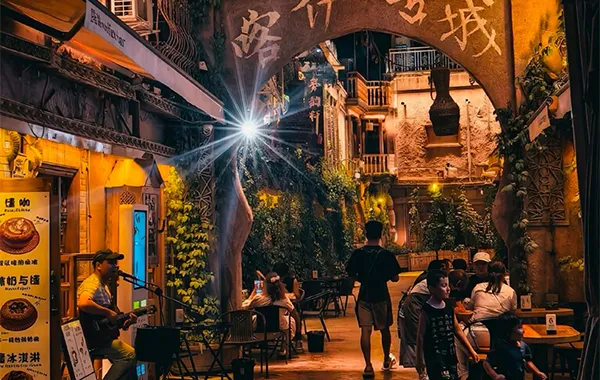
The Tianshannet feature quotes a local saying that captures the town's standing: if you have not been to Kashgar, you have not really been to Xinjiang. The same article notes that shop owners may be descendants of the merchants who once traded along the Silk Road, and that the old town at night draws visitors with its own particular charm, when the crowds thin and the lanterns pick out the carved doorways.

Our advice is to stay for at least one full cycle of the day. See the old town in the morning light, return in the evening when it quietens, and let the two visits show you how much the district changes between them. The alleys that felt bewildering at midday feel intimate after dark, and the residents, who are used to visitors, are almost always warm if you offer a greeting and a smile.

Recommended Tours

Top 3 tours chosen by most customers to explore in the best way. Check the detailed itinerary, or tailor your own trip now with us.

丝路-3.webp
13-Day Legendary Silk Road Tour

13-day China tour links Beijing, Xi'an, Dunhuang, Turpan, Urumqi and Kashgar.

13 Days  |  Beijing-Xi'an-Dunhuang-Turpan-Urumqi-Kashgar

First-Hand Experience: Getting Lost in Kashgar Is the Point

Travelers To Kashgar Old Town.webp The Potter's Workshop.webp

We have brought travelers to Kashgar Old Town for years, and the visits that work are the ones that accept the district on its own terms. Our standing advice is to resist the instinct to cover everything and instead spend a full morning simply walking the alleys without a plan. A guest from Germany was skeptical at first and wanted a list of must-sees; by the afternoon she was the one pulling the rest of the group down an unpromising lane to show them a potter's workshop she had found by accident. She called it the best day of her three weeks in China.

There are honest practical notes. Kashgar is at altitude and the sun is strong, so pace yourself, drink water, and wear a hat. The old town is genuinely easy to get lost in, and while that is the charm, it helps to know roughly how to get back to the main gate. Photography is welcome in public spaces, but as with the workshops, it is polite to ask before pointing a camera at people, especially residents in their own doorways.

Getting lost here is not a failure of navigation; it is the intended experience. The alley that looks like nothing is often the one where you meet a resident, hear music, or find a workshop you will remember for years. Come with time, an open schedule, and small expectations, and let the maze do what it has always done. >> [Consult for Customization Now]

Explore Kashgar and the Silk Road with a Local Guide

Kashgar Uyghur culture.webp Silk Road.webp Kashgar.webp

Kashgar Old Town rewards context more than almost any place in China, and the difference between walking the maze alone and walking it with someone who knows the city is real. As Vicky, our Silk Road cultural route advisor, puts it:

expert avatar
Vicky

Explore Kashgar Old Town

Kashgar asks you to read the city through its people, not its checklist. The teahouse elder, the potter at his wheel, the child in the alley, these are the living museum. Give the town your time and it gives you a version of the Silk Road no book can.

Our Xinjiang team can arrange the whole visit for you. We will meet you at your hotel, handle private transport, walk the old town with you in English, and point out the details a first visit misses: how the maze actually works, which teahouse has the best music, which workshop will let you try the wheel. We can also confirm the gate ceremony time for your dates and time your day around it, so you do not miss the morning show.

Kashgar also fits naturally into a longer Silk Road or Xinjiang route.

Our 13-Day Legendary Silk Road Tour from Beijing follows the old caravan road west across the country,

And the 12-Day Panoramic Tour from Southern to Northern Xinjiang pairs the old town with the mountains and grasslands of the wider region.

Send us your dates and we will tailor an itinerary around you. Get in touch to confirm availability. >> [Consult for Customization Now]

Join hands with IntoTravelChina and embark on your exclusive journey through civilization

Kashgar Old Town Tour.webp

A city of earthen walls and winding lanes, where a trade history of two thousand years is still carried on in workshops and teahouses, is the kind of place that makes a China trip feel like a journey through time, and you do not have to navigate the maze alone. IntoTravelChina is a locally operated China travel company, and our English-speaking guides, private transport, and real-time support exist for exactly this kind of visit, unhurried, well-timed, and built around the moments most travelers rush past. Tell us when you are coming and how you like to travel, and we will shape an itinerary around you, from a full day in Kashgar Old Town to a longer route along the Silk Road.

Start planning your journey right away

Welcome to contact our professional travel consultants. We will provide you with a customized itinerary plan and quotation within 24 hours. >>[Click to contact IntoTravelChina Travel Consultant]

Last verified: 2026-08-28 | Written by Vicky, China Travel Specialist | Reviewed by our Xinjiang local guide team | Last updated: August 2026

What Our Clients Say?

Based on 10,000+ traveler reviews
...
Daniel Dorothea
Canada
Reviewed on April 29,2025
Shopping on Nanjing Road in Shanghai was just amazing! It's truly the "First Commercial Street of China", where tradition and modernity blend perfectly. You can find awesome souvenirs and experience the trendy vibes in cool stores. The neon lights at night are just spectacular, shining bright like Times Square in New York. The food here is incredible too. I had a feast for my taste buds. Shanghai, I'll definitely be back!
Destination(s): Shanghai
Date of Experience: May 08,2024
...
...
Elvis Eva
Canada
Reviewed on June 20,2025
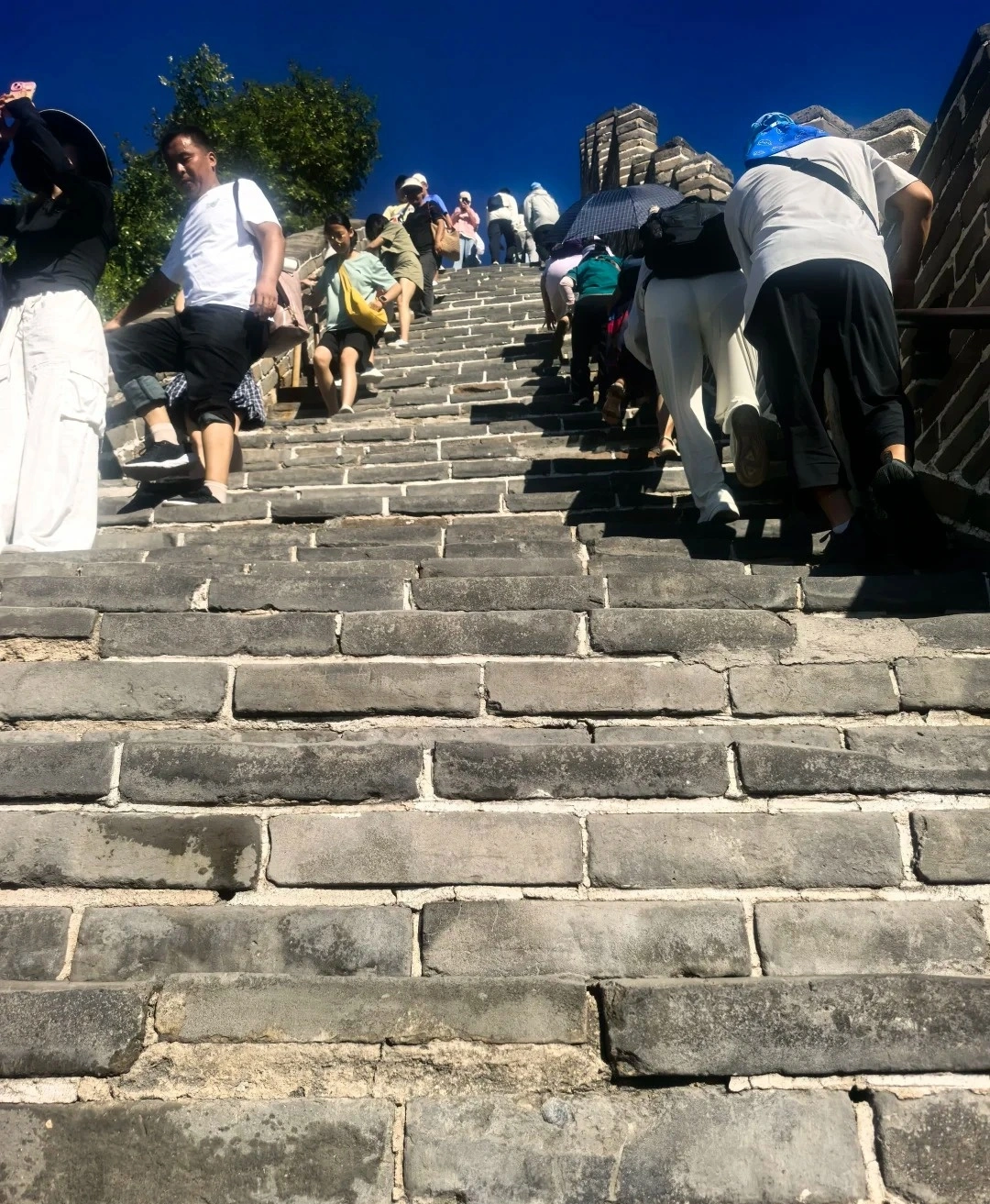
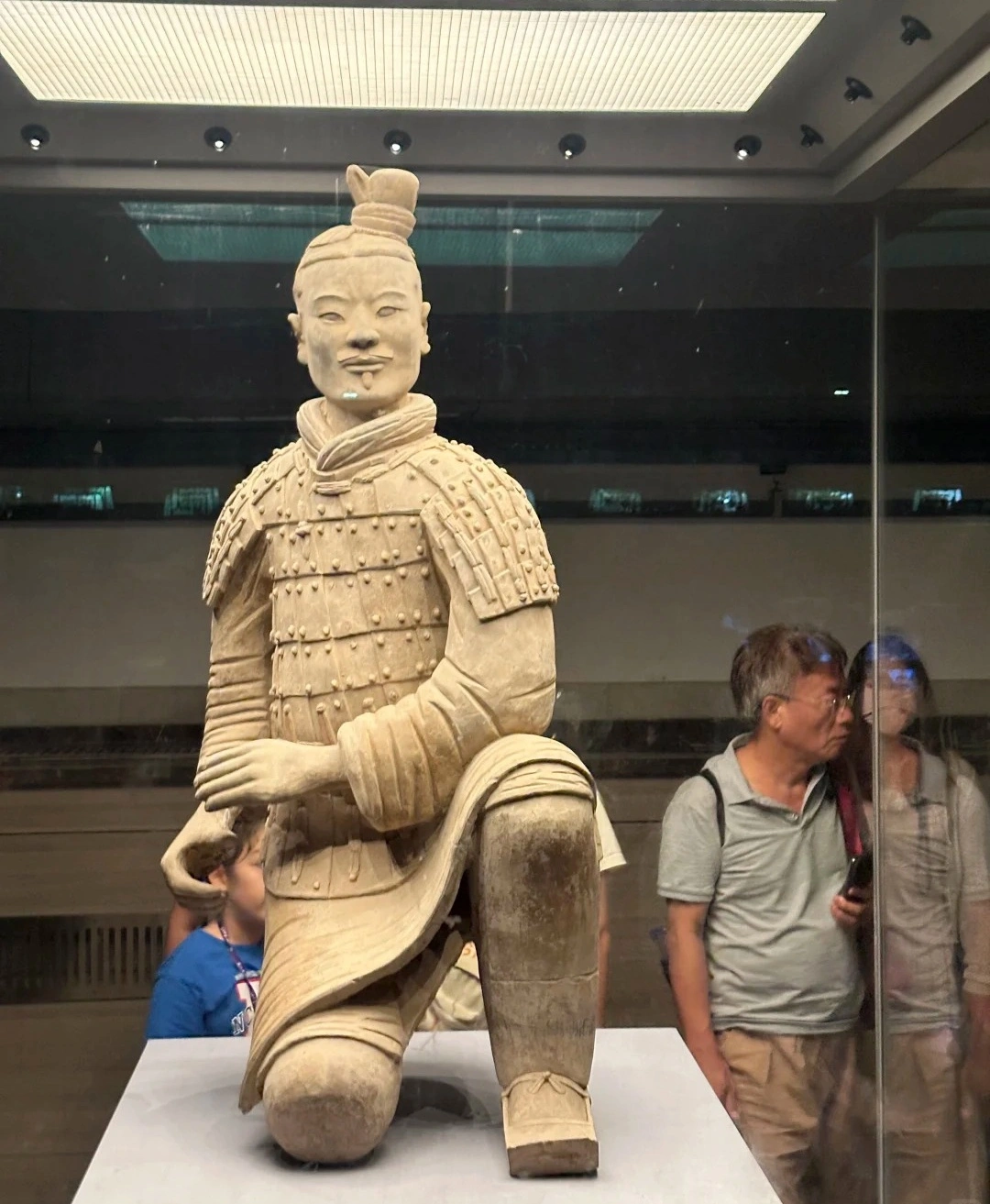
As a solo traveler from Canada, I was nervous about navigating China alone—but this 11-day tour was PERFECT! From hiking the Great Wall at sunrise (Day 3) to gasping at the Terracotta Army (Day 5), every day delivered ‘pinch-me’ moments. The real showstopper? Zhangjiajie’s Avatar Mountains (Day 7)! Our guide made the stone pillars come alive with stories. Massive thanks for handling all logistics—bullet train tickets, entry passes, car! And the 4-star hotels surprised me.
Destination(s): Beijing Xian Zhangjiajie Shanghai
Date of Experience: June 02,2025
... ... ...
...
Simon
America
Reviewed on May 29,2025
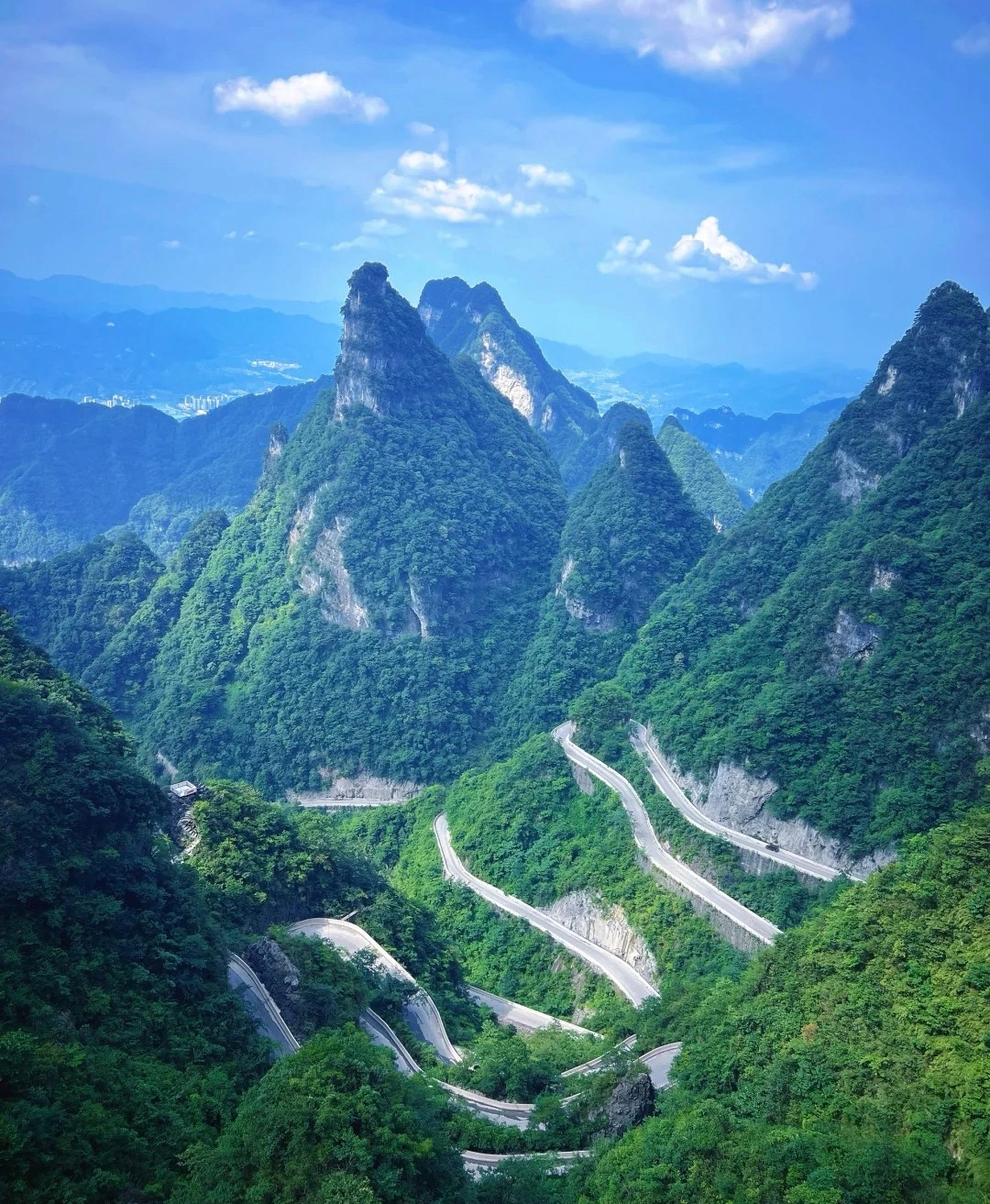
Our 2-day Zhangjiajie tour was beyond spectacular! As someone who’s visited Beijing and Shanghai for work, this trip revealed China’s wild, magical heart. Day 1 in Zhangjiajie National Forest Park felt like stepping onto Pandora—I’m a huge Avatar fan, and Yuanjiajie’s floating peaks left me breathless. The misty pillars and lush valleys like pure movie magic! Then came Fenghuang Ancient Town, we eat dinner beside the thundering waterfall. It seems Unreal! The night views of stilt houses glowing over the river were straight from a fairy tale. For fellow Avatar lovers and adventure seekers: Don’t miss this bucket-list experience! 10/10 would return. A Well-Traveled Film Buff, May 2025
Destination(s): Zhangjiajie
Date of Experience: May 08,2025
... ...

FAQ

Is Kashgar Old Town worth visiting?

Yes, if you want to experience a place that genuinely feels like living history. It is one of the most atmospheric districts in China, a maze of earthen alleys where people still live and work. It is far from the eastern cities, but for travelers heading west along the Silk Road, it is the single most rewarding stop in the region.

How long do I need in Kashgar Old Town?

One full day covers the alleys, a teahouse, a workshop, and the gate ceremony. A second day lets you slow down, try the pottery yourself, and see the district both in daylight and after dark. Two days is comfortable; one well-planned day is enough if your schedule is tight.

When is the gate opening ceremony in Kashgar?

The ceremony runs each morning at the East Gate, usually in the mid-to-late morning, with traditional dress, drumbeats, songs, and dances. Schedules can vary by season, so it is a good idea to confirm the exact time for your dates before you plan the day around it.

Is it easy to get lost in Kashgar Old Town?

Yes, and that is part of the experience. The alleys form a genuine maze with no obvious pattern, and residents themselves say getting lost is the point. Keep a rough sense of the direction back to the main gate, but allow yourself to wander; the best discoveries are usually the ones you find by accident.

Is Kashgar Old Town safe for foreign visitors?

Yes. The old town is a major tourist destination that welcomed over 13 million visitors in 2023, and residents are used to international travelers and generally warm and welcoming. Standard travel common sense applies, and a local guide makes the visit even smoother if you prefer not to navigate alone.

What should I do in Kashgar Old Town?

Walk the maze without a plan, sit in a century-old teahouse, visit the craft workshops, try the pottery wheel, and catch the gate opening ceremony in the morning. Stay for the evening too, when the crowds thin and the carved doorways glow in the lantern light. That full rhythm is the real experience.

Can foreigners visit the teahouses and workshops?

Yes. The teahouses are open to everyone and need no reservation, and the workshops welcome visitors who are interested in the crafts. It is polite to ask before photographing people and to buy something small if you have lingered, but visitors are welcome and the atmosphere is relaxed.

Can you help arrange a visit to Kashgar Old Town?

Yes. Our Xinjiang team can arrange private transport, an English-speaking guide who knows the maze, and confirm the gate ceremony time for your dates, then time your day around it. We can also include the old town in a longer Silk Road itinerary if you are traveling across Xinjiang.

Ask a Question

Question Summary (100 characters)
Details (optional) (2,000 characters)
Name
Country
Phone
Email