Dunhuang Museum: A Journey into the Cultural Treasury of the "Pearl of the Silk Road"

Dunhuang Museum: A Journey into the Cultural Treasury of the

Overview: The Key to Unlocking Dunhuang's History

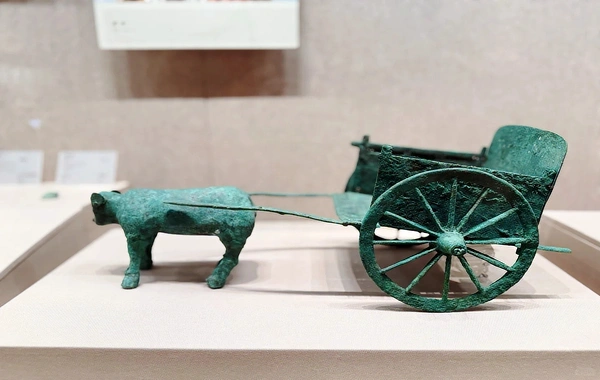
Located on Mingshan North Road in Dunhuang City, Gansu Province, the Dunhuang Museum is a comprehensive institution dedicated to showcasing the historical artifacts of Dunhuang—a metropolis of the Silk Road. Ranging from Bronze Age coarse-sand pottery jars to rare Buddhist sutras recovered from the "Library Cave," the museum systematically traces the trajectory of Dunhuang's civilization across four millennia.

Core Highlights at a Glance

Identity Tags: A Metropolis Where Chinese and "Rong" Cultures Converged / A Historical Treasury of the Silk Road / A Prelude to the Art of the Mogao Caves

Key Experiences: Viewing Dunhuang Han Dynasty Wooden Slips and Northern Liang Stone Pagodas; Exploring Silk Road-themed Exhibitions

Recommended Visit: 2–3 hours; suggested as the first stop on your Dunhuang itinerary

Address: No. 1390 Mingshan North Road, Dunhuang City, Jiuquan, Gansu Province

  • Dunhuang Museum: A Journey into the Cultural Treasury of the
  • Dunhuang Museum: A Journey into the Cultural Treasury of the
  • Dunhuang Museum: A Journey into the Cultural Treasury of the
  • Dunhuang Museum: A Journey into the Cultural Treasury of the

Origins: Historical Echoes from the "Throat" of the Silk Road

Furong Ancient Town Furong Ancient Town

The Convergence of Chinese and "Rong" Cultures—Dunhuang's Millennial Mission

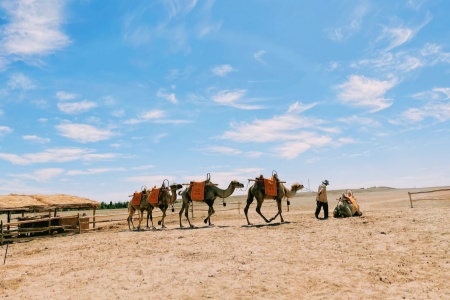
The very name "Dunhuang" signifies "grandeur and brilliance." As the strategic "throat" of the Silk Road, this locale served as an essential waypoint for caravans traveling between East and West; it was here that four major cultural systems—Chinese, Indian, Greek, and Islamic—converged. Since Emperor Wu of the Han Dynasty established the "Four Commanderies of Hexi," Dunhuang has stood as the gateway connecting the Central Plains of China to the Western Regions—a place where the gentle chime of camel bells filled the air, envoys came and went, and caravans arrived in ceaseless succession. Two millennia of accumulated history have transformed this desert oasis into a living witness to the dialogue between Eastern and Western civilizations.

Museum History: A Sanctuary Dedicated to Preserving Civilization

The history of the Dunhuang Museum's establishment serves, in itself, as a microcosm of the enduring commitment to cultural preservation:

Founding Period (1979): The Dunhuang Museum was officially established, marking the beginning of systematic artifact collection and scholarly research.

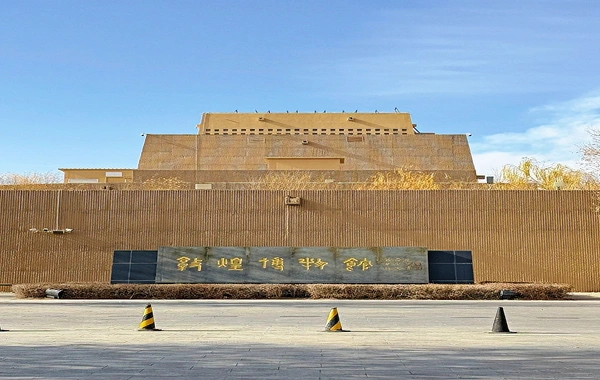
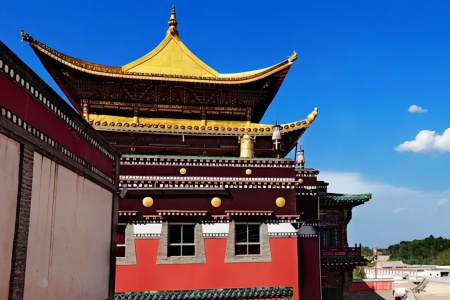
New Building Inauguration (2011): Designed by the renowned architect Cui Kai, the new museum building was completed and opened to the public. Its architectural form incorporates cultural motifs such as the Great Wall and ancient beacon towers, establishing it as a new cultural landmark in Dunhuang.

Exhibition Upgrades (2012–Present): Centered on the exhibition theme "A Metropolis Where Chinese and 'Rong' Cultures Converged," the museum hosts year-round exhibitions of its finest artifacts. In 2013, it was officially designated as a National Third-Class Museum. Cultural Breakthroughs (Recent Years): Through the development of creative cultural products and cross-sector collaborations, the museum has successfully attracted young visitors—drawn by its growing reputation—to "tour the galleries," thereby becoming a new window for the dissemination of Dunhuang culture.

> Dive Deeper: Explore More Silk Road Cultural Sites  >> [Yungang Grottoes]  | [Longmen Grottoes] 

Must-See Wonders: A Symphonic Poem of History and Art

Furong Ancient Town Furong Ancient Town Furong Ancient Town Furong Ancient Town

Human Ingenuity—Tangible Testaments to Silk Road Civilization

The collection of the Dunhuang Museum serves as a history book of the Silk Road, written in the language of tangible artifacts.

Treasures of the Museum: The Northern Liang Stone Pagoda and the Qilin Brick

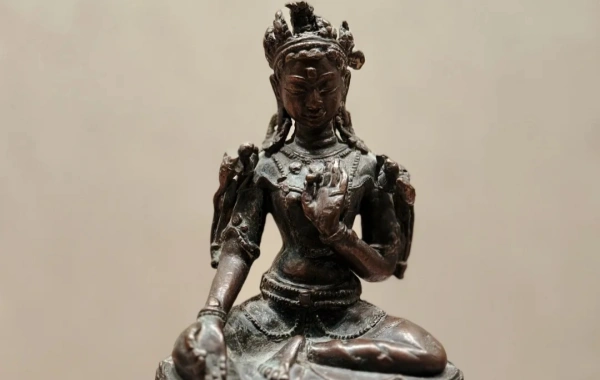
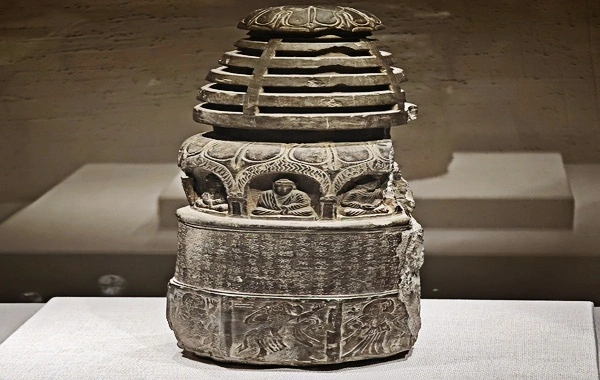
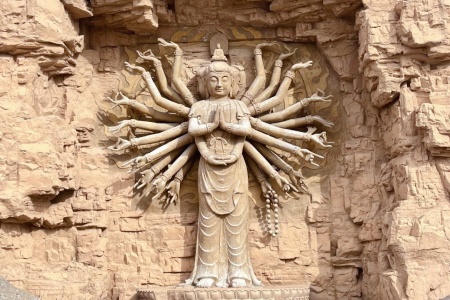
The Northern Liang Stone Pagoda is the earliest known masterpiece of Buddhist art in the Hexi Corridor region. Exquisitely carved and possessing a rustic, ancient aesthetic, it bears witness to the early stages of Buddhism's eastward transmission. The museum's Qilin Brick is an even rarer artifact—seldom found elsewhere in China—and is truly considered the "crown jewel" of the Dunhuang Museum; its intricate ornamentation and vivid imagery exemplify the superb craftsmanship of ancient artisans.

Dunhuang Han Slips: Written Memories of Frontier Life

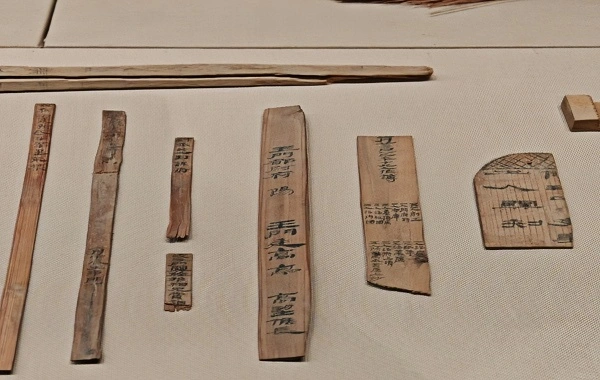
The Han Dynasty bamboo slips unearthed at the sites of the "Two Passes" (Yang Pass and Yumen Pass) and the Han Great Wall beacon towers rank among the most historically valuable artifacts in the museum's collection. These bamboo slips record detailed accounts of frontier garrison farming and defense operations in the Dunhuang region during the Han and Jin Dynasties. Containing documents such as imperial edicts, official memorials, proclamations, legal statutes, and medical prescriptions, they provide invaluable firsthand historical sources for the study of the military, economic, and cultural landscape of the Han era.

Treasures from the Library Cave: A Stunning Discovery of Buddhist Literature

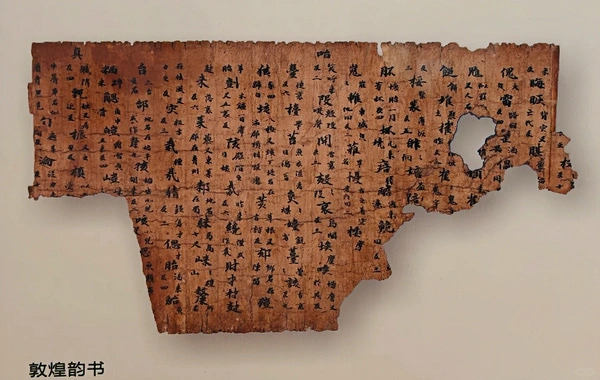
The museum houses a collection of documents from the Library Cave (Cave 17 at Mogao), comprising those manuscripts that remained in the local Dunhuang area. This collection includes 82 scrolls in Chinese, 244 scrolls in Tibetan, and 8,576 pages of Tibetan text in the pothi (palm-leaf manuscript) format. These Buddhist scriptures and administrative documents share a common origin with the contents of the Mogao Library Cave itself, serving as rare and precious treasures for the study of the dissemination of Buddhism, as well as the languages ​​and scripts of the Tang Dynasty and the Tibetan Empire period.

Illustrated Bricks: A "Prelude" to the Art of the Mogao Caves

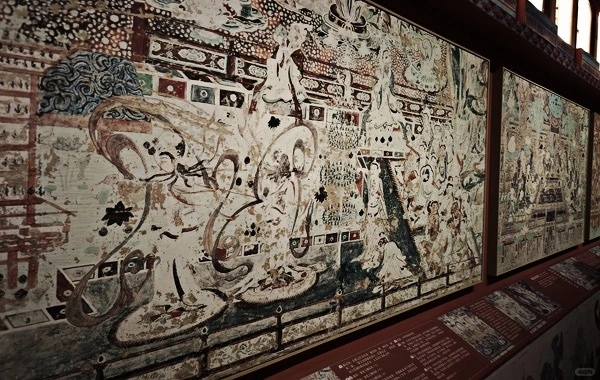
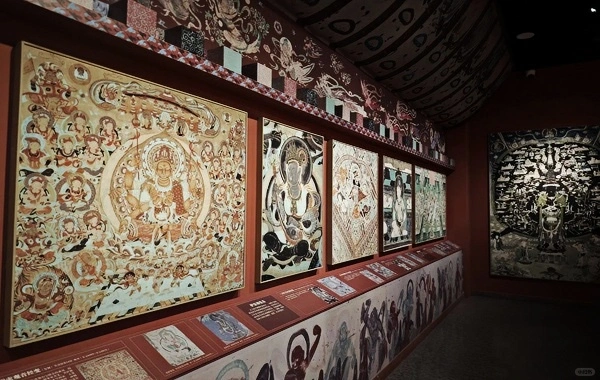
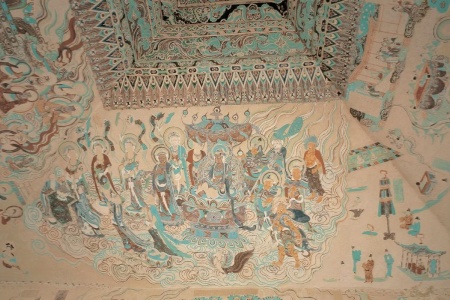
The illustrated bricks dating back to the Wei, Jin, and Sixteen Kingdoms periods predate the cave art of the Mogao Caves by nearly a century. The thematic content and artistic forms of these brick paintings share deep historical roots with the murals found in the Mogao Caves, thereby providing crucial clues for understanding the evolution of Buddhist art in the Dunhuang region. Ancient Silk Road Coins and Daily Artifacts

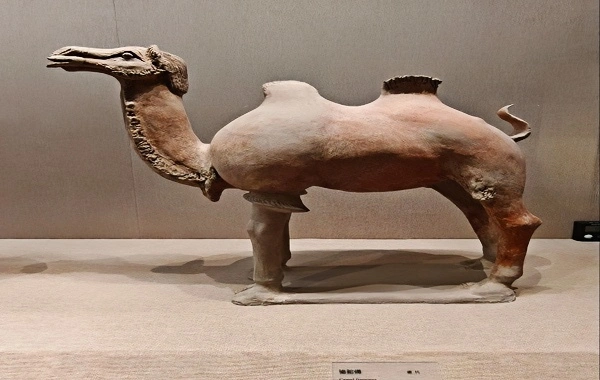
The museum’s collection—including ancient Silk Road coinage, exquisite silks, early forms of paper, and the weaponry and signal torches used by frontier soldiers—collectively narrates the past glory and prosperity of Dunhuang along the Silk Road.

> Artifact Spotlight: We recommend allocating ample time to linger in the "Great Development of Dunhuang during the Han Dynasties" gallery. Here, the Han Dynasty bamboo slips and frontier artifacts will transport you back two millennia to stand beneath the ancient signal towers.

Architecture and Exhibition Design—Walking Through a Historical Corridor of Grottoe

The museum building itself is a work of art. Its exterior silhouette evokes the ramparts and signal towers of the Han Dynasty Great Wall; stepping inside, however, feels like entering a complex of ancient grottoes, where the walls and corridors are shaped to resemble the interiors of ancient cave temples.

"A Metropolis at the Crossroads of Cultures" Thematic Exhibition

Spanning the entire building, this exhibition is chronologically divided into 13 units. It traces the history of Dunhuang from its prehistoric origins and early inhabitants through the Han Dynasties, the Wei-Jin and Northern & Southern Dynasties, the Sui-Tang and Five Dynasties periods, the Shazhou Uyghur and Western Xia Kingdoms, the Yuan and Ming Dynasties, and the Qing Dynasty, culminating in the discovery of the Library Cave. As you follow the grotto-like corridors from antiquity to the present day, it feels as though you are traveling through a time tunnel spanning four thousand years.

Replica of Mogao Cave 45

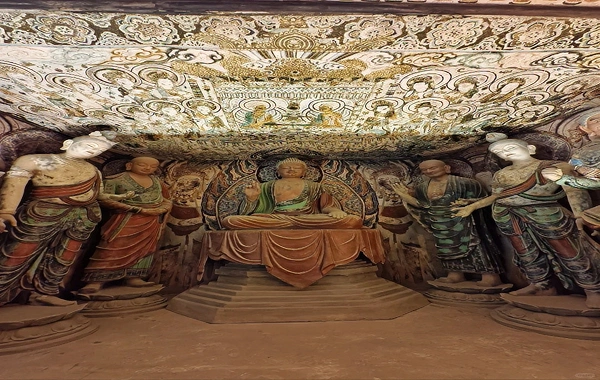
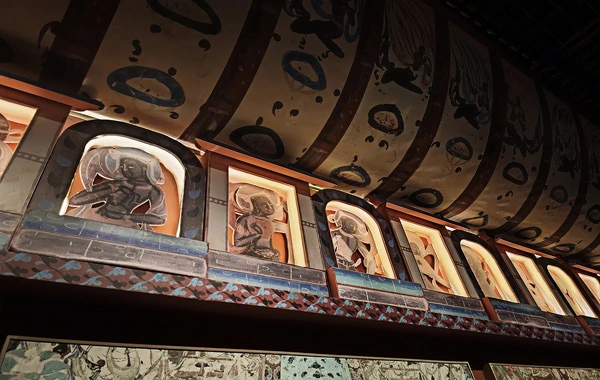
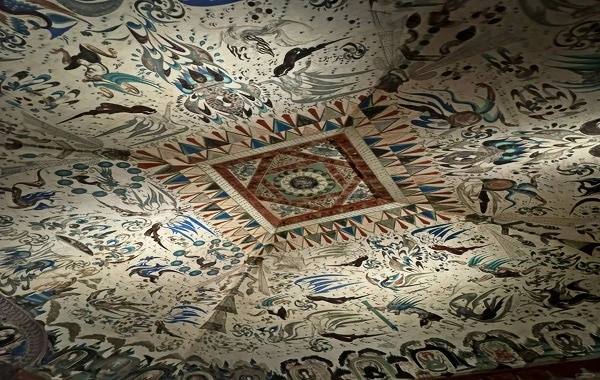
This is one of the museum's most breathtaking highlights. Cave 45 is a quintessential example of the Mogao Grottoes during the High Tang period (the zenith of the Tang Dynasty). While the original cave is closed to the public, the museum’s replica allows visitors to admire its exquisite sculptures and murals up close. The seven polychrome sculptures housed within the niche on the western wall—comprising a Buddha, two disciples, two Bodhisattvas, and two Heavenly Kings—are rendered with lifelike vitality and expressive countenances, standing as a pinnacle of Tang Dynasty sculptural art.

Reconstruction Model of a Western Jin Illustrated Brick Tomb

The museum features a reconstruction of the burial chamber structure of a Western Jin Dynasty illustrated brick tomb. Enhanced by atmospheric lighting effects, the exhibit offers a deeply immersive experience. Artifacts such as tomb-guarding beasts and illustrated bricks are displayed within the space, allowing visitors to gain an intuitive understanding of the burial culture and artistic styles of the Wei-Jin period.

> Photography Tips: Photography is permitted within the replica grotto area (please ensure your flash is turned off); we recommend using a wide-angle lens to capture panoramic views of the cave interiors. The central atrium of the museum features excellent lighting and shadow play, making it an ideal spot for photographing both the architecture and portraits.

Core Experience: An Immersive Cultural Journey Along the Silk Road

Furong Ancient Town Furong Ancient Town Furong Ancient Town Furong Ancient Town Furong Ancient Town

Five Must-Do Activities to Unlock an In-Depth Museum Experience

1.Attend a Free Guided Tour

Schedule: Four sessions daily—09:30, 10:30, 14:30, and 15:30

Meeting Point: Assemble at the Service Desk on the 1st Floor; each tour lasts approximately 60–75 minutes.

Tip: Free guided tours are limited to 40 participants; please arrive 15 minutes in advance to pick up a headset. If you miss a session, audio guides are available for rent (20 RMB per device).

2. Get Up Close and Personal with the Replica of Cave 45

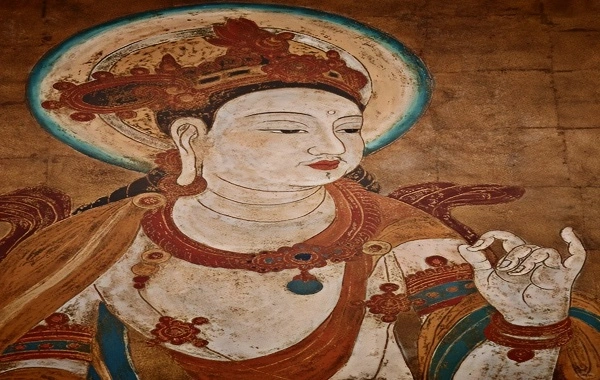
Significance: This serves as the ultimate preparatory lesson for understanding the art of the Mogao Caves. The painted sculptures and murals of Cave 45 (High Tang Dynasty) are reproduced with astonishing fidelity in the replica cave, allowing you to observe every minute detail up close.

Photography Tips: Remember to turn off your flash when using your mobile phone or camera to capture this awe-inspiring art.

3. Collect Stamps at the Cultural & Creative Shop

Experience: The museum's cultural and creative shop features over six unique stamps (depicting the Nine-Colored Deer, Flying Apsaras, etc.) available for free stamping.

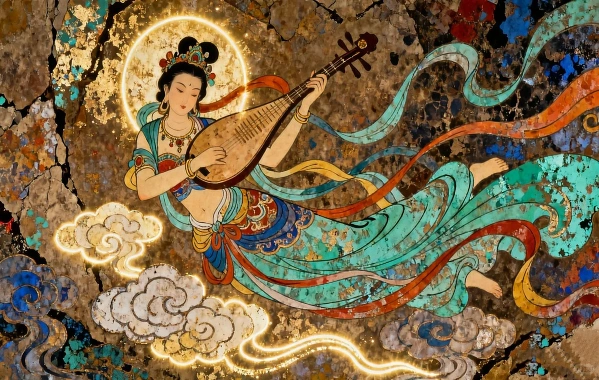
Souvenirs: The Nine-Colored Deer bookmarks and Flying Apsara fridge magnets are exquisitely designed and make for excellent, value-for-money keepsakes.

Special Feature: A post office is located near the exit, allowing you to mail postcards directly from the site.

4. Engage in Interactive Experiences (A Must for Families with Children)

Family Highlights: The first floor features interactive touchscreens where visitors can "virtually" restore murals, allowing children to learn about cultural heritage conservation through gameplay.

Children's Guide: Pick up a free children's guide booklet at the service desk, complete with a Dunhuang-themed picture book and a Nine-Colored Deer puzzle.

5. An Immersive "Preview" of the Mogao Caves

Strategy: Schedule your visit to the museum before visiting the actual Mogao Caves. By first gaining a systematic understanding of the historical context of Dunhuang, your subsequent visit to the real grottoes will be enriched with a far deeper level of comprehension.

Suggested Itineraries

1.5-Hour Highlights Route (Ideal for those with limited time):

Head directly to the core exhibition area on the second floor: "A Metropolis at the Crossroads of East and West" (45 mins) → Focus on the replica of Mogao Cave 45, the Northern Liang Stone Pagoda, and the sand table model of the Xuanquanzhi Post Station ruins → Quickly browse the "Silk Road" exhibition hall on the first floor (30 mins) → Shop for souvenirs at the cultural & creative store near the exit (15 mins).

3-Hour In-Depth Route (Highly Recommended):

Follow the architectural flow to complete a full tour from the first floor to the second floor (2 hours) → Join a free guided tour (1 hour) → Key stops: The Map of Dunhuang Commandery (Han Dynasty), the Northern Liang Stone Pagoda, Illustrated Bricks (Wei & Jin Dynasties), Buddhist Sutra Manuscripts (Tang Dynasty), and Uyghur Documents → Reserve some time for temporary exhibitions (which often feature unexpected masterpieces).

>IntoTravelChina Tip: We recommend scheduling this itinerary for the afternoon of your first day in Dunhuang. This serves as an excellent cultural foundation for your subsequent visits to the Mogao Caves, Mingsha Mountain (Singing Sand Dunes), and other attractions. A professional guide can provide in-depth commentary, truly bringing these cultural relics to life. >> [Inquire Now for Customization] (Link)

Perfect Pairings for Local Sightseeing

The museum is situated within the city center of Dunhuang, offering convenient access and making it easy to combine with visits to other attractions:

Half-Day Tour Combination:

Morning: Dunhuang Museum (Gain historical context) → Noon: Lunch nearby at Jingyuan Galiu Lamb Restaurant → Afternoon: Leiyin Temple + Mingsha Mountain & Crescent Spring (Apply the knowledge gained in the morning and immerse yourself in Silk Road culture)

Full-Day Tour Combination:

Dunhuang Museum (Morning) → Dunhuang Bookstore for "Dunhuang" Coffee (Noon) → Leiyin Temple (Afternoon) → Mingsha Mountain & Crescent Spring for Sunset Views (Evening) → Shazhou Night Market for Apricot Peel Water & Donkey Meat Noodles (Night)

> Professional Guides: IntoTravelChina offers fully customized itineraries, including exclusive guides, transportation, and activity arrangements, ensuring a worry-free and in-depth travel experience. >> [Consult for Customization Now]

Complete Travel Guide: Transportation, Reservations, and Seasons

Furong Ancient Town Furong Ancient Town Furong Ancient Town Furong Ancient Town

How to Get There: A Seamless Connection Guide

The Dunhuang Museum is located in the city center and boasts extremely convenient transportation access.

From Dunhuang City Hotels: Recommended: Taxi/Ride-hailing service. Travel time: Approx. 10 minutes. Cost: Approx. 8–15 RMB. Apps like Amap (Gaode) and DiDi are available.

From Dunhuang Railway Station: Recommended: Taxi or Public Bus. Travel time: Approx. 25 minutes. Taxi cost: Approx. 25 RMB; alternatively, take Bus Route 3 to the "Museum Station."

From Dunhuang Airport: Recommended: Taxi. Travel time: Approx. 25 minutes. Cost: Approx. 30–40 RMB.

From Mingsha Mountain & Crescent Spring: Recommended: Taxi. Travel time: Approx. 15 minutes. Cost: 15–20 RMB. Can be easily combined with a visit to the museum.

Public Bus Route: From the city center, take Bus Route 3 and alight at the "Museum Station." Ticket price: 1–2 RMB.

Self-Driving Tips: The museum offers free parking; however, during peak season, the lot is typically full after 10:00 AM, so arriving early is recommended. 4.2 Best Time to Visit

The Dunhuang Museum is suitable for visits throughout the year; however, the best times to visit are during the spring and autumn seasons (April–May and September–October), when the climate is mild and ideal for combining a visit with nearby attractions. Season | Characteristics | Visiting Suggestions

Spring & Autumn (Golden Seasons: April–May, Sept.–Oct.) | Temperatures range from 15°C to 25°C; pleasant climate | The optimal window for travel, ideal for in-depth exploration.

Summer (June–Aug.) | Hot and dry; daytime temperatures can exceed 35°C | Recommended: Visit in the morning to avoid the heat; the museum maintains a constant indoor temperature of 22°C.

Winter (Dec.–Feb.) | Cold and dry; nighttime temperatures can drop to 10°C | Few visitors; accommodation offers excellent value; a peaceful time to view the exhibits.

Practical Tips for Avoiding Crowds:

Best Times to Visit: Weekday mornings before 10:00 AM (before tour groups arrive) and between 12:00 PM and 2:00 PM (during visitors' lunch break).

Times to Avoid: Closed all day on Mondays (except for statutory public holidays); weekends and public holidays experience heavy visitor traffic.

Reservation and Visiting Guidelines

Reservation Policy:

The Dunhuang Museum operates under a "free admission, ticket required" policy; all visitors must make a reservation in advance.

How ​​to Reserve: Follow the official "Dunhuang Museum" WeChat Official Account to book 1 to 7 days in advance (during peak season, booking more than 3 days in advance is recommended).

Reservation Time Slots: Mornings: 9:00 AM – 12:00 PM; Afternoons: 12:00 PM – 4:30 PM.

Entry Credentials: Bring your original ID card; entry is granted upon presentation of your reservation code and ID card.

Opening Hours:

May 1 – Sept. 30: 08:30 AM – 6:30 PM (Ticket check stops at 5:30 PM).

Oct. 1 – April 30: 09:00 AM – 6:00 PM (Ticket check stops at 5:00 PM).

Closed all day on Mondays (except for statutory public holidays).

Practical Tips:

The museum maintains a constant indoor temperature of 22°C; bringing a light jacket is recommended.

Please turn off your camera flash when taking photos; photography is prohibited for certain cultural relics.

Audio guide headsets (free of charge) require a deposit of your original ID card or 200 RMB in cash.

Strollers are permitted throughout the museum; accessible routes are available.

The rest area on the second floor features water dispensers and a nursing room.>> [Consult for Customization Now]

Extend Your Journey: A Loop Connecting the Highlights of Northeast Gansu

The Dunhuang Museum is by no means the end of your travels, but rather the perfect starting point for exploring the magnificent Hexi Corridor.

Classic 4-Day Loop: Dunhuang (Museum + Mogao Caves + Mingsha Mountain) → Guazhou (Yulin Caves + Son of the Earth Sculpture) → Jiayuguan (Fortress + Overhanging Great Wall) → Zhangye (Rainbow Danxia + Giant Buddha Temple). This is a perfect journey that seamlessly blends grotto art, frontier culture, and natural wonders.

Qinghai-Gansu Grand Loop (7–8 Days): Connecting Dunhuang with Qinghai Lake, Chaka Salt Lake, Dachaidan Emerald Lake, Jiayuguan, and Zhangye, this route allows you to experience the diverse flavors of Northwest China—ranging from deserts to lakes, and from grottoes to Danxia landscapes.

Partner with IntoTravelChina to Embark on Your Exclusive Silk Road Cultural Journey

The story of the Dunhuang Museum is one of the glory of Silk Road civilization, the preservation of historical artifacts, and the dedication to cultural heritage. IntoTravelChina specializes in crafting immersive, personalized, and hassle-free travel experiences across China. Our travel experts can assist you with:

Tailored Itineraries: Designing the perfect route—including the Dunhuang Museum and surrounding attractions—based on your specific interests and available time.

One-Stop Service: Handling all arrangements, including ticket reservations, unique accommodations, transportation transfers, local guides, and activity planning.

Exclusive Experiences: Arranging in-depth museum guided tours, access to special restricted caves at Mogao, sunset photography guidance at Mingsha Mountain, and more.

Let your journey to Dunhuang be more than just sightseeing—let it be a cultural pilgrimage spanning a thousand years of history.

>Start Planning Your Journey Now

> We invite you to contact our professional travel consultants; we will provide you with a personalized itinerary proposal and quotation within 24 hours.  >> [Consult for Customization Now]
What Our Clients Say?

Based on 10,000+ traveler reviews

...
Daniel Dorothea
Canada
Reviewed on April 29,2025
Shopping on Nanjing Road in Shanghai was just amazing! It's truly the "First Commercial Street of China", where tradition and modernity blend perfectly. You can find awesome souvenirs and experience the trendy vibes in cool stores. The neon lights at night are just spectacular, shining bright like Times Square in New York. The food here is incredible too. I had a feast for my taste buds. Shanghai, I'll definitely be back!
Destination(s): Shanghai
Date of Experience: May 08,2024
...
...
Elvis Eva
Canada
Reviewed on June 20,2025
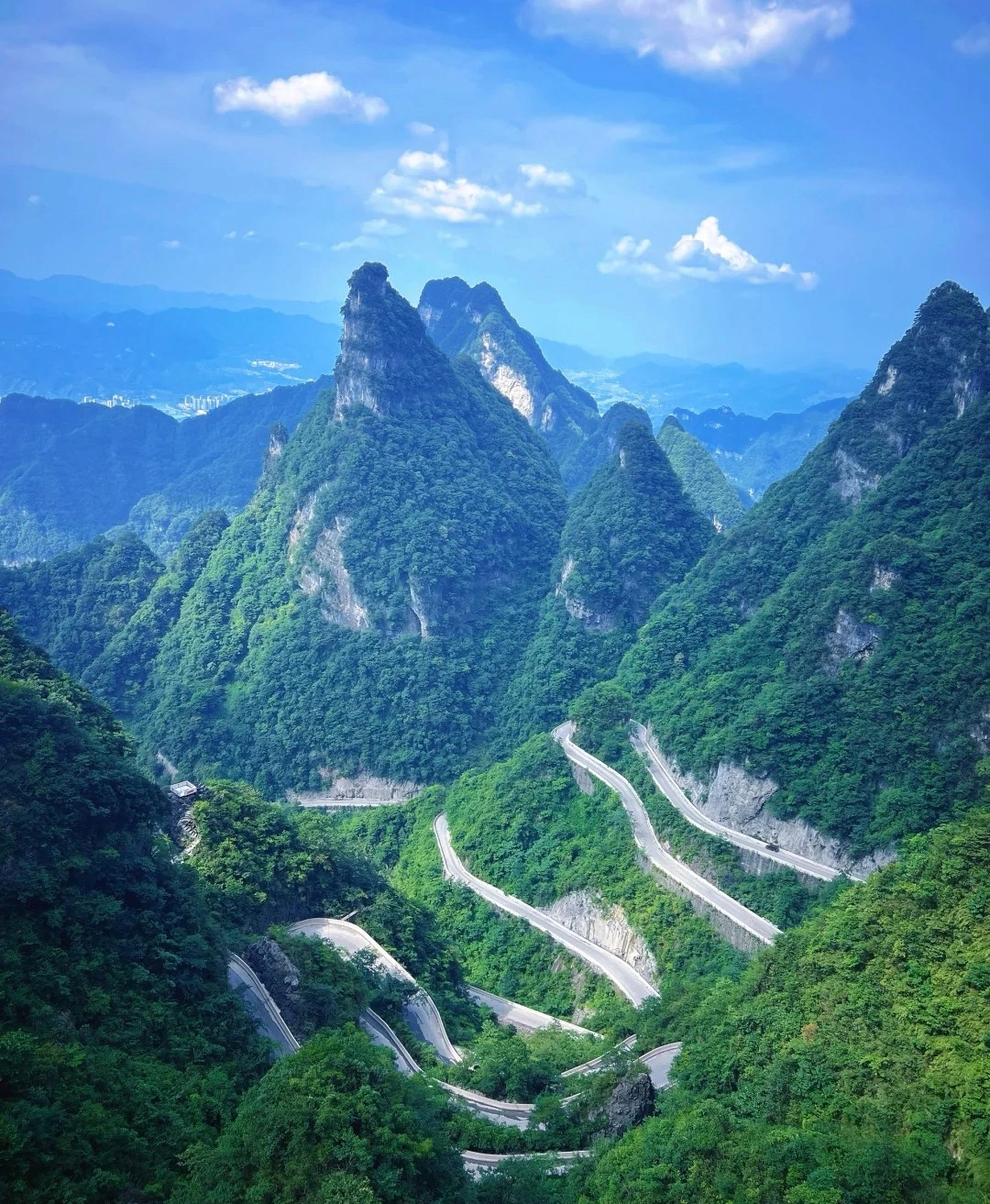
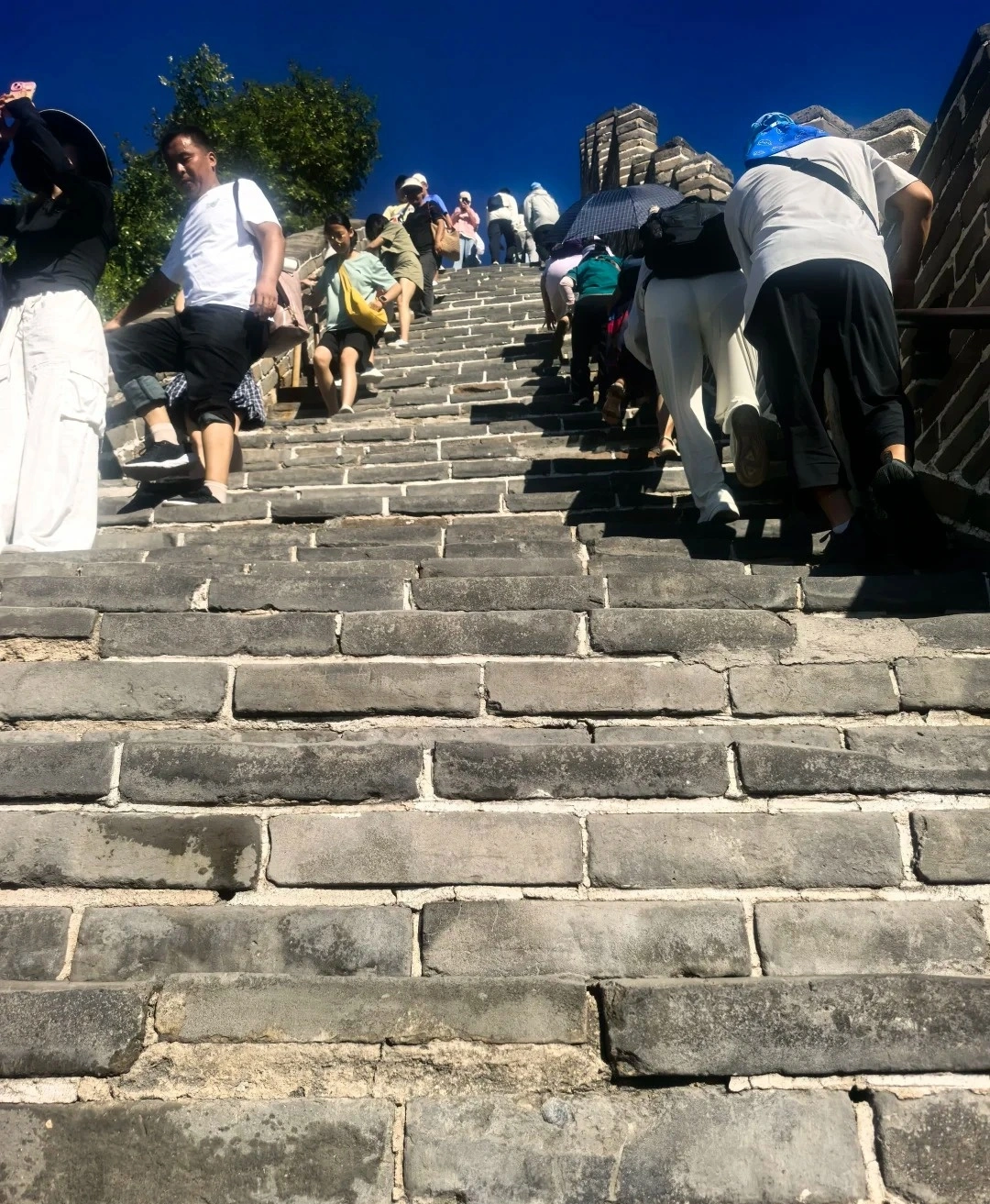
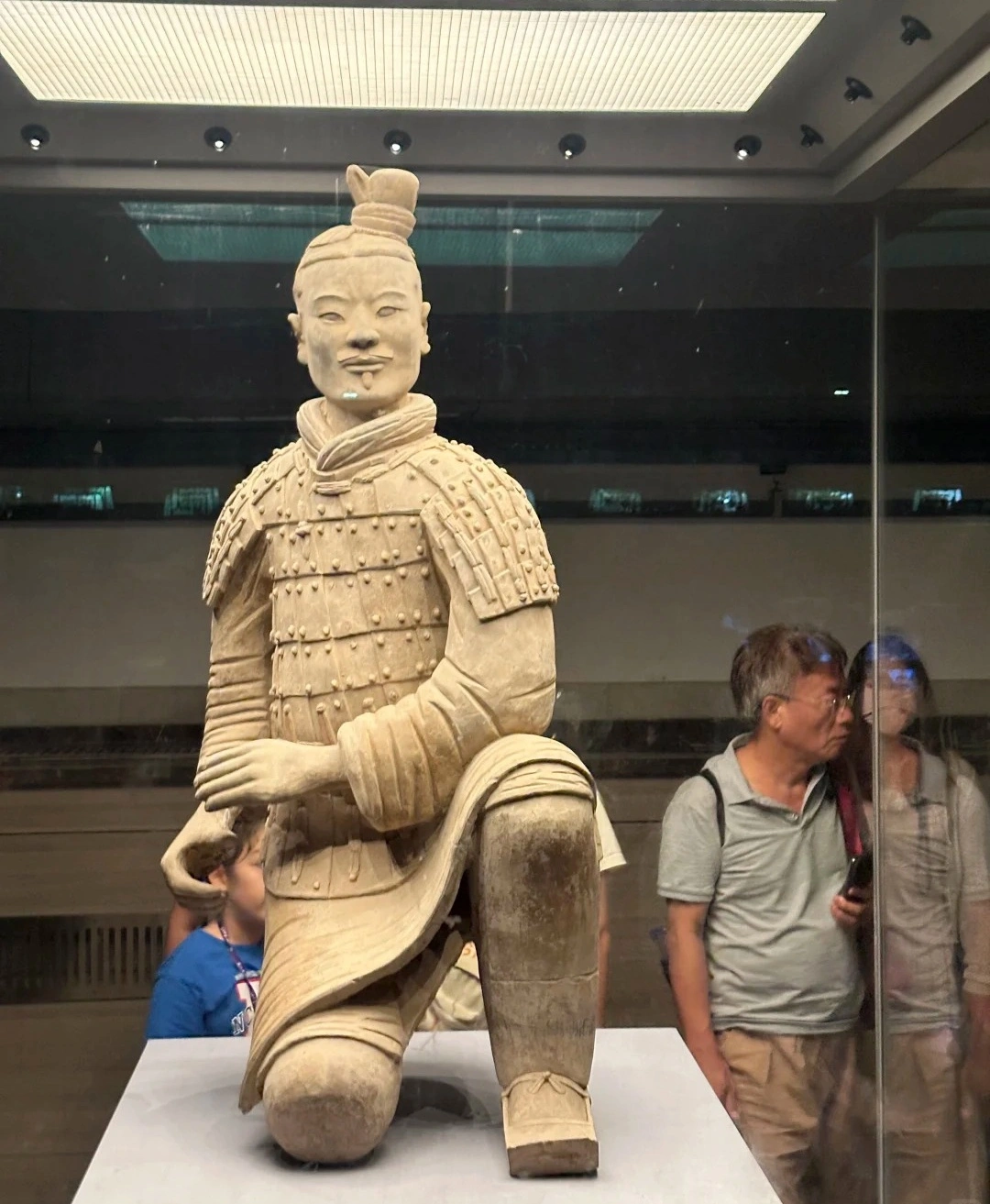
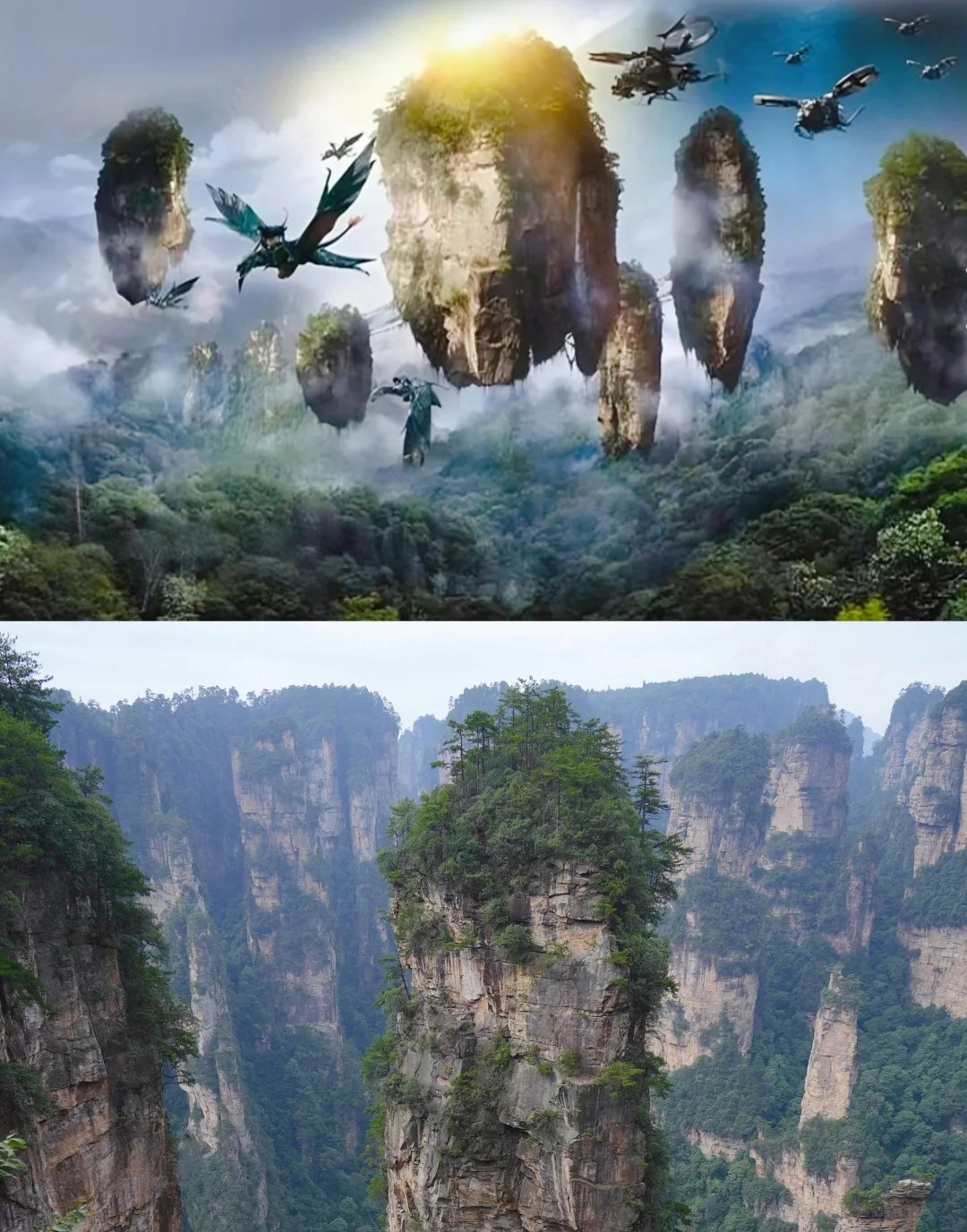
As a solo traveler from Canada, I was nervous about navigating China alone—but this 11-day tour was PERFECT! From hiking the Great Wall at sunrise (Day 3) to gasping at the Terracotta Army (Day 5), every day delivered ‘pinch-me’ moments. The real showstopper? Zhangjiajie’s Avatar Mountains (Day 7)! Our guide made the stone pillars come alive with stories. Massive thanks for handling all logistics—bullet train tickets, entry passes, car! And the 4-star hotels surprised me.
Destination(s): Beijing Xian Zhangjiajie Shanghai
Date of Experience: June 02,2025
... ... ...
...
Simon
America
Reviewed on May 29,2025
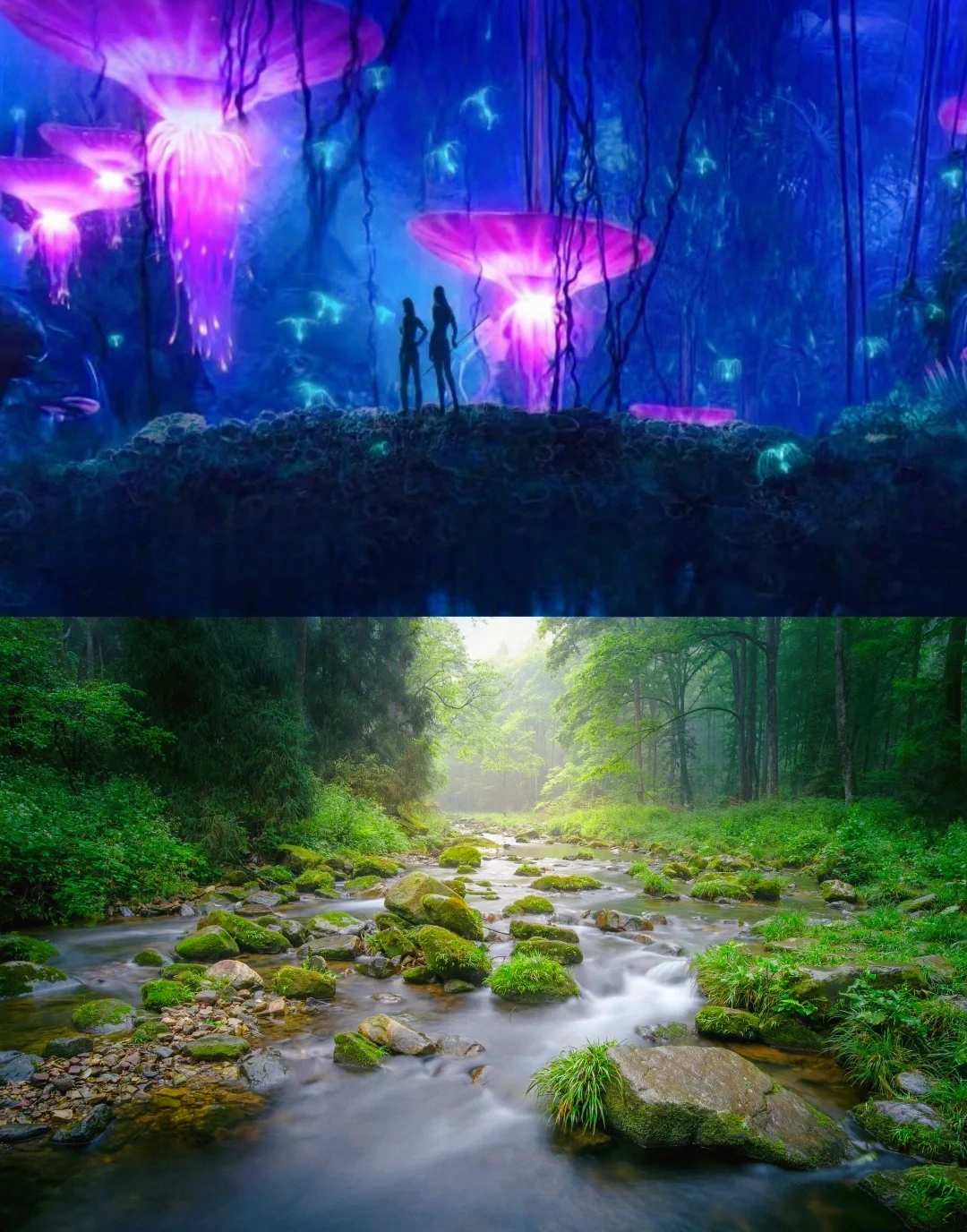
Our 2-day Zhangjiajie tour was beyond spectacular! As someone who’s visited Beijing and Shanghai for work, this trip revealed China’s wild, magical heart. Day 1 in Zhangjiajie National Forest Park felt like stepping onto Pandora—I’m a huge Avatar fan, and Yuanjiajie’s floating peaks left me breathless. The misty pillars and lush valleys like pure movie magic! Then came Fenghuang Ancient Town, we eat dinner beside the thundering waterfall. It seems Unreal! The night views of stilt houses glowing over the river were straight from a fairy tale. For fellow Avatar lovers and adventure seekers: Don’t miss this bucket-list experience! 10/10 would return. A Well-Traveled Film Buff, May 2025
Destination(s): Zhangjiajie
Date of Experience: May 08,2025
... ...

FAQ

What is the highlight exhibit of Dunhuang Museum?

The Painted Wooden Figurine of a Cavalryman from the Western Han Dynasty, showcasing vivid desert warfare attire.

Does the museum offer guided tours?

Free Chinese tours at 10:00 & 15:00; English audio guides (20 RMB) available at the lobby.

Is parking available near the museum?

Free parking lot for 50+ cars at the east entrance.

What interactive experiences does the museum offer?

VR tours of Mogao Caves’ Cave 220 and ancient script rubbing workshops (booking required).

How to schedule visits between the museum and Mogao Caves?

Visit the museum first to understand historical context, then tour Mogao Caves for deeper insights.

Q & A

Asked by Armand from USA | November 07,2025 16:52
the murals in the Mogao Caves
Why have the murals in the Mogao Caves been preserved for such a long time? There was no preservation technology in ancient times, right?

Ask a Question

Question Summary (100 characters)
Details (optional) (2,000 characters)
Name
Country
Email