Xiamen University: A Journey into a Century-Old Humanistic Sanctuary Nestled Between Mountains and Sea

Xiamen University: A Journey into a Century-Old Humanistic Sanctuary Nestled Between Mountains and Sea

Overview: China’s Most Beautiful University—A Seaside Garden Campus Perfect for Strolling

Xiamen University holds the distinction of being the first university in modern Chinese history to be founded by an overseas Chinese entrepreneur, and it remains synonymous in the hearts of countless travelers with the title of "China’s Most Beautiful University.

Core Highlights at a Glance

Identity Tags: "China’s Most Beautiful University" / A Pantheon of "Kah Kee Style" Architecture

Key Experiences: A Architectural Tour of "Kah Kee Style" Buildings / An Artistic Stroll through the Furong Tunnel

Suggested Visit Duration: Half a day to one full day; starting in the early morning is recommended to capture the best lighting and avoid the crowds.

Campus Address: No. 422 Siming South Road, Siming District, Xiamen, Fujian Province

  • Xiamen University: A Journey into a Century-Old Humanistic Sanctuary Nestled Between Mountains and Sea-1
  • Xiamen University: A Journey into a Century-Old Humanistic Sanctuary Nestled Between Mountains and Sea-2
  • Xiamen University: A Journey into a Century-Old Humanistic Sanctuary Nestled Between Mountains and Sea-3
  • Xiamen University: A Journey into a Century-Old Humanistic Sanctuary Nestled Between Mountains and Sea-4

Origins: An Overseas Chinese Entrepreneur’s Century-Long Educational Dream

Furong Ancient Town Furong Ancient Town

Tan Kah Kee’s Vision: Selling Mansions to Build a University

The story of Xiamen University begins with the patriotic devotion of an overseas Chinese entrepreneur from Southeast Asia. In 1921, Mr. Tan Kah Kee—a renowned patriotic overseas Chinese leader—donated his personal fortune to establish Xiamen University, marking the first time in the history of modern Chinese education that a university was founded by an overseas Chinese benefactor. At the time, Mr. Tan’s industrial enterprises in Southeast Asia were at their zenith; yet, he resolutely poured his wealth into education, even vowing to "sell the mansions to build Xiamen University"—declaring that he would sooner sell off his commercial properties in Southeast Asia than allow Xiamen University to fail. This spirit of patriotism, transcending mountains and seas, remains the bedrock of the "Xiamen University Spirit" to this day. Upon entering the campus, a bronze statue of Mr. Tan Kah Kee stands silently before the Qunxian Building, as if he were still gazing upon this vibrant academic sanctuary he personally brought into existence.

Centennial Architecture—An Aesthetic Manifesto Etched in Brick and Tile

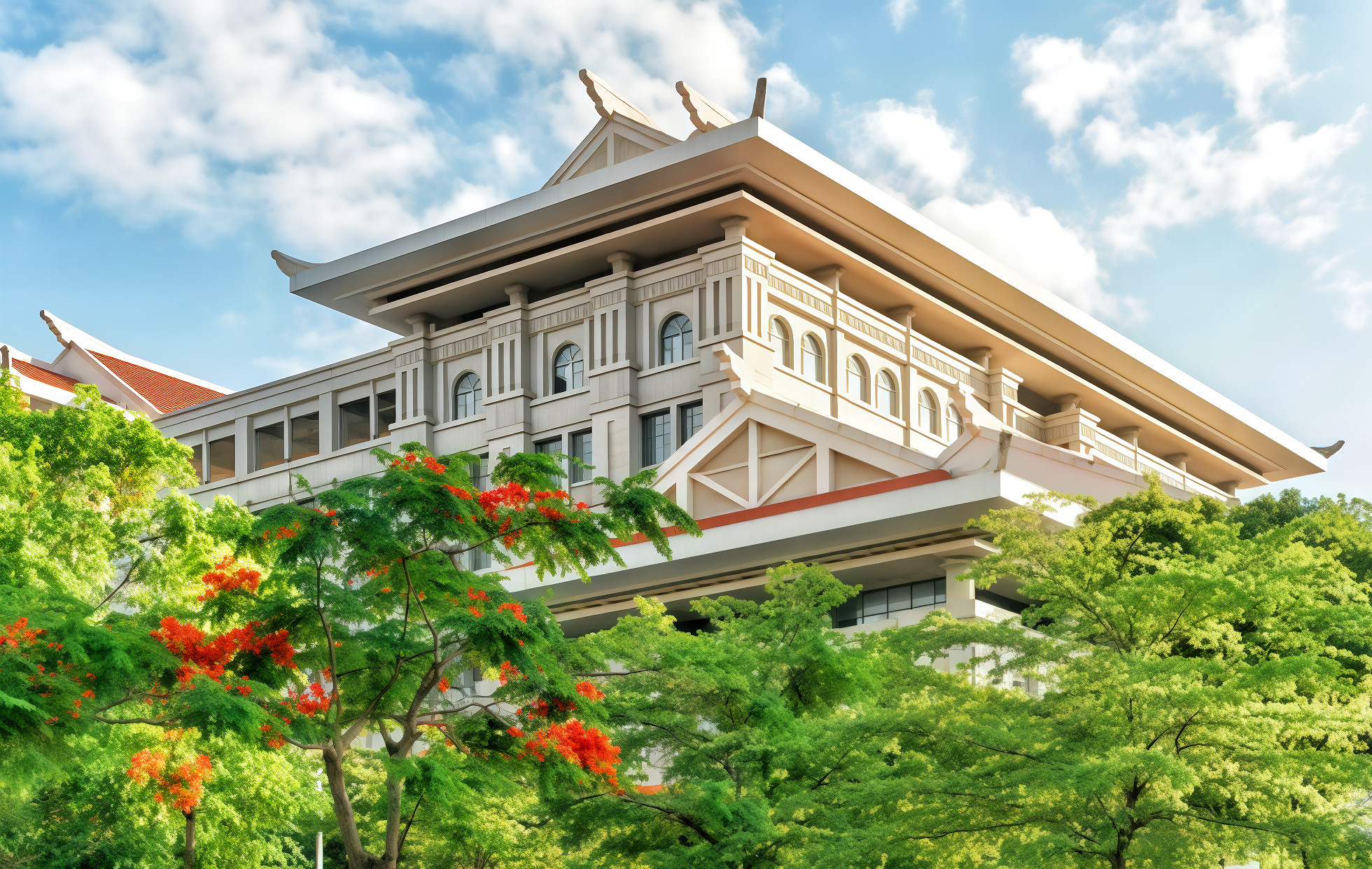
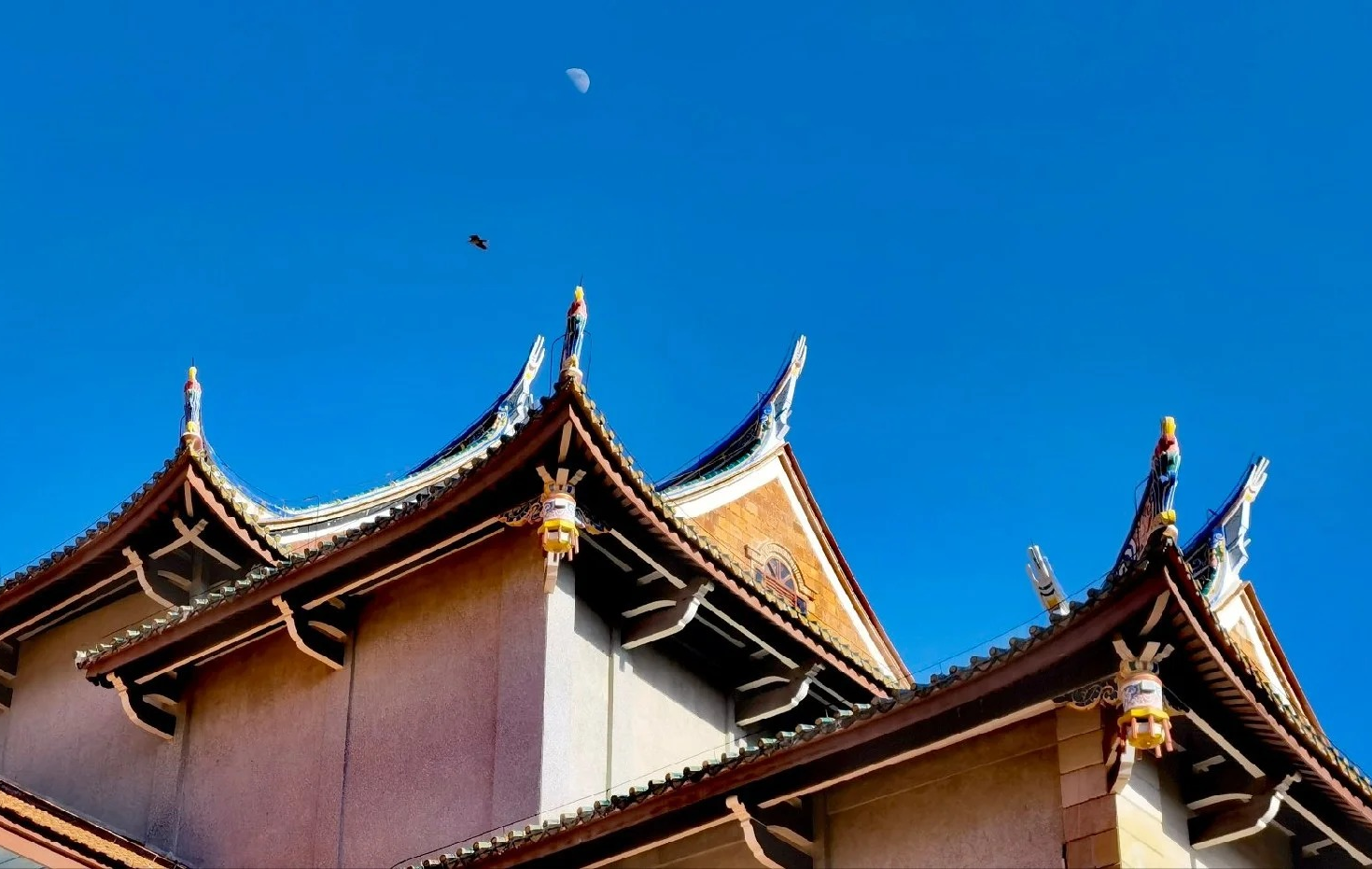
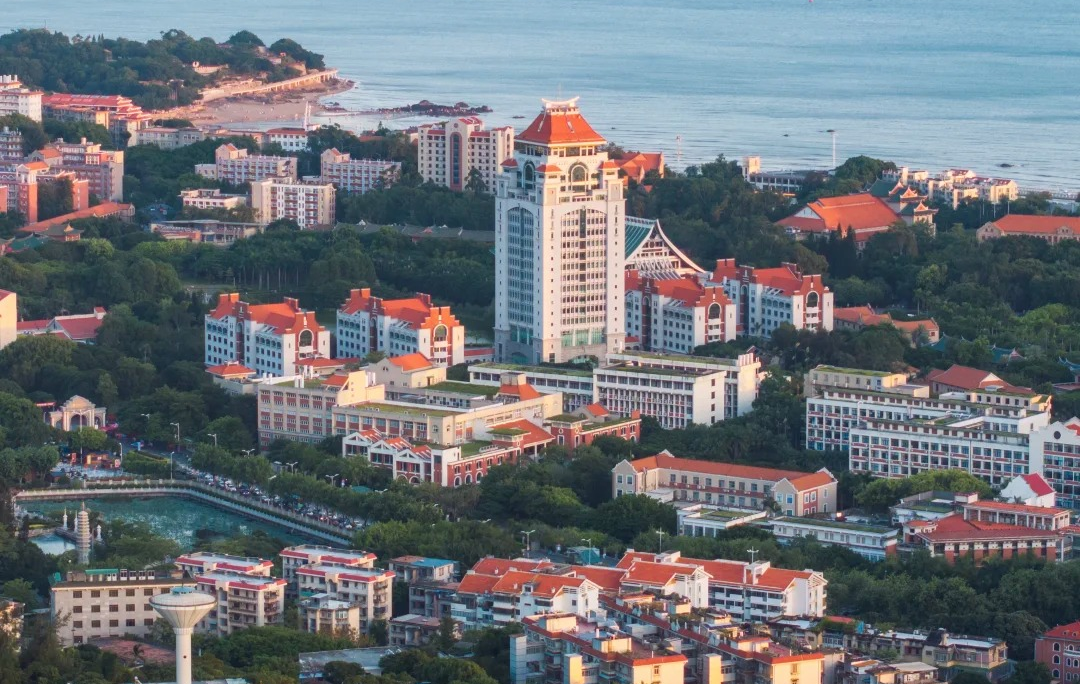
The beauty of Xiamen University lies, first and foremost, in its architecture. The campus’s early building complexes—such as the Qunxian, Jiannan, and Furong groups—have been designated as Major Historical and Cultural Sites Protected at the National Level and were further included in the inaugural list of "China's 20th-Century Architectural Heritage." Collectively, they share a single name: "Kah Kee Architecture." This unique architectural style is vividly described as "wearing a Western suit while sporting a bamboo hat": Western-style arches and colonnades form the spacious and functional body of the structure (the "suit"), while the roofs feature traditional Southern Fujian elements—such as swallowtail ridges and hip-and-gable roofs—with eaves adorned by upturned corners and green glazed tiles (the "bamboo hat"). Through this design, Mr. Tan Kah Kee expressed his conviction: while one should embrace and learn from advanced Western science and technology, the roots of Chinese culture must remain paramount and unshakable. In 2006, Kah Kee Architecture was officially recognized as part of "China's 20th-Century Architectural Heritage," establishing itself as a truly distinctive style within the annals of global architectural history. > In-Depth Exploration: Discover the Beauty of China’s Architecture >>[Shapowei] [Shanghai Xintiandi]

Must-See Wonders: A Symphonic Poem of Nature and Culture

Furong Ancient Town Furong Ancient Town Furong Ancient Town Furong Ancient Town

Nature’s Masterpiece — A Garden Campus Nestled Between Mountains and Sea

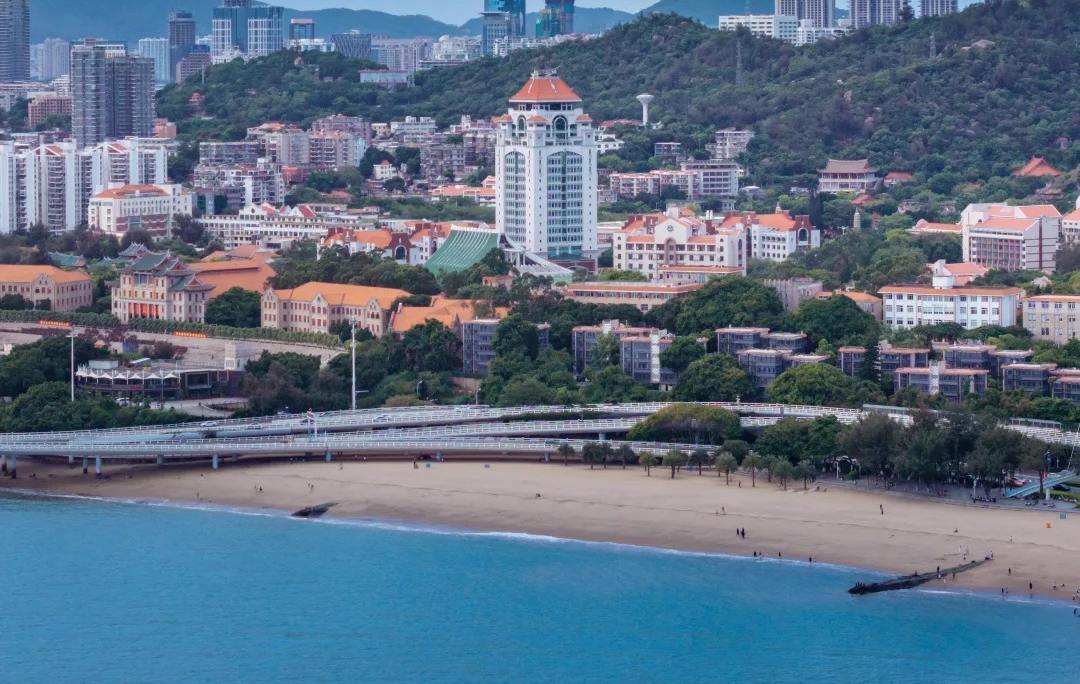
Xiamen University’s natural scenery owes its splendor to a uniquely privileged geographical location: backed by the Five Old Men Peaks (Wulaofeng) and facing Xiamen Bay, the campus itself is a magnificent garden sculpted jointly by the mountains and the sea.

Furong Lake: A Healing Sanctuary at the Heart of Campus

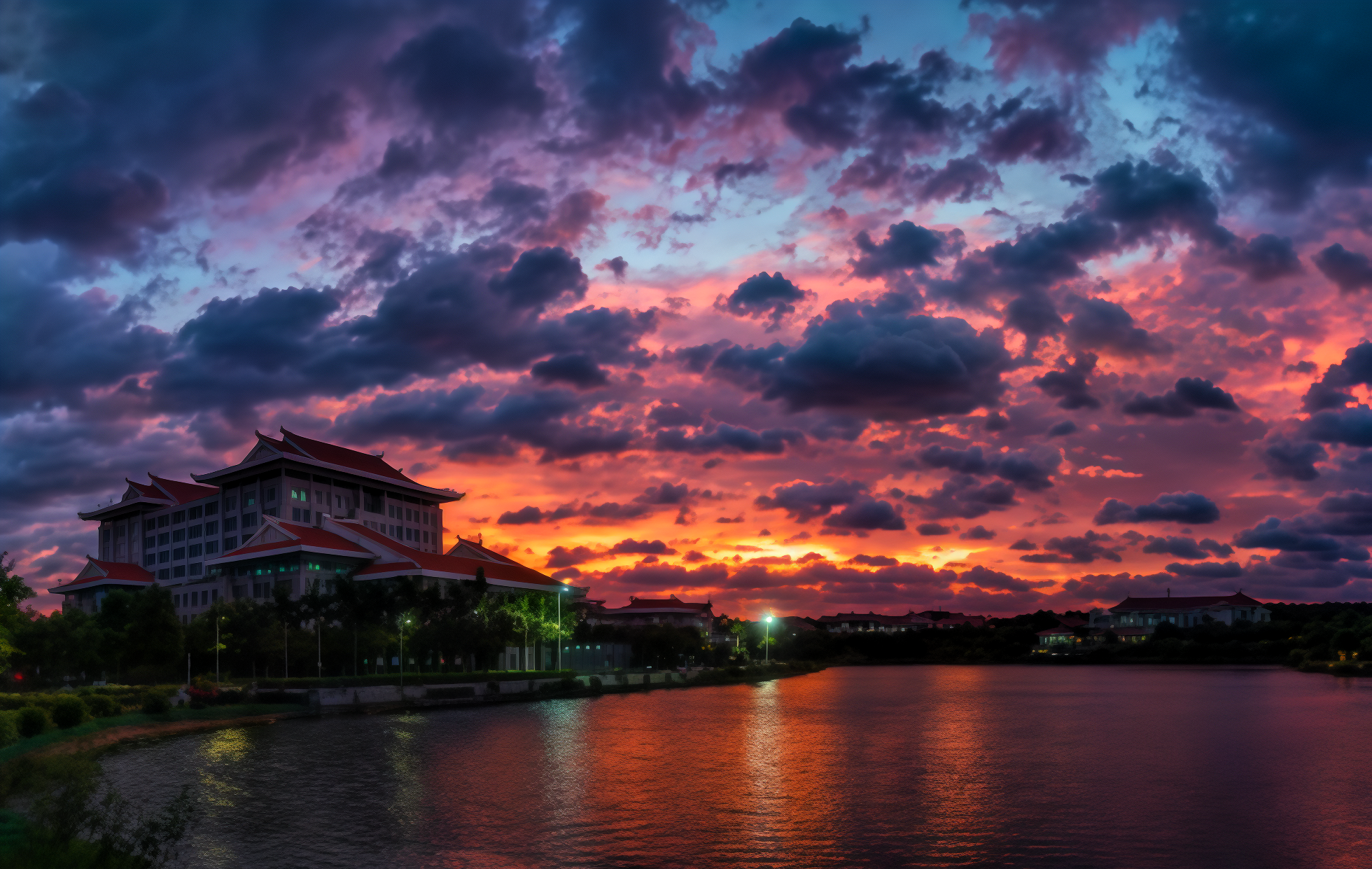
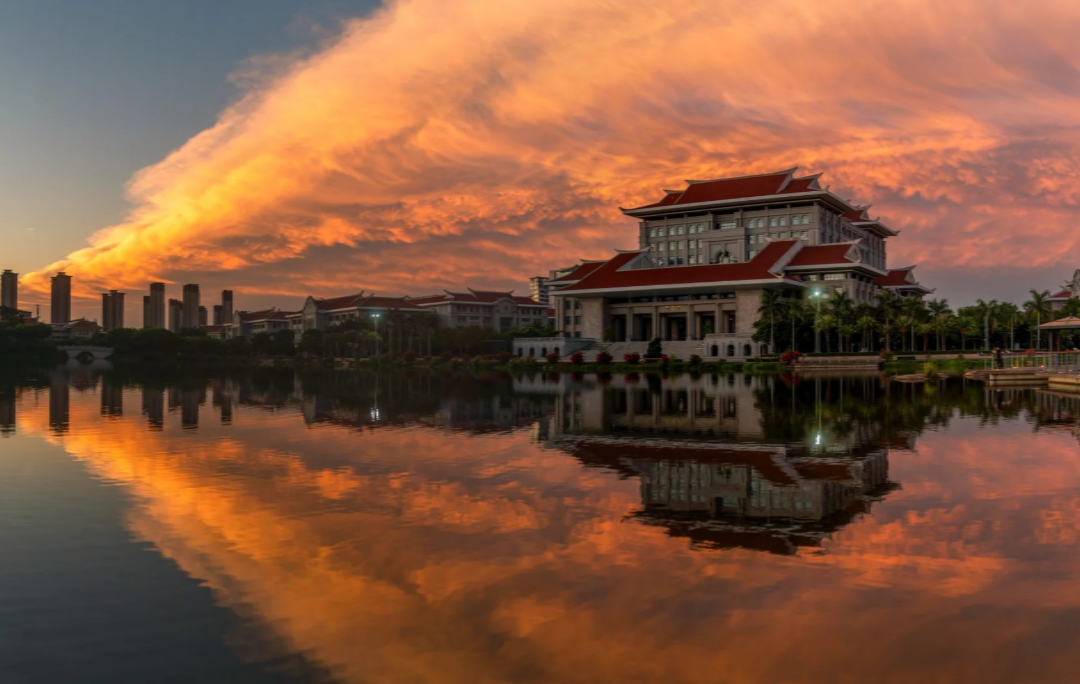
Furong Lake serves as the "soul's eye" of Xiamen University. This crystal-clear body of water sits directly in front of the Jiageng Building Complex; though not vast in size, it excels in its exquisite charm and lively spirit. The water, clear enough to reveal the lakebed, sparkles under the sunlight, while along the banks, sturdy banyan trees and swaying palms cast dappled patterns of light and shadow. The black swans inhabiting the lake are the undisputed "stars of the show"—utterly unafraid of humans, they carry themselves with a demeanor that is both languid and noble, at times gliding leisurely across the water, and at others, dipping their heads to preen their feathers. On the benches lining the lake, students can often be found quietly engrossed in books; here, the scent of literature intertwines with the fragrance of nature, creating a unique campus atmosphere of tranquility and ease that compels visitors to slow their pace and savor the moment. Photography Tip: In the windless hours of early morning, the surface of Furong Lake becomes a perfect mirror; the reflection of the Jiageng Building Complex appears with striking symmetry, offering the absolute best opportunity to capture Xiamen University’s most iconic visual imagery.

Siyuan Valley (Lover’s Valley): A "Tropical Rainforest" Hidden Within the Campus

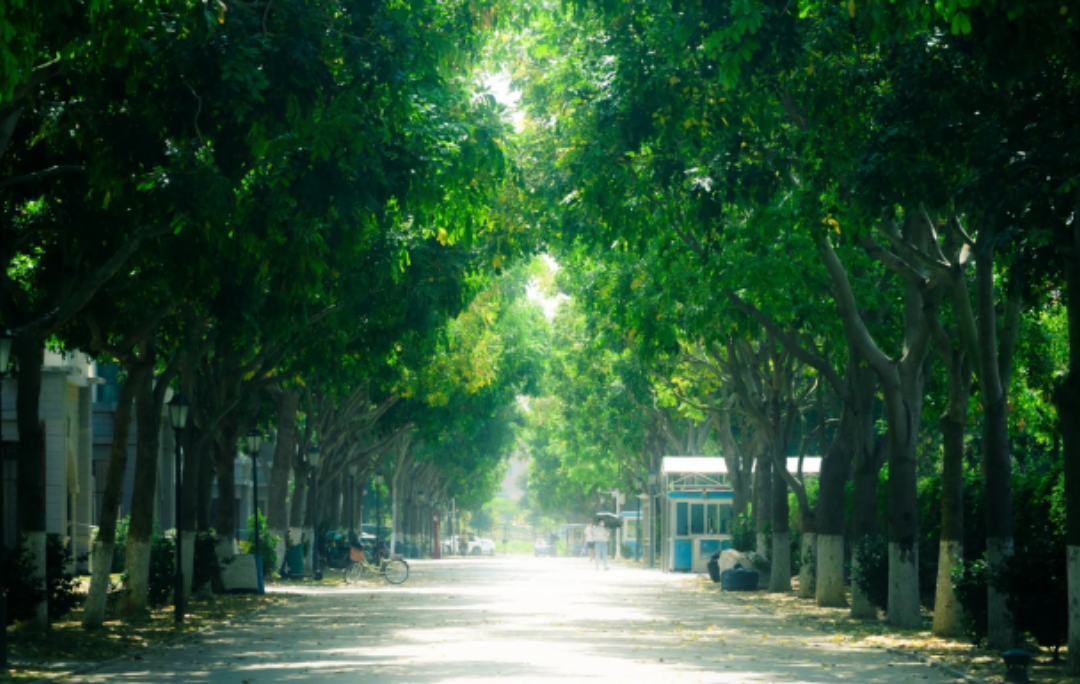
Siyuan Valley—known more familiarly to the Xiamen University community as "Lover’s Valley"—was originally an artificial reservoir situated on the university’s back hill. Shaped by the natural topography of the Five Old Men Peaks, the valley is filled with shimmering emerald waters and adorned on all sides by a tapestry of rare and exotic flora; the interplay of mountain light and water hues creates a scene so beautiful it feels like a realm of immortals. Following extensive renovations, the site now features newly constructed wooden boardwalks, stone staircases, and pavilions, inviting visitors to enjoy a leisurely stroll along the winding forest paths. The valley is lush with dense trees, ferns, and bamboo groves; stepping inside during the summer feels like stumbling into a miniature tropical rainforest. While temperatures outside soar above 30°C, the valley remains cool and pleasant, filled only with the sounds of birdsong and the rustling of leaves in the breeze. This spot remains relatively off the beaten path—known to few tourists—making it an ideal destination for capturing stunning, "forest-chic" photos or simply seeking a moment of tranquility.

Baicheng Beach: Where Sea and Sky Merge Just Beyond the Campus Gates

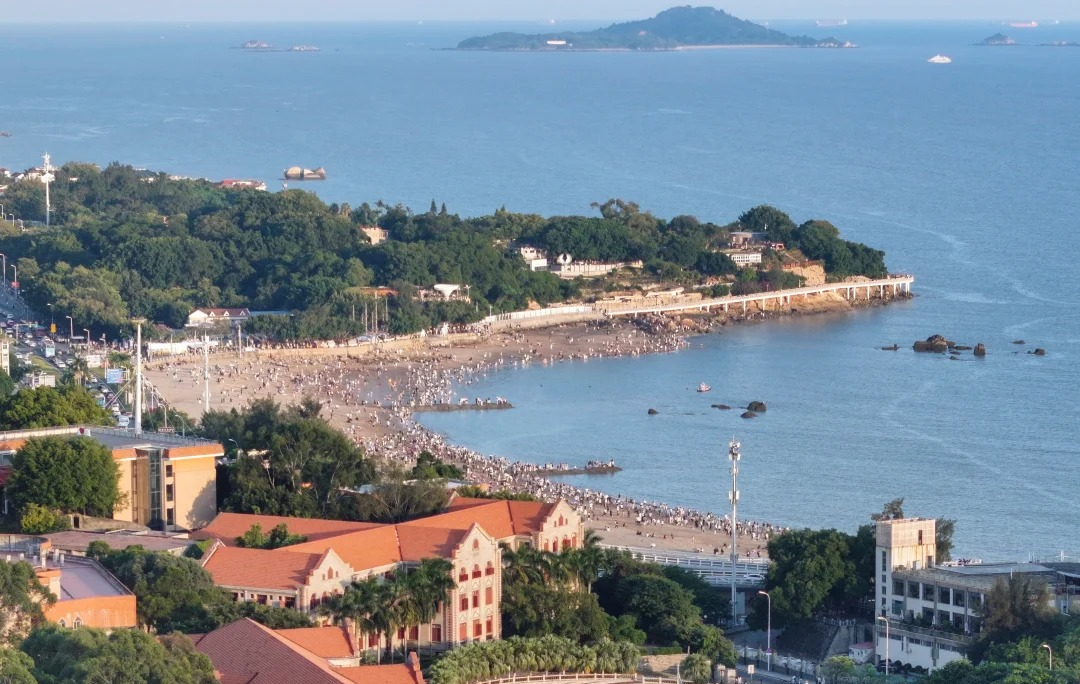
Step out through the Baicheng campus gate, and a stretch of golden sand unfolds before your eyes. Although Baicheng Beach is a public beach open to the city, its immediate proximity to Xiamen University grants students the rare luxury of "seeing the sea the moment they step off campus." In the late afternoon, waiting here quietly to watch the sunset paint the sky in molten gold—as the silhouettes of Gulangyu Island and the Twin Towers fade into the twilight—makes for the most delightful conclusion to a day spent wandering the campus. Photography Tip: Baicheng Beach is perfect for capturing silhouette portraits; with the sunset and ocean as your backdrop, "collegiate-style" outfits yield particularly stunning results.

Humanistic Craftsmanship: An Epic of Youth Etched in Red Brick and Green Tiles

The cultural landscape of Xiamen University is a century-old narrative, intricately woven from architectural aesthetics, literary memories, and the creative energy of youth.

A Tour of Jimei-Style Architecture: A Three-Dimensional Textbook of Architectural Aesthetics

- The Qunxian Building Complex: The oldest architectural cluster on campus. The central Qunxian Building is flanked by the Tong'an and Jimei Buildings, with the Yingxue Building anchoring the eastern end and the Nangying Building the western; the five structures align in a magnificent, linear formation. Their Chinese-style roofs—adorned with green glazed tiles and upturned eaves—are paired with Western-style arched corridors, serving as a quintessential example of the "wearing a Western suit beneath a traditional bamboo hat" architectural style. A bronze statue of Mr. Chen Jiageng stands majestically in front of the buildings, offering the perfect starting point for understanding the founding vision and spirit of Xiamen University.

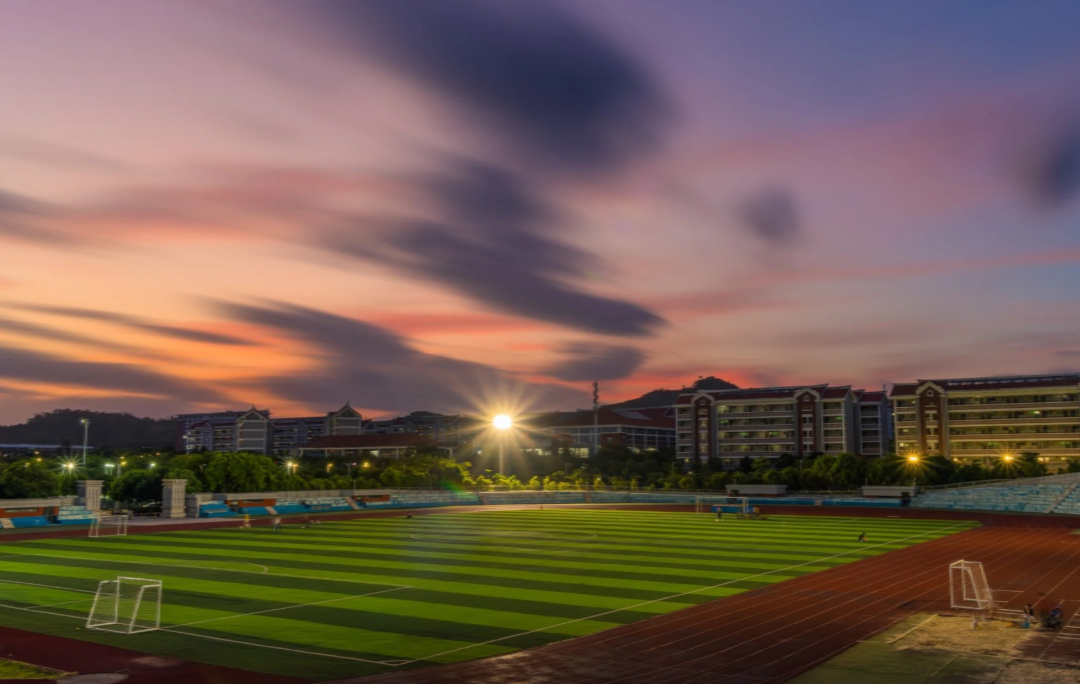
- The Jiannan Building Complex and Shangxian Stadium: This duo presents the most visually striking panorama on campus. The Jiannan Auditorium, with its red walls, green tiles, and soaring eaves, exudes an air of magnificent grandeur. Directly ahead lies Shangxian Field—a vast, crescent-shaped sports ground built into the hillside, facing the sea and backed by the Five Old Peaks. Standing on the grandstands, one is greeted by the sight of a curving running track and lush green lawns, with the boundless azure sea stretching out in the distance; it is acclaimed as the most spectacular spot at Xiamen University for sightseeing and watching the sunset. Photography Tip: The side of the Jiannan Conference Hall offers excellent angles for capturing interplay between light and shadow; the soft lighting between 4:00 PM and 6:00 PM makes it the ideal time to shoot stunning, retro-collegiate-style photos.

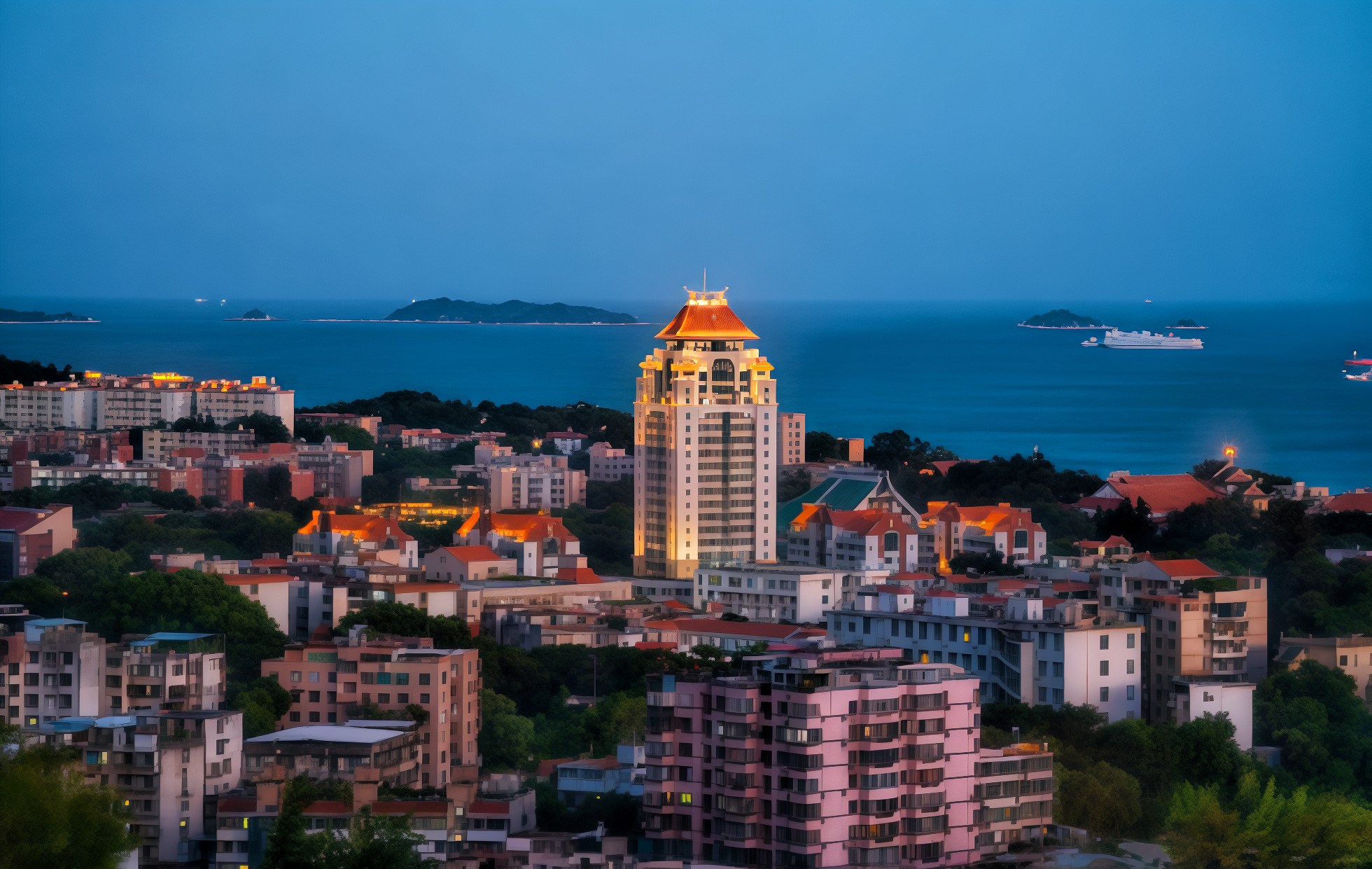
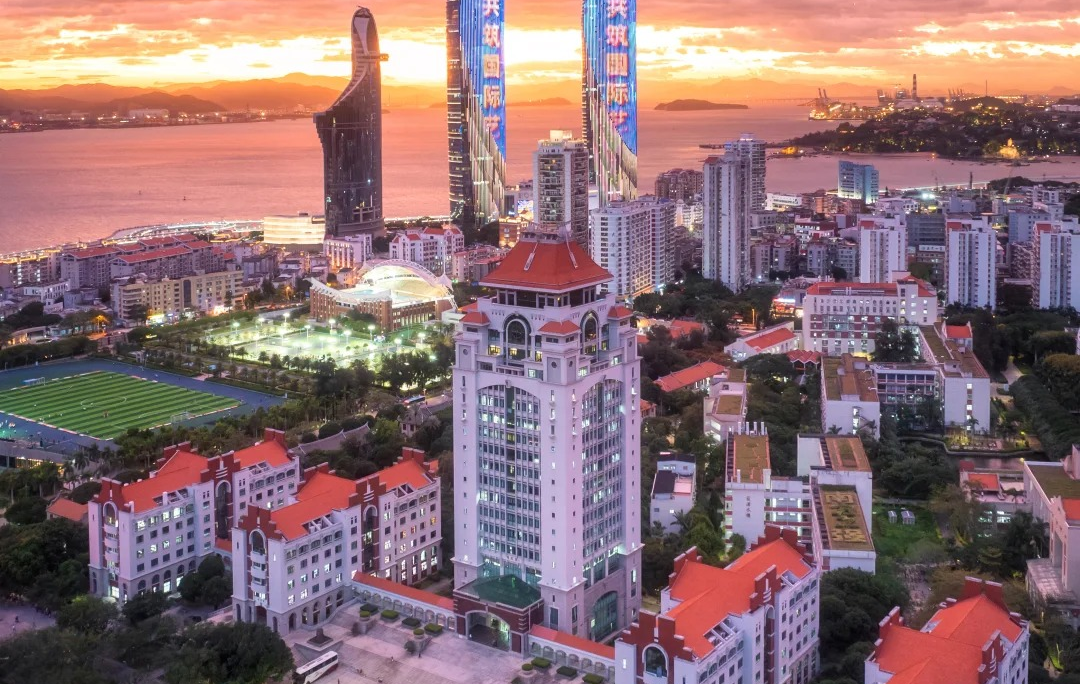
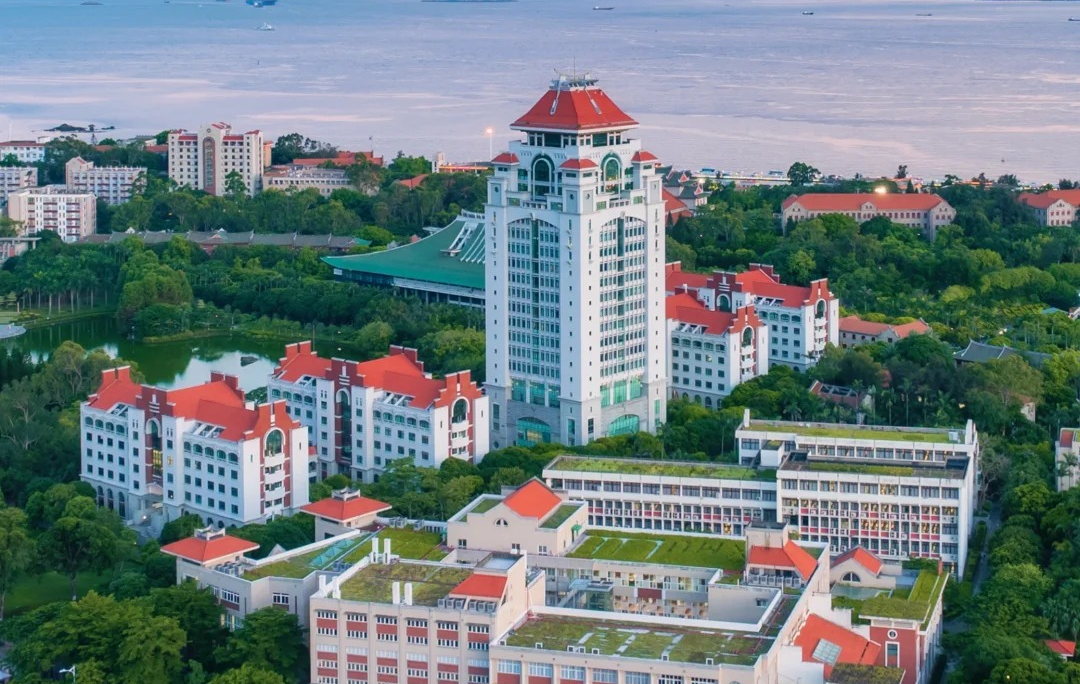
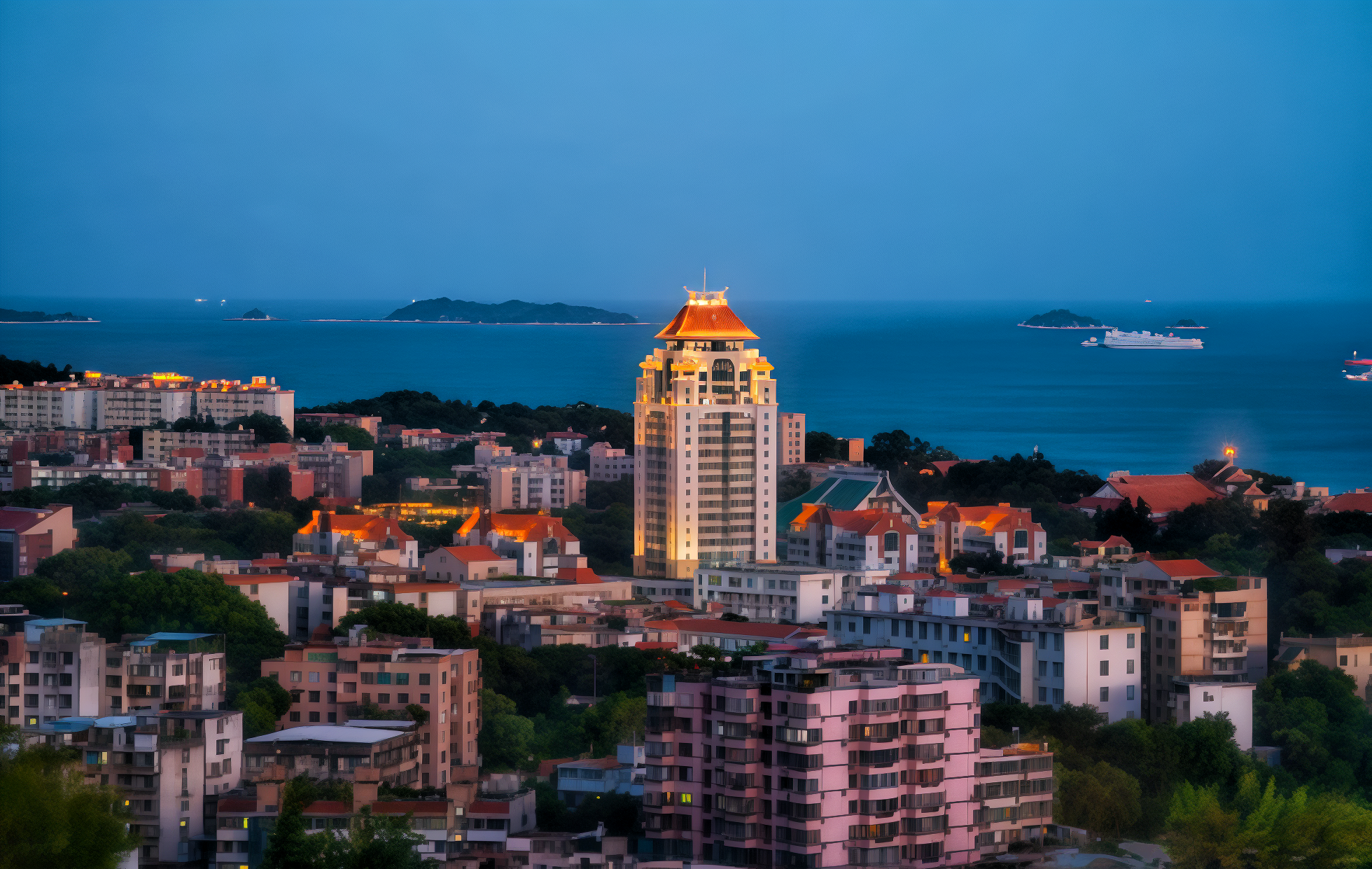
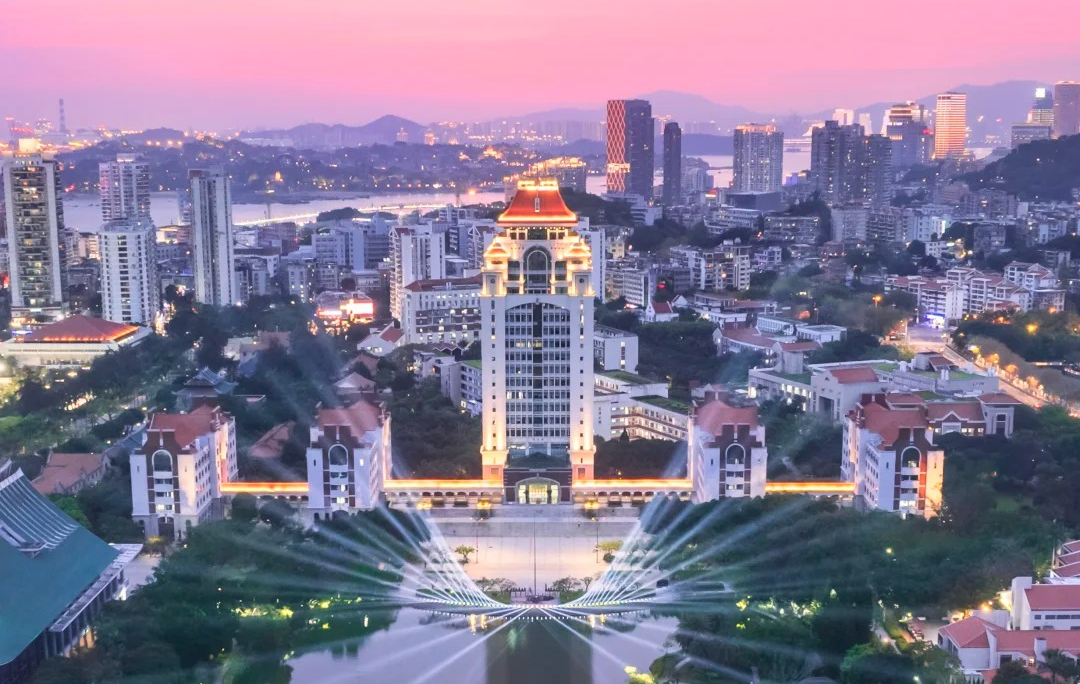
- The Jimei Building Complex and Song'en Building: Situated by the banks of Furong Lake, the modern Jimei Building Complex is anchored by the 21-story Song'en Building. Its façade features a symmetrical composition, while its roofline incorporates the distinctive flying eaves characteristic of the "Jimei Style" architecture. Ascending to the top floor offers a breathtaking 360-degree panoramic view encompassing the entire campus, Nanputuo Temple, Gulangyu Island, and even the distant open sea.

The Lu Xun Memorial Hall: China’s Only Memorial to Lu Xun Located Within a University

Xiamen University shares a brief yet profoundly significant connection with the literary titan, Mr. Lu Xun. From September 1926 to January 1927, Lu Xun served as a faculty member at Xiamen University, spending a total of 134 days on campus. He resided in a room on the second floor of the Jimei Building—a space that has since been transformed into China’s only memorial hall dedicated to Lu Xun located within a university setting. The memorial hall comprises five exhibition rooms: "The Life of Lu Xun," "The Commemoration Room," "Lu Xun and Xu Guangping," "Lu Xun and Xiamen University," and a faithful restoration of Lu Xun’s original living quarters. The third through fifth exhibition rooms represent the museum's unique highlights, housing historical artifacts and documents dating back to Lu Xun’s time in Xiamen. The Jimei Building itself is a quintessential example of Jimei-style architecture, offering visitors the opportunity to embark on a dual pilgrimage—one of both literature and architecture. Opening Hours: Tuesdays through Sundays, 8:30 AM – 5:30 PM (last entry at 5:00 PM).

Furong Tunnel: A One-Kilometer Celebration of Youthful Spirit

Acclaimed as "China’s most artistic tunnel" and "the longest graffiti tunnel within a Chinese university," the Furong Tunnel stands as one of the most unmissable landmarks at Xiamen University. The tunnel spans approximately 1.1 kilometers in length with a clear width of 8 meters. Its walls are completely covered in graffiti—each stroke and line meticulously crafted by generations of Xiamen University students—displaying a vibrant array of colors and diverse artistic styles. In May 2009, students from the College of Art painted the very first strokes on the tunnel walls; subsequently, students from various other colleges began leaving their own works, gradually cultivating a unique and distinctive graffiti culture. While walking through the tunnel takes only about 20 minutes, it is recommended that you set aside at least 40 minutes—you will find yourself wanting to stop and take photos every few steps, as each artwork holds a delightful surprise of youth: sweet declarations of love and well-wishes, poignant farewell messages from graduating classes, and wildly imaginative creative drawings. The graffiti is updated periodically, ensuring that every visit offers a fresh and moving experience.

Museum of Anthropology: The Sole University-Based Anthropology Institution in Mainland China

The Museum of Anthropology at Xiamen University is the only specialized university museum in mainland China that integrates the disciplines of anthropology, archaeology, and ethnology. The museum's name was personally inscribed by the renowned painter Xu Beihong. Its collection comprises over 10,000 artifacts, spanning a vast historical range from the Paleolithic era through the Ming and Qing dynasties. The museum's most distinctive highlights include Neolithic artifacts from Taiwan's Yuanshan Site (the only collection of its kind in mainland China) and cultural relics from the indigenous Atayal people of Taiwan—such as their exquisite shell-bead garments. Together, these exhibits systematically showcase the profound history of cultural exchange among China's southeastern coastal regions, the two sides of the Taiwan Strait, and the "Nanyang" (Southeast Asian) region. The museum features seven exhibition halls and a stele gallery, covering a total exhibition area of 2,000 square meters. Photography Tip: Photography is prohibited inside the museum; please put away your cameras and experience the exhibits through your eyes and your heart. Opening Hours: Monday through Friday, 8:30–11:15 AM and 2:30–5:15 PM.

Site of the Yanwuchang (Military Training Ground): Historical Echoes of War and Valor

The site where Xiamen University stands today presented a vastly different—and far more magnificent—scene over three centuries ago. During the transition period between the late Ming and early Qing dynasties, the national hero Zheng Chenggong (Koxinga) established a Yanwuchang (Military Training Ground) on this very spot. Spanning an area of ​​over 50,000 square meters, the ground was utilized to train his land forces as well as his elite "Iron Men Army"—soldiers who wore iron masks, iron armguards, and iron skirts, and for whom the ability to lift a stone lion weighing 300 jin (approx. 150 catties) was a mandatory requirement for enlistment. The formidable force that Zheng Chenggong rigorously trained eventually became the spearhead for the recovery of Taiwan. In 1954, a stone inscription bearing the characters "Lian Dan" (Tempering Courage) was unearthed in front of the Qunxian Building at Xiamen University; scholarly research has confirmed it to be in Zheng Chenggong's own hand. Today, the site of the original drill ground is situated at the large plaza in front of the Lu Xun Memorial Hall and is designated as a municipal-level cultural heritage site. Strolling through this historic space while imagining the clash of arms and horses of centuries past offers a unique opportunity to experience the historical depth of Xiamen.

> Photography Tips:

The best vantage point for a panoramic shot is from the top floor of the Song'en Building or from the banks of Furong Lake, allowing you to capture both the Jimei-style building complex and their reflections in the water within a single frame;

The grandstands at the Shangxian Field offer a classic angle for framing the Jiannan Auditorium alongside the seascape; the lighting is particularly soft and beautiful in the late afternoon;

Inside the Furong Tunnel, it is recommended to use a wide-angle lens to capture panoramic views of the graffiti art; as the lighting is dim, you may need to increase your ISO sensitivity or use a wide aperture;

Siyuan Valley (also known as "Lover's Valley") is an ideal setting for capturing "forest-style" portraits, offering the most atmospheric ambiance during the misty hours of early morning;

Core Experience: An Immersive Guide to Exploring Xiamen University—The Most Beautiful Campus

Furong Ancient Town Furong Ancient Town Furong Ancient Town Furong Ancient Town

Five Must-Do Activities to Unlock the Complete Xiamen University Experience

1. Tour the Jimei-style Architectural Complex

- Time: 8:00 AM – 10:00 AM, when the lighting is soft and there are fewer visitors.

- Route: Enter through the Qunxian Gate → The Qunxian Building Complex (featuring the bronze statue of Chen Jiageng) → Walk along Danan Road to Furong Lake → The Jimei-style Building Complex and Song'en Building → Continue eastward toward the Jiannan Building Complex and Shangxian Field.

- Experience: Seek out every intricate detail of this architectural style—often described as "wearing a Western suit while sporting a traditional bamboo hat"—from the soaring curves of the Southern Fujian-style "swallowtail" roof ridges to the rhythmic cadence of the Western-style arched doorways. Stand before the Qunxian Building to reflect on the university's founding vision from a century ago, and gaze up beneath the Song'en Building at the stone inscription bearing the university motto: "Strive for Self-Strengthening; Cease Not Until Perfection Is Attained."

2. Walk Through the Furong Tunnel: A Journey Through the Diary of Youth

- Location: The entrance to the Furong Tunnel is situated next to the Furong Cafeteria; exiting the tunnel brings you out to the southern side of the Xikeng Reservoir.

- - Experience: The tunnel spans approximately 1.1 kilometers; we recommend setting aside 40 minutes to an hour for your visit. Keep an eye out for iconic pieces—such as the "I Love You, Goodbye" graffiti—as well as the large-scale murals that each college updates annually. The tunnel is closed to motorized traffic; the lighting is dim, creating a unique and atmospheric ambiance.

- Tips: The temperature inside the tunnel is 3–5°C cooler than outside, making it a particularly comfortable place to stroll during the summer months. Please refrain from defacing or altering the existing graffiti; respect the creators and the youthful memories they have preserved there.

3. Wait for a Sunset at Shangxian Field

- Time: 4:30 PM – 6:00 PM (adjust according to the season).

- Location: The highest tier of the Shangxian Field grandstand, or the steps located to the side of the Jiannan Auditorium.

- Experience: The curved athletic field resembles a massive natural amphitheater. Sit in the grandstand and watch as the setting sun slowly dips below the horizon, casting a golden glow upon the red walls of the Jiannan Auditorium. It is arguably the most enchanting moment of the day at Xiamen University.

4. Explore the Secluded "Lover's Valley"

- Location: Follow the signposts up the hill from the entrance of Furong Tunnel; the destination is just a 10-minute walk away.

- Experience: Stroll along the wooden boardwalks and stone steps, admiring the lake's reflection of the majestic Wulao Peaks and listening to the melodious chirping of birds. This spot sees few visitors, making it an ideal location for portrait photography or simply enjoying a moment of solitude.

- Tips: Mosquitoes and insects are more prevalent in the valley during the summer months; it is advisable to carry insect repellent with you.

5. Savor Authentic Southern Fujian Flavors

- On Campus: The third floor of the Furong Cafeteria is open to the public, offering classic Southern Fujian snacks such as Shacha noodles and oyster omelets.

- Off Campus: Xiamen University West Village (Cat Street) and Shapowei are within walking distance and are home to a concentrated array of authentic Xiamen snack stalls and trendy cafes. We recommend trying Tusun Dong (sea worm jelly), Shacha noodles, and Xiamen's signature peanut soup.

- Nanputuo Vegetarian Cuisine: Located right next to the South Gate of Xiamen University, the vegetarian restaurant at Nanputuo Temple is renowned far and wide; their vegetarian pastries make for excellent souvenirs or gifts. 3.2 Suggested Tour Itineraries

Half-Day "Quick Highlights" Tour (Ideal for visitors with limited time):

Enter the campus via the Qunxian Gate at 8:30 AM (present your reservation code and ID) → Tour the Qunxian Building Complex and pay respects at the bronze statue of Chen Jiageng (20 minutes) → Walk to Furong Lake to photograph the reflections of the Jiageng Building Complex (20 minutes) → Walk eastward along the main campus road to the Jiannan Building Complex and Shangxian Stadium (30 minutes) → Enter the Furong Tunnel via its entrance and stroll through the graffiti-filled corridor (40 minutes) → Upon exiting the tunnel, take the campus shuttle bus or walk back to the campus gate → At noon, enjoy a vegetarian meal at Nanputuo Temple or dine at the Xiamen University West Village area before departing. Total duration: approximately 3–4 hours.

Full-Day "Deep Immersion" Tour (Highly Recommended):

Enter the campus via the Qunxian Gate at 8:00 AM → Visit the Qunxian Building Complex and the Lu Xun Memorial Hall (40 minutes; located on the 2nd floor of Jimei Building; free admission) → Explore the Museum of Anthropology (30 minutes; located in Boxue Building; free admission; photography prohibited) → Stroll along the banks of Furong Lake to photograph the black swans and architectural reflections (30 minutes) → Snap photos at the Jiageng Building Complex and Song'en Building (20 minutes) → At noon, head to the 3rd floor of the Furong Cafeteria to enjoy authentic Southern Fujian snacks, such as Shacha Noodles (40 minutes) → In the afternoon, walk to the Jiannan Building Complex and Shangxian Stadium; sit in the grandstands to enjoy the sea breeze and sunshine (40 minutes) → Venture deep into Siyuan Valley (also known as "Lover's Valley") and take a leisurely stroll along the wooden boardwalk (40 minutes) → Walk through the Furong Tunnel, taking time to admire every piece of graffiti (50 minutes) → In the evening, exit the campus via the Baicheng Gate and wait on Baicheng Beach to watch the sunset (30 minutes) → After dark, head to the Shapowei Art Zone for dinner to conclude your day's itinerary. If you have ample time, it is recommended to incorporate the nearby Nanputuo Temple (free admission; located right next to the South Gate of Xiamen University—a one-minute walk) and Huli Mountain Fort (approximately three bus stops from Xiamen University, home to the world's largest surviving ancient coastal cannon) into the same day's itinerary. These three sites are situated in close proximity, making it highly efficient to visit them consecutively. Visiting Tips: The campus experiences heavy foot traffic on weekends; for a more comfortable experience, we recommend visiting on a weekday. Shared bicycles within the campus are reserved exclusively for faculty and students; therefore, we suggest wearing comfortable shoes for your walking tour.



IntoTravelChina Advantage: We can book the perfect accommodation to suit your needs, seamlessly coordinate all your activities, and provide detailed walking route maps and safety guidelines.

> Professional Guides: IntoTravelChina offers fully customized itineraries, including a dedicated private guide, transportation, and activity arrangements, ensuring a worry-free and immersive travel experience. >> [Consult for Customization Now]

Comprehensive Travel Guide: Transportation, Accommodation, and Seasons

Furong Ancient Town Furong Ancient Town Furong Ancient Town

How to Arrive and Enter the Campus: A Seamless Guide

The Siming Campus of Xiamen University is situated in the core area at the southern tip of Xiamen Island. It boasts extremely convenient transportation links and is surrounded by a high concentration of tourist attractions.

- Campus Entry by Reservation: Xiamen University currently welcomes public visitors via a reservation system. You must make a reservation in advance using your real name through the official WeChat Official Account: "Xiamen University Visitor Reservation System." Daily visitor numbers are capped; while slots are generally plentiful on weekdays, they are often "snapped up instantly" on weekends and public holidays. We recommend booking at least 1–3 days in advance. Upon arrival, you must present your valid ID card and enter during your designated reservation time slot.

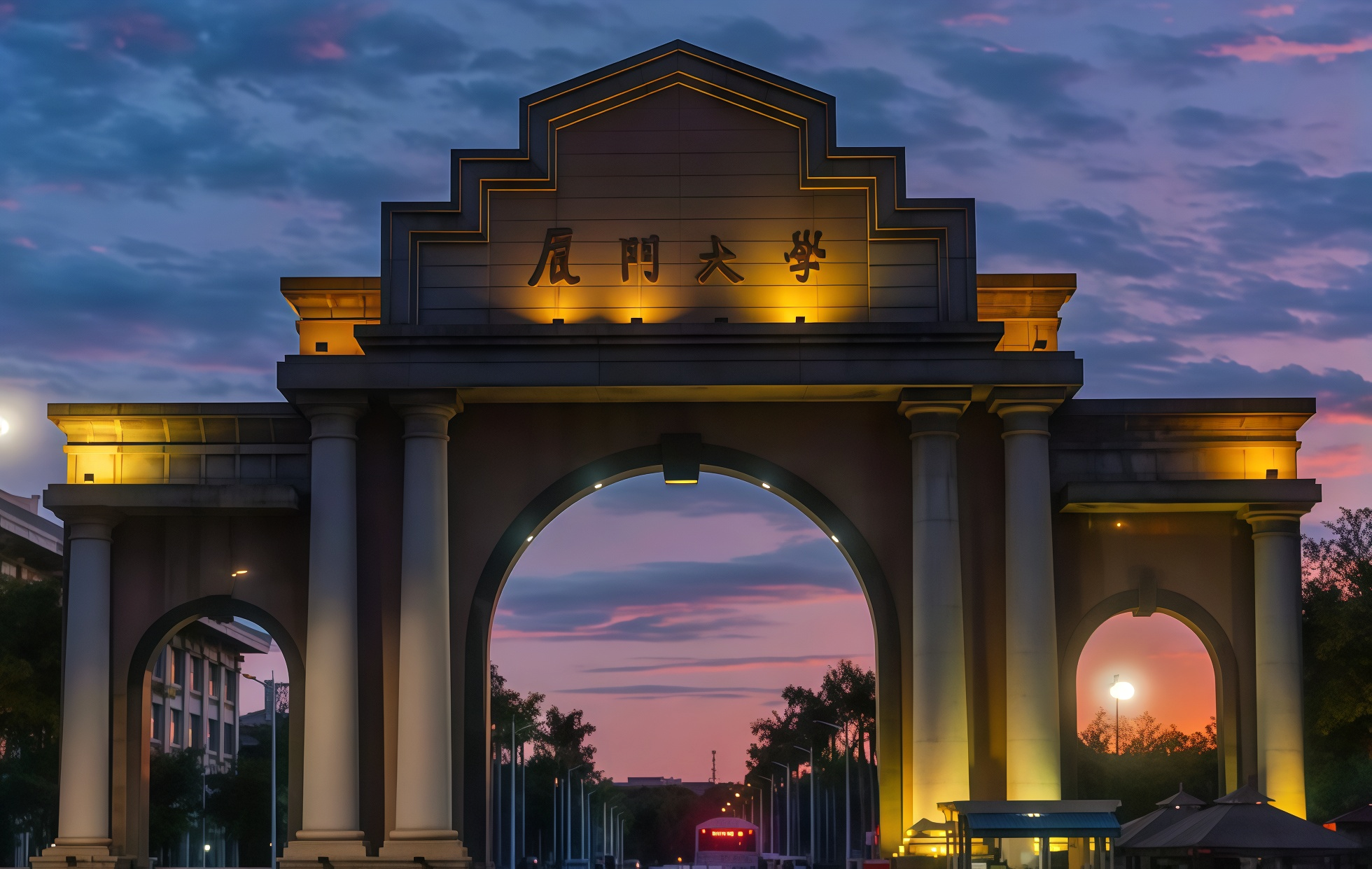
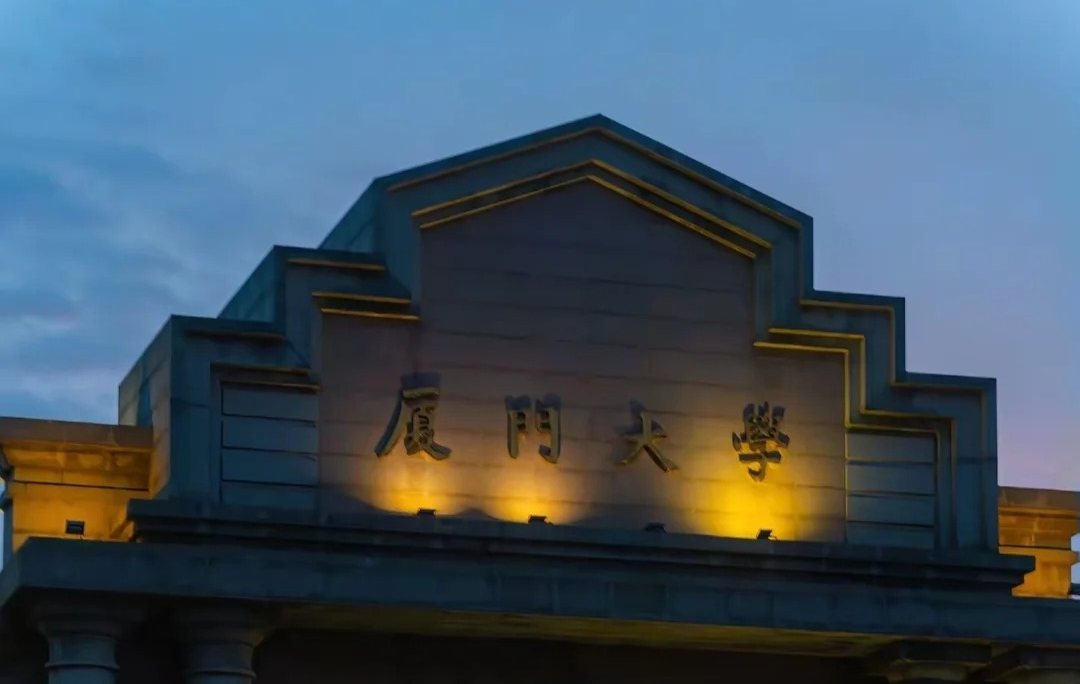
- Main Entrances: The primary entrances used by visitors are the Danan Gate (adjacent to the Nanputuo Temple) and the Qunxian Gate (the site of the stone monument bearing the four characters "Xiamen University"). The Baicheng Gate, located near the beach, typically serves as an exit only.

- From Xiamen Gaoqi International Airport: A taxi ride takes approximately 30 minutes and costs around 50 RMB. Alternatively, take the Bus Rapid Transit (BRT) to "First Wharf" (Diyi Matou) and transfer to a local bus bound for the "Xiamen University" (Xiada) stop.

- From Xiamen High-Speed Railway Stations (Xiamen Station / Xiamen North Station): Xiamen Station is approximately a 15-minute drive from the university. Xiamen North Station is slightly further away; from there, you can take Metro Line 1 to "Zhenhai Road" Station and transfer to a local bus.

- Bus Routes: You can reach the "Xiamen University" (Xiada) stop or the "Xiamen University West Village" (Xiada Xicun) stop via various bus lines, including Routes 1, 21, 45, 751, 841, and 959.

- On-Campus Transportation: Shared bicycles within the campus are reserved exclusively for faculty and students. Visitors are required to explore the campus entirely on foot; therefore, we recommend wearing comfortable flat shoes.

Best Time to Visit

Xiamen University is open to visitors year-round; however, spring and autumn (March–May and September–November) offer the most pleasant weather and are considered the prime seasons for a visit.

- Spring & Autumn (Prime Season: March–May, September–November): Temperatures are comfortable, and the weather is crisp and refreshing. In spring, the campus bursts into bloom, with vibrant Bauhinia and Kapok flowers adding splashes of color against the backdrop of red-brick buildings and green-tiled roofs. In autumn, the skies are crystal clear and the light is soft—perfect for photographing the architecture and seascapes.

- Summer (Vibrant Season: June–August): The campus vegetation is at its most lush during this period, though Xiamen summers can be hot and humid, with occasional afternoon showers or typhoon-related rain. Siyuan Valley (also known as "Lover's Valley") offers the coolest respite during this time, serving as a hidden oasis for escaping the summer heat. The summer twilight at Baicheng Beach is particularly enchanting.

- Winter (Tranquil Season: December–February): This is when the campus sees the fewest visitors, creating a quiet and peaceful atmosphere. Xiamen winters are relatively mild, allowing for comfortable sightseeing under the sunshine, and accommodation options offer excellent value for money.

- Special Note: Every year around September—coinciding with the military training period for incoming freshmen—the campus may temporarily suspend public access. Please check official Xiamen University announcements for specific dates. It is highly recommended to verify the university's latest visitor reservation policies before planning your trip.

Accommodation Options

Xiamen University is situated in the heart of Xiamen Island, offering an exceptionally wide range of nearby accommodation choices. From artsy guesthouses right outside the campus gates to star-rated hotels along Zhongshan Road, there are options to suit every budget and preference.

- The Area Surrounding Xiamen University (The Most Convenient Choice):

Experience: The areas around Xiamen University West Village, Nanhua Road, and Shapowei are home to a concentrated cluster of boutique guesthouses, design hotels, and youth hostels—all within easy walking distance of the campus gates. Nanhua Road is often hailed as one of "Xiamen's most artistic streets," lined with charming cafes and guesthouses housed in beautifully renovated historic villas.

Best For: Most visitors, particularly those wishing to explore Xiamen University in depth and conveniently link their visit with nearby attractions such as Shapowei, Cat Street, and Nanputuo Temple.

- Zengcuo'an Cultural & Creative Village (A Distinctive Seaside Choice):

Experience: Xiamen's most famous artistic fishing village, located just a 10-minute drive from Xiamen University. This area is home to a concentration of guesthouses and creative boutiques—many converted from traditional Southern Fujian-style houses—and features a lively food night market in the evenings. Simply opening your window offers a direct view of the sea.

Ideal for: Young travelers, food enthusiasts, and visitors who enjoy nightlife.

- Zhongshan Road / Ferry Terminal Area (The Urban Core Choice)

Experience: Xiamen’s traditional city center, offering a full spectrum of accommodations ranging from budget-friendly chains to international five-star hotels. It is within walking distance of the Zhongshan Road Pedestrian Street and the Gulangyu Ferry Terminal. It is also just a 15-minute drive from Xiamen University.

Ideal for: Travelers planning to visit a mix of key urban attractions, including Xiamen University, Gulangyu, and Zhongshan Road.

- Gulangyu Island Accommodations (The Romantic Choice)

Experience: If your itinerary includes a visit to Gulangyu, consider staying on the island for a night. The true, authentic essence of Gulangyu reveals itself in the early morning and late evening, after the crowds of day-trippers have dispersed.

Ideal for: Travelers seeking a romantic atmosphere and wishing to immerse themselves deeply in the island's unique blend of colonial architecture and coastal lifestyle.

IntoTravelChina Accommodation Booking Tips:

If you require assistance from a travel agency to book accommodations at or near Xiamen University, please provide us with your budget range and travel dates. We will curate a suitable accommodation and itinerary package tailored to your needs. >> [Consult for Customization Now]

Extending Your Journey: A Loop Connecting Southern Fujian Culture with Xiamen’s Highlights

Furong Ancient Town

Xiamen University is by no means the end of your journey; rather, it serves as the perfect starting point for exploring the vibrant city of Xiamen and the rich culture of Southern Fujian. Xiamen University is situated in close proximity to Nanputuo Temple (a 1-minute walk), Shapowei (a 10-minute walk), and Hulishan Fortress (approximately 3 bus stops away), making it incredibly convenient to link these three destinations together.

- Xiamen’s Classic 2-Day Cultural Loop: Day 1: Xiamen University (Jia Geng-style architecture, Furong Tunnel, Shangxian Stadium) → Nanputuo Temple (a thousand-year-old Buddhist temple, vegetarian cuisine) → Shapowei (a century-old fishing harbor and creative arts district) → Sunset at Baicheng Beach. Day 2: Gulangyu Island (a UNESCO World Heritage Site featuring colonial-era architecture) → Zhongshan Road Pedestrian Street (historic arcade buildings and Southern Fujian snacks). This itinerary offers a classic Xiamen journey that harmoniously blends the academic atmosphere of the university, the Zen tranquility of Southern Fujian Buddhism, and the unique charm of island life. 

- The Essence of Southern Fujian: A Combined Journey: This itinerary seamlessly connects Xiamen (featuring Xiamen University, Gulangyu Island, and Nanputuo Temple) with Quanzhou (a UNESCO World Heritage Site known as the "World Marine Commerce Center of the Song and Yuan Dynasties") and Zhangzhou (home to the Fujian Tulou, another UNESCO World Heritage Site). Experience the diverse facets of Southern Fujian—from a century-old university campus to a millennium-old seaport, and finally to the unique Hakka earthen fortresses. 

Partner with IntoTravelChina to Embark on Your Exclusive Walking Tour of China's Most Beautiful Campuses

Furong Ancient Town

The story of Xiamen University is one of an overseas Chinese visionary’s unwavering devotion—spanning mountains and seas—manifested in an architectural aesthetic described as "wearing a Western suit while donning a bamboo hat," and encapsulated within a one-kilometer tunnel filled with the dreams of a hundred thousand youths. IntoTravelChina specializes in crafting in-depth, personalized, and hassle-free travel experiences across China. Our travel experts are here to provide you with:

- Tailored Itineraries: We design the perfect route—featuring Xiamen University and its surrounding attractions—customized to fit your specific interests and schedule.

- One-Stop Service: We handle all the logistics, including campus entry reservations, unique accommodation arrangements, transportation transfers, local expert guides, and activity bookings.

- Exclusive Experiences: We arrange private early-morning campus walks, in-depth guided tours of the "Jia-Geng" architectural landmarks, visits to the Lu Xun Memorial Hall and the Museum of Anthropology, guidance on the best times and spots for photography, and more.

Let your visit to Xiamen University be more than just a photo opportunity; let it be an immersive dialogue with a century of humanistic heritage and the aesthetic beauty of the surrounding mountains and seas.

Start Planning Your Journey Now

We invite you to contact our professional travel consultants. We will provide you with a personalized itinerary proposal and price quote within 24 hours. >> [Consult for Customization Now]

What Our Clients Say?

Based on 10,000+ traveler reviews

...
Daniel Dorothea
Canada
Reviewed on April 29,2025
Shopping on Nanjing Road in Shanghai was just amazing! It's truly the "First Commercial Street of China", where tradition and modernity blend perfectly. You can find awesome souvenirs and experience the trendy vibes in cool stores. The neon lights at night are just spectacular, shining bright like Times Square in New York. The food here is incredible too. I had a feast for my taste buds. Shanghai, I'll definitely be back!
Destination(s): Shanghai
Date of Experience: May 08,2024
...
...
Elvis Eva
Canada
Reviewed on June 20,2025
As a solo traveler from Canada, I was nervous about navigating China alone—but this 11-day tour was PERFECT! From hiking the Great Wall at sunrise (Day 3) to gasping at the Terracotta Army (Day 5), every day delivered ‘pinch-me’ moments. The real showstopper? Zhangjiajie’s Avatar Mountains (Day 7)! Our guide made the stone pillars come alive with stories. Massive thanks for handling all logistics—bullet train tickets, entry passes, car! And the 4-star hotels surprised me.
Destination(s): Beijing Xian Zhangjiajie Shanghai
Date of Experience: June 02,2025
... ... ...
...
Simon
America
Reviewed on May 29,2025
Our 2-day Zhangjiajie tour was beyond spectacular! As someone who’s visited Beijing and Shanghai for work, this trip revealed China’s wild, magical heart. Day 1 in Zhangjiajie National Forest Park felt like stepping onto Pandora—I’m a huge Avatar fan, and Yuanjiajie’s floating peaks left me breathless. The misty pillars and lush valleys like pure movie magic! Then came Fenghuang Ancient Town, we eat dinner beside the thundering waterfall. It seems Unreal! The night views of stilt houses glowing over the river were straight from a fairy tale. For fellow Avatar lovers and adventure seekers: Don’t miss this bucket-list experience! 10/10 would return. A Well-Traveled Film Buff, May 2025
Destination(s): Zhangjiajie
Date of Experience: May 08,2025
... ...

FAQ

What nearby attractions can visitors combine with Xiamen University?

South Putuo Temple: A Buddhist temple adjacent to the south gate, offering vegetarian meals and panoramic city views. Shapowei: A creative district 10-minute walk from the west gate, featuring art galleries, cafes, and seafood markets. Baicheng Beach & Yanyu Bridge: Relax on the beach or enjoy sunset views from the observation deck near the north gate.

How to book a visit to Xiamen University?

Visitors must reserve slots via the official WeChat mini-program ("Xiamen University Visitor Reservation System") at least 1–3 days in advance. The system releases daily quotas (2,000 on weekdays, 8,000 on weekends/holidays). Entry requires a valid ID and matching the reserved time slot.

What cultural activities or traditions can visitors experience on campus?

Concerts & Performances: The Science and Art Center hosts classical music concerts, operas, and piano festivals (e.g., the annual China PIANO Festival). Minnan Cultural Events: Traditional puppet shows, Nanyin music performances, and calligraphy exhibitions are occasionally organized in collaboration with local communities. Student Art Exhibitions: Temporary displays of paintings, sculptures, and multimedia works by XMU students are often showcased in public spaces.

What should a cultural immersion tour include?

Focus on Jia Geng architecture and historical narratives: Explore Qunxian Building Complex and its colonnaded corridors, reflecting early 20th-century Sino-Western fusion; visit the Human Museum to study prehistoric artifacts and Minnan cultural relics; attend guided tours of the Jiannan Building Complex to learn about Tan Kah Kee’s vision and educational philosophy.

What are the opening hours and exhibits of the Lu Xun Memorial Hall?

The memorial operates Tuesday to Sunday from 8:30–17:30 (closed on Mondays). It showcases relics from Lu Xun’s tenure at XMU (1926–1927), including his living quarters, manuscripts, and artifacts related to his literary contributions. The hall preserves his legacy and offers insights into early 20th-century Chinese intellectual history.

Ask a Question

Question Summary (100 characters)
Details (optional) (2,000 characters)
Name
Country
Phone
Email