Nature’s Masterpiece — A Garden Campus Nestled Between Mountains and Sea
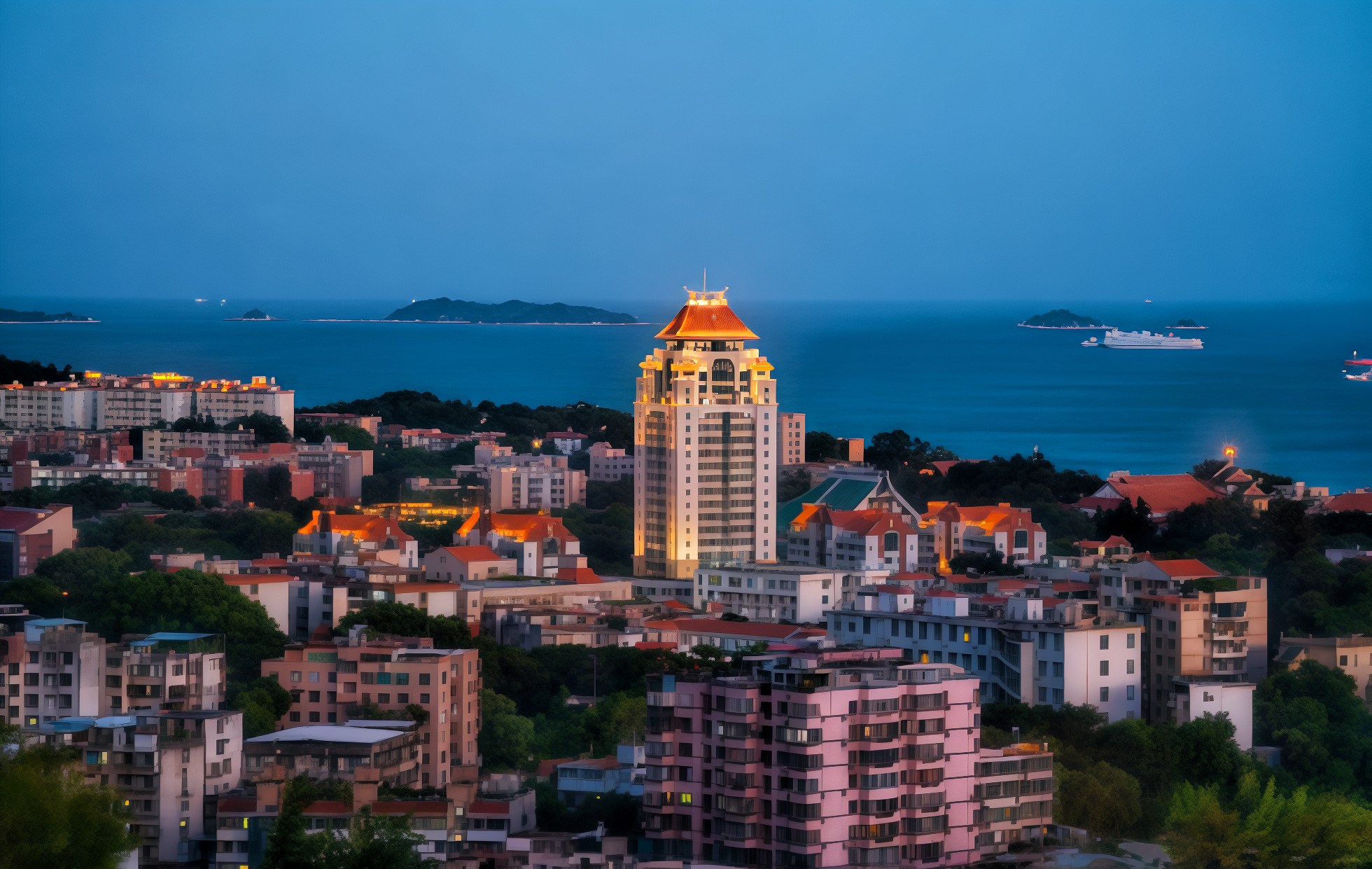
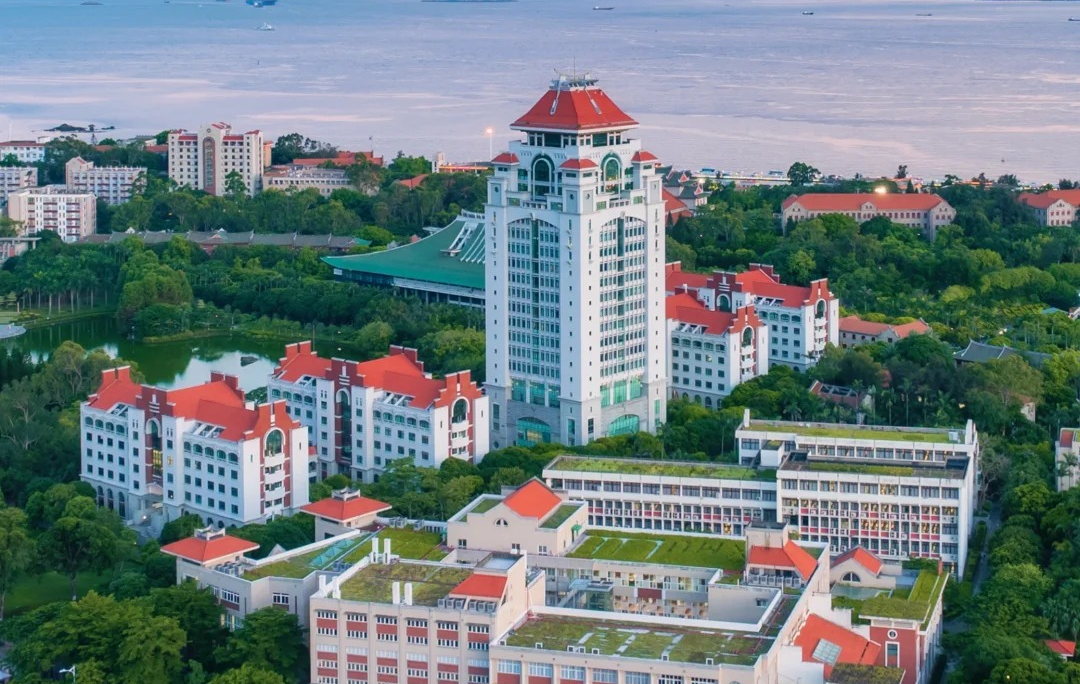
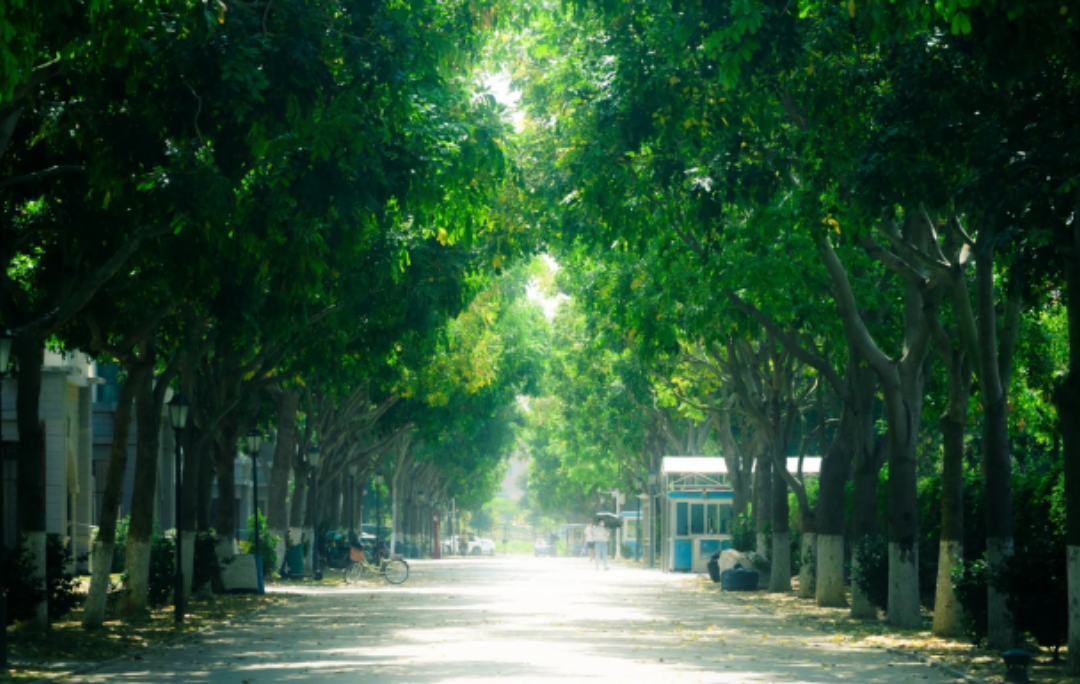
Xiamen University’s natural scenery owes its splendor to a uniquely privileged geographical location: backed by the Five Old Men Peaks (Wulaofeng) and facing Xiamen Bay, the campus itself is a magnificent garden sculpted jointly by the mountains and the sea.
Furong Lake: A Healing Sanctuary at the Heart of Campus
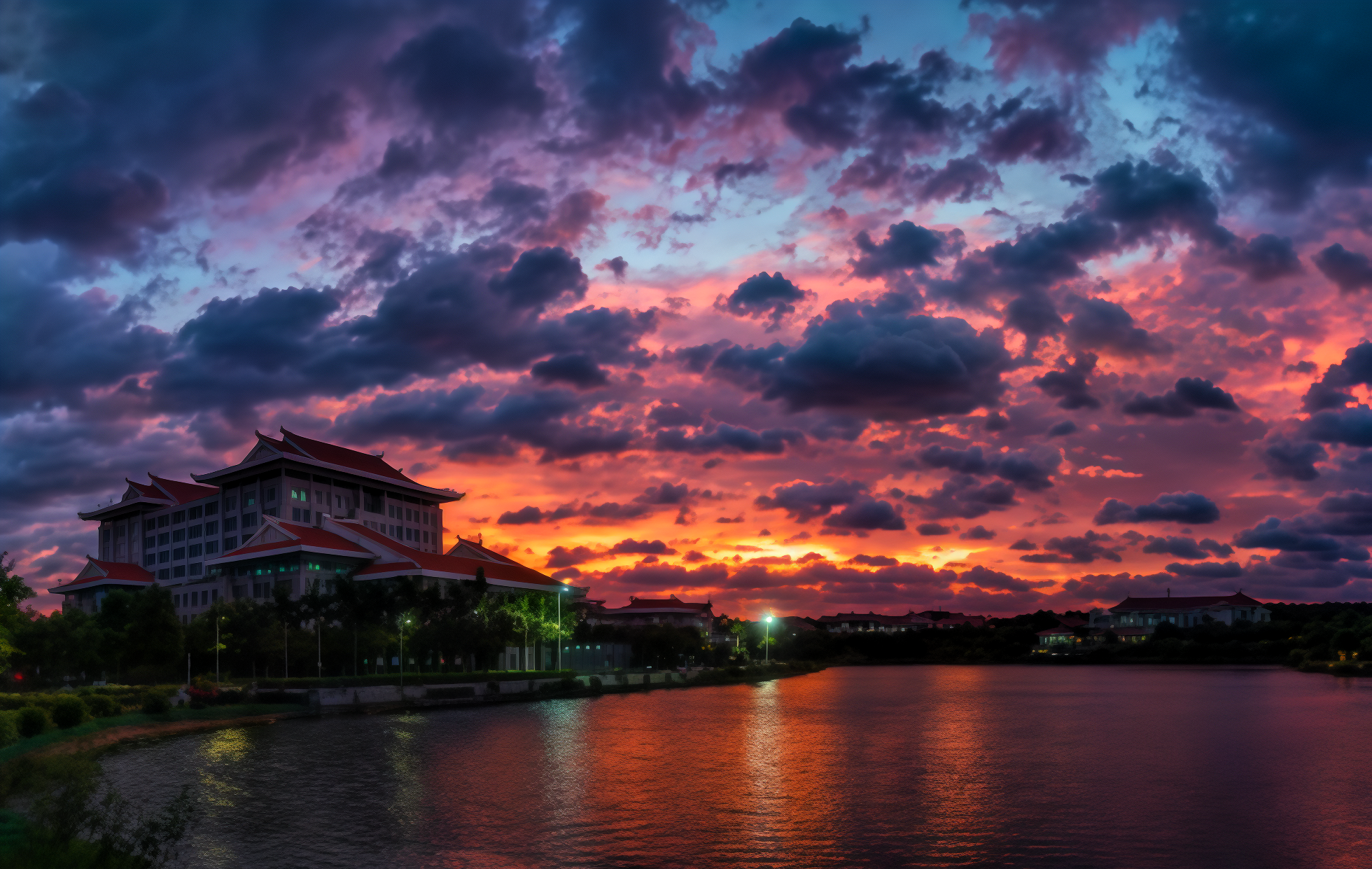
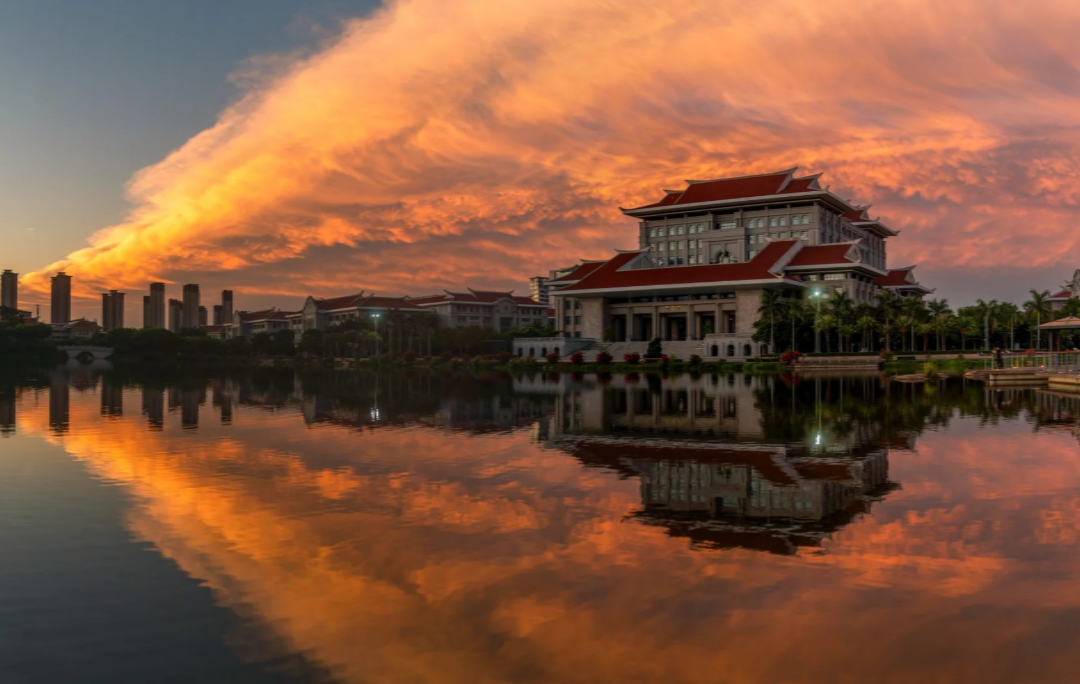
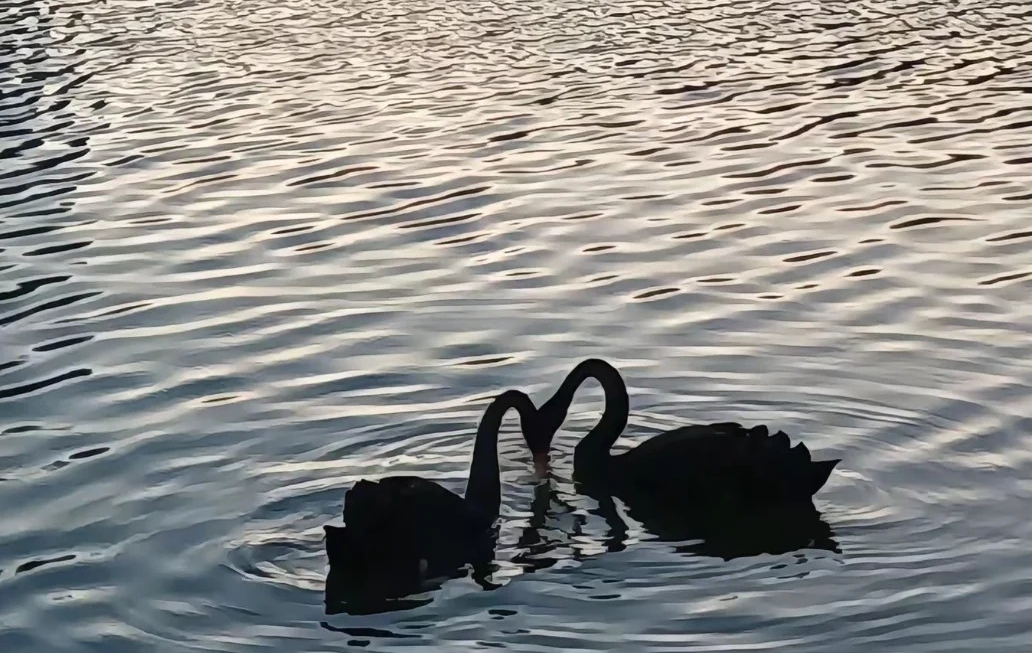
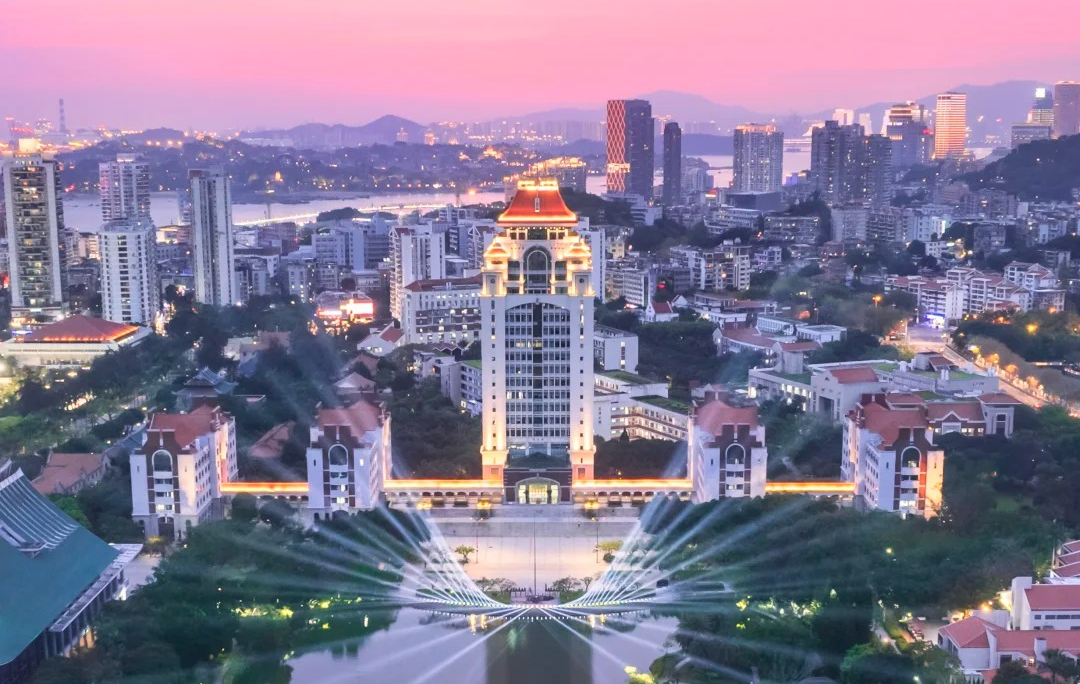
Furong Lake serves as the "soul's eye" of Xiamen University. This crystal-clear body of water sits directly in front of the Jiageng Building Complex; though not vast in size, it excels in its exquisite charm and lively spirit. The water, clear enough to reveal the lakebed, sparkles under the sunlight, while along the banks, sturdy banyan trees and swaying palms cast dappled patterns of light and shadow. The black swans inhabiting the lake are the undisputed "stars of the show"—utterly unafraid of humans, they carry themselves with a demeanor that is both languid and noble, at times gliding leisurely across the water, and at others, dipping their heads to preen their feathers. On the benches lining the lake, students can often be found quietly engrossed in books; here, the scent of literature intertwines with the fragrance of nature, creating a unique campus atmosphere of tranquility and ease that compels visitors to slow their pace and savor the moment. Photography Tip: In the windless hours of early morning, the surface of Furong Lake becomes a perfect mirror; the reflection of the Jiageng Building Complex appears with striking symmetry, offering the absolute best opportunity to capture Xiamen University’s most iconic visual imagery.
Siyuan Valley (Lover’s Valley): A "Tropical Rainforest" Hidden Within the Campus
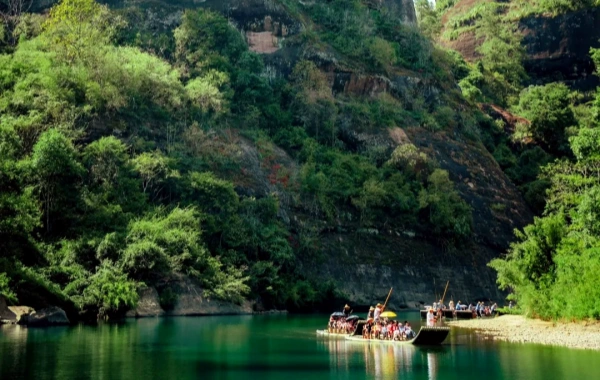
Siyuan Valley—known more familiarly to the Xiamen University community as "Lover’s Valley"—was originally an artificial reservoir situated on the university’s back hill. Shaped by the natural topography of the Five Old Men Peaks, the valley is filled with shimmering emerald waters and adorned on all sides by a tapestry of rare and exotic flora; the interplay of mountain light and water hues creates a scene so beautiful it feels like a realm of immortals. Following extensive renovations, the site now features newly constructed wooden boardwalks, stone staircases, and pavilions, inviting visitors to enjoy a leisurely stroll along the winding forest paths. The valley is lush with dense trees, ferns, and bamboo groves; stepping inside during the summer feels like stumbling into a miniature tropical rainforest. While temperatures outside soar above 30°C, the valley remains cool and pleasant, filled only with the sounds of birdsong and the rustling of leaves in the breeze. This spot remains relatively off the beaten path—known to few tourists—making it an ideal destination for capturing stunning, "forest-chic" photos or simply seeking a moment of tranquility.
Baicheng Beach: Where Sea and Sky Merge Just Beyond the Campus Gates
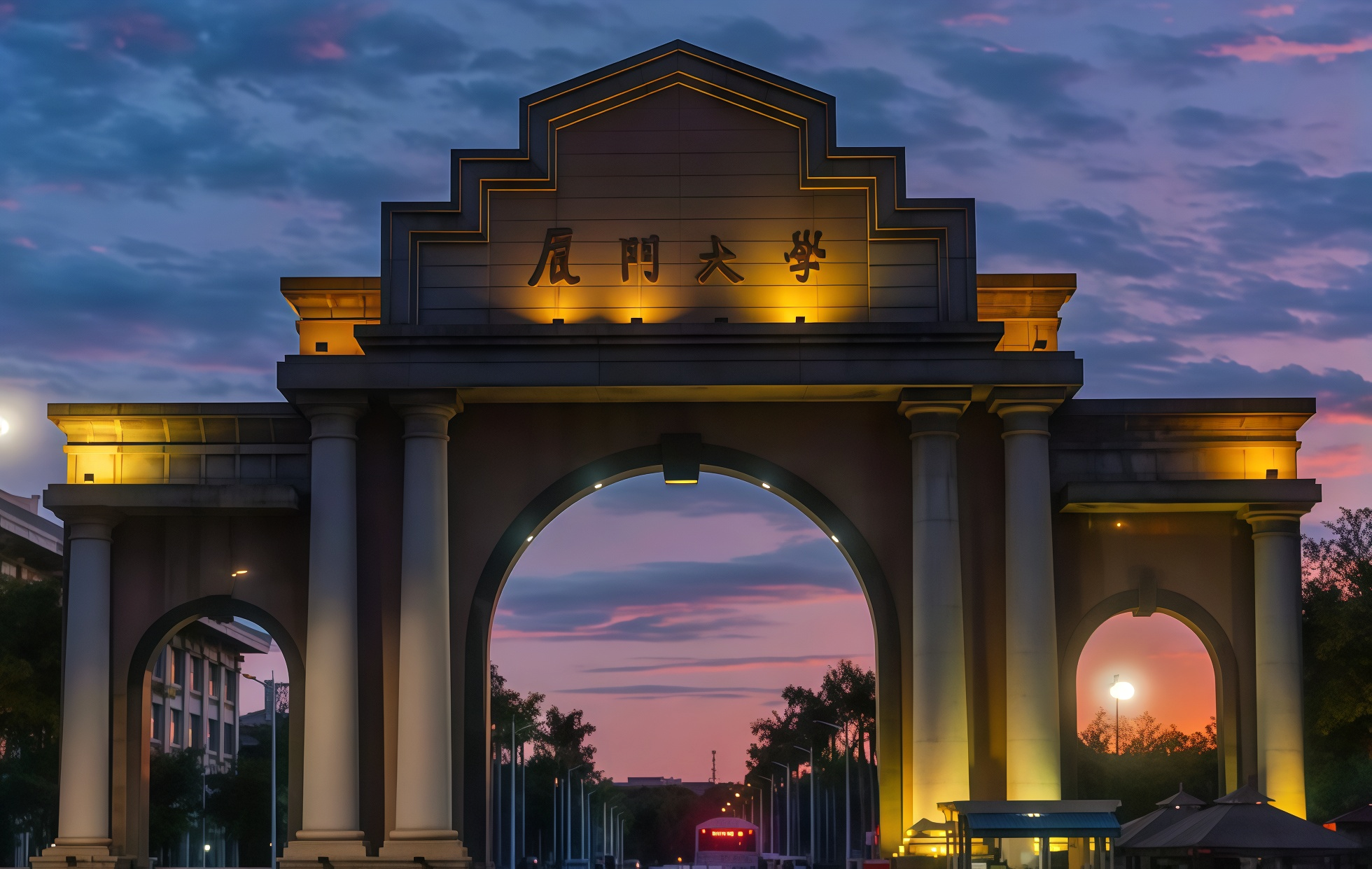
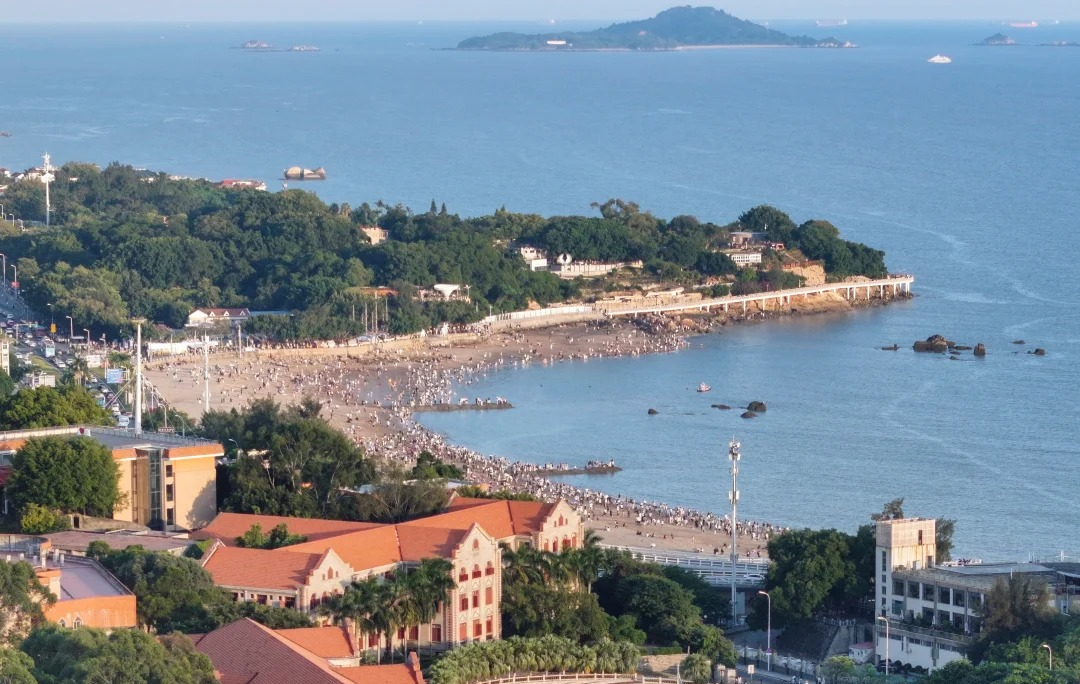
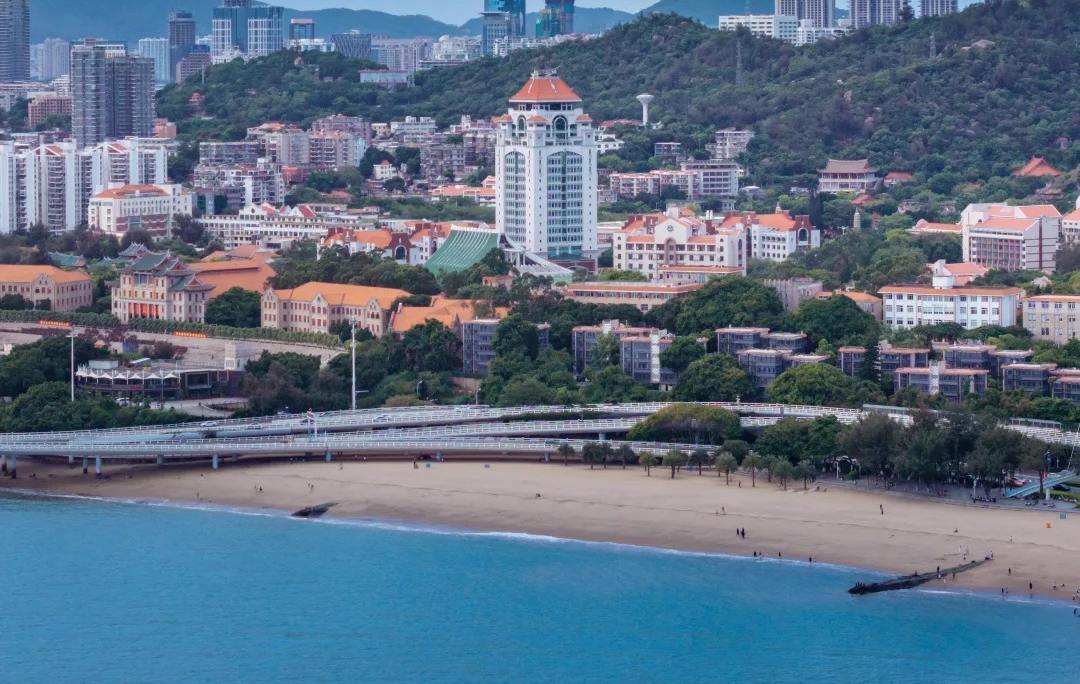
Step out through the Baicheng campus gate, and a stretch of golden sand unfolds before your eyes. Although Baicheng Beach is a public beach open to the city, its immediate proximity to Xiamen University grants students the rare luxury of "seeing the sea the moment they step off campus." In the late afternoon, waiting here quietly to watch the sunset paint the sky in molten gold—as the silhouettes of Gulangyu Island and the Twin Towers fade into the twilight—makes for the most delightful conclusion to a day spent wandering the campus. Photography Tip: Baicheng Beach is perfect for capturing silhouette portraits; with the sunset and ocean as your backdrop, "collegiate-style" outfits yield particularly stunning results.
Humanistic Craftsmanship: An Epic of Youth Etched in Red Brick and Green Tiles
The cultural landscape of Xiamen University is a century-old narrative, intricately woven from architectural aesthetics, literary memories, and the creative energy of youth.
A Tour of Jimei-Style Architecture: A Three-Dimensional Textbook of Architectural Aesthetics
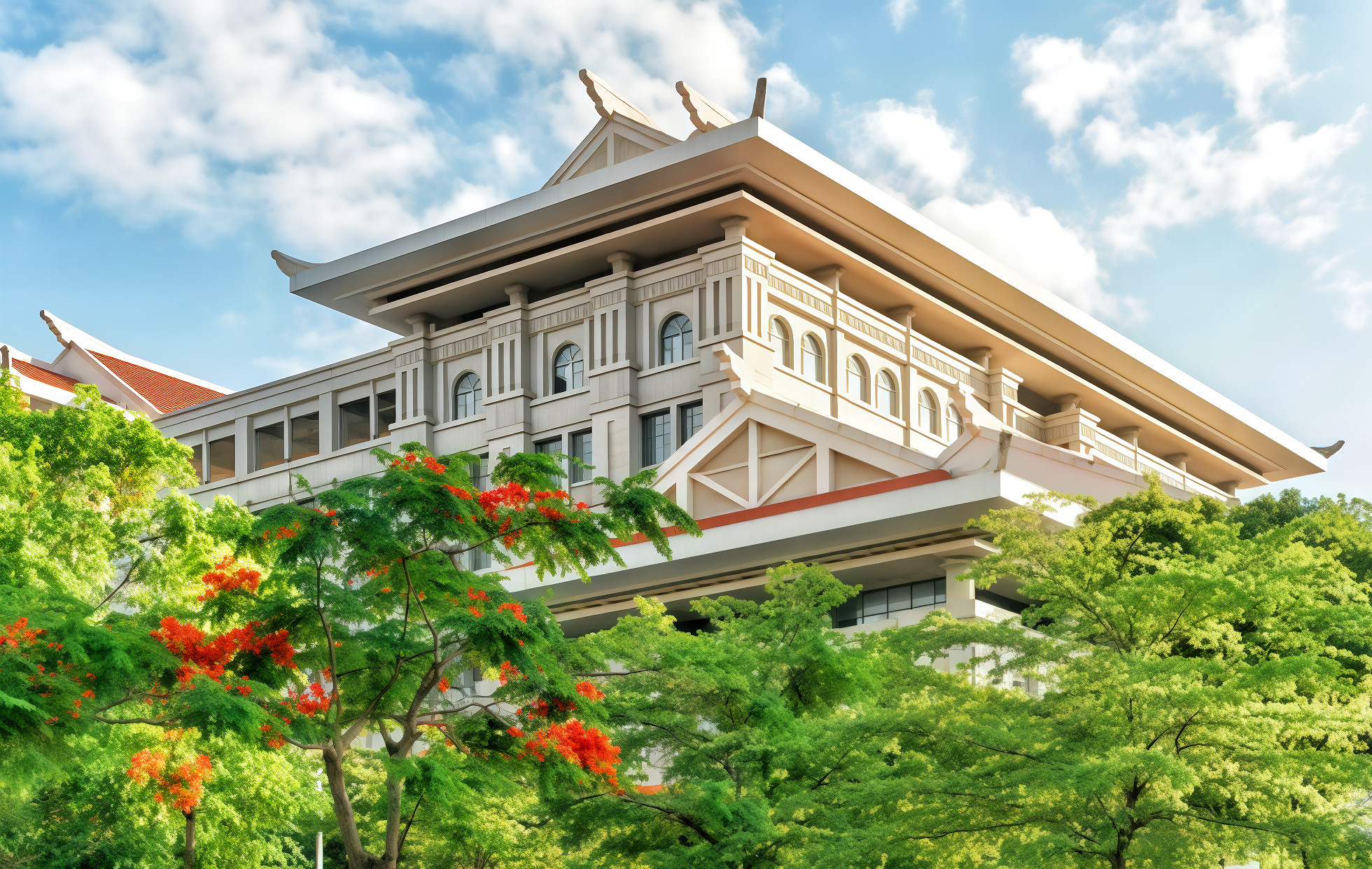
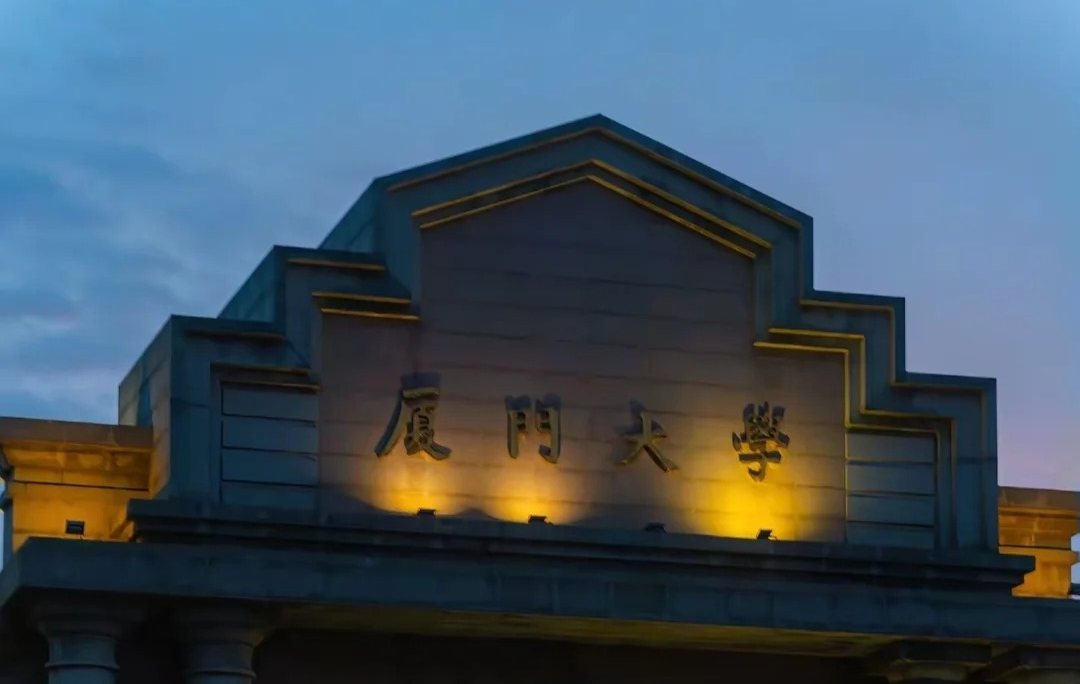
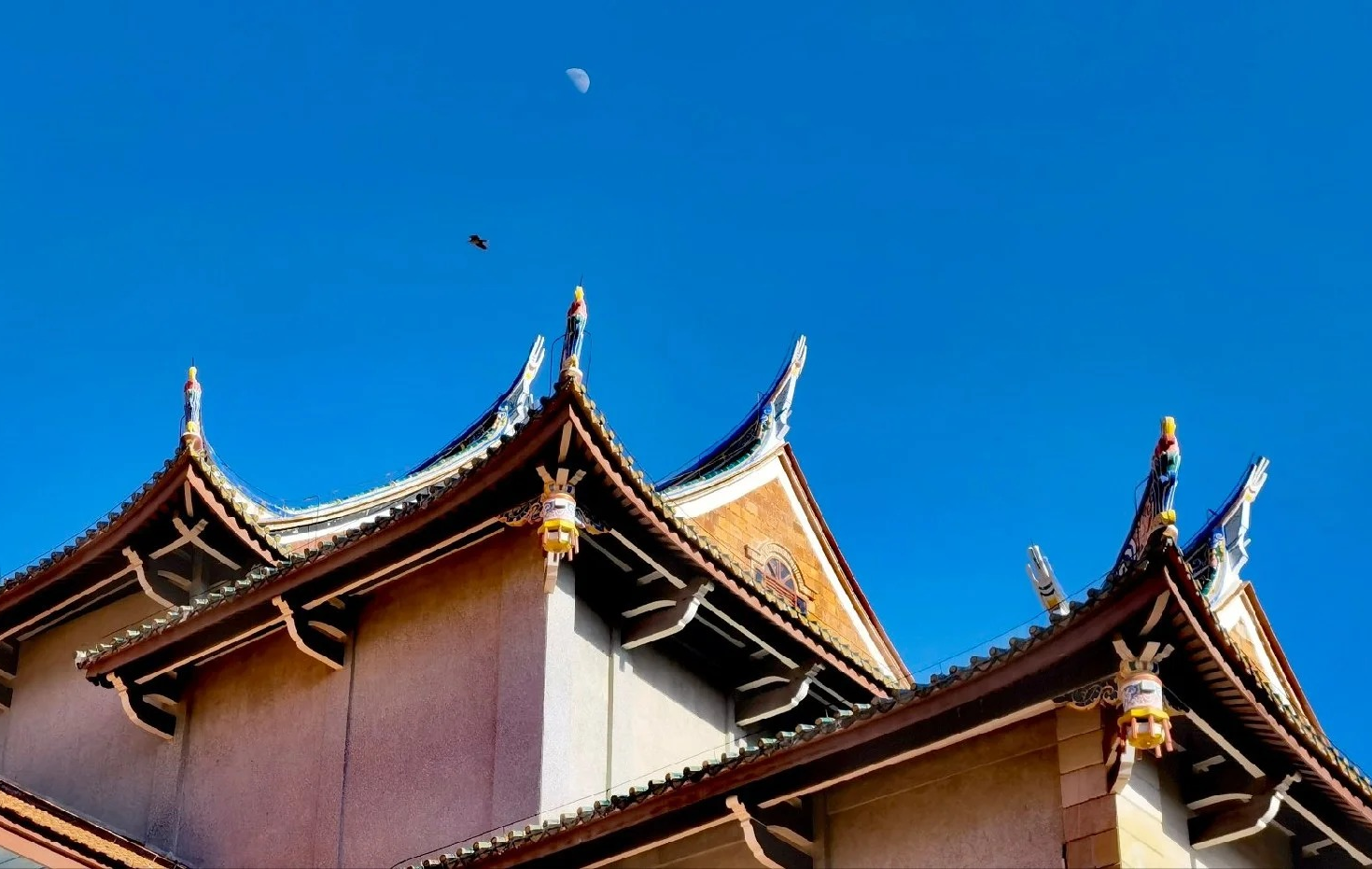
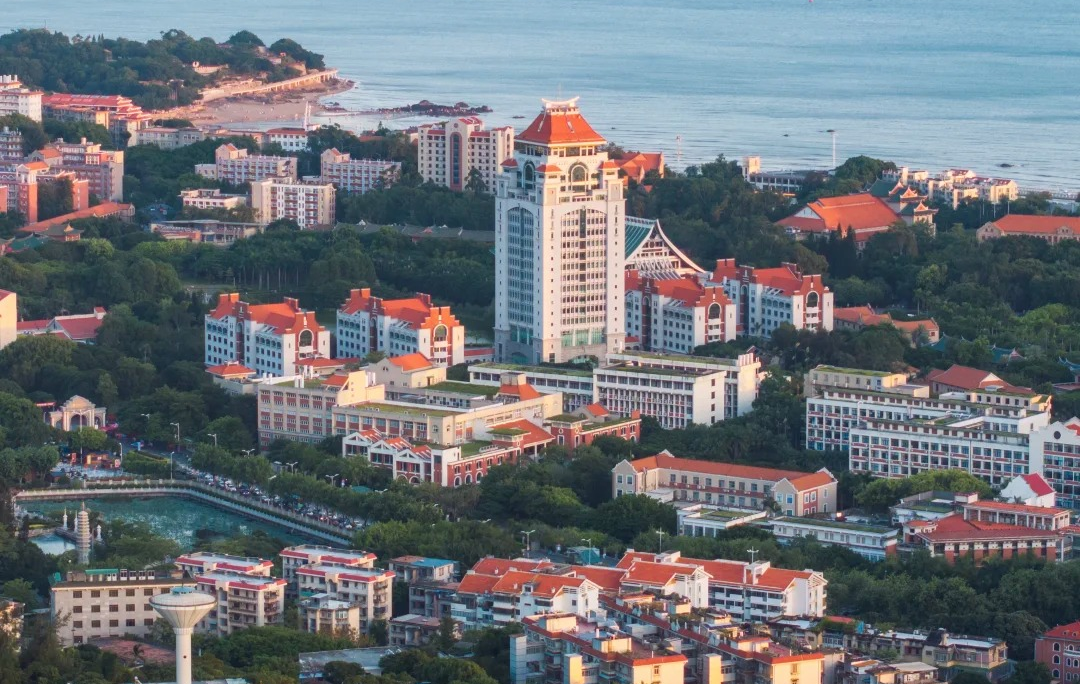
- The Qunxian Building Complex: The oldest architectural cluster on campus. The central Qunxian Building is flanked by the Tong'an and Jimei Buildings, with the Yingxue Building anchoring the eastern end and the Nangying Building the western; the five structures align in a magnificent, linear formation. Their Chinese-style roofs—adorned with green glazed tiles and upturned eaves—are paired with Western-style arched corridors, serving as a quintessential example of the "wearing a Western suit beneath a traditional bamboo hat" architectural style. A bronze statue of Mr. Chen Jiageng stands majestically in front of the buildings, offering the perfect starting point for understanding the founding vision and spirit of Xiamen University.
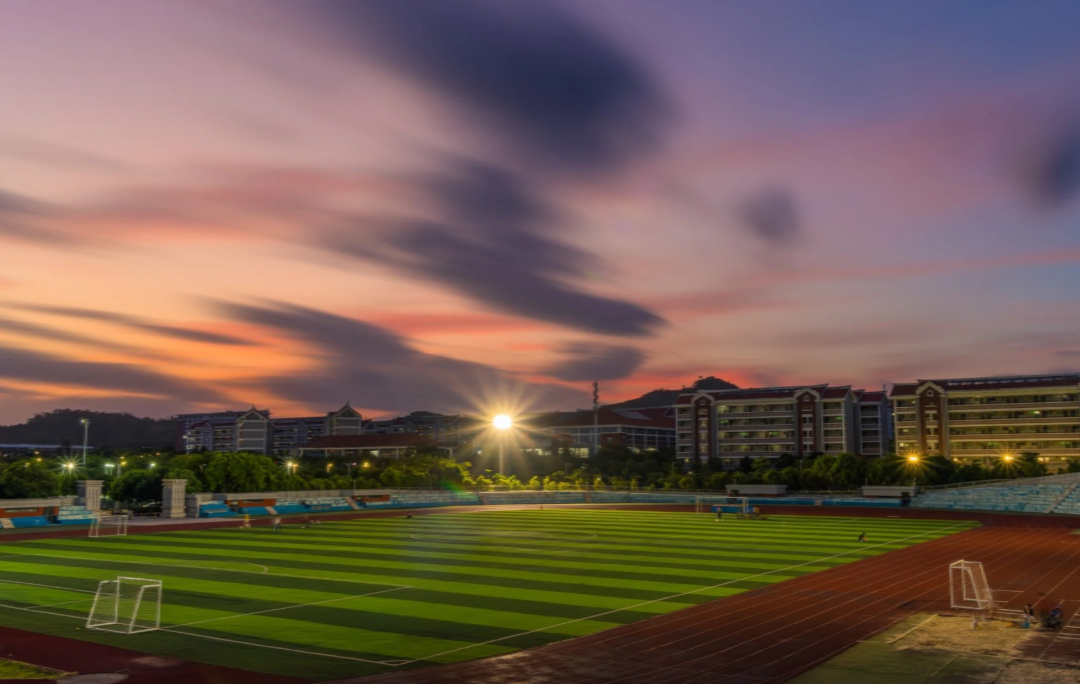
- The Jiannan Building Complex and Shangxian Stadium: This duo presents the most visually striking panorama on campus. The Jiannan Auditorium, with its red walls, green tiles, and soaring eaves, exudes an air of magnificent grandeur. Directly ahead lies Shangxian Field—a vast, crescent-shaped sports ground built into the hillside, facing the sea and backed by the Five Old Peaks. Standing on the grandstands, one is greeted by the sight of a curving running track and lush green lawns, with the boundless azure sea stretching out in the distance; it is acclaimed as the most spectacular spot at Xiamen University for sightseeing and watching the sunset. Photography Tip: The side of the Jiannan Conference Hall offers excellent angles for capturing interplay between light and shadow; the soft lighting between 4:00 PM and 6:00 PM makes it the ideal time to shoot stunning, retro-collegiate-style photos.
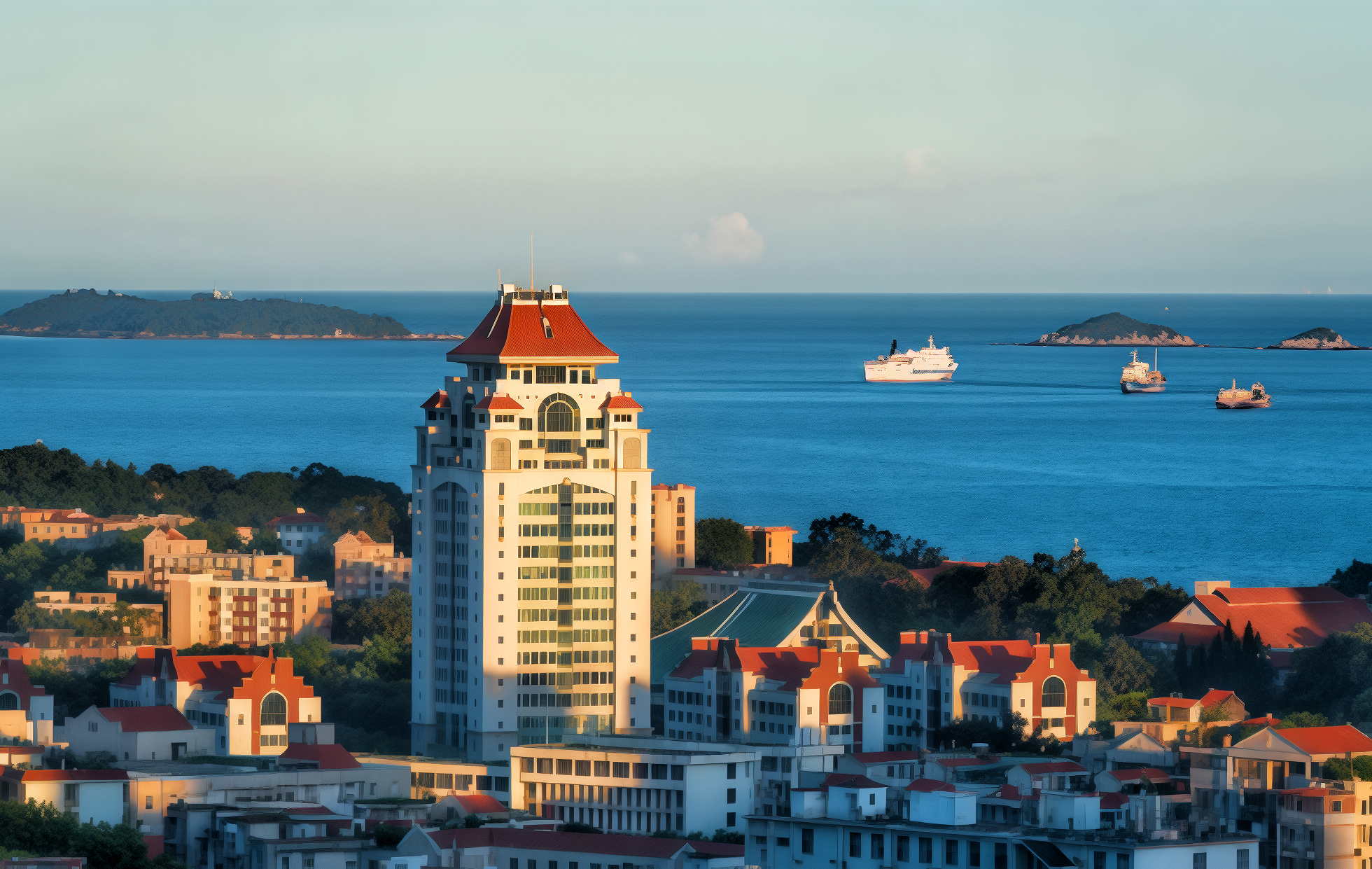
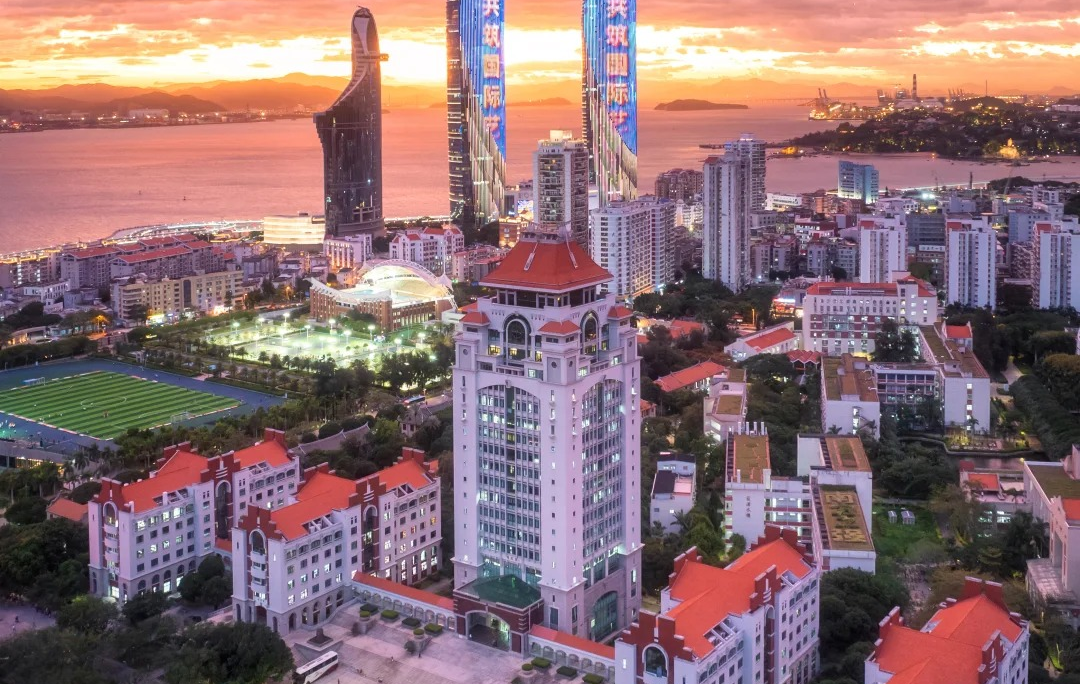
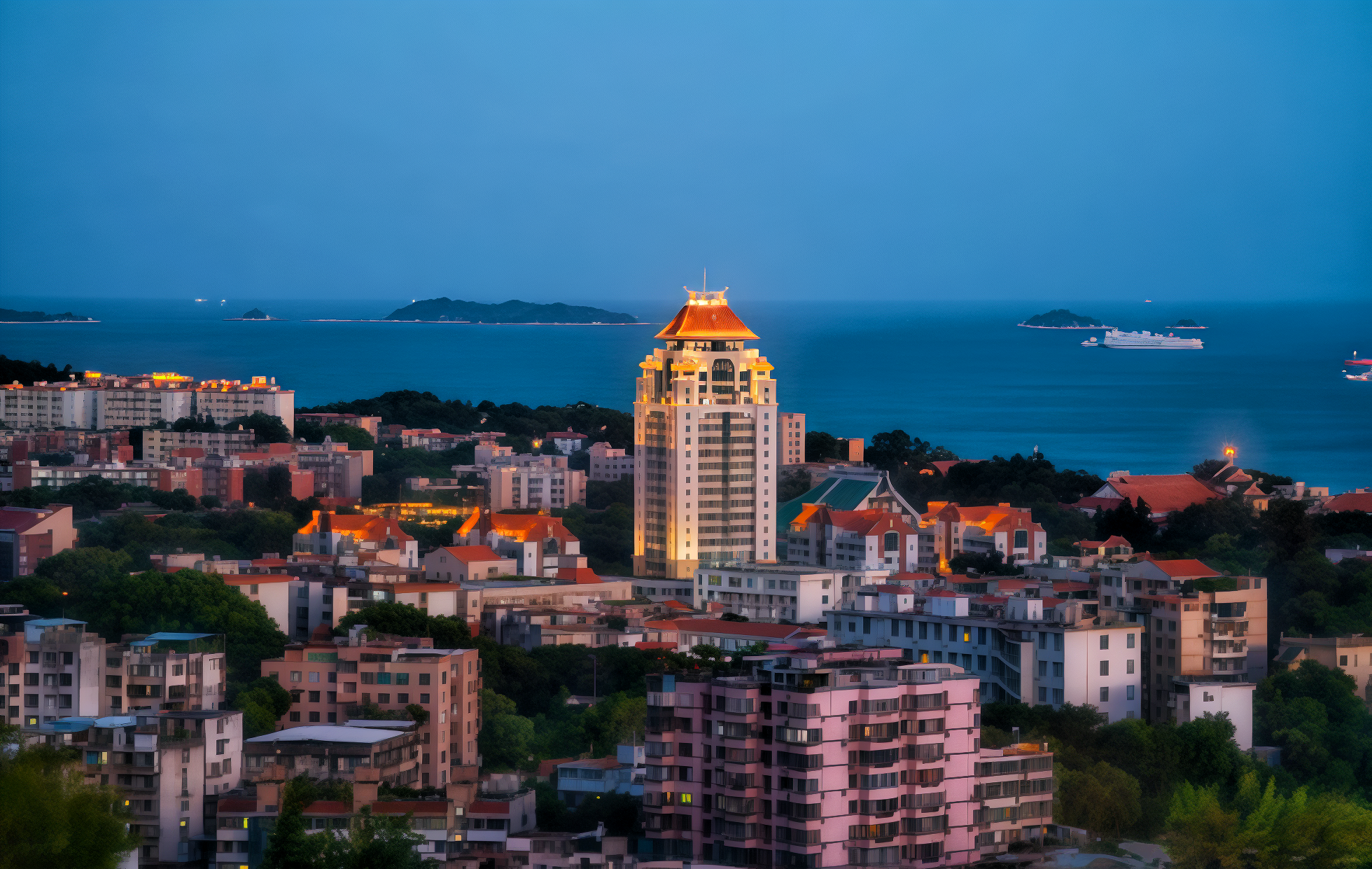
- The Jimei Building Complex and Song'en Building: Situated by the banks of Furong Lake, the modern Jimei Building Complex is anchored by the 21-story Song'en Building. Its façade features a symmetrical composition, while its roofline incorporates the distinctive flying eaves characteristic of the "Jimei Style" architecture. Ascending to the top floor offers a breathtaking 360-degree panoramic view encompassing the entire campus, Nanputuo Temple, Gulangyu Island, and even the distant open sea.
The Lu Xun Memorial Hall: China’s Only Memorial to Lu Xun Located Within a University
Xiamen University shares a brief yet profoundly significant connection with the literary titan, Mr. Lu Xun. From September 1926 to January 1927, Lu Xun served as a faculty member at Xiamen University, spending a total of 134 days on campus. He resided in a room on the second floor of the Jimei Building—a space that has since been transformed into China’s only memorial hall dedicated to Lu Xun located within a university setting. The memorial hall comprises five exhibition rooms: "The Life of Lu Xun," "The Commemoration Room," "Lu Xun and Xu Guangping," "Lu Xun and Xiamen University," and a faithful restoration of Lu Xun’s original living quarters. The third through fifth exhibition rooms represent the museum's unique highlights, housing historical artifacts and documents dating back to Lu Xun’s time in Xiamen. The Jimei Building itself is a quintessential example of Jimei-style architecture, offering visitors the opportunity to embark on a dual pilgrimage—one of both literature and architecture. Opening Hours: Tuesdays through Sundays, 8:30 AM – 5:30 PM (last entry at 5:00 PM).
Furong Tunnel: A One-Kilometer Celebration of Youthful Spirit
Acclaimed as "China’s most artistic tunnel" and "the longest graffiti tunnel within a Chinese university," the Furong Tunnel stands as one of the most unmissable landmarks at Xiamen University. The tunnel spans approximately 1.1 kilometers in length with a clear width of 8 meters. Its walls are completely covered in graffiti—each stroke and line meticulously crafted by generations of Xiamen University students—displaying a vibrant array of colors and diverse artistic styles. In May 2009, students from the College of Art painted the very first strokes on the tunnel walls; subsequently, students from various other colleges began leaving their own works, gradually cultivating a unique and distinctive graffiti culture. While walking through the tunnel takes only about 20 minutes, it is recommended that you set aside at least 40 minutes—you will find yourself wanting to stop and take photos every few steps, as each artwork holds a delightful surprise of youth: sweet declarations of love and well-wishes, poignant farewell messages from graduating classes, and wildly imaginative creative drawings. The graffiti is updated periodically, ensuring that every visit offers a fresh and moving experience.
Museum of Anthropology: The Sole University-Based Anthropology Institution in Mainland China
The Museum of Anthropology at Xiamen University is the only specialized university museum in mainland China that integrates the disciplines of anthropology, archaeology, and ethnology. The museum's name was personally inscribed by the renowned painter Xu Beihong. Its collection comprises over 10,000 artifacts, spanning a vast historical range from the Paleolithic era through the Ming and Qing dynasties. The museum's most distinctive highlights include Neolithic artifacts from Taiwan's Yuanshan Site (the only collection of its kind in mainland China) and cultural relics from the indigenous Atayal people of Taiwan—such as their exquisite shell-bead garments. Together, these exhibits systematically showcase the profound history of cultural exchange among China's southeastern coastal regions, the two sides of the Taiwan Strait, and the "Nanyang" (Southeast Asian) region. The museum features seven exhibition halls and a stele gallery, covering a total exhibition area of 2,000 square meters. Photography Tip: Photography is prohibited inside the museum; please put away your cameras and experience the exhibits through your eyes and your heart. Opening Hours: Monday through Friday, 8:30–11:15 AM and 2:30–5:15 PM.
Site of the Yanwuchang (Military Training Ground): Historical Echoes of War and Valor
The site where Xiamen University stands today presented a vastly different—and far more magnificent—scene over three centuries ago. During the transition period between the late Ming and early Qing dynasties, the national hero Zheng Chenggong (Koxinga) established a Yanwuchang (Military Training Ground) on this very spot. Spanning an area of over 50,000 square meters, the ground was utilized to train his land forces as well as his elite "Iron Men Army"—soldiers who wore iron masks, iron armguards, and iron skirts, and for whom the ability to lift a stone lion weighing 300 jin (approx. 150 catties) was a mandatory requirement for enlistment. The formidable force that Zheng Chenggong rigorously trained eventually became the spearhead for the recovery of Taiwan. In 1954, a stone inscription bearing the characters "Lian Dan" (Tempering Courage) was unearthed in front of the Qunxian Building at Xiamen University; scholarly research has confirmed it to be in Zheng Chenggong's own hand. Today, the site of the original drill ground is situated at the large plaza in front of the Lu Xun Memorial Hall and is designated as a municipal-level cultural heritage site. Strolling through this historic space while imagining the clash of arms and horses of centuries past offers a unique opportunity to experience the historical depth of Xiamen.
> Photography Tips:
The best vantage point for a panoramic shot is from the top floor of the Song'en Building or from the banks of Furong Lake, allowing you to capture both the Jimei-style building complex and their reflections in the water within a single frame;
The grandstands at the Shangxian Field offer a classic angle for framing the Jiannan Auditorium alongside the seascape; the lighting is particularly soft and beautiful in the late afternoon;
Inside the Furong Tunnel, it is recommended to use a wide-angle lens to capture panoramic views of the graffiti art; as the lighting is dim, you may need to increase your ISO sensitivity or use a wide aperture;
Siyuan Valley (also known as "Lover's Valley") is an ideal setting for capturing "forest-style" portraits, offering the most atmospheric ambiance during the misty hours of early morning;