Kunming Botanical Garden West Garden: A condensed epic from mountain nursery to plant kingdom

Kunming Botanical Garden West Garden: A condensed epic from mountain nursery to plant kingdom
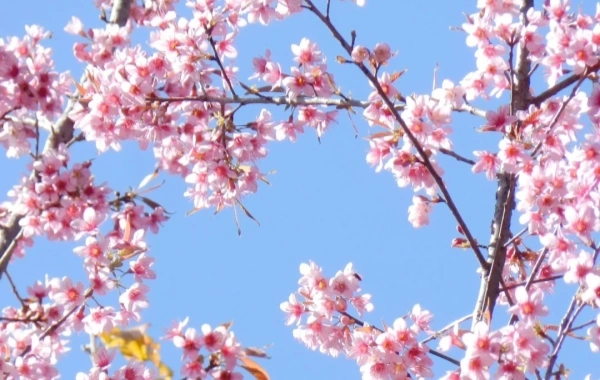
Overview: An Encyclopedia of Living Plants Growing in the Spring City Mountains
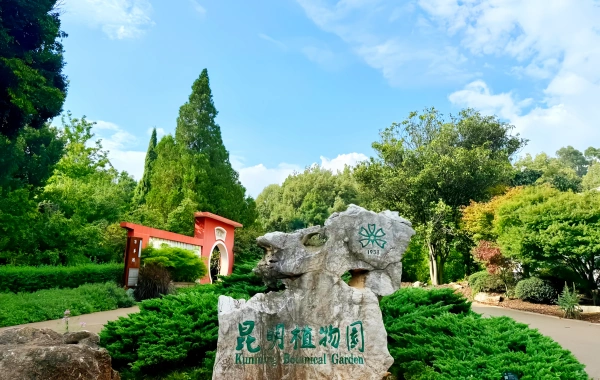
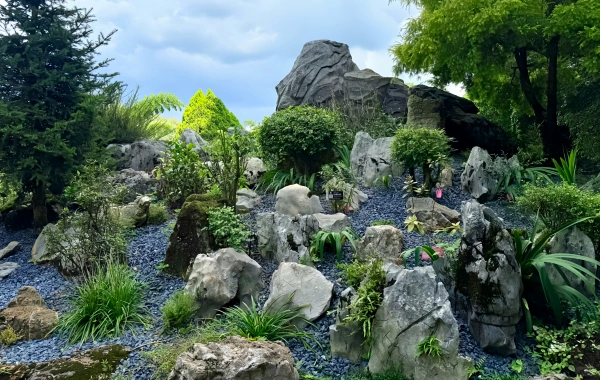
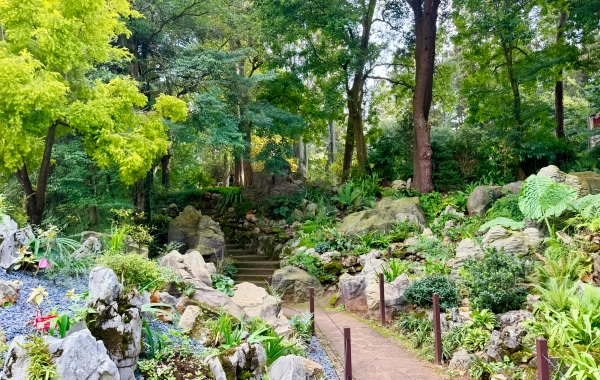
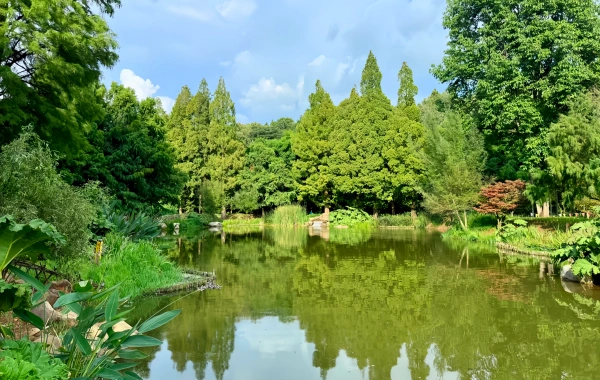
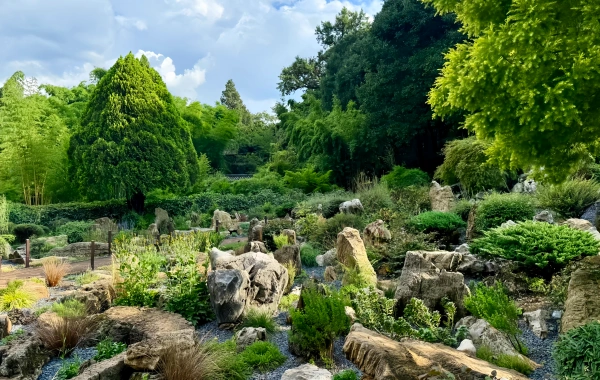
The West Garden of Kunming Botanical Garden is located among the green mountains by the Heilong Lake, Panlong District, Kunming, Yunnan Province. It is a core park and specialized garden cluster under the Chinese Academy of Sciences Kunming Botanical Research Institute. It is not only the most important treasure trove of plant diversity in Southwest China, but also a spiritual garden for gardening enthusiasts, nature explorers, and those seeking tranquility, known as the "miniature bonsai of Yunnan's plant kingdom".

Quick overview of core highlights
Identity tags: Core Park of One of China's Three Major Botanical Gardens/Miniature Bonsai of Yunnan Botanical Kingdom/National Science Popularization Education Base
Core experience: Explore the Fuli Palace greenhouse group, stroll through mountain tea gardens and Fengxiang Avenue, get to know rare and endangered plants, experience nature education and handicrafts
Suggested tour: Half day to one day, for in-depth tours, it is recommended to reserve a full day
Address: No. 132 Lanhe Road, Panlong District, Kunming City, Yunnan Province
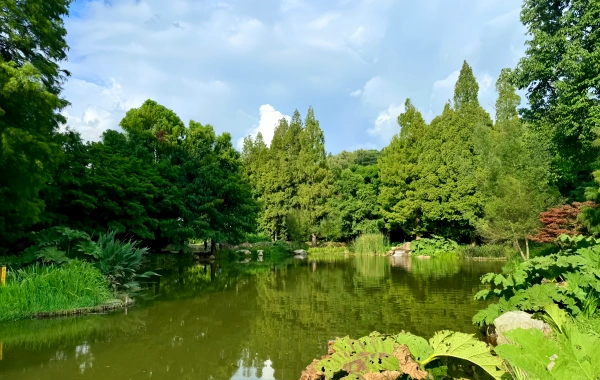
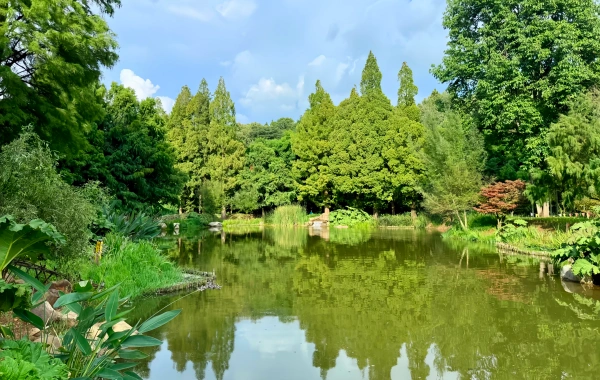
 

  • Kunming Botanical Garden West Garden: A condensed epic from mountain nursery to plant kingdom-1
  • Kunming Botanical Garden West Garden: A condensed epic from mountain nursery to plant kingdom-2
  • Kunming Botanical Garden West Garden: A condensed epic from mountain nursery to plant kingdom-3
  • Kunming Botanical Garden West Garden: A condensed epic from mountain nursery to plant kingdom-4

Origin: The Seed of Flames and the Legend of Science

11.webp 10.webp

The Beginning of War - Silent Perseverance
The birth of Kunming Botanical Garden is closely linked to a heroic and moving history of the Anti Japanese War. In 1938, in order to preserve the scientific and educational lifeline of the Chinese nation, institutions such as the Institute of Botany and the Institute of Hydrobiology at the National Beiping Research Institute moved south to Kunming. Under extremely difficult conditions, they ventured deep into the southwestern mountains, collecting, researching, and conserving tens of thousands of plant specimens and living organisms, laying the first cornerstone for the future glory of the "Plant Kingdom". Research oriented - From Garden to Palace
The modern development of Xiyuan is a process driven by scientific research, constantly transforming the natural wilderness into a temple of science and art.

Systematic garden construction (1960-1990s): With the formal establishment of the "Kunming Institute of Botany, Chinese Academy of Sciences", the West Garden began to build a systematic specialized garden guided by plant taxonomy and plant geography, and the Camellia Garden, Magnolia Garden, Gymnosperm Garden, etc. were formed one after another.
Leapfrog Development (2000 present): With the completion of the "Fuli Palace" greenhouse group in 2003 as a symbol, Xiyuan has entered a new stage of modernization and international development. The greenhouse simulates various ecological climates and preserves a large number of rare and endangered plants and unique species.

In depth understanding: Explore more of China's top botanical gardens and natural sanctuaries>>Beijing Botanical Garden

Must See Wonders: Symphony of Life Genealogy and Garden Art

9.webp

Natural Creation - A Long Corridor of Life from Northern Temperate to Tropical Regions
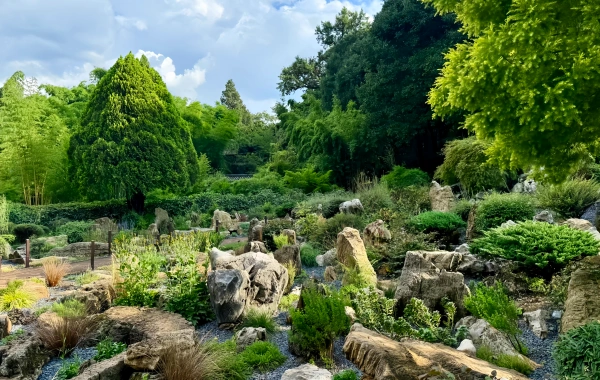
The charm of Xiyuan lies first and foremost in its ability to ingeniously gather representative plant communities from different climate zones in China and even the world, based on scientific laws, between a landscape.
Fuli Palace Greenhouse Group - Climate Crossing Across Square Inches
This is the pearl on the crown of Xiyuan. A series of beautifully designed greenhouses are connected, simulating different habitats such as tropical rainforests, tropical deserts, alpine plants, carnivorous plants, and fern paradise. This not only showcases wonders, but also serves as the 'Noah's Ark' for endangered plants.
Seasonal Echoes - A Visual Feast That Never Dies at Four Seasons
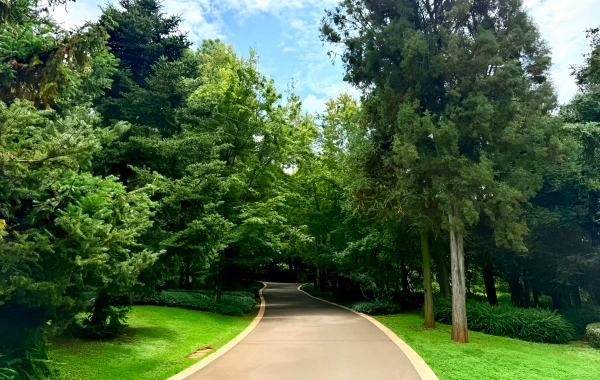
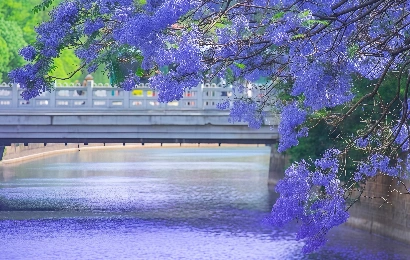
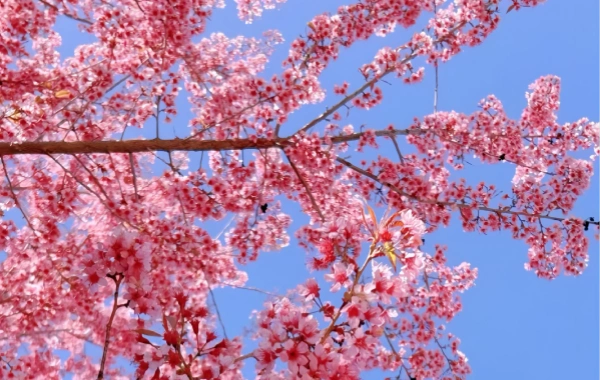
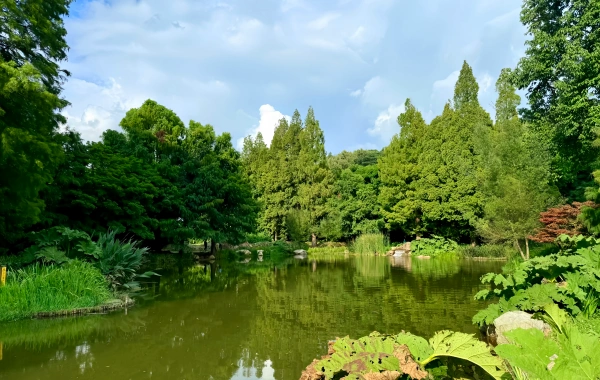
Xiyuan has its dominant color throughout the four seasons. In spring, crabapples, cherry blossoms, and azaleas light the mountains and fields one after another; In summer, the green shade covers the water, and irises and lilies quietly bloom by the water's edge; In autumn, Fengxiang Avenue and Ginkgo Avenue transform into golden and fiery red tunnels, making them the most famous autumn viewing destinations in Kunming; In winter, camellias, winter cherry blossoms, and frosty pine and cypress trees jointly guard the vitality of the park.

 Humanistic Craftsmanship - Integration of Scientific Connotation and Landscape Aesthetics
Xiyuan not only showcases nature, but also embodies the wisdom of human understanding, classification, and beautification of nature in every aspect.
Science based landscape design
Every path and every plant configuration contains the logic of plant taxonomy or ecology. Plant nameplates not only have Chinese and English names, but also often come with QR codes. Scanning the code can provide detailed scientific introductions, making the tour a vivid natural education class.
The Time Imprint of Historical Buildings
There are several Soviet style or Chinese style research office buildings and specimen museums scattered throughout the park, built in the mid-20th century. These red brick and gray tile buildings are witnesses to the history of Chinese botanical research, ancient and solemn, complementing the surrounding natural landscape.

Photography tips:
Greenhouse Fantasy: Inside the "Fuli Palace", capture details of tropical plants using the soft light formed by humid air; Search for geometric shapes composed of graceful vines and glass domes.
Autumn Classic: Using a telephoto lens to compress space on Maple Avenue, creating a dazzling color tunnel effect; Low angle light in the early morning or evening can better highlight the transparency of the leaves.
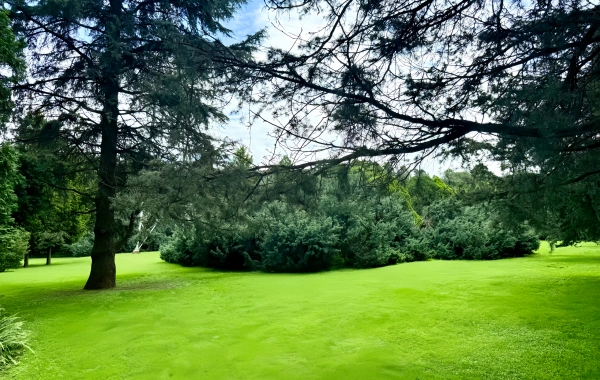
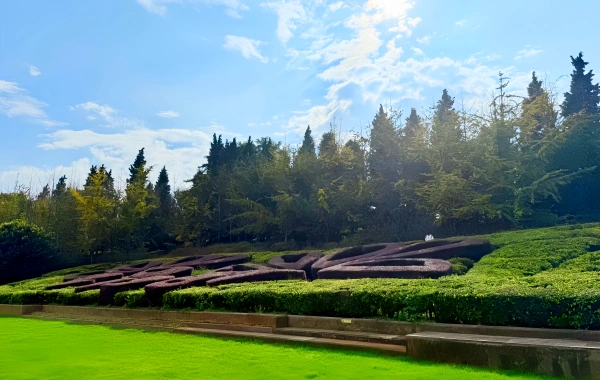
Human landscape interaction: Shoot scenes of people strolling or sitting quietly in front of open lawns or iconic trees, creating a natural and peaceful atmosphere.

Core Experience: Immersive Plant Kingdom Exploration Guide

8.webp 7.webp

Four essential tasks to unlock the essence of Xiyuan
Embark on a greenhouse ecological journey: spend at least an hour immersed in the "Fuli Palace" greenhouse group. Follow the guide or explore on your own, from damp rainforests to dry deserts, to experience the amazing wisdom and forms that plants have evolved for survival in different climates.
Follow the map and search for a desired plant: Before entering the park or visitor center, select a plant that you are particularly interested in (such as the "Pigeon Tree" Gongtong, "Tea Queen" Golden Flower Tea), and take the target to find and observe. This "treasure hunt" exploration will make the tour full of surprises and a sense of achievement.
Hiking or cycling on the most beautiful seasonal avenue: If visiting in late autumn, be sure to walk slowly on Maple Avenue or Ginkgo Avenue. Golden or fiery red fallen leaves cover the ground, and sunlight shines through the gaps, casting mottled light and shadow. This is one of the most romantic autumn experiences in Kunming.
Attend a natural education class or handicraft workshop: Follow the official event information released by the botanical garden, which often includes public lectures on plant science, nature observation guides, or hands-on experiences such as embossing and plant printing. This is an excellent way to deeply connect with plants and gain unique travel memories.

Tourist Route Suggestions
Half day "essence" tour (classic recommendation):
At 9am, enter the park from the main entrance and head straight to the Fuli Palace greenhouse group for an immersive exploration of about 1.5 hours. After leaving the greenhouse, visit the mountain tea garden or Mulan Garden (depending on the flowering period, about 40 minutes). Walk along the main road to the gymnosperm garden and feel the vitality of ancient plants (30 minutes). Finally, take a break in the coffee shop or rest area in the park to end the trip.

Professional guide: IntoTravelChina can provide you with a personalized itinerary, including exclusive tour guides, transportation, and activity arrangements, allowing you to have a worry free and in-depth experience. >>Consult now for customization

Travel Guide: Transportation, Seasons, and Surrounding Areas

6.webp 5.webp

How to reach: the tranquil oasis in the northern suburbs of the city
Kunming Botanical Garden West Garden is located north of the city center, with convenient transportation.
Bus (most commonly used): You can take bus routes 9, 79, 128, or 159 to the "North Gate of the Botanical Garden" station and get off there.
Subway+Bus/Cycling: Take Metro Line 2 to "Sijiaying" Station or "Longtoujie" Station, then transfer to the aforementioned bus or ride a shared bike for about 15-20 minutes.

 Best Travel Time
All seasons are beautiful, but autumn can be called a masterpiece, and spring is full of flowers competing for beauty.
Autumn (late October to early December): At this time, the sky is high and the air is refreshing. Colorful tree species such as maple, ginkgo, and water fir reach their best viewing period, with colorful colors, making it the golden season for photography and sightseeing.
Spring (February April): Camellia, magnolia, crabapple, cherry blossoms, azaleas, and other flowers are in full bloom, and the park is filled with vitality and fragrance.

Accommodation and Surrounding Tour
Surrounding the park and the North City area: There are a few hot spring resort hotels and business hotels with relatively quiet environments, suitable for tourists who want to relax deeply.
The main urban area of Kunming has a wide range of choices, and it takes only 40 minutes to 1 hour by public transportation or taxi to reach the botanical garden, making life convenient.

Suggested itinerary planning for IntoTravelChina:
If you wish to efficiently integrate Kunming Botanical Garden with classic attractions such as the World Expo Park, Yunnan Provincial Museum, and Xishan Dianchi Lake, we can customize an exclusive itinerary for you. Whether it's a parent-child nature education tour, a plant themed photography tour, or a Yunnan panoramic tour, we can arrange transportation, accommodation, and unique experiences properly to make your journey easy and fulfilling. >>Click to contact IntoTravelChina travel consultant

Extended Journey: Connecting the Natural and Cultural Circles of Central Yunnan

3.webp 4.webp

Kunming Botanical Garden is the perfect starting point for exploring the mysteries of Yunnan's "Kingdom of Plants", which can lead to multiple journeys deep into nature.

Classic 3-day Natural Exploration Tour of Central Yunnan: Kunming (Botanical Garden, World Expo Park) → Chengjiang Fuxian Lake (Plateau Deep Water Lake, Maotian Mountain Fossil Site) → Return to Kunming. This is a natural science enlightenment route from the kingdom of living plants to the origin of ancient life. 

Deep 8-day Yunnan Plant and Culture Tour: Kunming (Botanical Garden) → Dali (Cangshan Hiking Flower Viewing) → Lijiang (High Mountain Botanical Garden, Snow Mountain Meadow) → Shangri La (Pudacuo National Park). This is a vertical ecological exploration route from garden plants to wild flowers in high mountains. >>Romantic Journey to Yunnan

Join hands with IntoTravelChina and embark on your epic journey in the kingdom of plants

1shou.webp 2shou.webp

The story of the West Garden of Kunming Botanical Garden is about a group of scientists' persistent protection of green in the midst of war, about decades of unremitting decoding and collection of life lineages, and more importantly, about how to transform profound science into a beautiful experience that the public can feel and know. IntoTravelChina is dedicated to creating a deep, personalized, and worry free travel experience in China. Our travel experts can assist you with:
Tailored itinerary: Design a perfect route that includes Kunming Botanical Garden and the entire Yunnan province based on your interests (such as specialized plants, seasonal flowers, parent-child science popularization) and time.


One stop service: handle all tickets, special transportation, comfortable accommodation, and professional botanical guide arrangements.
Exclusive experience: Assist in booking expert lectures, special guided tours, natural handicraft courses, etc. in non-public open areas.
Make your trip to Yunnan not just about admiring the scenery, but also a deep dialogue with the richest and most wonderful forms of life on Earth.

Start planning your journey now
Welcome to contact our professional travel consultants, we will provide you with exclusive itinerary plans and quotes within 24 hours. >>Click to contact IntoTravelChina travel consultant

What Our Clients Say?

Based on 10,000+ traveler reviews
...
Daniel Dorothea
Canada
Reviewed on April 29,2025
Shopping on Nanjing Road in Shanghai was just amazing! It's truly the "First Commercial Street of China", where tradition and modernity blend perfectly. You can find awesome souvenirs and experience the trendy vibes in cool stores. The neon lights at night are just spectacular, shining bright like Times Square in New York. The food here is incredible too. I had a feast for my taste buds. Shanghai, I'll definitely be back!


Destination(s): Shanghai
Date of Experience: May 08,2024
...
...
Elvis Eva
Canada
Reviewed on June 20,2025
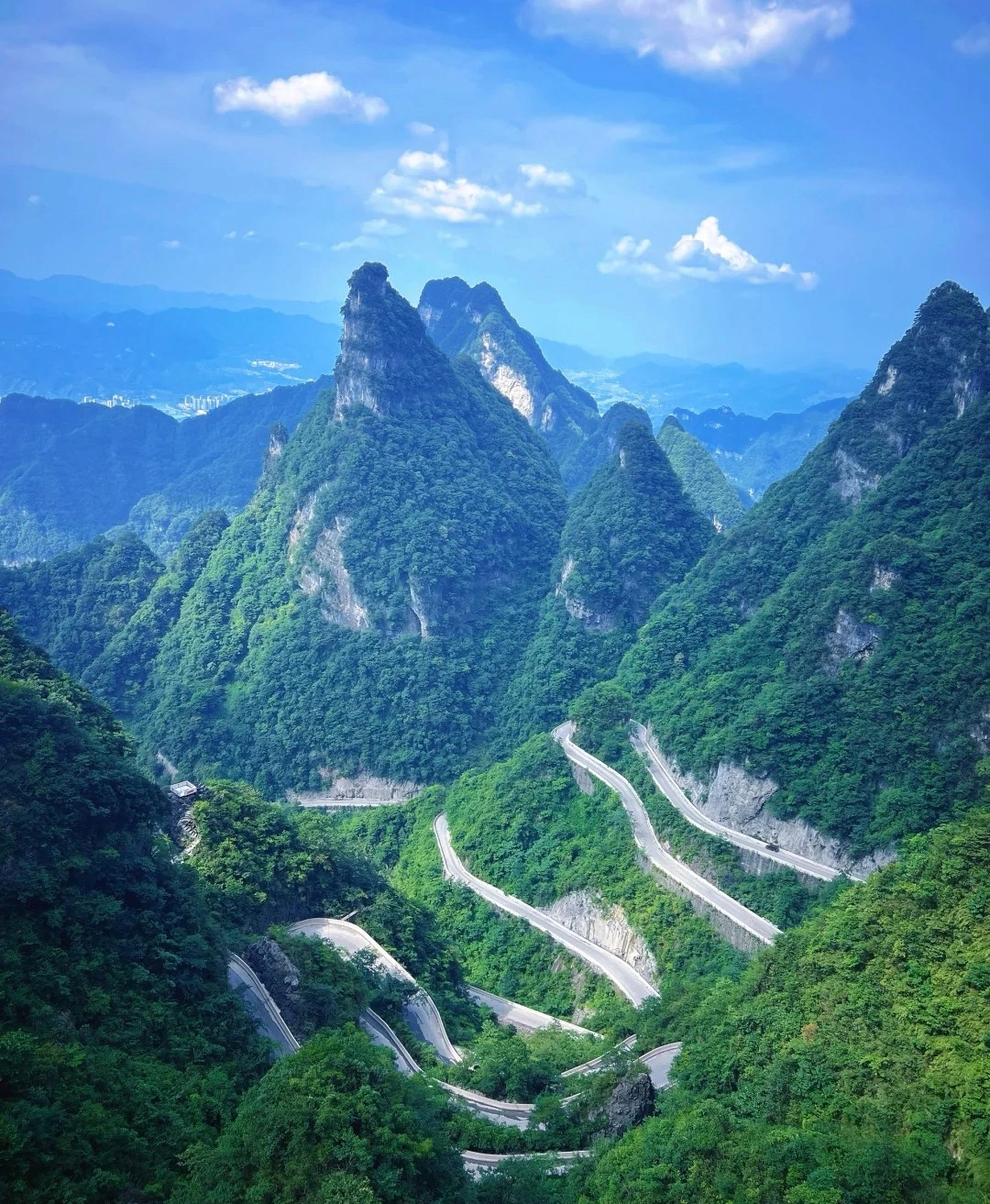
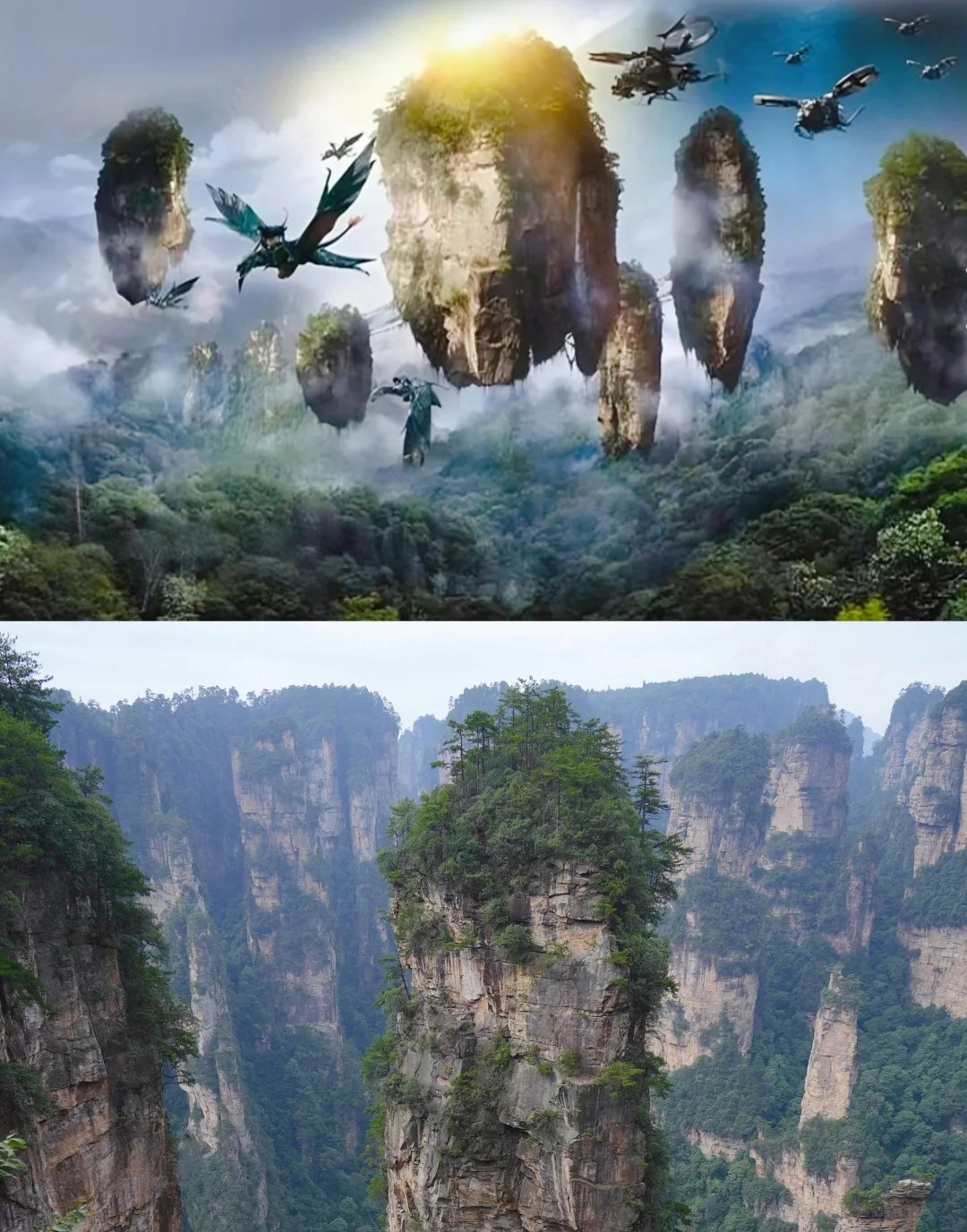
As a solo traveler from Canada, I was nervous about navigating China alone—but this 11-day tour was PERFECT! From hiking the Great Wall at sunrise (Day 3) to gasping at the Terracotta Army (Day 5), every day delivered ‘pinch-me’ moments. The real showstopper? Zhangjiajie’s Avatar Mountains (Day 7)! Our guide made the stone pillars come alive with stories. Massive thanks for handling all logistics—bullet train tickets, entry passes, car! And the 4-star hotels surprised me.
Destination(s): Beijing Xian Zhangjiajie Shanghai
Date of Experience: June 02,2025
... ... ...
...
Simon
America
Reviewed on May 29,2025
Our 2-day Zhangjiajie tour was beyond spectacular! As someone who’s visited Beijing and Shanghai for work, this trip revealed China’s wild, magical heart. Day 1 in Zhangjiajie National Forest Park felt like stepping onto Pandora—I’m a huge Avatar fan, and Yuanjiajie’s floating peaks left me breathless. The misty pillars and lush valleys like pure movie magic! Then came Fenghuang Ancient Town, we eat dinner beside the thundering waterfall. It seems Unreal! The night views of stilt houses glowing over the river were straight from a fairy tale. For fellow Avatar lovers and adventure seekers: Don’t miss this bucket-list experience! 10/10 would return. A Well-Traveled Film Buff, May 2025
Destination(s): Zhangjiajie
Date of Experience: May 08,2025
... ...

FAQ

Is the West Garden worth visiting, or just for plant lovers?

Worth it for most visitors, with honest expectations. Run by the Chinese Academy of Sciences, this is one of China's top botanical gardens, and its autumn maple-and-ginkgo avenues are famous across Kunming—one blogger called the fall color display "breathtakingly beautiful." That said, a plant specialist found it "not the most interesting garden" botanically. If you love nature, seasonal color, or quiet gardens, you will enjoy it; if you need spectacle, aim for autumn.

How much time do I need, and which parts should I prioritize?

Most visitors spend three to five hours. The West Garden's must-sees are the Fuli Palace greenhouse complex and the seasonal avenues. A smart sequence: start at the greenhouses (about an hour), then walk the camellia or magnolia gardens, and finish on the ginkgo and maple avenues. If you are short on time, skip straight to whatever is blooming—check the season—and the greenhouse. The East Garden, with its tea camellias, is a smaller bonus.

When is the best time to visit?

Match your interest to the season. Autumn, roughly late October to early December, is the masterpiece—maple and ginkgo avenues turn gold and fiery red around mid-November, drawing crowds for good reason. Spring (February–April) brings camellias, magnolias, crabapples, and azaleas, with February the peak for the famous camellias. Summer is green and cool; winter sees camellias again. If you can choose one window, go in late autumn.

Will I understand the plants without Chinese?

Largely yes, and that is a quiet strength here. Plant nameplates carry both Chinese and English names, and many include QR codes that open detailed scientific introductions on your phone. The greenhouse tours come with headphone commentary, and the garden is a national science-education base, so signage is more bilingual than most. For deep context, the optional guided tour or an app helps. You do not need Chinese to enjoy the color and collections.

What else can I do here besides looking at plants?

The garden doubles as a place for slow walks, photography, and nature education. The mid-century Soviet-style research buildings add a historical backdrop, and the landscaped lawns invite picnics and quiet reading. Workshops and public lectures on plant science or handicrafts like leaf printing appear on the official schedule—check ahead if you want a hands-on experience. It is a relaxed half-to-full day out of the city's bustle, not a one-stop tick-box attraction.

Ask us before you decide.

Unsure about a route, departure date or room option? Tell us what is holding up your plans. You will get a clear answer from our China-based travel team—no booking required.

Real people, practical answers.A travel advisor replies within 24 hours.

Thanks—this preview has captured your question.