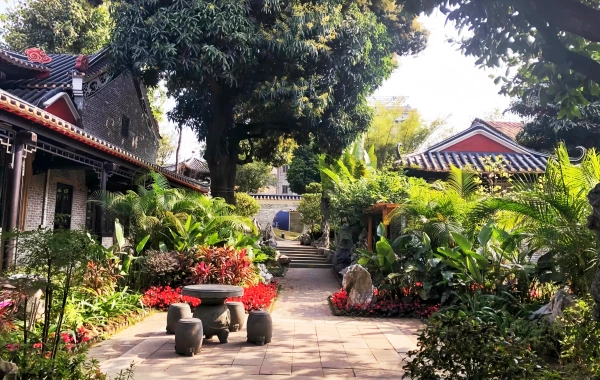
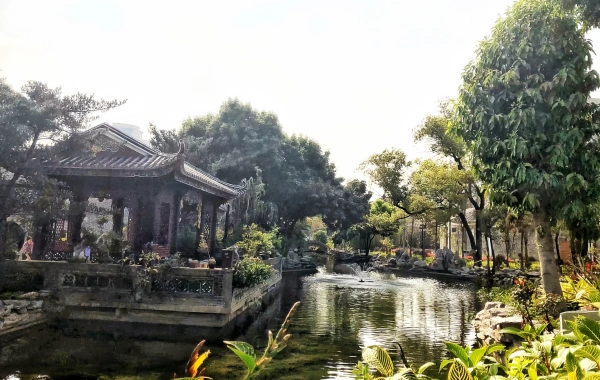
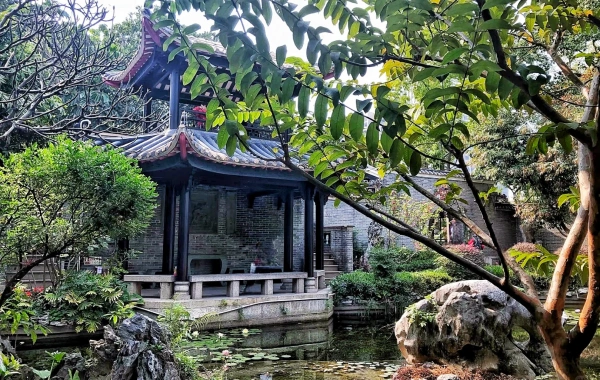
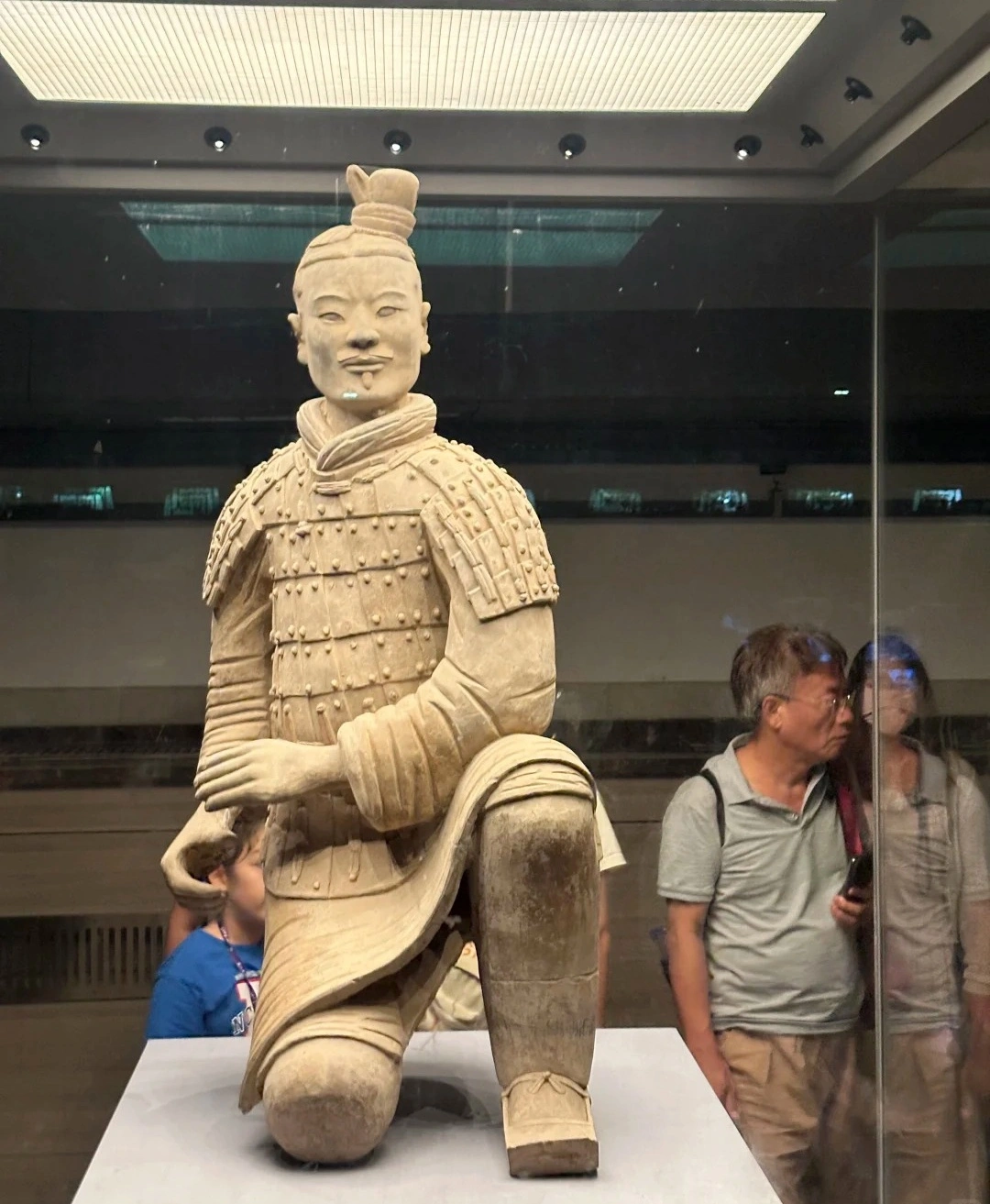
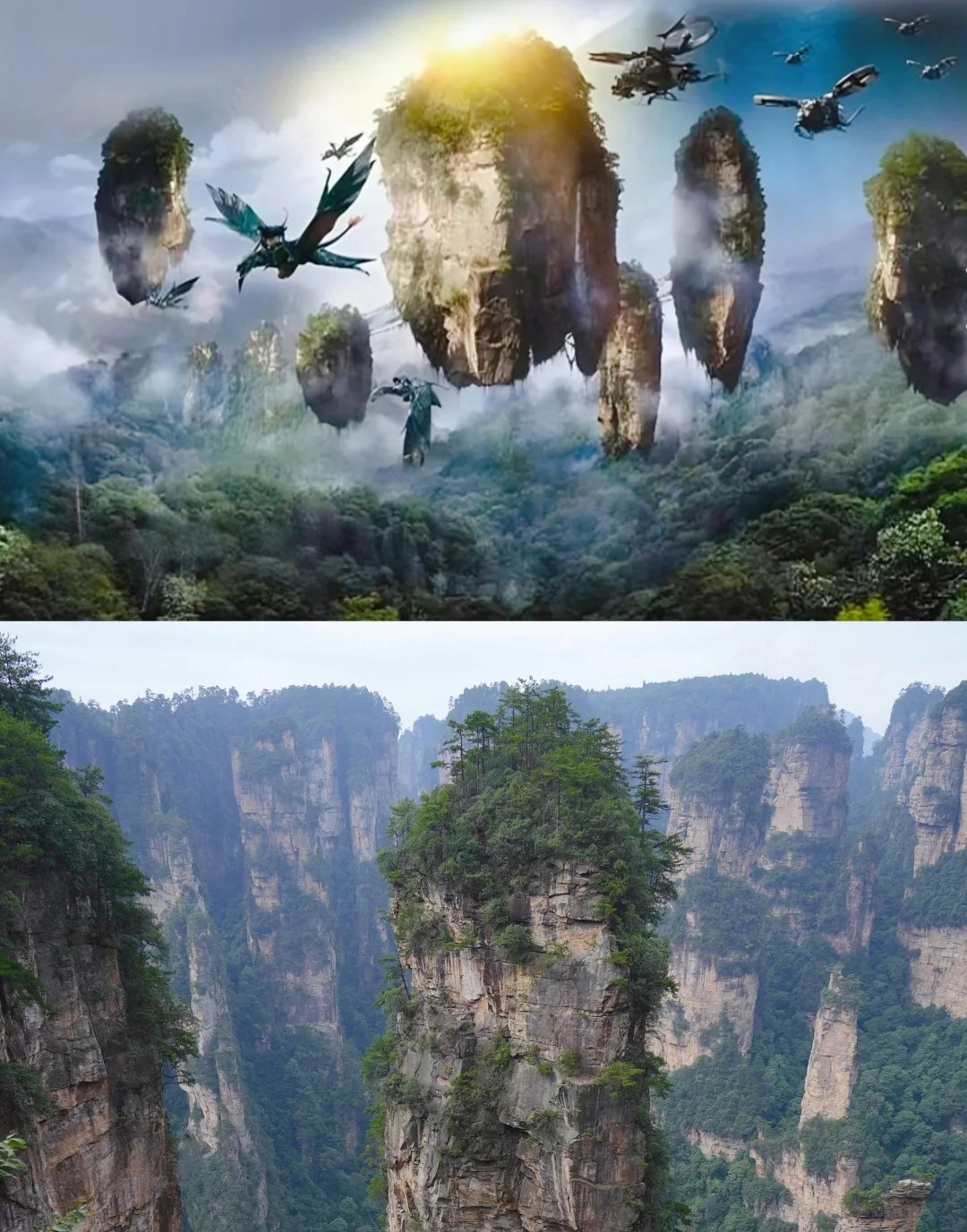
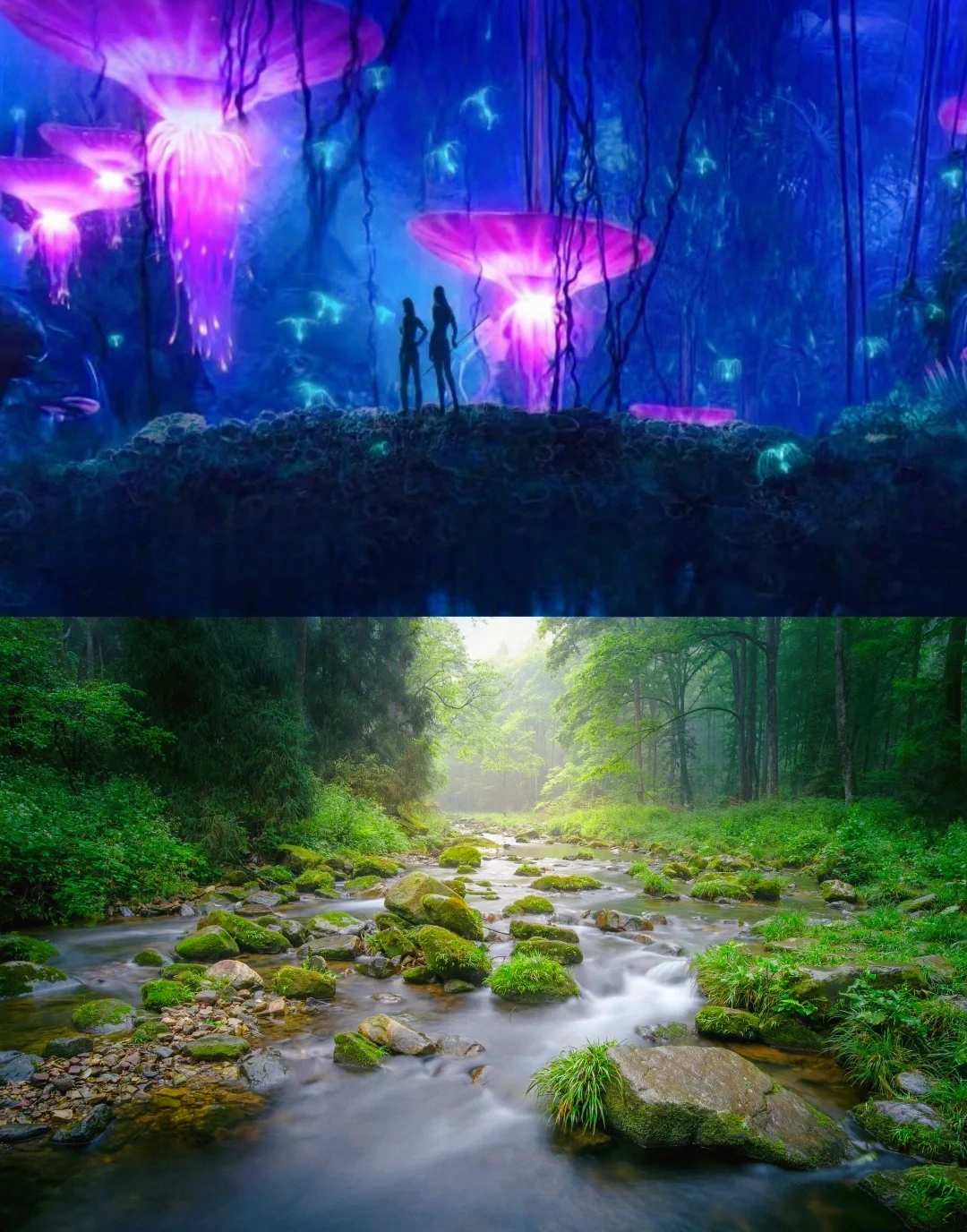
The wonder of Liang Garden lies not in its vastness, but in the ingenious concept of "mountains and forests within a small space." It perfectly embodies the characteristics of Lingnan gardens—practical yet inclusive, exquisite and beautiful—condensing natural landscapes, architectural art, and humanistic sentiments into a tiny space.
Nature's Creation—Every stone, every drop of water, and every tree in the landscape garden, a miniature version of the heavens and the earth, reflects the owner's view of nature.
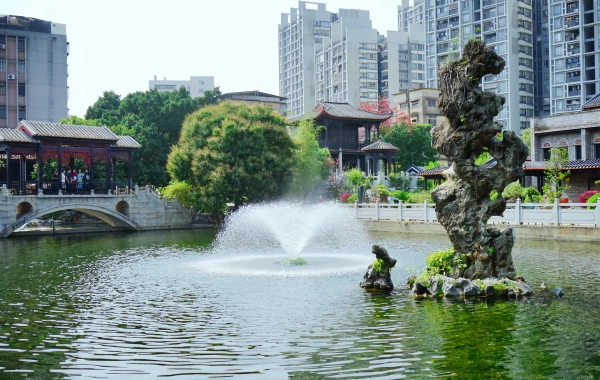
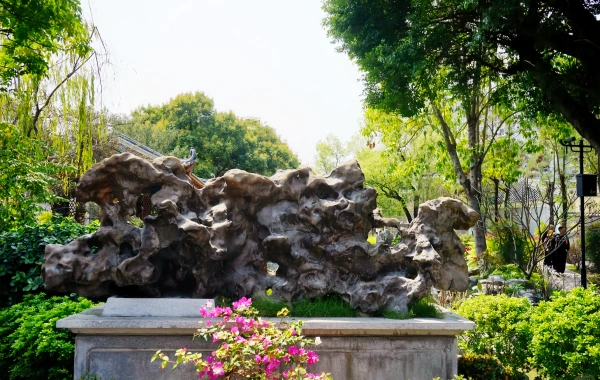
Unique Stones as the Soul – A Symphony of Taihu Stones and Quartz: Liang Garden is renowned for its stones. The garden extensively utilizes Taihu stones and local Ying stones in a myriad of shapes and forms. Most famous are the unique stones in the "Twelve Stone Studio" ruins area, some resembling a lone warrior, others like a crane spreading its wings; each possesses its own charm – slender, translucent, porous, and wrinkled. These stones are not merely landscape features, but also symbols of the owner's character and a reflection of his collecting passion.
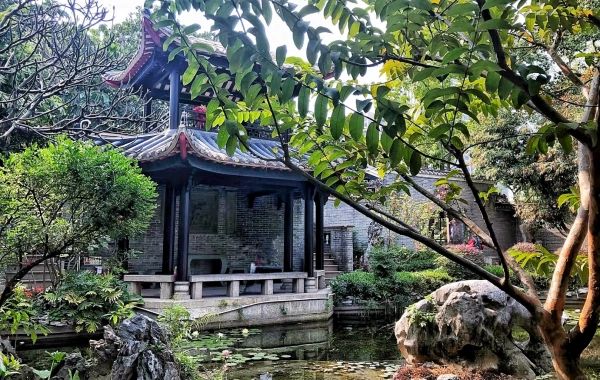
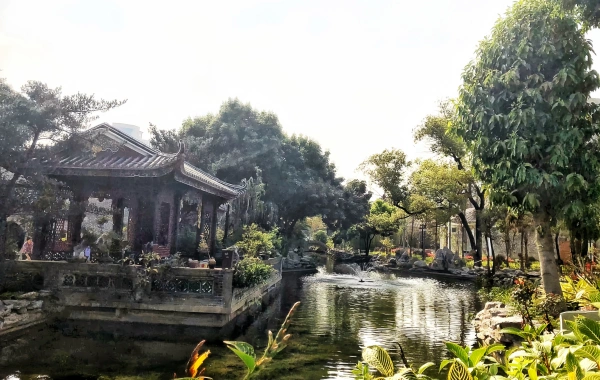
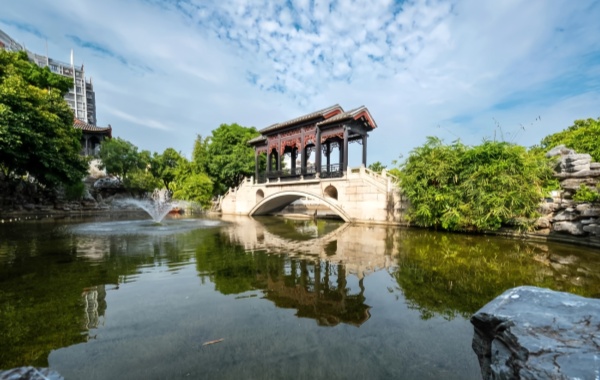
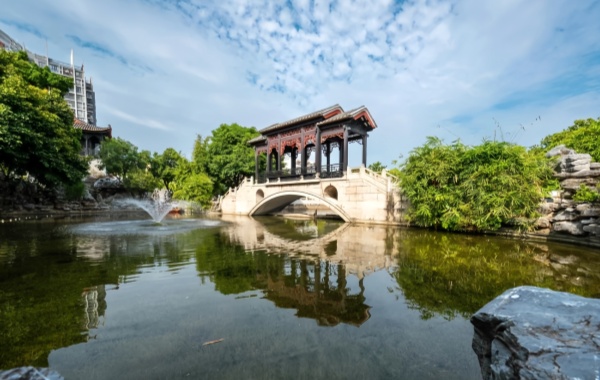
Water as the lifeblood – the Mirror Lake and the Stream: Water is the lifeblood of the garden. The expansive Mirror Lake at the center of Liang Garden is as calm as a mirror, reflecting the sky, clouds, pavilions, and towers; while the winding stream within the Stone Courtyard is lively and dynamic, with small bridges spanning the water and stepping stones adorning the banks, creating a profound and evocative scene of "small bridges and flowing water." The ingenious use of water greatly expands the sense of space within a limited area.
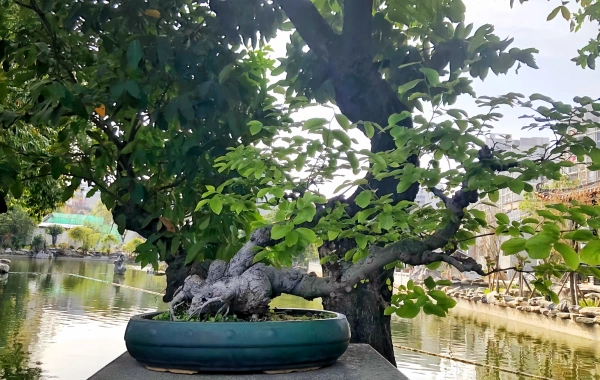
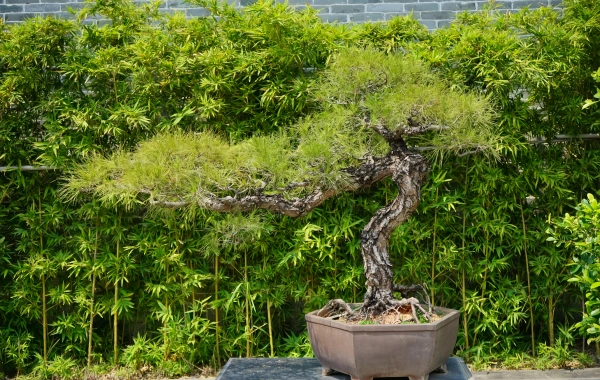
Flowers and trees as garments—the vitality of changing seasons: The plant arrangement in the garden is very ingenious. Ancient trees (such as longan and mango) are vigorous and upright, providing shade; flowers of all four seasons (orchid, lotus, osmanthus) bloom in succession, with subtle fragrance in the air; green bamboo, banana and other common Lingnan plants are interspersed among them, full of life and regional characteristics.
Humanistic Ingenuity – The spatial philosophy and art of integrating residence, ancestral hall and garden: The layout and decoration of Liang Garden are deeply imprinted with the life wisdom and aesthetic taste of Lingnan literati.
The integration of residence, ancestral hall, and garden is the most typical layout of Liang Garden. The governor's ancestral hall is solemn and orderly, reflecting the system of rites; the residential area (such as Qunxing Thatched Cottage) is practical and comfortable; and the garden area (such as Fenjiang Thatched Cottage) is free and unrestrained. The three areas are clearly functionally separated, yet cleverly connected by corridors and moon gates, perfectly combining daily life, clan worship, and artistic cultivation.
A comprehensive immersion in poetry, calligraphy, and painting:
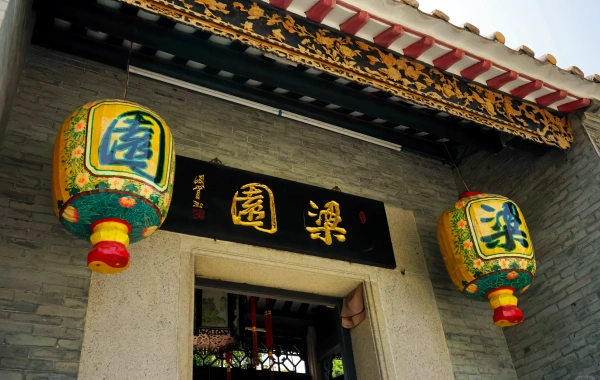
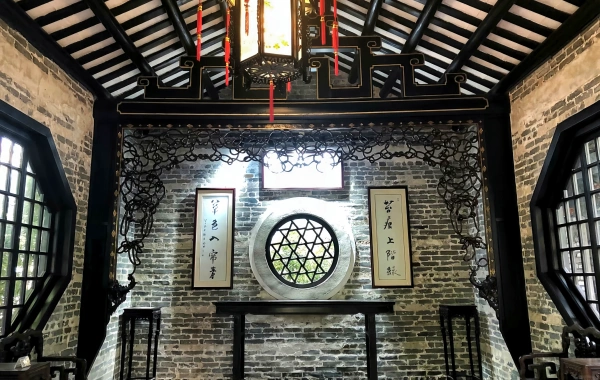
Couplets and plaques: Almost every building has exquisite plaques and couplets, such as "Qunxing Caotang" and "Liting". The names are elegant, and the couplets either describe the scenery or express feelings. They are the key to understanding the owner's state of mind.
Calligraphy and painting collection: The Liang family has a vast collection. Although many of the original works have been lost, the restored museum has a permanent exhibition showcasing the Liang brothers' achievements in poetry, calligraphy and painting, as well as their interactions with cultural celebrities of the time, creating a rich cultural atmosphere.
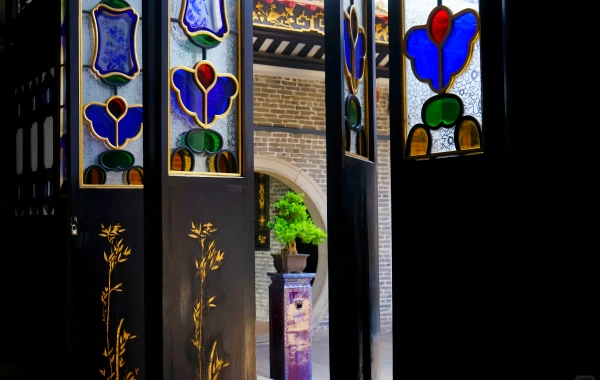
Architectural decoration: Lingnan traditional decorative techniques such as Manchu windows, carved wooden screens, brick carvings, and stucco are used in Liang Garden with exquisite craftsmanship and without being extravagant. The patterns are mostly based on Lingnan fruits and auspicious symbols, which complement the literati atmosphere.
The ingenious integration of imported elements: In the later sections such as "Fenjiang Thatched Cottage", novel building materials and decorative techniques such as "glass lattice windows" appeared, reflecting Foshan's inclusiveness and absorption of foreign elements in its garden culture as a trading port.
> Travel Tips:
The best shooting spot is on the opposite bank of Mirror Lake, where you can capture symmetrical scenes of pavilions, strange rocks, and their reflections in the water.
The best time to appreciate unusual stones is in the early morning or evening, when sidelight can highlight the beauty of the stone's texture and pores.
Pay attention to the ground; the paving patterns in the garden (such as "goldfish" and "bats") also have auspicious meanings.
Taking the time to appreciate each plaque and couplet is key to a deep and meaningful visit.