Nature's Masterpiece—A Pristine Canvas on the Blue Planet
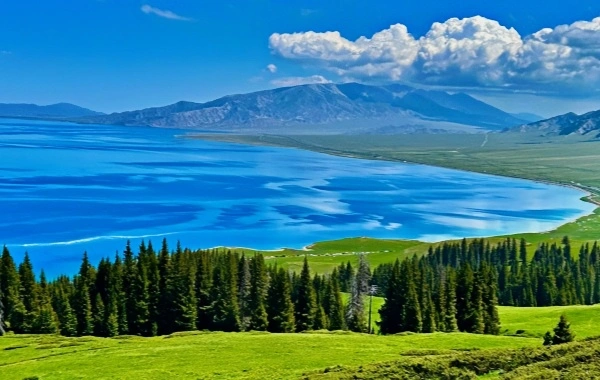
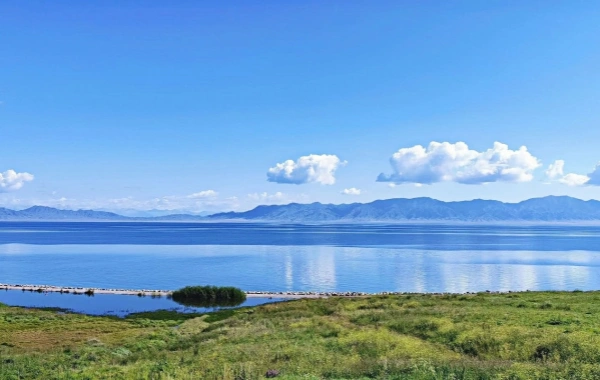
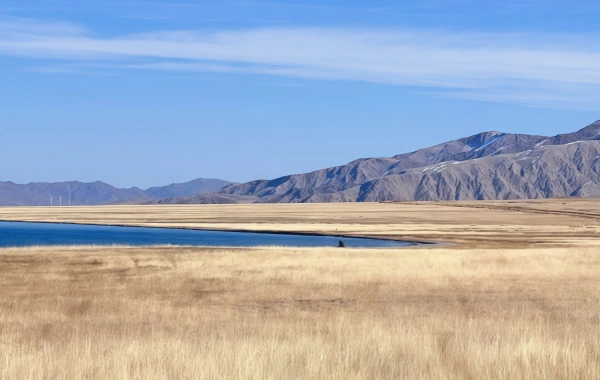
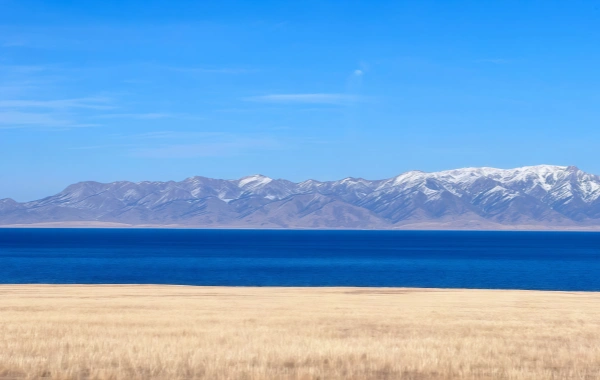
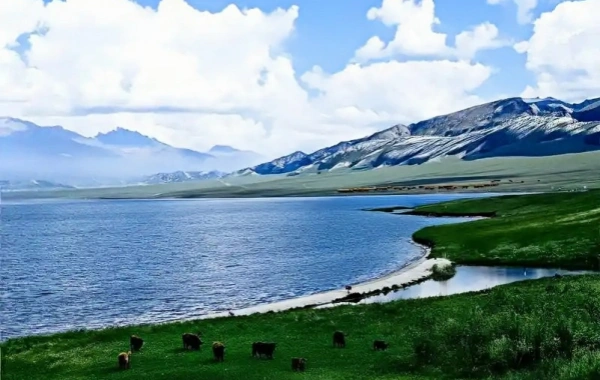
The natural landscape of Sayram Lake is an eternal dance of water, mountains, forests, and shifting light and shadow.
Enchanting Waters: The Last Tear of the Atlantic Ocean
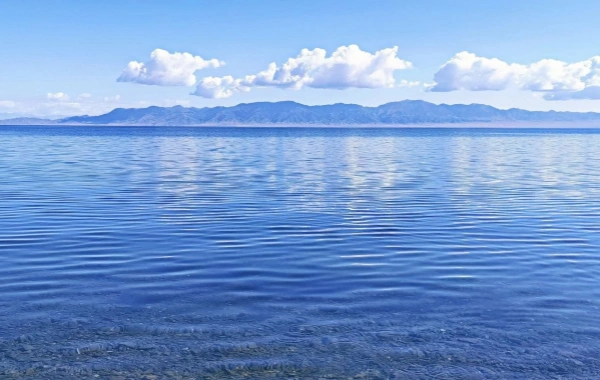
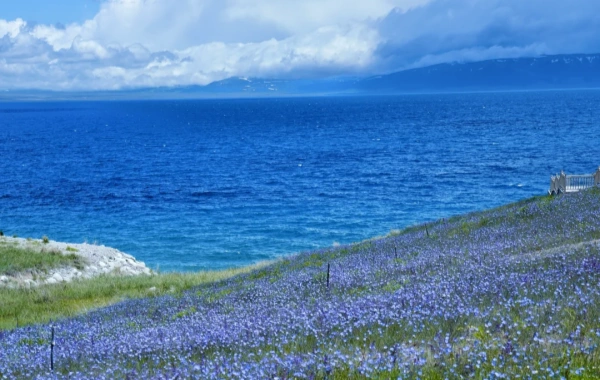
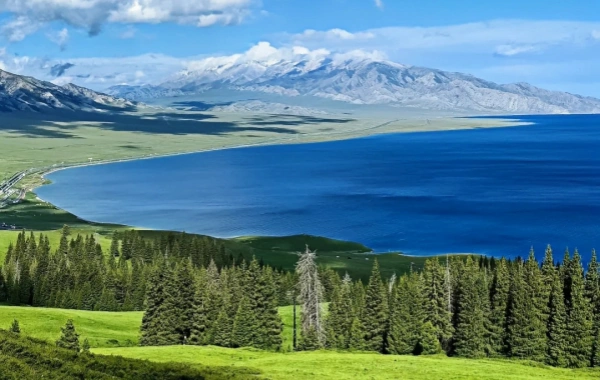
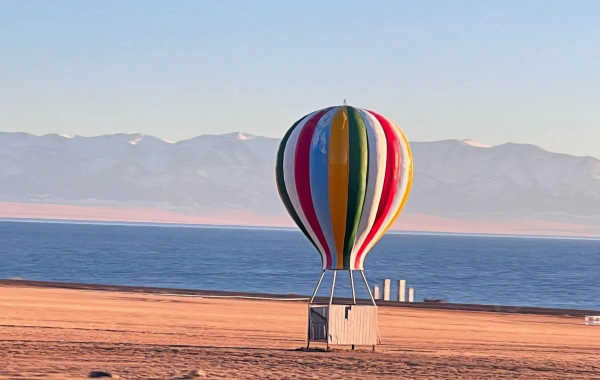
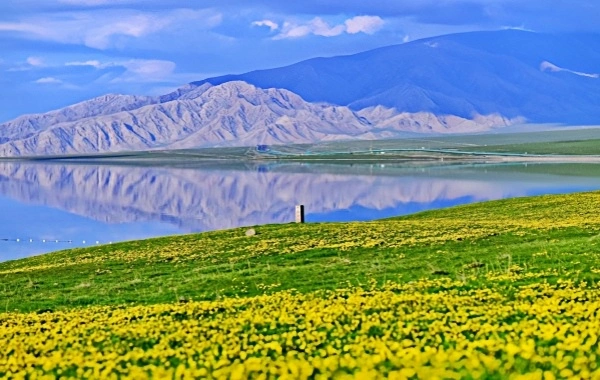
A Kaleidoscope of the Pure Sea: Sayram Lake boasts one of the highest water transparencies in China, with underwater visibility reaching up to 12 meters. Due to its depth and exceptional clarity—combined with the ever-changing underwater topography and sky conditions—the lake's waters appear dazzlingly colorful, shifting hues from moment to moment. A full spectrum of colors—including cyan, blue, green, orange, yellow, red, gray, and white—is on display, creating crystal-clear, lifelike reflections that possess a remarkable sense of three-dimensional depth. The optimal viewing time is between 10:00 AM and 3:00 PM; when the sun shines directly overhead, one can clearly discern the pebbles lying 12 meters beneath the surface.
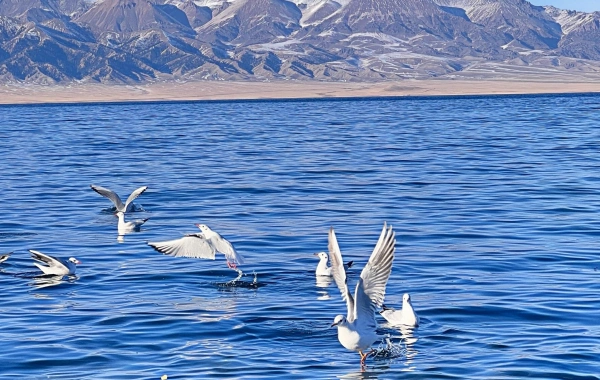
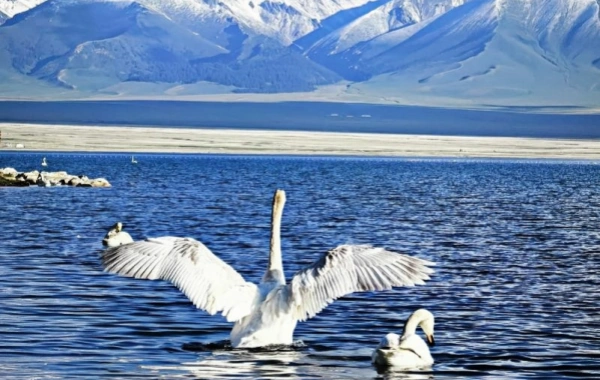
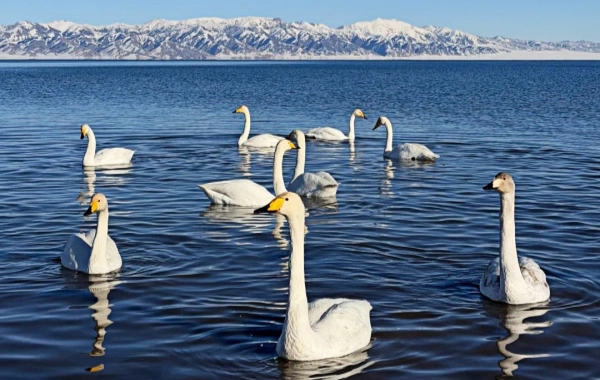
"Kele Yongzhu" (The Springing Pearls of Kele): Located on the western shore of the lake, this cluster of carbonate springs gushes forth at a rate of 1,200 liters per minute. The water maintains a constant temperature of 4°C and is rich in trace elements such as lithium and strontium. This is the area most frequented by swans; as the waters here remain unfrozen throughout the winter, it creates the spectacular phenomenon known as "Swans at Play."
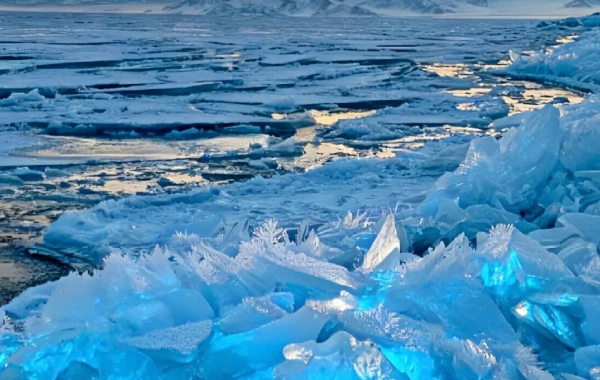
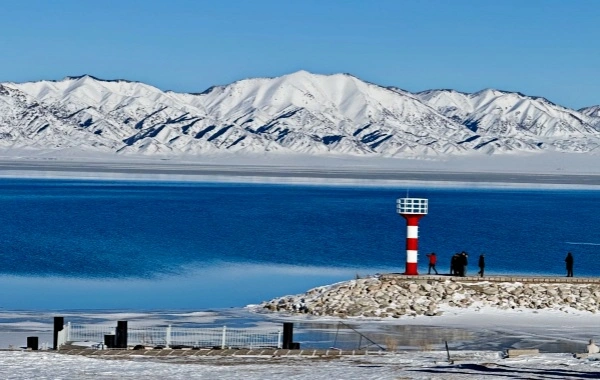
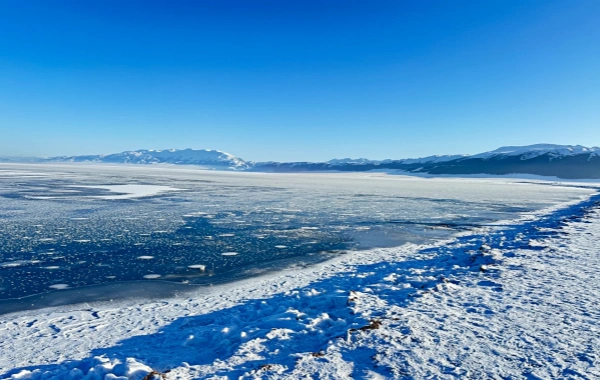
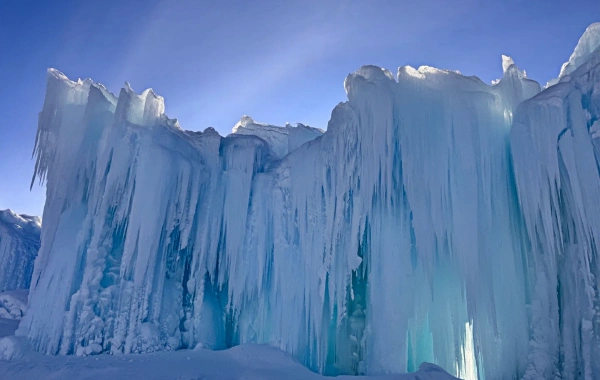
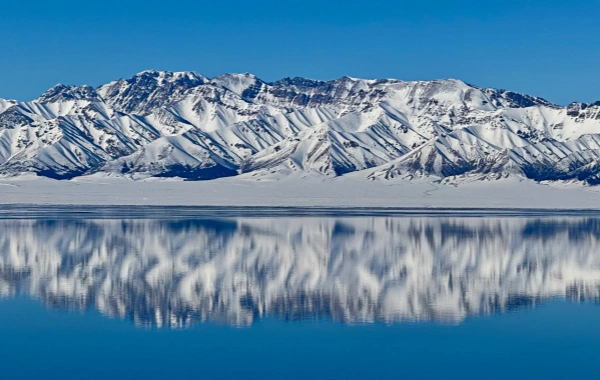
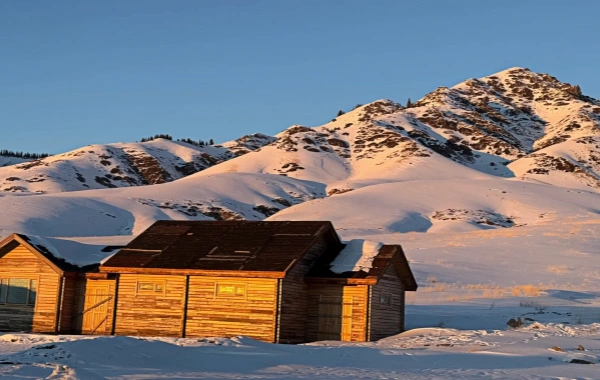
The Wonder of Ice Bubbles (Winter Exclusive): During the depths of winter, the lake's ice sheet can reach a thickness of up to 1.2 meters, revealing a host of natural wonders—including trapped ice bubbles, intricate ice cracks, and snow-capped mounds. The ice bubbles are densest along the northern shore, appearing like white flowers blooming from the lakebed.
Majestic Mountains: A Natural Frame of Eternal Snow
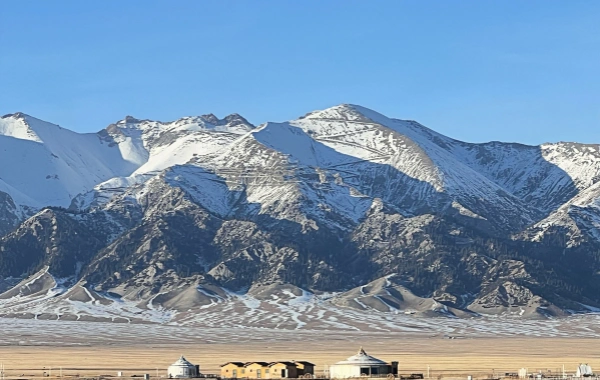
"Mount Fuji of the East": Situated on the eastern shore of Lake Sayram stands Mount Husumuchige. Its main peak, reaching an elevation of 3,596 meters, remains perpetually capped in snow. Viewed from the Haixi Grasslands across the lake, the mountain presents a perfectly symmetrical conical shape, its summit wreathed in white clouds—bearing a striking resemblance to Japan's Mount Fuji—thus creating the scenic vista known as "Mount Fuji of the East."
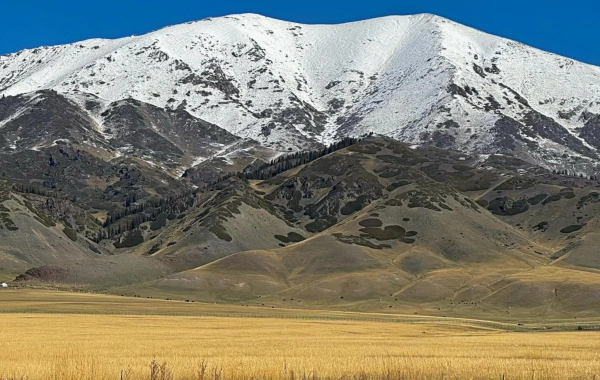
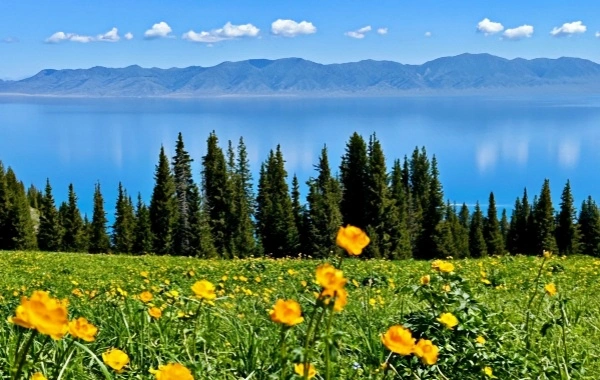
"Pines of Mount Ke": The peaks and ridges of Mount Koguqin (meaning "Emerald Green" in Kazakh) are cloaked in dense, towering spruce forests, where trees can live for over 300 years. As the ancient sage Qiu Chuji once wrote: "The towering pines stand straight as brush-handles; dense and deep, they reach heights of a hundred feet; ten thousand trees lean against one another, lush and verdant." When strong winds rise, the rustling pines create a surging "sea of sound," transforming the landscape into a veritable ocean of green.
"Pine Head Fog Waterfall" (Seasonal): Located at the southern tip of the lake, "Pine Head" is a low mountain pass within the Koguqin range. On early mornings during the rainy season, moisture evaporated from the lake overnight meets the cool morning air within the canyon, creating a "fog waterfall" spectacle spanning up to 200 meters in width—a scene reminiscent of the legendary "Sea of Clouds" at Mount Huangshan.
Vast Grasslands: A Pastoral Symphony in the Nomadic Paradise
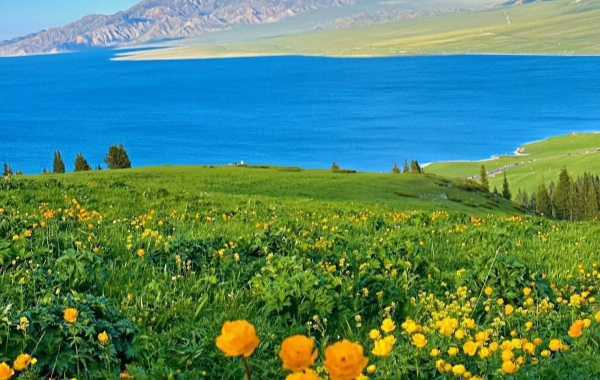
The Xihai Grasslands: The quintessential showcase of summer pasture scenery, where the felt yurts of Kazakh nomads dot a landscape awash with flowers. This is the prime location to witness the "Golden-Edged Tapestry" phenomenon: in late spring and early summer, the sub-alpine meadows covering the hillsides burst into bloom. Golden-hued flowers—such as wild poppies and globe flowers—are particularly striking, transforming the entire Lake Sayram region into a shimmering world of gold.
"Swans at Play": The wetlands bordering the lake serve as a vital habitat for a variety of rare bird species, including swans, silver pheasants, and thrushes. During an early morning stroll—where mist and light intertwine—you can observe swans gliding gracefully at close range.
The natural scenery of Sayram Lake offers an experience that goes far beyond mere "sightseeing"; it is equally about "listening" and "feeling." The color of the lake changes with every passing moment, and the valley itself serves as a colossal natural palette.
Human Ingenuity—Traces of Civilization on the Ancient Silk Road
The culture here is not merely a matter of history; it is a living tradition.
The Commander's Platform (Site of Genghis Khan's Western Expedition): Ascend the Commander's Platform to enjoy a panoramic view of Sayram Lake. Legend has it that during his Western Expedition, Genghis Khan reviewed his formidable Mongol cavalry at this very spot. He also undertook the task of repairing the treacherous mountain roads near Sayram Lake, constructing the "Forty-Eight Bridges" to transform a natural barrier into a navigable thoroughfare. This site offers an exceptional vantage point for capturing panoramic vistas and for immersing oneself in the grandeur of history.
The Wusun Ancient Tombs: From the 2nd century BC to the 5th century AD, the Bortala region served as the primary domain of the Wusun people. Scattered across the vast grasslands surrounding Sayram Lake, dozens of towering Wusun tombs stand aligned in a row. The largest of these mounds boast a base circumference of 200 to 300 meters and reach heights of 7 to 8 meters; locals commonly refer to them as "Earth Mound Tombs." These silent "Wusun barrows" serve as repositories of memory, preserving over two millennia of nomadic civilization.
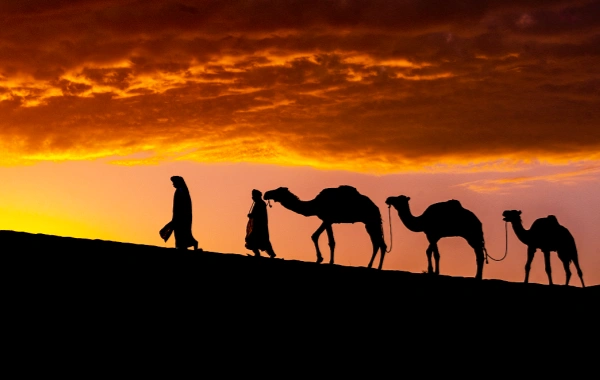
Lakeside Nomadic Culture: The nomadic communities inhabiting this region—primarily the Mongol and Kazakh peoples—continue to uphold a centuries-old tradition of following the water and pastures in their daily lives. The felt yurts dotting the lakeshore, the melodious strains of pastoral songs, and the herds of cattle and sheep collectively paint a vivid tableau of nomadic culture.
> Photography Tips:
> The Commander's Platform offers the best vantage point for panoramic shots, allowing you to capture the snow-capped mountains, the lake, and the grasslands all in a single frame.
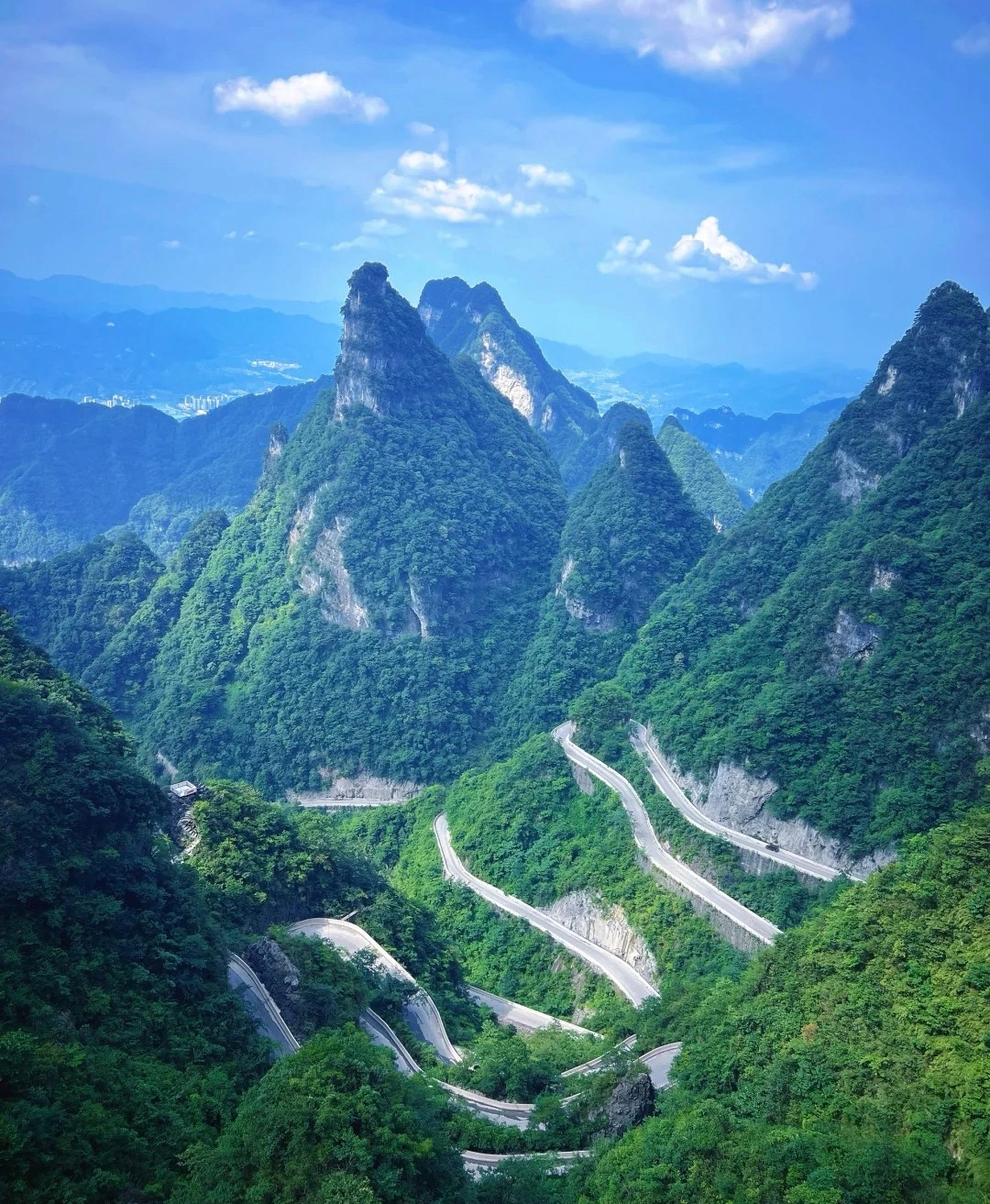
> The viral "S-Curve" Road is ideal for capturing cinematic road-trip shots; aerial photography via drone yields particularly stunning results.
> Kele Yongzhu is the perfect spot for photographing the graceful swans and their reflections against the azure waters of the lake.
> Songshutou (Pine Tree Peak) allows you to ascend to the summit for a sweeping view of the entire lake, as well as a distant glimpse of the Guozigou Bridge.
> Drone flight is permitted (though prior registration is required), offering the opportunity to capture epic, "God's-eye-view" perspectives.