
15-Day China Group Tour: Beijing, Xi’an, Chengdu, Tibet & Everest Adventure with Ancient Culture and Himalayan Landscapes
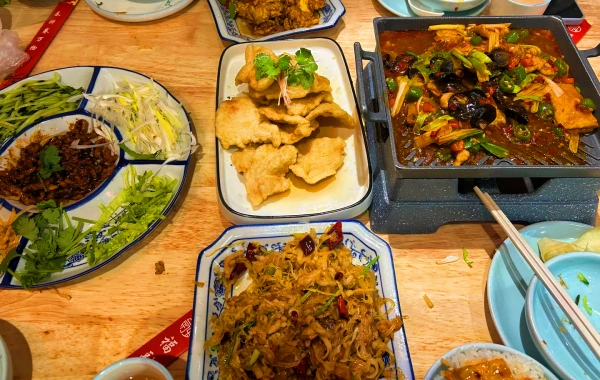
This tour can be booked with a minimum of 1 guest. Explore Beijing’s Forbidden City, Xi‘an’s Terracotta Warriors, Chengdu‘s pandas, Lhasa’s Potala Palace, and Everest Base Camp on this 15-day group tour. All Tibet permits included. Book your China adventure today.
- Tour Code: ITC-GT-009
- Guide: English-speaking guide, experienced driver with an air-conditioned vehicle
- Accommodation: 14 nights at good 3-star hotels
- More personal than a traditional coach tour, far better value than a private tour.
Why choose Into Travel China Day Tour

Experience
The Long Climb: Emperors, Pandas, and Everest
-
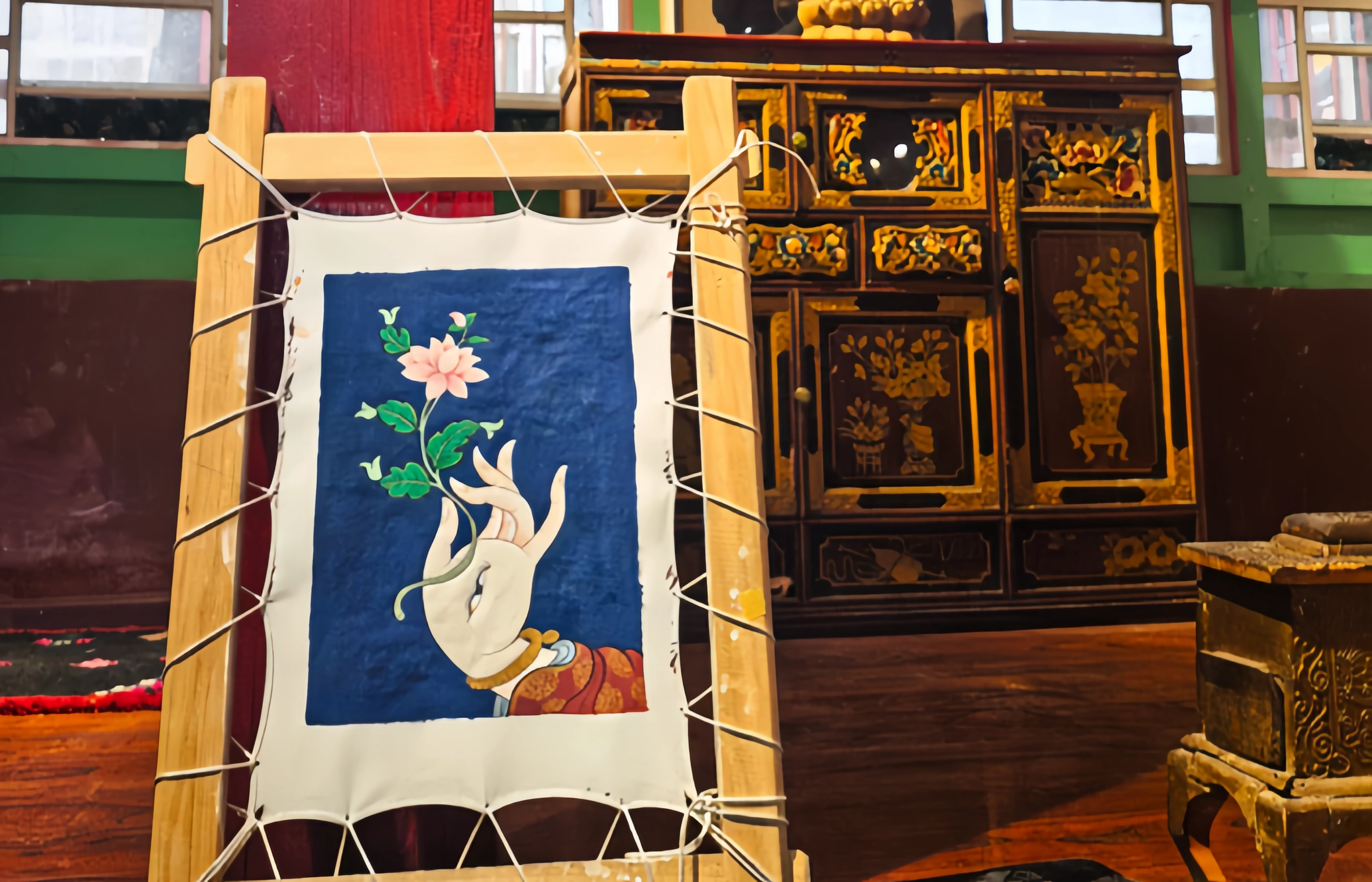
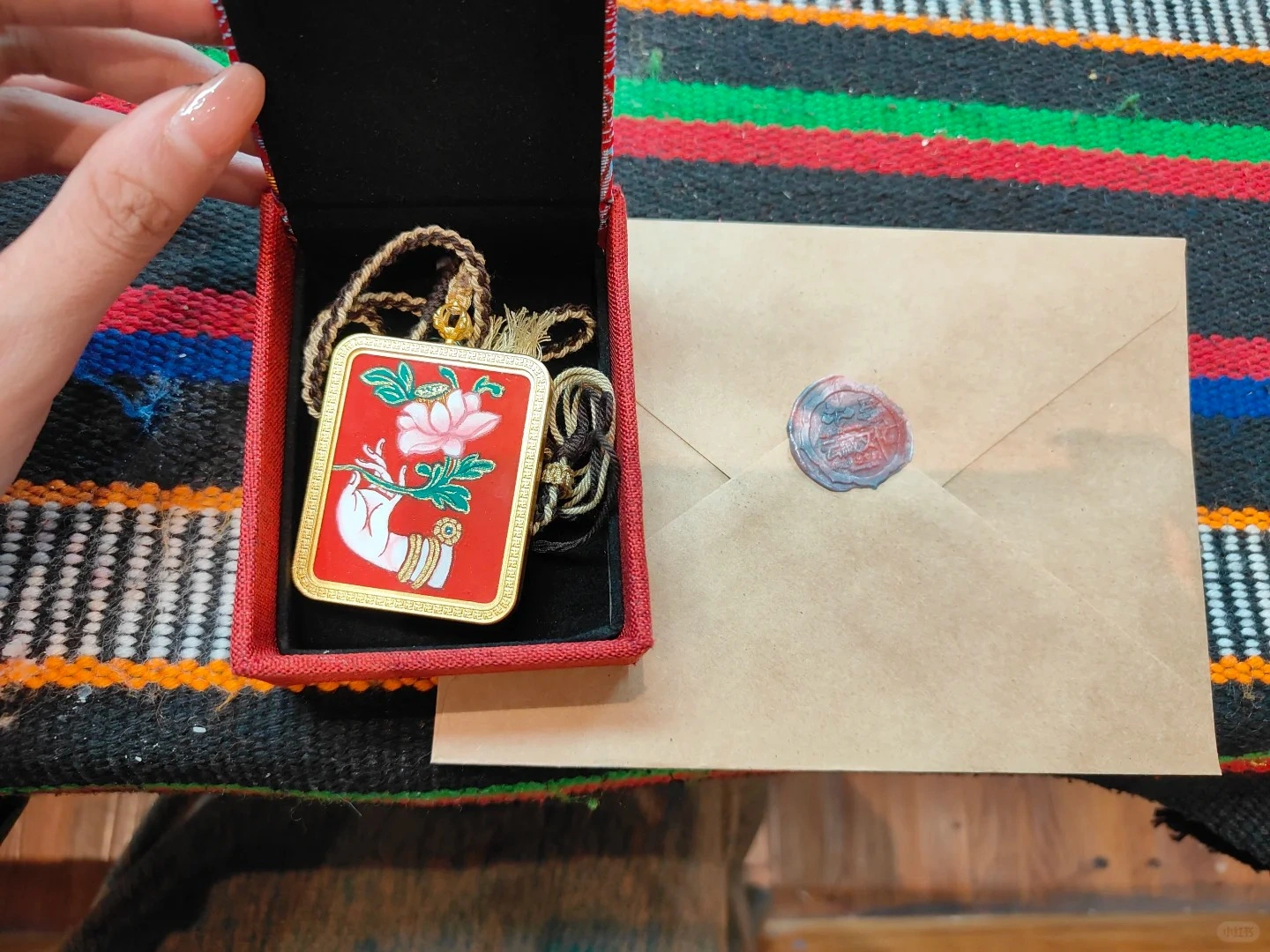
Lhasa – Thangka painting workshop – In a quiet old‑town studio, participants pick up fine brushes and paint sections of a Buddhist scroll under a master‘s guidance. Mineral pigments and their symbolic colors are explained. Each person leaves with a small hand‑painted piece and a deeper appreciation for the craft.
-
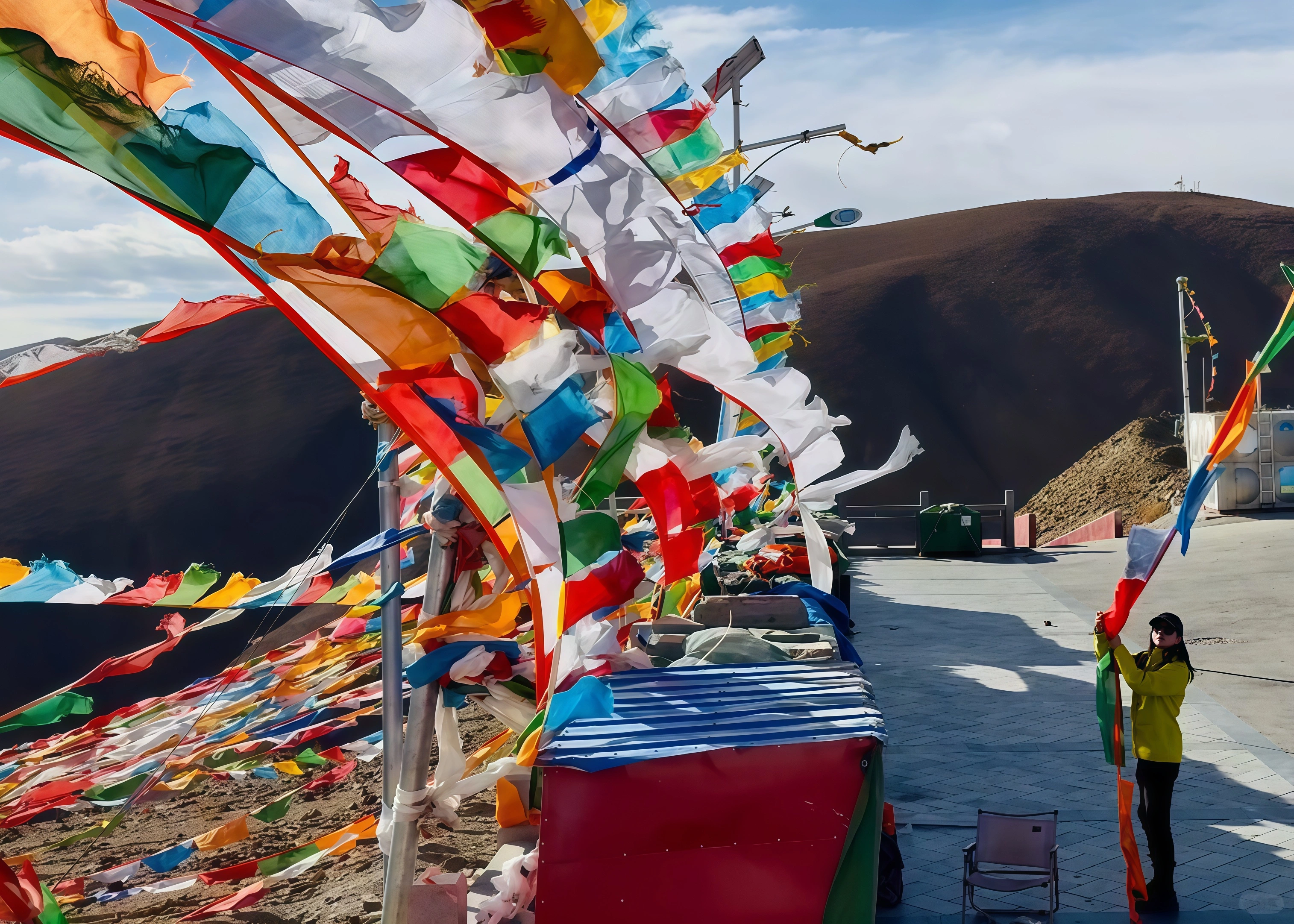
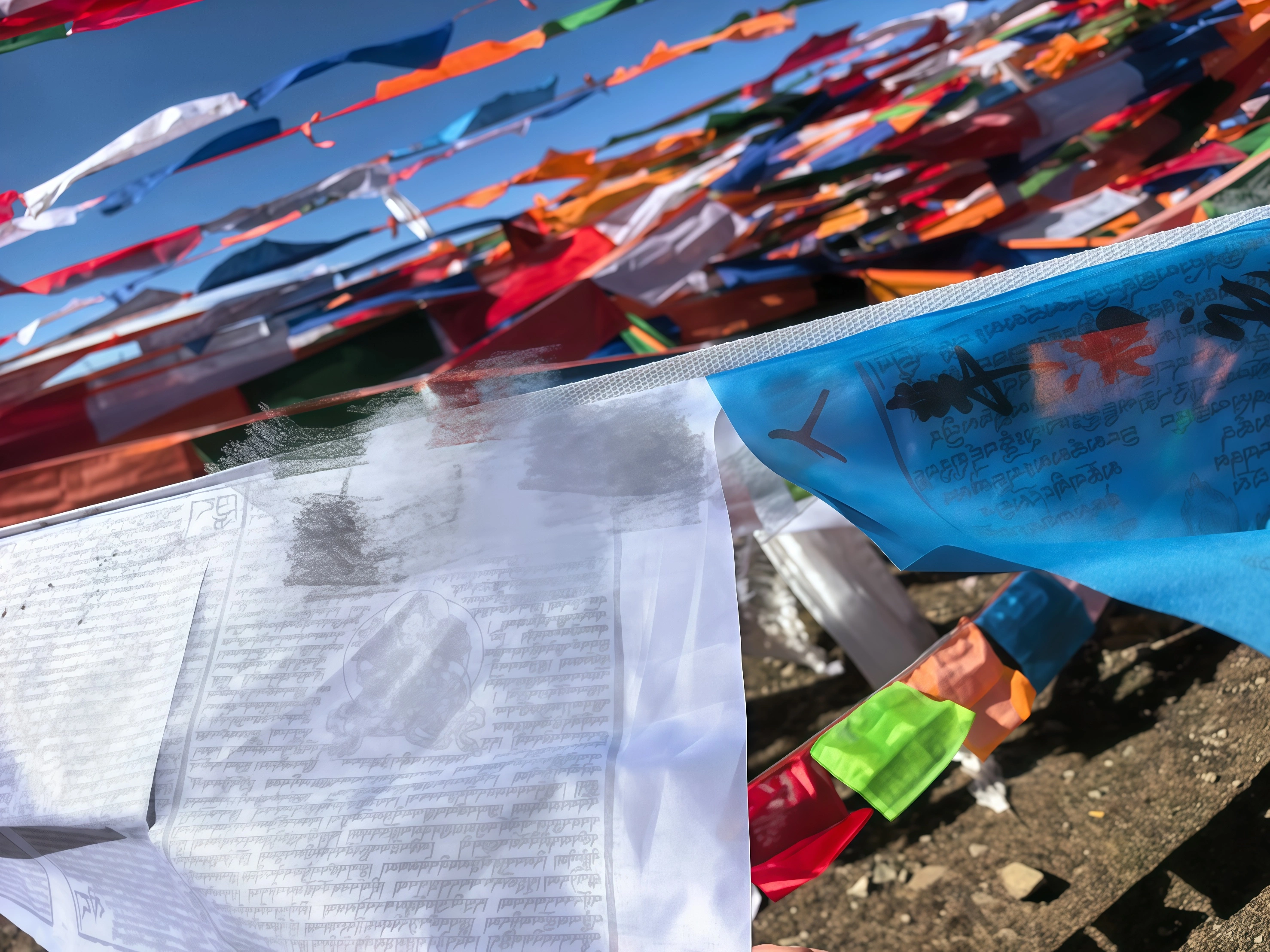
Everest Base Camp – Prayer flag blessing at sunset – At 5,200 meters, facing Everest’s north ridge, travelers hang their own strings of prayer flags. A guide demonstrates the tying method and explains the meaning of the five colors. As the wind catches the cloth, the flags carry the blessings toward the peak.
Itinerary
Explore each day’s highlights, pace, routes, hotels, meals, and photos—so you know exactly what to expect along the way.
Route Map Full route
Your driver meets you at the airport and takes you to your hotel. Once you‘ve checked in, the rest of the day is yours.
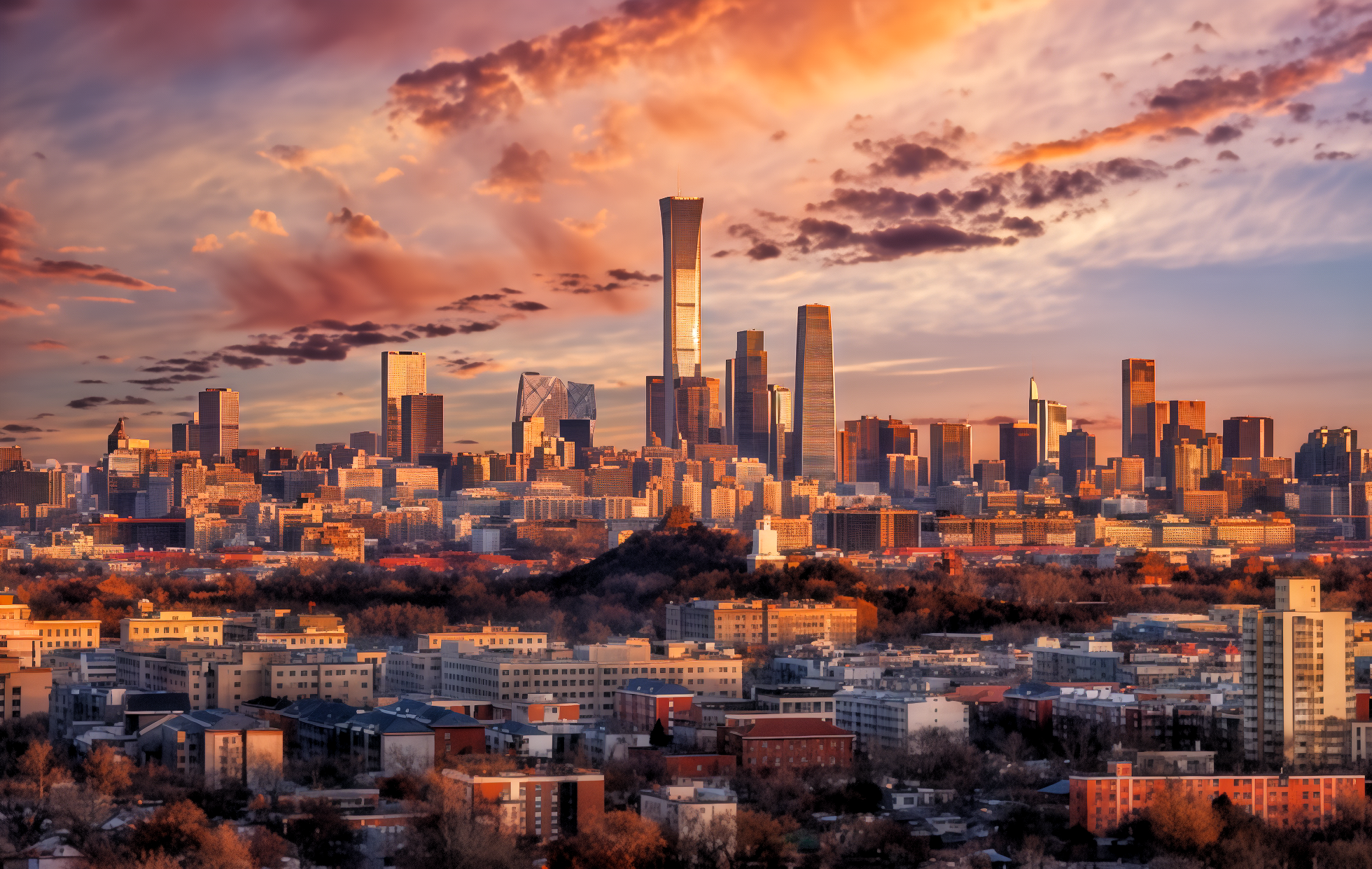
If you’re not too tired, the area around most central hotels gives you a straightforward introduction to Beijing. The city‘s grid is logical: wide east-west avenues intersected by north-south streets. Walking a few blocks in any direction will put you in the middle of everyday life — small grocery shops, fruit vendors on the corner, and restaurants where the menu is a wall of pictures. No need to plan a route. Just walk until something catches your attention, then stop.
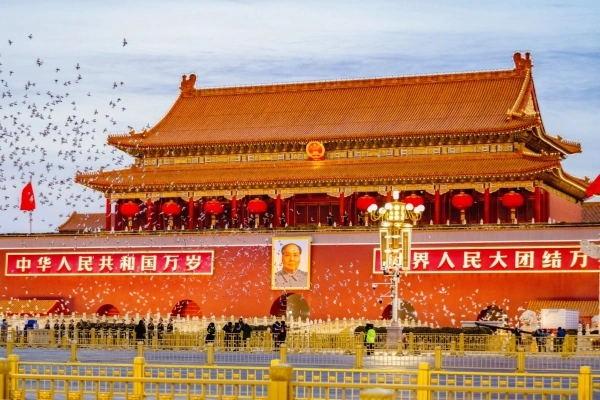
The first full day starts at Tian’anmen Square. At 440,000 square metres, it can hold a million people — and it does on certain national holidays. The square is flanked by the Great Hall of the People and the National Museum.
From there, you walk into the Forbidden City. The complex covers 720,000 square metres and contains 980 surviving buildings. The main halls sit on three-tiered marble terraces that elevate them above everything else — a deliberate design choice. The throne halls are aligned on a north-south axis, and the entire city was built around this line. The building you‘re standing in was the centre of the empire for 500 years.
A short walk takes you to Jingshan Park. The hill is 45.7 metres high, created from the soil dug out of the Forbidden City’s moat. From the top, you can see the entire layout of the palace — a rectangle of gold roofs and walls that still defines the centre of Beijing.
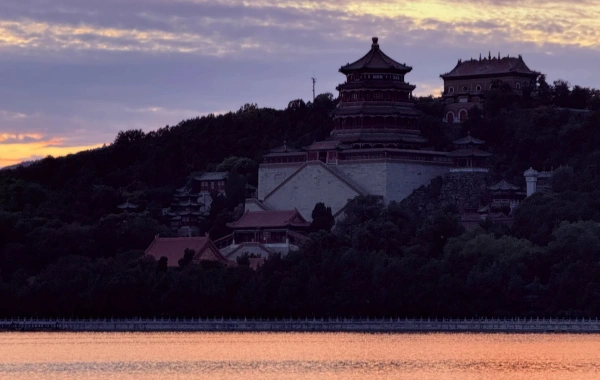
In the afternoon, you head to the Summer Palace. The estate covers 290 hectares, with Kunming Lake taking up three-quarters of that area. The Long Corridor is 728 metres long and features over 14,000 painted panels depicting scenes from Chinese history and mythology. The Marble Boat was built in 1755 and later reconstructed in 1893 — it was never meant to float, only to be looked at.
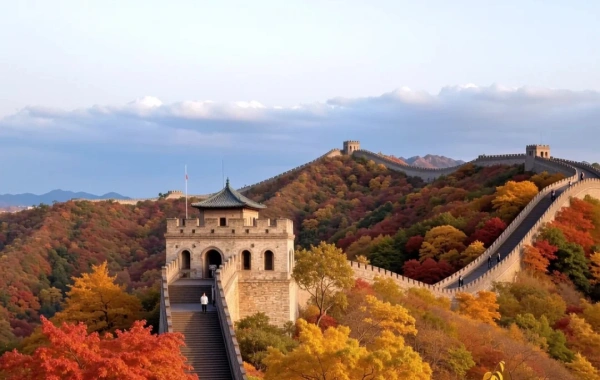
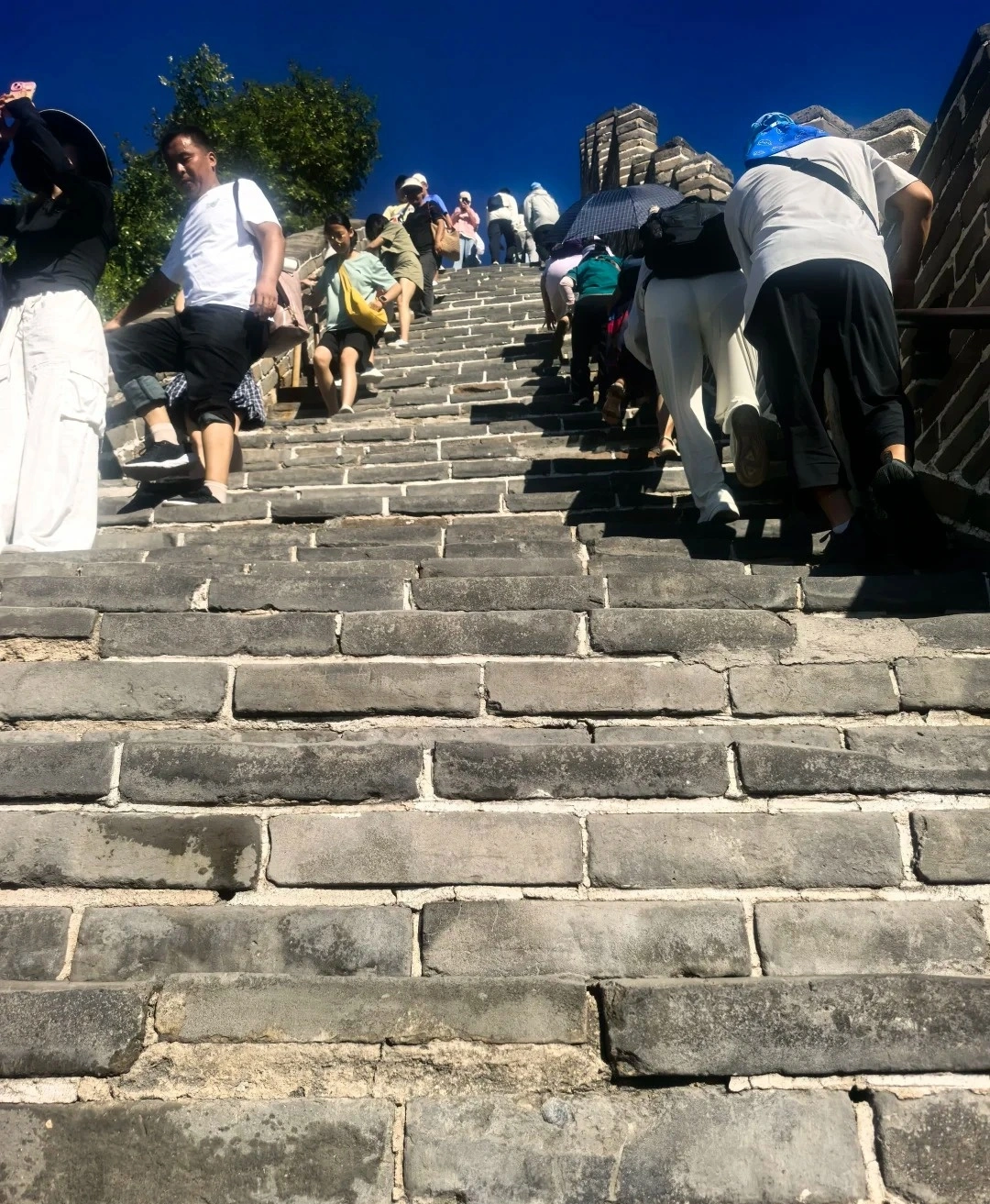
Today you head to the Mutianyu section of the Great Wall, 73 kilometres from the city centre. It was built in 1368 and has 22 watchtowers spread over 5.4 kilometres of wall. The cable car takes you up to Tower 14, leaving you with a 1.5-kilometre walk along the wall itself.
What makes Mutianyu different from other sections is the mix of construction styles: the wall is built with granite blocks, and some sections have double crenellations — rare features that suggest this stretch had a more defensive role than others. The gradient varies from gentle slopes to sections that reach 50 degrees. East of Tower 23, the wall climbs steeply and is known as the “Ox Horn” section.
The watchtowers are spaced at roughly 500-metre intervals, which was the maximum range of a Ming-dynasty archer. Each tower served as a signalling point, with smoke signals during the day and fire at night. You can walk as far as you like before turning back.
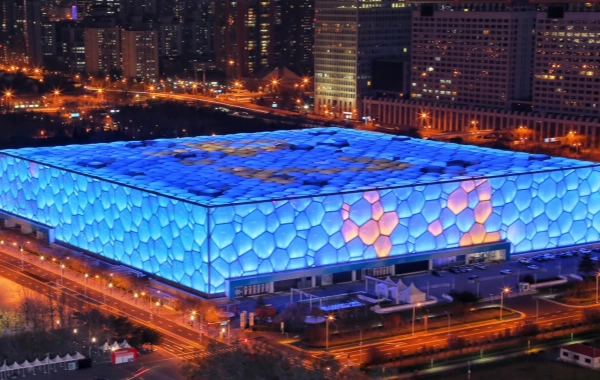
On the return drive, the bus passes the Bird‘s Nest and Water Cube, the two main structures from the 2008 Olympics. The Bird’s Nest uses 42,000 tonnes of steel — no two pieces are identical. The Water Cube‘s exterior is made of ETFE bubbles, a material that insulates while letting light through. There’s a brief photo stop.
Morning transfer to the railway station for the high-speed train to Xi‘an. The distance is 1,200 kilometres, and the train covers it in 4.5 to 6 hours. The route crosses the North China Plain and enters the Loess Plateau — a region of deep valleys and silt deposits that have built up over millennia.
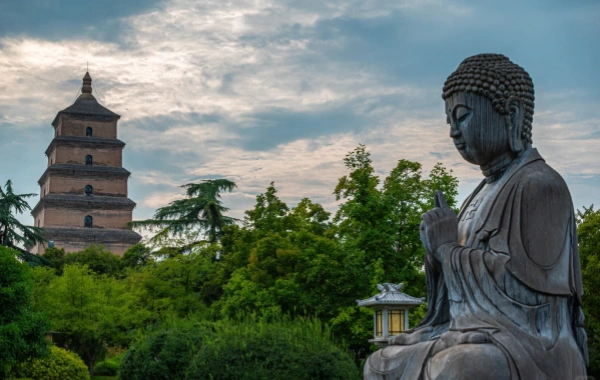
Upon arrival, you go straight to the Giant Wild Goose Pagoda. It was built in 652 AD. The pagoda is 64.5 metres tall, with seven storeys, and was constructed from brick without mortar — the blocks lock together through their shape. The monk Xuanzang spent 19 years travelling to India and back, bringing back 657 Buddhist texts. The pagoda was built to house them.
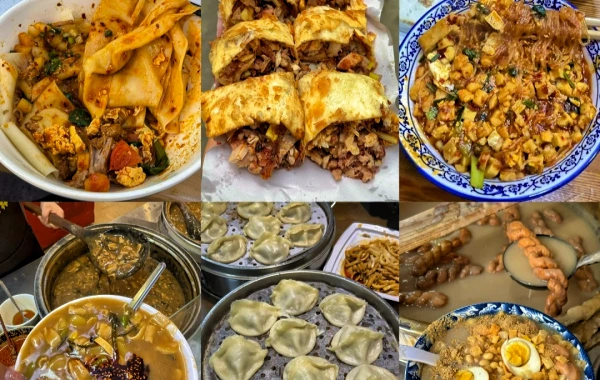
From there, you walk into the Muslim Quarter. It has been the centre of Xi‘an’s Hui community since the 14th century. The streets are narrow and the food stalls are dense. Lamb skewers, biangbiang noodles, and flatbread with meat are the most common items. About 30,000 Hui Muslims live in this district, and the Great Mosque is one of the oldest in China, with construction dating back to 742 AD.
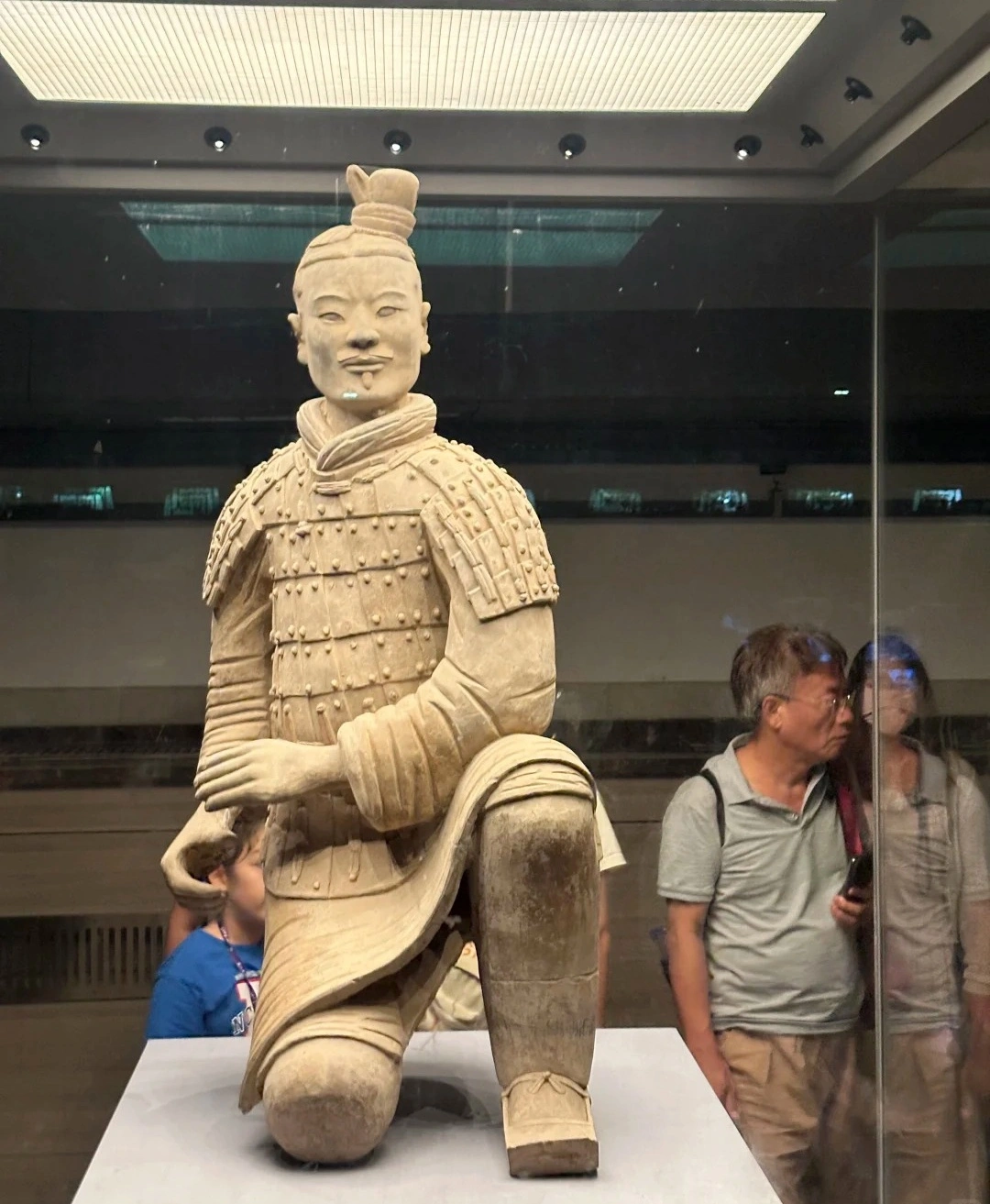
The morning is devoted to the Terracotta Warriors, 50 kilometres east of Xi’an, about an hour‘s drive. The site was discovered in 1974 by farmers digging a well. Three pits have been excavated, covering 20,000 square metres. Pit 1 contains approximately 6,000 terracotta figures, arranged in a formation of 11 parallel columns. Each figure stands between 1.8 and 2 metres tall and has a unique face — no two are identical. The army was built to accompany Qin Shi Huang, the first emperor of China, and it took 700,000 workers to construct it over 38 years.
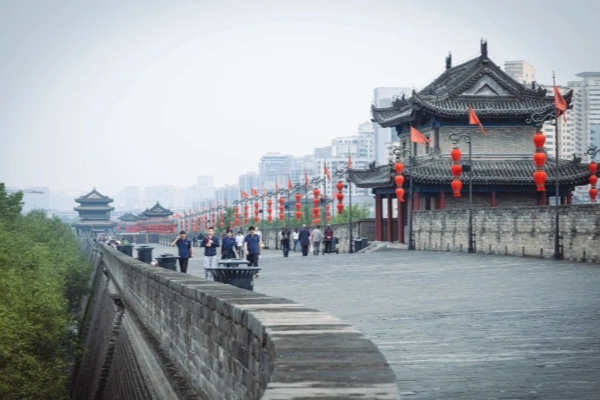
After returning to the city, you visit the Ancient City Wall. It was built in the 14th century and is 13.7 kilometres around. The wall is 12 metres high and 18 metres wide at the base. You can walk or cycle along the top. The wall was never breached in its history.
The day finishes at the Bell Tower or Drum Tower. The Bell Tower was built in 1384 and contains a 5.5-tonne bell. The Drum Tower dates from 1380 and originally housed 24 drums — one for each solar term in the Chinese calendar. Both mark the centre of the old city.

Morning high-speed train from Xi’an to Chengdu — about 3.5 to 4 hours. As the train moves south, the landscape changes again: the loess plateau gives way to the green, hilly terrain of Sichuan.
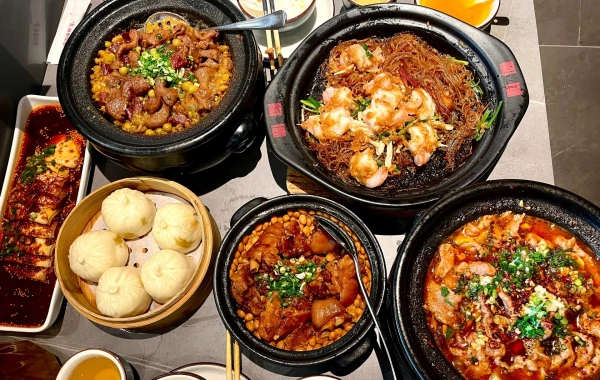
Upon arrival, you‘re met at the station and taken to your hotel. The rest of the day is yours. Chengdu is known for its food, and the area around your hotel is a good place to start. Ask your hotel for a local hotpot recommendation — Sichuan hotpot is a meal that demands your full attention.
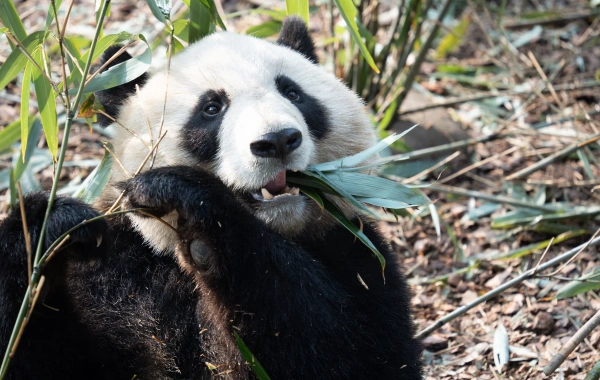
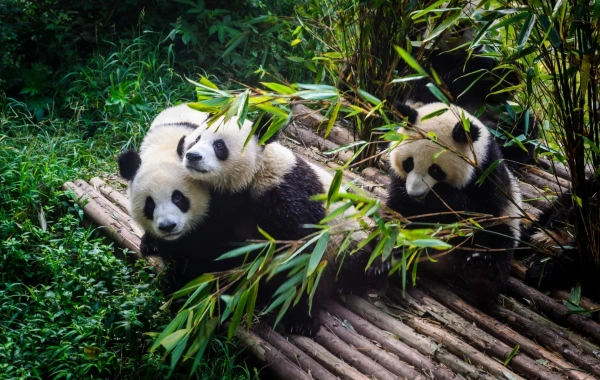
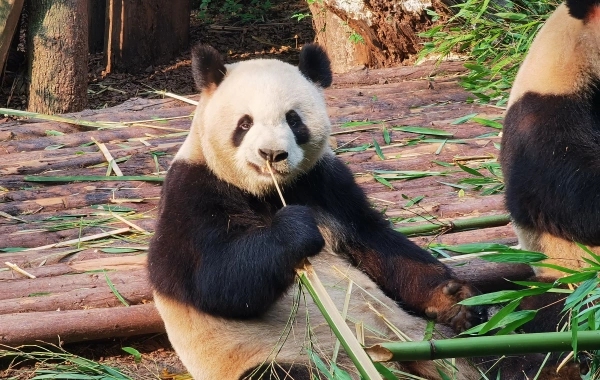
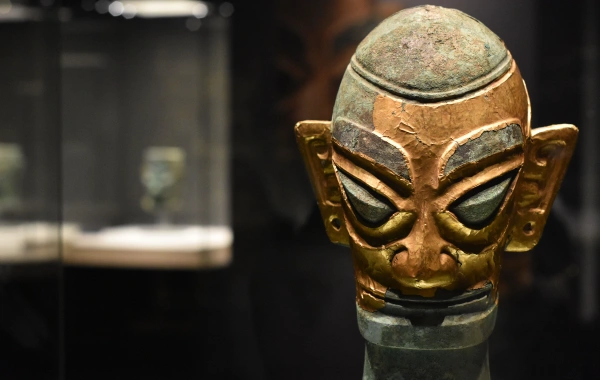
Plan A starts with the Chengdu Panda Base, the world‘s most successful giant panda breeding facility. The park opens at 7:30 AM, and arriving early means catching the pandas during their most active hours — they eat, climb, and roll around in the morning cool before retreating indoors when the heat sets in. The base is home to over 50 giant pandas and several red pandas. Next is the Sanxingdui Museum, one of China’s most important archaeological sites. The museum houses bronze masks, golden sceptres, and ivory artifacts from a lost civilisation that flourished over 3,000 years ago. The artefacts are unlike anything else found in China — the bronze masks with protruding eyes and the 3.96-metre bronze tree are genuinely strange and unforgettable. The day ends at Jinli Old Street, a restored pedestrian street lined with traditional Sichuan architecture, food stalls, and souvenir shops.
Plan B offers a more urban Chengdu experience. After the Panda Base, you visit the Chengdu Museum, which covers the city‘s history from prehistoric times to the present. Then Kuanzhai Alley — a restored Qing-dynasty district of courtyard houses now filled with teahouses, galleries, and restaurants. The day finishes at Renmin Park, where locals play mahjong, drink tea, and practise tai chi. It’s a glimpse of Chengdu‘s famously relaxed pace of life.
Morning flight from Chengdu to Lhasa. The flight itself is spectacular — crossing the Himalayas, with snow-capped peaks visible from the window. Upon arrival at Lhasa Gonggar Airport (elevation 3,650 metres), your driver meets you and takes you to your hotel.
The rest of the day is for rest and acclimatisation. Do not push yourself. Do not shower. Drink plenty of water, eat light meals, and move slowly. The altitude is real, and your body needs time to adjust. Tomorrow, you‘ll see the Potala Palace — but today, the only thing you need to do is nothing.
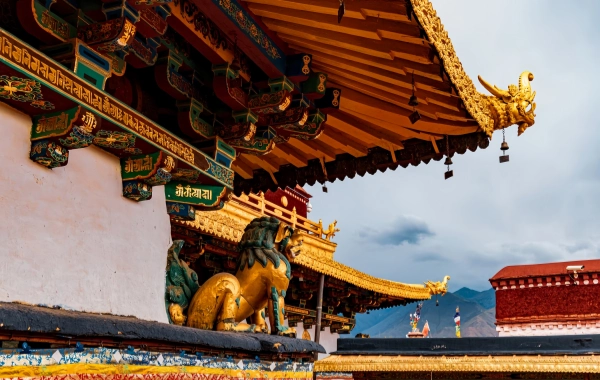
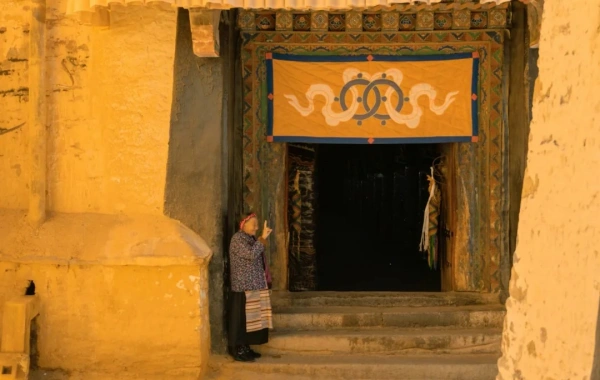
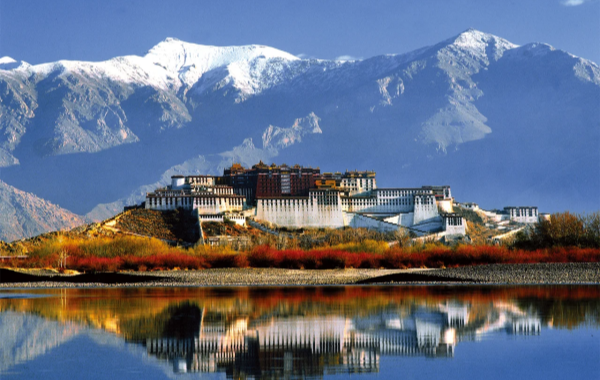
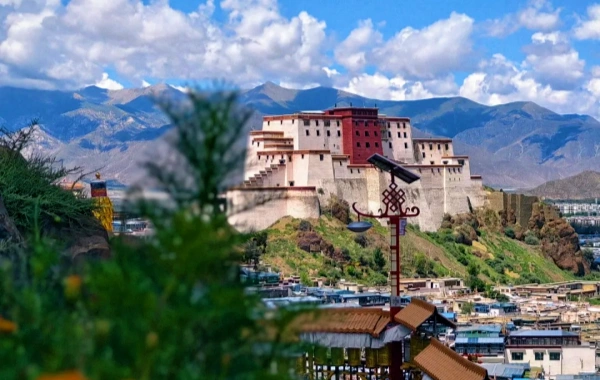
Today, it is the time to explore Lhasa by visiting the world-famous Potala Palace, a World Heritage site and the picture behind the 50 RMB. And then, you will explore Lhasa by visiting Jokhang Temple, a world cultural heritage site renowned for its brilliant architecture, culture, art, and history. Finally, you can stroll through the famous Barkhor Street with locals and learn more about the daily kora life of Tibetans.
In the morning, you can walk up to the Potala Palace to explore. Not only is it the landmark of Tibet, but it is also the traditional residence and winter palace of the Dalai Lama (1649-1959). After climbing 365 steps from the gate of the Potala Palace to reach the Red Palace, you will arrive at the highest palace in the world at an altitude of 3,700m, where you can enjoy an excellent panoramic view of Lhasa city.
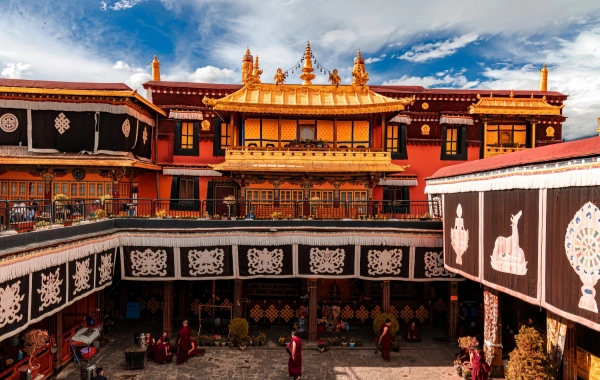
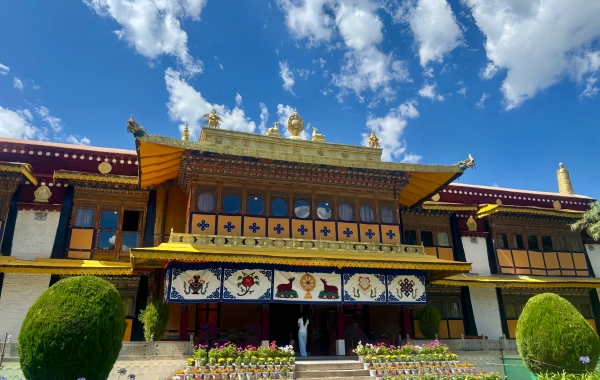
Located in the heart of Lhasa for over 1300 years, the Jokhang Temple is an important pilgrimage site for Buddhists from all over the world. Famed as the spiritual center of Tibet, it is said that the Jokhang Monastery was built for King Songtsen Gampo's two brides: Chinese Princess Wencheng and Nepalese Princess Bhrikuti. "Jokhang" means "House of Buddha", and it houses a life-size statue of the 12-year-old Sakyamuni, which is considered a treasure of the Buddhist world.
Afterward, take a walk on busy Barkhor Street near the Jokhang Monastery, which was a place for Buddhists to do a kora (pilgrim circuit) in ancient times. Nowadays, it has become a thriving local market where you can drink a pot of yak butter tea, dress in Tibetan clothes for photos, and pick up some local Tibetan, Nepalese, and Indian handicrafts and souvenirs.
On this day, drive about 8 to 9 hours (340km) from Lhasa to Shigatse via a visit to two amazing natural landscapes - Yamdrok Lake and Karola Glacier on the way.
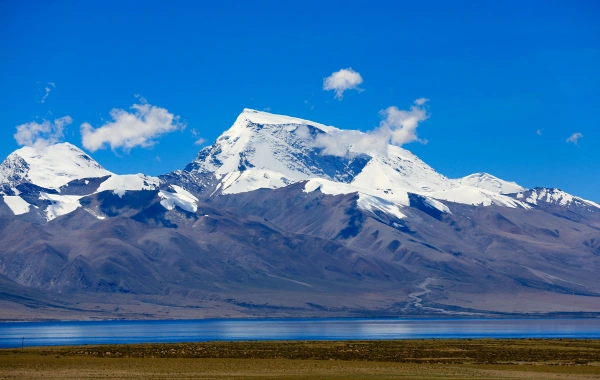
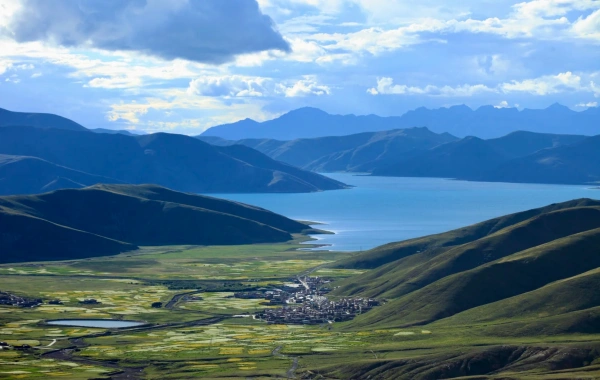
In the morning, after about 3 to 4 hours’ drive (200km), you'd better have your camera ready. When reaching Kampala Pass (4,797 meters), you’ll have a breathtaking view of Yamdrok Lake (a freshwater lake) down below as well as spectacular views of the holy Mt. Nyenchen Khangsar in the distance. It is one of the four largest sacred lakes in Tibet along with Lake Lhamo Latso, Lake Manasarovar, and Lake Namtso. And Lake Yamdrok is said to be able to help Tibetans find the reincarnated soul of the Dalai Lama. You will be happy to see dressed-up Tibetan mastiffs/dogs, goats, and yaks there. It is optional for you to pay 5-10 yuan to pose with and take photos of them, for local Tibetans, it’s a subsidy income for their family.
In the afternoon, drive about 1.5 hours (70km) to visit one of the most beautiful Glaciers in Tibet - Karola Glacier, the location of the film Red Valley (Hong He Gu). As one of Tibet's three major continental glaciers, backed by the southern slope of Naiqin Kangsang Peak (7,191 meters), one of the four highest peaks in Tibet, this white glacier is also the source of the eastern part of the Nianchu River. The Karola Glacier (5,012m) is only 300 meters away from the Highway connecting Lhasa to Gyantse town. You can view it right off the highway from your car. Sure you can easily walk to the foot of the charming glacier which shape is like a frozen waterfall right above the road and you. Besides the fantastic hike to the Karola Glacier, on the opposite side of the road, you can appreciate the beautiful snow-capped mountain of Mt Kalurong.
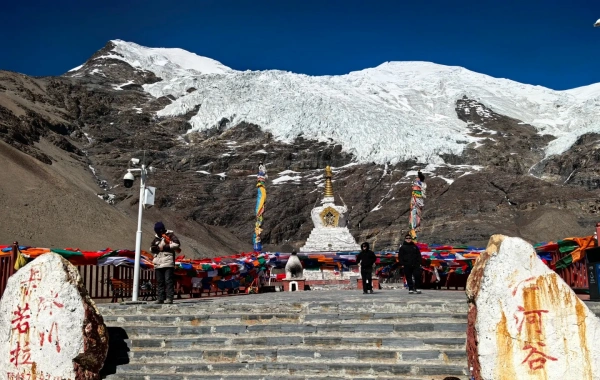
After breakfast, drive about 6.5 hours (330km) to the peak of the world - Mount Everest, while stopping by the Rongbuk Monastery - the world’s highest altitude monastery before spending the night at the Everest Base Camp.
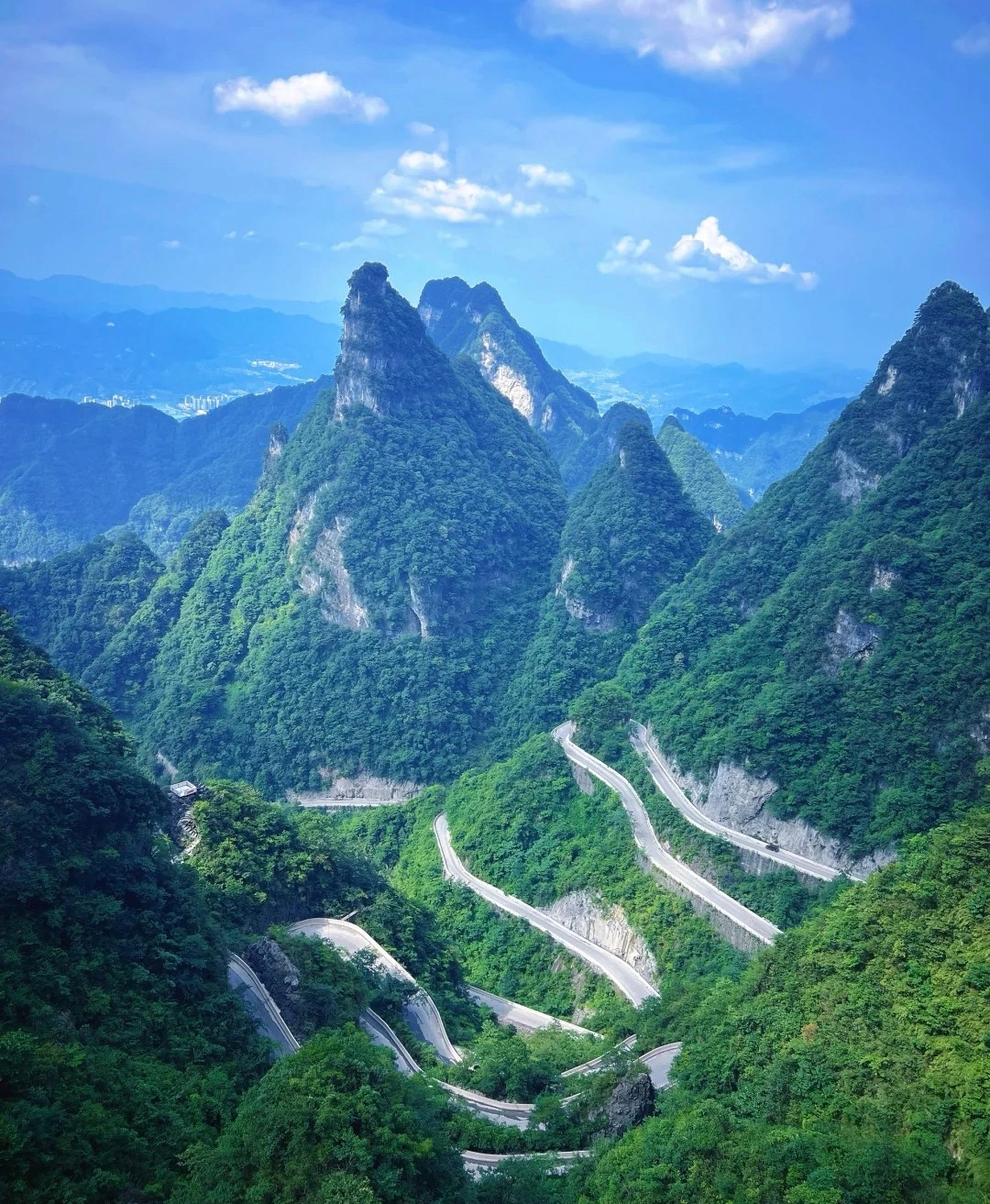
Departing from Shigatse, after about 4.5 hours of driving (240km), you would get your first glimpse of Mt. Everest from the Gyawu La Pass (5,200m, Gyatso La Pass), between Lhatse and Shelkar. Apart from Mt. Everest, you will be marveled at the zigzag road that looks winding to the end of the world. On the road, you may see local people biking or hiking all the way to Everest Base Camp, for them reaching the base of the world's highest mountain is a must do goal or holy belief that is worth the effort.
After enjoying the beautiful and unique scenery on the pass with incredibly snow-capped mountain ranges, blue skies, floating high clouds, and endless grasslands, it is time to head to Rongbuk Monastery (about 3.5 hours,122km) for the first good view of Mt. Everest. At an altitude of 5,154m, Rongbuk Monastery is the world’s highest monastery, a must-visit for spiritual travelers, and you will find it photo worthy. It used to be an area of meditation huts, and you can find hermitage meditation caves with a history of over 400 years, dotting the cliff walls all around the monastery and the valley. Along with incredible Mt. Everest views, at Rongbuk Monastery you will be touched by the breathtaking scenery such as large white chorten, piles of mani stones, colorful prayer flags, devout pilgrims passing by...
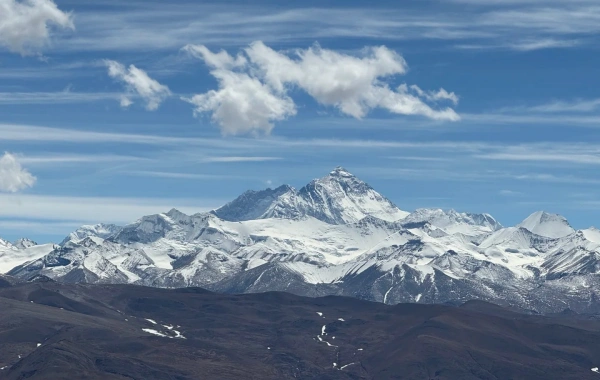
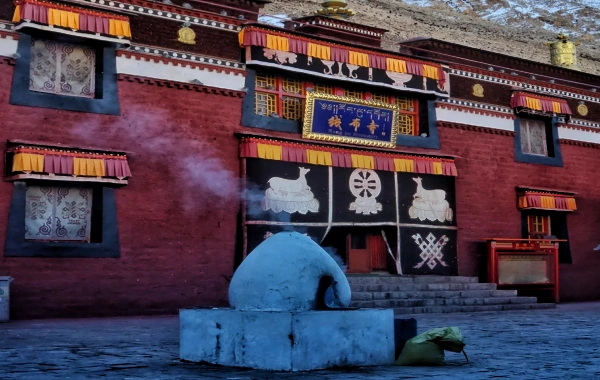
You will get an early start to catch the sunrise over Mt. Everest, then head back to Gyatso La Pass (Gyawu La Pass, the Dingri Boundary, 122km, 3.5 hours) for a quick photo stop. After that, drive back to Shigatse (240km, about 4.5 hours). And be escorted to your hotel in Shigatse, take a shower, and prepare for the departure the next day.
On this day, you will be transferred to Shanghai by flight. Welcome to Shanghai, China’s most internationalized and vibrant city! Upon your arrival in Shanghai, your driver will meet you at the exit of the airport and escort you to your hotel in downtown Shanghai. You will have free time after your hotel check-in.
Important Notice for Transfer from Tibet to Shanghai:
Due to seasonal adjustments in flight and high-speed train schedules, Asia Odyssey Travel is committed to ensuring a smooth connection to your next destination - Shanghai. There are three possible plans, and we will select the most suitable one based on the current schedules:
- Plan A: On Day 13 in Tibet, take the high-speed train from Shigatse to Lhasa in the morning, then fly out of Lhasa in the afternoon.
- Plan B: On the evening of Day 12 in Tibet, take the high-speed train from Shigatse back to Lhasa, then fly out of Lhasa on Day 13.
- Plan C: On Day 13 in Tibet, fly directly from Shigatse (with a transfer/layover).
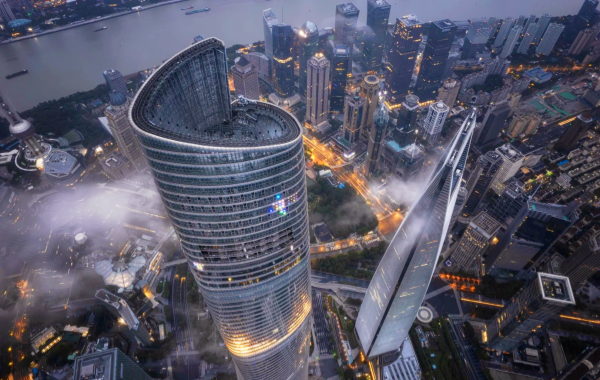
Start at the top. Shanghai Tower is 632 metres tall — the tallest building in China and the second tallest in the world. The elevator travels at 20 metres per second and reaches the 118th-floor observation deck in 55 seconds. From 546 metres, you can see the Huangpu River curving through the city.
Then descend to street level and enter the Shanghai Museum. The building was designed to resemble an ancient bronze cooking vessel. The museum holds 120,000 objects, including China‘s most comprehensive collection of bronze vessels, some dating back 3,500 years. The calligraphy collection spans 2,000 years, and the ceramics collection covers every major kiln tradition in Chinese history.
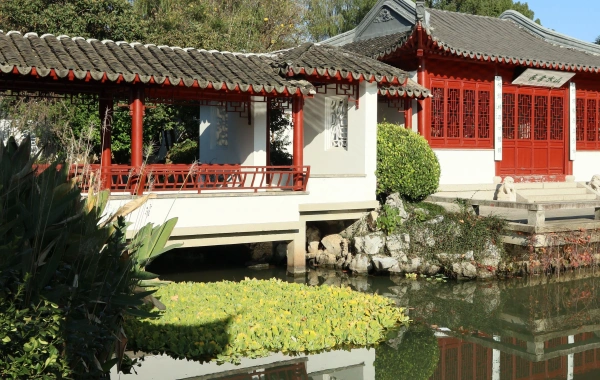
Next is Yu Garden, built between 1559 and 1577. The garden is only 2 hectares, but contains 30 pavilions, 10 rockeries, and several zigzag bridges. The bridges were designed to slow you down — the zigzag pattern forces you to walk slowly and deliberately. The garden’s designer used “borrowed scenery” to incorporate the view of a nearby pagoda into the garden layout.
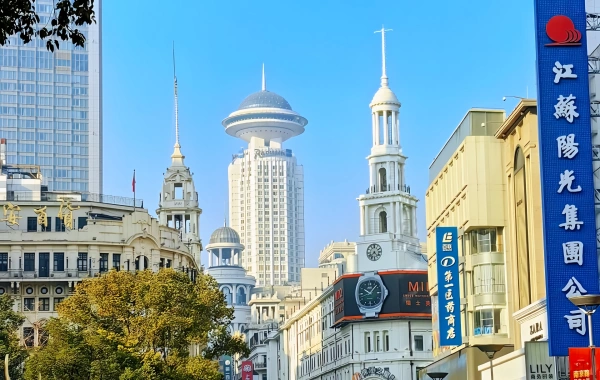
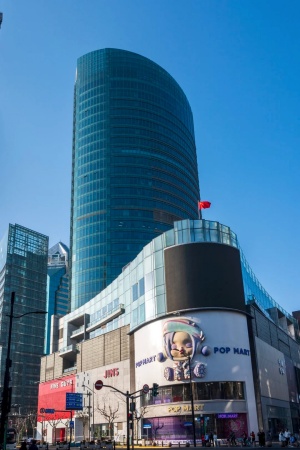
Afternoon: Nanjing Road runs 5.5 kilometres from the city centre to the waterfront. It has been Shanghai‘s main commercial street since the 1860s. The street contains over 600 shops and receives an average of 1.8 million visitors per day.
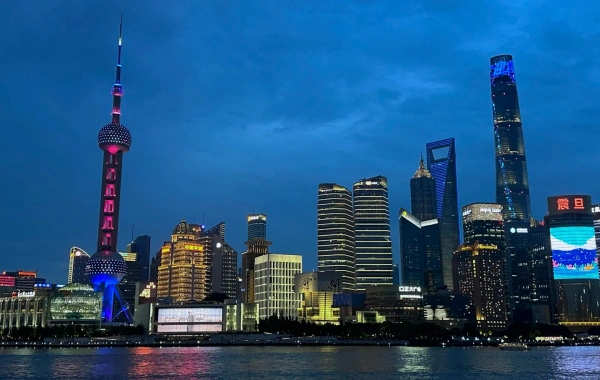
End at The Bund at dusk. The Bund is 1.5 kilometres long and contains 52 buildings of varying architectural styles — neo-classical, Art Deco, and Renaissance. These buildings were constructed between 1860 and 1937 by British, French, American, and Japanese firms. Across the river, the Pudong skyline has 24 buildings taller than 200 metres — none of which existed before 1990.
| Month | Available Date | Price | Book The Tour |
|---|---|---|---|
| Sep | Sep 21, 2026 | USD3460.00 | Book Now >>> Content us >>> |
| Sep 24, 2026 | USD3460.00 | Book Now >>> Content us >>> | |
| Oct | Oct 4, 2026 | USD3460.00 | Book Now >>> Content us >>> |
| Oct 7, 2026 | USD3460.00 | Book Now >>> Content us >>> | |
| Oct 14, 2026 | USD3460.00 | Book Now >>> Content us >>> | |
| Oct 21, 2026 | USD3460.00 | Book Now >>> Content us >>> | |
| Oct 28, 2026 | USD3460.00 | Book Now >>> Content us >>> | |
| Nov | Nov 4, 2026 | USD3460.00 | Book Now >>> Content us >>> |
| Nov 11, 2026 | USD3460.00 | Book Now >>> Content us >>> | |
| Nov 18, 2026 | USD3460.00 | Book Now >>> Content us >>> | |
| Nov 25, 2026 | USD3460.00 | Book Now >>> Content us >>> | |
| Dec | Dec 2, 2026 | USD3460.00 | Book Now >>> Content us >>> |
| Dec 9, 2026 | USD3460.00 | Book Now >>> Content us >>> | |
| Dec 16, 2026 | USD3460.00 | Book Now >>> Content us >>> | |
| Dec 23, 2026 | USD3460.00 | Book Now >>> Content us >>> | |
| Jan | Jan 6, 2027 | USD3800.00 | Book Now >>> Content us >>> |
| Jan 13, 2027 | USD3800.00 | Book Now >>> Content us >>> | |
| Jan 20, 2027 | USD3800.00 | Book Now >>> Content us >>> | |
| Jan 30, 2027 | USD3800.00 | Book Now >>> Content us >>> | |
| Feb | Feb 6, 2027 | USD3800.00 | Book Now >>> Content us >>> |
| Feb 13, 2027 | USD3800.00 | Book Now >>> Content us >>> | |
| Feb 20, 2027 | USD3800.00 | Book Now >>> Content us >>> | |
| Feb 26, 2027 | USD3800.00 | Book Now >>> Content us >>> | |
| Mar | Mar 5, 2027 | USD3800.00 | Book Now >>> Content us >>> |
| Mar 12, 2027 | USD3800.00 | Book Now >>> Content us >>> | |
| Mar 19, 2027 | USD3800.00 | Book Now >>> Content us >>> | |
| Mar 26, 2027 | USD3800.00 | Book Now >>> Content us >>> | |
| Apr | Apr 2, 2027 | USD3800.00 | Book Now >>> Content us >>> |
| Apr 6, 2027 | USD3800.00 | Book Now >>> Content us >>> | |
| Apr 9, 2027 | USD3800.00 | Book Now >>> Content us >>> | |
| Apr 13, 2027 | USD3800.00 | Book Now >>> Content us >>> | |
| Apr 16, 2027 | USD3800.00 | Book Now >>> Content us >>> | |
| Apr 20, 2027 | USD3800.00 | Book Now >>> Content us >>> | |
| Apr 22, 2027 | USD3800.00 | Book Now >>> Content us >>> | |
| Apr 27, 2027 | USD3800.00 | Book Now >>> Content us >>> | |
| Apr 29, 2027 | USD3800.00 | Book Now >>> Content us >>> | |
| May | May 4, 2027 | USD3800.00 | Book Now >>> Content us >>> |
| May 6, 2027 | USD3800.00 | Book Now >>> Content us >>> | |
| May 11, 2027 | USD3800.00 | Book Now >>> Content us >>> | |
| May 13, 2027 | USD3800.00 | Book Now >>> Content us >>> | |
| May 18, 2027 | USD3800.00 | Book Now >>> Content us >>> | |
| May 20, 2027 | USD3800.00 | Book Now >>> Content us >>> | |
| May 25, 2027 | USD3800.00 | Book Now >>> Content us >>> | |
| May 27, 2027 | USD3800.00 | Book Now >>> Content us >>> | |
| Jun | Jun 3, 2027 | USD3800.00 | Book Now >>> Content us >>> |
| Jun 10, 2027 | USD3800.00 | Book Now >>> Content us >>> | |
| Jun 15, 2027 | USD3800.00 | Book Now >>> Content us >>> | |
| Jun 17, 2027 | USD3800.00 | Book Now >>> Content us >>> | |
| Jun 22, 2027 | USD3800.00 | Book Now >>> Content us >>> | |
| Jun 25, 2027 | USD3800.00 | Book Now >>> Content us >>> | |
| Jul | Jul 3, 2027 | USD3800.00 | Book Now >>> Content us >>> |
| Jul 10, 2027 | USD3800.00 | Book Now >>> Content us >>> | |
| Jul 17, 2027 | USD3800.00 | Book Now >>> Content us >>> | |
| Jul 24, 2027 | USD3800.00 | Book Now >>> Content us >>> | |
| Jul 27, 2027 | USD3800.00 | Book Now >>> Content us >>> | |
| Jul 31, 2027 | USD3800.00 | Book Now >>> Content us >>> | |
| Aug | Aug 7, 2027 | USD3800.00 | Book Now >>> Content us >>> |
| Aug 14, 2027 | USD3800.00 | Book Now >>> Content us >>> | |
| Aug 24, 2027 | USD3800.00 | Book Now >>> Content us >>> | |
| Aug 27, 2027 | USD3800.00 | Book Now >>> Content us >>> | |
| Aug 31, 2027 | USD3800.00 | Book Now >>> Content us >>> | |
| Sep | Sep 3, 2027 | USD3800.00 | Book Now >>> Content us >>> |
| Sep 7, 2027 | USD3800.00 | Book Now >>> Content us >>> | |
| Sep 10, 2027 | USD3800.00 | Book Now >>> Content us >>> | |
| Sep 14, 2027 | USD3800.00 | Book Now >>> Content us >>> | |
| Sep 17, 2027 | USD3800.00 | Book Now >>> Content us >>> | |
| Sep 21, 2027 | USD3800.00 | Book Now >>> Content us >>> | |
| Sep 25, 2027 | USD3800.00 | Book Now >>> Content us >>> | |
| Sep 28, 2027 | USD3800.00 | Book Now >>> Content us >>> | |
| Oct | Oct 2, 2027 | USD3800.00 | Book Now >>> Content us >>> |
| Oct 5, 2027 | USD3800.00 | Book Now >>> Content us >>> | |
| Oct 9, 2027 | USD3800.00 | Book Now >>> Content us >>> | |
| Oct 12, 2027 | USD3800.00 | Book Now >>> Content us >>> | |
| Oct 16, 2027 | USD3800.00 | Book Now >>> Content us >>> | |
| Oct 19, 2027 | USD3800.00 | Book Now >>> Content us >>> | |
| Oct 23, 2027 | USD3800.00 | Book Now >>> Content us >>> | |
| Oct 26, 2027 | USD3800.00 | Book Now >>> Content us >>> | |
| Nov | Nov 9, 2027 | USD3800.00 | Book Now >>> Content us >>> |
| Nov 16, 2027 | USD3800.00 | Book Now >>> Content us >>> | |
| Nov 23, 2027 | USD3800.00 | Book Now >>> Content us >>> | |
| Nov 30, 2027 | USD3800.00 | Book Now >>> Content us >>> | |
| Dec | Dec 7, 2027 | USD3800.00 | Book Now >>> Content us >>> |
| Dec 14, 2027 | USD3800.00 | Book Now >>> Content us >>> | |
| Dec 21, 2027 | USD3800.00 | Book Now >>> Content us >>> |
Included & Excluded
- The price is based on two people sharing a double room. If you prefer a single room, please contact us for a quote.
- Price may vary depending on exchange rates, travel dates, and hotel class.
- Prices may vary depending on the season and promotional activities. Please consult your advisor for details.
- Air-conditioned vehicle throughout the tour
- Pick-up and drop-off service at the airport or train stations(Early/Late arrivals: Please notify us in advance. Extra charges may apply.)
- Driver Service(Includes driver's service fee, fuel, tolls, and parking fees)
- Professional licensed English-speaking local guide
- 3-Star Hotels
- Daily hotel buffet breakfast provided each morning
- Lunches and dinners clearly indicated in the day-by-day itinerary
- First entrance tickets to all attractions listed in the itinerary
- Includes necessary sightseeing bus or cable car fees
- Travel Agency Liability Insurance
- Personal travel insurance purchased for your group before departure
- Professional support from tour planning to on-the-ground operation
- All costs related to obtaining your China entry visa
- International airfares and any flights not included in the itinerary
- Arrival/departure flights or train transfers on the first and last day
- No guiding service provided on the first or last day
- Recommended optional activities and night activities
- Tips or gratuities for guides and drivers
- Personal expenses, laundry, telephone calls, etc.
- Extra cost for travelers requesting a single room instead of sharing
Cancellation Policy
- Free cancellation if canceled 60 days or more before the tour starts
- 5% of total tour cost if canceled 45-59 days before departure
- 10% of total tour cost if canceled 30-44 days before departure
- 25% of total tour cost if canceled 15-29 days before departure
- 45% of total tour cost if canceled 7-14 days before departure
- 100% of total tour cost if canceled less than 7 days before departure
What Our Clients Say?



Ask us before you decide.
Unsure about a route, departure date or room option? Tell us what is holding up your plans. You will get a clear answer from our China-based travel team—no booking required.