Five Must-Do Activities to Unlock the Complete Jinshan Experience
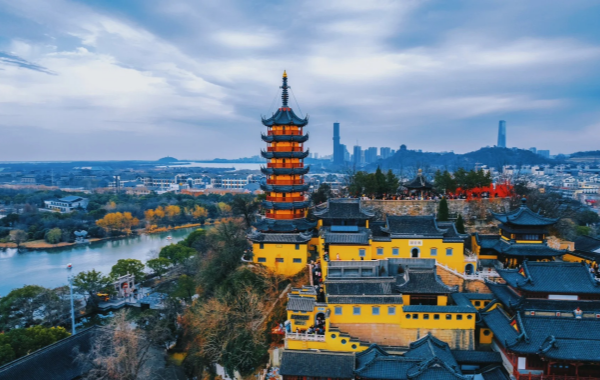
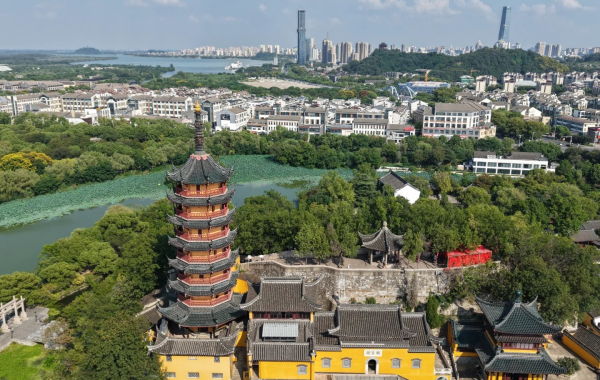
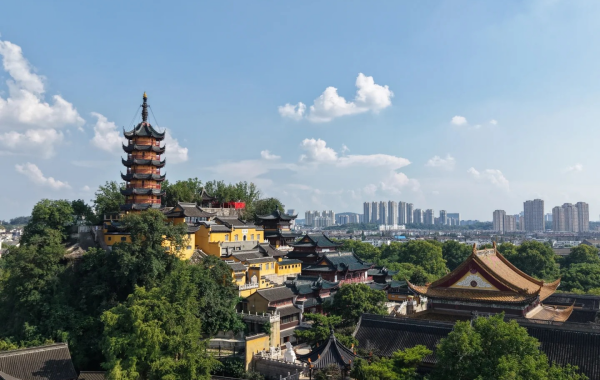
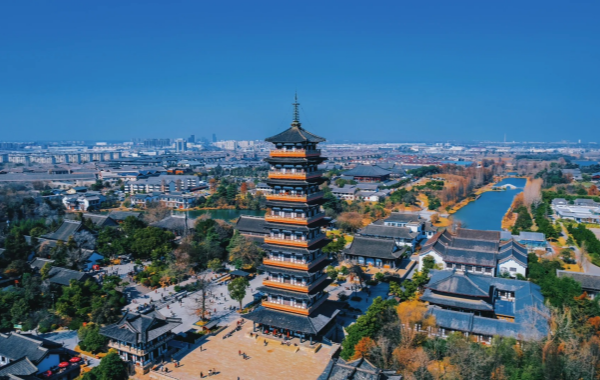
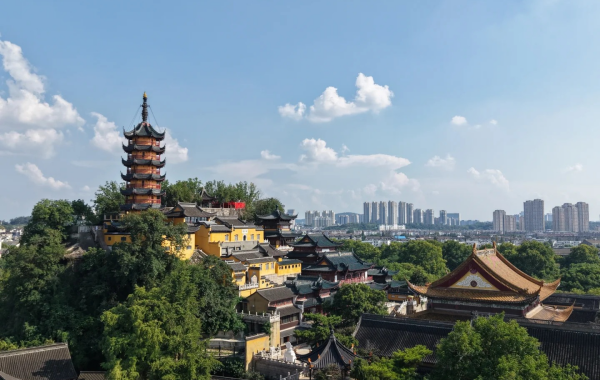
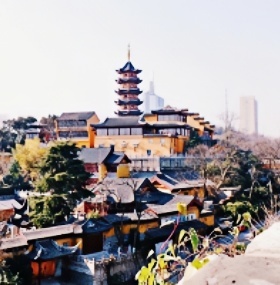
1.Ascend Cishou Pagoda:Gaze out over the River and Sky
Best Time to Visit:9:00–10:00 AM for crisp,clear lighting,or after 4:00 PM to watch the sunset paint the river's surface.
Location:At the very summit of Jinshan Mountain.The ascent takes you past the Sunset Pavilion,Guanyin Pavilion,Lengjia Terrace,and Foyin Hermitage;every turn along the path offers a picturesque view.
The View:To the east,Jiao Mountain appears like a piece of jade floating upon the river;to the west,the Runyang Bridge spans the vast expanse of the waterway;and to the north,Jinshan Lake stretches out in a misty,shimmering panorama.
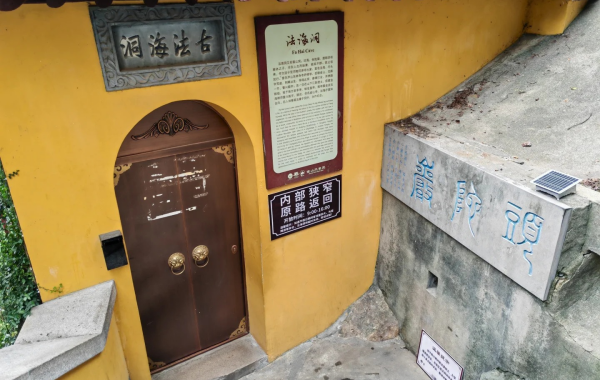
2.Visit Fahai Cave:Discover the True History
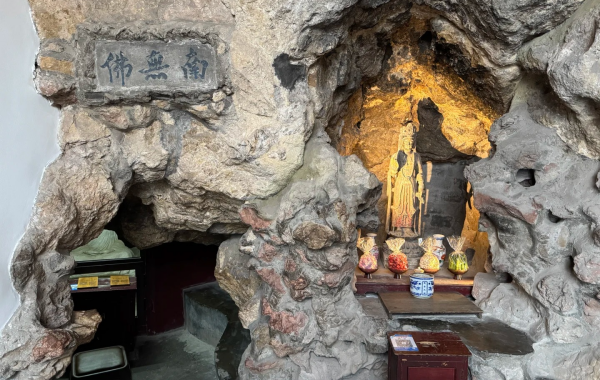
This offers perhaps the most striking"contrast"experience within Jinshan Temple.Stepping into the narrow,dimly lit stone cave and standing before the statue of Fahai,you will discover that—contrary to his negative portrayal in The Legend of the White Snake—this eminent monk was,in actual history,a highly revered Grand Master of the Zen school.
Tip:We recommend reading the introductory plaque outside the cave beforehand,or joining a guided tour to hear the historical anecdotes.
3.Savor a Pot of Tea Brewed with the"World's Foremost Spring Water"(or Enjoy a Bowl of Vegetarian Fare)
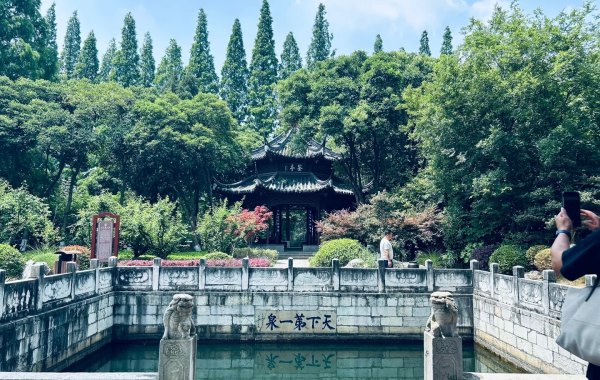
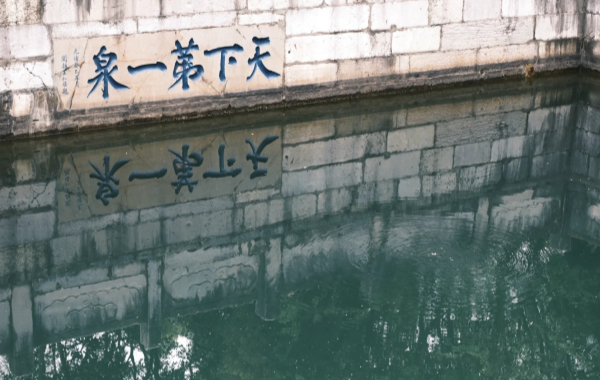
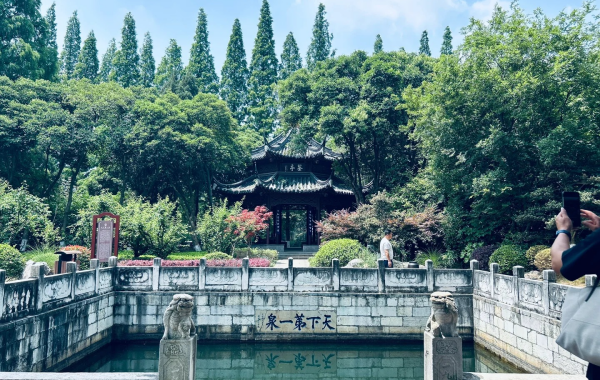
Although the water from the Middle Cold Spring(Zhongling Quan)is no longer safe for direct consumption,this thousand-year-old spring—lauded by renowned tea masters Lu Yu and Liu Bochu—remains an exceptional destination for those seeking to explore the heritage of ancient tea culture.
Located next to the temple's main gate,the Foyin Ju Vegetarian Restaurant offers authentic,Zen-inspired vegetarian cuisine.The dishes feature fresh seasonal vegetables and are characterized by their light,elegant flavors.
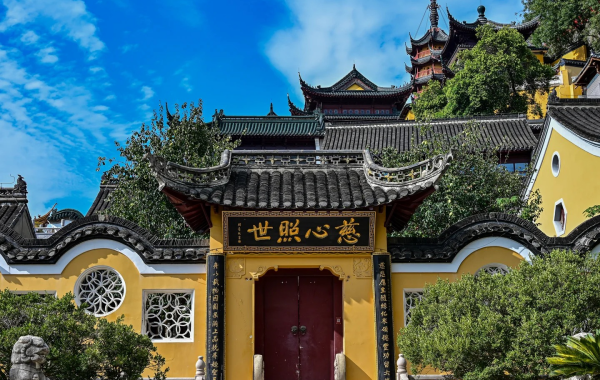
4.Snap a Photo at the Iconic"Flooding of Jinshan"Spot
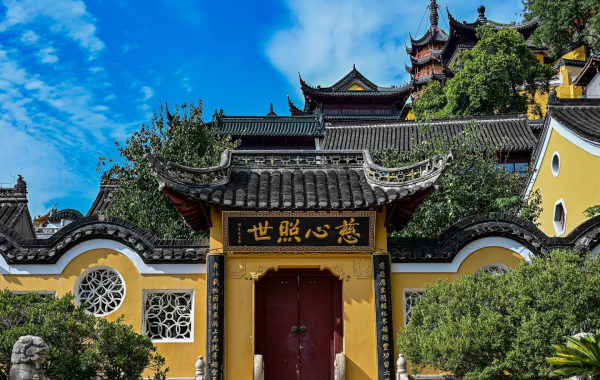
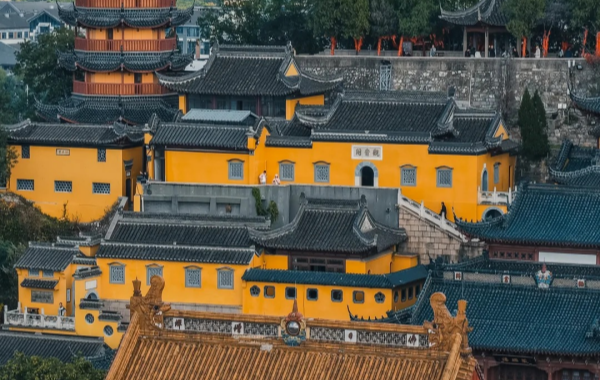
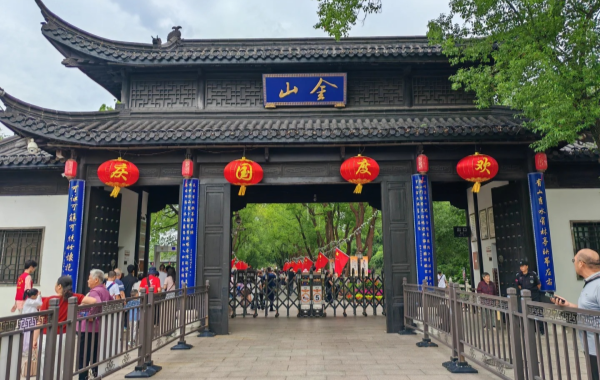
The classic TV series The Legend of the White Snake was filmed on location here;the Jiangtian Chansi Archway,situated just in front of the temple,serves as the quintessential photo spot for fans looking to capture the exact same scene.Attire Suggestion:A light-colored,elegant long dress or traditional Hanfu attire would complement the temple's color palette of yellow walls and grey tiles perfectly.
5.Stroll by the Shores of Jinshan Lake—An Appointment with Tang Poetry
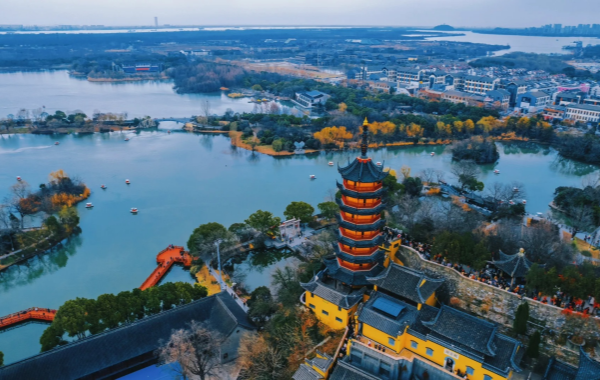
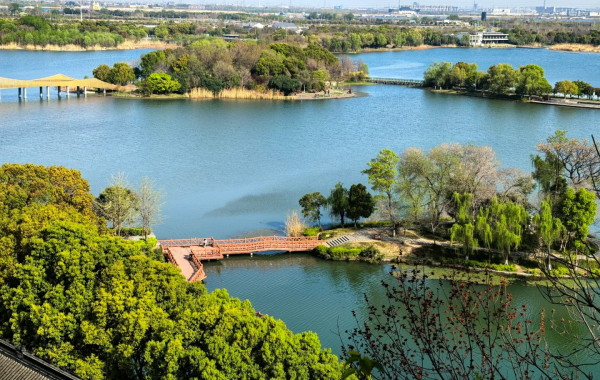
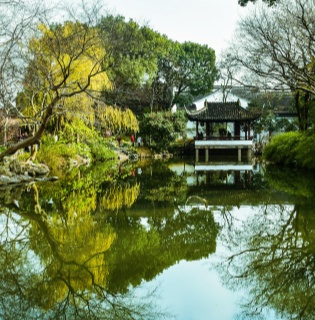
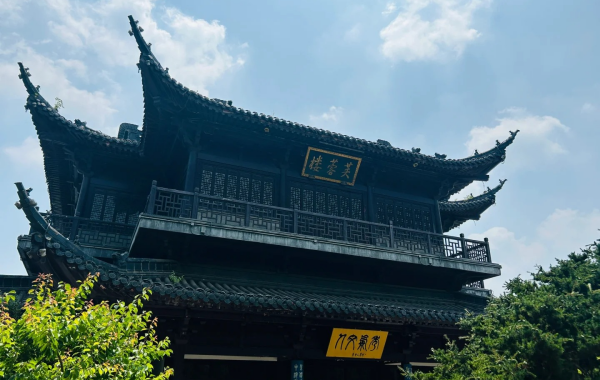
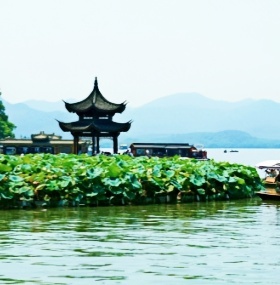
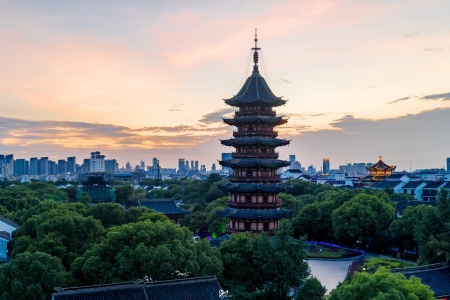
Recite Wang Changling's famous verse—"If friends and kin in Luoyang ask of me,tell them my heart remains as pure as ice within a jade flask"—while standing before Furong Tower.Then,by the banks of Taying Lake,quietly observe the swans gliding across the water and the shimmering reflection of Cishou Pagoda.This is the moment when Jinshan Temple reveals its most quintessential"Jiangnan"charm—a blend of grace and poetic beauty.
Suggested Itinerary
Exploring the core area ofJinshan Temple typically takes 2 to 3 hours.The following itinerary covers the major highlights while prioritizing a smooth and comfortable sightseeing experience.
One-Day"Highlights Tour"(Recommended for most visitors):
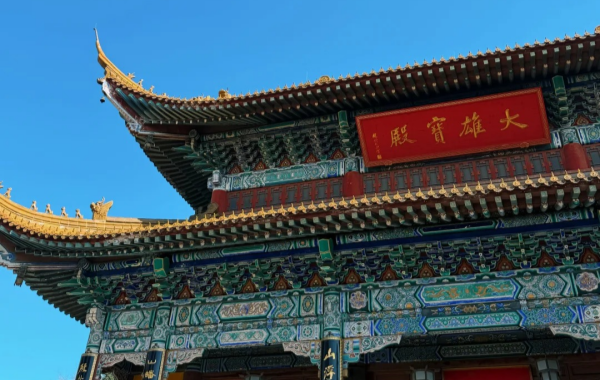
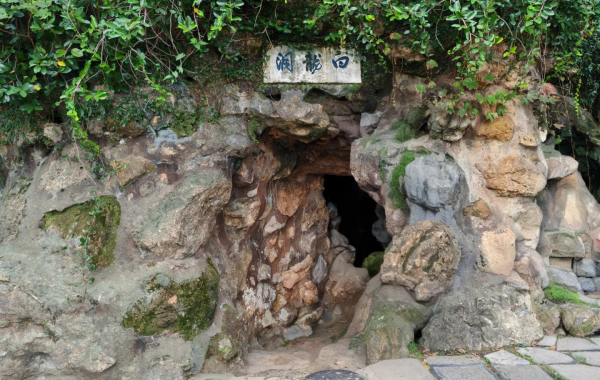
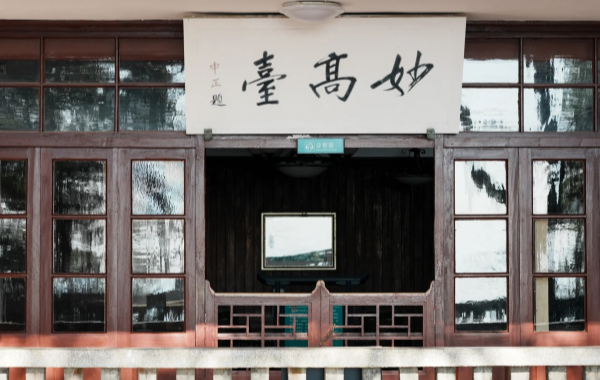
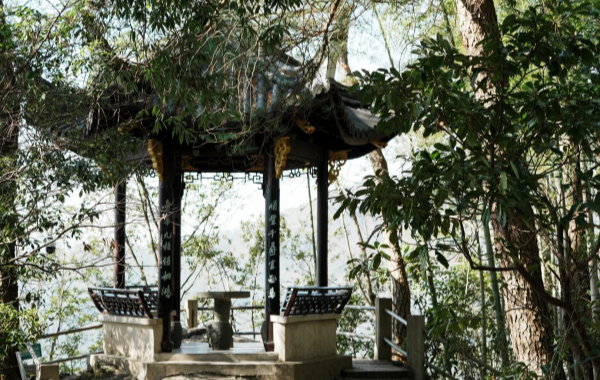
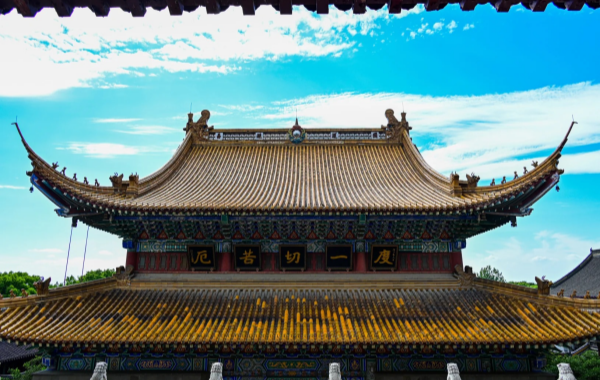
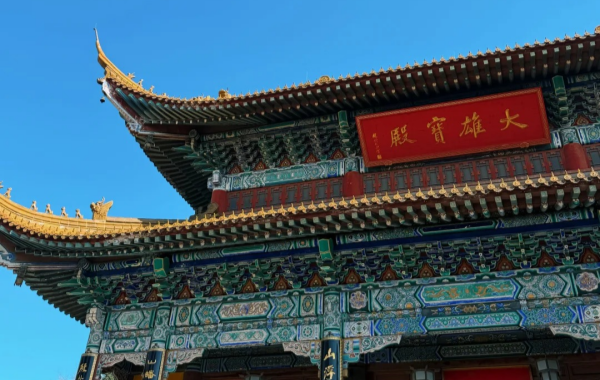
Enter the park in the morning(or afternoon)→Take photos in front of the Jiangtian Zen Temple Archway→Walk through the Hall of Heavenly Kings and the Hall of the Great Hero to offer prayers(20 minutes)→Ascend the mountain via the path on the right,passing Xizhao Pavilion and Guanyin Pavilion on the way to Cishou Pagoda(30 minutes)→Locate Fahai Cave,then climb up to Liuyun Pavilion for a panoramic view of the river and sky(20 minutes)→Descend the mountain via the path on the left,passing Miaogao Terrace and Qifeng Pavilion→Upon reaching the foot of the mountain,loop around to the northern slope to explore Bailong Cave(15 minutes)→Walk to the"First Spring Under Heaven"and Furong Tower,then stroll along the shores of Taying Lake(30 minutes)→If time and interest permit,visit Wenzong Pavilion and the Jinshan Cultural Expo Park(20 minutes).
IntoTravelChina Tip:During the summer lotus blossom season(June–August),you may wish to extend your time strolling by the lake.We recommend purchasing tickets in advance through official channels to avoid waiting in line.
Two-Day"Three Mountains&One Crossing"Immersive Tour(Highly Recommended):
Day 1:Morning visit to Jinshan Temple(2.5–3 hours)→Lunch near Jinshan Temple to savor authentic Guogai Mian(Lid Noodles)—such as at"Lao Zhao Noodle Shop"or"Shao Shunxing Guogai Mian"(approx.¥20 per person;best enjoyed with Yaorou[crystal meat]and Zhenjiang aromatic vinegar)→Afternoon walk to Xijindu Ancient Street(just 2 km away);stroll along the thousand-year-old bluestone paths,visit the Zhenjiang Museum and the former British Consulate site,and in the evening,ascend Yuntai Pavilion to overlook the ancient street at sunset and admire the night views→Dinner at Xijindu to sample local delicacies(such as the cuisine at"Zhou Family's Second Daughter's Kitchen")→Overnight stay at a hotel near Xijindu or in Zhenjiang city center.
Day 2:Early morning trip to Beigu Mountain(approx.4 km away)to experience the grandeur of the"Beigu Tower—a vista filling the eye,"and to seek out the historical sites of Ganlu Temple associated with Liu Bei's marriage proposal(approx.1.5 hours)→Afterward,proceed to Jiaoshan Mountain(approx.5 km away)to experience the serenity of Dinghui Temple—where the"temple is embraced by the mountain"—and to explore the largest stele forest in the Jiangnan region as well as the cliffside stone carvings(approx.2 hours)→In the afternoon,depart for your return journey,bringing back a wealth of memories and souvenirs such as Hengshun aromatic vinegar.
IntoTravelChina Advantage:We can book the perfect accommodation to suit your needs,seamlessly coordinate all your activities,and provide detailed walking route maps and safety guidelines.
Professional Guides:IntoTravelChina offers fully customized itineraries,including a dedicated private guide,transportation,and activity arrangements,ensuring a worry-free and deeply immersive travel experience.>> [Consult for Customization Now]