Jiaoshan Scenic Area:A Millennia-Old Cultural Island Floating in the Heart of the Yangtze River

Jiaoshan Scenic Area:A Millennia-Old Cultural Island Floating in the Heart of the Yangtze River

Overview:A"Jade Floating in the River"—Bathed by River Waters for a Thousand Years
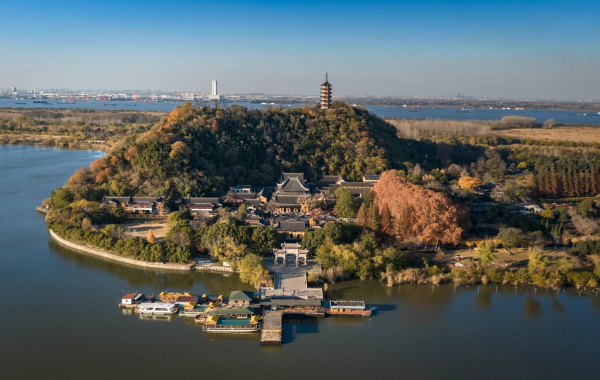
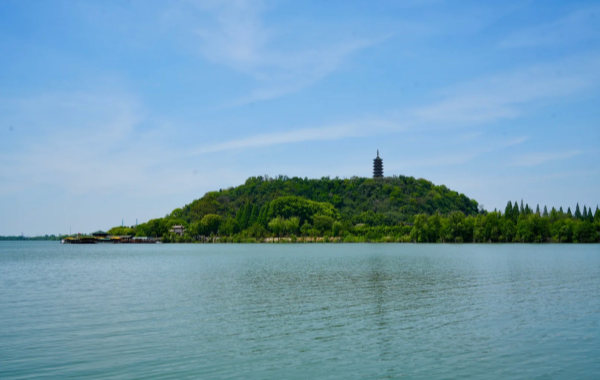
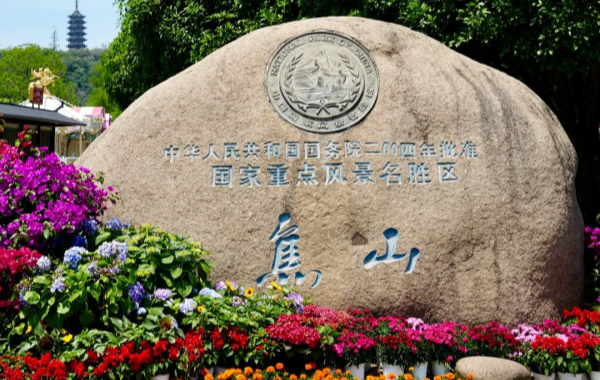
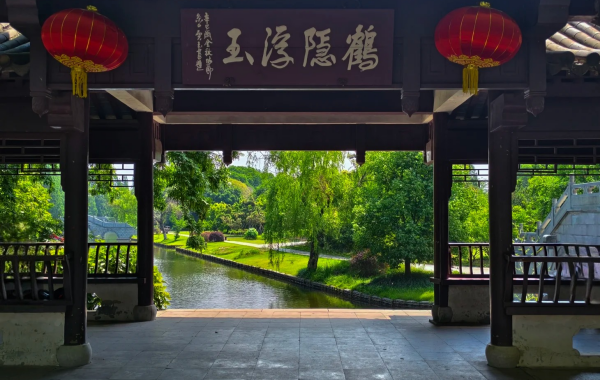
Jiaoshan is the only island in the Yangtze River open to visitors. Known as a “jade floating in the river,” it features ancient temples, the largest stele forest in Jiangnan, and historic cannon batteries. A peaceful escape for calligraphy lovers and history buffs.

Key Highlights at a Glance
Defining Tags: Only Accessible River Island / Largest Stele Forest in Jiangnan / “Jade Floating in the River”
Core Experiences: Ferry to the island, Dinghui Temple, Jiaoshan Stele Forest, ancient artillery fort, Ten Thousand Buddhas Pagoda for river views
Recommended Duration: Half to full day (arrive early for quiet)
Location: No. 83 Dongwu Road, Jingkou District, Zhenjiang, Jiangsu

  • Jiaoshan Scenic Area:A Millennia-Old Cultural Island Floating in the Heart of the Yangtze River-1
  • Jiaoshan Scenic Area:A Millennia-Old Cultural Island Floating in the Heart of the Yangtze River-2
  • Jiaoshan Scenic Area:A Millennia-Old Cultural Island Floating in the Heart of the Yangtze River-3
  • Jiaoshan Scenic Area:A Millennia-Old Cultural Island Floating in the Heart of the Yangtze River-4

Must-See Wonders:A Dual Symphony of Nature and Culture

Furong Ancient Town Furong Ancient Town Furong Ancient Town Furong Ancient Town

The true magic of Jiao Mountain lies in the perfect fusion of"river"and"mountain,""temple"and"stele,"and"past"and"present."It is not merely a natural wonder of majestic grandeur,but also a"floating museum"of culture and history.

Nature's Masterpiece—The Unique Topography of"Floating Jade in the River"
The essence of Jiao Mountain's natural scenery lies entirely in a single word:"float."

The Isle of Floating Jade:The Sole Solitary Island in the Yangtze
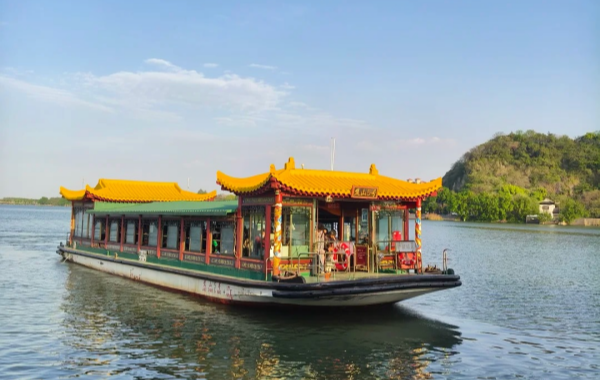
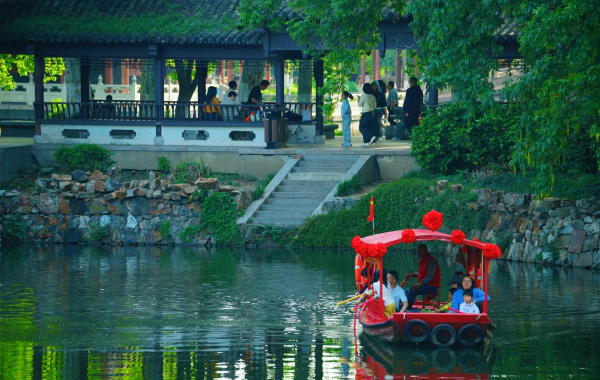
Jiao Mountain rises majestically from the very heart of the Yangtze River.Surrounded on all sides by water—embraced by emerald waves and cloaked in lush,verdant foliage—it resembles a piece of jade floating upon the river's surface,earning it the poetic moniker"Floating Jade Mountain."As the old adage goes:"Ten thousand streams flow eastward,yet one island stands firm in their midst."Indeed,along the entire ten-thousand-li(5,000-kilometer)stretch of China's Yangtze River,it remains the only island completely encircled by water that is accessible to visitors seeking to explore its hidden depths.As a ferryboat gently glides across the jade-hued waters,the azure silhouette of the island gradually comes into focus;Jiao Mountain truly does not resemble a typical mountain,but rather a blue lotus rising from the river's depths.Upon landing on the island and gazing out into the distance,one sees Elephant Mountain(Xiangshan)standing in stately opposition across the river—a scene of vast skies and boundless waters,presenting a panorama of ever-changing grandeur.

The Cave of Three Imperial Summons and the River-and-Sky Vista
Strolling leisurely along the mountain paths,visitors can explore the"Cave of Three Imperial Summons"(San Zhao Dong),the very spot where Jiao Guang once lived in seclusion.The cave is deep and atmospheric,featuring lifelike stone carvings that vividly recount the noble integrity of that ancient sage—a man who three times declined the Emperor's summons to serve.Ascending to the mountain's summit,one reaches the Xi Jiang Lou(River-Gazing Pavilion),from which the full,majestic expanse of the Yangtze River unfolds before one's eyes.In the morning mist,riverboats appear and vanish like mythical dragons;on clear days,one can gaze into the distance to spot the Runyang Bridge and the skyline of Yangzhou City on the opposite bank.Sipping tea within the pavilion,caressed by the river breeze,one hears the gentle chiming of copper bells harmonizing with the rhythmic lapping of the waves—a unique acoustic backdrop found only at Jiao Mountain.

A Natural Oxygen Chamber Amidst Towering Ancient Trees
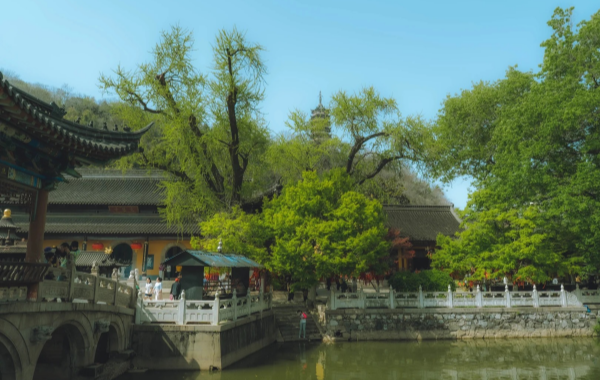
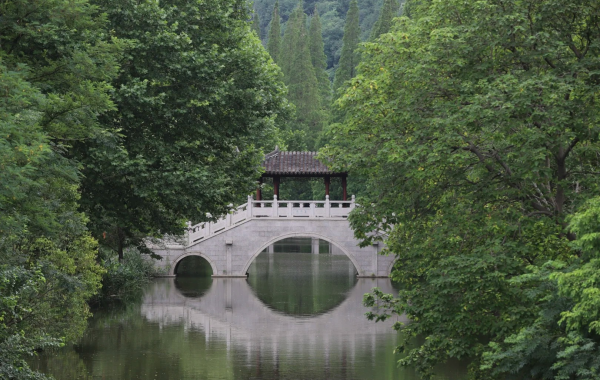
Jiao Mountain's vegetation is dominated by ancient pines and emerald bamboo,creating a landscape of lush density where venerable trees and rare specimens can be found at every turn.Standing proudly before the Grand Hall of the Dinghui Temple are two ginkgo trees dating back to the Ming Dynasty;now over 400 years old,their golden leaves carpet the ground each autumn—a cherished sight for photography enthusiasts.As one wanders along the forest trails—amidst the distant sounds of morning bells and evening drums—the only sounds to be heard are the chirping of birds and the soft tread of one's own footsteps.The profound tranquility of this solitary island in the heart of the river is a serenity that no mountain forest on the mainland can ever hope to match.Photography Tips:The best vantage point for panoramic shots is the top floor of the Ten Thousand Buddhas Pagoda,offering a 360-degree view of the Yangtze River.The area in front of the Xijiang Tower is ideal for capturing panoramic views of the"River Island"and the sunrise.Beneath the ginkgo trees in front of the Main Hall of Dinghui Temple—particularly in the early morning light of autumn(early November is best)—lies a perfect opportunity to capture the serene,Zen-like atmosphere of this ancient monastery.

Cultural Treasures—A Floating Museum of Millennial Heritage
The cultural landscape of Jiao Mountain revolves primarily around three core elements:"Temples,Steles,and Terraces."

A Temple Hidden Within the Mountain—The Unique Layout of"Mountain Enveloping Temple"
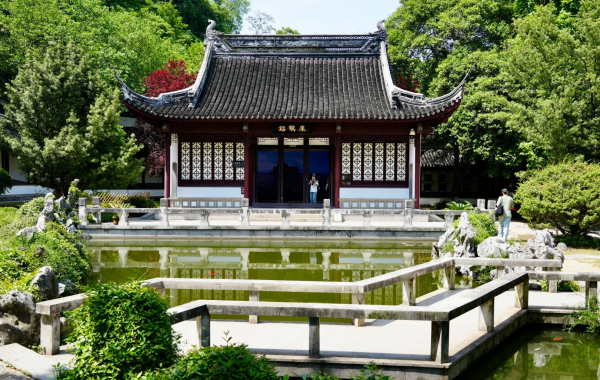
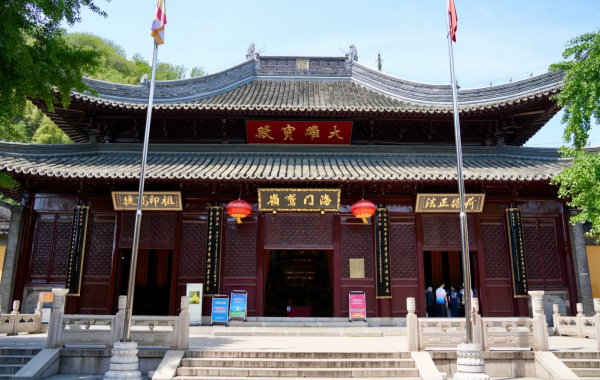
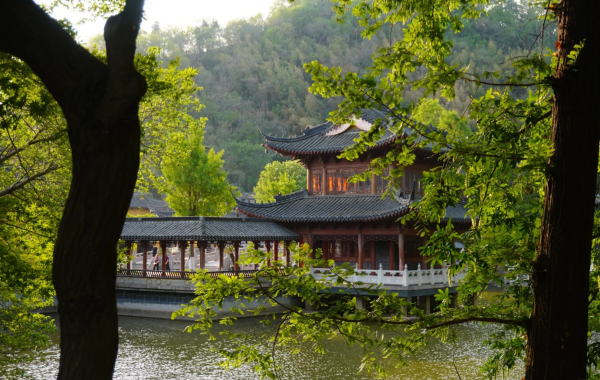
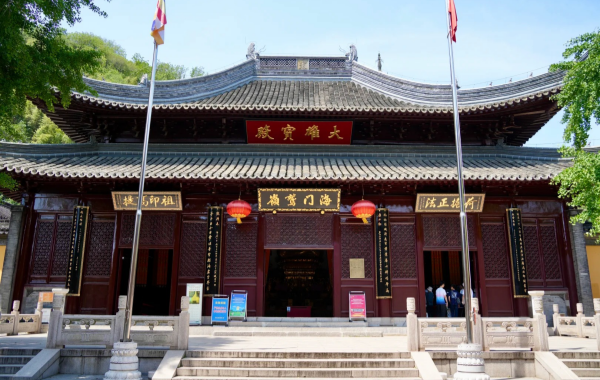
In stark contrast to the layout of Jin Mountain—where the"temple envelops the mountain"—the architectural complex of Dinghui Temple on Jiao Mountain lies deeply secluded amidst ancient cypresses and towering pines.When viewed from a distance across the river,one sees only the forest-clad mountain,with no sign of the temple itself;hence the local adage:"The mountain envelops the temple."Shi Naian describes this remarkable phenomenon in his novel Water Margin:"On Jiao Mountain stands a temple,hidden deep within a mountain hollow;its form remains concealed from view,giving rise to the saying,'The mountain envelops the temple.'"The temple's Main Hall features an entirely wooden structure,characterized by soaring eaves and intricate dougong bracket systems.Housing three majestic,gilded Buddha statues,the hall has largely preserved its original Ming Dynasty architectural style,serving as a priceless physical specimen for the study of religious architecture in the Jiangnan region during the Ming and Qing dynasties.Adjacent to the temple stands the Guanlan Pavilion,which served as a temporary palace for Emperor Qianlong during his southern tours;from its upper floors,one can gaze out upon the surging waves of the Yangtze River.Participating in the early morning rituals at Dinghui Temple—where the chanting of sutras harmonizes with the roar of the river—offers the most unforgettable and immersive cultural experience on Jiao Mountain.

The Foremost Stele Forest of Jiangnan—A Mountain of Calligraphy
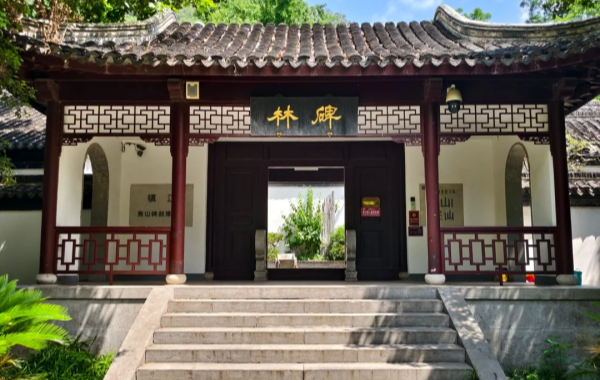
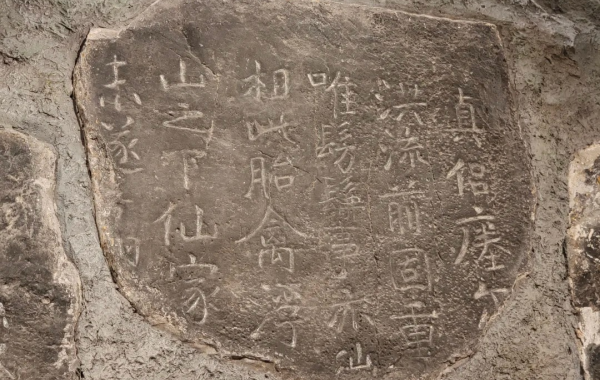
The Jiao Mountain Stele Forest stands as the most brilliant cultural gem of Jiao Mountain.It comprises two distinct sections:the cliff carvings(moya)and the Stele Forest proper.The cliff faces on the western side of Jiao Mountain are adorned with over 80 rock carvings dating back as far as the Six Dynasties period.The Stele Forest itself traces its origins to the Baomo Pavilion,established in the eighth year of the Qingli era of the Northern Song Dynasty(1048 AD)by Prefect Qian Yanyuan.Through a millennium of accumulation,the site now houses a precious collection of over 500 steles,covering a total area of​​nearly 7,000 square meters.Encompassing every major script—Seal,Clerical,Regular,Cursive,and Running—the collection features styles ranging from the majestic,ancient,and ruggedly bold to the refined,unique,and profoundly substantial.It has earned the accolade of being"Jiangnan's Foremost Forest of Steles."Some have observed that the Forest of Steles in Xi'an symbolizes the majestic culture of the Yellow River,while the Forest of Steles at Jiaoshan represents the refined and unique culture of the Yangtze River.

The very soul of this Forest of Steles is undoubtedly the Yihe Ming(Inscription for the Burial of Cranes)—a peerless masterpiece hailed as the"Ancestor of Large-Character Calligraphy."Created during the Southern Dynasties era as a lament for the artist's beloved cranes,this work was engraved in the 13th year of the Tianjian reign(514 AD)of the Liang Dynasty.Executed in large-scale Regular Script,it features expansive brushstrokes and a vigorous,heroic spirit;revered as a supreme exemplar by calligraphers throughout the ages,it is often paired with the northern Shimen Ming(Inscription on the Stone Gate)to form the celebrated duo known as"Yihe in the South,Shimen in the North."Regrettably,the original stele fell into the river during the late Tang Dynasty;it was not until the Kangxi reign of the Qing Dynasty that the surviving fragments were salvaged and painstakingly reassembled.Today,it stands proudly in the central hall,a towering monument in the annals of calligraphy history.Furthermore,other treasures within the collection—such as the Tang Dynasty cliff carving of Gatha Verses from the Diamond Sutra,the Song Dynasty inscription by Mi Fu,and the inscription Viewing the'Yihe Ming'in the Snow by the Song poet Lu You—are all works of exceptional merit.Should time permit,visitors may also participate in a stele rubbings workshop,offering a hands-on opportunity to experience the thousand-year-old cultural lineage as ink meets Xuan paper.

An Elegy of Ancient Fortifications—A Classroom in Patriotism on the Yangtze
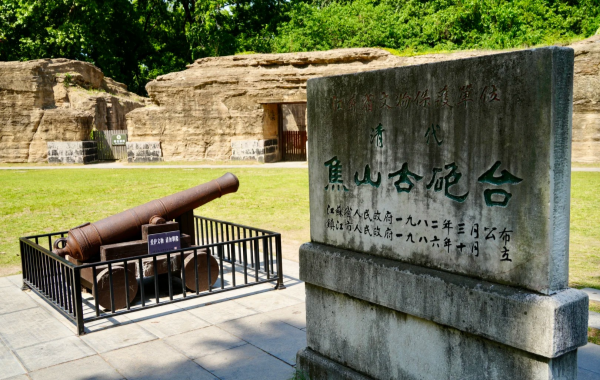
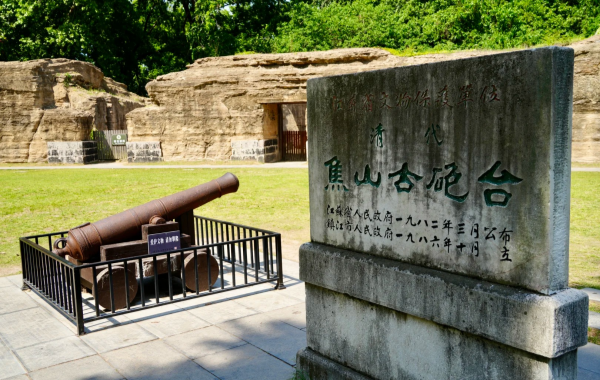
Located at the eastern foot of Jiaoshan Mountain,the ruins of the ancient Jiaoshan Fortifications stand as a vital historical testament to the Chinese people's resistance against foreign aggression and invasion during the modern era.Construction of the fortifications began in 1840,during the Opium War,when the Qing government selected this site to bolster the defenses of the Yangtze River.The entire complex is arranged in a horseshoe-shaped layout featuring a series of casemates;eight gun emplacements survive today,all facing the Yangtze River.These structures were built using a layered pouring technique with Sanhetu(a traditional composite mortar of lime,sand,and clay),and were supported by ancillary facilities such as ammunition depots and defensive walls,forming a strategic pincer formation in conjunction with the fortifications at Chuanshan and Xiangshan.In July 1842,when British forces advanced up the Yangtze,the garrison defending Zhenjiang mounted a tenacious resistance from the Jiaoshan fortifications,fighting valiantly until they ultimately ran out of both ammunition and provisions.In his article The New British Expedition to China,Engels highly praised the Defense of Zhenjiang,stating that had the British forces encountered such tenacious resistance everywhere they went,they would never have been able to reach Nanjing.Today,the ancient artillery fortresses on Jiao Mountain have been designated as a provincial-level base for patriotic and national defense education;every year,a great number of students and tourists visit the site to pay tribute to the fallen martyrs.

Core Experience:An Immersive Exploration of a Solitary Island

Furong Ancient Town Furong Ancient Town Furong Ancient Town Furong Ancient Town

Five Must-Do Activities to Unlock the Complete River Island Journey
1.Take a Yangtze River Ferry Ride

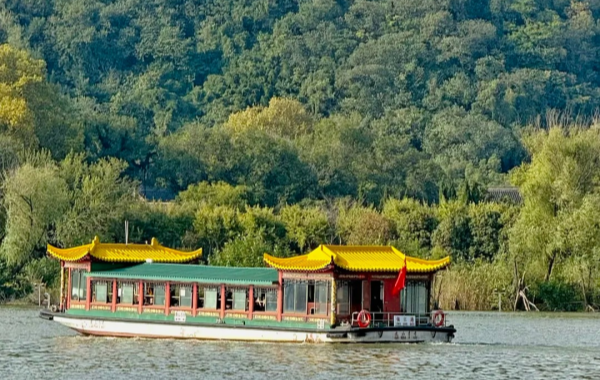
Experience:The only way to reach Jiao Mountain is to board a ferry boat from the pier located at the foot of Elephant Mountain(Xiangshan).The crossing takes approximately five minutes,and the ferry fare is included in the general admission ticket for the scenic area.Standing on the deck and watching the lush green island in the river gradually draw near,you will feel that the ceremonial beginning of your journey is already half complete.

Tip:Try to stand at the stern(back)or along the sides of the boat to capture the classic photographic angle known as"Jade Floating on the River."

2.Listen to the Morning Bells and Evening Drums at Dinghui Temple

Experience:If you can arrive at the Hall of the Great Hero(Daxiong Baodian)by 5:30 AM,you may join the resident monks for their morning chanting rituals.Here,the ethereal sounds of Buddhist sutras interweave with the rhythmic lapping of the river waves;the glow of eternal lamps and the rising incense smoke from purple-bronze burners create a truly transcendent atmosphere—a rare opportunity for city dwellers to cleanse and soothe the soul(advance registration is required one day prior).

Special Recommendation:The temple's vegetarian dining hall offers the"Jiaogong Vegetarian Noodles,"served alongside Jiao Mountain Cloud-Mist Tea.This dish recreates the authentic flavors recorded in the Dream Pool Essays(Mengxi Bitan)and is available daily from 10:30 AM to 1:00 PM.

3.Come Face-to-Face with the Yihe Ming(Epitaph for the Buried Cranes)—The"Ancestor of Large-Character Calligraphy"

Experience:The Jiao Mountain Stele Forest features a dedicated central hall for the exhibition of the Yihe Ming(Epitaph for the Buried Cranes).Standing before this legendary stone tablet—which has survived falling into the river,being salvaged,and being painstakingly reassembled—you will sense not only the power of a calligraphic masterpiece spanning a millennium but also the profound,time-transcending resonance of a moving elegy written in mourning for a beloved crane.

Extended Activity:The Stele Forest regularly hosts hands-on rubbings workshops,allowing visitors to create their very own unique stone rubbing artwork to take home.

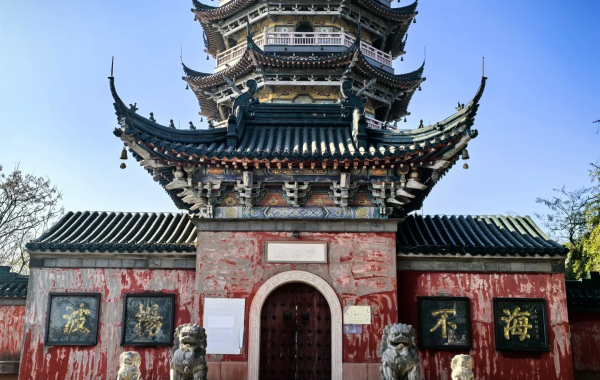
4.Ascend the Ten Thousand Buddhas Pagoda to Overlook the Vast Yangtze River

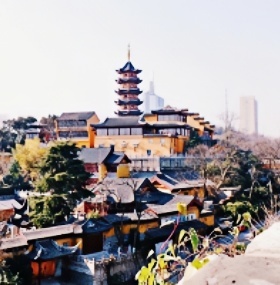
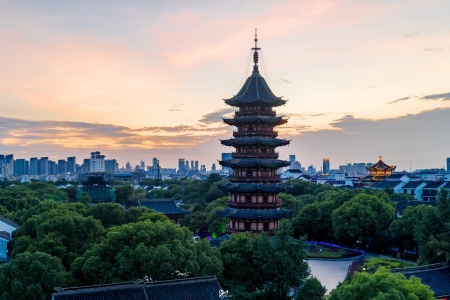
Experience:The Ten Thousand Buddhas Pagoda(Wanfo Ta),a seven-story,octagonal structure,stands as the highest vantage point on Jiao Mountain.As you ascend the winding staircase,each successive level offers a distinct and ever-changing panoramic perspective of the majestic Yangtze River.Upon reaching the summit,the mighty Yangtze River flows beneath your feet.On a clear day,you can gaze into the distance to spot the Runyang Bridge and the skyline of Yangzhou City on the opposite bank;the river breeze sets the copper bells hanging from the eaves a-ringing,creating a truly exhilarating and refreshing atmosphere.

5.Reflecting on a Heroic Chapter of History at the Ancient Battery

Experience:Step inside the remains of the casemate-style battery,run your hands over the walls of the gun emplacements—constructed from a traditional sanhetu(lime-earth-sand)mixture—and read the exhibition panels detailing the Defense of Zhenjiang,paying particular attention to Engels'famous commentary on the battle.This is the most contemplative stop on the tour of Jiao Mountain,and it serves as the key to understanding the spiritual depth and historical significance of this river island.

Suggested Itineraries
Although Jiao Mountain is an island,it boasts an exceptionally high density of attractions.The following two itineraries are offered to help visitors choose the option that best suits their available time.

Half-Day"Highlights in a Flash"Tour(Ideal for those with tight schedules):
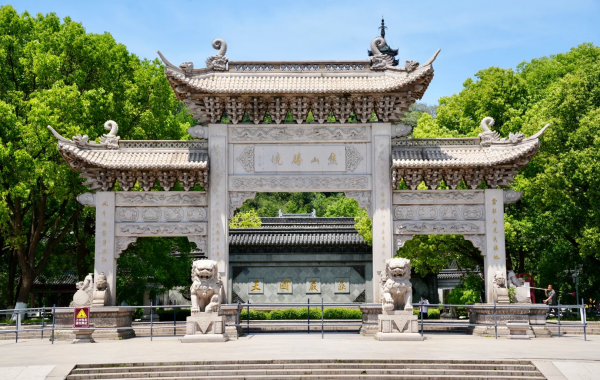
Arrive at Xiangshan Pier at 8:30 AM and take the ferry to the island→Pass through the white marble memorial archway and proceed directly to Dinghui Temple to pay respects to the Buddha(40 minutes)→Next,enter the Jiao Mountain Stele Forest,focusing your visit on the Yihe Ming(Inscription for the Burial of Cranes)and the cliffside rock carvings(1 hour)→Stop by the"Cave of Three Imperial Summons"(Sanzhao Dong)to learn about the legend of Jiao Guang(20 minutes)→Visit the ruins of the ancient Jiao Mountain Battery(30 minutes)→If your stamina permits,climb the Pagoda of Ten Thousand Buddhas(Wanfo Ta)to enjoy a panoramic view of the Yangtze River(30 minutes)→Return to the pier at 11:30 AM to take the ferry back to the mainland.

One-Day"Deep Immersion"Tour(Highly Recommended):
Catch the very first ferry to the island at 7:30 AM→Arrive at Dinghui Temple;if you have registered in advance,you may participate in the morning chanting service(approx.1 hour)→Savor the renowned"Jiaogong Vegetarian Noodles"at the temple's vegetarian dining hall(30 minutes)→Venture deep into the Jiaoshan Stele Forest to closely examine the Yihe Ming(Inscription for the Buried Crane)and other historical stone tablets,and try your hand at making rubbings(1.5 hours)→Visit the Three Imperial Edicts Cave(Sanzhao Dong)and the Spectacular Pavilion(Zhuangguan Ting);then,take a moment to sit,sip tea,and admire the river views in front of the River-Absorbing Tower(Xijiang Lou)(1 hour)→After lunch,visit the historic Cannon Emplacements to reflect on the past(40 minutes)→In the afternoon,ascend the Ten Thousand Buddhas Pagoda to enjoy the river breeze and panoramic vistas(40 minutes)→Slowly descend the mountain via the western footpath,pausing once more as you pass the cliff-carving area to admire the inscriptions→In the late afternoon,while waiting for your ferry at the pier,quietly observe the sunset over the Yangtze River→Depart the island on the final ferry of the day.

IntoTravelChina Advantage:We can book the perfect accommodation to suit your needs,seamlessly coordinate the transitions between all your activities,and provide you with detailed hiking maps and safety guidelines.

Professional Guides:IntoTravelChina offers fully customized itineraries—including a dedicated private guide,transportation,and activity arrangements—ensuring a truly immersive and worry-free travel experience.>> [Consult for Customization Now]

Comprehensive Travel Guide:Transport,Accommodation,and Seasons

Furong Ancient Town Furong Ancient Town Furong Ancient Town

How to Get There:A Seamless Connection Guide
Jiaoshan is situated on an island in the middle of the Yangtze River;as there are no direct airports or high-speed rail stations on the island itself,Zhenjiang City serves as the sole transit hub.

Traveling from other parts of the country:We recommend taking a high-speed train to Zhenjiang Station(or Zhenjiang South Station).Travel Tip:We suggest transferring to Bus No.4 or No.104,which travel directly to the"Jiaoshan Scenic Area"stop;alternatively,you can take a taxi from Zhenjiang Station—the ride takes approximately 18 minutes(covering a distance of about 7.5 km).

Traveling from Nanjing:You may drive yourself;the journey takes approximately 1.5 hours.Travel Tip:Set your GPS navigation to"Jiaoshan West Parking Lot."During holidays,if the main parking lot is full,you may proceed toward the Jiangbin New Village area to access the overflow parking lot.

Traveling from Yangzhou:You can take the Zhenjiang-Yangzhou Intercity Bus Line.Services are frequent,making it an ideal option for combining a visit to Jiaoshan with cross-city sightseeing.

Traveling from Shanghai or Suzhou:You can take a high-speed train to Zhenjiang Station and then transfer from there;the total travel time is approximately 1–2 hours.

Island Access Tips:The main entrance to the scenic area is located at the foot of Mount Xiang.You must take a ferry boat to reach the island;the crossing takes approximately 5 minutes,and the cost of the ferry ticket is already included in the scenic area admission fee.

Important Return Reminder:The last ferry departing the island leaves at 17:30(or 17:00 during the winter season).Please ensure you allow ample time to descend from the mountain and return to the ferry pier to avoid missing the last boat.

Best Time to Visit
Jiaoshan offers beautiful scenery throughout all four seasons,though the atmosphere varies distinctly with the time of year.Spring and Autumn are generally the most pleasant seasons to visit,offering the richest and most layered visual landscapes.

Spring&Autumn:The"Golden Seasons"(March–May;September–November):The climate is comfortable,and the scenery is at its absolute best.In spring,the island is bursting with vitality,and the air within the Stele Forest is fragrant with the scent of osmanthus blossoms.In autumn,the skies are high and clear,golden ginkgo leaves carpet the ground,and the views of the Yangtze River are particularly crisp and lucid.Early November is considered the prime window for photographing the ginkgo trees at Dinghui Temple.

Summer:The"Cooling-Off Season"(June–August):The island is lush with dense foliage,and the breeze blowing in from the river offers a refreshing respite—making it noticeably cooler than the city center and an excellent destination for escaping the summer heat.However,visitors should be prepared for potential typhoon-related rains and exercise caution,as the riverside walking paths may become slippery when wet.
Winter Serenity Season(Dec–Feb):With few visitors,the ancient temples take on an even more ethereal quality.Occasional scenes of snow falling over the river lend a distinct Zen-like atmosphere,while accommodation and admission fees are offered at off-season rates.

Practical Information
Opening Hours:08:00–17:00(extended to 17:30 during peak season).Ticket sales close at 16:15;last entry is at 16:30.

Ticket Prices:50 RMB per person during the off-season;65 RMB per person during the peak season(ticket price includes round-trip ferry service).

Free Admission Policy:Free admission is granted to children under 1.2 meters in height,seniors aged 70 and above,active-duty military personnel,persons with disabilities,and retired veteran officials,upon presentation of valid identification.

Accommodation Options
Hotels in Zhenjiang City Center(Top Recommendation):Jiao Mountain is located on the outskirts of Zhenjiang,where a wide range of hotel options are available.We recommend the Xijindu Argyle Boutique Hotel(approx.4 km from Jiao Mountain;featuring traditional-style design and 5-star amenities),as well as other mid-to-high-end choices such as the Zhenjiang Hotel.Staying in the city center also allows you to easily combine your visit with tours of Jin Mountain,Beigu Mountain,and Xijindu Ancient Street.

Budget-Friendly Options Near the Scenic Area:Several budget chain hotels are located along Jiao Mountain Road.These offer affordable rates and are all situated within a 15-minute drive of the scenic area.

IntoTravelChina Accommodation Booking Advice:
Jiao Mountain is ideal for a day trip;therefore,we recommend staying in Zhenjiang city center.By booking your city-center hotel through us,you not only secure better rates but also have the opportunity to seamlessly integrate Jiao Mountain with other attractions—such as Jin Mountain,Beigu Mountain,and Xijindu—to create a comprehensive,in-depth itinerary for your Zhenjiang tour.Simply share your budget and requirements with us,and we will match you with the most suitable accommodation solution.>>[Click to contact IntoTravelChina Travel Consultant]

Extended Journeys:A Cultural Loop Connecting Zhenjiang and Jiangnan

Furong Ancient Town

Jiao Mountain is far more than just an isolated island;it serves as the perfect starting point for understanding Zhenjiang—a historic and culturally rich city—and acts as an ideal gateway for exploring the broader Jiangnan cultural region.

Classic"Zhenjiang Three Mountains"1-Day Loop:Jiao Mountain(The"Floating Jade"of the River)→Jin Mountain(Site of the Legend of the White Snake's"Flooding of Jin Mountain")→Beigu Mountain(Birthplace of Xin Qiji's timeless masterpiece,"Where to Gaze Upon the Divine Land?").In a single day,explore the distinct charms and millennia-old legends of these three renowned mountains.

Zhenjiang&Yangzhou:A 2-Day Jiangnan Culture Tour:Day 1—Explore the ancient temples and stele forests of Zhenjiang's Three Mountains;Savor Zhenjiang's famous local delicacies:Guogai Mian(Pot-Lid Noodles)and Yaorou(Crystal Meat).Day 2—Cross the river to Yangzhou;Stroll through Slender West Lake;Visit Daming Temple;Experience the poetic allure of"Journeying to Yangzhou Amidst the Mists of March."

Classic Jiangnan 5–7 Day Loop:Shanghai→Suzhou(Gardens,Pingjiang Road)→Wuxi(Turtle Head Isle on Lake Tai)→Zhenjiang(The Three Mountains,Xijindu Historic District)→Nanjing(Sun Yat-sen Mausoleum,Confucius Temple).A perfect journey connecting the core cultural cities of the Jiangnan region.

Partner with IntoTravelChina to Embark on Your Exclusive"River-Island"Cultural Journey

Furong Ancient Town Furong Ancient Town Furong Ancient Town

The story of Jiao Mountain speaks of the integrity of hermits,the compassion of Buddhism,the timelessness of calligraphy,and the backbone of the nation.It resembles a piece of unadorned jade floating in the river—outwardly simple and unembellished,yet inwardly harboring the myriad facets of Chinese culture.IntoTravelChina specializes in crafting in-depth,personalized,and hassle-free travel experiences across China.Our travel experts are here to provide you with:

Tailor-Made Itineraries:We design the perfect route—including Jiao Mountain and surrounding Zhenjiang attractions—customized to your specific interests and schedule.

One-Stop Service:We handle all arrangements,including attraction tickets,unique local accommodations,local transportation within Zhenjiang,professional cultural guides,and reservations for stele rubbing workshops.Exclusive Experiences:We arrange participation in the morning rituals at Dinghui Temple,expert-led tours of the Jiaoshan Stele Forest,in-depth interpretations of the Yihe Ming(Inscription for the Burial of Cranes),guidance on the best times to visit the island,and more.

Transform your visit to Jiaoshan from a mere sightseeing trip into a poetic sojourn that transcends a thousand years of history.

Start Planning Your Journey Now
We invite you to contact our professional travel consultants;we will provide you with a personalized itinerary proposal and quotation within 24 hours.
>>[Click to contact IntoTravelChina Travel Consultant]

What Our Clients Say?

Based on 10,000+ traveler reviews

...
Daniel Dorothea
Canada
Reviewed on April 29,2025
Shopping on Nanjing Road in Shanghai was just amazing! It's truly the "First Commercial Street of China", where tradition and modernity blend perfectly. You can find awesome souvenirs and experience the trendy vibes in cool stores. The neon lights at night are just spectacular, shining bright like Times Square in New York. The food here is incredible too. I had a feast for my taste buds. Shanghai, I'll definitely be back!
Destination(s): Shanghai
Date of Experience: May 08,2024
...
...
Elvis Eva
Canada
Reviewed on June 20,2025
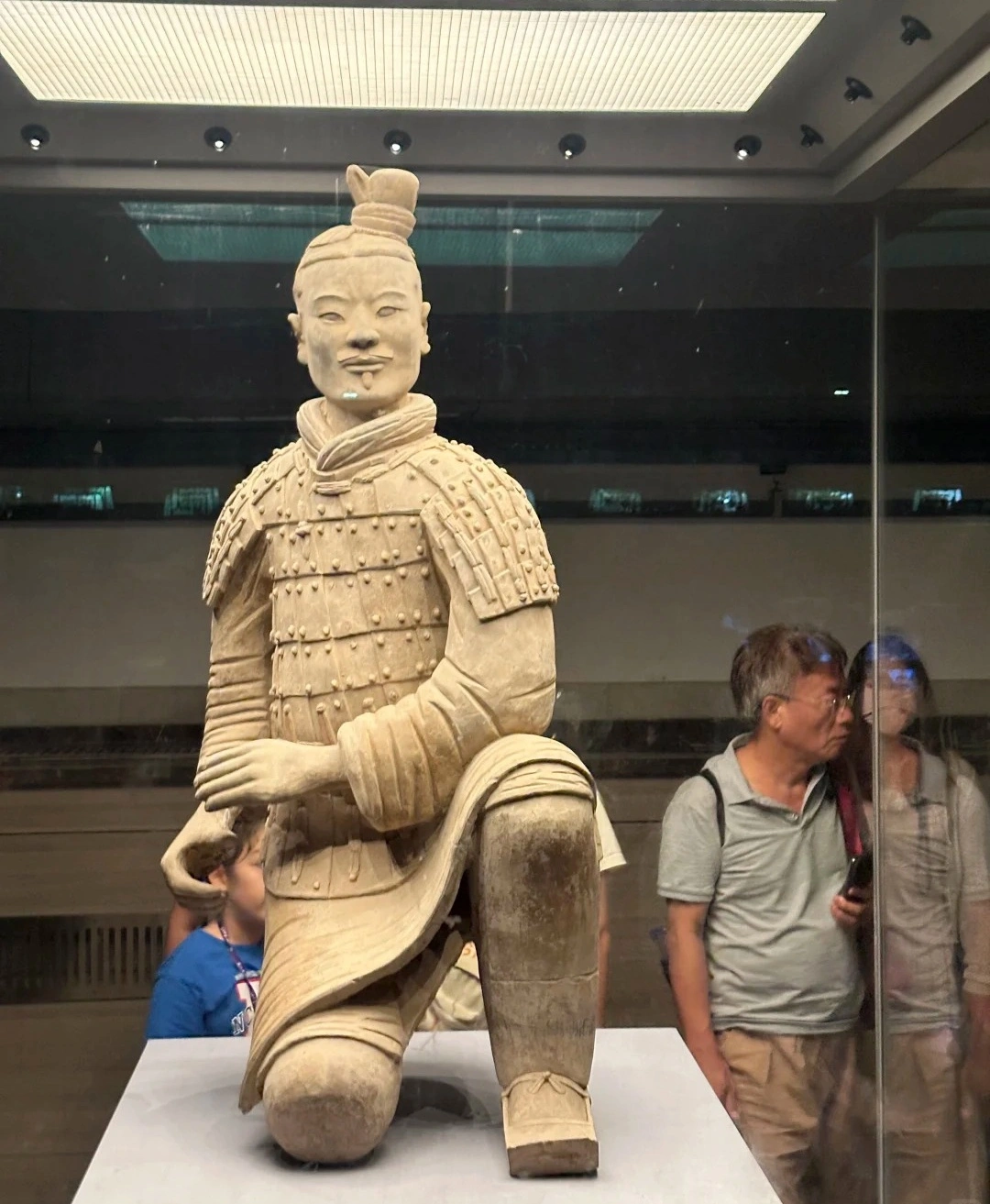
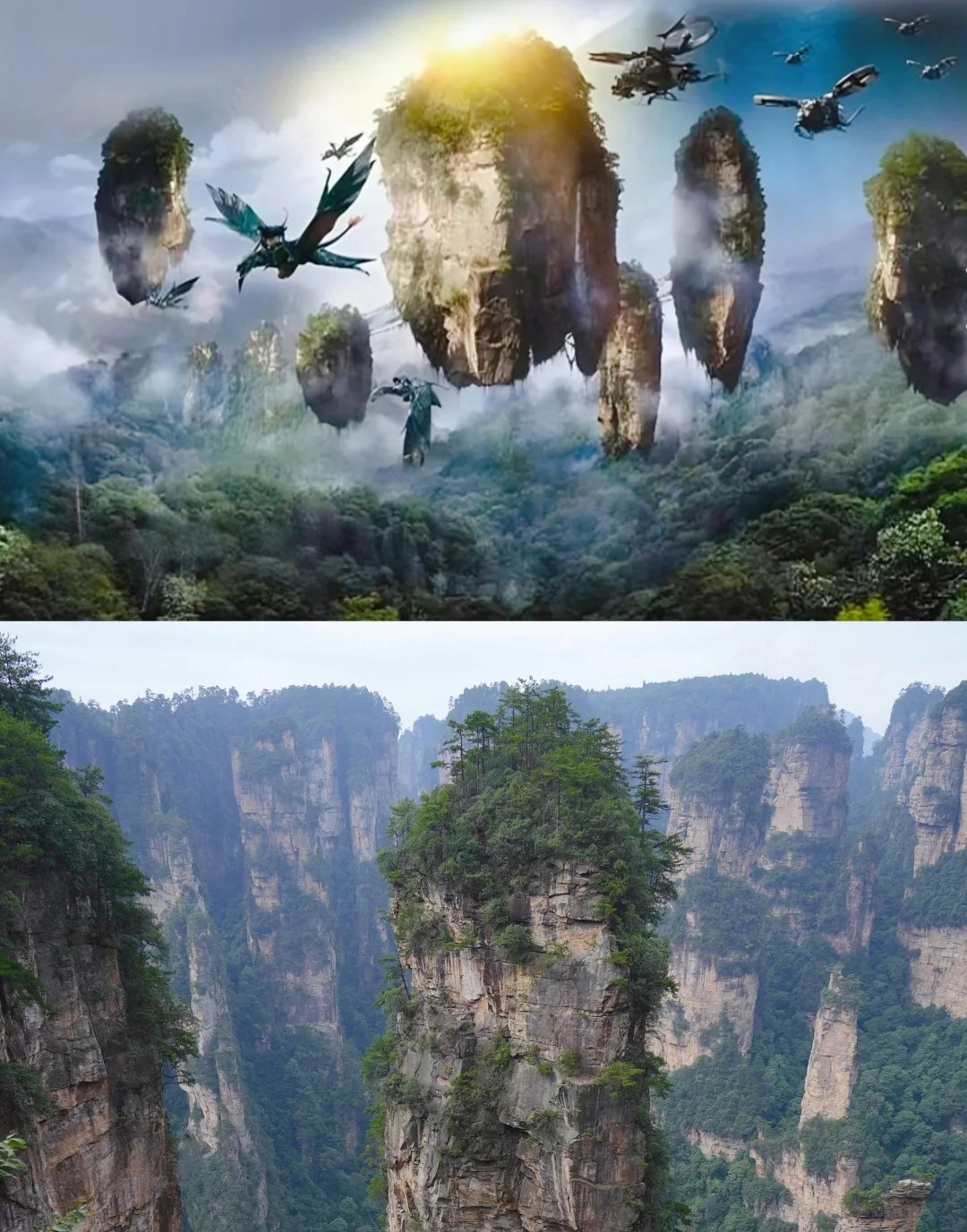
As a solo traveler from Canada, I was nervous about navigating China alone—but this 11-day tour was PERFECT! From hiking the Great Wall at sunrise (Day 3) to gasping at the Terracotta Army (Day 5), every day delivered ‘pinch-me’ moments. The real showstopper? Zhangjiajie’s Avatar Mountains (Day 7)! Our guide made the stone pillars come alive with stories. Massive thanks for handling all logistics—bullet train tickets, entry passes, car! And the 4-star hotels surprised me.
Destination(s): Beijing Xian Zhangjiajie Shanghai
Date of Experience: June 02,2025
... ... ...
...
Simon
America
Reviewed on May 29,2025
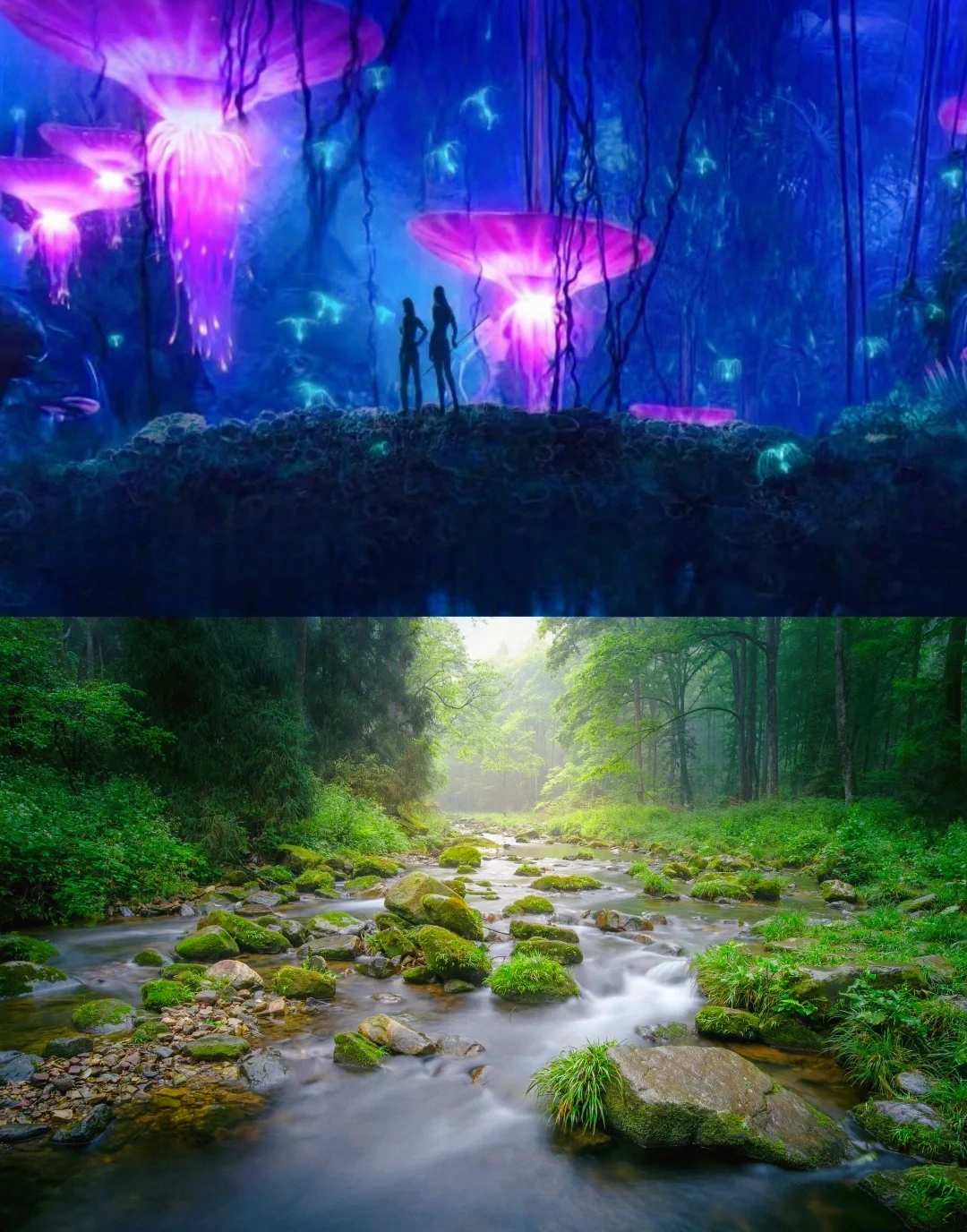
Our 2-day Zhangjiajie tour was beyond spectacular! As someone who’s visited Beijing and Shanghai for work, this trip revealed China’s wild, magical heart. Day 1 in Zhangjiajie National Forest Park felt like stepping onto Pandora—I’m a huge Avatar fan, and Yuanjiajie’s floating peaks left me breathless. The misty pillars and lush valleys like pure movie magic! Then came Fenghuang Ancient Town, we eat dinner beside the thundering waterfall. It seems Unreal! The night views of stilt houses glowing over the river were straight from a fairy tale. For fellow Avatar lovers and adventure seekers: Don’t miss this bucket-list experience! 10/10 would return. A Well-Traveled Film Buff, May 2025
Destination(s): Zhangjiajie
Date of Experience: May 08,2025
... ...

Ask a Question

Question Summary (100 characters)
Details (optional) (2,000 characters)
Name
Country
Phone
Email