

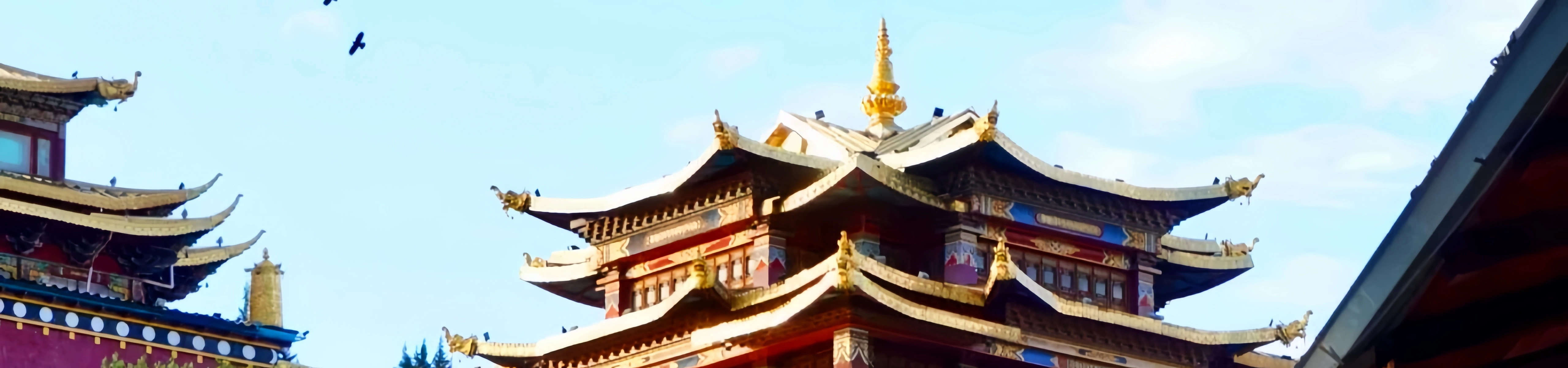
Guishan Park
Guishan Park, nestled in the charming town of Shangri-La (formerly Zhongdian) in Yunnan Province, China, is a serene and culturally significant destination. The park is centered around Guishan Hill, offering visitors panoramic views of the surrounding landscape, including the iconic Songzanlin Monastery. Within the park, one can explore ancient temples, stroll along winding paths lined with lush greenery, and enjoy the tranquil ambiance. Guishan Park serves as a peaceful retreat for both locals and tourists, providing a glimpse into the region's rich Tibetan Buddhist culture and natural beauty, making it a must-visit attraction in Shangri-La.
Introduction & Historical Significance
Nestled within the ancient walls of Dukezong (Independent Victory City) in Shangri-La, Yunnan Province, Guishan Park is a 4A-level scenic area and UNESCO-recognized cultural gem with origins dating to the Kangxi era (1661-1722) of the Qing Dynasty. As the "Soul of Tibetan Culture in Shangri-La," it harmonizes Han-Tibetan architectural styles and Buddhist cosmology. The park anchors the ancient Tea-Horse Road hub, offering panoramic views of snow-capped Meili Snow Mountain and the red-roofed labyrinth of Dukezong Ancient Town. Its centerpiece—the world's largest prayer wheel—embodies Tibetan spirituality and collective prayer traditions.
Architectural Layout & Design
The 8.7-hectare park ascends along Jade Dragon Snow Mountain’s foothills, integrating natural topography with sacred symbolism:
- Giant Prayer Wheel: A 21m-high, 60-ton bronze-gilded cylinder inscribed with Four Great Bodhisattvas and Buddhist Eight Treasures, housing 1.24 million mantras. Rotating it three times (requiring teamwork) symbolizes reciting 1.24 million mantras, believed to bring blessings.
- Chaoyang Tower: A three-story timber-brick pavilion at the summit, blending Han-Tibetan motifs with dragon-carved beams and lotus-patterned eaves, offering 360° vistas of Shangri-La’s skyline and mountain ranges.
- Sacred Water System: The ancient "Turtle Mountain Well" at the base, once supplying fresh water to Dukezong residents, flanked by stone-carved "Wind-Prayer Poles" and fluttering prayer flags.
- Cultural Museums: The Diqing History Museum and Red Army Long March Memorial Hall preserve Naxi-Tibetan artifacts and revolutionary history.
- Eco-Design: Wooden boardwalks, permeable pavements, and solar-powered lighting minimize environmental impact while enhancing accessibility.
Major Attractions
- Prayer Wheel Plaza: Join locals in turning the colossal wheel at dawn/dusk for spiritual merit, accompanied by chanting monks and incense-filled air.
- Chaoyang Tower Observatory: Sunrise/sunset vistas over Meili Snow Mountain’s glaciers and Dukezong’s crimson rooftops, framed by prayer flags.
- Ancient Well & Plaza: Stone-carved water channels and lotus ponds reflecting Naxi "harmony with nature" philosophy, surrounded by traditional Tibetan prayer wheels.
- Naxi Cultural Villages: Traditional rammed-earth houses with "three-house-one-screen" courtyards showcasing Naxi weaving, Dongba scripture carving, and barley wine brewing.
- Sacred Forest Trail: A 2km path through centuries-old cypress groves and rhododendron blooms, leading to hidden monasteries and meditation caves.
Ticket Information
- Free Entry: Entire park accessible 24/7; specialized venues (e.g., museums) charge ¥20–50.
- Bundled Tickets: ¥80 for park+cable car; ¥120-180 for combined tickets with Songzanlin Monastery or Puda-cuo National Park.
- Opening Hours: 07:00-20:00 daily; extended hours during festivals like Torch Festival.
- Special Venues: Separate tickets for cultural performances (¥50-100) and workshops (¥30-80).
Transportation Guide
- Public Transport: Buses 3/12 directly to Dukezong Ancient Town; shuttle buses from Shangri-La Airport (¥40) or railway station (¥60).
- Self-Drive: 10-minute drive from Shangri-La city center; parking at north/south gates (¥10/day).
- Walking/Cycling: Stone-paved lanes connect to Moonlight Square (5-minute walk) and Songzanlin Monastery (6km via bike paths).
- Taxi/Shuttle: Direct taxis from airport (¥90) or shared bikes (¥20/day) for coastal rides.
Best Time & Tips
- Optimal Seasons: May-June (wildflower blooms) and October-November (golden maples); avoid summer monsoons and winter snows.
- Photography: Dawn for misty valley views; sunset for alpenglow on prayer wheel and snow peaks.
- Cultural Etiquette: Rotate prayer wheel clockwise with right hand; remove hats in temples; respect quiet zones during rituals.
- Packing: Layered clothing, sunscreen, hats, and hiking boots; oxygen canisters for altitude adjustment.
- Dining: Must-try dishes include yak hotpot, barley wine, and rose-flavored pastries at park cafés.
Nearby Attractions & Itineraries
- Combined Tours:
- Morning: Prayer wheel turning + Chaoyang Tower sunrise.
- Afternoon: Visit Songzanlin Monastery (6km) for "Small Potala Palace" grandeur or Puda-cuo National Park for alpine lakes.
- Evening: Moonlight Square cultural stroll or "Impression Shangri-La" outdoor show.
- Cultural Synergy: Pair with Tiger Leaping Gorge for river landscapes or Napa Lake for migratory bird watching.
- Extended Itineraries: 3-day Shangri-La cultural tour including Meili Snow Mountain, Lugu Lake, and Naxi Dongba culture museum.
Guishan Park is a symphony of earth and spirit—where ancient stones whisper Tibetan secrets, and prayer wheels guard the wisdom of millennia. As a UNESCO-recognized sanctuary, it continues to inspire travelers seeking both natural grandeur and the soul of ancient Tibet in China’s Southwest.


Contact Us
What Our Clients Say?
Based on 10,000+ traveler reviews

Daniel Dorothea
Canada
Reviewed on April 29,2025
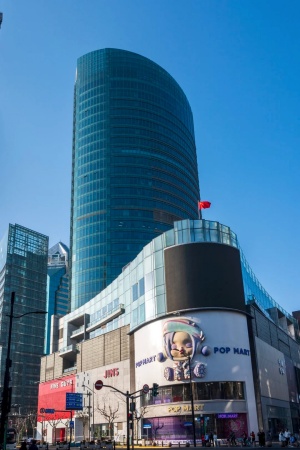
Shopping on Nanjing Road in Shanghai was just amazing! It's truly the "First Commercial Street of China", where tradition and modernity blend perfectly. You can find awesome souvenirs and experience the trendy vibes in cool stores. The neon lights at night are just spectacular, shining bright like Times Square in New York. The food here is incredible too. I had a feast for my taste buds. Shanghai, I'll definitely be back!
Destination(s):
Shanghai
Date of
Experience:
May 08,2024

Elvis Eva
Canada
Reviewed on June 20,2025
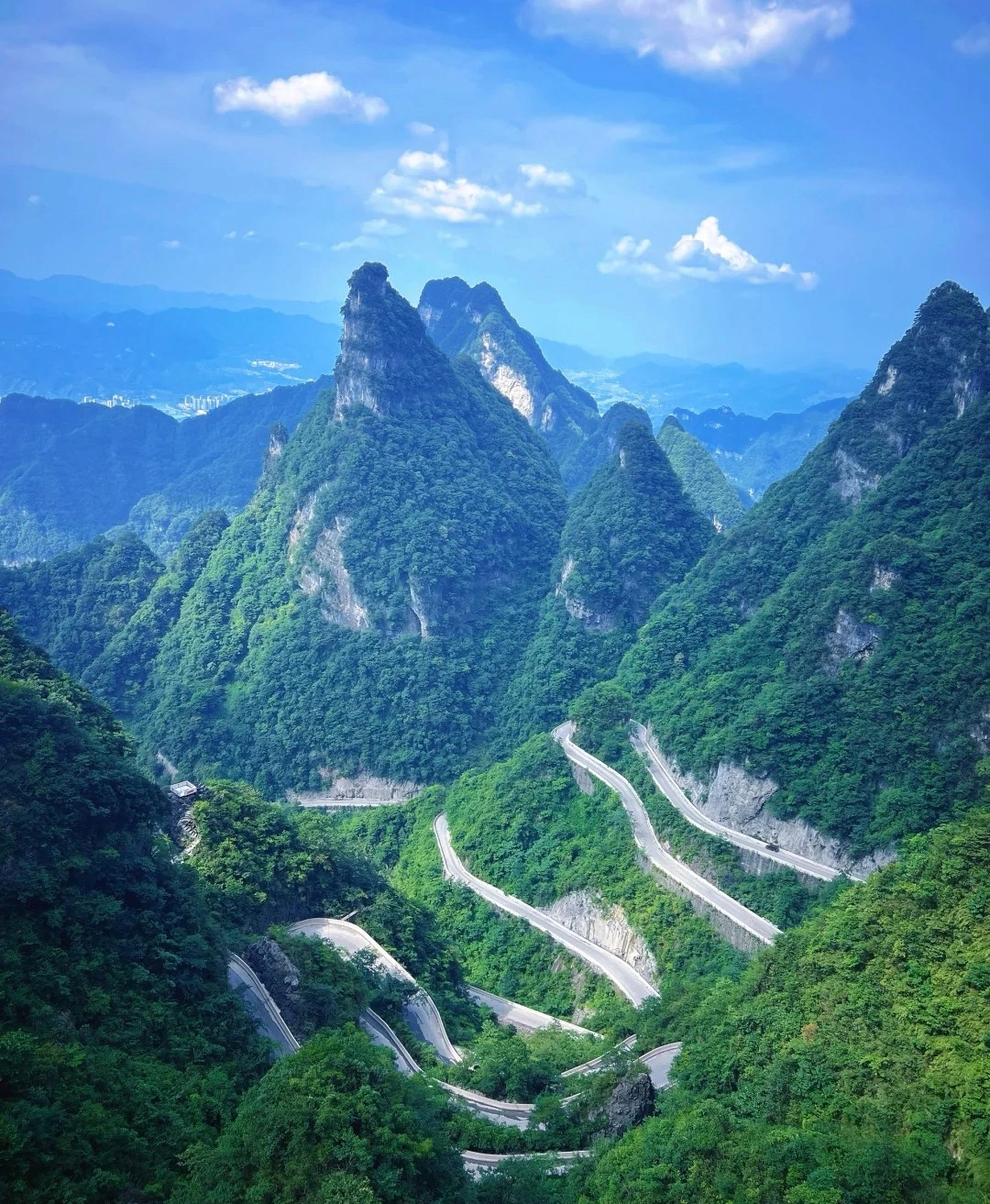
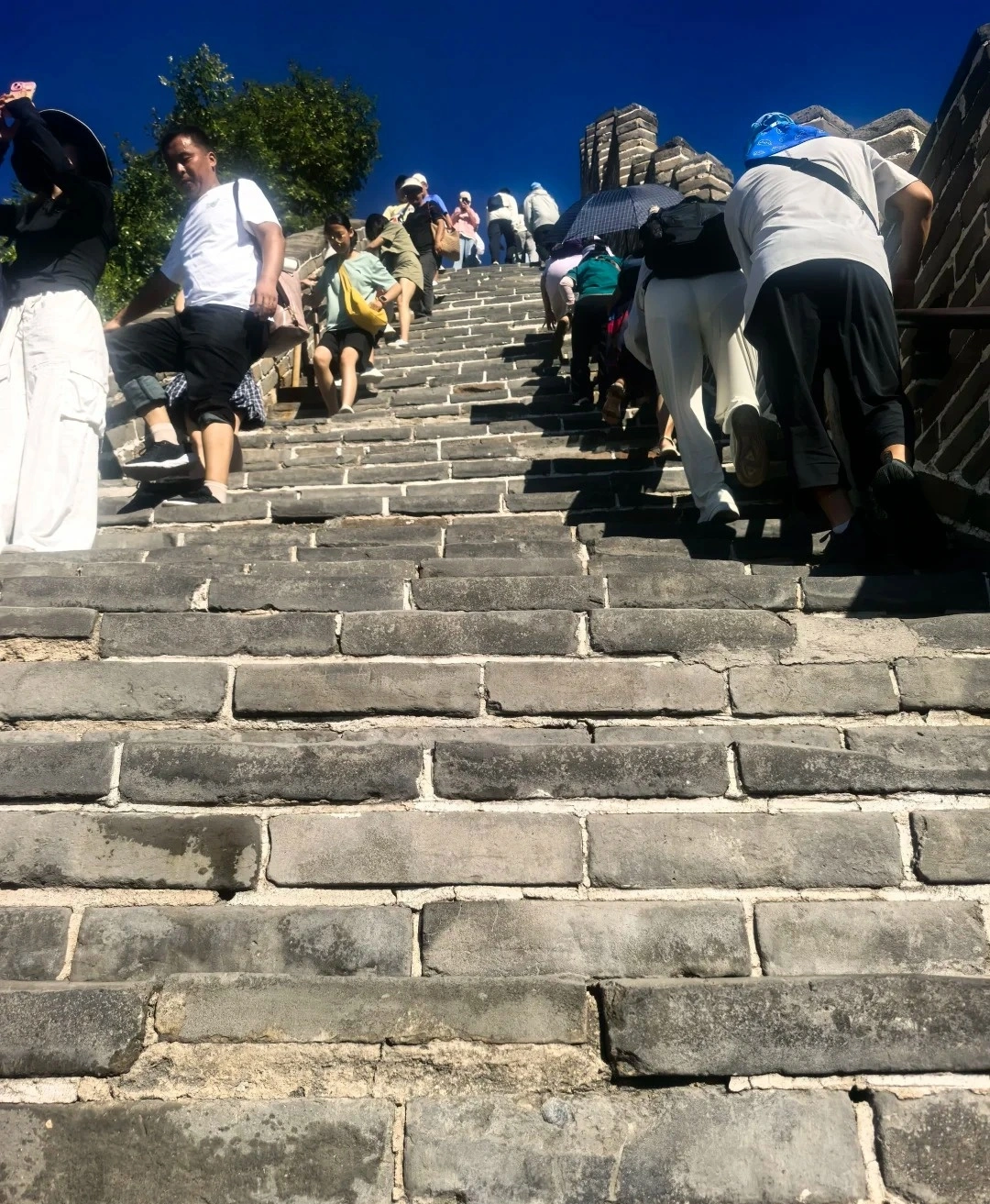
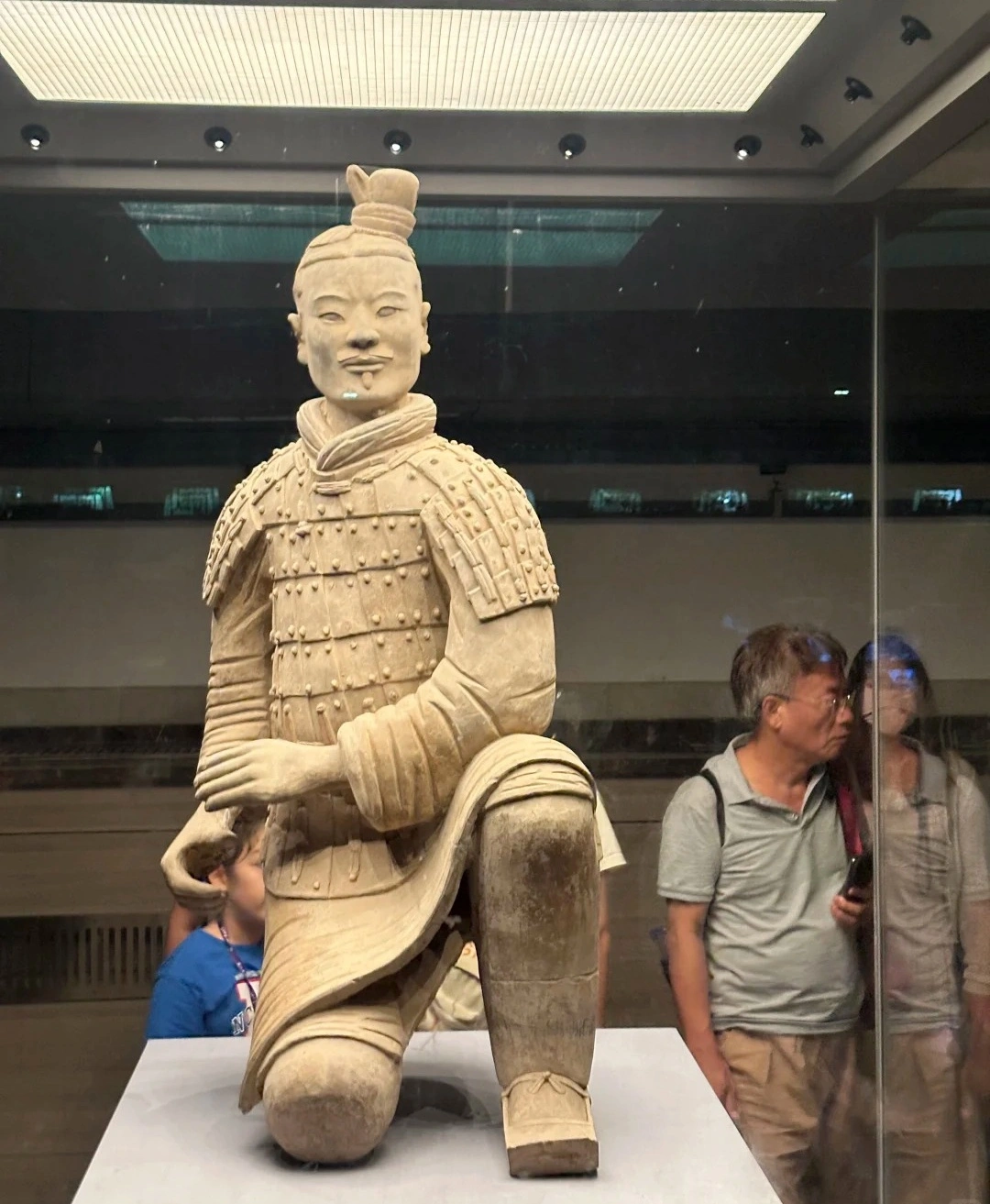
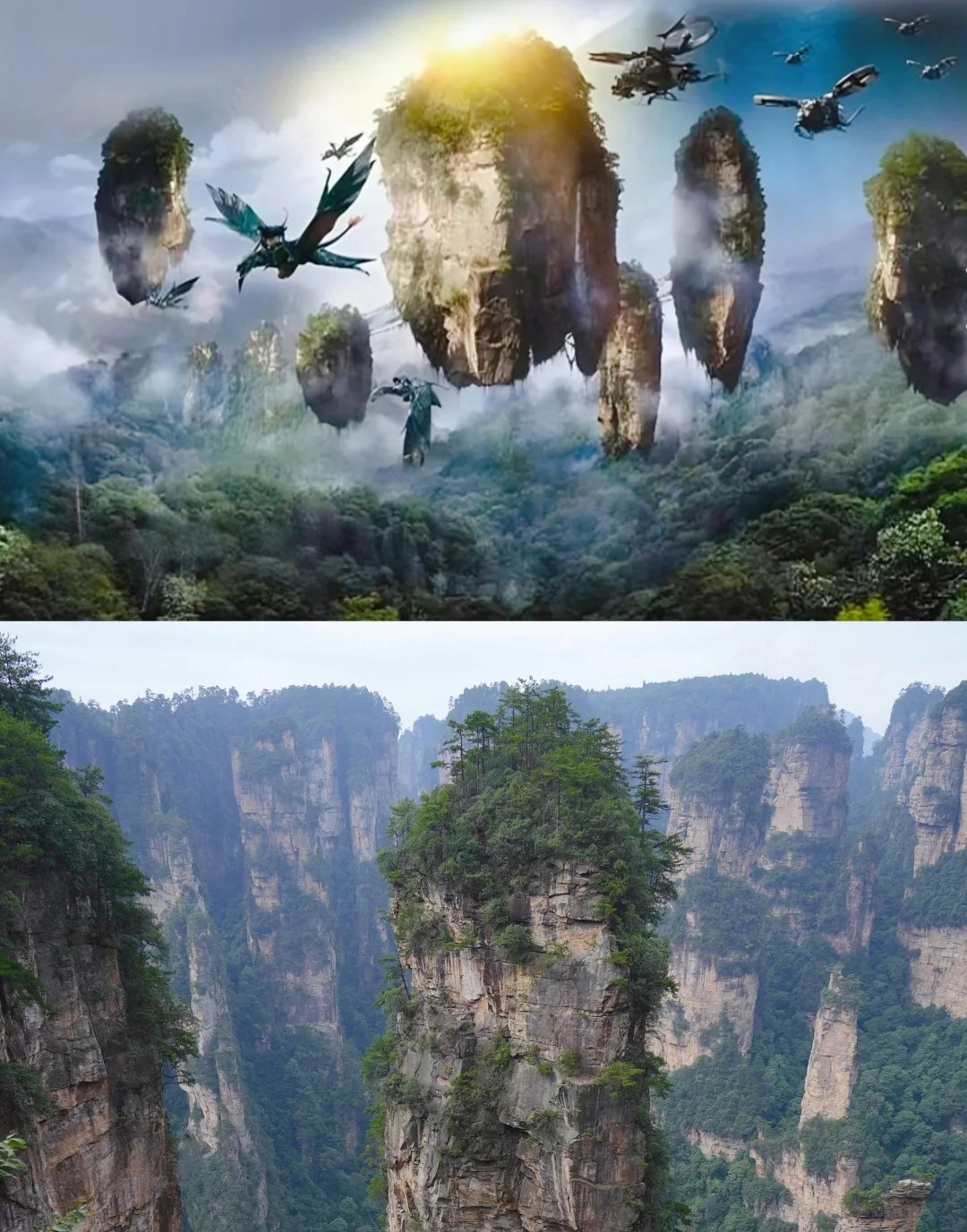
As a solo traveler from Canada, I was nervous about navigating China alone—but this 11-day tour was PERFECT! From hiking the Great Wall at sunrise (Day 3) to gasping at the Terracotta Army (Day 5), every day delivered ‘pinch-me’ moments. The real showstopper? Zhangjiajie’s Avatar Mountains (Day 7)! Our guide made the stone pillars come alive with stories.
Massive thanks for handling all logistics—bullet train tickets, entry passes, car! And the 4-star hotels surprised me.
Destination(s):
Beijing Xian Zhangjiajie Shanghai
Date of
Experience:
June 02,2025

Simon
America
Reviewed on May 29,2025
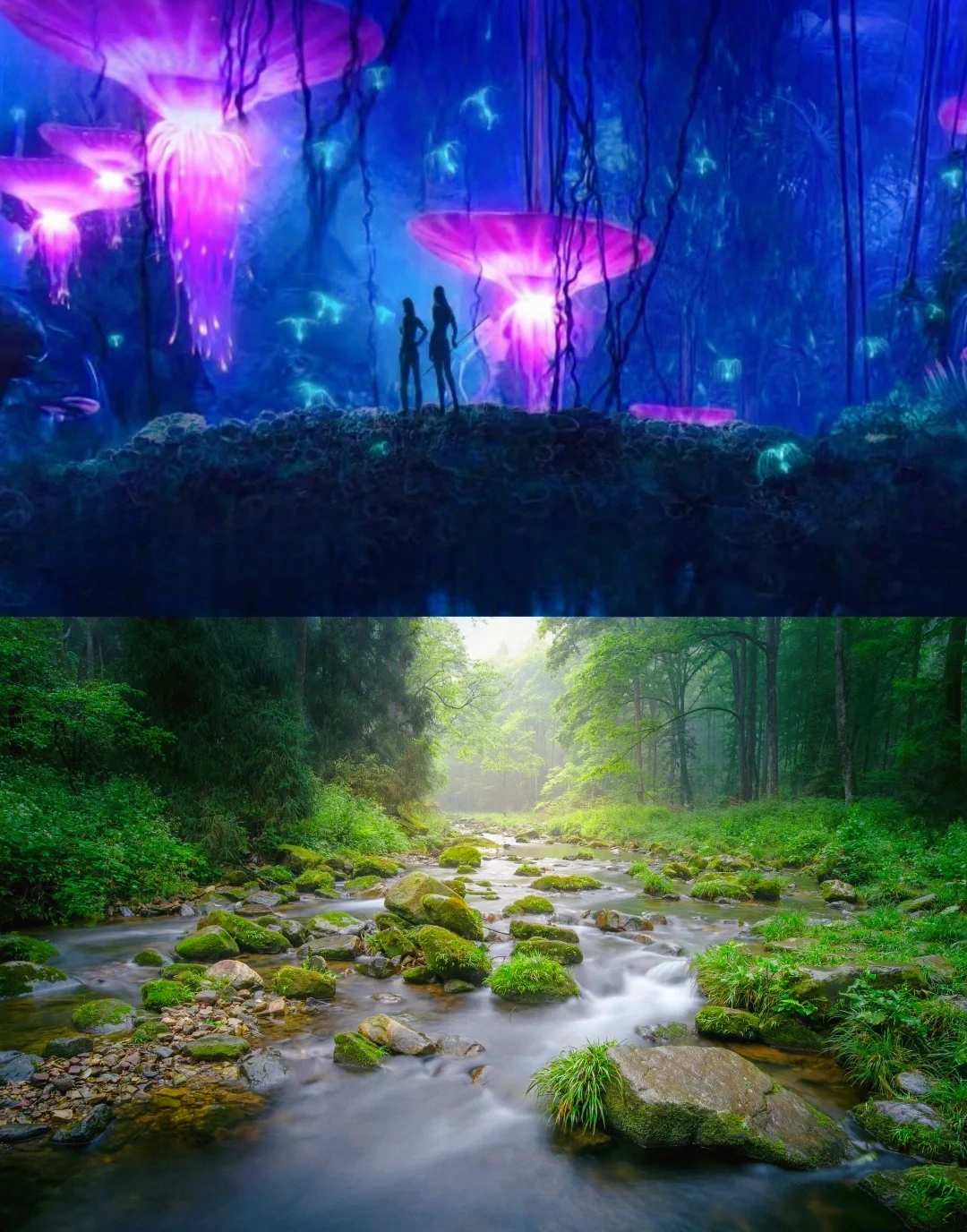
Our 2-day Zhangjiajie tour was beyond spectacular! As someone who’s visited Beijing and Shanghai for work, this trip revealed China’s wild, magical heart. Day 1 in Zhangjiajie National Forest Park felt like stepping onto Pandora—I’m a huge Avatar fan, and Yuanjiajie’s floating peaks left me breathless. The misty pillars and lush valleys like pure movie magic!
Then came Fenghuang Ancient Town, we eat dinner beside the thundering waterfall. It seems Unreal! The night views of stilt houses glowing over the river were straight from a fairy tale.
For fellow Avatar lovers and adventure seekers: Don’t miss this bucket-list experience! 10/10 would return.
A Well-Traveled Film Buff, May 2025
Destination(s):
Zhangjiajie
Date of
Experience:
May 08,2025
FAQ
Is Guishan Park worth climbing?
Worth it—this is Shangri-La's signature moment, not an optional add-on. The park holds the world's largest prayer wheel: 21 meters tall, 60 tons, built in 2002 and Guinness-recognized. The climb is only about 150 steps, and the summit gives the best panorama over Dukezong's red rooftops toward the snow peaks. I have taken first-timers who were skeptical and watched them grin on the way down. Skip the park and you miss the town's soul.
How hard is the climb, really, at this altitude?
Short but surprisingly breathless. The hill is small—roughly 150 steps with seating to rest—but Dukezong sits around 3,200 meters, so the air is thin. A blogger who climbed it called the effort "exhausting… but quite manageable," and I agree. Take it slowly, pause on the benches, and drink water. In most cases, fit travelers are fine; anyone worried about altitude should take the climb gently in the first 24 hours in town.
When is the best time to visit—morning, sunset, or night?
Come twice if you can, because the park changes character completely. Sunset rewards you with golden alpenglow on the gilded wheel and snow peaks; after dark, the whole wheel lights up in shifting colors, which many visitors call the highlight. Morning is quietest, with fewer crowds for photos and turning the wheel. If you only have one visit, aim for late afternoon and stay into the evening—you get both moods in one trip.
What should I know about the prayer wheel and temple etiquette?
A few small rules go a long way. Turn the wheel clockwise only, using your right hand where practical, and never against the direction of prayer. Remove your hat when entering the temple, keep your voice low during rituals, and ask before photographing monks or worshippers. The park itself is free and open around the clock; the museums inside charge a small fee. Dressed respectfully and moving clockwise, you will fit right in.
How much time do I need, and how does it fit my Shangri-La day?
Half a day in Dukezong is comfortable: an hour or two at Guishan Park—the climb, the wheel, the views—plus strolling the old town's stone lanes and cafés. Pair it with Songzanlin Monastery, a short drive away, for the classic Shangri-La day. Evening adds the town's square dance and night views. Since we handle transfers and timing, you can drift between the park, the monastery, and dinner without watching a clock.