

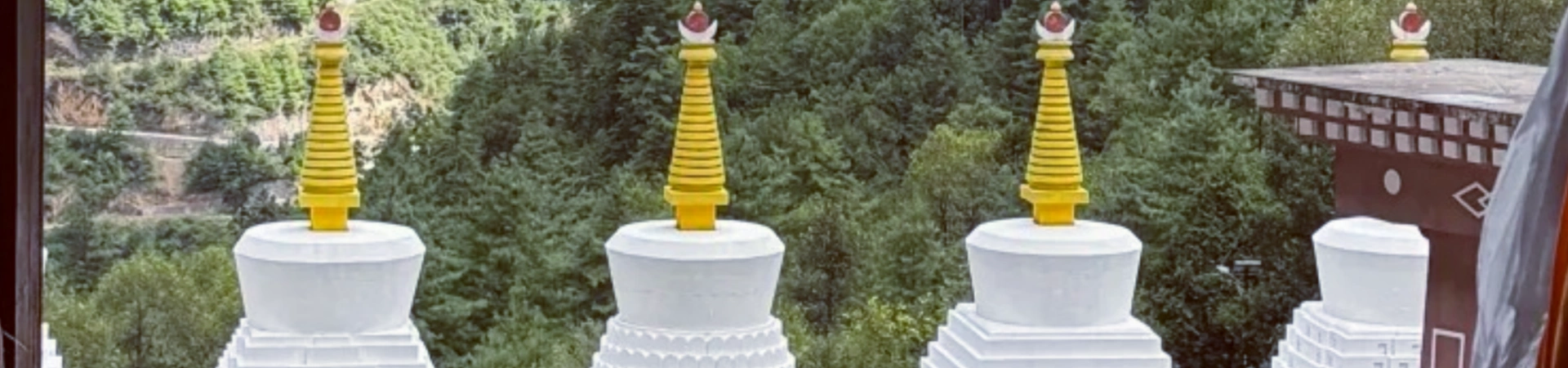
Barak Zong
Balagezong is a breathtaking natural wonder located in the picturesque region of Shangri-La, Yunnan Province, China. Renowned for its awe-inspiring Balagezong Grand Canyon, the area features dramatic cliffs, lush forests, and crystal-clear streams that wind through the rugged terrain. Visitors to Balagezong can embark on scenic hikes, marvel at the towering rock formations, and immerse themselves in the serene beauty of the Himalayan foothills. The region also holds cultural significance, with ties to local Tibetan traditions, making it a destination that offers both natural splendor and a glimpse into the rich heritage of the area. Balagezong stands as a testament to the remarkable beauty and cultural depth of Shangri-La's landscapes.
Introduction & Historical Significance
Nestled in northwest Shangri-La, Yunnan Province, Barak Zong is a 5A-level national park and UNESCO-protected "Three Parallel Rivers" core zone. Spanning 176 km² with elevations from 2,000m to 5,545m, it compresses six climate zones and a 1,300-year history. Originally a refuge for the war-weary Bajiu tribe led by General Sna Dorje, the ancient Bala Village preserves Kangba Tibetan culture. Modern development began in 1999 when Sna Dingzhu, a visionary Kangba leader, constructed roads and power lines, transforming this isolated paradise into a sustainable tourism destination. Revered as the "Blue Moon Valley" in James Hilton’s Lost Horizon, it embodies harmony between nature and humanity.
Architectural Layout & Design
The park merges ancient traditions with modern eco-engineering:
- Bala Village: Kangba-style stone towers with prayer wheels, showcasing Tibetan Buddhist symbolism. The village retains "three-courtyard" layouts and carved wood details.
- Shangri-La Grand Canyon: Multi-tiered gorges carved over 85 million years, featuring the 700m-high "Sky Corridor" glass bridge.
- Shambhala Stupa: A pyramid-shaped snow peak at 4,100m, accessible via 75km scenic drives and winter skiing slopes.
- 3,000-Year Bodhi Tree: A natural marvel with a "Buddha hand" root formation, considered a sacred living relic.
- Eco-Resorts: Cliff-side luxury hotels with ice-spring spas, and the water-view Shui Zhuang Hotel offering affordable stays.
Major Attractions
- Canyon Rafting: Navigate the Gangqu River through virgin forests on eco-friendly boats.
- High-Altitude Zipline: Soar 700m across the canyon for adrenaline-packed views.
- Echo Wall Trail: A 1.2km suspended walkway with glass platforms overlooking the glacier-capped Gezong Peak.
- Nidang Pasture Trek: 4.5km hikes through azalea meadows and yak herds, with overnight yurts.
- Nixi Black Pottery Workshops: Hands-on creation of national-intangible heritage items like butter churns.
Ticket Information
- Park Entry: ¥170 full price; discounts for students/seniors (¥85). 2025 July: Shenzhen residents enjoy free accommodation and entry.
- Shuttle Services: ¥60 round-trip from Shangri-La Old Town; ¥75 for Shambhala Stupa access.
- Activities: Rafting (¥120), zipline (¥180), and pottery workshops (¥50).
- Combined Packages: ¥350-500 with meals, guides, and premium resort stays.
Transportation Guide
- Air/Rail: Direct flights to Diqing Airport or trains via Lijiang-Shangri-La Rail (1.5h from Lijiang).
- Self-Drive: 1.5h from Shangri-La along G214 National Highway, passing Napa Lake and Tibetan villages.
- Local Shuttles: Free 24h buses between terminals; scenic electric carts within the park.
- Maritime Access: Seasonal boat tours from Napa Lake to the canyon entrance.
Best Time & Tips
- Optimal Seasons: Summer (July-Aug) for wildflowers/mushrooms; autumn (Sep-Nov) for foliage; winter (Dec-Feb) for skiing. Avoid monsoons (July-Aug).
- Photography: Dawn for canyon mist; sunset for golden-hour lighting on peaks. Use telephoto lenses for mountain layers.
- Cultural Etiquette: Remove hats in temples; respect Tibetan customs like turning prayer wheels clockwise.
- Packing: Oxygen tanks (¥30), polarized sunglasses, and layered clothing for altitude shifts.
- Dining: Must-try Nixi clay-pot chicken, yak butter tea, and fresh matsutake mushrooms.
Nearby Attractions & Itineraries
- Combined Tours:
- Morning: Bala Village exploration + Bodhi Tree meditation + canyon rafting.
- Afternoon: Shambhala Stupa pilgrimage + Nidang Pasture hike.
- Evening: Star-gazing at Gezong Peak or attending local string-dance festivals.
- Cultural Synergy: Pair with Songzanlin Monastery for Tibetan Buddhism or Meili Snow Mountain for glacial vistas.
- Multi-Day Routes:
- 3-Day: Shangri-La → Bala Gezong → Napa Lake → Lijiang Old Town.
- 5-Day: Dali → Lijiang → Shangri-La → Tiger Leaping Gorge → Lugu Lake.
Barak Zong epitomizes the convergence of ancient legends, ecological wonders, and sustainable development. As a UNESCO gem, it invites global travelers to witness Earth’s raw beauty while honoring the resilient spirit of the Kangba people—a true sanctuary of the Himalayas.


Contact Us
What Our Clients Say?
Based on 10,000+ traveler reviews

Daniel Dorothea
Canada
Reviewed on April 29,2025
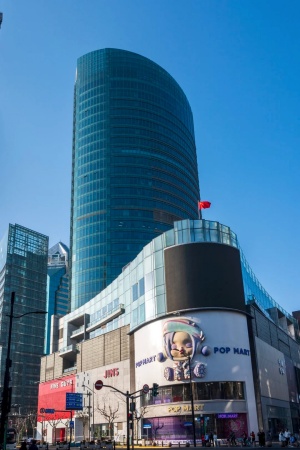
Shopping on Nanjing Road in Shanghai was just amazing! It's truly the "First Commercial Street of China", where tradition and modernity blend perfectly. You can find awesome souvenirs and experience the trendy vibes in cool stores. The neon lights at night are just spectacular, shining bright like Times Square in New York. The food here is incredible too. I had a feast for my taste buds. Shanghai, I'll definitely be back!
Destination(s):
Shanghai
Date of
Experience:
May 08,2024

Elvis Eva
Canada
Reviewed on June 20,2025
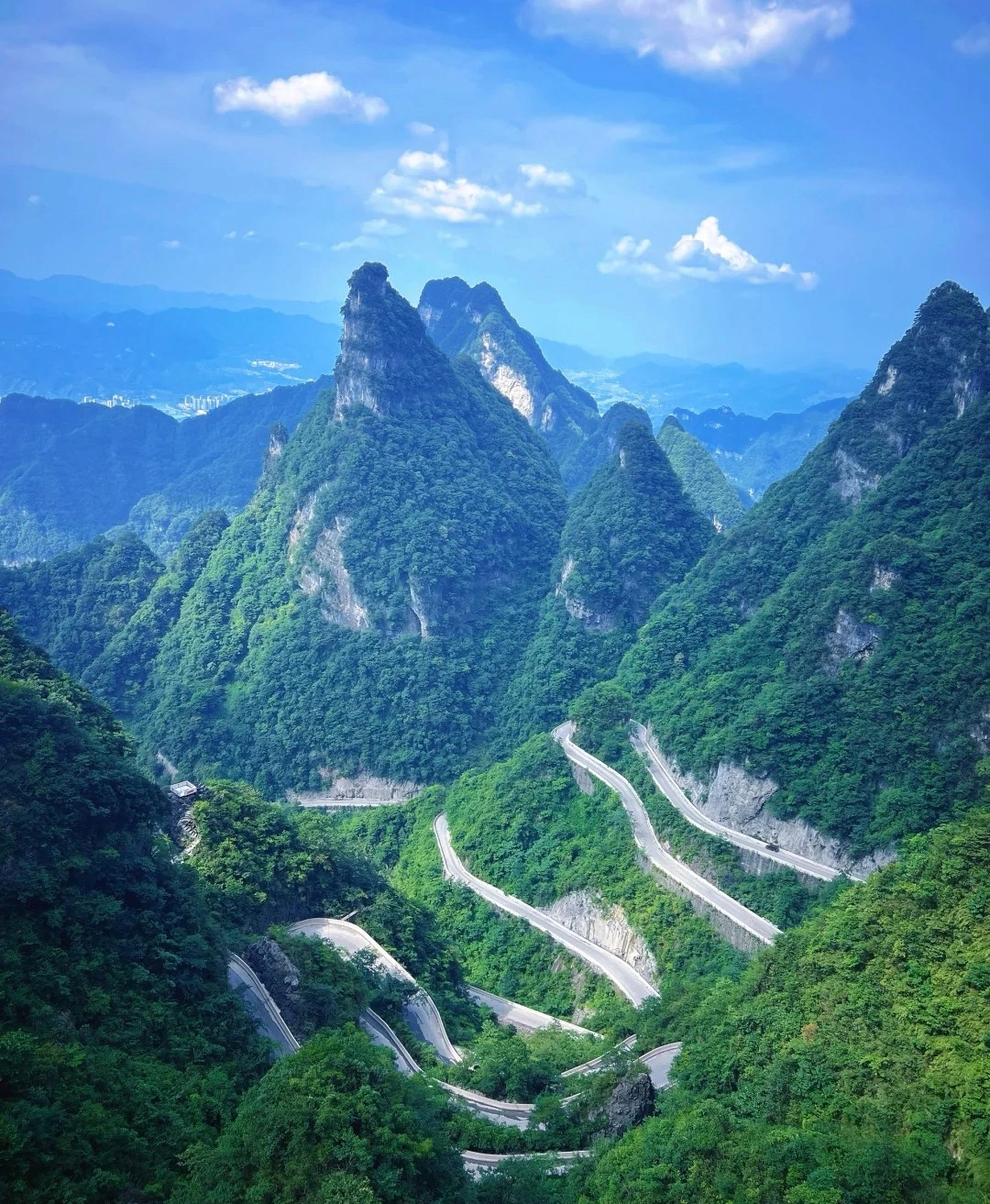
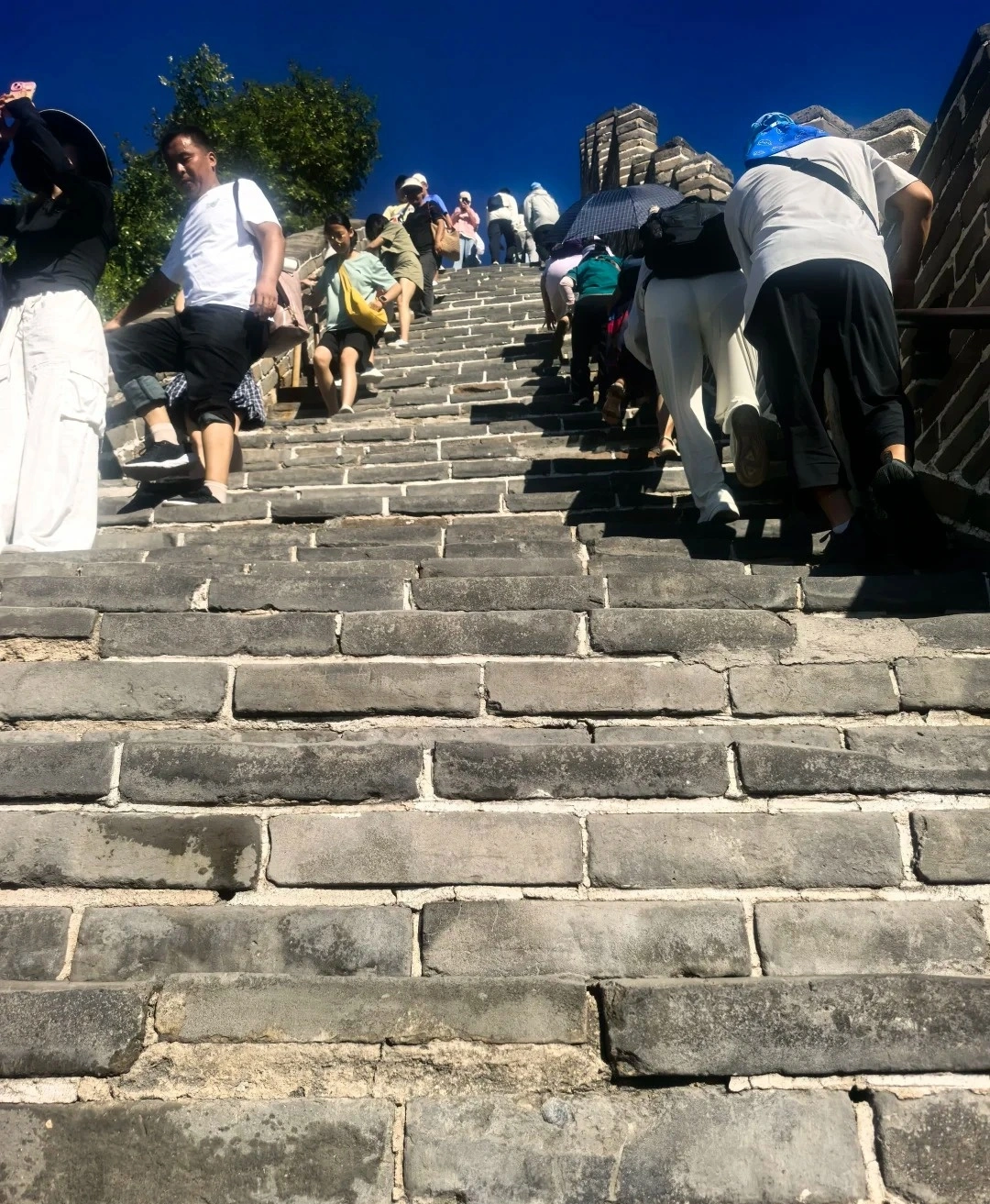
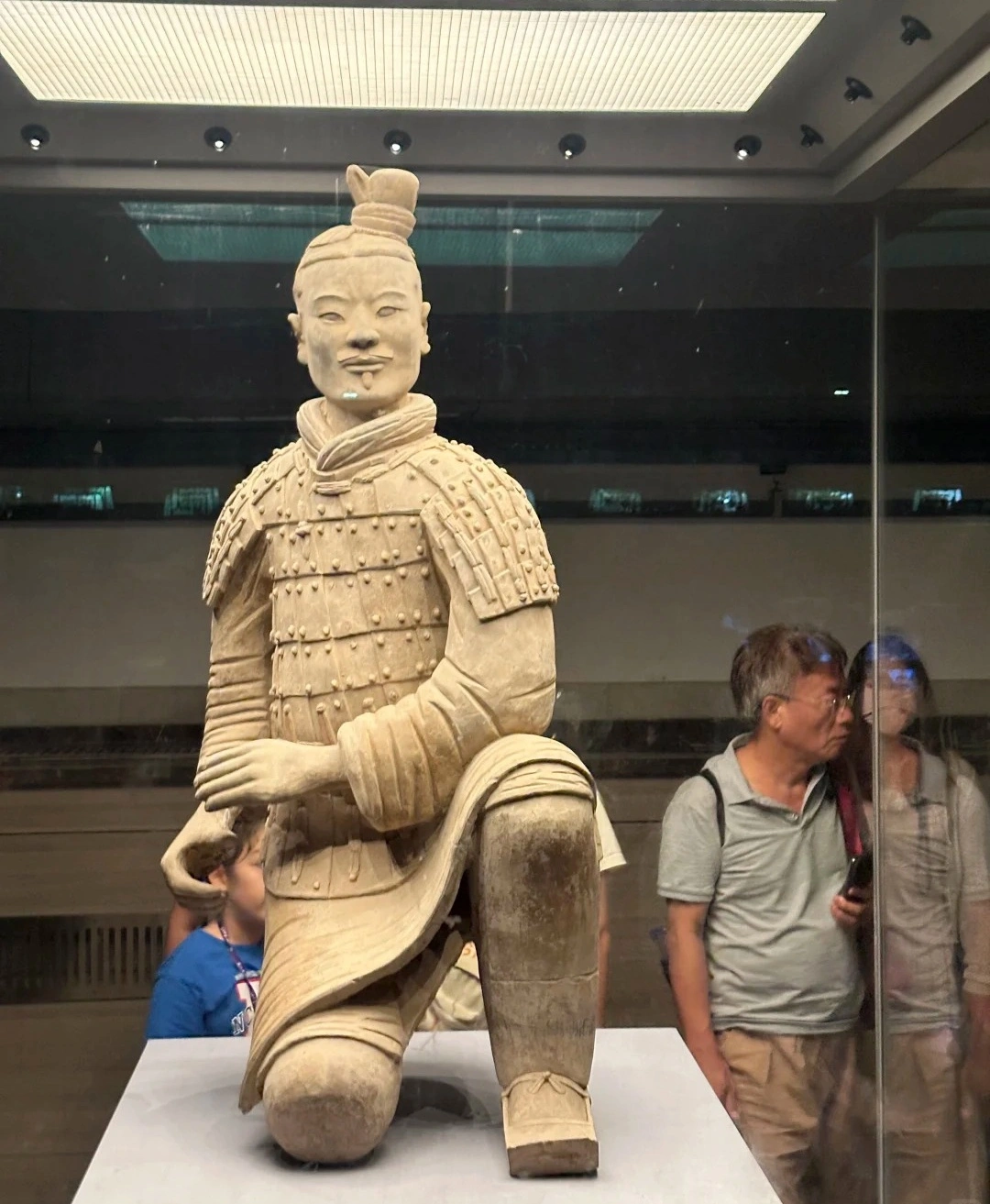
As a solo traveler from Canada, I was nervous about navigating China alone—but this 11-day tour was PERFECT! From hiking the Great Wall at sunrise (Day 3) to gasping at the Terracotta Army (Day 5), every day delivered ‘pinch-me’ moments. The real showstopper? Zhangjiajie’s Avatar Mountains (Day 7)! Our guide made the stone pillars come alive with stories.
Massive thanks for handling all logistics—bullet train tickets, entry passes, car! And the 4-star hotels surprised me.
Destination(s):
Beijing Xian Zhangjiajie Shanghai
Date of
Experience:
June 02,2025

Simon
America
Reviewed on May 29,2025
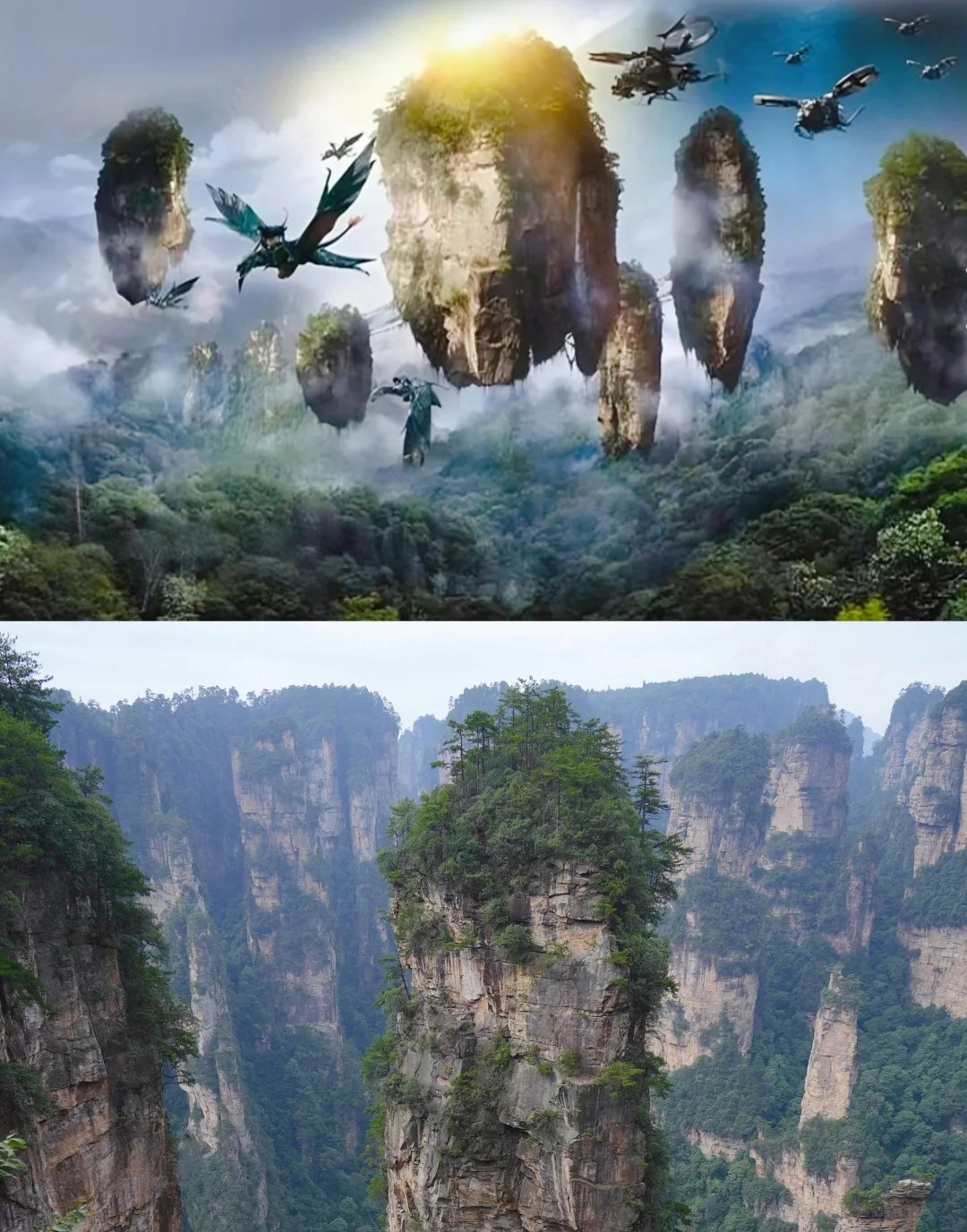
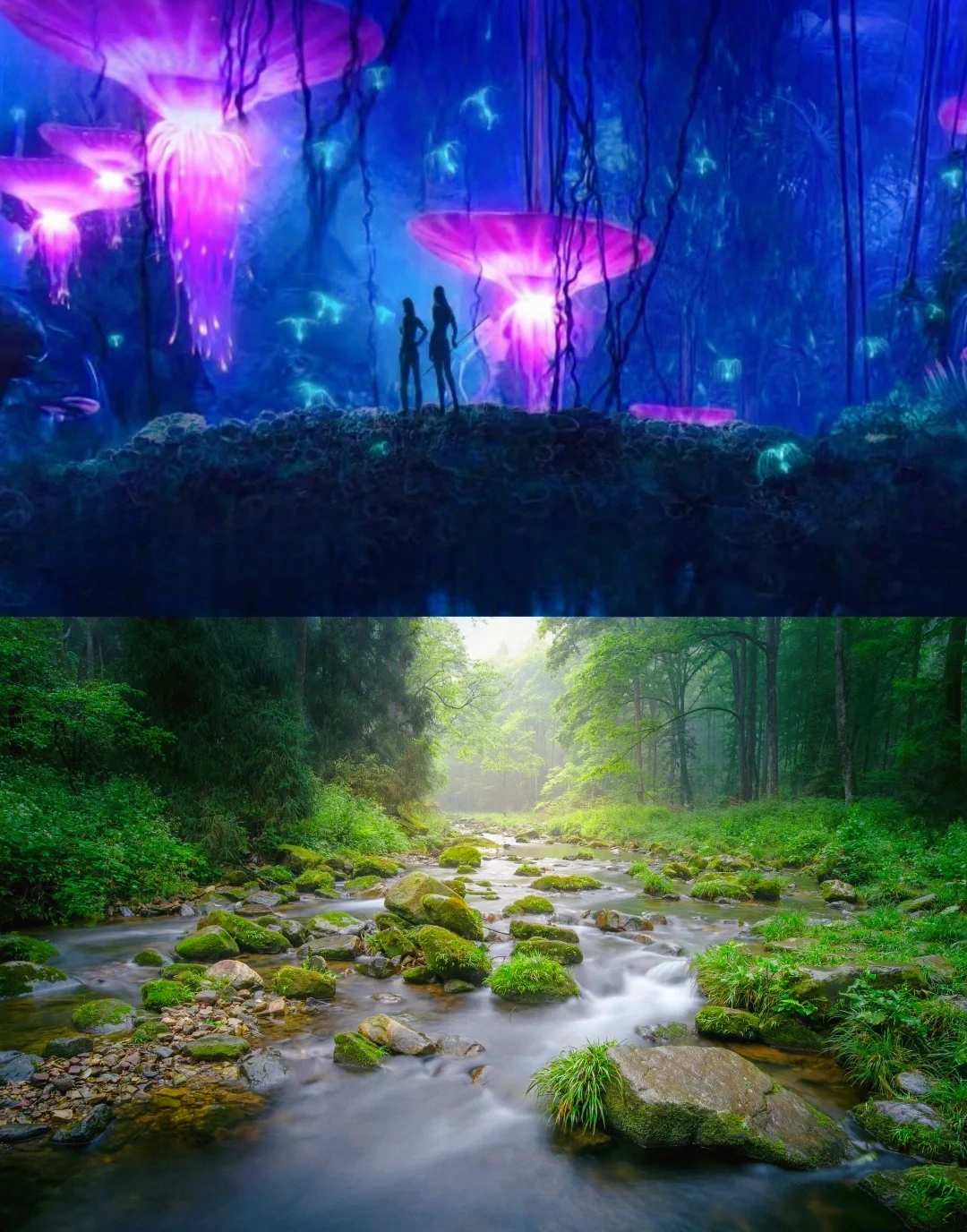
Our 2-day Zhangjiajie tour was beyond spectacular! As someone who’s visited Beijing and Shanghai for work, this trip revealed China’s wild, magical heart. Day 1 in Zhangjiajie National Forest Park felt like stepping onto Pandora—I’m a huge Avatar fan, and Yuanjiajie’s floating peaks left me breathless. The misty pillars and lush valleys like pure movie magic!
Then came Fenghuang Ancient Town, we eat dinner beside the thundering waterfall. It seems Unreal! The night views of stilt houses glowing over the river were straight from a fairy tale.
For fellow Avatar lovers and adventure seekers: Don’t miss this bucket-list experience! 10/10 would return.
A Well-Traveled Film Buff, May 2025
Destination(s):
Zhangjiajie
Date of
Experience:
May 08,2025
FAQ
What is the actual layout, and how much walking is involved?
The park works in layers. You take the scenic shuttle up winding mountain roads to the Shambhala Stupa at 4,100m, then descend through Bala Village, the Bodhi Tree, and the canyon. The famous sights—glass walkways, the Echo Wall trail, the canyon rafting—sit at different stops. Most travelers walk comfortably at a gentle pace; nothing demands serious hiking, though the altitude adds real effort. I suggest two to three hours inside the park itself.
I'm afraid of heights—can I still enjoy Balagezong?
Yes, with one honest caveat: the glass walkways and 700m zipline are the park's headline thrills, and a Tripadvisor review warns it is "not for those afraid of heights." But none are compulsory. You can skip them and still enjoy the canyon from solid trails, the Bodhi Tree, Bala Village, and the stupa. Many couples split up—one zips, the other photographs. Tell us your comfort level and we will build the route around it.
Is Balagezong suitable for children or older parents?
Usually, yes—the park is gentler than it looks. Scenic shuttles carry you between stops, the walks are short and paved, and older kids often love the zipline and rafting. Two honest notes: the shuttle climbs winding mountain roads for about 1.5 hours, and the altitude near 3,300 meters can tire small children and seniors. Build in rest stops, keep everyone hydrated, and watch for altitude symptoms early.
What should I know about the Tibetan culture and the village?
Bala Village is the heart of it—a Kangba Tibetan settlement whose story reads like a legend. It was isolated until 1999, when local leader Sna Dingzhu built the road that opened it; his preserved home now doubles as a museum. Nearby stand the 3,000-year-old Bodhi Tree with its "Buddha hand" root, and a temple complex where photography is not allowed. Respect the prayer-wheel direction and dress modestly, and the visit becomes far richer.
What does a visit cost, and what is the best season?
Budget around ¥300–400 per person for the full experience: park entry about ¥170, the shuttle, and one activity like rafting (¥120) or the zipline (¥180). Packaged tours with meals run ¥350–500. For seasons, autumn (September–November) gives golden foliage and clear skies; summer brings wildflowers but also monsoon rain. Winter opens skiing. If you want the classic postcard view, plan for autumn.