

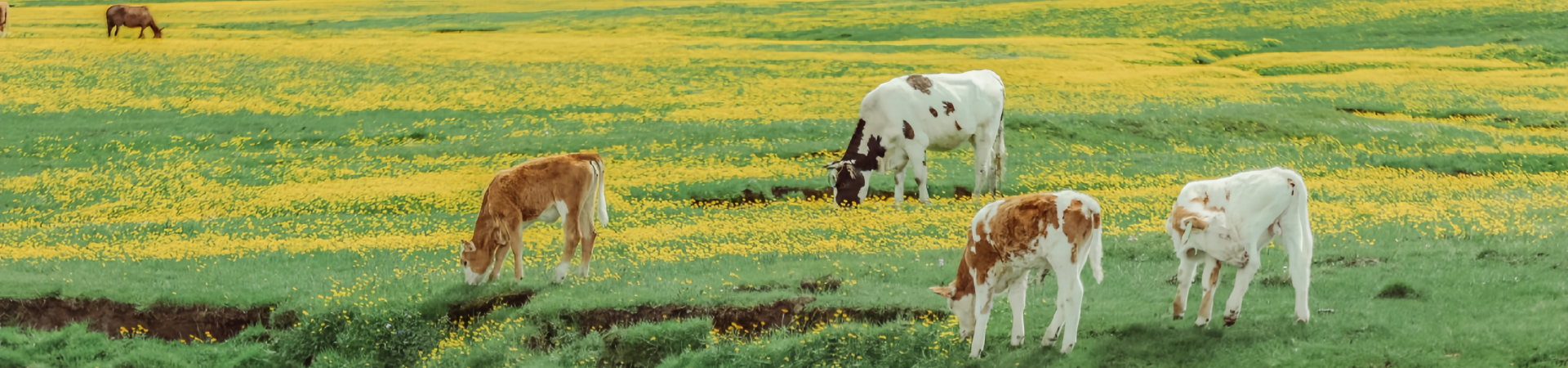
Muchang Grassland
Historical Overview
The grassland’s history dates to the Han Dynasty (206 BCE–220 CE), when it was a rest stop for Silk Road caravans. Tang Dynasty (618–907 CE) records mention Uyghur tribes herding livestock here, while 19th-century explorers noted its role in regional trade. In 1990, it was designated a protected cultural landscape, preserving nomadic heritage. Today, it remains a symbol of Uyghur resilience, with annual Festivals celebrating equestrian skills and traditional pastoralism.
Geographical Layout
The grassland spans 2,000–2,500 meters above sea level, bordered by the Kunlun range to the south and the Taklamakan Desert to the north. Its ecosystem includes:
- Alpine Meadow Zone: Lush pastures with wildflowers (June–August).
- River Valley: The Ranch River winds through willow and tamarisk groves.
- Nomadic Camps: Seasonal Uyghur settlements with felt yurts and livestock pens.
Key landmarks include the "Eagle Rock" viewpoint and the reconstructed 18th-century caravan serai.
Major Attractions
- Nomadic Yurt Stays: Experience Uyghur hospitality in traditional felt yurts, with meals of kumis (fermented mare’s milk) and nang (flatbread).
- Horseback Treks: Guided rides to Kunlun Mountain peaks (3–5 hours).
- Wildflower Trails: Hike through carpets of gentian and edelweiss (July–August).
- Silk Road Relics: Visit the ruins of a Tang Dynasty caravan stop.
- Local Markets: Purchase handmade Uyghur carpets and nomadic tools in nearby villages.
Suggested Itineraries
-
Half-Day Classic Route (3–4 hours):
Hotan City → Ranch Grassland Entrance → Nomadic Yurt Village → Wildflower Fields → Return
Highlights: Cultural interaction and scenic photography. -
Adventure Route (Full Day):
Morning: Horseback trek to Eagle Rock viewpoint.
Afternoon: Rafting on Ranch River and visit to Silk Road serai ruins.
Evening: Sunset yurt dinner with Uyghur music. -
Cultural Immersion (2 Days):
Day 1: Learn yurt-building and wool-weaving with nomadic families.
Day 2: Attend a sheep-herding demonstration and explore nearby jade mines.
Ticket Purchase
- Admission: Free entry; horseback tours ¥150–300/person (2–4 hours).
- Guided Tours: ¥250–500/group (includes Transportation and nomadic homestay).
- Permits: None required for day visits; overnight stays require local village approval.
Transportation
- By Car: 1-hour drive from Hotan City via G315; parking ¥10/day.
- By Bus: Take Bus 6 from Hotan to Ranch Grassland (¥10, 40 minutes).
- By Taxi: Direct ride from Hotan Airport (50 minutes, ¥80–100).
Best Time & Tips
- Optimal Season: June–August (wildflower bloom); avoid October–April (cold, snow).
- Essentials:
- Sun protection (hat, SPF 50+ sunscreen).
- Warm layers for evening temperatures (10°C–15°C).
- Cash for nomadic crafts (no card payments).
- Cultural Sensitivity: Ask permission before entering yurts; avoid pointing at livestock.
- Prohibited Items: Drones (require permits), loud music near camps.


Contact Us
What Our Clients Say?




Ask us before you decide.
Unsure about a route, departure date or room option? Tell us what is holding up your plans. You will get a clear answer from our China-based travel team—no booking required.