Yongqingfang: An Urban Regeneration Model from Xiguan Old Alley to "Revitalizing the Old City"

Yongqingfang: An Urban Regeneration Model from Xiguan Old Alley to

Overview: A city memory retrieved between arcades and bluestone slabs
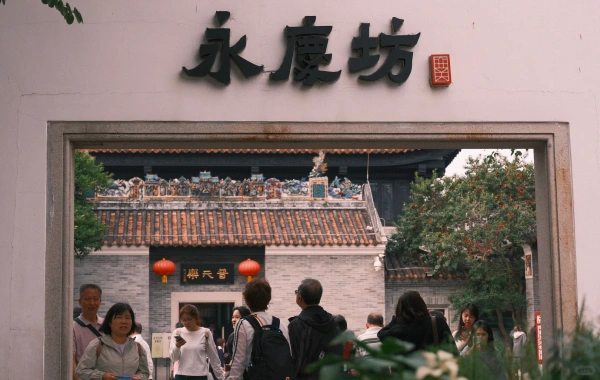
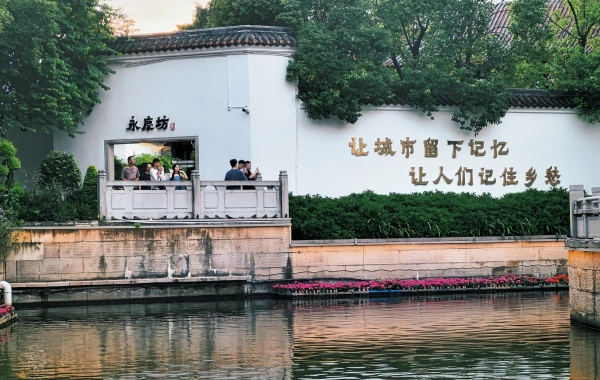
Yongqing Fang is a typical example of "micro-renovation" revitalization, covering an area of approximately 7,600 square meters. It is not a newly built antique scenic spot, but rather a textbook of "new vitality in the old city" that is rewritten with contemporary design, cultural art, and community vitality, while fully preserving the century-old texture of Xiguan.

Quick overview of key highlights
Identity tag: Guangzhou's Most Beautiful Arcade Street / Xiguan Cultural Living Museum 
Core Experiences: Strolling along the arcade street, experiencing the intangible cultural heritage workshop, visiting the Cantonese Opera Art Museum, and checking out the trendy market
Suggested tour: Spend half a day to one day. It is highly recommended to arrive in the afternoon to enjoy the evening street atmosphere and night view.
Address: No. 99, Enning Road, Liwan District, Guangzhou

  • Yongqingfang: An Urban Regeneration Model from Xiguan Old Alley to
  • Yongqingfang: An Urban Regeneration Model from Xiguan Old Alley to
  • Yongqingfang: An Urban Regeneration Model from Xiguan Old Alley to
  • Yongqingfang: An Urban Regeneration Model from Xiguan Old Alley to

Origin: Xiguan Fenghua and the New Life of the Block

13_副本.webp Yongqing Lane

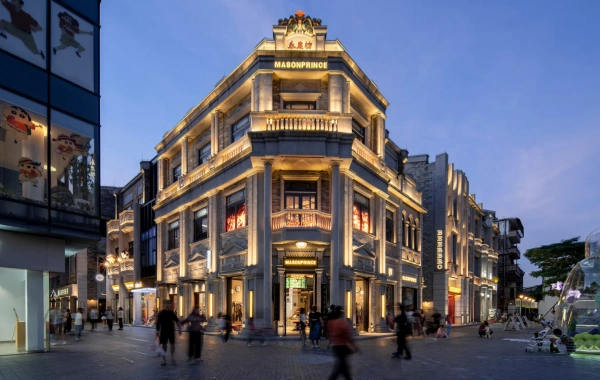
Where East meets West on one street. Enning Road, home to Yongqing Fang, was built in 1931 as Guangzhou’s “most beautiful arcade street.” But it’s not just a postcard view. This is where Lingnan brick carvings and Manchurian lattice windows sit side‑by‑side with Western columns and Roman arches. That hybrid style was born from Guangzhou’s century as a trading port. For foreign visitors, think of it as Havana meets Shanghai, but with Cantonese teahouses tucked under the colonnades. The ground floor once sold silk and tea to global merchants; upstairs, families lived, ate, and raised children. That duality — commerce and home, Chinese and foreign — is still palpable today. (Here a dash remains for emphasis, but it’s minimal.)

How a “dangerous old quarter” became a global model for smart renewal. By the 2000s, this same street was crumbling. Young people moved out, pipes leaked, and the charm was buried under decay. The city faced a choice: bulldoze it for high‑rises, or find another way. In 2016, Guangzhou chose “micro‑renovation,” a radical idea in China’s demolition‑happy era. Instead of clearing the block, they used “embroidery‑level” precision: reinforce foundations, restore facades, upgrade sewage and wiring, but keep every original window and door. They even convinced some elderly residents to stay, so the street never lost its soul. The result is a historic district that feels alive, not frozen in amber.

Not a theme park, but a working neighborhood. Today, Yongqing Fang hosts craft breweries, Cantonese opera museums, designer studios, and boutique hostels. Yet no more than 40% of the space is commercial. The rest remains residential or community‑use. You can hear opera rehearsals from a heritage hall, then step into a modern coffee shop run by a local millennial. It’s this messy, vibrant mix that fascinates urban planners from Europe to Japan: how do you preserve authenticity while making a place economically sustainable? Guangzhou’s answer is to let the street earn its keep, but never let the gift shops take over. The Cantonese Opera Art Museum alone draws thousands, yet the alleyways still smell of home‑cooked stir‑fry.

>In depth understanding: Explore more cases of revitalizing Chinese historical and cultural districts>>[Beijing Yangmei Zhuxie Street]

Must see Wonders: Architectural Texture and Guangfu New Charm

1_副本.webp 2 首_副本.webp 3_副本.webp 4 首_副本.webp

Space Creation - The scale of streets and alleys and the "natural" landscape of Yongqing Square's theater of life are essentially its carefully preserved urban spatial structure and vibrant community ecology.
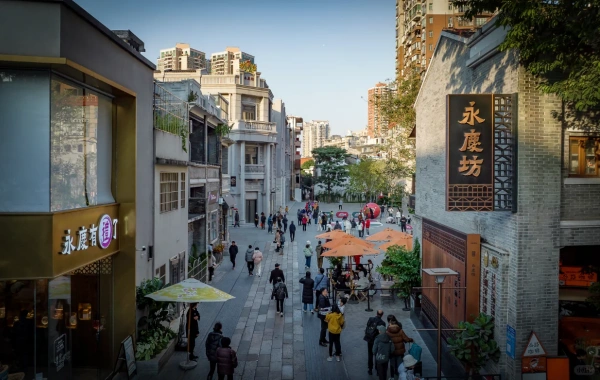
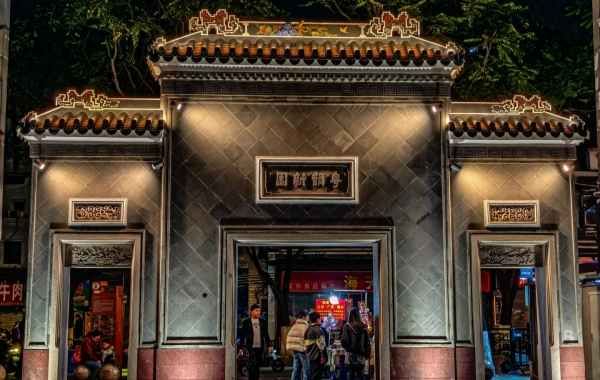
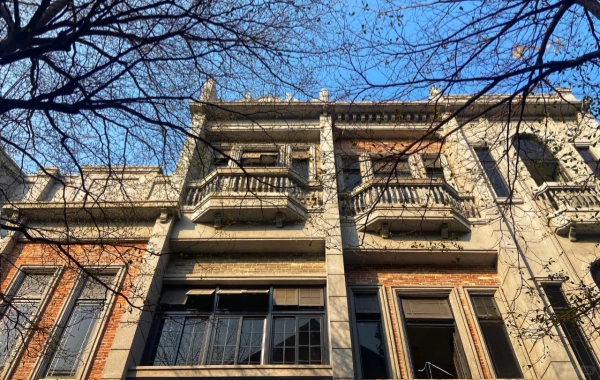
-The flowing scenery under the arcade: The continuous arcade on Enning Road forms a unique grey space. Strolling here, you can shade yourself from the sunshine and avoid the rain. This human centered architectural wisdom has become a scenery in itself. The interweaving of old and new shops in the corridor, with pedestrians shuttling back and forth, creates a flowing contemporary "Xiguan style painting".
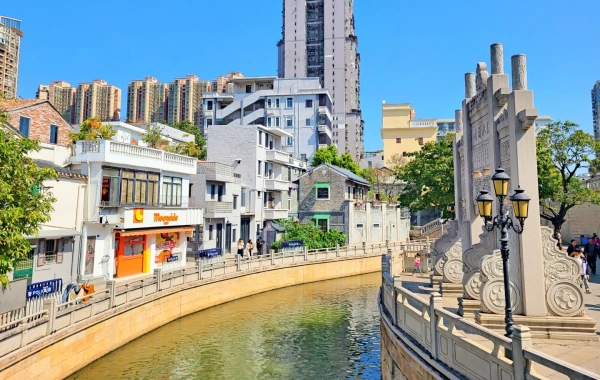
-Surprise Exploration of Zongheng Alley: Behind the main street, there are criss crossing bluestone alleys, such as Yongqing Lane 1 and Lane 2. These pleasant sized alleys preserve to the greatest extent the sense of neighborhood space in old Guangzhou. Around the corner, you may come across an independent bookstore, a hidden art installation, or a home that still retains traditional life, offering endless fun to explore.
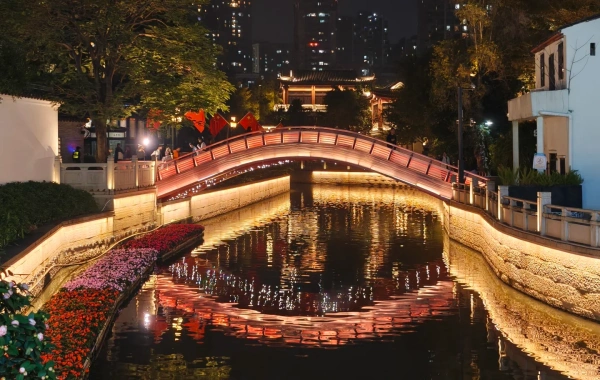
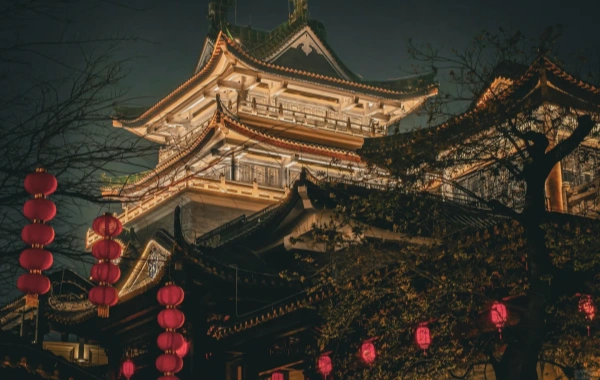
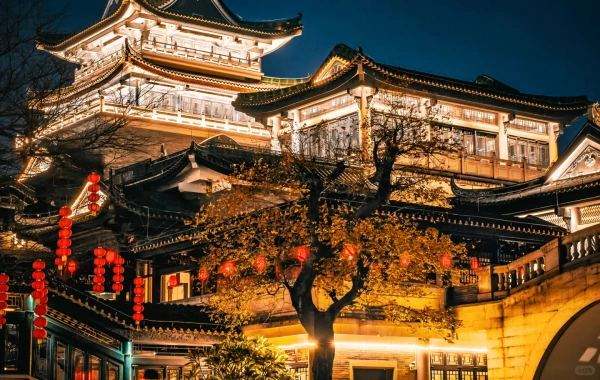
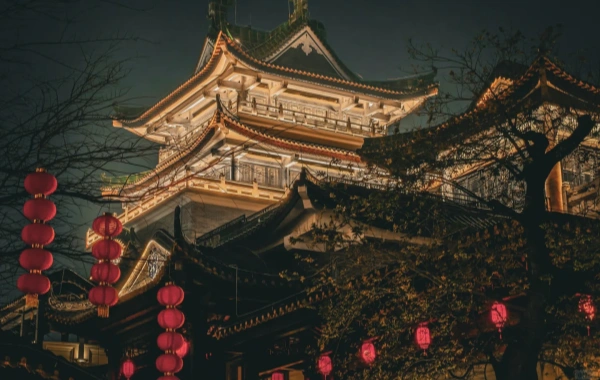
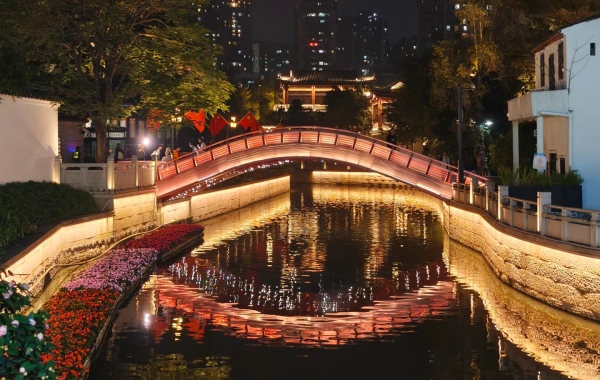
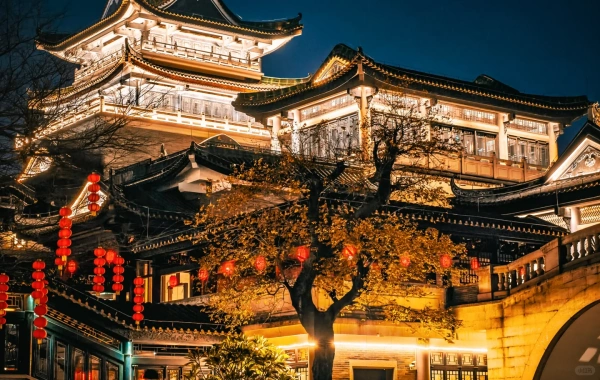
-The atmosphere variation of day and night alternation: Yongqing Square is bright and clear during the day, suitable for carefully observing the architectural details. As night falls, warm yellow lights illuminate the arcades and alleys, and the atmosphere of the neighborhood shifts from mundane fireworks to artistic tranquility. Small shop windows and street performances bring another charm.

Humanistic craftsmanship - traditional adherence and contemporary dialogue. Every building and shop here is a carrier of dialogue between the old and the new.
-A model of building restoration as old as ever:
-Bruce Lee's ancestral home: located in Yongqing Lane, it is a carefully renovated typical Xiguan mansion. Through historical records and technological means, the living scenes of this legendary superstar have been restored, becoming a small museum for understanding the family history of this legendary superstar.
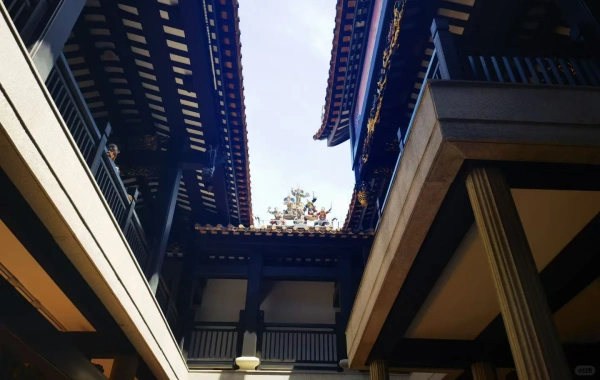
-Republic of China Mansion and Xiguan Mansion: Multiple historical buildings scattered throughout the block, with well restored brick walls, wood carvings, and stained glass windows (Manchurian windows). The exterior continues the traditional style, while the interior is endowed with new functions such as bookstores, exhibition halls, and offices
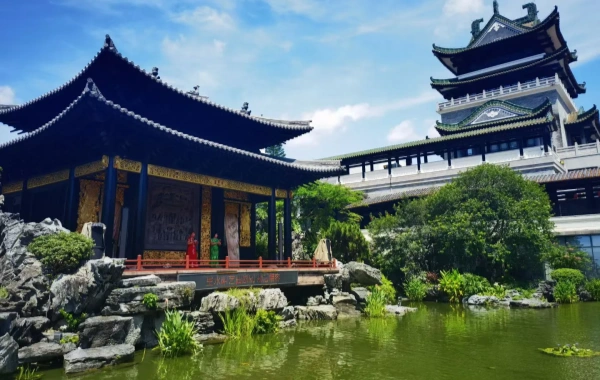
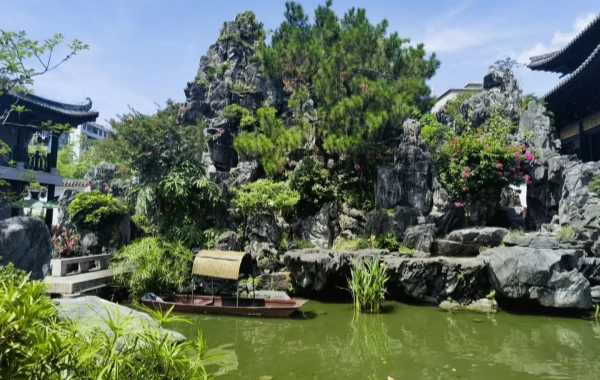
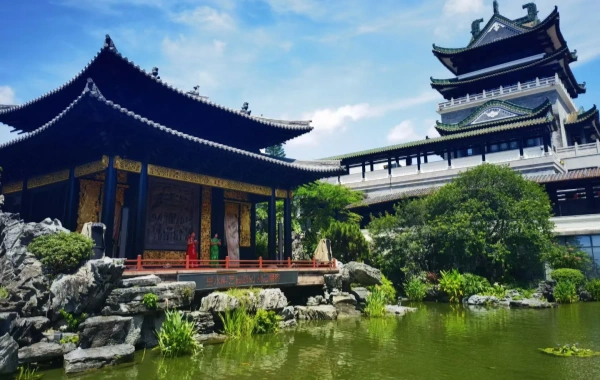
-The finishing touch of cultural landmarks - Cantonese Opera Art Museum: Although newly built, its style is fully integrated into Xiguan. This garden style museum not only introduces Cantonese opera art through its exhibition system, but its Lingnan gardens and water pavilions are also large-scale artworks. Regular Cantonese opera performances are held, making it the best place to experience the elegant culture of Guangzhou.
-Vibrant store that blends old and new:
-Intangible Cultural Heritage Inheritance Station: studios such as Guangcai, olive carving, and costume production allow intangible cultural heritage skills to be visible, learnable, and purchasable.
-Creative Trend Store: Numerous independent designer brands, trendy buying shops, specialty cafes, and bars have settled in, injecting youthful vitality into the ancient neighborhood. Drinking hand brewed coffee in old buildings has become a unique experience here.

>Photography tips:
Classic Street View Camera Position: In the middle section of Enning Road, use the sense of depth of the arcade to capture scenes of people walking or cycling under the corridor.
Humanistic details machine position:
1. In the garden of the Cantonese Opera Art Museum: Using the wok ear wall and moonlight door as frames, capture the landscape of the garden.
2. Bruce Lee's ancestral home in Manchuria: Creating portraits using the light and shadow effects of colored glass.
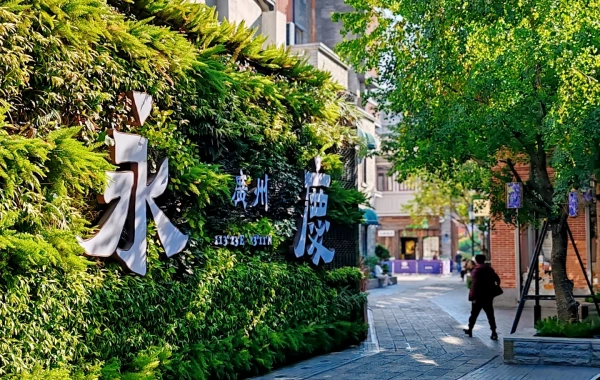
3. Corner of a small alley: Capture the contrast between the old walls covered in green plants and the signs of trendy shops.
4. After the lights are turned on at night: Take pictures of the outline of the arcade and the lively market crowds under warm light.
Special reminder: When using drones, it is necessary to understand local regulations in advance, and some areas may be prohibited from flying.

Core Experience: Immersive Westward Journey Guide

5_副本.webp 6 首_副本.webp 7 首_副本.webp 9_副本.webp

Five Must Do Things to Unlock a Complete Journey to Yongqing Fang
1. Complete a "Arcade Museum" stroll - Route: Starting from the east end of Enning Road, take a walk all the way west. Carefully observe the subtle differences in column, railing, and window lintel decorations of different arcades, and feel the charm of this "open-air architectural history" corridor. Recommend reading the historical introduction signs on the street to learn about the stories behind them.
2. Visiting a Cantonese Opera Temple in a Garden - Deep Experience: Entering the Cantonese Opera Art Museum, not only to see the exhibition, but also to appreciate the beauty of its garden architecture. Checking the performance schedule in advance, it would be an excellent cultural experience to catch a brief Cantonese opera performance at the waterfront stage.
3. Experience a Guangfu intangible cultural heritage skill firsthand - interactive participation: Register for a short experiential course at the intangible cultural heritage studio in the neighborhood. Try carving simple patterns on olive carvings or drawing a stroke on a colorful plate to experience the spirit of craftsmanship and create unique handmade letters.
4. Check in a "New Business in an Old House" - Fun Discovery: Choose one or two trendy shops that have been renovated from Xiguan Mansion, such as independent bookstores hidden in deep alleys, design homestays, or boutique cafes. Consuming and resting inside is itself a process of participating in this' spatial rebirth 'story.
5. Collect a time slice from afternoon to night - key: arrive in the afternoon and leave it until night. When the afternoon sun is slanting, capture the best texture of the building; At dusk, enjoy a Cantonese style dinner at a small restaurant on the street; After the lights come on, feel the transformation of the atmosphere from literary to slightly tipsy in the neighborhood, and experience the complete rhythm of the fusion of old and new.

Suggested tour routes
Half day "essence quick tour" (suitable for people with time constraints):
Arrive at 2pm, enter from the east entrance of Enning Road → take a stroll along the main street, admire the appearance of the arcade, quickly browse the street facing specialty shops (1 hour) → visit Bruce Lee's ancestral home (about 30 minutes) → go to the Cantonese Opera Art Museum, focus on visiting the garden and main exhibition (1.5 hours) → choose a restaurant near the museum or Enning Road for dinner in the evening, then enjoy the night view and leave.
IntoTravelChina tip: This itinerary requires a reasonable planning of the length of stay in the museum, and weekend restaurants may require waiting. It is recommended to pay attention in advance.

One day 'deep roaming' tour (highly recommended):
Morning: Approaching from the direction of Lizhi Bay Scenic Area and experiencing the overall environment of Xiguan. After delving deep into Yongqing Fang, don't rush to shop, focus on exploring the back streets and alleys, looking for interesting architectural details and hidden small shops.
Noon: Enjoy lunch at old or innovative Cantonese restaurants in the neighborhood.
Afternoon: In depth visit to the Cantonese Opera Art Museum, a must see if it coincides with a performance. Then choose an intangible cultural heritage workshop for manual experience (such as Guangcai painting).
Evening to night: Choose a caf é or bar with a terrace or observation deck on Enning Road to have a drink and rest. After dinner, leisurely stroll through the arcade street in the night, feeling the atmosphere that is completely different from the daytime.
Advantages of IntoTravelChina: We can book the most suitable accommodation for you, arrange all activities such as booking intangible cultural heritage experiences and recommending specialty restaurants, and provide detailed block exploration maps and historical background information, allowing you to have a worry free and in-depth experience.

>Professional guide: IntoTravelChina can provide you with a personalized itinerary, including exclusive tour guides, transportation, and activity arrangements, allowing you to have a worry free and in-depth experience. >>[Consult now for customization]

Travel Guide: Transportation, Accommodation, and Seasons

8 首_副本.webp 10_副本.webp

How to arrive
Seamless Connection Guide Yongqing Fang is located in the core of Guangzhou's old city, with direct access by subway, but the surrounding roads are relatively narrow.
-Subway (most recommended):
-From Line 1 and Line 6 to Huangsha Station, take Exit B and walk for about 10 minutes.
-From Line 1 to Changshou Road Station, take Exit D and walk for about 10 minutes.
-Bus: Multiple routes lead to "Enning Road Station", "Huangsha Avenue Station" or "Changshou West Road Station".
-Taxi/ride hailing service: You can directly locate "Yongqing Fang" or "Cantonese Opera Art Museum". But some sections of Enning Road are pedestrian streets or one-way streets, and the boarding and alighting points may require walking for a while.
-Water Bus: You can take a water bus from Xidi Pier and other places to Huangsha Pier, and then walk there for a unique experience.
Important reminder: The interior of the block and Enning Road are mainly pedestrian areas, making self driving parking extremely difficult. Parking spaces in the surrounding parking lots are tight, and it is strongly not recommended to drive there.

Best travel time
Yongqing Fang is suitable for all seasons, but the best time to experience it is from October to April each year, as well as in the afternoons and evenings on weekdays.
-Comfort season in autumn and winter (October April of the following year): The climate in Guangzhou is the coolest and driest, with warm sunshine, making it very suitable for outdoor strolls and exploring the streets and alleys.
-Spring wet season (May June): warm but rainy, humid air, lush plants, with a unique charm. You need to carry rain gear with you.
-Summer hot season (July September): The weather is hot and humid, but the arcade corridors provide shade to escape the heat, and indoor museums and shops have sufficient air conditioning. Suggest arranging indoor activities in the afternoon and outdoor trips in the morning and evening.
-Time selection: Try to avoid the daytime rush hour on weekends and holidays, and choose to go on weekdays or weekends at night for a more comfortable travel experience.

Accommodation Options - Yongqing Fang/Lizhi Bay Area (Immersive Experience):
-Experience: There are a few boutique homestays and design hotels that have been renovated from historical buildings. Staying in the scenic area or adjacent Litchi Bay, you can enjoy the quiet time of morning and night, and deeply experience the living atmosphere of Xiguan.
-Suitable for tourists who pursue unique cultural experiences and hope to fully integrate into the historical environment. The price may be higher and requires a long advance booking.
-Up and down nine/Changshou Road area (convenient choice):
-Experience: There are many traditional commercial areas, economy hotels, and chain hotels to choose from. It takes about 10-15 minutes to walk to Yongqing Fang, with complete living facilities and a wide range of dining options.
-Suitable for: Most tourists who want to balance travel convenience and cost-effectiveness.
-Shamian Island/Cultural Park Area (with both landscape and convenience):
-Experience: Living on Shamian Island, which is full of European style and has a beautiful environment, it is easy to reach Yongqing Fang by subway or walking (about 20 minutes), and you can experience two different historical styles of Guangzhou at the same time.
-Suitable for: Tourists who have high requirements for accommodation environment and plan to visit attractions such as Shamian and Yanjiang West Road in collaboration.

IntoTravelChina accommodation booking recommendations:
The unique accommodations in Yongqing Fang are extremely scarce, and we strongly recommend planning and booking your itinerary at least 1-2 months in advance. By booking through us, not only can you get real-time room availability, but you can also package accommodation, intangible cultural heritage experience reservations, museum tours, and more, often receiving combined discounts. Tell us your budget and requirements, and we will match you with the most suitable 'Xiguan Family'. >>[Click to contact IntoTravelChina travel consultant]

Extended journey: a journey connecting the essence of Guangfu culture

11_副本.webp

The Xiguan style and urban vitality carried by Yongqing Fang can be connected to the natural wonders of China's hot springs and clear mountains and waters to the north. This carefully designed one-day round-trip route allows you to quickly switch to a completely different natural paradise after experiencing the exquisite culture of Guangzhou's old city, experiencing the ultimate contrast and seamless connection from Lingnan Metropolis to Beijiang Gallery.

Urban Cultural Charm+Hot Spring Landscape "Leisure Day Tour: Morning: Departing from Guangzhou, take a car to Qingyuan (about 1.5 hours) - Noon: Taste authentic Qingyuan chicken banquet - Afternoon: Immerse yourself in top hot spring resorts (such as fresh mineral springs and Yingde Baojing Palace tea hot springs), enjoy mountain forest pools - Evening: Return to Guangzhou with ease. This route is a classic and efficient "charging" journey, escaping the hustle and bustle of the city in the morning and completely relaxing in the hot springs of the real mountains and waters in the afternoon. It is very suitable for weekend short vacations or business trips for rest and recuperation. >>View the leisure one-day tour route of "Urban Culture+Hot Spring Landscape"

Join hands with IntoTravelChina and embark on your exclusive journey of exploring Cantonese culture

12_副本.webp

The story of Yongqing Fang is about how a city treats its past gently and creates its future with wisdom. IntoTravelChina is dedicated to creating a deep, personalized, and worry free travel experience in China. Our travel experts can assist you with:
-Tailored itinerary: Design a perfect route that includes Yongqing Fang and Guangfu Cultural Circle based on your interests in architecture, history, intangible cultural heritage, or cuisine.
-One stop service: booking special homestays, intangible cultural heritage master classes, Cantonese opera performance tickets, and exclusive cultural guides.
-Exclusive experience: arranging guided tours by neighborhood planners, visiting non-public historical buildings, exploring Cantonese cuisine in private rooms, etc.

Let your journey to Yongqing Fang not only be about taking photos and checking in, but also a deep dialogue with Guangzhou's urban renewal concept and the humanistic spirit of Xiguan.
>Start planning your journey now
>Welcome to contact our professional travel consultants, we will provide you with exclusive itinerary plans and quotes within 24 hours. >>[Click to contact IntoTravelChina travel consultant]
Recommended Tours

Top 3 tours chosen by most customers to explore in the best way. Check the detailed itinerary, or tailor your own trip now with us.

微信图片_20250626115720.jpg
3-Day Shenzhen-Shantou Tour

A compact Shenzhen-Shantou tour blending tech, Chaoshan cuisine, and coastal island charm.

3 Days  |  Shenzhen-Shantou

清远-古龙峡_副本.webp
6-Day Urban & Natural Tour(Shenzhen-Guangzhou-Qingyuan)

6-day Shenzhen-Guangzhou tour: urban skylines, cultural heritage, and Gulong Gorge rafting.

6 Days  |  Shenzhen - Guangzhou - Qingyuan

What Our Clients Say?

Based on 10,000+ traveler reviews
...
Daniel Dorothea
Canada
Reviewed on April 29,2025
Shopping on Nanjing Road in Shanghai was just amazing! It's truly the "First Commercial Street of China", where tradition and modernity blend perfectly. You can find awesome souvenirs and experience the trendy vibes in cool stores. The neon lights at night are just spectacular, shining bright like Times Square in New York. The food here is incredible too. I had a feast for my taste buds. Shanghai, I'll definitely be back!
Destination(s): Shanghai
Date of Experience: May 08,2024
...
...
Elvis Eva
Canada
Reviewed on June 20,2025
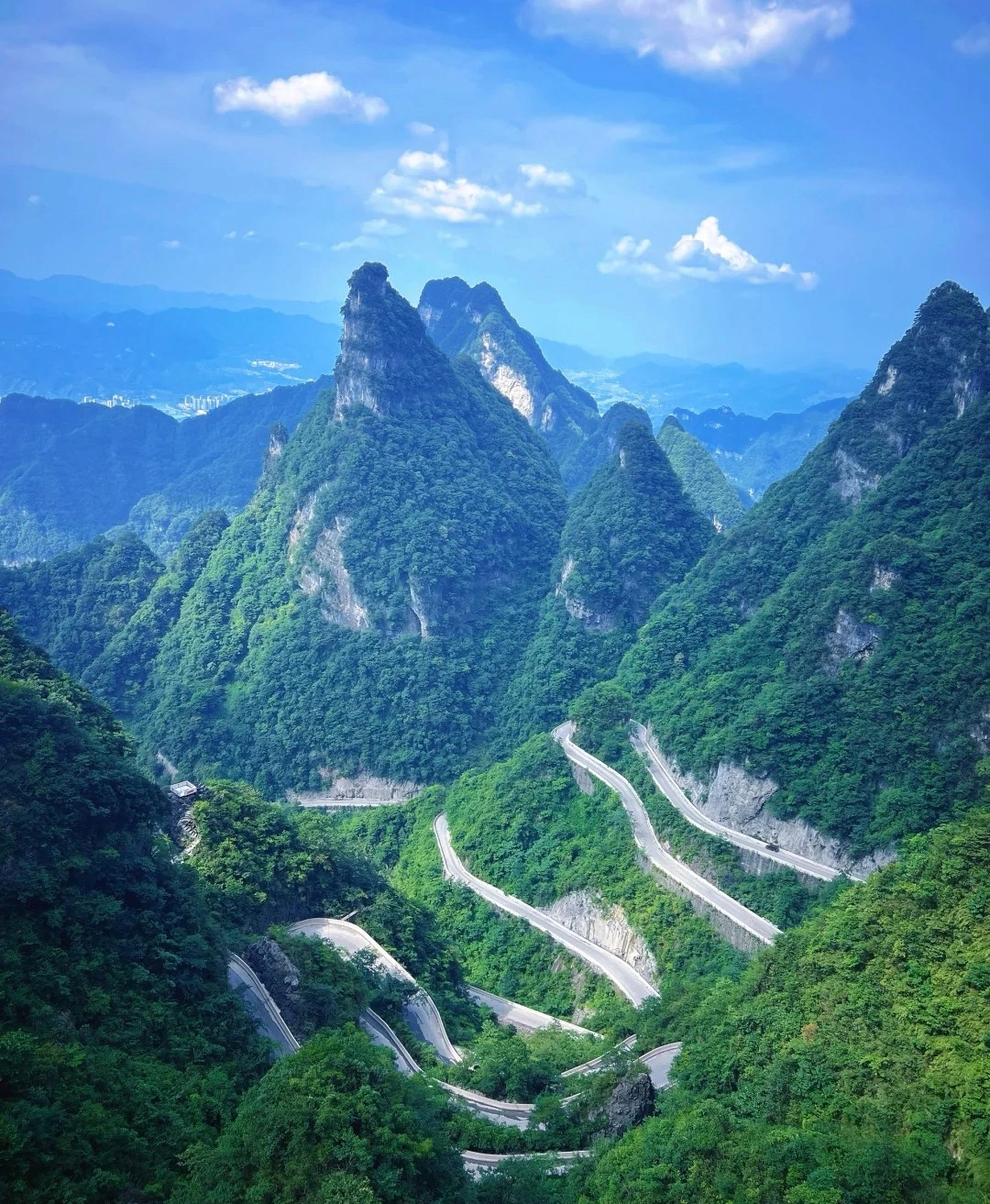
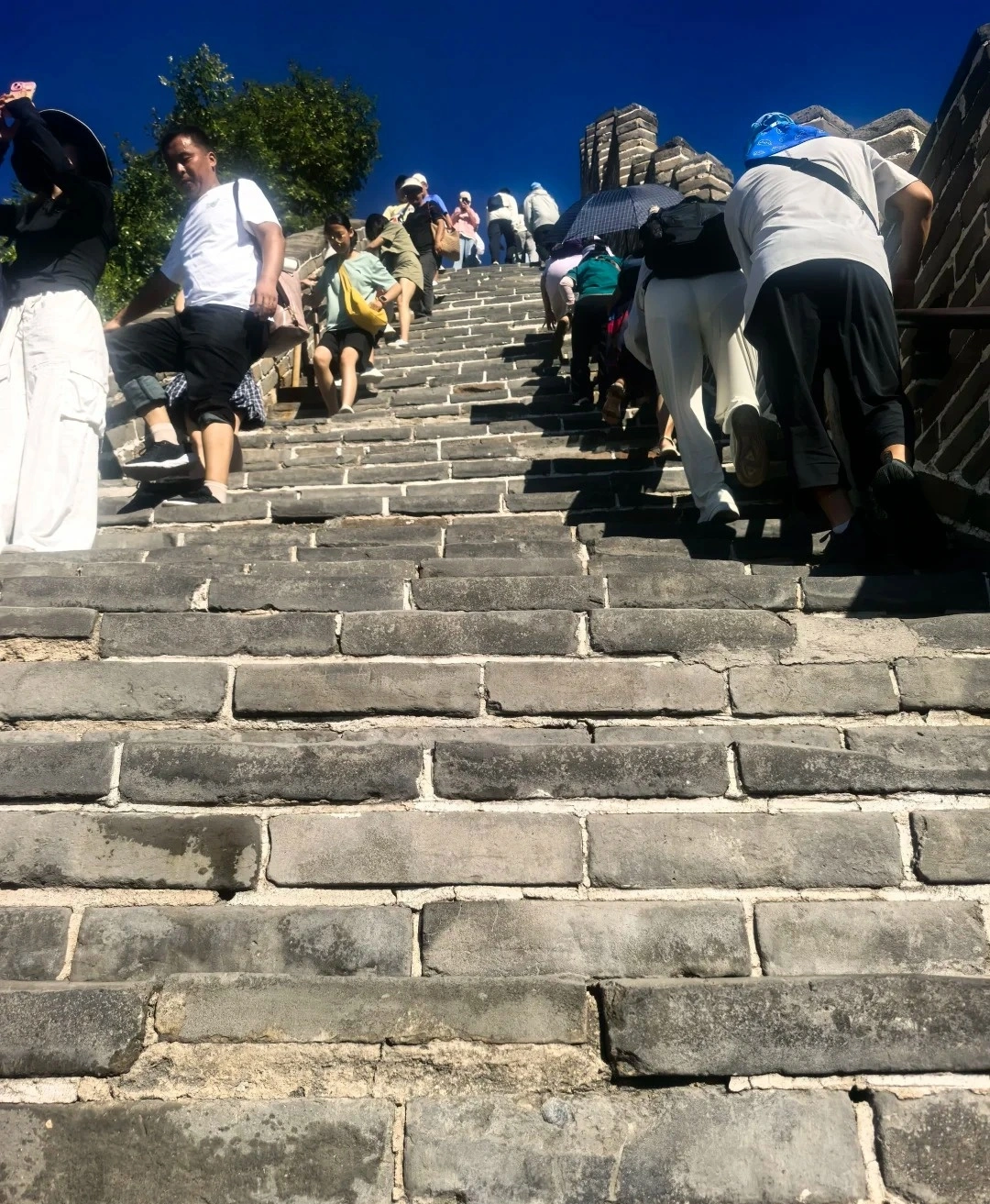
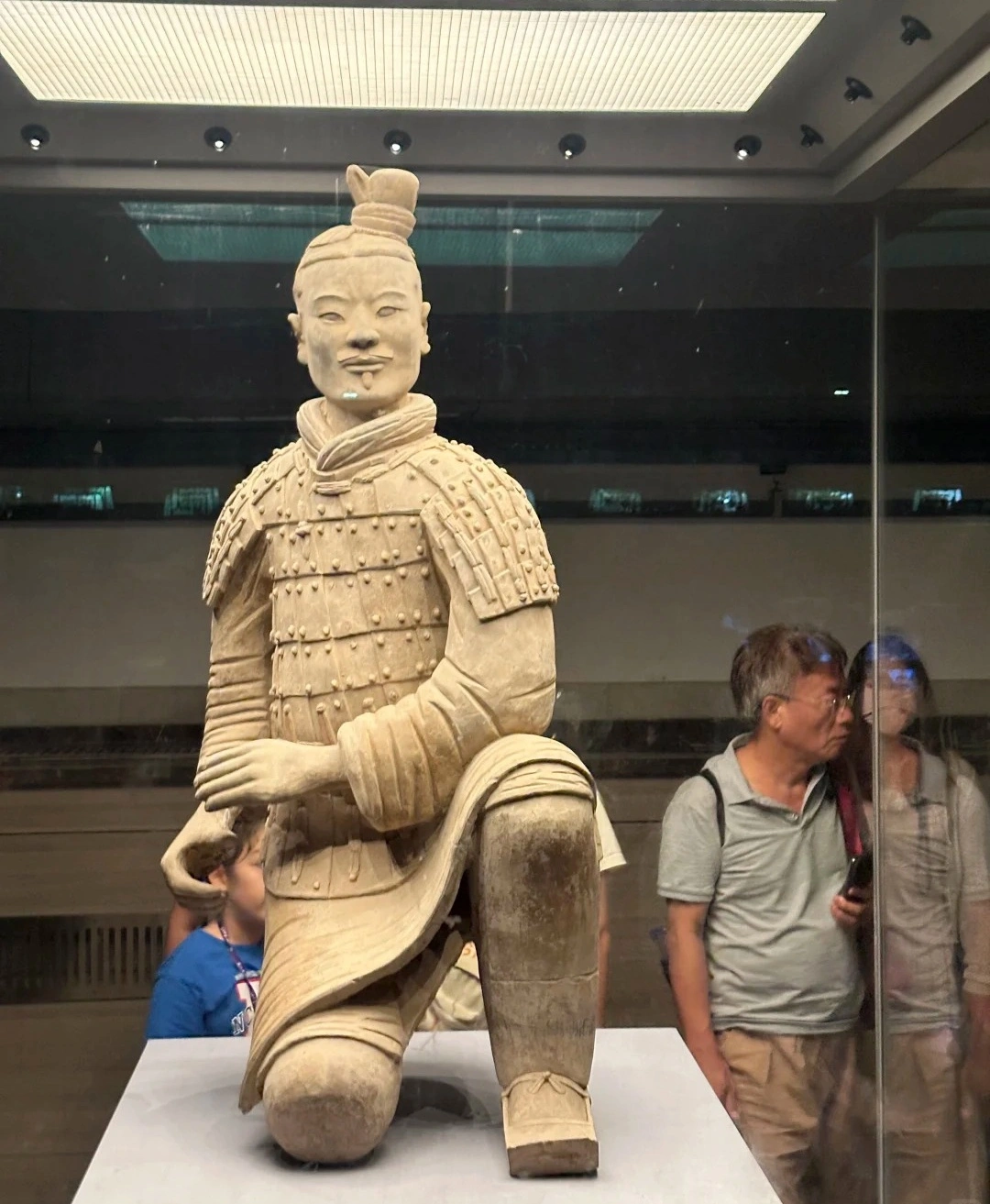
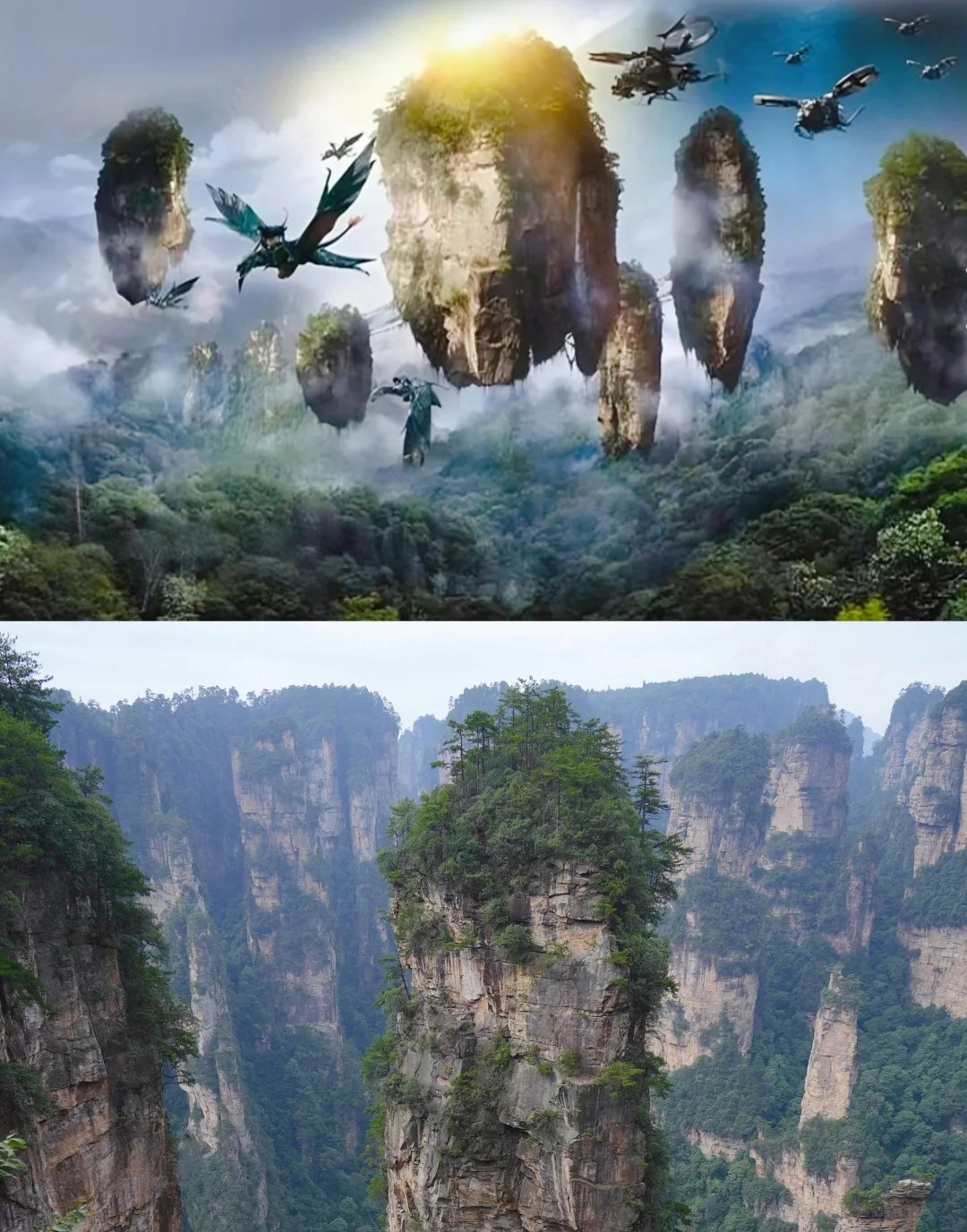
As a solo traveler from Canada, I was nervous about navigating China alone—but this 11-day tour was PERFECT! From hiking the Great Wall at sunrise (Day 3) to gasping at the Terracotta Army (Day 5), every day delivered ‘pinch-me’ moments. The real showstopper? Zhangjiajie’s Avatar Mountains (Day 7)! Our guide made the stone pillars come alive with stories. Massive thanks for handling all logistics—bullet train tickets, entry passes, car! And the 4-star hotels surprised me.
Destination(s): Beijing Xian Zhangjiajie Shanghai
Date of Experience: June 02,2025
... ... ...
...
Simon
America
Reviewed on May 29,2025
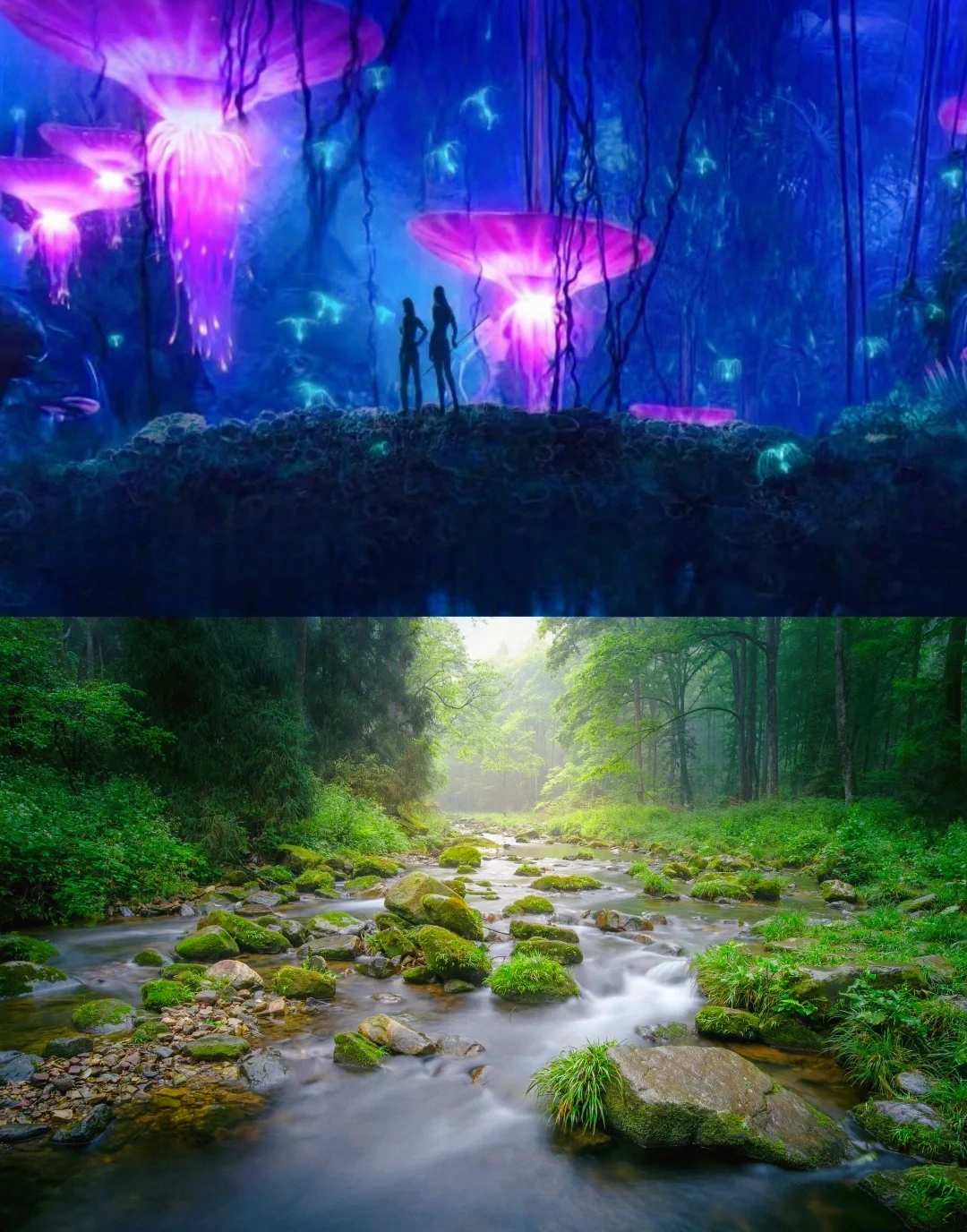
Our 2-day Zhangjiajie tour was beyond spectacular! As someone who’s visited Beijing and Shanghai for work, this trip revealed China’s wild, magical heart. Day 1 in Zhangjiajie National Forest Park felt like stepping onto Pandora—I’m a huge Avatar fan, and Yuanjiajie’s floating peaks left me breathless. The misty pillars and lush valleys like pure movie magic! Then came Fenghuang Ancient Town, we eat dinner beside the thundering waterfall. It seems Unreal! The night views of stilt houses glowing over the river were straight from a fairy tale. For fellow Avatar lovers and adventure seekers: Don’t miss this bucket-list experience! 10/10 would return. A Well-Traveled Film Buff, May 2025
Destination(s): Zhangjiajie
Date of Experience: May 08,2025
... ...

FAQ

What is Yongqingfang?

It's Guangzhou's flagship of "micro-renovation"-not a rebuilt theme street, but a genuinely lived-in neighborhood given new life. Around 7,600 square meters on Enning Road, it keeps the original arcades, bluestone alleys, and residents while adding studios, cafés, and a Cantonese Opera museum. The 1931-built Enning Road is often called Guangzhou's most beautiful arcade street. Reviewers describe it as historic architecture meeting trendy cafés and creative spaces.

Should I visit Yongqingfang or Foshan's Lingnan Tiandi?

Both, if you're in the region, but they're distinct. Lingnan Tiandi is Foshan's larger, more polished heritage district centered on the Ancestral Temple and its wok-ear mansions; Yongqingfang is Guangzhou's smaller, grittier-feeling Xiguan quarter, more alley-focused and pedestrian in scale. If you're short on time, pick based on your base city. For anyone comparing them, Yongqingfang feels more organic and less stage-managed, which many travelers prefer.

What should we eat and do here?

Eat your way through the arcades and alleys with Cantonese classics-double-skin milk, wonton noodles, and rice rolls-though the district's strength is strolling and browsing rather than fine dining. For activities, join a short intangible-heritage workshop (try Guangcai painting or olive carving), browse the independent bookstores and design shops tucked in lanes, and grab hand-brewed coffee in a restored mansion. It's a gentle, experiential visit rather than a sightseeing sprint.

When should we go, and how long should we stay?

Arrive in the afternoon and stay into the evening-that's the district's magic rhythm. Afternoon gives you slanting light on the brick and arcade details; dusk brings Cantonese dinner options; after dark, warm lights transform the lanes into something quieter and more atmospheric. Give it half a day to a full day. The best weather runs roughly October to April, and weekday afternoons or weekend evenings are less crowded than weekend daytime.

Is it good for families, and where should we stay?

Yes-family-friendly and walkable, with the museum's garden giving kids room to roam and the alleys easy to explore. For accommodation, the Yongqingfang or Litchi Bay area offers boutique stays in historic buildings (pricier, book well ahead); Shangxiajiu or Changshou Road nearby balances convenience and value; Shamian Island is a charming, scenic option about 20 minutes away. Our four-star-standard hotels include breakfast, children's extra beds are usually available, and class can be adjusted to budget.

Ask us before you decide.

Unsure about a route, departure date or room option? Tell us what is holding up your plans. You will get a clear answer from our China-based travel team—no booking required.

Real people, practical answers.A travel advisor replies within 24 hours.

Thanks—this preview has captured your question.