Chengdu Twin Towers: Location, Night View, Best Photo Spots and Travel Tips

Chengdu Twin Towers: Location, Night View, Best Photo Spots and Travel Tips
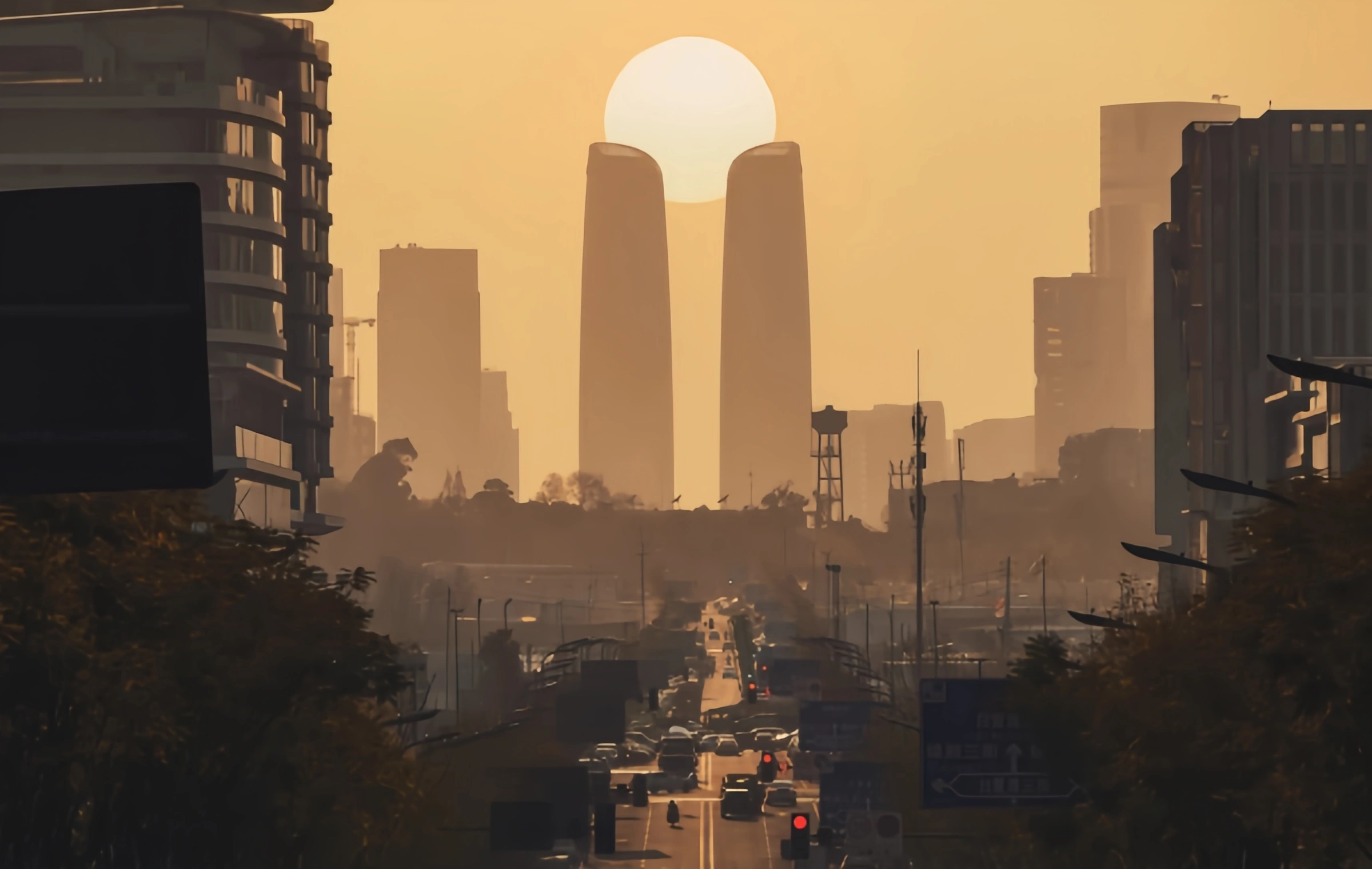
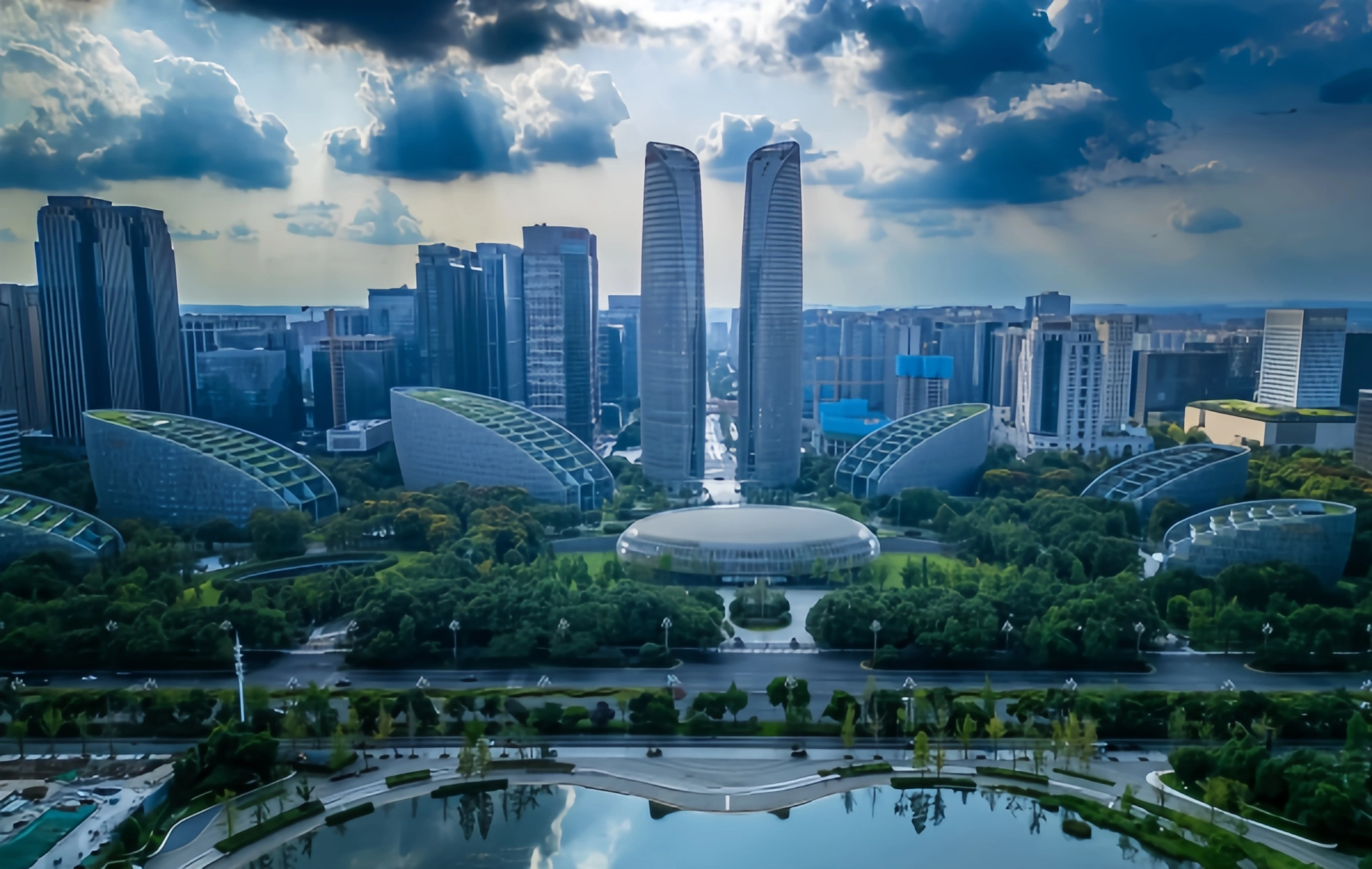
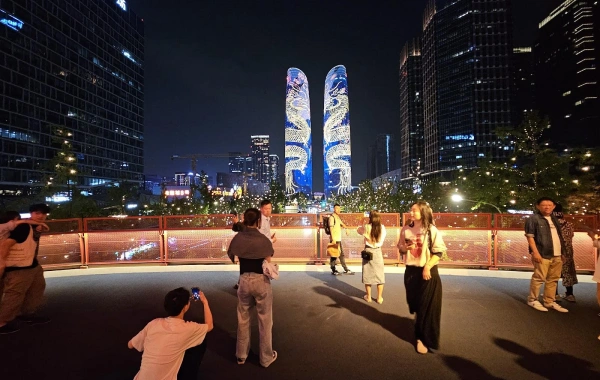
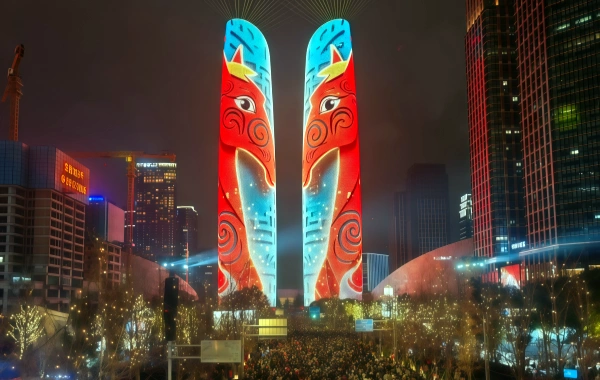
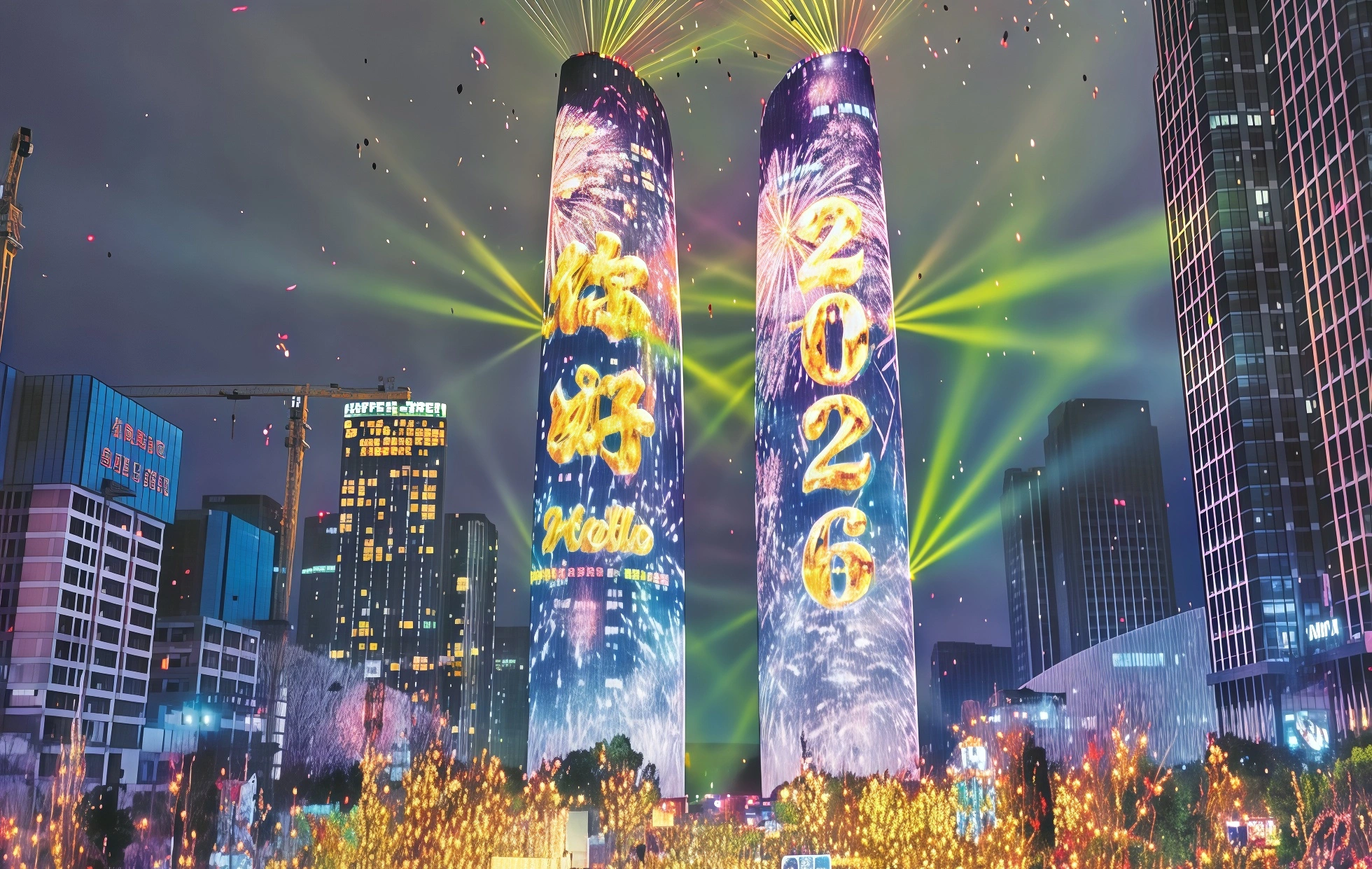
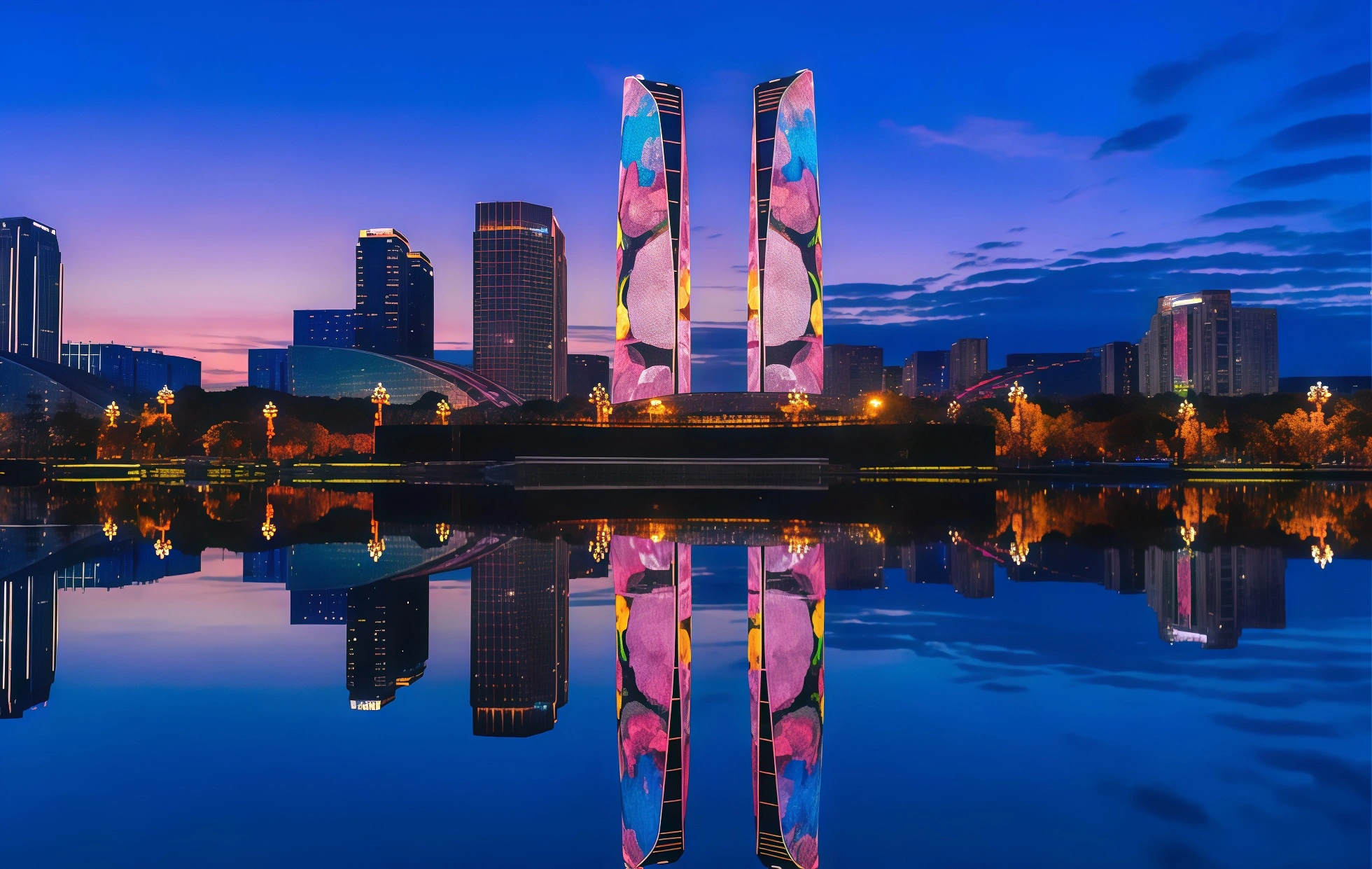
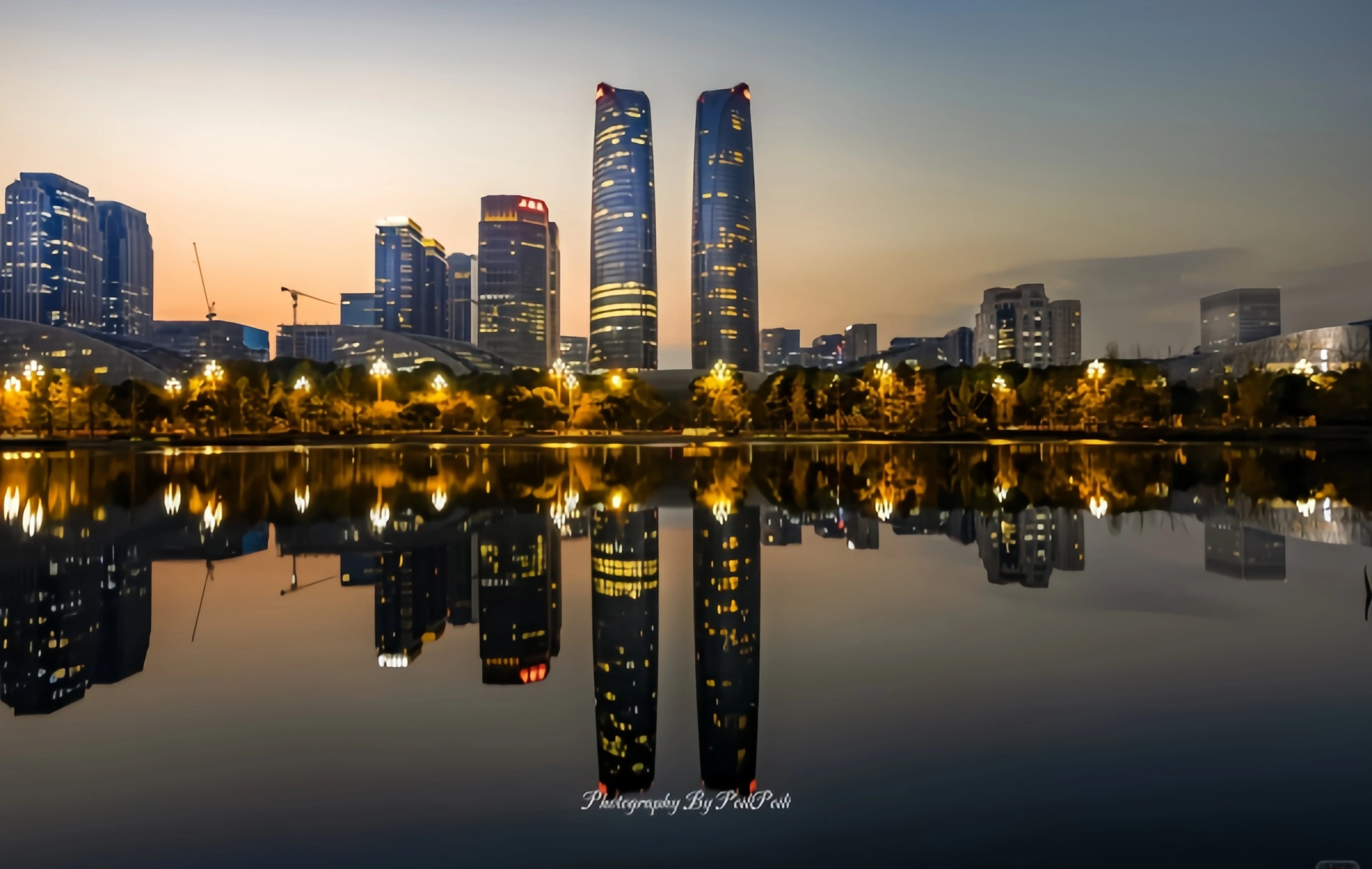
Overview: The Twin Towers of Chengdu Financial City, also known as the Tianfu Twin Towers, stand at the core of Jiaozhi Avenue in Chengdu High tech Zone. These two 220 meter tall skyscrapers are not only modern totems of Chengdu’s “most beautiful skyline”, but also a giant “city screen” with a total area of 52000 square meters. It transforms cold buildings into warm media, connecting the ordinary wishes of thousands of households.

Quick overview of core highlights

Identity tags: Chengdu’s Most Beautiful Skyline/Mega City Light and Shadow Curtain/Jiaozi Business District Core Landmark

Core experience: Dreamy light show, New Year’s wish projection, Jiaozi Park reflection photography, fashionable shopping district stroll

Suggested tour: Half day to one day, strongly recommended during the night light show period (usually 19:30-22:00)

Address: No. 966, North Section of Tianfu Avenue, High tech Zone, Chengdu City, Sichuan Province
  • Chengdu Twin Towers: Location, Night View, Best Photo Spots and Travel Tips-1
  • Chengdu Twin Towers: Location, Night View, Best Photo Spots and Travel Tips-2
  • Chengdu Twin Towers: Location, Night View, Best Photo Spots and Travel Tips-3
  • Chengdu Twin Towers: Location, Night View, Best Photo Spots and Travel Tips-4

What Makes the Chengdu Twin Towers Stand Out?

Furong Ancient Town Furong Ancient Town Furong Ancient Town

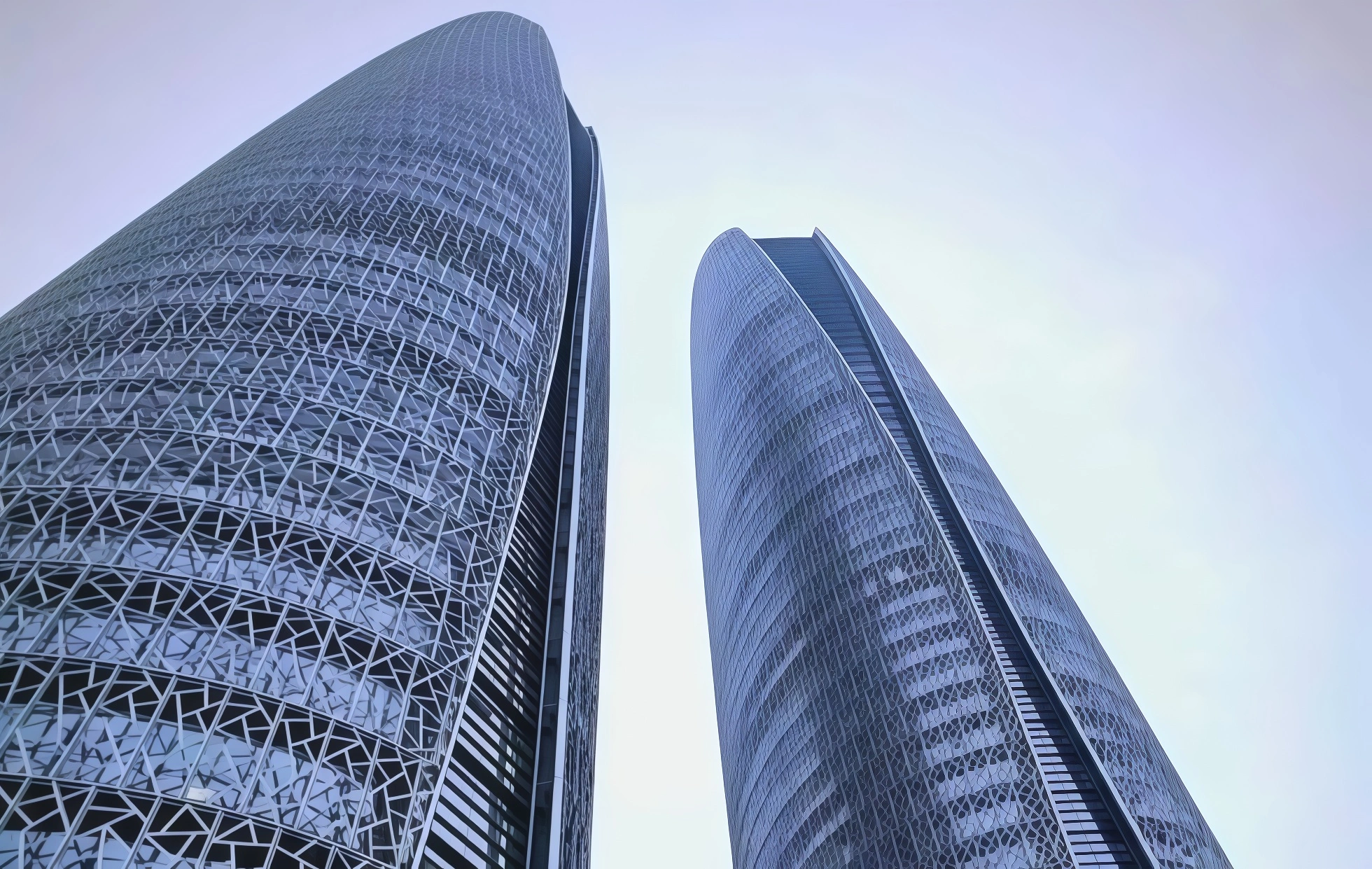
At 220 metres each, the Chengdu Twin Towers — officially the Chengdu Greenland Centre Tower Complex — are not particularly tall by global standards. What sets them apart is the double-skin facade. The outer layer is a glass curtain wall that reduces solar heat gain, while the inner layer features an “ice-flower” patterned aluminium alloy mesh that allows natural ventilation through the building. The geometry combines ellipsoid and cylindrical surfaces; the architects at KPF described the silhouette as “flowing Shu brocade clouds,” a reference to Sichuan’s thousand-year silk-weaving tradition.

The street they stand on, Jiaozi Avenue, is named after the world’s first paper currency, invented in Chengdu during the Northern Song Dynasty (1024 CE). That historical connection is deliberate. The towers rise at the centre of Chengdu’s Financial City, a district designed to anchor western China’s financial services sector. By mid-2026, the complex houses Grade-A offices, luxury apartments, and retail that serves the surrounding Jiaozi business district. For a detailed breakdown of the architectural specifications and construction timeline, the Baidu Baike entry remains the most complete public source.

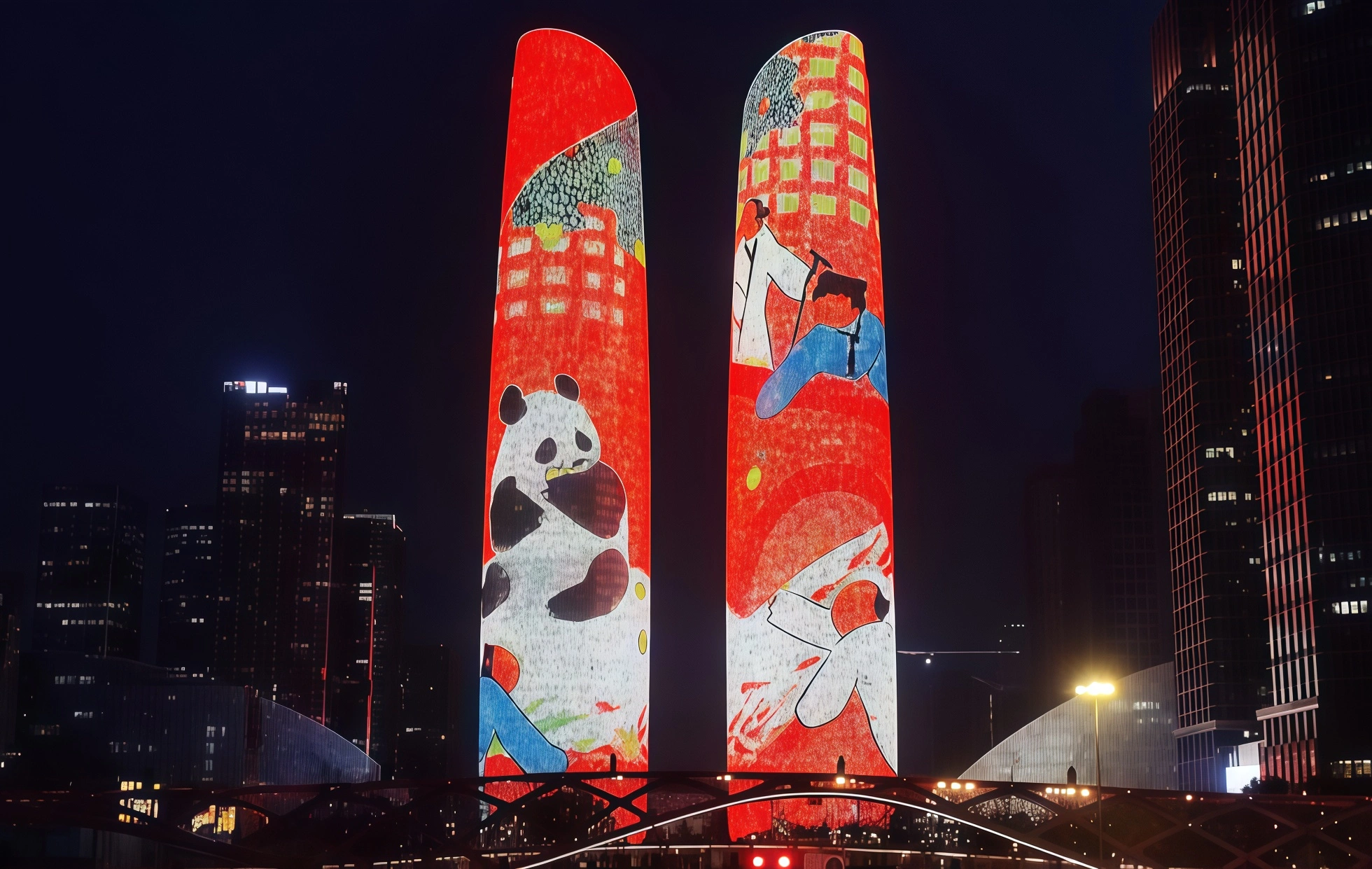
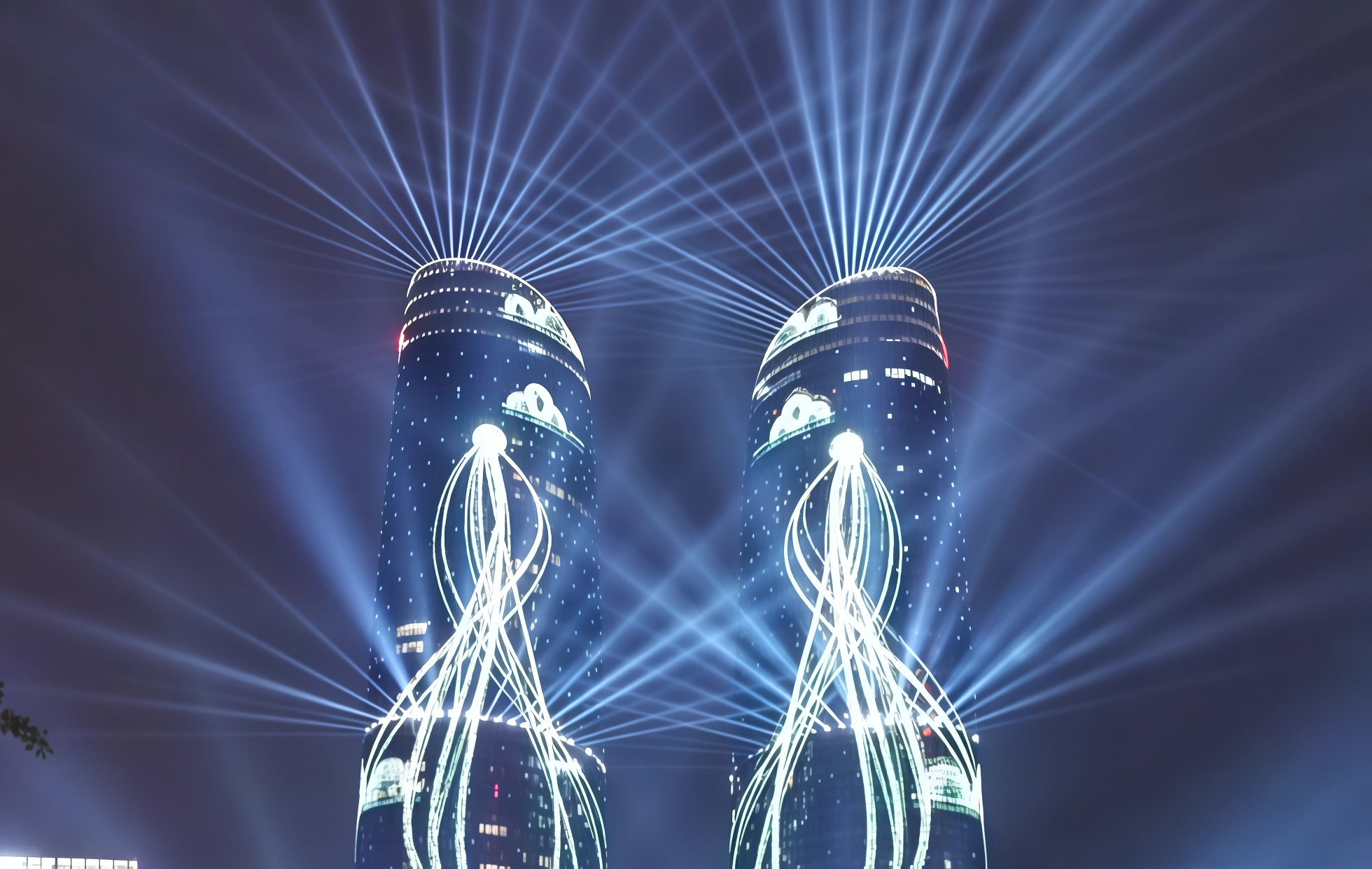
After dark, the towers transform. Their facades carry 162,000 metres of custom LED strips — a combined display area of 52,000 square metres, among the largest urban LED canvases in China. It is this nightly transformation that draws most visitors, and it raises the obvious question: is the show actually worth planning your evening around?

For a full breakdown of the towers' architectural specifications and construction history, see the Chengdu Financial City Twin Towers entry on Baidu Baike.

Subway, Taxi or Didi – The Best Way to Get There in 2026

Furong Ancient Town Furong Ancient Town

Chengdu’s population has passed 21 million, so traffic is a genuine concern. My advice is simple: take the metro. Line 1 runs directly to Financial City station; from Exit C, the towers are a five-minute walk across Jiaozi Avenue. The ride from Tianfu Square in the city centre takes about 20 minutes and costs around ¥5. I have made this trip at least a dozen times across different seasons, and the metro has never let me down — even on Friday evenings when road traffic in the High-Tech Zone comes to a standstill. The official Chengdu Metro website provides English-language maps and service updates for real-time planning.

A taxi or Didi from Chunxi Road typically costs ¥30–50 and takes 25–40 minutes depending on traffic. From Chengdu Tianfu International Airport (TFU), expect a 50–60 minute ride costing around ¥120–150. The airport opened in 2021 and has changed how travellers approach Chengdu — I find it more convenient for southern routes than the older Shuangliu airport.

One honest caveat: weekend evenings near Financial City station can be crowded, with queues forming at the ticket machines around 19:00. Loading a QR-code transit pass on your phone beforehand saves time. For local transit updates and event notices in Chinese, cd.bendibao.com is a useful reference.

For real-time routes and timetables, visit the official Chengdu Metro website.

Is the Night Light Show Worth the Hype? A First-Hand Assessment

Furong Ancient Town Furong Ancient Town

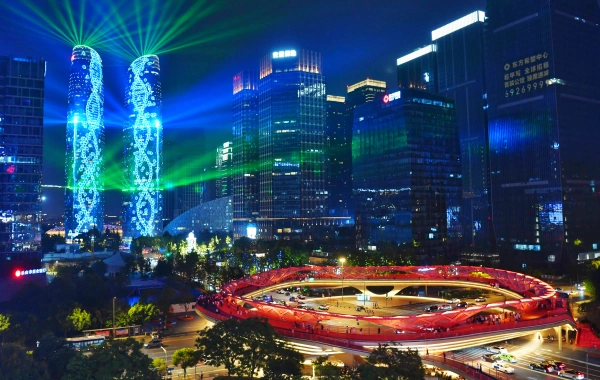
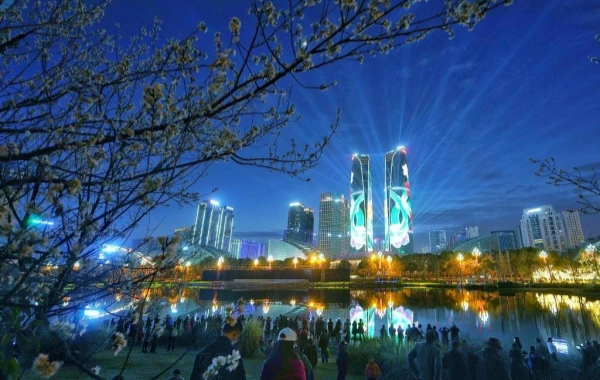
Yes — with one qualification. The show runs nightly from approximately 19:30 to 22:00, and access to the public plaza and Jiaozi Park is completely free. No tickets, no reservations, no turnstiles. I have watched the full cycle on six evenings across spring, summer and autumn, and the experience genuinely improves in warmer months because you can sit on the grass rather than stand on pavement. Summer visitors get the best deal: the later sunset means the blue-hour transition (roughly 19:45–20:15 in July) aligns perfectly with the beginning of the show.

The content rotates. One sequence features Sanxingdui bronzes — the golden sun-bird and the towering bronze masks from the 12th century BC — flowing across both towers as though the artefacts have come to life. Another segment turns the buildings into a digital waterfall. Is every frame stunning? No. Some transitions feel recycled, and on hazy nights the LED light scatters, reducing image sharpness. But the sheer scale of the display, spanning two 220-metre towers simultaneously, creates an effect that photographs cannot fully convey.

If you are choosing between this and a paid evening activity in Chengdu, pick this one. It is free, accessible, and genuinely unique to the city. The Chengdu government portal publishes holiday schedules and special event announcements throughout the year.

Professional guide: IntoTravelChina can provide you with a personalized itinerary, including exclusive tour guides, transportation, and activity arrangements, allowing you to have a worry free and in-depth experience. >>Consult now for customization

What I Learned From Photographing the Towers at Night

Furong Ancient Town Furong Ancient Town Furong Ancient Town

I have shot the Twin Towers on perhaps ten occasions, and I made every beginner mistake in the first two visits. So here is what I wish someone had told me upfront.

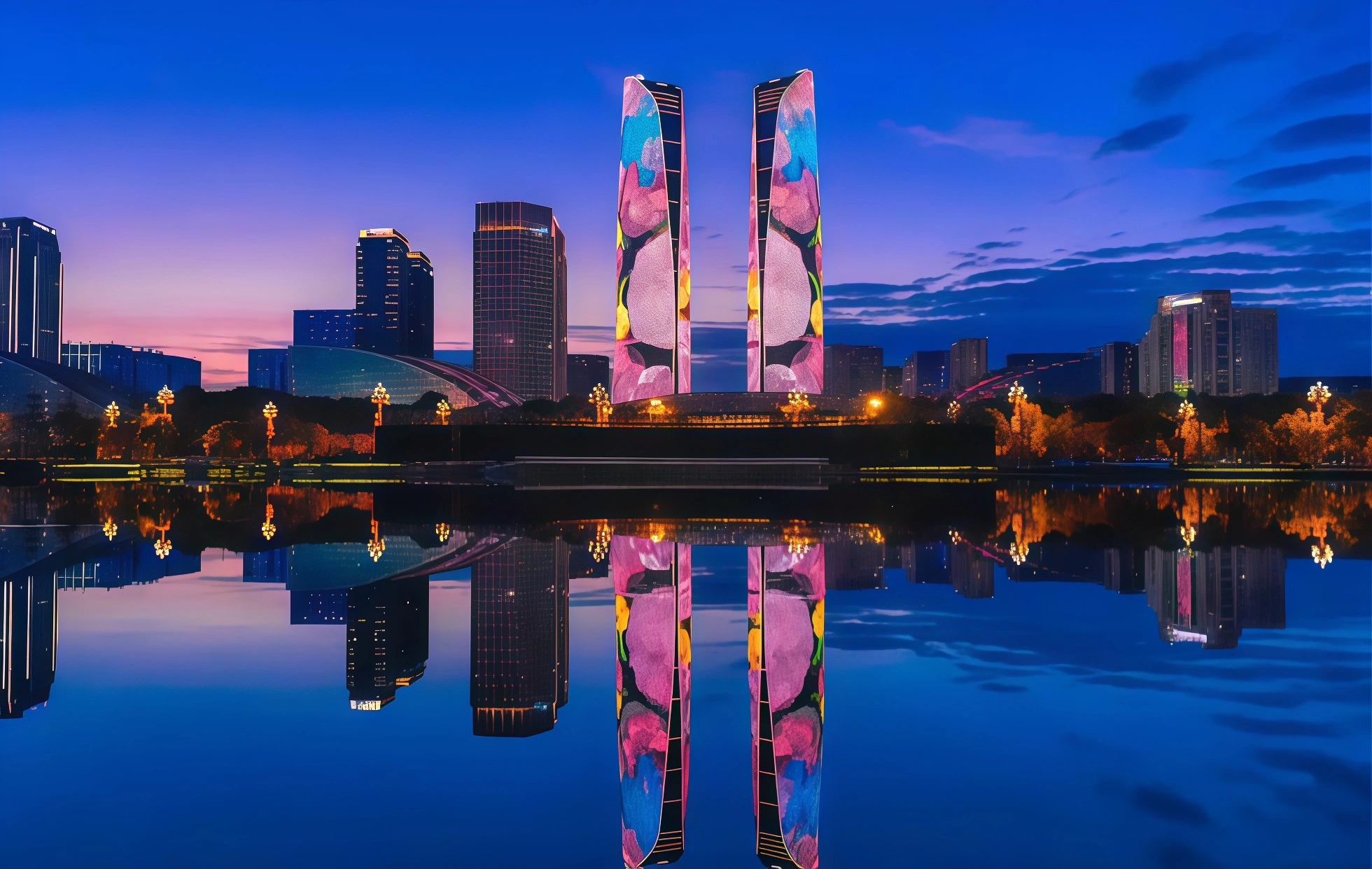
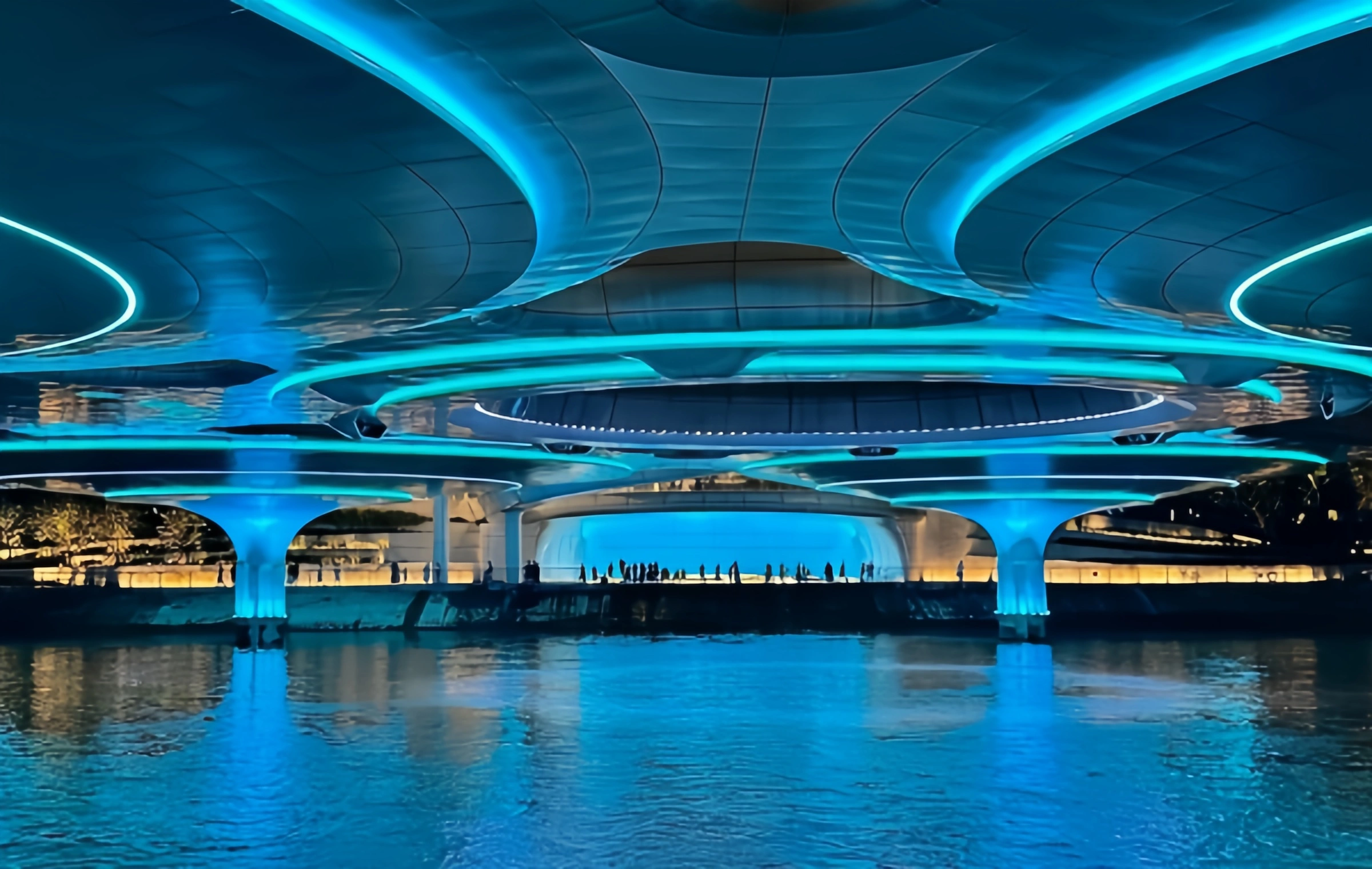
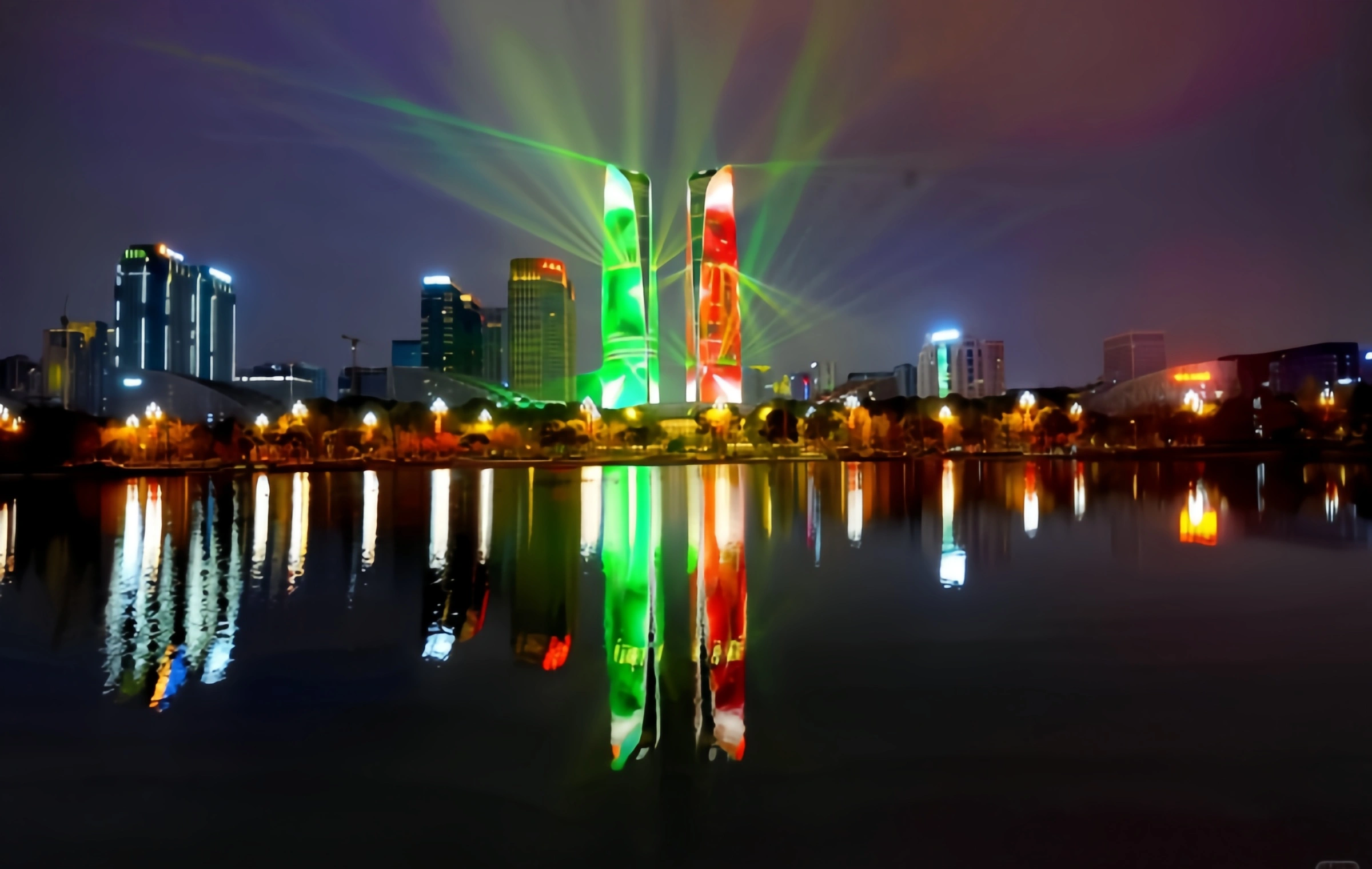
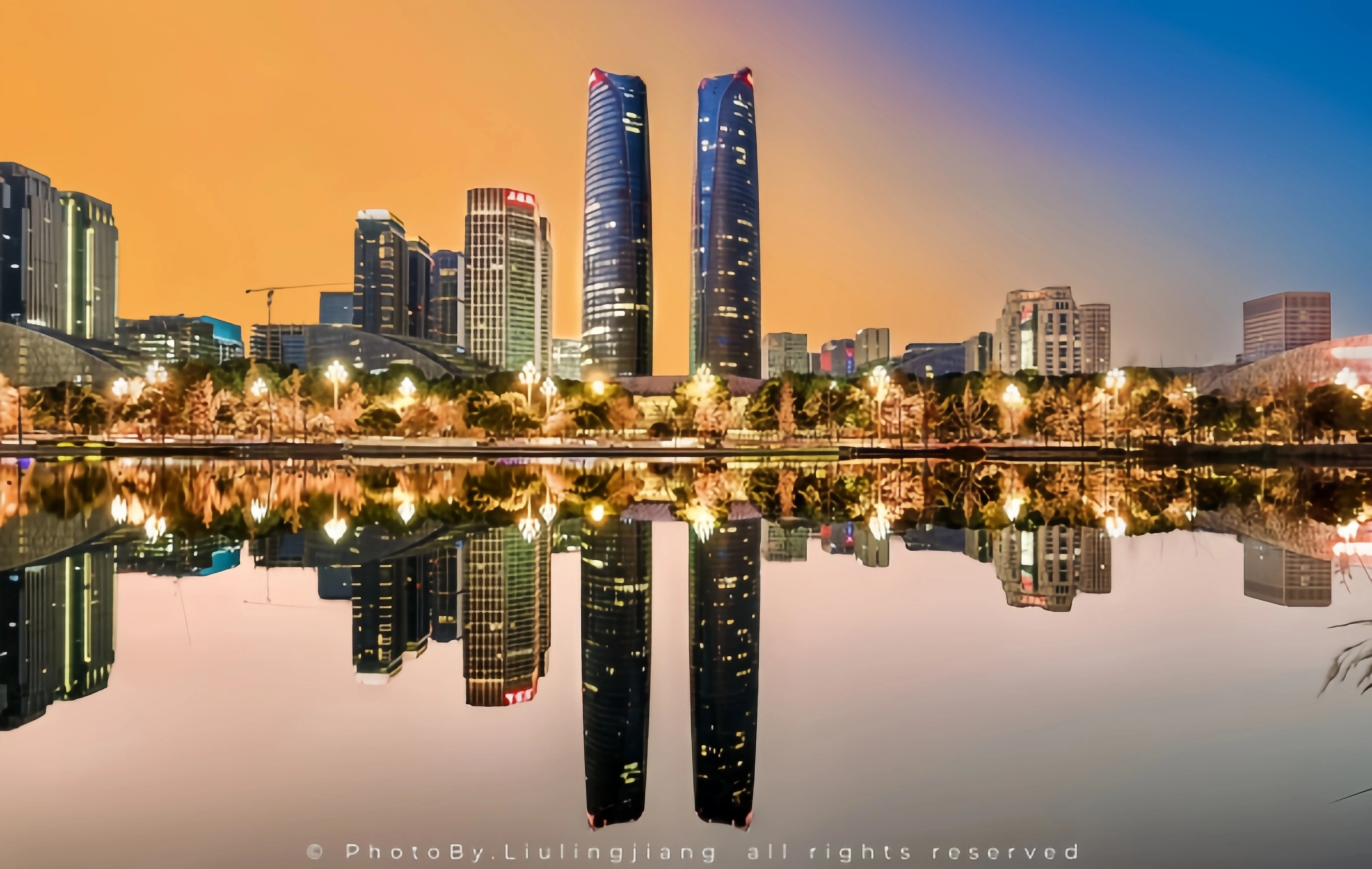
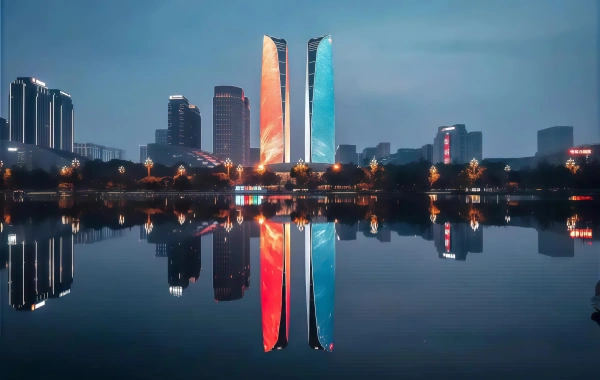
Arrive at Jiaozi Park by 18:30 in summer, or 17:30 in winter. The blue hour — that 30-minute window after sunset when the sky turns deep indigo — is the only time worth shooting the reflection in the lake. Once the sky goes fully black, the water simply mirrors darkness. A tripod is essential; I use a lightweight travel tripod at ISO 100 with a shutter speed of two to four seconds. The vehicle light trails on Jiaozi Avenue, captured with a slow shutter from the red “Jiaozi Ring” pedestrian bridge, add motion contrast against the static towers.

The best vantage point is not directly in front. Walk to the southwest corner of Jiaozi Park’s lake. From there, both towers reflect symmetrically in the water, and the red ring bridge frames the foreground naturally. I learned this the hard way after my first session produced dozens of tight, symmetrical shots that all looked identical.

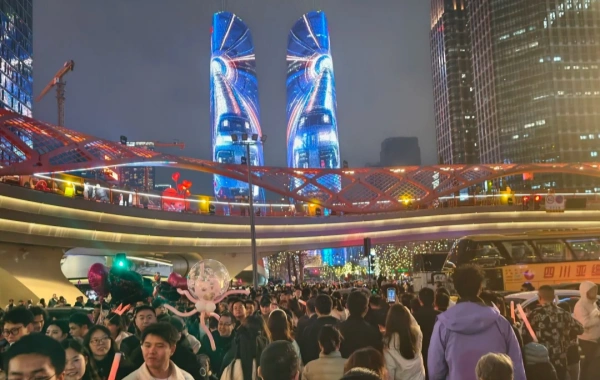
An honest practical note: weekday evenings draw significantly smaller crowds. Tuesday through Thursday, the plaza feels spacious; Friday and Saturday, you will compete for reflection spots with large groups. Plan accordingly.

Suggested itinerary planning for IntoTravelChina:
If you want to combine the Twin Towers with classic scenic spots such as the Chengdu Giant Panda Base, Dujiangyan Irrigation Project, Kuanzhai Alley, and avoid the trouble of traffic and queuing, we can customize your exclusive itinerary. Whether it's a half day deep tour or a multi day joint tour, we can arrange it properly to make your journey easy and fulfilling. >>Click to contact IntoTravelChina travel consultant

The Neighbourhood’s Best Surprise: Where the Towers Meet Old Chengdu

Furong Ancient Town Furong Ancient Town

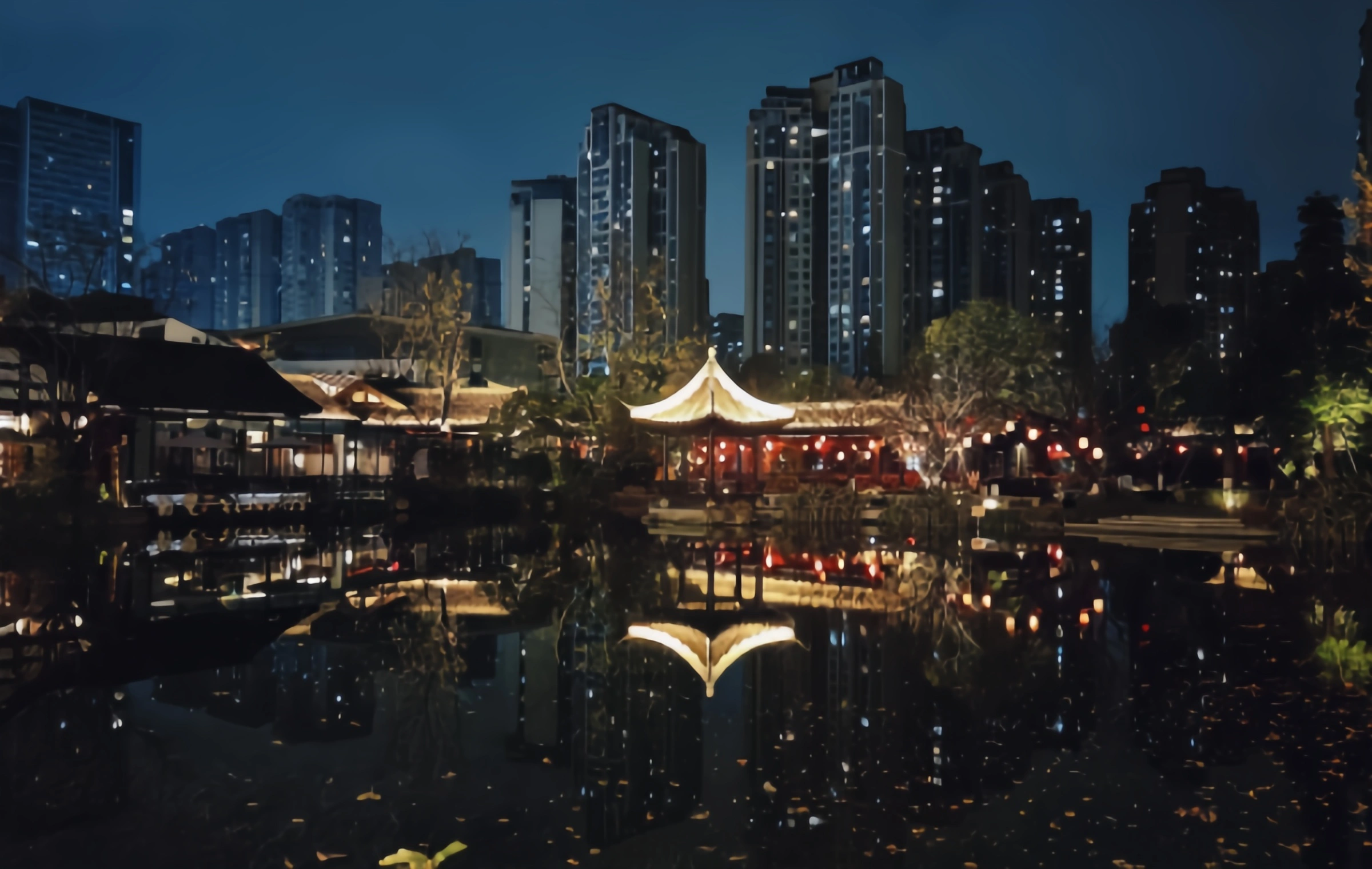
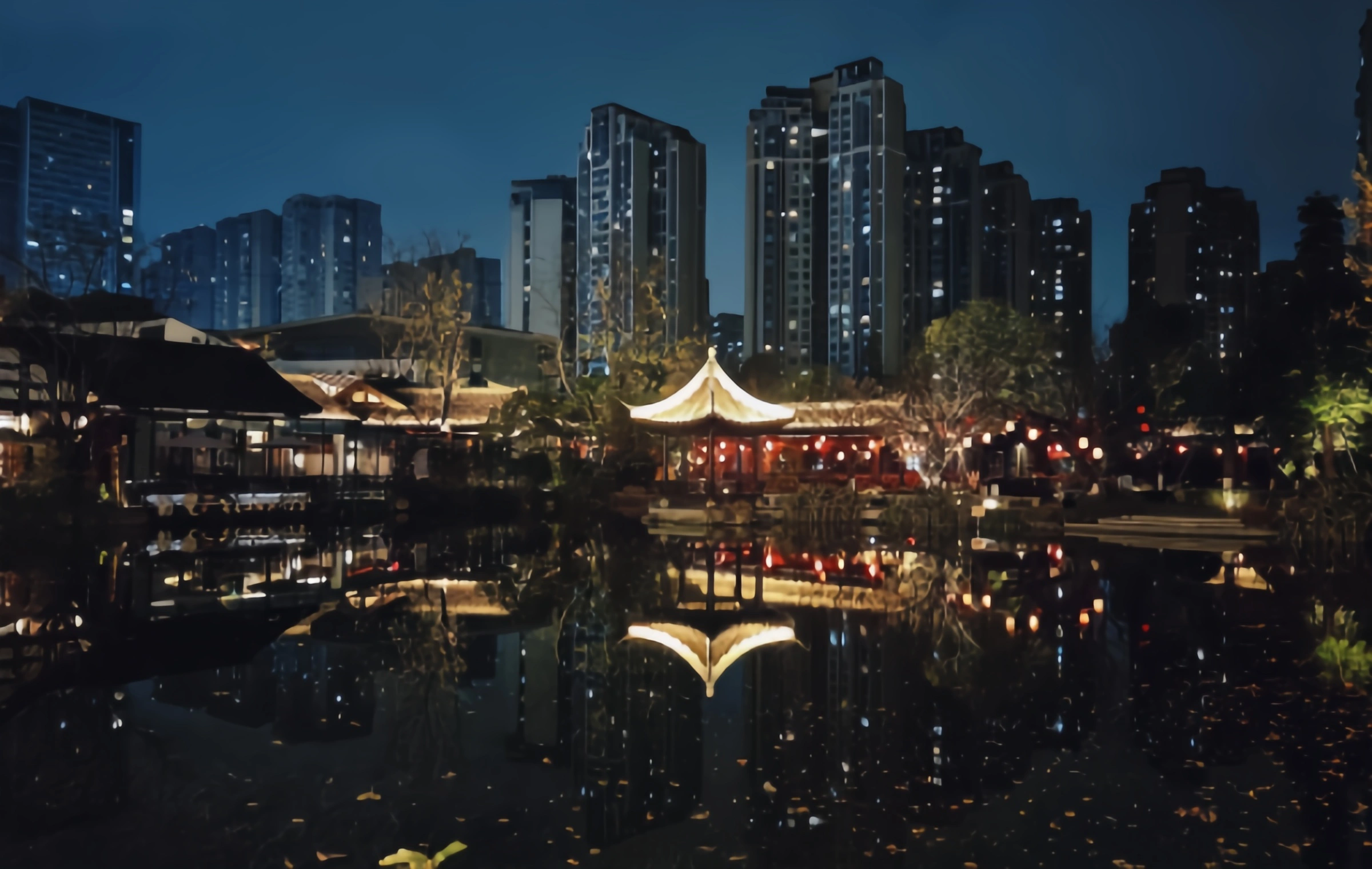
What caught me off guard during my first visit was how close the traditional city lives to this ultra-modern skyline. A ten-minute walk west from the Twin Towers brings you to Tiexiang Temple Water Street — a restored canal-side lane with Qing Dynasty architecture, lantern-lit teahouses, and family-run restaurants serving dan dan noodles and boiled fish. The contrast is jarring in the best possible way. One moment you are standing beneath a 220-metre LED screen; the next, you are sipping covered-bowl tea in a courtyard that has operated as a teahouse since the late 19th century.

I now include this walk in every itinerary I recommend to guests. It solves the practical problem of what to do after the light show ends. Most visitors linger at the plaza for ten minutes after the lights stop, then leave. They miss the point. The real value of visiting the Twin Towers is experiencing how Chengdu layers its identities — ancient, socialist-modernist, and hyper-contemporary — within a single square kilometre. The Google Maps link marks both the towers and the water street, so you can plot your walk before you arrive.

To view the precise location on a map, visit: google map


What’s Overrated Near the Twin Towers (and My Alternative)

Furong Ancient Town Furong Ancient Town

The Chengdu SKP, connected to the Jiaozi business district, is frequently described as an essential luxury shopping stop. I disagree — unless your primary goal in Chengdu is to browse international brands you could find in any global city.

My alternative: walk in the opposite direction, toward Zhuojin Park — a Tang Dynasty heritage garden about 1.5 kilometres from the towers. It is quieter, greener, and historically significant as the former residence of the Tang poet Xue Tao. The park charges a modest entry fee (around ¥20) and closes earlier than the towers, so visit in the late afternoon before heading to the light show. The route between them passes through residential Chengdu — small eateries, mahjong parlours, bird-cage shops — which offers a more genuine slice of city life than any luxury retail floor.



To be fair, the area does have good dining. The restaurants along Tiexiang Temple Water Street, particularly those specialising in Sichuan river fish, are genuinely worth the walk and the wallet.

If you want to go beyond the Twin Towers and explore all of Chengdu's charms—the Panda Base, Dujiangyan, Kuanzhai Alley, or even multi-day western Sichuan road trips to Mount Siguniang or Yading—IntoTravelChina offers personalized itineraries with local guides, transportation, and insider resources. >> Plan your personalized Chengdu itinerary

Explore Chengdu with IntoTravelChina

Furong Ancient Town Furong Ancient Town

If you want to visit the Twin Towers alongside Chengdu’s other defining experiences — the Giant Panda Base, Dujiangyan Irrigation System, Kuanzhai Alley, or multi-day trips into western Sichuan — IntoTravelChina offers custom itineraries with local guides, transport coordination, and insider knowledge. Our team has been organising Chengdu travel for over a decade, and we understand the practical details that make a real difference: which entrance avoids the longest queue, what time to arrive at the Panda Base before the animals retreat indoors, and where to eat near the towers without paying tourist mark-ups. Contact our travel advisor to design an itinerary that matches your schedule and interests.

Contact our travel advisor to receive an exclusive Chengdu itinerary >>

Recommended Tours

Top 3 tours chosen by most customers to explore in the best way. Check the detailed itinerary, or tailor your own trip now with us.

Zhangjiajie Tour
Lijiang Shangrila Chengdu 7-Day Tour
Zhangjiajie Tour
11-Day Chinese Classic In-depth Tour

11 Days  |  Chengdu-Zhangjiajie-Xi'an-Beijing

Zhangjiajie Tour
Zhangjiajie-Chengdu 7-Days Tour

What Our Clients Say?

Based on 10,000+ traveler reviews
...
Daniel Dorothea
Canada
Reviewed on April 29,2025
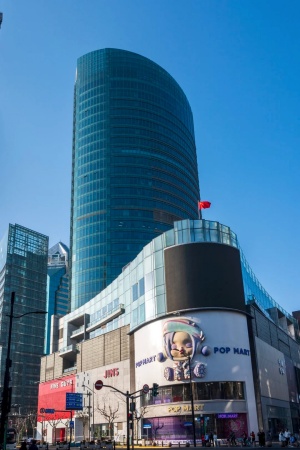
Shopping on Nanjing Road in Shanghai was just amazing! It's truly the "First Commercial Street of China", where tradition and modernity blend perfectly. You can find awesome souvenirs and experience the trendy vibes in cool stores. The neon lights at night are just spectacular, shining bright like Times Square in New York. The food here is incredible too. I had a feast for my taste buds. Shanghai, I'll definitely be back!
Destination(s): Shanghai
Date of Experience: May 08,2024
...
...
Elvis Eva
Canada
Reviewed on June 20,2025
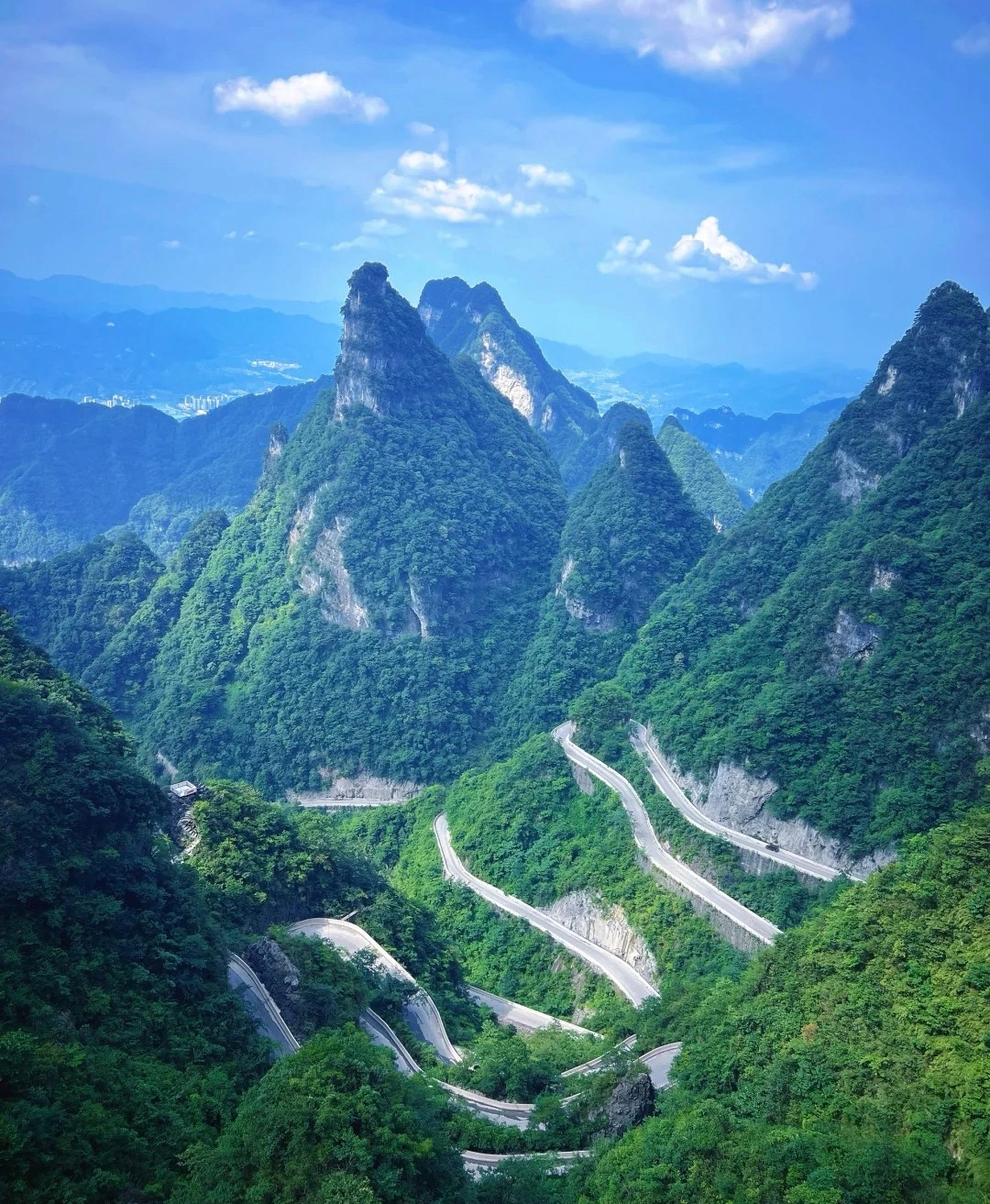
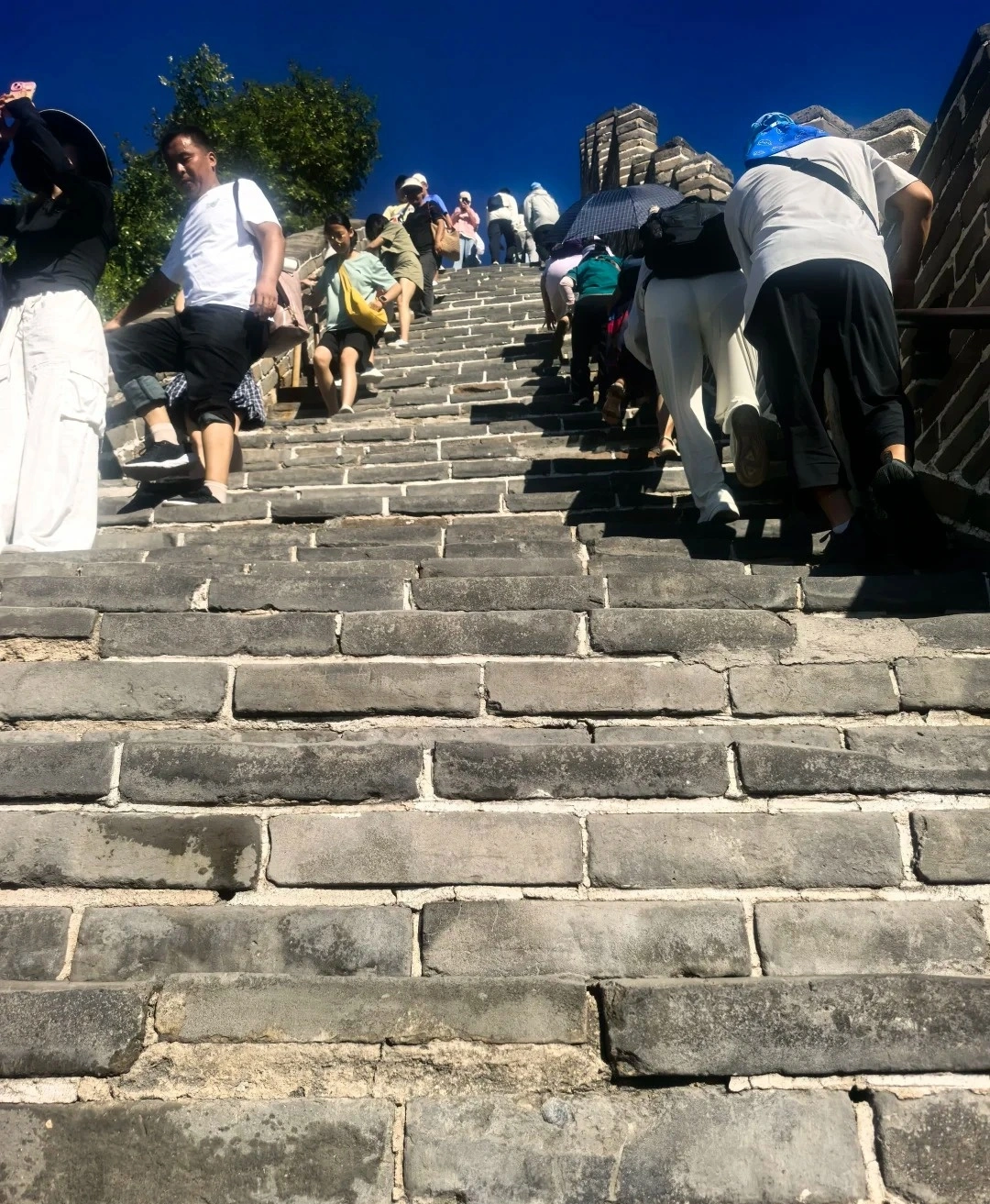
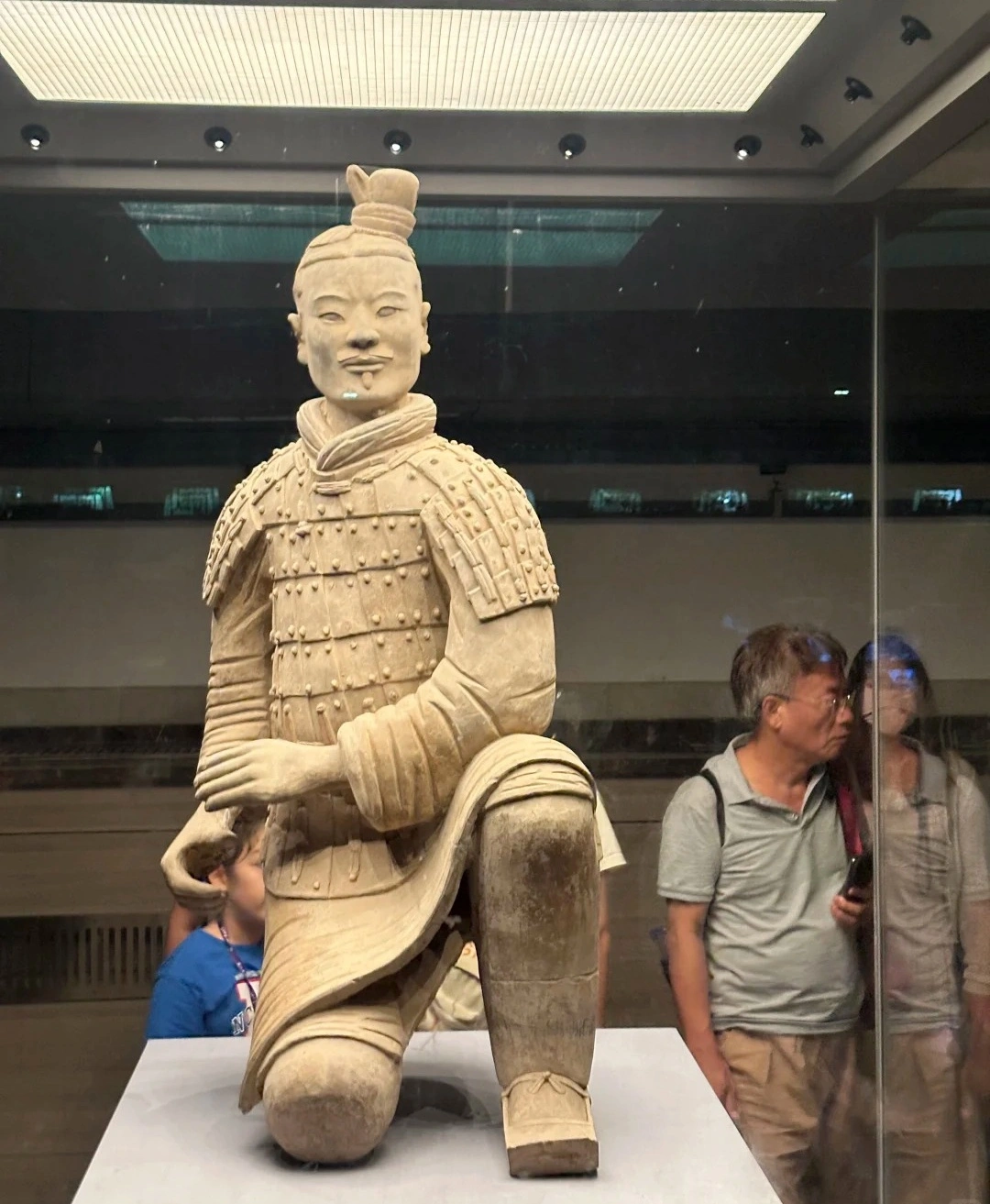
As a solo traveler from Canada, I was nervous about navigating China alone—but this 11-day tour was PERFECT! From hiking the Great Wall at sunrise (Day 3) to gasping at the Terracotta Army (Day 5), every day delivered ‘pinch-me’ moments. The real showstopper? Zhangjiajie’s Avatar Mountains (Day 7)! Our guide made the stone pillars come alive with stories. Massive thanks for handling all logistics—bullet train tickets, entry passes, car! And the 4-star hotels surprised me.
Destination(s): Beijing Xian Zhangjiajie Shanghai
Date of Experience: June 02,2025
... ... ...
...
Simon
America
Reviewed on May 29,2025
Our 2-day Zhangjiajie tour was beyond spectacular! As someone who’s visited Beijing and Shanghai for work, this trip revealed China’s wild, magical heart. Day 1 in Zhangjiajie National Forest Park felt like stepping onto Pandora—I’m a huge Avatar fan, and Yuanjiajie’s floating peaks left me breathless. The misty pillars and lush valleys like pure movie magic! Then came Fenghuang Ancient Town, we eat dinner beside the thundering waterfall. It seems Unreal! The night views of stilt houses glowing over the river were straight from a fairy tale. For fellow Avatar lovers and adventure seekers: Don’t miss this bucket-list experience! 10/10 would return. A Well-Traveled Film Buff, May 2025
Destination(s): Zhangjiajie
Date of Experience: May 08,2025
... ...

Evening Visit to the Chengdu Twin Towers

Is it safe to visit at night?

Absolutely. The High-Tech Zone is one of Chengdu's safest and most heavily monitored areas. Police patrols are present, the lighting is bright everywhere, and you'll find plenty of locals and tourists even late at night. Solo travelers, couples, families—everyone feels comfortable here, even at midnight.

Do I need a ticket?

Zero. The light show is completely free. Jiaozi Park is free. The Jiaozi Ring Bridge is free. You don't need to spend a single cent to experience any of this.

Can I fly a drone?

No. The entire area is a no-drone zone for safety reasons. If caught, your drone will be confiscated and you may be fined. Leave the drone at your hotel.

How long should I stay?

If you just want to watch the light show and snap a few photos: 1 to 1.5 hours is enough. If you want to add the Jiaozi Park reflection shots, walk the Jiaozi Ring Bridge, and then sit down at Tiexiang Temple Water Street: plan for 3 to 4 hours. It's a perfect evening.

Do I need to speak Chinese?

Not at all. This area is very tourist-friendly. Subway signs are in English. DiDi (China's Uber) supports international credit cards and has an English interface. Most restaurants near SKP have English menus. We always tell our clients: download DiDi and Google Translate before you land, and you're all set.

What's the weather like? Should I worry about rain?

Chengdu is humid and overcast. Rain is common, especially in summer. But honestly? Rainy nights are even better here—the reflections in Jiaozi Park go from "nice" to "absolutely stunning." Just bring a light jacket.

Ask a Question

Question Summary (100 characters)
Details (optional) (2,000 characters)
Name
Country
Phone
Email