Langzhong Ancient City: A Three Kingdoms Cultural Hub “Living Within Feng Shui”

Langzhong Ancient City: A Three Kingdoms Cultural Hub “Living Within Feng Shui”

Overview: The only fully preserved specimen of ancient Chinese landscape architecture among China's four major ancient cities
Langzhong Ancient City, situated in northeastern Sichuan Province along the middle reaches of the Jialing River, is a “strategic hub of Ba-Shu” founded in 314 BC with over 2,300 years of urban history.

Core Highlights at a Glance
Identity Tags: China's Premier Feng Shui City / Three Kingdoms Cultural Hub / Millennium Ancient City on the Jialing River
Core Experiences: Exploring the ancient city's feng shui layout, paying homage at Zhang Fei Temple, cruising the Jialing River, watching Northern Sichuan lantern opera
Recommended Visit: 1.5-2 days; highly recommended to stay overnight within the ancient city
Address: No. 33 Langzhong Middle Road, Langzhong City, Nanchong City, Sichuan Province

  • Langzhong Ancient City: A Three Kingdoms Cultural Hub “Living Within Feng Shui”-1
  • Langzhong Ancient City: A Three Kingdoms Cultural Hub “Living Within Feng Shui”-2
  • Langzhong Ancient City: A Three Kingdoms Cultural Hub “Living Within Feng Shui”-3
  • Langzhong Ancient City: A Three Kingdoms Cultural Hub “Living Within Feng Shui”-4

Origins: From the Secondary Capital of the Ba State to a Feng Shui Model

Furong Ancient Town

The Founding of the City—The Final Home of the Ba State
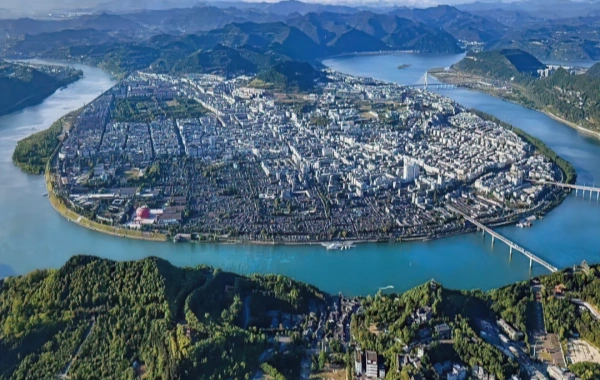
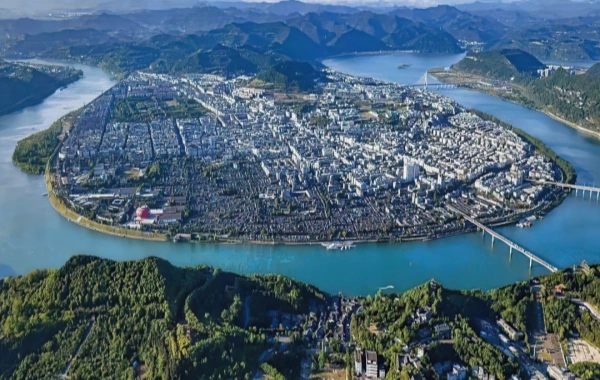
The history of Langzhong traces back to the ancient Ba State period. Around 330 BCE, pressured by the Chu Kingdom, the Ba Kingdom relocated its capital to Langzhong, historically known as the “Second Capital of the Ba Kingdom.” The name ‘Langzhong’ originates from the Old Book of Tang, which records: “The Lang River meanders, encircling the prefecture on three sides, hence the name Langzhong,” vividly describing the unique topography where the Jialing River (ancient name: Lang River) wraps around the city on three sides.
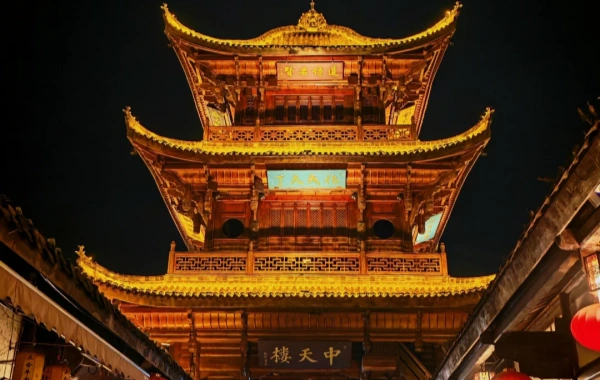
The city's true layout was established during the Tang Dynasty. In the early Tang period, renowned astronomers and calendar scholars Yuan Tiangang and Li Chunfeng successively arrived in Langzhong. Captivated by its scenic beauty, they settled here long-term to observe celestial phenomena. Guided by traditional Chinese geomancy (Kanyu studies), they systematically planned and constructed the city. They established a grid-like layout centered on Zhongtian Tower, with streets crisscrossing east, west, north, and south like a chessboard. This made Langzhong one of the few cities in Chinese history built entirely according to geomancy principles, earning it the title of “China's First Geomancy Ancient City.”

Legendary Generals Guarding the City—The Tragic Epic of Shu Han
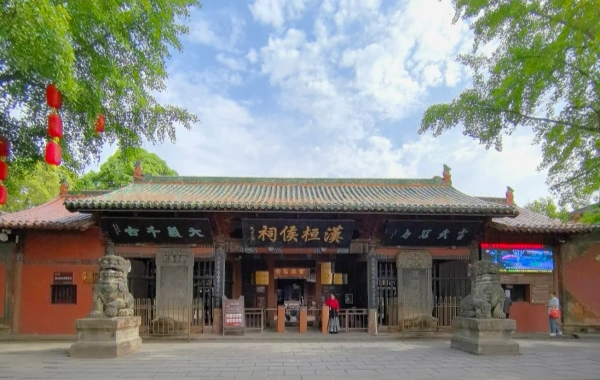
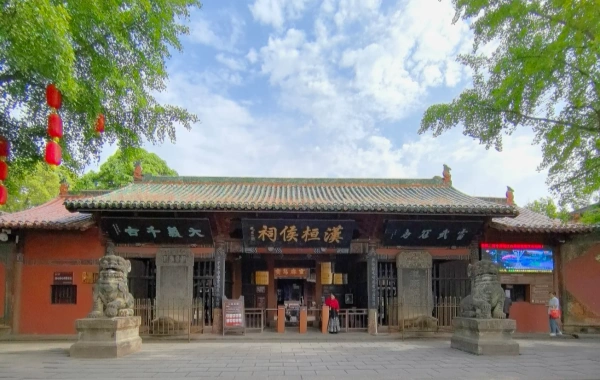
Another layer of Langzhong's legend stems from the Three Kingdoms period. In 214 AD, Zhang Fei, a renowned general of Shu Han, was appointed by Liu Bei as the Governor of Bazhi Commandery, guarding Langzhong for seven years. Zhang Fei protected the borders, ensured the people's safety, and promoted agriculture and sericulture, earning deep affection from the populace. In 221 AD, Zhang Fei was assassinated by his own men while rushing to avenge Guan Yu. His body was buried in Langzhong, while his head was transported to Yunyang. Consequently, the Han Huanhou Temple (Zhang Fei Temple) in Langzhong houses his physical remains, known as the “Martial Body,” where incense has burned continuously for nearly 1,800 years.
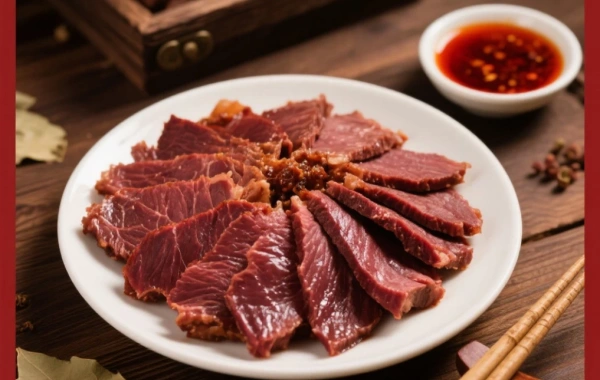
Zhang Fei's era of governance imbued this feng shui city with heroic spirit—loyalty, bravery, and indomitable resolve. Numerous relics and legends associated with him remain within the city walls to this day, such as the “Zhang Fei Beef” crafted by his troops and the “chariot and horse paths” he used for city patrols. The imprint of Three Kingdoms culture is deeply embedded in the fabric of this ancient city.

> Explore Further: Discover More Three Kingdoms Historical Sites in China >> [Chengdu Wuhou Temple]

Must-See Wonders: The Symphony of Feng Shui, Architecture, and History

Furong Ancient Town Furong Ancient Town Furong Ancient Town Furong Ancient Town Furong Ancient Town Furong Ancient Town

Feng Shui Layout—A Model City of Heaven-Earth Harmony
The essence of Langzhong Ancient City lies first in its visually discernible, perfect feng shui layout.
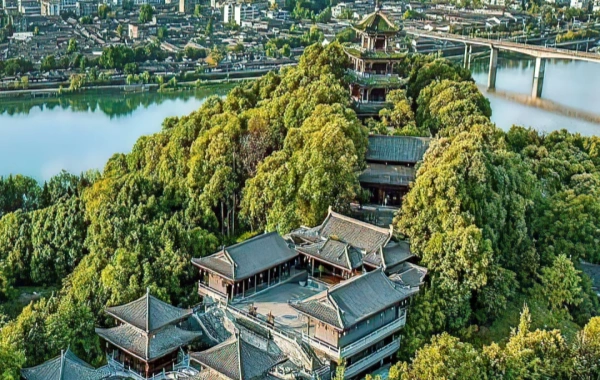
- Topographical Features: Nestled at the convergence of the Daba Mountains, Jianmen Mountains, and the Jialing River system, the ancient city embodies the ideal feng shui model of “dragon (mountain range), sand (hills),穴 (city site), water (river), and orientation (facing direction).” Panlong Mountain to the north serves as the “guardian mountain,” while Jinsheng Mountain to the south acts as the “desk mountain.” The Jialing River encircles the city, creating a “golden city embraced by water” formation that forms a natural landscape painting and defensive barrier. Ascending Jinsheng Mountain or White Pagoda Mountain offers a panoramic view that reveals the marvel of this layout.
- Street Layout: The internal street network of the ancient city also holds hidden significance. Centered on Zhongtian Tower, four main thoroughfares extend outward in cardinal directions. Secondary streets and alleys radiate from these axes in a layered, chessboard-like pattern, symbolizing the “Ten Paths of Heaven's Heart.” This layout not only facilitates transportation and defense but also embodies the philosophical concept of “unity between heaven and humanity.” Zhongtian Tower itself is regarded as the feng shui focal point of the ancient city.

Architectural Code—A “String-of-Pearls” Museum of Ming-Qing Residential Architecture
The city preserves 1.78 square kilometers of ancient buildings, including hundreds of Ming and Qing courtyard residences. Together, they form a rare “string-of-pearls” pattern of ancient architecture in China.
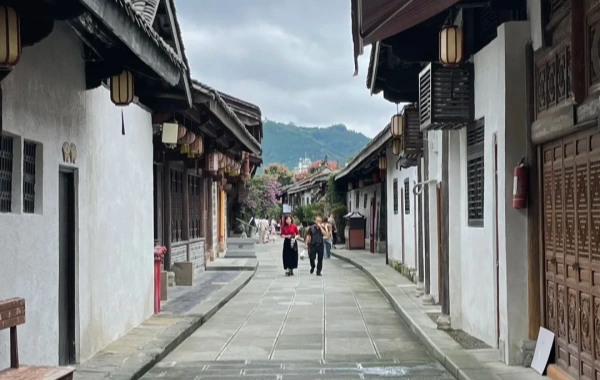
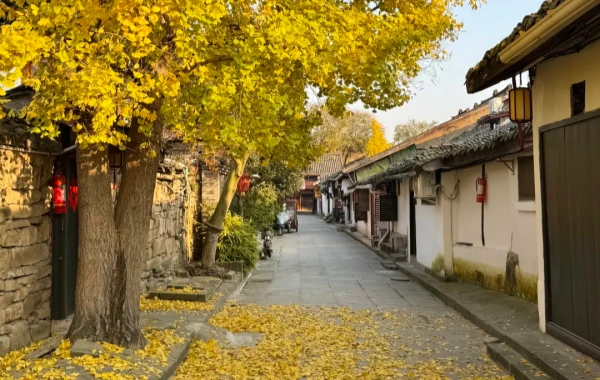
- Ancient Streets and Courtyards: Strolling along cobblestone streets like Wumiao Street, Xuedao Street, and Xianxin Street, one encounters continuous rows of timber-framed courtyard houses. Most were built by wealthy merchants and officials during the Ming and Qing dynasties, characterized by “front shops, rear residences” and multi-courtyard layouts. Notable examples include the Hu Family Courtyard (showcasing northern Sichuan wedding customs), the Kong Family Grand Courtyard, and the Zhang Family Small Courtyard. Their blue-tiled roofs and whitewashed walls are complemented by carved doors and windows, with the most exquisite being the openwork window carvings. These feature motifs of fortune, rank, longevity, and happiness, alongside floral, animal, and bird designs—each window a work of art.
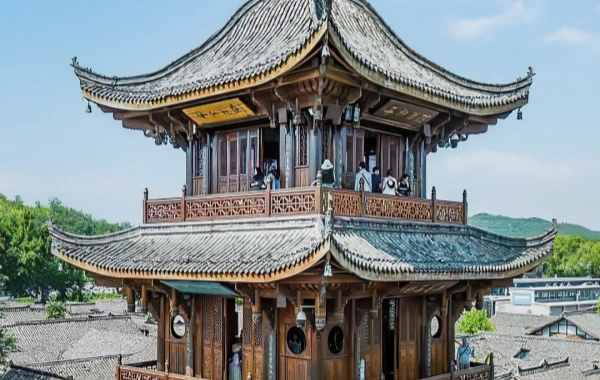
- Zhongtian Tower: Located at the heart of the ancient city, this three-story wooden pavilion was originally built during the Tang Dynasty but features Ming and Qing architectural styles. Ascending the tower offers panoramic views of the entire ancient city, with its four main streets clearly visible—the best vantage point to appreciate the city's grid-like layout.
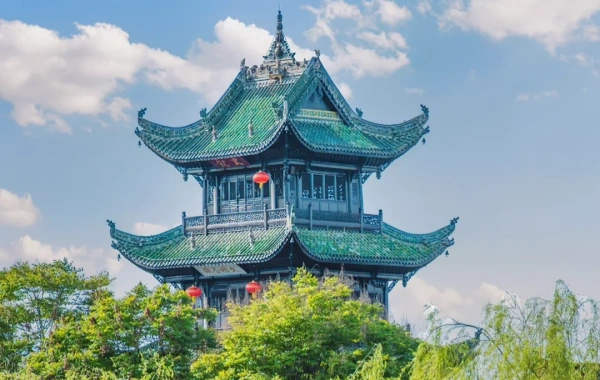
- Huaguang Tower: Standing majestically by the Jialing River, this tower is hailed as the “First Tower of Langyuan” and serves as the city's iconic landmark. From its heights, the sweeping vistas of the Jialing River blend with the layered roofs of the ancient city, creating a truly magnificent panorama.

Cultural Heritage Sites—Layers of Diverse Historical Fusion
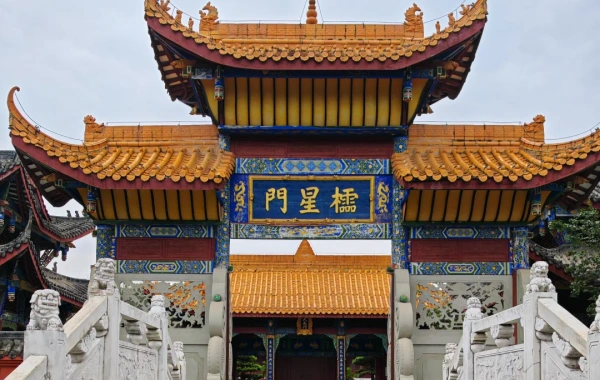
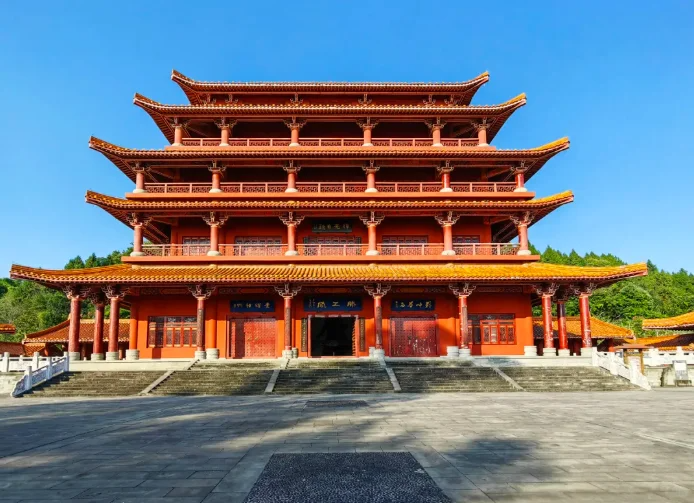
- Han Huanhou Temple (Zhang Fei Temple): A nationally protected cultural relic. This grand temple complex includes a mountain gate, the Defend Ten Thousand Tower, main hall, rear hall, and houses a statue of Zhang Fei alongside historical steles. Its most distinctive feature is the “Zhang Fei Tomb” within the temple grounds, surrounded by towering ancient trees in solemn reverence, marking the final resting place of this mighty warrior.
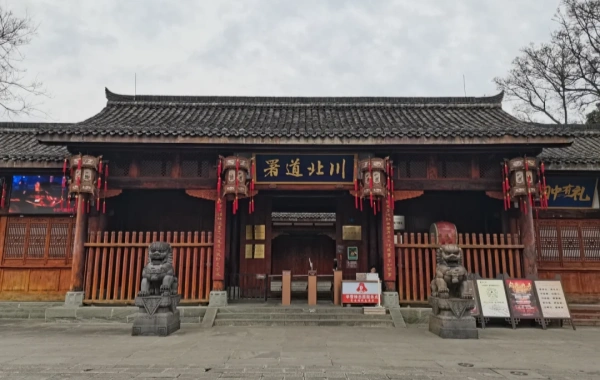
- Northern Sichuan Provincial Examination Hall: One of the best-preserved Qing Dynasty provincial examination halls in China. Here, visitors can explore the rigorous procedures of ancient imperial examinations and even participate in an immersive “time-travel” exam experience, feeling the hardships and glory of “ten years of arduous study.”
- Mosque and Gospel Hall: The ancient city also coexists with Baba Mosque (a holy site of Islam's Ghadiriyyah sect) and Gospel Hall (a Western-style building), reflecting the harmonious coexistence of diverse cultures throughout history.

> Photography Tips:
The optimal panoramic vantage points are on Jinping Mountain or White Pagoda Hill opposite the ancient city, offering sweeping views of the cityscape, the Jialing River's great bend, and distant mountains.
Huaguang Tower serves as an exceptional vantage point for capturing the layered architecture of the ancient city against the river backdrop, particularly at sunset.
Early morning in the ancient city's alleys, where light filters through ancient wooden windows onto cobblestone pavements, offers an ideal time for documentary-style photography.
Zhongtian Tower provides a perfect perspective for capturing the depth and symmetrical beauty of the four main streets.

Core Experience: Immersive Guide to Langyuan Life

Furong Ancient Town Furong Ancient Town Furong Ancient Town

Five Must-Do Activities to Unlock the Complete Ancient City Experience
1. Ascend Huaguang Tower to Survey the Spring Waters: Climb the “First Tower of Langyuan” to overlook the Jialing River winding like a jade ribbon. Take in the city's densely packed blue-tiled roofs and experience the poetic imagery of “Three sides embrace the city with river light, Four sides lock mist and clouds with mountain peaks.”
2.  Visit a Historic Courtyard Mansion and Live Like a Noble for Half a Day: Choose one or two representative ancient courtyards (such as Hu Family Courtyard or Kong Family Mansion) for an in-depth tour. Sip a bowl of tea in the central courtyard while the owner shares tales of their family's past. Touch the exquisite wood carvings and feel as if time has reversed.
3.  Honor a hero's spirit, read a chapter of Three Kingdoms history:     Enter the Temple of Han Huan Hou and stand quietly before Zhang Fei's tomb. Learn how this mighty warrior spent seven years in Langzhong not only fighting battles but also governing the region, revealing the multifaceted and tragic nature of historical figures.
4. Savor a bowl of beef noodles, taste a feast of Langzhong flavors:
    - Must-try dishes: Zhang Fei Beef (dry-roasted for rich flavor), Baoning Vinegar (one of China's four famous vinegars, used in cooking or sipped neat), Langzhong's Three Treasures Soup (combining beef, steamed buns, and vinegar), Steamed Buns with Sugar.
    - Snack hunts: Steaming street-side beef mince noodles, Northern Sichuan cold jelly, oil tea and fried dough sticks.
5.  Night Cruise on the Jialing River: Illuminated Ancient City at Dusk: As night falls, board a cruise ship for a nighttime journey along the Jialing River. Ancient city walls and modern buildings along both banks glow with lights, their reflections shimmering on the water. Viewing the ancient city from the river offers a uniquely enchanting perspective.

Suggested Tour Routes
Langzhong Ancient City's attractions are concentrated, making walking the primary mode of exploration. The core area can be explored in a day, but for a deeper immersion in feng shui culture and surrounding landscapes, plan 1.5 to 2 days.
One-Day “Core City” Express Tour (Efficient Check-in):
Morning: Enter from the Visitor Center → Visit the Northern Sichuan Provincial Examination Hall → Walk to Zhongtian Tower for panoramic views → Explore Han Huan Hou Temple (Zhang Fei Temple).
Lunch: Sample authentic Zhang Fei beef or beef noodle soup near Zhuangyuan Lane.
Afternoon: Stroll Wu Temple Street and Xuedao Street, visit 1-2 ancient courtyards like Hu Family Courtyard → Ascend Huaguang Tower for river views → Walk along riverside promenade.
Evening: Enjoy a Langzhong specialty dinner, take a night cruise on the Jialing River, or wander the ancient city.
IntoTravelChina Tip: This itinerary covers the most essential historical and cultural sites within the ancient city at a comfortable pace. Purchasing a combined ticket for multiple attractions offers better value.
Two-Day “Feng Shui & Culture” Immersion Tour (Recommended):
Day 1 (In-Depth Ancient City Exploration):
Morning: Relaxed check-in at a distinctive inn within the ancient city → Systematic tour of the Imperial Examination Hall and Confucian Temple to experience the imperial examination system and Confucian culture.
Afternoon: Focused visit to the Han Huan Hou Shrine → Explore 3-4 distinctive ancient residential courtyards, comparing their architectural similarities and differences.
Evening: Savor a Langyuan-style feast, take a night cruise on the Jialing River, and enjoy the light show.
Day 2 (Feng Shui Layout & Scenic Landscapes):
Morning: Hike or drive up Jinping Mountain opposite the ancient city. From vantage points like the observation deck, stele forest, and Du Fu Memorial Hall, observe and interpret the city's feng shui layout from multiple angles.
Afternoon: Option A: Visit the shrines and observation platform ruins of Tang Dynasty feng shui masters Yuan Tiangang and Li Chunfeng. Option B: Explore Tengwang Pavilion (built in the Tang Dynasty, distinct from the one in Nanchang) or Dafo Temple in the city outskirts.

IntoTravelChina Advantage: We arrange professional feng shui cultural guides, book scenic guesthouses with prime locations, and design seamless itineraries linking mountain hikes with city tours—ensuring your Langzhong journey reveals both the what and the why. >> [Request a Custom Tour Now]

Complete Travel Guide: Transportation, Accommodation, and Seasons

Furong Ancient Town

Getting There: Seamless Travel Guide
Langzhong is easily accessible via multiple transportation options.

- High-Speed Rail (Highly Recommended): Direct bullet trains operate from Chengdu, Chongqing, Xi'an, and other cities to Langzhong Station. After exiting the station, take a bus or taxi for approximately 15-20 minutes to reach the ancient city.

- Air: The nearest airports are Nanchong Gaoping Airport (about 1.5 hours by car from Langzhong) and Guangyuan Panlong Airport (about 2 hours by car from Langzhong). Transfer to a bus or train upon arrival.
- Coach: Direct long-distance coaches to Langzhong operate from Chengdu, Chongqing, Nanchong, and other cities.
- By Car: Navigate to “Langzhong Ancient City.” The expressway network is well-developed. Vehicles are prohibited from entering the core ancient city area and must be parked at outer-city parking lots (e.g., Zhuangyuanfang Parking Lot, Zhanbei Dock Parking Lot).

Best Time to Visit
Langzhong is suitable year-round, but spring and autumn offer the most comfortable conditions.
- Spring/Autumn Peak Season (March–May, September–November): Mild weather and gentle sunshine make this ideal for strolling through the ancient city and enjoying panoramic views.
- Summer (June–August): Hotter temperatures prevail, though the Jialing River area remains relatively cool—perfect for evening strolls. Remember sun protection and heat precautions.
- Winter (December–February): Temperatures drop, but fewer tourists allow you to experience the quiet essence of the ancient city. During the Spring Festival, Langzhong—as the “Hometown of Spring Festival Culture”—bustles with festive atmosphere and rich folk activities.

Accommodation Options
- Within the Ancient City (Top Choice for Immersive Experience):
    1. Ming-Qing Dynasty Courtyard Inns: The defining feature of Langzhong lodging. Stay in inns converted from century-old residences, sleep on carved wooden beds, and immerse yourself in authentic ancient charm. Some upscale courtyard inns offer comprehensive facilities and attentive service.
    2.  Characteristic Homestays: Numerous options with diverse styles, most preserving rustic exteriors while featuring modernized interiors, offering excellent value.
- Outside the Ancient City (Modern Convenience):
    Hotels in the New District: Along the Jialing River or near the ancient city, numerous modern hotels offer new facilities and convenient parking, ideal for travelers seeking standardized accommodations.

IntoTravelChina Accommodation Booking Tips: During peak seasons (holidays, weekends), popular courtyard inns within the ancient city are highly sought-after—especially those along the river or with viewing terraces. We recommend booking at least 2 weeks in advance. Booking through us ensures you stay in authentic, well-reviewed courtyards with genuine historical charm, avoiding the risk of misleading photos. >> [Click to contact IntoTravelChina travel consultants]

Partner with IntoTravelChina to embark on your journey through Langzhong's feng shui and cultural heritage

The story of Langzhong Ancient City revolves around a city's profound harmony with its natural landscapes, the stirring ballad of heroic loyalty, and the tangible embodiment of an ancient discipline. IntoTravelChina specializes in crafting immersive, personalized, and worry-free cultural travel experiences in China. Our travel experts can:
- Tailor itineraries: Design perfect routes featuring Langzhong and surrounding attractions based on your interests (history, architecture, feng shui, cuisine).
- Provide one-stop services: Handle ancient city combined tickets, unique courtyard accommodations, transportation transfers, professional cultural commentary, and activity reservations.
- Offer exclusive experiences: Arrange in-depth activities like feng shui culture lectures, private banquets in ancient courtyards, and interactive imperial examination simulations.

Transform your Langzhong journey from mere street exploration into a wisdom-filled voyage decoding China's traditional cultural codes.
> Start planning your journey now
> Contact our professional travel consultants today. We'll provide a customized itinerary and quote within 24 hours. >> [Click to contact IntoTravelChina travel consultants]

Recommended Tours

Top 3 tours chosen by most customers to explore in the best way. Check the detailed itinerary, or tailor your own trip now with us.

Zhangjiajie Tour
Lijiang Shangrila Chengdu 7-Day Tour
Zhangjiajie Tour
11-Day Chinese Classic In-depth Tour

11 Days  |  Chengdu-Zhangjiajie-Xi'an-Beijing

Zhangjiajie Tour
Zhangjiajie-Chengdu 7-Days Tour

What Our Clients Say?

Based on 10,000+ traveler reviews

...
Daniel Dorothea
Canada
Reviewed on April 29,2025
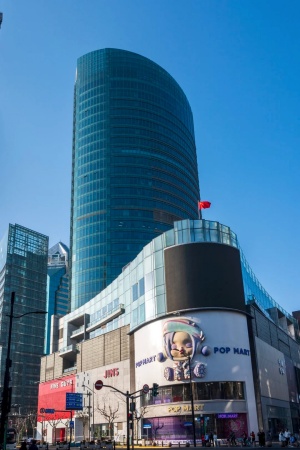
Shopping on Nanjing Road in Shanghai was just amazing! It's truly the "First Commercial Street of China", where tradition and modernity blend perfectly. You can find awesome souvenirs and experience the trendy vibes in cool stores. The neon lights at night are just spectacular, shining bright like Times Square in New York. The food here is incredible too. I had a feast for my taste buds. Shanghai, I'll definitely be back!
Destination(s): Shanghai
Date of Experience: May 08,2024
...
...
Elvis Eva
Canada
Reviewed on June 20,2025
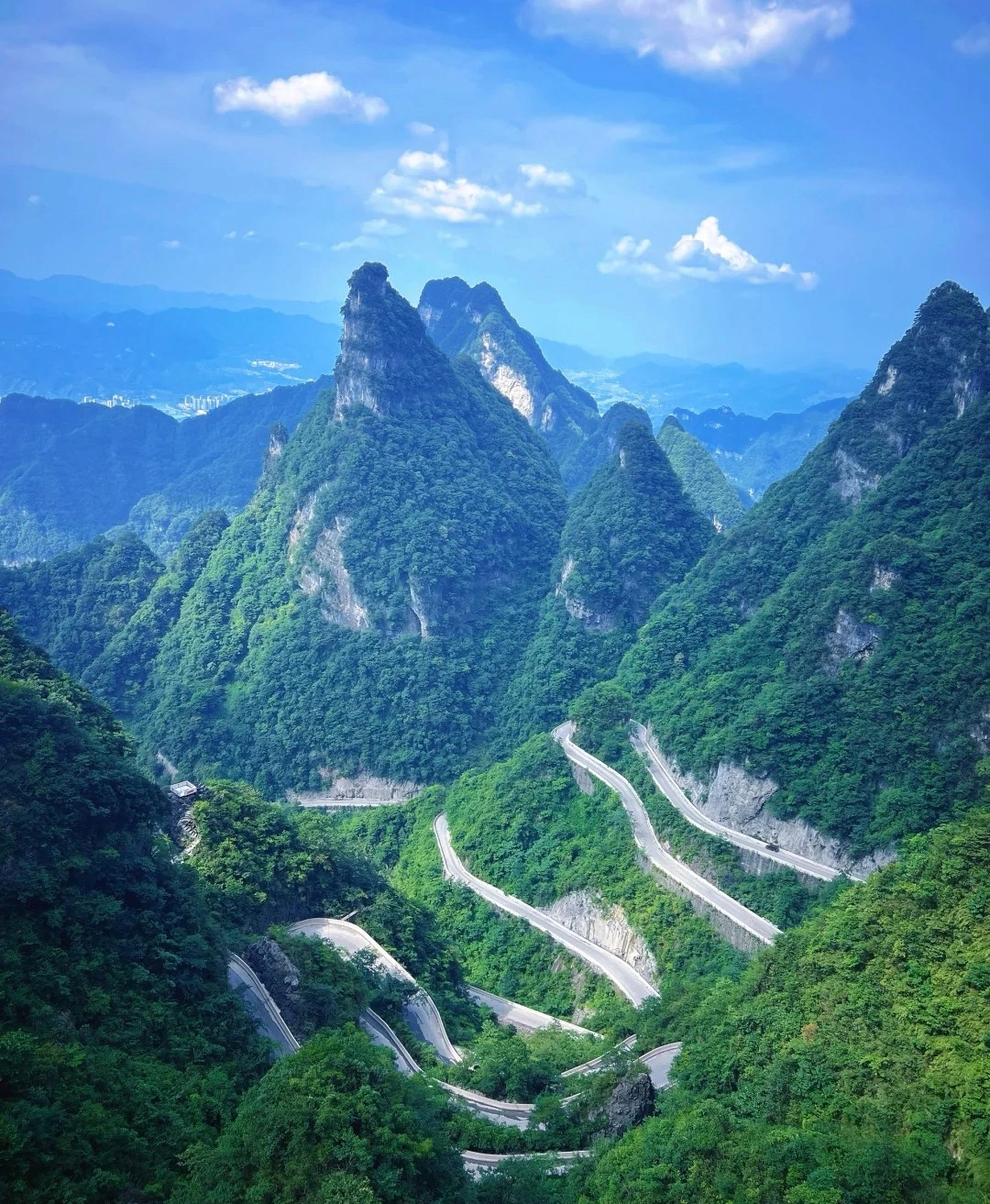
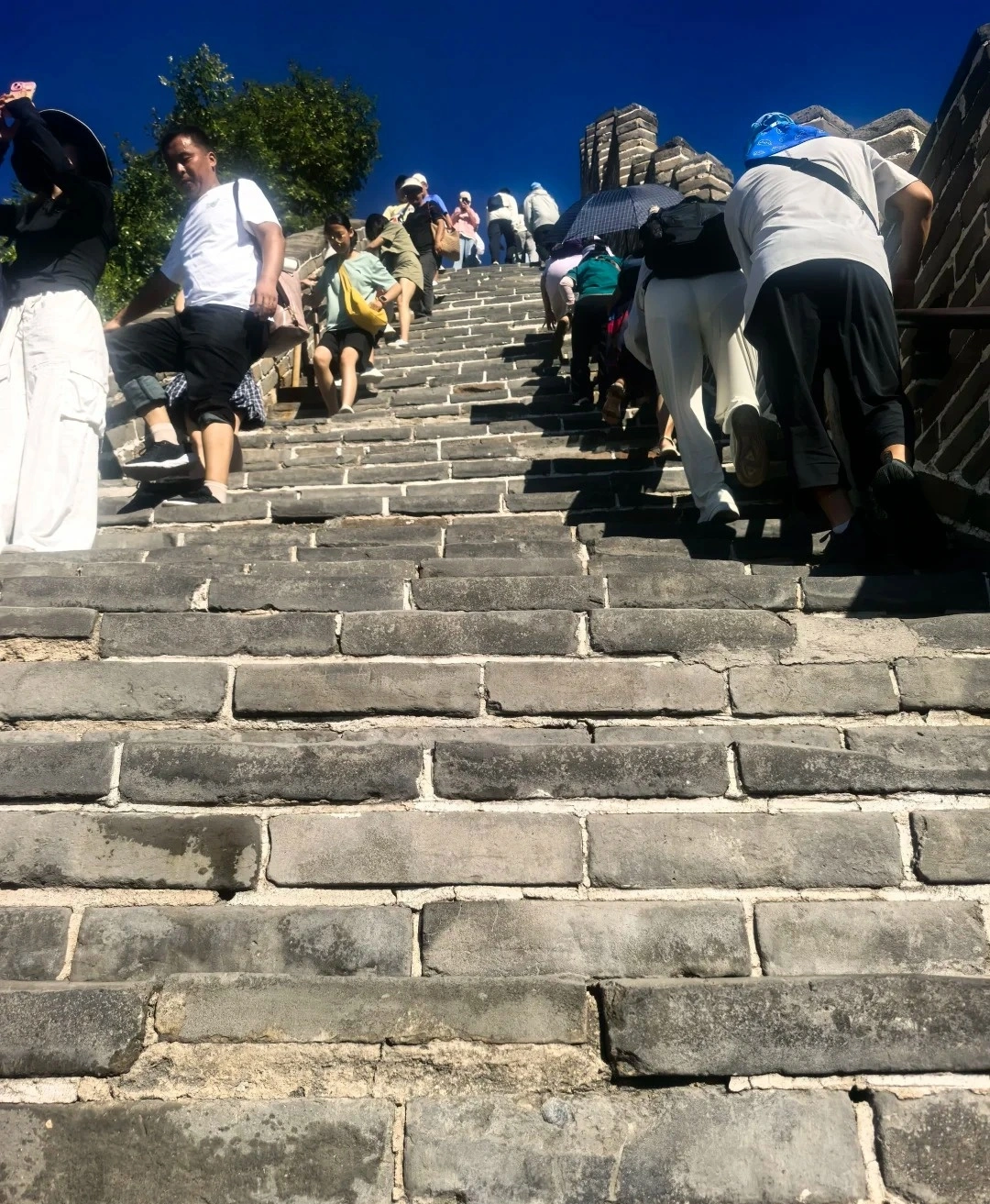
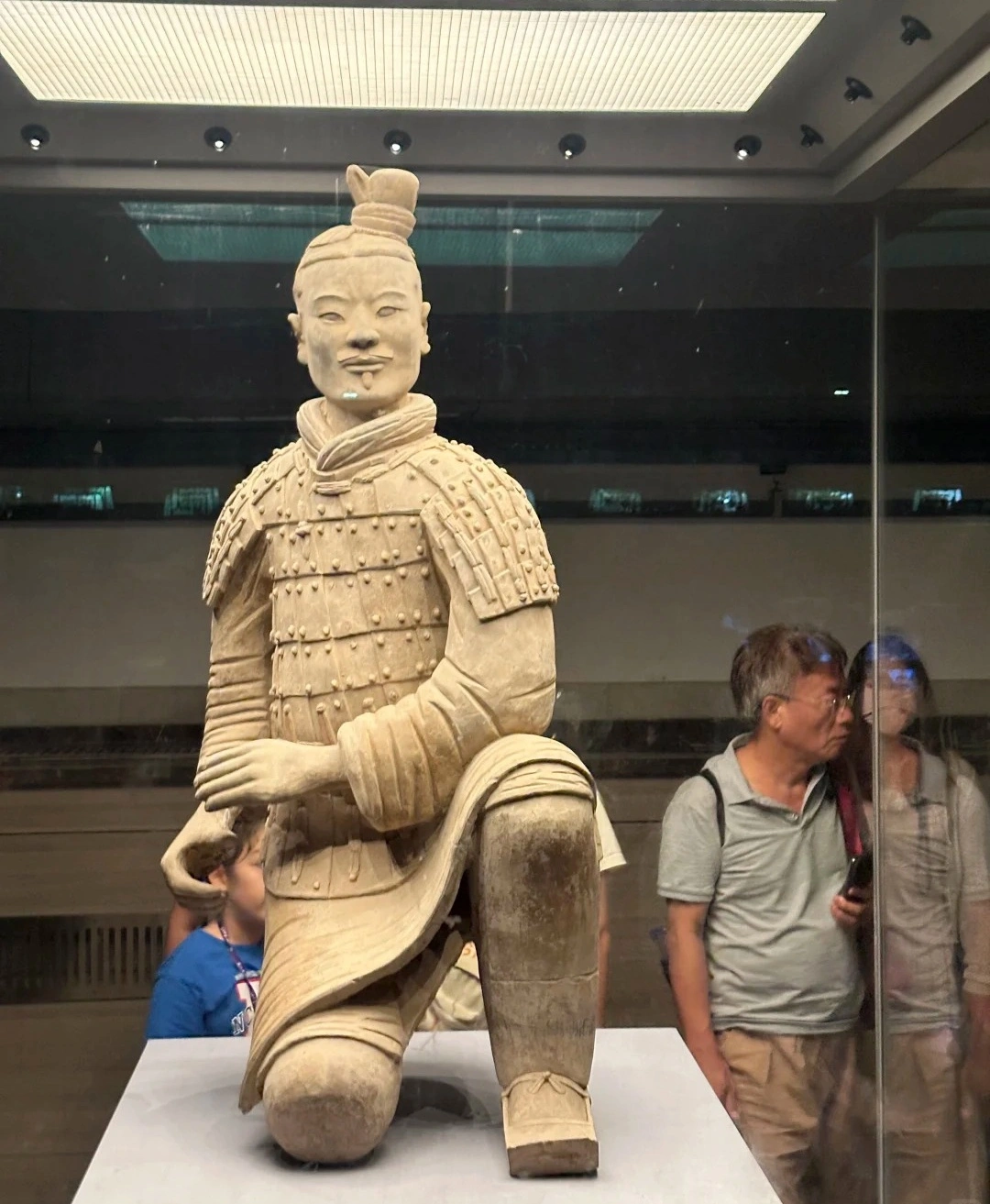
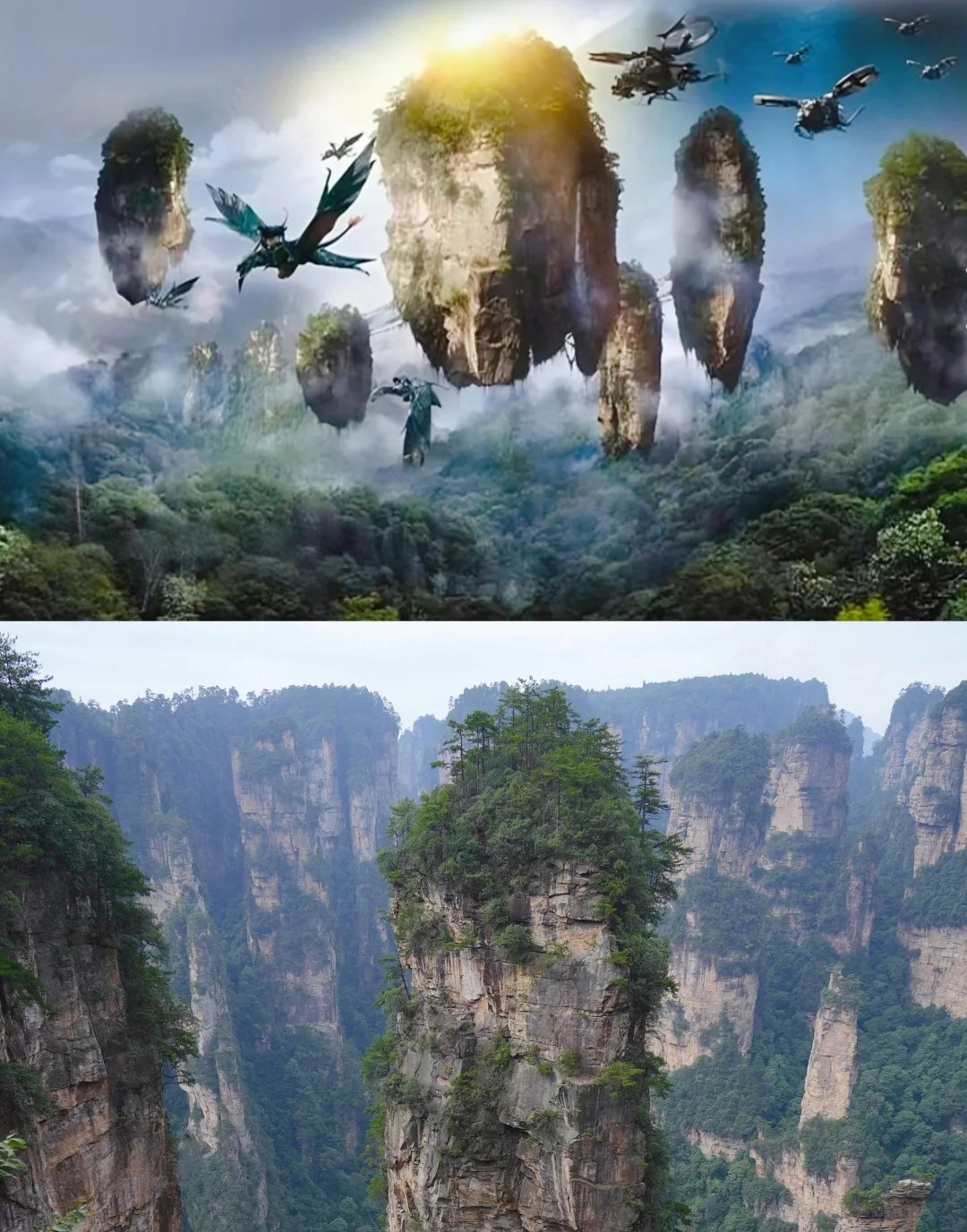
As a solo traveler from Canada, I was nervous about navigating China alone—but this 11-day tour was PERFECT! From hiking the Great Wall at sunrise (Day 3) to gasping at the Terracotta Army (Day 5), every day delivered ‘pinch-me’ moments. The real showstopper? Zhangjiajie’s Avatar Mountains (Day 7)! Our guide made the stone pillars come alive with stories. Massive thanks for handling all logistics—bullet train tickets, entry passes, car! And the 4-star hotels surprised me.
Destination(s): Beijing Xian Zhangjiajie Shanghai
Date of Experience: June 02,2025
... ... ...
...
Simon
America
Reviewed on May 29,2025
Our 2-day Zhangjiajie tour was beyond spectacular! As someone who’s visited Beijing and Shanghai for work, this trip revealed China’s wild, magical heart. Day 1 in Zhangjiajie National Forest Park felt like stepping onto Pandora—I’m a huge Avatar fan, and Yuanjiajie’s floating peaks left me breathless. The misty pillars and lush valleys like pure movie magic! Then came Fenghuang Ancient Town, we eat dinner beside the thundering waterfall. It seems Unreal! The night views of stilt houses glowing over the river were straight from a fairy tale. For fellow Avatar lovers and adventure seekers: Don’t miss this bucket-list experience! 10/10 would return. A Well-Traveled Film Buff, May 2025
Destination(s): Zhangjiajie
Date of Experience: May 08,2025
... ...

Ask a Question

Question Summary (100 characters)
Details (optional) (2,000 characters)
Name
Country
Email